The West has an alfalfa problem.
It’s time for hay farmers to come to the Colorado River water-conservation table
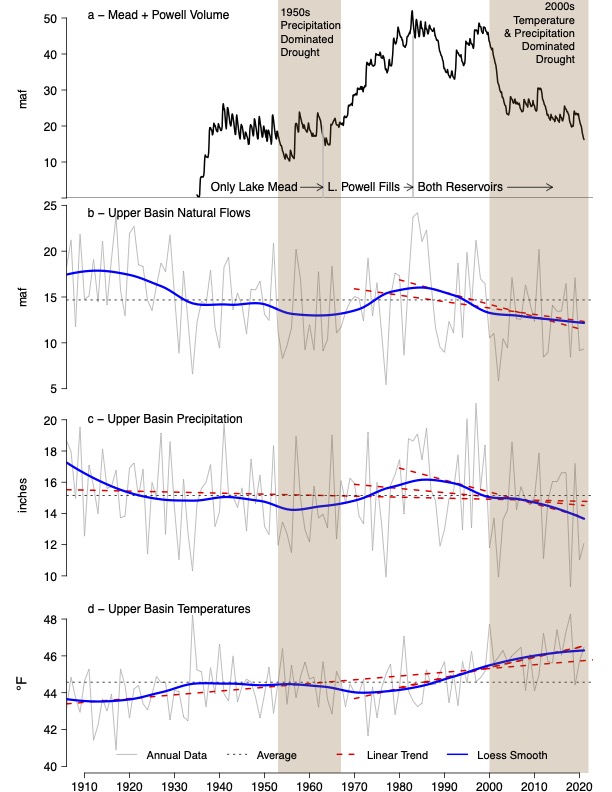
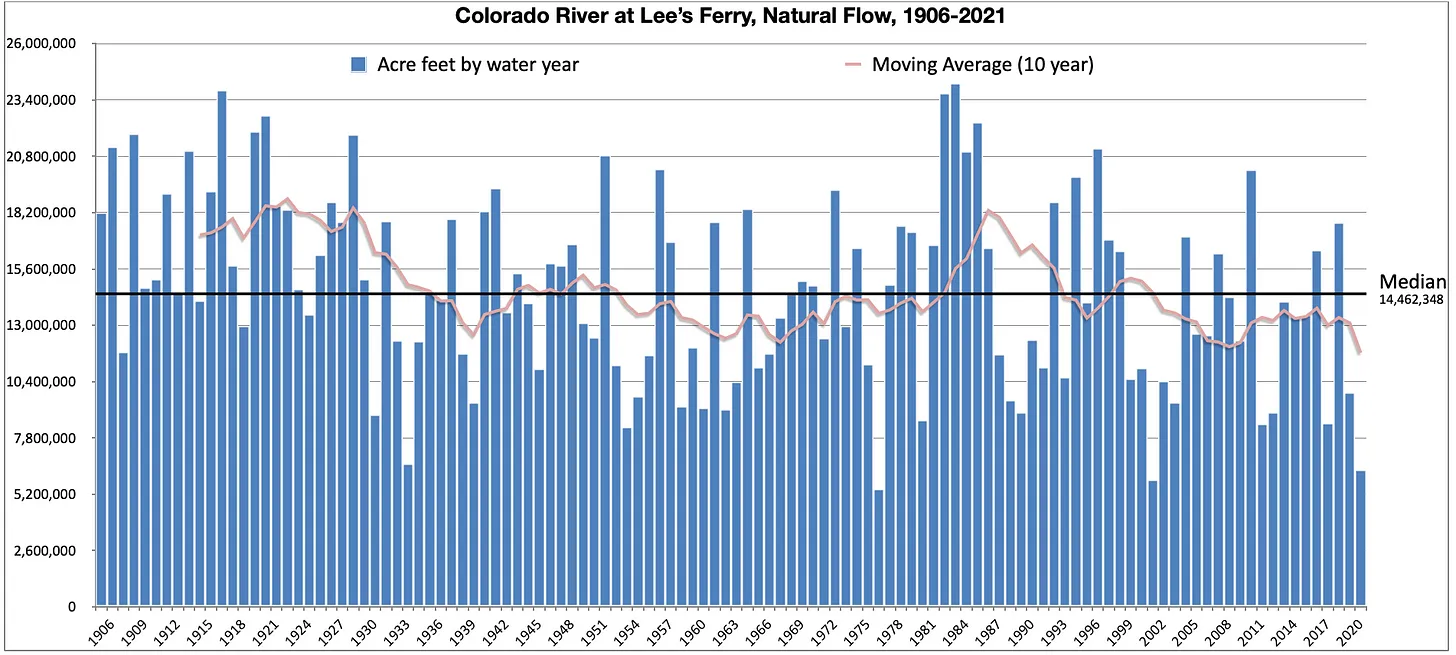
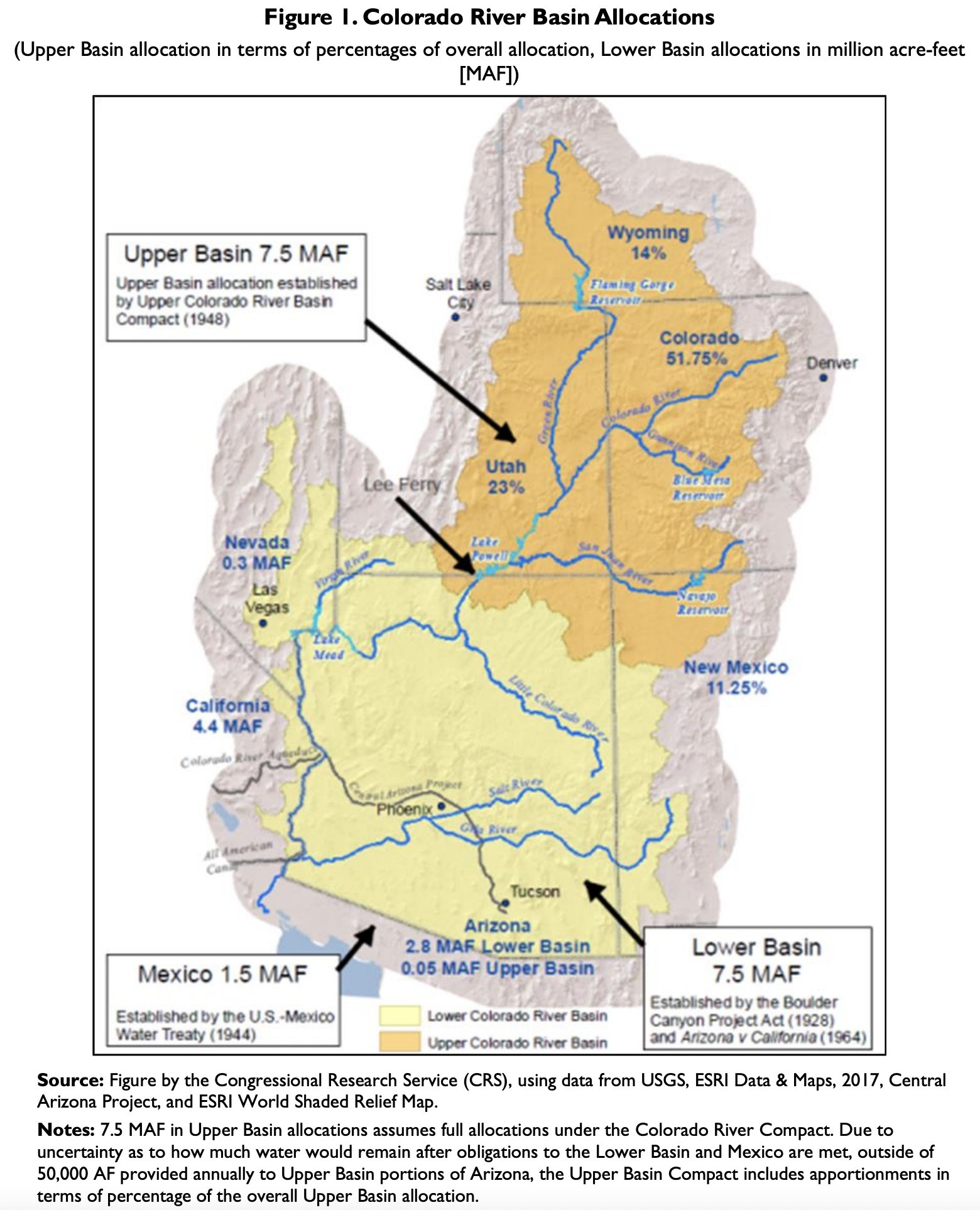
In June, Bureau of Reclamation Commissioner Camille Calimlim Touton told the Colorado River Basin states that they needed to reduce water consumption by 2-to-4 million acre-feet — or as much as 30% of the seven states’ total use — to save the system from collapsing. It was an enormous ask, unprecedented in scope, and probably the first time a Reclamation official’s words ever went viral.
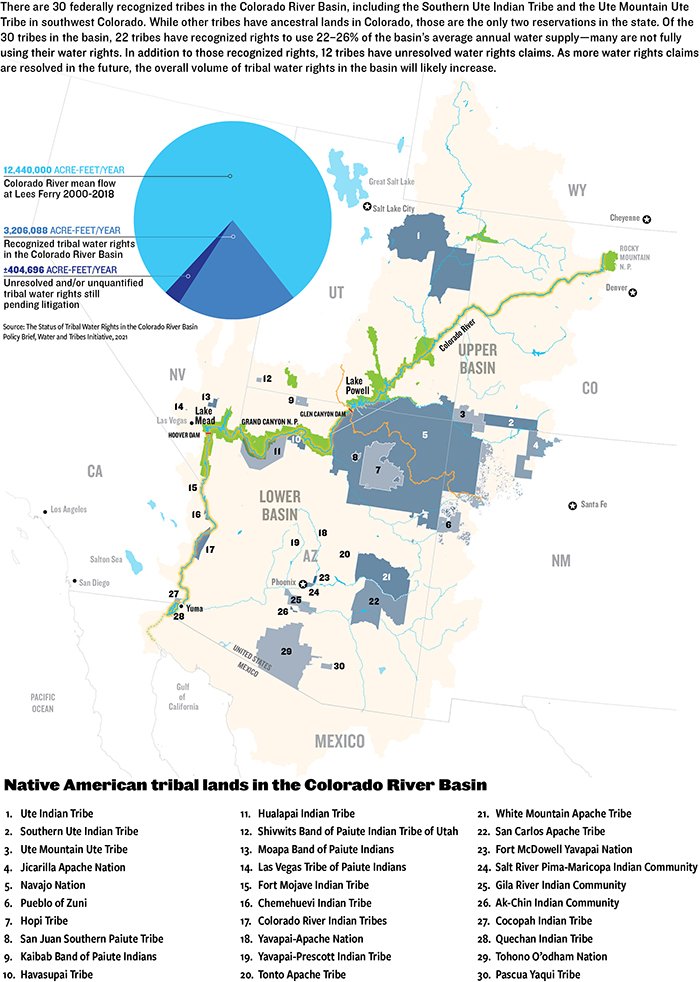
A few weeks later, I stood on a dusty trail in Page, Arizona, looking out at Glen Canyon Dam and wondering whether such huge cuts were even possible, without, say, shutting off every irrigation canal into California. And how could the states possibly manage such a huge reduction while also fulfilling their legal obligation to deliver an equally large amount of additional water to the 30 tribes in the Colorado River Basin?
Part of the answer lay right in front of me: The trail I was hiking followed the edge of the local golf course, an emerald green carpet on the parched red earth. I wondered how much water you could save by cutting off every golf course in the West. Then I started ticking off other water-saving measures
– Tear up the turf lawns;
– Shut down water-guzzling coal power plants;
– Drain private swimming pools, and ban new ones;
– Shut off those Las Vegas fountains*;
– Halt new housing growth;
– Make water recycling the norm;
– Plug the leaks in water-distribution systems;
– Ban water-guzzling data centers in arid areas;
– Structure water rates in a way that discourages waste;
And put water-flow restrictors on LA-area celebrities’ homes to keep them from wasting water.
Surely that would do it. Especially the last item, given that Kim Kardashian was just busted for using 232,000 gallons more than she was supposed to — and doing so in just one month. (Sylvester Stallone was equally guilty.) But when I sat down to tally up the savings all this added up to, I still came up short. Way short.
459 acre-feet
Average annual water used to irrigate a golf course in the Southwest, according to the U.S. Golf Association. (1 acre-foot = 325,851 gallons)
300
Number of golf courses in Arizona, according to Golf Arizona.
145 million gallons
Daily consumptive water use of power plants in Colorado River Basin states, which amounts to about 162,000 acre-feet per year.
Now, 2 million acre-feet is a huge amount of water: enough to fill more than 1 million Olympic-size swimming pools. To get to Touton’s upper goal, you’d need to drain 2.2 million monster-sized pools. Hell, you could shut off every water tap in Las Vegas, and you’d still come up 2-million-swimming-pools’-worth short — or about 1 trillion gallons. In fact, you could halt all municipal water consumption in the Colorado River Basin — dry out Phoenix and Tucson lawns, deprive Los Angeles and Denver of showers and toilet flushing — and it still wouldn’t be quite enough.
“There’s not 2 million acre-feet of municipal use within the Lower Basin (Nevada, California and Arizona) and probably just above that if you look basin-wide,” said Colby Pellegrino, a deputy general manager of the Southern Nevada Water Authority in an executive roundtable in August. “To think this problem can just be solved by cities just is wrong,” she continued. “Agriculture has to step up to the table.”
But I come from a long line of western Colorado farmers, and my instinctive reaction to this kind of talk is: Them’s fighting words! We Upper Basin folks learn early on about “first in time, first in right,” and that if you don’t put all of your allotted water on your fields, it’ll run downstream to overflow Las Vegas’ lavish fountains, the swimming pools of Phoenix and Hollywood celebrities’ private forests. The notion of “buying and drying” farms so the cities can keep growing is anathema.
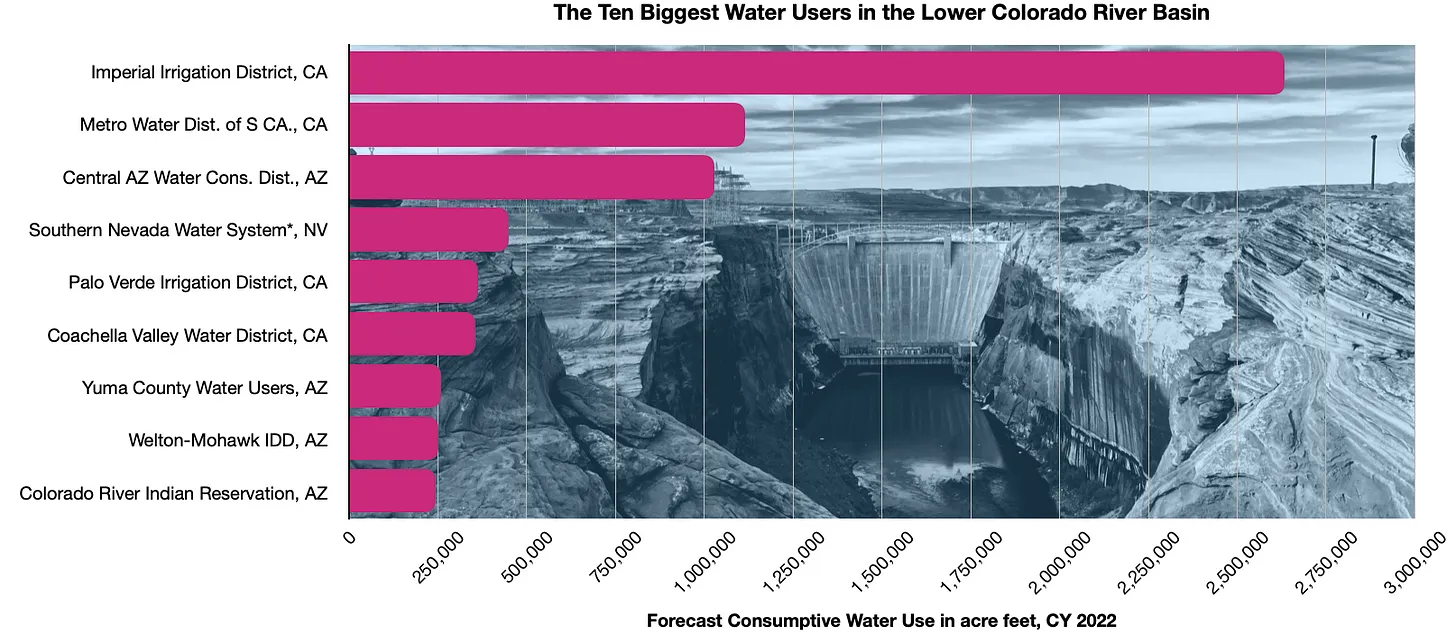
2.6 million acre-feet
Amount of Colorado River water California’s Imperial Irrigation District is expected to consume this year, most of which goes to agriculture.
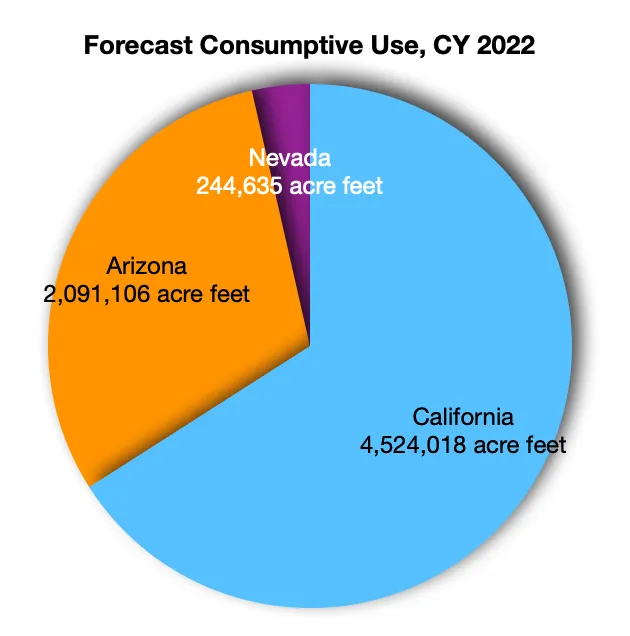
244,635 acre-feet
Amount of Colorado River water Nevada is expected to consume this year. That’s less than half the amount of water that evaporates off of Lake Mead each year.
75%
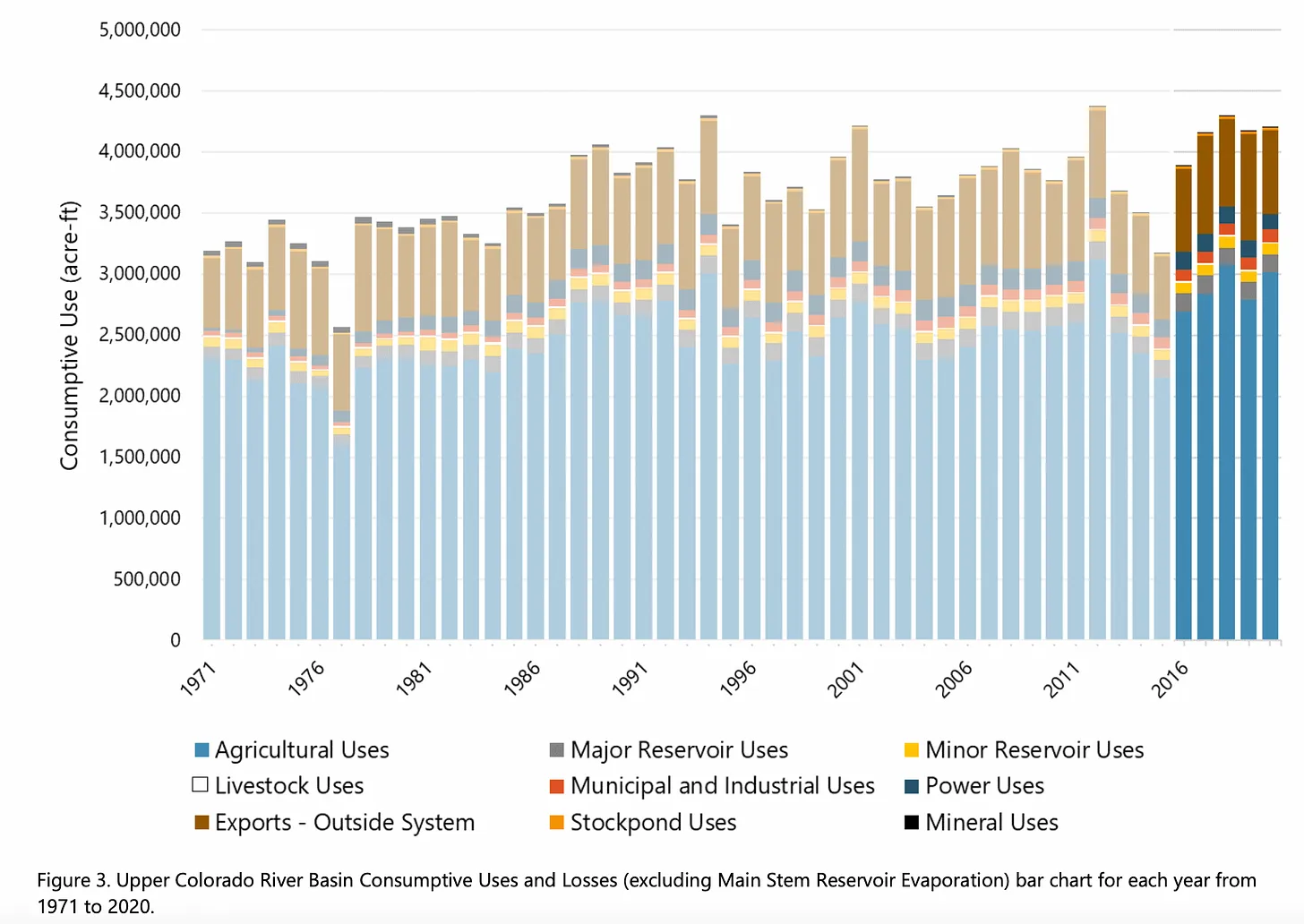
Portion of Utah’s Colorado River use consumed by agriculture in 2018.
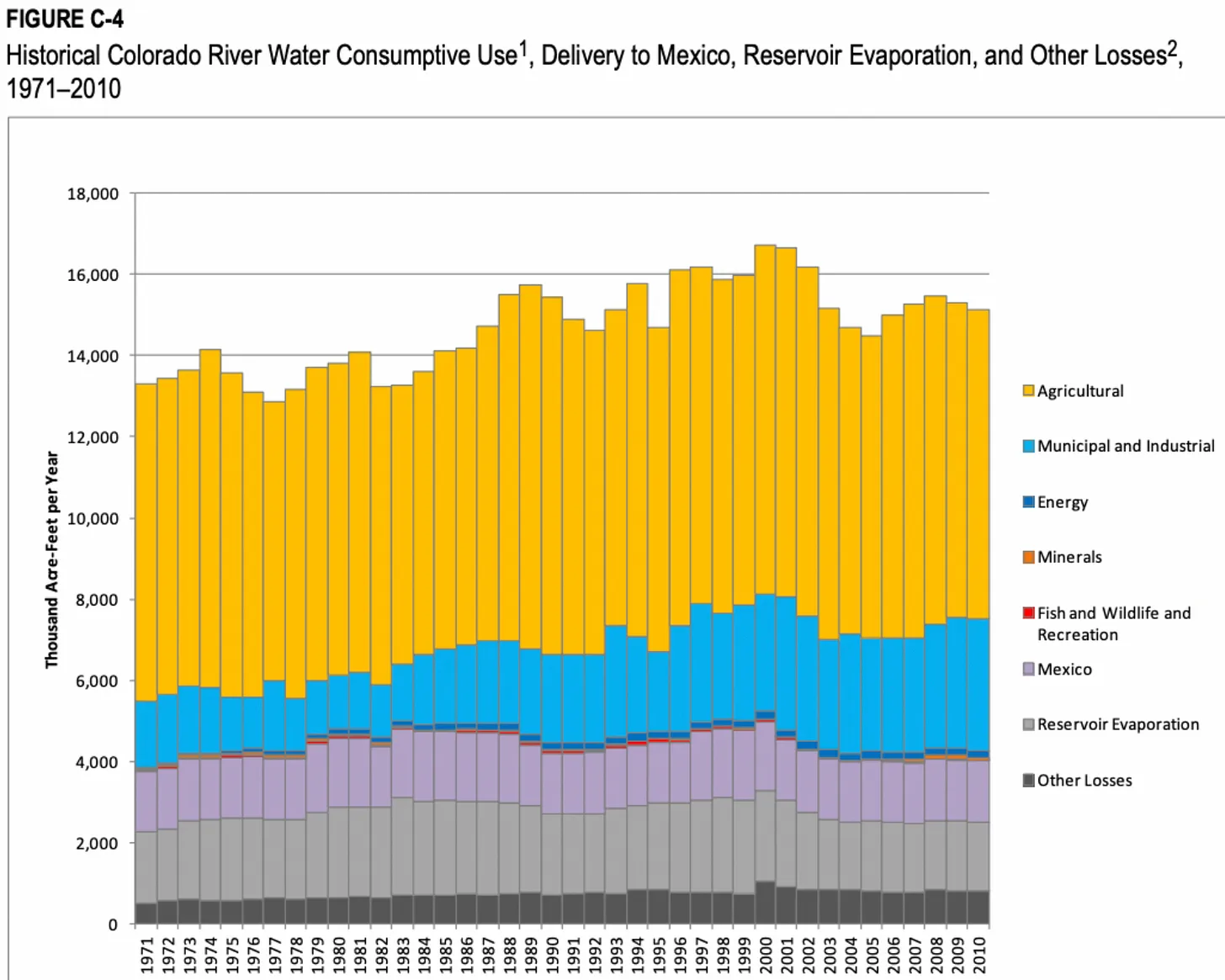
But once I calmed down, I realized that Pelligrino has a point. See, if you want to cut water consumption, you have to tackle the biggest water users. And the biggest user of Colorado River water, by far, is not lawns, not Vegas golf courses (mostly irrigated by recycled wastewater), not the Bellagio fountain, not even Kardashian or Stallone. It’s agriculture, which historically has accounted for up to 80% of all consumptive water use in the Colorado River Basin. Not only do crops need more water than houses, but in most cases, farmers have senior rights to the bulk of the water. And of all the crops grown in the region, alfalfa and hay fields collectively are the thirstiest.
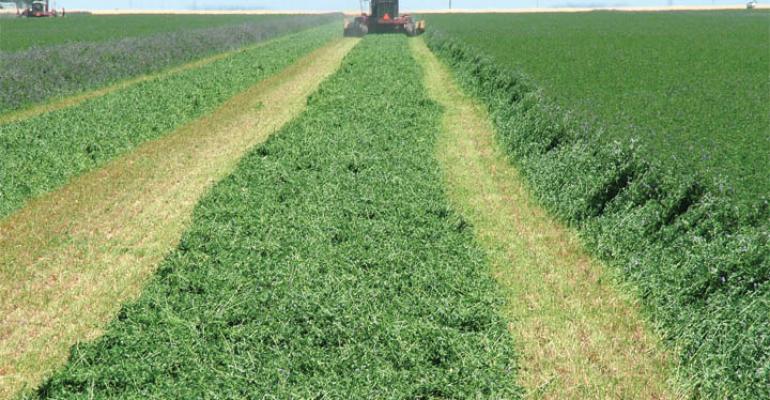
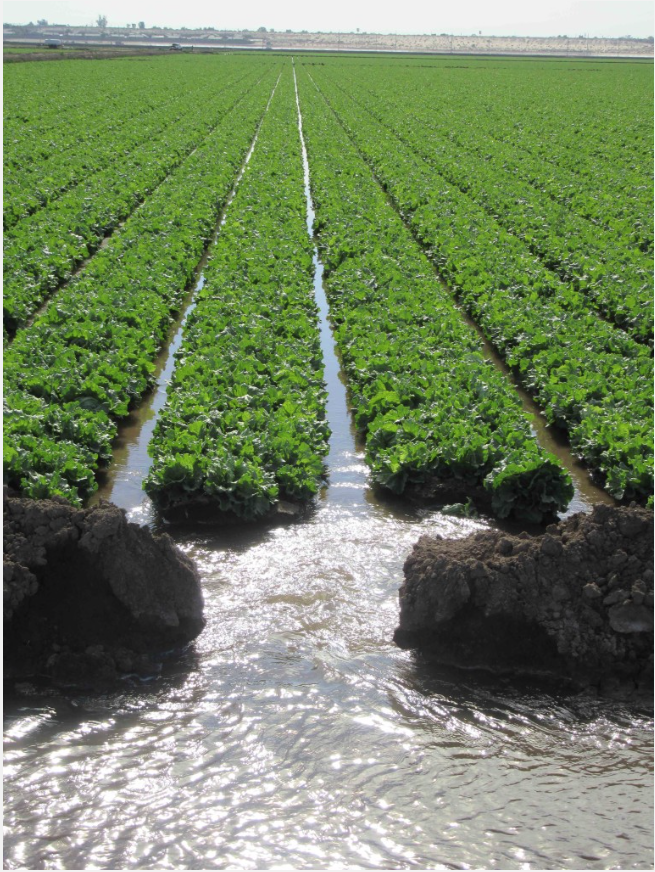
That’s not just because alfalfa uses a lot of water, though it does — about 1.5 million gallons per acre per year, rivaled only for thirstiness by almonds and pistachios. It’s also because so much of the West’s agricultural land is devoted to growing alfalfa. Colorado, Utah and Arizona farmers irrigated about 4.1 million acres of crops in 2017, and nearly half of those acres were in alfalfa. The Colorado River Basin’s largest single water consumer is the Imperial Irrigation District in Southern California, which draws some 2.6 million acre-feet from the river each year, nearly all of which goes to crops. About one-third of the district’s irrigated acreage is devoted to alfalfa, which annually consumes at least 400,000-acre feet of Colorado River water — more than Nevada’s entire allotment.
3 to 6 acre-feet
Amount of water needed annually to irrigate an acre of alfalfa. The amount is greater in hotter, drier climates.
3 million
Acres of irrigated agricultural land in Western states (including the Colorado River Basin) planted with alfalfa grown for forage (hay), grazing or seed in 2022.
$880 million
Value of hay shipped overseas last year from Colorado River Basin states, most of which went to China, Japan and Saudi Arabia.
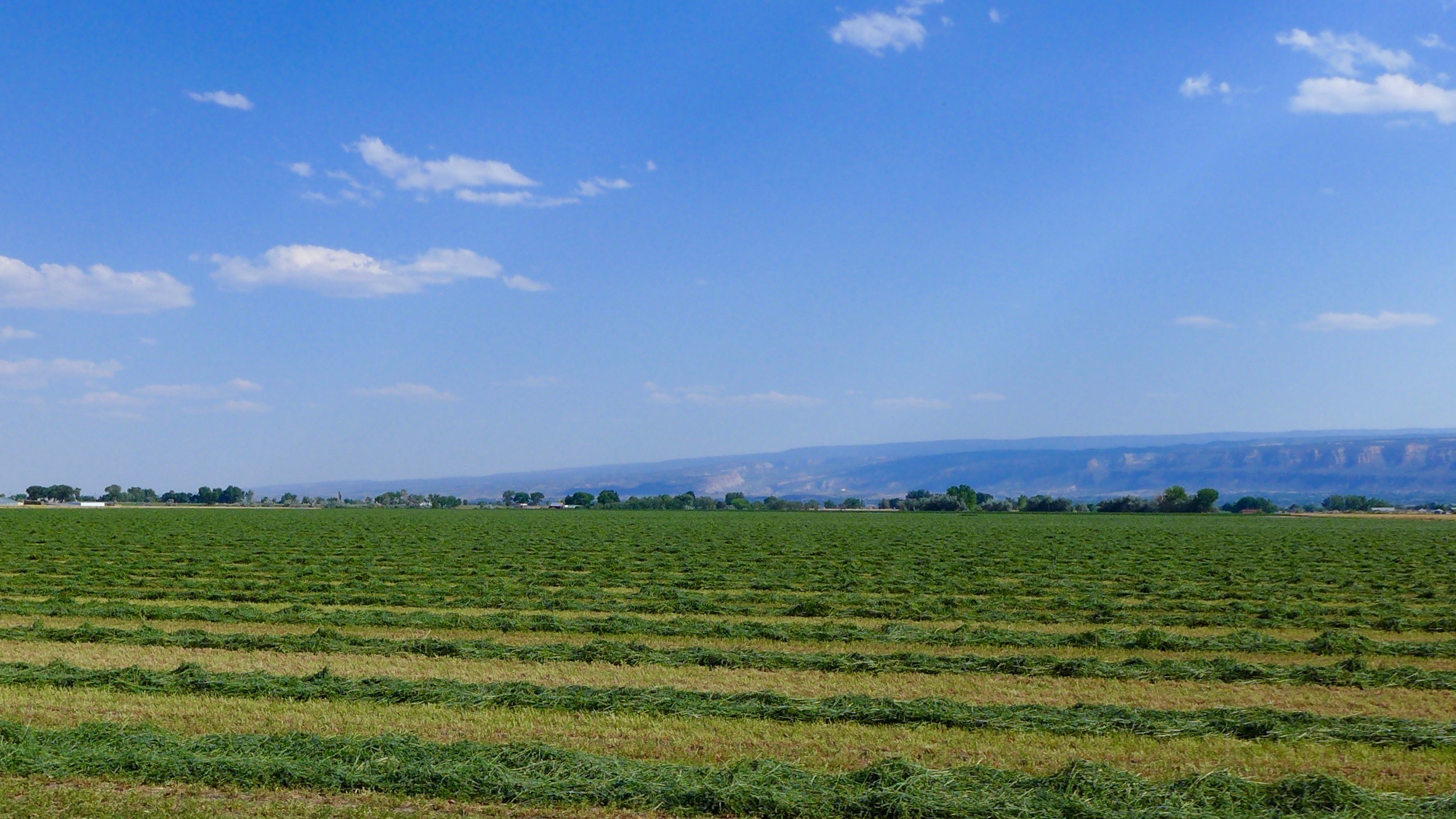
If the Rocky Mountains’ winter snowpack is like a huge reservoir that feeds the Colorado River system, then the alfalfa fields stretching from western Colorado to Southern California comprise a sort of anti-reservoir, sucking up a good portion of the water in order to feed beef and dairy cattle in the U.S., China, even Saudi Arabia. If you were to stop filling up the alfalfa anti-reservoir, or fallow all of the alfalfa fields in the Colorado River Basin, you’d come up with Touton’s desired cuts and then some fairly quickly. It’s simple math.
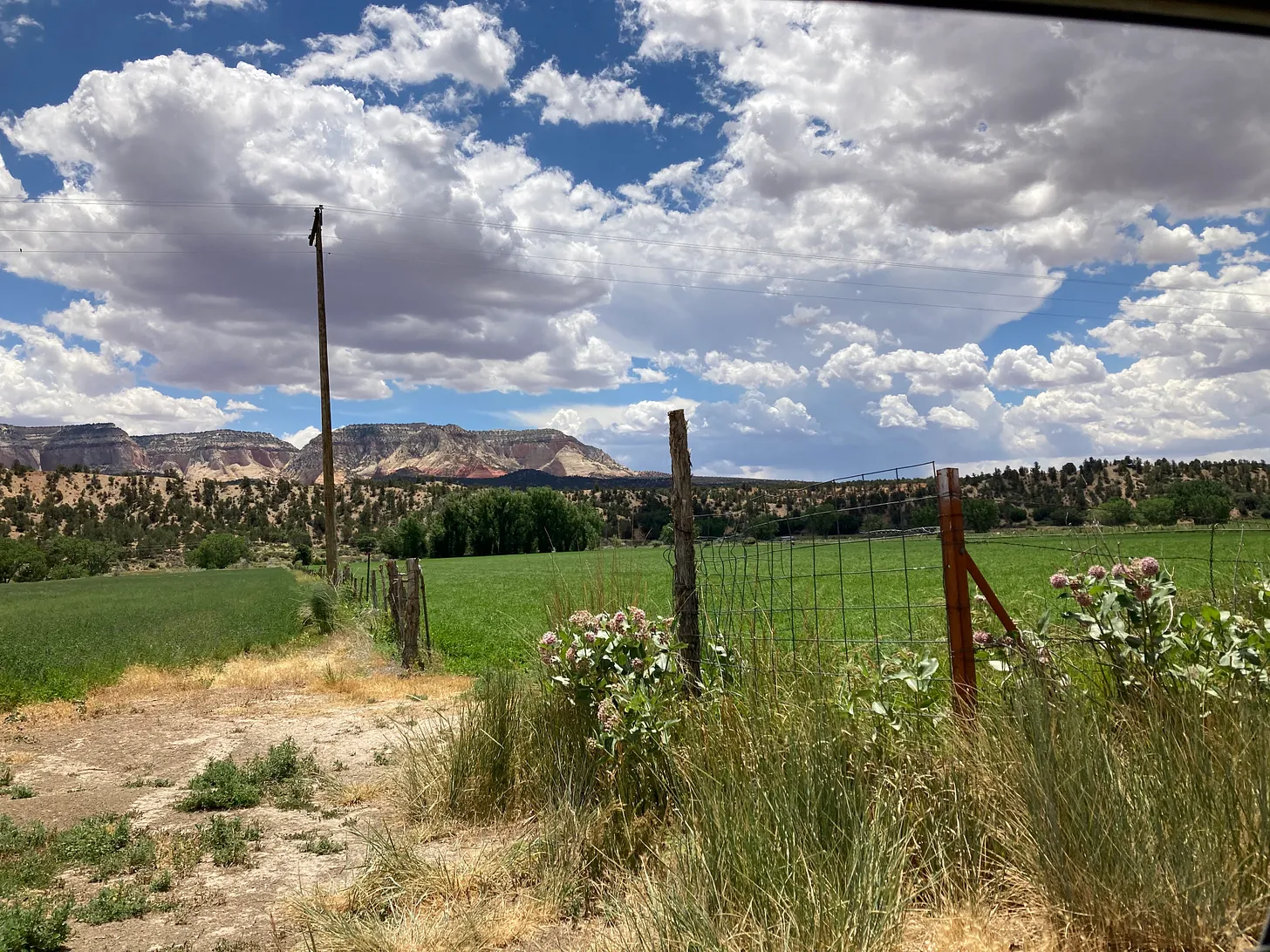
Which is not to say doing so would be pretty, painless, politically palatable or even possible. Buying and drying up small farms en masse would threaten rural economies and cultures. Many farmers grow alfalfa or other hay as a side crop — it’s reliable, relatively easy to care for, provides multiple harvests during the long growing season and gains value during drought. If farmers were forced to get rid of their hay, their operations might no longer be viable, and the cost of beef and dairy products would certainly go up. Gone would be the experience of rolling down the windows on a summer’s eve and inhaling the poignant aroma of a freshly cut field. Gone the bucolic sight of the long sunset shadows cast by the bales — all replaced by patches of dusty, noxious-weed-breeding ground or yet more residential sprawl.
Most of us can probably agree that farms should not be dried to allow cities to grow heedlessly, or to allow urban folks to water big lawns or enable Kim Kardashian to do whatever the heck she does with all that water. In the past, Phoenix’s sprawl has gobbled up citrus groves and cotton fields, and Colorado’s Front Range cities have bought and fallowed distant farms to accommodate houses and lawns. That, too, must stop. The goal here is not to transfer the water from farms to cities, but from farms and cities back to the river itself — or, rather, to the rivers, plural. The Klamath River in southern Oregon and Northern California is in crisis as well, and the Great Salt Lake is rapidly shrinking. Alfalfa fields are a primary culprit in both cases.
So, banning alfalfa is not the answer. But piping Mississippi River water over the Rockies or building billion-dollar, energy-intensive desalination plants to enable farmers to continue dumping water on hundreds of thousands of acres of cattle fodder is simply insane. It’s time for agriculture, and especially Big Alfalfa, to step up and give up a portion of its water either by becoming more efficient, switching to less water-intensive crops or fallowing more fields. The growers will be compensated: Congress just authorized $4 billion in the Inflation Reduction Act for that very purpose.
Industrial-scale farmers are currently growing and irrigating some 85,000 acres of alfalfa in California’s Imperial Valley. Cover all of that land with solar panels instead, and you’d save desert land from industrialization, generate enough power to replace Glen Canyon Dam’s hydroelectricity output several times over — and maybe even stave off the Colorado River’s collapse.