March 24, 2026
Colorado is in a severe drought, and simple indoor water conservation measures can lead to big savings when everyone pitches in.
Free and easy
- Turn the water off while brushing your teeth or washing your face.
- Limit showers to 5 minutes (or try to shorten them by 1-2 minutes).
- Only run your dishwasher and washing machine with a full load.
- Turn off the kitchen faucet when handwashing dishes.
“A drought is a great time to teach kids, or anyone, about the importance of conserving water,” said Greg Fisher, Denver Water’s manager of demand planning. “Simple lifestyle changes can become lifelong habits.”
Fixing leaks
Across the U.S., Americans waste about 1 trillion gallons of water every year through water leaks and spend about 10% of their water bill on wasted water, according to the EPA.
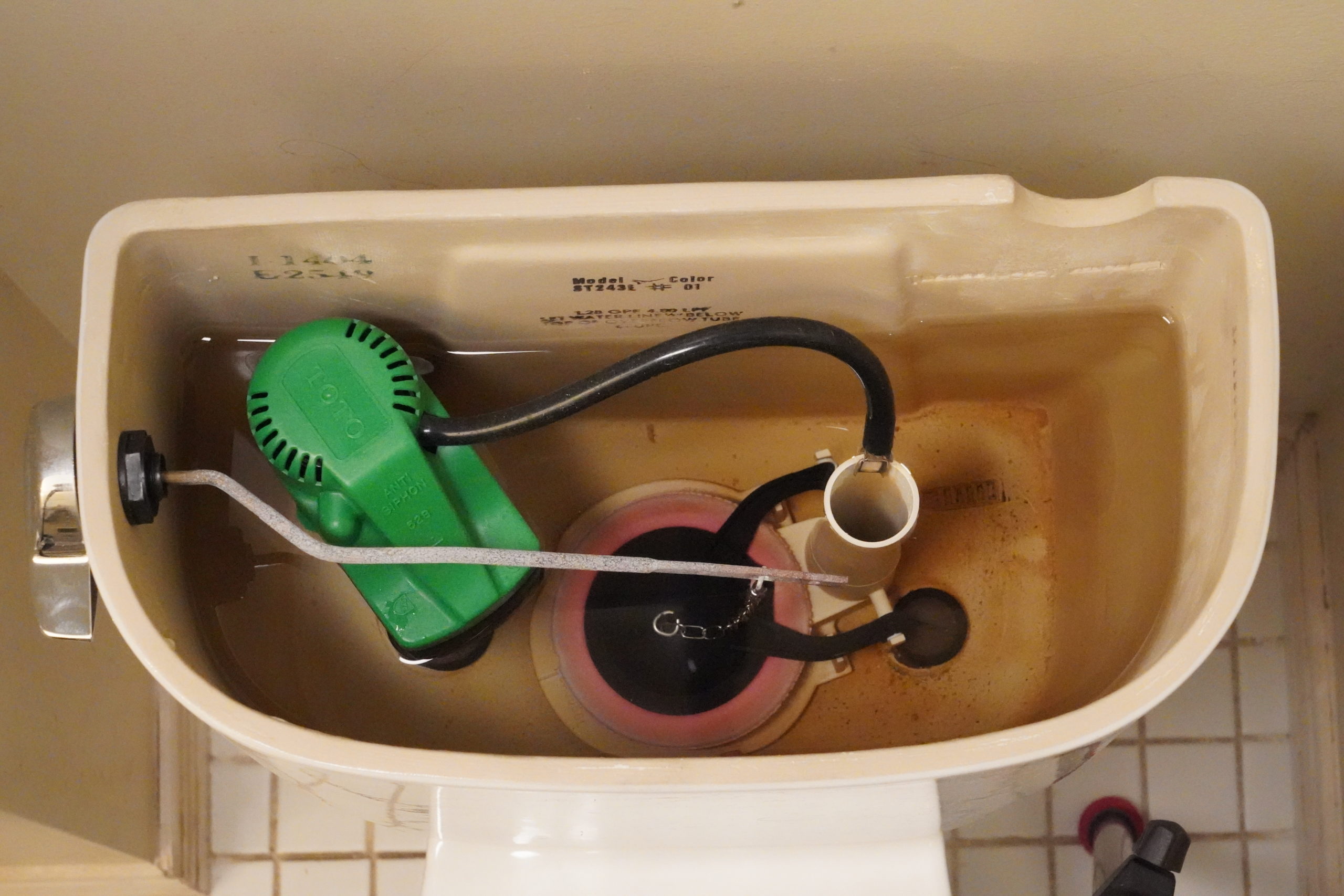
The biggest water waster in the home is the toilet. The EPA reports that an average leaking toilet can waste about 200 gallons of water every day.
Learn more about finding and fixing toilet leaks.
In addition to checking for toilet leaks, inspect all water sources in your home, including faucets, showers, water supply lines for dishwashers, washing machines, swamp coolers and ice machines.
Small leaks can add up over days and weeks. A small leak of 10 drops per minute can waste 300 gallons of water per year. Not only can these leaks add to your water bill, but they can also damage your home.
Find out how to do a self-audit of your home’s plumbing to help find and fix leaks.
Denver Water also encourages customers to review their monthly water bills. Unusually high water usage could indicate you have a leak.
Toilet rebates for low-flush toilets
Older toilets are another big water waster.
Some older toilets can use anywhere from 3.5 gallons to 7 gallons per flush, while newer toilets on the market use as little as 0.6 gallons per flush.
A family of four using 3.5 gallons per flush can use 26,000 gallons of water per year, compared to 11,000 with a newer, efficient model.
If you are interested in replacing an older toilet with a more efficient one, check out Denver Water’s toilet rebate program.

Replace old fixtures and appliances
While many water-saving fixes are free or relatively inexpensive to do, the EPA says the average family can save 13,000 gallons of water by updating older washing machines, dishwashers, showerheads, faucets, and aerators with more efficient models.
When buying new appliances and fixtures, purchase products that carry an Energy Star or WaterSense label, an indication that the product uses less energy or water compared to products that don’t carry those labels.