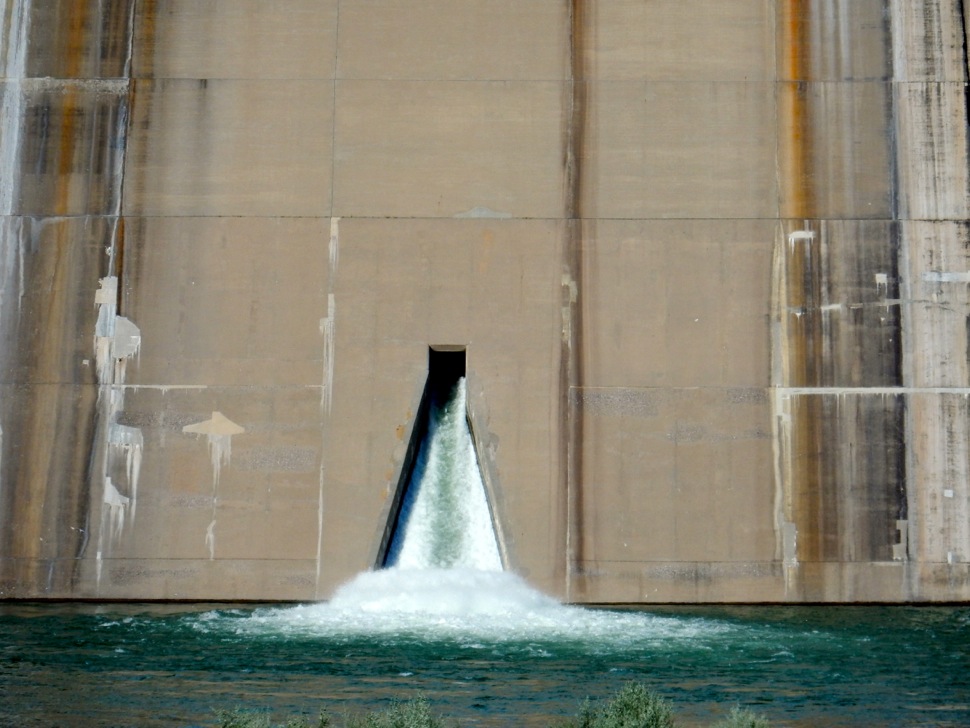
The outflow at the bottom of Navajo Dam in New Mexico. Photo: Brent Gardner-Smith/Aspen Journalism
From email from Reclamation Western Colorado Area Office:
The Bureau of Reclamation has scheduled a decrease in the release from Navajo Dam from 350 cubic feet per second (cfs) to 300 cfs for Tuesday, February 10th, at 8:00 AM.
Releases are being made through the 4×4 gates while the powerplant is down for maintance.
Releases are made for the authorized purposes of the Navajo Unit, and to attempt to maintain a target base flow through the endangered fish critical habitat reach of the San Juan River (Farmington to Lake Powell). The San Juan River Basin Recovery Implementation Program recommends a target base flow of between 500 cfs and 1,000 cfs through the critical habitat area. The target base flow is calculated as the weekly average of gaged flows throughout the critical habitat area from Farmington to Lake Powell.
This scheduled release change is subject to changes in river flows and weather conditions. If you have any questions, please reply to this message, call 970-385-6500, or visit Reclamation’s Navajo Dam website at https://www.usbr.gov/uc/water/crsp/cs/nvd.html
Map of the San Juan River, a tributary of the Colorado River, in Arizona, Colorado, New Mexico and Utah, USA. Made using USGS National Map data. By Shannon1 – Own work, CC BY-SA 4.0, https://commons.wikimedia.org/w/index.php?curid=47456307
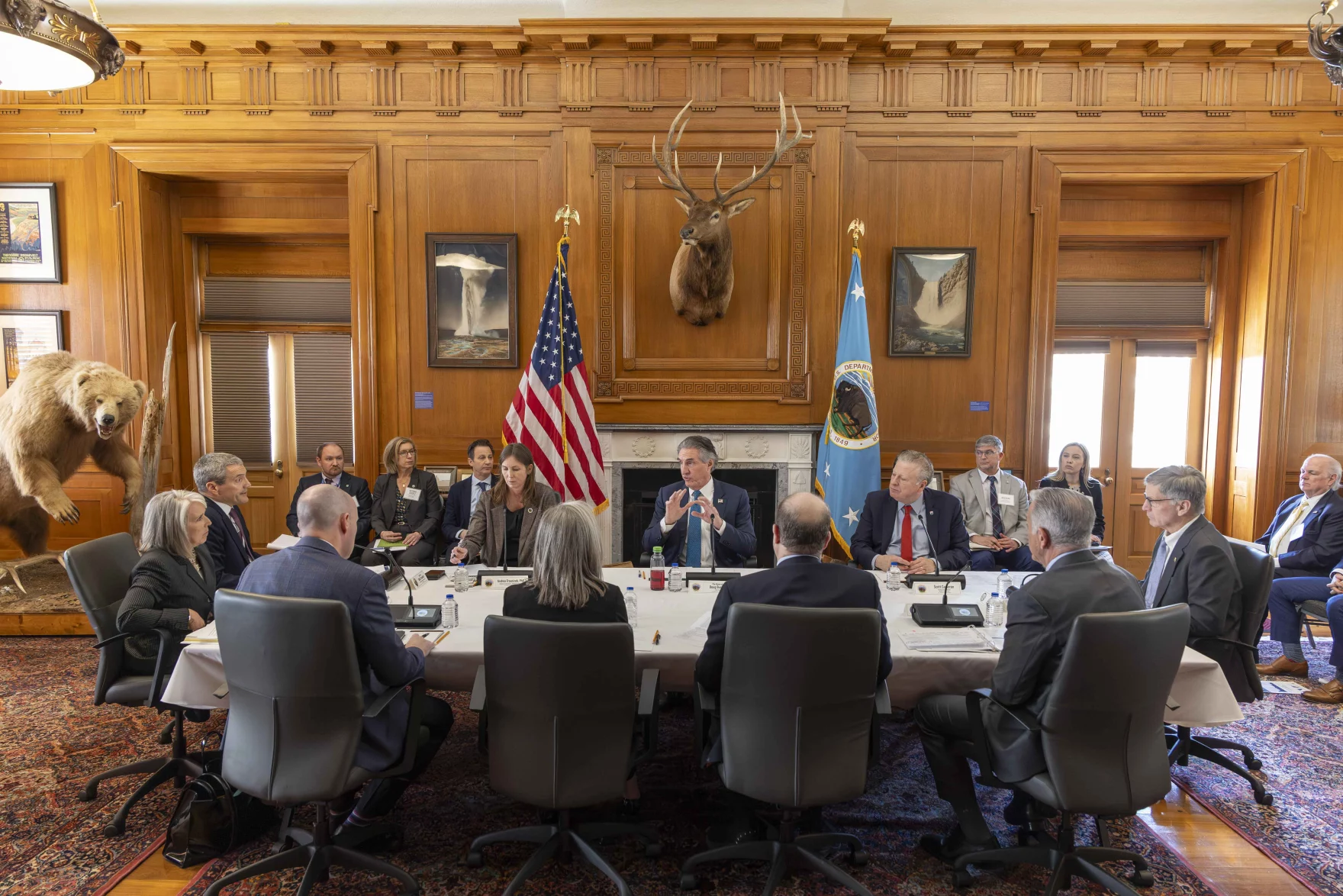
U.S. Interior Secretary Doug Burgum, center, speaks during a gathering with governors from six states in the Colorado River basin on Friday, Jan. 30, 2026. Photo credit: Lowell Whitman/Department Of Interior
Click the link to read the article on the KUNC website (Scott Franz):
February 2, 2026
This story is part of ongoing coverage of the Colorado River, produced by KUNC in Colorado and supported by the Walton Family Foundation. KUNC is solely responsible for its editorial coverage.
Governors and negotiators from the seven Colorado River basin states met behind closed doors for about two hours in Washington on Friday [January 30, 2026] to talk with Interior Secretary Doug Burgum about the dwindling waterway’s future.
After they left the meeting, governors were quick to issue statements praising the gathering as ‘productive’ and ‘meaningful,’ but no deal among the states was announced by Monday afternoon.
“There is still a lot of work ahead to get to an agreement, but everyone wants an agreement, and we’ll work together to create a pathway forward,” New Mexico Governor Michelle Lujan Grisham said in a statement.
Arizona Gov. Katie Hobbs said she was “encouraged to hear Upper Basin governors express a willingness to turn water conservation programs into firm commitments of water savings.”
Upriver in Colorado, Gov. Jared Polis said in a statement he “defended our mighty Colorado River.”
Colorado Gov. Jared Polis speaks Friday, Jan. 30 at a meeting about the future of the Colorado River at the Interior Department in Washington. Photo credit: Lowell Whitman/Department Of Interior
“I always fight to defend our water, whether it’s at the Department of Interior, Congress, or the courtroom,” he said.
Utah Gov. Spencer Cox said he left the meeting “hopeful that we’ll avoid the path of litigation.”
“No one wins going down that path,” he said in a statement.
And Wyoming Gov. Mark Gordon issued perhaps the most optimistic statement of the group.
“I am wholeheartedly encouraged by our conversation and believe there is a definitive path” toward a deal, he said.
California Gov. Gavin Newsom missed the meeting, but his natural resources secretary, Wade Crowfoot, was in the room.
Crowfoot said in a statement afterward that he was “cautiously optimistic that an agreement is possible, and we’re working hard to make it happen.”
Negotiators from the lower and upper basins entered the meeting at a yearslong impasse over how water restrictions should be managed during dry years.
They now have less than two weeks until a federal Feb. 14 deadline to reach an agreement.
Pressure to reach a deal is building.
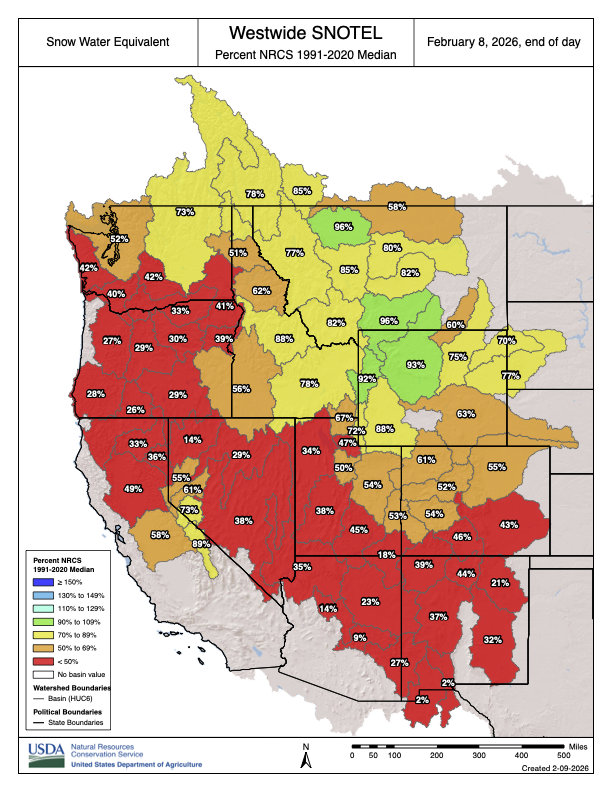
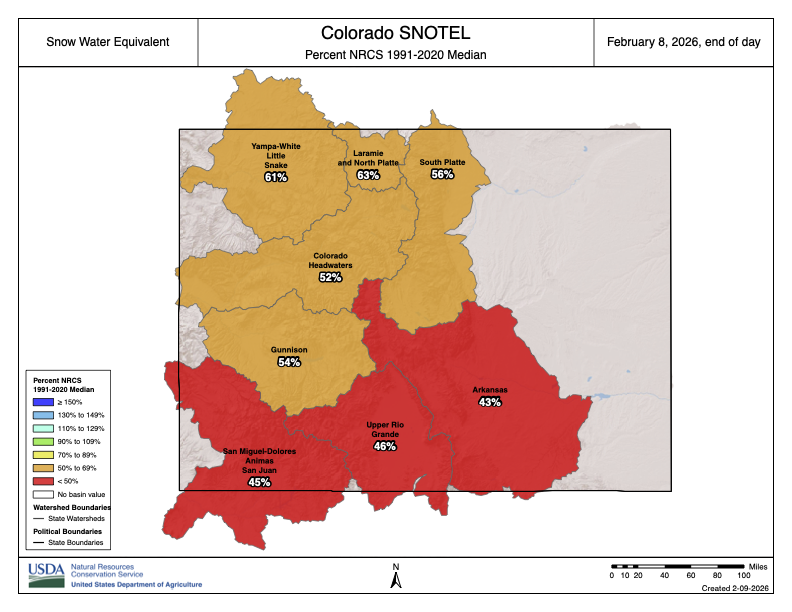
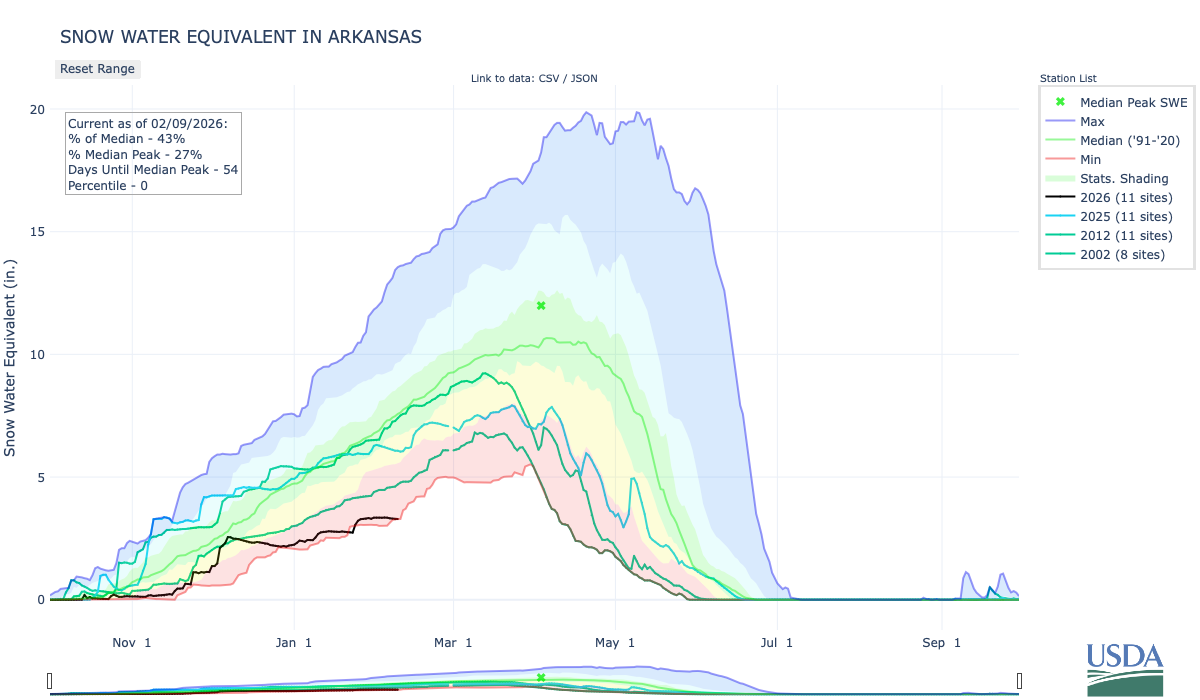
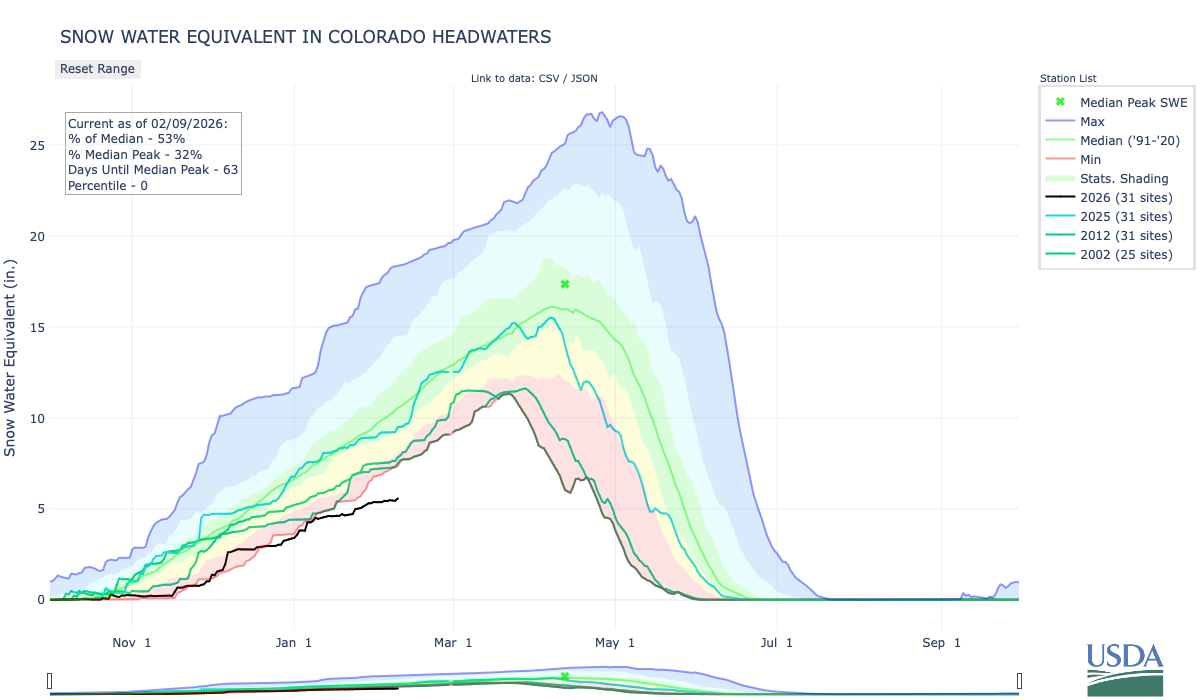
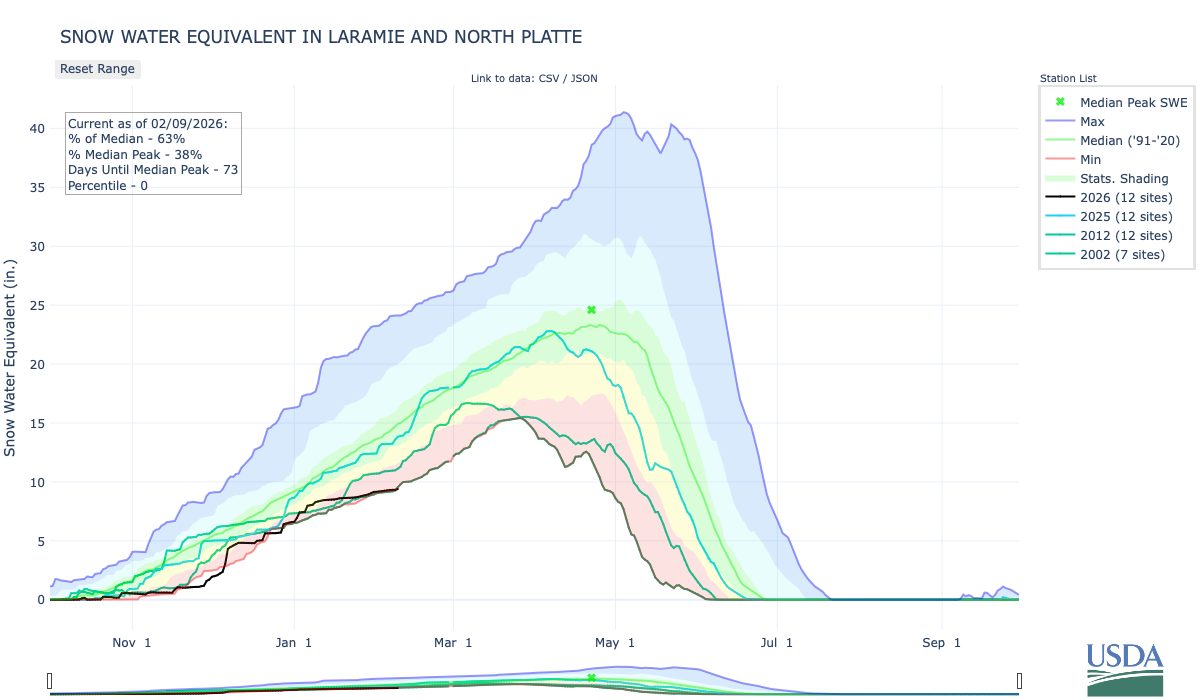
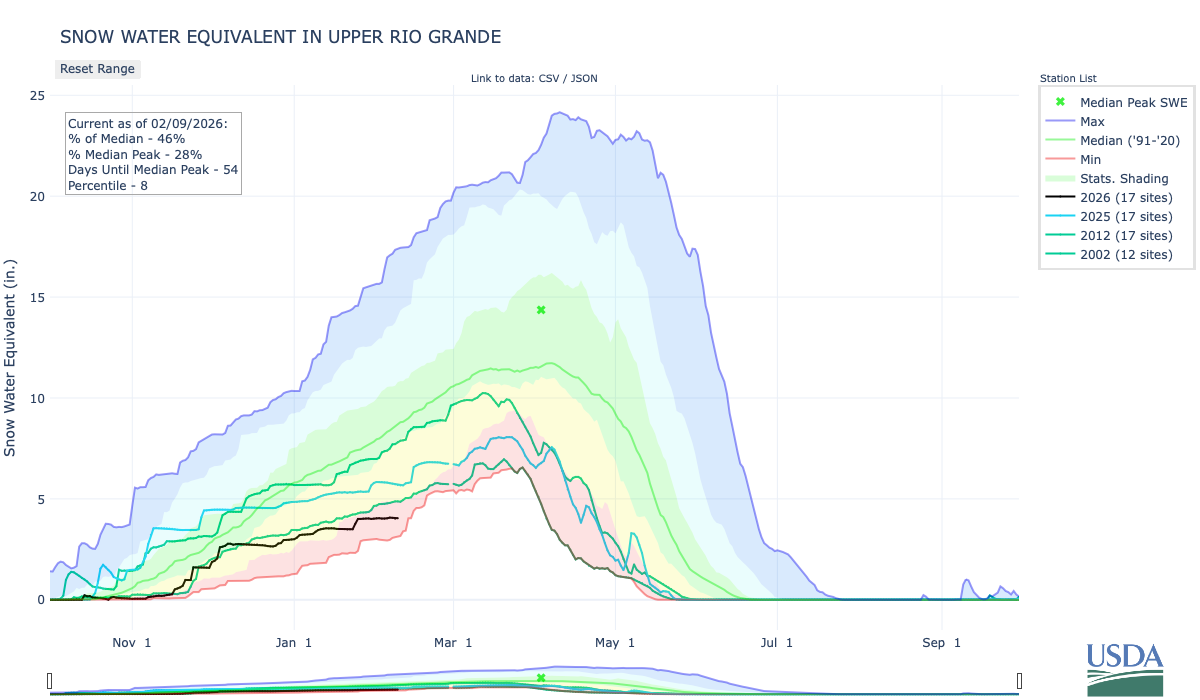
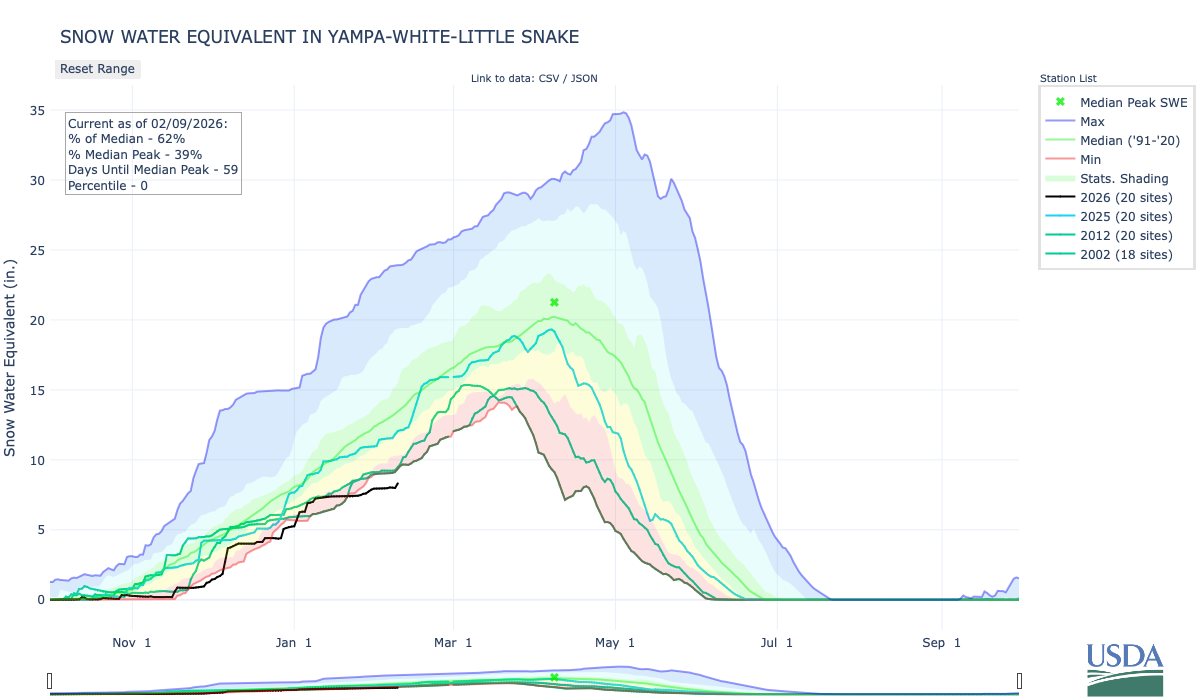
Forecasts for the water supply from the Colorado River continue to grow worse as snowpack lags far behind normal across the West.
And negotiators from the basins have said there are “sticking points” that remain in the negotiations in recent weeks that even marathon talks have failed to resolve.
“Some in the lower basin wanted some sort of guaranteed supply, irrespective of hydrologic conditions,” Becky Mitchell, Colorado’s top negotiator, told KUNC last week on the eve of the DC summit. “And I think asking people to guarantee something that cannot be guaranteed is a recipe that cannot get to success.”
California’s negotiator, J.B. Hamby, said during a recent speech that “continued back and forth between the basins haven’t really been moving the ball forward.”
He welcomed potential federal intervention to help strike a deal.
“The administrations…have this important role in sometimes knocking heads together, sometimes encouraging consensus, and having diplomatic discussions between the states to be able to move conversations forward,” he said.
The Colorado River Water Conservation District spans 15 Western Slope counties. Colorado River District/Courtesy image
Click the link to read the article on the Glenwood Springs Post-Independent website (Ali Longwell). Here’s an excerpt:
February 3, 2026
As part of its spring tradition, the Colorado River District will give its State of the River address to a dozen Western Slope communities starting in March. Each State of the River will provide information on river forecasts, local water projects and key challenges impacting Western Slope water users. The events will take place everywhere from the Upper Yampa, Roaring Fork and the Middle Colorado river basins down to the Lower Gunnison and Uncompahgre river basins. While each program’s agenda will vary slightly and is tailored to reflect local water priorities, key topics at all events will include:
River flow forecasts, snowpack, and drought summaries
Updates on the Colorado River system and interstate negotiations
Shoshone Water Rights Preservation Project updates
Local water projects and priorities
Each event will also include a complimentary light dinner and an opportunity for residents to ask questions of water experts. While it is free to attend, the River District requests that all attendees register in advance at ColoradoRIverDistrict.org/2026-State-of-the-River-Meetings.
Click the link to read the article on the KJZZ webdsite (Howard Fischer). Here’s an excerpt:
February 4, 2026
Gov. Katie Hobbs said Monday that unless Upper Basin states actually offer up some firm commitments to conserve water she won’t agree to any deal for Arizona to cut its own withdrawals from the Colorado River. And that would lead to either Interior Secretary Doug Burgum imposing his own solution on the seven states that draw water from the river — or the situation having to be hashed out in court. Only thing is, Burgum has so far refused to do more than bring the governors of the affect states together, as he did on Friday. And Terry Goddard, president of the Central Arizona Water Conservation District, which oversees the state’s Colorado River supply, said the options put forward by the Interior Department “are not palatable to Arizona or California,” one of the two other Lower Basin states.
“All Burgum’s done is set us up for litigation,” he told Capitol Media Services. “And I think that’s sad.”
Still, [Governor Hobbs] said she thinks it doesn’t necessarily have to wind up in court, even though Arizona already has set aside $3 million for litigation.
“While we didn’t leave with a lot of specifics — the details are to be worked out through negotiation — I think that we came away with hearing that nobody wants to end up in litigation,” Hobbs said. “We want to find a way to get to a deal.”
But Hobbs said that means recognizing that Arizona, which already has agreed to give up 27% of the water it has been getting from the Colorado River, won’t give up a drop more unless there are firm and enforceable promises that the Upper Basin states will share in the burden.
Map of the Colorado River drainage basin, created using USGS data. By Shannon1 Creative Commons Attribution-Share Alike 4.0
Goose Pasture Tarn. Photo credit: City of Breckenridge
Click the link to read the article on the Summit Daily website (Kit Geary). Here’s an excerpt:
February 4, 2026
A 54-year-old water treatment plant in Breckenridge has reached the end of its life, and preliminary cost estimates put rehabilitating it at $54 million. Breckenridge town staff members presented Breckenridge Town Council with plans for a series of projects to help the Gary Roberts Water Treatment plant reliably meet current demand at a Tuesday, Jan. 27, meeting. The Gary Roberts Water Treatment is located at the Goose Pasture Tarn. A staff memo stated the town first evaluated improvements and rehabilitation options in 2014, but they put those on hold to prioritize Goose Pasture Tarn dam repairs. The memo noted the continued aging of the plant now makes it a critical project. It included photos of the plan demonstrating pitting, corrosion and leaks in the water tanks at the plant…The project is currently proposed to be phased from 2027 to 2029. Staff members said there are no anticipated impacts to residents’ water service. While preliminary cost estimates put the project at $54 million, the budget the town planned for was $50 million. Officials asked staff members what tools were at the town’s disposal to make the project stay within a reasonable budget.
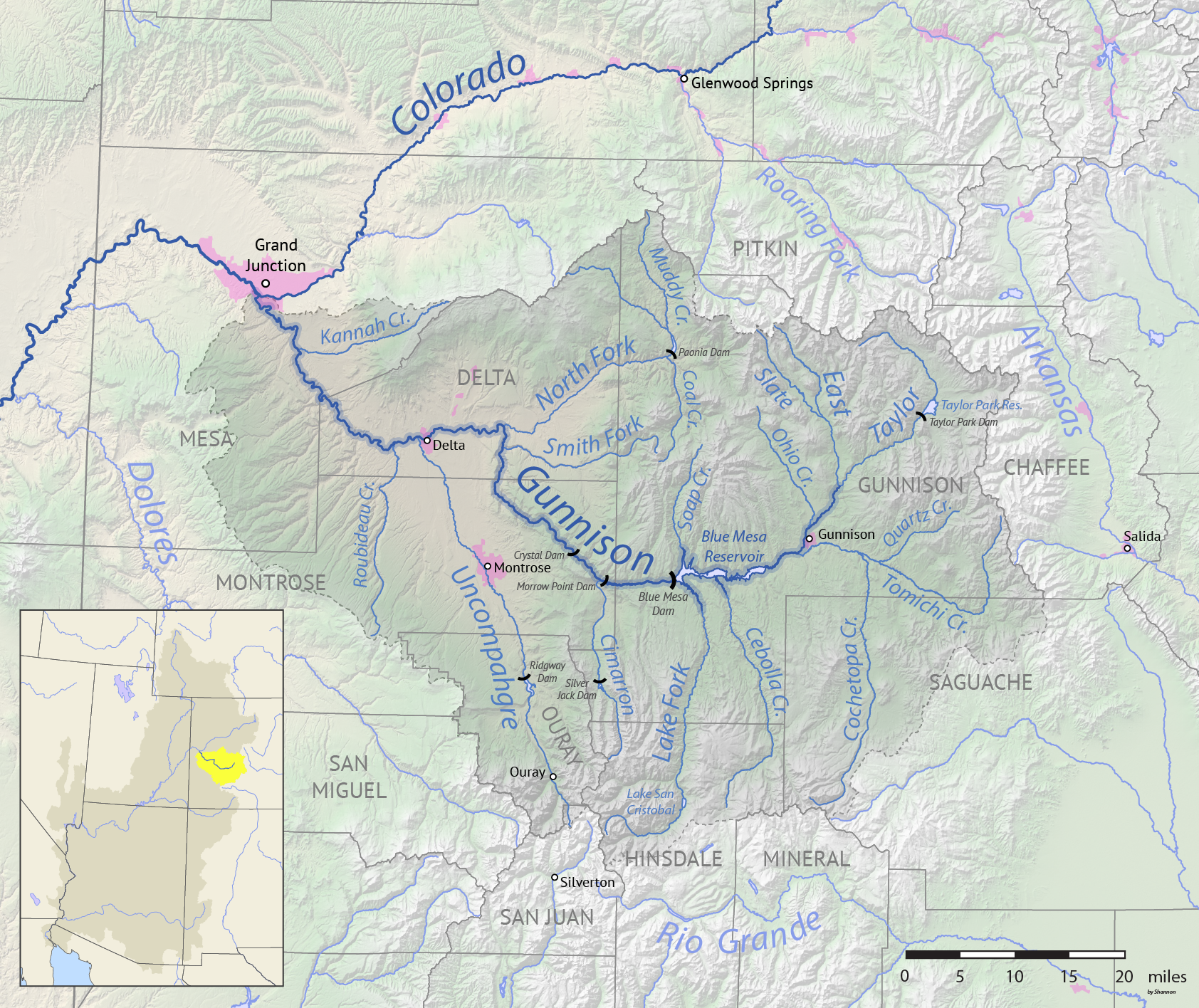
The Gunnison River Basin Roundtable recently announced grants of up to $1,500 for water education through its public education, participation and outreach committee. The 2026 Water Education Grant is now accepting applications. Funds are available to anyone engaged in water education, including public and private schools, libraries, scout troops, homeschoolers, 4-H clubs and other organizations offering programming for children up to 18 years old in the Gunnison Basin. Applications are due at 5 p.m. on Feb. 23. For more information, visit gunnisonriverbasin.org/.