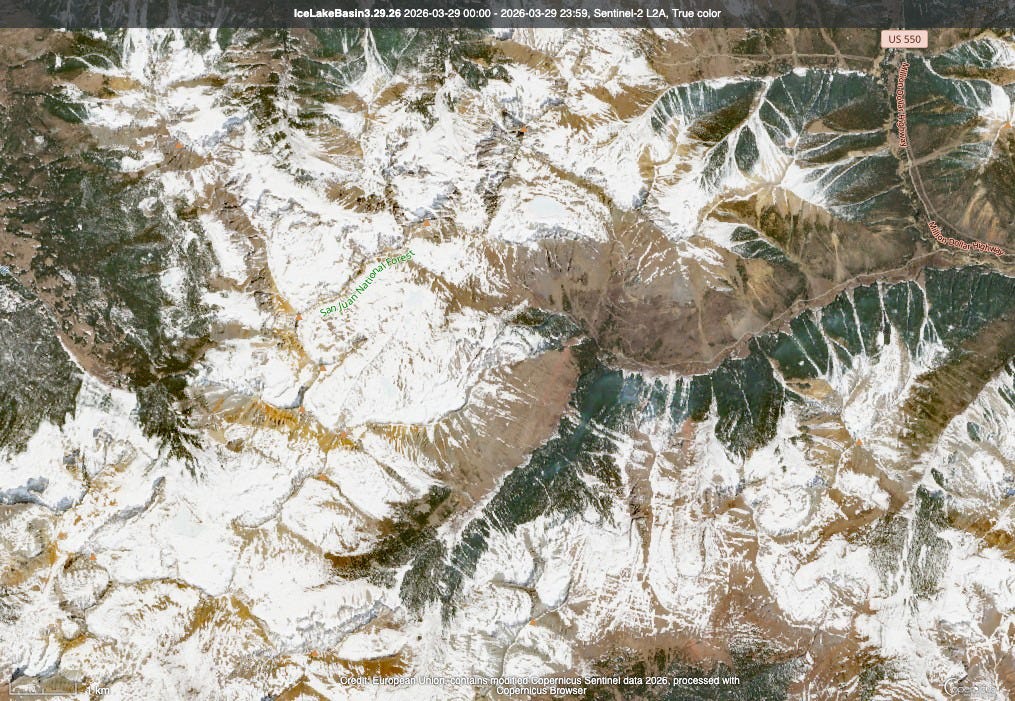
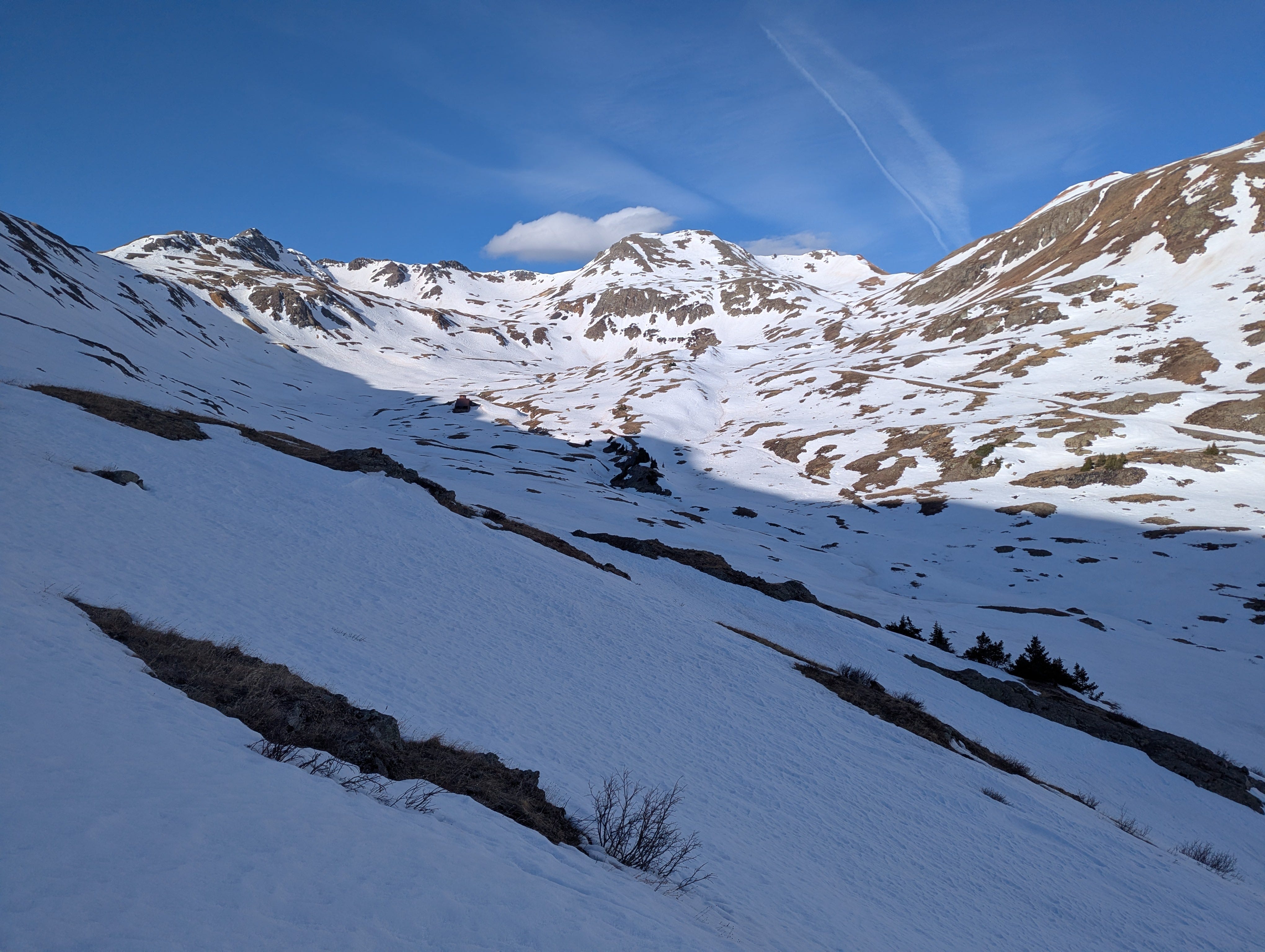
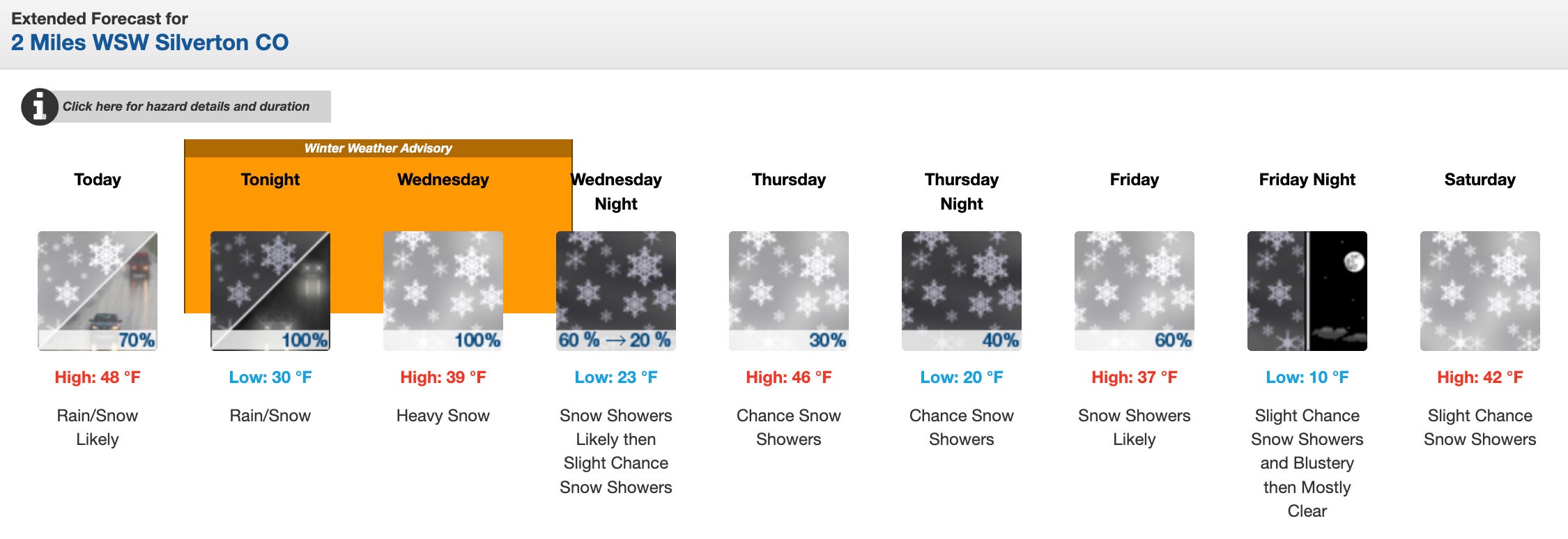
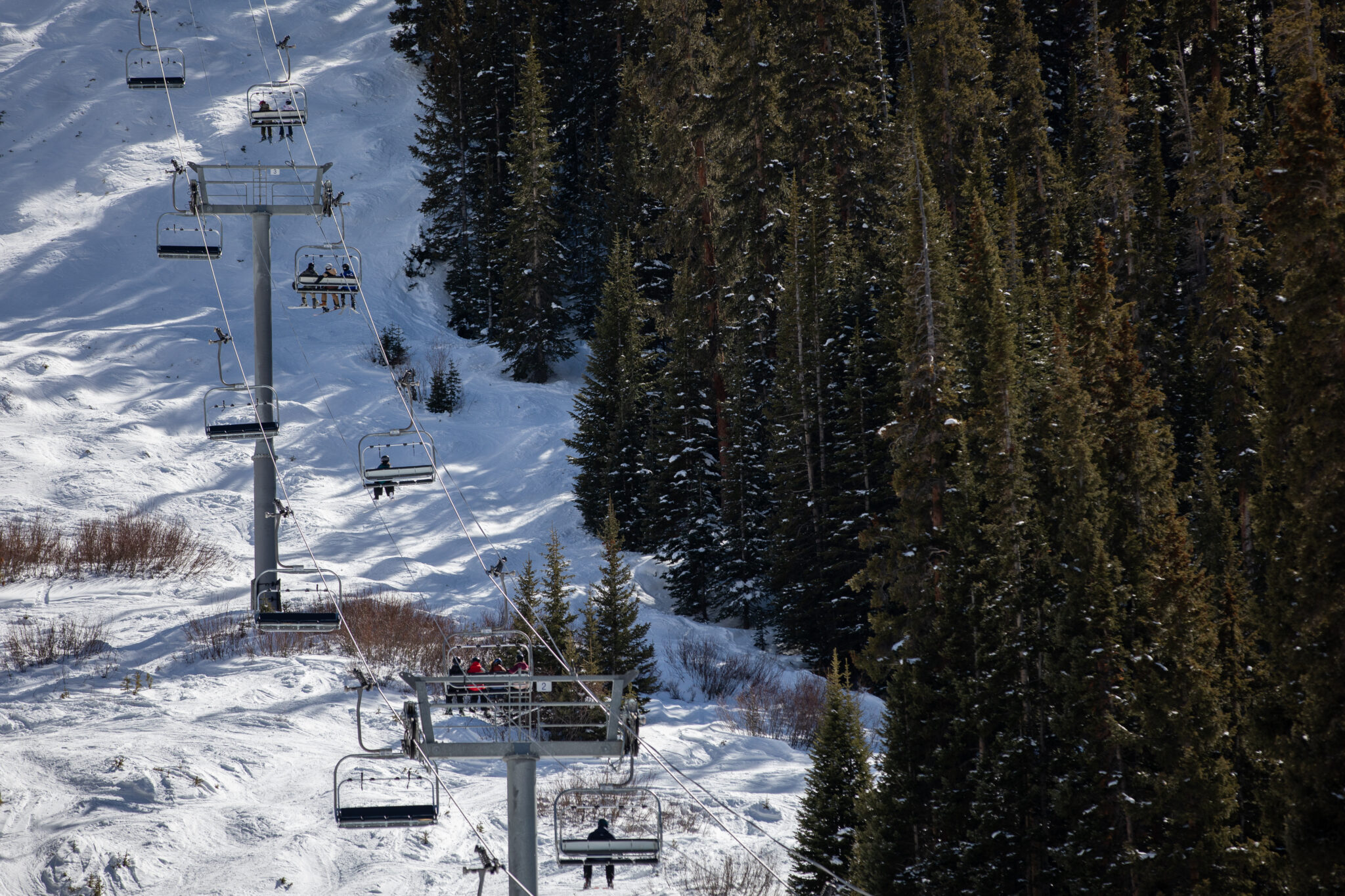
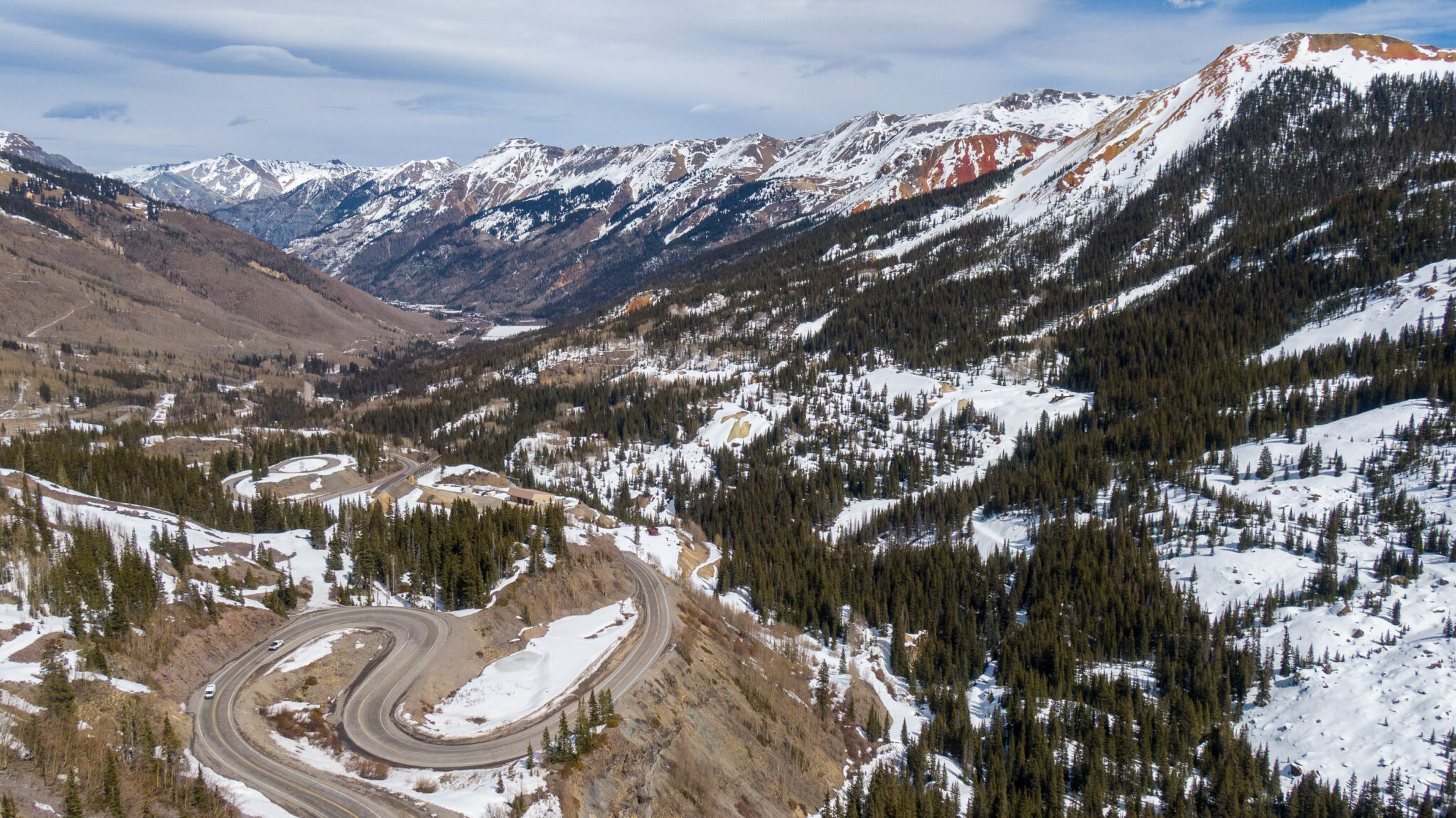
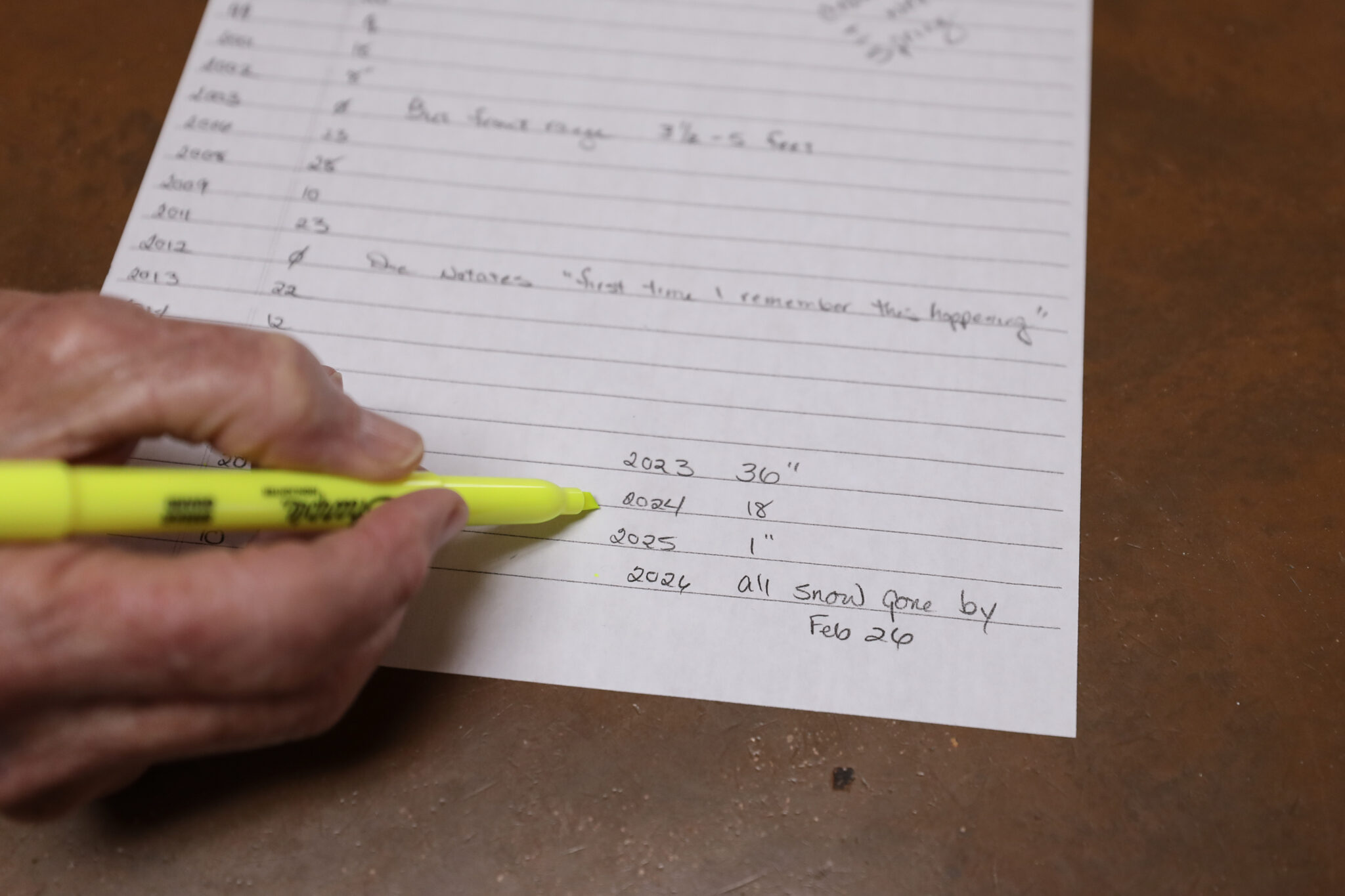
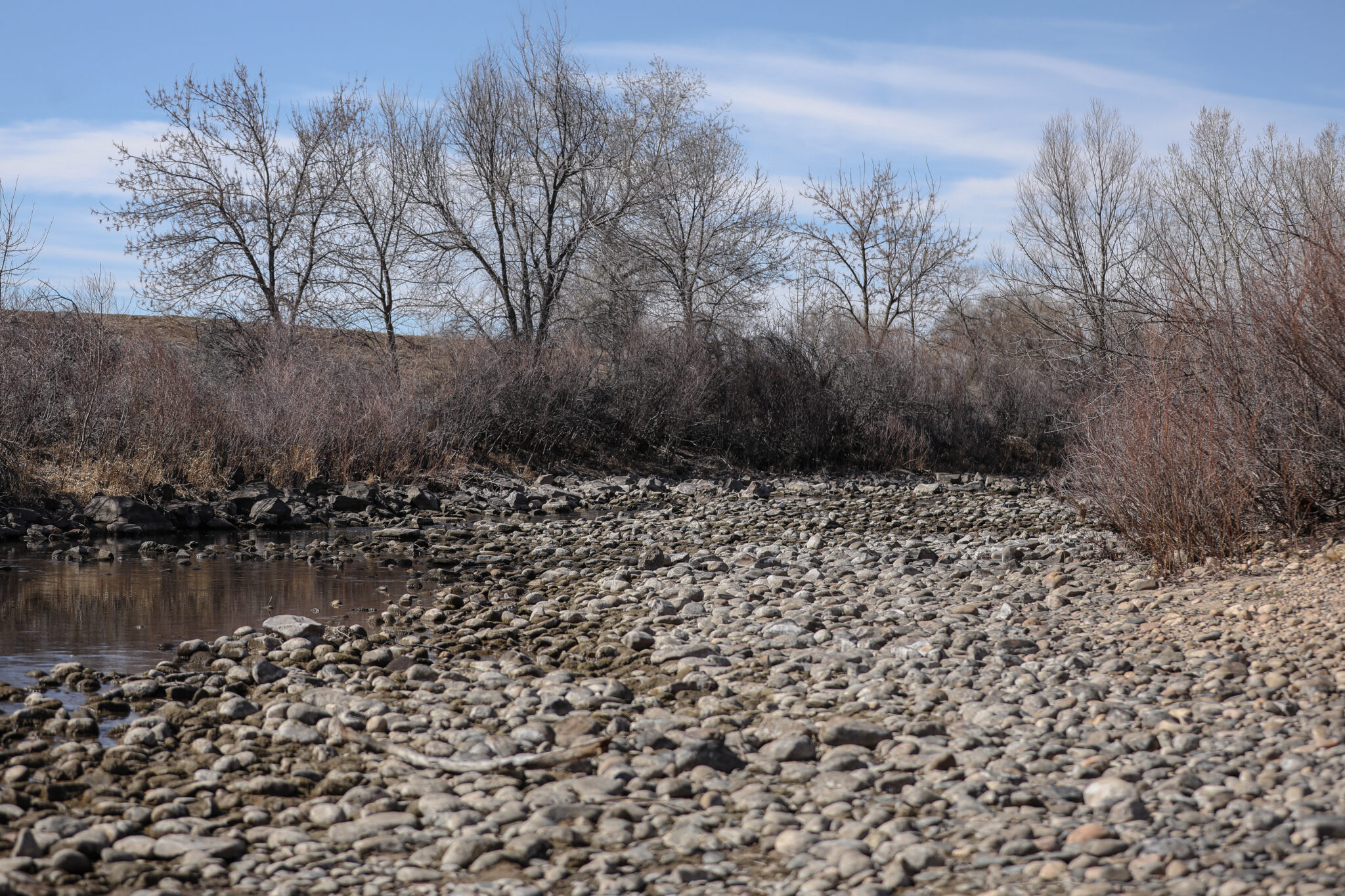
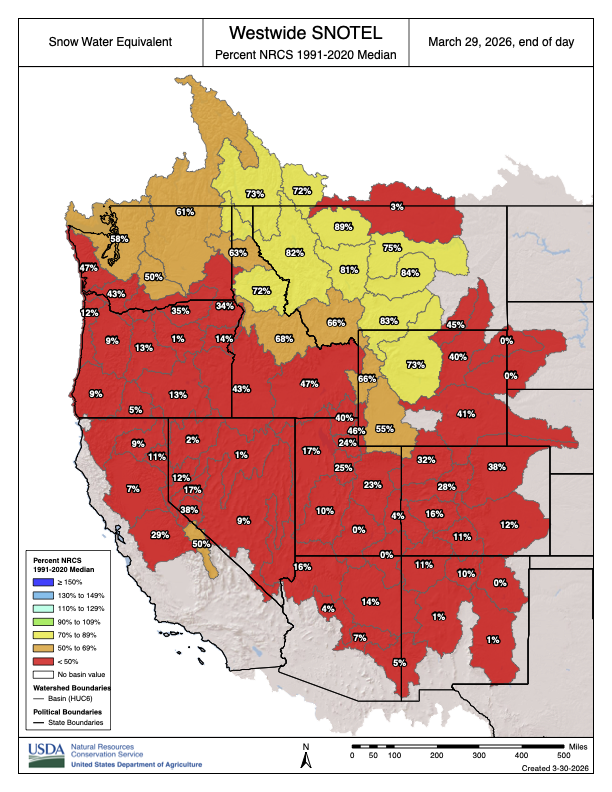
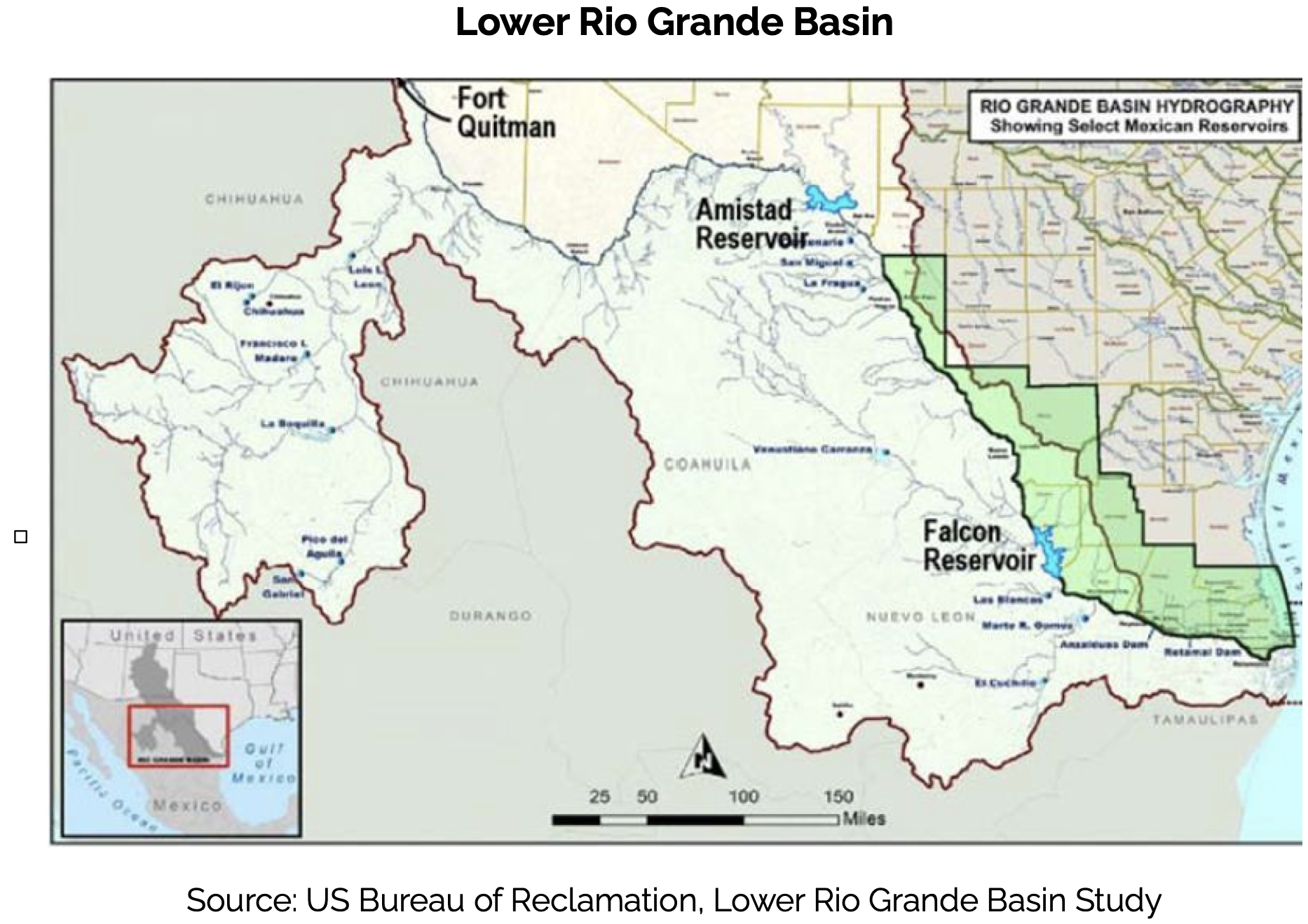
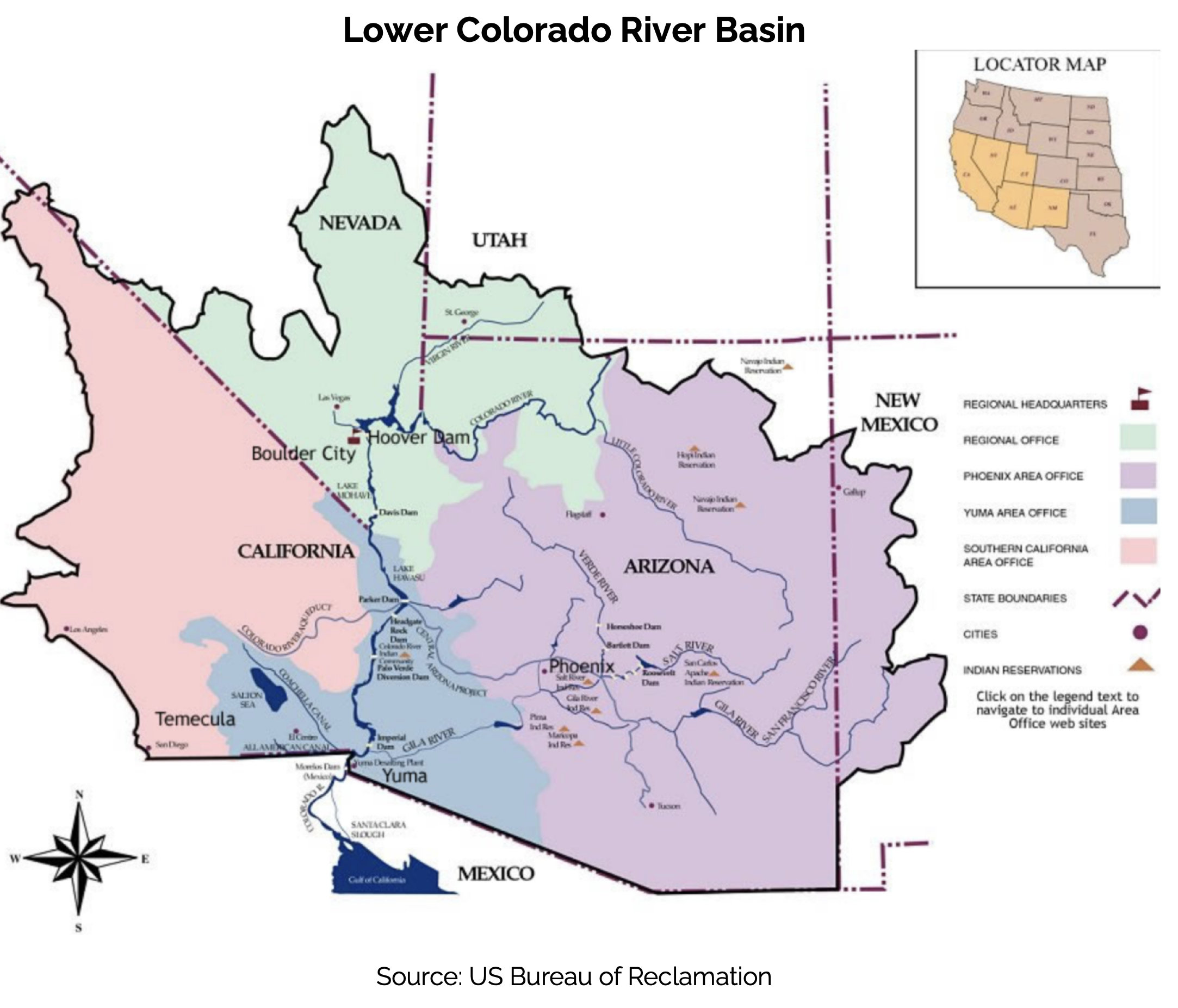
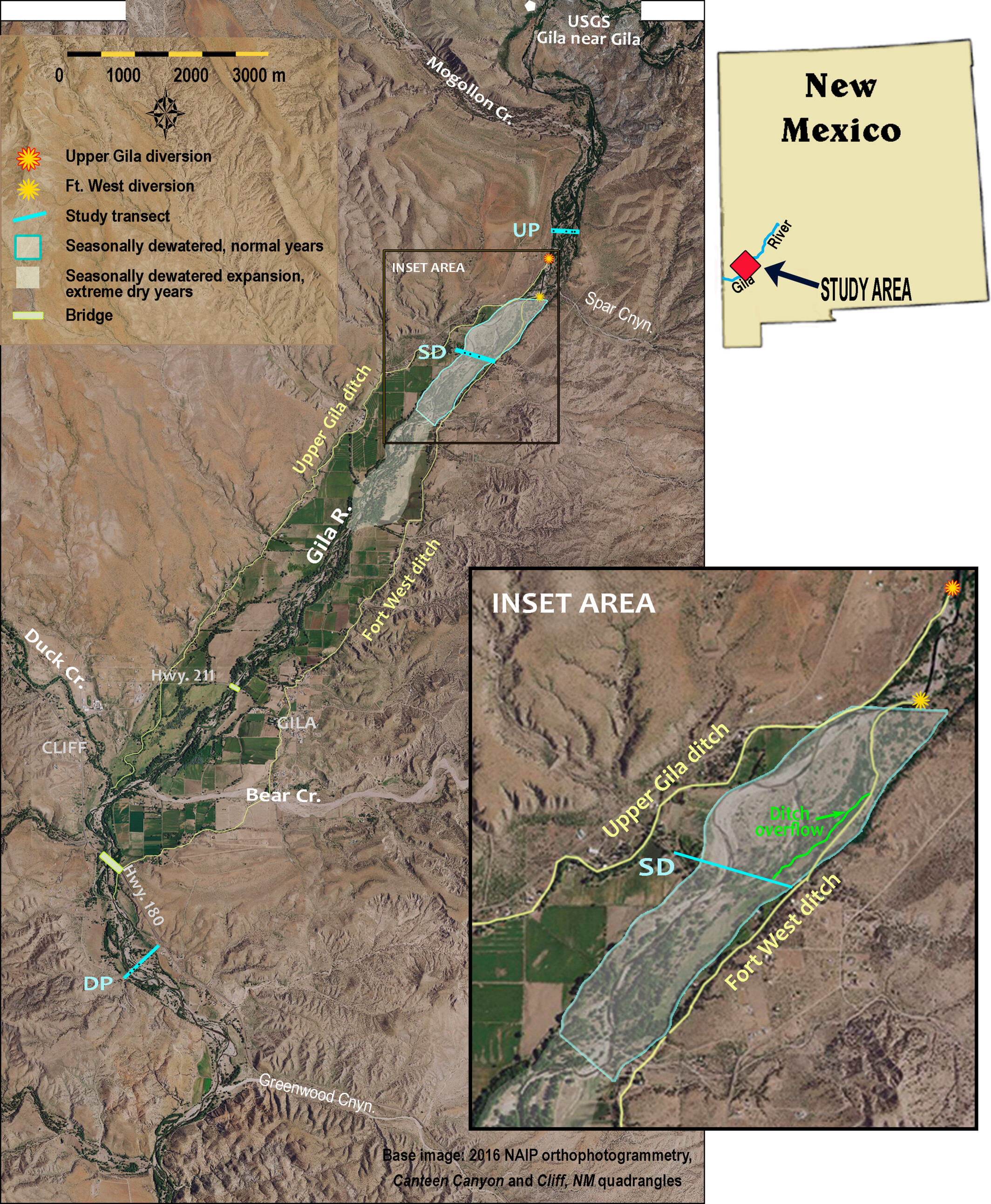
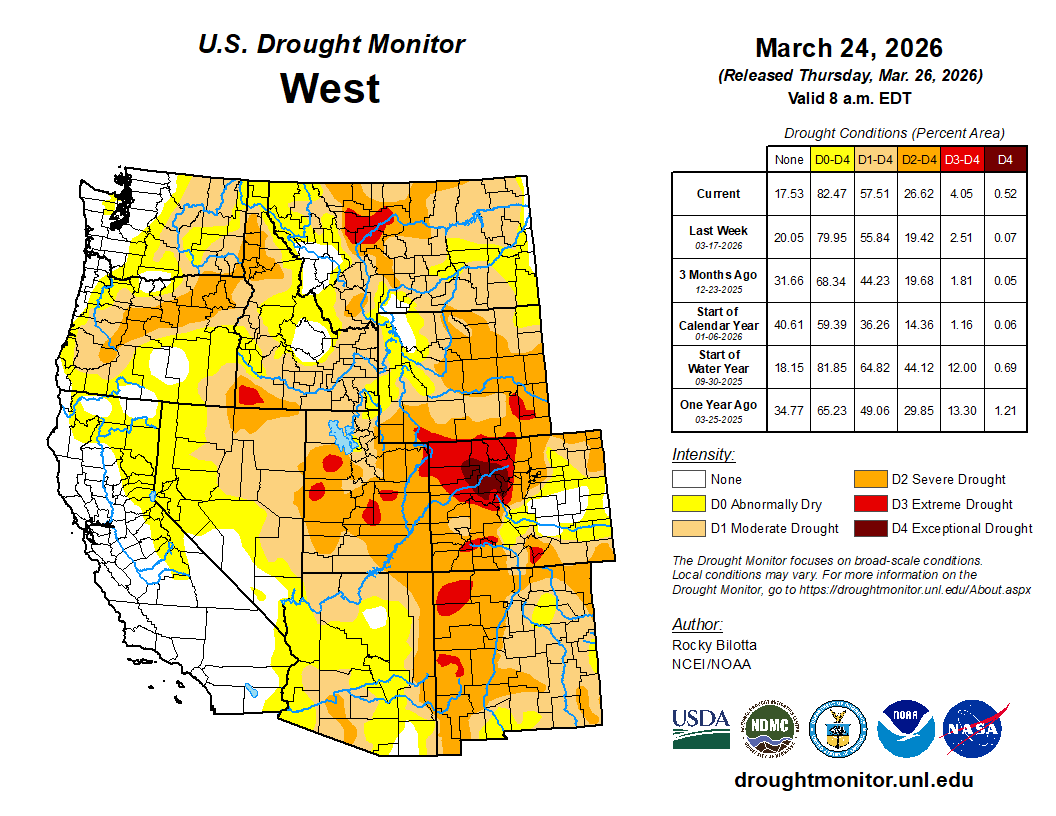
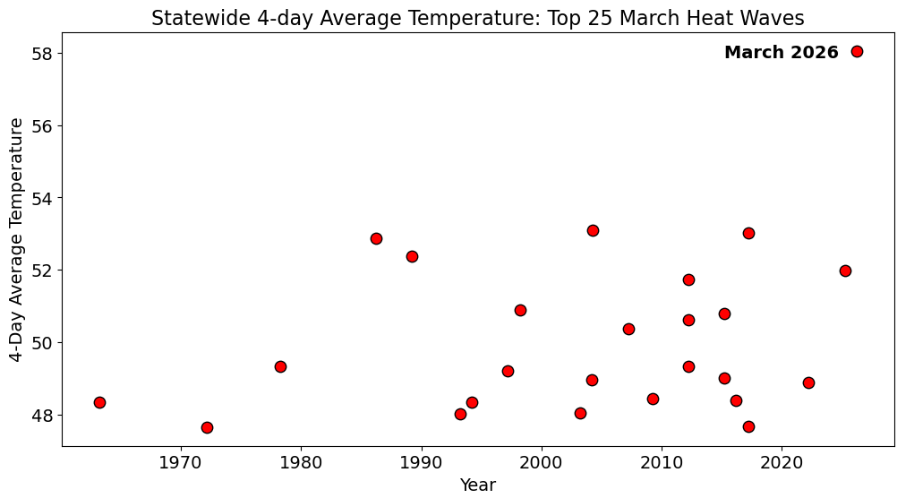
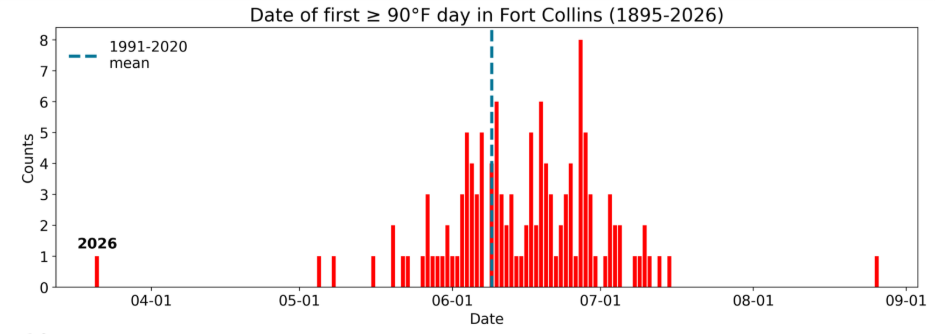
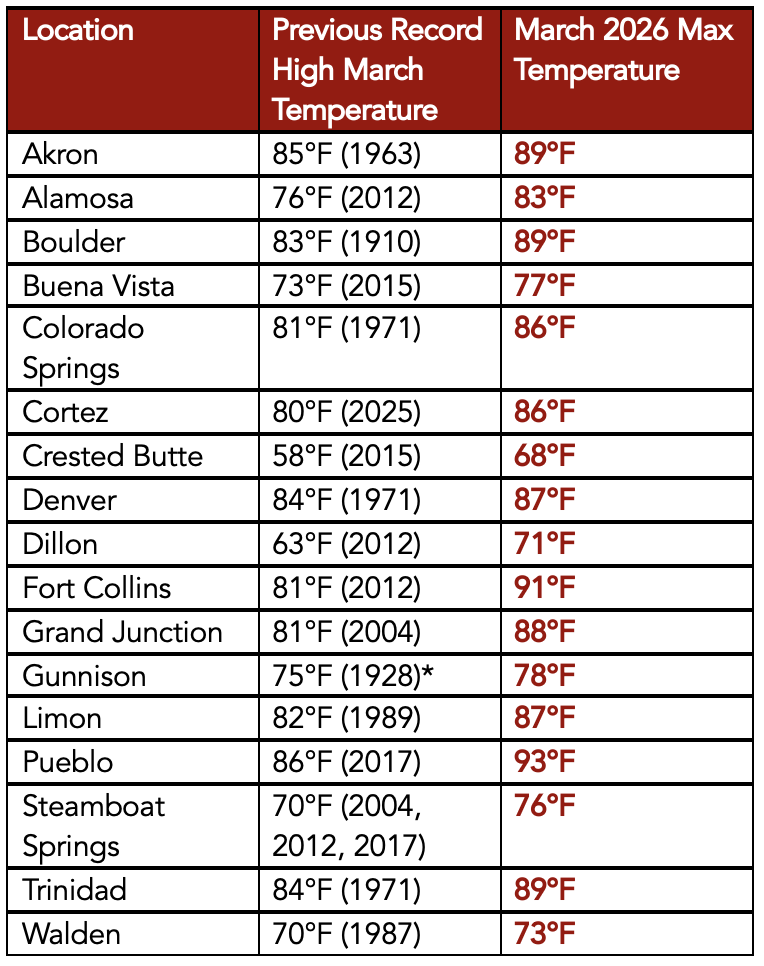
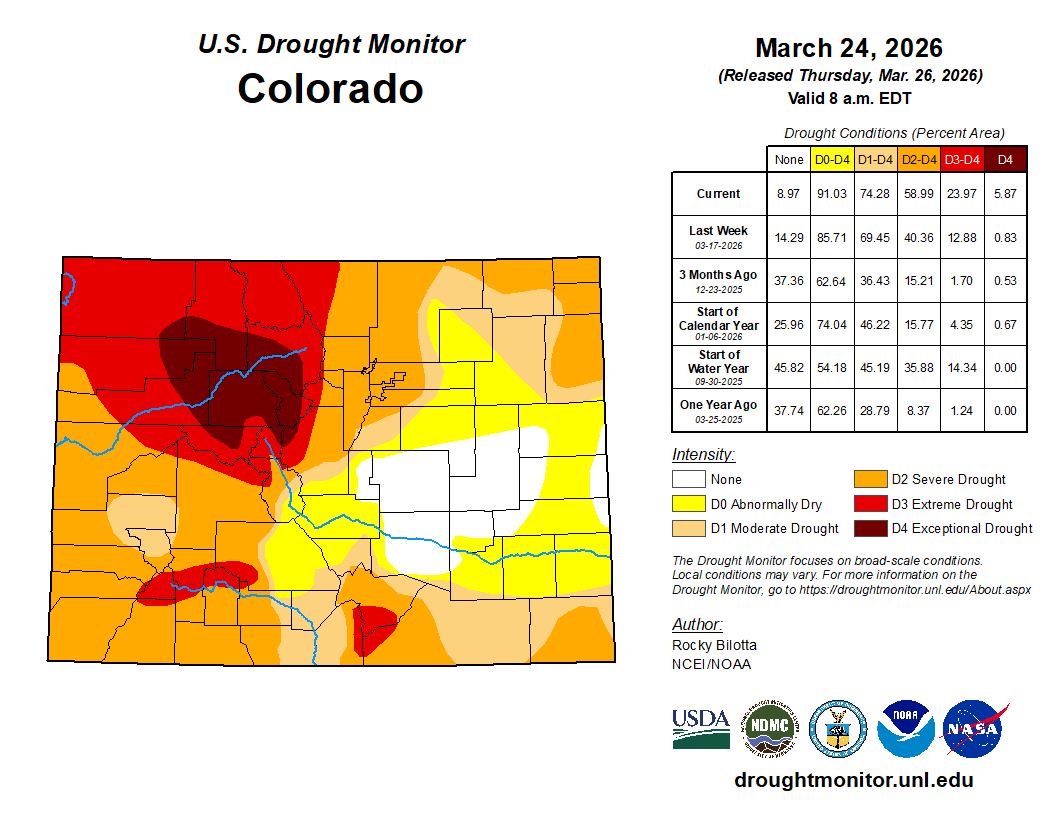
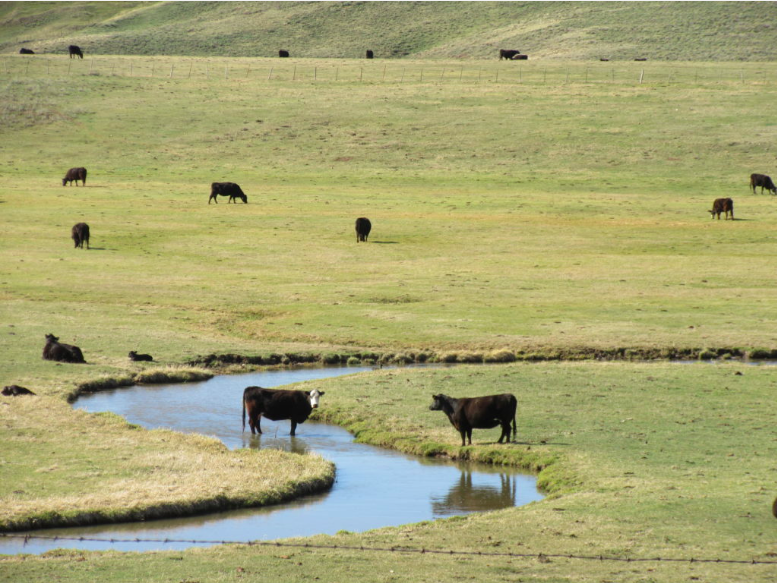
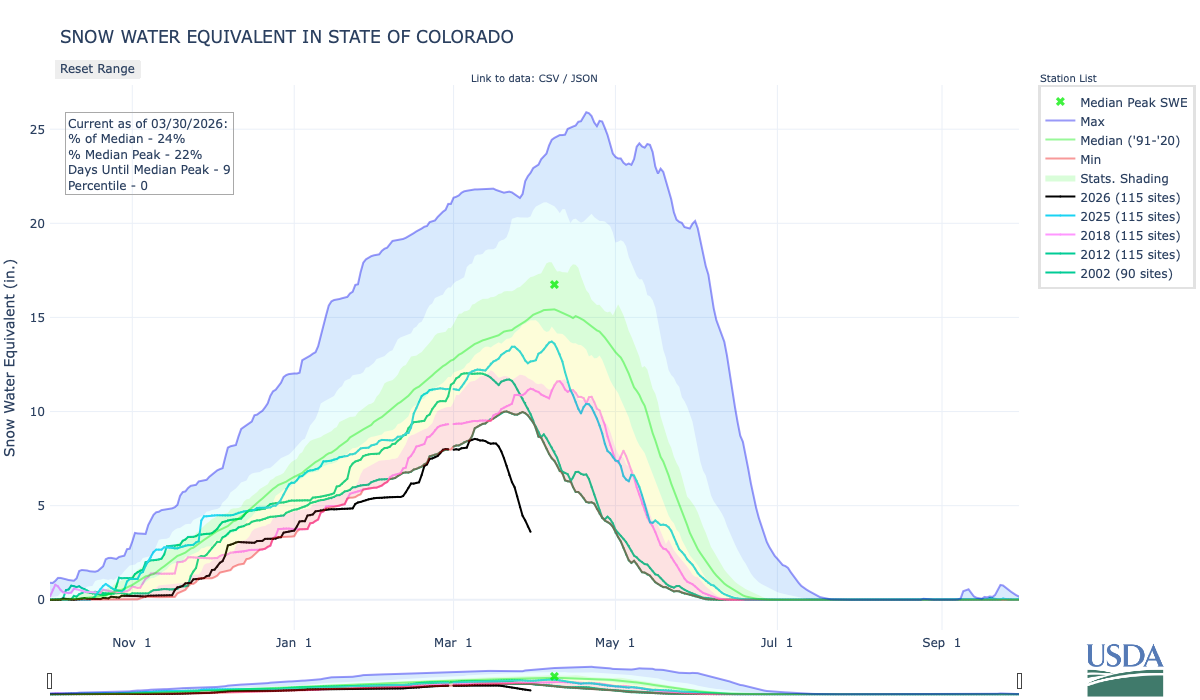
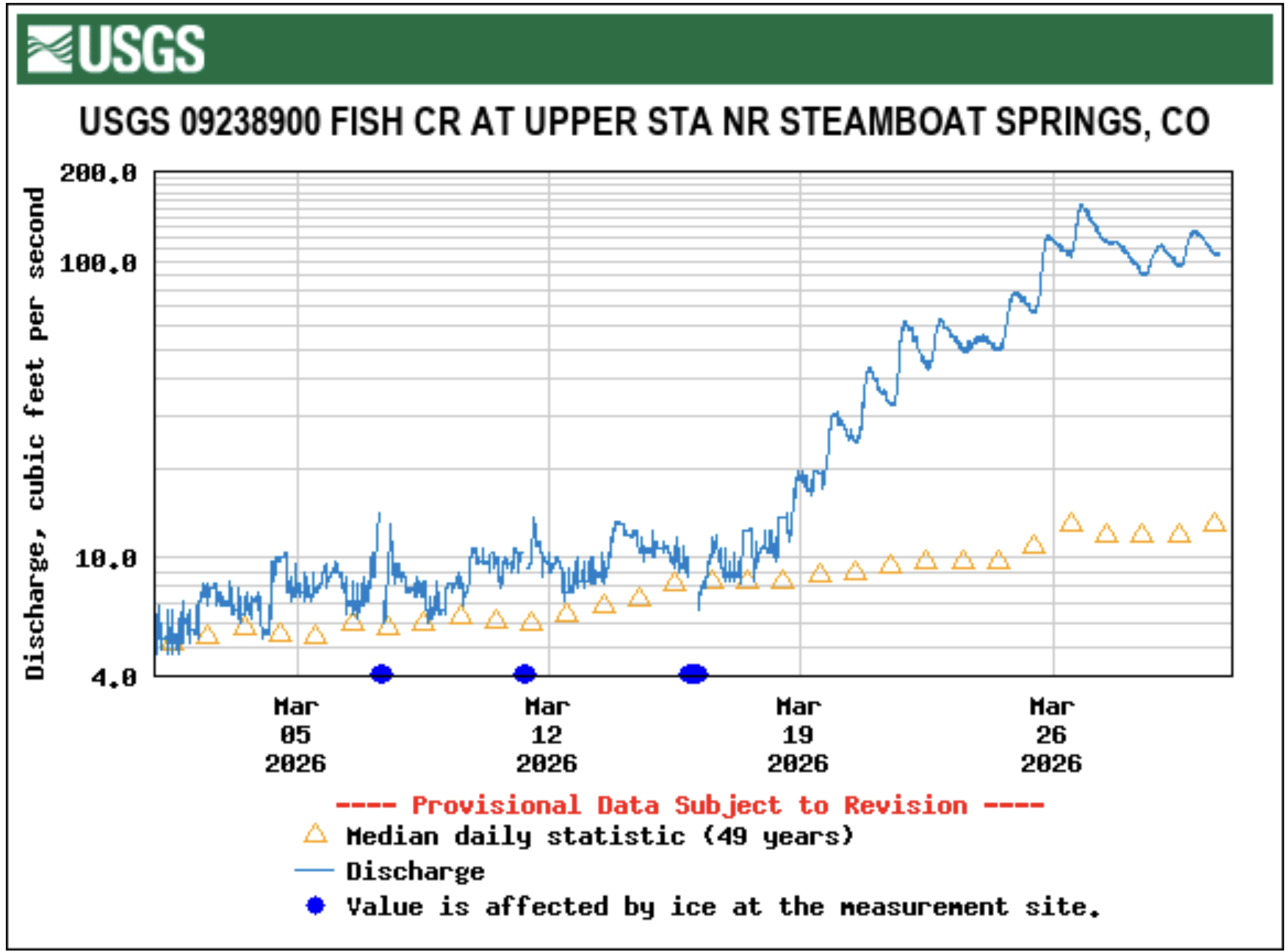
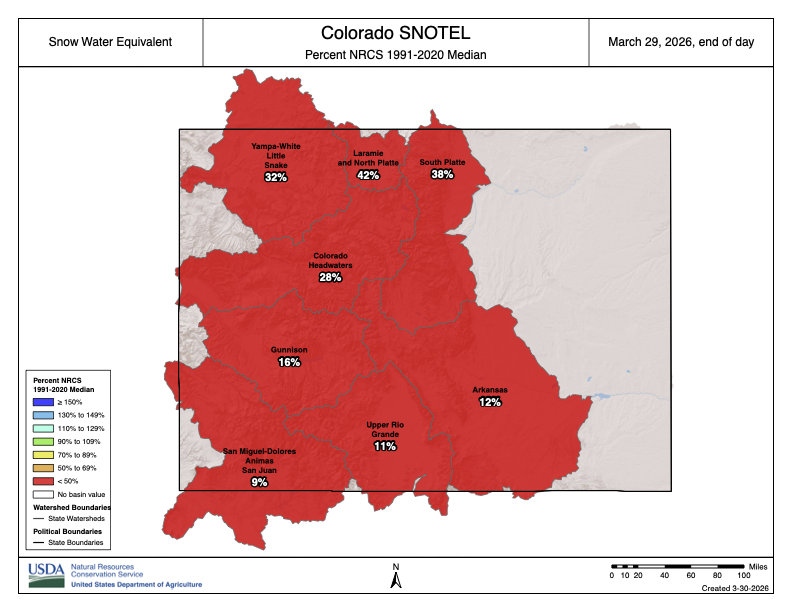
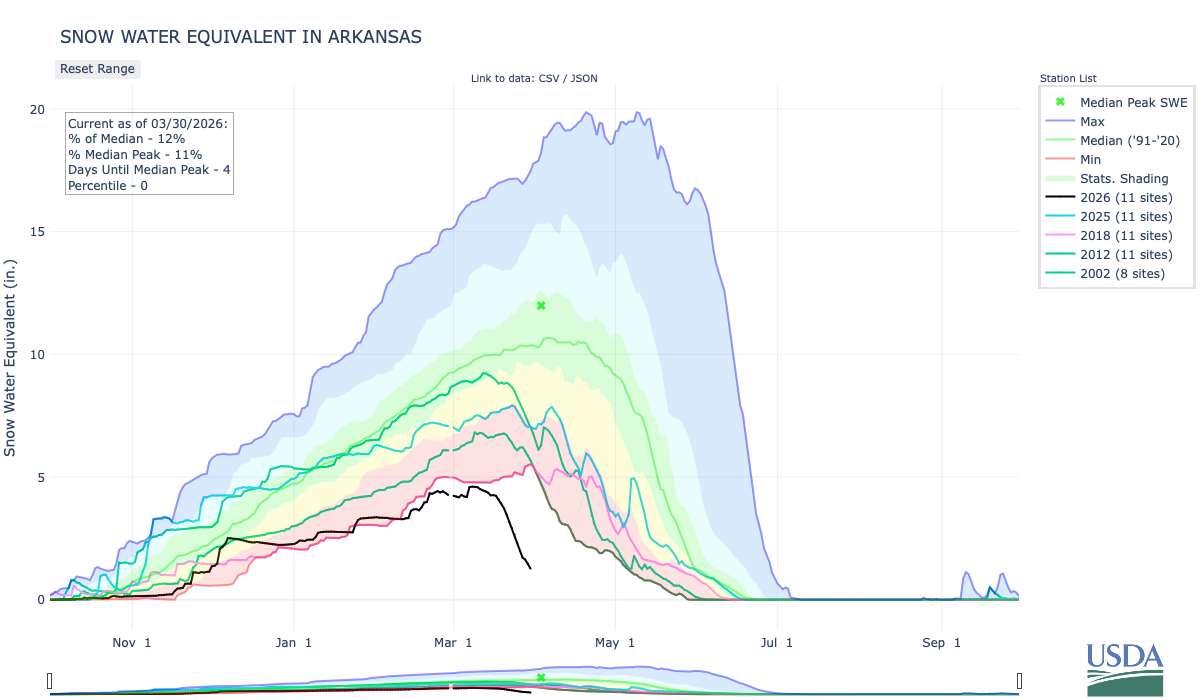
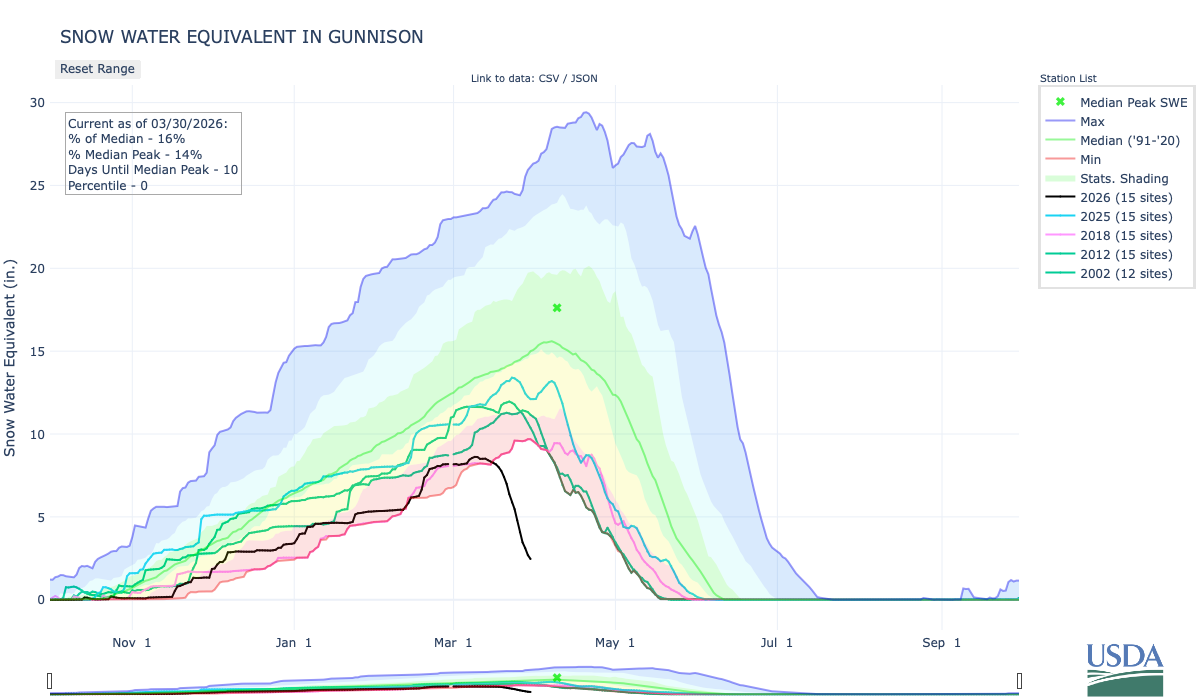
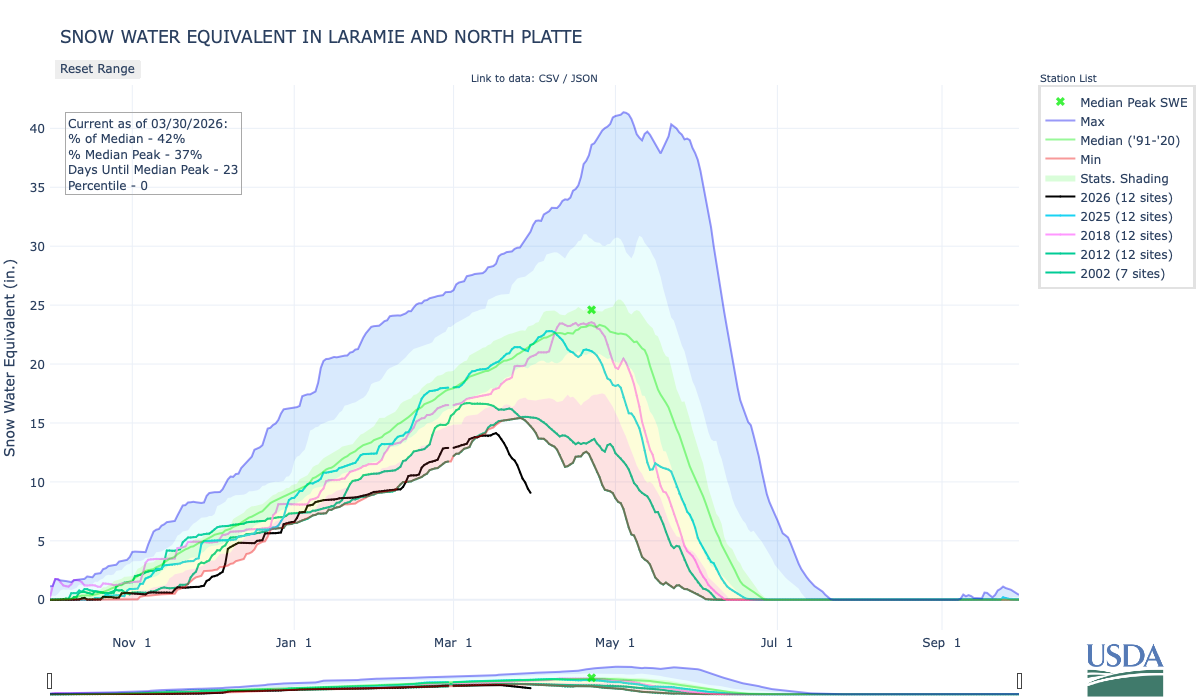
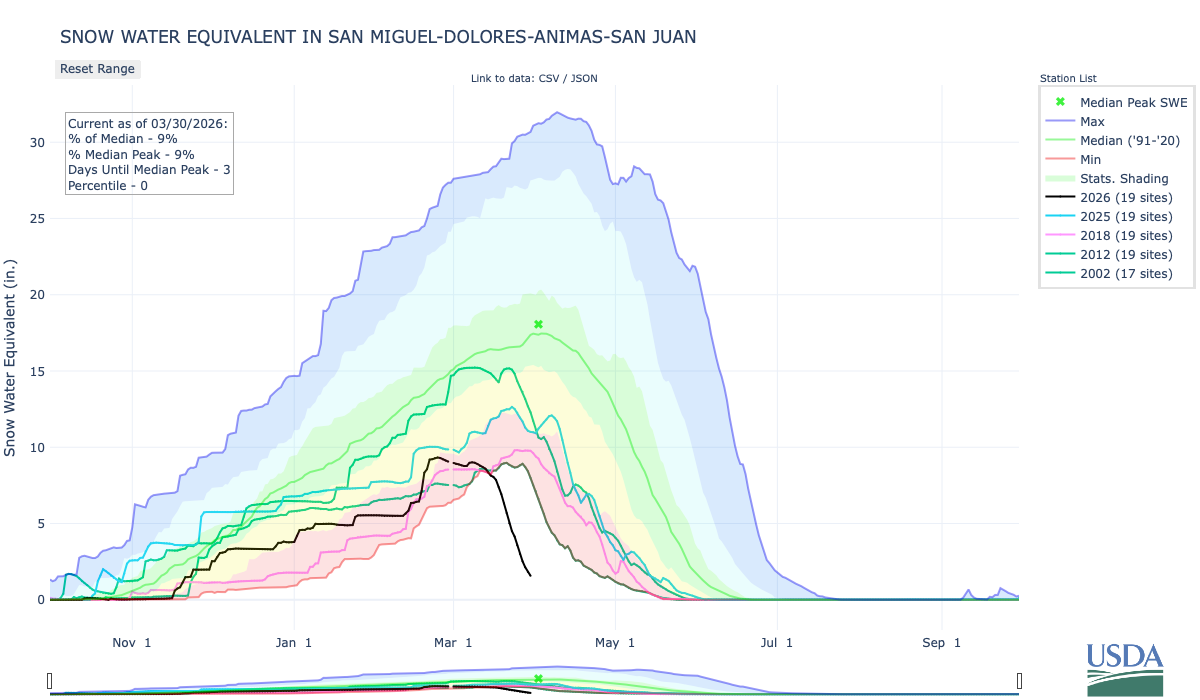
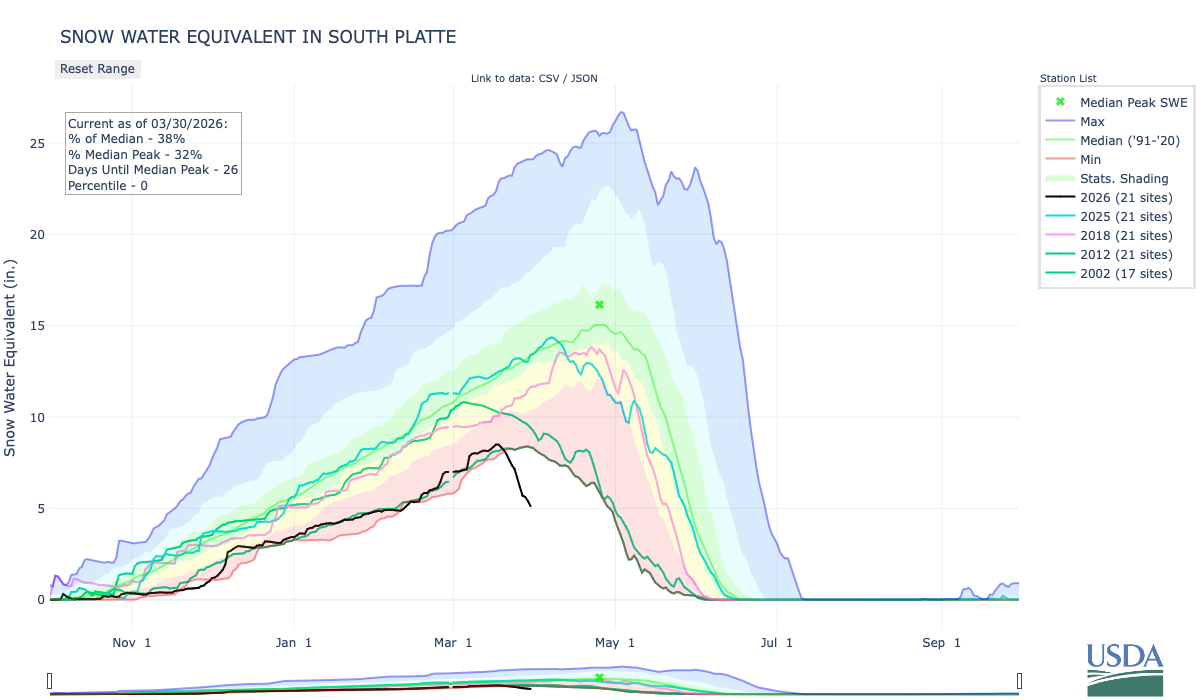
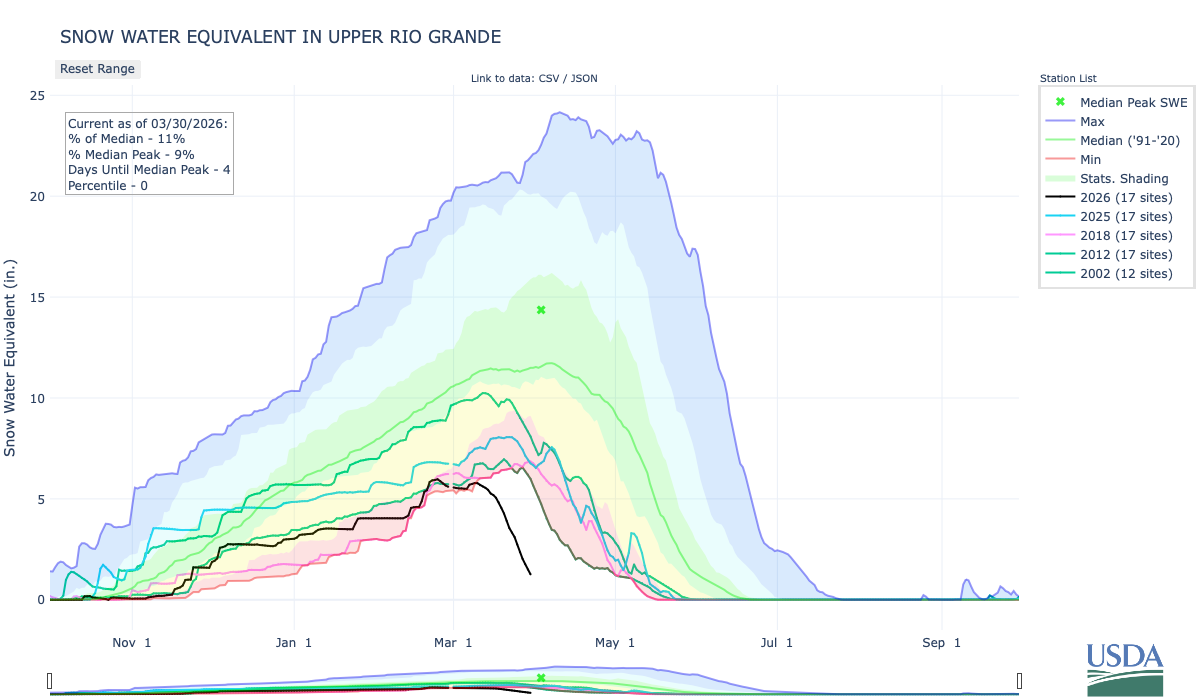
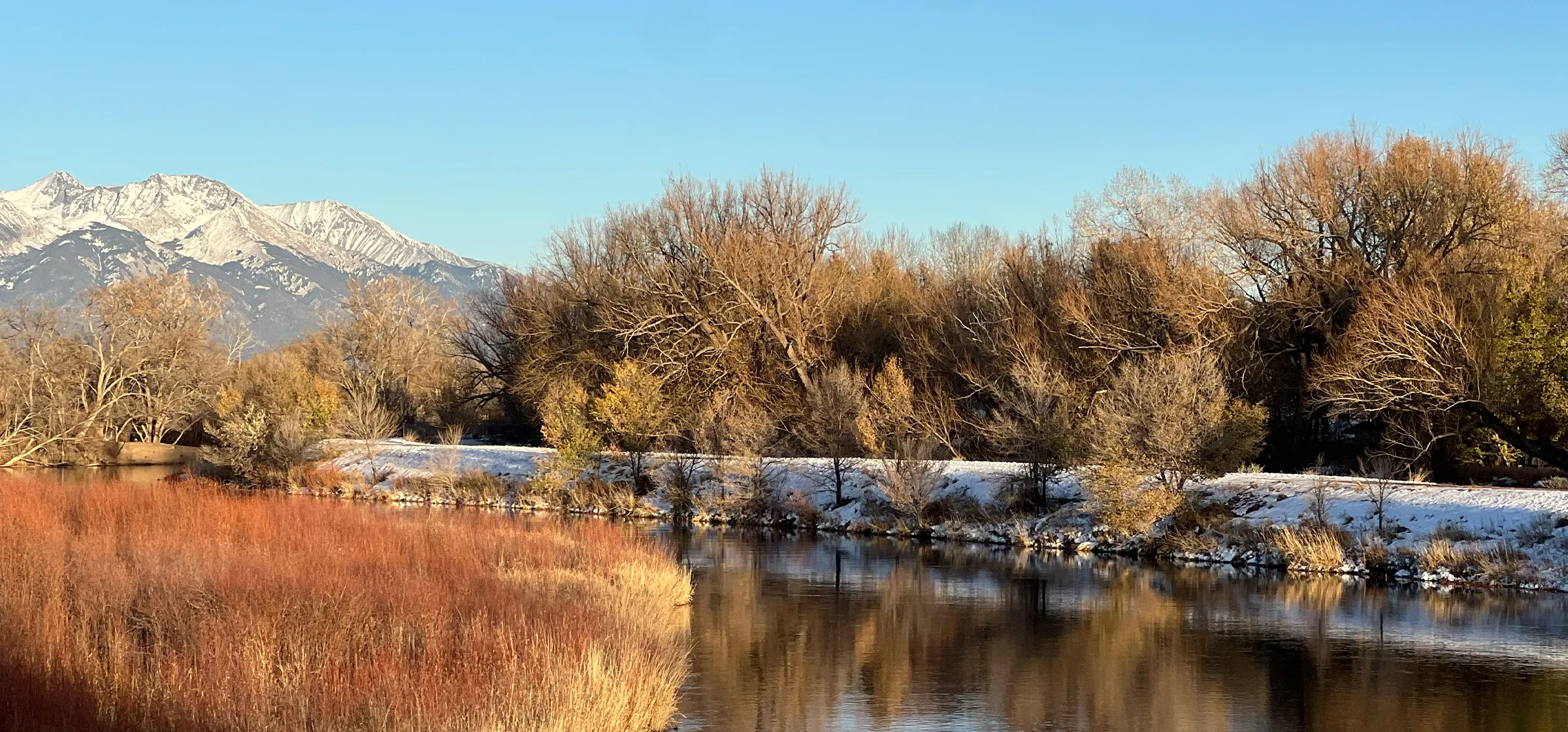
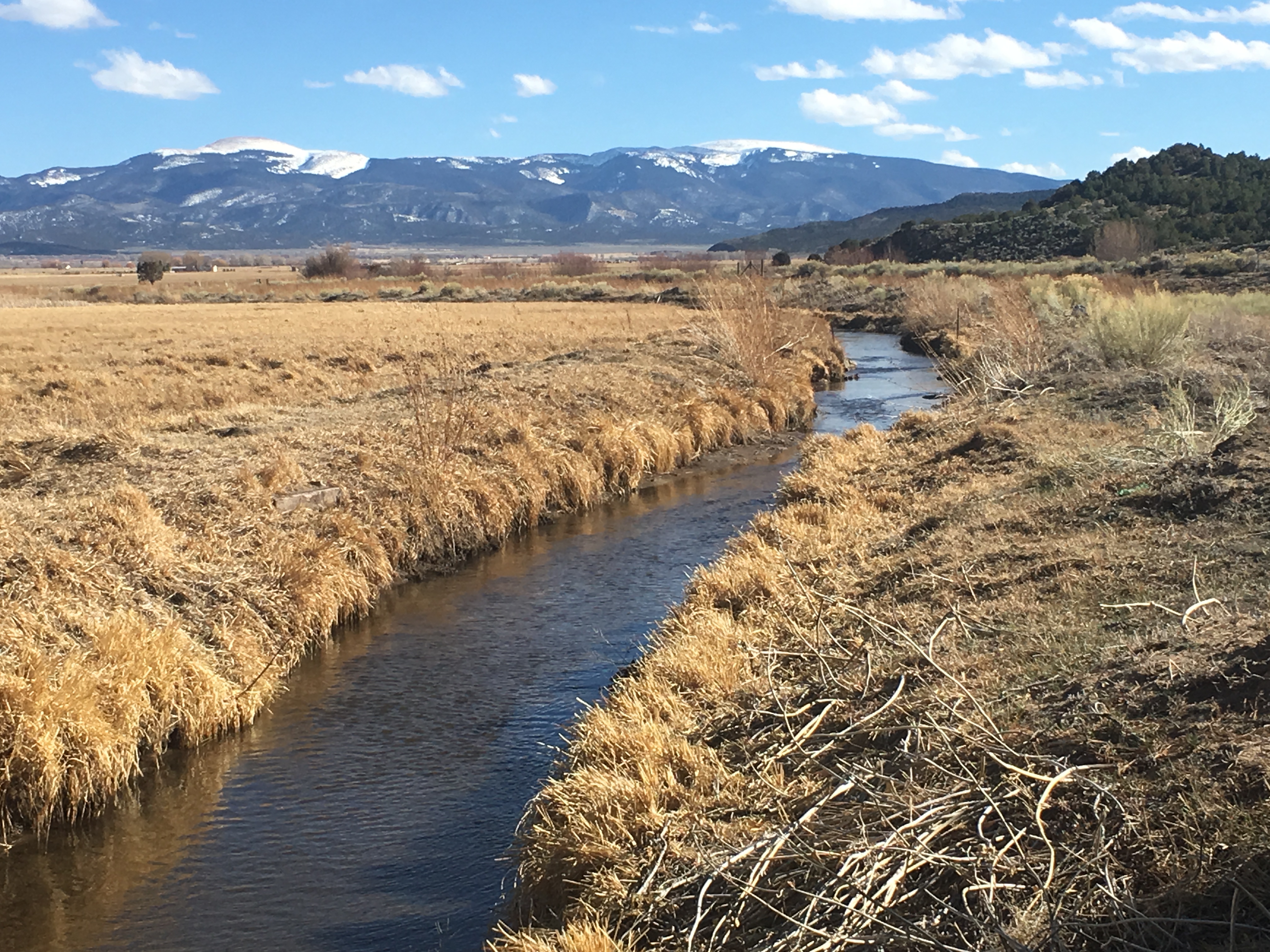
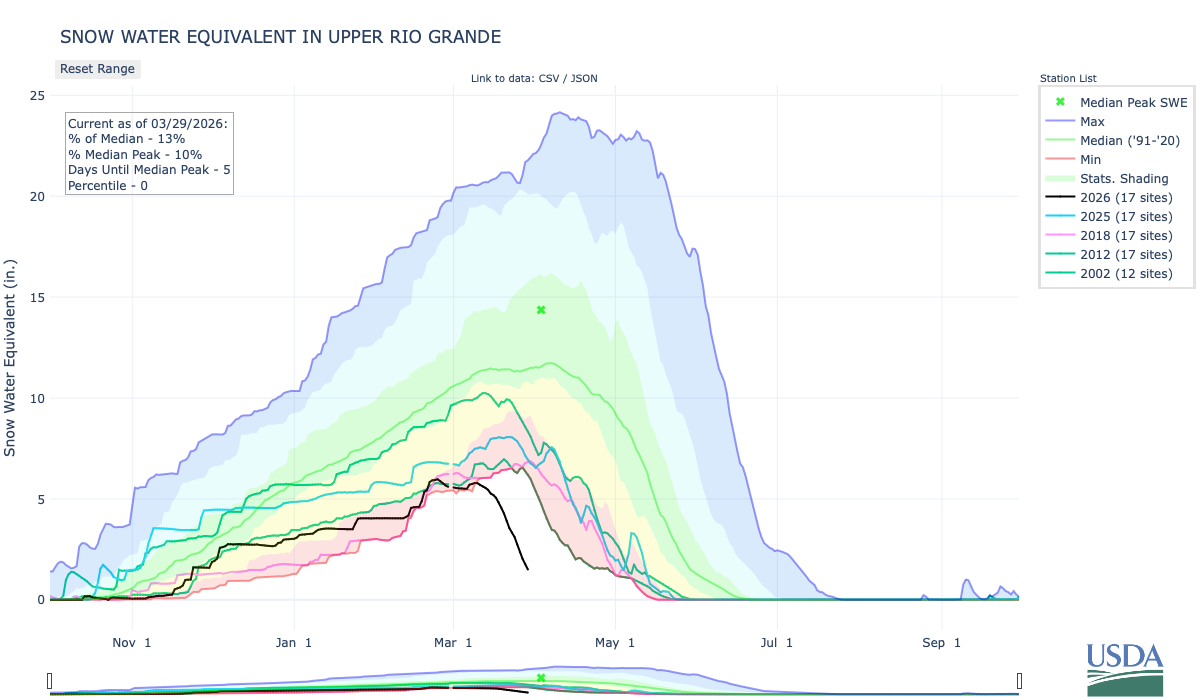
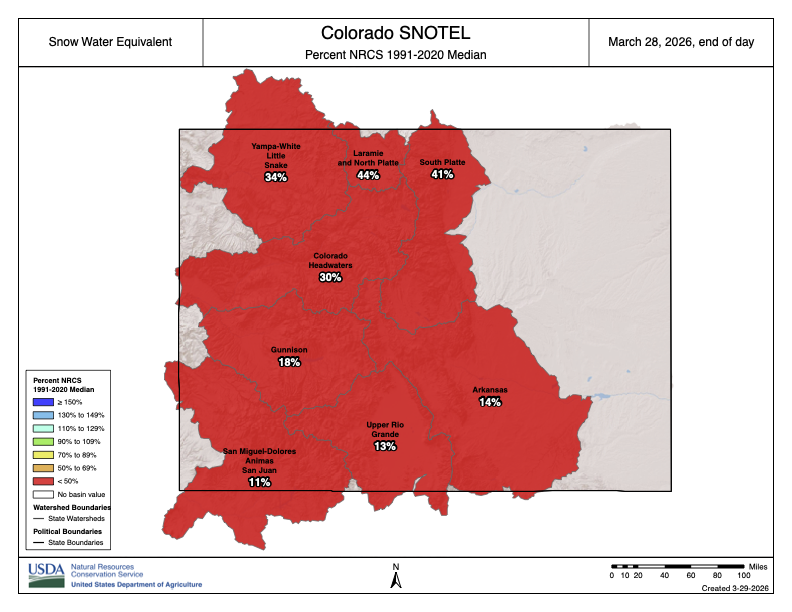
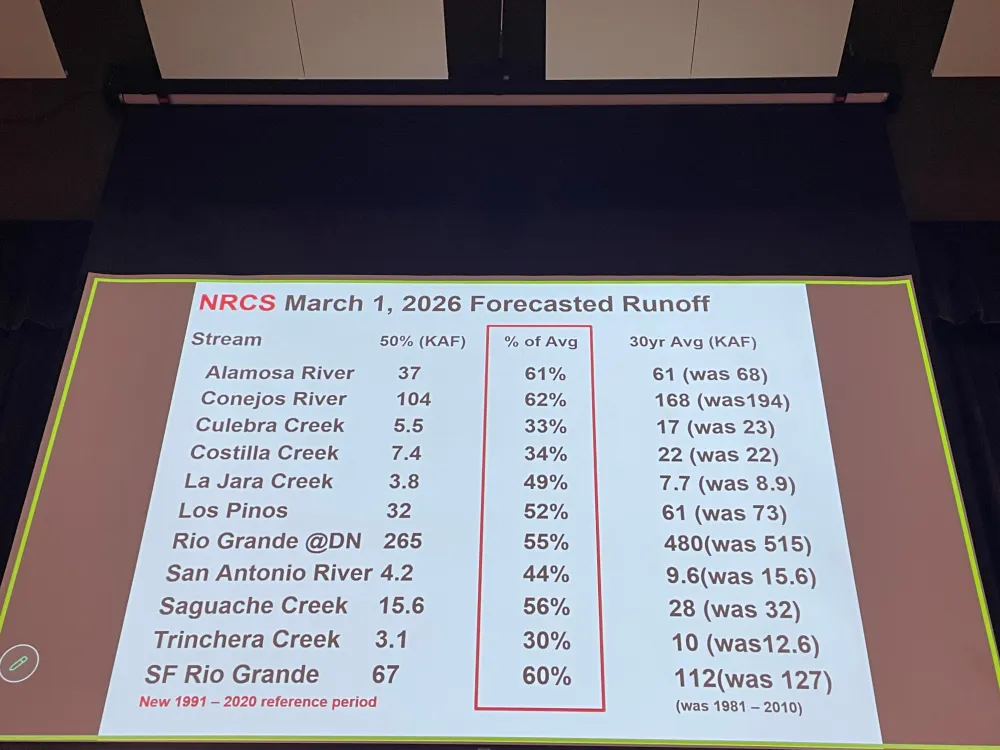
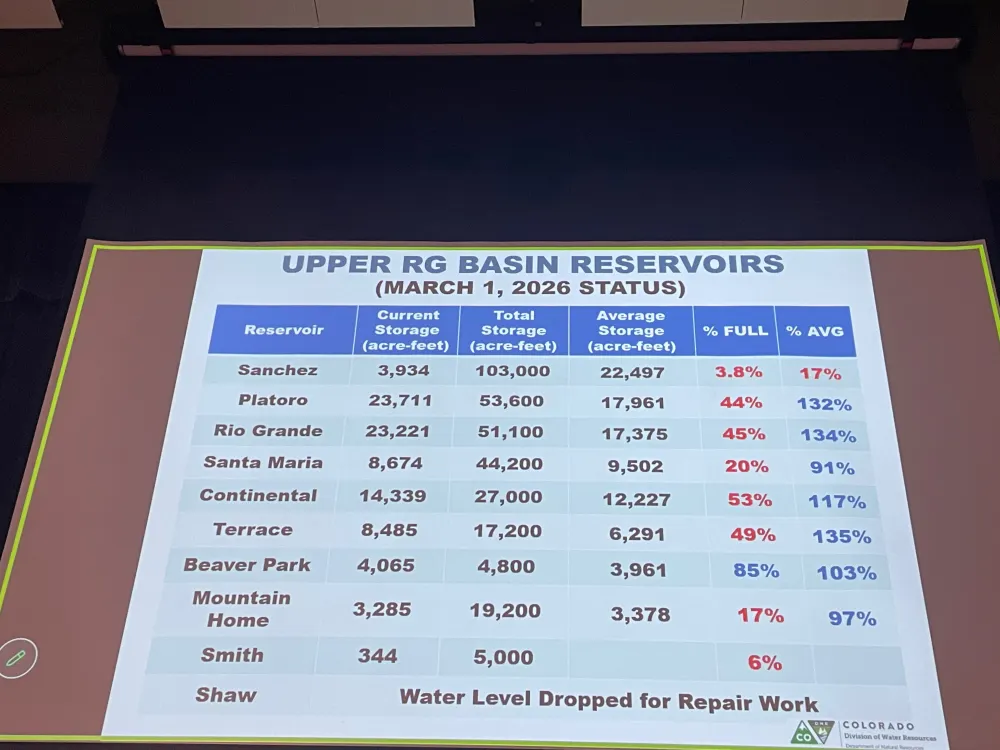
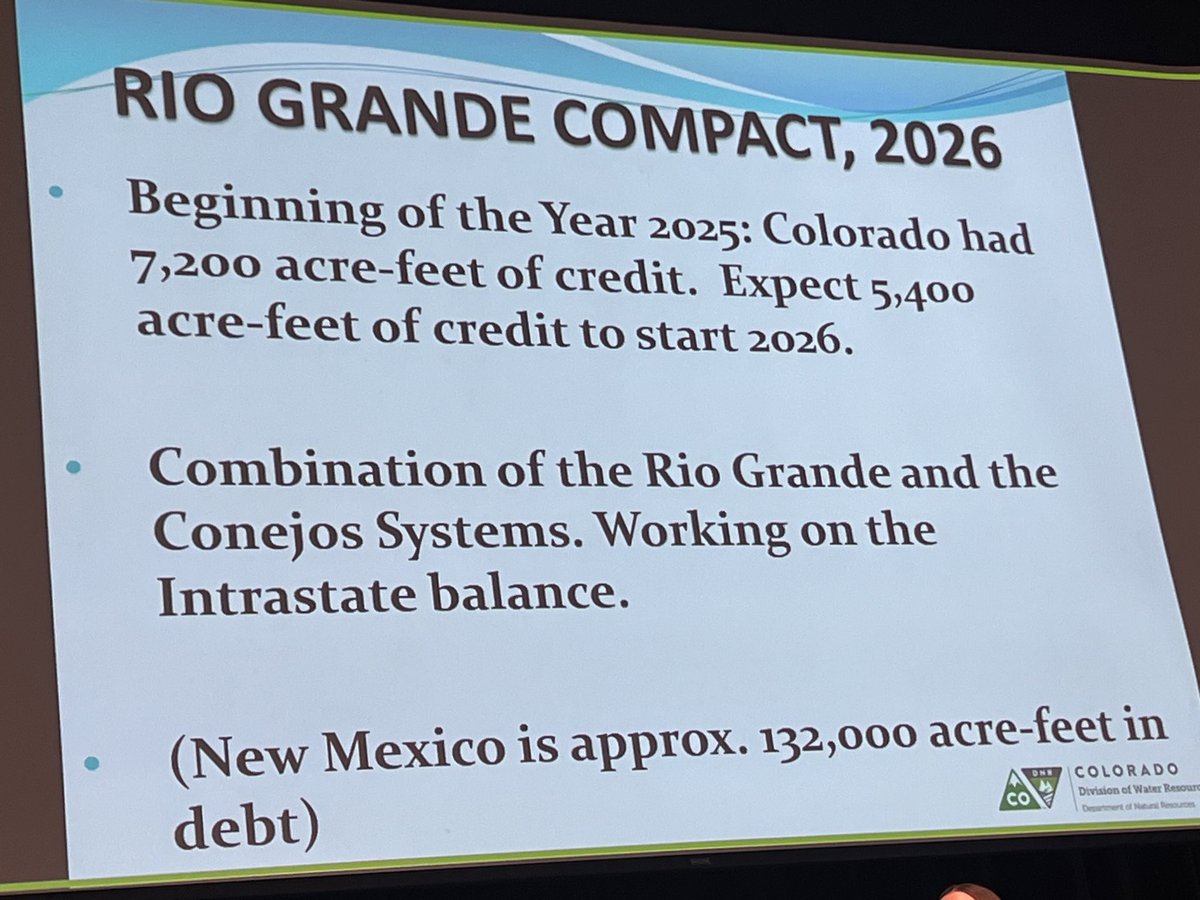
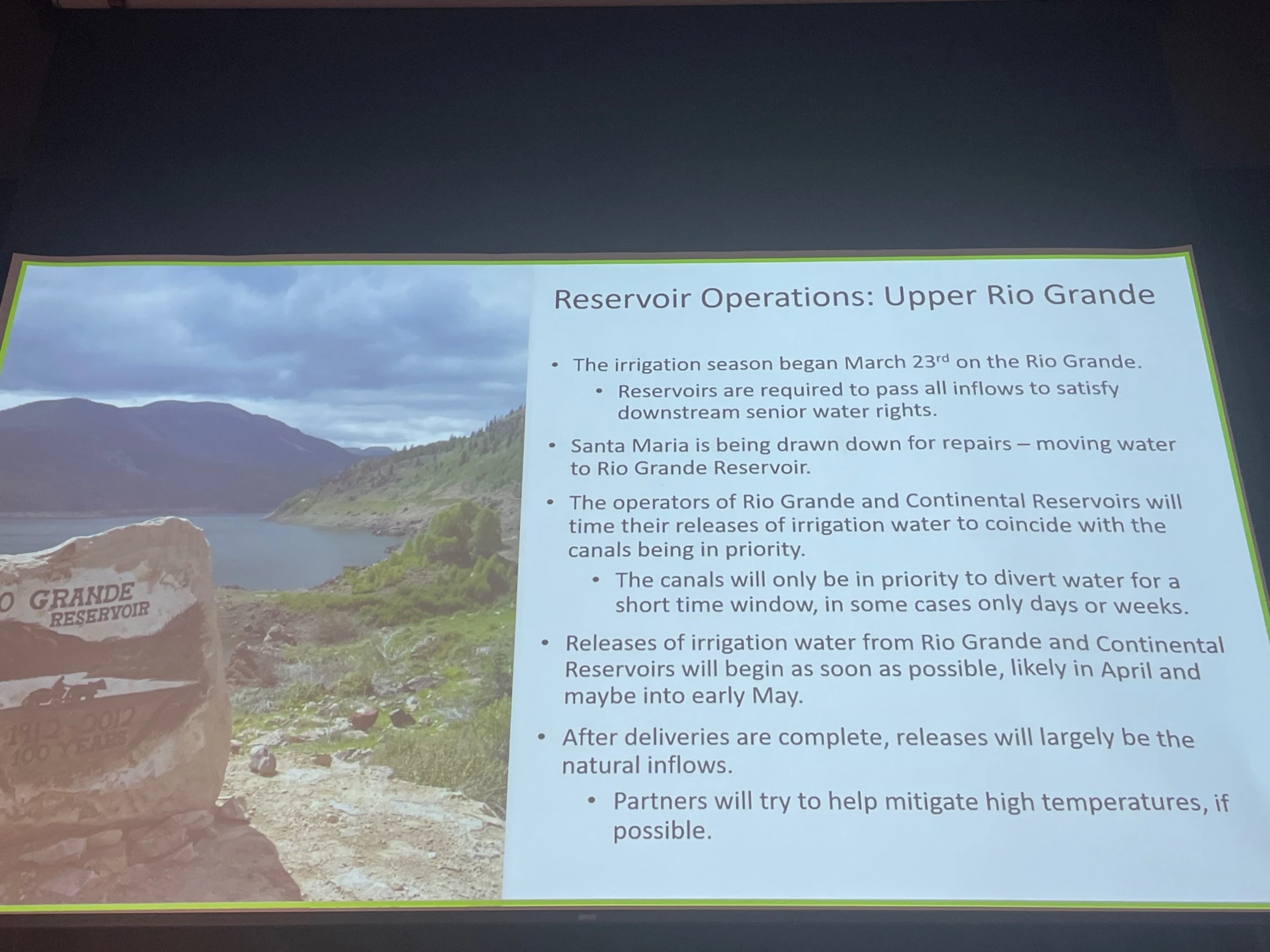
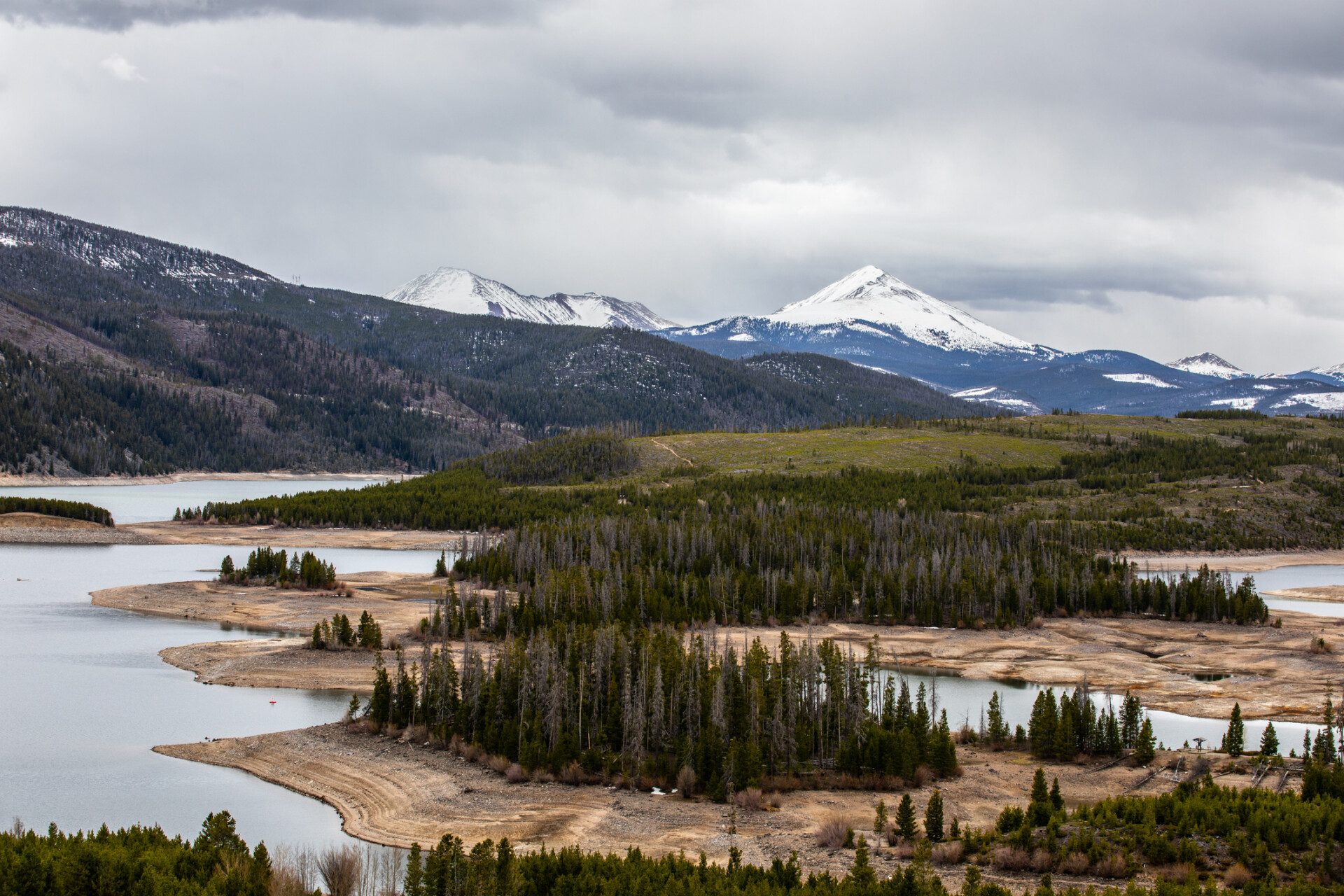
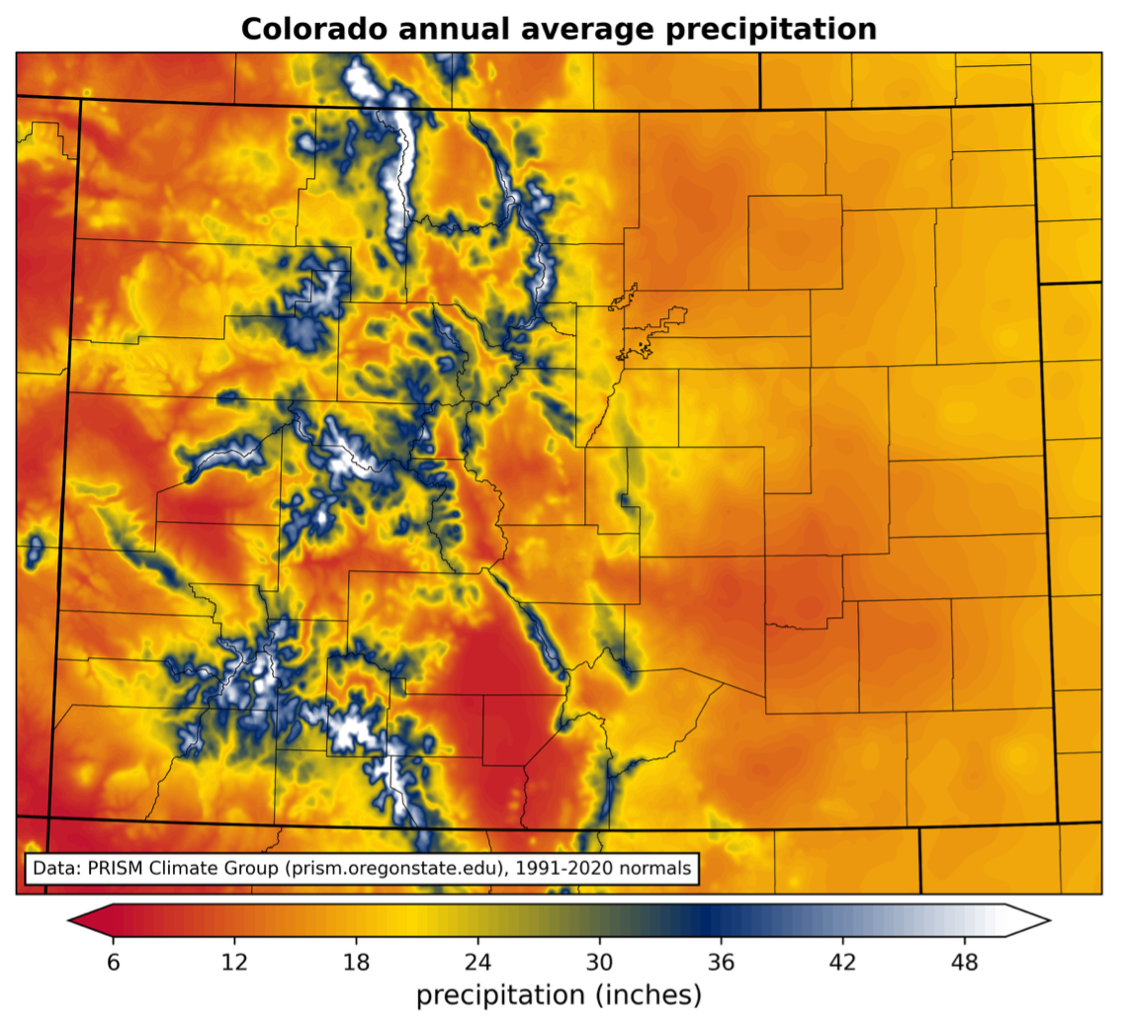
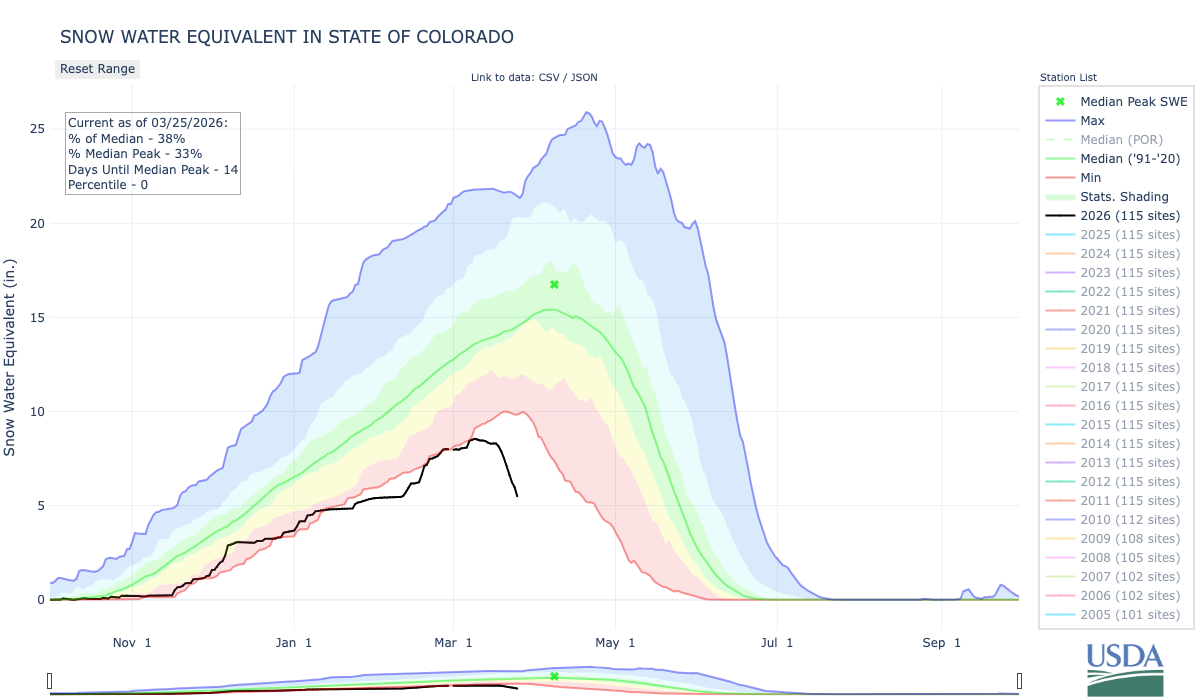
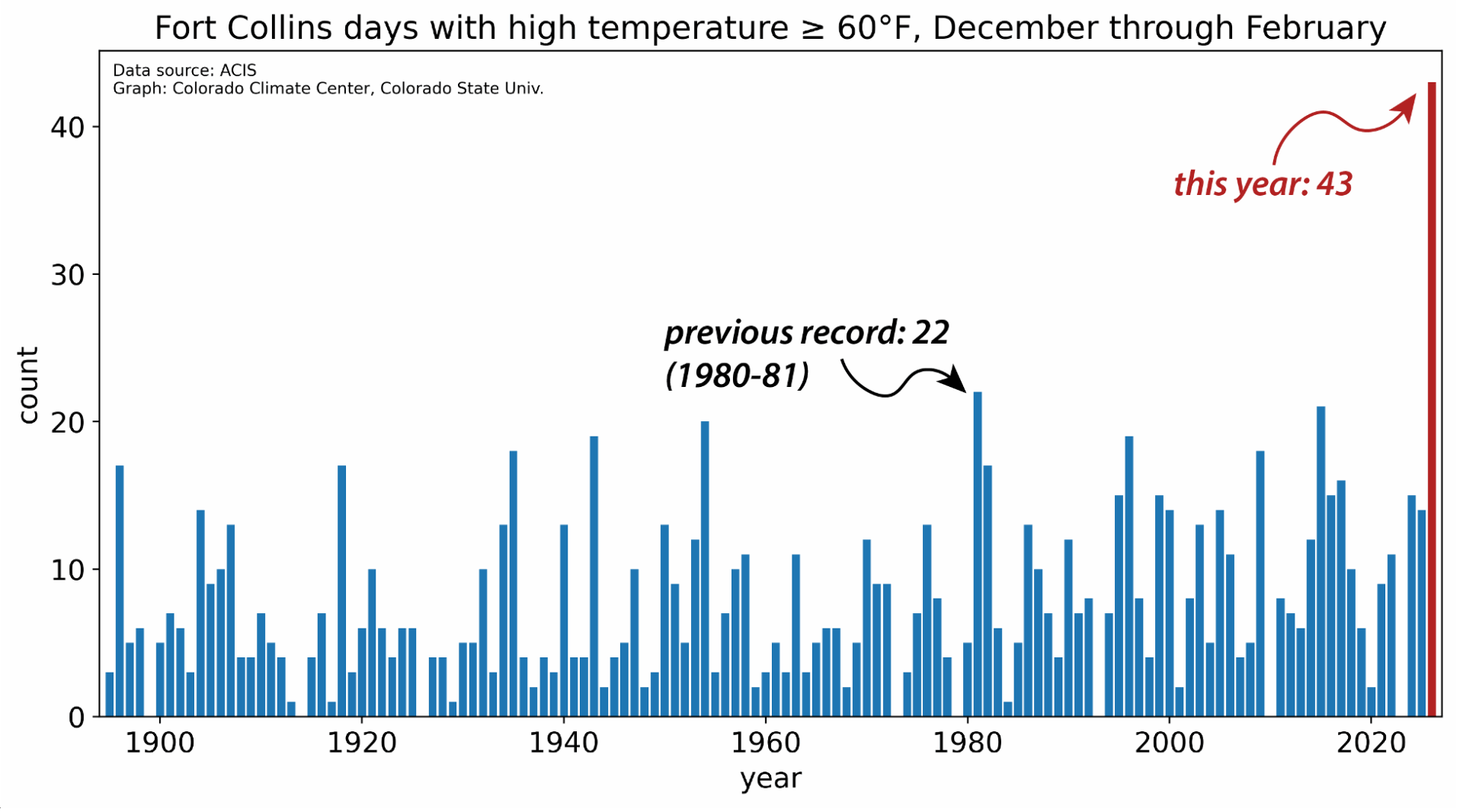
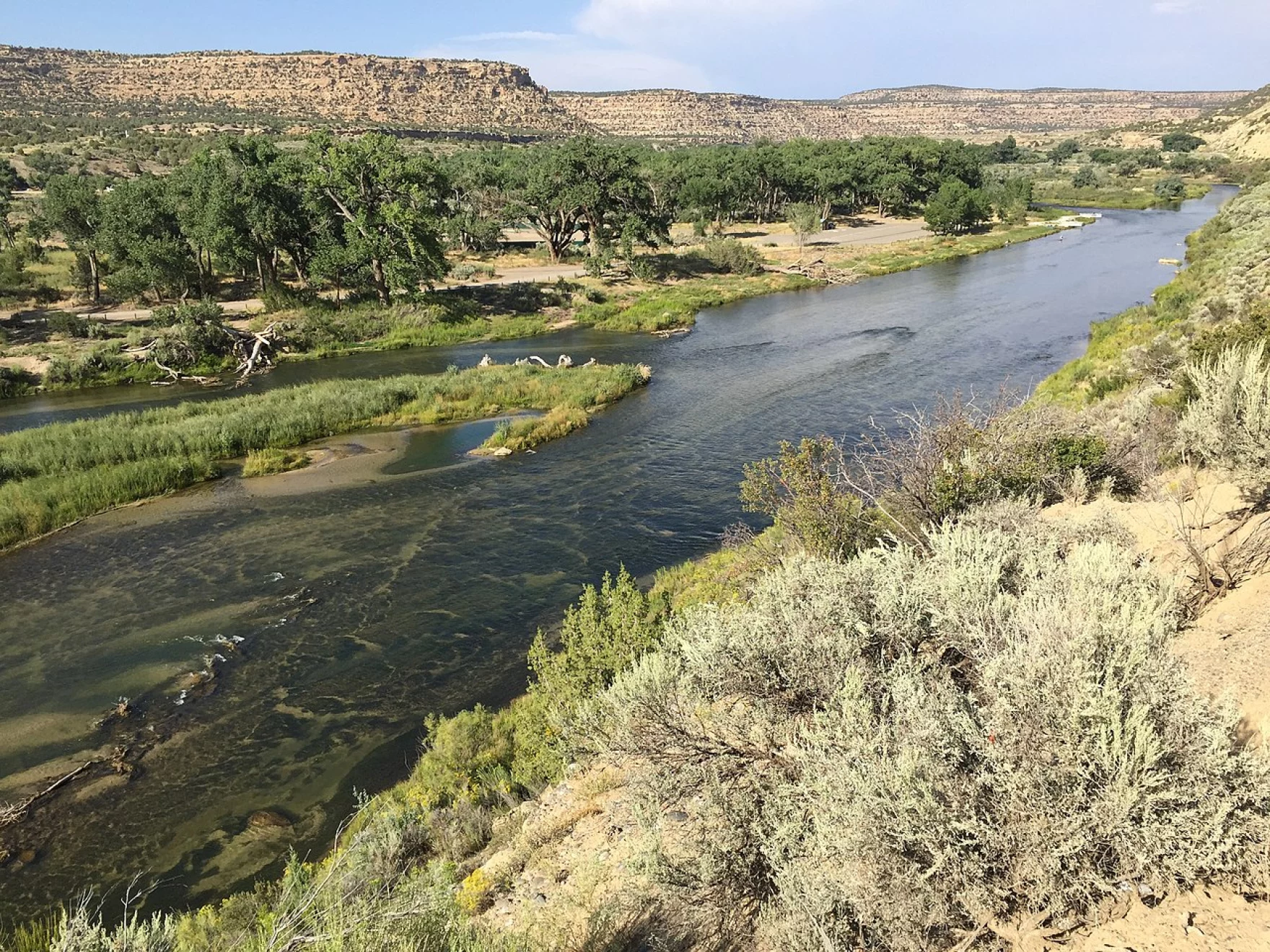
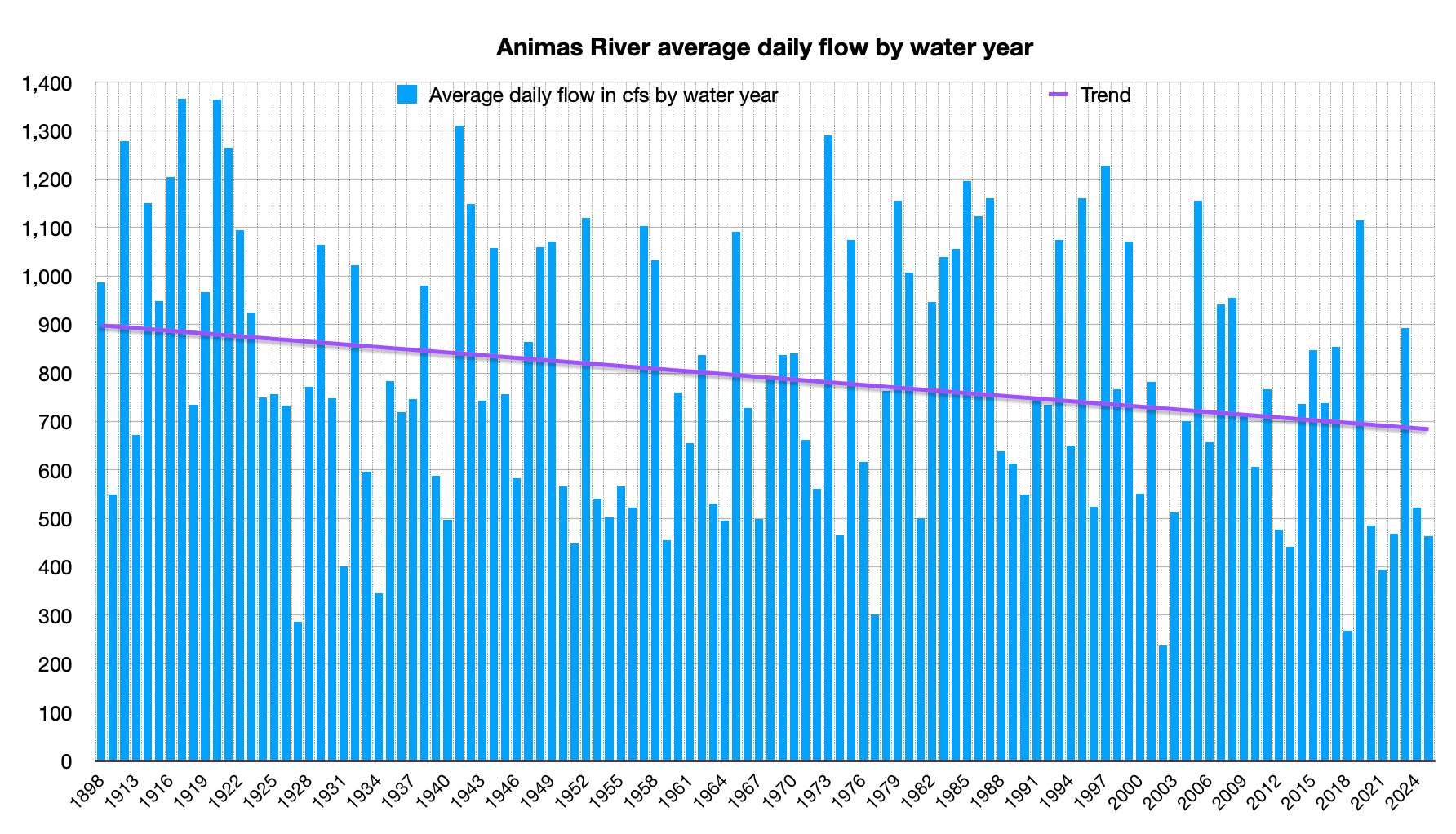
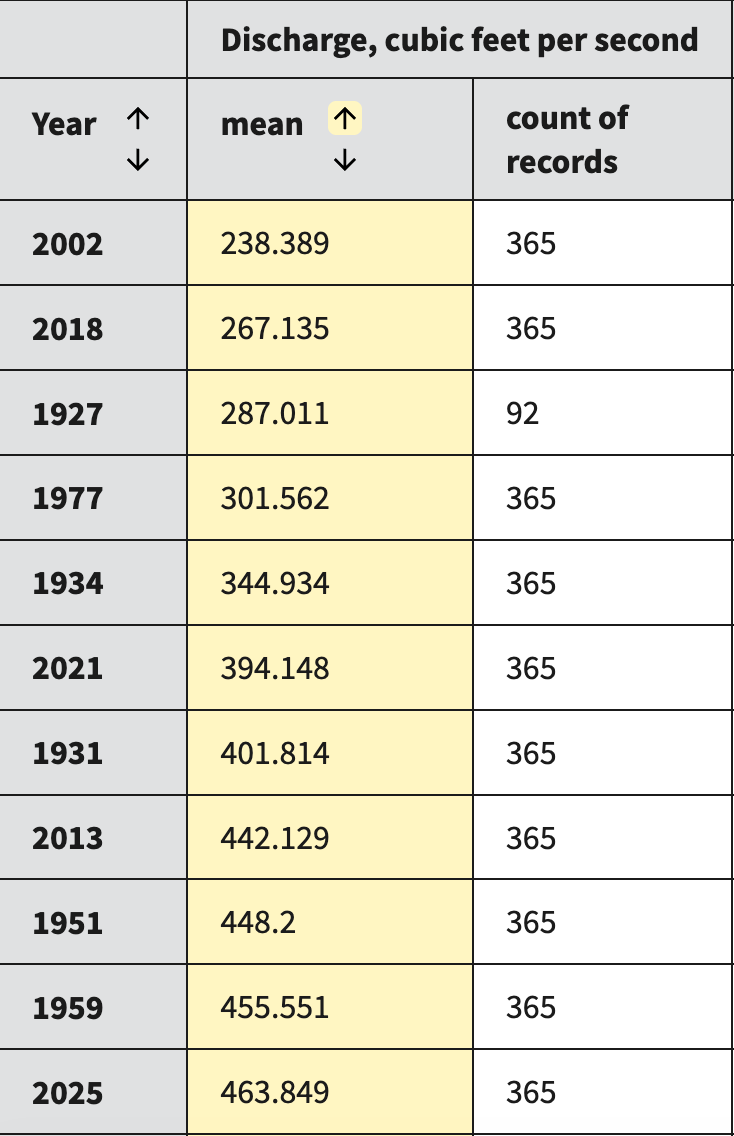
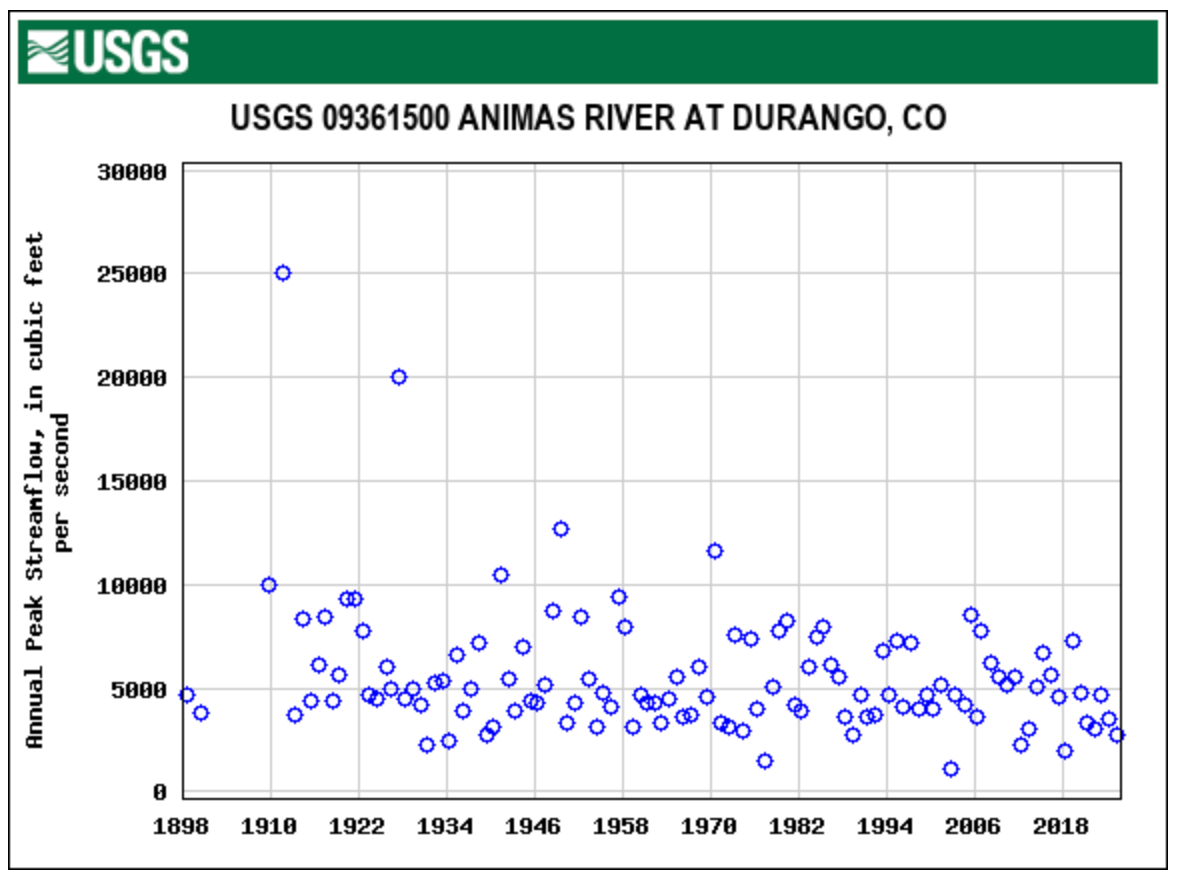
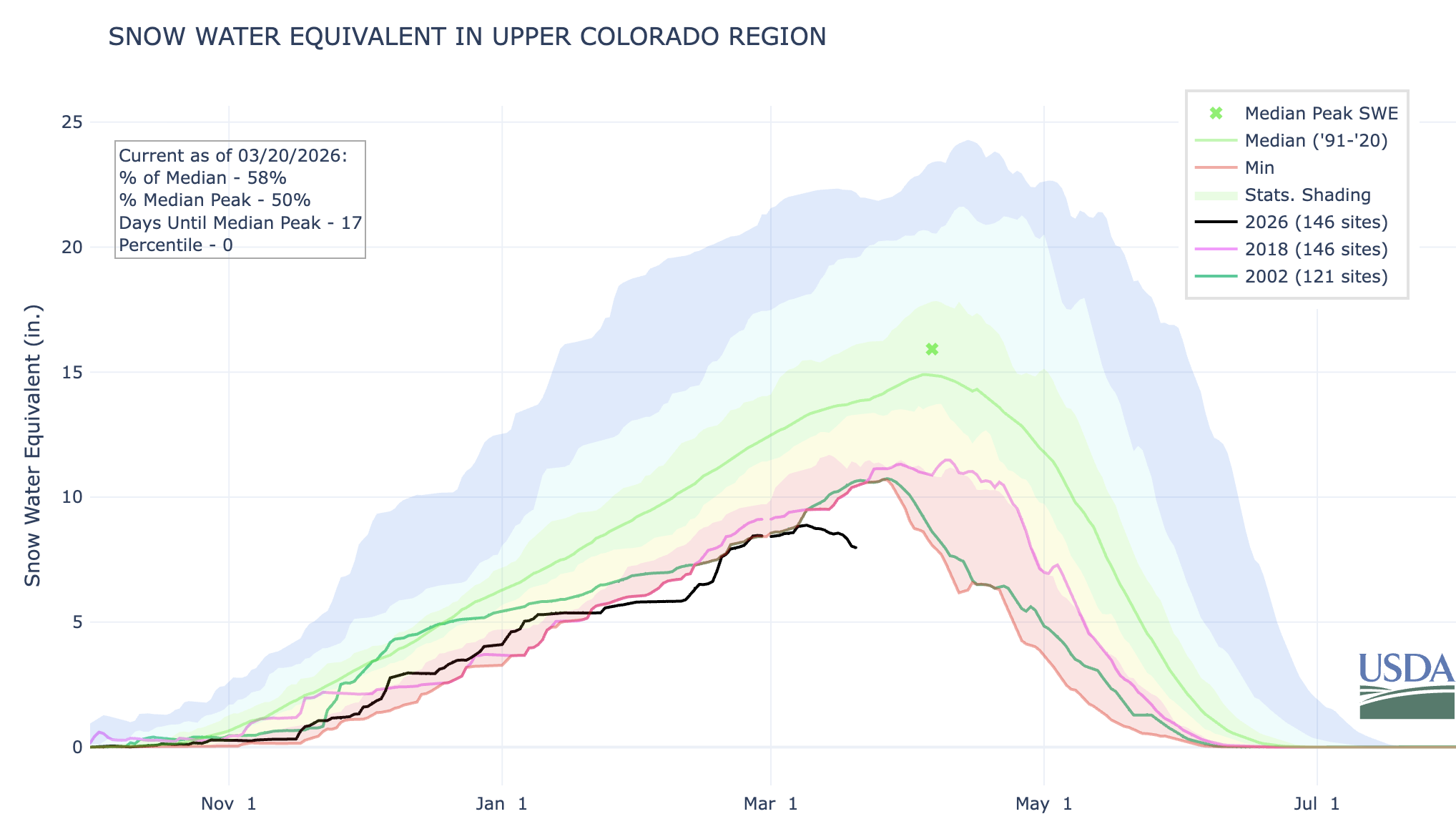
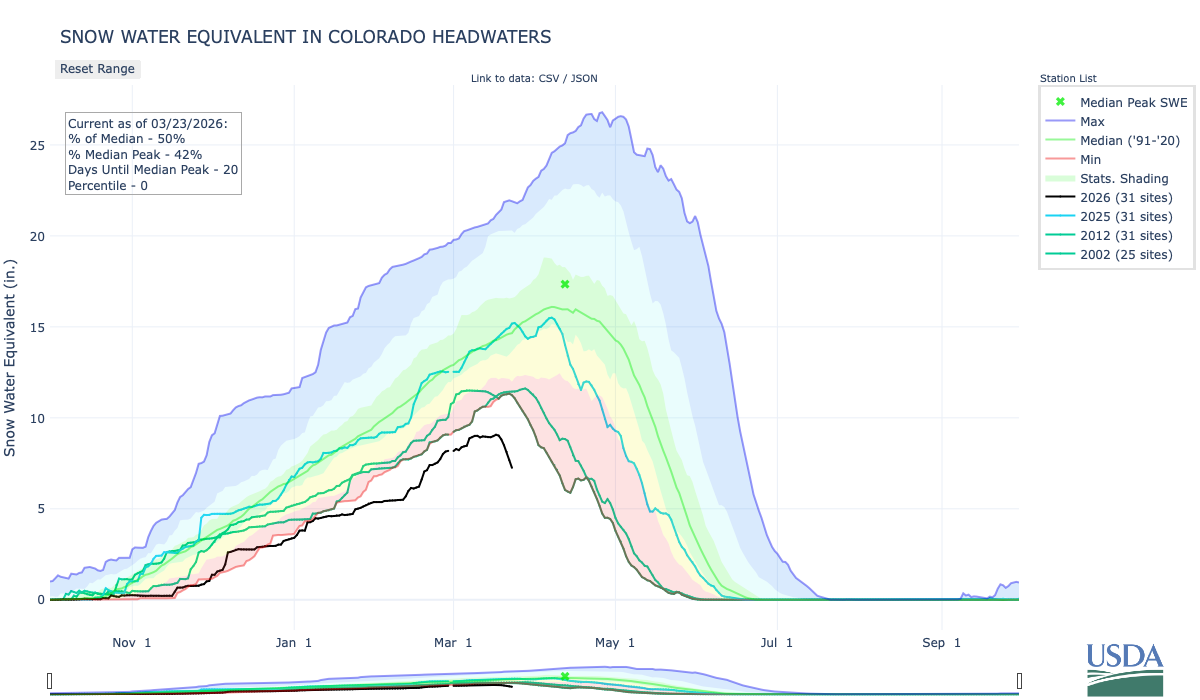
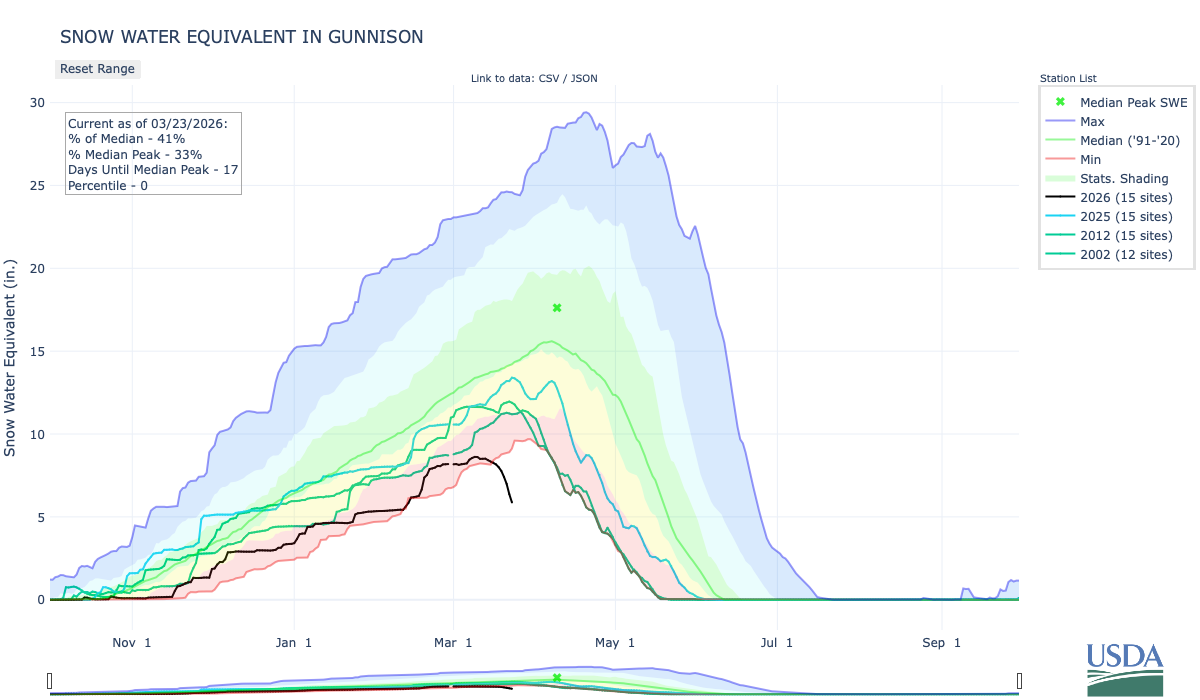
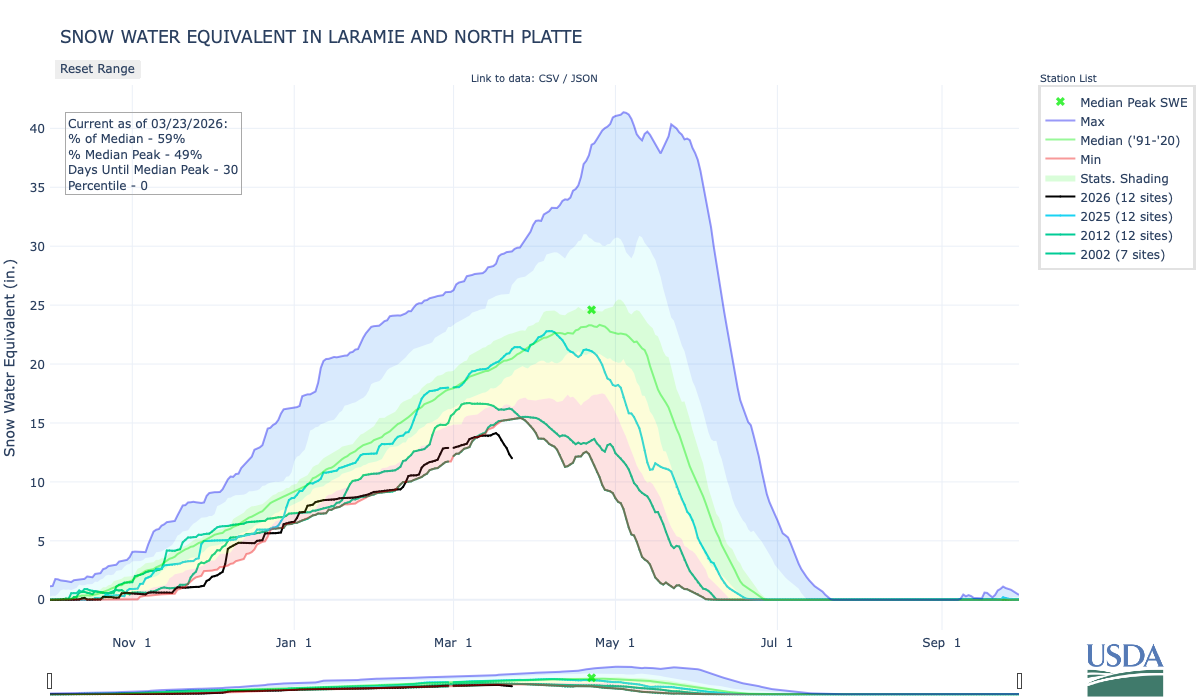
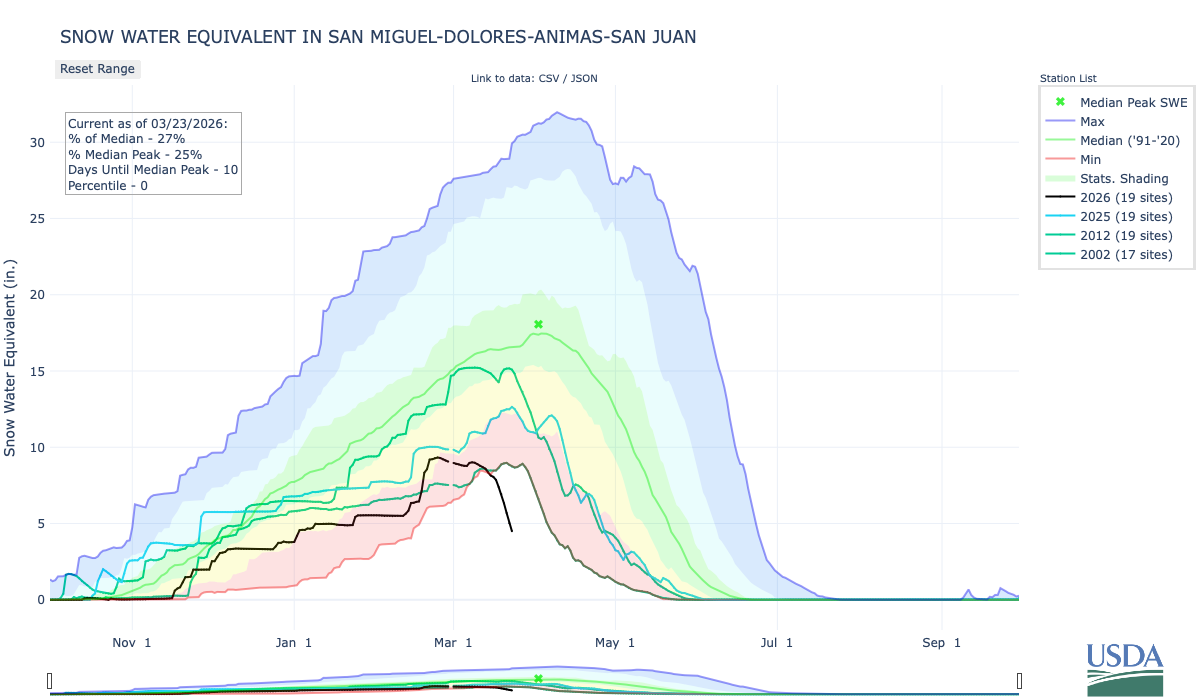
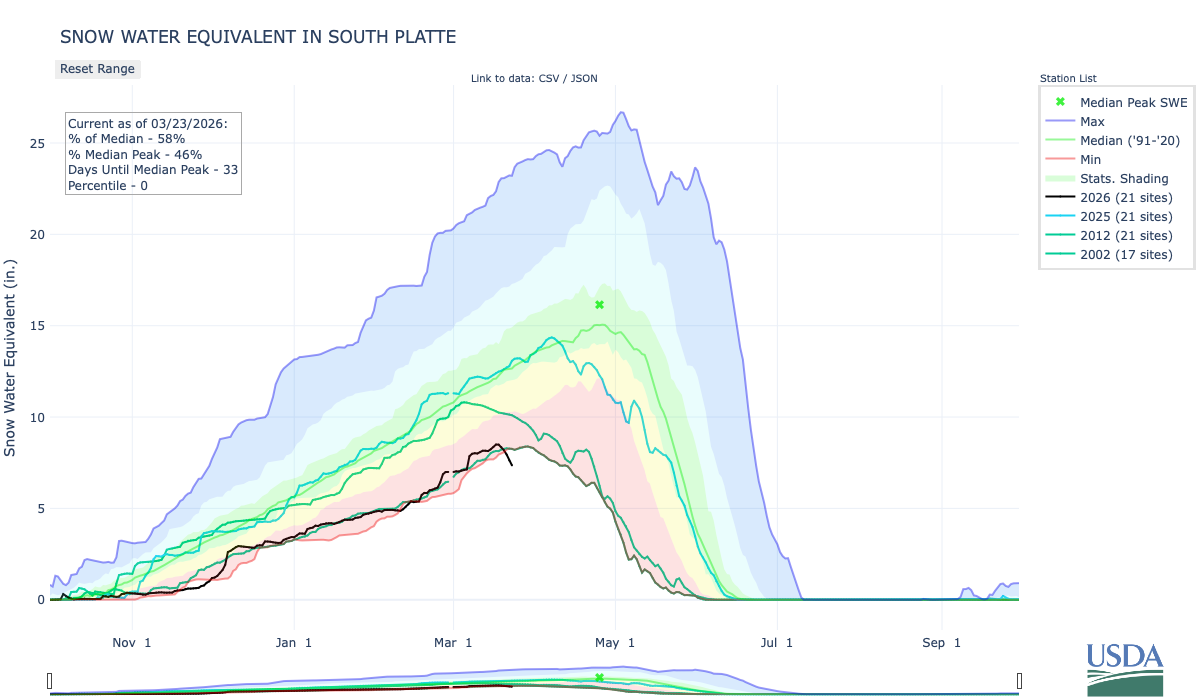
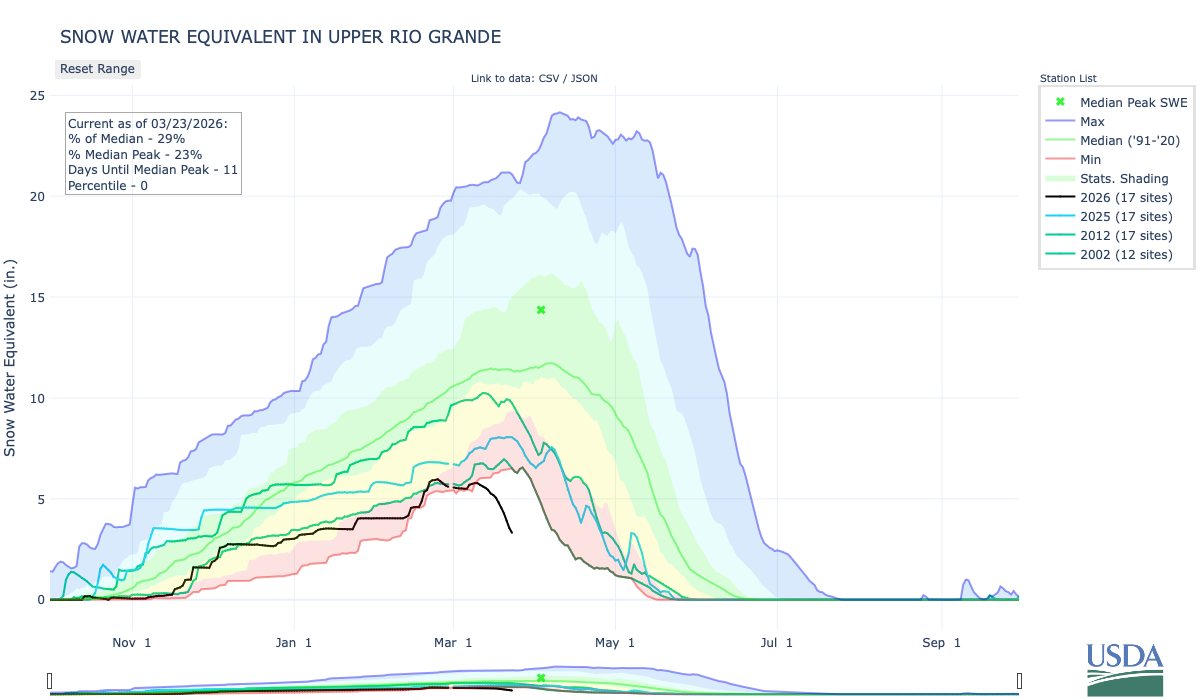
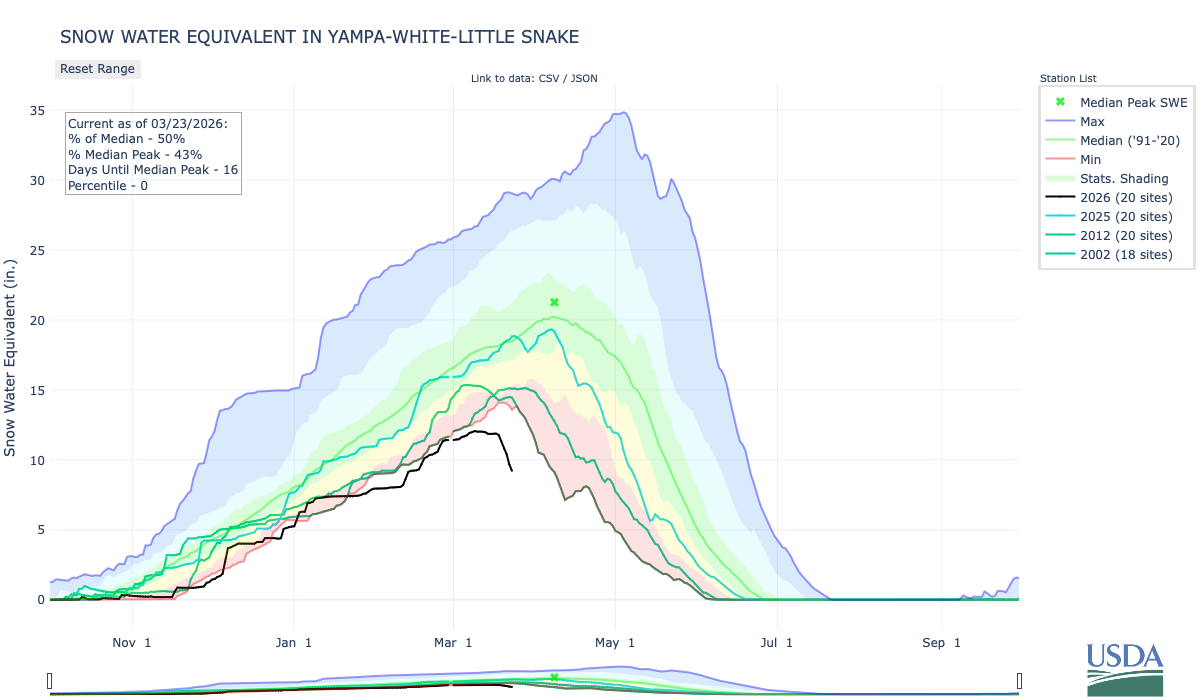
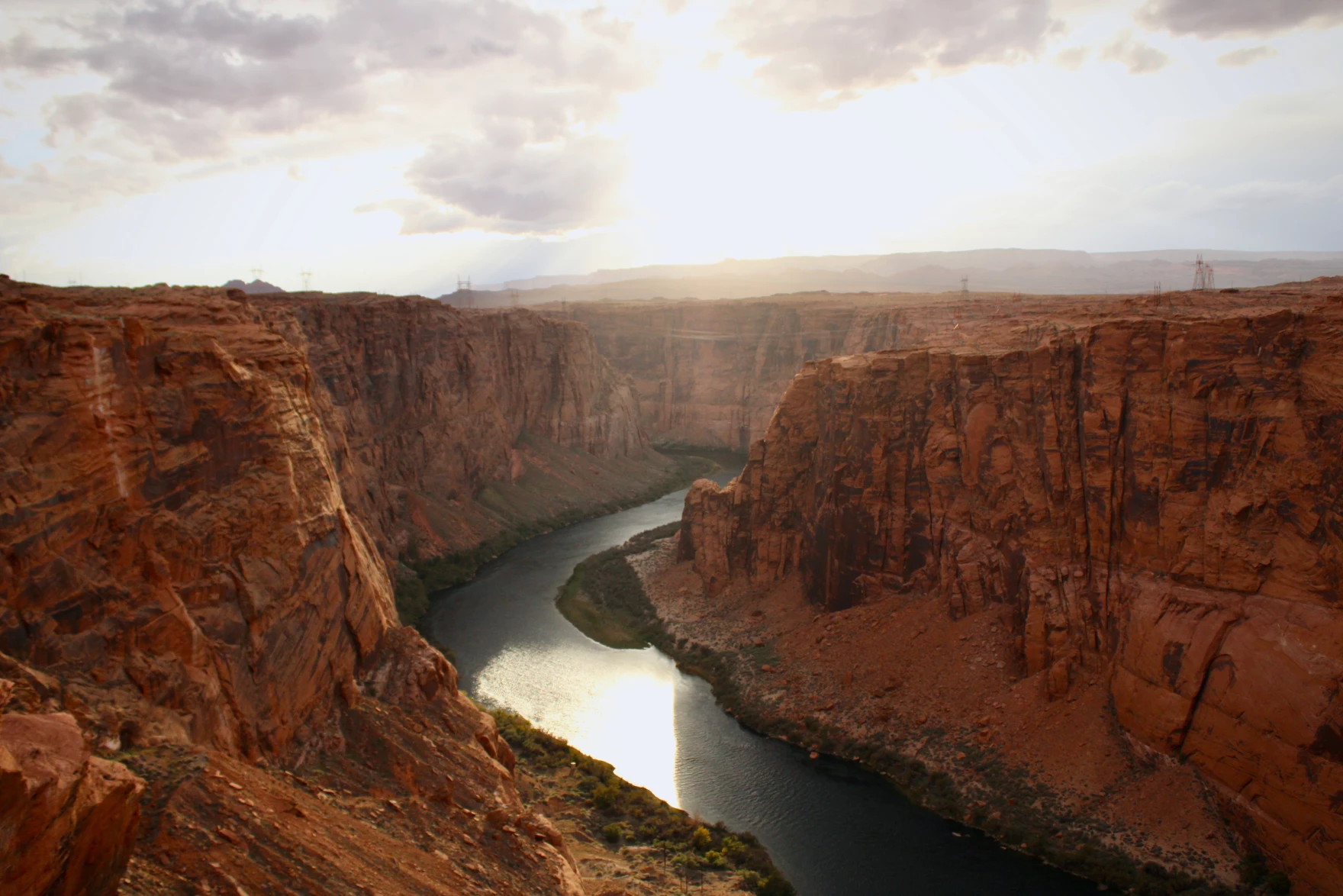
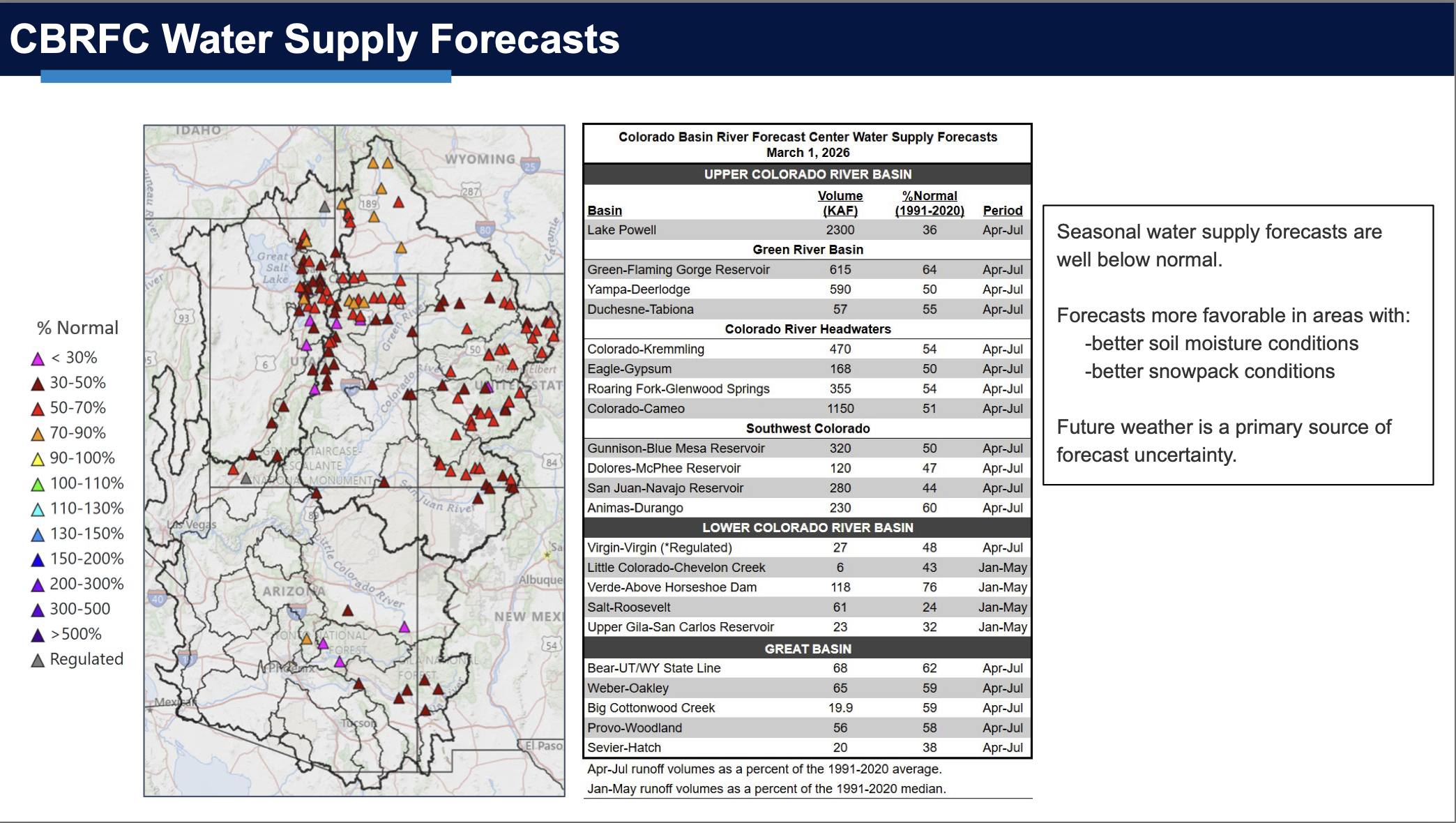
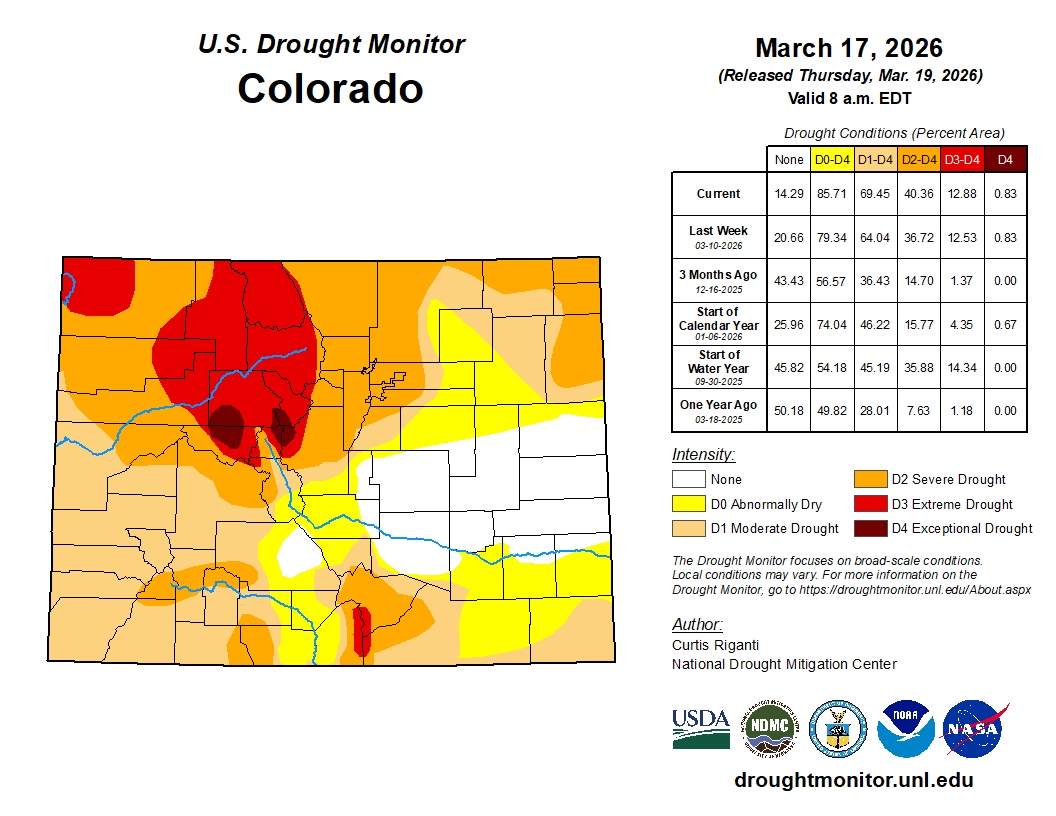
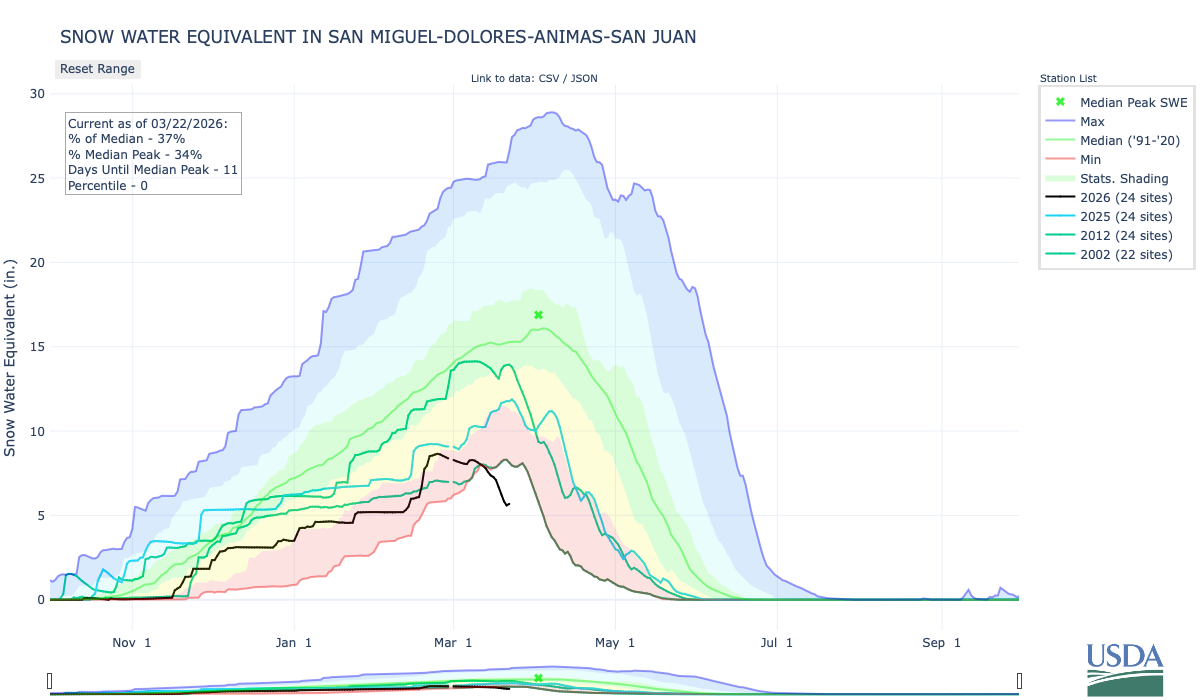
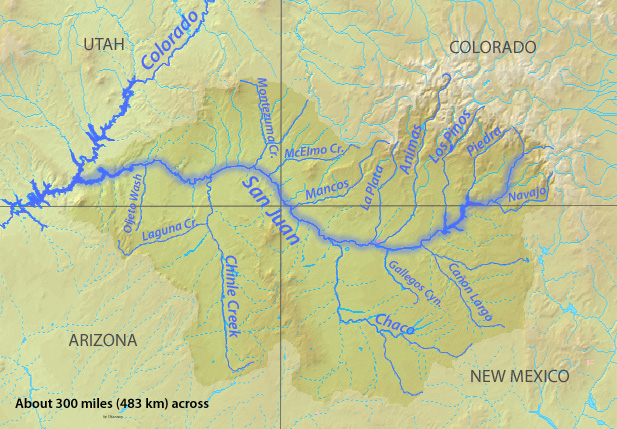
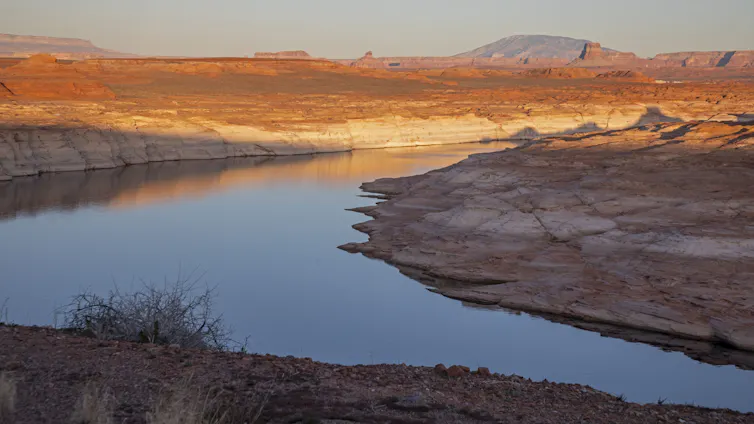
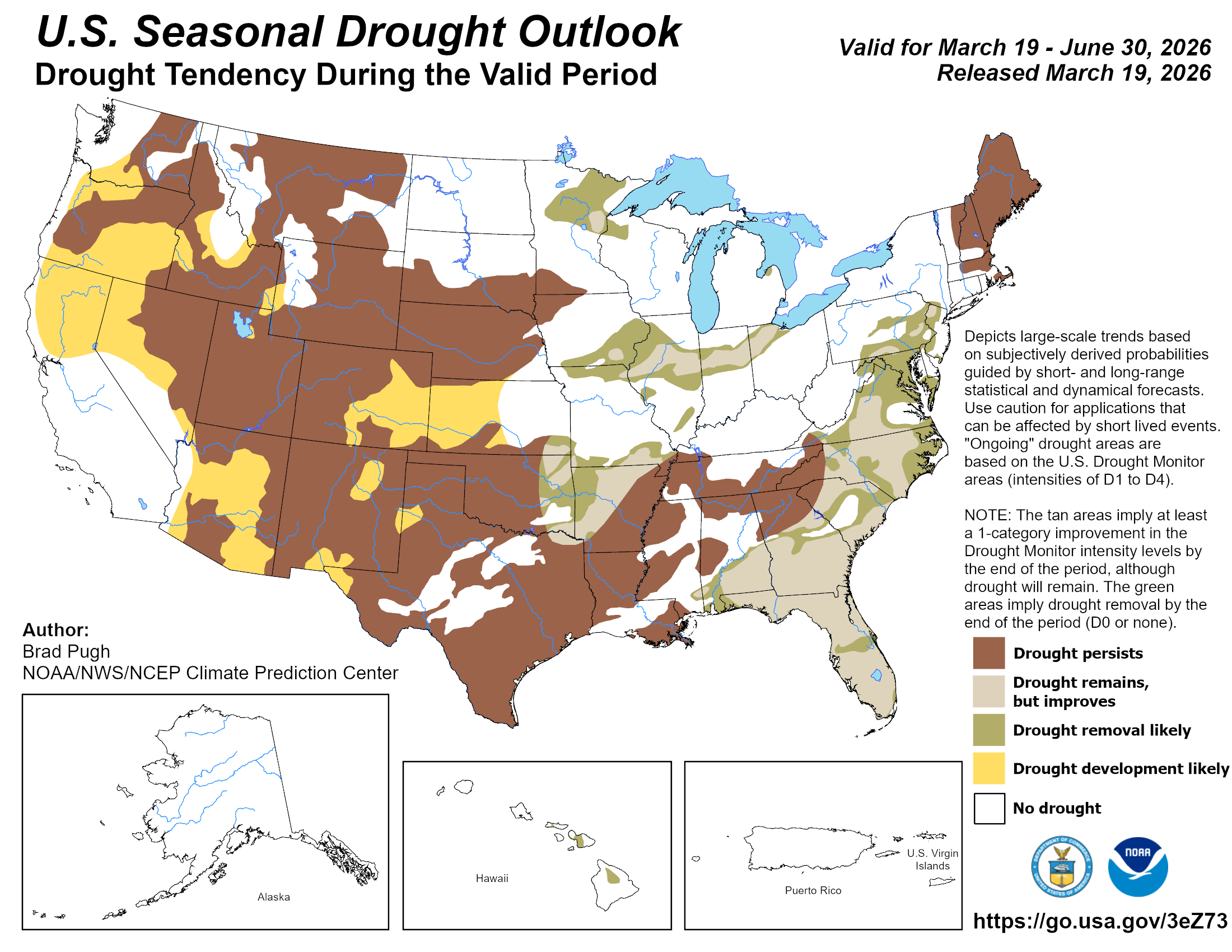
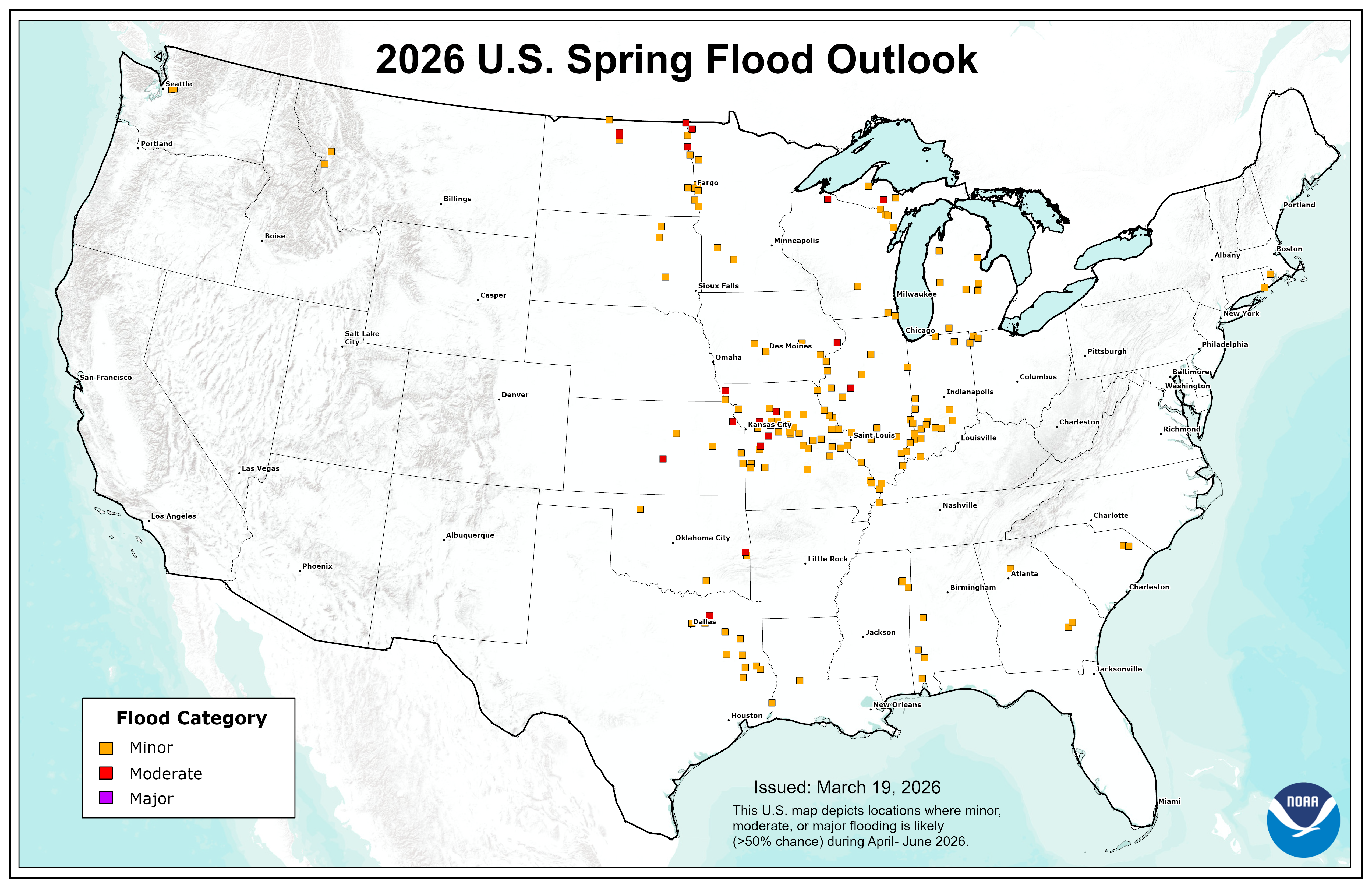
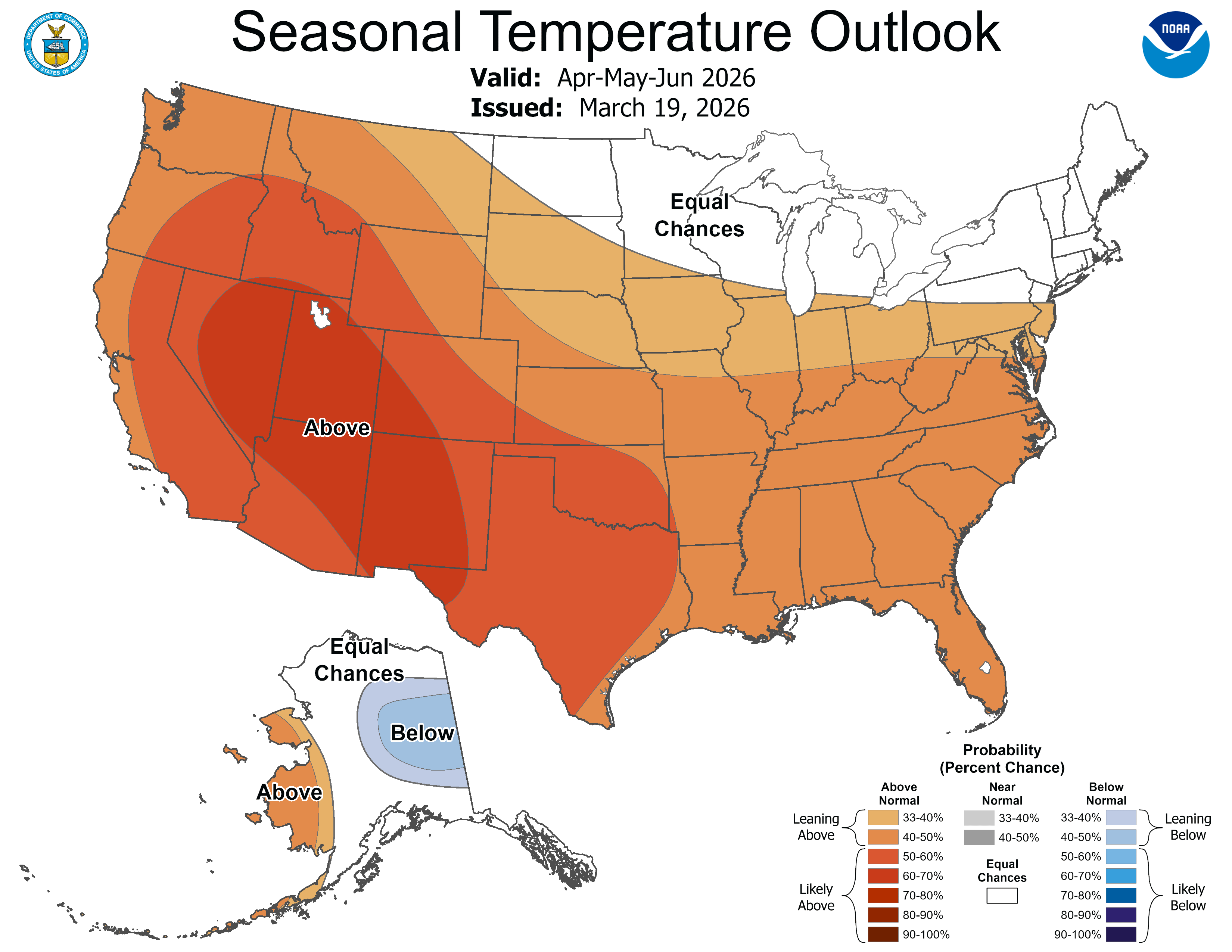
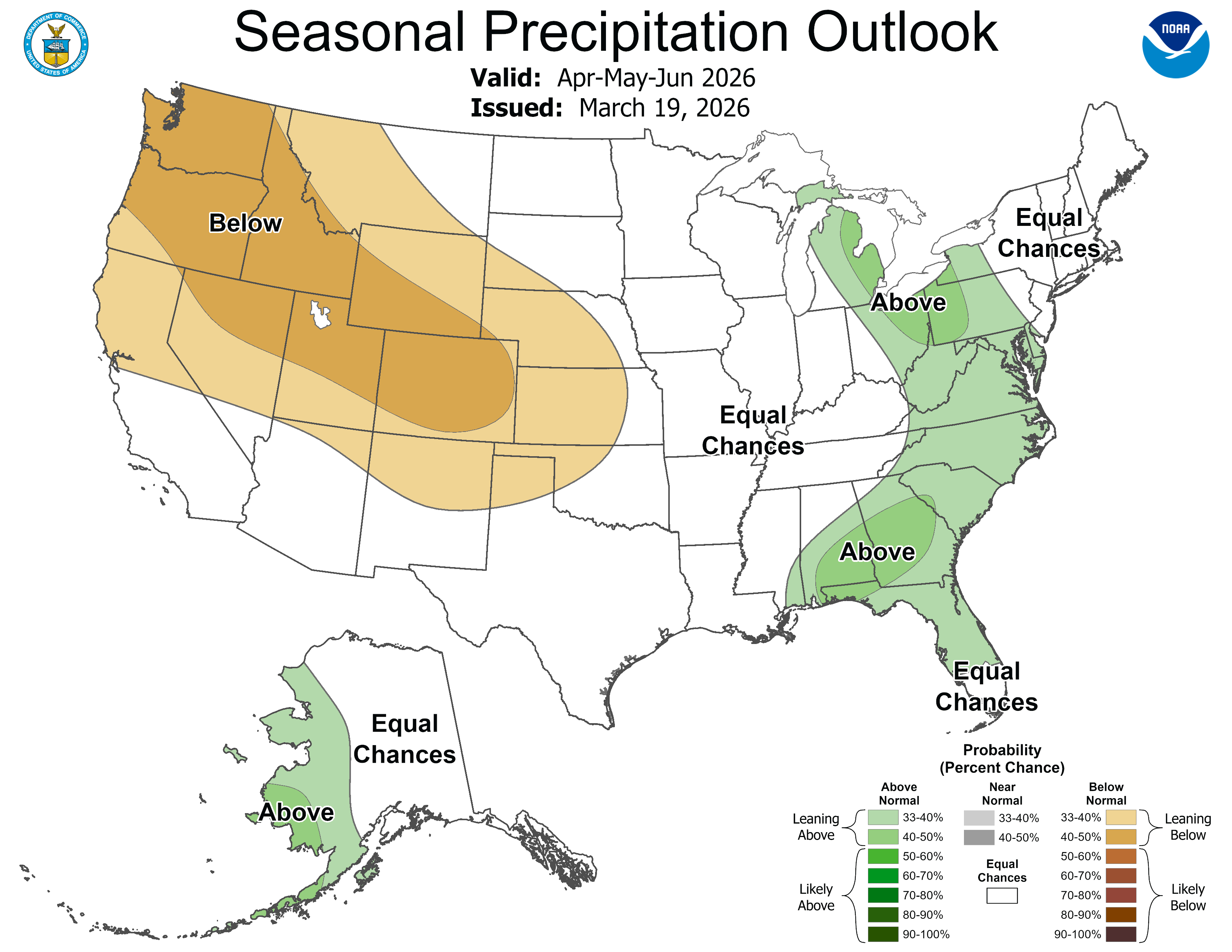
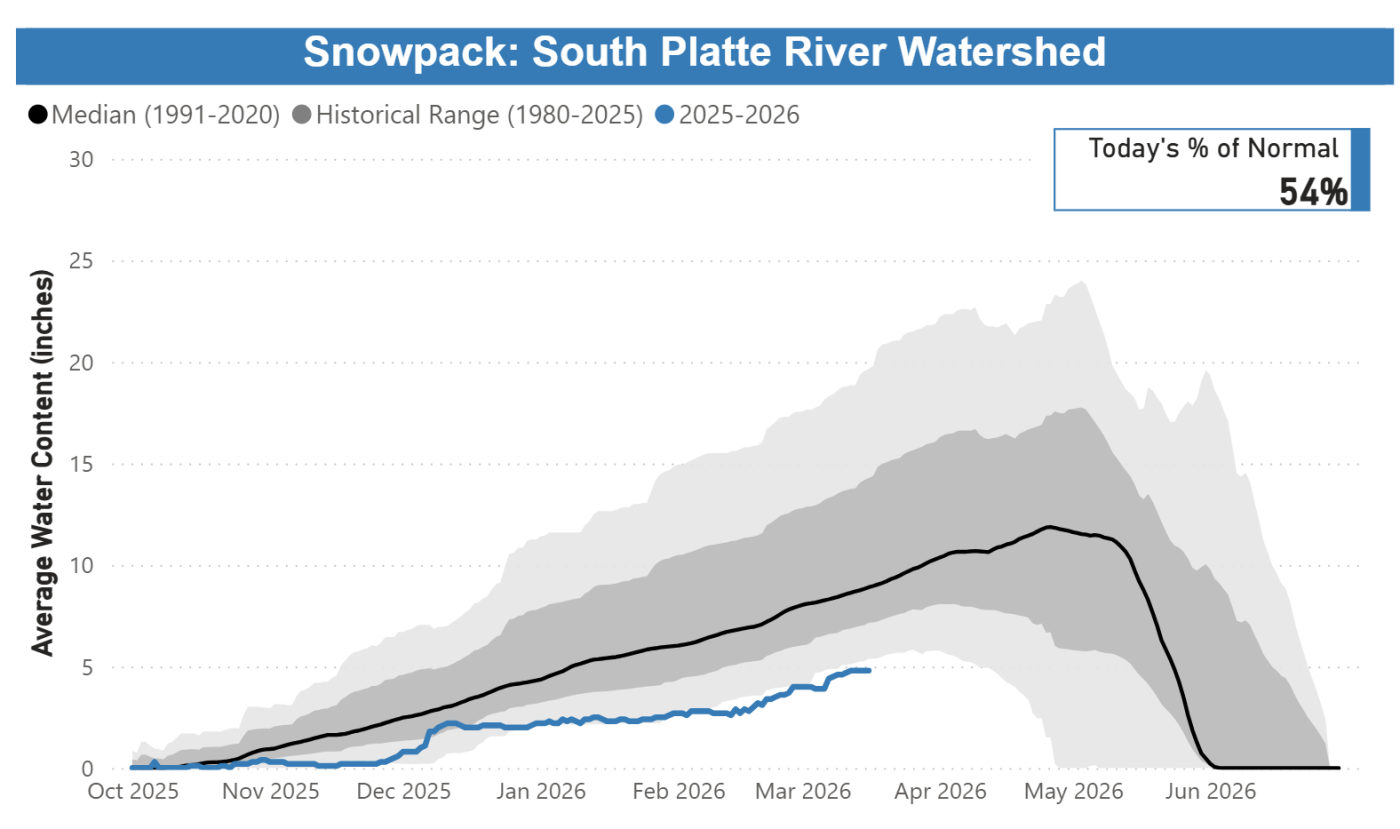
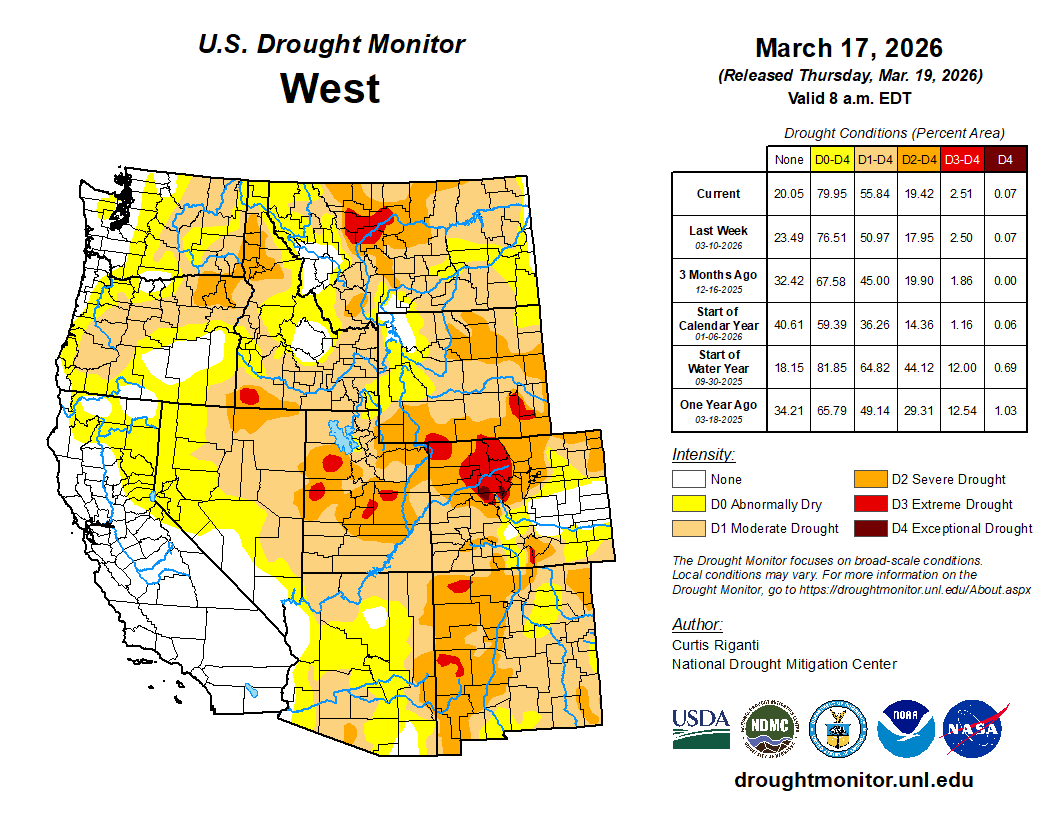
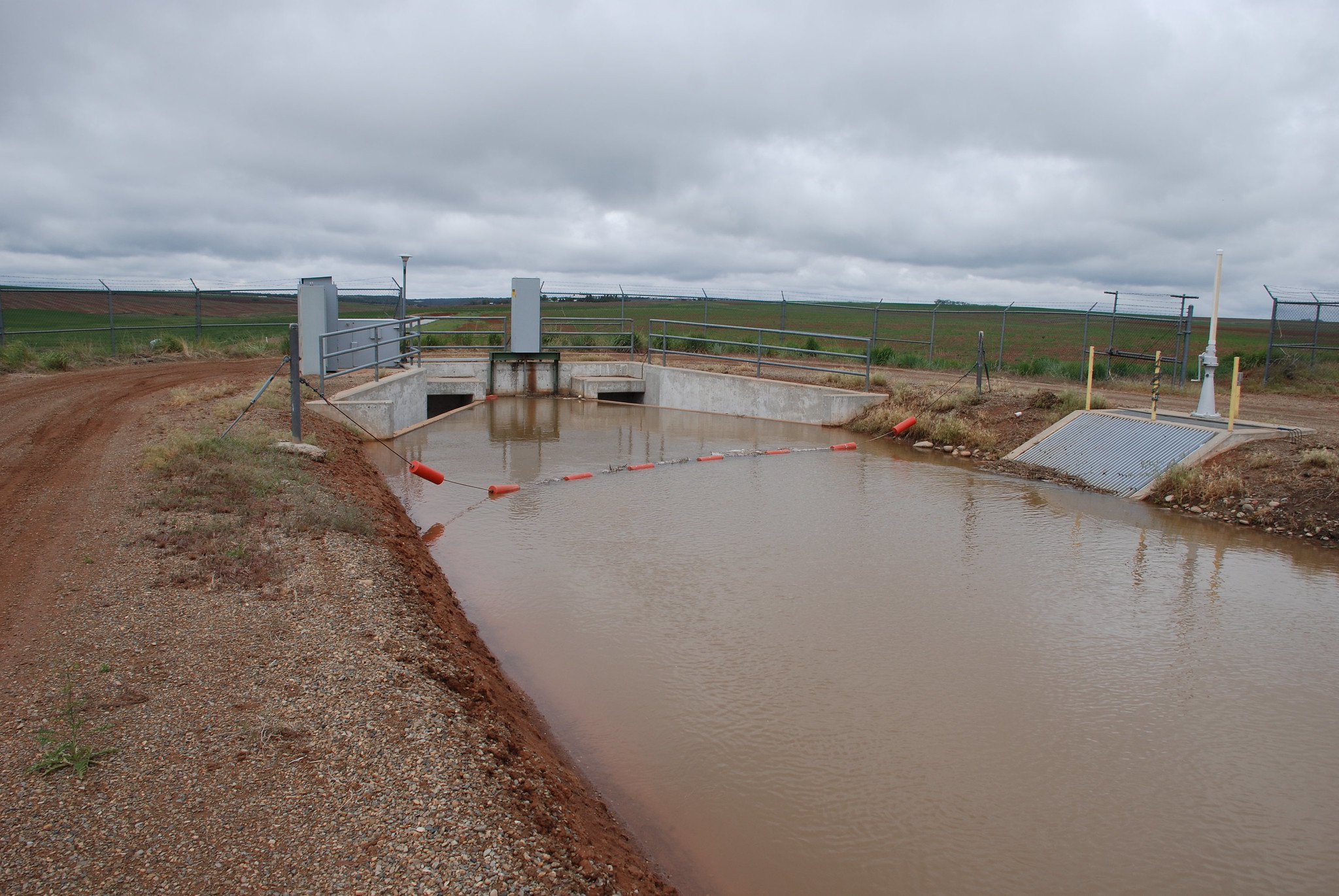
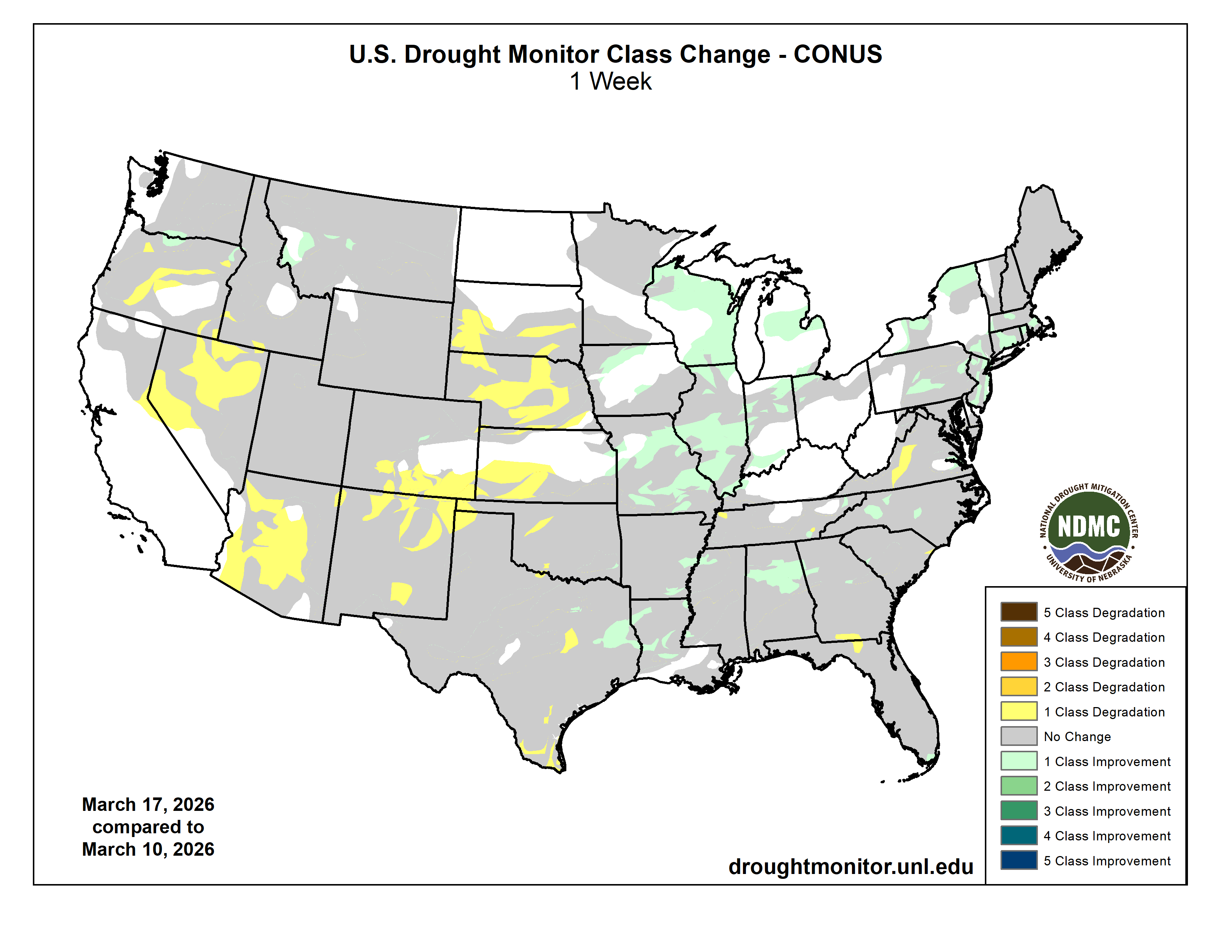
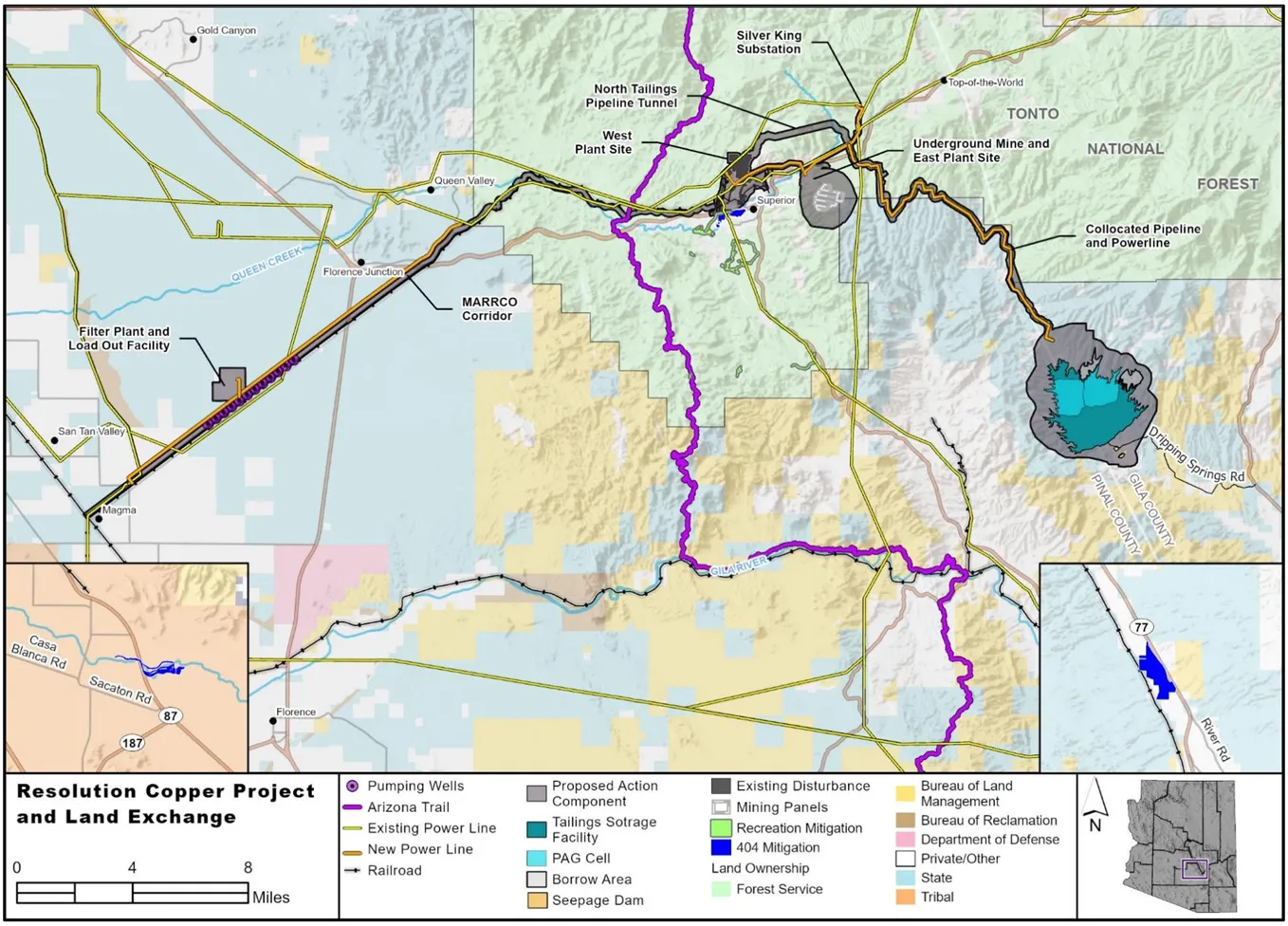
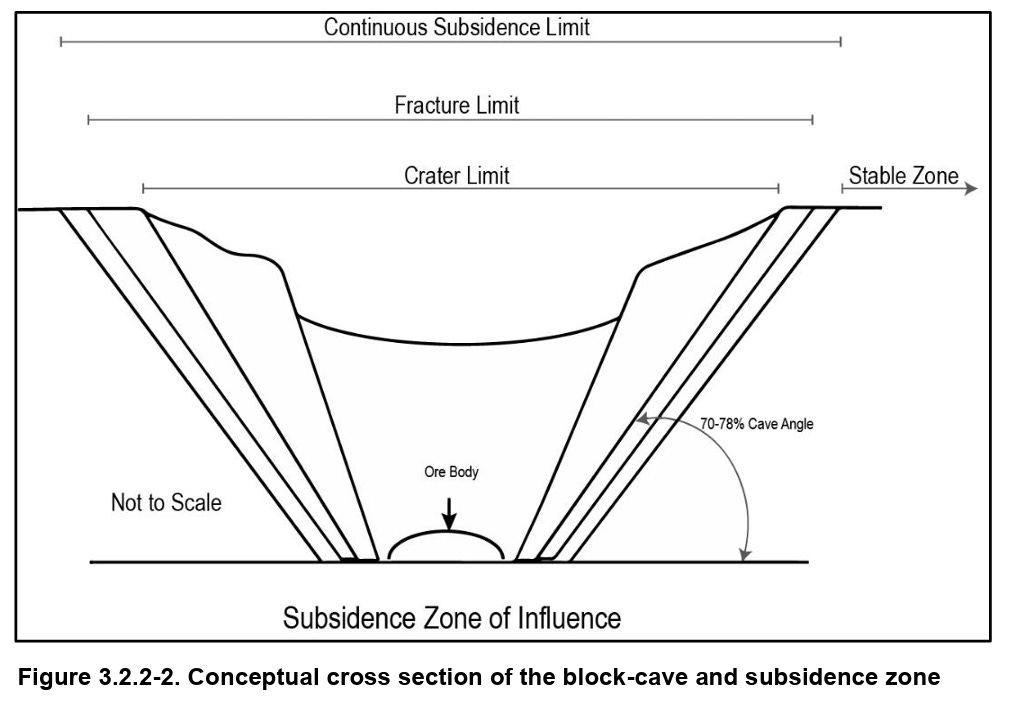
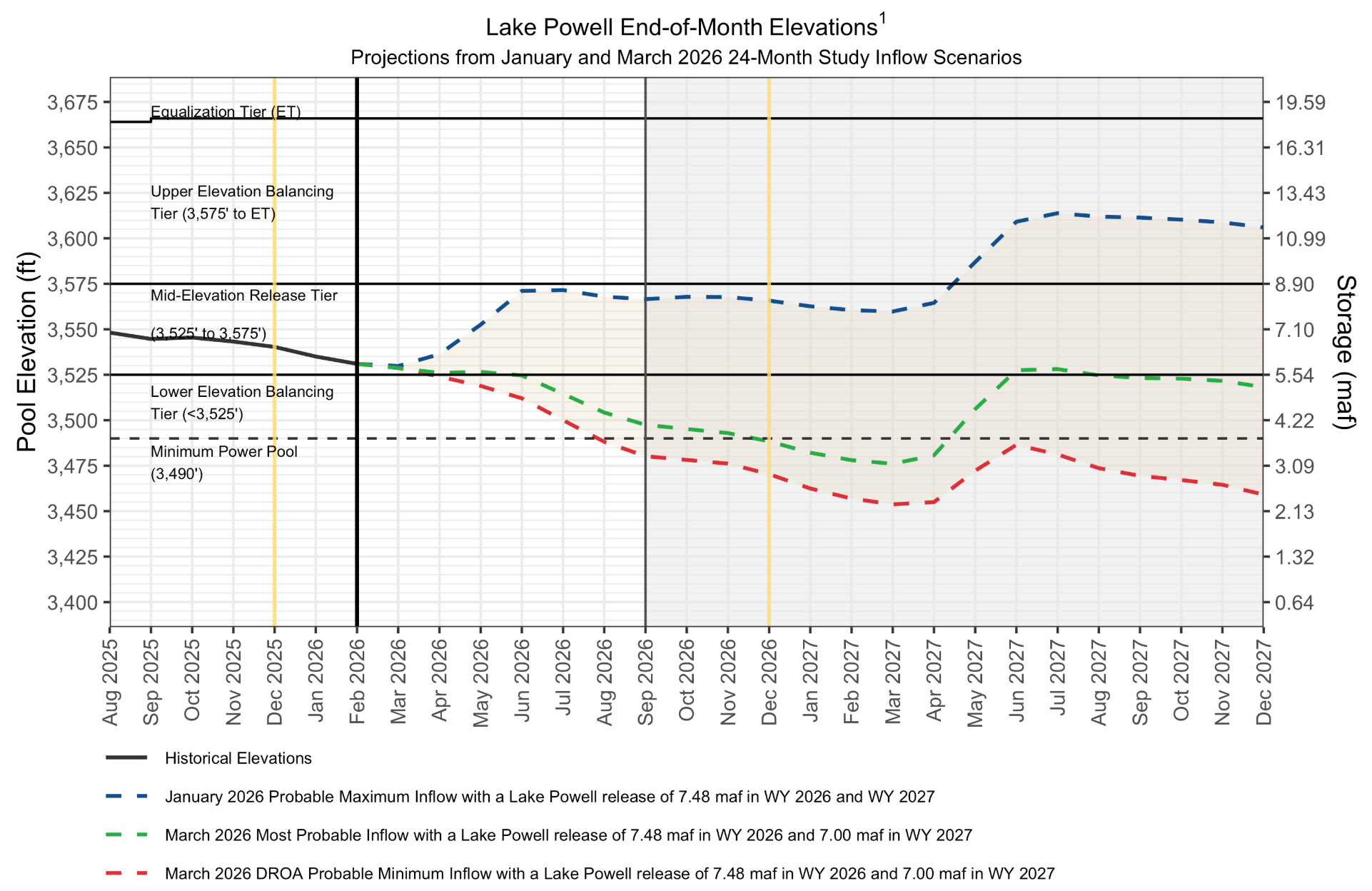
Click on a thumbnail graphic to view a gallery of drought data from the US Drought Monitor website.
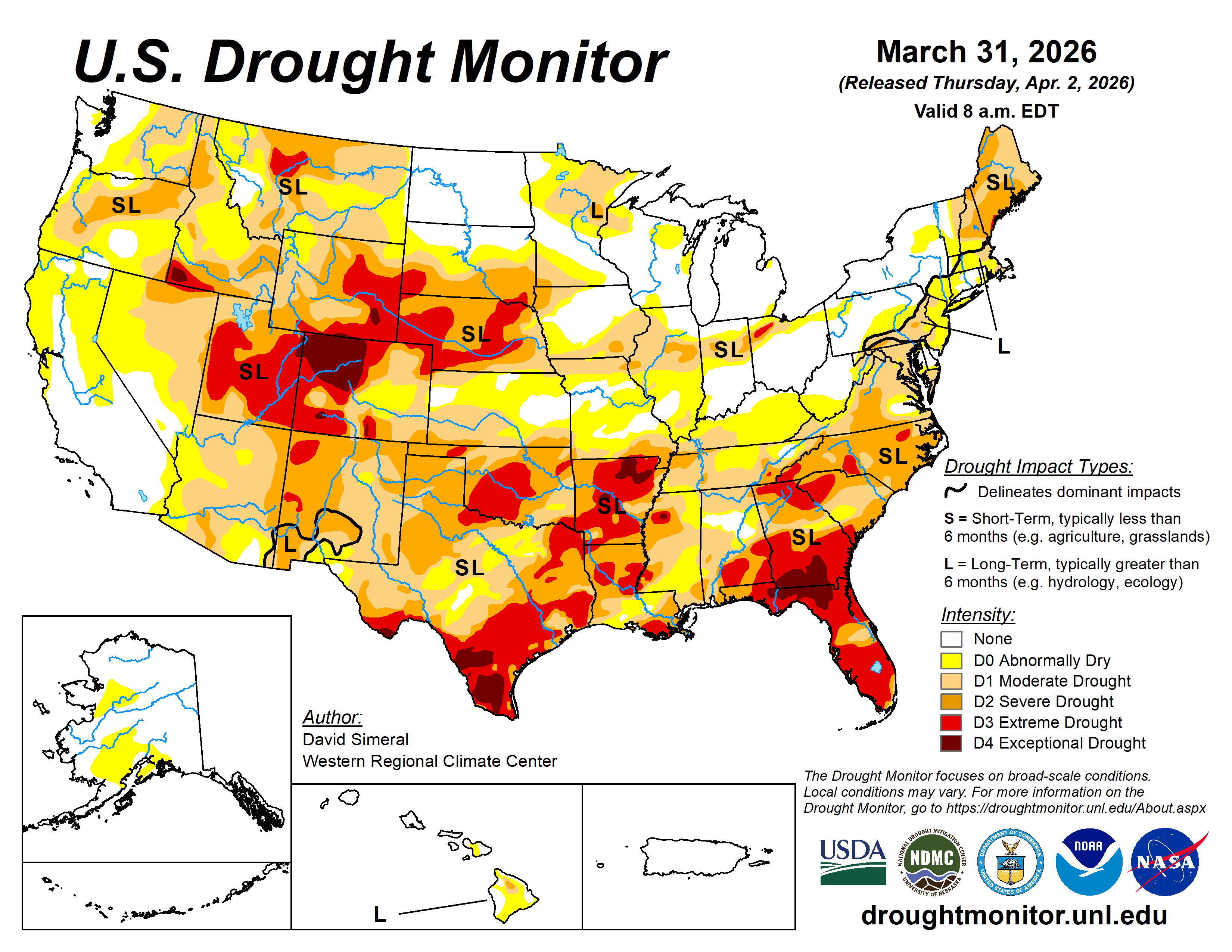


Click the link to go to the US Drought Monitor website. Here’s an excerpt:
This Week’s Drought Summary
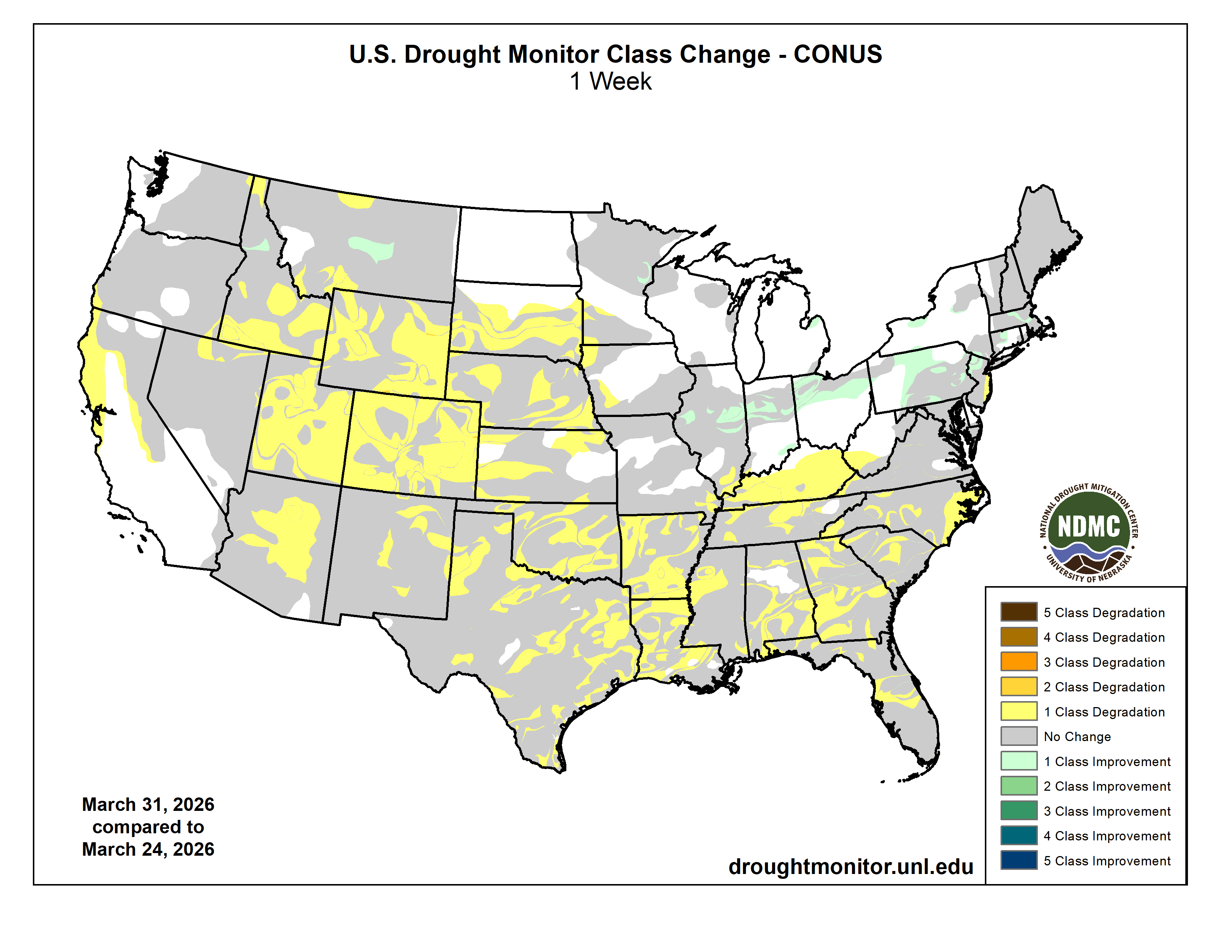
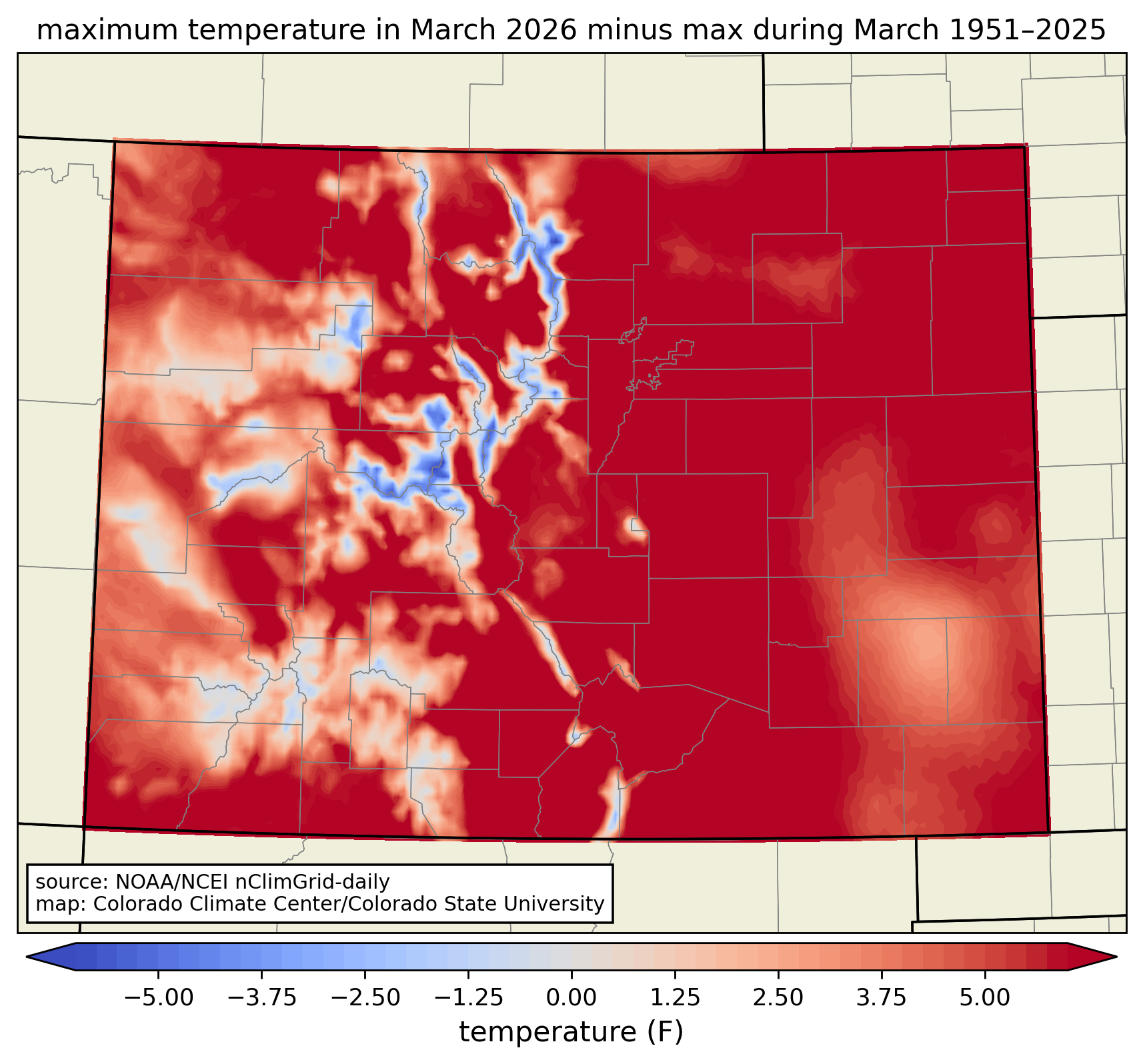
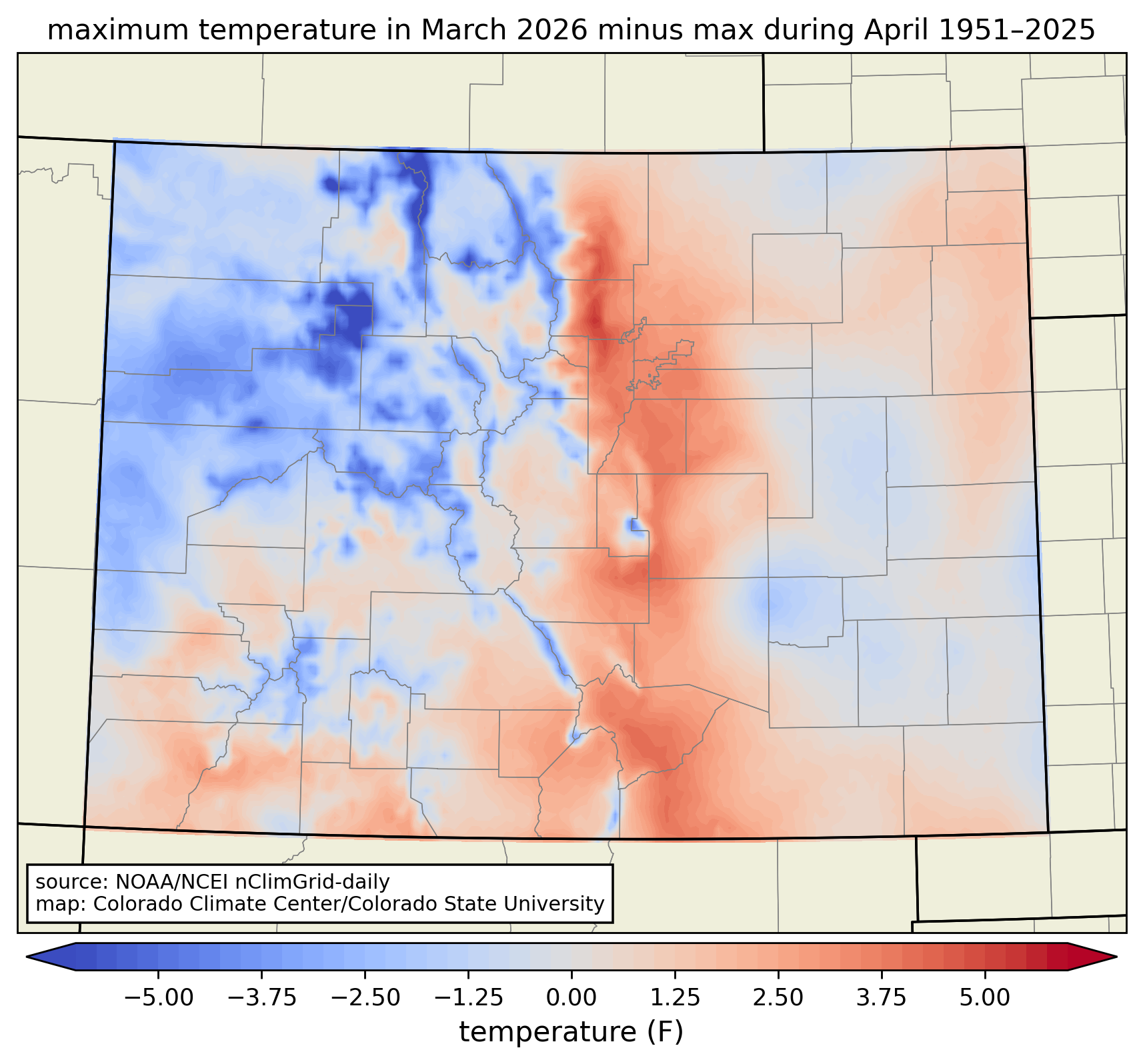
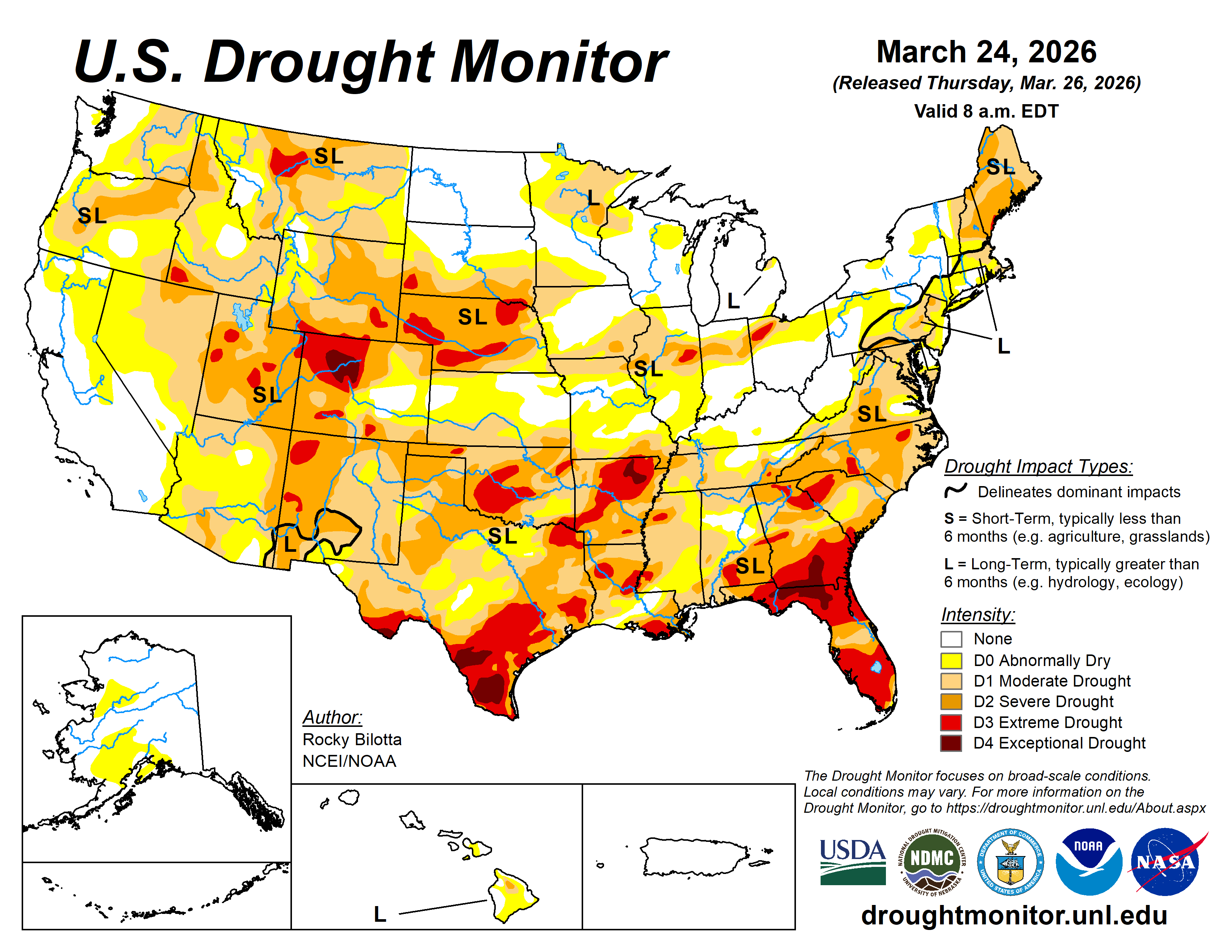
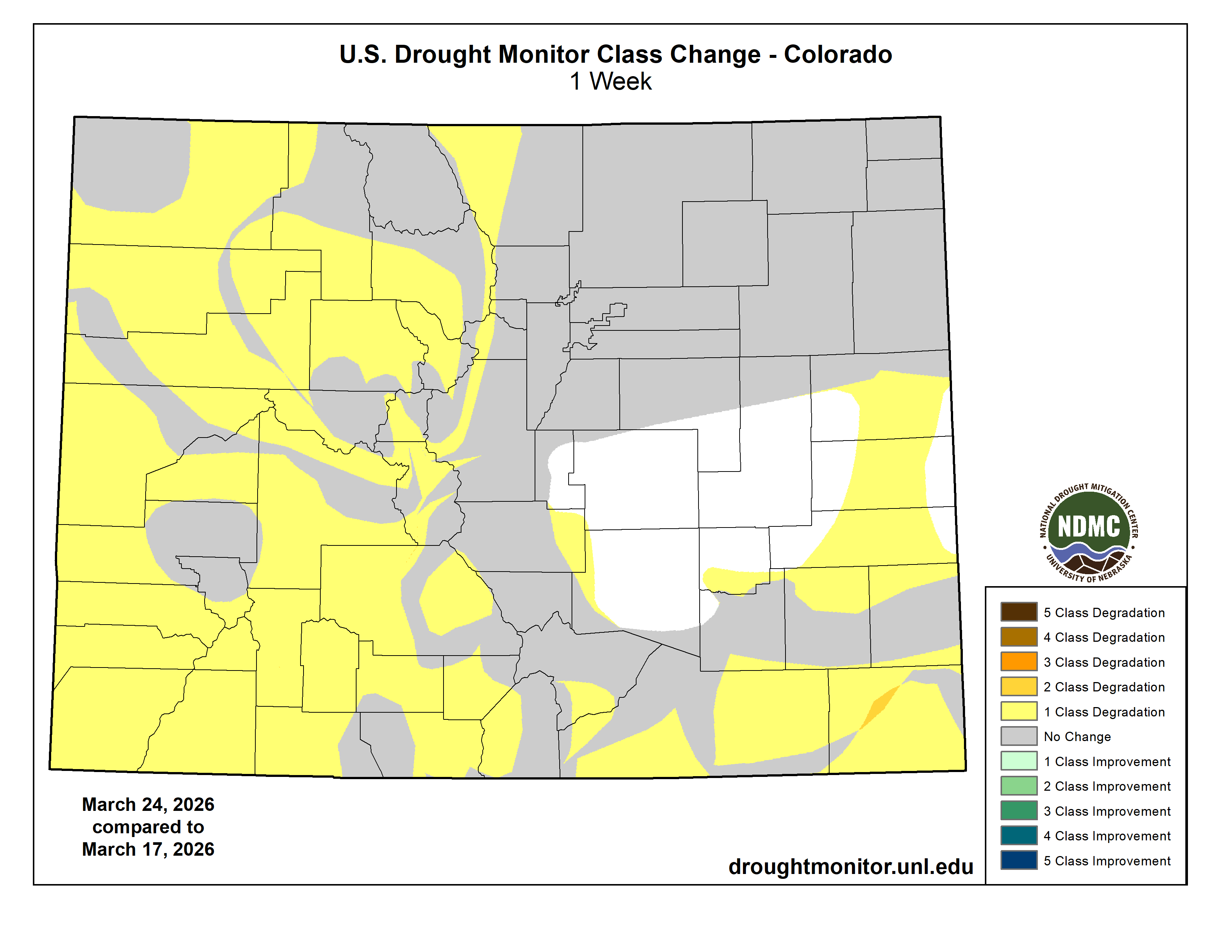
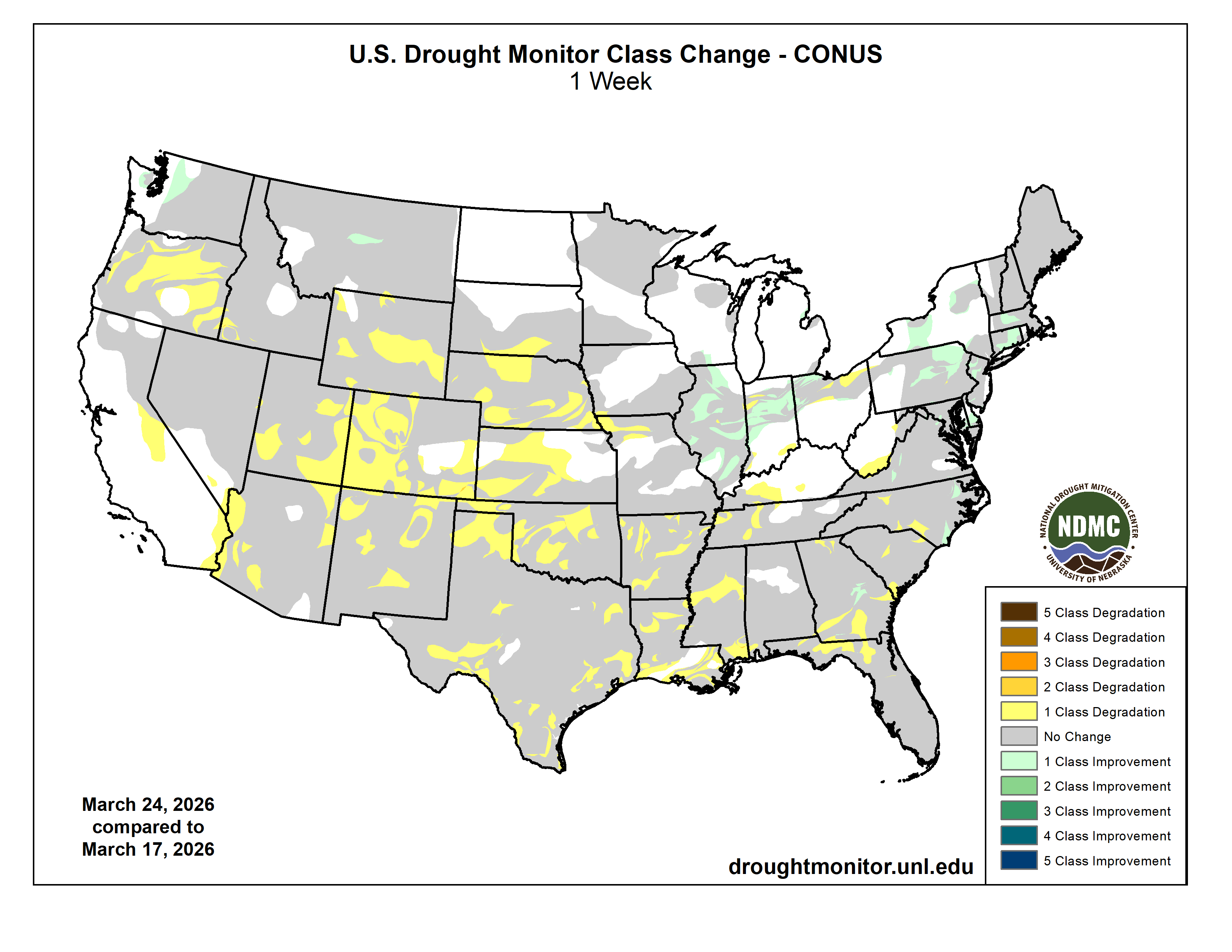
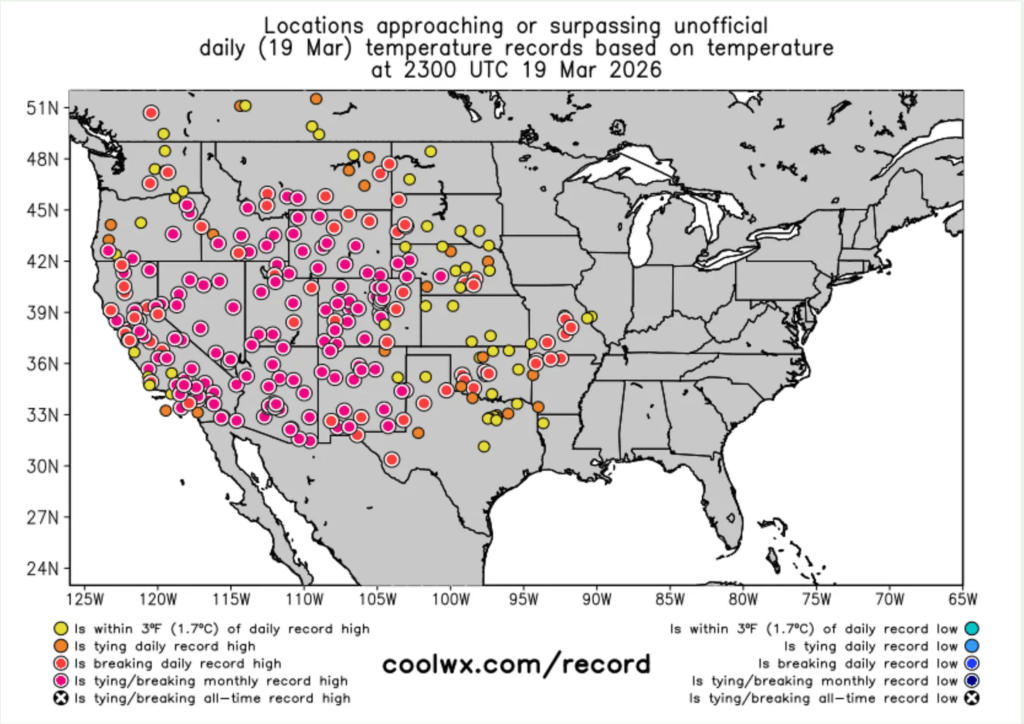
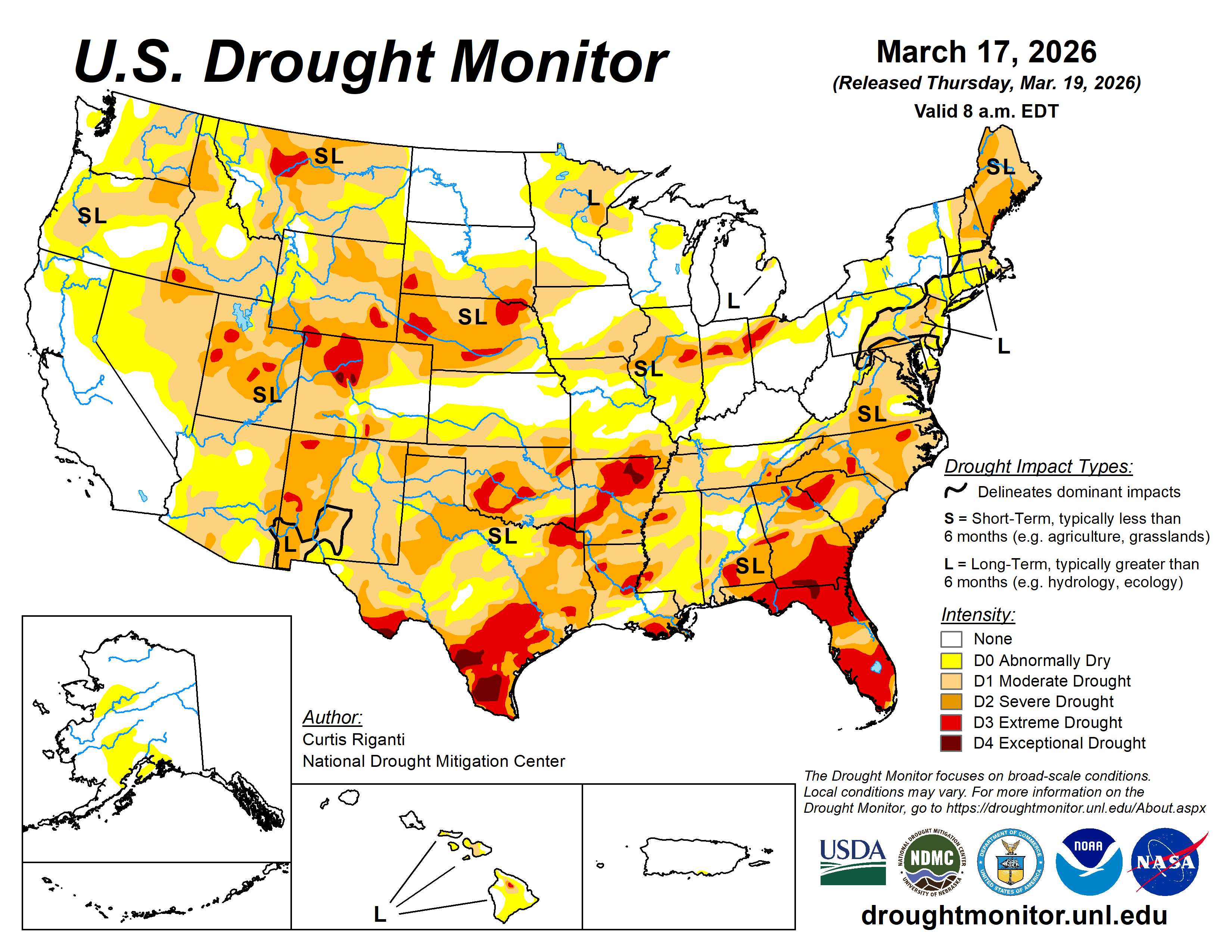
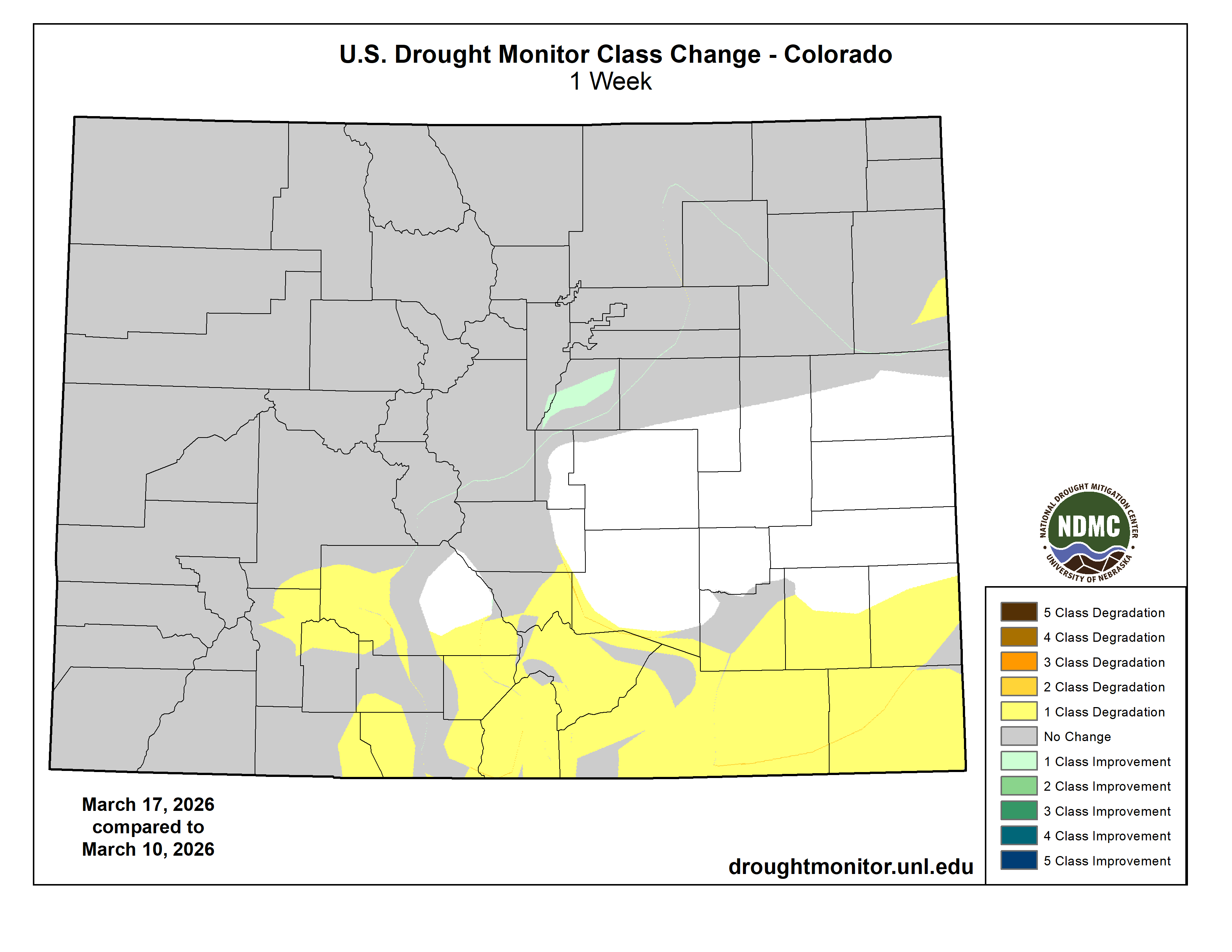
This U.S. Drought Monitor (USDM) week saw extensive degradations across areas of the West, Plains, South, and Southeast. Out West, widespread degradations were centered across the Intermountain West, including Colorado, Utah, Idaho, and Wyoming, and to a lesser extent across portions of Arizona, New Mexico, Nevada, and Montana. Continued degradations are expected in the coming weeks and months due to anomalous heat and record-low snowpack levels. In the Plains, drought expanded and intensified from Oklahoma to South Dakota. In the South and Southeast, dry conditions persisted this week, adding to significant longer-term (9- to 12+ month) precipitation deficits (ranging from 8 to 20+ inches), with the most severe drought conditions centered over portions of Texas, Arkansas, Georgia, and Florida. In the Northeast and Midwest, light-to-moderate rainfall (1 to 3 inches) during the past week led to targeted improvements in Illinois, Indiana, Ohio, Pennsylvania, and New York.
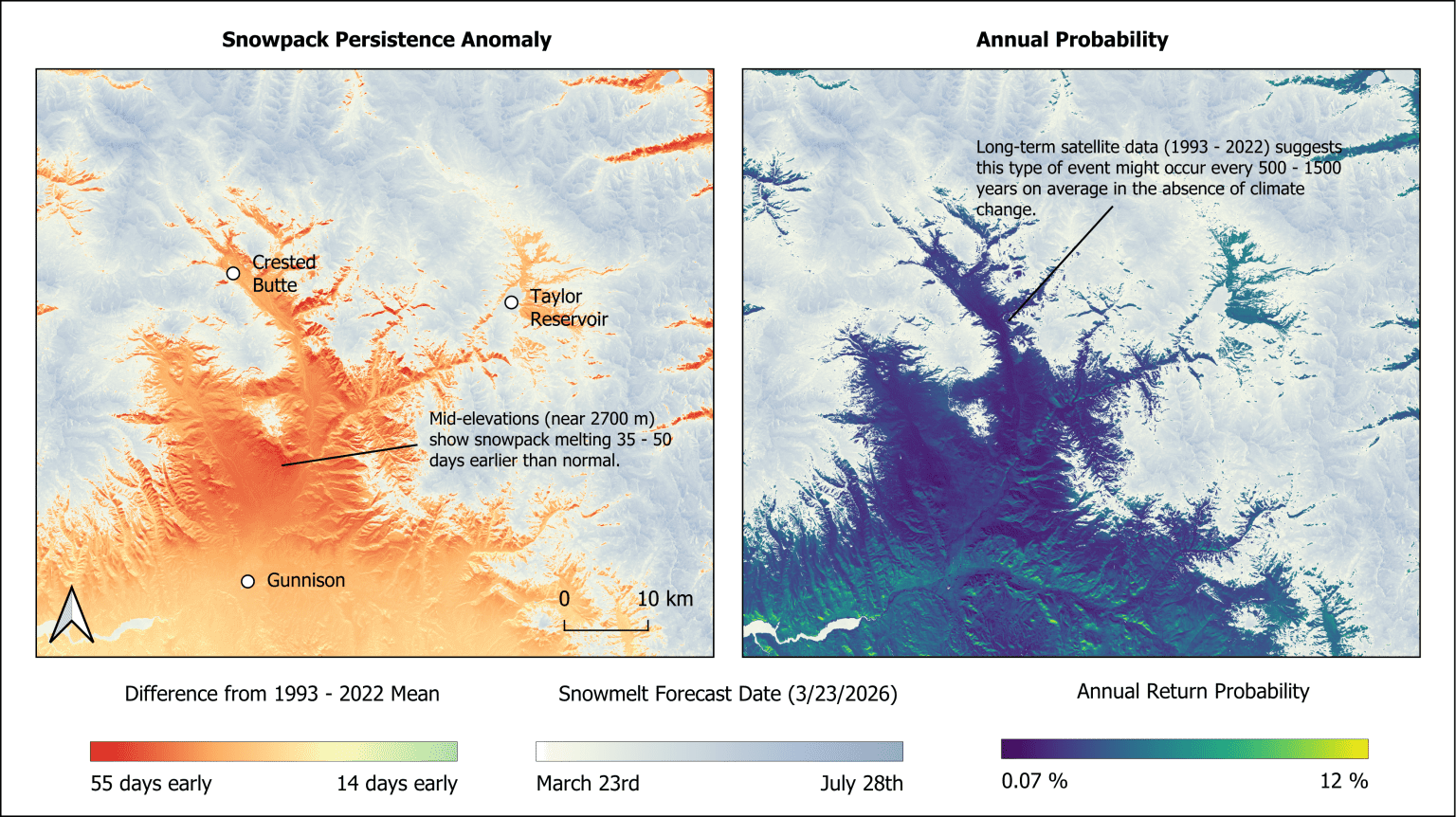
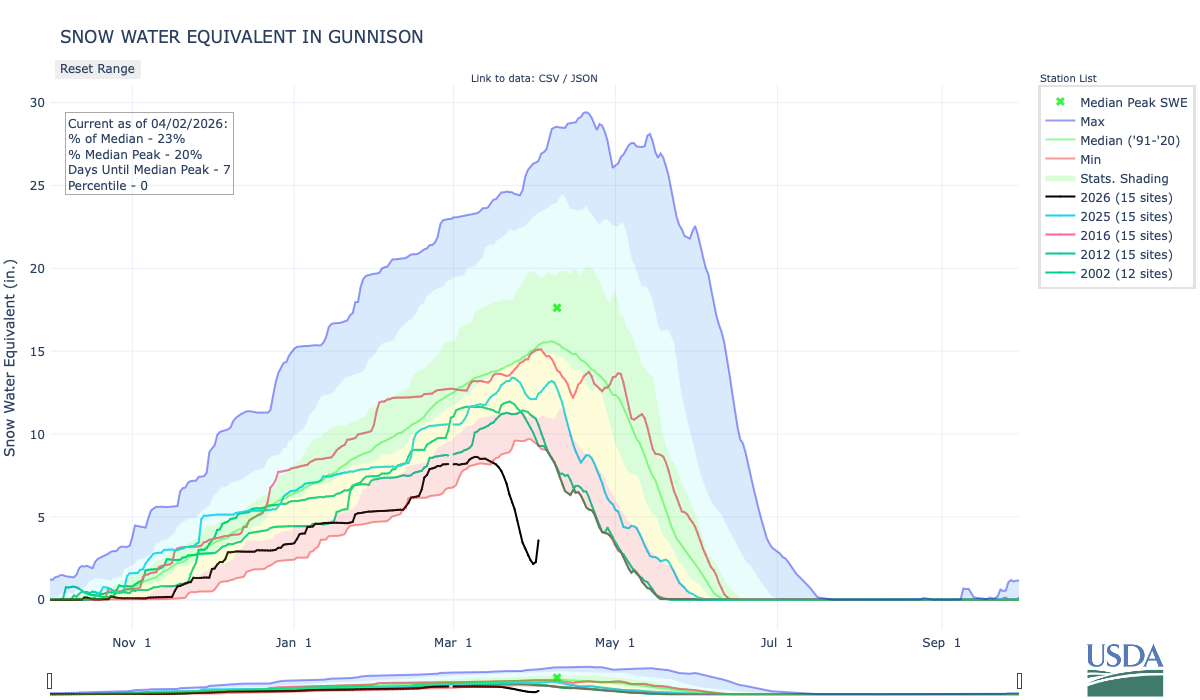
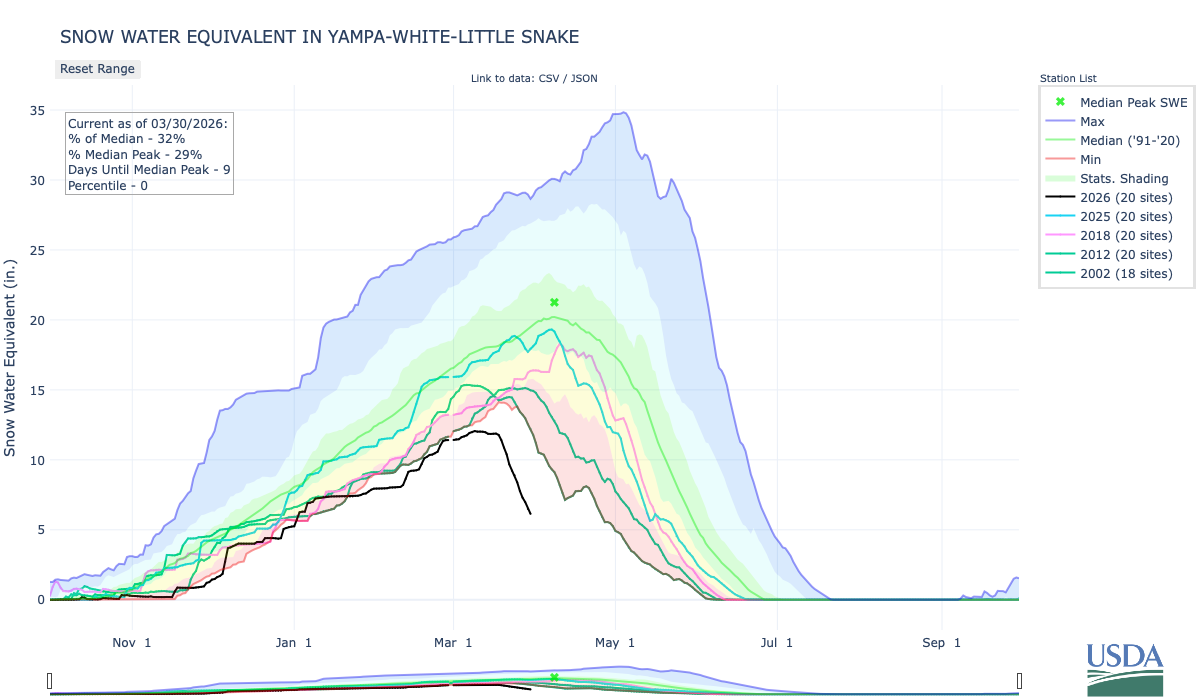
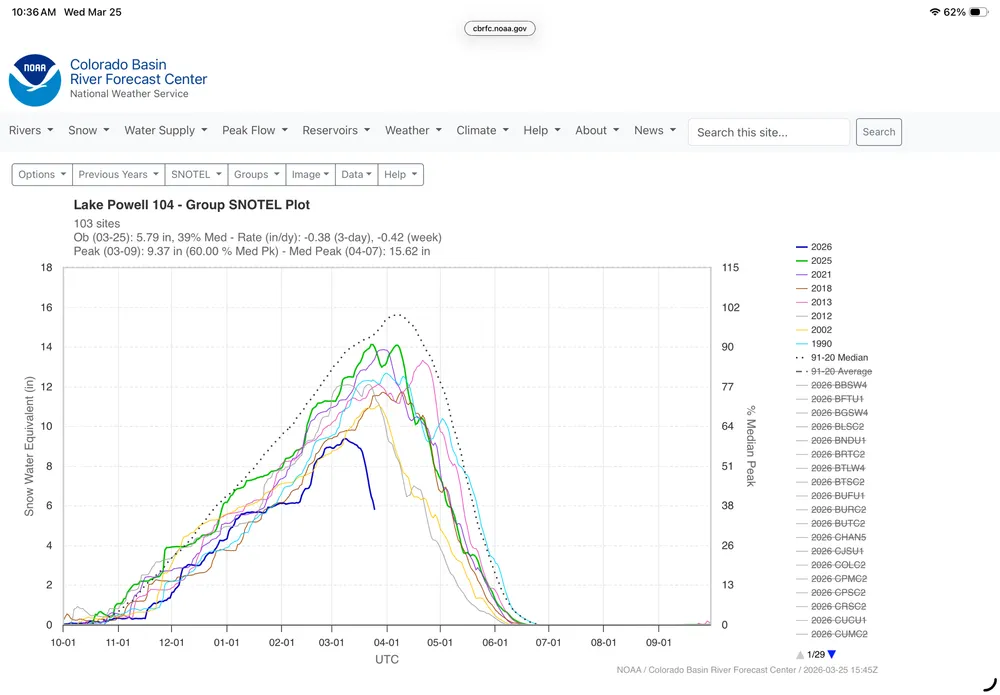
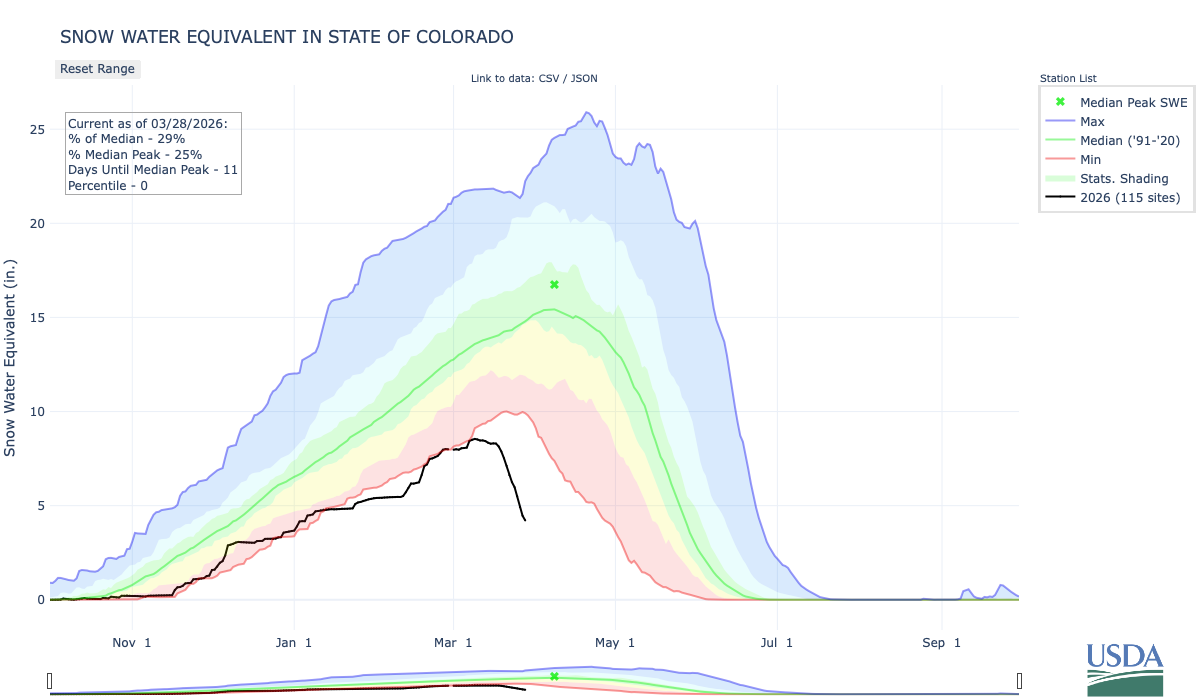
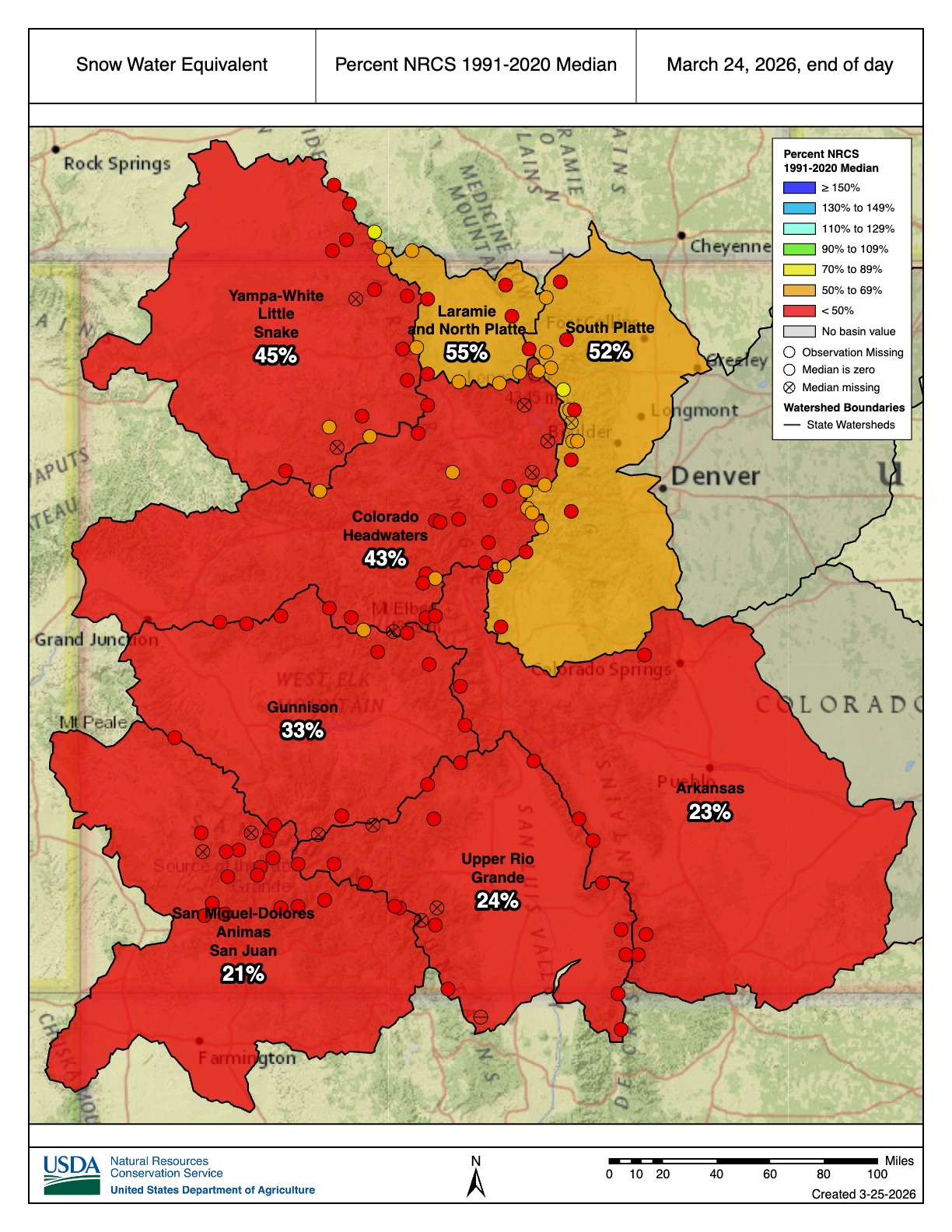
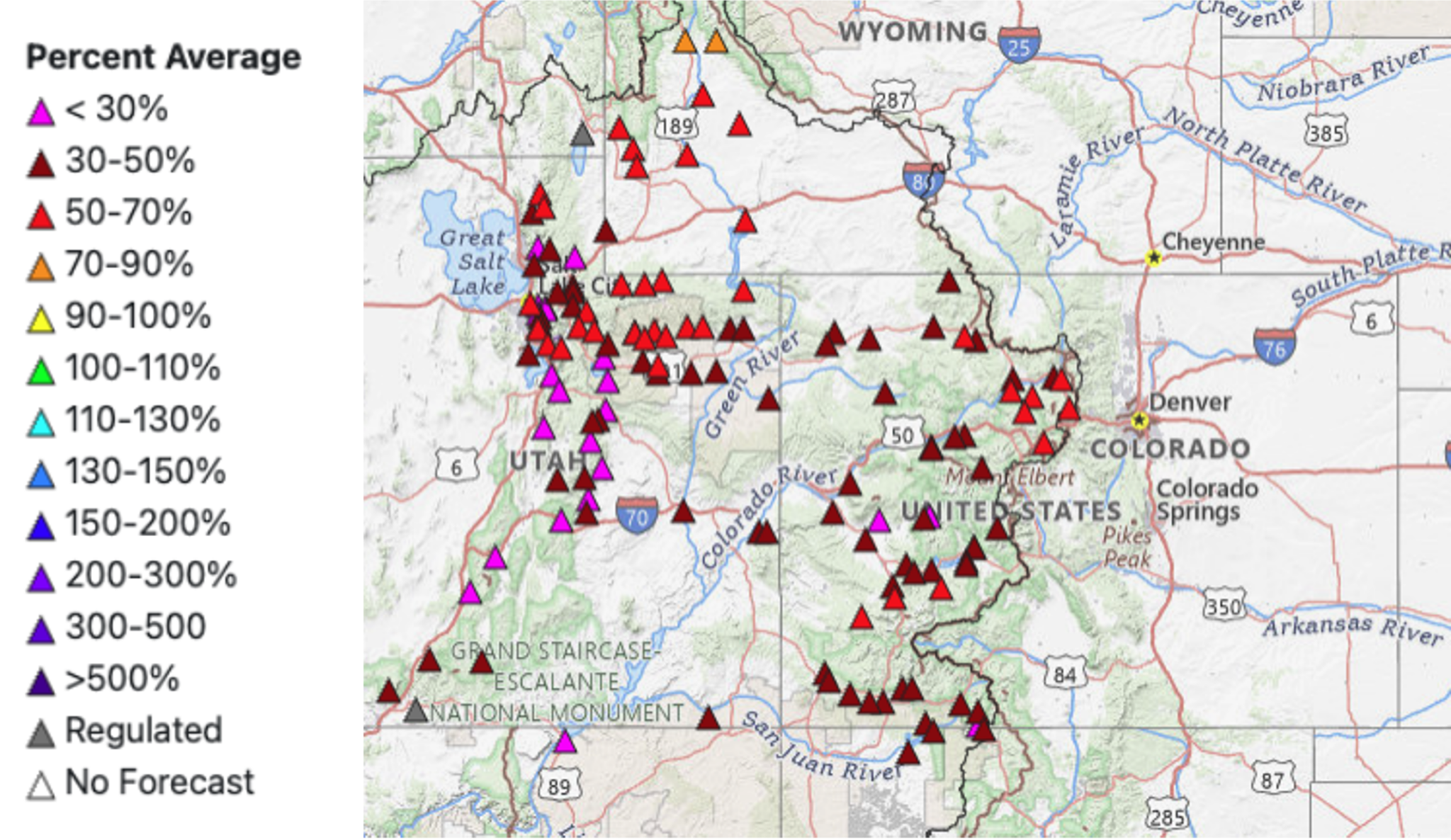
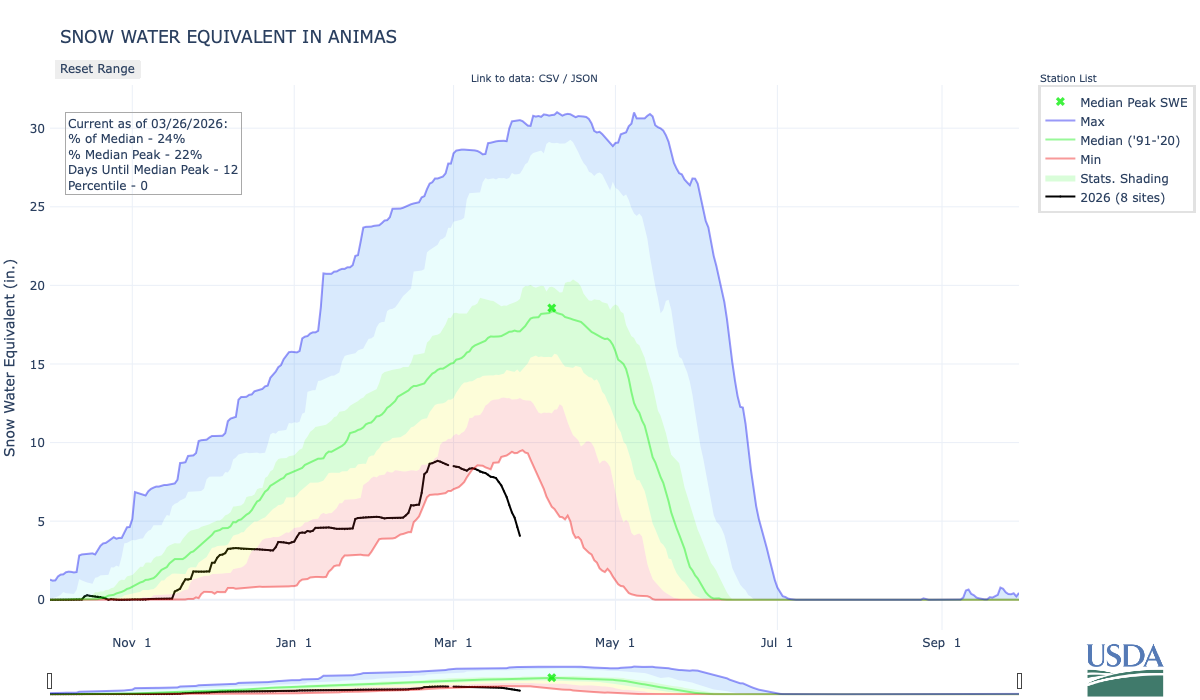
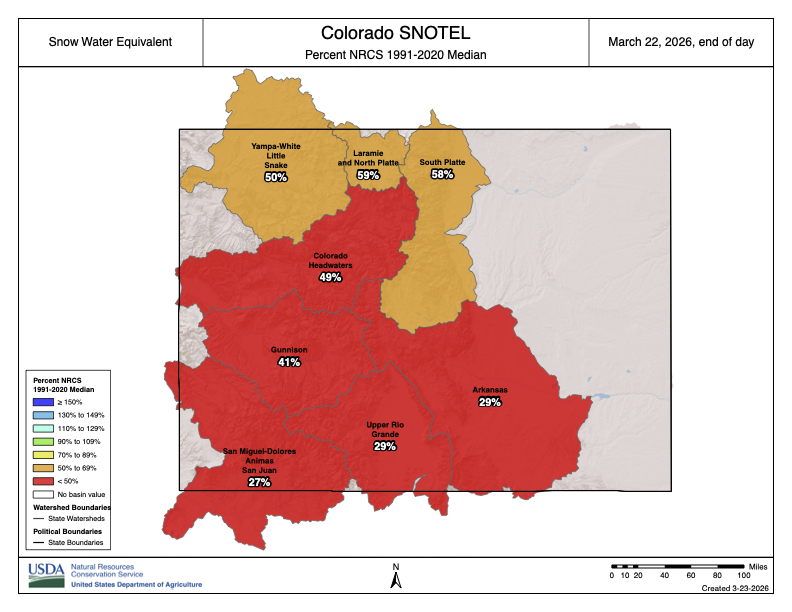
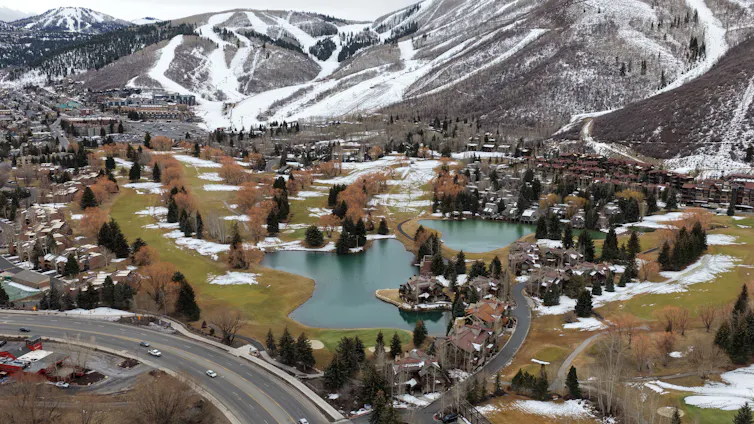
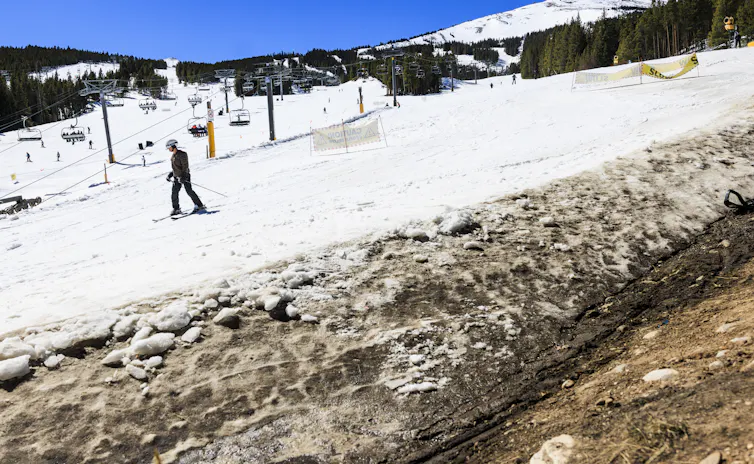
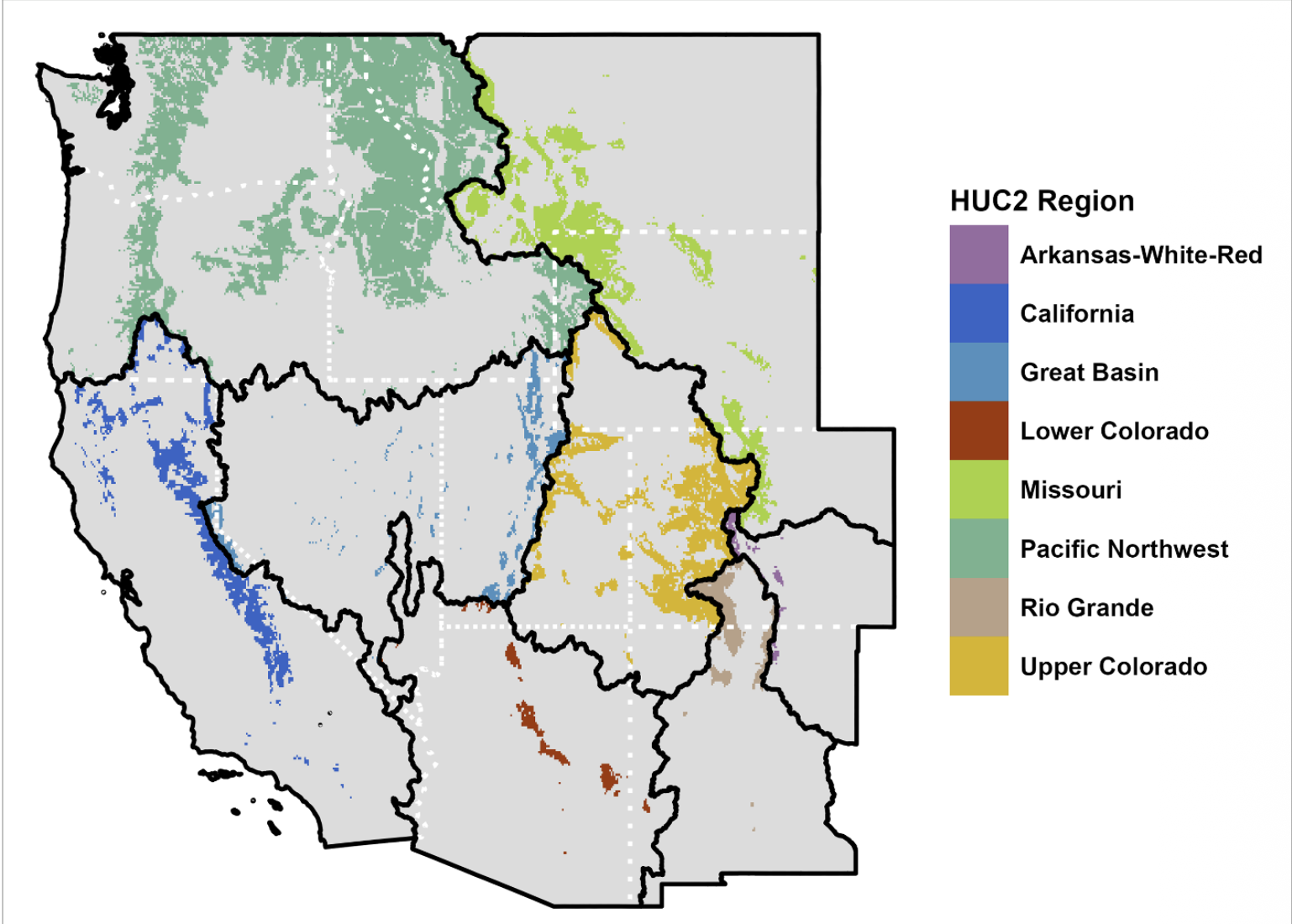
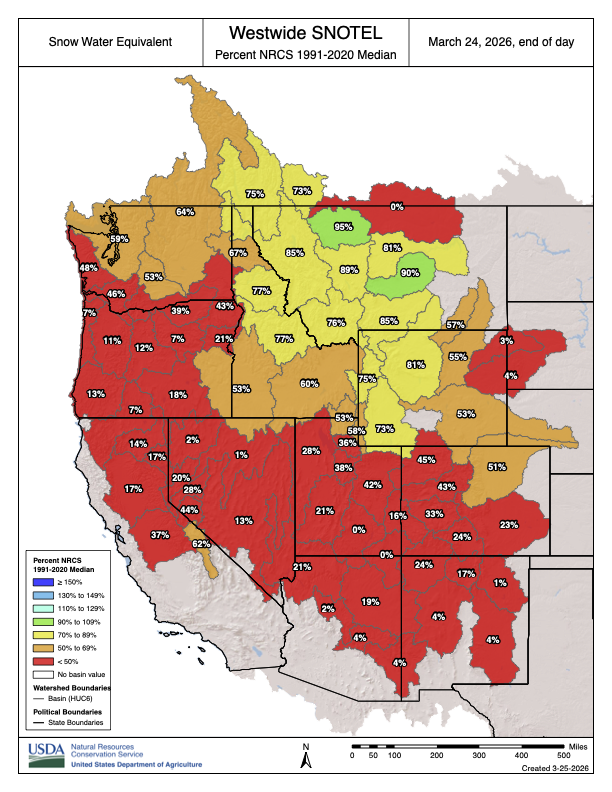
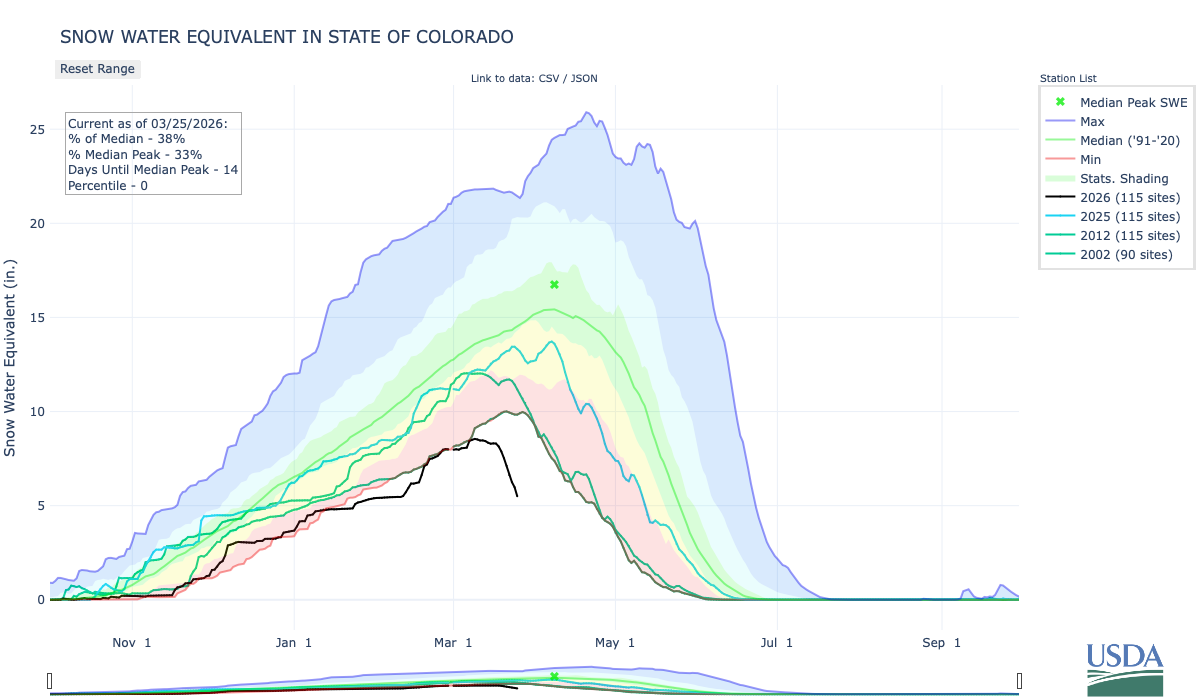
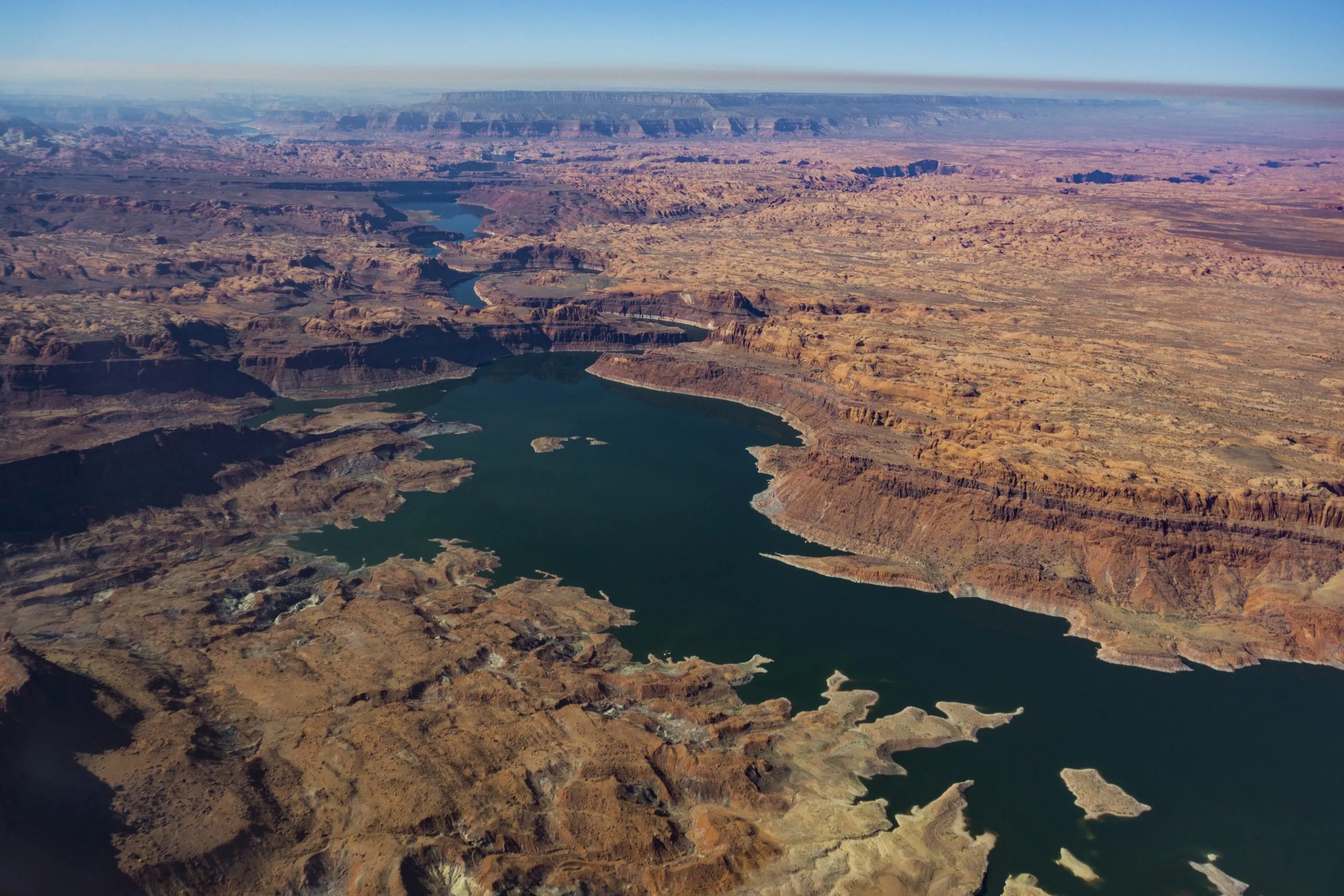
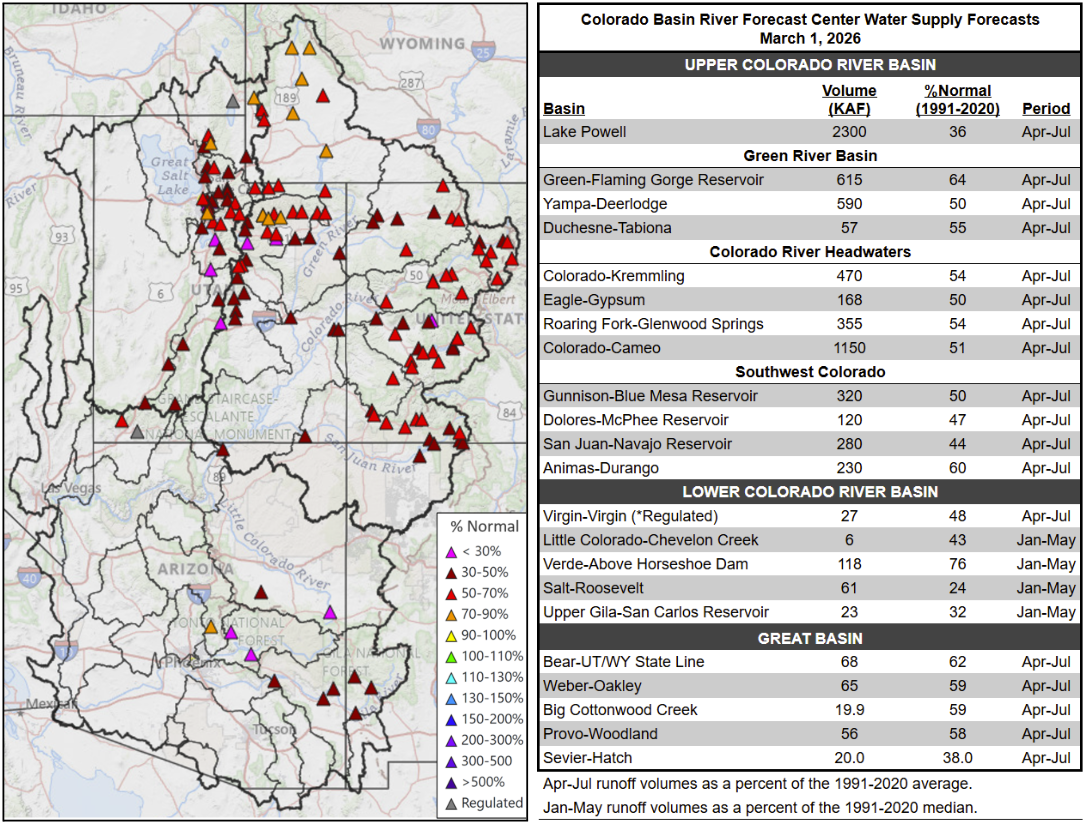
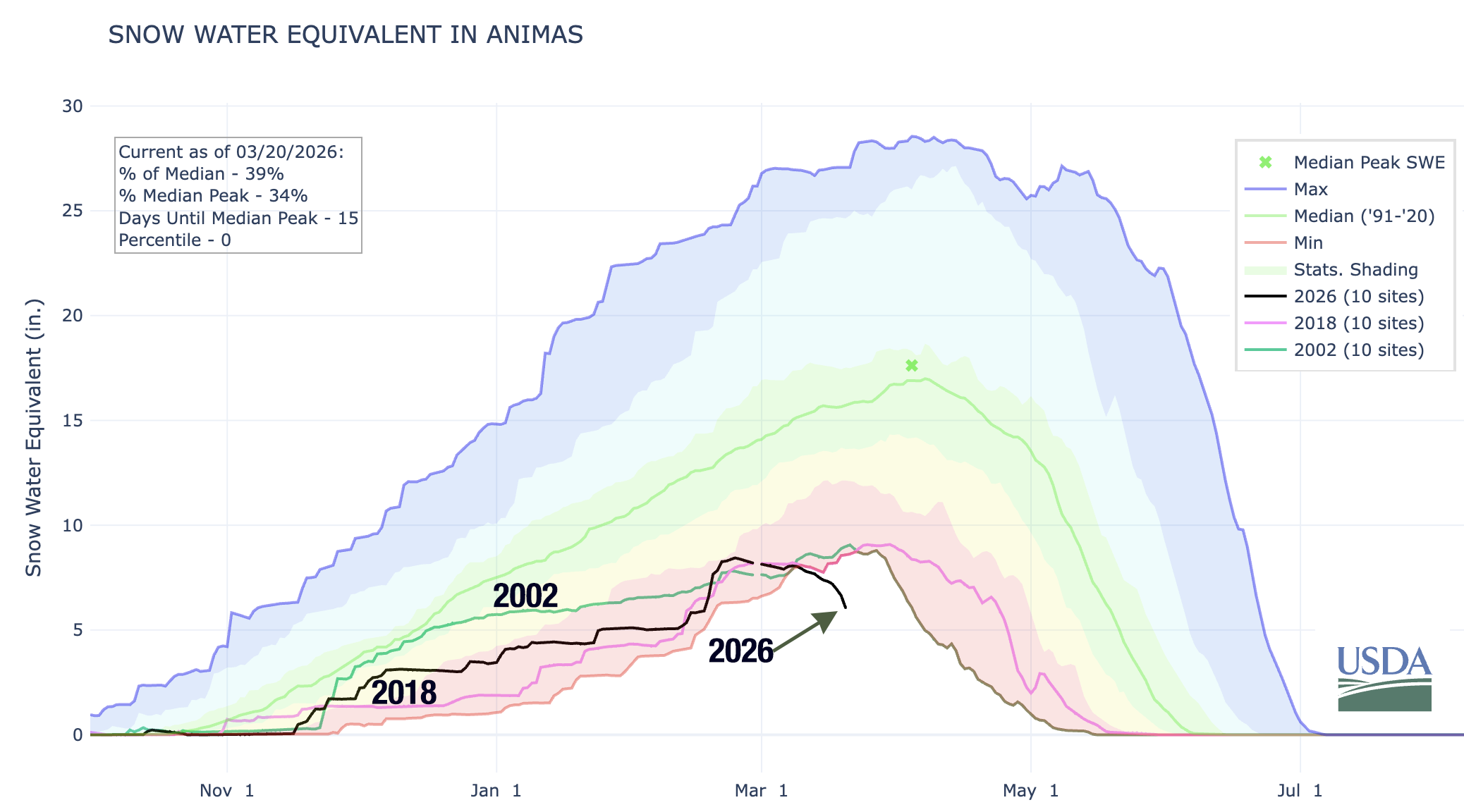
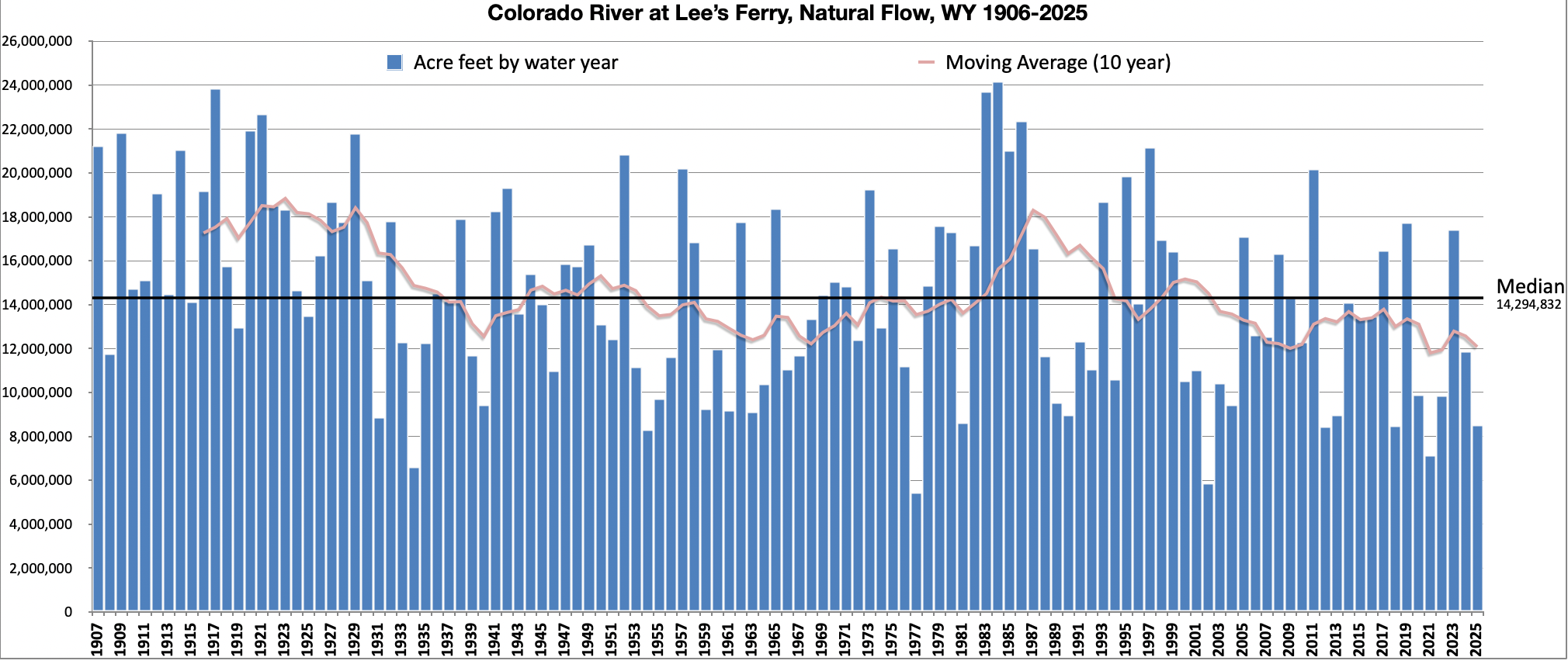
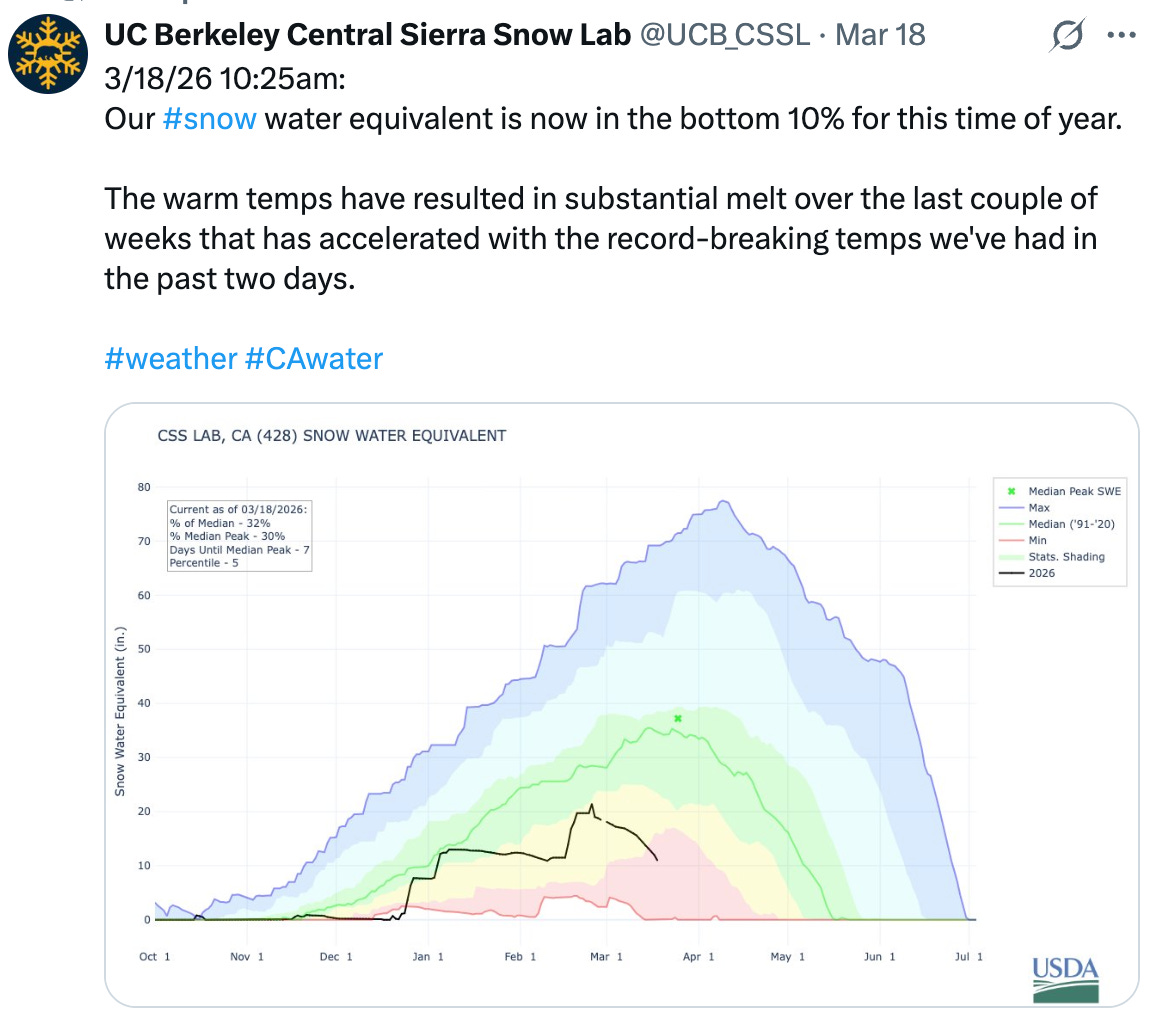
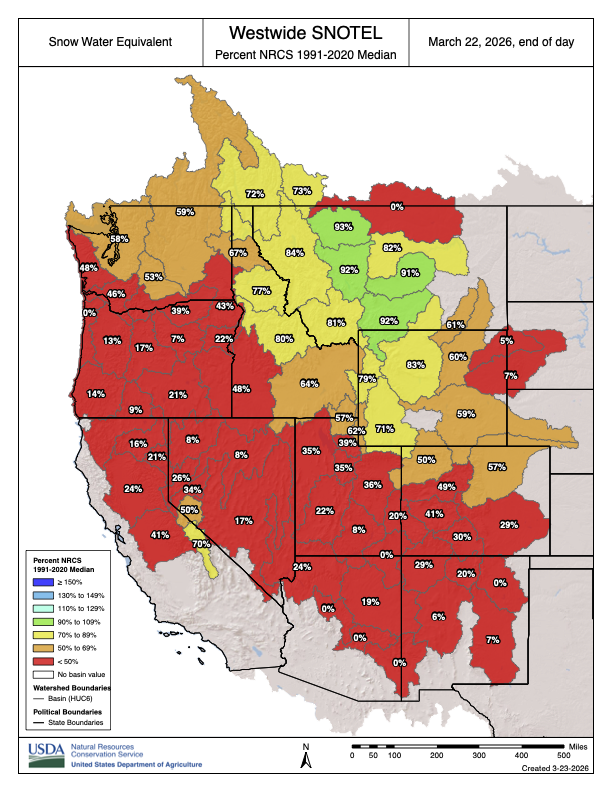
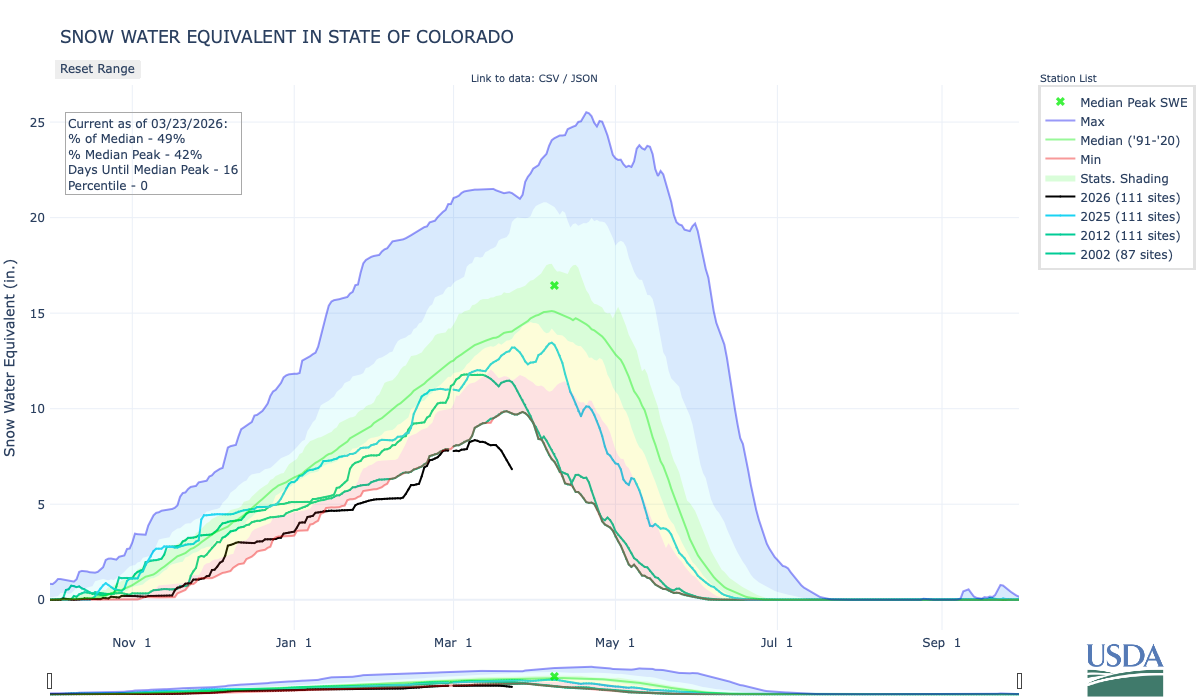
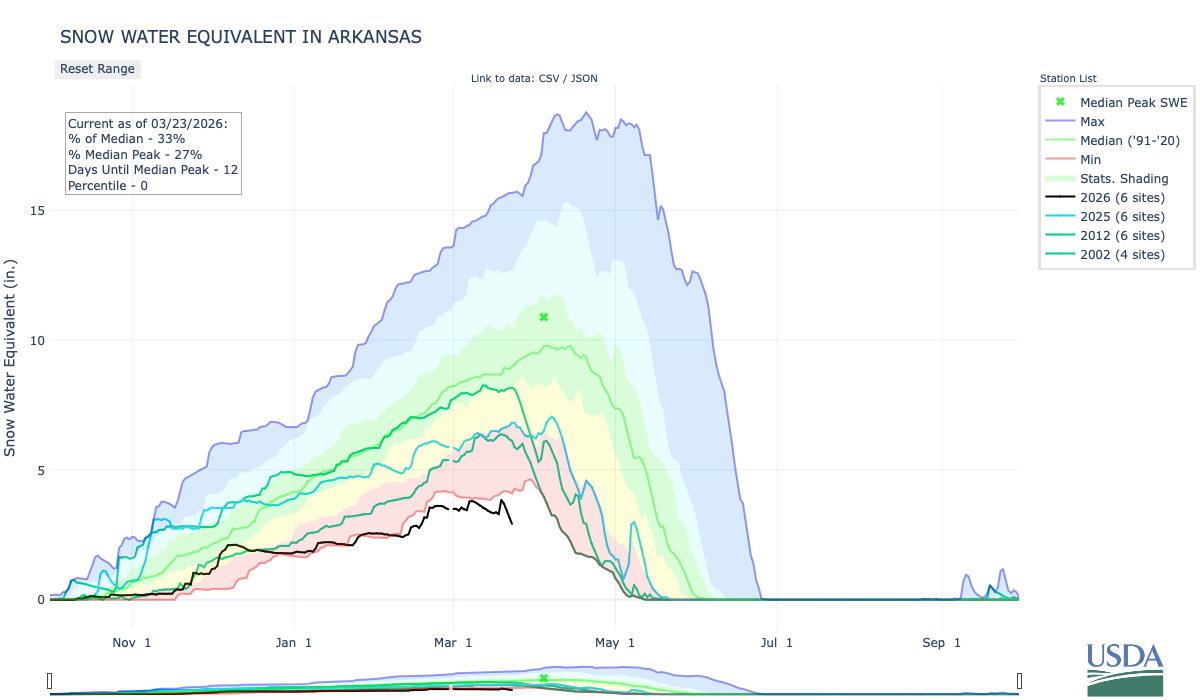
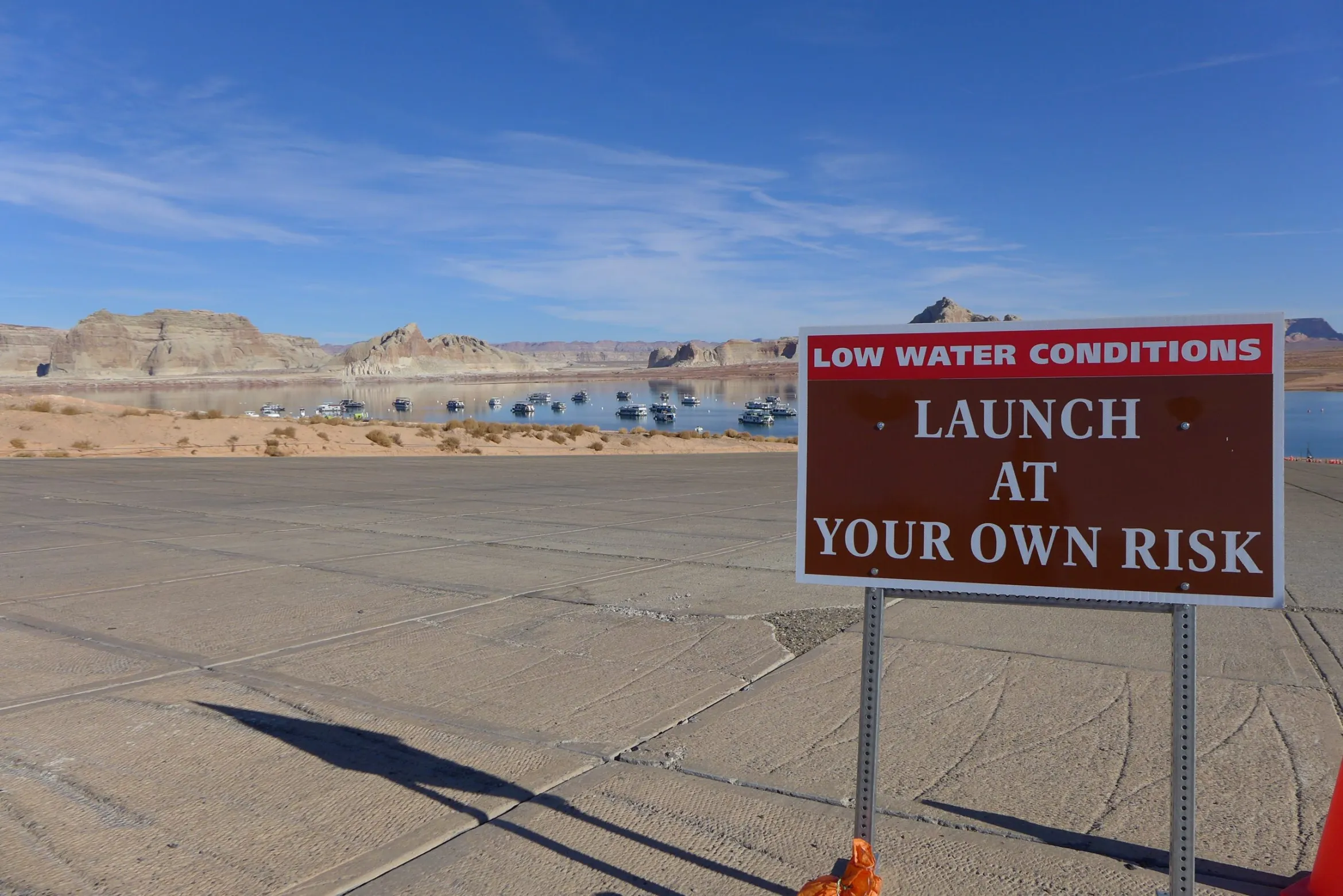
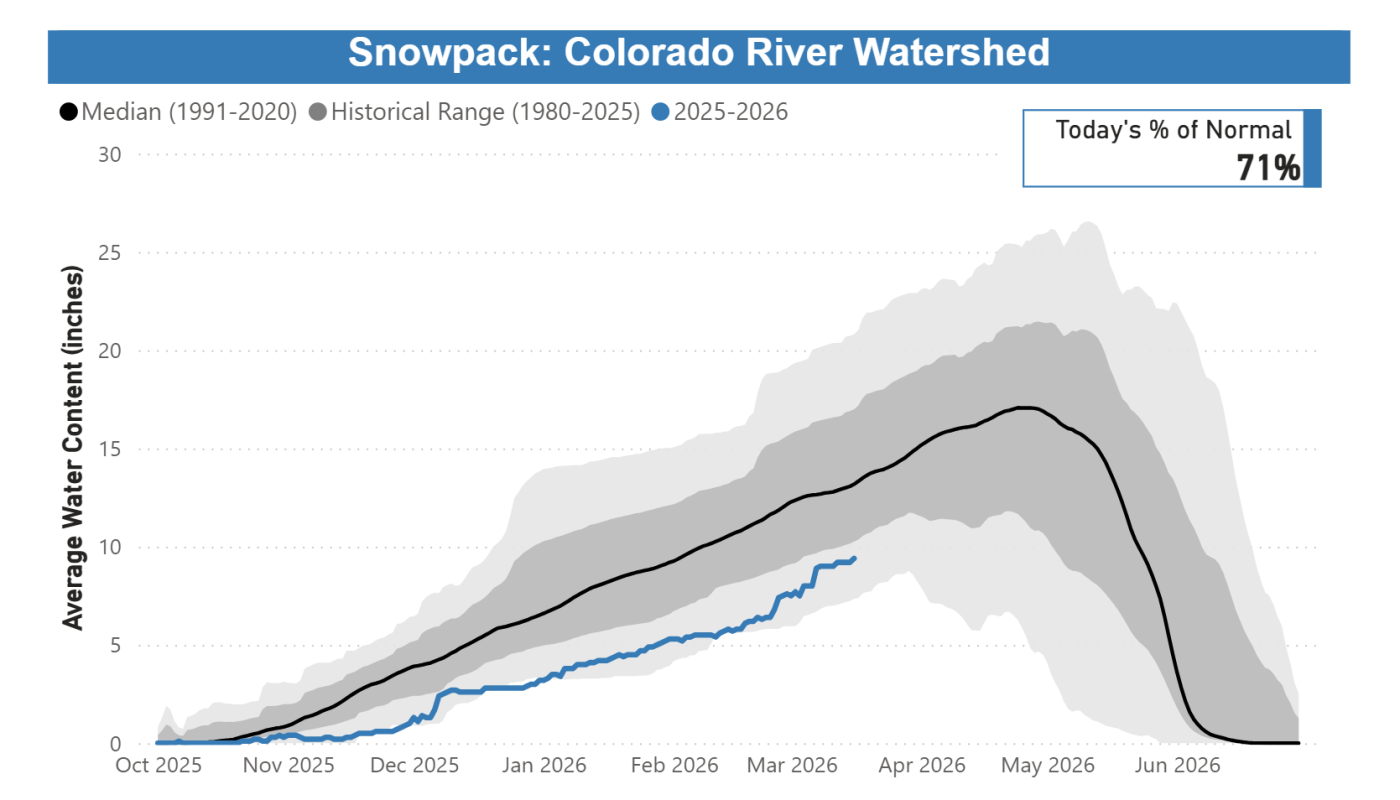
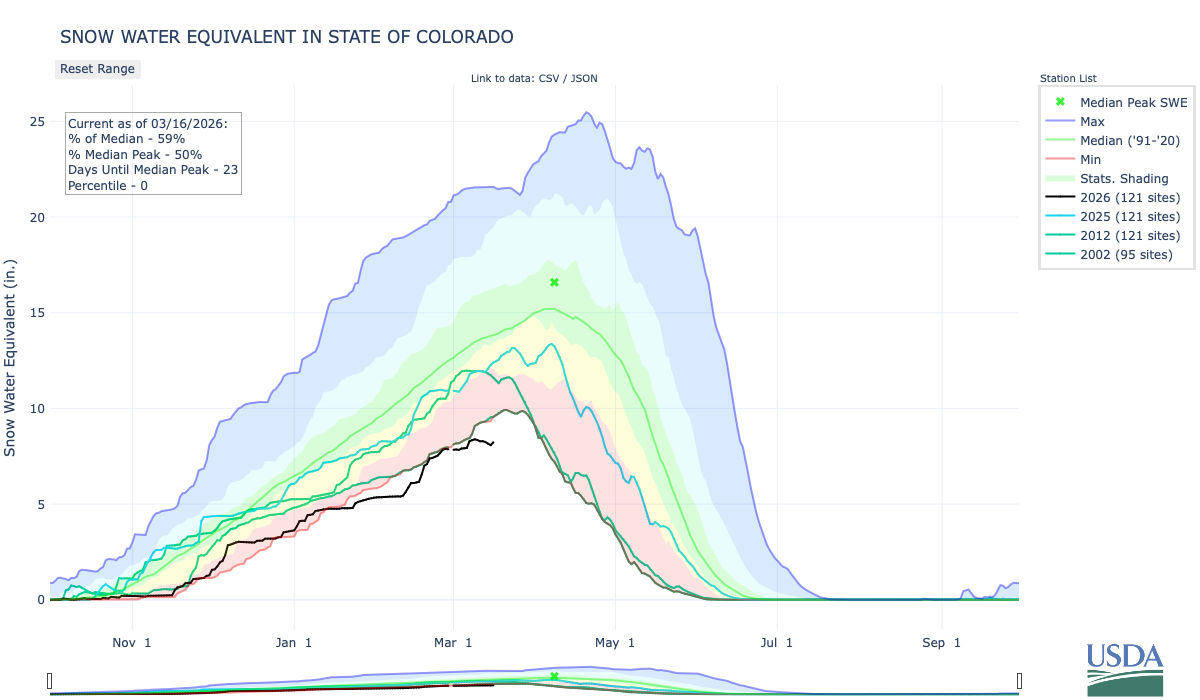
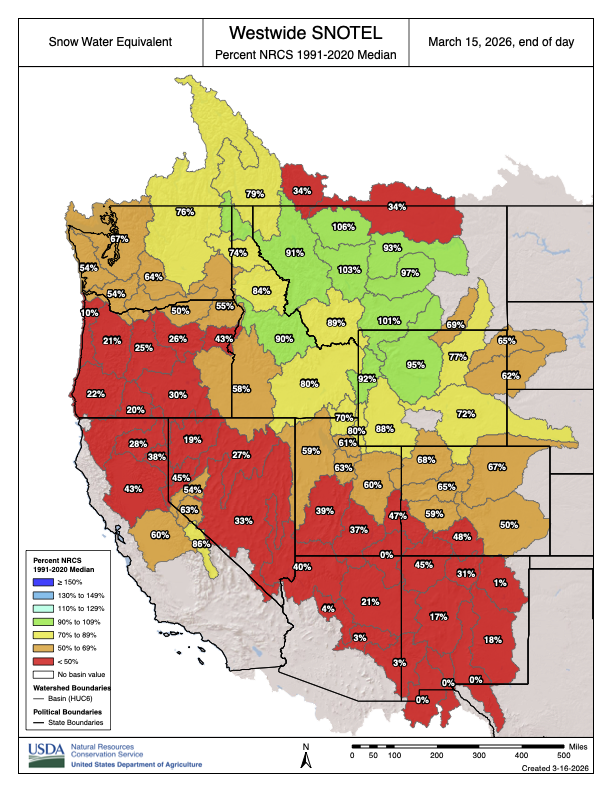
At the end of March, mountain snowpack conditions remain well below normal for the time of year, with record to near-record low levels observed across all western states. Additionally, many Natural Resources Conservation Service (NRCS) SNOw TELemetry (SNOTEL) network monitoring stations are reporting very shallow snow depths or no snow on the ground. Region-level (2-digit HUC) snow water equivalent (SWE) values (percent of median) are as follows: Pacific Northwest 55%, Missouri 56%, Upper Colorado 24%, Great Basin 18%, Lower Colorado 14%, Rio Grande 8%, and Arkansas-White-Red 8%. In California, statewide snowpack is 18% of normal (April 1), with the Southern Sierra at 32%, Central Sierra at 21%, and Northern Sierra at 6%. Despite poor snowpack conditions, California’s reservoirs remain at or above historical averages for the date (March 31), with Lake Shasta and Lake Oroville at 113% and 123% of average, respectively. In the Southwest, the U.S. Bureau of Reclamation (March 29) reports critically low levels at Lake Powell (24% full; 41% of average for the date) and Lake Mead (33% full; 52% of average for the date), with the total Colorado River system at 36% of capacity (compared to 41% at the same time last year)…
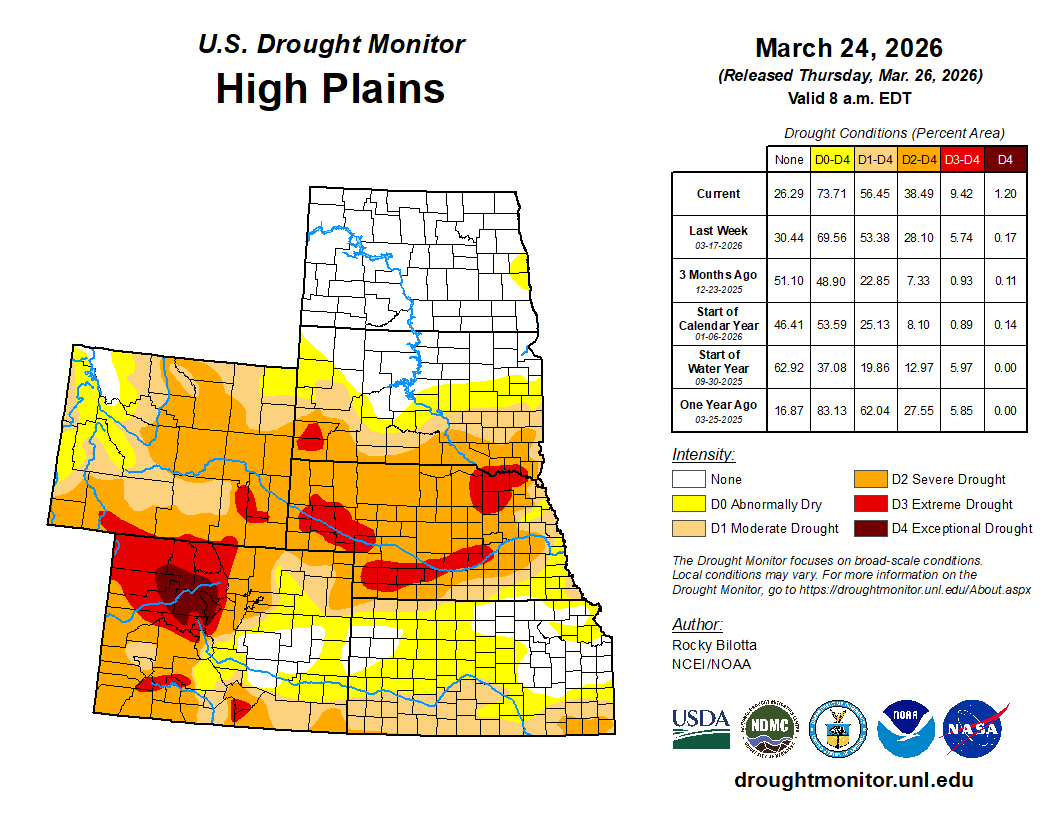
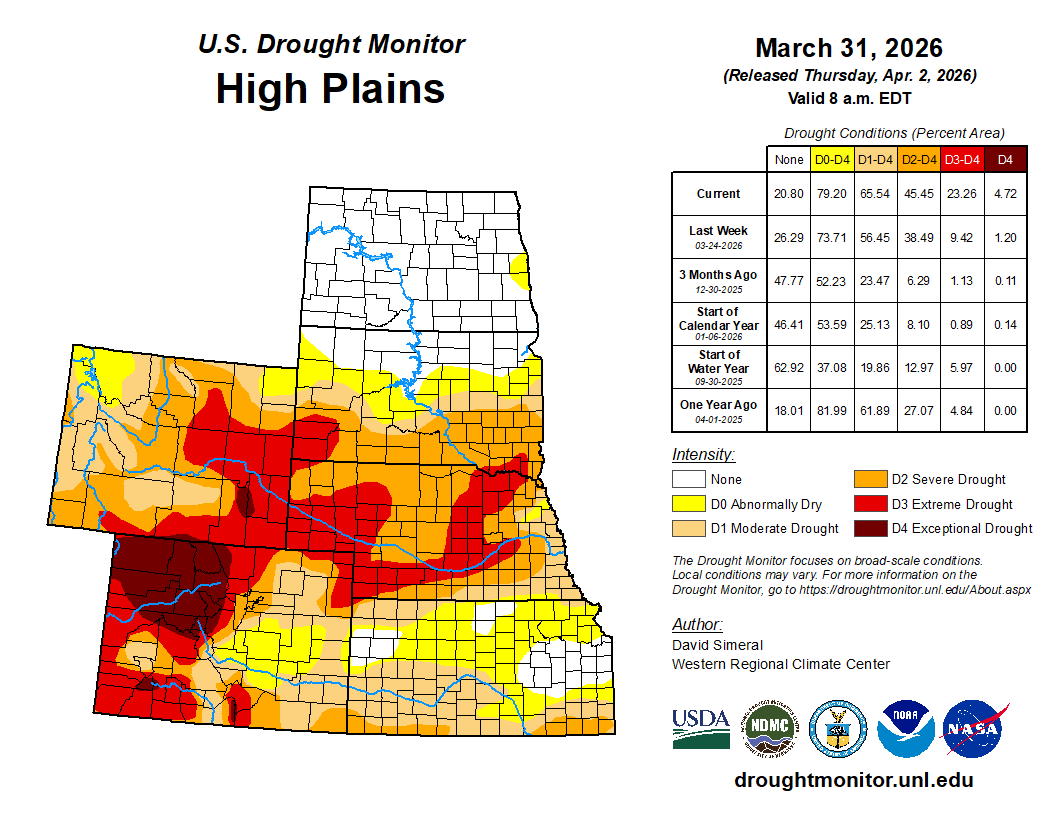
High Plains
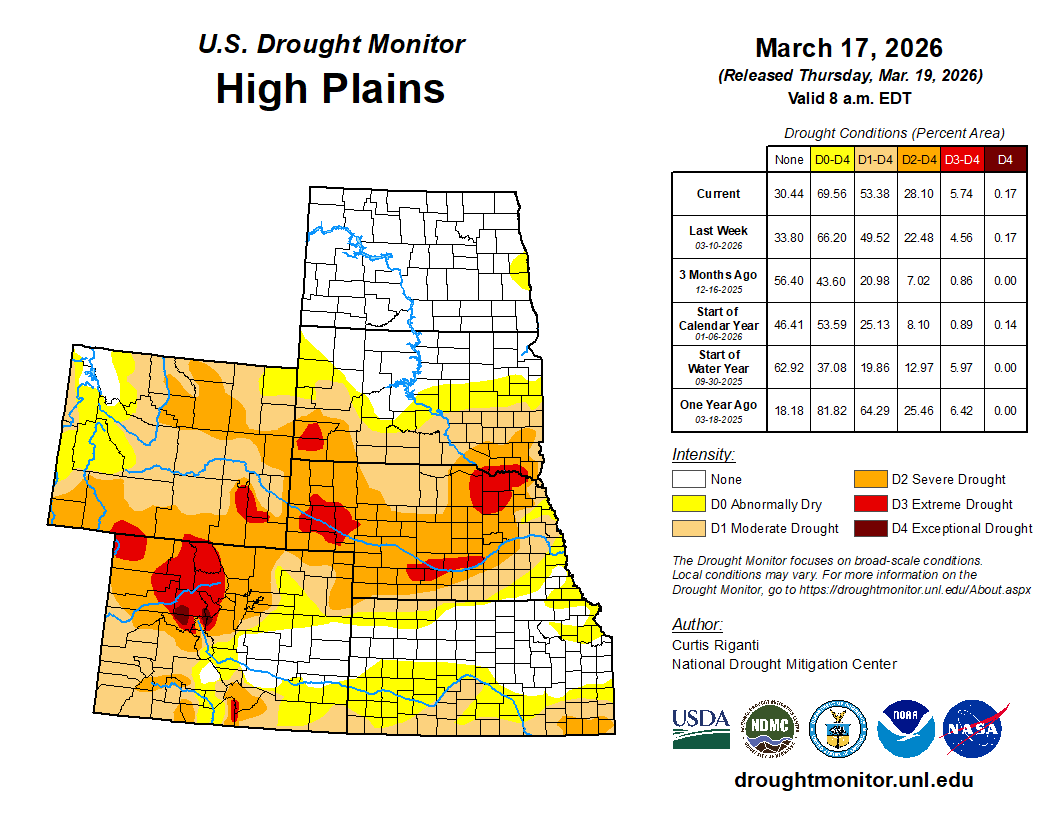
On this week’s map, widespread changes were made across the region in response to below-normal precipitation (time scales from 1 to 6 months), declining soil moisture, scattered low streamflows, elevated evapotranspiration rates, and associated anomalously warm temperatures—not only in recent weeks, but moving through the entire cool season. In South Dakota, record to near-record low streamflows have been observed during the last 120-day period as well as below-normal soil moisture levels observed at the South Dakota Mesonet monitoring stations. Additionally, the NDMC’s CMOR map shows numerous ag-related impact reports from the Black Hills region in southwestern South Dakota. For the week, the region was very dry with warmer-than-normal temperatures (3 to 15+ °F above normal) observed across much of the region, with the greatest anomalies observed in Nebraska and Kansas. Looking at climatological rankings for the past 90-day period (January 1 to April 1), several locations ranked among their warmest on record, including Grand Island, NE (warmest on record; +9 °F departure from normal); North Platte, NE (warmest on record; +10 °F); Rapid City, SD (warmest on record; +9 °F departure from normal); Goodland, KS (warmest on record; +11 °F departure from normal); and Dodge City, KS (warmest on record; +8 °F departure from normal)…
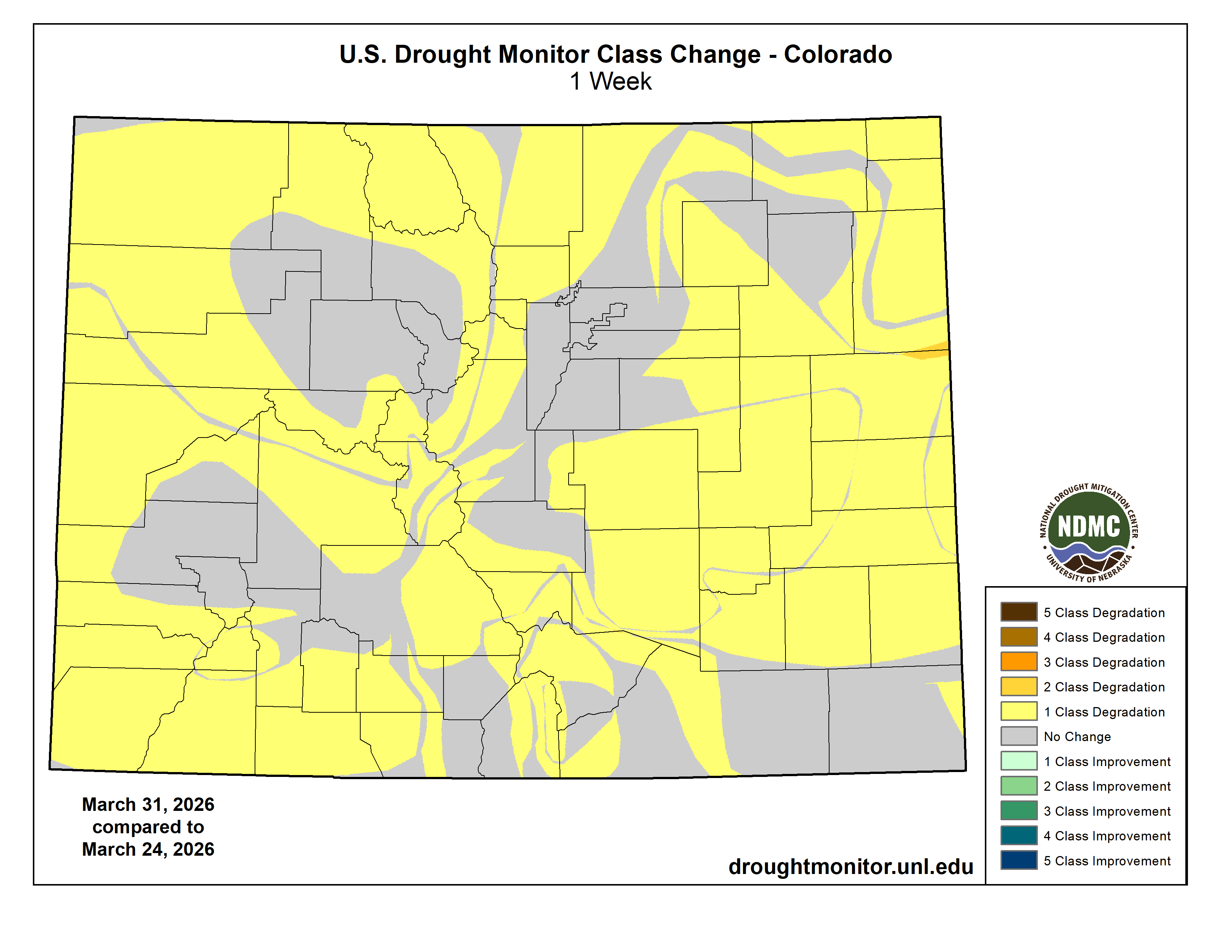
West
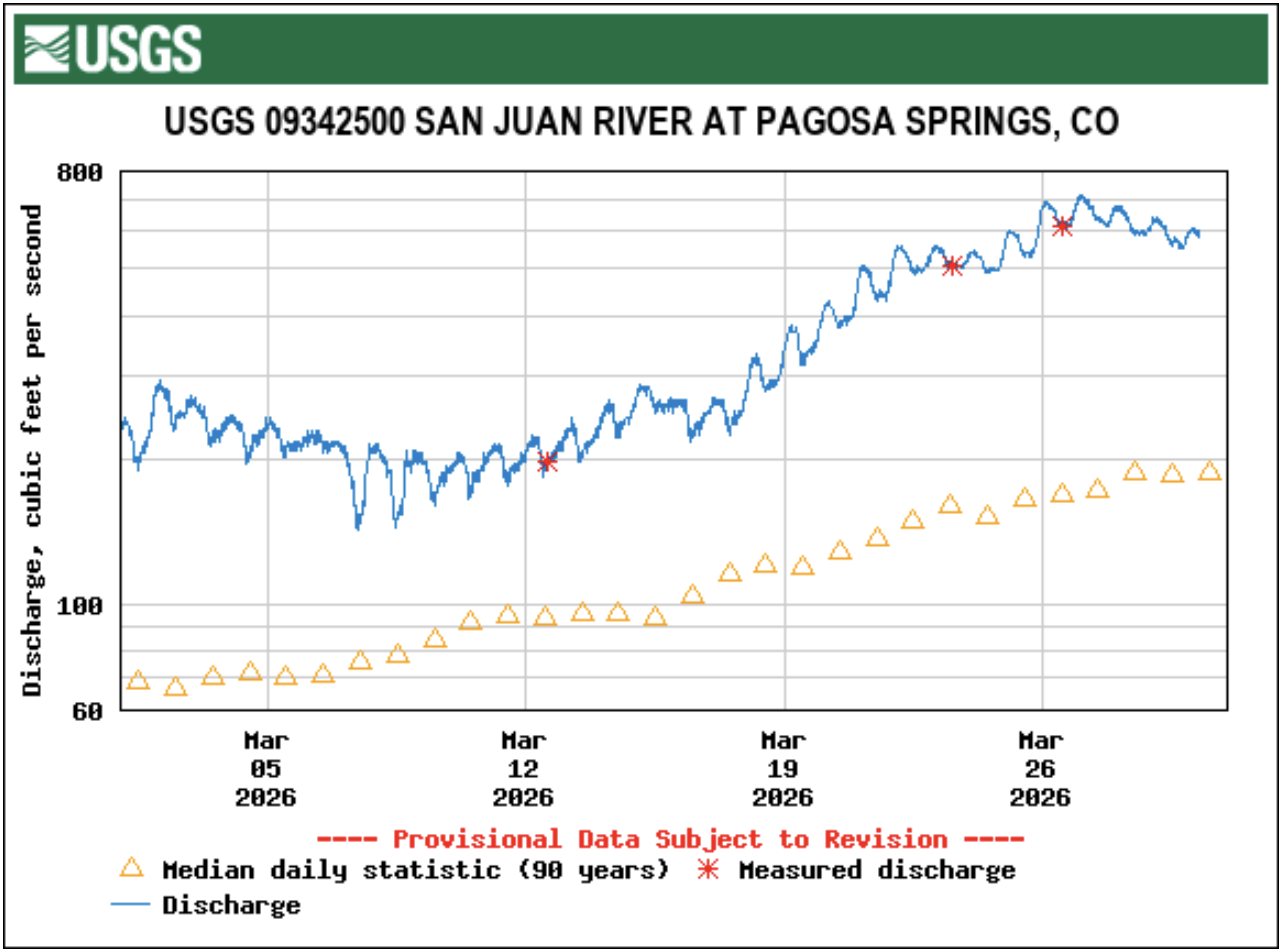
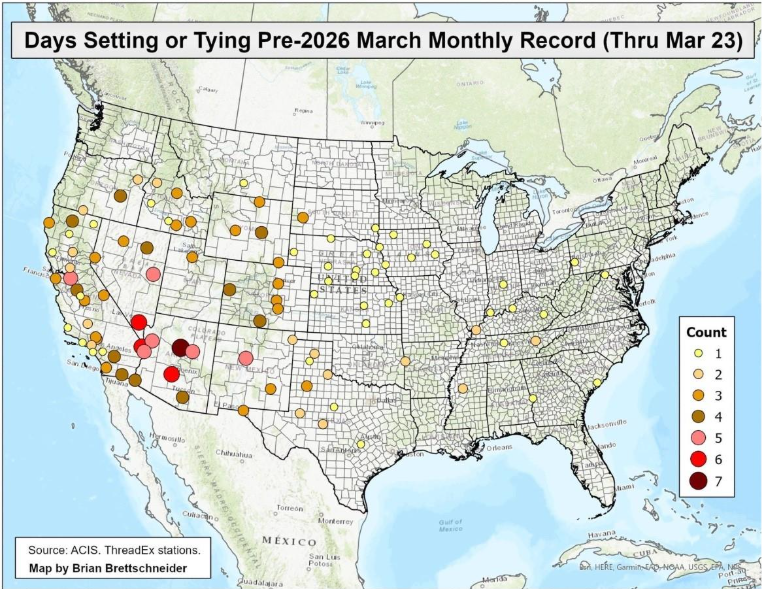
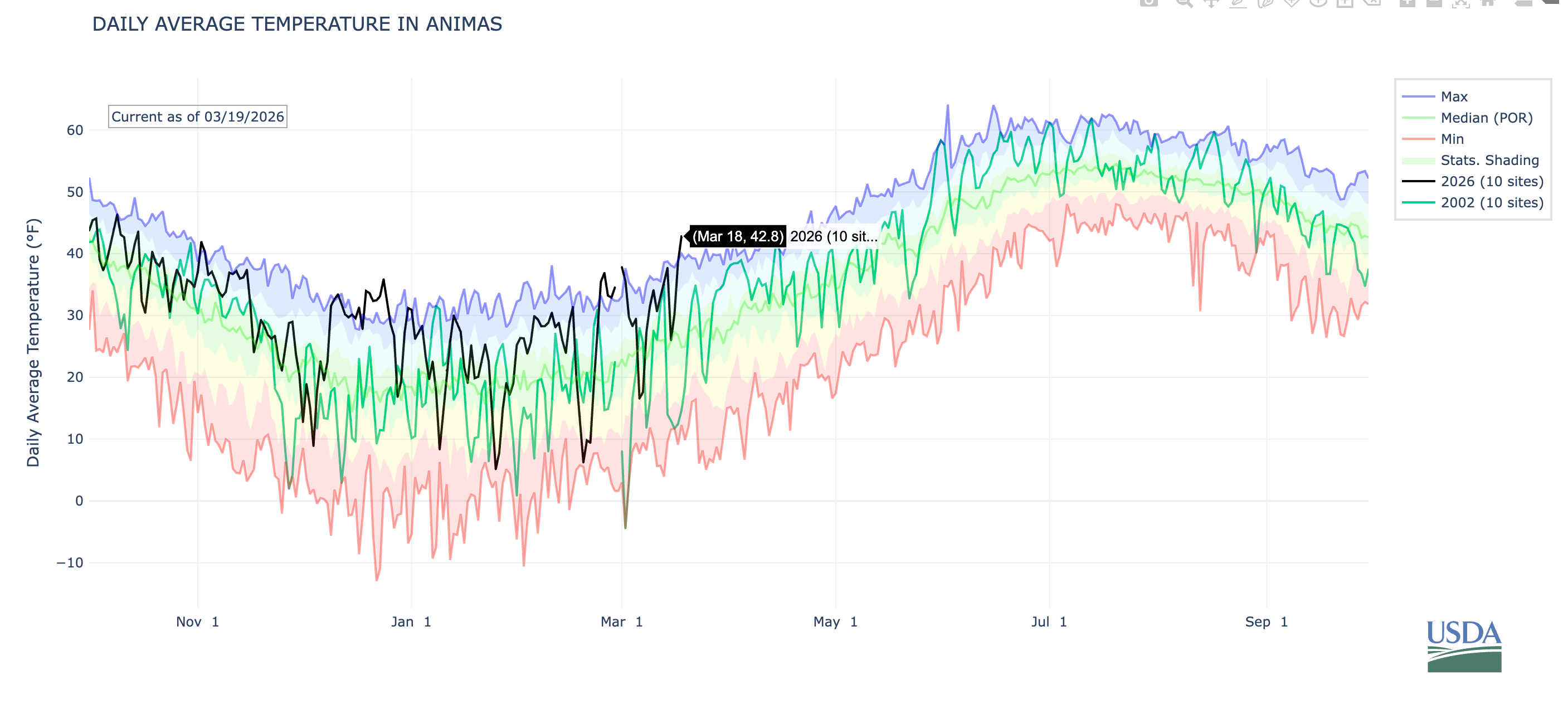
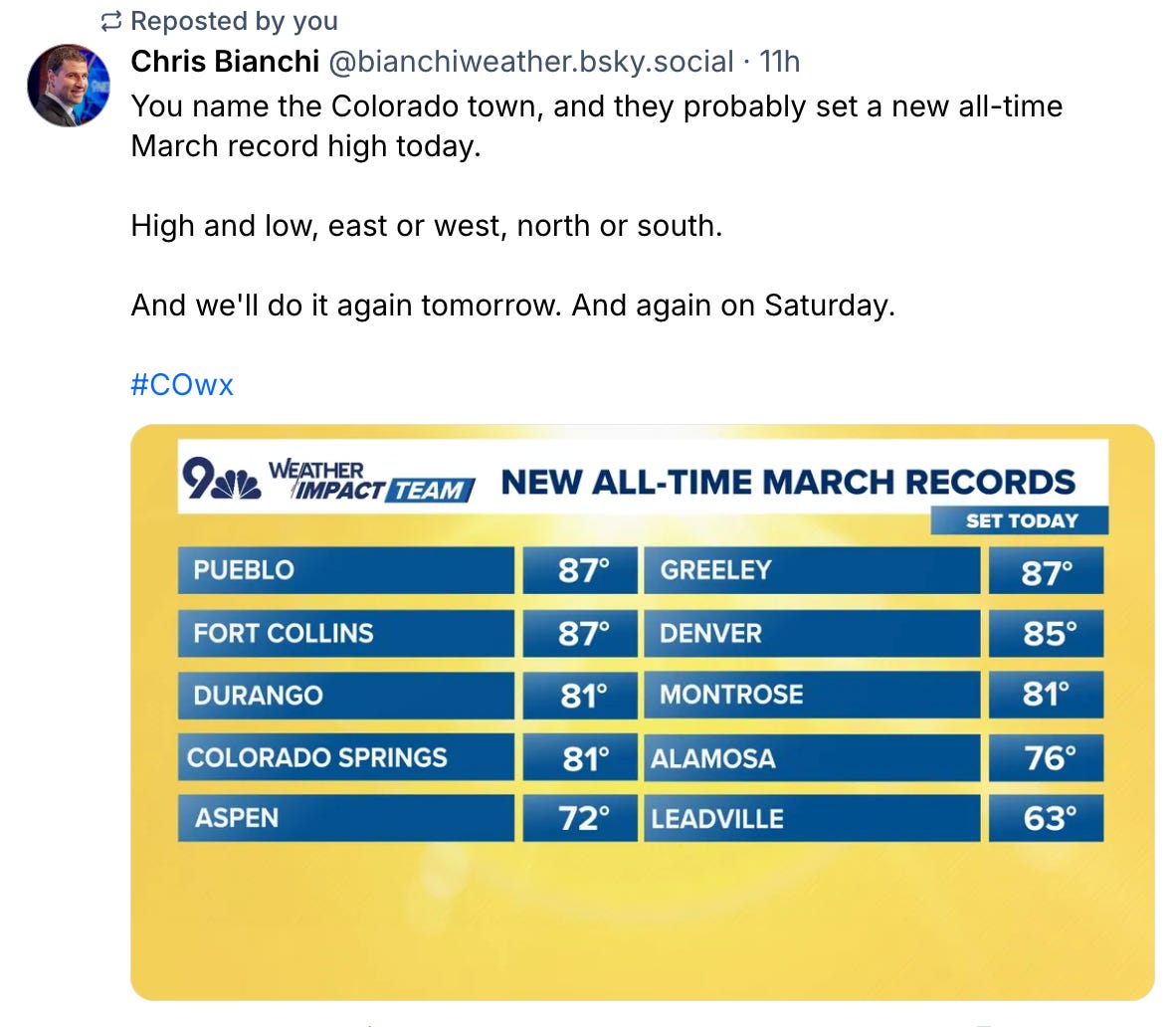
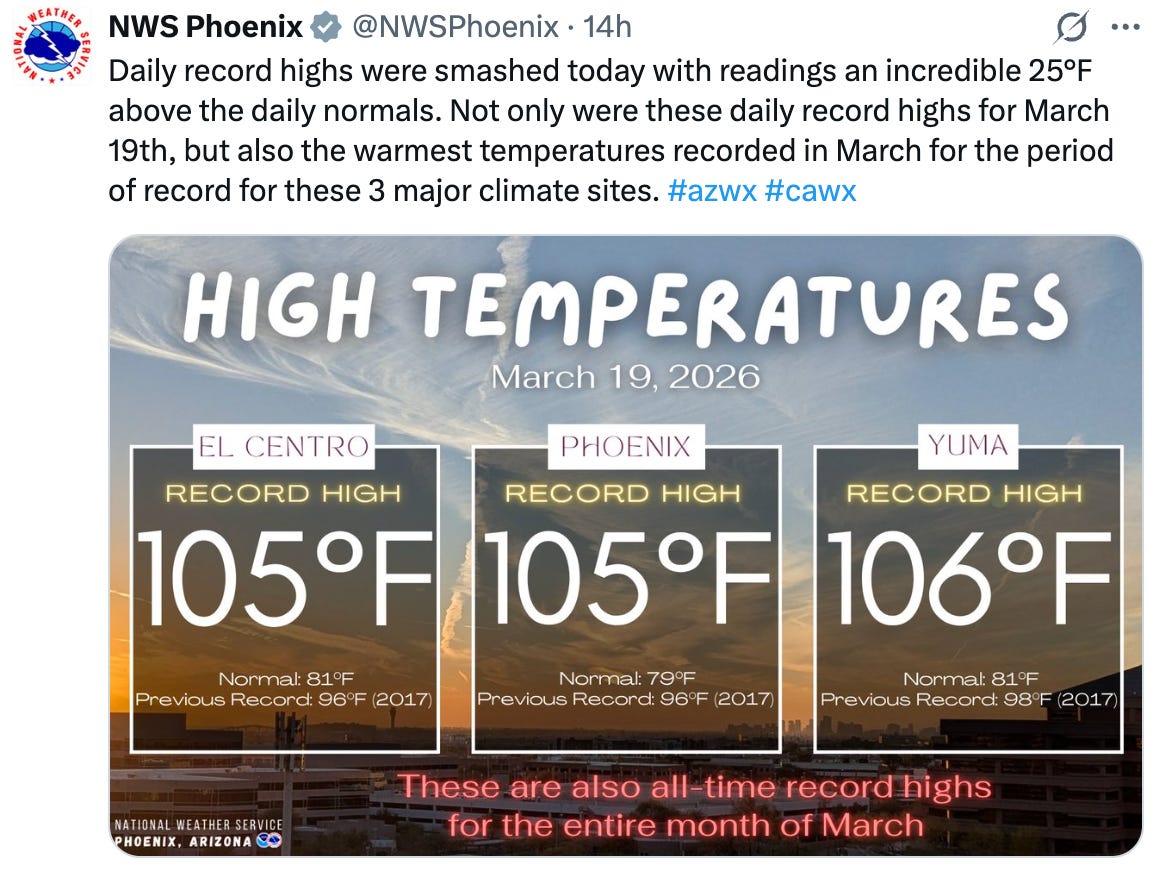
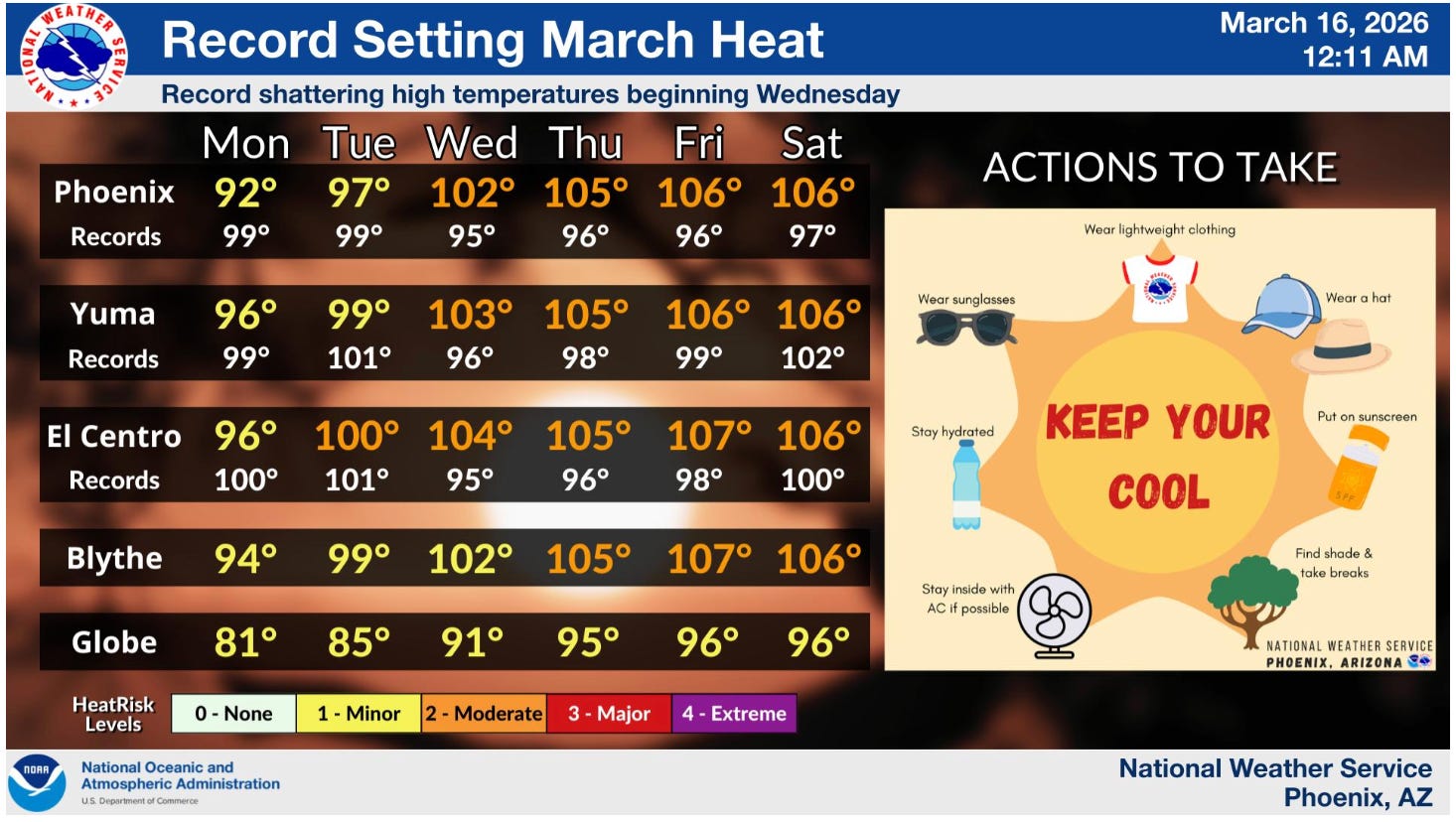
Conditions deteriorated significantly on the map this week in response to the combination of record to near-record heat and very poor snowpack conditions. The recent heat wave accelerated snowmelt across the region over the past few weeks, with many NRCS SNOTEL stations reporting little to no snow on the ground or unseasonably low levels. Peak runoff is occurring earlier than normal—or has already passed in some locations—raising concerns about reduced inflows into reservoirs moving through spring and into the summer months. In the Upper Colorado River Basin, Lake Powell is 25% full, while upstream reservoirs show mixed conditions, including Flaming Gorge (82% full), Blue Mesa (50%), and Navajo Lake (62%). In Rio Grande Basin in New Mexico, Elephant Butte is 12% full and Caballo Reservoir is 7% full. In Arizona, the Salt River Project reports the Salt River system at 56% full, the Verde system at 63%, and the combined system at 63% (compared to 70% last year)…
South
On this week’s map, widespread degradations were made in drought-affected areas of Texas, Oklahoma, Louisiana, and Arkansas, while isolated areas of Mississippi and Tennessee saw degradations. During the past 30-day period, the National Drought Mitigation Center’s Conditions Monitoring Observer Reports (CMOR) tool showed numerous impact reports across the region. For the week, dry conditions prevailed across the region. Looking at climatological rankings for the past 90-day period (December 31 to March 31), several locations ranked among their driest on record, including Austin, TX (4th driest; -5.53 inches), Brownsville, TX (driest on record; -3.38 inches), Oklahoma City, OK (driest on record; -3.61 inches), Monticello, AR (driest on record; -8.95 inches), and Jackson, MS (driest on record; -7.4 inches). In Texas, Water for Texas (April 1) reports statewide reservoirs at 73.5% full, with eastern reservoirs in good condition while many western and southern reservoirs remain below normal, including Falcon Reservoir (19% full). Average temperatures for the week were above normal across the region (3 to 15+ °F) with dry conditions prevailing…
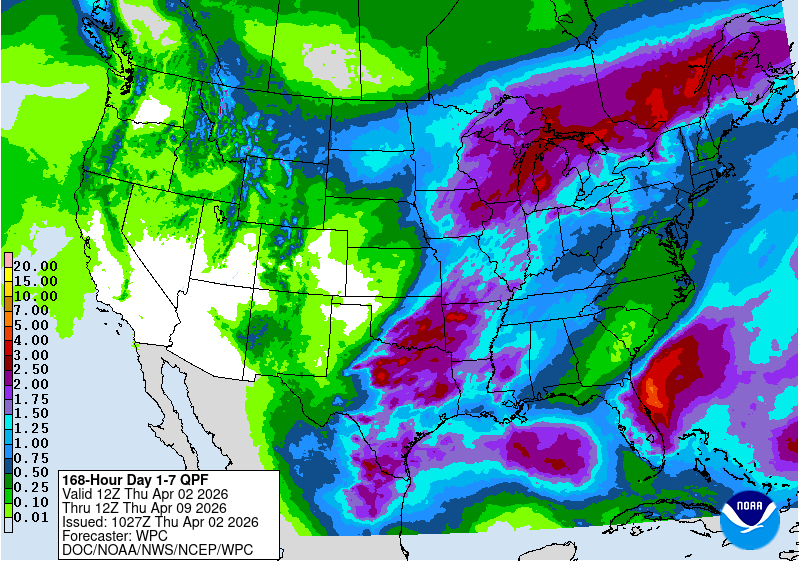
Looking Ahead
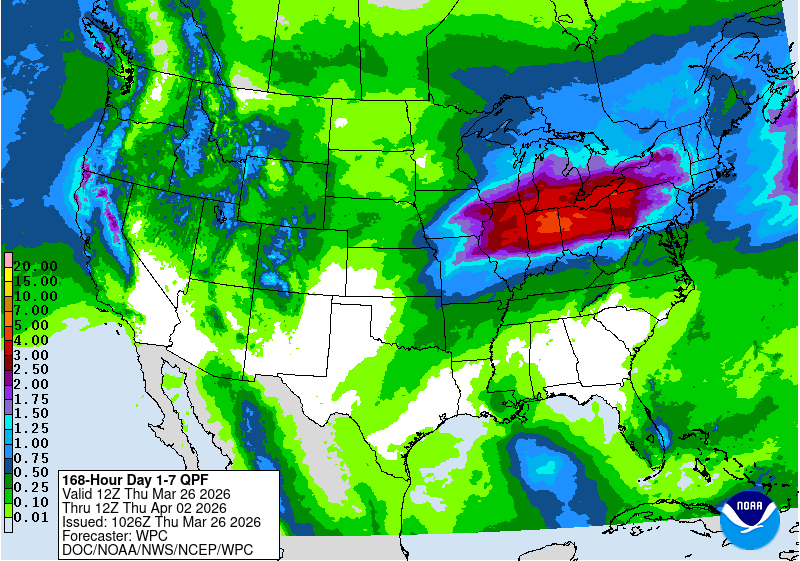
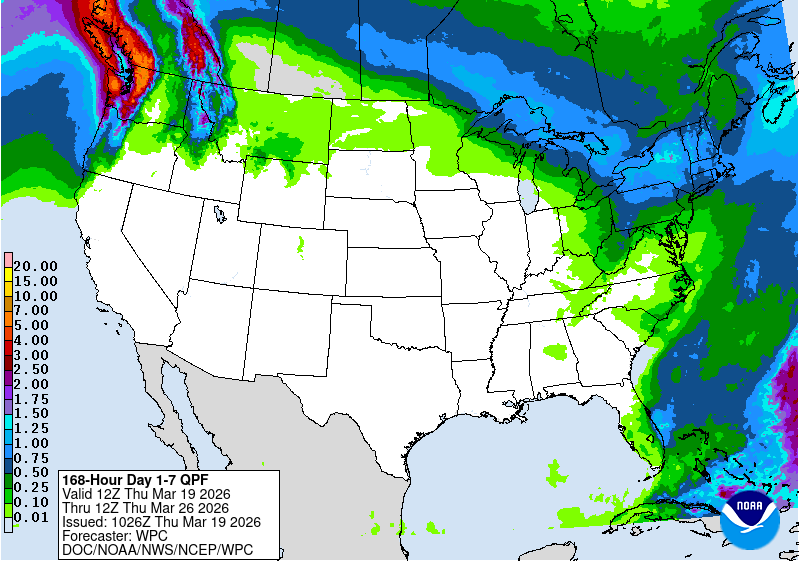
The NWS Weather Prediction Center 7-Day Quantitative Precipitation Forecast (QPF, liquid equivalent) calls for precipitation accumulations generally ranging from 2 to 4 inches across eastern portions of the Southern Plains, Midwest, and Northeast, with the heaviest totals along a corridor from eastern Texas through the Lower Mississippi Valley into portions of the Upper Mississippi Valley. In the Southeast and Mid-Atlantic, light-to-moderate liquid precipitation accumulations ranging from 0.5 to 2 inches are expected. Across the High Plains, light-to-moderate liquid precipitation accumulations ranging from 0.5 to 2 inches are expected, with the greatest totals across portions of the Dakotas. In the West, light-to-moderate liquid precipitation accumulations are expected across areas of the region, with the highest totals across portions of the Pacific Northwest, northern California, and southern Oregon. In the higher elevations, snow is expected across the Sierra Nevada, southern Cascades, northern Great Basin, and portions of the central and northern Rockies. Dry conditions are expected to prevail across much of the Southwest, including areas of southern California, southern Nevada, Arizona, and New Mexico.
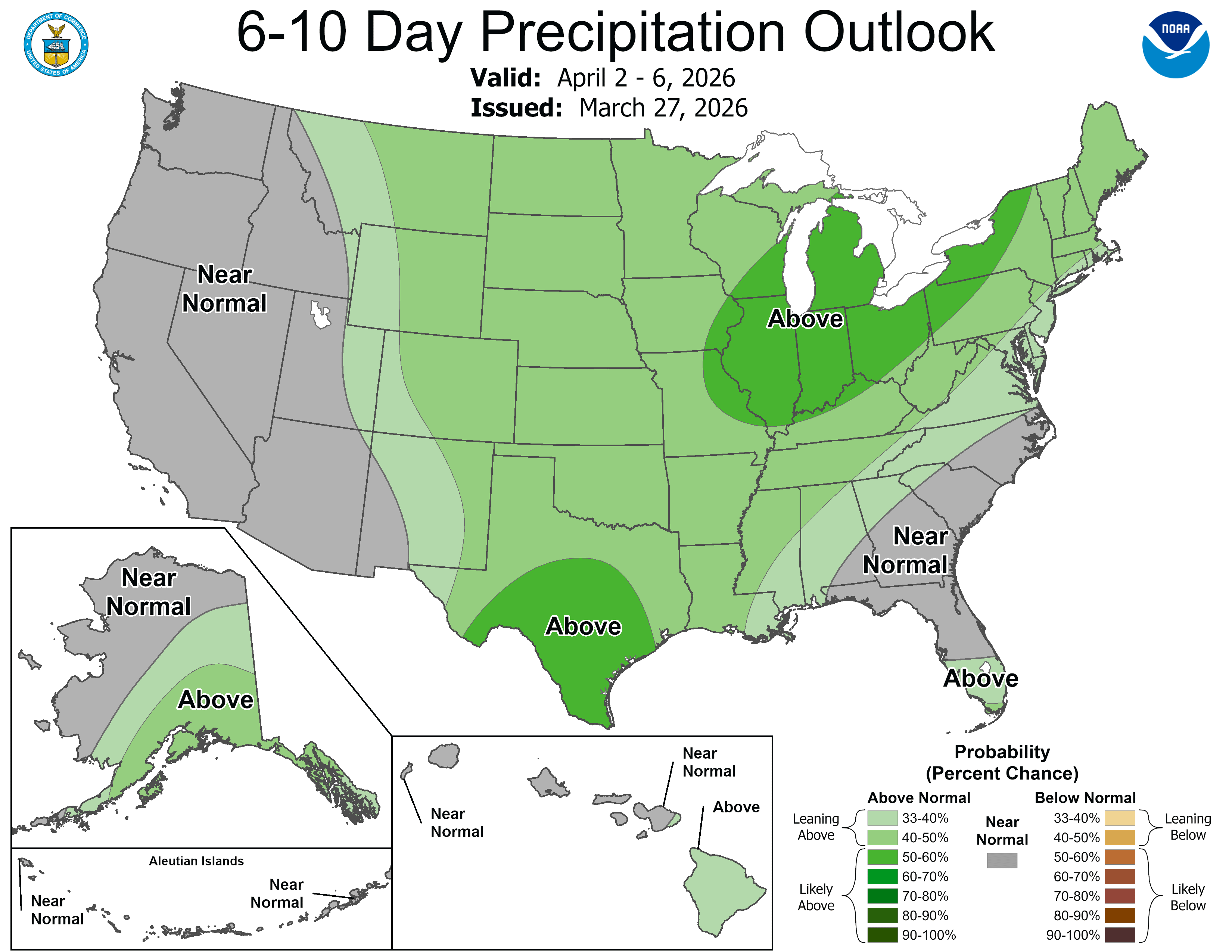
The 6–10-day temperature outlook (valid April 7–11, 2026) calls for above-normal temperatures across much of the western U.S., Southern Plains, and areas of the South, with the highest probabilities centered over the California, Nevada, Utah, and Arizona. Below-normal temperatures are favored across the Northern Plains as well as the New England. Near-normal temperatures are expected across much of the eastern U.S., including the Mid-Atlantic and Southeast, as well as portions of Texas. In terms of precipitation, the 6–10-day outlook calls for above-normal precipitation across areas of the eastern half of the western U.S., Plains states, South, much of the Midwest, and Florida. Below-normal precipitation is favored across portions of the Mid-Atlantic and southern extent of New England. Near-normal precipitation is expected across areas outside of these regions, including portions of the western U.S. and Southeast.