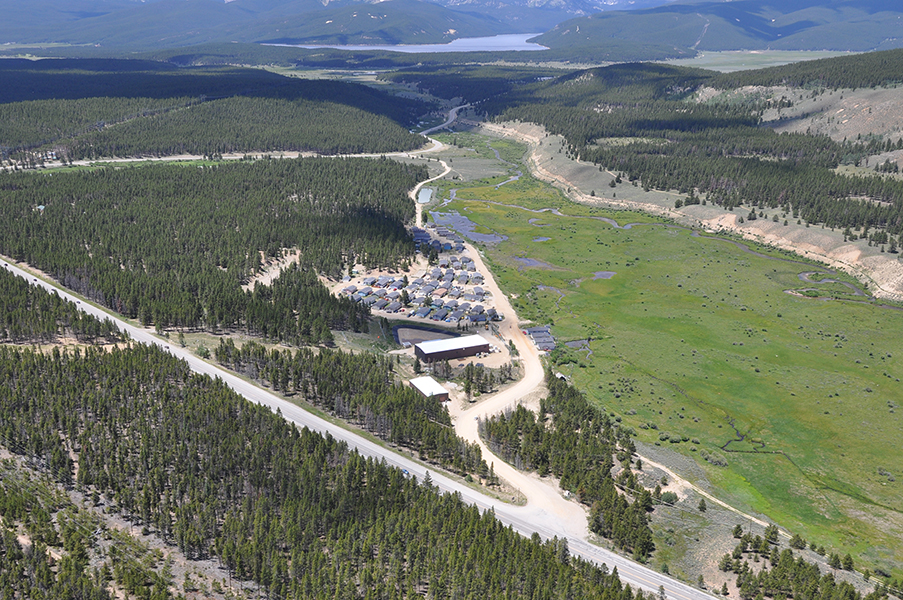
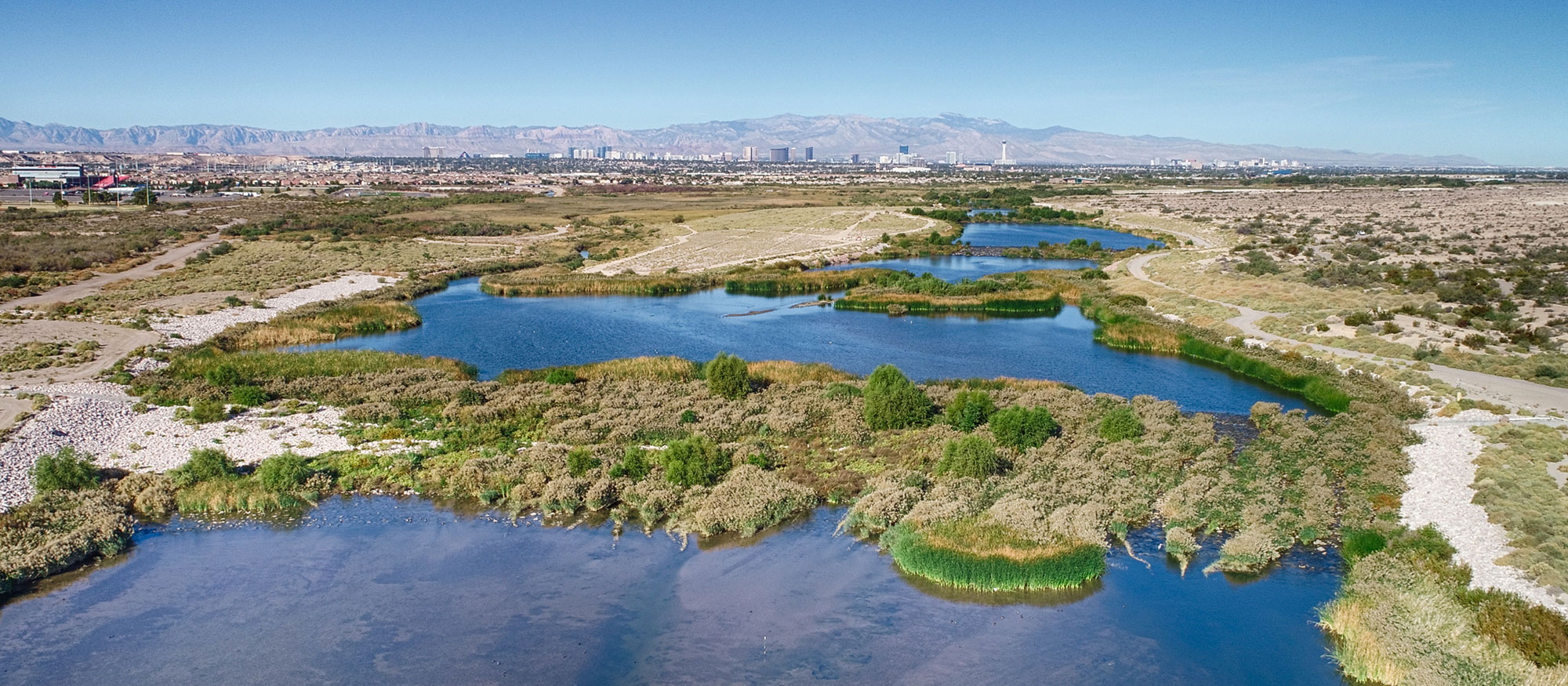
Goose Pasture Tarn. Photo credit: City of Breckenridge
Click the link to read the article on the Summit Daily website (Kit Geary). Here’s an excerpt:
February 4, 2026
A 54-year-old water treatment plant in Breckenridge has reached the end of its life, and preliminary cost estimates put rehabilitating it at $54 million. Breckenridge town staff members presented Breckenridge Town Council with plans for a series of projects to help the Gary Roberts Water Treatment plant reliably meet current demand at a Tuesday, Jan. 27, meeting. The Gary Roberts Water Treatment is located at the Goose Pasture Tarn. A staff memo stated the town first evaluated improvements and rehabilitation options in 2014, but they put those on hold to prioritize Goose Pasture Tarn dam repairs. The memo noted the continued aging of the plant now makes it a critical project. It included photos of the plan demonstrating pitting, corrosion and leaks in the water tanks at the plant…The project is currently proposed to be phased from 2027 to 2029. Staff members said there are no anticipated impacts to residents’ water service. While preliminary cost estimates put the project at $54 million, the budget the town planned for was $50 million. Officials asked staff members what tools were at the town’s disposal to make the project stay within a reasonable budget.
There is another emerging issue that decades of drought and the warming climate is causing in the San Luis Valley – elevated levels of heavy metals in drinking wells that can cause health issues for households that rely on them.
It’s a topic Kathy James, Ph.D., and associate professor with the Colorado School of Public Health, knows well after spending the past three years working with families in the Valley that rely on private drinking wells.
James provided an update to the work during Tuesday’s opening day of the 2026 Southern Rocky Mountain Ag Conference. She reported that 15 to 25 percent of the private groundwater wells used for drinking water in the San Luis Valley contain elevated levels of arsenic, uranium and other heavy metals.
Her confidence in the findings is bolstered by the fact that 850 households in the different counties of the Valley participated in the study and provided samples to help James and her team evaluate the effect drought is having on water quantity and water quality.
“The comprehensive information that we have about distribution of metals across the Valley is by far one of the best we’ve seen in most western states that do experience elevated metals,” James said.
She noted how low snowpack impacts the age of water underground and ultimately the quality of water people are drinking from a private well.
The Upper Rio Grande Basin, like the Colorado River, is suffering from snow droughtsin the high elevations of the west and below-normal spring runoff levels.
Less snow, less spring runoff for recharge of the aquifers, and higher levels of arsenic, uranium and other heavy metals is the emerging issue. James talks more about the study and the team’s findings in the next episode of The Valley Pod, which streams Wednesday on AlamosaCitizen.com.
Under pressure to provide water for drinking and irrigation, people around the globe are trying to figure out how to save, conserve and reuse water in a variety of ways, including reusing treated sewage wastewater and removing valuable salts from seawater.
But for all the clean water they may produce, those processes, as well as water-intensive industries like mining, manufacturing and energy production, inevitably leave behind a type of liquid called brine: water that contains high concentrations of salt, metals and other contaminants. I’m working on getting the water out of that potential source, too.
However, most of these methods require strict environmental protections and monitoring strategies to reduce harm to the environment.
For instance, the extremely high salt content in brine from desalination plants can kill fish or drive them away, as has happened increasingly since the 1980s off the coast of Bahrain.
Brine injected into the earth in Oklahoma, including into wells used for hydraulic fracking of oil and natural gas, was one of several factors that led to a 40-fold increase in earthquake activity in the five-year period from 2008 to 2013, as compared to the preceding 31 years. And wastewater has been documented to leak from the underground wells up to the surface as well.
Researchers like me are increasingly exploring brine’s potential not as waste but as a source of water – and of valuable materials, such as sodium, lithium, magnesium and calcium.
Currently, the most effective brine reclamation methods use heat and pressure to boil the water out of brine, capturing the water as vapor and leaving the metals and salts behind as solids. But those systems are expensive to build, energy-intensive to run and physically large.
Other treatment methods come with unique trade-offs. Electrodialysis uses electricity to pull salt and charged particles out of water through special membranes, separating cleaner water from a more concentrated salty stream. This process works best when the water is already relatively clean, because dirt, oils and minerals can quickly clog or damage the membranes, reducing the performance of the equipment.
Membrane distillation, in contrast, heats water so that only water vapor passes through a water-repelling membrane, leaving salts and other contaminants behind. While effective in principle, this approach can be slow, energy-intensive and expensive, limiting its use at larger scale.
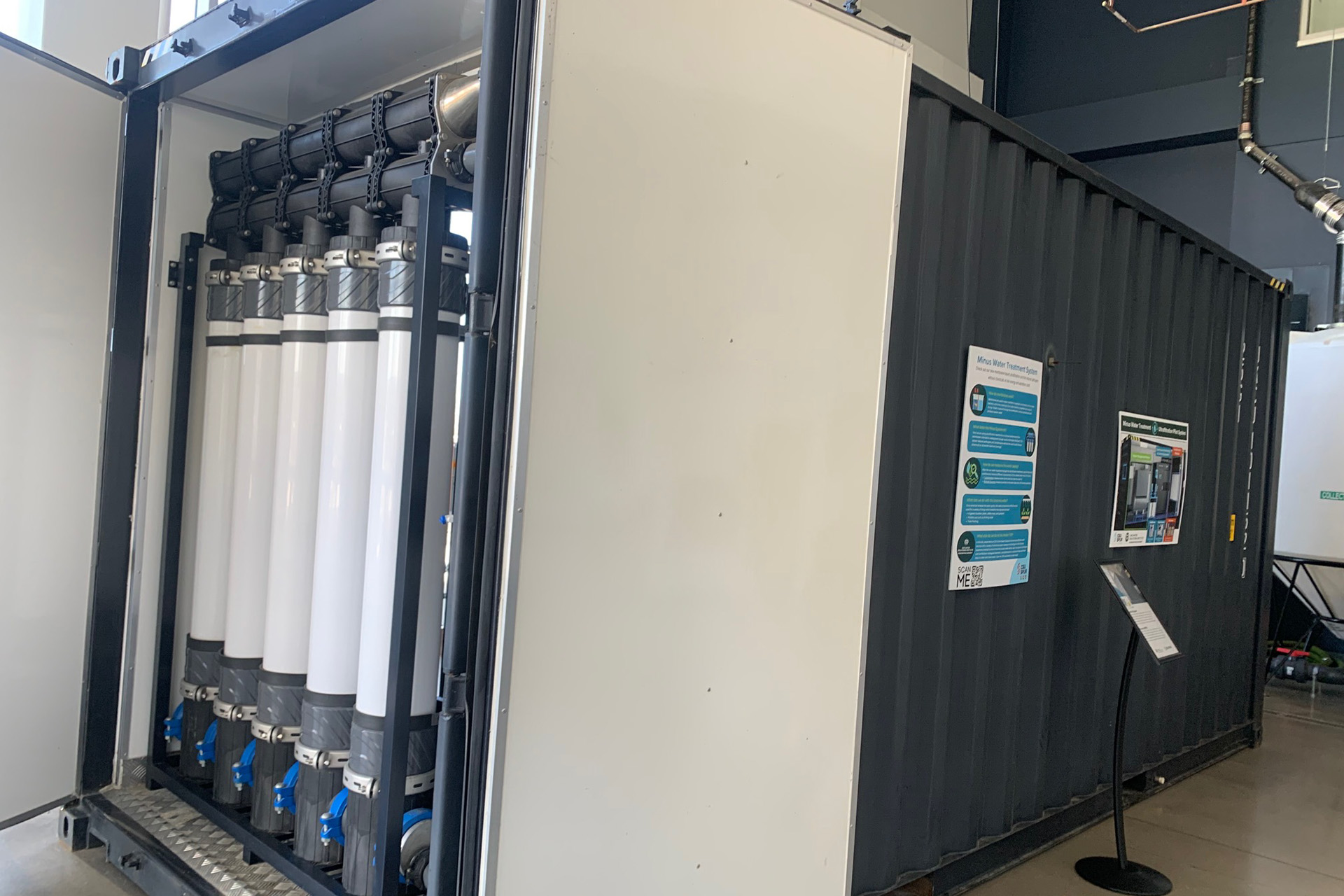
A trailer containing a small water reclamation system. Mervin XuYang Lim, CC BY-SA
A look at smaller, decentralized systems
Smaller systems can be effective, with lower initial costs and quicker start-up processes.
At the University of Arizona, I am leading the testing of a six-step brine reclamation system known as STREAM – for Separation, Treatment, Recovery via Electrochemistry and Membrane – to continuously reclaim municipal brine, which is salty water left over from sewage treatment.
The system combines conventional methods such as ultrafiltration, which removes particles and microbes using fine filters, and reverse osmosis, which removes dissolved salts by forcing water through a dense membrane, alongside an electrolytic cell – a method not typically employed in water treatment.
Our previous study showed that we can recover usable quantities of chemicals such as sodium hydroxide and hydrochloric acid at one-sixth the cost of purchasing them commercially. And our initial calculations indicated the integrated system can reclaim as much as 90% of the water, greatly reducing the volume of what remains to be disposed. The cleaned water in turn is suitable for drinking after final disinfection using ultraviolet or chlorine.
We are currently building a larger pilot system in Tucson for further study by researchers. We hope to learn if we can use this system to reclaim other sources of brine and study its efficacy in eliminating viruses and bacteria for human consumption.
Arkansas Valley Conduit map via the Southeastern Colorado Water Conservancy District (Chris Woodka) June 2021.
Click the link to read the article on the Associated Press website (Michelle l. Price and Meg Kinnard). Here’s an excerpt:
President Donald Trump issued the first vetoes of his second term on Tuesday, rejecting two low-profile bipartisan bills, a move that had the effect of punishing backers who had opposed the president’s positions on other issues. Trump vetoed drinking water pipeline legislation from Republican Rep. Lauren Boebert of Colorado, a longtime ally who broke with the president in November to release files on convicted sex offender Jeffrey Epstein. He also vetoed legislation that would have given the Miccosukee Tribe of Indians of Florida more control of some of its tribal lands. The tribe was among groups suing the administration over an immigration detention center in the Everglades known as “ Alligator Alcatraz.” Both bills had bipartisan support and had been noncontroversial until the White House announced Trump’s vetoes Tuesday night…
Trump did not allude to Boebert in his veto of her legislation, but raised concerns about the cost of the water pipeline at the heart of that bill. Boebert, one of four House Republicans who sided with House Democrats early on to force the release of the Epstein files, shared a statement on social media suggesting that the veto may have been “political retaliation.” Boebert’s legislation, the “Finish the Arkansas Valley Conduit Act,” aimed to improve access to clean drinking water in eastern Colorado.
Click the link to read the article on the Summit Daily website (Town of Silverthorne):
November 17, 2025
Starting Jan. 1, 2026, the metered water service rate for a normal rate building from $19.55 per equivalent residential unit per month to $22 per equivalent residential unit per month.
Also effective Jan. 1 2026, the town will increase its water system development fees by $276 per equivalent residential unit. This will bring the one-time fee to connect new development to the town’s water from $9,200 to $9,476.
“That’s really just to keep up with inflation,” Finance Director Laura Kennedy said. “Despite the fact that we are growing as a town, water usage really hasn’t grown as much as we’ve seen the number of units come on.”
Residential storm water management fee will also increase, taking the fee from $7.50 per month to $7.57 per month. The sewer opportunity fee — which is applicable to properties outside of town that receive sewer services from the town or will receive service because of a planned annexation — will increase in 2026 as well from $2,700 to $2,750.
The unofficial results of Tuesday’s election are in, with Town of Pagosa Springs voters voting in favor of a 1 percent sales tax rate increase for sewerage and wastewater reuse facilities beginning Jan. 1, 2026. The following vote totals were accurate as of late Wednesday morning, Nov. 5. Election results will remain unofficial until Nov. 26, which is the deadline for county canvass boards to complete the canvass and submit the official election abstract to the Colorado Secretary of State’s Office.
“The voters confirmed loud and clear that we need to fix our ailing sewer collection and forced main system and to provide a long-term solution,” Pagosa Springs Town Manager David Harris wrote in a statement to The SUN. “We appreciate those who understand the necessity of this system and how it relates to the economic vitality of our community and region.”
According to the ballot issue, the increase is to “construct, reconstruct, improve, repair, better, extend, operate and maintain sewerage and wastewater reuse facilities to serve the town, including facilities of the Pagosa Springs Sanitation General Improvement District.
The intake structure for the Snowmass Water and Sanitation District sits about 20 feet downstream of the Maroon Bells-Snowmass Wilderness Area boundary along East Snowmass Creek. The proximity to the wilderness area is beneficial for water quality but complicates wildfire planning efforts. Photo credit: Aspen Journalism
If Snowmass Village ran an ad for its tap water, it might feature snow-covered, pristine high peaks above the town. Winter snowflakes gather on Baldy and Willoughby mountains and trickle through alpine tundra and conifer forests into East Snowmass Creek, where icy clear water tumbles past the U.S. Forest Service Wilderness Area sign. Snow to the river to the village’s faucets. In real life, after the water is diverted from East Snowmass Creek — just about 20 feet downstream from the boundary of the Maroon Bells-Snowmass Wilderness area — it makes a quick detour through the town of Snowmass Village’s filtration systems at the water-treatment facility on Fanny Hill. (The ad might as well include smiling skiers.)
“We get our water basically from a super-pristine source, so we’re literally drinking out of the mountain stream,” said Darrell Smith, water resources manager for Snowmass Water and Sanitation.
There are clear benefits to having a water supply come directly from wilderness, especially in terms of water quality. But it also means that the town is limited in how it can mitigate risks arising in a protected landscape from natural disasters such as wildfire and postfire flooding, debris flows and erosion.
The Roaring Fork Valley Wildfire Collaborative is leading work on a Wildfire Ready Action Plan (WRAP) for the Roaring Fork watershed that can help local communities identify the risks of and prepare for these postfire hazards.
With a goal to make the Roaring Fork Valley more wildfire resilient, the collaborative is also undertaking several large-scale wildfire mitigation projects that aim to reduce the risk of wildfire near communities and critical infrastructure. The nonprofit recently secured a grant for $850,000 from the Colorado Division of Homeland Security and Emergency Management to complete wildfire-mitigation work in Snowmass Village.
The town of Snowmass Village and the wildfire collaborative hired Hussam Mahmoud, a wildfire risk expert, to complete advanced modeling work that will identify the homes and areas that are most at risk, how a fire might spread in the village and the most effective mitigation strategies.
The recent grant will enable work to begin on key projects as soon as the modeling work is completed, as soon as this spring, according to Angie Davlin, executive director of the Roaring Fork Valley Wildfire Collaborative.
Alongside such mitigation work aimed at preventing wildfire from reaching communities, the collaborative is working to ensure that if a fire occurs, there’s a proactive plan for recovery and reducing damage to infrastructure. That’s the focus of WRAP.
During a September tour of key sites in the watershed, engineers with Wright Water Engineers heard from local stakeholders about infrastructure systems and provided updates on data collection and highlighted some key areas — such as in Snowmass Village — that might be susceptible to postfire hazards.
“There are some quite vulnerable systems in the Roaring Fork Valley — Snowmass being at the very top of that list — that really need some advance planning,” said Natalie Collar, senior hydrologist with Wright Water Engineers and who is heading up the report.
Collar and engineer Madison Witterschein presented initial mapping results that illustrate postfire risks and hazards, and the message for Snowmass Water was clear.
“You need a plan prefire,” Witterschein told a group gathered at the Snowmass Water and Sanitation District’s office in Snowmass Village. “Especially with the wilderness area, if there was a fire, there’s not much you can do after. You have to have a plan before it starts.”
Darrell Smith, water resources manager for Snowmass Water and Sanitation, discusses Snowmass Village’s water infrastructure and vulnerabilities as part of the Roaring Fork Valley Wildfire Collaborative’s work to create a Wildfire Ready Action Plan for the valley. CREDIT: ELIZABETH STEWART-SEVERY/ASPEN JOURNALISM
One-source water supply in Snowmass
Kit Hamby, director of Snowmass Water and Sanitation, said about 96% of Snowmass Village’s water is gravity-fed from the roughly 6-square-mile watershed of East Snowmass Creek, which is nestled in the Maroon Bells-Snowmass Wilderness Area.
Such designated wilderness areas receive the highest protection under federal law, the 1964 Wilderness Act, which requires that land is managed for preservation, such that it “generally appears to have been affected primarily by the forces of nature, with the imprint of man’s work substantially unnoticeable.”
The water that comes from East Snowmass Creek is also primarily untouched by contaminants; the 2024 annual water-quality report shows contaminant levels far below limits set by the Environmental Protection Agency across the board.
“There’s not much above us other than elk and marmot, some bear,” Smith told the group assembled to discuss WRAP. “It doesn’t mean you want to drink out of the stream, for obvious reasons, but from an industrial or commercial standpoint, there’s nothing happening upstream from us.”
There is both a bubbling spring and a mountain stream in the East Snowmass Creek valley, and each contributes to turbidity — or suspended material — in the water supply. Much of the turbidity is caused by high oxygen content in the water and can be a challenge for the filtration system.
“In the summertime, during runoff, our filters are needing to be backwashed a lot, just because of entrained air in the water. Those bubbles become barriers to filtration in our water-treatment plant,” Smith said. “We have to take the water, reverse the flow, send it back through the filter, get the filters to kind of burp, essentially, and then it all settles back and we run again.”
A second intake system brings water from Snowmass Creek, which is below the confluence of East Snowmass Creek and the mainstem near the base of the Campground chairlift on Snowmass Ski Area. Because that diversion is downstream of the confluence of the streams, any pollutants from East Snowmass would also be present there, though somewhat diluted by the addition of Snowmass Creek.
That water is pumped up over a hill into Ziegler Reservoir, which holds about 82 million gallons of water and is primarily used for irrigation and snowmaking purposes.
Snowmass Water and Sanitation has three possible sources to provide water to Snowmass Village, but about 96 percent of the water comes from the East Snowmass Creek watershed, marked in blue. Water from Brush Creek, marked in purple, is high in turbidity and rarely used. Water pulled from Snowmass Creek can be pumped to either Ziegler Reservoir or to the water treatment facility on Fanny Hill. CREDIT: COURTESY OF DARRELL SMITH
There is an additional intake on Snowmass Ski Area; Snowmass Water and Sanitation can divert from the west fork of Brush Creek, but it isn’t often used because of poor quality due to the geography of the area. That stream comes down from the Cirque zone on the ski area and has high levels of sediment from the clay soils, according to Hamby.
Hamby, Smith and others at Snowmass Water have long known there are vulnerabilities for the system that relies so heavily on one drainage for its water. A wildfire in the East Snowmass Creek valley could raise myriad issues, some of which are reflected in challenges the utility has seen through other natural disasters and weather events.
Avalanches, including a large one that came down Garrett Peak in 2019, have left downed trees and lots of debris that has the potential to cause issues.
“I was concerned that it would change the water quality, though it didn’t,” Hamby said. “As some of the timber degrades and decomposes, it releases the heavy metals that are contained in the timber.”
This can also happen to downed timber after a wildfire.
Even large rain events can cause turbidity that is difficult for the system’s filtration systems to manage.
“That alone can deliver a slug of turbidity down the water course that means we have to turn off a particular intake and just draw from one of the others,” Smith said.
In these types of instances, Snowmass Water and Sanitation can turn to the storage in Ziegler Reservoir. Smith noted that it is rare that the water authority draws entirely from the reservoir because of taste and odor issues that can arise from algae growth in the hot summer months.
“We’re very fortunate to have Ziegler, and I personally believe it needs to be expanded,” Hamby said. “Ziegler is one of our strengths. Very few communities have 80 million gallons stored above the water treatment plan that could be gravity-fed to supply the town and also used to fight wildfire.”
The aftermath of a significant wildfire in the Snowmass area would present major challenges. The same filters that struggle to manage turbidity from sediment or oxygen bubbles after a heavy rain could be overcome by ash, runoff, pollutants or debris after a fire or rain following the burn.
“We don’t have a lot that we can do to prevent it,” Smith said.
If the utility were unable to use native streams, Smith said, Ziegler Reservoir could provide between three and six weeks of water to the town, a number that could probably be extended with water restrictions.
But still, Smith said, “It’s a short term tool, and a partial tool. I don’t think it’s really designed as an exclusive source. That’s not the goal.”
East Snowmass Creek runs through the Maroon Bells-Snowmass Wilderness Area; the creek provides the vast majority of Snowmass Village’s water supply. CREDIT: COURTESY OF DARRELL SMITH
Postfire debris-flow danger compounded by wilderness area
Although WRAP is still in the data-gathering phase, Wright Water Engineers has completed drafts of maps that show the likelihood of a postfire debris flow and the volume of debris that those might produce.
There are several drainages around the Roaring Fork watershed that show a high likelihood of postwildfire debris flows, given a hard rain that would happen, on average, every two years. That includes the lower basin of East Snowmass Creek, where Snowmass Water’s headgate sits.
“A debris flow from a side drainage could come in and impact your headgate, could destroy it,” Witterschein said. “If there was enough material, it could be completely demolished, or it could be blocked with material.”
Wright Water Engineers, which expects to complete the analysis work by the end of this year, recommends actions for predisaster planning and mitigation this spring. But it’s already clear to Collar that some best-practices to mitigate risk might be off the table for Snowmass Village.
“There is, at least for Snowmass, very little we can prescribe because they are so high up in the watershed,” Collar said, and because so much of the drainage area is wilderness.
The Colorado Water Conservation Board, which provides funding for Wildfire Ready Action Plans, lists several possible measures to help protect water infrastructure in the aftermath of a wildfire, such as setback levees, debris nets and planned overflow channels. Those interventions are typically spread out upstream from critical infrastructure, but in the case of Snowmass Water and Sanitation, everything upstream of the intake structure is in a wilderness area.
Such postfire projects would need to go through the Forest Service’s minimum requirements analysis to ensure that there are no other less-impactful actions that could be taken, according to former White River National Forest Supervisor Scott Fitzwilliams. He said temporary actions, like nets that stabilize a hillside for a few years until vegetation regrows, have a better chance of approval than permanent structures.
In planning for postfire impacts, Collar said the community may need to rely on steps to take outside the wilderness area.
“They might be stuck to installing a debris basin right before their intake, versus having more distributed best-management practices,” Collar said.
Past assessments of Snowmass Water’s infrastructure have yielded a recommendation that the utility upgrade its filter system, Hamby said. Such work would be costly, and Hamby estimated Snowmass Water might revisit the issue in five to 10 years.
Because of the location of Snowmass Village — up so high in the watershed, with one primary source — Collar said it’s particularly important to plan ahead.
“It’s not uncommon to have a population that is vulnerable to destruction of the water supply after a wildfire,” Collar said. “But it’s a bit unique to have someone positioned so high up in the watershed where it’s a long straw that you’d have to install to get to another source of water.”
In the event of an emergency, Snowmass Water and Sanitation does have some existing water rights on the Roaring Fork River, but no infrastructure in place to utilize that water, which would need to be pumped about 1,400 vertical feet and about 5 miles up the valley to reach the treatment facility.
Any kind of protective project would take time, from a filtration system to a debris catchment basin or a new water-supply line.
“Truly just from a time perspective,” Collar said, “thinking through these things and installing some of these projects before a wildfire occurs is the best way to get a project that’s designed well, that’s not installed in an emergency rush and that has adequate funding.”
The 9-mile pipeline that delivers the city of Durango’s drinking water is in “critical need of replacement,” according to Public Works. The project has become more expensive than first thought because of easements and rights-of-way complications requiring the replacement pipeline to be built significantly farther from the original pipeline that was first laid in the early 1900s. Shelly Bellm, interim Public Works administrative manager, the original pipeline was originally intended to be repaired by slip lining, but engineers determined it needed to be replaced. Design for the replacement is slated to cost nearly $3.4 million. City Council approved a budget amendment of $2.8 million last week to pay for the design…It’s more feasible to build the new pipe along the same route as the original pipe while keeping the original pipe active, [Shelly Bellm] said. Otherwise, the water supply to the city’s reservoir would be cut while sections of the pipeline are shut down for weeks at a time.
The city of Arvada is one step closer to replacing its aging water infrastructure, as city council unanimously approved the purchase of a 25-acre plot of land located at 6809 State Highway 93 for $5.7 million at the Sept. 16 city council meeting. The land is located just west of the existing Arvada Water Treatment Plant, which was built in 1979 and is nearing the end of its life, according to Arvada’s Communications Manager for Infrastructure, Katie Patterson. Arvada purchased the property from the Keller family. The city plans to annex the site, which is currently located in unincorporated Jefferson County, into Arvada as part of its next steps, the city’s Director of Infrastructure Jacqueline Rhoades said…The project is being funded by bond funding, customer rates and fees and development charges, not by general tax dollars. The city is utilizing bonds in an effort to curb rate increases by spreading out the cost of the project over time. Patterson said that once the new plant is operational, the old Arvada Water Treatment Plant will be decommissioned. That plan is still in the works, as some facilities at that site will remain in service after the plant is shut down…According to the Department of Infrastructure, the new site is ideal for a few reasons, including lower potential for groundwater, a property shape that allows for easier construction and an efficient site layout, minimal disruption to the natural views of the area, better terrain for construction and operation, a property size that allows for future expansions if needed and elevation that allows water to be delivered by gravity to most of the city.
On July 22, after months of uncertainty about the impact of federal funding cuts and tariffs, Gunnison City Council received an update on the future of the water treatment plan project. Gunnison Public Works Director Pete Rice addressed the council with a report on funding, design and construction of the proposed plant on the Van Tuyl Ranch. The water treatment plant, estimated to cost $50 million and be one of the largest infrastructure developments in city history, is divided into three projects. The first project covers the construction of a raw water intake and three separate wells at the VanTuyl Ranch. The second and third projects focus on the water delivery system and water treatment facility. With the first project nearing approval from the Environmental Protection Agency (EPA), the city is expected to finalize its design this fall and begin construction before the end of 2025. The treatment plant initiative stems from the 2021 water master plan and a potable water evaluation. Gunnison currently relies on nine wells to source its drinking water. The system is outdated and no longer permitted by the state. Because all of the wells pull water from the same aquifer, drinking water is vulnerable to contamination and extended drought conditions. The proposed plant will allow Gunnison to pull water from the Gunnison River, in addition to the aquifer…
The first project includes the construction of a raw water intake and three separate wells. The proposed intake will be 18-feet deep alongside the Gunnison River, and cylindrical intakes will extend halfway into the river. The first project is expected to be approved by the EPA in the next four weeks, and begin construction this year with well drilling extending into 2026. The project is projected to cost $4 million, with $900,000 covering design, and $3 million going toward construction. The entire construction cost is funded by $1.75 million in congressionally directed spending, and $1.5 million from a Colorado Water Conservation Board grant. Four additional grants covered roughly $850,000 in design costs. The City of Gunnison will pay the remaining $25,000. Once complete, the water intake will have little impact on outdoor recreation, including boating and fishing, Rice said. However, construction will likely disrupt those activities for an estimated two to three months. It is currently unknown if construction can take place in the winter to minimize impact on summer recreation. Project two focuses on a complex network of pipes that will connect the raw water intake and wells, and deliver water directly to the water treatment plan. The third project is the construction of the water treatment plant itself. Rice said the second and third project design is estimated to be completed between winter 2025 and spring 2026, with construction lasting into 2029. The two projects will cost $2.7 million for design, and $40 million for construction. The majority of design costs are already funded by six grants, while the construction costs are set to be discussed at upcoming council meetings.
The pipeline, at the base of the Winter Park ski area, that moves water as part of the existing Moffat Collection System Project. The portal of the railroad tunnel is behind the pipeline, in this view. Photo credit: Brent Gardner-Smith/Aspen Journalism
According to Grand County Water Quality Manager Katherine Morris, polluted discharge from the Moffat Tunnel has adversely impacted the Fraser River. The Grand County water quality team recently wrote two letters to the Colorado Department of Public Health & Environment, outlining its concerns with violations by Union Pacific Railroad, which manages the tunnel. During a Grand County Board of Commissioners meeting March 11, 2025 Morris explained that polluted water from the tunnel enters the nearby Fraser River, which is a main tributary of the Colorado River. This ongoing problem began after the tunnel was completed, and Grand County government began advocating to fix the problem nearly two decades ago…
James Peak via ColoradoWildAreas.com
In the early 2000s, residents and governmental officials raised alarm about pollutants and increased turbidity (or clarity issues) in the Fraser River when water was discharged from the tunnel. The tunnel bores through James Peak. Groundwater from cracks in the mountain rock seeps into the tunnel, and that water needs a way out. Coal dust, heavy metals and other particulate matter can travel into the Fraser River through the runoff. At the time, a water treatment plant existed on the east portal of the tunnel but not on the west portal at Winter Park. People questioned why there was no treatment plant to protect Grand County, home to the headwaters of the Colorado River. Over the years, Union Pacific received fines and a cease-and-desist order. The railroad finally built a treatment plant in 2017, but issues have continued — even worsened in some cases, Morris said. A water centrifuge at the plant is designed to separate solids from the water, creating a sludge-like “centrifuge cake” that is put in a drum and disposed of in Utah. (This disposal has raised its own concerns.) The remaining water is discharged into the river.
My friend Joe’s son and the Orr kids at the top of the Crack in the Wall trail to Coyote Gulch with Stevens Arch in the Background. Photo credit: Joe Ruffert
Kevin Fedarko was the keynote speaker at the symposium and he is as inspirational a speaker as you could ask for. It doesn’t hurt that the landscape that he spoke about is the Grand Canyon. He urged the attendees to, “Take your children out into these landscapes so that they can learn to love them.” He is advocating for the protection of the Grand Canyon in particular but really he is advocating for the protection all public lands.
Kevin Fedarko and Coyote Gulch at the Rio Grande State of the Basin Symposium hosted by the Salazar Rio Grande del Norte Center at Adams State University in Alamosa March 29, 2024.
What an inspirational talk from Kevin. I know what he is saying when he speaks about the time after dinner on the trail where the sunset lights up the canyon in different hues and where, he and Pete McBride, his partner on the Grand Canyon through hike, could hear the Colorado River hundreds of feet below them, continuing its work cutting and molding the rocks, because the silence in that landscape is so complete. He and I share the allure of the Colorado Plateau. Kevin was introduced to it through Collin Flectcher’s book The Man Who Walked Through Time, after he received a dog-eared copy from his father. They lived in Pittsburgh in a landscape that was industrialized but the book enabled Kevin to imagine places that were unspoiled.
My introduction to the Colorado Plateau came from an article in Outside magazine that included a panoramic photo of the Escalante River taken from the ledges above the river. Readers in the know can put 2 and 2 together from the name of this blog — Coyote Gulch — my homage to the canyons tributary to Glen Canyon and Lake Foul.
Stevens Arch viewed from Coyote Gulch. Photo via Joe Ruffert
Kevin’s keynote came at the end of the day on March 29th after a jam-packed schedule.
Early in the day Ken Salazar spoke about the future of the San Luis Valley saying, “Where is the sustainability of the valley going to come from.” Without agriculture this place would wither and die.” He is right, American Rivers and other organizations introduced a paper, The Economic Value of Water Resources in the San Luis Valley which was a response to yet another plan to export water out of the valley to the Front Range. (Currently on hold as Renewable Water Resources does not have a willing buyer. Thank you Colorado water law.)
Claire Sheridan informed attendees that their report sought to quantify all the economic benefits from each drop of water in the valley. “When you buy a bottle of water you know exactly what it costs. But what is the value of having the Sandhill cranes come here every year?”
Sandhill Cranes Dancing. Photo by: Arrow Myers courtesy Monte Vista Crane Festival
Russ Schumacher detailed the current state of the climate (snowpack at 63%) and folks from the Division of Water Resources expounded on the current state of aquifer recovery and obligations under the Rio Grande Compact.
The session about the Colorado Airborne Snow Measurement Program was fascinating. Nathan Coombs talked about the combination of SNOTEL, manual snow courses, Lidar, radar, and machine learning used to articulate a more complete picture of snowpack. “You can’t have enough tools in your toolbox,” he said.
Coombs detailed the difficulty of meeting the obligations under the Rio Grande Compact with insufficient knowledge of snowpack and therefore runoff volumes. Inaccurate information can lead to operational decisions that overestimate those volumes and then require severe curtailments in July and August just when farmers are finishing their crops. “When you make an error the correction is what kills you,” he said.
If you are going to learn about agriculture in the valley it is informative to understand the advances in soil health knowledge and the current state of adoption. That was the theme of the session “Building Healthy Soils”. John Rizza’s enthusiasm for the subject was obvious and had me thinking about what I can do for my city landscape.
Amber Pacheco described how the Rio Grande Basin Roundtable and other organizations reach out to as many folks in the valley as possible. Inclusivity is the engine driving collaboration.
A new deep-sea desalination technology is undergoing testing in Southern California. Water managers hope it will offer an economical and environmentally friendly way of tapping the Pacific Ocean for fresh water.
The CEO of the company that developed the technology calls it a moonshot to revolutionize how California — and the world — can transform seawater into drinking water.
If the system proves viable, the company plans to build what it calls a water farm anchored to the ocean floor several miles off the coast of Malibu.
Californians could be drinking water tapped from the Pacific Ocean off Malibu several years from now — that is, if a company’s new desalination technology proves viable. OceanWell Co. plans to anchor about two dozen 40-foot-long devices, called pods, to the seafloor several miles offshore and use them to take in saltwater and pump purified fresh water to shore in a pipeline. The company calls the concept a water “farm” and is testing a prototype of its pod at a reservoir in the foothills of the Santa Monica Mountains. The pilot study, supported by Las Virgenes Municipal Water District, is being closely watched by managers of several large water agencies in Southern California. They hope that if the new technology proves economical, it could supply more water for cities and suburbs that are vulnerable to shortages during droughts, while avoiding the environmental drawbacks of large coastal desalination plants.
“It can potentially provide us Californians with a reliable water supply that doesn’t create toxic brine that impacts marine life, nor does it have intakes that suck the life out of the ocean,” said Mark Gold, director of water scarcity solutions for the Natural Resources Defense Council. “If this technology is proven to be viable, scalable and cost-effective, it would greatly enhance our climate resilience.”
[…]
Significantly less electricity is likely to be needed to run the system’s onshore pumps because the pods will be placed at a depth of about 1,300 feet, where the undersea pressure will help drive seawater through reverse-osmosis membranes to produce fresh water. While the intakes of coastal desalination plants typically suck in and kill plankton and fish larvae, the pods have a patented intake system that the company says returns tiny sea creatures to the surrounding water unharmed. And while a plant on the coast typically discharges ultra salty brine waste that can harm the ecosystem, the undersea pods release brine that is less concentrated and allow it to dissipate without taking such an environmental toll.
Click the link to read the report on the Pacific Institute website (Shannon McNeeley, Morgan Shimabuku, Rebecca Anderson, Rachel Will, Jessica Dery). Here’s and excerpt from the summary:
As climate change intensifies and causes more frequent extreme storms and catastrophic floods, raises sea level, intensifies heat waves and droughts, and sparks more intense wildfires, frontline communities in the US will be at greater risk of losing access to safe, reliable drinking water and functional plumbing (Pacific Institute and DigDeep 2024). However, frontline communities are resilient, and they are finding ways to overcome the myriad barriers and challenges they face from climate change to create equitable, climate-resilient water and sanitation access and systems. This report aims to identify documented strategies and approaches for achieving equitable, climate-resilient water and sanitation for frontline communities in the US. To do this, we first asked: What is equitable, climate-resilient water and sanitation? What are its characteristics or attributes? And what are communities, organizations, and government agencies doing to achieve it? We developed an eight-part framework to organize, categorize, and communicate the attributes, and then we identified documented strategies and approaches for achieving this goal. In doing this we reviewed academic publications, government and NGO reports, and online resources and tools. In addition, we solicited input from experts in the field at convening events and through online meetings and discussions. We primarily focused on literature, resources, and case examples from the US but drew on literature from non-US contexts when relevant.
Note: The figure depicts the eight categories of climate-resilient and equitable water and sanitation, which serves as the organizing framework for the attributes and corresponding strategies in the report. The visualization incorporates themes and colors from the Pacific Institute’s logo, using wave imagery to emphasize the eight framework categories and their interconnections in building equitable, climate-resilient water and sanitation systems. Figure designed by Pacific Institute and DigDeep, graphic design by Max Olson, DigDeep
While the framework includes the law and policy category, this report does not include this section. We will address this topic in a future report that focuses on law and policy attributes and criteria for identifying laws and policies necessary for achieving equitable, climate-resilient water and sanitation in frontline communities. We also covered law and policies in part 2 of this series titled Law and Policies that Address Equitable, Climate-Resilient Water and Sanitation: Water, Sanitation, and Climate Change in the United States Series, Part 2.
Freshwater use in oil and gas drilling has come under scrutiny in Colorado as the state faces a historic drought. On Wednesday, March 12, state regulators announced new rules that will require drillers to use more recycled water in their operations and, hopefully, relieve pressure on scarce freshwater resources.
As Colorado continues to produce fossil fuels at record pace, the Centennial State has become awash in a caustic, brackish and chemically-laden fluid known as produced water, a byproduct of the drilling and fracking process.
This water can have high levels of salts, metals and other contaminants, making it more difficult and expensive to treat for reuse than for disposal. Oil and gas companies in Colorado typically dispose of produced water by pumping it back into old, out-of-service wells and other geological formations using injection wells, permanently severing it from the hydrological cycle. Meanwhile, freshwater demand for oil and gas production in Colorado is forecasted to rise in the coming decade as the industry drills deeper vertically and farther horizontally.
The oil and gas industry, whose activity in Colorado accounts for almost 4 percent of U.S. total crude oil output, uses about 11 billion gallons of fresh water annually in Colorado, according to data collected by the Colorado Energy and Carbon Management Commission (ECMC). That’s comparable to the amount of water stored behind a small dam, but accounts for less than one percent of all fresh water used in the state.
“Things are changing quickly” for Colorado as climate change intensifies, said Harmony Cummings, a director of the Green House Connection Center, an environmental nonprofit party to the rulemaking. “How low the reservoirs are is terrifying to me.”
Turning Waste Into a Resource
In 2023, the Colorado state legislature passed HB23-1242 (Water Conservation In Oil And Gas Operations: Concerning water used in oil and gas operations, and, in connection therewith, making an appropriation), which required the ECMC to adopt rules “requiring a statewide reduction in usage of fresh water and a corresponding increase in usage of recycled or reused water in oil and gas operations.”
The bill also created Colorado’s Produced Water Consortium, a body of 31 people including regulators, industry representatives, environmentalists and scientists. The group is studying how produced water that comes to the surface during drilling can be reused in other oil and gas operations to reduce freshwater consumption, and its reports served as the basis for its recommendations to the ECMC.
“The consortium started out with everyone coming in with an agenda,” said Hope Dalton, the consortium’s director. “Then they began to learn from each other and trust each other and really work to create these data-informed recommendations…I think the recommendations are very solid.”
Produced water is a catch-all term for water that flows out of oil and gas wells after conventional drilling or hydraulic fracturing, or fracking. This liquid waste can contain drilling chemicals injected into wells, toxic hydrocarbons like benzene, a known carcinogen, and water dislodged from deep underground that carries sediments, salts, metals like barium, manganese and strontium, and Naturally Occurring Radioactive Materials (NORM).
Oil and gas evaporation pond
The Produced Water Consortium compiled data on existing water practices in Colorado’s oil and gas industry to inform the rule-making. It found that water diverted for fracking in Colorado totals about 26,000 acre feet a year, or 0.17 percent of the state’s total water use. One acre-foot is 325,851 gallons of water, meaning the oil and gas industry holds rights to about 8.5 billion gallons of freshwater annually.
Between July 2023 and March 2024, according to the consortium’s findings, operators reported to the state that they disposed of 87 percent of their produced water and recycled the remaining 13 percent. Companies reported that 93.2 percent of produced water disposal was into underground injection wells. Much smaller volumes of water are disposed of in pits or discharged into state surface water bodies. The initial data on recycling rates is self-reported by the companies and only reflects the short period of time that reporting has been required.
The Denver-Julesburg basin, or DJ Basin for short, along Colorado’s Front Range is home to a vast majority of the industry’s development and water demand. It is also home to the vast majority of the state’s population, including the metro areas of Denver, Boulder and Fort Collins. From 2019 to 2024, an average of two new fracking wells were completed daily in the DJ Basin, five-and-a-half times the industry’s rate in other basins in the state, according to ECMC data.
Niobrara Shale Denver Julesberg Basin
Companies in the DJ Basin account for almost three quarters of the industry’s total water use, according to ECMC data from 2022. In the DJ Basin, only 0.4 percent of that water is recycled. The Western Slope, which is more rural, has fewer drilling companies but a much higher rate of recycling produced water for operations, sometimes as high as 100 percent.
Under Colorado’s new regulations, by the beginning of 2026, oil companies must use at least 4 percent recycled produced water across their operations in the state. In 2030, that requirement increases to a minimum of 10 percent.
The ECMC will convene again in 2028 to draft new benchmarks beyond 2030. If a consensus fails to emerge, minimum averages of 20 percent recycled water in 2034 and 35 percent in 2038, as recommended by the Consortium, will become law.
If an operator is unable to meet these thresholds, they would be allowed to purchase “credits” for excess produced water recycled by other operators, but only if those credits would be used in the same basin.
“Increasing recycling doesn’t necessarily equate to a decrease in freshwater” use, said Cummings. If the rate of fracking in Colorado rises faster than the produced water recycling thresholds, it’s possible that produced water reuse and freshwater use could both go up, she said.
Other new rules require oil and gas companies to make quarterly reports on what freshwater is used for, the total amount of water and produced water used in each basin, and figures on emissions from truck traffic, among other statistics. Operators will also be required to report how they would meet produced water reuse thresholds. The ECMC could issue penalties to companies that don’t comply with the new rules.
But Cummings worried those penalties aren’t onerous enough. There are “no real teeth” in the enforcement mechanisms, said Cummings, who spent eight years working in the oil and gas industry. If given the proper combination of regulation and incentives, she is confident companies could recycle produced water at greater rates than Colorado is requiring.
“I’ve seen them do incredible projects when profits are on the other side of that,” she said.
Produced water. Graphic credit: U.S. Department of Energy
Feb 13, 2025
This webinar, aired on February 11, 2025, focuses on produced water. We cover some basics about water in the oil and gas industry, learn about proposed new rules focused on reusing that water (which are expected to be adopted in early 2025) — and the negotiations that have surrounded them, hear about the Colorado Produced Water Consortium, and explore opportunities and challenges as the industry and environmentalists look at what it means to stretch freshwater use and to reuse more water. With speakers: Harmony Cummings, the Green House Connection Center Hope Dalton, Colorado Produced Water Consortium Josh Kuhn, Conservation Colorado John Messner, Colorado Energy and Carbon Management Commission Grant Tupper, Select Water Solutions
The American public, newly conditioned to the health dangers of a polluted environment, was worried.
Media reports documented carcinogens in the lower Mississippi River. The federal government, empowered by recent legislation, sued Reserve Mining Company for dumping asbestos-like fibers into Lake Superior, thereby jeopardizing the water supply for Duluth, Minnesota, and at least four other communities. Congress had just approved groundbreaking laws for cleaner air and ecosystems. What about tap water?
Those were the circumstances in 1974 as a receptive Congress and a supportive-but-cost-conscious Ford administration debated first-ever national drinking water standards.
In the previous four years, lawmakers had passed the Clean Air Act and the Clean Water Act. “Nothing is more essential to the life of every single American than clean air, pure food, and safe water,” Russell Train, then-administrator of the Environmental Protection Agency, wrote to President Gerald Ford. “The time is overdue for a Safe Drinking Water Act.”
Fifty years ago, on December 16, 1974, Ford clinched a public health victory when he signed a bill that joined the pantheon of federal environmental protection laws enacted that decade.
Today, the country still reaps the benefits. Most Americans are provided high-quality water from their taps.
“At a time when the American public is skeptical of the government’s ability to take positive action and improve their lives, the Safe Drinking Water Act is an example of the essential work that our government can and must do to stand up for our well-being,” Radhika Fox, assistant administrator for water at the U.S. Environmental Protection Agency from 2021 to 2024 told a Senate committee last month. “It’s a demonstration of the most basic mission of our government: to safeguard the rights and interests of its people.”
As the Safe Drinking Water Act begins its next half century, it is clear that the law is an essential piece of the country’s project to assure every American access to safe, reliable, affordable water. But there is still much room for improvement. By one estimate, some two million people in the country do not have running water or indoor plumbing at home. Black and Hispanic communities, especially if they are poor, are more likely to have low quality drinking water. The struggles of small water systems that serve dozens or hundreds of people remain problems.
The act was weakened in 2005, following secret meetings between the oil industry and the Bush administration, that advanced oil and gas development by exempting chemical fluids used in fracking from federal oversight.
There are also elements of drinking water provision that the act does not explicitly address. Aging infrastructure, a changing climate, decaying plumbing within buildings, and limited funding for repairs are major impediments. Private well water is not regulated.
Health and environmental groups, seeing the proliferation of chemicals in commerce and their links to cancer, kidney disease, and other chronic ailments, encourage the U.S. Environmental Protection Agency (EPA) to regulate more of these contaminants.
The agency appears to be paying attention. It decided earlier this year to set national standards for six PFAS – the persistent and toxic “forever” chemicals used in non-stick, water-repellent goods and firefighting foams. They were the first additions to the roster of regulated contaminants in decades. Perchlorate, used in explosives and a concern for fetal brain development, is next on the EPA agenda, due to a court order.
A counter argument – offered most passionately by public policy experts and utility leaders – is that the EPA is focusing on the wrong risks. This line of thinking suggests that regulators are targeting new chemical contaminants when they should be more concerned about the reliability of the pipes through which water flows. Utilities and municipalities have limited funds, the argument goes, so the biggest health risks should be addressed first.
Pipe breaks – which occur by the hundreds every day in this country – can pull pathogens into water systems and do immediate harm. Plumbing systems inside buildings, which are not regulated by the Safe Drinking Water Act, can harbor Legionella bacteria, which causes Legionnaires’ disease, a respiratory illness that is the country’s deadliest waterborne disease. It kills about one in 10 people it infects. A Legionnaires’ outbreak in Grand Rapids, Minnesota, that began in 2023 sent 11 people to the hospital.
Chad Seidel, president of Corona Environmental Consulting, worries that the failure to invest in basic infrastructure will result in less reliable water systems that are prone to malfunctioning and spreading disease. Backsliding on infrastructure quality would be detrimental, he said.
“I believe the health risks of regressing are higher than the risk of unregulated contaminants,” Seidel said.
The data show that certain water providers have higher risks of failure. In 1970, the EPA’s drinking water division assessed the quality of water from 969 systems. Most failing systems were small.
So it is today. Small water systems, a half century later, are more likely to violate health standards and monitoring requirements.
The country counts about 50,000 public water systems, most of them small. Many lack the financial strength or managerial know-how to successfully operate. There is a growing consensus that small systems will need to be absorbed into larger neighbors, or form regional entities that take advantage of scale to provide better service.
Amendments to the act in 1996 established a revolving loan fund that is the federal government’s primary vehicle for financing local drinking water improvements. Despite tens of billions of dollars added to the fund in the last three decades, state and local governments still account for about 95 percent of water infrastructure spending. Utility leaders fret that Congress is starting to erode the revolving fund by extracting earmarks from its annual appropriation. In time, this will result in less money available to lend.
“You can’t talk about the future of safe drinking water without talking about how to pay for it,” said Rob Greer, who studies public administration at Texas A&M University.
Water utilities are lobbying for a federal program to assist low-income people with their water bills, as the government does for energy bills. During the pandemic, Congress approved a short-term water bill assistance program but it has expired. A federal program would allow utilities to raise rates to pay for needed repairs, while not burdening their poorest customers with large bills.
Even if adequate funding is secured, there are social and cultural headwinds buffeting utilities. An unknown but rising number of people do not drink their tap water. They do not trust it.
Mistrust is highest among Black and Hispanic communities who are also most likely to have tap water that exceeds federal standards or looks and tastes gross. Notorious tap water failures in Flint, Michigan, and Jackson, Mississippi, in the last decade highlight the ease by which trust can be lost.
Mistrust is illustrated by soaring sales of bottled water and the growing presence of commercial water kiosks, a trend documented by Samantha Zuhlke of the University of Iowa and Manny Teodoro of the University of Wisconsin-Madison. Both bottled water and kiosk water have less regulatory scrutiny than tap water.
Water is an intimate relationship between individuals and their government because water is the “only government service you ingest,” Teodoro said.
Drops wastewater rate increase from 30 percent to 10 percent
At a Dec. 20 special meeting, the Pagosa Area Water and Sanitation District (PAWSD) Board of Directors approved the district’s 2025 budget…The 2025 budget includes $1,345,822 in revenues for the PAWSD general fund, primarily from property taxes, and $1,647,189 in expenditures, a 20 percent increase from 2024…The budget indicates that legal and professional spending, as well as spending on maintenance and computer support and upgrades, are anticipated to increase in 2025…
The general fund balance at the end of 2025 is projected to be $1,448,928, down 17 percent from the end of 2024…The PAWSD water enterprise fund is projected to receive $33,450,308 in revenues, including $5,609,336 in service charge revenue, $1 million in capital investment fee (CIF) and raw water acquisition fee revenue, and $25.2 million in loan proceeds, which will be used for the continued construction of the Snowball Water Treatment Plant expansion. Overall, revenues for the fund are projected to rise 5 percent from 2024. Expenditures for the fund are budgeted at $35,934,411, an 18 per-cent increase from 2024
Rupam Soni, MWD’s community-relations team manager, gives a tour of MWD’s Pure Water Southern California demonstration facility. MWD is hoping to soon use recycled wastewater, known as direct potable reuse, to augment its supplies from the Colorado River.
CREDIT: HEATHER SACKETT/ASPEN JOURNALISM
Click the link to read the article on the LAInst.com website (Erin Stone). Here’s an excerpt:
October 7, 2024
This month, statewide regulations for what’s technically called “direct potable reuse” went into effect. The rules allow wastewater — yes, the water that goes down the drain or is flushed down the toilet — to be treated to drinkable standards then distributed directly to homes and businesses. Mickey Chaudhuri, treatment and water quality manager for the Metropolitan Water District of Southern California (MWD), said the new rules are “a gamechanger.”
Previously, California law only allowed “indirect potable reuse,” which is what the Fountain Valley facility does — highly treated wastewater is injected underground into an aquifer, where further, natural filtration occurs. Then that water is put into the pipelines to our homes and businesses. Direct potable reuse, which is what these newly effective regulations are about, skips that step where the water is injected into groundwater basins. Instead, the highly treated sewage water goes directly to drinking water treatment plants and then is distributed…ecause these new regulations allow recycled water to be put directly into the local water system, more cities can recycle water for drinking that don’t happen to have an underground basin, or don’t have enough space in groundwater basins because of past pollution, which is the case for cities such as L.A. and Santa Monica.
Crews scrambled in 2023 to repair multiple breaks in a water pipeline that serves the twin towns of Kemmerer and Diamondville. (courtesy/Kemmerer-Diamondville)
Waking up to long-overdue system upgrades, dozens of towns that were awarded federal ARPA dollars may see them ‘clawed back’ for lack of resources to complete paperwork.
This story is part of an ongoing series between WyoFile and The Water Desk exploring water issues in Wyoming. —Ed
After a town council shakeup, Micah Foster was suddenly mayor of his tiny eastern Wyoming agricultural town. A wave of resignations last April meant that in addition to getting up at 2 a.m. each day for his regular job — delivering bread to grocery stores for Bimbo Bakeries — Foster found himself running his 400-person town.
In June, as Foster was still adjusting to his new role, he got some good news. Lingle was awarded a $1.4 million American Rescue Plan Act grant to upgrade aging sewage pipelines — a big deal for any small town, sparing it from having to borrow the money because it cannot possibly raise rates high enough to cover such an expense. Lingle even secured the required 10% match from the state, Foster said.
But there was a hitch. To complete the required engineering plan, the town still needed the cooperation of BNSF Railway to cross its tracks on the south side — a slow process and an effort that the town’s small, overworked staff struggled to accomplish.
Wyoming officials, in July, reminded town leaders that the engineering plan must be complete, contracts signed and the project “shovel-ready” by Oct. 1, or the state would be forced to revert, or claw back, the grant to pre-empt the federal government from taking the money back — from Lingle and the state.
“There’s no way we can get that done,” Foster said, adding, “We’re not Cheyenne,” referring to the capital city’s advantage in having a full professional staff. “We don’t have an engineer on staff to do this and push it. So we were happy [when initially approved for the grant] and then we were sad.
“It’s like dangling a carrot in front of you but it was never really there,” he added.
Many Wyoming towns and entities that have been awarded ARPA grant dollars administered by the state worry they may suffer the same fate. In August, the Office of State Lands and Investments hosted a webinar with municipalities and others, striking a tone of urgency as staff reiterated the Oct. 1 deadline to prove ARPA grant projects are ready for shovels to hit dirt, or lose the money.
“We want to have this opportunity to make long-term investments with these dollars,” Wyoming Grants Management Office Administrator Christine Emminger told attendees. “So create the pressure on your contractors to get these dollars obligated, get them contracted at your local government or your entity level. Because if they are not contracted, and you do not provide that evidence to the Office of the State Lands and Investments (OSLI), we will have to go back and recapture those dollars.”
The Rawlins water treatment facility, pictured Sept. 16, 2022. (Dustin Bleizeffer/WyoFile)
More than 50 of 159 state-administered ARPA grant recipients for water and sewer projects have yet to file completed compliance documents to avoid recapture, according to state officials.
“OSLI is in regular communication with all the entities that have not yet provided the necessary information, and are making every effort to provide assistance, where possible,” Gov. Mark Gordon’s press secretary Michael Pearlman told WyoFile.
The state is also facing a tight deadline, and is at risk of losing potentially tens of millions of federal dollars that budget-strapped communities desperately need. Wyoming’s mineral royalty revenues, which used to fund such water infrastructure funds, are drying up due to the declining coal industry.
State officials, under the guidance of the governor’s office, will determine in October which ARPA grants to claw back, then rush to “redeploy” those dollars before the federal government’s Dec. 31 deadline, they say. Though Gordon has indicated his priorities for redeploying ARPA dollars, exactly who and what projects the state might choose before the end of the year is yet to be determined.
“Any funds available after the Oct. 1 deadline may be deployed to local governments to reimburse or reduce local matches for previously approved water infrastructure projects,” according to an Aug. 19 press release from the governor’s office.
Meanwhile, there’s an increasingly urgent need among Wyoming towns to update water and sewer systems.
A stockpile of bottled water was collected to help residents in Rawlins and Sinclair to get through a temporary boil advisory in March 2022. (courtesy/City of Rawlins)
The neighboring oil boom-and-bust towns of Midwest and Edgerton in the middle of the historic Salt Creek oilfield are relying on ARPA dollars to help cover an estimated $5 million cost to replace 7 miles of potable water pipeline at risk of corrosion due to acidic soils in the oilfield.
In the neighboring towns of Kemmerer and Diamondville (with a combined population of about 3,000) in the state’s southwest corner, town officials have described a chicken-and-egg dilemma to fund long-overdue upgrades necessary to not only meet current demands, but to meet the needs of construction workers arriving for the $4 billion Natrium nuclear energy project already underway. The construction workforce is expected to peak at 1,600 in 2028, although many of the workers will commute from other nearby towns, according to officials. Project developers, backed by both the U.S. Department of Energy and Microsoft billionaire Bill Gates, say it’s up to local government entities in Wyoming or the federal government to make any needed investments.
Human-caused climate change plays a role, too, forcing many towns to consider increasing competition for secure sources of water made more scarce due to warming and drying trends.
Cascading water challenges
Sometimes when you patch a leak, you spring another one down the line. Then another, and another.
That was the challenge for city water crews in Rawlins over Labor Day weekend. They chased and patched six leaks at gushing “weak points” in the aging municipal water system that serves both Rawlins and neighboring Sinclair without major interruptions to water deliveries, according to officials.
Rawlins relies on several natural springs in the Sage Creek Basin for its municipal water supply. (courtesy/City of Rawlins)
It’s a routine that many water crews in Wyoming towns have become well practiced at in recent years: Fixing one leak in a frangible network begets another — a result of depressurizing then re-pressurizing segments of pipe. The problem worsens when you’re dealing with an aging system long overdue for upgrades.
And towns like Rawlins aren’t just patching leaks. They’re looking at systemwide water and sewer upgrades vital to simply meet existing demand, not to mention potential population growth and previously unfathomed pressures of climate change.
In March 2022, Rawlins residents were under a boil order for nearly a week due to a “catastrophic” failure in the 100-plus-year-old wood-stave pipelines that deliver the majority of water to the municipal system from springs 30 miles south of town.
In addition to the expense and task of gradually upgrading the wooden pipelines — nearly 2 miles have been replaced so far — the town also brought back online a long-derelict pre-water treatment plant so it can supplement its water supply by pumping from the North Platte River, as needed. Flow from the springs that provide Rawlins and Sinclair most of their water varies greatly, depending on seasonal snowpack, according to city officials. And those seasonal flows are only becoming more unpredictable.
All told, it will take nearly $60 million for necessary water system upgrades, according to Rawlins officials. They’ve already had some success landing grant dollars from state and federal sources, including ARPA dollars. But to secure those grants, and other fundsin the form of loans, water users have been asked to pony up.
The average residential water utility bill has increased by about $30 per month since 2022, officials say.
“Our rates were too low to support the maintenance and the work that we have to do on our lines,” Rawlins City Manager Tom Sarvey said.
“A lot of these grants or loans require that you show community buy-in,” Rawlins spokesperson Mira Miller said. “So you can’t apply for these things if you can’t show that you are charging your customers a fair rate.”
Rawlins — because it’s been in emergency mode for the past two years — is confident about the security of its state-administered ARPA funding so far, according to officials. But many other towns with pressing water system improvement needs aren’t so sure.
Many small towns, even those that clearly qualify for federal grants, struggle to complete engineering and other required planning in the arduous process due to a basic lack of resources and expertise, Wyoming Association of Municipalities Member Services Manager Justin Schilling said.
Kemmerer, population 2,800, was selected as the host community for TerraPower’s Natrium nuclear reactor power plant. (Dustin Bleizeffer/WyoFile)
“Municipal government, it’s a constant rotation of people, so they might not have been aware how urgent [completing grant requirements] was,” Schilling said. “So, we had a bunch of these small communities that got a lifeline tossed to them, but because of engineering delays, the state’s got to pull it back and slide it to shovel-ready projects so that it doesn’t just go back to the feds.”
State officials, in their August webinar with ARPA recipients in the state, fielded about a dozen questions from concerned community leaders.
“I know the process has been cumbersome,” State Loan and Investments Grants and Loans Manager Beth Blackwell told attendees, adding that state officials knew all along that the ARPA requirements were going to be a major challenge for many small, resource-strapped towns to meet. “My staff is working extremely hard, and it’s just, we’ve got to make sure that at the end of the day, the state’s not on the hook to paying these funds back.”
In Lingle, without the ARPA grant, there’s no alternative plan in the works to fund the wastewater system upgrades, Mayor Foster said.
The Soldier Canyon Dam is located on the east shore of Horsetooth Reservoir, 3.5 miles west of Fort Collins, Colorado. The zoned earthfill dam has an outlet works consisting of a concrete conduit through the base of the dam, controlled by two 72-inch hollow-jet valves. The foundation is limey shales and sandstones overlain with silty, sandy clay. Photo credit Reclamation.
Nearly 150,000 residents will have greater access to safe drinking water without high costs for decades to come, after an approval by the Colorado Department of Public Health and Environment (CDPHE). This authorization will increase capacity at the Soldier Canyon Water Treatment Plant from 60 to 68 million gallons per day (MGD).
“The approval from CDPHE is a big win and a huge savings in dollars for the Tri-Districts all operating from the Soldier Canyon Water Treatment Authority’s Plant,” says Eric Reckentine, General Manager of North Weld County Water District.
The re-rating by the CDPHE which increases capacity from 60 to 68 million gallons per day (MGD), was successfully accomplished by the collective work of the three water districts operating out of Northern Colorado – North Weld County Water District (NWCWD), East Larimer County Water District (ELCO), and the Fort Collins-Loveland Water District (FCLWD).
“The expansion ensures that we can continue to provide water supplies to match our customers’ future growth needs and provide added resilience to our water supply systems,” states Mark Kempton, P.E, CWP, General Manager of Soldier Canyon Water Treatment Authority. “The Authority achieved the 8 MGD expansion using the Plant’s existing facilities, resulting in no construction and minimal costs. This efficiency has allowed us to keep our water rates low for our customers while continuing to provide a reliable, safe, and affordable drinking water supply to the Tri-Districts.”
The CDPHE expansion will provide water and larger capacity many years into the future for the tremendous development and population growth that Northern Colorado towns are experiencing.
“We continue to see projections for additional growth in the northern Colorado region and expanding water treatment capacity is a fundamental building block to sustain that growth. This treatment capacity increase represents the most cost-effective expansion in Soldier Canyon’s history and ensures all three partners can continue delivering high-quality drinking water well into the future,” explains Chris Pletcher, P.E., General Manager of Fort Collins – Loveland Water District.
“Like much of Northern Colorado, we anticipate continued growth within the East Larimer County Water District (ELCO) service area, and this addition of water treatment capacity will aid in meeting that new demand,” states Mike Scheid, General Manager of ELCO.
“I am very proud of the work of the other water districts and the staff and board of North Weld County Water District for helping to make accomplishments like this happen – it further stands by our commitment that we follow-through on what we promise for our customers,” says Reckentine. “This collaborative undertaking between the districts ensures we have secured the highest quality treated water for our Northern Colorado customers today, tomorrow, and into the future.”
ABOUT THE SOLDIER CANYON WATER TREATMENT AUTHORITY:
The Soldier Canyon Water Treatment Authority (SCWTA) owns and operates the Soldier Canyon Filter Plant, which is a 68 million gallon per day (MGD) conventional water treatment plant located in Fort Collins, CO. Since 1961, the Authority has provided high quality, reliable, safe, and affordable drinking water to over 145,000 people living in three water districts and adjacent communities in the Northern Colorado region. The three water districts (Tri-Districts) are:
On April 16, 2024, the Yorba Linda Water District (YLWD/District) Board of Directors rededicated its state-of-the art PFAS Water Treatment Plant in honor of former YLWD Board President Dr. J. Wayne Miller. The J. Wayne Miller, Ph.D. Water Treatment Plant – capable of treating up to 25 million gallons of water per day – provides clean drinking water for the 80,000 customers the Yorba Linda Water District serves. Credit: Yorba Linda Water District
…in the past few years, Yorba Linda has picked up another distinction: It’s home to the nation’s largest per- and polyfluoroalkyl (PFAS) water treatment plant of its kind, according to the city.
“This December will be [three] years we’ve been running, and we’re the largest PFAS treatment plant using resin,” says J. Wayne Miller, former board president at the Yorba Linda Water District, for whom the plant is named.
The Yorba Linda PFAS treatment plant took over a long, narrow strip of the water district’s parking lot, not quite the length of a football field. A series of giant tanks sit atop a concrete platform. “Honestly, they look like large propane cylinders,” says Todd Colvin, chief water system operator for the district. Each tank looms about 10 feet tall and can hold around 4,500 gallons. There are 22 of them, arranged in a double row, painted pristine ivory white. The tanks are packed half-full with a kind of resin – special polymer beads – that pull PFAS out of the water. Every gallon of water pumped from the district’s wells now passes through a few of these tanks for treatment, before going to the homes and businesses of 80,000 people.
The Yorba Linda Water District built the largest PFAS water treatment plant of its kind because it had a big PFAS problem. In February 2020, the water district had to take all of its wells offline because they were drawing groundwater contaminated with PFAS…But where is all this PFAS coming from? In Orange County, one of the primary culprits appears to be the Santa Ana River Almost a hundred miles long, the Santa Ana River flows through mountains and canyons, the cities and suburbs of San Bernardino and Riverside. Along the way, it picks up PFAS. “We find it in some of just the natural runoff that goes into the river during the winter, during storms,” says Jason Dadakis, executive director of water quality and technical resources at the Orange County Water District. ”We also detect some PFAS coming out of the sewage treatment plants upstream.” There’s also the legacy of factories and military bases in the area.
Click the link to read the article on the E&E News website (Miranda Willson). Here’s an excerpt:
September 12, 2024
“It’s absolutely everywhere,” said Sarah Hale, an environmental researcher who manages ZeroPM, a project funded by the European Union. “Trifluoroacetic acid (TFA) will be the next discussion in America, I can guarantee it. It will be about how should we treat it and what should we do.”
The attention on TFA underscores the game of whack-a-mole that scientists and communities face with forever chemicals. With thousands of identified versions of the substances, the chemicals are practically ubiquitous in the global economy, and researchers are still determining the exact health risks associated with many of them. But TFA could pose a particularly difficult problem down the line, due to how much it would cost to take it out of drinking water, experts say. The substance is extremely small, mobile and water soluble. As a result, it cannot be removed from water using the filtration systems that many communities are installing now for large, widely studied forever chemicals, said Rainer Lohmann, a professor of oceanography at the University of Rhode Island.
Trifluoroacetic acid (TFA) is a very persistent contaminant that has gained attention due to its multitude of anthropogenic sources, widespread occurrence in the environment, and expected accumulation in (semi-)closed drinking water cycles. Here, we summarize and assess the current knowledge on the anthropogenic sources of TFA to better understand the human-induced environmental TFA burden and highlight future research needs. Formation of TFA from the degradation of volatile precursors leads to diffuse and ubiquitous contamination of the environment. The analyses of ice core and archived leaf records have undoubtedly demonstrated that atmospheric depositions of TFA have increased considerably over the last decades in the Northern Hemisphere. Moreover, many point sources of TFA have been identified, which can lead to contamination hotspots posing a potential threat to human and environmental health. Also, unintentional formation of TFA during per- and polyfluoroalkyl substance (PFAS) remediation might become a major secondary source of TFA.
Oak Creek officials are moving quickly to address needed rehabilitation work at the Sheriff Reservoir Dam while also working to identify and undertake improvements to the town’s drinking water and wastewater treatment systems. Town Council members on Thursday approved $10,000 in funding to hire W.W. Wheeler & Associates in its effort to secure funding for the dam rehabilitation project. In a separate decision, council approved $50,000 for an agreement with AquaWorks DBO Inc. to support wastewater and drinking water improvements needed for the town to comply with state and federal regulations…
Built in 1954 and located 12 miles southwest of Oak Creek within the Medicine Bow-Routt National Forest in Rio Blanco County, the Sheriff Reservoir Dam is owned and operated by the town of Oak Creek. The dam is currently subject to storage restrictions and is considered a “high-hazard embankment dam,” according to the state’s Division of Water Resources. Conditions leading to that designation include inadequate spillway capacity and operational issues linked to an aging low-level outlet works gate. Other issues include a sinkhole discovered in the dam’s foundation and outlet issues linked to a stem casing that is not watertight and a gate that does not close properly. W.W. Wheeler & Associates estimates total cost of the rehabilitation work to be $5.5 million…
The science behind the city of San Diego’s multibillion dollar effort to recycle wastewater into drinking water.
Try driving up Morena Boulevard in Mission Valley, or north through Bay Park and Clairemont, and chances are you’ll be bottlenecked by an army of orange traffic cones demarking a huge construction project that will consume northern San Diego for years to come.
The city of San Diego is currently building a massive wastewater-to-drinking water recycling system – but it must tear up the streets to do it. The new pipe route tunnels from Morena Pump Station near the San Diego International Airport, then 10 miles north to University City and then another 8 miles to Miramar Reservoir, the final stop for all our transformed toilet water.
But wait – why is San Diego drinking its own sewage in the first place? And how is that even possible?
That’s why San Diego is very proud of its recycling project, called Pure Water, which will turn 42 million gallons of wastewater into 34 million gallons of drinking water per day once the first phase is complete around 2027. But the project is actually a compromise the city made after years of wrangling over sewage, of which unlike drinkable water, the city often has too much.
A bit of history: In the 1930s, San Diego dumped its sewage into San Diego Bay which began to corrode the hulls of Navy ships and drove tourists away. In 1963, the city, with support from neighboring cities, opened the Point Loma Wastewater Treatment Plant which cleaned wastewater one way, but soon fell short of what the 1972 Clean Water Act required.
San Diego was on the hook to make billions of dollars in upgrades to Point Loma, even though it argued dumping treated wastewater should be OK because, as the saying goes, “the solution to pollution is dilution.” Congress agreed to give the city a pass on the Clean Water Act requirements for a decade until it failed to reapply for a waiver, setting off a wave of litigation. That’s about the time San Diego offered to do something different: Make its wastewater drinkable.
Filtration membranes at the city of San Diego’s new wastewater-to-drinking water facility on June 11, 2024. / MacKenzie Elmer
That seemed to settle qualms from environmentalists angered by Point Loma’s ocean pollution and the feds that were upset over continued Clean Water Act waivers. And here we are.
Pure Water officials told me the water produced on the other side of the multi-step recycling process is so clean, the city must add minerals back in at the end. And there’s the added bonus of San Diego having to buy less imported water – one of the city’s biggest monthly bills. Pure Water is supposed to provide over half the city’s water needs when it’s complete.
So instead of billions in upgrades to Point Loma, the city’s spending billions on Pure Water, about $1.5 billion just for the first of its two phases.
Beyond the miles of new pipeline and pumps yet to be built to round out the system, an expansion of the existing North City Water Reclamation Facility in Miramar is the heart of the purification process. Juan Guerreiro, the director of the city of San Diego’s Public Utilities Department, gave me and our social media journalist, Bella Ross, a tour of the construction.
The North City reclamation plant, and its sister plant in South Bay, were built about 25 years ago to divert some of the waste being sent to Point Loma, clean it, and use it for irrigation. The massive expansion effort is underway while the North City plant is still doing its 24/7 job.
Juan Guerreiro, the director of the city of San Diego’s Public Utilities Department, points to the new Pure Water North City facility under construction on June 11, 2024. / MacKenzie Elmer
“It’s like open heart surgery. You’re running the plant producing recycled water while it’s being expanded,” Guerreiro said.
That plant already strains out all the solids, adds bacteria to eat up bad gunk, chlorinates and then runs water through coal filters – like a big Brita filtration system. You could probably drink the end product, but it wouldn’t pass California’s drinking water standards. Pure Water adds five extra treatment steps, including shooting every water molecule through a filter membrane with pores that are 500,000 times smaller than a human hair.
After all that energy-intensive cleaning, the city dumps the purified water in the Miramar Reservoir where San Diego stores much of its untreated drinking water already. But wait, isn’t it kind of a shame to dump that extra-purified water into a reservoir filled with yet untreated drinking water, then treat it again?
In an abundance of caution, California requires the treated wastewater-turned-drinking water be stored in an “environmental buffer” like a reservoir or an underground aquifer, instead of pumping it straight to public taps. It’s a kind of “just in case” measure for a lot of these new recycling projects. Orange County built a similar wastewater-to-drinking water system in 2008 that injects the treated water into underground aquifers. San Diego doesn’t have many aquifers so the next best buffer is the reservoir.
City of San Diego digging a megatrench to transport treated water from its new Pure Water facility on June 11, 2024. / MacKenzie Elmer
Building Pure Water is a massive undertaking that involves building what officials called a “mega trench” artery connecting the North City Reclamation facility and the new Pure Water facility underneath Eastgate Mall road. But the city is also building a Pure Water education center on site to cure any skeptics of their suspicion of the process.
Now, students, don your lab goggles and learn how Pure Water is done:
How it works now: Someone in the city of San Diego flushes their toilet. The waste flows through pipes in a building then out to the street into a large sewer main. Eventually it hits a pump station which shoots the sewage to its traditional final destination: The Point Loma Wastewater Treatment Plant.
How it will work once Pure Water is complete: Everything is the same at the start, except a new pump station off Morena Boulevard and north of Interstate 8 will be responsible for diverting 32 million gallons of wastewater away from Point Loma and sending it northward to the reclamation plant.
Workers erect a massive retaining wall at the city of San Diego’s new Pure Water facility on June 11, 2024. / MacKenzie Elmer
Once it makes its miles-long journey to the plant, the sewage moves through the first steps of a typical treatment process, starting with what’s called primary. That phase gets rid of the most obvious gross stuff. The water sits still in a settling tank so fats, oils, grease and plastic float to the top where that gunk is skimmed off and sent to disposal. Organic solids (fecal matter, etc.) sink to the bottom and separate from the water.
That water is not ready to drink yet. Its next stop is secondary treatment, where the wastewater moves into huge concrete bathtubs and pumped through with air and microbes that eat up a lot of the organic stuff still floating around. The microbes burp out ammonia, carbon dioxide gases and water. If that bacteria begins to die during this process, it’s a signal to treatment plant staff that something toxic and unusual may have been illegally dumped into the sewage system. (That happened once back in 2016 when a port-a-potty company called Diamond Enviornmental Services got caught dumping its outhouse contents into the city’s wastewater system. The FBI raided the company’s offices. Some of its executives got prison time.)
The wastewater moves to more settling tanks where that well-fed bacteria clump together, die and sink to the bottom. Cleaner water remains at the top inch of the surface, which then flows out onto the city’s prized Pure Water, five-step purification process – and reportedly exceed — drinking water standards.
The reclaimed water first goes through ozone and biologically active carbon filtration. Any pharmaceuticals or personal care products one might worry survived the primary and secondary treatment get broken down by ozone and become food for additional biology in the carbon filter. Ozone, when dissolved in water, turns into a kind of biocide that kills bacteria, parasites, viruses and other bad stuff.
By this stage, the water is ready to be shot at high speed through a membrane filter, which looks like a large PVC pipe filled with straws that contain ultra-small pores. The idea is any microscopic grime or grit still floating around won’t be able to make it through those pores.
Juan Guerreiro, director of the city’s Public Utilities Department, holds a piece of the new Pure Water filtration system at the North City Water Reclamation Facility in Miramar. Ally Berenter and Anna Vacchi Hill with the city of San Diego on June 11, 2024. / MacKenzie Elmer
Next, the water goes through reverse osmosis, another kind of filter with even smaller pores, about the size of a water molecule. This helps remove any excess salts or minerals. “The water that comes through reverse osmosis is some of the cleanest we’ve seen compared to distilled water quality,” said Doug Campbell, the assistant director of the city’s Public Utilities Department’s wastewater branch. It cleans the water so well, Campbell said, minerals must be added back to the water later.
A filtration membrane that’s part of the city of San Diego’s wastewater-to-drinking water system called Pure Water on June 11, 2024. / MacKenzie Elmer
There’s one more step, the water gets flashed by ultraviolet light at the most lethal wavelength for germs or microorganisms. “UV light is really good at harming organic things. So if any viruses, parasites or bacteria make it through the other steps, then the UV light will quickly destroy it,” said Campbell said.
Petersen Air Force Base. Photo credit: Peterson Air and Space Museum
Click the link to read the article on The Guardian website (Tom Perkins). Here’s an excerpt:
August 12, 2024
The US air force is refusing to comply with an order to clean drinking water it polluted in Tucson, Arizona, claiming federal regulators lack authority after the conservative-dominated US supreme court overturned the “Chevron doctrine”. Air force bases contaminated the water with toxic PFAS “forever chemicals” and other dangerous compounds. Though former US Environmental Protection Agency (EPA) officials and legal experts who reviewed the air force’s claim say the Chevron doctrine ruling probably would not apply to the order, the military’s claim that it would represents an early indication of how polluters will wield the controversial court decision to evade responsibility. It appears the air force is essentially attempting to expand the scope of the court’s ruling to thwart regulatory orders not covered by the decision, said Deborah Ann Sivas, director of the Stanford University Environmental Law Clinic…
The supreme court in late June overturned the 40-year-old Chevron doctrine, one of its most important precedents. The decision sharply cut regulators’ power by giving judges the final say in interpreting ambiguous areas of the law during rule-making. Judges previously gave deference to regulatory agency experts on such questions. The ruling is expected to have a profound impact on the EPA’s ability to protect the public from pollution, and the Tucson dispute highlights the high stakes in such scenarios – clean drinking water and the health of hundreds of thousands of people hangs in the balance…
Several air force bases are largely responsible for trichloroethylene (TCE) – volatile organic compounds – and PFAS contaminating drinking water sources in Tucson. A 10-sq-mile (26 sq km) area around the facilities and Tucson international airport were in the 1980s designated as a Superfund site, an action reserved for the nation’s most polluted areas. The EPA in late May issued an emergency order under the Safe Drinking Water Act requiring the air force to develop a plan within 60 days to address PFAS contamination in the drinking water.
Subscribe to The Y’all — a weekly dispatch about the people, places and policies defining Texas, produced by Texas Tribune journalists living in communities across the state.
EDINBURG — The Rio Grande is no longer a reliable source of water for South Texas.
That’s the sobering conclusion Rio Grande Valley officials are facing as water levels at the international reservoirs that feed into the river remain dangerously low — and a hurricane that could have quenched the area’s thirst turned away from the region as it neared the Texas coast.
Although a high number of storms are forecast this hurricane season, relief is far from guaranteed and as the drought drags on.
For now, the state’s most southern cities have enough drinking water for residents. However, the region’s agricultural roots created a system that could jeopardize that supply. Cities here are set up to depend on irrigation districts, which supply untreated waters to farmers, to deliver water that will eventually go to residents. This setup has meant that as river water for farmers has been cut off, the supply of municipal water faces an uncertain future.
This risk has prompted a growing interest among water districts, water corporations and public utilities that supply water to residents across the Valley to look elsewhere for their water needs. But for several small, rural communities that make up a large portion of the Valley, investing millions into upgrading their water treatment methods may still be out of reach.
A new water treatment facility for Edinburg will undoubtedly cost millions of dollars but Tom Reyna, assistant city manager, believes the high initial investment will be worth it in the long run.
“We see the future and we’ve got to find different water alternatives, sources,” Reyna said. “You know how they used to say water is gold? Now it’s platinum.”
For Edinburg, one of the fastest growing cities in the Valley, the need for water will only grow as their population does. While the city hasn’t faced a water supply issue yet, the ongoing water shortage in South Texas combined with the growing population has put local officials on alert for the future of their water supply.
The Falcon and Amistad International reservoirs feed water directly into the Rio Grande. And while water levels have been low, cities and public utilities have instituted water restrictions that limit when residents can use sprinkler systems and prohibits the washing of paved areas.
Cities have priority over agriculture when it comes to water in the reservoirs. Currently, the reservoirs have about 750,000 acre feet of which 225,000 acre feet are reserved for cities.
A former channel of the Rio Grande, or resaca, winds through agriculture fields near Los Fresnos, on Wednesday. The Rio Grande Valley is facing a drought, greatly affecting farmers in the region. Credit: Eddie Gaspar/The Texas Tribune
Of those 225,000 acre feet, each city or public utility or water supply corporation can purchase what are known as “water rights” which grants them permission from the state to use that water.
But without water for farming, more and more of the water that they own is being lost just in transporting the water to their facilities and that’s directly due to the loss of water for farmers.
This relationship with the agriculture industry arose because irrigation districts were created here first. Cities came after and because they used less water, they were set up to depend on irrigation districts.
Water meant for residential use rides atop irrigation water to water treatment plants. Without irrigation water, cities start to use water they already own to push the rest of their water from the river to a water treatment facility. It’s referred to as “push water.” Much of that water is lost for this purpose.
When water levels at the reservoirs got dangerously low in in the late 1990s, the average city would only get about 68% of the water it owns because the rest would be used as push water, according to Jim Darling, board member of the Rio Grande Regional Water Authority and chair of the local water planning group, a subset of the Texas Water Development Board.
The board is tasked with managing the state’s water supply.
Darling, a former McAllen mayor, has been trying to get cities to think of ways to increase their water supply.
As cities try to temper water demand by issuing restrictions on water usage, Darling said public utilities need to think about the drought not just from the standpoint of managing demand but also by increasing supply.
Jim Darling, chair of the Rio Grande Regional Water Planning Group and former McAllen mayor, points at rivers and tributaries shown on a map at the South McAllen Water Plant, in McAllen, on Monday. Credit: Eddie Gaspar/The Texas Tribune
Darling has been floating the idea of creating a water bank of push water so that water districts can get by without having to go through the process of obtaining approval from the state for more water.
These discussions have been ongoing with the watermaster from the Texas Commission on Environmental Quality, who ensures compliance with water rights. The talks are still preliminary, but a conversation with the watermaster’s office in early July revealed that three or four of the Valley’s 27 irrigation districts were out of water.
“Something needs to be done,” Darling said.
Edinburg’s proposed water plant is still in the early planning stages, but the goal is to stave off water woes by turning their attention to water sources underground.
Their plan is to dig up water from the underground aquifers as well as reuse wastewater. The two sources of water would be blended and treated through reverse osmosis.
Reserve osmosis consists of pushing water through membranes, large cylinders that filter the water. This is done several times until the water is pure and meets drinking water standards set by the Texas Commission on Environmental Quality.
This method isn’t new.
By implementing this practice, Edinburg is following in the footsteps of the North Alamo Water Supply Corporation, a utility that supplies water to eastern Hidalgo County, Willacy County, and northwestern Cameron County.
Filtered groundwater is desalinated through reverse osmosis at the Southmost Regional Water Authority brackish groundwater treatment facility in Brownsville on Monday. The facility treats water to distribute to its five partners, including the Brownsville Public Utilities Board, its main customer and is seeking funding to expand the facility in order to address the region’s drought and water shortage. Credit: Eddie Gaspar/The Texas Tribune
After the drought in 1998, North Alamo turned to reverse osmosis in the early 2000s.
Their facilities currently treat about 10 million gallons of water per day through reverse osmosis which represents one-third of all the water they treat. The rest is surface water from the river but they aim to switch that split, treating two-thirds through reverse osmosis and have a third of surface water.
“We’ve got that mindset that we have to get away from the river,” said Steven P. Sanchez, general manager of North Alamo. “We have to start going to reverse osmosis.”
Hidalgo County officials are trying to take a more “innovative” approach to the area’s water problems.
In April, county officials touted a proposed regional water supply project, dubbed the Delta Water Reclamation Project, that would capture and treat stormwater to be used as drinking water.
The project, expected to cost $60-70 million, started off as a project to mitigate flooding by drawing water away from a regional drainage system. But now, plans include a water plant that would take daily runoff and treat it through reverse osmosis.
“We are the first drainage district to do something like this and of course that’s an exciting thing for us, to be able to do something that’s so innovative and green,” said Hidalgo County Commissioner David Fuentes who sits on the drainage district board. “But it comes with a lot of obstacles and a lot of unknowns.”
One challenge will be financing the water plant. Drainage districts are limited on the bonds they can issue in exchange for a loan. Obtaining funds from the Texas Water Development Board would also be an uphill battle since a drainage district doesn’t fit the usual metrics that a water supply corporation does.
County leaders made the case for their project before a Texas Senate committee hearing in May on water and agriculture, requesting that legislative leaders direct the water development board to give a higher consideration to projects like theirs or to provide a grant program their project would qualify for.
The county drainage district already completed a pilot test of the project and those results are now under TCEQ for review. They expect TCEQ will give them the green light as well as instructions on how to design the plant and steps they need to take to ensure water quality.
Fuentes said they expect that review to be completed early in the legislative session, which would give them a better idea of what they need to ask legislators for.
If the project becomes a reality, the county would sell to water corporations like North Alamo.
Members of the public listen to Cameron County Judge Eddie Treviño Jr. as he begins to lead a water conservation meeting with various stakeholders across the Rio Grande Valley at the county courthouse on Tuesday in Brownsville. Credit: Eddie Gaspar/The Texas Tribune
In Cameron County, located on the east end of the Valley, the Brownsville Public Utilities Board was also motivated by drought conditions to reduce their dependence on the river. With help from their partners in the Southmost Regional Water Authority, the public utilities board spearheaded the construction of a desalination facility that also employs reverse osmosis.
Despite its growing popularity in the Valley, desalination has its drawbacks. The process has faced pushback from environmentalists over the disposal of the concentrated salts and because the process requires a lot of energy.
Southmost and North Alamo hold permits from TCEQ to discharge the concentrate, or reject water, into the Brownsville Ship Channel and a drainage ditch that flows to the Laguna Madre, respectively.
Representatives for both entities said the salinity of the concentrate is less than the salinity of the bodies of water that are receiving that discharge.
“All the aquatic life that’s there, the plant life and everything that feeds off that water is not being harmed at all,” Sanchez said. “We monitor that.”
Sanchez said other solutions would be drying beds, a process of evaporating the water into sludge, and injecting the water about 20,000 feet back into the ground.
North Alamo has also made improvements to their energy consumption. In May, the water corporation upgraded their 16-year-old water filtering equipment, reducing the amount of energy used to create the pressure to push the water through their filtration system.
Sanchez said reverse osmosis has also been more efficient for North Alamo.
North Alamo Water Supply Corporation General Manager Steven P. Sanchez at the NAWSC water treatment facility in Edinburg, on Tuesday. Credit: Eddie Gaspar/The Texas Tribune
Their surface water treatment plant treats about 2.7 million gallons of water daily while the reverse osmosis plant treats 3 million gallons. It’s also become cheaper in the last few years. Treatment of surface water costs them $1.21 per thousand gallons while reverse osmosis costs $0.65 per thousand gallons, according to Sanchez who said RO would still be cheaper even with depreciation.
This wasn’t always the case, he said, but the high cost of chemicals is driven up the cost in treating surface water. But where surface water treatment is cheaper is in the initial cost to establish it.
Sanchez estimated that the initial capital investment for reverse osmosis treatment capable of treating a million gallons per day would conservatively cost about $6-7 million while a surface treatment facility of the same capacity would cost $3-4 million.
Southmost’s plans to double their plant’s capacity would cost an estimated $213 million.
Reyna, the Edinburg assistant city manager, agreed that the initial investment would be the biggest cost for the city but believes it will end up paying for itself.
Not all cities have that as a viable option, though. That initial cost can be an insurmountable hurdle for smaller, rural communities that leaves them unable to invest in solutions. The state could possibly alleviate some of that cost.
During the last legislative session, lawmakers established the Texas Water Fund with a billion dollar investment that will go to a number of financial assistance programs at the Texas Water Development including one that has never had funding before called the Rural Water Assistance Fund.
This will be additional state funding to help rural communities with technical assistance on how to decide what kind of design and what kind of assistance is best for their community. This will help them navigate the process of applying for funding.
Rigoberto Ortañes looks at a rising pool of water, flooding the excavation site, as a crew works on upgrading pipes and valves at a North Alamo Water Supply Corporation water plant in Donna on Thursday. The utility company supplies water to eastern Hidalgo County, Willacy County, and northwestern Cameron County. Credit: Eddie Gaspar/The Texas Tribune
Plans for how the water development board will allocate funds to these new financial assistance programs will be released in late July.
Sarah Kirkle, the director of policy and legislative affairs at the Texas Water Conservation Association expects the state will provide interest rate reductions for loans that will be used on expensive projects.
However, the $1 billion allocated to the Texas Water Fund will not get very far.
“The needs for implementing this state water plan are something like $80 billion and those are outdated numbers that we’re looking to update in the new water planning cycle,” Kirkle said, adding that the plan doesn’t include the cost of wastewater or flood infrastructure.
She noted that the cost of water infrastructure is about two or three times what it was before the COVID-19 pandemic because of disruptions in the supply chain and additional federal requirements for federally-funded projects.
Many small communities also don’t have the resources to plan for their needs, Kirkle said, so many of them don’t participate in the water planning process, leaving no one to speak up for them.
“We really need to make sure that as we see additional water scarcity around the state, that our communities are engaged in planning for their needs and understand where they might have risks and where their water might not be reliable,” Kirkle said.
Reporting in the Rio Grande Valley is supported in part by the Methodist Healthcare Ministries of South Texas, Inc.
Big news: director and screenwriter Richard Linklater; NPR President and CEO Katherine Maher; U.S. Rep. Pete Aguilar, D-California; and Luci Baines Johnson will take the stage at The Texas Tribune Festival, Sept. 5–7 in downtown Austin. Buy tickets today!
The Texas Tribune is a member-supported, nonpartisan newsroom informing and engaging Texans on state politics and policy. Learn more at texastribune.org.
The Minus Water Treatment System is one of the newest technologies inside Water TAP that is part of an effort to experiment with a more sustainable water treatment technology. Photo credit: Colorado State University
Late last year, a seemingly nondescript black shipping container made its way down National Western Drive and through the garage doors of the Colorado State University Spur campus’s Hydro building, capping off a 1,400-mile journey from Atlanta and the beginning of an effort to experiment with a more sustainable water treatment technology.
“Getting it into this building wasn’t easy,” said Todd Shollenberger, the manager of Spur’s Water Technology Acceleration Platform (TAP) Lab, who helped guide a forklift carrying the unwieldy container over sloped concrete into the facility. “But now that it’s here, it will unlock some of the endless possibilities for this space.”
What’s known as the Minus Water Treatment System is one of the newest technologies inside Water TAP. This shipping container houses a membrane-based ultrafiltration unit that can remove contaminants from stormwater without using more common treatment methods like chemicals or the energy required with ultraviolet light.
Sybil Sharvelle, the technical director of Water TAP and a professor in CSU’s Department of Civil and Environmental Engineering, said the Spur campus’s location in the heart of Denver offers a unique opportunity to test this technology.
“We obtain our stormwater from a roughly 20-acre area that’s heavily industrial and commercial, introducing a litany of contaminants,” she said. “This means that we really get to challenge the system, especially because the quality of stormwater can be highly variable and hard to predict.”
Meet Sybil Sharvelle, Professor of Civil and Environmental Engineering at Colorado State University and head of the Water Technology Acceleration Platform Lab (Water TAP) here in the Hydro building. What excites her about the work that will be done here? Take a listen
That’s where collaboration comes in. The Minus system came to CSU from Georgia Tech, and scientists from the two institutions will work together to develop a machine learning model to make its process more efficient.
“This project represents one of the first efforts of using a membrane filtration system for stormwater reuse, which is an essential strategy of enhancing the resiliency of our water supply in the context of climate change,” said Tiezheng Tong, an associate professor in the Department of Civil and Chemical Engineering who is involved in the project. “It also innovatively applies machine learning to process control, providing a novel avenue to increase the efficiency and reduce the cost of the entire system.”
The goal is that this treated water will be the necessary quality to be used to irrigate edible crops for livestock or human consumption.
“I think this is a really unique problem to try to solve, and since stormwater is often just wasted, it can have applications on a much larger scale,” Sharvelle said. “This really enables the lab to go to the next level.”
One lab, six sources of water
In addition to stormwater, the scientists at the Water TAP Lab can draw on five other sources:
Greywater.
Roof runoff.
Wastewater.
Water from the nearby South Platte River.
Water trucked in from a variety of different sources, encompassing everything
from hydrofracking waste to agricultural runoff.
This water is stored in tanks scattered throughout the lab, and can be pumped through a variety of different treatment systems, including 10 constructed wetlands that incorporate plants for potential filtration.
Sharvelle said the ultimate goal is to figure out more efficient ways to use local water sources and potentially reduce the demand on finite resources like the Colorado River.
“The whole purpose of the lab is to enable the testing of technology to move development and policy forward,” she said.
The Minus system is just one example of the technologies that will make their way through Water TAP in the coming years, and in addition to offering a real-world example of new filtration solutions to businesses, down the line, Sharvelle hopes it can also make the Spur campus itself more efficient in its water usage.
“The hope is that the water treated by the Minus system can be used to irrigate the plants on the green roof at Terra,” Sharvelle said. “The CSU Spur campus offers us endless opportunities to collaborate and test what we do in the real world.”
After years of dealing with contaminated groundwater and an unreliable water supply, officials in Fort Lupton say a single solar project could solve both issues for the foreseeable future.
The city has an aging diesel-powered generator that has a habit of going offline at times of high demand and power outages. Officials have also been working to reduce algae blooms in their 300-acre-foot reservoir that the water treatment plant turns into drinking water.
To address both these issues, the city partnered with Brighton-based power provider United Power and contractor Schneider Electric to replace the old generator with an 850-kilowatt solar array and a 1,147-kilowatt battery storage system that floats in the city’s water treatment plant.
The project could receive up to $6.1 million in federal funds from the U.S. Department of Energy as part of its $1 billion Energy Improvements in Rural or Remote Areas Program, which was created under the Bipartisan Infrastructure Law in 2021. However, the funding is not yet guaranteed, according to U.S. Rep. Yadira Caraveo (D-CO), who represents Fort Lupton and is pushing the project.
Fort Lupton City Administrator Chris Cross said he expects the project to increase power redundancy for the city, meaning it will have more than one power source to draw from. Cross also expects Fort Lupton residents to see roughly 9% savings on their average power bill.
Residents of Fort Lupton pay an average of $0.12 per kilowatt hour for residential power, which is about 5% greater than the statewide average, according to data from Electricity Local.
“Coupled with the floating panel benefits to the water storage, we are excited to see how high our overall savings will be from the project,” Cross said.
Fort Lupton, like many rural communities in Colorado, has faced challenges providing clean drinking water for decades. Data from the Colorado Department of Public Health and Environment shows the city has recorded 268 water quality incidents since 1995. That total is comparable to much larger cities that are fed by waters from Carter Lake like Superior, Louisville, and Broomfield even though Fort Lupton has the smallest population at just 8,500 residents.
One of the most memorable water quality incidents in Fort Lupton happened in March 2009 when residents reported that their tap water had become flammable. An investigation found that nearby natural gas wells were leaking into the city’s groundwater supply, the Greeley Tribune reported.
In November 2023, a water main break at the intersection of 9th St. and Lancaster Ave. in Fort Lupton caused a high concentration of chlorine to enter the water supply for the nearby neighborhoods. Officials with CDPHE’s water quality division told Fort Lupton staff that “there will be water quality complaints” resulting from the break and that residents should flush their ice makers and sinks, although “a mandatory advisory would not be necessary at this time,” according to emails contained in a November 2023 CDPHE water quality incident report.
The city’s most recent water quality report also shows that the city’s water treatment plant reported one health-based violation in 2023 for having an inadequate backflow prevention and cross-connection control program. This program, “Uncontrolled cross connections can lead to inadvertent contamination of the drinking water,” the report says. Fort Lupton has hired a contracting firm called Aqua Backflow to help improve its backflow issues, according to the city’s website.
Schneider Electric North America Microgrid President Jana Gerber said these are just a few of the issues that the project team wanted to address when they pitched the microgrid idea to Fort Lupton officials. Gerber added that the project could serve as a model for other microgrid partnerships in rural communities.
As part of the agreement, Schneider Electric is responsible for designing and building the microgrid. United Power would then become the owner and operator of the grid while Fort Lupton pays for maintenance. United Power also plans to partner with Aims Community College and the BUENO Center for Multicultural Education to provide contracting outreach, according to United Power CEO Mark Gabriel.
John Tracy, director of the Colorado Water Center at Colorado State University in Fort Collins, said the issues with Fort Lupton’s drinking water system are indicative of the city’s age. Fort Lupton was incorporated in 1889, and Tracy said the city’s existing water system likely dates back to the 1970s when the Clean Water Act provided billions in federal subsidies for water improvement projects.
But maintaining that infrastructure is a delicate dance that is difficult for rural communities to perform, Tracy added. Many rural towns like Fort Lupton collect enough water fees to operate their system, not improve it, Tracy said. Fort Lupton’s 2024 budget projects a 10.7% decrease in water sales tax collections and a more than 5% increase in expenditures from its water sales tax fund. The city also plans to spend more than $18 million on capital improvements for its water system over the next six years.
With all of the planned expenditures, Fort Lupton needs to find a place to cut its operating costs. That’s where the floating solar array comes in. Tracy said Other cities like San Antonio, Texas have come to the same conclusion that green technology can reduce their operating costs by reducing their dependence on fossil fuels, which are more expensive to acquire than electricity.
“Fossil fuel energy prices have been too variable and it’s difficult to blend that into a municipal budget and project what those costs are going to be two years from now,” Tracy said. “If you’re doing something like either wind or solar, you have much more predictability in the cost.”
At its Feb. 15 meeting, the Pagosa Area Water and Sanitation District (PAWSD) Board of Directors voted to raise fees and rates for 2024 in accordance with the rate study by Stantec that the board approved at its Dec. 14, 2023, meeting. The board voted to increase the monthly service charge per equivalent unit (EU) by 3 percent, going from $31.44 in 2023 to $32.38 in 2024. The monthly service charge per EU for wastewater was voted to increase by 30 percent from $32.80 in 2023 to $42.64 in 2024. Short-term rentals (STRs) will be charged 140 percent of the wastewater rate, according to the fee schedule approved by the board.
The capital investment fee (CIF) for water increased from $5,352.37 in 2023 to $8,958, and the wastewater CIF increased from $1,178.98 in 2023 to $15,697 in 2024, according to the fee schedule.
Other fees, such as availability fees, dumping fees for septic haulers and water fill station fees also increased, with the increases matching the percentage increase in water rates for water-related fees and the percentage increase in wastewater rates for wastewater-related fees.
On Tuesday, the town trustees approved a 5% annual rate hike for 2024-2028 that would cost the average ratepayer and extra $5.37 per month in winter and $12.45 in summer, when more water is used to water lawns. New rates will go into effect Jan. 1. Trustees also approved an increase in capital investment fees paid by developers from $10,437 for water and $9,742 for wastewater per single-family home to $10,959 and $10,229, respectively. The 2024 base water rate will go from $49.71 to $52.20 and the usage rate will go from $11.70 to $12.29 for the use of 4,000 to 7,000 gallons.
This is not a new problem for Wellington, which raised water rates and impact fees in 2020 to pay for an expansion of its water and wastewater treatment plants, imposed water restrictions and limited new residential building permits until the expansions are complete. Once the water and wastewater treatment plant expansions are completed, they should accommodate additional growth for 20 to 30 years, which would generate more building and tap fees, allowing the water and wastewater funds to show a profit.
Currently, however, the water fund will be in a $593,000 hole in 2026 and the sewer fund $700,000 short…Trustees also approved transferring the maximum amount from the general fund to the water and wastewater enterprise funds to reduce the impact to residents. Enterprise funds may only receive up to 10% of the revenue received in the fund from taxpayer transfers through the general fund under the Colorado Taxpayer’s Bill of Rights, known as TABOR. The total transfer will reduce the general fund by $935,000 in 2023 and an estimated $1.06 million in 2024.
At the Nov. 14 Pagosa Area Water and Sanitation District (PAWSD) Board of Directors meeting, District Engineer/Manager Justin Ramsey announced that PAWSD received a $1 million grant from the Colorado Department of Local Affairs (DOLA) Energy/Mineral Impact Assistance Fund (EIAF) for construction on the Snowball Water Treatment Plant expansion. In an interview with The SUN, Ramsey explained that the grant funding will support the installation of “floating slabs” of concrete as part of the foundation for the expanded plant. He explained that the grant funding will help make up the gap be- tween the $38 million loan PAWSD acquired for the project and the final project cost of just over $40 million. PAWSD obtained “well over $6 million” in grants and principal forgiveness for the project in the last year, Ramsey highlighted.
The city says the new application is unique because Thornton asked community members about what was most important when it comes to site selection and used that information to determine the preferred route…The application is not yet available from the Larimer County Planning Division, but the city of Thornton has posted some information and a map of the preferred route on a project website. The city also sent the Coloradoan its executive summary for the application…
Thornton says the new proposed route through the county is about 10 miles long, 16 miles shorter than what was first proposed in 2018. A pump station would be moved two miles north of where it was proposed to land owned by Water Supply and Storage Company…The new proposed placement affects 20 outside property owners, according to Thornton, whereas the last project crossed 40 properties, according to Todd Barnes, communications director for Thornton…The plan incorporates other changes the city proposed after commissioners told the city to go back to the drawing board in late 2018, like locating the pipeline along County Road 56 instead of through Douglas Road and aligning part of it with the proposed pipeline for the Northern Integrated Supply Project, a separate water project…Thornton says the new application provides precise locations for the pipeline and its parts so residents “can have a clear understanding of potential impacts from the project.”
[…]
In the new application, Thornton contends any concerns about how the project affects river levels is an issue outside of the county’s authority and is under the jurisdiction of a water court. The city also asserts that because of the court ruling, Larimer County may not consider Thornton’s potential use of eminent domain and “may not require (or criticize Thornton for not including) inclusion of concept of putting water ‘down the river.’ “
Discussion of the budget opened with PAWSD Business Manager Aaron Burns stating that the budget presentation was planned to include explanations of debt service coverage and projections — that PAWSD would have approximately $2,622,985 in excess debt service coverage in 2024 — a budget summary, a detailed examination of budget line items and discussion of 2024 capital projects. Burns noted that PAWSD’s actual expenses in a year are often lower than the budgeted expenses, which he partially attributed to difficulties in finding contractors or employees to complete the projects…
The board and District Engineer/ Manager Justin Ramsey then discussed the decision by the board at the September meeting to move forward with constructing workforce housing on a parcel adjacent to Running Iron Ranch. Ramsey noted that the funding in the budget would support initial work on creating such housing. PAWSD board member Glenn Walsh suggested that the board had not decided on the exact format for this housing, but that he believed the board was committed to “doing something really smart that helps our employees.”
[…]
Burns then reviewed the operating budget considerations, noting that the district is budgeting for 38 full- time equivalents — up one from last year — and the budget includes a 6 percent “across-the-board” wage increase. He stated that the workers’ compensation experience modification for the district decreased from 1.42 to 0.78 in 2024 and that the health insurance expenses are projected to increase by 5 percent, which he noted is less than expected…
Burns explained that the district’s annual debt service coverage ratio in the water fund dipped to a low of 0.86 in 2023 due to payments on loans for the Snowball plant expansion unex- pectedly beginning in 2023, but that the district would correct the coverage ratios in 2024 due to the ongoing rate study for the district.
At a May 25 special meeting, the Pagosa Area Water and Sanitation District (PAWSD) Board of Directors approved contracts with PCL Construction and Veolia Water Technologies and Solutions for construction of and equipment for the Snowball Water Treatment Plant project. According to the contract with PCL, the guaranteed maximum price (GMP) for the project is $40,565,680…The meeting opened with District Engineer/Manager Justin Ramsey explaining that the con- tract with PCL is for the construction work on the plant…He added that PCL’s contract costs also include the costs associated with the Veolia and Pall contracts…
[Director Ramsey] also clarified the reasons why PAWSD is undertaking the project, explaining that the main reason is the regulatory requirements of the Colorado Department of Public Health and Environment (CDPHE).
Click the link to read the article on the Sky-Hi News website (Kyle McCabe). Here’s an excerpt:
Smith Creek Crossing and Sun Outdoors residents started making public comments at Granby Board of Trustees meetings in April expressing concerns about their water rates increasing from $10 per thousand gallons to $50 per thousand gallons. At the second meeting with public comments dominated by residents of the Sun Outdoors’ properties, the trustees decided to hold a workshop session during their May 9 meeting to discuss the West Service Area water system, which serves Sun Outdoors and its residents.
Town Manager Ted Cherry included a memo in the board’s meeting packet that outlines the history of the West Service Area and its water rates. When Sun bought its property from the town in 2018, it agreed to make necessary improvements, including to the water system, Cherry said…Cherry’s memo states the agreement also requires Sun to cover all the costs involved with operating the West Service Area system…In February 2021, SGM, the town’s engineers, completed a draft rate study for the West Service Area. It used estimates for water usage and total cost of operation provided by Sun, according to Cherry. Those figures came in at 69,562,125 gallons and $527,900 for 2023, respectively. SGM used the number to estimate that 2023 potable water rates in the West Service Area would be $7.59 per thousand gallons. When Sun later applied for initial acceptance of its water system improvements, it prompted a final rate study, which SGM completed in August 2022. Cherry wrote in his memo that the study used updated figures for water usage and total cost of operation based on data collected by the town.
The LMDT is west of Hwy. 91 north of Leadville. Forest, wetlands, and a small neighborhood are located nearby. Photo credit: Reclamation
Click the link to read the release on the Reclamation webiste (Anna Perea and Elizabeth Smith ):
LOVELAND, Colo. — The Bureau of Reclamation announces a $56 million investment from the President’s Investing in America agenda for the construction of a replacement Leadville Mine Drainage Tunnel Treatment Plant. Originally built in 1991, the plant removes heavy metals from contaminated water caused by mining operations in the Leadville area. It has since reached its service life, and this investment from the Bipartisan Infrastructure Law will ensure the plant continues to protect water supply
The Department of the Interior recently announced a nearly $585 million investment from the Bipartisan Infrastructure Law for infrastructure repairs on water delivery systems. Funds will support 83 projects across all five Reclamation regions, including the Leadville Mine treatment plant.
Since 1991, the treatment plant has operated to remove lead, zinc, manganese, iron, and other heavy metals from contaminated water that flows from the 2-mile-long Leadville Mine Drainage Tunnel. The plant sends 650 million gallons per year of treated, clean water to the headwaters of the Arkansas River in accordance with Environmental Protection Agency guidelines.
“The replacement of the treatment plant represents one of the key priorities that the Bipartisan Infrastructure Law is intended to accomplish, protecting our water supplies for people and the natural environment,” said Jeff Rieker, Eastern Colorado Area Office Manager. “This funding will allow us to replace aging infrastructure that is critical for continued protection of the water resources of the Arkansas River, benefitting both the river itself, as well as the people who rely on it for a wide range of activities and uses.”
At present, the treatment plant has surpassed its expected service life of roughly 30 years. Over the next several years, Reclamation will construct a new treatment plant that incorporates knowledge gained over the past three decades, focuses on safety and improves the plant’s visual impact.
“The new plant will provide a longer service life and continue Reclamation’s commitment to community safety and producing clean water for the Arkansas River,” said Plant Supervisor, Jenelle Stefanic. “There will also be more maneuverability within the floor plan and additional safety features such as fall protection and noise reduction technology.”
Prior to mining, snowmelt and rain seep into natural cracks and fractures, eventually emerging as a freshwater spring (usually). Graphic credit: Jonathan Thompson
Click the link to read the release on the Reclamation website (Chelsea Kennedy):
The Bureau of Reclamation awarded funding for 15 projects under the Desalination and Water Purification Research program. The research projects are innovative solutions that seek to reduce water treatment costs and improve performance.
“Developing new technologies that can treat currently unusable water will help communities worldwide,” said Research and Development Program Manager Ken Nowak. “These technologies have the potential to increase water supply flexibility under the risks of climate change and drought.”
The Desalination and Water Purification Research Program provides financial assistance for advanced water treatment research and development, leading to improved technologies for developing water supply from non-traditional waters, including seawater, brackish groundwater, and municipal wastewater, among others.
In addition to the $4 million in federal funding provided for selected projects, recipients have committed an additional $3 million of non-federal cost share to further support these research efforts.
Alabama
University of Alabama ($249,966 federal funding, $499,932 total project cost) : Engineering Sustainable Solvents for Brine Desalination. This project seeks to improve solvent performance in temperature swing solvent extraction for brine desalination through experimental and computational techniques.
California
Pacifica Water Solutions, LLC ($350,000 federal funding, $700,000 total project cost): Field Pilot Testing Electrically Conducting Nanofiltration and Reverse Osmosis Membranes. This project will field test innovative anti-scaling and antifouling electrically conducting desalination membranes against commercial membranes for reverse osmosis concentrate minimization and produced water applications.
University of California, Riverside ($250,000 federal funding, $390,754 total project cost): Development of a Novel Vacuum-ultraviolet Photochemical System for Treatment of Nitrate and Per Fluorinated Substances from Inland Desalination Brine. This project will test a novel laboratory-scale vacuum ultraviolet light-driven photochemical process for treatment of nitrate and perfluoroalkyl substances (PFASs) from inland desalination brine.
Colorado
University of Colorado ($592,703 federal funding, $756,246 total project cost): Concentrate Minimization: Pilot Testing of Improved Static Mixer Crystallizers. This project will perform pilot scale testing and evaluation of improved in-line, static mixer elements to accelerate the desupersaturation of reverse osmosis desalination brine.
University of Colorado ($250,000 federal funding, $396,501 total project cost): Robust Surface Patterned Membranes for Membrane Distillation of High Salinity Brine with High Efficiency. This project aims to develop and test scalable, robust, surface-patterned microporous membranes that are designed for a membrane distillation process treating highly concentrated brines.
Mickley & Associates LLC ($111,500 federal funding, $234,150 total project cost): Brine Mining. The project will gather, analyze, and synthesize information from the literature, websites, and interviews to bring clarity to many issues involving brine mining, such as potential benefits, feasibility, applicable technologies, recoverable compounds, and more.
Indiana
Purdue University ($250,000 federal funding, $465,799 total project cost): Batch Counterflow Reverse Osmosis. This project will develop lab-scale demonstration of batch counterflow reverse osmosis to achieve high recovery and efficiency and develop a fundamental understanding of fouling kinetics for the process.
Massachusetts
Tufts University ($249,994 federal funding, $407,733 total project cost): New Fouling-Resistant, Anti-Microbial Membranes for Pretreatment. This project aims to develop and demonstrate ultrafiltration pretreatment membranes that resist organic fouling and biofouling through dual mechanisms, manufactured through a novel scalable manufacturing process.
Minnesota
University of Minnesota ($249,853 federal funding, $249,853 total project cost): Crystallization Kinetics: Toward the Useful Separation of Salts in Enhanced Evaporation Systems. This project seeks to leverage the research team’s detailed understanding of the spatial and temporal temperature variation and brine evaporation behavior in enhanced evaporation systems to intentionally, and selectively, precipitate salt in distinct locations for collection and reuse.
New Mexico
New Mexico Institute of Mining and Technology ($249,896 federal funding, $499,792 total project cost): Advanced Hybrid Membrane Process for Simultaneous Recovery of Clean Water and Lithium from High Salinity Brines. This project seeks to develop an innovative hybrid membrane process for simultaneous recovery of clean water and lithium from high-salinity brines.
Pennsylvania
Temple University ($250,000 federal funding, $500,972 total project cost): Synergistic Integration of Electroactive Forward Osmosis and Microbial Desalination Cells for Energy-Neutral Desalination. The goal of this project is to develop an energy-neutral seawater desalination system by integrating electroactive forward osmosis and microbial desalination cells.
Tennessee
Vanderbilt University ($250,000 federal funding, $518,463 total project cost): Selective Removal and Degradation of PFAS via Cyclic Adsorption-electrooxidation on Conductive Functionalized Cu-MOF-aminated-GO. This project aims to develop a fundamentally new approach to selectively remove PFAS from water using a metal organic framework and degrade it to ensure complete removal.
Texas
William Marsh Rice University ($250,000 federal funding, $332,842 total project cost): Ion Exchange Membranes with Tunable Monovalent Ion Permselectivity to Maximize Water Recovery in Desalination. This project seeks to improve the performance of electrodialysis technologies by developing ion exchange membranes with tunable ion permeability and permselectivity for desalination applications.
Freese and Nichols, Inc. ($231,710 federal funding, $539,945 total project cost): Strategies for Gaining Pathogen Removal Credit for Reverse Osmosis in Potable Reuse in Texas (and Beyond). This project will facilitate the identification and evaluation of strategies for gaining pathogen removal credit for reverse osmosis in potable reuse applications in Texas and beyond.
Virginia
George Mason University ($250,000 federal funding, $500,203 total project cost): Engineering Spatial Wood Carbon Scaffolds with Nanocellulose Fillers for Water Deionization. This project seeks to create an innovative and energy-efficient capacitive deionization process with the help of biomass-based advanced porous structures for water desalination and purification.
For more information on Reclamation’s Desalination and Water Purification Research Program visit www.usbr.gov/research/dwpr.
The board voted 3-2 to pass a resolution setting new water rates. Members Joe Mahaney and Nick Madero voted against the resolution. The raise in rates includes a 94-cent monthly fee for residential water users and a $3.17 monthly fee for residential sewer customers. The fees are described as “readiness to serve” fees, which represent the fixed costs the utilities providers experience getting the services to customers, said Jim Blasing, utilities director for the district. The rates will go into effect in May…New residential customers will see an increase in the residential water resource fee and tap fee, totaling a little more than $1,000. Those increases are designed to have new residents help pay for the growth of the system…
Board member Jami Baker Orr said the district has “among the lowest paid district employees” and has been trying to bring those wages up. She also said that the rates are “based on the advice of a water expert” and noted that the district’s facilities are getting older and will need to be upgraded in the near future.
According to PAWSD District Manager Justin Ramsey, the rate changes took effect immediately upon approval. According to the board packet for the meeting and as explained by PAWSD Director of Business Services Aaron Burns, the rate increases include a 6 percent increase in water rates and a 2.5 percent increase in wastewater rates.
With these changes, according to agenda documentation, the monthly service charge for water will rise from $29.66 to $31.44 per equivalent unit (EU). The volume charge per 1,000 gallons for between 2,001 and 8,000 gallons of usage will rise from $5.32 to $5.64, while the volume charge per 1,000 gallons for between 8,001 and 20,000 gallons of usage will increase from $10.65 to $11.29. The volume charge per 1,000 gallons for more than 20,001 gal- lons of usage will increase from $13.37 to $14.17. The water fill station charge per 1,000 gallons will increase from $11.49 to $12.18, while the water availability of service and waste- water availability of service fees remain the same at $14.30 and $12.50 respectively. According to the documenta- tion, the wastewater monthly service charge will rise from $32 to $32.80.
Prior to unanimously approving the rate changes, the board held a public hearing on the issue where it received no public comments concerning the altered rates.
OWSI CSU Spur Hydro-WaterTAP diagram 1222, based on an initial graphic by hord, coplan, and macht and revised by the Walter Scott, Jr. College of Engineering, Colorado State University.
In a building dedicated to all things water is a first-of-its-kind lab dedicated to developing innovative ways to clean and reuse humanity’s most precious resource.
The Water Technology Acceleration Platform (Water TAP) lab is housed in the newly opened Hydro building on the CSU Spur campus. Here, a team of researchers led by CSU Civil and Environmental Engineering Professor Sybil Sharvelle will test a variety of water treatment technologies on six different sources.
The lab’s indoor and outdoor spaces won’t be fully operational until later this spring, but Sharvelle sat down with SOURCE to offer a glimpse of what will happen at Water TAP in the coming months.
SOURCE: What are the six types of water sources that will be used at the lab?
Sharvelle: Those sources are stormwater, graywater, roof runoff, wastewater, river water and water that is actually trucked in from a variety of different sources, which could encompass everything from hydrofracking waste to agricultural runoff to various industrial sources.
Hydro is the only building nationally – and maybe internationally – that has access to this many types of water. This is truly a unique facility, and something that we’ve envisioned for a decade.
The space has been designed to accommodate systems that process nearly 1,000 gallons per day of each source of water.
What happens after all this water gets to the lab?
We have tanks where the water is stored, and can pump it through a variety of different treatment systems. Those systems could include physical and chemical-based systems (e.g., membrane filtrations or ultraviolet treatment) as well as nature-based solutions. We can even test constructed wetlands that actually have plants incorporated in a growth media.
What’s a constructed wetland?
These are a lot like actual wetlands, where we’ll dig out a space for the water in the form of ponds where we grow plants that can be very effective for treatment.
For example, storm runoff from from Hydro’s roof could be collected and diverted into these ponds, and later used for irrigation.
The backyard of the Hydro facility will actually have multiple flexible plots where we can test nature-based solutions.
It’s also unique in that the facility is on the edge of the South Platte River, and we have the ability to test and treat water directly from this source.
Let’s take a bigger picture look at the research that is happening at Water TAP. What types of problems is this trying to solve?
We are trying to make use of local water sources so we can reduce the demand on imported and freshwater sources, like the Colorado River.
We’re figuring out ways to leave water in the environment and instead make use of water sources like stormwater, graywater and roof runoff – all of which are readily available in urban areas.
Of course, different water has different applications, and water used for flushing toilets doesn’t need to undergo the same treatment as water that’s used for drinking.
The whole purpose of the lab is to enable the testing of technology to move technology development and policy forward.
Assistant Secretary for Water and Science Tanya Trujillo wrapped up a multi-day visit to Colorado today, where she highlighted investments from President Biden’s Bipartisan Infrastructure Law and Inflation Reduction Act in drought resilience.
The Bipartisan Infrastructure Law allocates $8.3 billion for Bureau of Reclamation water infrastructure projects over the next five years to advance drought resilience and expand access to clean water for families, farmers, and wildlife. The investment will repair aging water delivery systems, secure dams, complete rural water projects, protect aquatic ecosystems and fulfill Indian Water Rights Settlements. The Inflation Reduction Act is investing another $4 billion to address the worsening crisis. Combined these two initiatives represent the largest investments in climate resilience in the nation’s history and provide a once-in-a-generation opportunity for the work of the Interior Department.
UV pretreatment Peter D. Binney Purification Facility.
Today [January 13, 2023] , she joined Congressman Jason Crow, Colorado Department of Agriculture Commissioner Kate Greenberg, and Aurora Mayor Mike Coffman to tour the Binney Water Treatment facility in Aurora to celebrate a recent $5 million investment from the Bipartisan Infrastructure Law that will allow the city to expand the Prairie Waters Project (PWP), securing more clean, reliable water. The funding is part of $84 million announced last month from the Bipartisan Infrastructure Law to advance innovative drought resilience efforts.
The City of Aurora constructed the PWP after the severe drought in 2002 to improve drought resiliency. The project is an innovative potable reuse system, which captures and treats river water to provide up to 10 million gallons of clean water to Aurora residents per day. With Bipartisan Infrastructure Law funding, the City will expand the PWP by constructing a second radial well and pump station and increasing the overall water recovery capacity by 4,500 acre-feet annually.
On Thursday, Assistant Secretary Trujillo spoke at the Four States Irrigation Council Annual Meeting to highlight how investments from both laws will support western communities. While in Colorado, Assistant Secretary Trujillo also visited with staff at the U.S. Geological Survey’s (USGS) Fort Collins Science Center and at the Denver Federal Center in Lakewood, Colorado. The Bipartisan Infrastructure Law provides $510.7 million over the next five year to advance scientific innovation through integrated mapping of critical minerals that power many household appliances and clean energy technologies and through a $167 million investment for the USGS Energy and Minerals Research Facility in Golden, Colorado.
A ribbon-cutting ceremony for the Hydro building on Jan. 6, 2023, marked the completion of the CSU Spur campus, a center for innovation and learning focused on water, land and life. Photo credit: CSU Spur.
Colorado State University’s marching band, university mascot CAM the Ram and the enthusiastic clamor of cowbells joined with dignitaries from the city, state and nation on Friday to celebrate the opening of the new Hydro building at the CSU Spur campus in north Denver.
The Hydro building will be the home of Denver Water’s new, state-of-the-art water quality laboratory, replacing a small and outdated facility in southwest Denver that Denver Water had outgrown.
It’s the third of a three-building research innovation and education complex called CSU Spur built at the heart of the National Western Center, the historic site of the old stock show complex now undergoing a massive redevelopment effort.
See inside the Hydro building, which opened on Friday, Jan. 6:
Denver Water is partnering with Colorado State University to be part of the new CSU Spur campus on the National Western Center campus. Learn about Denver Water’s role at the new building.
Prior to cutting the ribbon to open the new building, Denver Water CEO/Manager Jim Lochhead noted that the building offers far more than laboratory space, which is expected to be fully operational later this spring.
“Here at CSU’s Spur campus, Denver Water will be the heart of a new research environment where we can work closely with academics and scientists in planning for water demands and challenges of tomorrow,” Lochhead said.
“Climate change and emerging water quality issues require innovation. Spur provides a collaborative opportunity with all water interests to help Denver Water provide leading solutions to water challenges for our customers, the state and the West in a public and engaging way,” he said.
One of the exhibits in the Hydro building provides a hands-on demonstration of how moving water, such as a river, shapes the land around it over time. Photo credit: CSU Spur
The utility’s water quality team conducts nearly 200,000 tests every year to ensure the water delivered to 1.5 million people every day is clean, safe and meets all state and federal water quality standards. The new facility provides room for Denver Water scientists to test three times that amount in the future.
Denver Water’s Youth Education team also will use the site to teach students about their water — where it comes from, how it’s cleaned and how its delivered to their homes.
“This space also provides us with new ways to connect with the next generation of water leaders and highlight career paths that many students may not have been aware of before. It’s a win for all of us,” Lochhead said.
The connections created by the people working at the CSU Spur campus will be “a win for all of us,” said Jim Lochhead, the CEO/Manager of Denver Water. Photo credit: Denver Water.
Hydro, which is Greek for water, joins two completed buildings at the CSU Spur campus.
The first building, Vida, which means “life” in Spanish, opened in January 2022. It’s home to a community veterinary hospital for the Dumb Friends League; Temple Grandin Equine Center, which offers equine assisted services; and a 9-foot model of a kitten named Esperanza, quite possibly the largest cat in the West.
The second building, Terra, which means “earth” or “land” in Latin, opened in the summer of 2022. It features rooftop greenhouses and a teaching kitchen, along with food innovation labs for new product creation, agricultural diagnostic labs and exhibits focused on food and agricultural systems.
The intersection of those three areas — water, land and life — represent the global challenges facing our world.
“I don’t think we can imagine what will be accomplished in the next 20, 40, 50 years at this campus. But I believe when we think about the human potential that will be unlocked here, the creativity that will be unleashed to make progress around these great global challenges, CSU Spur is something we’ll be incredibly proud to be a part of,” said Tony Frank, the chancellor of the Colorado State University System, at the opening ceremony.
Terra, one of the three buildings at the CSU Spur campus, focuses on agriculture and has a teaching kitchen. Photo credit: CSU Spur.
The connections the three buildings will foster — between people dedicated to public health and animal care, the land and the food it provides, and the life-giving water that circulates throughout — was noted by several speakers during the ceremony.
Denver Mayor Michael Hancock said Denver Water’s presence at the building, with its water quality experts, will feature the mission of Hydro — to bring research and innovation to the questions of water resilience and sustainability.
Tom Vilsack, the U.S. Secretary of Agriculture, has been involved in the planning for the CSU Spur campus for years. The end of construction means the start of opportunity and change on a local and international level, he told the crowd.
“These buildings are not just buildings. They’re not just incredible educational opportunities. They’re not just a place to celebrate the science and arts. They’re not just a place to connect rural and urban,” Vilsack said.
“This is the center of transformation. This is a center for a brighter and better future, not just for Colorado agriculture, not just for United States agriculture, but for global agriculture. It’s that important what you all are doing here.
“I hope as you go through here, you understand and appreciate how proud you should be to be connected to a university, to a city, and to a state that is so committed to this endeavor,” he said.
The Vida building at the CSU Spur campus has a veterinary clinic for professionals, and a learning space for students exploring future opportunities. Photo credit: CSU Spur.
Colorado Gov. Jared Polis said he viewed the campus and the connections it will foster as a place that will drive the state’s economy and sustainability efforts.
“Water is life in our state, and the challenges that Colorado and the West face around water are really reaching a critical point in less water, more demand, our straining of our streams and our waterways, making the work here, inventing innovative, a future that works for the West, that works for Colorado is more important than ever before,” Polis said.
“This is a place where we can continue our leadership on water, fostering conversations that lead to local, regional, statewide solutions.”
After the ribbon was cut, all three buildings were open to the public.
Children, parents and adults walked through Hydro, learning about the importance of water from Denver Water employees who staffed the “Water and Land” hands-on exhibit demonstrating how moving water, such as a river, shapes the land around it.
On the third floor of the building, they peered through the glass at the new laboratory space that will be set up and operational in coming months. And they gathered around a column of water, watching bubbles rise through the water and using an information table to explore different indicators that scientists look for to determine water quality.
Interactive exhibits explore the world of water at the Hydro building. Photo credit: Denver Water.
At the Terra building, students explored food options, while at Vida they learned about veterinary care – even trying on lab coats while bandaging a stuffed dog.
Before the celebration, John Gritts, a member of the Cherokee Nation, blessed the building:
“Creator, as we gather here today to open and celebrate Hydro, the last building in this educational complex, we ask for your blessings upon this sacred ground,” Gritts said.
“We ask for your blessings for this place where people can learn the importance of the relationship between animals, plants — and how sacred water is to us as human beings. May we recognize and honor those relationships.
“Thank you for this day that we can celebrate.”
John Gritts, a member of the Cherokee Nation, sought a blessing for the Hydro building prior to its opening on Jan. 6, 2023. Photo credit: CSU Spur.
Click the link to read the release on the EPA website:
Today, the U.S. Environmental Protection Agency (EPA) announced the automatic addition of nine per- and polyfluoroalkyl substances (PFAS) to the Toxics Release Inventory (TRI) list.
TRI data are reported to EPA annually by facilities in certain industry sectors and federal facilities that manufacture, process, or otherwise use TRI-listed chemicals above certain quantities. The data include quantities of such chemicals that were released into the environment or otherwise managed as waste. Information collected through TRI allows communities to learn how facilities in their area are managing listed chemicals. The data collected also helps to support informed decision-making by companies, government agencies, non-governmental organizations, and the public.
The addition of these PFAS supports the Biden-Harris Administration’s commitment to address the impacts of these forever chemicals, and advances EPA’s PFAS Strategic Roadmap to confront the human health and environmental risks of PFAS.
“Communities have a right to know how and where PFAS are being managed, released, or recycled,” said Assistant Administrator for the Office of Chemical Safety and Pollution Prevention Michal Freedhoff. “EPA continues to work to fill critical data gaps for these chemicals and ensure this data is publicly available.”
These nine PFAS were added to the TRI list pursuant to the Fiscal Year 2020 National Defense Authorization Act (NDAA), which provides the framework for the automatic addition of PFAS to TRI each year in response to certain EPA activities involving such PFAS. For TRI Reporting Year 2023 (reporting forms due by July 1, 2024), reporting is required for nine additional PFAS, bringing the total PFAS subject to TRI reporting to 189.
Addition of four PFAS no longer claimed as confidential business information
Under NDAA section 7321(e), EPA must review confidential business information (CBI) claims before adding a PFAS to the TRI list if the chemical identity is subject to a claim of protection from disclosure under 5 U.S.C. 552(a). EPA previously identified four PFAS for addition to the TRI list based on the NDAA’s provision to include certain PFAS upon the NDAA’s enactment. However, due to CBI claims related to their identities, these PFAS were not added to the TRI list at that time. The identities of these PFAS were subsequently declassified in an update to the TSCA Inventory in February 2022 because at least one manufacturer did not claim them as confidential during prior CDR reporting. Because they were no longer confidential, pursuant to the NDAA, the four chemicals were added to the TRI list:
Alcohols, C8-16, γ-ω-perfluoro, reaction products with 1,6-diisocyanatohexane, glycidol and stearyl alc. (2728655-42-1)
Acetamide, N-(2-aminoethyl)-, 2-[(γ-ω-perfluoro-C4-20-alkyl)thio] derivs., polymers with N1,N1-dimethyl-1,3-propanediamine, epichlorohydrin and ethylenediamine, oxidized (2742694-36-4)
Addition of five PFAS with final toxicity values
The 2020 NDAA includes a provision that automatically adds PFAS to the TRI list upon the Agency’s finalization of a toxicity value. In December 2022, EPA finalized a toxicity value for Perfluorobutanoic acid (PFBA), its anion, and its related salts. Pursuant to the NDAA, the following five chemicals have been added to the TRI:
PFBA (375-22-4)
Perfluorobutanoate (45048-62-2)
Ammonium perfluorobutanoate (10495-86-0)
Potassium perfluorobutanoate (2966-54-3)
Sodium perfluorobutanoate (2218-54-4)
As of January 1, 2023, facilities which are subject to reporting requirements for these chemicals should start tracking their activities involving these PFAS as required by Section 313 of the Emergency Planning and Community Right-to-Know Act.
As part of EPA’s PFAS Strategic Roadmap, the Agency also proposed a rule in December 2022 to enhance PFAS reporting to TRI by eliminating an exemption that allows facilities to avoid reporting information on PFAS when those chemicals are used in small, or de minimis, concentrations. Because PFAS are used at low concentrations in many products, this rule would ensure that covered industry sectors and federal facilities that make or use TRI-listed PFAS will no longer be able to rely on the de minimis exemption to avoid disclosing their PFAS releases and other waste management quantities for these chemicals.
The Las Vegas Wash is the primary channel through which the Las Vegas Valley’s excess water returns to Lake Mead. Contributing approximately 2 percent of the water in Lake Mead, the water flowing through the Wash consists of urban runoff, shallow groundwater, storm water and releases from the valley’s four water reclamation facilities. Photo credit: Southern Nevada Water Authority
Click the link to read the article on The Denver Post website (Conrad Swanson). Here’s an excerpt:
Even when water is scarce, “people still flush their toilets,” former U.S. Bureau of Reclamation Commissioner Dan Beard said.
This story is one part of a broader series about ways to save water from the drying Colorado River. See the full project here.
We all use the bathroom, clean our clothes, wash our dishes, take showers or baths, why not collect that water and reuse it? It’s already happening around the world and it’s a technology that’s proven to work.
Graywater system schematic.
Water providers can collect what’s called grey water from sinks, bathtubs, showers and laundry machines or even sewage, called blackwater, and treat it for reuse. Fort Collins began allowing grey water systems to be installed in the new buildings this summer and that water can be used to flush toilets or for below-ground irrigation. Mayor Jeni Arndt said using that water twice, whenever possible, is the responsible thing to do. She acknowledged that the approach might only save a few gallons per home each day but everything counts, plus the approach is a good way to encourage residents to think more sustainably about their water use…In some cases, the water can be treated and transformed back into drinking water. But it’s even easier to use the water again for non-potable purposes like irrigating crops, watering lawns, recharging groundwater sources and industrial uses, depending on how thoroughly it’s treated. Unlike desalination plants, Beard said water treatment plants could be built for much less money and within the span of a year or two. So they’re relatively quick and effective and a wise way to care for the water that’s already in use…
Plus, Jay Famiglietti, director of the Global Institute for Water Security at the University of Saskatchewan, said there’s only ever going to be so much water available for reuse.
“It’s driven by your supply of human waste,” he said. “That’s as much as you’re going to get.”
Editor’s note: Rice Elementary School became the second Wellington school to find elevated copper levels in some of its drinking water sources over PSD’s winter break, according to a district email sent to the school’s staff and families Wednesday. The Coloradoan will continue its reporting on this development.
Poudre School District is investigating the cause of issues with Wellington Middle-High School’s drinking water after two science classes at the school found high levels of copper in it late last year. Following the class tests — which showed levels more than double the Environmental Protection Agency’s action level for copper in drinking water at two water bottle filling stations — PSD took its own water samples from around the school Dec. 22, later confirming through a third-party lab that copper levels in several fixtures and bottle filling stations exceeded the EPA’s threshold, according to a district email to the school’s staff and parents Tuesday [January 3, 2023]…
The Town of Wellington also took samples of its own around the same time, ultimately ruling out the town’s water distribution lines as the cause for the elevated copper levels, the town and PSD both said. While PSD hasn’t yet confirmed what’s causing the elevated copper levels, the general contractor who built Wellington Middle-High School believes the issue could be tied to the newly constructed building’s water softener equipment, according to the district.
At its Dec. 15 meeting, the Pagosa Area Water and Sanitation District (PAWSD) Board of Directors approved its 2023 budget and a loan agreement for $38,444,000 for the expansion of the Snowball water treatment plant. The board also discussed rate increases and potential additional fees to fund the plant’s construction…
The group then circled back to discuss the rate increases further, with [Justin] Ramsey indicating that the staff recommendation is to implement the 6 percent water rate increase in 2023, as recommended by the 2018 study, move up the 2.5 percent wastewater rate increase in the 2018 study up a year to 2023 and hold off on any other rate increases for the Snowball plant until the new rate study is finalized.
Excess nitrogen and phosphorus in waterbodies, known as nutrient pollution, is a growing problem in Utah and across the country. Nutrients are linked to cyanobacterial growth, including harmful algal blooms, and can lower dissolved-oxygen levels in waterbodies, adversely affecting aquatic life. This pollution comes from a variety of sources, including wastewater treatment plants, nonpoint source pollution from agricultural operations, and residential and municipal stormwater runoff. Nutrient pollution poses a significant threat to Utah’s economic growth and quality of life, leading to substantial costs to the state and taxpayers if left unaddressed.
Click the link to read the article on the Reclamation website (Peter Soeth):
The Bureau of Reclamation is providing $1.69 million to nine projects that offer innovative and novel water treatment technologies that may make previously unusable water available. The funding is being provided for the recipients to conduct pilot testing on their proposed technology.
“Reclamation has been supporting utilizing new and novel technologies for water resource development for 120 years,” said Chief Engineer David Raff. “Water treatment technology is evolving rapidly, and these projects can improve and expand the accessibility to previously unusable water, especially for communities with some of the most urgent water needs.”
The projects were selected through a unique, two-stage process. For the first stage, a project description was submitted summarizing a research idea. Reviewers evaluated these ideas against the provided criteria. Those projects selected from the first stage then pitched their idea to a panel of experts through a live presentation and answered the same experts’ questions.
The selected projects are:
Carollo Engineers, Inc.: Pilot Testing of a Novel Energy Efficient Configuration for Carbon Diversion and CEC Removal, $200,000
Carollo Engineers, Inc.: An Innovative Ion Exchange-Based Advanced Treatment (XBAT) Approach for Direct and Indirect Potable Reuse, $199,989
Hazen and Sawyer: Improving RO Recovery through Optimization of Flux and Pump Usage with Real-Time Sensor Connectivity, Data-driven Modeling, and Automation, $197,294
Hazen and Sawyer: Pilot Scale PFAS Destruction in Membrane Concentrate via Electrochemical Oxidation, $196,916
Orange County Water District: In-Situ Gravity Driven Removal of PFAS During Groundwater Recharge to Protect Drinking Water, $199,430
South Platte Renew: Retrofitting Existing Infrastructure for Sidestream Biological Phosphorus Treatment to Reduce Coagulant Costs and Discharged Salts Associated with Chemical Phosphorus Removal, $100,000
Southern Nevada Water Authority: Assessment of Innovative Dissolved Air Flotation Approaches for Conventional Water Treatment, $200,000
The Research Foundation for The State University of New York – Stony Brook University: Enhancing the Removal of Hydrophilic Per- and Polyfluoroalkyl Substances (PFASs) by Granular Activated Carbon using Hydrophobic Ion-pairing as Pre-treatment, $199,601
Learn more about Reclamation’s Desalination and Water Purification Research Program and how it expands access to water by visiting www.usbr.gov/research/dwpr.
Project 7 Water Authority scored another grant to help it add critical infrastructure. The Colorado River District’s Accelerator Grant program awarded Project 7 $46,600, to be used in developing a competitive federal funding application.
Project 7 provides drinking water for about 60,000 people in the Uncompahgre River Valley and is in the process of developing a backup treatment facility to deliver treated water from Ridgway Reservoir. Currently, Montrose, Delta and Ouray counties’ drinking water comes from a single treatment plant, using water from Blue Mesa Reservoir that is delivered via the Gunnison Tunnel.
The Colorado River District funding will help pay for a feasibility study and a grant application to the U.S. Bureau of Reclamation for funding to treat hard water with high levels of minerals in Ridgway Reservoir. This study and application will include the results of a pilot project that tested out different means of softening and filtration so that when the backup plant is built, the water it treats will be of the same quality as the current treatment plant. Once the study is accepted by BuRec, Project 7’s Regional Water Supply & Resiliency Program is eligible to apply for federal funding through the bureau’s Title XVI Water Reclamation and Reuse grant opportunity. Earlier this year, Project 7 secured $612,059 from BuRec’s Desalination and Water Purification Research Program, which paid for the pilot project (with a funding match from Project 7).
The push for a second treatment facility is on, because the current, single source puts the region’s drinking water supply at greater risks from wildfire, drought and infrastructure failure. Having a second treatment plant will provide another source of drinking water (from Ridgway Reservoir) and provide a backup option in the event of infrastructure failure at the current plant.
Click the link to go to the H2ORadio website. Here’s an excerpt:
Railroad workers in the U.S. are set to go on strike on December 9, if an agreement is not reached with their employers. If they strike, it could have impacts on water treatment plants across the country. Drinking water and wastewater systems depend on trains to deliver critical chemicals, including chlorine.
West Portal Moffat Tunnel.
Unions have been struggling to get workers paid sick leave, but a tentative deal that was reached in September did not include sick pay and was rejected by four labor organizations. Workers have also been complaining about staffing shortages and scheduling rules that keep many on call seven days a week. CNN reports that record profits have been reported by many railroads last year and are likely this year.
Rail workers are critical to all sectors of the economy. A strike would paralyze nearly one third of U.S. freight shipments, and Reuters reports it could cost as much as $2 billion a day. Earlier this month water organizations wrote to President Biden saying the stoppage of rail service would be catastrophic for utilities’ ability to operate and would pose a significant threat to human health.
E&E Newsreports that, in anticipation of a strike, it’s likely shipments of the critical chemicals will be halted, because they cannot be left stranded in unsecured locations. In September, deliveries were curtailed before a strike was averted at the last minute.
While only four of 12 unions may go on strike in December, it’s likely the others will honor picket lines. Railroad companies could also lock out workers if no contract is reached. There have been renewed calls for President Biden and Congress to intervene. On Thanksgiving Day, Biden said his administration was involved in talks to avoid a strike. The Railway Labor Act passed in 1926 gives Congress the power to block a strike, unlike labor laws for union members in most other businesses.


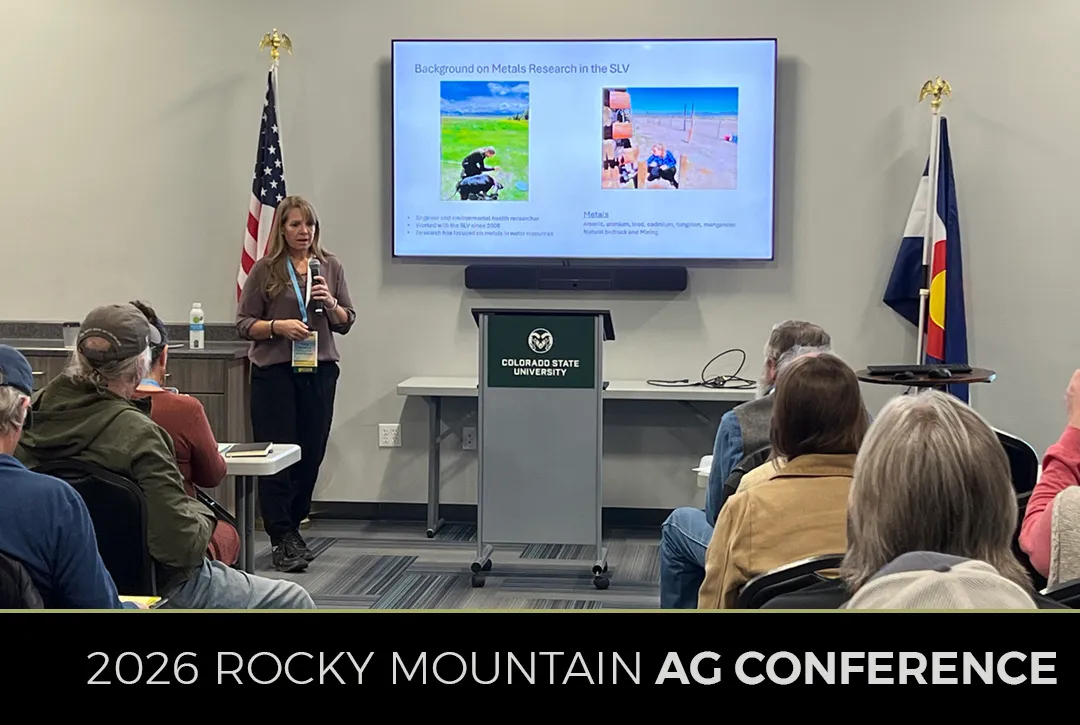

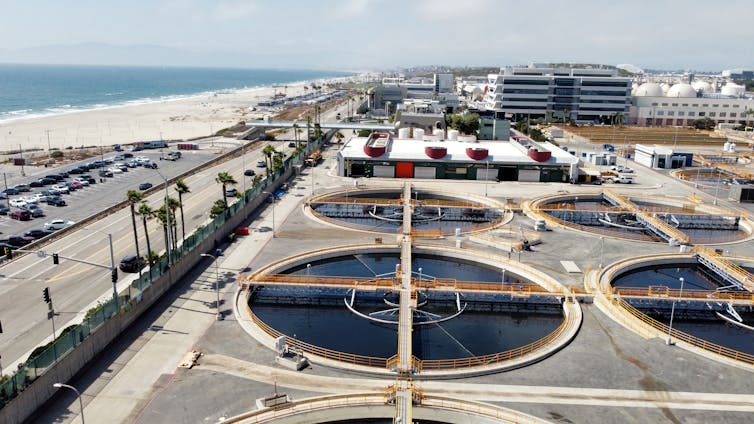


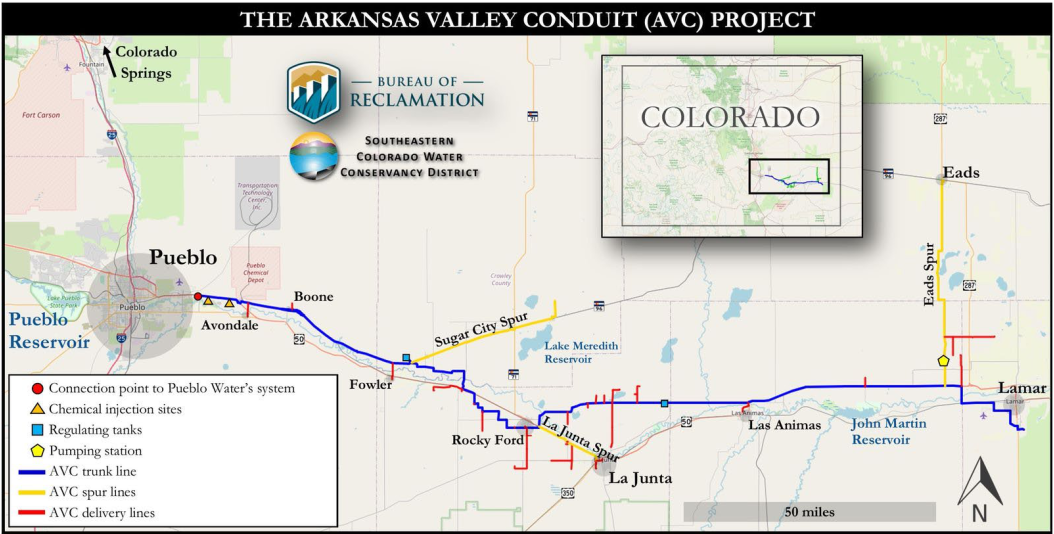


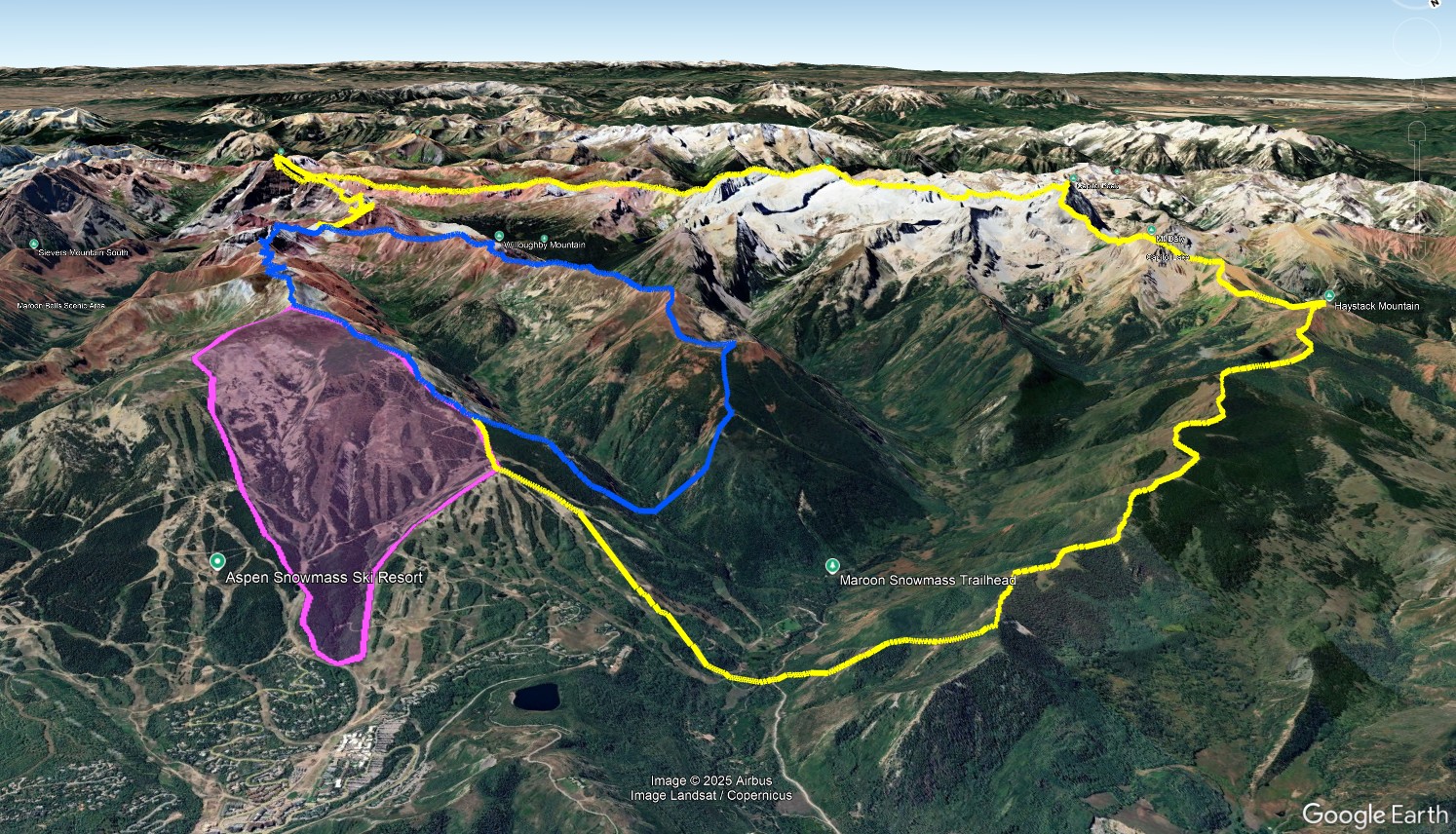
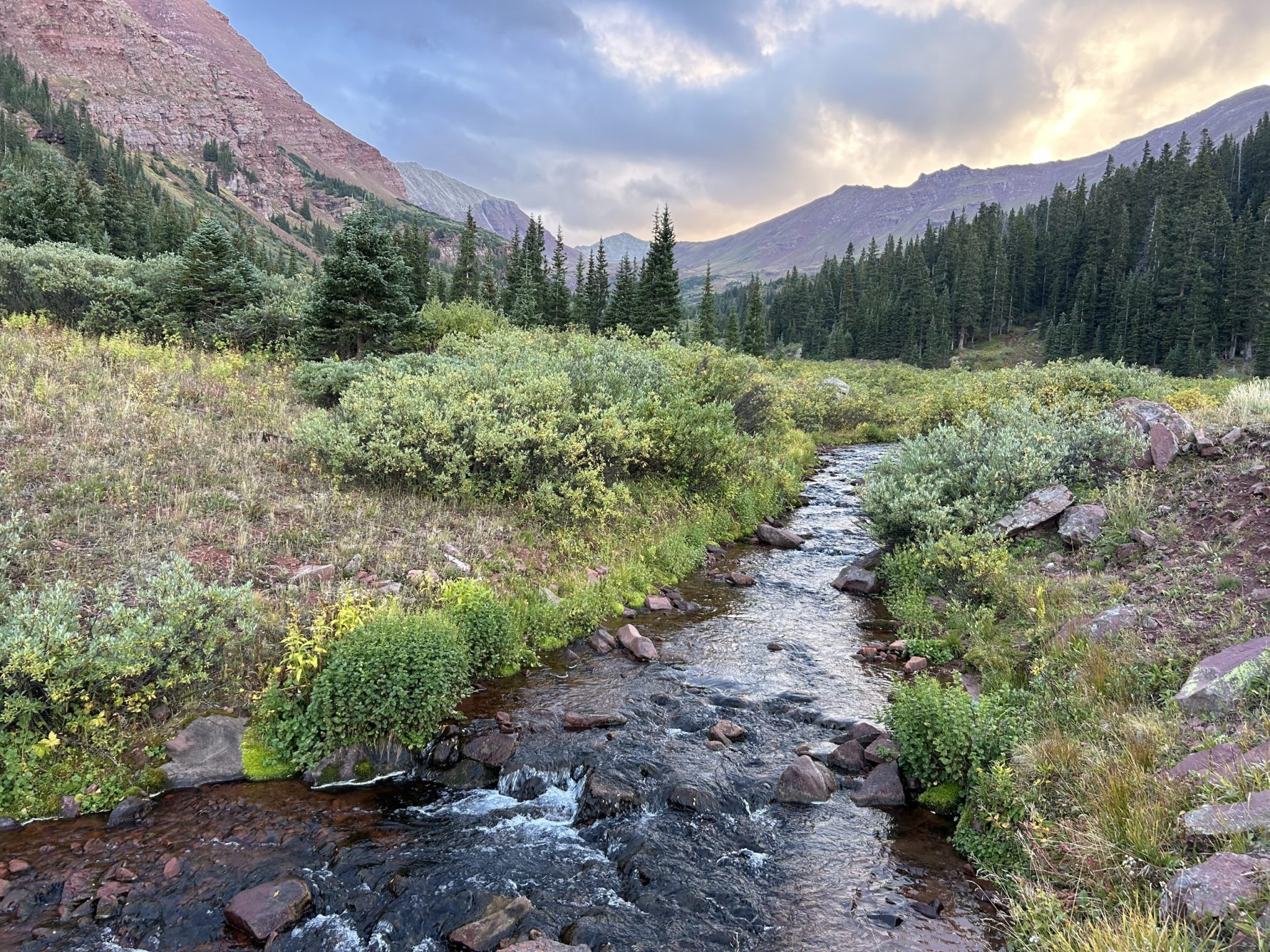


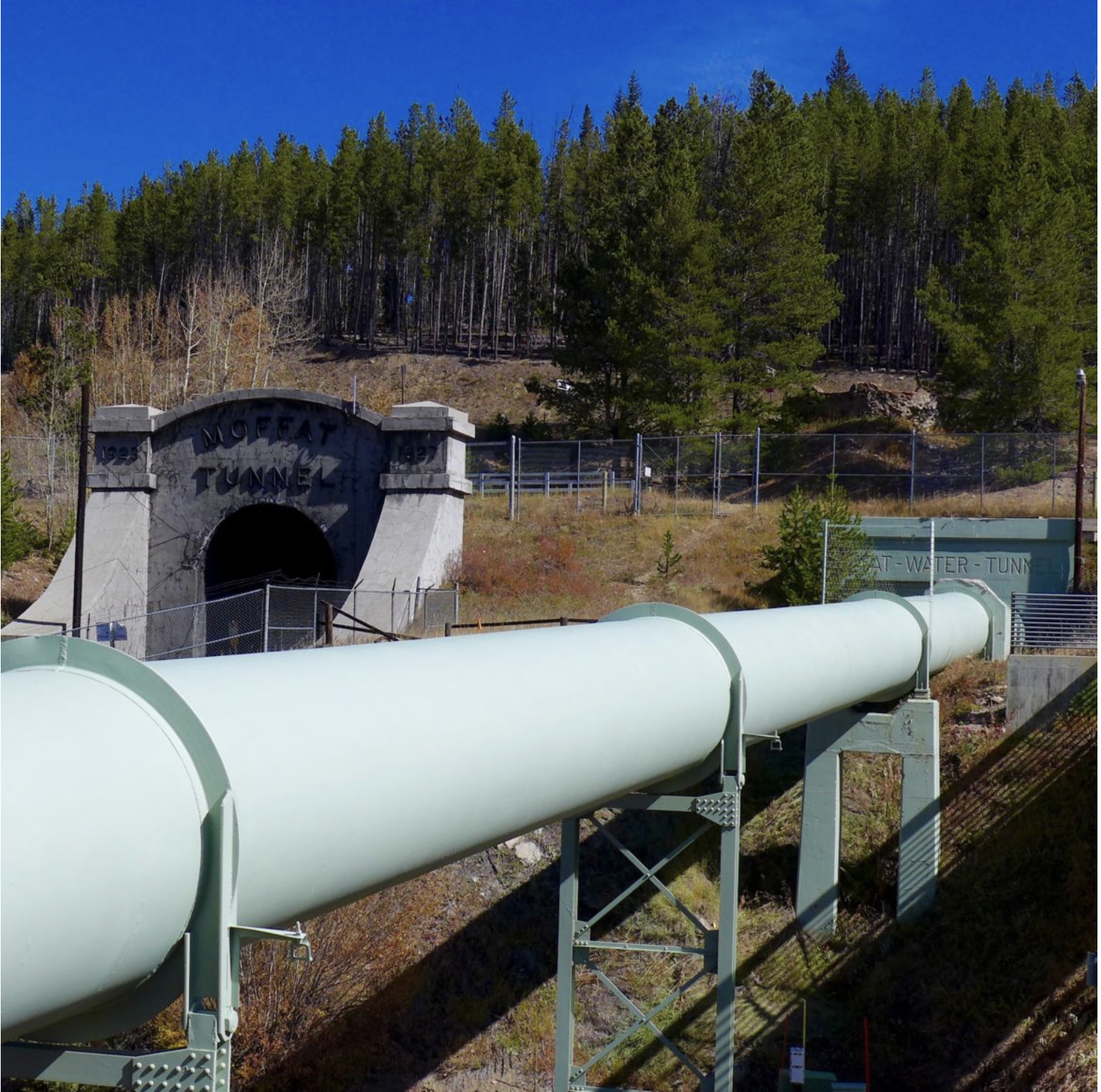




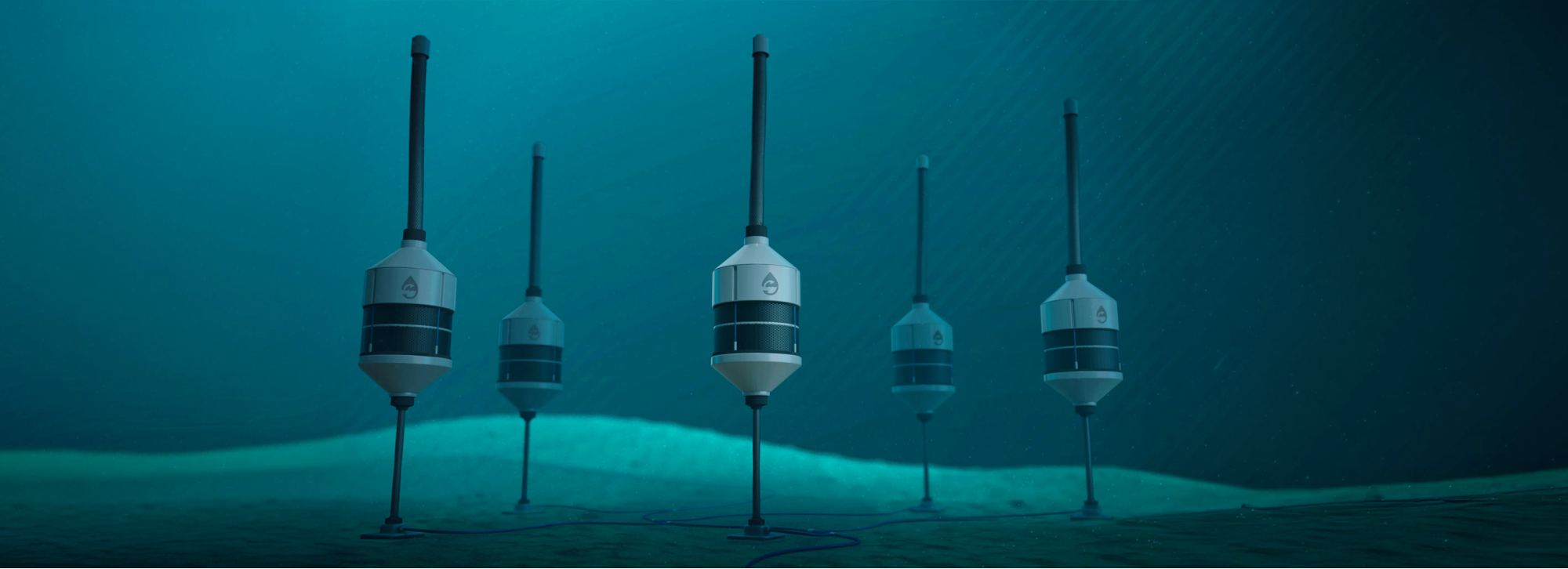
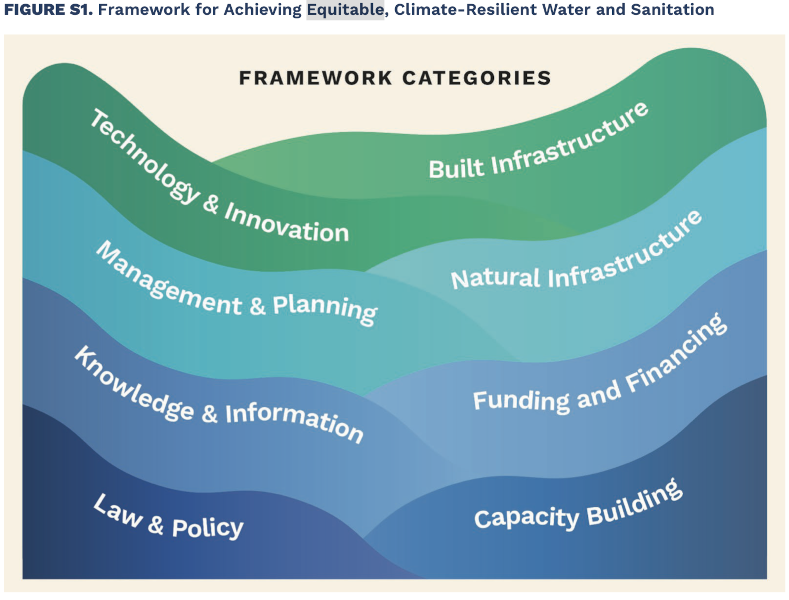

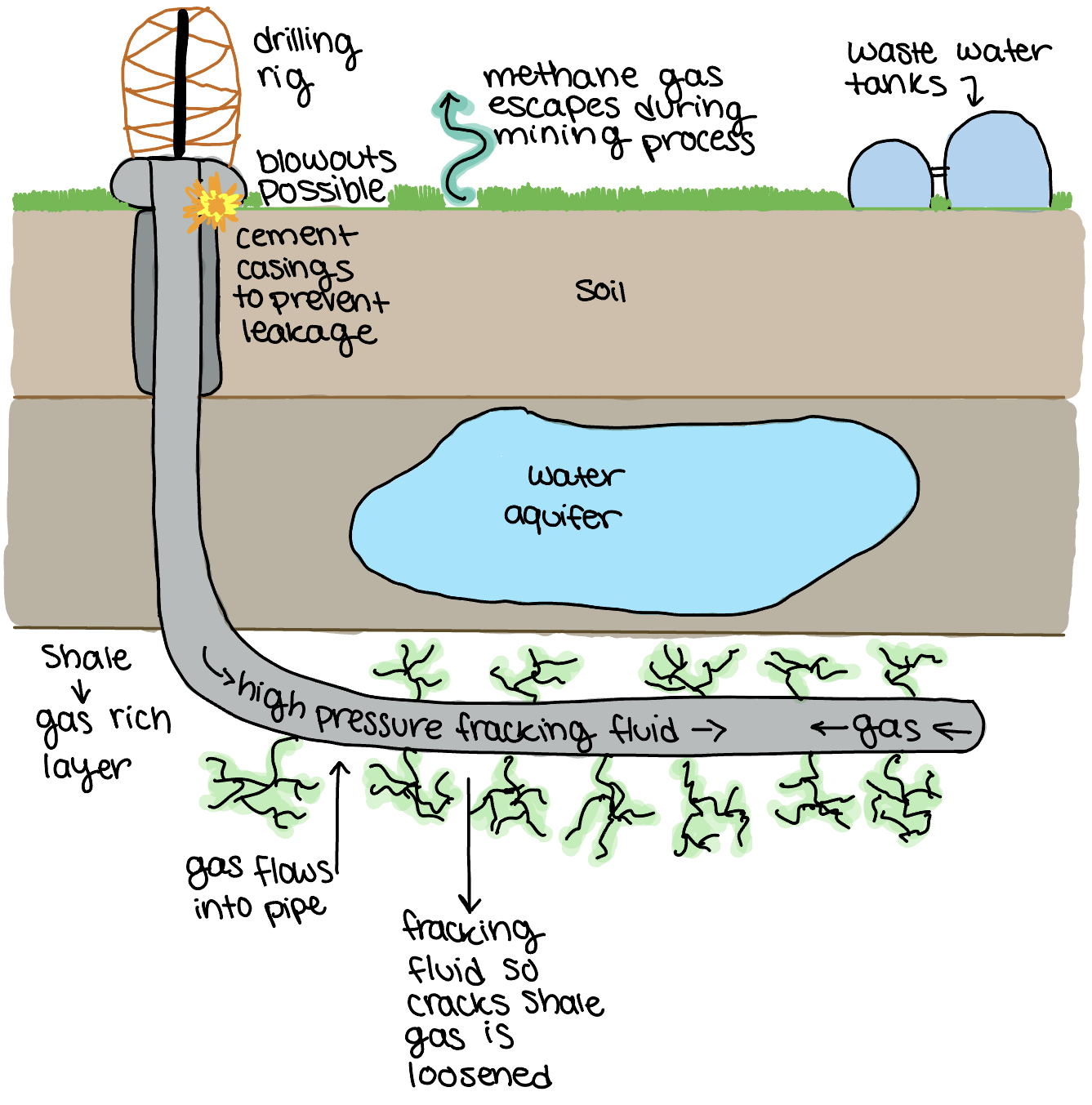


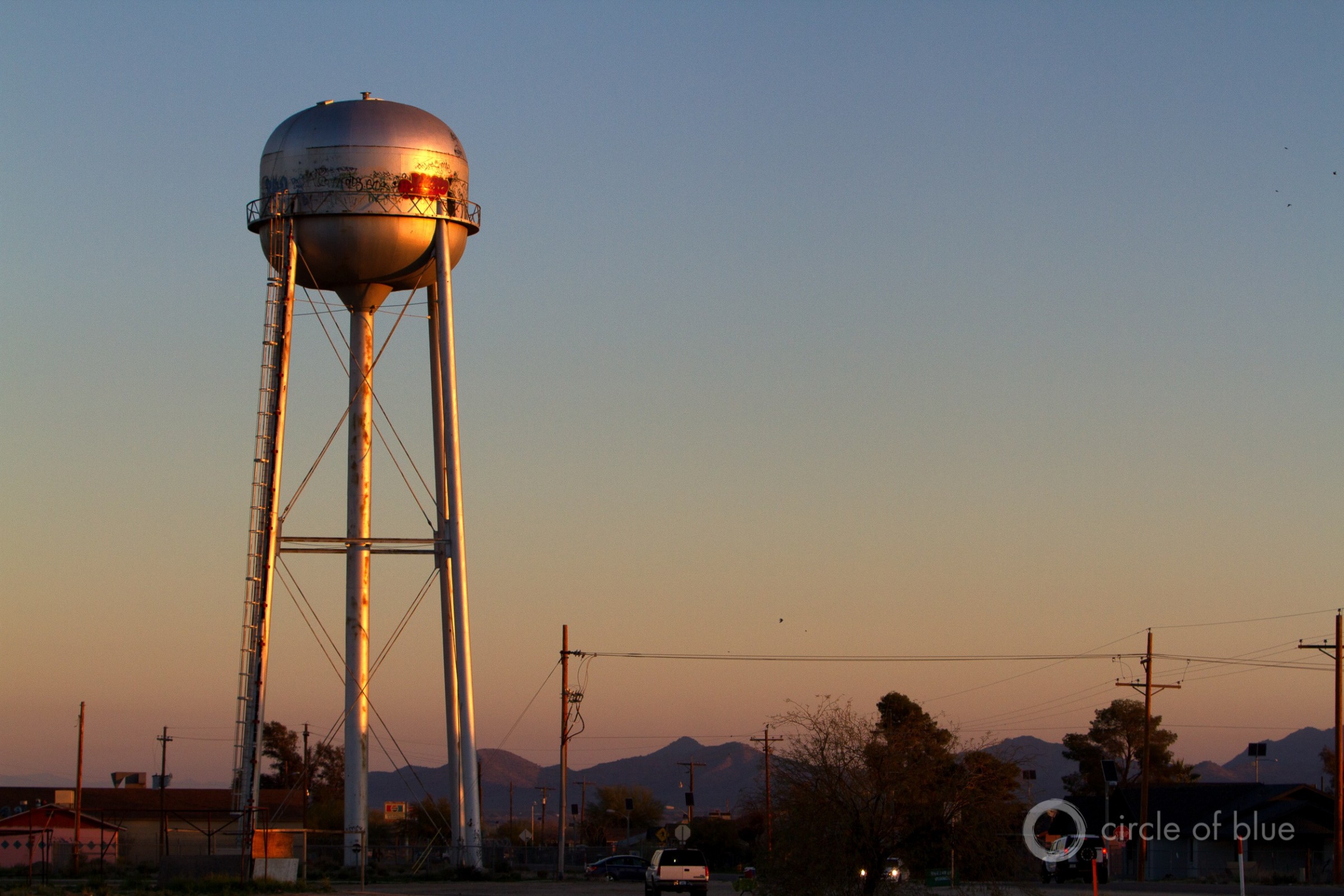

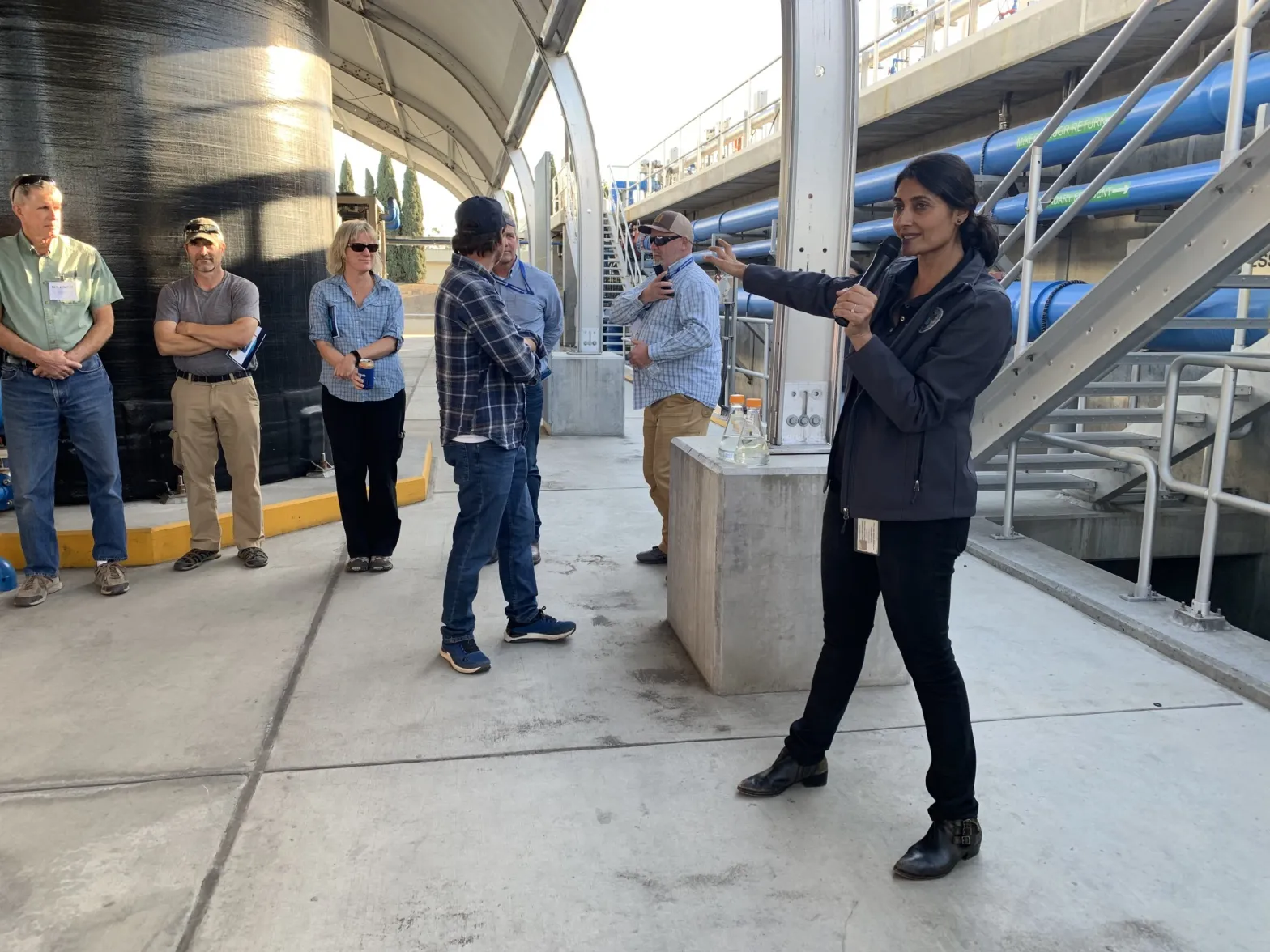
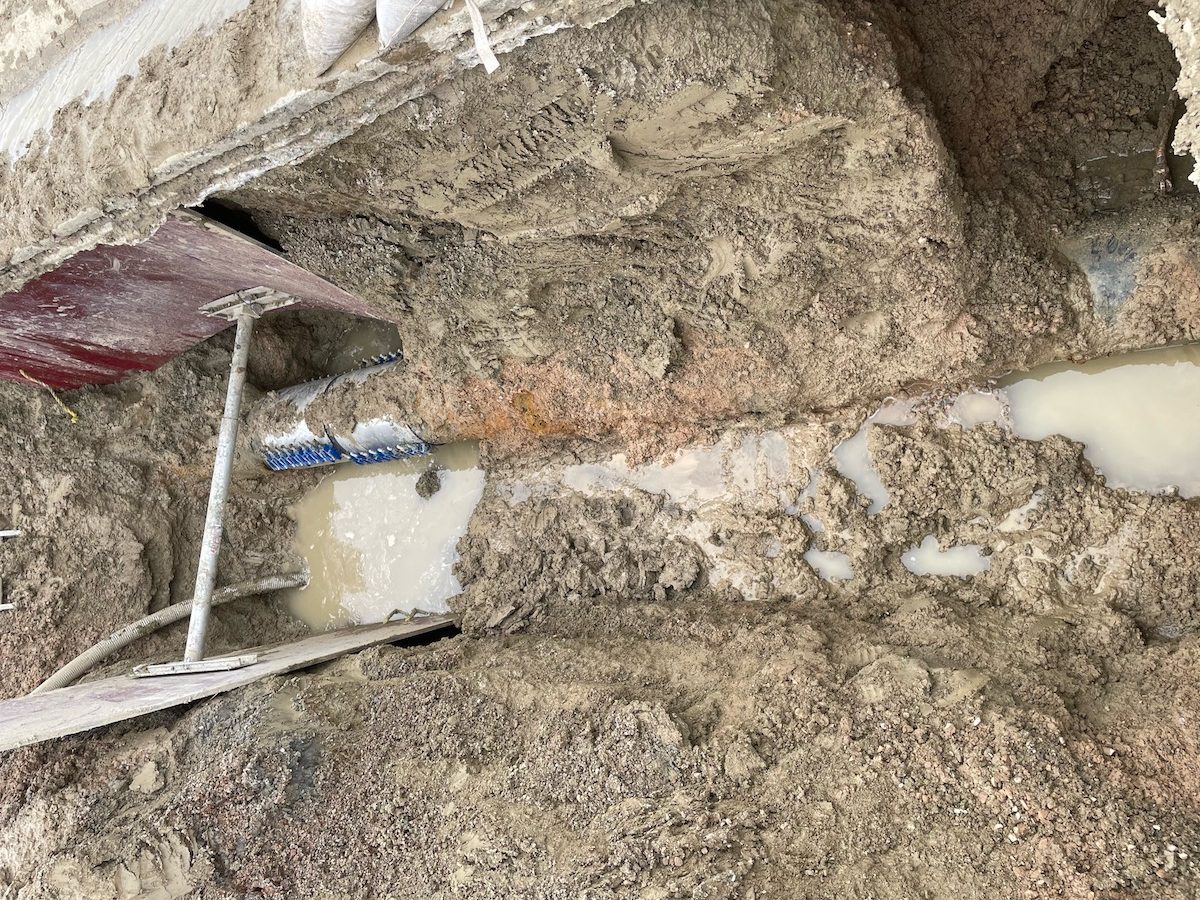

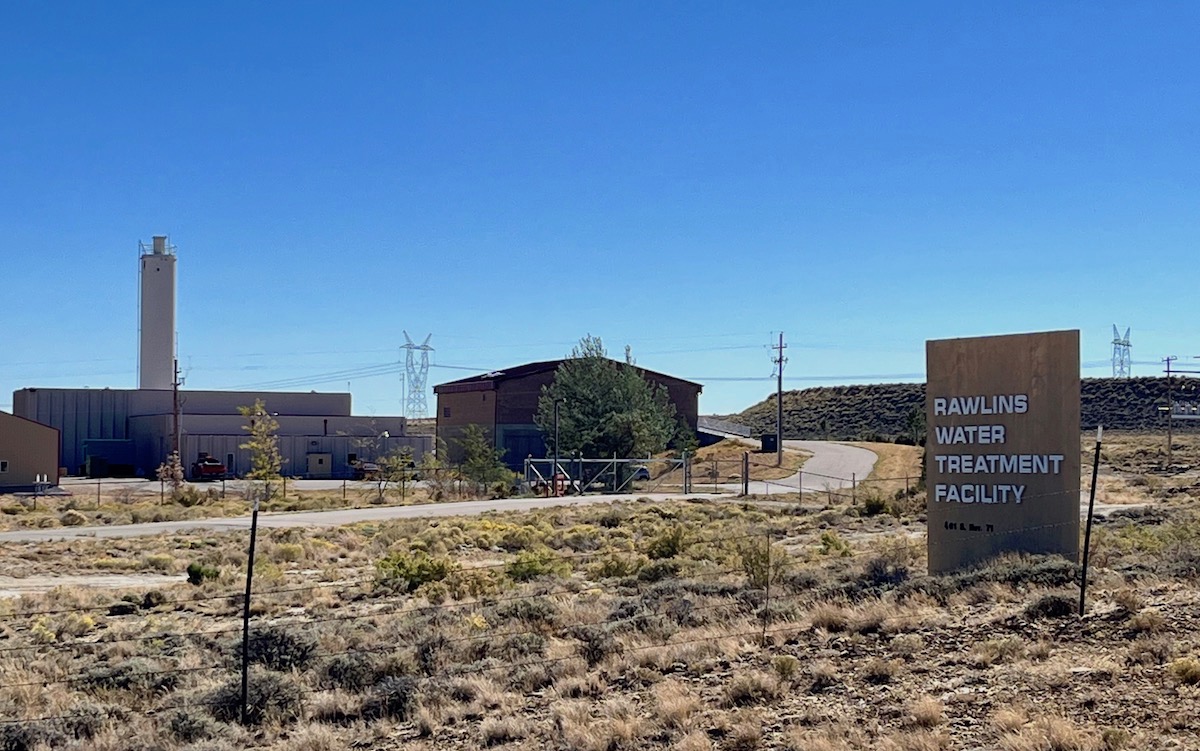
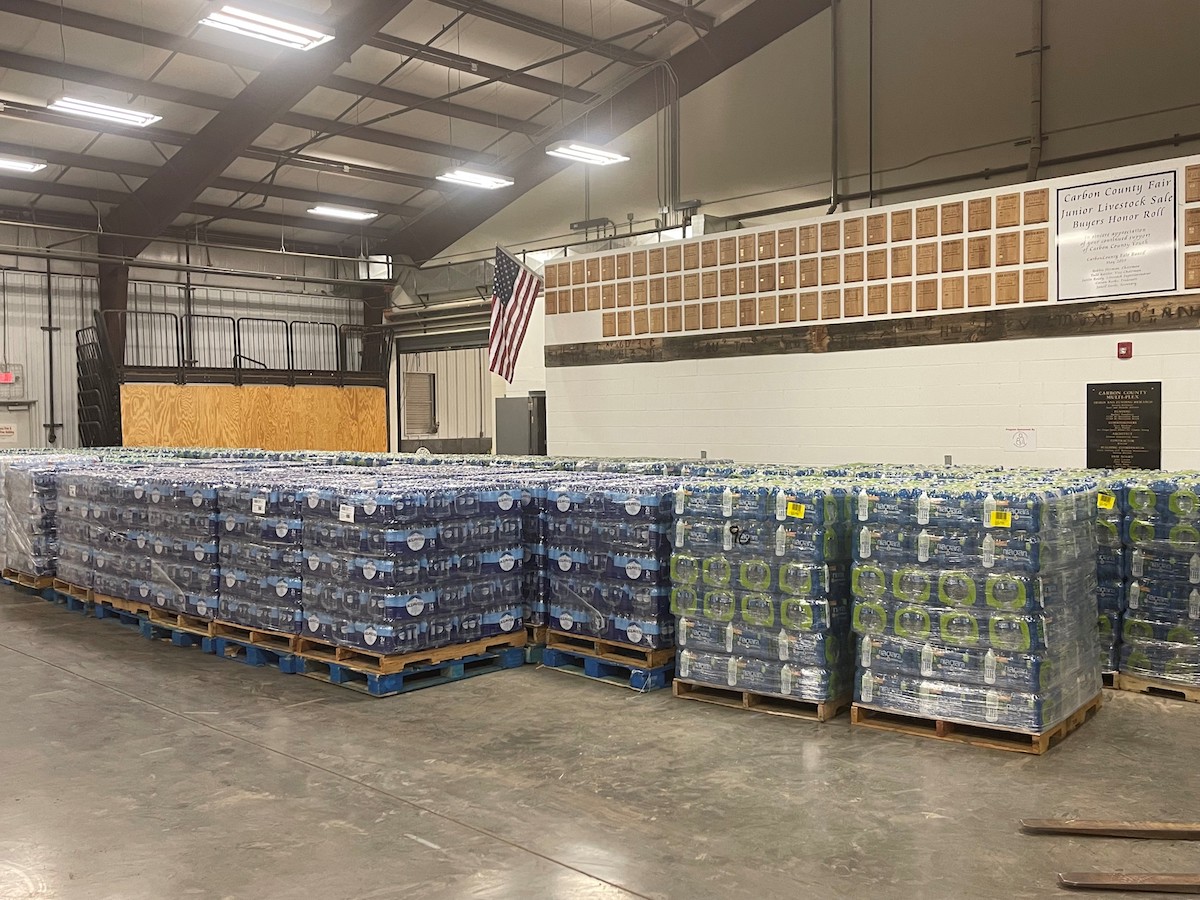
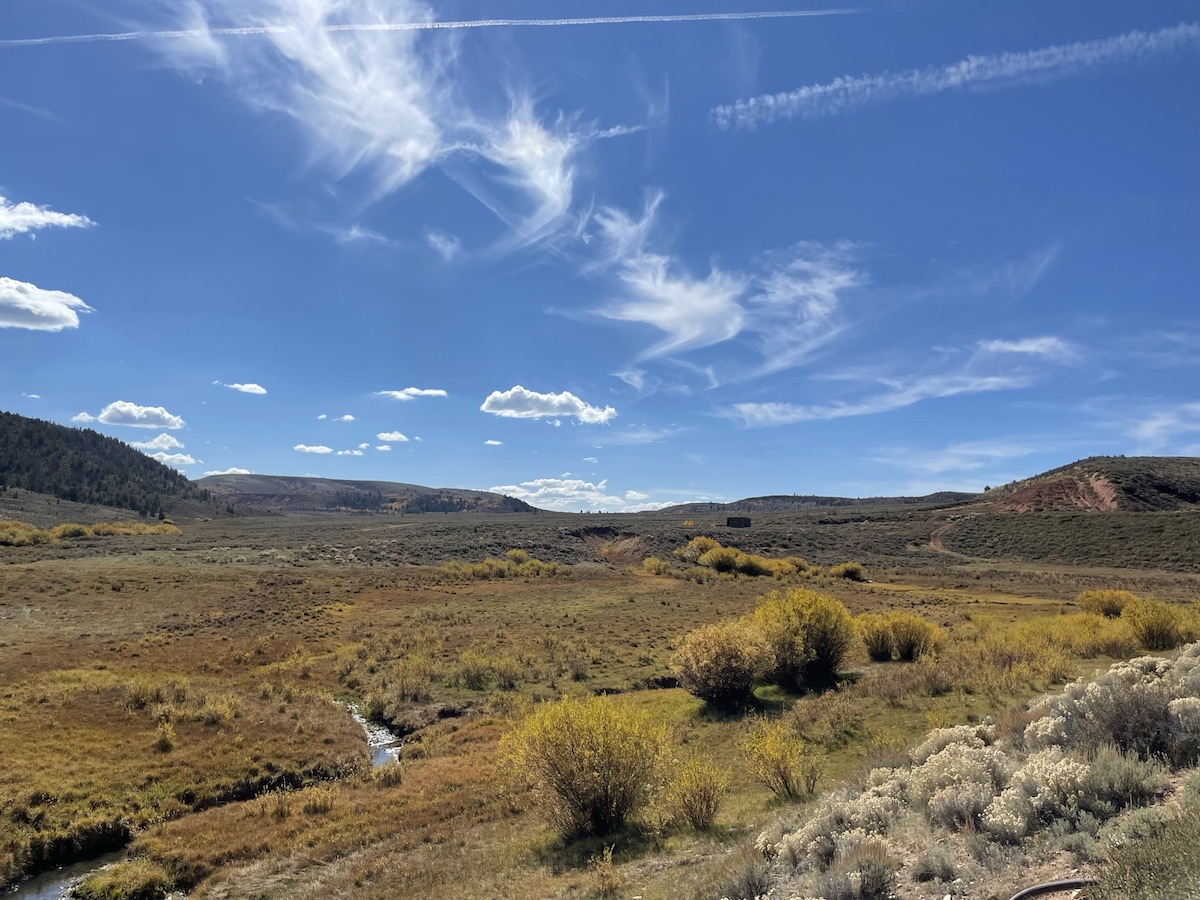
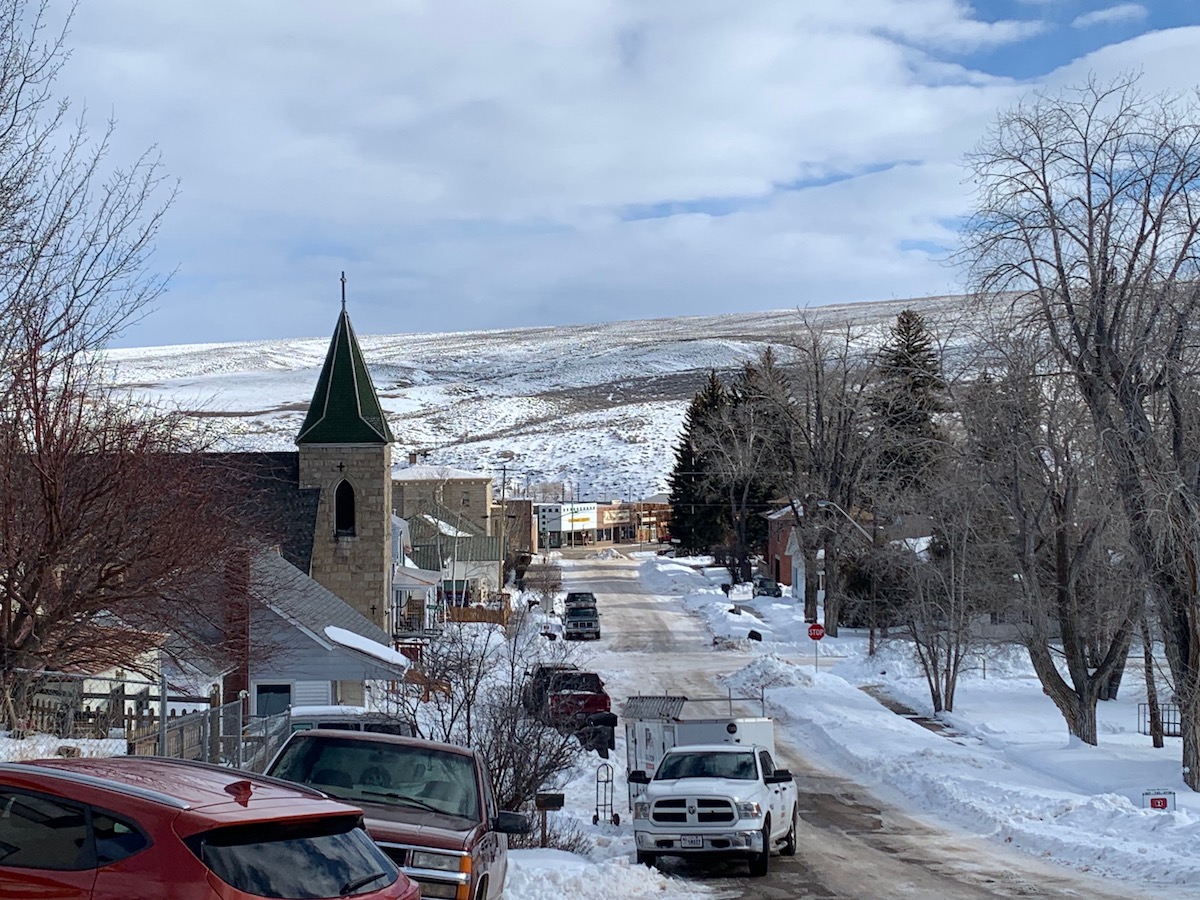


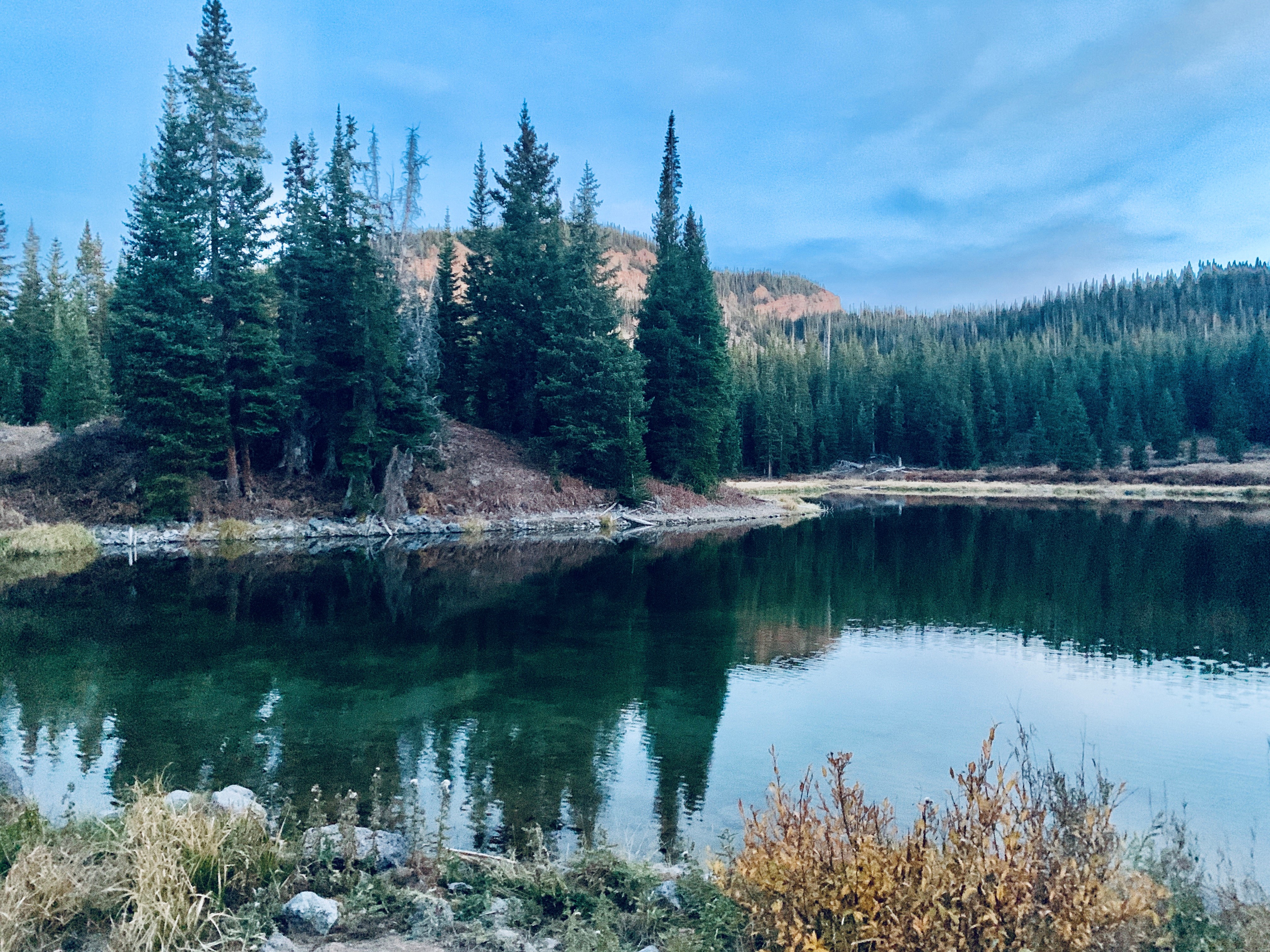
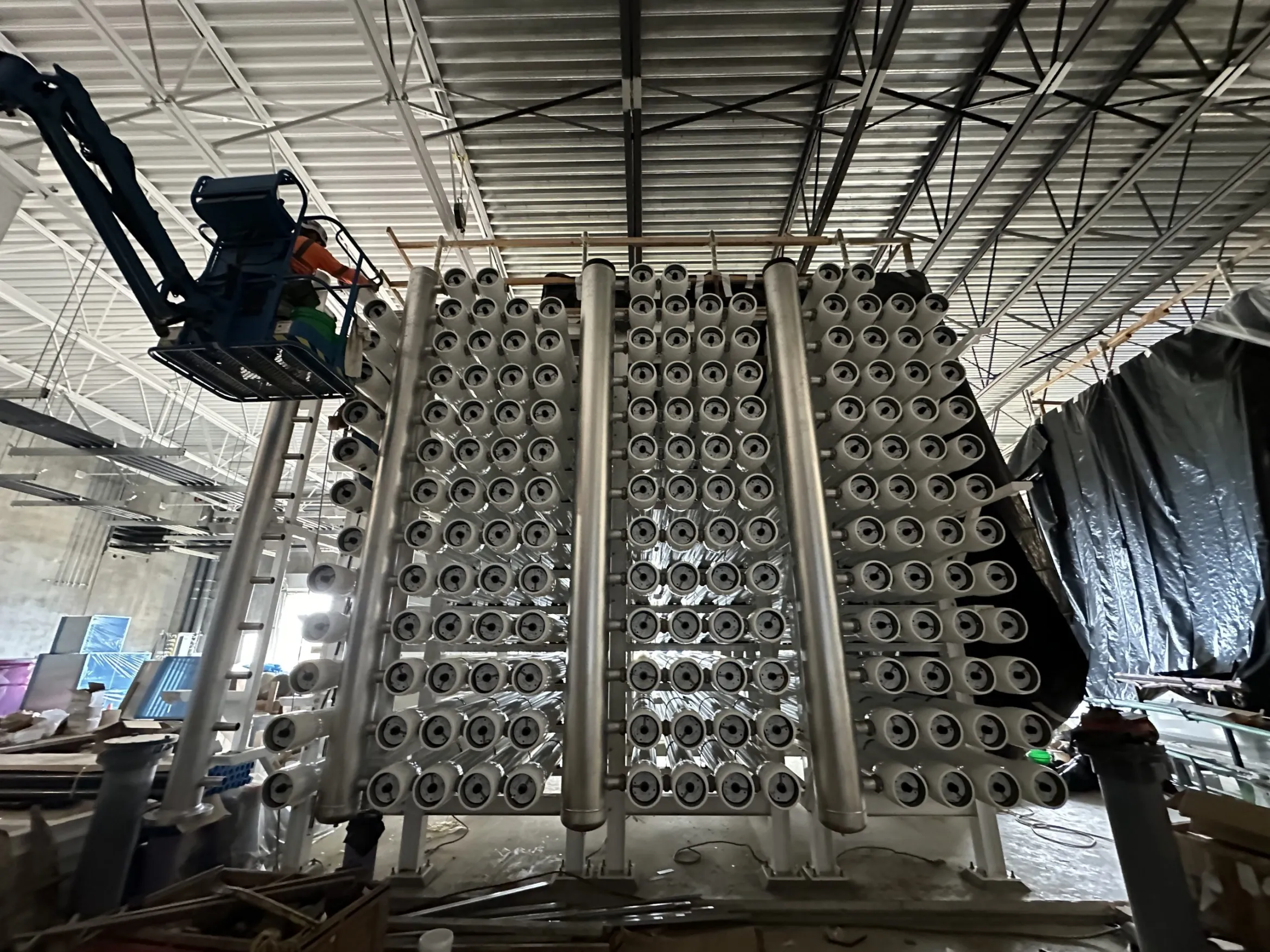


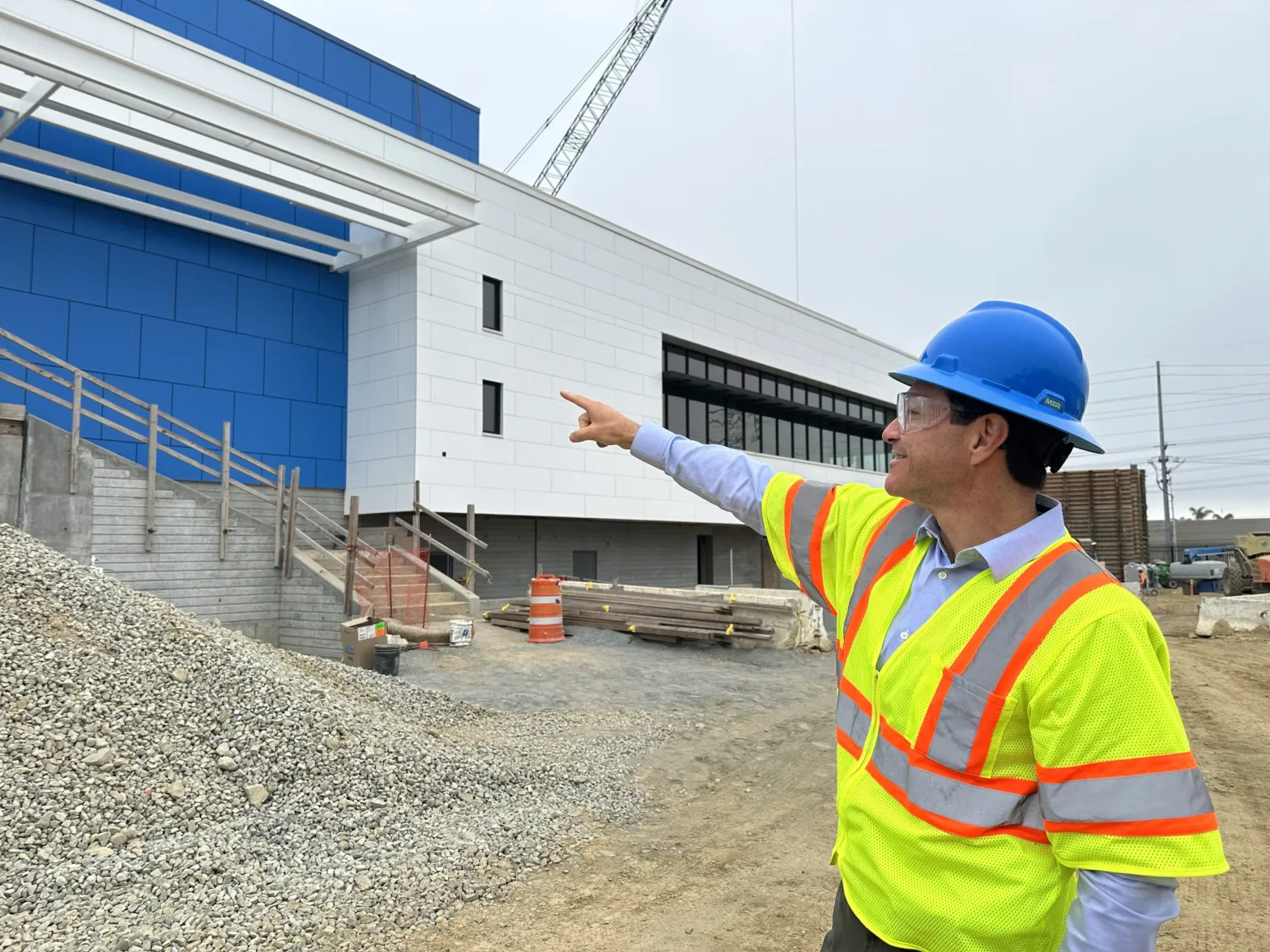
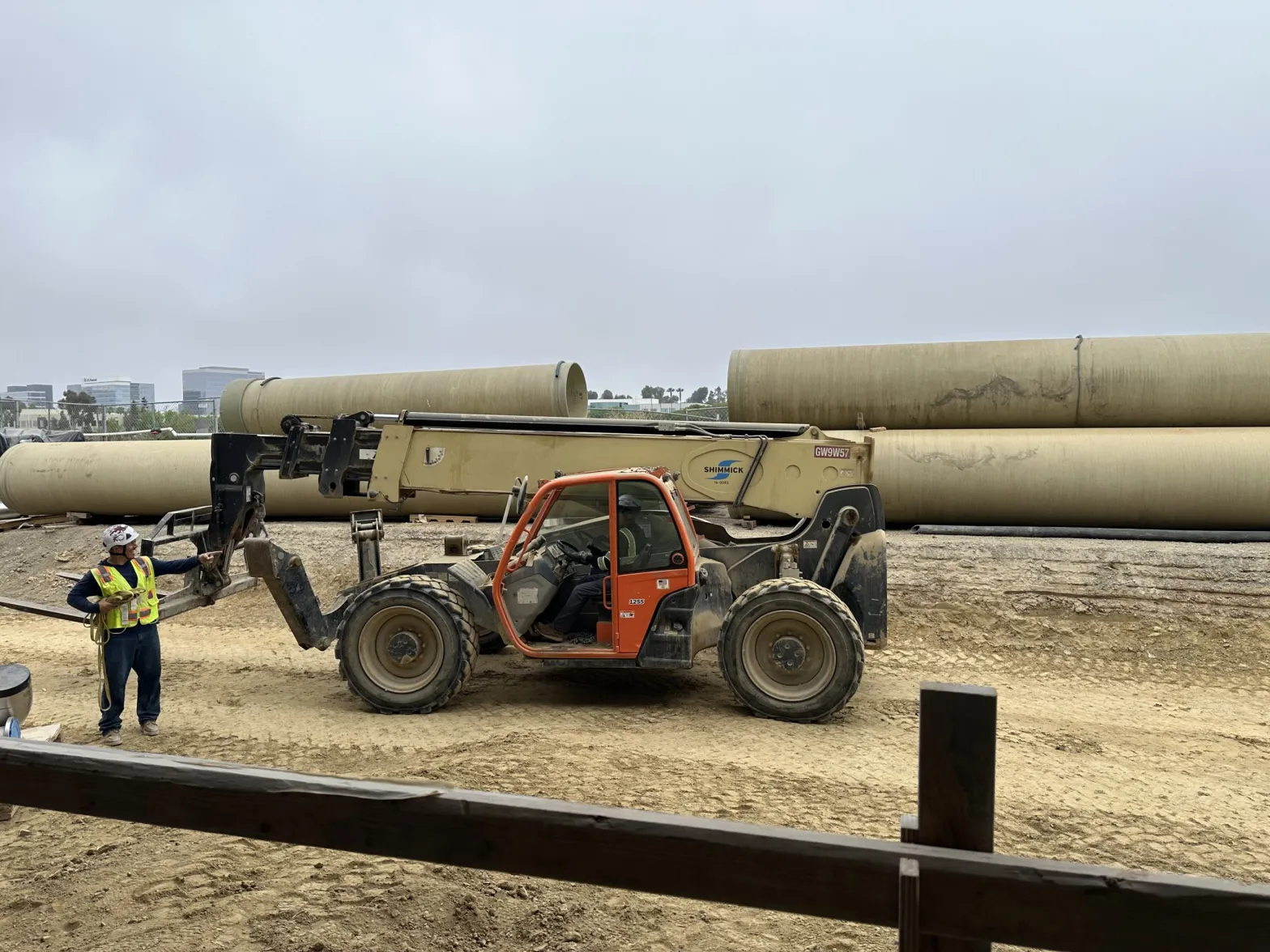



/https://static.texastribune.org/media/files/2858325190c1d789562f2c50d320432b/0717%20RGV%20Water%20-%20Fields%20EG%20%2003.jpg)
/https://static.texastribune.org/media/files/7cfa074c50de95165fe0592f18440fee/0715%20RGV%20Water%20-%20Darling%20EG%2006.jpg)
/https://static.texastribune.org/media/files/ae1fff168fa077164a53e5c72d0fcf0b/0715%20RGV%20Water%20-%20SWRA%20EG%2017.jpg)
/https://static.texastribune.org/media/files/574cb34b24dea723698b5c71fda7766a/0716%20RGV%20Water%20-%20Trevino%20EG%2004.jpg)
/https://static.texastribune.org/media/files/9b717668a41338190969078c76d8983d/Re-edit2%200716%20RGV%20Water%20-%20N%20Alamo%20EG%2011.jpg)
/https://static.texastribune.org/media/files/81b4b861f566647fc17183cd1f705458/0717%20RGV%20Water%20-%20NASWC%20EG%2041.jpg)