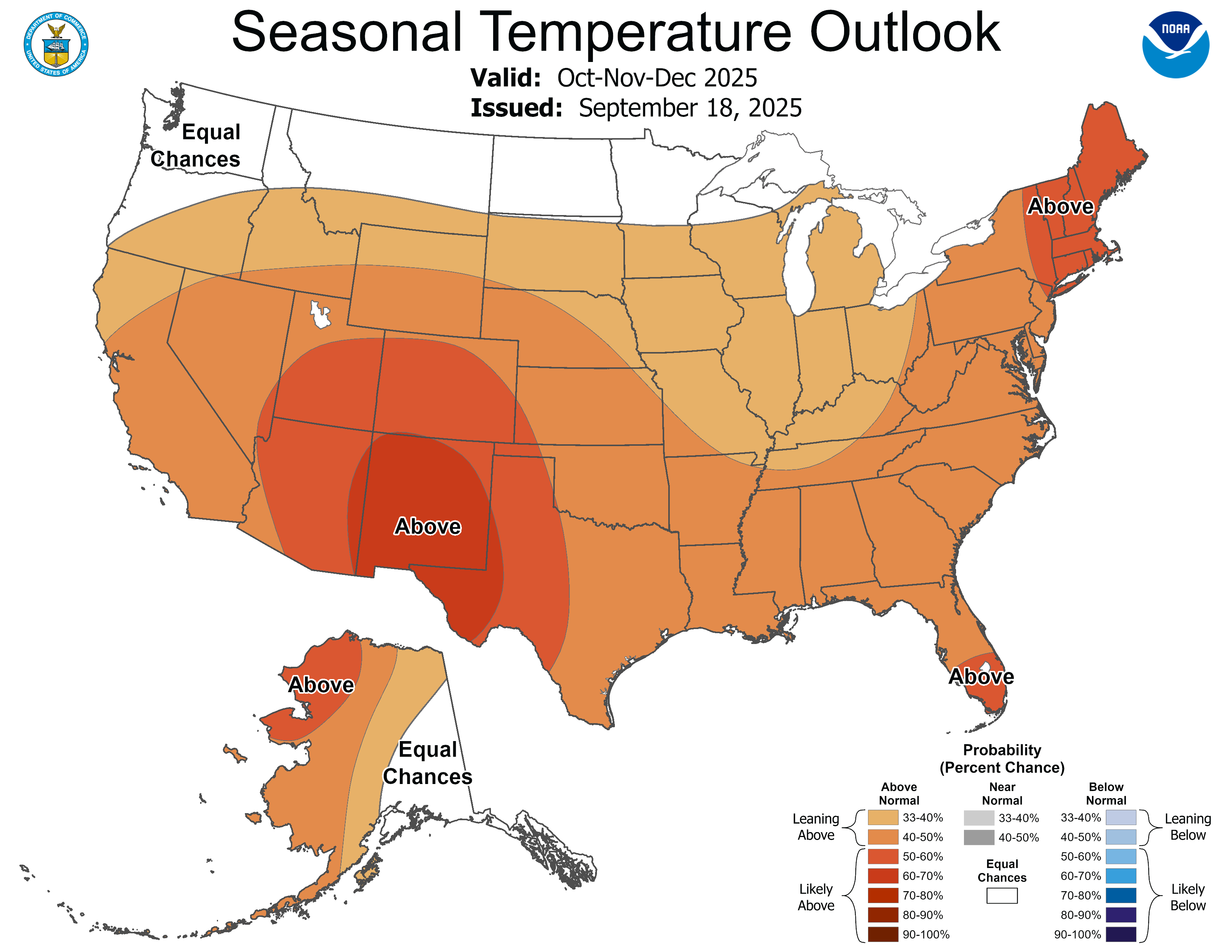
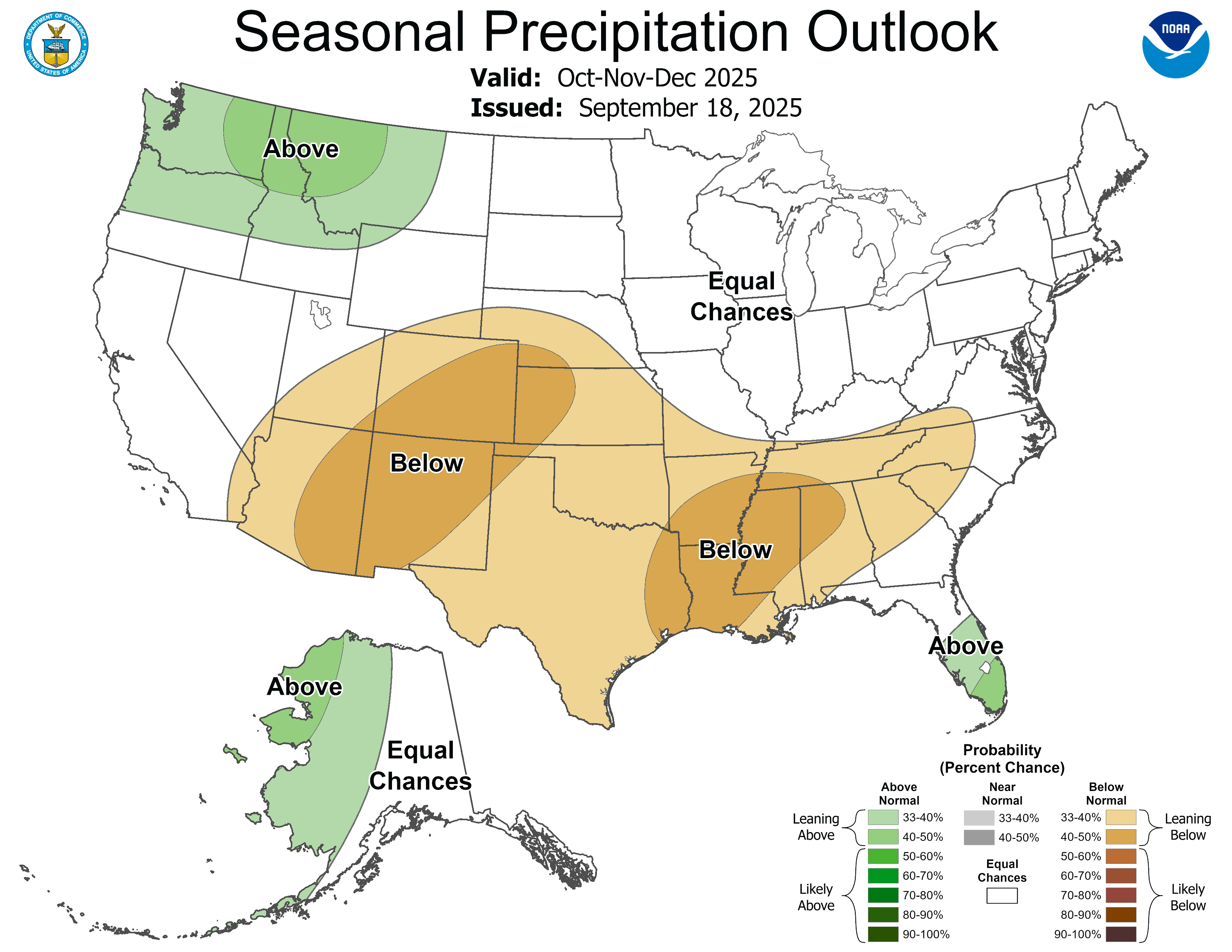
Click the link to read the article on the Aspen Public Radio website (Caroline Llanes). Here’s an excerpt:
September 29, 2025
October 1 marks the start of Water Year 2026. Hydrologists and water experts use October as the start of the water year, especially in the Western United States, when the majority of precipitation shifts from rain to mountain snow, and snowpack begins accumulating…
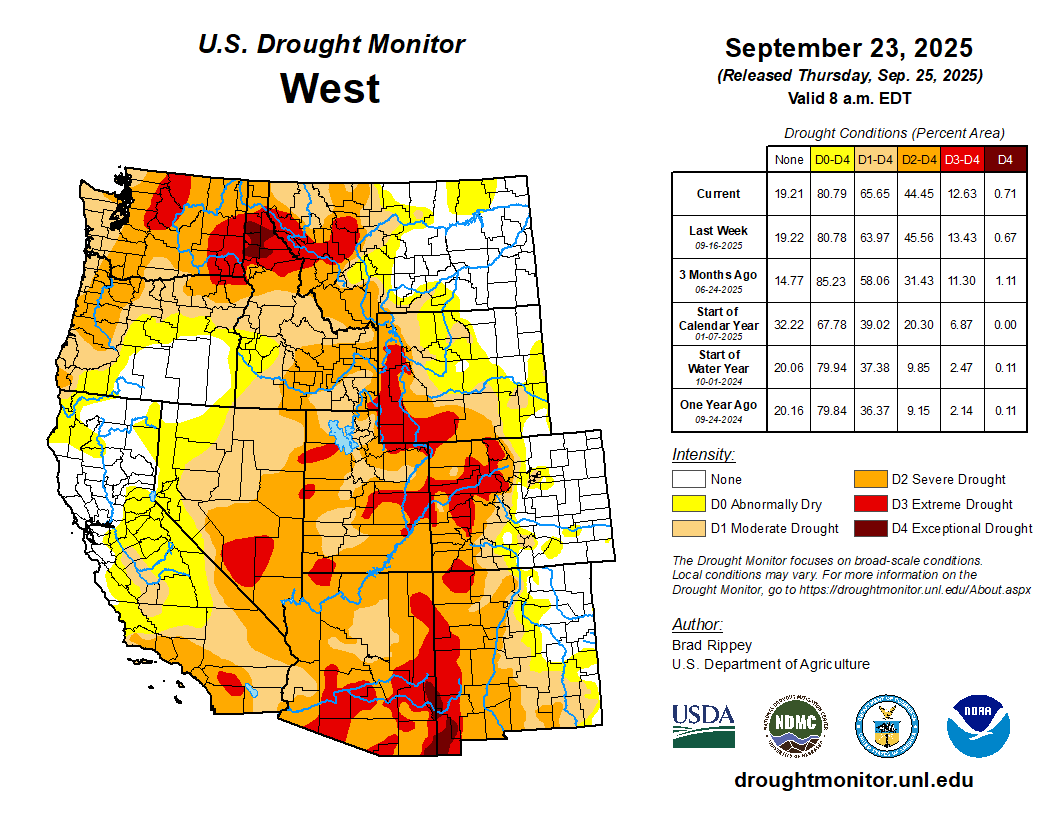
Much of the Upper Colorado River Basin will be entering Water Year 2026 in some state of drought. On October 1, 2024, only 7% of the Upper Colorado River Basin was experiencing drought conditions. As of Monday, September 29, 2025, all of the basinwas in a state of drought, with over 80% of the region in severe to extreme drought. Arens said it can be difficult to determine if the Upper Colorado River Basin will have a wet or dry water year, because seasonal forecasts aren’t always accurate. But Arens said at the moment, the National Oceanic and Atmospheric Administration (NOAA) is predicting what he calls “a classic La Niña setup.” That means a higher probability of above-average precipitation in northern states like Washington, Oregon, and Montana, and below average precipitation in Arizona, New Mexico and parts of Utah and Colorado.
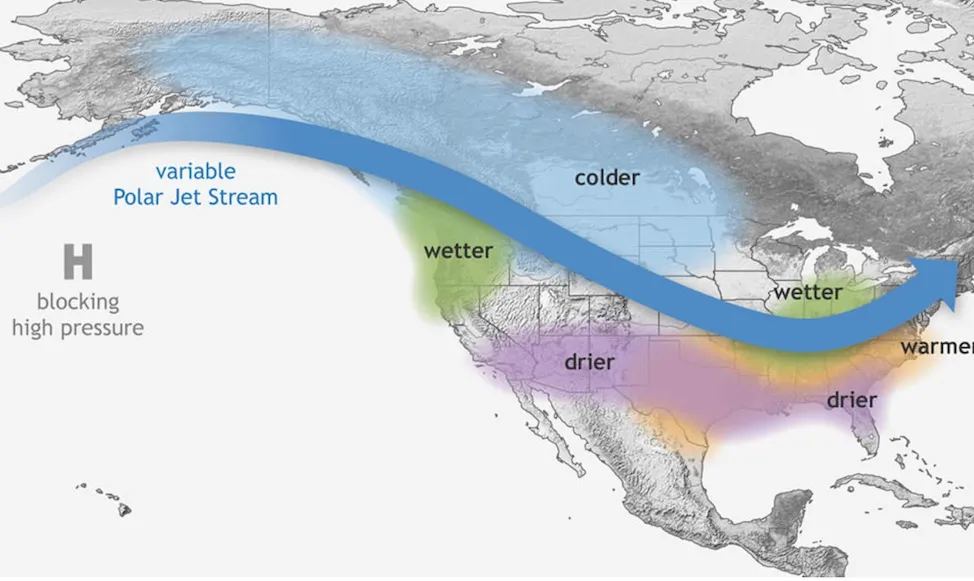
“At least for the very first part of winter, the probability is trending towards below average precipitation for probably the southern two thirds of the Upper Colorado River Basin,” he said…
There are other factors, Arens said, that can help forecasters understand what might be on the horizon for the upcoming water year. One factor they’re observing now is how dry soils are throughout the region.
“When you have dry soils, that is indicative that there’s almost certainly going to be an inefficient runoff,” he said. “So that means if the soils are really dry, the first part of that melt period, all the water is going to go into just rewetting those soils.”
Arens said October precipitation can have a big impact on soil moisture, and could improve the outlook…Arens and his colleagues will also closely monitor Lake Powell and Lake Mead, along with other major reservoirs in the upper basin, like Flaming Gorge on the Utah-Wyoming border and Blue Mesa near Gunnison…
“Lake Mead is 31% full and Lake Powell is 29% full,” Arens said.
In terms of storage capacity, he said those numbers aren’t quite as bad as they were after a very dry 2022 water year.