Federal Water Tap October 6, 2025: First Government Shutdown Since 2018 — Brett Walton (circleofblue.org)

American beaver, he was happily sitting back and munching on something. and munching, and munching. By Steve from washington, dc, usa – American Beaver, CC BY-SA 2.0, https://commons.wikimedia.org/w/index.php?curid=3963858

Click the link to read the article on the Circle of Blue website (Brett Walton):

October 6, 2025

The Rundown

  • GAO assesses FEMA’s extreme heat assistance.
  • State Department’s “America First” global health strategy does not directly mention water, sanitation, or hygiene.
  • EPA extends deadline for coal power plants to comply with water pollution standards.
  • USGS investigates how beavers change a watershed in northwest Oregon.

And lastly, a North Carolina senator urges Congress to fund FEMA’s disaster response.

“But for every community that is back on its feet, there are still several communities that are on their knees or flat on their back. In fact, there are some communities that we wonder whether or not they ever will come back.” – Sen. Thom Tillis (R-NC) speaking on the Senate floor on October 1 to mark the one-year anniversary of Hurricane Helene, which wreaked the western part of his state.

The state budget office for North Carolina estimated that the record-breaking storm caused at least $53.8 billion in direct and indirect damage. Tillis complained that Congress was not adequately funding recovery efforts through FEMA. The current government shutdown, he said, added an obstacle just when hurricane risk is peaking. “FEMA simply doesn’t have the funding needed to respond to a major disaster.”

By the Numbers

$1.4 Billion: FEMA’s account balance for major disasters, as of August 31.

News Briefs

Shutdown
The federal government closed its operations on October 1, except for those necessary for public safety or funded outside the annual budgeting process.

Agencies have posted their shutdown plans. The Bureau of Reclamation notes that dam operators and water treatment plant operators are exempted from furloughs.

Coal Help
During an event to promote the most polluting fossil fuel for generating electricity, Lee Zeldin, the EPA administrator, announced several measures to help the coal industry, which is having trouble competing with cheaper, cleaner power sources.

Zeldin finalized or proposed extending the compliance deadline for new water pollution standards for coal-fired power plants.

final rule gives coal plants six more years to decide whether they will stop operating by the end of 2034. Once they decide, they are allowed to continue operating under less-strict pollution standards.

The agency justified the extensions by pointing to rising electricity demand due to AI. “A significant number of facilities need more time to understand how their operations fit within a changing landscape of local and regional demand,” the agency wrote. Zeldin has made AI promotion a pillar of his term as EPA administrator.

Studies and Reports

Extreme Heat Disasters
A U.S. president has never declared an extreme heat disaster, the GAO reports.

But such a declaration is allowed under the Stafford Act, the federal statute that governs disaster response.

GAO, the watchdog arm of Congress, assessed FEMA’s role in assisting states and tribes with extreme heat.

The report found “limited assistance.” Less than 1 percent of FEMA’s climate resilience grants from 2020 to 2023 were directed to projects addressing extreme heat.

If a disaster declaration were requested and approved, FEMA could provide bottled water or set up cooling shelters.

Beavers in Oregon
The U.S. Geological Survey published a multi-part study that examined how beavers influence water quality and hydrology in the Tualatin River basin of northwest Oregon. More than 600,000 people live in the basin.

The studies found that beaver dams trap sediment, can increase water temperatures in unshaded ponds, and in some cases dampen stream flows during small storms. The findings are important for water managers, whose treatment processes are affected by water quality changes.

On the Radar

Global Health Strategy Missing WASH
The State Department published an “America First” global health strategy – but it does not directly mention water, sanitation, or hygiene.

A foundation for public health, the WASH trio is absent from the 40-page strategy, which emphasizes instead American safety and prosperity.

An overriding goal is to prevent disease outbreaks abroad from reaching U.S. soil. Yet the strategy also acknowledges that disease outbreaks can cause political instability in their country of origin. Good health, in this sense, makes for good politics.

“Given that instability can be a breeding ground for national security threats, targeted U.S. health foreign assistance has helped preempt those threats from emerging.”

Federal Water Tap is a weekly digest spotting trends in U.S. government water policy. To get more water news, follow Circle of Blue on Twitter and sign up for our newsletter.
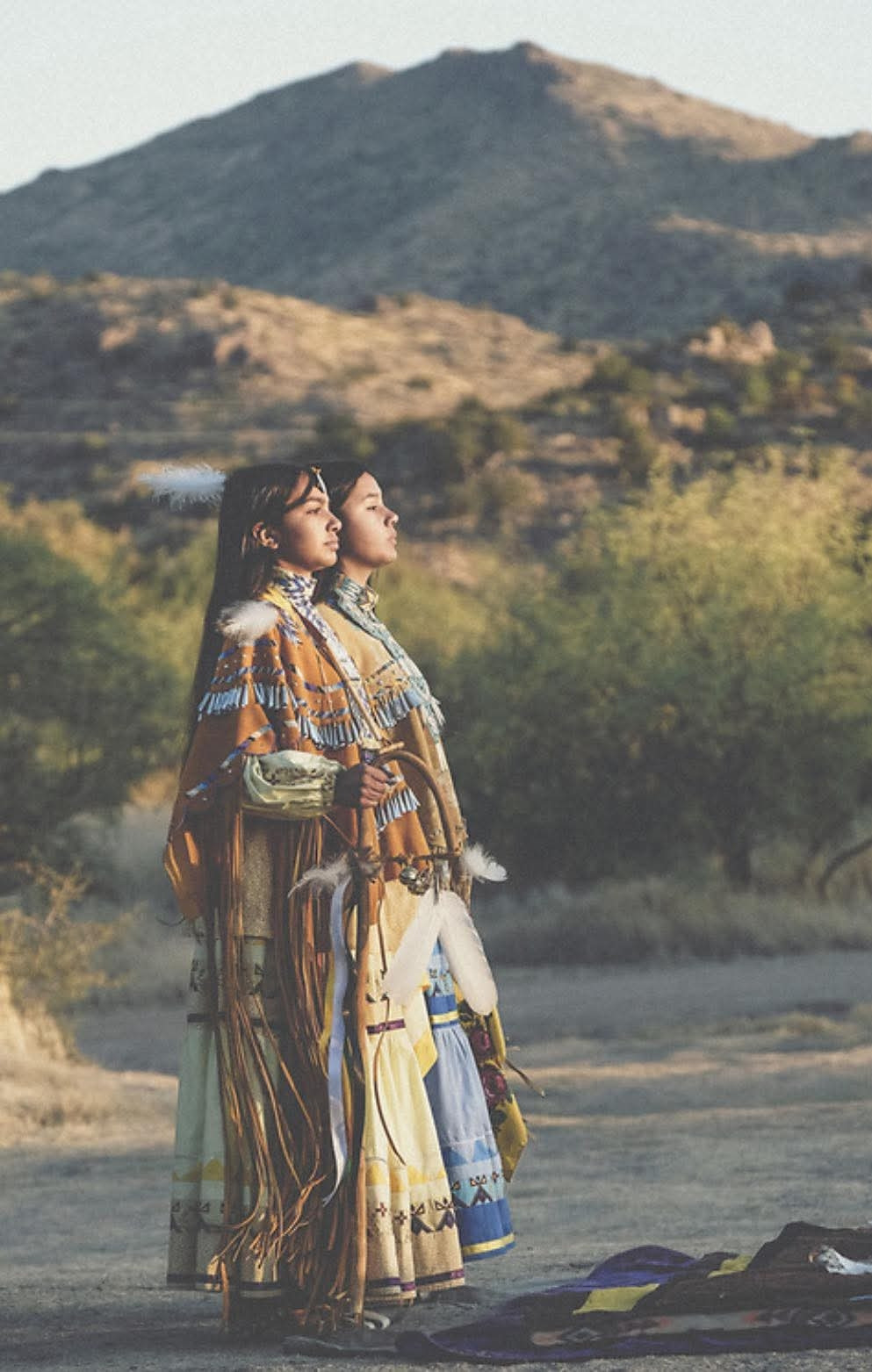
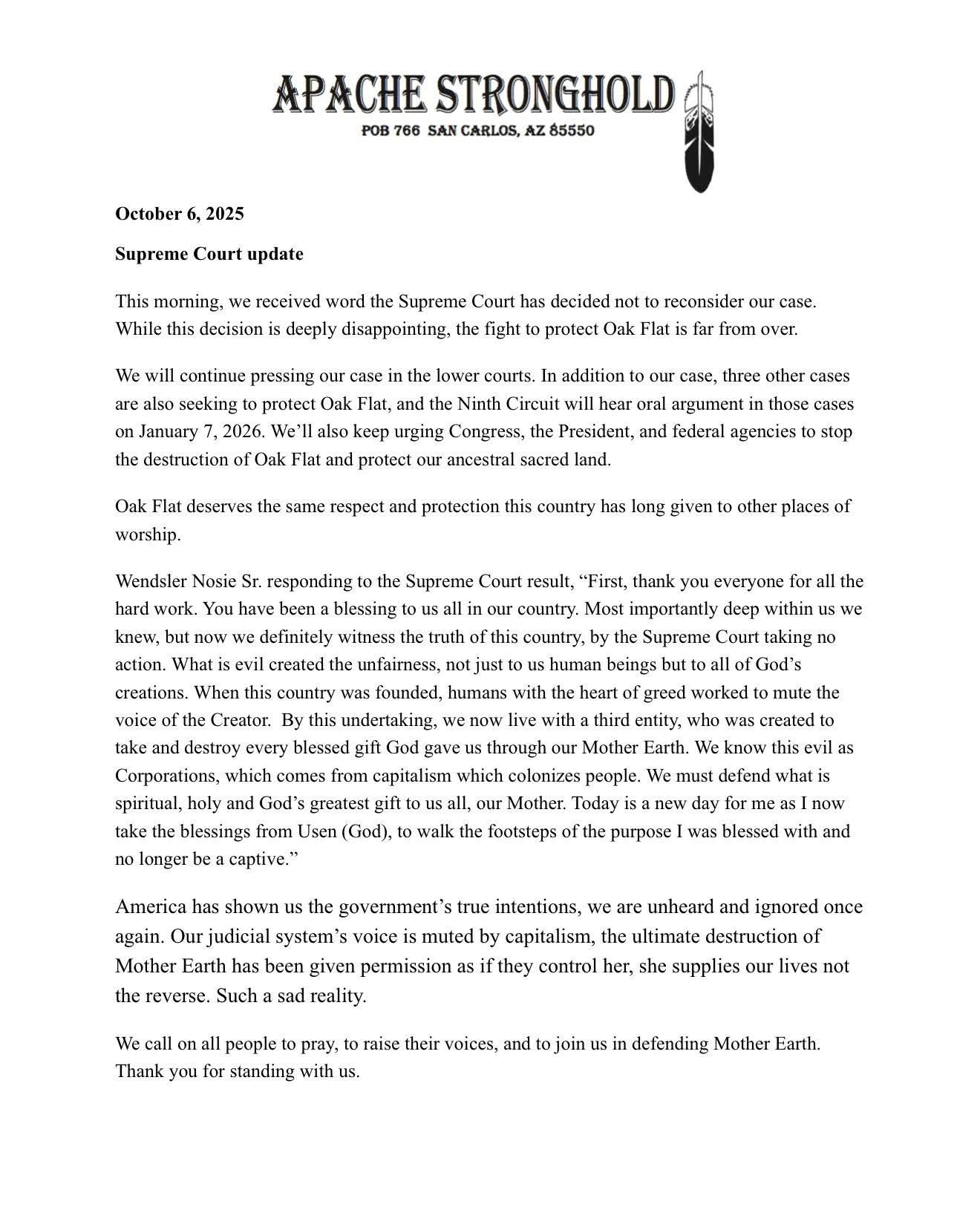
The US Supreme Court today [October 6, 2025] has refused to reconsider Apache legal efforts to stop the copper mine project at sacred #OakFlat — Apache Stronghold

Photo credit: Apache Stronghold

Read the release below:

Once again, corporate greed tramples the Earth and Native spiritual rights.

#Solar and #wind power has grown faster than electricity demand this year, report says — The #Denver Post

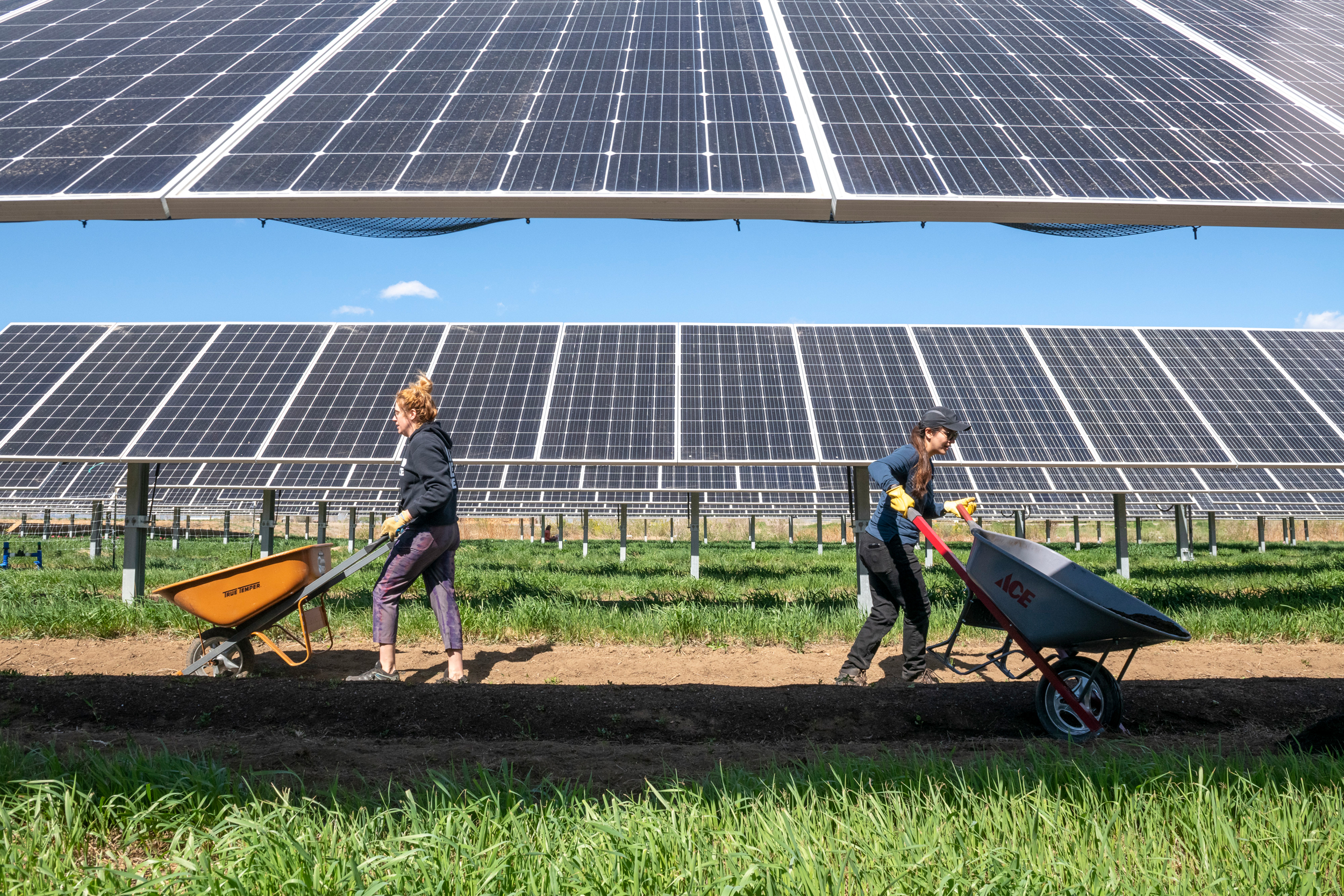
May 6, 2023 – Volunteers with the National Renewable Energy Laboratory’s (NREL’s) ESCAPES (Education, Stewardship, and Community Action for Promoting Environmental Sustainability) program lend a hand to Jack’s Solar Garden in Longmont, Colo. Bethany Speer (left) goes back for more while Nancy Trejo distributes her wheelbarrow load to the agrivoltaic plots. (Photo by Bryan Bechtold / NREL)

Click the link to read the article on The Denver Post website (Alexa St. John). Here’s an excerpt:

October 6, 2025

Worldwide solar and wind power generation has outpaced electricity demand this year, and for the first time on record, renewable energies combined generated more power than coal, according to a new analysis. Global solar generation grew by a record 31% in the first half of the year, while wind generation grew by 7.7%, according to the report by the energy think tank Ember, which was released after midnight Tuesday London time. Solar and wind generation combined grew by more than 400 terawatt hours, which was more than overall global demand increased in the same period, it found. The findings suggest it is possible for the world to wean off polluting sources of power — even as demand for electricity skyrockets — with continued investment in renewables including solar, wind, hydropower, bioenergy and geothermal energies.

“That means that they can keep up the pace with growing appetite for electricity worldwide,” said Małgorzata Wiatros-Motyka, senior electricity analyst at Ember and lead author of the study.

At the same time, total fossil fuel generation dropped slightly, by less than 1%.

“The fall overall of fossil may be small, but it is significant,” said Wiatros-Motyka. “This is a turning point when we see emissions plateauing.”

The firm analyzes monthly data from 88 countries representing the vast majority of electricity demand around the world. Reasons that demand is increasing include economic growth, electric vehicles and data centers, rising populations in developing countries and the need for more cooling as temperatures rise. Meeting that demand by burning fossil fuels such as coal and gas for electricity releases planet-warming gases including carbon dioxide and methane. This leads to more severe, costly and deadly extreme weather.

Southern #Utah prepares for possibility of water shortage — KUTV

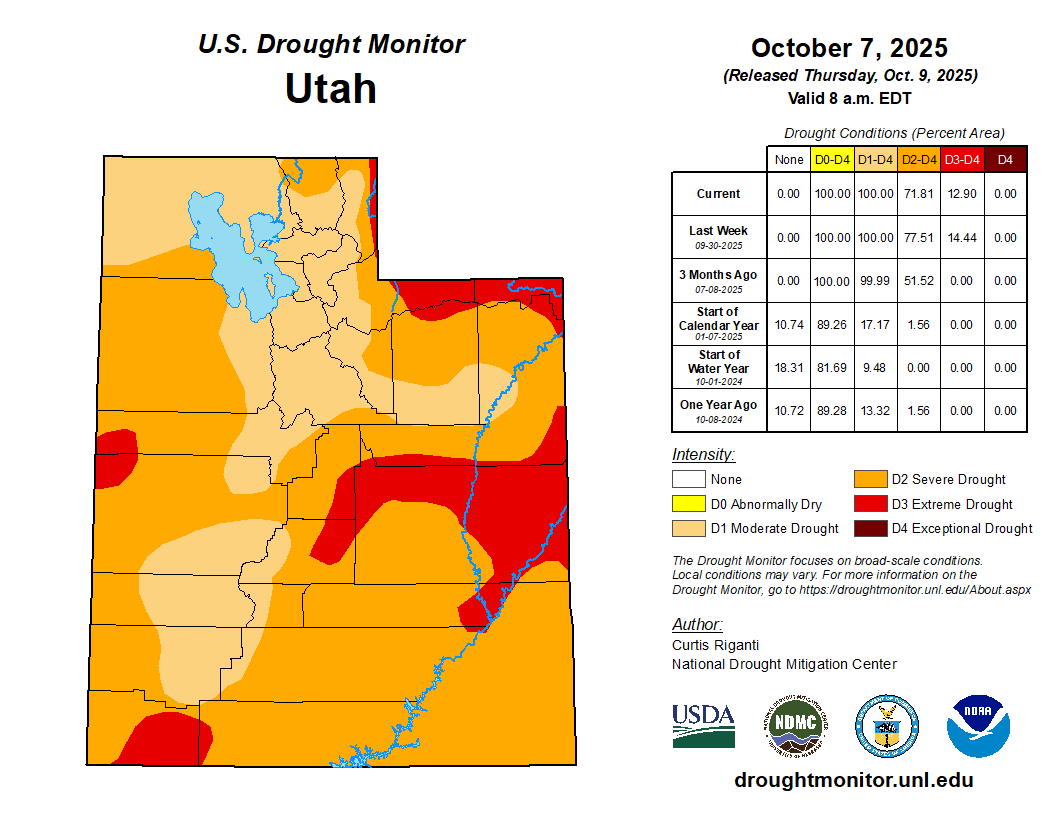
Utah Drought Monitor October 7, 2025.

Click the link to read the article on the KUTV website (Samantha Hoffman & Liv Kelleher). Here’s an excerpt:

October 2, 2025

After a dismal snowpack, sustained drought conditions, and a relatively weak monsoon season, southern Utah is preparing for the possibility of a water shortage. A newly proposed conservation plan outlines what the county will require municipalities to do should reservoirs run low. Washington County is experiencing its second driest year in over 130 years, according to the Washington County Water Conservancy District. 2025 was just .2 inches of rainfall above the driest year on record in 1956.

Zachary Renstrom, the general manager of WCWCD, said they put this plan together proactively in case drought or other emergencies threaten reservoir levels. The water shortage contingency plan, released Wednesday, would require each city to decrease its water use by a set percentage. Local leaders would individually decide how to accomplish this reduction. If municipalities fail to reach that reduction rate, they could face punitive pricing, ranging from a 300% to 500% increase from the standard.

“We are just preparing for a hotter, drier environment to make sure that we always have safe drinking water,” Renstrom said.

The plan is currently being reviewed by leaders within the county’s eight municipalities for approval. It would be implemented only in the case of a severe water shortage in the county…The Washington County Water Conservancy District will present the contingency plan in a public meeting on Oct. 28.

More mussels found in Highline Lake — The #GrandJunction Daily Sentinel #ColoradoRiver #COriver

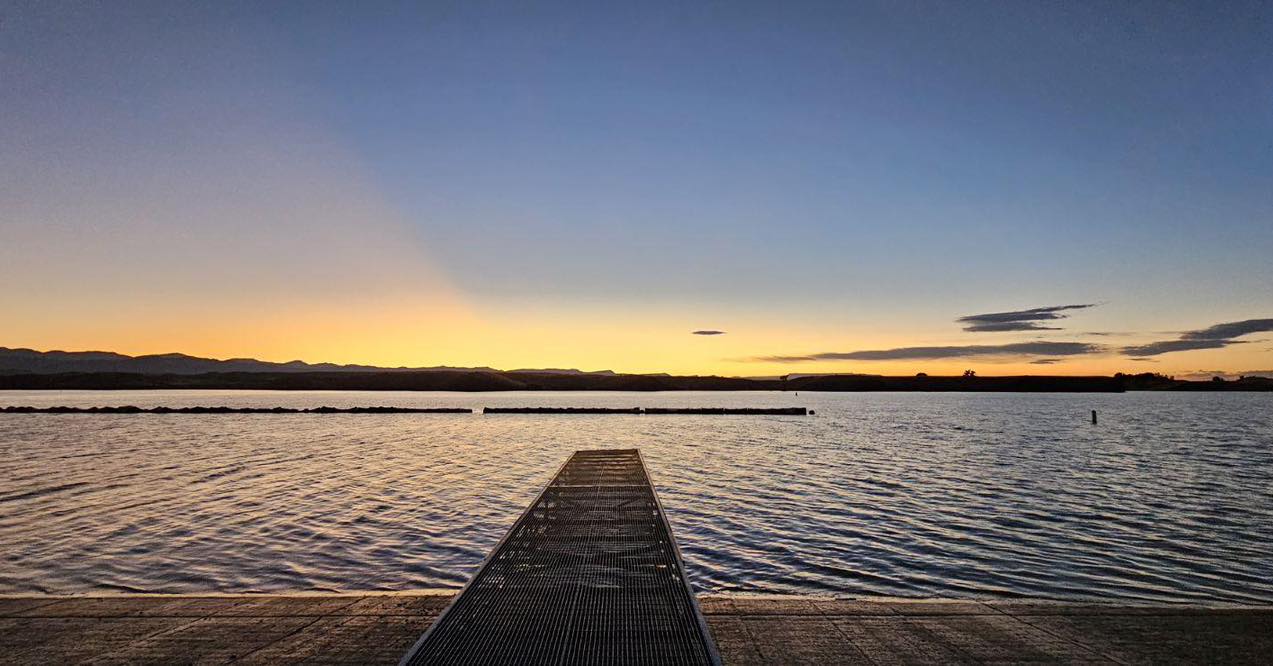
Highline Lake. Photo credit: Colorado Parks & Wildlife

Click the link to read the article on The Grand Junction Daily Sentinel website (Dale Shrull). Here’s an excerpt:

October 7, 2025

As five staff members clad in Colorado Parks and Wildlife gear departed from the swim beach area [October 4, 2025], it didn’t take long for the answer to be revealed. Once the first buoy was pulled from the water, two adult mussels were found. They were sent to the lab to confirm whether they are zebra or quagga mussels. It was a bummer of a day for CPW staff.

“We did expect to see some mussels but pulling that very first buoy out and seeing the big mussel on the bottom was really disheartening,” Highline Lake State Park Manager Ashlee Wallace said. “Especially, after working so hard over the past two years.”

[…]

The discovery of the two mussels came after more than two years of various attempts to eradicate the invasive species from the lake, which had become the first and only body of water in the state to be infested with mussels in October 2022. That started a series of moves that included chemical treatments to the lake, lowering the water level 27 feet to do more chemical treatments, then during those routine end-of-season tasks, more mussels were found in October 2023. That’s when CPW made the decision to completely drain the lake in hopes of eradicating the mussels for good. With Saturday’s discovery, it’s clear that all the previous moves were for naught.

Adult Zebra mussel. Photo credit: Colorado Parks and Wildlife

New report calls for policy changes with #ColoradoRiver ‘on the cusp of failure’ — Alex Hager (KUNC.org) #COriver #aridification

Water sits low behind Glen Canyon Dam near Page, Arizona, on November 2, 2022. A new report calls for urgent changes to Colorado River management, including modifications inside the dam. Alex Hager/KUNC

Click the link to read the article on the KUNC website (Alex Hager):

October 1, 2025

This story is part of ongoing coverage of the Colorado River, produced by KUNC in Colorado and supported by the Walton Family Foundation. KUNC is solely responsible for its editorial coverage.

A new report from a coalition of environmental nonprofits is calling for changes to Colorado River management and urging policymakers to act more quickly in their response to shrinking water supplies.

The report’s authors stress a need for urgent action to manage a river system that they say is “on the cusp of failure.”

“We are looking at serious, chronic shortages,” said Zach Frankel, executive director of the Utah Rivers Council. “And we don’t just mean one day in a couple of decades. We could see a crash on the Colorado River as soon as two years from now, or less.”

A crash, they said, could mean water levels so low in the nation’s largest reservoirs that major dams are rendered inoperable, leaving some cities and farms with less water than they are legally owed. To stave off that crash, the report includes nine recommendations, including calls for major cutbacks to water demand.

Its authors focused largely on three things: reducing water use, modifying the plumbing inside Glen Canyon Dam, and changing the process by which new rules for sharing water are decided.

State leaders throughout the Colorado River basin seem to agree that significant cutbacks are needed, but conversations about who exactly should make those cutbacks often devolve into finger pointing. The nonprofits behind this new report say each state needs to be more specific and come up with a “curtailment plan” about how it could use less water within its borders. They acknowledge that drawing up those cuts will likely be a complicated and painful process, but a necessary one.

“Yes, it’s bad, but there’s a path through it,” said Eric Balken, executive director of the Glen Canyon Institute. “The solution to this problem is actually simple. It’s not going to be easy, but it is simple. Don’t pull more water from the river.”

Their suggested approach also means hitting the brakes on new dams and diversions. The report tallied 30 proposals for new water development in the river’s Upper Basin states of Colorado, Utah, Wyoming and New Mexico. Now, its authors say, is not the time to stretch an already-strained river system even further.

The back of Glen Canyon Dam circa 1964, not long after the reservoir had begun filling up. Here the water level is above dead pool, meaning water can be released via the river outlets, but it is below minimum power pool, so water cannot yet enter the penstocks to generate electricity. Bureau of Reclamation photo. Annotations: Jonathan P. Thompson

The report’s second major proposal is to re-engineer Glen Canyon Dam, which holds back Lake Powell. The nation’s second-largest reservoir has dropped to record lows in recent years, and it’s currently about a quarter full. If water levels drop much further, they could fall below the intake for hydropower generators inside the dam. Further, they could drop below any pipes that allow water to pass through the dam. That could jeopardize the ability to send water to major cities downstream, like Los Angeles, Phoenix and Las Vegas.

In years when reservoir levels threaten to drop that low, federal water managers have shuffled water into Lake Powell from other upstream reservoirs. The new report says more permanent fixes, like the construction of new pipes inside the dam, are needed.

“Those reservoir levels are not a conspiracy,” Frankel said. “There’s not really any debate about whether there’s water in those reservoirs. A solution of, ‘Hey, let’s just keep the reservoirs higher and avoid having to deal with this epic plumbing challenge’ is absurd.”

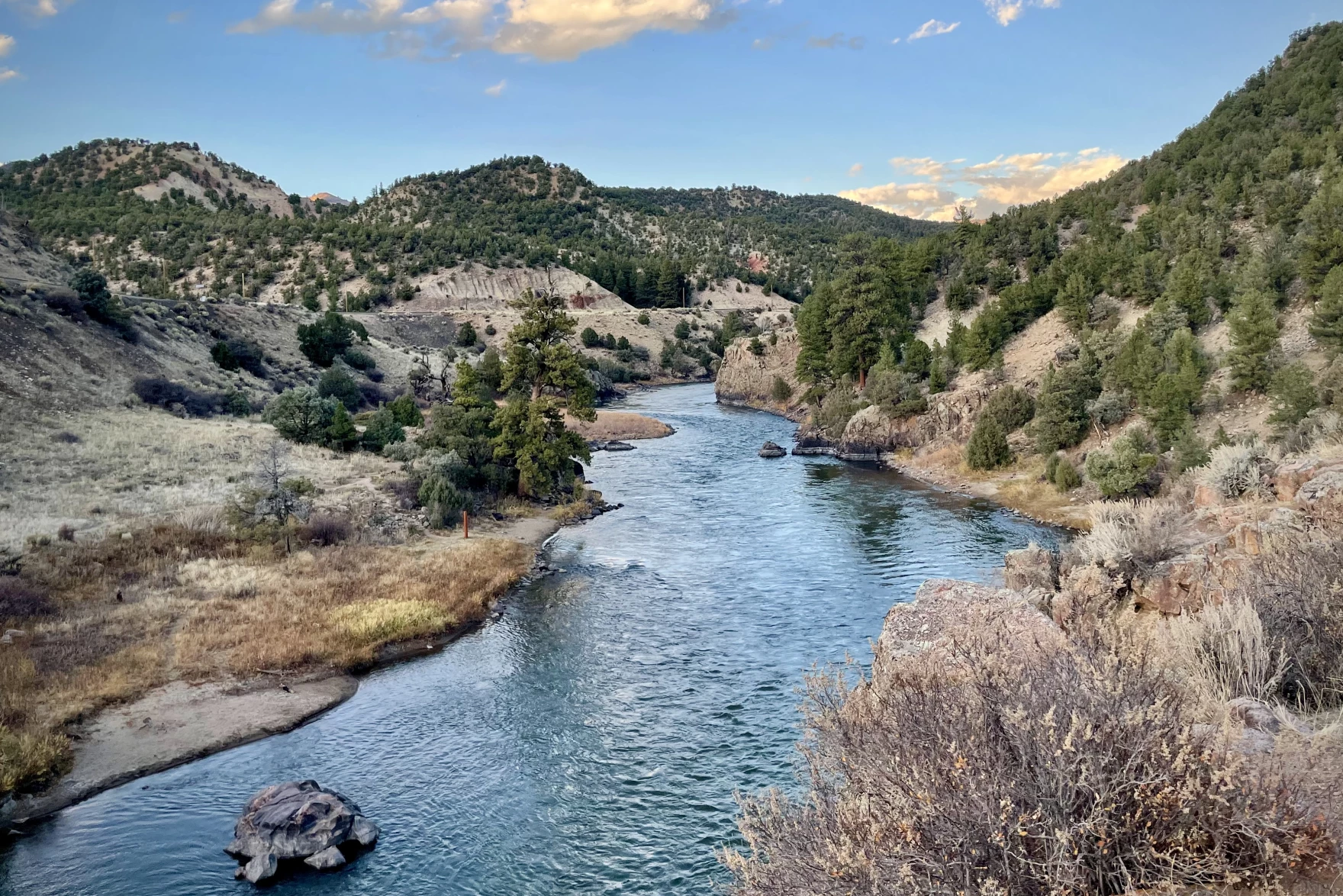
The Colorado River flows through Grand County, Colorado on Oct. 23, 2023. A new report calls for states to plan for curtailments to water use as the river shrinks. Alex Hager/KUNC

The report’s authors did not mince words in their critiques of the current system for agreeing on new water management rules.

“We’re so far away from meeting the moment right now,” said Kyle Roerink, executive director of the Great Basin Water Network. “The moment might as well be on another planet.”

Negotiations about sharing the river are stuck. The current rules for managing Colorado River water expire in 2026, and the seven states that use it are on the hook to come up with new ones. Negotiators from those states have been meeting for years now, and don’t appear to be close to a deal despite mounting calls for new policies, a steadily shrinking river and a fast-approaching deadline.

“We’re so clearly not addressing the depth of challenge we’re facing,” Frankel said of the negotiators. “And what we’re asking is, is it because of the process?”

Under the current structure, the report’s authors say, those negotiations lack transparency. Environmental groups, farmers, city leaders, Native American tribes and others who will have to deal with the consequences of negotiators’ decisions have mostly been left on the outside looking in.

“What we want is honest debate and discussion,” Roerink said. “There’s not even a meaningful regulatory process going on where we can debate, scrutinize, vet, and provide meaningful ideas about how we’re going to manage the nation’s two largest reservoirs.”

The coalition of nonprofits that co-signed the report includes Glen Canyon Institute, Great Basin Water Network, Living Rivers, Utah Rivers Council and Save the Colorado.

Their work joins a number of similar calls for action that have been released in recent months. A September letter from former officials and academics said urgent changes are needed to protect Glen Canyon Dam. That same group released a memo in May calling for states to embrace some “shared pain” and agree on cutbacks.

Other outside groups – including a coalition of Native American tribes and a large collection of environmental nonprofits – have made their own suggestions for the next phase of river management. It is yet to be determined how or if their ideas will influence those closed-door negotiations.

Map of the Colorado River drainage basin, created using USGS data. By Shannon1 Creative Commons Attribution-Share Alike 4.0