by Robert Marcos
Even though the San Diego County Water Authority’s MOU has proposed an initial water transfer of only 10,000 acre feet annually, General Manager Dan Denham said the agreement, (if approved by other agencies), could clear the way for the first-ever interstate transfers of Colorado River water starting next year. He said, “It’s just a different way of managing water in the West”.1
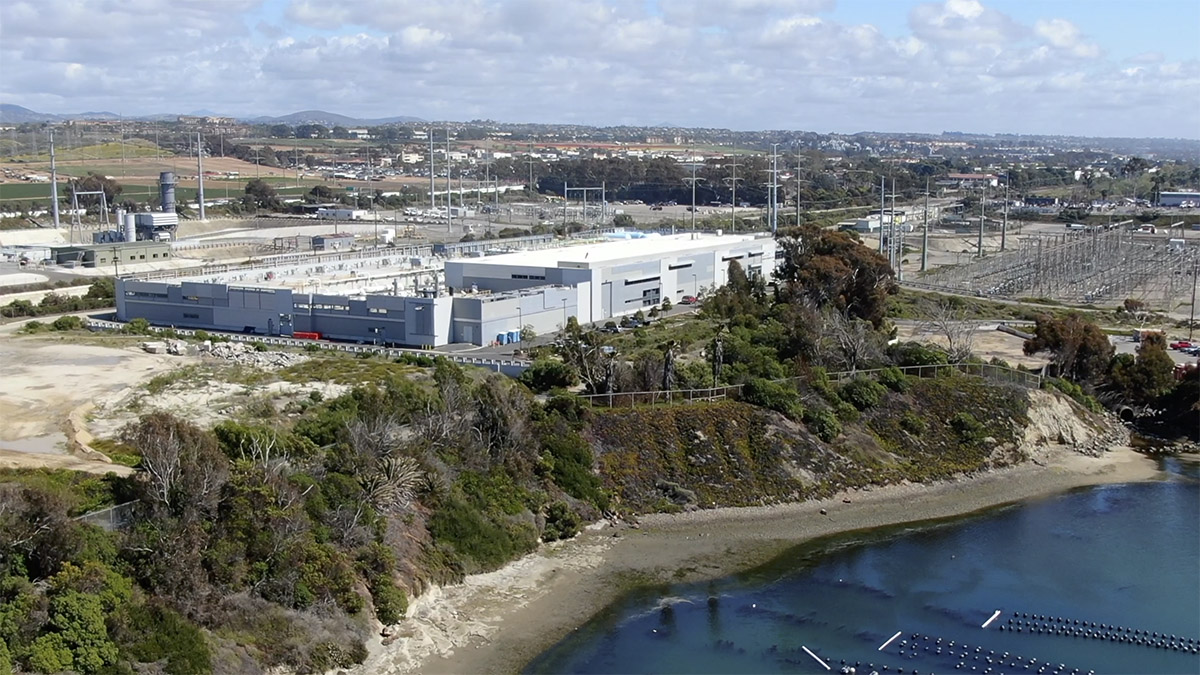
California Govenor Gavin Newsom has supported the idea, telling governors of the other six states in a recent letter that California would welcome joint investments in water recycling and desalination. Denham said Scott Cameron – the Trump administration’s acting head of the U.S. Bureau of Reclamation, also supports the idea.2
The laws which forbid or limit the transfer of water across state or county lines originated in the early 20th century as states sought to protect their local resources from being diverted to rapidly growing urban centers. The Colorado River Compact of 1922 was a landmark agreement that effectively “locked” water within specific basins to prevent faster-growing states like California from claiming the entire river under the “prior appropriation” (first-come, first-served) doctrine.
But the San Diego County Water Authority, Arizona Department of Water Resources, the Central Arizona Water Conservation District, and the Southern Nevada Water Authority, are exploring a strategy that could bypass these legal barriers to interstate water transfers by using “paper water” transfers rather than physically moving desalinated water across state lines.3
While this method avoids the physical impossibility of moving ocean water to the desert, it still requires federal approval from the U.S. Bureau of Reclamation, and from existing rights holders like the Imperial Irrigation District and the Metropolitan Water District which will have to ensure that these transfers do not negatively impact their own legal entitlements.