Here’s the release from the Colorado Water Conservation Board:
Board rules out agricultural projects for the 2027 irrigation season while directing staff to explore a more limited program
November 19, 2026, GOLDEN — The Colorado Water Conservation Board (CWCB) provided direction Wednesday on the next steps for Colorado’s Near-Term Contribution Program, opting to continue working with federal and Upper Basin partners to address outstanding questions addressed to the Bureau of Reclamation while narrowing the scope of potential projects for 2027.
The Board directed staff to continue coordinating with Reclamation and the other Upper Division States and report back at its January 2027 meeting. Depending on the information and agreements available at that time, Colorado will consider a more limited program for 2027.
Under the Board’s direction, the program will not implement any agricultural projects tied to the irrigation season in Water Year 2027. This is because irrigators and producers need an early application window to plan for their irrigation season. The program may consider other types of projects that align with the Board’s priorities to provide durable benefits to water users.
“Agriculture is the backbone of the West Slope’s economy and way of life. Without sufficient assurances from the federal government, it’s inappropriate to rush a program this late in the season,” said Lauren Ris, CWCB Director.
“Colorado was – and is – ready to launch a federally -funded Contribution Program, and we know that water users and the Board are excited about projects that may provide durable benefits to water users and improve agricultural resiliency,” said Amy Ostdiek, Chief of the Interstate, Federal, and Water Information Section at the CWCB. “But we know from past efforts that irrigators and producers need an early application window. Given that it is now mid-November, and we still lack the necessary assurances and information from Reclamation, it seems ill-advised to consider agricultural projects for the upcoming irrigation season.”
“We’re committed to being part of the solution and to moving projects forward that benefit water users and communities in Colorado,” said Becky Mitchell, Colorado’s Commissioner to the Upper Colorado River Commission. “But we need more information before moving this forward and greater assurances from the Bureau of Reclamation. We’re not asking for flexibilities that aren’t already afforded to the Lower Basin states.”
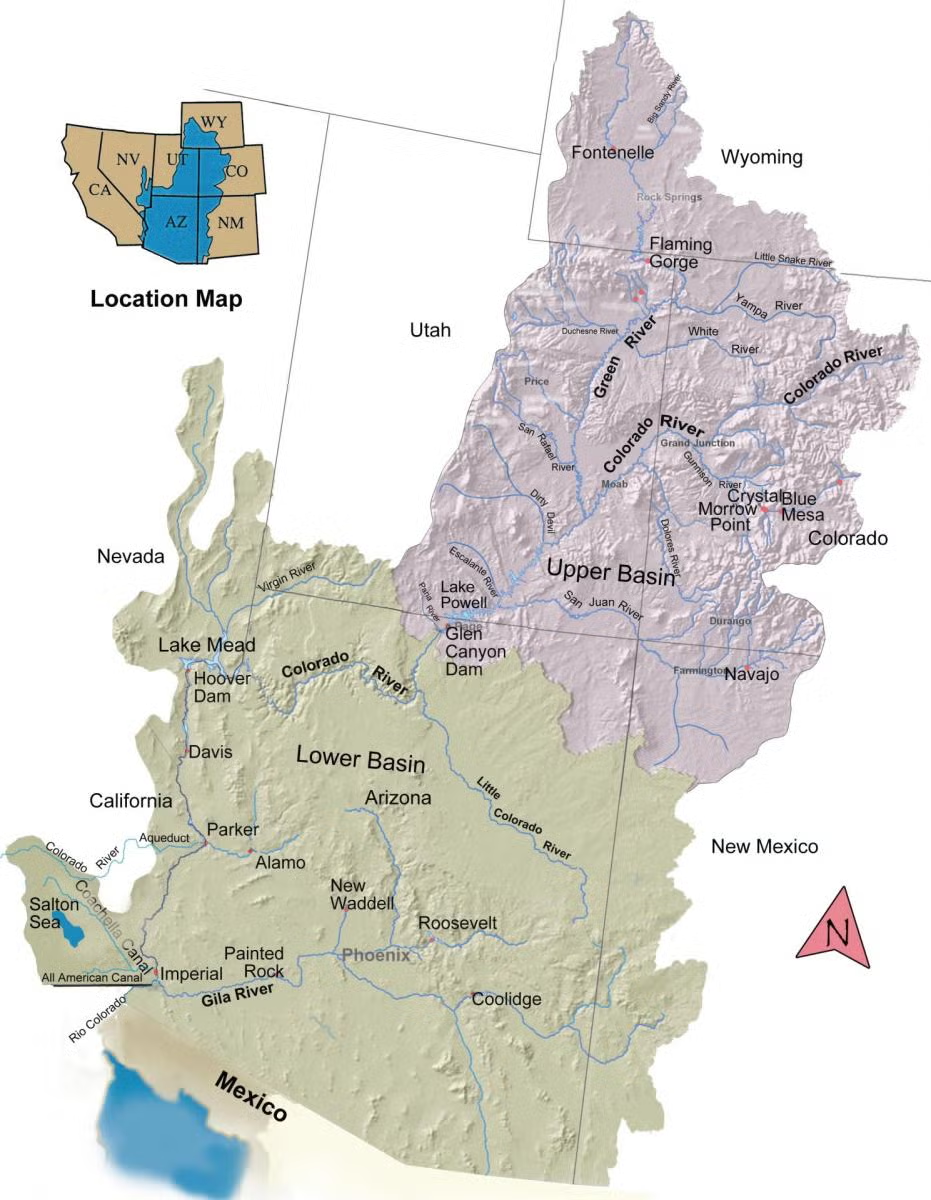
The Board’s decision comes as Colorado continues working with the U.S. Bureau of Reclamation and the other Upper Division States to resolve outstanding questions about how conserved water would be accounted for, credited, and managed within the Colorado River system.
In September, the CWCB approved Colorado’s application review process and project selection criteria for the voluntary, compensated conservation program. That approval was conditioned on an agreement that contributed water would be credited to the Upper Division States in an operationally neutral account under the Upper Division’s control.
Since then, Colorado has completed the necessary state-level preparations to implement the program, including developing project criteria, establishing protections for participating water rights, and securing an implementation agreement with Reclamation. Additional federal guidance is still needed regarding project compensation, water accounting, and operational parameters.
In a November 10 response, Reclamation expressed continued support for pursuing the crediting of verified conserved water while noting that certain operational considerations would require broader discussions among the seven Colorado River Basin states.
“Colorado has completed the work needed on our end to prepare for this program, and we remain committed to working with our federal and Upper Basin partners to resolve the remaining questions. Our goal is to ensure that any water conserved through this program is accounted for and provides the intended benefits to the Upper Basin,” Ostdiek said.
The Near-Term Contribution Program is supported by $100 million in federal funding awarded to the Upper Colorado River Commission for efforts across the four Upper Division States: Colorado, New Mexico, Utah and Wyoming. Those funds remain available through 2031.
The CWCB remains committed to exploring voluntary conservation opportunities that support Colorado water users, contribute to the resilience of the Colorado River Basin, and provide meaningful benefits for participating communities.