
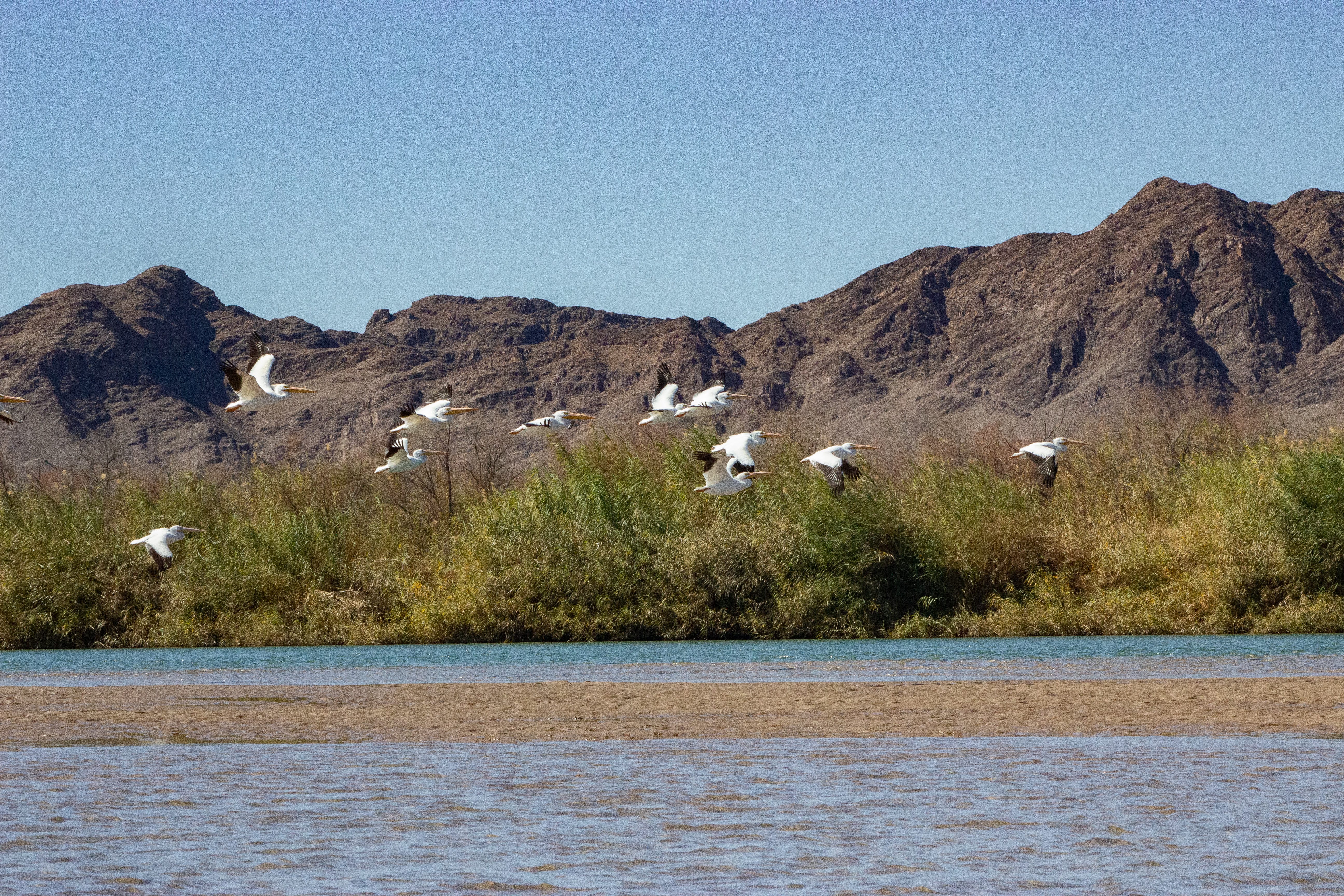
#ColoradoRiver stakeholders ask Congress for $2 billion in emergency funds to address drought crisis — The #GlenwoodSprings Post Independent #COriver #aridification

“There’s not economic adjustments that the birds can make. A payout doesn’t help the birds that use those habitats.”––Jennifer Pitt, Colorado River program director for Audubon. Photo credit: Morgan Sjogren — https://wildwords.substack.com

Click the link to read the article on the Glenwood Springs Post Independent website (Ali Longwell). Here’s an excerpt:

May 13, 2026

A coalition of organizations, tribes, utilities and governments from across the Colorado River basin is asking the federal government for at least $2 billion to address the near-term impacts of the escalating drought and water supply crisis in the West. 

“Water Year 2026 is unfolding as one of the most challenging hydrologic years in more than a century of recordkeeping, with exceptionally low snowpack and river runoff and continued stress on an already depleted reservoir system,” wrote the coalition. “Difficult decisions around water supplies will be needed to address the severe shortages and operational risks that threaten the basin and the stability of the entire system.”

The letter was signed by 70 groups that represent water users and interests in all seven states that comprise the Colorado River basin: Wyoming, Colorado, Utah, New Mexico, Arizona, California and Nevada. The river flows from its headwaters in Grand County down 1,450 miles to the Gulf of California in Mexico, providing water to nearly 40 million people across the seven states, two counties and the 30 tribal nations that fall within the basin. The newly-formed coalition asks Congress to find funding for additional resources to “sustain and scale” the U.S. Bureau of Reclamation’s existing drought mitigation investments needed to stabilize the system “in a manner that ensures the Basin will do more than simply endure from crisis to crisis.” It requests that the $2 billion be invested in tools that bolster conservation, efficiency and smart, targeted augmentation to develop new water supply sources. 
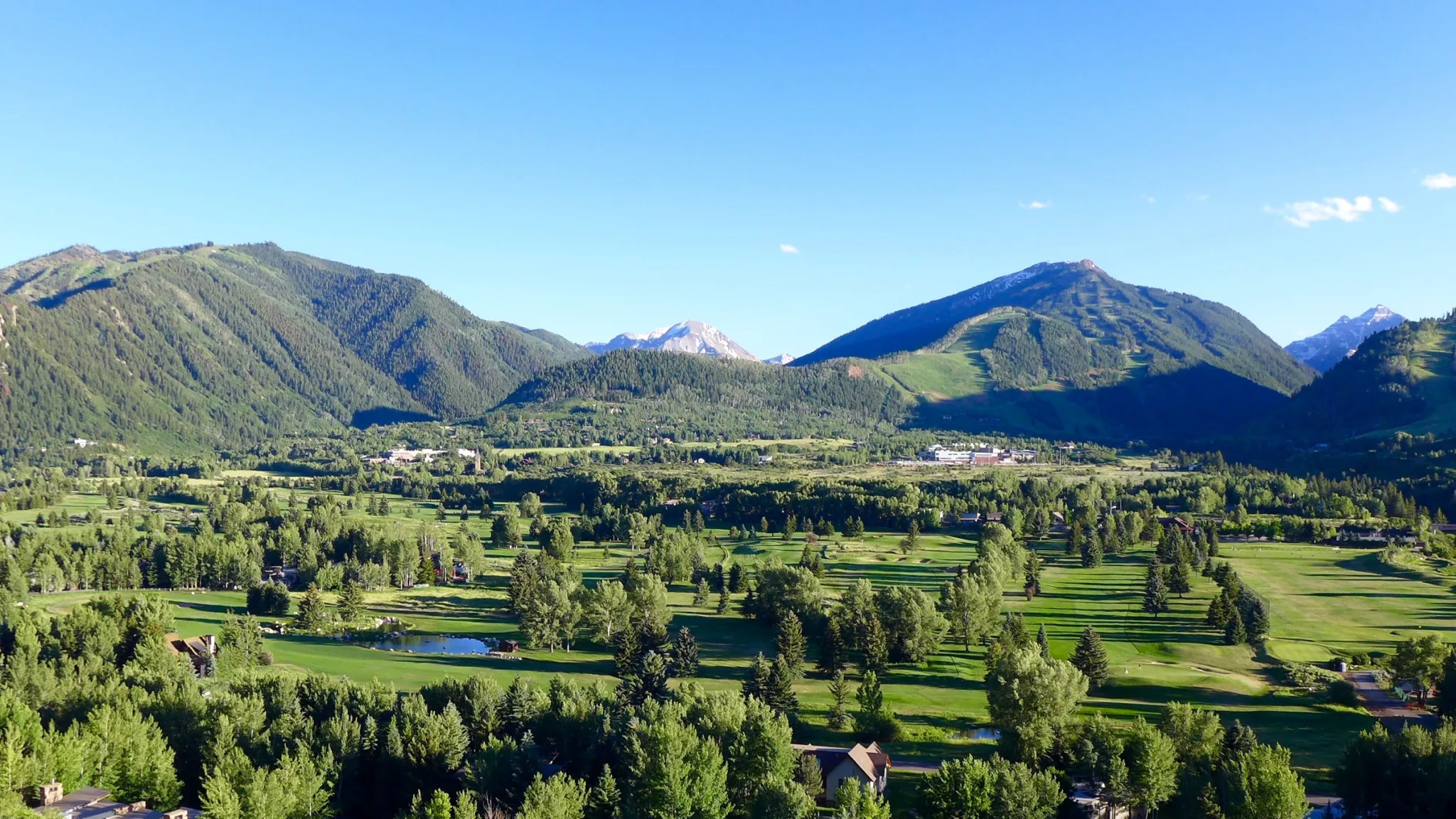
Aspen enters stage 3 water shortage — The #Aspen Daily News

The Aspen municipal golf course, which sits between Castle and Maroon creeks. The golf course is one potential site the city of Aspen is considering for underground water storage. CREDIT: BRENT GARDNER-SMITH/ASPEN JOURNALISM

Click the link to read the article on The Aspen Daily News website (Lucy Peterson). Here’s an excerpt:

May 13, 2026

The city of Aspen will enter a stage 3 water shortage for the first time since the city adopted a formal drought mitigation plan in 2020. The new restrictions will limit residential watering schedules even further. The Aspen City Council voted to declare a stage 3 water shortage during a meeting on Tuesday night, nearly eight months after it entered stage 2 water restrictions. The city’s drought response committee recommended the new restrictions because, since a stage 2 water shortage was declared, “conditions within Aspen, the Maroon and Castle Creek drainages, and the Roaring Fork Valley have degraded significantly,” according to a memo sent to the city council ahead of Tuesday’s [May 12, 2026] meeting. Irrigation will be restricted to two days per week. Water users with even home addresses can irrigate on Tuesdays and Fridays, while those with odd home addresses can irrigate on Wednesdays and Saturdays. No outdoor water use will be allowed between 8 a.m. and 6 p.m. New turf from seed or sod can be watered for up to 21 consecutive days after it is planted. Other new plants are allowed to be watered on the day they are planted. Residential swimming pools and hot tubs, and other existing water features cannot be filled or refilled using city water.

Map of the Roaring Fork River drainage basin in western Colorado, USA. Made using USGS data. By Shannon1 – Own work, CC BY-SA 4.0, https://commons.wikimedia.org/w/index.php?curid=69290878