
From The Pueblo Chieftain (Chris Woodka):
After 12 hours of negotiations Tuesday, the two sides ended within $2 per acre-foot annually in payments to store water in Lake Pueblo and in agreement on all other substantial matters…
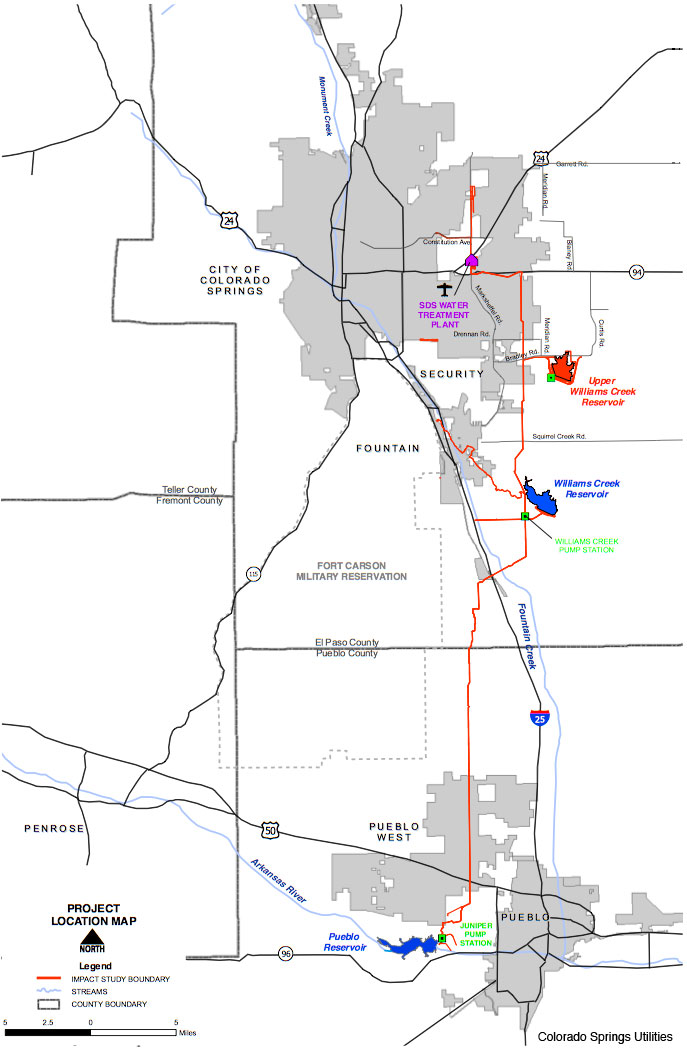
The major item under negotiation is the cost of storage in Lake Pueblo for SDS partners under a nearly 40-year contract. Colorado Springs is seeking 28,000 acre-feet; Pueblo West, 10,000 acre-feet; Fountain, 2,500 acre-feet; and Security, 1,500 acre-feet. Reclamation ended the day with an offer of $37 per acre-foot annually, about $6 less than its previous low offer. Reclamation also offered to give Colorado a $5 million credit over five years for oversizing the proposed North Outlet Works. An inflation factor of 1.79 percent per year would be added. Colorado Springs’ last offer was $35 an acre-foot, with agreement on the other issues.
Reclamation rejected its previous cost-based model for a market approach that Colorado Springs accepted in July, but came back Tuesday with a modified approach that incorporated overall costs of the Fryingpan-Arkansas Project. “We’re trying to find a path forward,” replied Michael Collins, area manager for Reclamation. “We’re not looking at a cost-of-service rate. We’re looking for a base number.”
“This is a public negotiating session. You are not entitled to hide behind ‘Trust me,’ ” snapped Colorado Springs attorney David Robbins Robbins also argued for a “normalization” rate that would be applied to future contracts for entities within the Southeastern Colorado Water Conservancy District. Robbins’ idea was that SDS contracts could be adjusted up or down in future years to reflect changing market rates. Reclamation does not allow that type of deal, because future contracts have not yet been negotiated and the negotiated contract price is a floor that can only be increased, Collins said.
More coverage from Eileen Welsome writing for The Colorado Springs Gazette. From the article:
After nearly 12 hours of talks, the two sides came to agreement on several key aspects of the 38-year contracts that the SDS partners will need to store and convey up to 42,000 acre feet of water through Pueblo Reservoir…
“We’ve made some real progress in a number of areas, and we still have some work to do to reach an agreement,” said John Fredell, SDS project director and chief negotiator. The SDS partners scored a major win, however, when Reclamation increased the amount of financial credit it was willing to give Utilities for construction of an outlet in the dam that will connect with the pipeline. The federal agency initially offered Utilities a $288,000 credit for what’s called the “North Outlet Works.” By the end of the day, it had increased the amount to $5 million.
The major issue still to be resolved is how much per acre-foot the SDS partners will pay for what’s called “excess capacity contracts.” Those contracts will enable the participants to store water in the reservoir if and when the space is available…
In another concession to the SDS partners, Reclamation dropped the annual inflation fee it wants to tack onto the contracts from about 3 percent to 1.79 percent.
Meanwhile, Colorado Springs City Councilman, Tom Gallagher, is still banging the drum for Reclamation to redo the Southern Delivery System environmental impact statement, according to a report from Chris Woodka writing for The Pueblo Chieftain. From the article:
Gallagher explained that excess-capacity contracts like the one being sought for SDS would not guarantee that space is available every year. He said the EIS is flawed, in part, because it does not weigh the cumulative effect of adding storage from a proposed master contract and the Arkansas Valley Conduit being proposed by the Southeastern Colorado Water Conservancy District…
Judy Rae Carson and her son Jared Diaz spoke about the dangers of Fountain Creek. Diaz, now 26, was curious about the “eight-legged frogs” he would find in Fountain Creek when he was about 8 years old. He developed a brain tumor, which doctors at Children’s Hospital in Denver told Carson were caused by environmental factors. She blames his adventures in Fountain Creek. “You have no business being here until you fix that creek,” she told Colorado Springs and Reclamation officials.