Here’s a report from Nancy Lofholm writing for The Denver Post. Click through and read the whole thing. Here’s an excerpt:
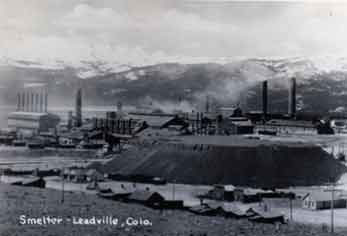
One fact is clear: The climate surrounding uranium processing is much different than during the secretive era of the Atomic Energy Commission and the Manhattan Project. Mills then were popping up across the state to fill a frantic need for wartime and Cold War nuclear bombs.
The Piñon Ridge Mill that Energy Fuels Resources Corp. wants to build on 880 acres of the Paradox Valley instead would feed nuclear power plants, fill medicinal and other technological needs, and provide steel-hardening vanadium for industrial uses. Unlike earlier mills approved with no consideration for their toxic legacy, Energy Fuels has handed over 15 thick binders to state regulators. The binders are filled with the design, environmental and safety details surrounding its proposed mill. Regulators are examining hydrology, seismology, demographic impacts and effects on flora and fauna, as well as demanding complete plans for how the mill ultimately would be torn down and the site reclaimed. This time around, overseers want to ensure radioactive dust won’t waft over Paradox Valley farm crops, chemical milling agents won’t harm wildlife, and heavy metals and radioactivity won’t trickle into water sources. “We’re taking every precaution with this mill,” [Warren Smith with the Colorado Department of Public Health and Environment’s Radiation Program] said. “If the applicant can’t demonstrate they can conform to our regulations, they won’t get the license.”
In the past, mill owners weren’t required to clean up the detritus created by the crushing, leeching and drying of uranium ore into an enriched product known as yellowcake. As much as 99 percent of uranium ore is left as waste after the milling process. The finely crushed tailings still contain 85 percent of the ore’s radioactivity and heavy metals. It also contains milling reagents such as kerosene and ammonia. That waste wasn’t considered a problem needing a solution until 1978, when the Uranium Mill Tailings Remediation Act passed. Only then were the 200 million tons of health-compromising tailings spread around milling and mine sites across the country suddenly dealt with. In the heyday of uranium mining and milling, those tailings were simply piled along riverbanks or spread across unlined acres around the mills. The hydro-intensive mills were allowed to set up shop alongside rivers. In some cases, the tailings were trucked to nearby towns to be used as fill dirt in construction projects. The contamination left behind by all that, along with a more modern mess at the Cotter Corp. mill site near Cañon City, has cemented the idea of uranium milling as an environmental nightmare.
More nuclear coverage here and here.