
From The Grand Junction Daily Sentinel (Gary Harmon):
Attorneys for Denver Water and other water organizations won a weeklong stay Wednesday in the beginning of a trial on a case in federal court in which Denver Water’s handling of its Blue River decree is at issue. That litigation could be set aside next week once an affidavit attesting to the progress of the parties is filed under seal in the court, River District spokesman Chris Treese said…
Denver Water also wants to get about the business of expanding Gross Reservoir near Boulder, [Denver Water General Manager Jim Lochhead] said. The agency, which serves 1.3 million people and is the state’s oldest and largest water utility, needs the flexibility to move water around its system. It’s looking to the settlement to offer Denver Water the kind of flexibility it needs to manage its system, Lochhead said. In addition to completing the Blue River decree, which refers to the stream that fills Dillon Reservoir, one of Denver’s largest water supplies, the agreement would limit the size of the Denver Water service area. It also would offer the Western Slope assurance that Denver Water would take no action to obtain more water without cooperation from the Western Slope. Once it’s complete, “This will be one of the most comprehensive agreements that’s ever been negotiated in the state of Colorado,” Lochhead said. “I’m looking at this agreement to forge an entirely new paradigm” in relations between the Front Range and Western Slope.
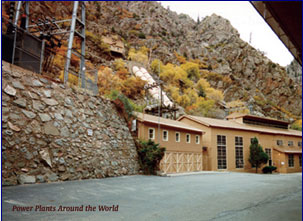
The agreement will give the Western Slope, primarily the River District, a greater voice in the operations of the Shoshone Power Plant. The Shoshone plant generates 14 megawatts of electricity from turbines spun by the Colorado River, and its 1902 water right ensures water will flow from the headwaters of the river to Glenwood Canyon and below. If Shoshone was unable to call water downriver, the Grand Valley’s domestic, agricultural and industrial needs, as well as those of four endangered fish species, would have to be met by other sources, notably the Roaring Fork and Fryingpan rivers. They join above Glenwood Springs, and those waters flow into the Colorado River in Glenwood Springs, below the Shoshone plant. Plateau Creek in De Beque Canyon also could be called down to meet the Grand Valley requirements, leaving some of those junior water rights to go unfilled.
More Colorado River Basin coverage here.