
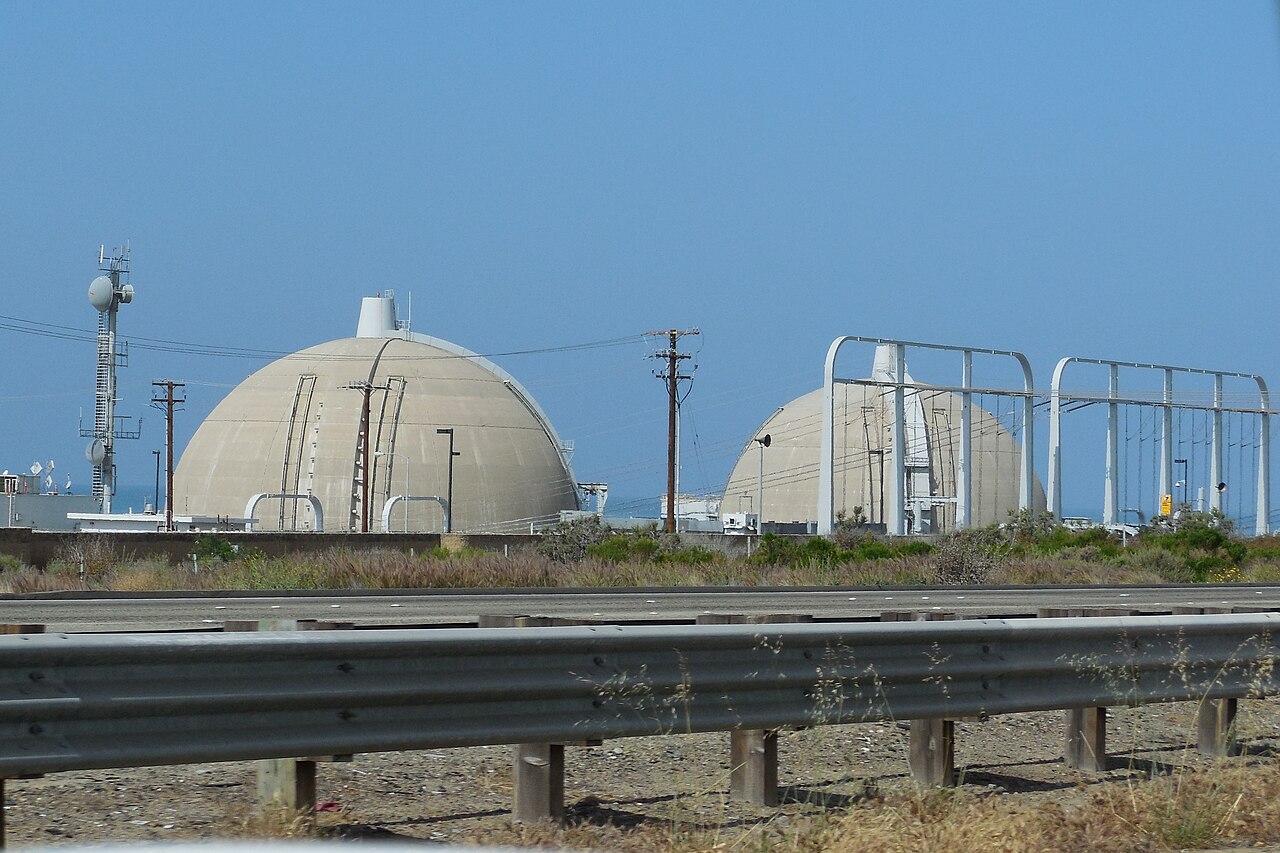
by Robert Marcos
In 2013 Southern California’s San Onofre Nuclear Generating Station was retired eleven years ahead of schedule. This was because of severe, premature wear in the tubes of its replacement steam generators that led to a radioactive leak and made the cost and regulatory uncertainty of a full repair unfeasible for its operators.1 Worse, the closure occurred just after ratepayers in San Diego, Orange, and Riverside Counties had spent $1.88 billion for an overhaul of the plant.2 A year later the California Public Utilities Commission approved a $4.7 billion settlement where ratepayers were made responsible for approximately $3.3 billion of the plant’s closing costs, to be paid over a 10-year period.3
Ratepayers continued to pay for “undepreciated net investments” in the retired nuclear plant—essentially paying off the remaining debt for construction and equipment that had not yet been fully depreciated before the early shutdown. Even after the shutdown, utilities were allowed to collect funds for maintaining safety and security at the retired site.4
The San Onofre debacle illustrates how utilities use regulatory “cost recovery” and “stranded asset” mechanisms to pass billions in losses from failed or retired facilities onto ratepayers. Nationally, this system allows investor-owned utilities to maintain profits even after large projects fail, as seen with coal plant retirements and canceled transmission lines.5
How Ratepayers get Soaked for closed power generation facilities
Utilities nationwide use several key tactics to recover costs from assets that no longer produce power:
Stranded Asset Recovery: When a plant like San Diego’s San Onofre Nuclear Power Plant shuts down prematurely, utilities often seek to recover their remaining “undepreciated investment”. For San Onofre, a controversial settlement originally placed $3.3 billion of the $4.7 billion shutdown cost on ratepayers over 10 years.6
Guaranteed Returns on Failed Investments: Utilities typically enjoy built-in profit margins (often around 9-10%) on their infrastructure investments. Even after a plant is shuttered, they may continue to collect these returns. In the San Onofre case, regulators eventually reduced the shareholder return to less than 3% for the retired assets, which still left customers paying for the principal investment.
Replacement Power Costs: When a major facility goes offline, utilities must buy electricity from elsewhere. Ratepayers often bear these “purchased power” costs. San Diego and Southern California customers saw estimated costs of $350 million to $1.1 billion just for replacement electricity following the San Onofre outage.
Decommissioning Surcharges: Long-term cleanup and waste storage costs are frequently funded through special ratepayer-backed accounts. Decommissioning San Onofre is estimated to cost $4.7 billion, much of which was pre-funded by customers during the plant’s operating years.
The “Uneconomic Dispatch”
This model extends beyond nuclear power to fossil fuels and infrastructure:
Coal Plant “Uneconomic Dispatch”: Utilities nationwide continue to run expensive coal plants that cannot compete with cheaper gas or renewables because they can recover fuel and operation costs from customers. This “uneconomic dispatch” cost U.S. consumers an estimated $24 billion from 2015 to 2024.
Securitization: Some states use “securitization”—issuing low-interest bonds to pay off a utility’s remaining investment in a closed plant. While this can lower customer bills compared to standard utility returns, it still ensures the utility is paid in full for a non-working asset.
Failed Infrastructure: Similar to the faulty steam generators at San Onofre, ratepayers have been held responsible for abandoned projects like PG&E’s scrapped transmission line to Canada ($20 million) and Duke Energy’s retired Crystal River nuclear plant in Florida ($1.3 billion in bonds).