
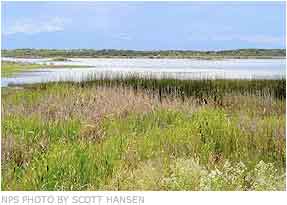
Here’s the latest installment of the Valley Courier’s Colorado Water 2012 series, a discussion of the importance of the San Luis Valley wetlands to the area. Here’s an excerpt:
Wetlands are a valuable component of our semi-arid landscape for many reasons. They are an important aspect of the hydrology, storing water through the drier parts of the year, minimizing flood impacts, and supporting vegetation essential to both wildlife and livestock. In Colorado, only 2 to 3 percent of the landscape is either wetlands or river zones, called riparian areas. But over 75 percent of all wildlife depend upon those zones at some point in their life, including species that are either endangered or at risk. Wetlands also have a crucial role in sustaining agricultural production and they can also provide additional economic benefits and opportunities, such as recreational fishing, bird watching, duck hunting, and many more.
There is a vital water/wetlands connection wherever water is scarce. The Rio Grande and Conejos Rivers and the many smaller streams flowing into the SLV have helped to shape and influence the types of wetlands that exist here. Floodplain wetlands along the larger rivers feature backwater sloughs, oxbow lakes, and wet meadows. The vegetation communities in these areas range from tall emergent species such as softstem bulrush and cattail in semi-permanent to permanent wetlands to short emergent species such as sedges and rushes in wet meadows or seasonally flooded wetlands. Galleries of narrowleaf cottonwoods and willows also exist along rivers and creeks, ideally with understories of currant and wild rose…
The San Luis Valley Wetland Focus Area Committee (a collaborative group of organizations and agencies working on behalf of wetlands) held a workshop in mid-June to provide landowners and land managers a wide range of information about managing wetlands. This article draws upon the information from that program, and a handbook is being compiled from the many presentations. This free publication will be available to the public both in print and electronically. The booklet will address optimal management practices and recommendations on grazing, haying and mowing, burning, and water and weed management, as well as providing information on wildlife, land and water conservation options, and the many economic benefits of wetlands. It will also include a directory of resource organizations and agencies.
To learn more and obtain a copy of the handbook, please contact Ruth Lewis at the Natural Resources Conservation Service at 589-5661 extension 134 or the Rio Grande Headwaters Land Trust at 657-0800. The completed handbook will also be posted on line at http://www.riograndelandtrust.org.
More Colorado Water 2012 coverage here.