

From The Pueblo Chieftain (Chris Woodka):
Odd as it might sound, Pueblo city parks will be using less water this year in an effort to improve the turf. “We realize we may get a few complaints that the parks aren’t green enough during the first year,” said Brad Bixler, interim parks manager. “But there are benefits to a reduced watering schedule.”
The city plans to reduce water consumption by 30 percent to 40 percent from previous years through deeper, less frequent watering. Watering more deeply less often encourages roots of all plants, including trees, to grow deeper in search of water and will make turf more drought-tolerant in the future, Bixler said. Because seasonal parks staff has been reduced, it also will allow less frequent mowing and maintenance in the park because of slower turf growth.
By eliminating wet conditions in the parks, it will reduce the threat of Japanese beetles, which damage shrubs and trees. “Drying out turf between watering days is one method to help interrupt the life cycle of the Japanese beetle,” Bixler said.
Pioneer and Mountain View cemeteries also have agreed to voluntarily reduce watering days to four times weekly from five times weekly, he said.
The city of Pueblo waters parks in the evenings because people are using the parks in the daylight hours. Watering during the cooler times of day increases effectiveness of irrigation by reducing evaporation. The one drawback will be the increased likelihood of weeds, which the city will manage with an earlier fertilization and weedcontrol schedule, Bixler said.
The Pueblo Board of Water Works provides nocharge or half-price water for public landscaping to the city, county, schools and state. Last year, with less than 5 inches of precipitation, public watering increased by nearly 8 percent, while paid metered consumption increased just 5 percent, according to a water board report. Bixler said the city’s watering changes were being considered before that report was made public.
From The Pueblo Chieftain (Chris Woodka):
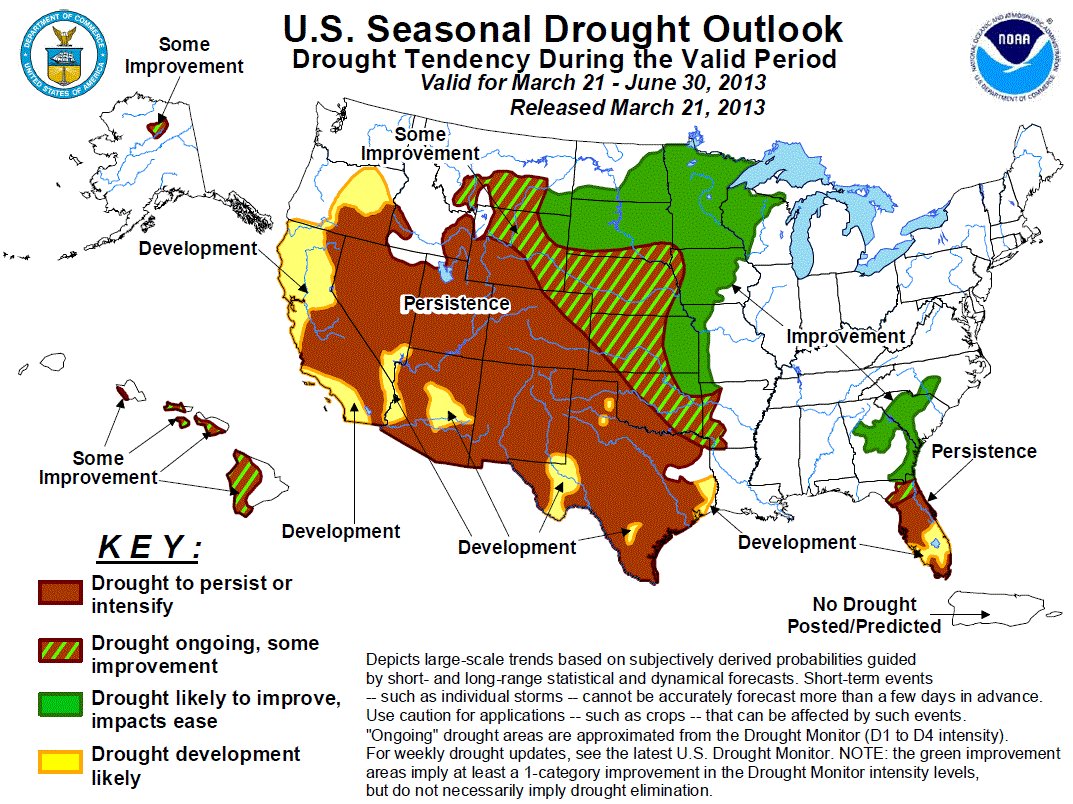
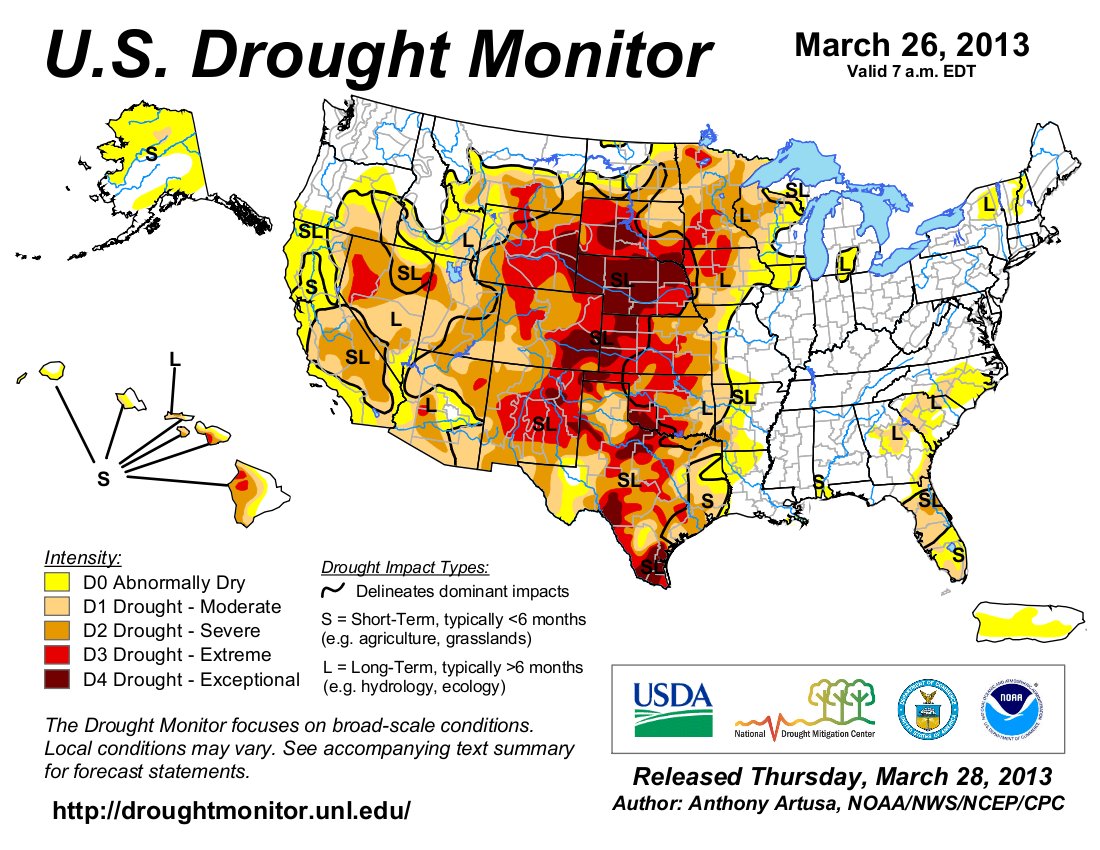
Lake Minnequa will continue to shrink if the drought persists, even though a pipeline to bring fresh water into the lake is expected to be completed in June. “The Pueblo Board of Water Works agreed to replace the evaporation when the lake is full, but there was no anticipation of having to fill the lake,” said Terry Book, executive director of the Pueblo water board. “It’s a natural lake.”
Under an agreement among the water board, the city of Pueblo and the Lower Arkansas Valley Water Conservancy District, the water board would commit up to 450 acrefeet annually to replace evaporation. The surface area of the lake is 164 acres, when full. But one clause in the agreement gives the water board authority to make restrictions on delivery of water during times of shortage.
Pueblo is now in its third year of drought, and unless a gullywasher occurs sometime soon, there is little likelihood of the lake filling. The Lower Ark also agreed to run up to 250 acre-feet of its water through Lake Minnequa, but again, that requires a nearly full lake. Right now, the water level is several feet below the discharge outlet to the Arkansas River. “The obligations kick in when levels are outside the natural lake levels,” Book said.
The board and city are completing a 3.7-mile, $1 million gravity-flow pipeline from the Evraz Rocky Mountain Steel reservoirs at Stem Beach to Lake Minnequa. The city is repaying the water board for the construction work.
The only source of water in the lake is stormwater flows from the city’s South Side. Meanwhile, city stormwater crews are working on a portion of Lake Minnequa on the north shore to create deeper pools for fish. Fish die-offs and odor problems have persisted for the last two summers as water levels declined. In late December, there was a brush fire at the lake.
The city began to redevelop the Lake Minnequa area as a park in 2004, and last year completed football fields on the south end. The park also includes a playground, basketball courts and a trail which surrounds the lake.
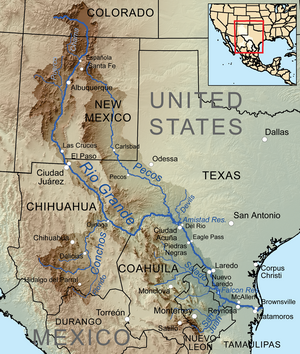
Meanwhile, down in New Mexico, where surface water forecasts for the season are dire, Pecos River diverters are taking action to shut down groundwater pumpers. Here’s a report from John Fleck writing for the Albuquerque Journal. Here’s an excerpt:
The leaders of the Carlsbad Irrigation District voted this afternoon to demand the state of New Mexico shut off groundwater users upstream in the Roswell and Artesia areas to protect Carlsbad-area farmers’ right to Pecos River water. With the third year of deep drought hovering over New Mexico, the unanimous vote by the irrigation district’s five-member board marks the most serious confrontation this year between New Mexico water users scrapping over increasingly scarce supply. At its worst, the “priority call” could force a large number of groundwater users in the Roswell and Artesia area, including farms, cities and industry to shut down their the pumps that supply their groundwater.
The board’s vote is the latest and most serious volley in a longstanding water conflict between farmers in the Carlsbad area, who largely depend on water from the Pecos River, and farmers to their north in Roswell and Artesia, who use groundwater. The downstream farmers have long complained that the Roswell-Artesia pumping is slowing draining away water that would otherwise flow in the Pecos to their farms. Carlsbad-area farmer Oscar Vasquez, a member of the board, said that last year was the first time in 37 years of farming that he failed to produce a single bail of cotton on his 400 acres…
Meanwhile upstream, pumps in the Roswell-Artesia part of the Pecos Valley were running full blast this week, creating a contrast between water haves and have nots.
A couple snow totals from the mountains this afternoon/evening. 7″ near Ward, 4″ near Breck, 3″ Estes Park. forecast.weather.gov/product.php?si…#COwx
— NWS Boulder (@NWSBoulder) April 3, 2013