Click here to read the latest edition of John Fleck’s Water News. Here’s an excerpt:
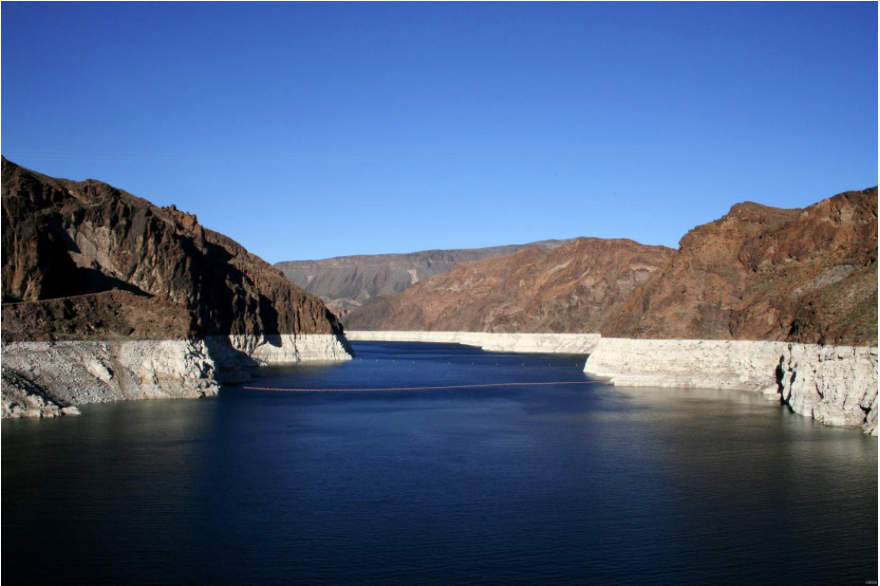
Deputy Interior Secretary Mike Connor Friday laid out the Colorado River doomsday scenario and urged basin leaders to push forward with ongoing negotiations to forge a water sharing deal to slow the decline in Lake Mead. Speaking on the final day of the Colorado River Water Users Association meeting in Las Vegas, Connor said that with climate change, the risk of a rapidly dropping reservoir is rising, with a 30 percent chance that Mead could drop past the critical elevation 1,020 in the next five years. At levels that low, water managers have no clear plans for how to ensure supplies for major water users downstream, on the farms and cities of Nevada, Arizona, and California. “Risk has increased,” Connor said.
Connor pointed to ongoing negotiations among Lower Basin water users to come up with an agreement that might slow Mead’s declines, an extension of the shortage sharing provisions worked out by the states and the federal government in 2007. But he also hinted at the difficulties ahead, which will require not only a deal at the basin scale, but one that is acceptable to the many water agencies in each state that have come to rely on an increasingly unreliable supply.