#Drought news April 24, 2025: Moderate to locally heavy precipitation (over 0.5 inch, with isolated amounts topping 2 inches) fell on some of the higher elevations of #Colorado and #Wyoming

Click on a thumbnail graphic to view a gallery of drought data from the US Drought Monitor website.
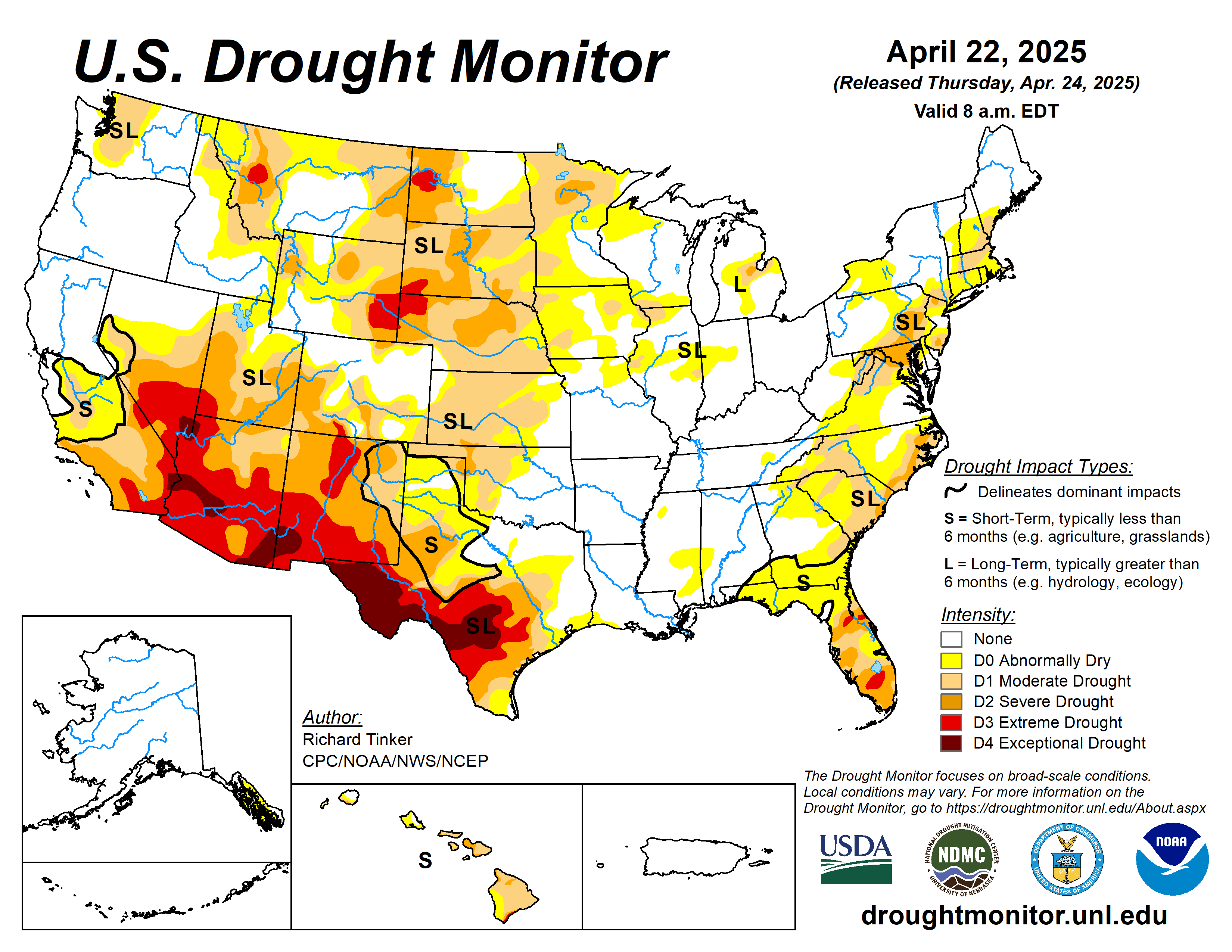
Click the link to go to the US Drought Monitor website. Here’s an excerpt:

This Week’s Drought Summary

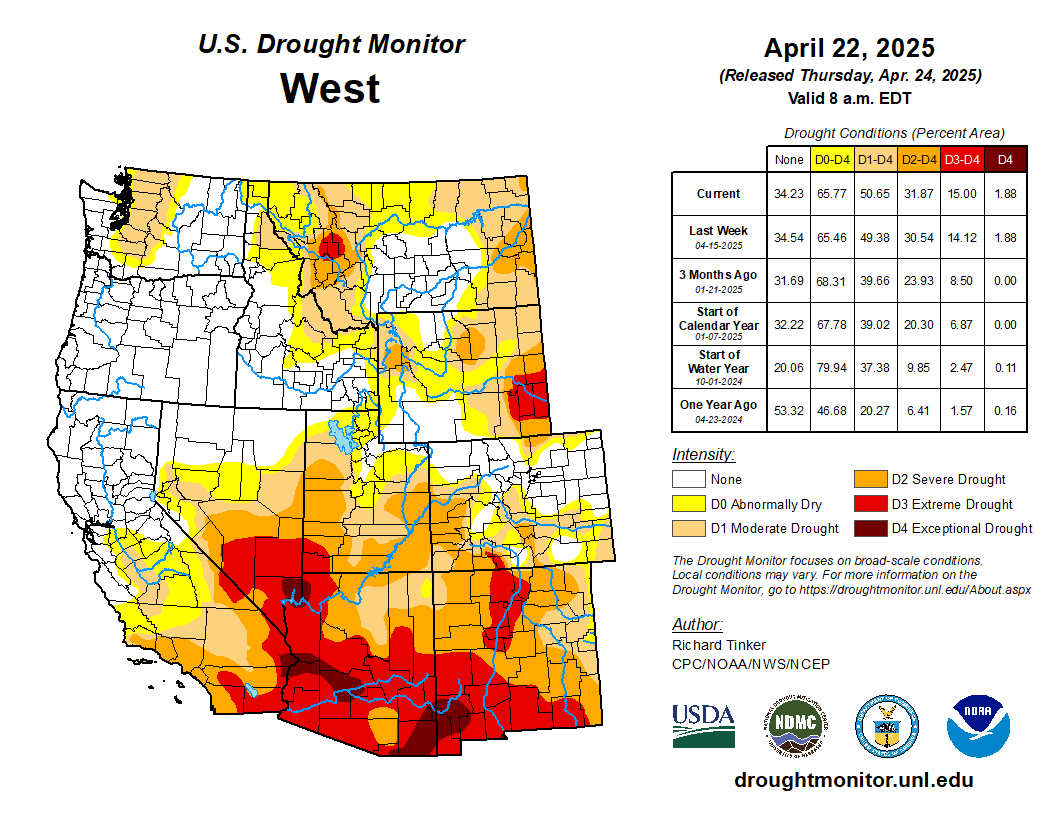
Last week, heavy rain again fell on parts of the Nation’s Midsection along a strong quasi-stationary front. A swath of heavy amounts (over 2 inches) extended from central Texas northeastward through eastern Oklahoma, southeastern Kansas, northwestern Arkansas, much of Missouri, and southern Illinois. The largest amounts (4 to locally 8 inches) covered a band from the Middle Red River (south) Valley into central Missouri. Farther north, 2 to 4 inches also soaked much of southeastern Nebraska, eastern Iowa, and central through southwestern Wisconsin. More widely scattered amounts of 2 to 4 inches affected southeastern Texas, northern Louisiana, and the northern half of Alabama. Existing dryness and drought improved in most areas affected by heavy precipitation, in addition to portions of the central Rockies where less robust precipitation compounded frequently above-normal totals during the past several weeks. Meanwhile, subnormal amounts propelled intensifying drought and dryness along parts of the East Coast, scattered portions of the Southeast. East-central and southern Texas, parts of the central and northern Plains, and both the northern and southern tiers of the Rockies and adjacent lower elevations. In many areas that observed worsening conditions, unusually warm weather (temperatures generally 3 to 6 deg. F. above normal) have prevailed for the past 4 weeks, particularly across the southern half of the Great Plains, the Southeast, and the southern and middle Atlantic States…

High Plains

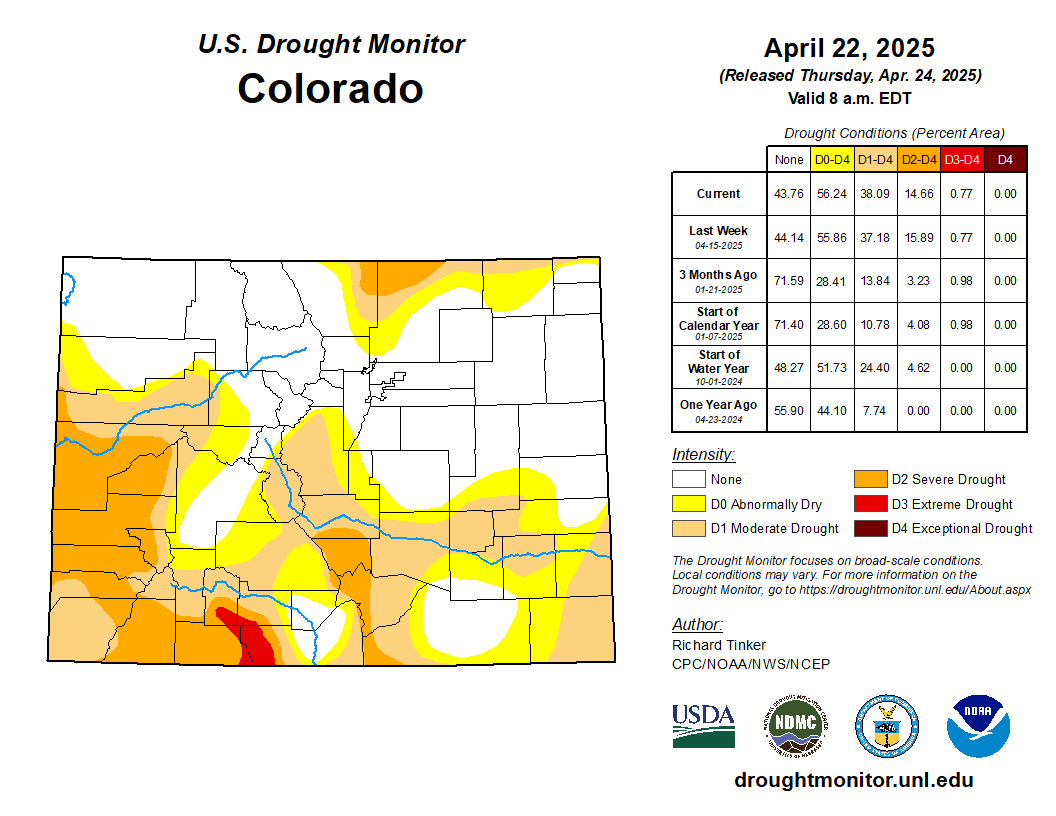
Moderate to locally heavy precipitation (over 0.5 inch, with isolated amounts topping 2 inches) fell on some of the higher elevations of Colorado and Wyoming. On the other side of the Region, heavy rains, amounting to several inches in some places, doused southeastern Kansas. Elsewhere, amounts exceeded 0.5 inch in several scattered areas mostly in the High Plains and central Kansas, but most other locales recorded a few tenths at best. Dryness and drought broadly improved by one category across a broad section of southeastern Kansas, and more localized improvement was noted in some of the wetter areas of the higher elevations. Conditions were mostly unchanged across the rest of the High Plains, but a few localized areas worsened enough to increase one category on the map. Extreme drought (D3) continued to affect much of southeastern Colorado and portions of adjacent southwestern South Dakota and western Nebraska. Less than half of normal rainfall was reported over the past 90 days in some areas of west-central and north-central South Dakota, northeastern and southeastern Nebraska, and central through southern Kansas…
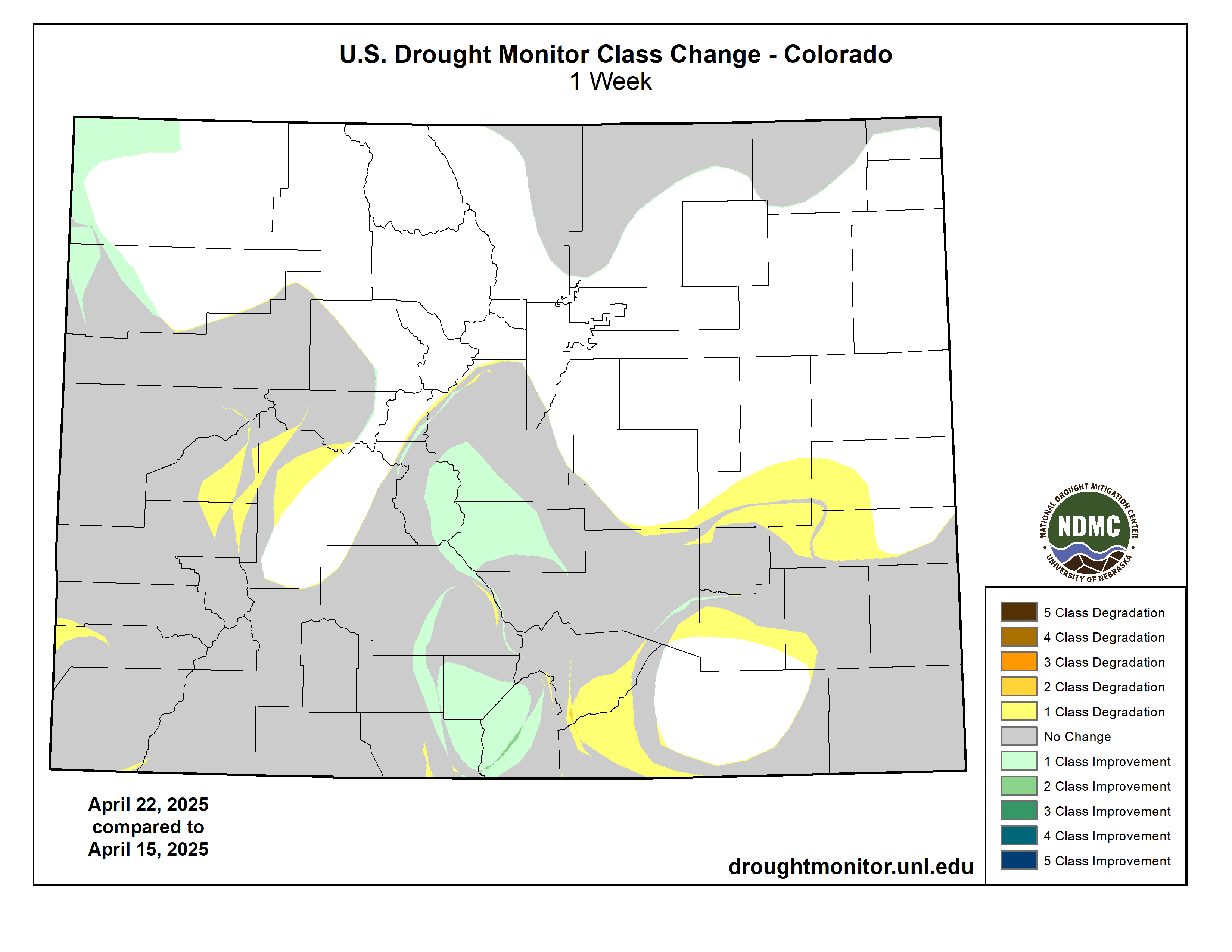
Colorado Drought Monitor one week change map ending April 22, 2025.

West

Moderate to locally heavy rain (generally 1 to 2.5 inches) fell on south-central Montana, but only scattered to isolated moderate amounts approaching an inch were noted elsewhere in the state. In other locations, several tenths of an inch of precipitation fell on and near some of the higher elevations, but most places reported little or none. Despite the moisture observed in part of the state, the eastern and western sections of Montana saw some D0 and D1 expansion, though the more severely affected areas (D2 to D3) were unchanged. Along the southern tier of the region, expansion of the broad-scale severe to extreme drought was noted in parts of New Mexico, southern Utah, and adjacent Arizona. The most intense levels of drought (D3 and D4) now cover a broad area from southeastern California, southern Nevada, and southwestern Utah through much of Arizona, southern and western New Mexico, and the Texas Big Bend into south-central parts of the state…

South

A few small patches of dryness cropped up in Tennessee and the Lower Mississippi Valley, but widespread, entrenched drought is limited to areas from east-central Texas and central Oklahoma westward, despite heavy precipitation in a narrow band from the Middle Red River Valley into west-central Texas. Significant eastward expansion of dryness and drought was prominent across east-central Texas, with smaller areas of deterioration noted elsewhere. For the past 90 days, precipitation totals have been 4 to 7 inches below normal across a broad area from south-central through east-central Texas (specifically, from Walker, Grimes, and Brazos Counties southwestward through Lavaca County and some adjacent areas)…
Looking Ahead

During April 23-28, 2025, substantial portions of the contiguous United States are expecting at least moderate precipitation (several tenths), with scattered heavy amounts over 2 inches. This includes a swath from northwestern Wyoming across southern Montana and most of the Dakotas, the Upper Mississippi Valley, through much of the Great Lakes and New England. Heavy amounts could be most widespread in the Red River (south) Valley, central Oklahoma, and from the central Plains into Iowa. In addition, most of the central and southern Great Plains should receive several tenths of an inch to near 2 inches, along with the Lower Mississippi Valley, southern and central Appalachians, and the interior Southeast. Elsewhere, several tenths of an inch are expected in the Middle Mississippi Valley, the lower Great Lakes, and from the South Atlantic States into southern New England. In the West, a few tenths to about 1.5 inches of precipitation are forecast for southern Oregon, northern and eastern California, the northern Great Basin, and the swath of higher elevations from central Utah through western Montana and adjacent Idaho. Meanwhile, little or no precipitation is forecast for most of the Four Corners Region, southern sections of the Great Basin and California, southern Texas, the immediate Gulf Coast, most of Florida, and southeastern Georgia. Temperatures are expected to average below normal in the Southwest and California, but above normal over most other portions of the contiguous United States. Daily high temperatures are expected to average 8 to 10 deg. F. above normal over the Northeast and mid-Atlantic Region, parts of the Lower Mississippi Valley and adjacent areas, and many locations in and around South Dakota.

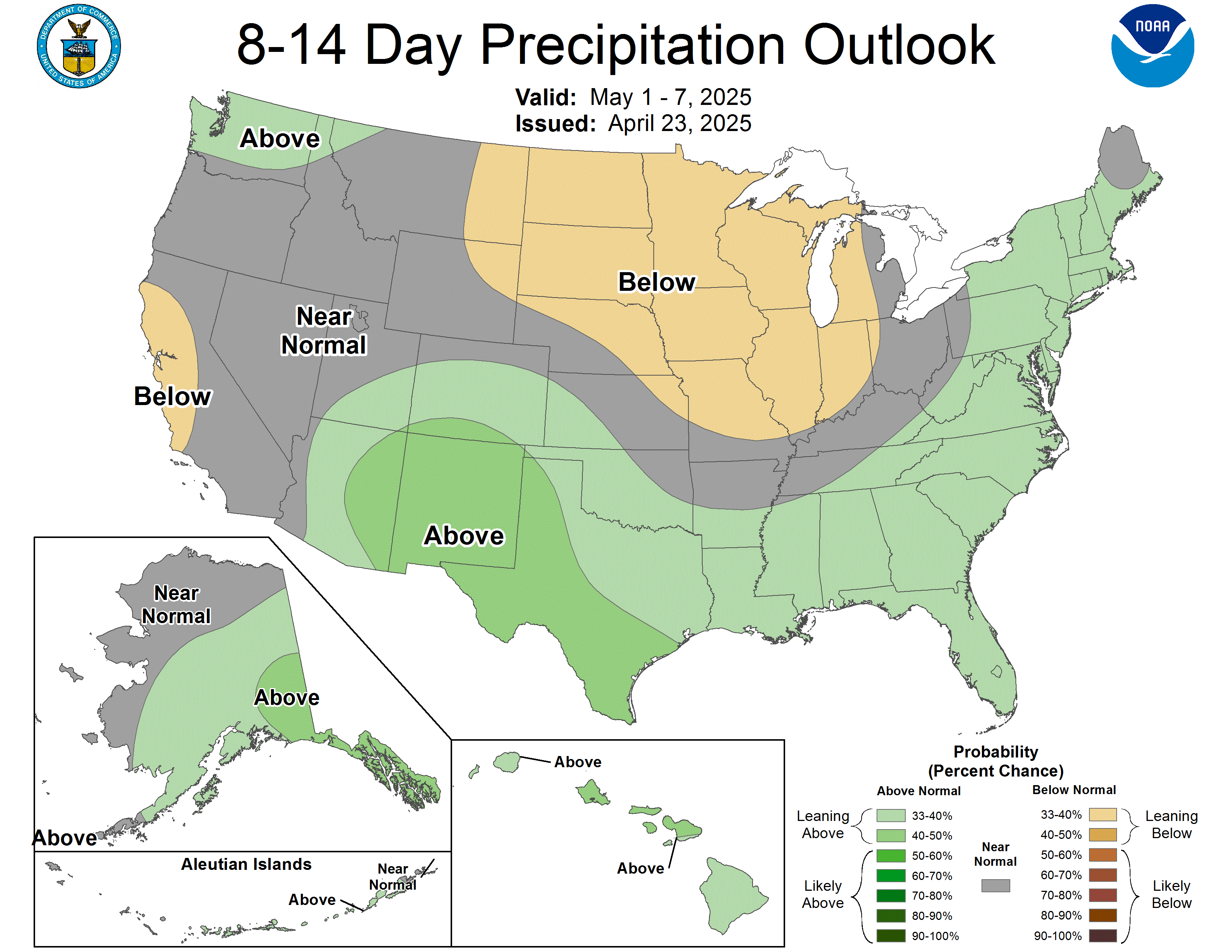
The Climate Prediction Center’s 6-10 day outlook valid April 29 – May 3, 2025 favors wetter than normal conditions southeastern Rockies eastward through the Middle and Lower Mississippi Valley, and most of the Eastern States outside eastern New England and southern Florida. Meanwhile, subnormal precipitation is most likely across the northern Plains, central and western Rockies, the Intermountain West, and California. Wet weather is slightly favored in the remaining dry areas in southeastern Alaska and Hawaii. Warm weather should prevail across the contiguous United States outside the southern High Plains and adjacent Rockies. The greatest odds for warmth extend from California and the Great Basin through the northern Rockies and Intermountain West, plus across the lower Mississippi Valley and the Eastern States. Warmth is also significantly favored across Hawaii. Subnormal temperatures are expected to be limited to Alaska.

US Drought Monitor one week change map ending April 22, 2025.

#ColoradoRiver Basin states have just weeks left to agree on plan: Sen. John Hickenlooper said he’s frustrated at slow pace of negotiations — Heather Sackett (AspenJournalism.org) #COriver #aridification

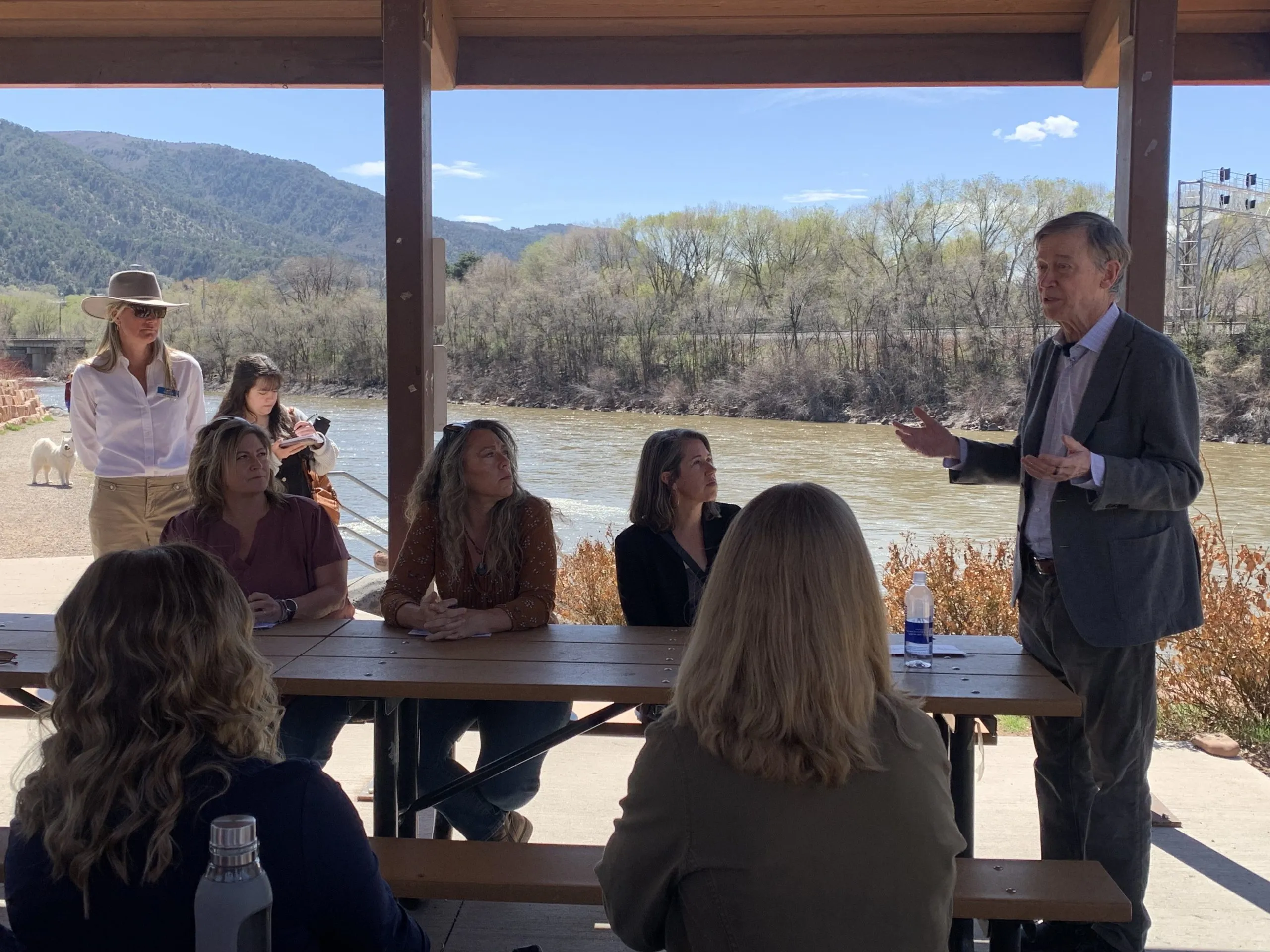
U.S. Sen. John Hickenlooper, D-Colo. stopped in Glenwood Springs on the bank of the Colorado River on April 15 for a roundtable with Western Slope water users. Many who spoke were promised federal funding for projects to address environmental and drought issues, which has now been frozen by the Trump administration. Credit: Heather Sackett/Aspen Journalism

Click the link to read the article on the Aspen Journalism website (Heather Sackett):

April 22, 2025

During a tour of the Western Slope last week, U.S. Sen. John Hickenlooper, D-Colo., said he was frustrated with the pace of negotiations that could determine how the Colorado River is shared in the future and that the Upper Basin states may be pushing back too hard.

A deal should have been reached last summer, he said.

“Colorado should have a right to keep the water that we have been using the way we’ve been using it, and I don’t think we should compromise that,” Hickenlooper said. “But there are a lot of things we could do to give a little to be part of the solution to the Lower Basin and get to a collaborative solution. Again, I’m frustrated by our lack of progress.”

The remarks came during a Q&A with reporters April 15 after a roundtable in Glenwood Springs with Western Slope water managers, many of whom spoke about their projects that were promised funding through the Inflation Reduction Act, which was earmarked for environmental and drought issues. That funding has since been frozen by the Trump administration.

Hickenlooper added that Colorado River management decisions should not be coming from Washington and that the only path forward is an agreement among the seven states that comprise the two basins. Hickenlooper has supported conservation efforts in the Upper Basin (Colorado, New Mexico, Utah and Wyoming), including the System Conservation Pilot Program, which paid water users to cut back in 2023 and 2024.

The seven states that use water from the Colorado River – Arizona, California and Nevada comprise the Lower Basin – have just over a month left to agree on how the nation’s two largest reservoirs would be operated and cuts shared in the future before the federal government may decide for them.

“It’s our understanding from Reclamation that they are going to start the impacts analysis in early June, so they are seeking a consensus alternative by the end of May,” said Chuck Cullom, executive director of the Upper Colorado River Commission.

The current guidelines for the management of the Colorado River expire at the end of 2026, and new ones need to be in place by that August, when reservoir operations for the next water year are set. That means the clock is ticking on the National Environmental Policy Act (NEPA) process that will develop and adopt new guidelines. Without an agreement between the basins, the U.S. Bureau of Reclamation will move forward with its own management plan.

“[Reclamation] is targeting a record of decision in the summer of 2026 so that it is implementable on Oct. 1, 2026, when the next new water year starts,” Cullom said.

From left, J.B. Hamby, chair of the Colorado River Board of California, Tom Buschatzke, Arizona Department of Water Resources; Becky Mitchell, Colorado representative to the Upper Colorado River Commission. From left, Colorado River negotiator for California JB Hamby, Arizona’s Tom Buschatzke and Colorado’s Becky Mitchell. Water managers from all seven Colorado River Basin states have just over a month left to reach a consensus on how the river will be shared in the future.Credit: Tom Yulsman/The Water Desk

Although water managers say coming to an agreement that all seven states can live with is better than the federal government imposing its own rules, the Upper Basin and the Lower Basin remain divided. Talks ground to a halt at the end of last year, but they have since resumed, according to Colorado officials.

Lead negotiator for Colorado Becky Mitchell said in a written statement that Colorado is focused on working with the basin states towards a consensus approach for the post-2026 operations of Lake Powell and Lake Mead that would fit within Reclamation’s timeline for the NEPA process.

“The basin states share common goals: we want to avoid litigation, and we want a sustainable solution for reservoir operations,” Mitchell said. “In light of these goals, I see the basin states working towards sustainable, supply-driven operations of Lakes Powell and Mead that are resilient across a range of hydrologic conditions experienced in the basin.”

In March 2024, each basin submitted competing proposals to federal officials. In January, the bureau released an alternatives analysis, which outlined five potential paths forward. It did not include either basin’s proposal as an option and instead looked at a “basin hybrid” option, with elements from each basin’s proposal.

A major sticking point that has not yet been resolved is that Lower Basin water managers say the Upper Basin states must share cuts under the driest conditions. Upper Basin officials maintain they already suffer annual shortages of about 1.3 million acre-feet because they are squeezed by climate change and shouldn’t have to share additional cuts because their states have never used the entire 7.5 million-acre-foot apportionment given to them by the Colorado River Compact. Upper Basin officials, however, have offered to voluntarily conserve up to 200,000 acre-feet of water a year.

“A lot of the difference in the two proposals is that the Lower Basin seems much more comfortable running the system at a lower volume of water in the reservoirs, and we view that as leading to crisis management,” Andy Mueller, general manager of the Glenwood Springs-based Colorado River Water Conservation District, said at the district’s regular board meeting April 15. “So if you keep the system in a constant state of crisis, then it’s one emergency after another, which should feel familiar to anybody who’s been following the Colorado River for the last 20 years, because that’s what has been happening.”

This 2023 diagram shows the tubes through which Lake Powell’s fish can pass through to the section of the Colorado River that flows through the Grand Canyon. Credit: USGS and Reclamation 2023

Of the five potential options in the bureau’s analysis, the “federal authorities” alternative may be the most likely way forward if a consensus between the two basins is not reached. That alternative includes up to 3.5 million acre-feet of cuts in the Lower Basin, no Upper Basin conservation and a focus on upstream reservoir releases to keep Lake Powell full enough to make hydropower at Glen Canyon Dam.

“We have to remember that creating your own solution for the consensus is always better than allowing somebody else to create it for you, so we are hopeful that will happen,” Mueller said.

Adding to the urgency of finding agreement on future river operations is a rapidly diminishing snowpack and spring-runoff forecast that could once again drive reservoirs to crisis levels. Hot and dry conditions have pushed snowpack across the Upper Basin down to 74% of average — a 27% loss in the past two weeks. Conditions may be beginning to resemble 2021 and 2022, when Lake Powell fell to its lowest point ever, threatening the ability to make hydropower and triggering emergency upstream reservoir releases and calls from federal officials for 2 million to 4 million acre-feet in conservation from the states.

“It’s the opposite of good,” Cullom said of this year’s runoff forecast. “Now through the first week of May, either we’ll get some replenishment or the snowpack will collapse. My money’s on collapsing, unfortunately, similar to 2021.”

Map of the Colorado River drainage basin, created using USGS data. By Shannon1 Creative Commons Attribution-Share Alike 4.0

With future funding of #Colorado’s water projects uncertain, lawmakers begin to hunt for solutions — The #GlenwoodSprings Post Independent

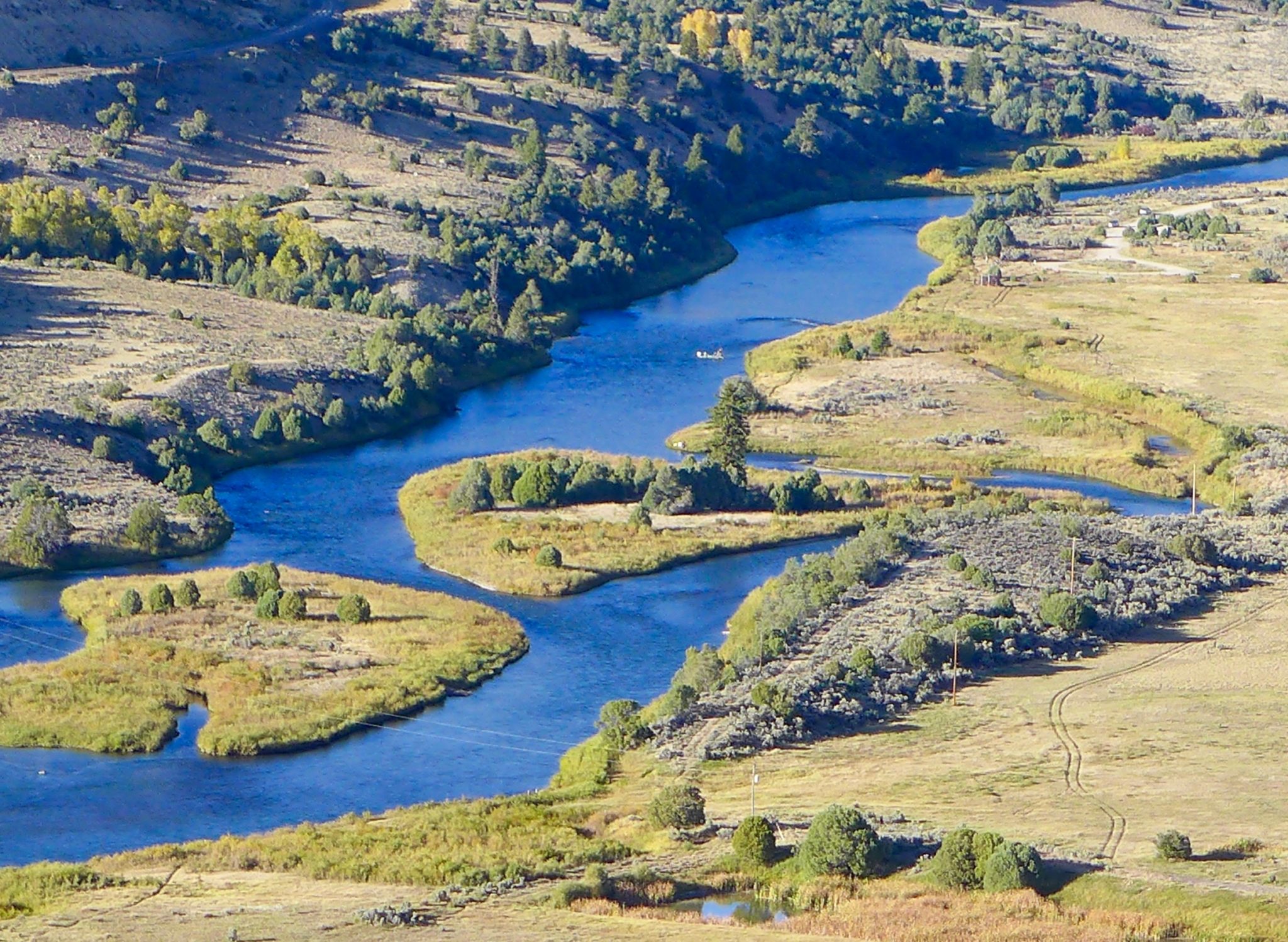
A view of the popular Pumphouse campground, boat put-in and the upper Colorado River. Photo credit: Brent Gardner-Smith/Aspen Journalism

Click the link to read the article on the Glenwood Springs Post Independent website (Robert Tann). Here’s an excerpt:

April 21, 2025

With a critical source of funding for Colorado’s water projects facing an uncertain future, lawmakers want to task a group of experts with providing recommendations for solutions.  Severance taxes, which are imposed on nonrenewable energy extraction like oil drilling and coal mining, have long served as a key source of revenue for water-related initiatives. The funding stream, however, is also one of the state’s most volatile due to extreme swings in the energy market. Over the past two decades, tax revenue has gone from skyrocketing one year to plummeting the next. The issue has compounded in recent years due to state budget writers siphoning some of the money to help balance the state’s spending plan. In response, a bipartisan group of lawmakers is advancing legislation that would commission a study on the future of severance tax revenue and ways the state can better fund its water needs. Senate Bill 40 [SB25-040] would create a nine-member task force within the Department of Natural Resources to find answers to the question. The measure is sponsored by Sens. Dylan Roberts, D-Frisco, and Cleave Simpson, R-Alamosa, as well as Reps. Karen McCormick, D-Longmont, and Matthew Martinez, D-Monte Vista. Roberts said the group will consider any and all ideas, not just around severance taxes, for how to make Colorado’s water funding more stable. The task force would then submit a final report in July 2026 to help create potential bills or recommendations for the Joint Budget Committee in future legislative sessions. 

President Trump looks to make the BLM the Bureau of Livestock and Mining Again: Plus: Clearing up confusion over oil and gas lease reviews — Jonathan P. Thompson (LandDesk.org)

Located in a remote area of the Vermilion Cliffs National Monument (Arizona), White Pocket area is a hidden treasure of swirling, twisting Navajo sandstone. Photo credit: Department of Interior Facebook page

Click the link to read the article on The Land Desk website (Jonathan P. Thompson):

April 18, 2025

🌵 Public Lands 🌲

In what came as no surprise to just about anyone, the Trump administration moved this week to rescind the Bureau of Land Management’s Conservation & Landscape Health Rule. The Public Lands Rule, as it is commonly known, was implemented last year by the Biden administration to put conservation on a par with other federal land uses, such as energy development, grazing, and mining.

The administration announced the intention to revoke the rule quietly at reginfo.gov rather than, as is its wont, with some inanely named executive order, and it doesn’t give any specifics as to how or under what authority it would eliminate the rule. Yet if Trump were to issue a specific order, it might be titled: “MAKING THE BLM THE BUREAU OF LIVESTOCK AND MINING AGAIN!”

Yet it is not at all clear what effect the rollback might have on the ground, chiefly because the impacts of the rule, itself, remain unclear since there hasn’t even been time to truly implement it yet.

When the rule was first proposed in 2023, it was met with mixed reactions from the environmental community, some of who saw it as largely ineffective, and harsh rebukes from the livestock and energy industries and their political enablers.

The National Cattlemen’s Beef Association called the rule a “capitulation to the extremist environmental groups who want to eradicate grazing from the landscape,” and Sen. John Barrasso, the Wyoming Republican, compared the bureaucrats who wrote the “decree” to the tree-spiking eco-warriors of the 1980s.

Yet it is hardly radical. In essence, the rule simply reiterates and reminds us of what Congress intended when it included the multiple-use mandate in the Federal Land Policy Management Act of 1976, the law that created the modern framework for modern public land oversight (and that endeavored to rid the BLM of the “livestock and mining” monicker).

Multiple use, according to the law, is public lands management that “will best meet the present and future needs of the American people” and allows for “a combination of balanced and diverse resource uses that takes into account the long-term needs of future generations … including … recreation, range, timber, minerals, watershed, wildlife and fish, and natural scenic, scientific and historical values.”

So, yes, the BLM is required to accommodate recreation, grazing, and mining, but also, must manage the land for the sake of watersheds, wildlife, and natural values — i.e. conservation.

The rule aims to carry out this mandate by:

  • directing the agency to prioritize landscape health in all decision making, which is what it’s already supposed to do when assessing grazing allotments;
  • creating a mechanism for outside entities — states, tribes, or nonprofits — to lease public land for restoration projects, much as a rancher or oil and gas company might lease BLM land (but only on parcels that aren’t already leased/claimed for other uses);
  • allowing firms to lease land for mitigation work to offset impacts from development elsewhere (again, these would not override existing, valid rights);
  • clarifying the designation process for areas of critical environmental concern, or ACECs, where land managers can add extra regulations to protect cultural or natural resources; and,
  • directing the agency to incorporate Indigenous knowledge into decision-making, particularly when considering ACECs.

Really it is more of a tool than a rule. That is, it gives third parties and agency state and field office staffers a mechanism to step up conservation on some lands, but does not create any new restrictions that would interfere with other uses. And there’s simply no way this tool could be used to “eradicate” grazing or drilling or any other use, as the hyperbolists claim, even if BLM personnel wanted to — and history shows they do not. In fact, the mitigation leases could be used to facilitate other development by allowing, say, solar or oil and gas companies to “offset” the damage inflicted by utility-scale arrays or drilling projects.

So rescinding the rule really amounts to tossing a brand new tool out the window before it even got used. On the one hand, we’re not necessarily going to miss the tool. But simply discarding it is also totally senseless and a waste that benefits no one, even Trump’s oil and gas executive buddies. But as we’ve pointed out before, Trump’s haphazard policymaking is more about spite, vindictiveness, and cruelty than common sense. [ed. emphasis mine]

***

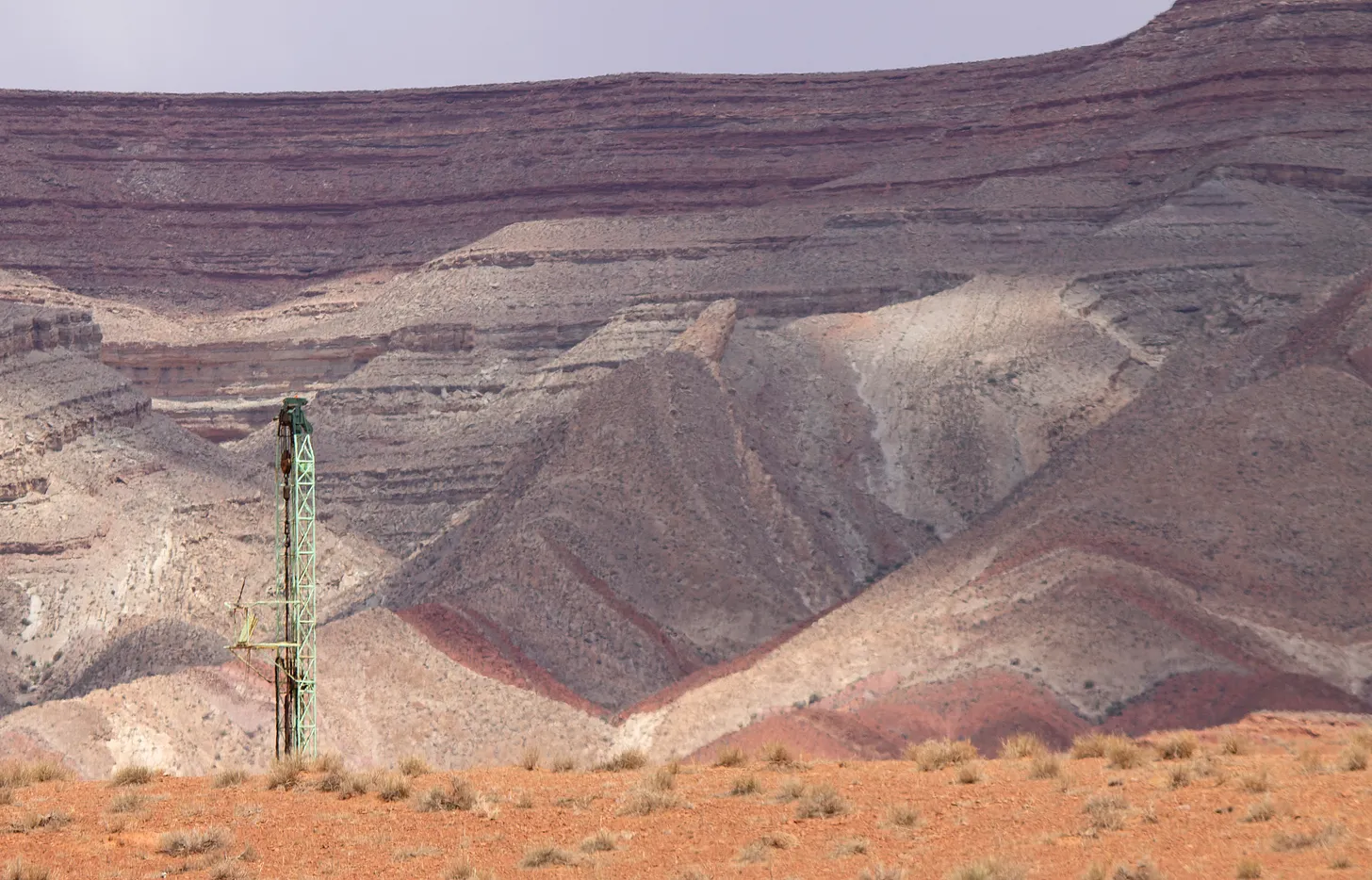
Drill rig and Raplee Ridge. Jonathan P. Thompson photo.

Last week, a friend sent me an email with the subject line: “not a fan of bureaucracy, but this is not good.” In the message, she had cut and pasted this headline from National Parks Traveler:

Yes, it is bad. No, it’s not as bad as the headline makes it sound (though the confusion is understandable).

The story came from a brief Interior Department press release announcing it “will no longer pursue lengthy analysis for oil and gas leasing decisions in seven states.” That sure sounds like they are dropping environmental reviews for all oil and gas leases in the West. And plenty of news outlets and social media posters interpreted it as such.

That’s not the case. At least not yet.

The press release was referring to the revocation of a specific environmental review for 3,244 oil and gas leases that date as far back as the Obama-era. The leases were issued as the result of 74 lease sale decisions between 2015 and 2020. Environmental groups filed multiple lawsuits, saying the original environmental reviews were inadequate. The courts agreed, remanding the decisions back to the BLM for more thorough reviews that included analysis of greenhouse gas emissions, social cost of carbon, and other impacts. .

In January the Biden administration decided to lump all of the leases together and prepare a new, comprehensive environmental impact statement for the whole lot that would incorporate current science and public input.

Trump’s Interior Department decided the review went against the administration’s “energy dominance” agenda and related executive orders, so it cancelled the EIS. According to the press release, the BLM is now “evaluating options for compliance with the National Environmental Policy Act for these oil and gas leasing decisions.” What that means isn’t clear, even to BLM officials, and the industry is confused as well.

If the agency issues the leases without further review, you can bet the same groups that sued — and won — the first time will go for a repeat performance. Meanwhile, environmental analyses are ongoing for future oil and gas lease sales (I checked). That’s not to say that they will be adequate, however.


🗺️ Messing with Maps 🧭

The Center for American Progress has put together a nice, but disturbing, interactive map illustrating the myriad ways DOGE is slashing federal spending and harming communities across the nation. You can click on a congressional district and get a list of specific grants that have been revoked and leases that have been cancelled.

🤣🙄🤔🤪

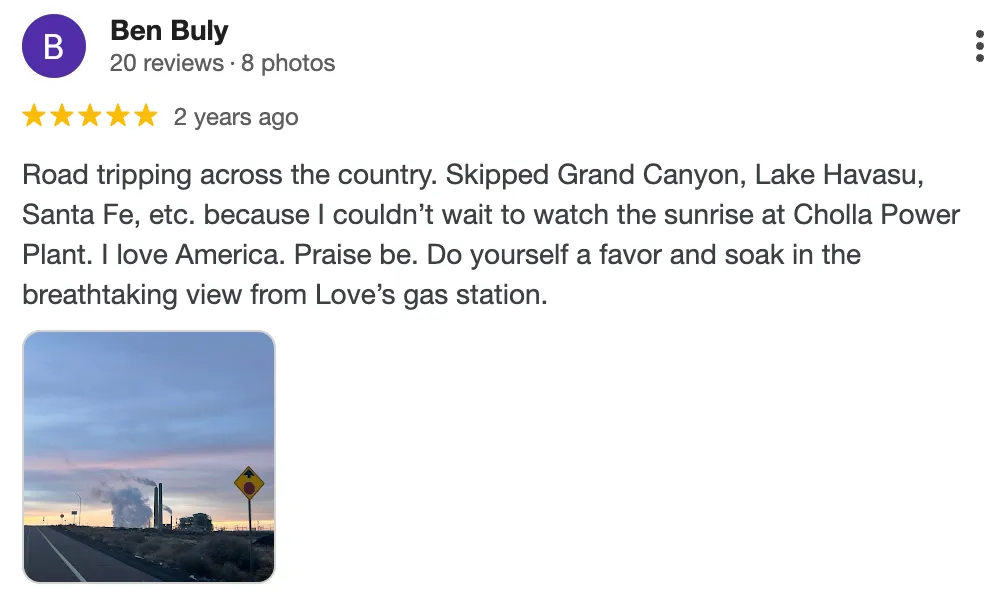
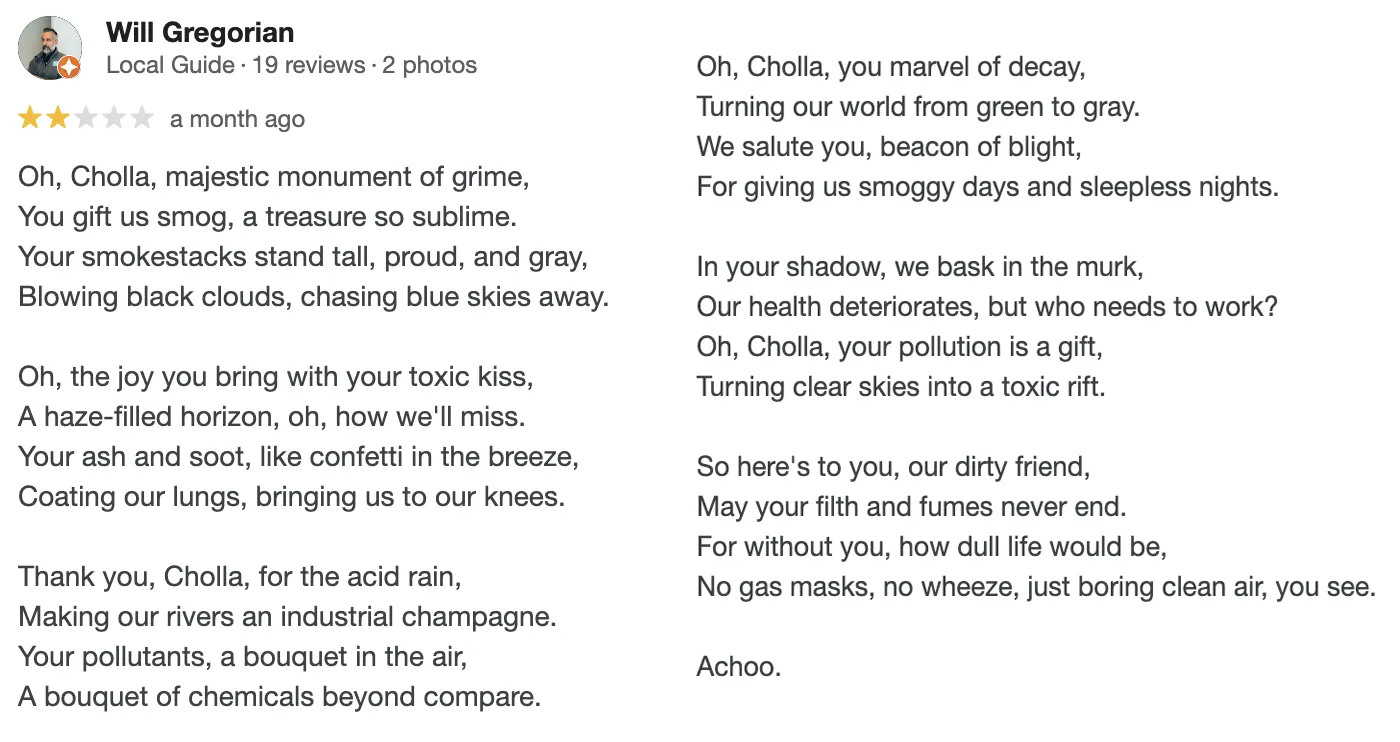
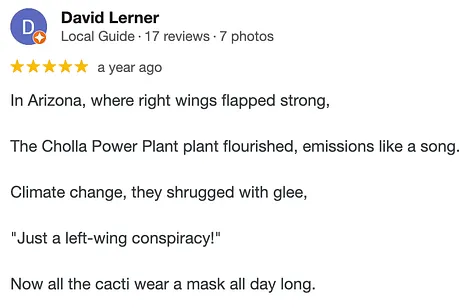
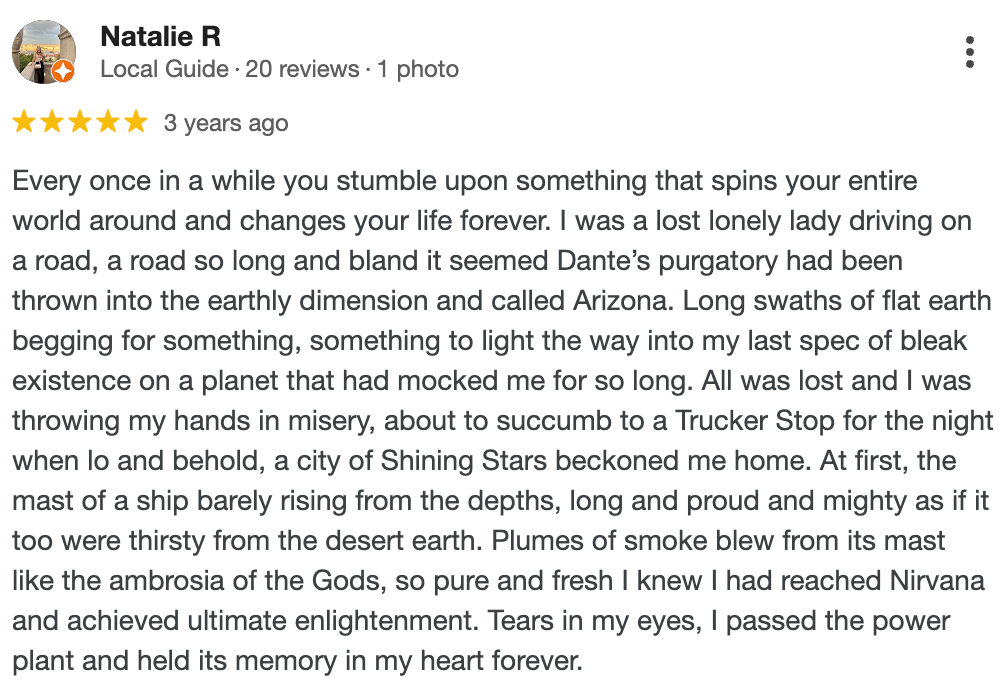
I went down the oddest wormhole the other day when I stumbled upon the Google reviews for none other than the Cholla coal power plant near Joseph City, Arizona. That an industrial facility even has starred reviews is weird enough, and possibly yet another sign of the apocalypse. But this one, I happened to notice in passing, has 138 reviews with an average four star rating. Obviously I had to check them out.

And let me tell you, they are something. Each and every one is really special. I have no idea which ones are sincere and which ones ironic. All I know is that read together, it is an epic poem. You should look at them all, but for now I’ll share some of my favorites.

Irrigated farmland sees significant drop since 1998 — Heart of the Rockies Radio

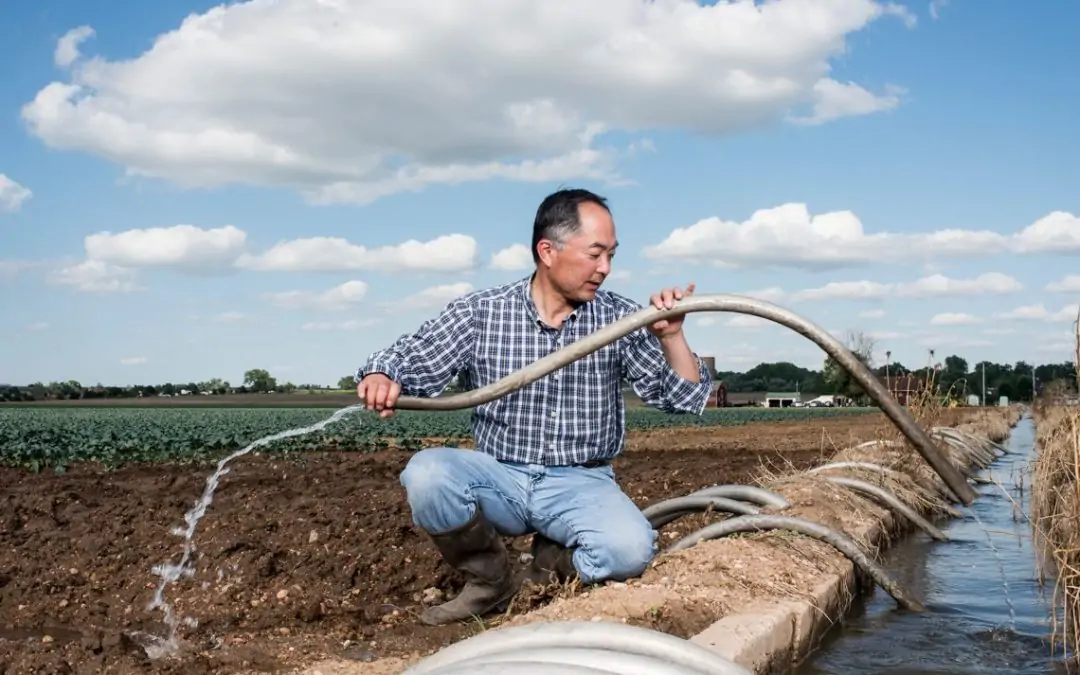
Robert “Bob” Sakata setting a siphon tube. Photo credit: Water Education Colorado

Click the link to read the article on the Heart of the Rockies Radio website (Joe Stone). Here’s an excerpt:

April 15, 2025

The April board meeting of the Upper Arkansas River Water Conservancy District featured a presentation highlighting losses of irrigated farmland in Colorado and the Arkansas River Basin. Colorado Department of Agriculture Water Policy Advisor Robert Sakata presented the information and engaged Conservancy District staff and board members in a discussion about water and local agriculture…

He shared key facts about agriculture in Colorado, which relies heavily on irrigation water. The ag sector:

  • Contributes $47 billion per year to the state economy.
  • Stewards 30 million acres of land.
  • Manages more than 80% of the state’s water.
  • Employs 195,000 people.

From 1997 to 2022, Sakata said, Colorado saw a 32.2% decrease in irrigated acreage, a 1,085,000-acre reduction. Arkansas Basin statistics reveal a 39% loss from 1998 to 2020 (Given drought conditions in 2020, an increase in water availability may have resulted in an increase in irrigated lands in more recent years.). Sakata said drought has contributed to some of the losses of irrigated land but acknowledged that cities purchasing irrigation water rights and converting them to municipal use is the biggest factor…

“We don’t want a repeat of Crowley County,” he said, referring to Colorado’s poster child for the damage caused by removing water from irrigated farmland, also known as “buy and dry.”

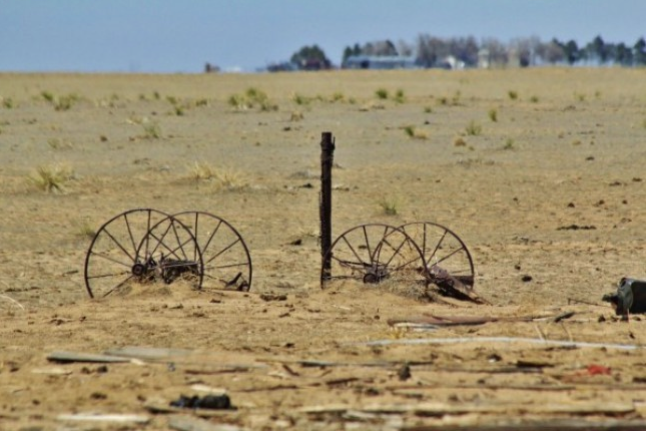
Crowley County borders Pueblo County to the east and once boasted more than 50,000 acres of irrigated farmland that produced alfalfa, barley, tomatoes, strawberries, cantaloupes, corn and enough beets to support a sugar factory in Sugar City. Orchards once covered more than 4,000 acres between Olney Springs and the town of Crowley. Local agriculture flourished, irrigated with local water and West Slope water paid for by Crowley County farmers and supplied by the Twin Lakes Reservoir and Canal Company, headquartered in Crowley County (Ordway). In the 1970s, bad weather, bad luck, technology, farm consolidation, and economics created a perfect storm that irreversibly transformed the county for the worse. Front Range cities ended up with 95 percent ownership of the Twin Lakes Canal and Reservoir Co., “the heart of the system” that brought agriculture-based prosperity to Crowley County. Sakata’s presentation showed that, by 2022, Crowley County’s irrigated farmland had dropped to 2,000 acres. Once-fertile farmland is now dusty and grows little more than tumbleweeds, which are known to shut down a local stretch of highway on occasion.

Photo of Crowley County by Jennifer Goodland