Click the link to read the article on the Heart of the Rockies Radio website (Joe Stone). Here’s an excerpt:
April 15, 2025
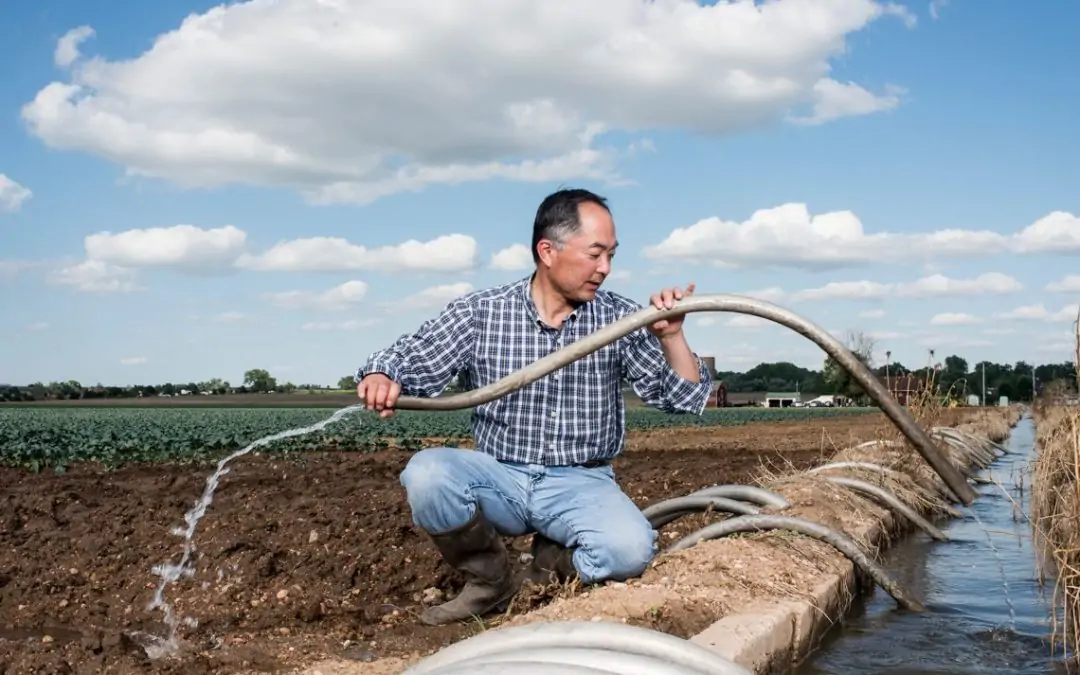
The April board meeting of the Upper Arkansas River Water Conservancy District featured a presentation highlighting losses of irrigated farmland in Colorado and the Arkansas River Basin. Colorado Department of Agriculture Water Policy Advisor Robert Sakata presented the information and engaged Conservancy District staff and board members in a discussion about water and local agriculture…
He shared key facts about agriculture in Colorado, which relies heavily on irrigation water. The ag sector:
- Contributes $47 billion per year to the state economy.
- Stewards 30 million acres of land.
- Manages more than 80% of the state’s water.
- Employs 195,000 people.
From 1997 to 2022, Sakata said, Colorado saw a 32.2% decrease in irrigated acreage, a 1,085,000-acre reduction. Arkansas Basin statistics reveal a 39% loss from 1998 to 2020 (Given drought conditions in 2020, an increase in water availability may have resulted in an increase in irrigated lands in more recent years.). Sakata said drought has contributed to some of the losses of irrigated land but acknowledged that cities purchasing irrigation water rights and converting them to municipal use is the biggest factor…
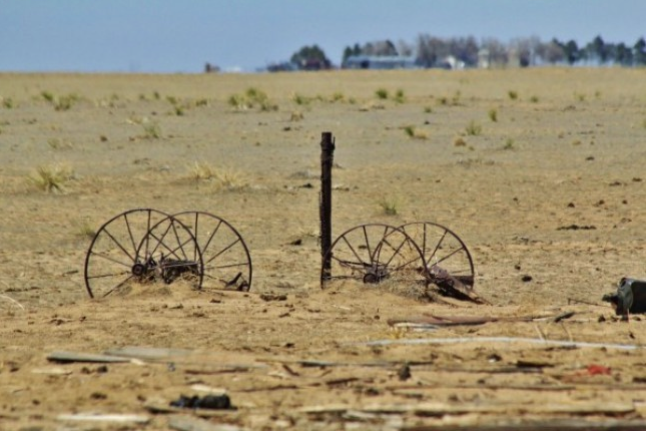
“We don’t want a repeat of Crowley County,” he said, referring to Colorado’s poster child for the damage caused by removing water from irrigated farmland, also known as “buy and dry.”
Crowley County borders Pueblo County to the east and once boasted more than 50,000 acres of irrigated farmland that produced alfalfa, barley, tomatoes, strawberries, cantaloupes, corn and enough beets to support a sugar factory in Sugar City. Orchards once covered more than 4,000 acres between Olney Springs and the town of Crowley. Local agriculture flourished, irrigated with local water and West Slope water paid for by Crowley County farmers and supplied by the Twin Lakes Reservoir and Canal Company, headquartered in Crowley County (Ordway). In the 1970s, bad weather, bad luck, technology, farm consolidation, and economics created a perfect storm that irreversibly transformed the county for the worse. Front Range cities ended up with 95 percent ownership of the Twin Lakes Canal and Reservoir Co., “the heart of the system” that brought agriculture-based prosperity to Crowley County. Sakata’s presentation showed that, by 2022, Crowley County’s irrigated farmland had dropped to 2,000 acres. Once-fertile farmland is now dusty and grows little more than tumbleweeds, which are known to shut down a local stretch of highway on occasion.