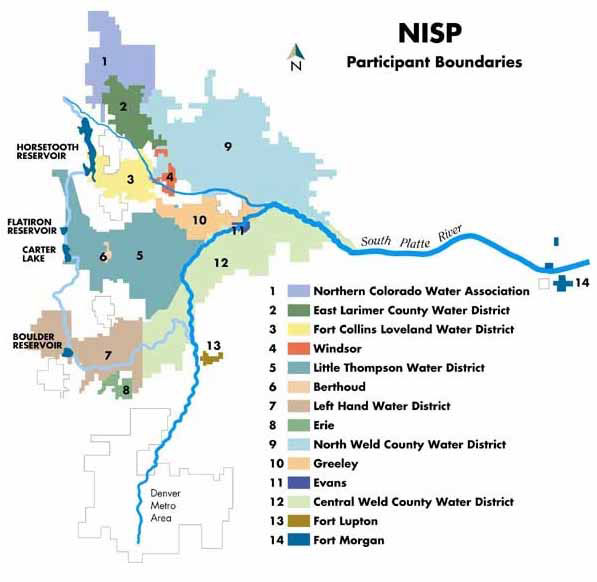
Northern Integrated Supply Project (NISP) map July 27, 2016 via Northern Water.
Here’s the release from the Larimer County Board of Commissioners:
The Board of Larimer County Commissioners and three members of the Northern Colorado Water Conservancy District Board will host a meeting at 1:30 p.m., July 24, 2019, at the Larimer County Courthouse Offices Building First Floor Hearing Room, 200 West Oak St., Fort Collins to discuss the proposed Northern Integrated Supply Project [NISP] Intergovernmental Agreement [IGA].
The IGA will address issues related to recreation, the relocation of U.S. Highway 287 and siting of conveyance pipelines in Larimer County.
The public is invited to observe the discussion. Staff from Larimer County and Northern Water will be available following the meeting to answer questions from the public and written comments will also be accepted.
An element of the proposed IGA is to include public meetings and public hearings with Northern Water, the Larimer County Planning Commissioners and Board of Larimer County Commissioners.
A key element of NISP, the “Water Secure” program represents a shift away from “buy-and-dry” and is instead an outside-the-box approach to meeting the future water needs of Northern Colorado’s growing communities while also preserving our vital ag industry and environment.
Northern Water will have to buy “dozens and dozens” of Larimer and Weld county farms to lock down enough Poudre River water to fill a proposed reservoir for the planned Northern Integrated Supply Project.
The unprecedented approach could substantially raise the price of NISP, a $1.2 billion storage and delivery project funded by the 15 Northern Colorado municipalities and water districts that will use the water. Northern Water leaders say the approach will also prevent the dry-up of thousands of acres of farmland in Larimer and Weld counties because the agency won’t strip the properties of water.
Instead of taking the buy-and-dry route of diverting a purchased property’s water rights to a new use, Northern Water plans to trade its South Platte River water rights for the farms’ Poudre River water rights. That means Northern Water will divert water from the Poudre River to store in the proposed Glade Reservoir and give the farmers a slightly larger portion of South Platte water from the proposed Galeton Reservoir.
Northern Integrated Supply Project (NISP) map July 27, 2016 via Northern Water.
Northern Water’s newly minted Water Secure program addresses a giant question mark that has lingered on the NISP road map for more than 15 years: The agency only has about half of the Poudre River water it needs for NISP. But it does have a lot of water from the South Platte River, which is less-suited for drinking than Poudre water and more expensive to treat.
This problem has never been a secret, but until now, Northern Water’s public plans included the assumption that farmers would willingly trade their water with the agency for free.
Those voluntary exchanges aren’t off the table, but Northern Water now plans to secure much of the water it needs by buying farms in two irrigation ditch systems — the New Cache la Poudre Irrigating Co. and the Larimer and Weld Irrigation Co. Once Northern Water owns those farms and their water, the agency will essentially be trading water with itself.
“We’ve just become the most willing shareholder on the ditch,” said Greg Dewey, a Northern Water water resources engineer and Water Secure project manager.
How we got here
Shares of Poudre River water in the New Cache la Poudre and Larimer and Weld ditches are coveted because they’re senior water rights, which means their owners have first dibs for usage. That becomes important during dry years when there isn’t enough water for everyone who’s claimed a slice of an overallocated pie.
Senior water shares are crucial for NISP because Northern Water’s current Poudre River supply (known as the Grey Mountain right) is a junior water right that will only be useful during wet years.
Dewey called Water Secure’s approach a “risk management strategy” born during negotiations with the two ditch companies. He said it became clear that the farms Northern Water was eyeing for trades are vulnerable to buy-and-dry, a controversial practice that has fed Colorado population growth at the expense of irrigated farmland.
“If that happens over the long-term, that jeopardizes our ability to exchange water with those systems,” Dewey said. “So this is a way to help preserve that exchange and also (address) a common interest we have with those companies to keep water in the system.”
Northern Water unveiled the Water Secure program in February after closing a deal on its first farm, a 28-acre property northeast of Greeley. The farm cost $330,000 and came with 30 acre-feet of Poudre River water. Northern Water will need to buy “dozens and dozens” of farms to secure about 25,000 acre-feet’s worth of water exchanges for NISP, spokesman Brian Werner said. An acre-foot of water meets the annual needs of about three or four urban households…
[Brian] Werner said staff is still evaluating how Water Secure will affect the price of NISP. He said the cost impact will depend on the ratio of farm purchases to willful water exchanges — and how much money Northern Water makes when it eventually sells the farms back to farmers.
Northern Water plans to pursue legal contracts that permanently bind the water to the farmland regardless of its owner, which would shield the farms from buy-and-dry and protect the agency’s water exchange agreements. The water provider plans to lease the land to the original owner or another farmer until selling it to another entity that would be required to keep the South Platte River water on the property.
“If we buy a farm and establish that water agreement, then we’ll be looking to sell it back into private hands,” Northern Water spokesman Jeff Stahla said. “Our goal is not to be the major landowner up there.”
[…]
The legal agreements, likely conservation easements or covenants, would be the first of their kind in the region if not the state. Boulder County leaders have found success with a similar approach for preserving open space, Werner said.
He argued more federal review is unnecessary because Northern Water has included the water exchanges in its NISP planning documents since at least 2004. Northern Water’s water court decree for the South Platte River water allows the trades.
Dewey, a Kersey native and former farmer, is Northern Water’s “boots on the ground” for the program, Werner said. Dewey said Water Secure is getting positive feedback from farmers who’ve watched irrigated agriculture dwindle in Larimer and Weld counties.
Northern Integrated Supply Project (NISP) map July 27, 2016 via Northern Water.
Here’s the release from Northern Water (Brian Werner):
The recent purchase of a Weld County farm marks a new venture for Northern Water and Northern Integrated Supply Project participants – one that’s part of the ongoing, collaborative effort to secure future water supplies for both the region’s communities and our vital agricultural industry.
On Jan. 31, Northern Water and the NISP participants purchased a 28-acre farm northeast of Greeley and the property’s water rights. The farm was purchased through the NISP Water Secure program, a cooperative effort to maintain the exchange of water for NISP while keeping water on participating farms. This investment is a shift from the “buy-and-dry” approach that has stressed our agricultural communities.
This innovative program will eventually provide supplemental water to approximately 500,000 residents in northern Colorado while preserving thousands of acres of irrigated farmland. Water Secure is part of a strategic long-term plan to better plan for future growth and to consistently apply Colorado Water Plan principles to protect water for our communities, farms and the environment. Without innovative approaches such as Water Secure, the region is on pace to see hundreds of thousands of irrigated acres dried up by mid-century.
“This is an outside-the-box, ‘buy-and-supply’ approach we’re taking to address the tightening water supplies facing Northern Colorado and its future generations,” said Northern Water General Manager Brad Wind.
The recently purchased farm sits within an area of Weld County that is key to NISP – a project that, once built, will include Glade Reservoir near Fort Collins and Galeton Reservoir near Ault, and deliver approximately 40,000 acre-feet of water annually to 15 local communities and water districts.
As part of the project, Northern Water and the NISP participants are working with the New Cache la Poudre Irrigating Company and Larimer and Weld Irrigation Company ditch and reservoir systems in Weld County, to use a portion of their senior water rights in exchanges that will ensure the NISP participants receive the water from the project.
These exchanges with the two systems will keep water flowing to those farms, as well as include compensation that will enhance the long-term viability of their operations.
To avoid water leaving those farms permanently through buy and dry purchases from other entities, Northern Water will buy land and water from willing sellers to ensure those supplies remain in the two ditch systems and available for exchange.
The senior water rights in the New Cache and Larimer-Weld systems are currently among the most sought after by water providers looking to obtain future supplies.
Farms in the New Cache and Larimer-Weld systems bought by Northern Water will remain in production, through limited land use easements on the property, lease-back agreements or other arrangements that will require continued irrigation on those farms.
Furthermore, the purchase of any irrigated lands will be done with the goal of eventually returning them to private ownership.
“The Water Secure program maintains irrigated agriculture and provides open space benefits while eliminating many of the long-term challenges with the practice of buying and drying,” Wind added.
As part of the newly implemented Water Secure program, Northern Water purchased the 28-acre farm northeast of Greeley on Jan. 31 with communities that participate in the Northern Integrated Supply Project, which will result in two reservoirs and more water for 15 communities…
Instead of municipalities buying up water rights on farmland and leaving them to dry out, the district is looking at the initiative as a way to both preserve irrigated farmland and provide supplemental water to an estimated 500,000 northern Colorado residents.
During a phone interview Thursday, Northern Water spokesman Brian Werner said it’s critical to make sure water is delivered annually to farms.
“It’s what makes this project work,” he said. “Keeping water on farms, as opposed to the good old way it’s been done in the past in this state. The American West, you bought land and you dried it up. We’re buying it and we’re calling it ‘buy and supply’ rather than buy and dry. So we need to keep the water on the property.”
This is how the program will work:
Northern Water and the NISP participants, which include Evans and Windsor, will work with the New Cache la Poudre Irrigating Company and the Larimer and Weld Irrigation Company ditch and reservoir systems in Weld County to use a portion of their senior water rights to make sure the NISP communities get water from the project.
In turn, the exchanges with the two systems will ensure water keeps flowing to participating farms and include compensation. Farms in both systems purchased by Northern Water will remain in production through arrangements such as limited land use easements and lease-back agreements.
“To avoid water leaving those farms permanently through buy and dry purchases from other entities, Northern Water will buy land and water from willing sellers to ensure those supplies remain in the two ditch systems and available for exchange,” according to the news release.
For the district, getting rights from both systems is significant — senior water rights in New Cache and Larimer-Weld systems are among the most sought after by water providers who are looking for supplies.
Werner said the company isn’t sure yet how much the district will invest in the program but said it will likely take millions of dollars.
Still, Northern officials emphasized that the purchase of any irrigated land will happen with an end goal in sight: return the farms to private ownership again eventually.
The Windsor Town Board voted unanimously Monday to approve the second water rate increase of the year for residents as officials look to strengthen their plans to add more water supplies.
The increase will bring rates up by an additional 6.21 percent, a hike that will appear on water bills April 1. In December, the board approved an annual increase of 3.29 percent that will be reflected on the March bill.
For water users, the increase means average single-family monthly consumption charges will be about $38.37. In 2018, bills were $35.06 per month on average.
During Monday’s meeting, town board said they didn’t come to the decision to raise the rates easily.
When one resident expressed concerned about how the rate increase might impact residents, Mayor Kristie Melendez said town officials came to the decision over several meetings…
The town, which currently owns shares in the North Poudre Irrigation Company and the Colorado-Big Thompson Project, is seeking to strengthen its participation in the Northern Integrated Supply Project, a massive project that will result in two new reservoirs and serve 11 communities and four water districts along the Front Range…
As it stands now, Windsor owns 4,100 acre-feet of water. But it’s going to need another 15,800 acre-feet in the future to keep up with demand, officials said…
In the town’s agreement with Northern Water, which manages the supply project, the town is scheduled to pay $100 million to the project by 2026, Town Manager Shane Hale said. The town won’t have enough money on its own to pay for that, he said, so officials will need a base of between $30 million and $33 million to issue debt to help pay for the cost in the future.
Of the total cost Windsor will pay toward NISP, 12 percent will come from water users who will pay the rate approved Monday. The other 88 percent comes from town development fees.
But Hale said town officials didn’t want to place the burden solely on developers and discourage them from coming to Windsor.
Windsor has worked with consulting firms since 2009 to work on ways to secure water. Most recently, officials worked with Stantec Consulting to develop a plan to pay for Windsor’s place in the water supply project and operations, including collecting, cleaning, filtering, disinfecting and testing water.
Windsor’s residential water rates will increase by 6.21 percent to help fund the town’s involvement in the Northern Integrated Supply Project…
The rate increase, paired with another increase that took effect Jan. 1, will raise the average single-family residential water bill from $35.06 a month in 2018 to $38.37 a month in 2019.
Windsor is one of 15 municipalities and water districts that will receive water from the Northern Integrated Supply Project, or NISP, a proposal to build two new reservoirs and fill them with Poudre River water. Participants are funding the costs of the project, and Windsor’s involvement will cost over $100 million, according to Mayor Kristie Melendez…
The town is looking to ratepayers to fund about 12 percent of the project cost. The other 88 percent will come from a water resource fee leveled on each new home in Windsor, an approach that Melendez called “growth pays for growth.”
[…]
NISP will supply about 3,300 more acre-feet if it jumps through all regulatory hoops. An acre-foot of water is equivalent to the average annual water use of 2 to 3 urban households.
In all, NISP is expected to provide about 40,000 acre-feet of water to its participants. Windsor’s share of NISP is the third-largest among municipalities involved in the project.
The two proposed NISP reservoirs include Glade Reservoir, which would be located near Ted’s Place north of Fort Collins, and Galeton Reservoir, which would be located northeast of Greeley.
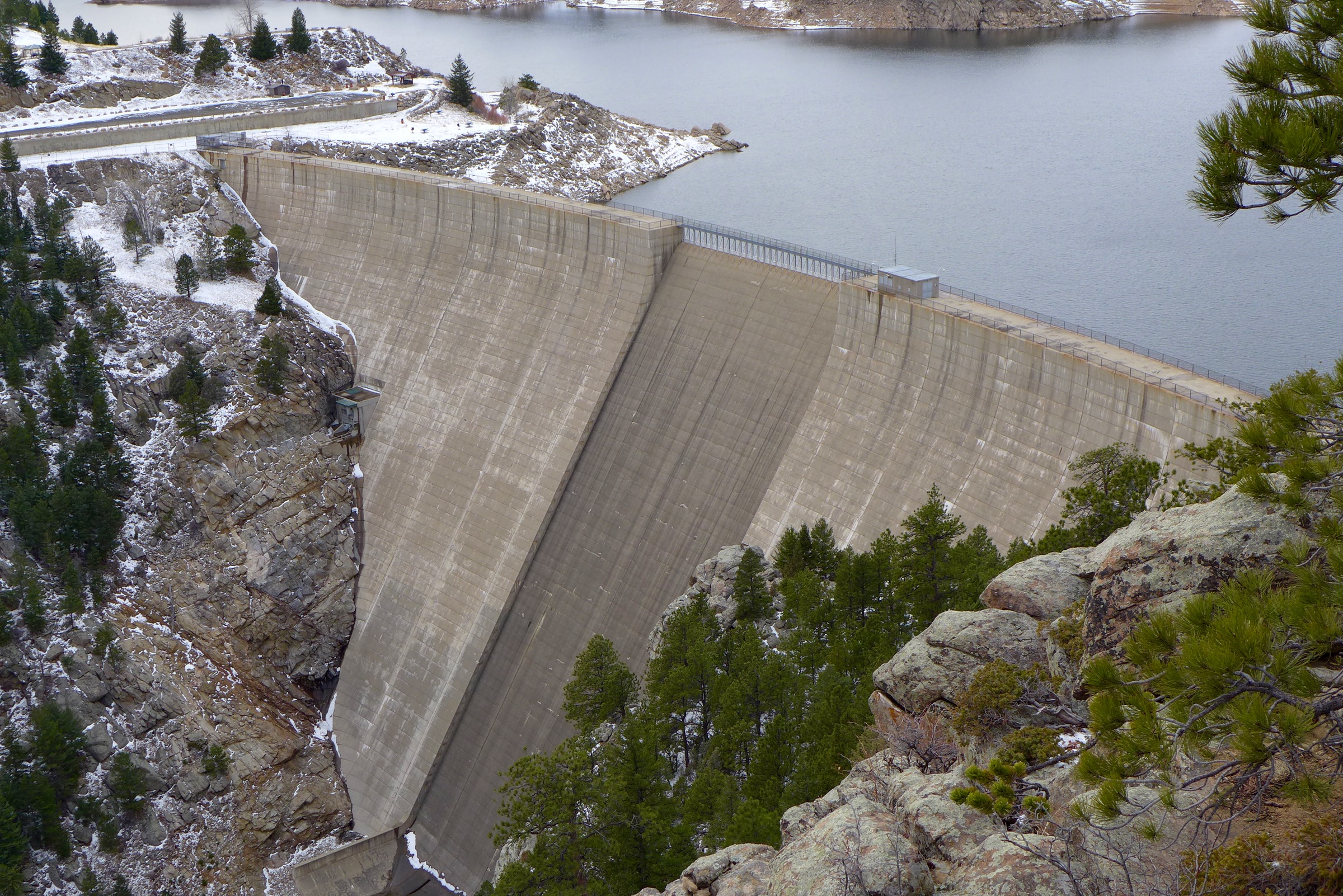
For comparison’s sake, Glade Reservoir’s capacity of 170,000 acre-feet is about 108 percent of the capacity of Horsetooth Reservoir. Galeton would hold about 46,000 acre-feet.
The Army Corps of Engineers is expected to issue a record of decision on NISP in 2019. Affirmation from the Army Corps will likely trigger a legal challenge from NISP opponent Save the Poudre. Northern Water expects to begin storage in Glade Reservoir in 2025.
Construction begins on Cache la Poudre River for fish ladder near Watson Lake. Photo credit: Jason Clay/Colorado Parks and Wildlife
Here’s the release from Colorado Parks and Wildlife:
CPW partners with noosa yoghurt, Northern Water and Morning Fresh Dairy on project
[In December 2018] a project [broke ground] that will help reconnect a fragmented Poudre River.
In a collaborative effort, Morning Fresh Dairy, Northern Water and noosa yoghurt are partnering with Colorado Parks and Wildlife (CPW) to put in a fish ladder at the Watson Lake Diversion. They hope this will be one of many ladders along the Poudre River that will allow fish to travel freely, improving the health of the fishery and the ecosystem.
This Watson Lake fish ladder will reconnect over two river miles. The stretch contains important spawning habitat and deep pools that provide refuge for aquatic life.
Watson Lake Diversion Structure is a channel spanning structure that represents a complete barrier to all upstream fish movement in the Poudre River. The structure delivers water to Watson State Fish Hatchery and is owned and operated by CPW.
“We appreciate the collaboration from the project partners on this important fishway that will reconnect over two miles of stream habitat for the aquatic species,” said Kyle Battige, aquatic biologist for CPW. “Supporting fish passage at Watson Lake aligns with CPW’s goal through improving several facets: ecosystem health, angler access, public safety and public education.”
Designed by OneFish Engineering, the fish ladder will provide upstream fish movement through the diversion structure for all species present within the river reach including longnose dace, longnose suckers, white suckers, brown trout and rainbow trout. The State Wildlife Area and Hatchery, where this project is located, receives a lot of visitors whether they are fishermen, birders, or families enjoying nature. Onsite educational material discussing fish passage will be an important component of the project providing a learning experience for school children and all other visitors.
“The Poudre River has been an integral part of our family farm for over 100 years. We would like to be part of the solution for fish passage along the Poudre River, starting at Watson Lake,” says Rob Graves, owner of Morning Fresh Dairy and co-founder of noosa yoghurt. “We would like to find additional community partners and reconnect the river from Fort Collins all the way up through the Poudre Canyon.”
The new fish ladder also fulfills one of the promises made by the participants of the Northern Integrated Supply Project to improve the Poudre River, outlined in the NISP Fish and Wildlife Mitigation and Enhancement Plan.
“This project shows the commitment of project participants to address the overall health of the Poudre River,” said spokesman Jeff Stahla. He noted that participants have committed to spending $50 million on a state of Colorado Fish and Wildlife Mitigation and Enhancement Plan that includes minimum daily flows on the Poudre River through downtown Fort Collins, the construction of fish bypasses and other measures throughout the area
The project started in December 2018 and will be completed in March 2019 before spring runoff begins on the Poudre River. One of the goals is to help move other fish passage projects forward on the Poudre River. Local ditch companies will be able to observe one of these projects first-hand and see that there is no negative impact to water delivery. This will be an important resource to move fish passage initiatives forward with other diversion structures.
But as the [town board] looks at other plans to add water, it could introduce higher rate increases, higher fees for developers — or a combination of both. It just depends on the projects Windsor participates in.
As the town grows, it’s looking at ways to prepare for an increase in water use. Among the recommendations Windsor Water Resource Manager John Thornhill presented to the board is to look at joining Windy Gap Firming Project and maintain participation the Northern Integrated Supply Project — both massive water supply projects managed by the Northern Colorado Water Conservancy District.
Windsor is one of 15 northern Colorado communities already planning participating in NISP, which is also managed by Northern Water.
The project, which would also impact Evans, would provide 40,000 acre-feet of raw water to all of the participants — enough for 80,000 families. Of that, Windsor would get 3,300 acre-feet of water, 8.25 percent of the total project.
Still, town officials project that Windsor will need to supply 15,803 acre-feet of water in the future. That leaves the town with an 8,731 acre-foot gap in the total amount of water the town is currently has plans for — including NISP — and what officials know they will need in the future.
In addition to participating in the Northern Water projects, Thornhill recommended budgeting money for water conservation, as well as acquiring new water from other providers in the region, such as the North Weld County Water District.
As it stands now, Windsor’s treatable water supply comes from the Colorado-Big Thompson Project, a Northern Water project that delivers more than 200,000 acre feet of water each year to 960,000 people in the eight counties it serves.
The Northern Integrated Supply Project and the Windy Gap Firming Project, both projects managed by the Northern Colorado Water Conservancy District, have been decades in the making, and once they’re complete, they’ll result in three new reservoirs intended to address a growing Front Range population.
During the Northern Colorado Water Conservancy District’s fall water users meeting Wednesday in Fort Collins, officials took an audience through the progress of both projects.
The Northern Integrated Supply Project, which would affect Windsor and Evans, hit a major milestone in July after an Environmental Impact Statement was released.
“In 2019, we’re hoping for a really big, exciting year, in addition to the really big year we had this year,” said Stephanie Cecil, water resources project engineer for Northern Water.
The Windy Gap Firming Project, which would affect Greeley, is moving forward even as the project has been hit with a federal lawsuit.
In July, the U.S. Army Corps of Engineers released its final Environmental Impact Statement on the project — a process that took 14 years.
“It’s a really significant step in the project to be able to have all of those things done,” Cecil said.
Right now, the group is focused on design, particularly for the Glade Reservoir and the Galeton Reservoir. One pressing step in the project will be to relocate a section of U.S. 287 to allow for construction of the reservoir.
Additionally, the organization is working on mitigation projects, including one to help pass fish though a diversion structure and measure the amount of water the group is handling.
The group is also working on permitting with counties and the state, and developing a financing plan.
“How is this over $1 billion project going to be financed, and how is the construction schedule going to line up with the financing plan?” Cecil asked.
Construction could start by 2021, Cecil said, and the projects that will likely get started first are the Glade Reservoir and the U.S. 287 relocation. Cecil said the group hopes that the reservoir will be filled in 2026 and able to serve water in 2030.
“We’re looking at about a five-year timeline, but it’s dependent on weather,” she said. “Hopefully by 2026, we’ll have some really wet years and we can fill it really fast.”
[…]
A graphic from Northern Water showing the lay out of Windy Gap Firming Project.
The Windy Gap Firming Project, a collaboration between 12 northern Colorado water providers, including Greeley, will result in a new reservoir — the 90,000 acre-foot Chimney Hollow Reservoir — and the largest dam on the Front Range.
When it’s complete, the project intends to make water supplies more reliable by installing the reservoir west of Carter Lake in Larimer County.
For the past year, the project has been in the middle of a lawsuit filed by environmental groups against federal agencies. The lawsuit questions the need for the project, saying it would make significant water diversions from the Colorado River, and that the U.S. Bureau of Reclamation and U.S. Army Crops of Engineers did not have enough information before they issued initial permits to the district.
Still, Jeff Drager, director of engineering for Northern Water, said the project hasn’t been stalled by the lawsuit, especially because funding from the Natural Resource Conservation Service requires the group to use the money within the next five years…
Right now, the project is in the permitting process. So far, the organization has $11 million and is seeking ways to fund the final $4 million…
The project has been in the process of permitting the project for 15 years, Drager said…
Drager said the group hopes to start construction in 2021 or 2022.
Northern Integrated Supply Project (NISP) map July 27, 2016 via Northern Water.
Here’s the release from Northern Water:
Officials from the Army Corps of Engineers have released a Final Environmental Impact Statement that explores the alternatives for supplying a reliable water supply to 15 municipalities and water providers in northeastern Colorado.
The document outlines the impacts of Northern Water’s preferred alternative, the Northern Integrated Supply Project, as well as three other potential reservoir projects. It also looks at the effects to the environment if no action alternative is approved.
Northern Water officials began the formal permitting process to build NISP on behalf of the 15 participants in 2004, which resulted in a Draft Environmental Impact Statement in 2008. A Supplemental Draft Environmental Impact Statement was released in 2015.
“This is another step in the process and a very thorough one at that,” said Northern Water General Manager Brad Wind. “We’re encouraged that it shows that no new significant issues have popped up and that the impacts can and will be mitigated.”
The Northern Integrated Supply Project includes the construction of Glade Reservoir northwest of Fort Collins and Galeton Reservoir northeast of Greeley. Five pump stations and 85 miles of pipeline would convey water to communities participating in the project as well as some farmers in the Cache la Poudre River basin.
The operation of the project would include minimum guaranteed stream flows through downtown Fort Collins, bypass of peak flows in most years, improvements to stream channel and riparian areas along the Poudre River and establishment of a recreation complex at Glade Reservoir.
“The NISP participants have really come a long way and stepped up to put together one of the most-robust mitigation and enhancement plans ever,” said NISP Participants Committee Chairman Chris Smith. Smith, the general manager of the Left Hand Water District added, “We are committed to the $60 million plan to protect and enhance the environment.”
In the 14 years since the permitting began, Northern Colorado has continued to grow at a record pace with seven of the top-growing cities within the NISP Participants Committee. Smith said, “we are the bullseye for growth in Colorado with the fastest-growing cities in the state all being NISP participants.”
In addition to NISP, which is the preferred alternative, federal officials looked at alternatives that included a different combination of reservoirs and conveyance methods. Out of 215 elements studied such as reservoir expansion, new reservoirs and groundwater storage, the Corps identified four that would meet the project purpose and need. The Corps also considered the impact of removing irrigation water from nearly 100 square miles of land in Northern Colorado, which, the FEIS illustrates, would occur if NISP is not approved.
NISP participants include the communities of Erie, Windsor, Fort Morgan, Evans, Fort Lupton, Eaton, Severance, Lafayette, Firestone, Frederick and Dacono. Also, the Fort Collins-Loveland Water District, Left Hand Water District, Central Weld County Water District and Morgan County Quality Water District are participants.
The public has 45 days to provide comments to the Corps on the FEIS. A Record of Decision based on the document and public input will be issued by the Corps and is expected in 2019.
The Army Corps of Engineers’ report, about 1,400 pages in all, explores all facets of the project, which leverages water rights purchased by Northern Water in the 1980s along with proposed reservoirs to store and release those rights as necessary.
Getting to this point has taken 14 years, and puts in site potential approval of the project in 2019.
“There’s a lot of smiles around here today,” said Brian Werner, Northern Water spokesman. “This has been a long process.”
Werner said the participants can now see light at the end of the tunnel. He could have said water, as the NISP plan would provide 40,000 acre feet of water per year to the partners. That’s roughly enough water for 80,000 families.
The proposal calls for two reservoirs: one called Glade Reservoir north of Fort Collins, and the other, Galeton Reservoir, north of Eaton.
The Glade Reservoir would be fed by the Poudre River, and the Galeton Reservoir would be fed via a pipeline from the South Platte River.
The Corps also looked at three potential alternatives, and analyzed impacts ranging from fish and wildlife to vegetation and water quality.
Most of the impacts analyzed in the report were considered minor or subtle, but there were areas of concern highlighted:
» Water quality in the proposed Galeton Reservoir, north of Eaton.
» Destruction of wildlife habitat with the Glade and Galeton reservoirs.
» Reduced flows along the Poudre River, particularly during peak flow months.
The U.S. Army Corps of Engineers has now opened a public comment period, which will stay open until Sept. 4.
Werner said he saw no surprises in the report, and he said Northern Water is prepared to mitigate any impacts.
Werner said there will be a guaranteed minimum flow through Fort Collins throughout the year, something he said hasn’t been done.
“It’s taken 15 years, and those participants’ need hasn’t lessened. They still need the water, and that need has increased,” Werner said.
Windsor stands to get about 3,300 acre-feet of water, which would amount to double what the town’s currently uses, 3,400 acre-feet per year. When reached for comment Friday, Town Manager Shane Hale said officials there are pleased to have reached this step.
“Windsor’s one of the fastest growing communities in the state,” Hale said. “This is the cost of growth.”
Evans will get 1,600 acre-feet of water from the project, and City Manager Jim Becklenberg called the environmental impact statement an important milestone.
“Evans looks forward to continued community discussion of the project’s value to the community and how it fits into our long-term water and development planning,” Becklenberg said in a prepared statement.
The Central Weld County Water District, which supplies much of the rural residential tap water in Weld County, would gain 3,100 acre-feet from the project, adding to it’s 5,800 acre-foot annual allotment today.
“This would carry us for many years,” said Jim Park, president of the district’s board.
Greeley is not part of the project, and officials here have expressed concerns throughout the process. The official line, City Manager Roy Otto said, is that the city recognizes the need for all reservoirs in northern Colorado.
“Our only concerns are impacts to our water supplies, and how to mitigate (those impacts),” Otto said.
First and foremost, Otto said, he wanted to congratulate Northern Water.
“I think it’s very safe to say our water board is on the record supporting every single water storage project,” Otto said.
The plan goes beyond storage, or at least it’s storage-plus. The proposed Glade Reservoir would offer recreation opportunities, including boating and fishing, and would feature a visitor’s center.
There’s no such luck for Weld County residents, as the Galeton Reservoir would be off limits to those kind of recreation opportunities, apart from, perhaps, wildlife viewing, Werner said.
Even then, the Galeton Reservoir is expected to remove 215 acres of prairie dog colonies, 1,753 acres of swift fox habitat, 777 acres of grasslands and 964 acres of native shrublands, according to the report.
Werner, for his part, stands by Northern Water’s work to mitigate the negative impacts of the NISP.
“They’re always saying it’s not enough mitigation,” Werner said. “I would argue this is the most robust mitigation plan of any Colorado water project — it’s 136 pages. There will be impacts whether you’re building a highway, a school or a reservoir. We certainly believe we’ll mitigate those impacts.”
Here’s the notice from the Colorado Water Conservation Board (Rob Viehl):
Proposed Northern Colorado Water Conservancy District Dedication of Mitigation Releases for Instream Flow Use in the Cache la Poudre River (Water Div. 1)
The Colorado Water Conservation Board will be considering a proposal from the Northern Colorado Water Conservancy District (“Northern Water”) for a proposed donation of a contractual interest in “Protected Mitigation Releases,” as defined in section 37-92-102(8), C.R.S. for instream flow use in a segment of the Cache la Poudre River (“Poudre River”). The Board will consider this proposal at its July 18-19, 2018 meeting in Glenwood Springs. The agenda for this Board meeting can be found at: http://cwcb.state.co.us/public-information/board-meetings-agendas/Pages/July2018NoticeAgenda.aspx
Consideration of this proposal initiates the 120-day period for Board review pursuant to Rule 6b. of the Board’s Rules Concerning the Colorado Instream Flow and Natural Lake Level Program (“ISF Rules”), which became effective on March 2, 2009. No formal Board action will be taken at this time.
Information concerning the ISF Rules and water acquisitions can be found at:
The reach of stream proposed for use of Northern Water’s Mitigation Release water is the Cache la Poudre River extending downstream from the Poudre River Delivery Pipeline (the point where releases from Glade Reservoir enter the Poudre River) to the Poudre River Intake Diversion. The segment extends from near the mouth of the canyon through the City of Ft. Collins for approximately 13 river miles.
Purpose of the Acquisition:
The water rights proposed to be donated to the CWCB would be up to 14,350 acre-feet per year of water available to Northern in the to-be-constructed Glade Reservoir and Glade Forebay in Larimer County. Based upon discussions with Northern Water and Colorado Parks and Wildlife (“CPW”) regarding the need for and use of the donated water, Staff recommends that the CWCB acquire a contractual interest in the mitigation release water of up to 14,350 acre-feet.
The acquired water would be used to preserve and improve the natural environment in the Poudre River to a reasonable decree by protecting Mitigation Releases up to 18-25 cfs to meet the Mitigation Plan targets and CPW’s recommended flows in the Poudre River. The CWCB shall use the Protected Mitigation Releases to help maintain stream flows in the Cache la Poudre River to preserve and improve the natural environment to a reasonable degree within the Qualifying Stream Reach in amounts up to the target rates of (a) winter flows of up to 55 cfs to preserve, and flows from 55 cfs to 85 cfs to improve, the natural environment to a reasonable degree, and (b) summer flows of up to 85 cfs to preserve, and flows from 85 to 130 cfs to improve, the natural environment to a reasonable degree.
Proposed Season of Use:
The CWCB does not currently hold an ISF water right within this reach of the Poudre River. Colorado Parks and Wildlife (“CPW”) and others have been studying and collecting field data in this segment of the Poudre River for over 10 years. CPW evaluated the studies and data by means including R2CROSS and PHABSIM modeling techniques to develop target flow rates for this section of the Poudre River. CPW’s preliminary target flow recommendations for this stream segment are as follows:
Season of Use: Winter (approx. November-April), Preserve Target Rates: Up to 55 cfs, Improve Target Rates: Between 55 and 85 cfs.
Season of Use: Summer (approx. May-October), Preserve Target Rates: Up to 85 cfs, Improve Target Rates: Between 85 and 130 cfs.
Linda Bassi
Stream and Lake Protection Section
Colorado Water Conservation Board
1313 Sherman Street, Room 721
Denver, CO 80203
linda.bassi@state.co.us
303-866-3441 x3204
Kaylea White
Stream and Lake Protection Section
Colorado Water Conservation Board
1313 Sherman Street, Room 721
Denver, CO 80203
kaylea.white@state.co.us
303-866-3441 x3240
In a fast-growing state that places greater demands on its water supply each day, a state that regularly faces withering droughts, Hickenlooper has spent his eight years in office navigating water issues and leading the development of a state water plan that Denver’s chief water official calls a “real act of political courage.”
But not everyone believes the governor has made all the right choices on water. Colorado still faces daunting water-supply challenges. Some say Hickenlooper should have done more to promote dams and reservoirs and there’s no clear way to pay for the ambitious state water plan he fostered.
Still, many give Hickenlooper credit for reshaping how Colorado deals with water.
“He was the first governor to put water at the forefront,” said veteran northern Colorado water manager Eric Wilkinson.
Hickenlooper’s legacy may depend on what is done with the water plan that he is leaving for his successor. Colorado Politics talked to members of Colorado’s water community to see what they think his legacy in water looks like – and the governor weighed in on that, too.
US Drought Monitor June 25, 2002.
The beginnings
When Hickenlooper became mayor of Denver in July 2003, the state was already entering the second year of a record-setting drought. Gov. Bill Owens, in his 2003 State of the State address six months earlier, claimed the 2002 drought was the worst in 350 years, with most of Colorado in what the U.S. Drought Monitor called “exceptional drought,” the worst stage in their rankings.
So water got into the future governor’s mind early on, although as mayor, his control was limited primarily to appointing commissioners to Denver Water, the state’s largest water utility.
But as he saw it, he wasn’t dealing with just Denver’s water. It was water that belonged to the entire state, he said.
At the time, state officials were also trying to figure out how to solve the water problem. In the midst of devastating drought, the General Assembly and Owens began working on several ideas that still hold water today, including a new assessment of Colorado’s water supply, known as the Statewide Water Supply Initiative (SWSI)…
In the 2005 session, the General Assembly approved a law setting up groups known as basin roundtables, which divided Colorado into nine regions, each representing a major river, plus one for Denver.
But the groups weren’t required to work with each other. There were differences among the regions, including claims from the Western Slope that the Denver area was seeking more “transmountain diversions” to channel water from the Colorado River and other western waters through the mountains to the Front Range. That claim still sticks today.
And there were long-standing hard feelings over what happened about 15 years earlier, when ski towns joined forces with environmentalists to help defeat a major Denver reservoir project…
Two Forks was a proposed dam on the South Platte River that would have created a million acre-feet reservoir, flooding 30 miles of canyon from Deckers south to the river’s confluence with its north fork.
Advocates said the project was vital to supplying growing metro Denver. But environmentalists sounded the trumpets, complaining of the potential drowning of much of Cheesman Canyon with its prime fishing, hiking and kayaking areas, and the Environmental Protection Agency vetoed a permit for the project in 1990.
Denver Water, which exhausted its appeals of the rejection in 1996, was forced to shift to conservation rather than looking for major new water supplies from storage.
That’s the environment that Hickenlooper walked into as mayor. And that’s when his water legacy started, says Eric Kuhn, who has spent 40 years working on the Colorado River, including as general manager of the Colorado River Water Conservation District.
It was then, he said, that the groundwork was laid with Denver Water board members to build cooperation with Western Slope water providers.
Knowing that Denver Water controlled a quarter of the state’s water supply, it meant new conversations with the Western Slope water community. Those discussions started in 2006 between Denver Water and 42 Western Slope partners, ranging from water providers to local governments to ski resorts.
That eventually became the groundbreaking Colorado River Cooperative Agreement, first reached in 2011 and signed by all parties by 2013. The agreement resolved at least some of the historic fights over the Colorado River. It focused on efforts to improve the river’s health and looked for ways to provide additional water supplies to Denver Water…
Hickenlooper got one other big advantage during his time as mayor: The Denver Water board selected a new general manager, Jim Lochhead, who would continue the agenda set forth by the board and with Hickenlooper’s vision in hand. That took place in 2010.
Hickenlooper “made very thoughtful appointments” to the Denver Water board, including people like Tom Gougeon, John Lucero and George Beardsley, Lochhead told Colorado Politics. They were “really strong leaders with the ethics for moving Denver Water forward but with having us take a far-sighted approach with the Western Slope,” he said.
Part of a strategic plan
Hickenlooper says he tackled water issues again shortly after being elected governor in November 2010. The state found itself in another multi-year drought starting in 2011, and that’s when Hickenlooper asked if drought would be the new normal and how Colorado would deal with it.
He talked to other governors to research the best practices they employed, and found that what Colorado lacked was a comprehensive water plan, which he called a “serious vacuum” in the state’s framework. It was a risky proposition, given that Coloradans were historically polarized around the issue of water, he said.
There were things – like boosting water conservation – that he knew would be difficult. He knew rural Colorado’s farmers and ranchers did not want to be told what to do. “We couldn’t deny people the right to sell their property,” he said, referring to water rights. But the plan would look at how to incentivize farmers to at least temporarily lease their water rather than sell.
With the traditional east-west divide over water evolving with the completion of the Colorado River agreement, the time to strike came early on in Hickenlooper’s first term. He began asking his cabinet about a water plan.
According to James Eklund, who first served as Hickenlooper’s senior deputy legal counsel and then as director of the Colorado Water Conservation Board (CWCB), the governor was asked if he was willing to spend his political capital by wading into the water wars.
“Some governors only touch (the issue) on a superficial level,” Eklund told Colorado Politics. Previous governors would go to the Colorado Water Congress (the state’s leading water advocacy organization), pound the table, say that water is the lifeblood of the West and then get out.”
After the discussions with the other governors, that wasn’t going to be Hickenlooper’s way. “We have no choice but to treat this as a serious discussion” and to engage in strategic planning, according to Eklund.
Hickenlooper – a former restaurateur – looks at everything through a business lens, Eklund said. That meant that if water is so important to Colorado’s bottom line and there isn’t a strategic plan, that’s not acceptable.
In May 2013, Hickenlooper announced he would task Eklund and the CWCB to come up with a state water plan…
In November 2015, the water plan was unveiled after more than 30,000 public comments from all over the state. “We wanted to make sure all the interests were represented, not just conservation,” Hickenlooper said. “We also put in water storage,” meaning reservoirs, but that also ruffled the feathers of environmentalists, he said.
Hickenlooper said he was most pleased with the ability of the basin roundtables – set up in that 2005 legislation – to take the long view, especially for groups historically polarized over water.
According to many in the water community, it’s the statewide water plan that most defines Hickenlooper’s water legacy…
‘Water at the forefront’
The water plan attempts to address what is now expected to be a 1 million acre-feet shortage of water in Colorado by 2050, based in part on projected population growth of another 3 to 5 million people on top of the state’s current population of 5.6 million.
It focuses on a number of strategic goals: 400,000 acre-feet of water to be gained through conservation, another 400,000 to be gained through new or enhanced storage (dams and reservoirs), and the rest from other steps, such as agricultural water sharing.
The plan has its detractors who have criticized it for lack of specific objectives in how to achieve those goals. And some lawmakers believe the General Assembly has been shut out of the process and that storage gets short shrift.
Senate President Pro Tem Jerry Sonnenberg of Sterling told Colorado Politics that he’s been frustrated with the plan’s lack of attention to storage and that there hasn’t been enough emphasis on how to avoid “buy and dry” – the practice of buying up agricultural land for its water rights and then draining the land dry…
Sonnenberg disagrees that the water plan is a positive legacy for Hickenlooper.
“He tried to put the plan together and it didn’t get a lot of attention other than from the environmental community that wants to make sure we leave more water in the rivers. If you want to be a water leader with a water legacy, you must support water storage that is paid for by the communities planning for growth,” Sonnenberg said, citing the Northern Integrated Supply Project (NISP), which plans two reservoirs – Glade, near Fort Collins and Galeton, east of Greeley.
Sonnenberg complained that the governor has not yet endorsed those projects, although Hickenlooper did endorse two other reservoir projects two years ago: Chimney Hollow, near Loveland, and expansion of Gross Reservoir, near Boulder.
But Eric Wilkinson, who recently retired as general manager of Northern Water, which runs NISP, does believe in Hickenlooper’s water legacy.
“He was the first governor to put water at the forefront,” Wilkinson told Colorado Politics. He was pleased with Hickenlooper’s endorsement of Chimney Hollow, a Denver Water reservoir project, which he said tells federal agencies that the project has cleared Colorado’s permitting and is ready to go forward. That was part of the state water plan, too, Wilkinson noted.
ilkinson also pointed to the people Hickenlooper put in charge of water issues as part of the legacy: Stulp, Eklund and Becky Mitchell, the current head of the CWCB; and both of his heads of the Department of Natural Resources, first Mike King and now Bob Randall.
In the water plan, the balance between conservation and new storage is a pragmatic solution for the state’s future, Wilkinson said. “We need to have a greater ability to manage the water resources, and to do that, conservation is first, but infrastructure is very much needed. The water plan calls that out.”
The timing was right and the leadership was right, Stulp told Colorado Politics.
Hickenlooper saw what had been taking place for the past seven to eight years, after the formation of the basin roundtables, which came up with projects for their own regions. The time was right to pull all that together, Stulp said.
Eklund, now with the law firm Squire Patton Boggs, is still involved in water issues, partly as Colorado’s representative on the Upper Colorado River Commission. He said Hickenlooper’s legacy isn’t only about the water plan; it’s also where he positioned Colorado internationally on water issues.
Colorado’s position as a headwater state that provides water to 18 downstream states and Mexico means “we punch above our weight on water policy,” Eklund said. The eyes of the water-stressed world are on the Southwest United States.
Colorado finally has a platform in that discussion by coming up with the water plan, which he called a “gold standard” for water planning. Other states and nations can look at what Colorado is doing and judge for themselves, he said.
Colorado now speaks with one voice on water, said Mitchell, who was in charge of water planning prior to becoming the CWCB’s latest director.
“The default starting point now on water talk is cooperation, not confrontation,” she told Colorado Politics.
The water plan shows what’s possible, she added, when people with polarized perspectives and faulty assumptions sit down together, listen and speak with civility and respect…
Hickenlooper told Colorado Politics he hopes the next governor recognizes the funding gap for implementing the plan. The General Assembly has so far devoted about $17 million over the past two budget cycles to funding projects in the water plan, but it’s a drop in the bucket compared to the need, which is estimated at around $20 billion.
Water providers are expected to shoulder most of that, but the state’s obligation is expected to be around $3 billion, at $100 million per year for 30 years, starting in 2020.
No one, including Hickenlooper, has come up with a solid plan for where that money is coming from. Lots of ideas have been floated, such as changes to the state’s severance tax structure on oil and gas operations – a no-go with Senate Republicans – bottle taxes, water tap fees and the like.
Hickenlooper said he believes funding for the water plan is sufficient for the next few years, but there is a gap, and at some point, the state will need to spend more money on water infrastructure…
That political courage, and part of the legacy, as Lochhead sees it, is that Hickenlooper opened the door for the next governor to come in and pick up where Hickenlooper ended and made it a little safer for a governor to jump into water issues.
So how does Hickenlooper view his legacy in water?
“If I was to look at the one thing that changed the most in my public life, it’s the collaborative approach,” the governor said. “This is everyone’s issue.”
There already are six projects being pursued in the South Platte Basin to extend the water supply. These are not included in the recent South Platte Storage Survey, but have been considered and under way for some time:
Northern Integrated Supply Project (NISP) map July 27, 2016 via Northern Water.
• The NISP/Glade project — The Northern Integrated Supply Project is a proposed water storage and distribution project that will supply 15 Northern Front Range water partners with 40,000 acre-feet of new, reliable water supplies.
Map from Northern Water via the Fort Collins Coloradan.
• Chimney Hollow Reservoir — A 360-foot high dam that will hold 90,000 acre feet to help supply the thirsty Thompson Valley urban area. The water will come from the Windy Gap Project, a diversion dam and pumping station completed in 1985 to provide extra irrigation and municipal water out of the Colorado River. The water originally was stored in Grand Lake, but when that is full, the water cannot be stored. Chimney Hollow, also known as the Windy Gap Firming Project, solves that problem.
Reservoirs NW of Fort Collins
• Halligan reservoir enlargements — Halligan Reservoir near Fort Collins is about 100 years old. Its capacity is about 6,400 acre feet of water and the City of Fort Collins wants to add 8,125 acre feet to the reservoir by raising its dam about 25 feet.
• Milton Seaman Reservoir enlargement — Greeley originally had wanted to expand Seaman Reservoir in conjunction with Halligan, but because of diverging goals Greeley withdrew from the joint project. The expansion of Seamon now is targeted for design in 2028 and construction by 2030.
Gross Dam enlargement concept graphic via Denver Water
• Gross Reservoir enlargement — Gross Reservoir is one of 11 reservoirs supplying water to the City of Denver and surrounding urban areas. It is on the city’s Moffat System, which diverts water from the Western Slope to the metro area. Denver Water has proposed raising the dam height by 131 feet, which will allow the capacity of the reservoir to increase by 77,000 acre feet.
Proposed reallocation pool — Graphic/USACE
• Chatfield Reallocation Plan — The U.S. Army Corps of Engineers has determined that Chatfield Reservoir, built primarily for flood control after the 1965 South Platte River flood, can accommodate an additional 20,600 acre feet of water storage for water supply without compromising its flood control function. This additional storage space will be used by municipal and agricultural water providers to help meet the diverse needs of the state. No actual construction is required, but the legal, environmental, and engineering concerns of allowing the reservoir to hold more water all have to be satisfied.
The council voted 5-2 to allow city staff to negotiate, with Councilmembers Ross Cunniff and Bob Overbeck against, and those in agreement largely arguing it couldn’t hurt anything. City staff would need to go to council to approve any final deals.
“We need to be in the game and to negotiate and look out for Fort Collins’ best interests,” Mayor Wade Troxell said.
The agreement to negotiate doesn’t affect the city council’s overall negative disposition toward the Northern Integrated Supply Project. NISP would lead to the creation of two reservoirs, the Glade to the northwest of the city and the Galeton near Greeley. It would divert nearly 40,000 acre feet of water from the Poudre River. Fort Collins Water Resources Engineer Adam Jokerst noted for comparison that the city typically treats about 25,000 acre feet of water a year, about half of which is from the Poudre.
With a key final report looming for two proposed Poudre River-fueled reservoirs, Fort Collins City Council will weigh whether staff will try to negotiate over the city’s remaining concerns.
Past city comments helped steer the Northern Integrated Supply Project in a more agreeable direction, according to a staff report for Tuesday night’s City Council meeting. But concerns still remain. Staff members hope a negotiation might quell, or at least mitigate, some of them…
According to city staff, the prime concerns are:
a reduction of peak flows in the river, and related loss of river health and increased flood risk;
the unknown effect the project may have on water quality;
an unclear and “inadequately funded” adaptive management plan;
concerns that there’s not enough money gong to mitigation or river enhancement.
Officially, the city does not support NISP, but it has engaged in conversations with project organizer Northern Water on the project that has been talked about for more than a decade.
City staff is pushing for more formal negotiations — the City Council stripped that specific language in a similar resolution in February 2017 — because the permitting process is nearing its end. The Army Corps of Engineers is poised to release its final environmental impact statement at the end of June, according to the city.
The city isn’t a direct participant in the Northern Integrated Supply Project, though it is considered a stakeholder. The Corps doesn’t usually accept public comment on final environmental impact statements but is poised to do so this time, according to city staff. However, it will also likely be late enough in the process that public comment alone won’t be able to make change much.
Any negotiations would likely include a give-and-take with Northern Water, such as the city’s help in expediting remaining permits, though staff didn’t speculate about what else it may be.
“As with any such discussions regarding complex matters and potential agreements, there are no guarantees of success,” according to the staff report [ed. Click through to the Coloradoan to read the report]. “Furthermore, the approach will depend on Northern Water’s willingness to participate.”
At the April 16 Windsor Town Board work session, Dennis Wagner, director of engineering for Winds or, said the town has several options as it considers how best to meet the water needs of current and future residents.
Right now, the town is reliant on other sources to treat its water, so it has to pay the city of Greeley and the Fort Collins-Loveland and North Weld County water districts.
But some town board members want to give Windsor a way to avoid those price tags, even if that doesn’t happen for many years.
The regional water treatment plant also would serve Severance, Eaton and the Fort Collins-Loveland Water District.
Eaton is also feeling the pressures of providing for future growth, said Gary Carsten, town administrator for Eaton, so being part of the regional project would help prepare the town to serve future residents.
In 2017, the partners hired Black and Veatch Engineering to study the possibility. That plant would be east of Interstate 25 and just north of Colo. 14. The challenge with that plant, Wagner said, will be finding enough water to treat to justify the cost at $25 million for Windsor’s portion.
At its April 9 meeting, the Windsor Town Board also approved a plan to continue discussions with Broe Infrastructure about another water treatment plant at Great West Industrial Park.
That plant, which the town would eventually buy, would pull about 1,300 acre-feet of water per year from the ground and treat it.
If all goes according to plan, Windsor Town Attorney Ian McCargar said construction on that water treatment plant would start in 2019 and be finished by 2021.
Windsor is hoping much of that water will come from Northern Integrated Supply Project, of which Eaton is also a part. The project, which would create two new reservoirs to supply the region, has been in the works for about 18 years, said Mayor Kristie Melendez.
Windsor gets its water rights from the Colorado Big Thompson project, which brings water across the Continental Divide from the upper Colorado River and North Poudre Irrigation Co. It’s enough for now, but town officials are concerned it won’t stretch as the town grows and everyone in northern Colorado is trying to provide enough water to serve their residents.
Buying into NISP, Windsor officials said, could ensure that water is available.
The town is expected to spend $86.6 million on the project before it’s completed, including a $2 million payment next year.
Wagner said the project cost keeps going up as the project keeps getting put off and construction costs rise.
Melendez said some partners are skeptical about NISP ever being completed, because the project is taking so long. Currently, it’s expected to be built from 2021-25, if the planning and approval process continues without any issues, but Melendez said she’s not convinced that will happen, because of continual postponements.
The Lower South Platte Water Conservancy District’s Executive Committee voted Tuesday to support the Reservoir Release Bill that should be taken up by the General Assembly later this month.
The committee reviewed a draft of the bill at its Tuesday meeting and made clear that it supports the draft as it now exists.
The bill covers only the Northern Integrated Supply Project now, but might affect any future water project and possibly projects that include expansion of existing reservoirs. It requires Northern Colorado Water Conservancy District to maintain a prescribed stream flow in the Cache la Poudre River as it passes through Fort Collins, or about 12 miles of river channel. That water flow would be regulated by releases of water from Glade Reservoir.
The proposed legislation converts into law a plan Northern Water presented last year, and that the Colorado Parks and Wildlife Commission signed off on last September, that mitigates NISP’s impact on recreational use of the river through Fort Collins
The key to getting groups like Lower South Platte to support it is a section called “Costs of Bypass Structures.” In order for river flow to be maintained from the water release point at Glade Reservoir to the end of the project, it will have to flow past several irrigation diversion structures. Because a constant stream flow must be maintained, some or all of those structures will have to be modified because they now completely block the river and dry up the river at several places. Ordinarily, that’s allowable as long as sufficient water is returned to the river somewhere downstream.
But under the terms of the Reservoir Release Bill, the prescribed stream flow has to stay in the river, which means diversion structures will have to be rebuilt or modified to allow water to go around them.
The Costs of Bypass Structures clause puts the cost burden of those modifications on the reservoir owner, who is the party responsible for maintaining prescribed stream flow; in this case, that’s Northern Water.
Lower South Platte’s manager, Joe Frank, told the executive committee Tuesday he thought the district should publicly support the draft legislation, partly to avoid any misunderstanding.
“Last year we took a neutral stance on (a previous version) and someone took that to mean we didn’t care about it,” Frank said. “We do care, we care deeply, and we support it. What we meant was that we didn’t oppose the plan, but someone took it to mean we didn’t support it, either.”
During discussion of the legislation Bruce Phillips, the state’s water commissioner for District 64 which includes the lower South Platte, said he thought stream maintenance provisions would be required in all storage projects…
Ken Fritzler, the district’s board chairman, asked whether other committee members thought the draft legislation is something the board could publicly support. Gene Manuello answered that he thought it was.
“I think we should support the draft as it is now,” he said. “We have supported NISP all along, and I think a majority of WRASP supports it.”
WRASP stands for Water Rights Appropriators of the South Platte; it is a consortium that represents more than 240,000 irrigated acres from Barr Lake to Julesburg, and more than 1,150 high capacity irrigation wells that draw from the South Platte alluvial aquifer.
Starting in January, Fort Morgan residents can expect to pay at least $2 more per month for water, depending on their water usage.
The Fort Morgan City Council recently approved adjusting water rates for 2018 to include the 3 percent increase recommended by the latest rates study.
Water Resources/Utilities Director Brent Nation said that a residential household that currently pays $71.90 for a monthly water bill likely would have a bill next year of $73.90.
The increase was recommended to the council so as to keep the city’s water fund revenue on track for the possibility of going out to bond for construction on the Northern Integrated Supply Project (NISP), as well as likely upcoming large capital projects at Fort Morgan Water Treatment Plant and ongoing maintenance of the city’s water delivery system, Nation and City Manager Jeff Wells explained…
He said the price of constructing NISP has not changed, but some of the projections for how it is expected to be financed for Northern Water by the 15 participants – including Fort Morgan and Morgan County Quality Water District – are changing. That meant the city needed to figure out how to “balance out” those financing expense projections with the water fund projections for revenue.
Nation said the latest water rates study included “a conservative approach” so that the city could “make sure that the fund is safely being funded for these projects” but also keep rates from having to skyrocket in the future.
For now, Nation said the 3 percent water rates increase for 2018 would “keep us moving forward towards where we’re projecting that we’re going to need over the next 10 to 15 years, depending on how NISP plays out.”
[…]
The current rate study did indicate that Fort Morgan’s water rates are on the higher end in northeast Colorado, but that had been the case since the Colorado-Big Thompson project began, Nation said.
“We pay for high quality water, and that’s what we’re getting,” he said.
But there also are other things the city’s water treatment and water delivery departments will look at doing so as to save money for rate payers, Nation told the council, not getting into specifics right now.
Wells pointed out that the city has been collecting a monthly NISP fee from rate-payers so as to start building up cash toward future bonding for that project, if or when it gets approved.
The panel last week gave its unanimous support to Northern Colorado Water
Conservancy District’s plan, which set out to address the impacts of the Northern Integrated Supply Project on fish and wildlife.
Concerns about the plan have centered on peak water flows and whether flows outlined in the plan will be enough to allow for a flushing that is vital to the Poudre River’s health…
Both Fort Collins City Council and Larimer County commissioners reviewed the plan, which was released in June.
Council sent comments back to the commission with recommendations, such as guaranteeing three days of peak flows on the river for critical flushing.
Commissioners opted not to send feedback to the commission, and its members said they were comfortable with the plan…
Northern Water is working with 15 Front Range partners who seek to build the project to meet water demands brought upon by future growth.
“Lack of water doesn’t stop growth. It just changes where it comes from,” Northern Water General Manager Eric Wilkinson told the Coloradoan Editorial Board on Monday. “In Colorado, it’s going to come from ag. … Without this project, there are 100 square miles of farms that will be dried up to provide that water.”
[…]
Now NISP must go through more water quality mitigation as part of the Federal Clean Water Act.
An Army Corps of Engineers decision on whether to allow the nearly $1 billion project is expected in 2018, after the proposal has cleared regulatory hurdles in Colorado.
Aerial view of the roposed Glade Reservoir site — photo via Northern Water
FromThe Sterling Journal-Advocate (Jeff Rice) via The Fort Morgan Times:
The plan that was approved Thursday addresses the impacts to fish and wildlife due to the development and water diversion associated with NISP. Brian Werner, spokesman for Northern Water, said Friday the approval is a significant advancement of the plan.
“This was a significant step, there’s no question about that,” he said. “This is a big box we can check off, but there are still a few boxes ahead of us.”
The plan now goes to the Colorado Water Conservation Board, which could give its approval to the project as early as the Sept. 20 board meeting, and then to the governor’s desk for signature.
There are plenty more boxes to be checked after that; the Environmental Impact Statement could be finished by the spring of 2018, Army Corps of Engineers approval could come sometime in early 2019, and then it’s back to the state level for what’s called a 401 Water Quality Certification.
Northern’s Werner said it could be 2021 or 2022 before anybody starts moving dirt. He said a proposed law to shorten the length of time it takes to bring water projects online wouldn’t affect NISP..
According to a CPW statement released on Thursday, the agency has been talking with Northern Water about the concept of this project for the last decade. Northern Water, CPW and the Department of Natural Resources have been discussing the fish and wildlife mitigation and project in earnest since October 2015. After more than two years of discussions, Northern Water presented and released a public draft of the plan at the June commission meeting. Ken Kehmeier, senior aquatic biologist with CPW, said Thursday he thinks the plan “provides a reasonable solution for fish and wildlife mitigation.”
“We understand the public’s concern for the river which is why CPW staff has been engaged in discussions for close to a decade,” he said. “If we were not involved from the onset, the level of mitigation, enhancement and protection of the river corridor and aquatic habitat would not be such a large part of Northern’s plans.”
A significant part of the mitigation plan, Kehmeier said, is what’s called the “conveyance refinement” flow, or year-round baseline flow plan for the river. The conveyance refinement intended to eliminate existing dry-up points on a 12-mile stretch of the Poudre River through Fort Collins. Average winter flows at the Lincoln Street Gate will be nearly doubled compared with current levels.
“The conveyance flow program is significant to the fishery and aquatic life because it keeps water in the river on a year round basis,” Kehmeier said. “Overall, the conveyance flow will significantly benefit the aquatic life in the river during the low flow times of the year.”
As part Northern Water’s plan, a new reservoir will be created for water storage and recreation opportunities for the public. Northern Water has agreed to provide $3 million plus an additional $50,000 per year for CPW hatchery expansion so that the new Glade Reservoir can be managed as a recreational fishery. Additional fishing opportunities will benefit the local and Colorado economy, as the fishing industry generates $1.9 billion in economic activity annually.
Northern Water has also agreed to provide wildlife habitat mitigation and enhancements on the west side of the reservoir, including the purchase of 1,380 acres to protect the reservoir drainage area and big-game habitat from development. This is critical winter range habitat for a non-migratory elk herd.
From email from Northern Water:
The Colorado Parks and Wildlife Commission unanimously approved the Fish and Wildlife Mitigation and Enhancement Plan submitted by Northern Water for the Northern Integrated Supply Project at its meeting Thursday in Steamboat Springs.
The plan will protect the environment, fish and other wildlife in and near the Cache la Poudre River during and after NISP construction.
“This is a significant milestone for us,” said Jerry Gibbens, Northern Water’s NISP mitigation coordinator.
“We believe the plan is one of the most robust, if not the most robust, mitigation and enhancement plans ever proposed for a water project in Colorado,” said Northern Water General Manager Eric Wilkinson.
After years of discussion and multiple modifications to the proposed plan, CPW staff and commissioners expressed satisfaction with the updated plan.
“If you look at this as a package, we’ve hit a balance,” said Ken Kehmeier, CWC’s senior aquatic biologist. “This is a reasonable approach.”
Northern Water incorporated CPW’s recommendations into the revised plan to help minimize impacts to fish and wildlife habitat during all phases of the project. Northern Water also agreed to minimize the impacts of NISP operations on peak flows in the Poudre River, including adjusting water diversion rates gradually to avoid sudden changes in river flows.
The peak flow mitigation is a first-of-its-kind commitment to maintain peak flows in the Poudre River nearly every year for geomorphic and aquatic habitat purposes.
The refined conveyance portion of the plan “will get us water in the river 24/7, 365,” said Kehmeier.
This year-round baseline flow plan will be crucial for the river’s aquatic habitat and connectivity. The conveyance refinement flow is intended to eliminate existing dry-up points on a 12-mile stretch of the Poudre River through Fort Collins. Average winter flows at the Lincoln Street Gage will be nearly doubled compared with current levels.
In addition, wildlife habitat mitigation and enhancements will be made on the west side of Glade Reservoir. This includes the purchase of 1,380 acres that will be used to protect the reservoir drainage area from development and to preserve big-game habitat, including that of non-migratory elk.
Trout Unlimited also supports the NISP Fish and Wildlife Mitigation and Enhancement Plan. David Nickum, executive director of Trout Unlimited said at the meeting Thursday, “We feel this is a solid mitigation plan.”
After a decade of conceptualization and two years of serious discussion, CPW’s approval was made possible by the dedicated efforts of both Northern Water and CPW staff.
“The NISP participants want to thank all who have worked on this mitigation plan, CPW and Northern Water staff, for developing a plan we all can stand behind,” said Chairman Chris Smith of the NISP participants committee. “The plan makes for a better Poudre River.”
Thanks to all NISP supporters who sent comments to the CPW prior to yesterday’s vote!
Here’s the release from Colorado Parks and Wildlife:
The Colorado Parks and Wildlife Commission has unanimously approved the Fish and Wildlife Mitigation and Enhancement Plan submitted by Northern Water for the Northern Integrated Supply Project on the Poudre River in Northeast Colorado. This plan is designed to address the impacts to fish and wildlife due to the development and water diversion associated with NISP.
Colorado Parks & Wildlife (CPW) staff has been talking with Northern Water about the concept of this project for the last decade. Northern Water, CPW and the Department of Natural Resources have been discussing the Fish and Wildlife Mitigation and Enhancement Plan project in earnest since October 2015. Following more than two years of discussions, Northern Water presented and released a public draft of the Plan at the June Commission meeting.
CPW staff feel that Northern Water’s plan provides a reasonable solution for fish and wildlife mitigation.
“We understand the public’s concern for the river which is why CPW staff has been engaged in discussions for close to a decade,” said Ken Kehmeier, senior aquatic biologist with CPW. “If we were not involved from the onset, the level of mitigation, enhancement and protection of the river corridor and aquatic habitat would not be such a large part of Northern’s plans,” said Kehmeier.
Northern Water has made modifications to its project design and operations, and has committed to work with CPW. Recommendations by CPW are aimed at minimizing impacts to fish and wildlife habitat during all phases of the project. Some of these include:
Peak Flow Operations Plan, pg. 46
the “conveyance refinement” flow, or year-round baseline flow plan for the river;
the retrofit of four diversions that currently do not allow fish passage or sediment transport;
Big game habitat mitigation and enhancements
The Peak Flow Operations Plan will minimize the impacts of NISP operations on peak flows, higher flows in the spring. Peak flow is important for maintaining spawning habitat for fish and aquatic life. Northern Water has agreed to ramping water diversions gradually to avoid sudden changes in river flows and allow fish to adjust.
The conveyance refinement is crucial for aquatic habitat and river connectivity. This process is intended to eliminate existing dry-up points on a 12-mile stretch of the Poudre River through Fort Collins. Average winter flows at the Lincoln Street Gate will be nearly doubled compared with current levels.
“The conveyance flow program is significant to the fishery and aquatic life because it keeps water in the river on a year round basis,” Kehmeier said. The conveyance flow will also meet the Fort Collins River Health Assessment Framework flow of 20 cfs 97 of the time at the Lincoln Street Gage.
“Overall, the conveyance flow will significantly benefit the aquatic life in the river during the low flow times of the year,” Kehmeier said.
As part Northern Water’s plan, a new reservoir will be created for water storage and recreation opportunities for the public. Northern Water has agreed to provide $3 million plus an additional $50,000 per year for CPW hatchery expansion so that the new Glade Reservoir can be managed as a recreational fishery. Additional fishing opportunities will benefit the local and Colorado economy, as the fishing industry generates $1.9 billion in economic activity annually.
Northern Water has also agreed to provide wildlife habitat mitigation and enhancements on the west side of the reservoir, including the purchase of 1,380 acres to protect the reservoir drainage area and big-game habitat from development. This is critical winter range habitat for a non-migratory elk herd.
CPW recognizes that the water quality mitigation is not complete and the proposed project still needs to go through a 401 certification as part of the federal Clean Water Act process. This certification will be conducted by Colorado Department of Health and Environment. As part of a recommendation prompted by the Colorado Water Plan, CPW staff will participate in that process and feel that it will further enhance protection of the Poudre River.
Temperature issues occur in the river on a year-round basis; the conveyance refinement and multi-level outlet tower at Glade Reservoir will aid in mitigating the temperature issues and other potential water quality issues, for example, sediment transport during low flow. The releases from the reservoir will be aerated and the multi-level outlet will allow water to be mixed if it is needed at a particular temperature.
The Poudre River Adaptive Management Plan, pg 97, will allow a collective group of interested parties that include the City of Fort Collins, Northern Water, CPW, Larimer County and others to go back and make corrections to the plan and operation if any are necessary. The plan will also allow CPW and other parties to continue conducting projects to benefit the river to include floodplain connection, fish habitat enhancements and mitigate sediment transport.
The Fish and Wildlife Mitigation and Enhancement Plan will now go to the Colorado Water Conservation Board for review.
[Tom] Donnelly and Lew Gaiter met with representatives of Northern Water during their administrative matters meeting Tuesday to consider input previously given to the commissioners from the Larimer County Environmental and Science Advisory Board.
The volunteer citizen members of the committee expressed several concerns with the plan, including the plans for flushing the river, the flow levels and what advisory members considered to be “fuzzy at best” plans for paying for promised mitigations and enhancements.
From Northern Water, general manager Eric Wilkerson and project manager Jerry Gibbens explained to the commissioners Tuesday that those issues had been addressed. They showed figures explaining how the mitigation plan improves the frequency of flushing the river and how it will ensure water in the river through all seasons as opposed to now when there are times that certain sections in Fort Collins are dried up.
“We will deliver day in and day out, every single day of the year, 18 (cubic feet per second) in the winter and 25 cfs in the summer down river,” said Gibbens…
As far as the funding, Northern Water is committing to $53 million in mitigation and improvements. They agreed to pay $13.8 million outright, Gibbens said. While Northern Water will look for partners and other funding sources for the rest ($39.2 million), they will make sure that every aspect of the plan is completed, according to Gibbens…
After hearing from Northern Water, the commissioners decided not to forward any comments to the Colorado Parks and Wildlife Commission, which will vote on the plan next week. They said they appreciate the concerns brought forward by their advisory commission and are satisfied that Northern Water has addressed them to the county’s satisfaction.
Commissioner Lew Gaiter said he was pleased that the information presented by both the environmental board and Northern Water served as education for the community…
The City Council on Tuesday approved sending staff-generated comments on a Wildlife and Fish Mitigation Enhancement Plan proposed by Northern Water for NISP to the Colorado Parks and Wildlife Commission.
The council voted 4-3 in favor of sending on the comments, with members Bob Overbeck, Ross Cunniff and Ken Summers opposed, although for different reasons.
For Overbeck and Cunniff, the comments by staff do not go far enough in criticizing the project and insisting on more mitigation. Cunniff said he did not like the process used by the state for addressing mitigation and the controversial water-storage project…
Summers, who supports NISP, said the comments should not be sent.
Staff’s comments touched on numerous areas of concern, including water quality and the amount of funding designated for wildlife mitigation. It includes recommendations for improving the plan, such as guaranteeing three days of peak flows on the river for critical “flushing” to support the river’s health.
John Stokes, director of the city’s Natural Areas Program, said the comments do not imply support for NISP. But they were generated with the thinking that if the project is built, then steps should be taken to mitigate its impacts…
The commission will weigh the plan in upcoming meetings and potentially forward it to the Colorado Water Conservation Board and the governor for approval. If approved, the plan would likely be included in the federal permitting process for NISP.
The plan proposed by Northern Water, proponent of Glade and the controversial Northern Integrated Supply Project, or NISP, contains “new, useful and encouraging mitigation measures,” according to a staff memo to the Fort Collins City Council.
However, the effort falls short of addressing the city’s long-running concerns about how reducing flows on the Poudre to store water in Glade would affect the river’s ecological health and water quality.
More needs to be done in several areas addressed by the $59 million Fish and Wildlife Mitigation and Enhancement Plan to make it adequate as far as the city is concerned, John Stokes, director of Fort Collins Natural Areas, told City Council members Tuesday.
Areas of concern include ensuring flows on the river during the spring runoff are high enough to flush sediment and protect fish and wildlife habitat. High flows also are needed to protect water quality, city officials said.
City staff members recommend establishing an annual three-day period during peak flow on the river when no water would be taken for NISP in hopes of “cleaning” the river and boosting its health.
Another issue is the amount of funding in the plan that would be set aside for mitigation and channel improvements. The $7.8 million in the plan for restoration and enhancement should be increased by $14.2 million, city staff said.
City Council members were divided on the staff’s comments and recommendations for the mitigation plan, with council member Ken Summers saying they seemed “extreme” while others said they weren’t strong enough…
Northern Water has listened to the city’s concerns and changed its plans to address them, said agency spokesman Brian Werner in a telephone interview.
Operational plans include “flushing flows” when river conditions and water rights allow, he said. Northern also has agreed to minimum flows through Fort Collins of 25 cubic feet per second, or cfs, in the summer and 18 cfs in winter to support habitat.
The mitigation plan could be changed as NISP continues through the permitting process, he said.
“We think this a great opportunity to make that river better,” Werner said.
The city’s comments on the NISP wildlife mitigation plan will be sent to the Colorado Parks and Wildlife Commission, which must approve the plan as part of the lengthy permitting process for project. So even if the wildlife mitigation plan gets approved, other agencies would still have to approve permits for NISP to become a reality.
In 2008 and 2015, the council adopted resolutions stating the city could not support NISP as described in draft environmental impact statements…
While not supporting NISP, the city’s comments and recommendations on how it might operate are based on the scenario that “if” the project is built, “then” certain steps should be taken to protect the city’s interests, Stokes said.
If the mitigation plan is approved by the Parks and Wildlife Commission, it will be submitted to the Colorado Water Conservation Board and then the Governor’s Office for approval.
Federal agencies that ultimately would permit NISP are likely to defer to the state’s position on mitigation plans, Stokes said, so communicating the city’s views on the project to the state is a critical step in the process…
What’s next
The Fort Collins City Council on Aug. 8 is scheduled to consider the city’s comments on the fish and wildlife mitigation plan for the Northern Integrated Supply Project that has been submitted to the Colorado Parks and Wildlife Commission.
The commission is scheduled to discuss the plan during its Aug. 10-11 meeting in Trinidad and its Sept. 7-8 meeting in Steamboat Springs.
House Resolution 1654 would set the U.S. Bureau of Reclamation as the agency in charge of permitting water storage projects. That agency then would coordinate all the federal agencies involved in that process, as well as the reducing redundant requirements at state and local levels that currently are part of the permitting process.
While this legislation becoming law could have substantial impacts on some proposed water storage projects in Colorado, it would not be likely to impact the process for the proposed Northern Integrated Supply Project (NISP)…
“Obviously we support the basic idea of streamlining the permit process,” Brian Werner from Northern Water said of the legislation. “We’re all for finding out how we can tweak this process.”
For example, many of the studies and other preparatory work on a large water storage project like NISP could have been conducted concurrently, rather than sequentially, Werner suggested.
“Streamlining doesn’t mean that we don’t do the studies,” he said, “but we could do it more efficiently.”
[…]
Congressman Ken Buck, R-CD4, voted in favor of the resolution, even speaking for it on the House floor and mentioning proposed water storage projects in Colorado, like NISP, as why he supported it…
House Resolution 1654 would set the U.S. Bureau of Reclamation as the agency in charge of permitting water storage projects. That agency then would coordinate all the federal agencies involved in that process, as well as the reducing redundant requirements at state and local levels that currently are part of the permitting process.
While this legislation becoming law could have substantial impacts on some proposed water storage projects in Colorado, it would not be likely to impact the process for the proposed Northern Integrated Supply Project (NISP).
That proposed water storage project would have Northern Water build two reservoirs, Galeton northeast of Greeley and Glade northwest of Fort Collins. They would provide water to the 15 NISP participants, including the city of Fort Morgan and Morgan County Quality Water District.
“Obviously we support the basic idea of streamlining the permit process,” Brian Werner from Northern Water said of the legislation. “We’re all for finding out how we can tweak this process.”
For example, many of the studies and other preparatory work on a large water storage project like NISP could have been conducted concurrently, rather than sequentially, Werner suggested.
“Streamlining doesn’t mean that we don’t do the studies,” he said, “but we could do it more efficiently.”
Congressman Ken Buck, R-CD4, voted in favor of the resolution, even speaking for it on the House floor and mentioning proposed water storage projects in Colorado, like NISP, as why he supported it.
“Unfortunately, many water storage projects in my state face significant setbacks in permitting due to a long list of regulatory checkboxes,” he said in prepared remarks. “Much of this delay occurs because each level of government-local, state, and federal-requires (its) own studies and permitting checklists, even though many of those requirements are the same or only slightly different.”
The goal would not be to eliminate environmental or safety requirements for getting the permits, Buck pointed out. Instead it would be to seek to get the “different levels of government to work together so that our water projects can earn the permits they rightly qualify for” during the initial permitting process.
The legislation next faces debate in the Senate Committee on Energy and Natural Resources, but a hearing date had not yet been set as of Monday afternoon. That committee includes Colorado’s Sen. Cory Gardner as a member.
[Northern Water] unveiled a $53 million fish and wildlife mitigation and enhancement plan for the Northern Integrated Supply Project (NISP), which proposes to funnel Poudre water into two reservoirs for 15 Northern Colorado municipalities and water districts. Among the involved communities are Windsor and the Fort Collins-Loveland Water District. The city of Fort Collins is not one of the entities that would receive water from the project.
Northern Water’s mitigation plan includes strategies to preserve some of the Poudre’s peak flows, protect wildlife habitat near the project’s larger proposed reservoir, improve the river channel and keep more water than originally planned in the river through Fort Collins.
But that’s not enough, opponents say. Project opponent Save the Poudre argues the Poudre sorely needs the high springtime flows that NISP would use to fill its reservoirs…
Northern Water project manager Jerry Gibbens, who is leading NISP mitigation efforts, highlighted four key parts of the plan for those who don’t get through all 144 pages of the document.
Keep some water in the Poudre through Fort Collins: NISP aficionados have heard of this one. Northern Water plans to run 14,000 acre feet of diverted water down a 12-mile stretch of the Poudre in Fort Collins before recapturing it for storage. The goal is to prevent dry-up spots on the Poudre in Fort Collins and preserve flows between 18 and 25 cubic feet per second.
Preserve some peak flows: Basically, Northern Water would hold off on Poudre diversions for up to three peak flow days each year, depending on whether conditions are wet, dry or about average.
During wet conditions when the reservoirs are full, Northern Water would divert no water from the Poudre during the three peak flow days. On average years, Northern Water would aim for up to three high-flow days with no diversions.
“During dry years when we’re trying to get every drop, we probably won’t have any opportunity to bypass (diversions),” Gibbens said.
Improve the river channel: The plan earmarks money for a channel and habitat improvement plan along the river. Northern Water plans to focus on 2.4 miles specifically: 1.2 miles within a reach of the Poudre from the Poudre Valley Canal to the intersection of Highway 14 and Highway 287, and 1.2 miles in the Watson Lake area north of Bellvue. Northern would fund channel reconstruction and habitat improvements. Northern also identified five sites for riparian vegetation improvement.
Conserve wildlife habitat near Glade Reservoir: Northern Water plans to put a conservation easement on land it owns around the proposed location of Glade Reservoir, the project’s larger reservoir northwest of Fort Collins. Northern plans to buy more land in the area for the same purpose. A conservation easement would protect the land from being sold for urban development, Gibbens said.
The plan also addresses water quality monitoring, water temperature mitigation, fish and bird habitat and a host of other issues. Check out northernwater.org for the full plan – but do it sooner rather than later. Colorado Parks and Wildlife is accepting public comments on the plan for 60 days, until early August.
CPW will hold an open house to talk to the public about the plan at The Ranch in Loveland at 4-7:30 p.m. June 27. Later this summer, the Colorado Parks and Wildlife Commission might suggest changes to the mitigation plan…
Gibbens said NISP won’t hamper the Poudre’s peak flows during about 82 percent of years, either because of Northern’s plans to sometimes preserve peak flows or because Northern Water’s water right is out of priority during peak flow days. Colorado water rights operate on a first-come, first-served basis, so those who own older water rights get to use the water before those who own newer water rights.
Still, NISP would result in lower average springtime flows on the Poudre, according to Northern Water’s projections. Project proponents point out it would also increase low flows during the fall and winter.
“We still will have diversions for water supply purposes, but we feel that this plan really allows those water supply withdrawals and environmental needs of the river to coexist and actually make the river a better river with the project than without it,” Gibbens said.
If approved by the U.S. Army Corps of Engineers, NISP will yield 40,000 acre-feet of water per year to participants. An acre-foot is about 326,000 gallons, enough to meet the water needs of three to four urban households for a year.
NISP participants include Windsor, Eaton, Firestone, Frederick, the Fort Collins-Loveland Water District, Fort Lupton, Fort Morgan, Severance, Lafayette, Erie, Evans, Left Hand Water District, Morgan County Quality Water District, Central Weld County Water District and Dacono.
Northern Integrated Supply Project (NISP) map July 27, 2016 via Northern Water.
Just last week, the Army Corps of Engineers approved the Chimney Hollow reservoir project, which will hold 90,000 acre feet of water and feed several Front Range communities, including Greeley.
Such infrastructure is vital for future growth, regardless, [Brian] Werner said.
The fight is not over. The conservancy district will continue to fight for the Northern Integrated Supply Project, a proposed water storage and distribution project that will supply 15 northern Front Range communities with 40,000 acre feet of water. That’s been held up at the Army Corps of Engineers for more than a decade. A decision is expected next year.
“Chimney Hollow and NISP will put a major dent into what we’ll need down the road,” Werner said. “More people are coming whether we build this or not. Our future looks a lot better having some of these storage buckets with more people than a lot more people and no storage buckets. We’ll start drying up more farms. We’ve got to have water.”
In addition to water storage, the city of Greeley, has an intense focus on proper drainage to combat the decades-old problem of flooding in Greeley.
Joel Hemesath, public works director, said the city has been working for the past two years with some bond money to improve drainage in and around Greeley. He said the city is gearing up for downtown projects, as well, that will route drainage to a detention pond by the Poudre River via bigger pipes.
Since 2012, the city has spent a little more than $17 million on stormwater projects.
The city also works hard to improve trails, dedicating just shy of $900,000 to them since 2012.
Hemesath said the city would like to extend Sheep Draw Trail through some more western subdivisions, and extend the Poudre Trail farther east.
More than 4 million acre-feet of water has left the state via the South Platte River since 2009, and in an arid environment like the Northern Front Range of the Rockies, a drop unused inside the state boundaries is considered a drop wasted – especially as the area grows in population and demand for water subsequently increases.
Experts say that the growth of Northern Front Range towns and cities will not be limited by physical access to water – the supply exists. What is up for debate is how we allocate the resource to provide a sustainable supply of water to meet both human and environmental needs.
One attempt to solve this problem is the Northern Integrated Supply Project, also known as NISP – a proposed water storage plan that has been in the stages of federal permitting and review since 2004. It may be the most famous – or, depending on who you ask, infamous – water project in the region…
On the surface, debate over the project seems to be gridlocked as participants wait for the final Environmental Impact Assessment to be complete. Discussion has stagnated over the basic question of whether the NISP project is in fact a dam on the Poudre.
However, at the heart of the debate are larger questions about how to manage growth on the Front Range without sacrificing the health of the region’s rivers and agricultural land.
“It’s really a deeper question of what do we want Northern Colorado to look like and how do we want to get there,” said Reagan Waskom, director of the Colorado State University Water Center and the Colorado Water Institute.
NISP basics
The current project plan calls for the building of two reservoirs: Glade in Larimer County and Galeton in Weld. Additionally, there would be a small reservoir for temporary storage near the mouth of the Poudre Canyon, three pump plants and pipelines to deliver the water to the participants and updates to an existing small canal.
Designed to provide a reliable 40,000 acre-feet supply of water annually to the fifteen participating cities and water districts to meet needs through the year 2030. The project’s participant list includes the cities of Dacono, Eaton, Erie, Evans, Firestone, Fort Lupton, Fort Morgan, Frederick, Lafayette, Severance and Windsor; participating water districts are Central Weld County, Fort Collins-Loveland, Left Hand and Morgan County Quality. Per Northern Water’s estimates, these 11 towns and four districts serve about 240,000 residents in total.
In order to do this, Northern plans to divert water from the Poudre during wet periods of the year — under projected conditions, the June rise of the river would be considerably lower than ecologists say is healthy. Northern Water is working on a plan to abide by guidelines that will be set by Colorado Parks and Wildlife, but what constitutes a healthy flow is up for debate.
“We’re willing to work on a flushing flow plan because we know it’s a big enough issue,” said Brian Werner, a public relations officer for Northern Water.
NISP was originally expected to cost $500 million; at this price, participants will pay about $12,500 per acre-foot of water they receive from the project. An equivalent amount of water from the Colorado-Big Thompson costs around $40,000 to $50,000 per acre-foot.
However, more recent changes to make the project plan more feasible and sustainable have pushed the estimated price up to around $800 million.
The project’s effects on the Poudre are of particular concern to ecologists.
“The Poudre … is a working river, and it’s been developed to meet human needs since the late 1800s,” said Leroy Poff, a doctor of aquatic ecology at CSU. “But it continues to function ecologically in the lives of the citizens of Fort Collins… Proposed future development of the Poudre presents strong challenges to sustaining the ecosystem that we have today.”
Planning the future of the Front Range
The Colorado Department of Local Affairs reports that population in Larimer and Weld counties is forecast to increase by 92 percent from 2015 to 2045, exceeding the 53 percent growth forecast in the statewide population. In addition to the increased municipal demand for water, this level of growth has been attributed as responsible for traffic problems, both local and statewide housing shortages, and increasingly unaffordable housing.
Despite the region experiencing a slight economic dip due to layoffs in the oil and gas industry as the price of oil lowered, the estimates of the North Front Range Metropolitan Planning Organization say that employment in the region is projected to increase by 80 percent between 2010 and 2040.
The rising cost of living associated with these trends is causing people who hold jobs in metropolitan areas, but who cannot afford the high price tag of living within city limits, to move to smaller communities to take advantage of the more affordable sprawl. These ‘bedroom communities,’ as they’re termed, predominantly consist of residences, schools and churches and lack the commercial development that characterizes a healthy, balanced city.
“We’re pushing people who don’t have two good incomes out of Fort Collins because of growth,” Waskom said. “What happens is that growth is now occurring in those places that weren’t here (before) and developed water supplies early on in the game.”
Growth in these areas indicates that there is a lot of logistical work ahead for the various entities coordinating the region’s infrastructure. In addition to issues of water supply, there must also be planning to ensure adequate water quality, air quality and transportation to support the population. Numerous infrastructure improvement plans are in the works, but none have been as publicly contentious as NISP.
While some opponents of NISP say that stopping the project, and therefore limiting the supply of water available to these developing communities, might be a solution to curb growth, experts say that this is not the case. If absolutely no action is taken, agricultural water rights would be on the hook to make up the difference.
“I think it’s true and evident that water is probably not going to be what limits sprawl or growth in this area,” Waskom said. “It’s just got to come out of ag, and it comes out of the environment. Those are the two sectors that are at risk, and the economics of it are such that, as agriculture dries up and houses grow on top of what were cornfields, the economy grows. It doesn’t skip a beat.”
Solutions
Some groups are seeking to transcend the back-and-forth over NISP by way of compromise.
Rather than depending on large new reservoirs and diversions, the nonprofit group, Western Resource Advocates, proposes an alternative plan with a diverse water supply portfolio. WRA’s ‘A Better Future for the Poudre River’ plan would, like NISP, provide 40,000 acre-feet of water to participants annually, but would utilize conservation, reuse, water transferred as a result of growth onto irrigated agricultural lands and voluntary agreements with agriculture.
The Poudre Runs Through It, a group of professionals facilitated by CSU’s Colorado Water Institute, is looking at ways to bring together the diverse stakeholders on the river and to explore the continuing challenges and opportunities for collaboration.
“I think until we start to engage more people in that discussion and more groups in that discussion, this is going to be a real tough thing to crack,” said Kehmeier, who is also a member of The Poudre Runs Through It. “It’s going to take more of the water users on the system than just one to make this work.”
The bill would have allowed Northern Water to run Northern Integrated Supply Project, or NISP, water through 12 miles of the Poudre River in Fort Collins and recapture it at the Timnath Reservoir inlet for storage east of Fort Collins.
The bill failed 6-5 last week in the Senate Agriculture, Natural Resources and Energy Committee, with Democrats and Republicans voting against it…
Northern Water spokesman Brian Werner said the district will still go through with its plan to run 14,000 acre feet of water through the river in Fort Collins with the goal of maintaining flows of 18 to 25 cubic feet per second. He attributed the lack of consensus on the bill to “uneasiness” in the water community about unintended impacts of the legislation.
“We’re still going to do it,” he said of the so-called “conveyance refinement plan.” “We’re just going to look at Plan B, probably.”
Whether Northern Water needs legal permission to carry out the plan remains a “gray area,” Werner said. But he added Northern Water will pursue the plan regardless of whether formal legislation is passed.
Werner wasn’t sure if Plan B would come in the form of another bill or pursuing the plan without legislation. He said Northern Water was trying to pass a bill to make its case “air-tight.”
After hearing dozens of public comments, and having their email inboxes flooded with input, the council voted 6-1 late Tuesday night to take a place at the table with the Northern Water Conservancy District, the lead proponent of NISP and representative of 15 backers of the project. NISP would include two reservoirs fueled by the Poudre River, including one near the mouth of the Poudre Canyon.
Council members were also clear that they didn’t view opening discussions as giving in to the project. Councilman Bob Overbeck — the only vote against it — added to the Tuesday resolution that the council outright opposed the project in 2008 and voted in 2015 not to support the project in its current form. The word “negotiate” and phrase “mutual interests,” referring to the city and Northern Water, were also struck from the resolution.
Nonetheless, Gary Wockner, of Save the Poudre, said his group is looking at putting the question of whether the city should support NISP before city voters…
Advocacy group Save the Poudre conducted an opinion poll, via 556 automated phone calls, which results found an overwhelming amount of opposition to the project among city voters.
About 50 of the 60 or so people who made public comment Tuesday opposed the resolution or NISP outright…
John Stokes, head of the city’s natural areas department, said Wednesday staff was happy to get more direction from council, in terms of having discussions with Northern Water regarding city concerns and mitigation proposals. He was also clear that staff didn’t view it as authority to make any decisions regarding the city’s support or efforts of NISP.
“Council makes the decisions about all of this, and, clearly, if we’re going to make any progress on this, it needs to be with council on board,” he said…
Brian Werner, spokesperson for Northern Water, said his group was grateful to be able to have more robust conversations about NISP with the city. There have been some talks with the city about its concerns, but it always felt “sort of like walking on egg shells,” without formal backing, Werner said.
He noted Northern Water and its constituents have already shifted plans to address concerns about low-flow periods of when the Poudre River might dry up by including promises of base flows. Werner cited the city’s softening positions between 2008 and 2015 as proof of Northern Water’s efforts.
“They’ve gone from an almost hell no, to a we’re not happy right now, but maybe make some changes and come back with another proposal,” Werner said. “… I would argue that shows we’ve been listening to Fort Collins as we’ve been trying to craft and draft this plan.”
Update: The council adopted an amended version of the resolution with a 6-1 vote. Bob Overbeck was the only dissenting vote.
The Fort Collins City Council discussed Resolution 5217, which would begin discussions with the Northern Colorado Water Conservancy District, a public agency which provides water to northeastern Colorado, on Tuesday. The discussion revolved around a controversial proposal known as the Northern Integrated Supply Project.
The NISP is a proposed project meant to deliver 40,000 acres of water a year to 15 Northern Colorado communities. While the city itself would not a participate in the NISP, a portion of southeastern Fort Collins would partake in the project.
The NISP would consist of three reservoirs along the Cache La Poudre River, including a large reservoir to the north of the city known as Glade Reservoir which would divert over 1,200 cubic feet per second of the river’s peak flows. This would reduce annual river flows by 20 percent and by 30 percent during the peak flow months of May, June and July, a staff report said.
However, the project is not without opposition. According to non-profit organization Save the Poudre, the NISP/Glade Reservoir project would cause immense ecological damage to the Poudre River.
According to the organization’s website, the project’s aim of reducing peak flows would prevent the river from cleaning itself of algae, endangering the Poudre’s water quality as well as the habitat of a number of aquatic plants and animals.
The staff report also acknowledges that “it is likely the health of the river will be negatively impacted by NISP, especially without well-planned and extensive mitigation actions.” The report states that although the river is able to support a number of ecological systems, the Poudre is approaching “critical thresholds below which the river’s health and resilience will suffer.”
The city’s Natural Resources Director John Stokes recommended the City Council to begin discussions with the Northern Colorado Water Conservancy District. In particular, he recommended to negotiate with the public agency, saying it would be the best alternative outcome.
If the city were to forego consulting with Northern Water the project would be left to federal and state agencies who would not consider the NISP’s impacts on Fort Collins.
Close to 40 Fort Collins citizens approached the council for public comment, some urging the council to negotiate with Northern Water and some voicing their reservations.
“I’ve noticed a marked decline in the river corridor already… I see virtually nothing anymore,” said one Fort Collins citizen about the current state of the Poudre.
The city owns around 60 percent of the river’s corridor and the city has already engaged in a number of projects with regards to the Poudre, such as clean-ups and the creation of trails.
Negotiations with Northern Water does not mean that the city has already agreed to the NISP’s construction. In order to construct the reservoirs a permit must be obtained from the U.S. Army Corps of Engineers who must assess the environmental impacts of the project.
The NISP has been in the federal permitting process for 12 years and thus requires many state and federal permits in order for the project to push forward. In 2015 the council passed a resolution which stated “the City Council cannot support NISP as it is currently described and proposed (as of 2015).”
City staff members have proposed beginning in-depth discussions with Northern Water to explore areas of “mutual interest” and possibly negotiate an agreement. City Council would have to approve any agreement, if one were reached.
Discussions with Northern Water, if approved by council, would be lengthy and touch on “endlessly complicated” details, said John Stokes, director of the city’s Natural Areas Department.
Fort Collins is not among the 15 municipalities and water districts participating in NISP, though as a stakeholder it has been involved with the project’s permitting process for many years.
In 2008 and 2015, the city submitted comments critical of the project to the U.S. Army Corps of Engineers, which is overseeing the Environmental Impact Statement process for NISP.
The Corps and other state and federal agencies will be involved in determining mitigation measures for NISP, which would reduce flows on the Poudre through the city 20 percent a year on average and 30 percent during peak flows in spring.
Experience tells the city it cannot rely on other entities to look out for the best interests of Fort Collins in assessing the negative impacts of NISP through town, Stokes said during a recent city-sponsored open house.
“They are not likely, in our view, to require mitigation at a level that we think would be important to the city if we didn’t negotiate,” Stokes said…
The final Environmental Impact Statement, or EIS, for the project is expected to be released by the Corps later this year. A record of decision on whether the project may be permitted is expected in 2018.
If the project is permitted, construction could begin in 2025, city officials say.
Discussions and negotiations between the city and Northern Water would be outside of the permitting process, said John Urbanic, project manager with the Corps of Engineers…
Mitigation of environmental impacts are part of the permitting process. It’s possible a mitigation agreement between the city and Northern Water could be included in the permit, Urbanic stated in an email to the Coloradoan.
Whether an agreement would facilitate a permit being issued “depends on what’s in the agreement,” he said.
Fort Collins’ focus regarding NISP is on the area crossed by the river between the mouth of the Poudre Canyon and Interstate 25. The city owns several natural areas along the river corridor.
Stokes said the city has many concerns about the impacts of lowering baseline and peak flows on the Poudre, including:
Reduced water quality and additional stresses on city water treatment facilities
Reductions in the health of the river’s ecology and biological resources
Reductions in the river’s ability to convey flood water
Diminished recreation and aesthetics
Specifics of what city staff would seek from Northern Water through negotiations and what it might have to do in return have not been determined, Stokes said.
About 200 people attended a city-sponsored open house on the issue Monday at the Lincoln Center. Longstanding opponents and proponents of NISP were on hand, stating familiar positions.
The Lower South Platte Water Conservancy District’s board of directors decided Tuesday to not object to a plan to move the proposed Galeton Reservoir from its original site.
Galeton is part of the Northern Colorado Water Conservancy District’s controversial Northern Integrated Supply Project, which would use water from the Cache la Poudre and South Platte rivers to irrigate, provide domestic water, and bolster the Poudre through Fort Collins.
Northern Water originally planned to build the reservoir on the southeast side of Colorado Highway 14 near Galeton, but in the 10 years since the project was proposed Nobel Energy has drilled almost two dozen oil and gas wells in the area. Those wells would have to be capped, at tremendous cost to Northern, in order to use the site for a reservoir.
Northern has applied to have the water rights instead transferred to land on the northwest side of the highway.
LSP board member Brad Stromberger, who also is on the Northern board of directors, said the Berthoud-based water district is “in the design stages” on the project already and plans to begin construction on the reservoir within about five years.
“This is a big project,” he said. “This is a new water source we need.”
The LSP’s water lawyer, Kim Lawrence, had recommended that the district file an objection to Northern’s request. Such objections are commonplace primarily to get access to crucial engineering and financial information about water projects. LSPWCD has previously gone on the record as being entirely in support of NISP, and during Tuesday’s meeting the district’s manager, Joe Frank, cautioned that objecting to the change in the Galeton application could be used by NISP opponents to claim that the lower South Platte doesn’t support NISP.
“We could, potentially, see about 10,000 acre feet of return flow per year from this project,” Frank told the board. “There might be a day here and there when they would take water that might have come down (the South Platte River) but the return flows will more than make up for that.”
After a brief conference call with Lawrence, the board decided to not take any action on the Galeton Reservoir…
The board did, however, vote to file an objection to an application by the Arapahoe County Water and Wastewater Authority to pipe 1,500 acre feet of water from the South Platte River into the off-channel Binder Reservoir, also known as the Brighton Lateral Reservoir. ACWWA wants to use the water to exchange with other water entities along the river. Lawrence’s recommendation to the LSP was to file an objection because the proposed project “affects many (irrigation) ditches in this reach.”
The public is invited to an open house on the Northern Integrated Supply Project, or NISP, from 5 to 7 p.m. Feb. 13 at the Lincoln Center, 417 W. Magnolia St.
The open house will provide information regarding a proposal by Fort Collins staff members to explore the potential for negotiated outcomes for NISP with Northern Water, the primary proponent of the…project…
Fort Collins has not supported the project as described in a draft Environmental Impact Statement for several reasons, including its potential impacts on city water facilities and the health of the river through the city.
City staff members have proposed discussing mitigation for the project with Northern Water officials and possibly entering into negotiations…
City Council is scheduled to consider staff’s recommendation during its Feb. 21 meeting.
Scott Hummer, general manager of North Poudre Irrigation Company, talks about how his agency worked with Fort Collins Natural Areas and Colorado Parks and Wildlife to include a fish passage when the irrigation company replaced a diversion structure on the Poudre River that was destroyed by the 2013 floods. Work was completed [in February 2016]. (Pamela Johnson / Loveland Reporter-Herald)
Here’s the release from Colorado State University (Jim Beers):
The Cache la Poudre River, which flows from the mountains through Fort Collins, Timnath and Windsor to the plains east of Greeley, is at the heart of countless activities: from irrigating crops and lawns to providing drinking water for more than 365,000 people and hosting numerous recreational activities.
Those with connections to and concerns for the Poudre River will gather on Friday, Feb. 3 for the fourth annual Poudre River Forum. After its first three years at Larimer County Fairgrounds, the forum is moving down the river to Greeley as a reminder that the Poudre River is important to all who benefit from it — from its headwaters to its confluence with the South Platte. This year’s forum — the theme is “As the Poudre Flows — Forest to Plains” — will be held from 8:30 a.m.-4:30 p.m. at the Island Grove Events Center, 501 N. 14th Ave., Greeley. Pre-registration is required for all participants.
Understanding the river, each other
Sponsored by the Poudre Runs Through It Study/Action Work Group, the forum serves as a community-wide gathering of people from agricultural, municipal, business, recreational and environmental backgrounds to learn about and discuss issues related to the Poudre River.
“The Poudre River Forum brings together those who use the river for agricultural and urban diversions and those who work to improve its ecological health. In the past those groups have not necessarily seen eye to eye,” said MaryLou Smith, PRTI facilitator. “Increasingly our participants are open to the idea that it takes collective vision and action to make the Poudre the world’s best example of a healthy, working river.”
Once again, this year’s event will be facilitated by the Colorado Water Institute at Colorado State University. “The Forum is a great opportunity for the communities connected by the Poudre River to come together to better understand the entire watershed, and each other,” said Reagan Waskom, director of CWI.
Forests and water quality/quantity
Laurie Huckaby with the U.S. Forest Service, will present “The last 1,000 years in the Poudre according to the trees,” to kick off the topic of how important the upper watershed is to water quantity and quality.
“Water quality and forests are inextricably linked,” said Joe Duda of the Colorado State Forest Service, who will join Huckaby as one of the presenters. “Forest conditions and insects, disease and fire all can have profound impacts on water flow and quality. Only healthy, resilient forests can continuously supply clean water.”
Global lessons for local success
“Finding the Balance: Managing Water for People and Nature” is the message of keynote speaker Brian Richter. Richter has been a global leader in water science and conservation for more than 25 years, and currently serves as chief scientist for the Global Water Program of The Nature Conservancy in Washington D.C. Richter’s ideas about the importance of recognizing the balance of working river/healthy river are the basis for which PRTI was initially formed. He has consulted on more than 120 water projects worldwide, and has served as a water advisor to some of the world’s largest corporations, investment banks, the United Nations, and has testified before Congress on multiple occasions. Richter co-authored,with Sandra Postel, the 2003 book Rivers for Life: Managing Water for People and Nature and in 2014 wrote Chasing Water: A Guide for Moving from Scarcity to Sustainability.
Change affects all sectors
An afternoon panel session will probe the impacts of change — positive and negative — along the Poudre River and how they have been similarly and differently addressed by agriculture, urban, and environmental sectors. They will discuss what anticipated future changes might these three sectors see as opportunities or incentives for mutually beneficial collaboration that could result in a healthier, working river?
“It has been said that the only thing that is constant is change,” said John Bartholow, retired ecologist from U.S. Geological Survey, and panel coordinator/moderator. “The question is, can we learn to adapt to those changes sure to come on the Poudre in ways that benefit agriculture, municipalities, and the environment?”
The panel will include Eric Reckentine, deputy director, City of Greeley Water and Sewer; John Sanderson, director of science, Nature Conservancy of Colorado; and Dale Trowbridge, general manager, New Cache la Poudre Irrigating Company.
Videos, displays and music too
The day-long forum also includes “River Snapshots” highlighting more than 15 projects undertaken by a variety of groups on the Poudre last year; “My How the Poudre Has Changed,” featuring historical 1970’s footage of the Poudre; updates from both the cities of Greeley and Fort Collins on current water programs; and over two dozen river-focused displays from community organizations and agencies. The day concludes with a social hour including food, beer and other beverages, and river-themed door prizes.
Registration is $50 and includes lunch. Scholarships for students and reduced rates are available. The deadline to register is Friday, Jan. 27 at http://prti.colostate.edu/forum_2017.shtml.
For more information, contact event coordinator Gailmarie Kimmel at PoudreRiverForum@gmail.com or 970-692-1443.
A community that does not have enough water is a community that does not survive, and Fort Morgan city leaders want to ensure that is not what happens here.
As such, the Fort Morgan City Council approved continuing the city’s role in the Northern Integrated Supply Project and the $360,000 expenditure that will require in 2017.
Fort Morgan has been gambling on NISP, a massive water storage project, getting permitted and built for 13 years now, according to Water Resources/Utilities Director Brent Nation.
But it’s a gamble that could pay off in water security for as long as the next five decades, according to City Manager Jeff Wells.
About NISP
That’s because NISP would include Northern Colorado Water Conservancy District (aka Northern Water) building both Glade Reservoir north of Fort Collins and Galeton Reservoir northeast of Greeley and east of Ault.
If these reservoirs get built, it would mean “40,000 acre feet of new, reliable water supplies” for the 15 NISP participants, which include Fort Morgan, Morgan County and Morgan County Quality Water District.
But getting it built involves both completion of the final environmental impact statement for he project and getting a record of decision on a permit from the U.S. Army Corps of Engineers.
As of January 2017, Northern Water was estimating that the Corps likely will finish the FEIS yet this year and then issue the record of decision on the permit sometime in 2018.
Large cost, lengthy timeline
Fort Morgan, alone, will have spent more than $1.3 million toward NISP and the city’s 9 percent stake in it over the project’s 13 years of planning and studies. And there could be another 10 to 12 years yet to go before NISP and its reservoirs conceivably would go online and the city would have water stored in Galeton Reservoir and pumped back to Fort Morgan.
As the project progresses, the city’s annual payments for it will get larger and larger, Nation warned. He called the 2017 one among the last of the “smaller payments.”
Depending upon what the Corps does this year, the larger NISP payments could start next year.
“Next year, in 2018, we’ll start moving into the larger engineering payments, and then hopefully within a year or two after that we’ll be moving into construction-type payments, where we’re getting into millions of dollars for our portion of that work,” Nation said.
Regardless, if and when it does get built, NISP would provide enough water to give the city water security for the future and whatever residential, commercial and industrial growth may come, according to Mayor Ron Shaver, Wells and Nation.
And such a lengthy timeline is not unusual for this large of a water storage project, according to both Nation and officials from Northern Water.
Reasons to continue
But continuing to support it will be worth it for the city in the long term, Nation stressed.
He shared his reasons why the city should “move forward on this project” with the council.
“We continue to exist on a base water supply that we have to rent what we need for our current needs. We still have times of the year where we’re using some rental C-BT water in order to meet all of our water demands,” Nation said.
Also, the Fort Morgan Water Treatment Plant is experiencing record levels for demand for treated water, with 1.5 billion gallons treated over the last 12 months.
“Six out of the last seven months we had record production at treatment facility,” Nation said, adding that the local industry was “driving those numbers.”
Specifically, large industrial water customer Cargill Meat Solutions is continuously pulling in water.
“We’re not seeing a lot of downtime with Cargill,” Nation said. “And even when they’re down on that seventh day, they’re using a lot of water just to clean the facility.”
And expansions at both the Leprino Foods cheese plant and the Western Sugar Cooperative beet plant have meant increased demand for water from Fort Morgan.
“We just continue to see our industrial/commercial numbers go up as we continue just to exist at the current population that we’re at,” Nation said. “It kind of drives home to me that this project is important to us. It’s something that we need to continue to participate in and see it to the finish line. This is something we need as a community.”
Wells agreed, adding that the city has previously looked into many other options for obtaining enough water for the city’s future.
“Today, there are no more viable alternatives than NISP for the city of Fort Morgan,” he said.
Shaver, who served as the city’s utilities director before retiring from the city and then serving on the council and now as mayor, said NISP is what the city needs for its future.
Northern Integrated Supply Project (NISP) map July 27, 2016 via Northern Water.
“We don’t know if that’s early or late 2017,” said Brian Werner, communications manager for the Berthoud-based Northern Colorado Water Conservancy District, the driving force behind the proposed Northern Integrated Supply Project. Noting that the planning process for NISP now is in its 13th year, he added that “given the pace so far, we’d expect to see it released to the public toward the latter part of the year.”
[…]
The additional opportunity for public input “is not something we’d ordinarily do,” said John Urbanic, a Littleton-based senior project manager for the Corps’ Omaha District. “There’s typically no comment period on the final because the studies have been completed.”
The change in Corps policy was decided, Urbanic said, because the Corps has done additional water-quality analyses since it issued a Supplemental Draft EIS in June 2015. The final EIS will include updated environmental studies, as well as refinements that project manager Northern Water has made to its proposal.
In April, Northern Water responded to last year’s sharp criticism from citizens and some governmental bodies by revising its plans in order to provide a larger, steadier flow of water in the Cache la Poudre River as it flows through Fort Collins. The change would include releasing 14,000 acre-feet of water a year from Glade Reservoir into the Poudre for a 12-mile stretch through the city, then capturing it again at the “Timnath Inlet” near East Mulberry Street west of Interstate 25 through a pumping station and pipeline that would carry it down the Larimer-Weld county line to Northern Water’s Southern Water Supply Project, which serves communities from Broomfield to Fort Morgan.
Northern Water designed the revision to help allay opponents’ fears that by draining water from the Poudre, NISP would limit opportunities for recreation that include tubing, whitewater kayaking and fishing. The Fort Collins City Council late last summer unanimously voted to conditionally oppose the project, based on a report from a broad range of city departments that listed concerns about water-quality degradation because of reduced streamflow that could cause the city to spend tens of millions of dollars on extra water treatment, as well as what they saw as an incomplete supplemental draft EIS by the Corps.
Northern Water’s revised plan also would eliminate a proposed pipeline from Horsetooth Reservoir, west of Fort Collins, into the NISP system, Werner said — another response to public concerns.
Then in July, Werner said the proposed Galeton Reservoir might have to be moved because the site is home to about two dozen active oil and gas wells operated by Noble Energy…
“The move of the Galeton Reservoir site will not slow down the process further,” Werner told BizWest on Monday.
Urbanic said all public input received during the comment period for the final EIS will be reviewed and addressed in the “Record of Decision,” which completes the Corps’ permitting process.
About a dozen cities and towns and four water districts have signed up to buy water from the project if it wins final approval from the Corps. Supporters see NISP as crucial to keeping up with the growing demands of development, industry and agriculture along the Front Range and catching rainwater and snowmelt for use in drier years.
The Omaha District, U.S. Army Corps of Engineers will accept public comments on the Northern Integrated Supply Project (NISP) Final Environmental Impact Statement (EIS), which is due to be released in 2017.
A formal comment period for the Final EIS provides the public an opportunity to review and provide comment about additional water quality analyses that have been taking place since the Supplemental Draft EIS was released in June 2015. The Final EIS will include updated environmental studies as well as refinements to Northern Colorado Water Conservancy District’s proposed action.
All public input received during the comment period for the Final EIS will be reviewed and addressed in the Record of Decision, which completes the U.S. Army Corps of Engineers permitting process.
The latest change to plans for NISP would be potentially moving the location for Galeton Reservoir about two miles to the north and a little bit west of its previously planned site northeast of Greeley, according to Fort Morgan Water Resources/Utilities Director Brent Nation.
This would be due to all the oil wells that have sprung up recently on the site originally planned by Northern Water for Galeton, which would be the part of NISP that held Fort Morgan’s 9 percent stake in the overall water storage project.
“We as participants have been well aware of the possibility of needing to move the Galeton Reservoir site,” Nation said. “That’s been in all of the applications, it’s been in all of the engineering work. The original site that was selected for that is now, basically, it looks like a large oil field. There’s well sites all over it.”
But Northern Water (aka Northern Colorado Water Conservancy District) has found another possible site for Galeton, and it’s not very far from the original plan, making much of the work done on studying and understanding the proposed location still useful, Nation said.
“As they were drilling more and more, it became obvious that they needed to maybe look into an alternative site,” he said. “And so they’re literally identifying a piece of ground that’s two miles further north. It’s in the same draw, it’s got the same formation. None of the characteristics really change, other than a little bit of pipeline length to get the water there and (some pumping to) get the water out.”
“We have found a site in the same vicinity as Galeton and believe it makes sense to make this move,” stated Carl Brouwer, project management manager from Northern Water.
Northern Water is doing more studies on the proposed new location for Galeton, but the district’s officials do not expect any problems with that site, according to information Nation provided to the Fort Morgan Times from both Brouwer and Northern Water General Manager Eric Wilkinson.
“We are doing ‘due diligence’ on Galeton North and have contacted parties that own land within the Galeton North Reservoir basin,” stated Wilkinson. “We have not found a fatal flaw associated with Galeton North. … The site will require two miles of additional pipeline, as it is further north, and (a) small amount of additional pumping. However, these additional costs appear to be more than offset by the additional costs associated with plugging and re-drilling the oil wells within the existing Galeton Reservoir footprint.”
Galeton was slated to go east of Ault and south of Colo. 14, but during the lengthy permitting process, a landowner in the area ended up leasing to Noble Energy.
Now there are 24 active wells on the site.
“You can’t fault the landowner, if somebody’s going to come in and offer (them) money,” said Brian Werner, a spokesman for Northern Water Conservancy District, which acts as the project’s lead agency.
Now the organization has to decide: mitigate or move.
“It can get mitigated,” Werner said. “We can cap those wells.”
But it will be expensive and difficult. In some areas moving might be the more difficult choice, but it’s looking as though that isn’t the case for the Galeton reservoir.
“(There’s) a very similar site across (Colorado) Highway 14 to the north,” Werner said. “And it doesn’t have 24 oil and gas wells in the footprint.”
Niobrara Shale Denver Julesberg Basin
More coverage from Jacy Marmaduke writing for the Fort Collins Coloradan:
To mitigate contamination risk, wells on the proposed reservoir site would need to be plugged according to state regulations, said Ken Carlson, an environmental engineering professor at Colorado State University.
“As long as they do what (the Colorado Oil and Gas Conservation Commission) says, there’s not a risk,” Carlson said. “There’s over a million wells drilled in this country. This is not a new situation.”
[…]
The plugging process is highly regulated and basically involves inserting huge plugs — at least 100 feet long and usually made of cement — into the drilled hole of the well. The top of the well is then sealed and covered with dirt. Carlson said the process cancels out any risk of contamination, although some research suggests that abandoned wells emit small amounts of methane.
However, plugging a well can cost hundreds of thousands of dollars. The 15 communities and water districts signed on to use the additional water stored by NISP would probably have to foot the bill, and the costs wouldn’t stop there.
If the wells haven’t reached the end of their useful lives by the time construction of the reservoir begins, Noble could reasonably demand additional reimbursement for plugging them, Carlson said. Noble Energy representatives didn’t immediately respond to a request for comment.
The wells were built in 2010 or later, Northern Water spokesman Brian Werner said. The average lifespan of an oil and gas well in the Weld County area is about 11 years, according to data analysis by Colorado Public Radio. So although the construction timeline for Galeton is several years away — assuming NISP gets federal approval and wins the court battle that would almost assuredly come after — construction could prompt closure of the wells before they’re done producing.
Werner said the decision to move the proposed reservoir location remains up to the project participants.
Northern Water might change the location of a proposed reservoir northeast of Greeley because the site is home to about 24 active oil and gas wells, spokesman Brian Werner said Monday.
The wells, operated by Noble Energy, could lead to water contamination risk if left uncapped.
Northern Water picked the spot for Galeton Reservoir before Noble built wells there, Werner said. The agency couldn’t do anything to stop the wells from being built because it didn’t own the land.
“We just hadn’t gotten that far yet,” Werner said.
The wells were drilled within the last decade. If Northern Water wanted to keep the reservoir location, the wells would have to be capped before construction, which could be costly.
That’s why Northern Water is now leaning toward a different location across Colorado Highway 14 to the north. The location doesn’t contain any wells but still needs to be vetted, Werner said. He added the move wouldn’t be much more expensive than first plan because the new spot is nearby the original proposal…
The decision to move the proposed reservoir site is up to project participants, Werner said, but he added the move “probably” won’t happen if it would mean a significant cost increase or extension of the project’s timeline. He couldn’t provide an estimate of when participants will decide what to do…
About Galeton Reservoir
Galeton Reservoir would take water from the South Platte River, while Glade Reservoir would take water from the Poudre River. The Poudre flows to join the South Platte near Greeley.
Galeton Reservoir could hold up to 45,600 acre-feet of water, roughly one-fourth of Glade Reservoir’s projected capacity of 170,000 acre-feet.
For reference, one acre-foot is enough water to meet the needs of two to three households a year, and Horsetooth Reservoir holds 157,000 acre feet.
The current proposed location for Galeton Reservoir is just east of Ault on the southeast side of Colorado Highway 14.
Northern Integrated Supply Project (NISP) map July 27, 2016 via Northern Water.
Map of the Northern Integrated Supply Project via Northern Water
From the Fort Collins Coloradoan (Jacy Marmaduke):
Citing low flows in the winter and insufficient flushing flows in the spring, river experts give the health of the Cache la Poudre River moderate marks. Ken Kehmeier, senior fishery biologist at Colorado Parks and Wildlife, gives it a “C-plus.” Ellen Wohl, a Colorado State University geosciences professor, prefers “needs improvement.”
“It’s not going to catch on fire like the Cuyahoga River did in the ‘60s, but it’s a very different river than it was in say, 1858,” she said. “I’d never give up on the Poudre. It’s ailing in health, but it can recover, and it’s not anywhere near being done.”
What does the future hold for the Poudre? That interpretation depends a lot on who you ask. It also will depend on how Northern Colorado leaders respond to potential obstacles raised by climate change, urban development and the Northern Integrated Supply Project.
Climate change
Colorado’s in a weird spot when it comes to climate predictions.
While it’s clear temperatures will increase — they already have — there’s no consensus on whether climate change will bring more, less or the same precipitation to Colorado.
Regardless, warmer temperatures are an issue for the Poudre and its aquatic life and water users. The Poudre is fed primarily by mountain snowmelt, and as Colorado’s average temperatures rise, the spring pulse — the onset of higher spring flows fed by snowmelt — will come earlier than usual.
John Stokes, Fort Collins Natural Areas director, said he already sees it happening on the Poudre.
“Our snowmelt is getting earlier and earlier. It’s probably about two weeks earlier now than it used to be,” Stokes said. “As that accelerates, what does that do to our storage in the mountains, which is snow and ice? We rely on the timing of that storage.”
Not everybody agrees with Stokes. Poudre River Commissioner Mark Simpson said flows have varied so much during the last 50 years that he doesn’t see a shift in the peak, which generally occurs around the first week of June.
[Ellen Wohl] said she hasn’t necessarily noticed that trend on the Poudre — the system is so meticulously managed that it can be hard to tell when high flows are the work of Mother Nature or water engineers, she added…
Development
The biggest protection — literally — is a development buffer zone of 300 feet on either side of the river through most of Fort Collins. That’s nearly the length of a football field. The buffer zone, which is enhanced by city ownership of most of the land along the river, quells any fears that the Poudre will one day turn into a built-out river walk. It also mitigates flood risk.
“Maybe In a perfect world we would have had quarter- or half-mile setbacks from the river,” Stokes said. “This river used to go all over the place. It would change its course frequently. But now, it’s pretty much locked into its location because of the way we’ve developed around it.”
[…]
NISP
Proponents say Northern Colorado needed NISP yesterday. Opponents argue that the project will irreversibly damage the river that has long been a lifeblood for the region.
Reservoirs are “exhibit A” for the future of Western water, said Brian Werner, spokesman for NISP initiator Northern Water.
“We’re going to need reservoirs for the next 200 years,” he said. “We’ve got to figure out where to store that water in the wet times so you can use it in the dry times.”
It’s easy to reduce NISP to a lengthy timeline and a lot of bureaucratic jargon, but it’s more than that. The project has become symbolic of a major question about the future of water use: How do we meet the water needs of staggering population growth without harming our rivers?
NISP would divert from the Poudre during peak springtime flows. That causes concern for many because the river needs flushing flows to thrive.
“As the water moves, it has the power to carry things,” Kehmeier said. “When you take that power away from it, then all those sediment pieces drop out and deposit on the (river bed).”
Sediment buildup can make the river dirtier, smellier and fill it with algae and non-native, potentially invasive, species.
Wohl is skeptical of NISP, partially because of the flushing flows issue and partially because the river already lacks a natural flow regime.
Downstream, “the volume of the water isn’t really natural,” Wohl said. “That has a cascade of effects. If you change the amount of water in a river, you change the energy available for processes like picking up and moving sediment, you change the shape and size of the river, you change the habitat available for organisms.”
But it’s possible for NISP to coexist with a healthy river if Northern Water plans accordingly, Kehmeier said.
“With these flushing flows, you’re looking for a recurrence interval,” he said. “Every one-and-a-half to two years, you should have a flow that’s considered bank-full.”
NISP could also boost historically low winter flows on the Poudre by releasing reservoir water into the river during dry times, Kehmeier said.
“From a fisheries standpoint, the Poudre is as limited by low flows, probably more so, than it is by flushing flows,” he said. “Fish don’t survive very well without water.”
Wintertime releases are a component of Northern Water’s recently unveiled conveyance refinement proposal, which is basically a plan to run 14,000 acre feet of the diverted water through most of the Poudre’s stretch in Fort Collins. The move was partially intended to address some of the city of Fort Collins’ issues with NISP, but the city, which is not a NISP member, has yet to respond to the new plan…
What’s next for NISP:
The Army Corps of Engineers says it will release a final environmental impact statement for the project sometime in 2017. After that must come a 401 permit and a record of decision, which NISP opposition group Save the Poudre Executive Director Gary Wockner anticipates will come in 2019. If the record of decision approves the project, Save the Poudre is prepared to challenge it in court, setting off a legal battle which could take years.
Proponents of building Glade Reservoir as part of a massive water storage project have devised a different way of moving its water to thirsty Northern Colorado communities while putting more water into the Poudre River through Fort Collins.
The proposal from Northern Water and participants in the long-sought Northern Integrated Supply Project calls for releasing about 14,000 acre feet of water each year from Glade Reservoir into the Poudre and running it through Fort Collins.
The goal would be to put more water in the river to benefit its ecosystem and aquatic life, said Brian Werner, Northern Water spokesperson. It would ensure minimum flows of 18 to 25 cubic feet per second, or cfs, in the river throughout the year.
The proposed change is in response to comments received from the public and local entities, including the city of Fort Collins, about a supplemental draft Environmental Impact Statement, or EIS, for the project being reviewed by the U.S. Army Corps of Engineers.
“A lot of what we’ve heard was about having a healthier river,” Werner said. “This benefits the river.”
The move would do away with “dry up” spots on the river downstream from where irrigation companies divert water. Passage structures would be built near the diversions to allow fish to move up and down the river.
Water would still be taken from the Poudre River during times of peak flow and stored in Glade Reservoir, which would be built north of Ted’s Place at the intersection of Colorado Highway 14 and U.S. Highway 287. But the proposed release plan would address concerns about maintaining flows in the river, especially during dry years.
There is no “magic number” for flows that translates to a healthy river, said Jerry Gibbens, water resources engineer with Northern Water, but what’s proposed would be an improvement over current conditions.
“Eliminating these dry-up points and having a minimum flow above 20 cfs would have tremendous benefits to the aquatic habitat, and that’s really what we were going after,” Gibbens said.
NISP would yield 40,000 acre feet of water a year to participants. An acre-foot is about 326,000 gallons, enough to meet the water needs of three to four urban households for a year.
Northern Water announced the new conveyance plan during its annual water users meeting April 13. Conversations with local entities about the proposal have begun, Werner said.
Fort Collins officials are aware of the proposal but have not had time to evaluate it, said John Stokes, director of Natural Areas for the city.
Among the city’s concerns about the draft EIS was projected reduced flows on the river and the impact to aquatic life. Water temperature variations in the river was another issue.
The environmental group Save the Poudre, which has been fighting NISP for years, plans to carefully scrutinize Northern Water’s proposal before stating an opinion, director Gary Wockner said.
Adjusting plans for NISP is part of the EIS review process, Werner said. The Army Corps of Engineers, which has permitting authority over the project, is expected to release the final document for NISP in 2017. The EIS process has been delayed numerous times over the years.
Ken Kehmeier, a senior aquatic biologist with the Colorado Department of Parks and Wildlife, said the proposed operational change would improve conditions for aquatic life along the Poudre through Fort Collins.
“This is just one step, but it’s a big step,” he said.
More needs to be done to address conditions downstream, Kehmeier said, where water quality is a major issue.
Under the plan, water released from Glade would be diverted from the river near Mulberry Street to a pipeline that would connect with another pipeline from the reservoir carrying water to NISP participants.
The refined conveyance method is expected to add $30 million to $40 million to the price of NISP, Werner said.
But the 15 communities and water districts participating in, and paying for, the project told Northern Water to “go for it if it gets us closer to the finish line,” Werner said.
LOVELAND – Mike King, the new director of planning for Denver Water, said at a recent meeting that beyond additional transmountain diversions through the Moffatt Tunnel into an expanded Gross Reservoir near Boulder, Denver Water doesn’t have other Western Slope projects on its radar.
King served as executive director of Colorado’s Department of Natural Resources from 2010 until January of this year, when he took the planning director job with Denver Water.
After speaking to a luncheon crowd of close to 200 at the Northern Water Conservancy District’s spring water users meeting in Loveland on April 13, King was asked from the audience “How much more water does Denver Water need from the Western Slope?”
“I think if we get Gross Reservoir approved, the answer is for the foreseeable future, you know, we need to do that first,” King said.
King is a native of Montrose, son of a water attorney, and has a journalism degree from CU Boulder, a law degree from the University of Denver, a master’s in public administration from CU Denver and 23 years of state government experience.
“And I can tell you that the reality is, whether it is from a permitting perspective or a regulatory perspective, the West Slope is going to be a very difficult place,” King continued. “If there is water available, it is going to be a last resort. And I so think that the answer is, that won’t be on our radar.”
Denver Water is seeking federal approval to raise the dam that forms Gross Reservoir, in the mountains west of Boulder, by 131 feet. That would store an additional 77,000 acre-feet of water and bring the reservoir capacity to 118,811 acre-feet. Ruedi Reservoir, by comparison, holds 102,373 acre-feet.
The $360 million project would provide 18,000 acre-feet of firm yield to Denver Water’s system and result in an additional 15,000 acre-feet of water being diverted from the West Slope each year. On average, Denver Water’s 1.3 million customers use about 125,000 acre-feet of West Slope water each year.
The water to fill an expanded Gross Reservoir would mainly come from tributaries of the Fraser and Williams Fork rivers, via the Moffat Tunnel, near Winter Park.
Beyond the Gross Reservoir project, King explained that any future Denver Water projects on the West Slope would need to fit within the confines of the Colorado River Cooperative Agreement, signed by Denver Water and 17 West Slope entities in 2013.
The CRCA, says that “if there is more water, it only comes after the West Slope says they agree with it and it makes sense,” King said. “That sets the bar so incredibly high and gives them the ultimate ability to say, ‘This is good for the West Slope.’
“And so I just don’t think Denver Water is going to be looking to the West Slope,” King continued. “I think anybody who manages natural resources, and water in particular, will never say ‘never’ to anything, but I think it is certainly not on our radar.”
Not on Denver Water’s radar, perhaps, but it is worth noting that Denver Water is the only major Front Range water provider to have signed the cooperative agreement with the West Slope.
When asked what he thought of King’s remarks about West Slope water, Eric Kuhn, the general manager of the Colorado River District said he thought the comments reflect “the concept that if Denver takes more water from the West Slope it could undermine the security/reliability of what they already take.”
Kuhn’s comment relates to the possibility that if Denver Water diverts too much water from the Western Slope, it could help trigger a compact call from the lower basin states, which could pinch Denver’s transmountain supply of water.
Editor’s note: Above is a recording of Mike King, the director of planning for Denver Water, speaking after lunch in front of about 200 people at Northern Water’s spring water users meeting, a public meeting held at The Ranch event center in Loveland on Wednesday, April 13, 2016. The recording, made by Aspen Journalism, begins shortly after King had begun his remarks. It is 26:34 in length. At 8:20, King discusses the development of the Colorado Water Plan. At 22:40, King answers a question about the governor’s endorsement of the Windy Gap project and another phrased as “How much more water does Denver Water need from the Western Slope?”)
A buoyant crowd
Earlier in the meeting engineers from Northern Water — which supplies water to cities and farms from Broomfield to Fort Collins — told the mix of water providers and water users from northeastern Colorado that they could expect an average spring runoff this year, both from the South Platte and the Colorado Rivers.
They were also told that Northern Water was making progress on its two biggest projects: the Windy Gap Firming Project, which includes construction of Chimney Hollow Reservoir near Berthoud; and NISP, the Northern Integrated Supply Project.
NISP includes two new reservoirs, Glade and Galeton, to be filled with East Slope water from the Cache La Poudre River, which runs through Fort Collins and into the South Platte River.
Just before lunch, John Stulp, the special policy advisor on water to Gov. John Hickenlooper, read a surprise letter from the governor endorsing the Windy Gap project, which would divert an additional 9,000 acre-feet of water each year, on average, from the upper Colorado River and send it through a tunnel toward Chimney Hollow.
Windy Gap is part of the Colorado-Big Thompson Project, which diverts on average 260,000 acre-feet a year from the Western Slope.
The Windy Gap project does include environmental mitigation measures for the sake of the Colorado River, and has approval from the required state agencies and Grand County, but it still needs a permit from the U.S. Army Corps of Engineers.
Looking east toward the Chimney Hollow Reservoir site, which is just this side of the red ridge. On the other side is Carter Lake Reservoir and beyond that, the Loveland area.A graphic from Northern Water showing the lay out of Windy Gap Firming Project.
A political risk
After lunch, King shared some insights from his old job as head of the state’s department of natural resources.
“I think it’s important that you understand what the development of the state water plan looked like from the governor’s perspective and the state’s perspective,” King told his audience.
As head of DNR, King had oversight over the Colorado Water Conservation Board, which was specifically tasked by the governor in late 2013 to produce the state’s first-ever water plan, and to do so in just two years.
King said that he, Stulp and the governor knew that a water plan in Colorado could be “the place where political careers went to die.”
“So the thing we had to make sure that came out of this, knowing that we weren’t going to solve the state’s water issues in two years, was that we had to do this in a manner that politically, this was viewed as a big win, and that future governors and future elected officials would say, ‘We need to do this again and we need to continue this discussion,’” King said.
“Not because the governor needed a political win,” King added, “but because to have the next stage of the water plan, to have the discussion in five years, you can’t have an albatross around this, and I think we were able to do that, and so we’re very proud of that.
“If we had a political mushroom cloud, no one would have ever touched the Colorado Water Plan again,” King continued. “That meant we aimed a little bit lower than maybe we would have liked, and I’ve gotten this at Denver Water, talking about lost opportunities in the Colorado Water Plan. Maybe we did aim just a little bit lower than we should have.”
King said the state was not able to “reconcile the inherent conflicts” in the various basin implementation plans, or BIPs, that were put together by regional basin roundtables as part of the water planning process.
And he acknowledged that the plan has been criticized for not including a specific list of water projects supported by the state, and for reading more like a statement of problems and values than a working plan.
“One of things that has been driven home to me time and time again in the two months that I’ve been at Denver Water is that planning is not something you do every five or six years,” King said. “Planning is a continuous process.”
King also said that there were some “tremendous successes” in the water plan, including the basin implantation plans, or BIPs, even though they sometimes conflicted.
“We got BIPs from every single basin,” King said. “The basins turned over their cards and said ‘This is what we need.’ So now we have a major step forward.”
Other plan elements
King said other successes in the Colorado Water Plan include the stated goal of conserving 400,000 acre-feet of water by 2050 and a nod to changing land use planning in Colorado.
King said tying land use to water availability “was something we never discussed in Colorado because it infringed on local control and it was just kind of a boogieman in the room.”
But he pointed out that “the vast majority of the basin implementation plans said, expressly, ‘We need to have this discussion’ and ‘We need to start tying land use to water availability,’” King said. “That’s a good thing. That’s a major step forward.”
When it comes to land use and Denver Water, King said driving down the per capita use remained a high priority and that if Denver proper grows, it is going to grow up through taller buildings, not by sprawling outward.
King also said Denver Water was working to manage, and plan for, the already apparent effects of climate change, especially as spring runoff is now coming earlier than it used to.
“We know that the flows are coming earlier, we know that the runoff is coming earlier,” King said, noting that reality is causing Denver Water to plan for different scenarios and ask questions about storage and late summer deliveries of water.
“For us, the most immediate thing is, is that we know it’s getting warmer,” King said. “In the last 20 years we’ve seen that, the way the [run offs] are coming earlier. We know we’ve had catastrophic events that are incredibly difficult for us to manage. And so we’re trying to work through that.”
Editor’s note: Aspen Journalism, the Aspen Daily News and Coyote Gulch are collaborating on coverage of rivers and water. The Daily News published this story on Wednesday, April 20, 2016.
The City Council on Tuesday unanimously approved a resolution directing the city manager to work with several entities to develop a plan for adding water to the river and keeping it from being diverted.
The city has been talking about augmenting in-stream flows on the river below the mouth of Poudre Canyon and through Fort Collins for about 45 years, said John Stokes, director of the city’s Natural Areas Department.
If an augmentation plan comes to pass, it could serve as a model for river systems across the state, Stokes said.
“The idea is to identify a stretch of the river and protect that water in that reach,” he said.
State water law allows in-stream flow augmentation, but the city and its various partners would pursue a novel approach to the concept, Stokes said.
It would allow water-rights holders to dedicate water to the augmentation program. The proposal ultimately would have to be approved through the state Water Court.
Crafting an agreement involving players such as Fort Collins, Greeley, Northern Water and irrigation companies that tap into the river would be the first in a three-phase process of creating an in-stream flow program, Stokes said.
How long the three-phase process will take and how much it will cost is not clear. The first phase of the project is expected to cost Fort Collins about $20,000, with partners contributing similar amounts…
A clause was added to Tuesday’s resolution stating any agreement accepted by the city for in-stream augmentation program does not indicate support for NISP.
Council members said the proposed augmentation plan was innovative. Councilmember Gino Campana said he hopes the pieces come together and “it actually happens.”
Poudre River Bike Path bridge over the river at Legacy Park photo via Fort Collins Photo Works.
This was the third annual forum, but a first for me. I was asked to participate in the event by its sponsor — the Poudre Runs Through It, a local study/action work group associated with the Colorado Water Institute, which is an affiliate of Colorado State University.
My role was to moderate a panel discussion on how to “get to yes” on major water projects and initiatives. Three of the four panel members participated in long and tough negotiations that eventually hammered out significant operating agreements on projects affecting the Colorado and Platte rivers.
The other panelist was Pete Taylor, a sociology professor from CSU whose research includes studying environmental and agricultural water issues.
I found the discussion interesting, and I hope the roughly 240 people who attended the forum did, too.
I’ve heard mixed reviews: Some folks told me the panel tied in well with past forum discussions.
Others told me they wanted to hear more about the controversial Northern Integrated Supply Project, or NISP, and Glade Reservoir. NISP would draw from the Poudre and store water in Glade, which would be built northwest of Fort Collins.
NISP has been tied up in a federal Environmental Impact Statement process for many years.
Supporters say the project is critical for meeting the needs of growing cities. Some opponents say they will do whatever it takes to kill the project. And so it goes.
Certain words came up frequently during the course of the panel conversation: Collaboration, consensus, commitment, understanding, trust.
The speakers noted that during the course of a negotiation, it is important for participants to understand the perspectives of others at the table.
For example, water supply interests wanting more storage have to understand environmentalists want to keep enough water in rivers to ensure healthy ecosystems.
At the same time, environmentalists have to understand that agricultural interests need to have water flow their way to keep in business. You get the picture.
Achieving understanding between people with deeply different points of view is not easy, the speakers said. Neither is building trust that the entities represented by those people will do what they say they will do as part of an agreement.
But it must be done. And all parties involved have to be committed to reaching some kind of consensus, even if they don’t agree on every element.
Would such an approach work on the Poudre? I don’t know. When it comes to NISP and other projects proposed for the river, the parties seem pretty far apart.
The first step toward finding solutions is talking about them, and that is what the Poudre Runs Through It is trying to do.
From the Associated Press (Dan Elliott) via Newser.com:
A picturesque Colorado river with a peculiar French name is the latest prize in the West’s water wars, where wilderness advocates usually line up against urban and industrial development.
This showdown has a new force: City dwellers who say a vibrant river flowing past their streets, parks and buildings is essential to their community’s identity and well-being.
The Cache la Poudre — pronounced KASH luh POO-dur — got its name in the early 1800s, when French fur trappers cached gunpowder on its banks. Long a vital source of water for drinking and irrigation, it has become a treasured slice of nature in the booming towns and cities along Colorado’s Front Range corridor…
A group of 15 cities and water districts wants to divert water from the lower Poudre, below the mountains, when the river is running highest and pump it into a new reservoir. The $600 million Northern Integrated Supply Project would capture water Colorado is legally entitled to keep but has no place to store, backers say.
Since 2009, Colorado could have kept another 1.3 trillion gallons from the South Platte and its tributaries, including the Poudre, but it flowed east to Nebraska because there was no place to put it, said Brian Werner, a spokesman for the Northern Colorado Water Conservancy District, which is overseeing the project.
This debate has all the elements of a traditional Western water fight.
Backers say they need to lock up future sources of drinking water for Colorado’s fast-growing population amid the recurring droughts and uncertainty of a changing climate.
Opponents want to prevent any more losses to the “in-stream flow” of the river, already so drained by irrigation and municipal systems that short stretches run dry nearly every summer.
River advocates also want to preserve the annual spring surge that comes from melting snow, which keeps the streambed healthy by flushing out sediment and provides a thrilling ride for kayakers. They say the reservoir project could reduce the kayaking season from an average of 54 days to 35 days a year.
Rising to the surface is the argument that a vibrant urban river flowing through Fort Collins, Greeley and the towns between them is an essential part of the coveted Colorado lifestyle, where even urban residents can connect with nature.
“This is like in-stream flow for human organisms and for the replenishment and well-being of the soul,” said Patty Limerick, Colorado’s state historian and faculty director of the Center of the American West at the University of Colorado.
Rivers have long been guarded as cultural assets around the United States and beyond, said Robert F. Kennedy Jr., president of the Waterkeeper Alliance, a nationwide network of local advocacy groups.
“It’s an argument we’ve been making for a long time,” Kennedy said. “It’s a longstanding recognition of the relationship between wilderness and free-flowing waters and America’s cultural and political institutions.”
…sections of the river are lined with parks and pathways, including the 20-mile Poudre Trail upstream from Greeley. Restoration programs are in the works, and Fort Collins plans a kayak course on the river in the city.
A big change came in 1986, when 76 miles of the upper Cache la Poudre were designated as a National Wild and Scenic River, protected by the National Park Service and the U.S. Forest Service from changes that could harm its cultural and recreational importance. In 2009, Congress designated the river as a National Heritage Area, formally encouraging a community-driven approach to preserving its natural, cultural, and historic resources.
But preserving water resources is a challenge in the arid West, even for the most beloved river, and cultural arguments have no easy path through Colorado’s complex legal system, which includes a separate water court to settle disputes.
Colorado lawmakers established a narrowly defined recreational water right for kayak courses in 2001, but experts say setting aside water for cultural values would have to be negotiated among the state and owners of water rights.
Environmental reviews of the reservoir project continue and obtaining the necessary state and federal permits could take years. Lawsuits are probably inevitable, and no construction date has been set…
The project’s backers recognize the river’s cultural value and are working to protect it, Werner said. The new reservoir might even be able to release enough water to avoid the periodic dry-ups, he said.
“We’re trying to do right by the river, we really are,” he said.
Cache la Poudre River
Northern Integrated Supply Project via The Denver Post
Cache la Poudre River
Cache la Poudre River
Map of the Northern Integrated Supply Project via Northern Water
“Participants in NISP began work on studies required by the National Environmental Policy Act in 2004,” said Eric Wilkinson, general manager of the district known as Northern Water. “These studies are required to look at all facets of the project to clearly define the project’s impact on the environment as well as ways to avoid, minimize or mitigate those impacts. These studies are complex, requiring significant resources and specialized expertise. That is evidenced by the nearly 12 years and approximately $15 million that the participants have invested to date.
“Most studies have been completed but some require additional time, thus the reason for the extension,” said Wilkinson on Wednesday in a prepared statement. “The project participants have supported, and continue to support, a thorough NEPA process to assure the Final Environmental Impact Statement is comprehensive, complete, and defendable. Participants are working diligently to assure this extension has minimal effect on the beginning of project construction.”
The Corps said it still has more than a dozen tasks to complete, including study of the voluminous number of public comments it received when a draft version of the EIS was released in June. That document prompted a chorus of official complaints. The federal Environmental Protection Agency wrote a 20-page letter in September contending that the Corps’ draft EIS lacked sufficient information to adequately predict the project’s potential impacts or compliance with provisions of the Clean Water Act. The Fort Collins City Council, acting on its staff’s recommendation, voted unanimously to oppose NISP in its current form. City officials in Greeley, which is not a NISP participant, said the reduced flows would force that city to spend $10 million on extra water filtration, and its Water and Sewer Department wrote that the Corps’ water-quality analysis was insufficient and not in compliance with NEPA.
Larimer County commissioners, however, passed a resolution in support of NISP…
About a dozen cities and towns and four water districts have signed up to buy water from the project if it wins final approval from the Corps.
Supporters see the project as crucial to keeping up with the growing demands of development, industry and agriculture along the Front Range, as well as capturing rainfall and snowmelt in wet years that otherwise would flow out of the state.
Opponents have said it would drain water from the Poudre as it flows through Fort Collins, limiting opportunities for recreation that include tubing, whitewater kayaking and fishing,
Northern Water’s boundaries include about 880,000 people living on 1.6 million acres in portions of Boulder, Broomfield, Larimer, Weld, Logan, Morgan, Sedgwick and Washington counties.
Map of the Northern Integrated Supply Project via Northern Water
The review timeline for the Northern Integrated Supply Project has been extended again. It’s the latest in a series of pushbacks for a proposal to build two new reservoirs in Northern Colorado to supply 40,000 acre feet of water each year to 15 participating communities and water districts.
The final environmental impact statement for the project, which will come in advance of the U.S. Army Corps of Engineers’ ruling on whether Northern Water can build two reservoirs drawing from Poudre and South Platte river water, is now projected to come out in 2017 instead of the previously predicted summer 2016.
The delay comes because the Army Corps needs to complete 13 complex tasks before releasing the final EIS. Some of those tasks include adding more measures to mitigate the project’s environmental impacts, completing analysis of alternatives to NISP and finishing models that predict how the project would affect water quality and temperature.
The Army Corps also wants to take “a hard look” at public comments on the last version of the environmental impact statement that came out in June, project manager John Urbanic wrote in an email. After looking at the comments, the Army Corps may decide to conduct additional analysis of the project.
“Between the anticipated activities and review of comments we do not think that a 2016 release of the Final EIS is realistic and we adjusted the estimated release into 2017,” Urbanic wrote.
Map of the Northern Integrated Supply Project via Northern Water
From the Glenwood Springs Post Independent (Brent Gardner-Smith):
The Colorado Water Plan set to be released Nov. 19 will include a goal of developing 400,000 acre-feet of additional water storage in Colorado and a corresponding goal of reducing water use in the state by 400,000 acre-feet.
“The gap between supply and demand that we are forecasting is 560,000 acre feet by 2050, and if you add up 400,000 acre feet in conservation and 400,000 acre feet in storage, we zero out the gap,” said James Eklund, the director of the Colorado Water Conservation Board, which has been preparing the water plan for the last two years.
“And,” Eklund said, “while we are not saying which specific projects are going to have to come on line, we are saying that as an entire state we’ve got to work the problem of the gap from both the supply side and the demand side.”
Eklund said the goal of developing 400,000 acre-feet of additional water storage by 2050 was realistic.
As examples, Eklund cited, without officially endorsing, the proposed Moffat, Windy Gap and NISP projects, all of which are under review and include expanded reservoir storage.
Gross Reservoir, southwest of Boulder, is proposed to be enlarged to hold an additional 77,000 acre-feet of water as part of the expansion of the Moffat Collection System.
The proposed Chimney Hollow Reservoir, part of the Windy Gap Firming Project, would add 90,000 acre-feet of storage southwest of Loveland.
The proposed Glade and Galeton reservoirs, which are at the core of NISP, or the Northern Integrated Supply Project, would add 170,000 and 45,000 acre feet of new storage, respectively, near Fort Collins.
And the planned expansion of Chatfield Reservoir, south of Denver, of which the CWCB is an official sponsor, would add 20,600 acre-feet of storage.
In all, that’s 402,600 acre-feet of proposed additional storage on the Front Range.
“We think the projects on the books are going to get us most of the way there,” Eklund said. “So I don’t see the storage goal as pie-in-the-sky. And I don’t see it requiring some really big nasty project that somebody has been worrying about emerging.”
W. SLOPE NEEDS STORAGE
He also pointed to the growing potential to store water in underground aquifers near Denver as an additional opportunity. And, he noted, the Front Range “does not have a copyright on the idea of more storage.”
“The Western Slope needs more storage, too,” Eklund said. “They have gaps, municipal and industrial supply and demand gaps, just the like the folks on the Front Range. “
But the storage projects now in process may not be enough, or happen fast enough, for many Front Range water providers and planners, at least judging by the comment letters sent to the CWCB on the draft water plan by a Sept. 17 deadline.
Colorado Springs Utilities, in a Sept. 17 comment letter, told the CWCB it was “disappointed with the relative lack of discussion on storage” in the water plan.
“While we appreciate the plan’s focus on enlarging existing storage, we believe more attention should be paid to developing storage of all types, e.g., on-channel storage, off-channel storage, gravel pit storage, etc.,” wrote M. Patrick Wells, the managing engineer for water resource planning for CSU.
“The plan should include an affirmative statement that it is state policy to develop additional storage,” Wells said. “This cannot be stressed enough, and Colorado needs to do as much as it can to secure as much additional storage of all types within its borders as is possible.”
‘STRETCH GOAL’
The city of Westminster, which sits between Denver and Boulder, “believes that many of the components of the water plan will be successful only if there is the political will to create more water storage, including identifying new storage locations, expanding existing storage and encouraging regional storage solutions,” Westminster Mayor Herb Atchison wrote in a Sept. 17 letter.
And John Kaufman, the general manager of Centennial Water and Sanitation District, which serves customers south of Denver, told the CWCB “more storage, particularly on the East Slope of the Continental Divide, is needed. And creative ways to bring more West Slope water to the East Slope should be explored in a manner that also benefits West-Slope interests.”
Kaufman also said in his Sept. 17 letter that the water plan “will not achieve full success if conservation is viewed as the keystone of the plan.”
While there is abundant enthusiasm for additional storage among Front Range water providers, there is less support for, and even belief in, the CWCB’s goal of conserving an additional 400,000 acre-feet, which has been dubbed a “stretch goal” during the development of the water plan.
Aurora Water, for example, questioned the assumptions used by CWCB in reaching its 400,000 acre-foot goal.
Joe Stibrich, Aurora Water’s water resources policy manager told the CWCB in a Sept. 17 letter he understood CWCB added up 154,000 acre-feet of potential “passive conservation” savings, 166,000 acre-feet of “active conservation” savings, and 80,000 acre-feet of “aspirational stretch” savings to reach its goal.
Stibrich said “additional work is needed to validate the numbers” and that it would be more useful to “define potential saving in a range” such as 320,000 to 400,000 acre-feet.
And he said CWCB should make sure people know its “stretch goal” is just aspirational.
“By its very nature, a stretch goal is aspirational and is not achievable under current policies and with existing technology and programs,” Stibrich said.
CONSERVATION LIMITS?
And the Front Range Water Council, made up of the largest water providers in Colorado, told the CWCB that reaching the conservation goal couldn’t be expected to come before new storage.
“The plan should reject the notion that project approvals should be contingent of first meeting any sort of conservation goals or targets,” the letter from the council said. “Passive and active conservation savings occurs over time as a result of technological innovation, education, market penetration and other factors and as a result, does not naturally lend itself to being ‘sequenced’ ahead of other water supply options. “
Burt Knight, Greeley’s director of water and sewer, bluntly warned against relying on conservation.
“We cannot conserve our way out of the anticipated gap, and the conservation mandates proposed in this draft could have a domino effect on our environment, our economy, our public health and our quality of life,” Knight wrote.
Offering another perspective, Richard Van Gytenbeek, the outreach coordinator for Trout Unlimited’s Colorado Water Project, said the state should go beyond the 400,000 acre-foot goal in the plan and set a goal of saving 460,000 acre-feet.
“A stretch goal, by its very definition, should be aggressive and go beyond what we know we can do using the types of strategies already in place,” Van Gytenbeek told the CWCB in a Sept 17 letter. “Colorado needs to be aggressive and discover how far we truly can go in water efficiency.”
And in addition to the full-throated call for more storage in the comment letters to the CWCB, there are also words of caution about new dams and reservoirs.
“Reservoirs can provide beneficial stream flows downstream, but they can also do the opposite,” said Ken Neubecker, the assistant director for the Colorado River Program at American Rivers, in a Sept. 14 comment letter.
While Neubecker concedes that additional water storage “must be considered,” he told the CWCB ”we must also recognize that politically such storage will be difficult.”
“It is easy for politicians and roundtables to demand more storage,” Neubecker said, “until they identify the specific ‘backyard’ they want to fill, the source they wish to deplete and the existing uses they intend to deprive.”
Aspen Journalism is collaborating with the Glenwood Springs Post Independent and The Aspen Times on coverage of water and rivers in Colorado. More at http://www.aspenjournalism.org.
Gross Dam enlargement concept graphic via Denver Water
Site of proposed Chimney Hollow Reservoir — Windy Gap Firming Project via the Longmont Times-Call
Proposed reallocation pool — Graphic/USACE
Northern Integrated Supply Project via The Denver Post
From email from the Northern Colorado Water Conservancy District:
Northern Water’s Fall Water Users Meeting will be held Tuesday, Nov. 10 at the Riverside Cultural Center, 3700 Golden St., Evans, CO starting at 8 a.m.
The meeting is a forum to discuss the current water situation and water-related issues, the water year, the Northern Integrated Supply Project and the Windy Gap Firming Project.
Other items on the agenda include the Granby Hydropower Plant project, Northern Water’s water management system and an update from the U.S. Bureau of Reclamation.
Dan Haley, the new CEO of the Colorado Oil and Gas Association, will be the luncheon speaker.
The afternoon session starts at 1:30 p.m. and will feature the screening of the documentary film The Great Divide. The 90-minute film documents the history of water development in Colorado from the Ancient Puebloan cultures to present day.
Go to the November Calendar page to register for the meeting online by Tuesday, Nov. 3. If you are unable to register online, please call our registration line at 970-622-2220. Please provide the name(s) of those who will be attending and the organization represented, if applicable. If you register and you later find you cannot attend, please cancel your reservation by calling us at 970-622-2220
Colorado-Big Thompson Project Map via Northern Water
From the League of Women Voters of Larimer County (Sarah Pitts) via the Fort Collins Coloradoan:
As part of its long history of studying and participating in public discussion on water and other environmental issues, the League of Women Voters of Larimer County delivered comments to the Army Corps of Engineers on the second draft environmental impact statement (SDEIS) for the proposed NISP/Glade Reservoir project. The league recommended the Corps defer issuing a permit for the project until the Corps corrects data inadequacies and omissions, addresses compatibility with the draft state water plan, and better defines and quantifies short- and long-term costs related to environmental impacts.
Inadequate data cited by the league include:
•Population growth projections are overstated because they fail to use the reliable and objective data provided by the Colorado State Demography Office.
•Per capita water consumption projections are overstated because they fail to factor in already implemented conservation measures (e.g., Fort Collins reduced per capita consumption from 188 gallons/day in 2003 to 140 now) as well as new and developing conservation initiatives.
•Water supply projections underestimate the potential for acquiring water from annexed farm land, from alternative agricultural transfers, and from growing supplies of reuse water.
•The SDEIS omits essential water quality and temperature models.
The SDEIS fails to analyze the project’s compatibility with the draft Colorado state water plan. It is also at odds with the South Platte River Basin Implementation Plan statement that the costs of building and maintaining reservoirs are questionable: “The basin, in a typical year, has little unappropriated water available for new uses. Unappropriated flows . . . come in sporadic, high peaks during wetter years, making the economics of building a reservoir to capture these supplies questionable because of the large carryover storage requirements.”
Unsubstantiated assumptions about long-term, as well as short term environmental impacts, call into question the SDEIS’s already insufficient disclosure as to the allocation, sources of funding and impact of costs to build and mitigate the effects of the NISP project.


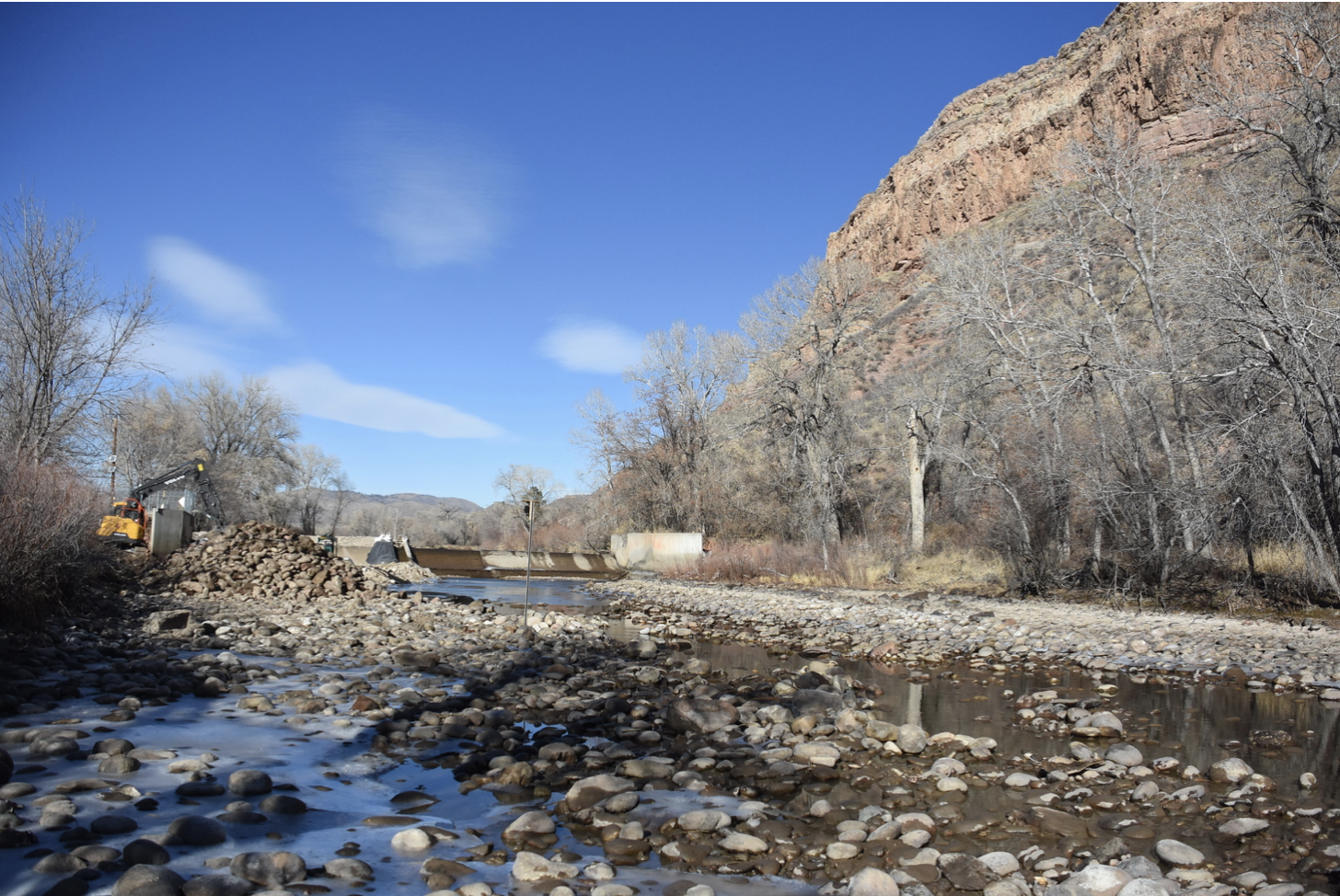


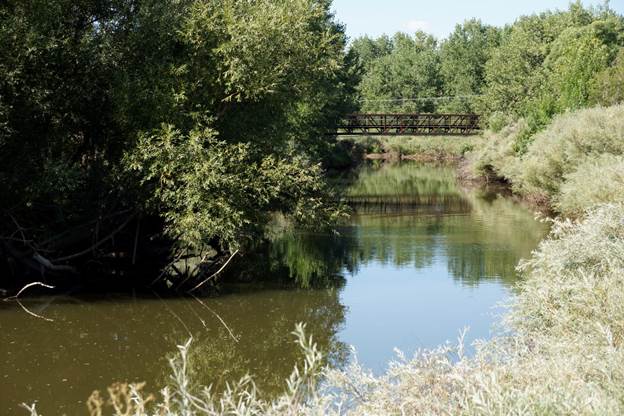


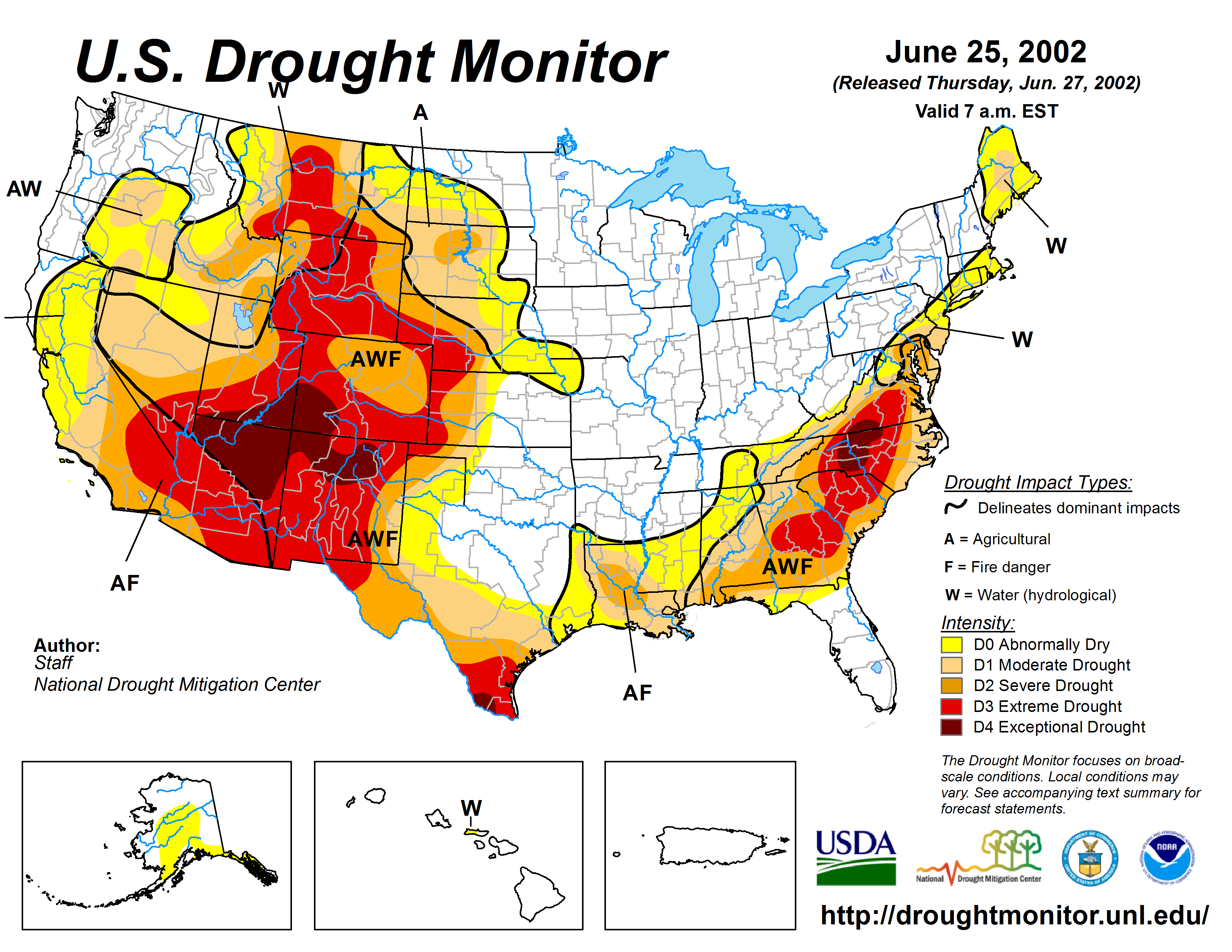

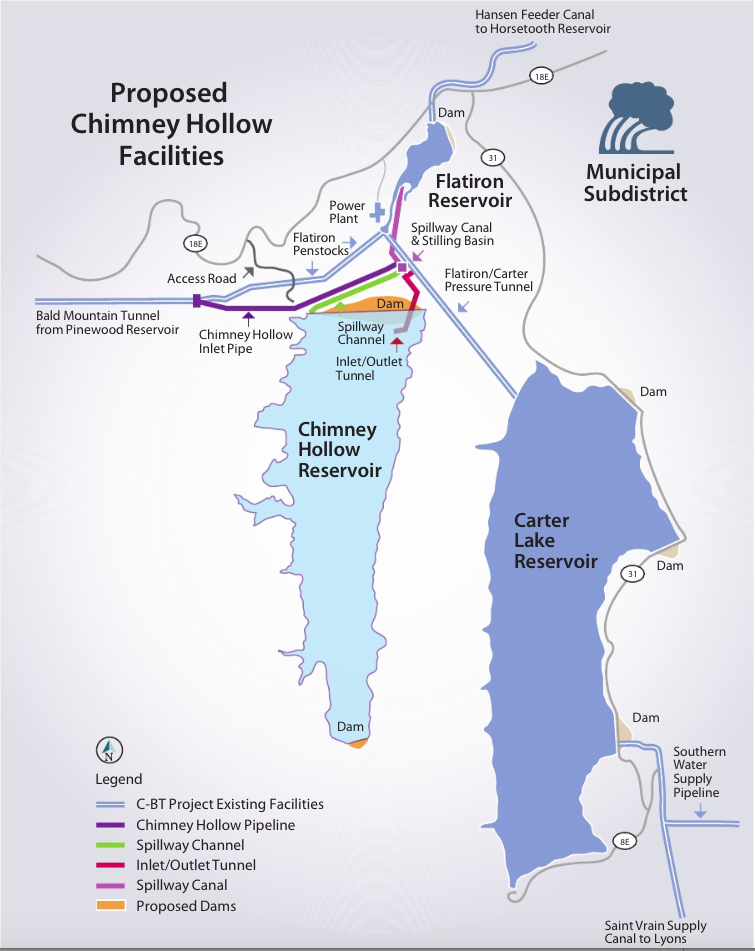
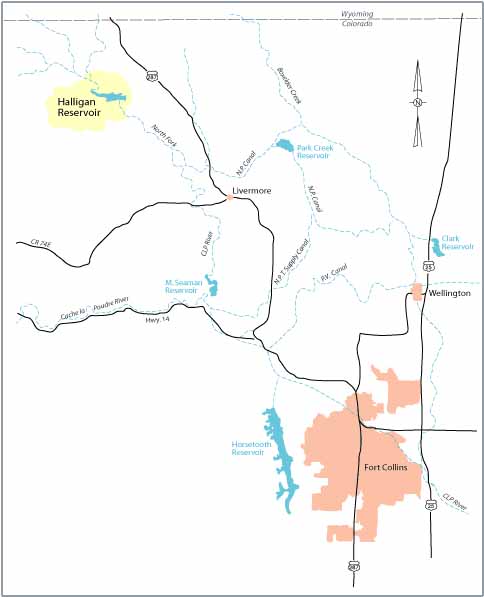


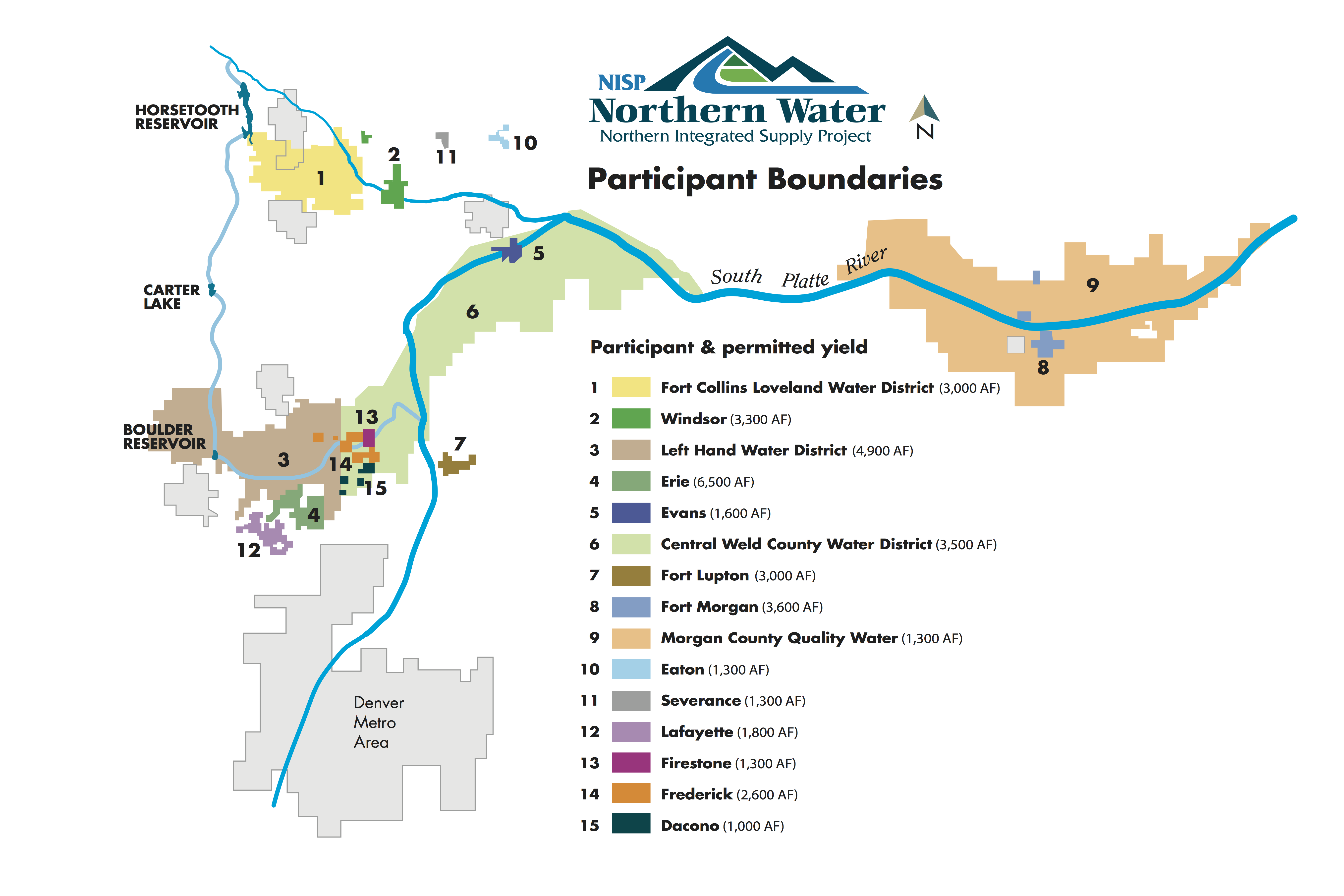
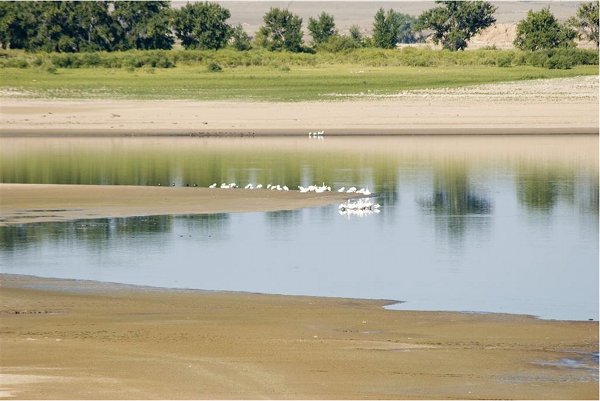





![Scott Hummer, general manager of North Poudre Irrigation Company, talks about how his agency worked with Fort Collins Natural Areas and Colorado Parks and Wildlife to include a fish passage when the irrigation company replaced a diversion structure on the Poudre River that was destroyed by the 2013 floods. Work was completed [in February 2016]. (Pamela Johnson / Loveland Reporter-Herald)](https://coyotegulch.blog/wp-content/uploads/2016/03/cachelapoudrefishpassage022016lovelandreporterheraldscotthummer.png)