From The Aspen Times (Carolyn Sackariason):
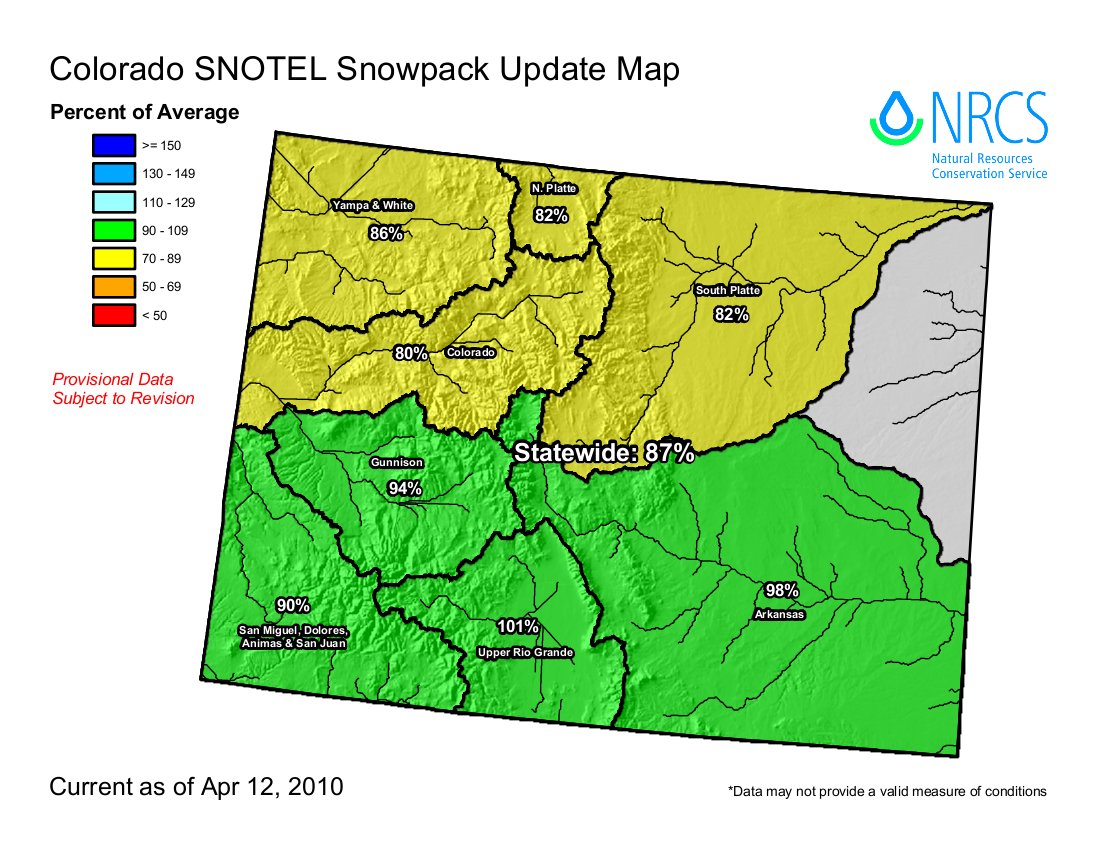
The red dust blanketing area mountains and virtually every surface in town is a result of oil and gas development and off-road vehicle activity in southeastern Utah, according to David Garbett, staff attorney with Southern Utah Wilderness Alliance. He informed the Aspen City Council on Monday of the effects the dust has on the community. The snow stained by dust melts faster because it absorbs more solar energy, which affects the snowpack in Aspen and surrounding areas…
Beyond an expedited snowpack and quicker spring runoff, dust-covered snow affects Aspen’s water supply, officials said. The city’s water department has to spend more money in increased treatment chemicals to remove the dust, which resists coagulation. It makes its way through the city’s filters and is difficult to remove, according to city officials. “Water treatment plants in Colorado are experiencing this phenomena throughout areas affected by these storms,” wrote Chuck Bailey, the city’s water treatment plant supervisor, in an e-mail regarding the issue. “It is usually temporary during spring/summer runoff, but still a new challenge to us.”
Destabilization of the soil on the Colorado Plateau in Utah is the primary cause of the local dust storms, contrary to other reports that it’s from rockslides in Mexico or weather events as far away as Mongolia, Garbett said…
A cold front was expected to move across Utah and Arizona, generating strong south-southwesterly winds with gusts potentially reaching 50 mph. The strong winds were expected to cause blowing dust in parts of Arizona, Utah, New Mexico and Colorado, which could be transported long distances, causing hazy skies and restricted visibility at times even in areas where the winds are lighter.