Energy policy — oil and gas: The North Fork River Improvement Association is embarking on a review of potential oil and gas development in the watershed

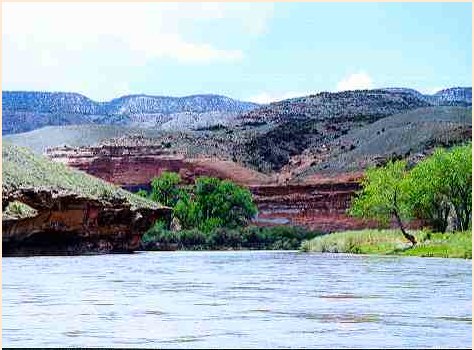
A picture named gunnisonriver

From email from the North Fork River Improvement Association:

NFRIA is excited to announce that we have received full-funding for the planning stage of a new watershed water quality monitoring program.Thanks to anonymous donors, we can begin immediately to design an efficient, cost-effective program to monitor the possible effects of natural gas drilling in the area.

The plan should be finalized within 60 to 90 days, and will establish sampling parameters and specify sampling locations. Once the plan is in place, our extraordinary volunteer water quality monitoring team can begin taking samples, pending additional funding.

More oil and gas coverage here.

The Colorado River District’s annual seminar is slated for September 16

A picture named coloradoriverbasincgs

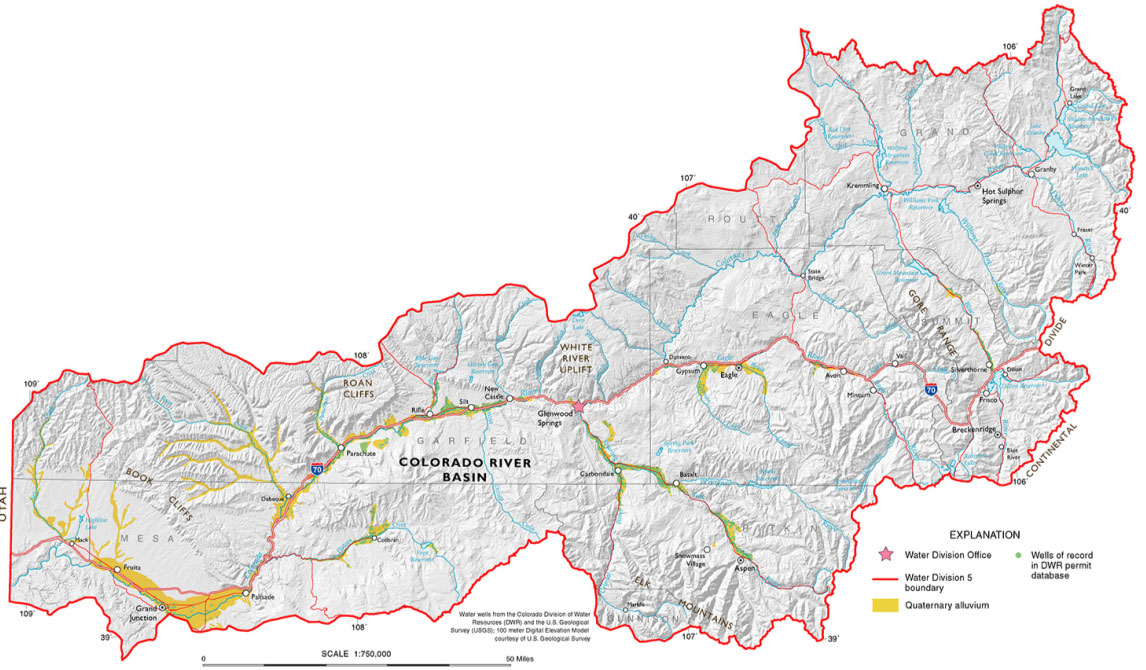
From email from the Colorado River District (Jim Pokrandt):

The Colorado River District’s Annual Water Seminar is Thursday, Sept. 16, 2010, at the Two Rivers Convention Center in Grand Junction, Colorado. It follows on the heels of the Colorado Water Conservation Board meeting in Grand Junction on Sept. 14-15.

Seminar speakers will address the water supply negotiation with Denver Water known as the Colorado River Basin Proposal, the western water rights market, the new era of corporate water responsibility and more. Look for registration information in the coming weeks.

More Colorado River Basin coverage here.

CWCB: Board meeting set for July 20-21 in Salida

A picture named arkansasbasinalluvialaquifersubregions

From email from the Colorado Water Conservation Board (Lisa Barr):

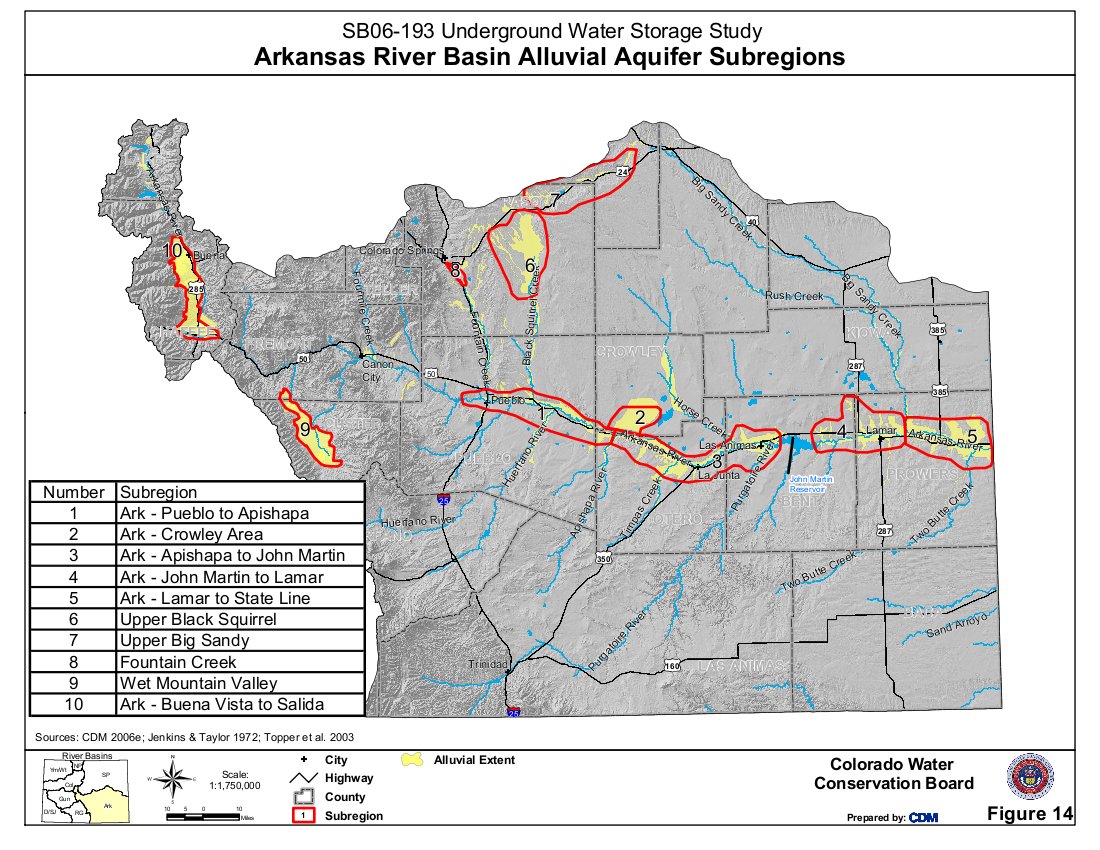
The Colorado Water Conservation Board is meeting on July 20-21, 2010, at the Salida SteamPlant Event Center, 220 W. Sackett St., Salida, Co., 81201.

The agenda is available on the CWCB website. CWCB staff memos and other materials will be available July 16, 2010, on our website.

The meeting will be “streamed” via the internet through the CWCB’s website. Click on the “Listen to the meeting LIVE!” link, found on our home page just before the meeting begins.

Presentations are also being made available. To watch presentations that accompany agenda items, click the “Watch Presentations” link on the CWCB website homepage just before the meeting begins.

The CWCB is implementing a new email system in an effort to improve our communication with citizens, customers, and constituents. If you do not wish to receive notices of Board activities, please let us know.

If you need more information about this Board meeting, please contact Lisa Barr at lisa.barr@state.co.us.

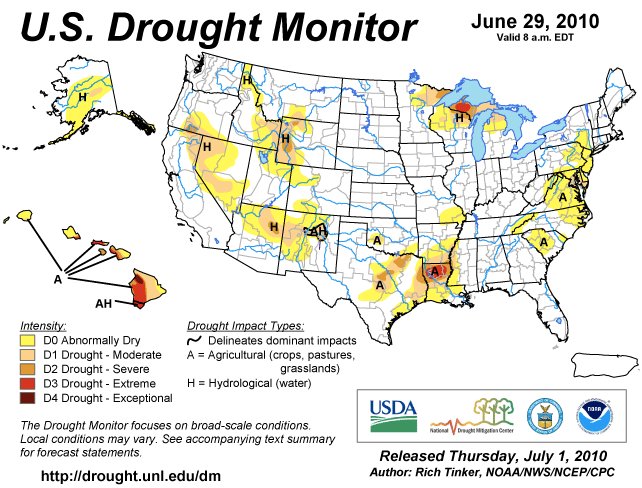
NIDIS Weekly Climate, Water and Drought Assessment Summary of the Upper Colorado River Basin

A picture named usdroughtmonitor06292010

Click here your copy of Henry Reges’ notes from yesterday’s webinar.

Aurora: Middle school students project promotes fish-friendly car washing

A picture named carwashfacts

Here’s the release from the Federal Way News:

Federal Way’s Fish Friendly Car Wash Program has long served as a model for other local communities. But earlier this year, the City was surprised to learn that the program’s reach had extended several states away.

With help from the City’s water quality specialist Hollie Shilley, fourth-graders at Indian Ridge Elementary in Aurora, Colo., are poised to receive national attention for their efforts to educate people on the negative impact that car washing can have on natural waterways.

The students knew that residential car washing—and charity car wash events in particular—often sends large volumes of waste wash water down storm drains, creating one of the biggest sources of surface water pollution. In April, they took these ideas and developed them into an entry for Project Citizen, an education program sponsored by the Center for Civic Education and the National Conference of State Legislatures.

An Internet search for background information brought up Federal Way’s program and Shilley’s name.

Shilley was excited to help. She explained that car wash kits divert wash water from the storm drain into the sanitary sewer, and she provided step-by-step photo instructions and a video about how to set up and use the kit. She also helped the students locate a source for the kits and shared examples of Federal Way’s educational materials.

The students embraced the idea of implementing a similar program in their own community and brainstormed other creative ways to make a difference.

They asked Colorado legislators for an official state day to recognize the role of commercial car washes in preventing stormwater pollution and developed an accompanying slogan, “Don’t wash our future down the drain!”

They also created an educational brochure, surveyed local car dealerships to learn about their carwashing practices, and wrote to the CEO of Subaru, asking that a commercial showing a couple washing a car in their driveway be remade to portray more environmentally friendly actions.

In May, they presented their project at the Project Citizen event in Denver. They ended up winning the top prize and will represent Colorado at the National Project Citizen Showcase later this month in Louisville, Kentucky.

“I am proud to have been able to help the students at Indian Ridge Elementary,” Shilley said. “It’s great when young kids get rewarded for their hard work and determination, and I hope it will encourage them to keep working to make a difference in their community and watershed. We congratulate them wish them the best of luck at the national event.”

More stormwater coverage here.

Colorado-Big Thompson Project update

A picture named greenmountainreservoir

From email from Reclamation (Kara Lamb):

At the end of the Holiday weekend, we began scaling releases from Green Mountain to the Lower Blue back some more. Today, we dropped again by 100 cfs. By [Tuesday] afternoon, there should be about 400 cfs in the Lower Blue.

More Colorado-Big Thompson coverage here.

Runoff news: Denver Water’s reservoirs are in good shape entering the summer

A picture named morninggloryspillwaydillonreservoir

From CBS4Denver.com:

Dillon Reservoir is full to the brim. It’s fed by the Upper Colorado River Basin, and the basin’s water supply is at 113 percent of average. The statewide average is at 106 percent of average. That’s a healthy supply but Denver Water still has a message…

Because June was so warm and dry, much of the snowpack melted at once. That means the water levels will slowly drop as they are drawn down by demand — mostly from the Front Range.

Is desalination becoming more cost effective?

A picture named arubadesalination

From TriplePundit.com (Leon Kaye):

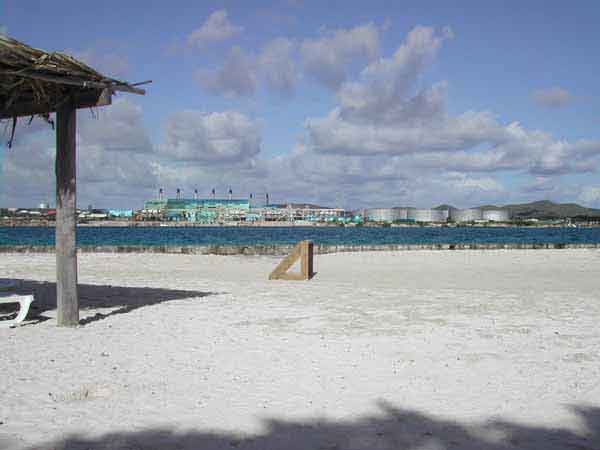
Energy Recovery Inc. (ERI), headquartered in San Leandro, CA, has a process that it claims not only runs at 98% efficiency, but can reduce desalination plants’ energy consumption by 60% to 80%. The company works on an average of 300 projects around the world annually, often retrofitting older plants with its Pressure Exchanger energy recovery technology. Like other desalination systems, ERI uses reverse osmosis. With a combination of high pressure systems, frictionless hydrodynamic bearing, and a low pressure incoming feed stream, water is forced through the membranes, separating salt and other elements from sea water. In layperson’s terms, a ceramic rotor floating without creating any friction is the difference between older, more expensive technologies, and ERI’s system, which consumes much less energy.

Yesterday I spoke with GG Pique, President and CEO of ERI. One way in which ERI’s technology can have a positive environmental impact is evident in Sand City, CA, just outside of Monterey. The town is home to only a few hundred people, but shopping and tourism brings in about 40,000 daily while employing 4,000. Using ERI’s system, Sand City’s desalination plant produces almost 600,000 gallons of potable water a day. Wells drawing water are not in the bay, where they would interfere with marine life, but from four subsurface beach wells. Generally running during off-peak hours, the new facility can desalinate water at about $3 per 1000 gallons…

ERI maintains a library of case studies on its web site, and has performed well financially since going public in 2008. Pique explained that more projects with which ERI is involved are using renewable energy to at least in part fuel such operations.

More water treatment coverage here.