
From The Arizona Republic (Shaun McKinnon):
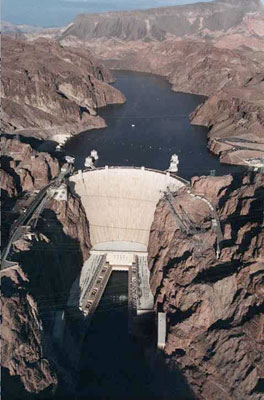
Arizona’s plan to leave water in Lake Mead was devised as such a trade-off, officials say. The idea is almost as simple as it sounds. With the approval of its elected board, the CAP would reduce by as much as 80,000 acre-feet of the water diverted from the river into the 336-mile canal that connects the Colorado to Phoenix and Tucson…
The amount is a fraction of the 1.6 million acre-feet the canal moves annually, but it would save 1 foot of elevation at Lake Mead, whose water levels determine when and if drought restrictions take effect under a 2007 agreement among the seven Colorado River states…
The first shortage trigger is at elevation 1,075 feet above sea level, about 10 feet below the reservoir’s current level. At that trigger level, water deliveries to the river’s lower basin – Arizona, Nevada and California – are reduced by 323,000 acre-feet for at least one year. Almost all of that water would be taken from the CAP’s allocation for Arizona because of an agreement forged with California more than 40 years ago. To secure California’s votes in Congress for construction of the CAP Canal, Arizona agreed that the water in the canal could be used to guarantee California’s full allocation in any future shortages. Nevada agreed to absorb a small amount of the shortage as part of a separate water-banking arrangement with Arizona. The water Arizona would forgo would have gone toward the state water bank, which stores unallocated water from the Colorado River as a hedge against long-term water shortages. If Lake Mead sinks low enough to trigger a shortage, some water users would feel the effects, but the CAP supply still has a big enough cushion to protect Phoenix, Tucson and the other cities that use the water. Even in a third-stage shortage, which would be declared if the reservoir dropped an additional 50 feet, the primary municipal supplies would remain untouched. Phoenix, Tucson and other cities would give up no water.
More Colorado River basin coverage here.