
Month: August 2017
Tap-In Colorado: MillerCoors cut water use by 15 billion gallons (500 million beer barrels!) in 2016 #conservation
Here’s a blog post from Tap-In Colorado:
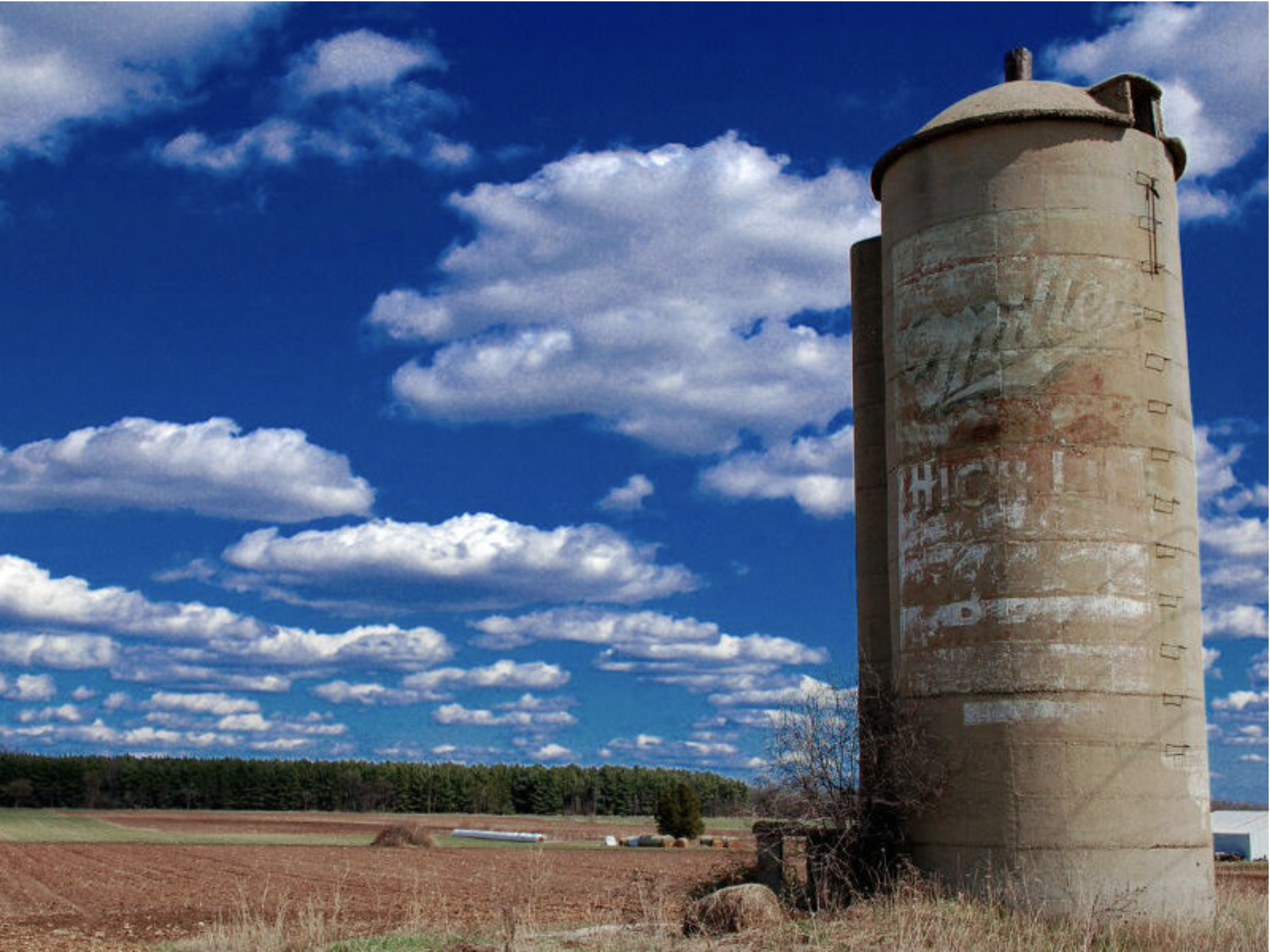
Today, MillerCoors announced it used 15 billion fewer gallons of water across its value chain in 2016. The reduction can be attributed to changes in farming techniques that include innovative tools and irrigation initiatives that use less water while still producing high-quality barley, along with increased brewery efficiencies.
Wet weather also contributed to the 2016 reduction MillerCoors used 16.9 percent less water compared to 2015 – equivalent to more than 500 million kegs of beer.
“When it comes to water savings at our breweries and across our agricultural system, 2016 was a banner year at MillerCoors. We’re proud of the water efficiencies achieved at our breweries by our passionate and innovative employees, and we are proud of our long-standing partnerships with our growers. These partnerships span multiple generations and are a driving force behind using less water in 2016,” said Karina Diehl, director of community affairs at MillerCoors.
“While this was a unique year, we are committed to developing innovative ways to use less water across our system for years to come.”
On MillerCoors Showcase Barley Farms in Idaho and Colorado, the company researches and develops water conservation techniques to grow barley more sustainably – from precision irrigation technologies and practices to soil improvements and companion cropping.
Best practices from MillerCoors Showcase Barley Farms are shared through the company’s barley program, providing an opportunity for growers to obtain and share information on how to meet the company’s high barley standards.
Partnering with growers on environmental stewardship through the company’s barley program reduces risks for both parties and allows MillerCoors to work directly with farmers to determine the techniques that are best suited for their specific land.
In 2016, MillerCoors launched the Grower Portal, a digital platform for information gathering to further enhance water savings and eventually lead to data sharing among growers.
These water reduction initiatives help MillerCoors get closer to reaching its 2020 goal to manage and reduce agricultural risks, including water risks, in 100 percent of key barley-growing regions.
The company is also working alongside Molson Coors to develop new 2025 Global Goals, which will include water stewardship targets.
CPW: Native cutthroat trout reintroduction program continues in Southwest Colorado

Here’s the release from Colorado Parks and Wildlife:
Restoration of native trout reached another milestone on July 27 when 3,000 Colorado River cutthroat trout were stocked in streams about 30 miles north of Durango by Colorado Parks and Wildlife.
The restoration project is being done in the Hermosa Creek drainage and is a joint project of CPW and the San Juan National Forest, with assistance from Trout Unlimited. So far, restoration work has been completed on three phases of the project which includes sections of the main stem of Hermosa Creek and East Hermosa Creek. One more phase remains that will take two more years to complete.
Last week about 50 volunteers helped to distribute the five-inch fish in about three miles of water in East Hermosa Creek, Relay Creek and Sig Creek.
“Restoring native species is a high priority for Colorado Parks and Wildlife and the Hermosa Creek drainage is an ideal location for pure Colorado River cutthroat trout,” said Jim White, CPW aquatic biologist in Durango who has coordinated the projects. “There are numerous tributaries streams that provide a variety of habitats and safe havens for populations in case of catastrophic events, such as fire, drought or disease.”
To restore native fish, the U.S. Forest Service has built two barriers on the creeks which block the passage of non-native rainbow and brook trout. Native cutthroats cannot compete with those fish in a stream. Following construction of the barriers, CPW treated the water to kill all fish in the stream. Generally, it takes two years for biologists to confirm that all fish have been eliminated. After that, native fish can be restocked.
Besides building the barriers, the Forest Service has also made improvements along the streams to improve fish habitat.
Fish are doing well on the section completed five years ago on Hermosa Creek, White said. A recent survey showed that more than 400 fish per mile now inhabit the creek.
“We know the fish are reproducing in that section and we are very pleased with what we’re seeing,” White said.
The last phase of the project will connect East Hermosa Creek with the main stem. The Forest Service is currently building another barrier just below the confluence of the two streams; treating the water to eliminate all fish will be done in 2018 and 2019. By 2020, if all goes as planned, nearly 25 miles of stream in the Hermosa Creek drainage will be home to the native trout.
Hermosa Creek is an excellent spot for anglers to get off the beaten path for catch-and-release-fishing. Anglers are reminded that fishing in this area is by fly and lure only, and that all cutthroat trout caught in the area must be returned to the water immediately.
To learn more about CPW’s work to restore native trout throughout the state, go to: http://cpw.state.co.us/learn/Pages/ResearchCutthroatTrout.aspx.
@americanrivers: We are rivers podcast — Law of the river #ColoradoRiver #COriver
From American Rivers (Fay Augustyn):
Managing the hardest working river is no easy task. Join us as we discuss the challenges, successes, and collaborations that have occurred to both harness and protect the bounty that is the Colorado River.
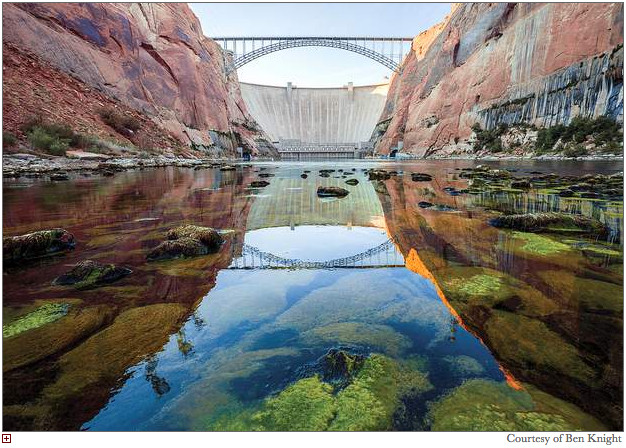
One of the most complex river systems in the country, the Colorado River, journeys 1,450 miles through seven states, two countries, and supports 36 million people. Its water forms the foundation for agriculture, recreation, industry, and municipalities, from Denver to Tijuana, and fuels a $1.4 trillion annual economy.
Managing the hardest working river is no easy task.
More than a century ago, populations across the west were booming. The seven states dependent on the Colorado River recognized the need to formally divide it, ensuring everyone received an appropriate amount of water. Ratified in 1922, the Colorado River Compact marked the beginning of how and why the Colorado River is managed as it is today. However, the Compact’s underlying analysis was based on one of the wettest 10-year periods in history; meaning that the Colorado River Compact is actually based on an allocation of water that isn’t there. And never will be there in any reliable way.
But the Compact is only one thread in a much larger story. Because the whole basin’s demand for water is higher than what it can supply, the Colorado River has become both one of the most stringently managed, as well as aggressively disputed, rivers in the world. There are numerous other compacts, federal laws, court decisions, decrees, contracts, and guidelines that have been developed since the 1922 compact that dictate the challenging management of the Colorado River; these are collectively known as the “Law of the River.”
Join us this week and next on the We Are Rivers: Conversations about the Rivers that Connect Us podcast, where we chat with John Fleck and Amy McCoy, both respected voices about the “Law of the River,” and the challenges, successes, and collaborations that have occurred to both harness and protect the bounty that is the Colorado River.
Fountain has received the second of two Air Force-supplied water filters

From The Colorado Springs Gazette (Jakob Rodgers):
The delivery Wednesday of the granular-activated carbon filters marked another milestone in the city’s efforts to avoid the fouled Widefield Aquifer, which is contaminated with chemicals linked to a Peterson Air Force Base firefighting foam…
Fountain last used the aquifer in 2015, and residents have been asked to conserve water while the city relies solely on the Pueblo Reservoir.
The city’s first Air Force-supplied filter will likely be operational in about four to six weeks, said Curtis Mitchell, Fountain’s utilities director.
The filter delivered Wednesday likely won’t be turned on until spring 2018, because it won’t be needed during the fall and winter, when water usage dips, Mitchell said…
So far, the Security, Widefield and Fountain water districts have spent more than $6 million to avoid perfluorinated compounds in the aquifer.
From KOAA.com:
The new treatment system, installed at Aga Park downtown, is said to be effective in removing the PFC’s from the water. Both new units, the other installed in June near the Fountain Library, are expected to be fully operational before next summer.
“We’re very pleased to be making progress toward the ability to treat and use our groundwater,” said Curtis Mitchell, City of Fountain Utilities Director. “Our groundwater is a very important resource required to meet the water demands of our growing community.”
The City of Fountain will work on design plans for a permanent groundwater treatment plant within the next few months.
The latest “The Current” newsletter is hot off the presses from the Eagle River Watershed Council

Click here to read the newsletter. Here’s an excerpt:
An Ode to Water
It’s easy to forget that fresh water is not a limitless resource. In fact, there isn’t much of it in the world. The precious supply we do have must be protected and preserved. That’s where Eagle River Watershed Council (ERWC) comes in.
The group, comprised of three full-time staff members, a board, a team of about 1,000 volunteers and countless partners and overseers that range from the Environmental Protection Agency to the Town of Vail, considers itself “the watch dogs” of the Eagle River and the Vail Valley’s rare bounty of fresh waterways. The council works to preserve and restore the Eagle and Colorado Rivers, and all of the tributaries that run through Eagle County. It organizes mass trash pickups along the roads that line the waterways, tests water quality levels and makes sure the ecosystems of the rivers and streams are intact and also cleans up areas that have been compromised by pollution. Some of the organization’s bigger cleanup and restoration tasks include the portion of the Eagle River below Gilman that has been declared a Superfund site due to the area’s mining toxins leaking into the water. Another project involves storm and infrastructure work along Gore Creek to restore the diversity of the creek’s insect habitat, which then ensures that it maintains its status as Gold Medal fishing waters.
Ask any member of the ERWC why the organization refers to the Eagle River as the “lifeblood” of the Vail Valley, and the explanations are staggering.
“We call it the lifeblood because it affects every piece of life here in the valley, whether it’s recreation or the ski resorts,” says Brooke Ranney, ERWC’s projects and events coordinator. “We all depend on the river for drinking water, and we make sure we have a good quality water source. Then, there’s getting out on the river and its economic value.”
According to the group, the fly-fishing industry alone is worth $4 billion, to say nothing of the valley’s most prized asset—the ski industry which relies on the Eagle River for snowmaking.
“The Eagle River as well as the Upper Colorado draw a lot of people here, even if that means they came to ski or snowboard. People are using the mountains for skiing and snowboarding, not realizing that the manmade snow comes from water pulled from the river. As people stay here or come to visit in the summer and expand their visitation of Eagle County, the river plays a huge role in their decision to stay or come back again,” says Holly Loff, ERWC executive director.
Lizzie Schoder, the group’s education and outreach coordinator, heads up Watershed Wednesdays, free interactive tours, workshops and presentations centered around the watershed. The group also travels to local schools, teaching students of all ages various components of the watershed, from vegetation, insects and wildlife that comprise the streams’ habitat to ways they can preserve and protect the water supply—being mindful not to litter, turn off water while brushing teeth, pick up after one’s dog and avoid overusing water for landscaping or washing cars.
“We’re noticing people are unaware that storm drains flow directly to the river, so picking up after your dog is a huge one, not mowing lawns all the way to the river, letting native plants grow along it, being mindful of chemicals and pesticides used on the lawn,” Schoder says. “It’s something often forgotten … that we have so little true, fresh water in the world, so the way we allocate it and manage it is vital.”
The council collaborates with numerous local, regional and national entities to protect and preserve the water that runs through Eagle County. Also crucial to keep in mind is that while the rivers are the lifeblood of everything in this valley—the drinking water, snowmaking source and cornerstone of the flyfishing, kayaking and rafting industries—it also trickles down … quite literally.
“It’s important to note that we’re the headwaters of both the Colorado and the Eagle Rivers, so if we do anything to impact water quality here, everybody downstream suffers,” Loff points out. “If our rivers weren’t protected and there wasn’t vegetation there, it wouldn’t have the impact and draw that it does. Our economy would suffer quite a bit. It goes beyond people who are hardcore kayakers and recreationists. Water slows everyone down and reconnects you to nature and things that are really important in life. The EPA is always front and center in protecting clean water nationwide. Although drinking water is critical to all of us, people need to be more vigilant and stand up for clean water.”
Needless to say, the Eagle River Watershed Council is doing its part for the Vail Valley and beyond.

U.S.-Mexico Colorado River deal is close — @JFleck

From Inkstain (John Fleck):
With a Senate Hearing [August 2, 2017] and a meeting of the Central Arizona Water Conservation District Thursday, we’re starting to see the public rollout of a Colorado River management agreement between the United States and Mexico that now looks like it’s on track to be signed within the next few months.
The biggest clue that this could really happen is that they’ve changed the name from “Minute 32x” to “Minute 323”. The placeholder “x” meant the agreement would be signed sometime, changing it to a “3” suggest people are confident enough that it’s really going to happen soon that they’ve assigned it a number and put it in the queue.
While the full agreement has not been made public, the negotiating team has put together a detailed set of talking points to be taken to the various water agency boards and state agencies on the U.S. side…
Embedded in the deal are two important pieces.
The first is Mexico’s continued participation in the current binational water conservation scheme, in which water users in both the United States and Mexico agree to curtail their water use as Lake Mead drops. This is the follow-on to Minute 319, the historic 2012-U.S.-Mexico agreement that broke down the key barriers to international management on the river.
The second piece is what’s called in the new minute the “Binational Water Scarcity Contingency Plan”, which is the international flavor of what’s known by the norteños as the “Drought Contingency Plan”. This is the agreement that ratchets up the conservation, making deeper cuts to water use sooner. One of the lawyers in the audience will probably lecture me if I call this piece “contingent” or “trigger” or whatever, but the fact is that this language lays out the details of Mexico’s participation in the new DCP scheme, but it doesn’t take effect until folks on the U.S. side approve the DCP.
Its inclusion here, and the fact that it’s now being made public, is crucial evidence that folks in the United States have settled on the final terms of the deal and we’re not just in the “working out the formalities” part of the process. There’s always been a chicken/egg problem about which would come first, the DCP or the U.S.-Mexico minute, because each depends on the other. The solution has been a contingent minute (don’t scold, lawyer friends) through which Mexican participation is contingent on the separate deal within the U.S. being signed. The only way folks are willing now to go forward with the U.S.-Mexico piece is because they’re confident that the U.S. piece will follow.
These “minutes” (they function kinda like amendments to the U.S.-Mexico treaty, but don’t call them that the lawyers will scold you) part part of a trend away from conflict and toward collaboration as the Colorado River crosses its international border. They add a crucial piece – a joining of water management institutions across the international border in an effort to manage the Colorado River as one river.
Together, these steps demonstrate the extraordinary pivot on the Colorado River from Mark Reisner’s “most litigated river in the entire world” to a system in which the parties stay out of the courts and international tribunals and negotiate mutually beneficial agreements to deal with the Colorado’s problem of overallocation.
@ColoradoClimate: Weekly Climate, Water and #Drought Assessment of the Intermountain West

Click here to read the current assessment. Click here to go to the NIDIS website hosted by the Colorado Climate Center.
The latest “River Currents” newsletter is hot off the presses from @RiverNetwork

Click here to read the newsletter. Here’s an excerpt:
Supporting Stream Management Planning in Colorado
In 2016, the State of Colorado adopted the Colorado Water Plan which sets forth a water management roadmap to achieve a productive economy, vibrant and sustainable cities, productive agriculture, a strong environment, and a robust recreation industry. Specific to protecting and enhancing stream flows, the plan calls for 80 percent of locally prioritized rivers to be covered by Stream Management Plans by 2030. This goal builds upon years of conversation, research and some action to build a methodology to develop data-driven water management and physical project recommendations capable of protecting or enhancing environmental and recreational values on streams and rivers.
A well-developed Stream Management Plan uses biological, hydrological, geomorphological and other data to assess the flows or other physical conditions that are needed to support collaboratively identified environmental and/or recreational values. It uses this assessment to identify and prioritize management actions to maintain or improve flow regimes and other physical conditions at a reach scale.
In 2017, the State of Colorado allocated $5 million to a grant program to develop projects and plans that protect or restore watershed health and stream function. This funding has kick-started local interest across Colorado to develop Stream Management Plans.
A handful of communities have pioneered methodologies, including a collaborative coalition on the Crystal River through the Town of Carbondale, and the City of Ft. Collins’ assessment of the Poudre River. However, to meet the goal in Colorado’s Water Plan of covering 80 percent of locally prioritized streams with plans, much more needs to be done.
River-related recreation on Colorado’s western slope currently accounts for $6.4 billion in annual direct expenditures, and in the six counties that make up the headwaters of the Colorado River and its tributaries, tourism—including fishing and rafting—is the main economic driver. Many communities in the state have an economic interest in maintaining healthy rivers but few have developed strategies to comprehensively protect streamflows.
To address this gap, River Network, with support from the Colorado Water Conservation Board, the Gates Family Foundation and the Nature Conservancy, has launched a two-year project to enlarge the pipeline of local coalitions that are interested, ready and capable of undertaking stream management plans.
The project focuses on three areas:
education to a broad constituency on what a stream management plan is, how and why communities undertake them and what lessons they’ve learned; fostering cooperation among Colorado’s water management, NGO, academic, and research and science communities to help meet the capacity and knowledge needs of local coalitions as they initiate stream management planning; and direct support to local coalitions as they scope, write and fundraise for their plan. As more communities come together to examine river health and flow-related management strategies, and as plans are completed, we will share more examples and lessons here.
#Utah sues over #GoldKingMine spill

Eric Baker
From The Deseret News (Amy Joi O’Donoghue):
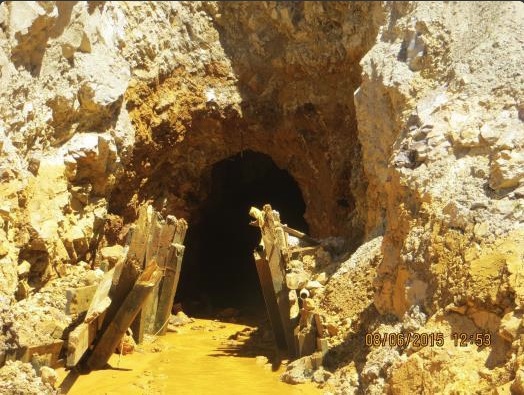
In a lawsuit filed in federal court Monday, Reyes asserts the contractor, subcontractor and mine owner — Delaware-based Sunnyside Gold Corp. — failed to take a host of proper precautions to avoid the disastrous breach near Silverton that released 3 million gallons of metals-laden sludge.
The Utah Department of Environmental Quality is continuing to take water samples from the San Juan River, which was impacted, and Lake Powell, where most of the sludge was deposited.
While Utah agencies and other entities, such as San Juan County, were compensated by the U.S. Environmental Protection Agency $464,000 for costs related to the initial response, Reyes’ suit asks for punitive damages for the ongoing environmental impacts, stigma associated with the spill and interference with the public’s ability to enjoy the waterways.
The suit asserts the EPA’s on-site team:
• Assumed that because the mine was draining it was not under pressure from the contaminated water behind it
• Didn’t believe it was necessary to test the level or volume of contaminated water from the blockage
• Did not take a measurement to determine the pressure of the water against the blockage of the adit, or horizontal mine entrance
Additionally, Reyes’ suit says the on-site team failed to take the precaution of installing a secondary containment system to prevent large quantities of toxic wastewater from reaching the Animas River and did not develop or implement an emergency response plan.
Although the Occupational Safety and Health Administration, as well as EPA, requires a health and safety plan in conjunction with hazardous waste site operations, the plan in place failed to meet those requirements, the suit asserts.
On Aug. 5, 2015, the day of the spill, the EPA’s on-site team was performing work on the Level 7 adit, where none of the proper measurements or precautions were taken, according to the lawsuit.
“Members of the EPA on-site team have given conflicting reports regarding their work. Some believed the objective was to excavate the adit to create an opening. Others believed the objective was to use a backhoe excavator to scratch the earth around the adit,” the suit reads. “On information and belief, this conflict was caused by miscommunication among the EPA on-site team.”
The suit says the mine blowout continues to pose environmental, economic and other damages to Utah that are not inconsistent with a “national contingency plan,” that will require additional investigation and remediation that will include soil and water testing.
Although the defendants named in the lawsuit should have known the Gold King Mine presented a “high risk of significant harm to the state of Utah and other downstream communities,” they acted in disregard of those risks, the suit says.
New Mexico and the Navajo Nation brought lawsuits against the EPA for the spill, and New Mexico also sued Colorado, asserting negligence.
In late June, the U.S. Supreme Court refused to hear arguments related to the dispute between the states.
The EPA in January said it would not pay $1.3 billion in claims related to the spill because it is protected by a federal tort law.
In addition, the agency’s inspector general concluded there was no wrongdoing with the Gold King Mine spill, but also conceded there were no specific standards in place for dealing with a collapsed mine portal.
Daniel Burton, a spokesman for the Utah Attorney General’s Office, said the state is continuing to negotiate with the EPA to see if a settlement can be reached without the need for litigation.
The mining district that includes where the breach happened was declared a Superfund Site nearly a year ago, which will accelerate cleanup efforts.
From the Associated Press (Lindsay Whitehurst) via The Durango Herald:
Utah wants cleanup compensation and unspecified damages in the 3-million-gallon Gold King Mine spill that was accidentally trigged by EPA contractors in 2015, Utah Attorney General’s Office spokesman Dan Burton said Tuesday.
Utah hasn’t named a damages amount because it’s still investigating how much it will ultimately cost to clean up its portion of spill that left as much as 880,000 pounds of metals in rivers in Colorado, New Mexico and Utah, Burton said. The metals have settled into riverbeds, where they can get stirred up any rainstorm or heavy snowmelt, state officials have said.
Total damages from farmers, business owners and residents along the spill’s path have been estimated at $420 million.
Though Utah was farther away from the epicenter of the spill, contaminants from the blowout have been transported through the San Juan River in southeastern Utah to the vast reservoir of Lake Powell, the lawsuit states…
The Utah lawsuit filed Monday doesn’t name the EPA. The agency has taken responsibility for the spill and given Utah agencies $464,000 so far to help pay for the cleanup. The state hopes to come to a final settlement with the agency out of court, Burton said.
CPW: Native trout return to Woods Lake
Here’s the release from Colorado Parks and Wildlife:
Native cutthroat trout are returning to a corner of the San Juan Mountains as part of a conservation project by Colorado Parks and Wildlife.
On Sept. 20, Parks and Wildlife biologists stocked more than 250 native cutthroat trout in Woods Lake southwest of Telluride. This location was selected because it will provide excellent quality cutthroat habitat: the area is isolated, the water is pristine and barriers protect the lake from non-native fish that live downstream. Once the population is established, the lake will provide the broodstock which will eventually assist in cutthroat conservation efforts throughout the Dolores and Gunnison river basins.
“This area was populated with native trout before settlers arrived in Colorado, but the fish haven’t been present in, probably, over a half a century,” said Dan Kowalski, an aquatic researcher with Parks and Wildlife in Montrose. “This is one of the few spots in southwest Colorado suitable for this type of restoration project and it will provide a great refuge for this important native fish. This project will help give the cutthroat a long-term foothold in the area, expand their numbers and range, and benefit native trout conservation throughout southwest Colorado.”
The reintroduced trout were captured from a small stream on the Uncompahgre Plateau earlier in the day and transported by horseback and then by truck to the lake. Wild fish from the small stream will also be spawned in the spring of 2013 so that larger numbers of fish can be introduced to Woods Lake and tributaries, Muddy Creek and Fall Creek, next summer.
“We’ll do that to give us multiple age classes of fish and to provide good genetic diversity,” Kowalski said.
Anglers can expect to start catching some cutthroat trout in the summer of 2018 but it will be a couple of years before there are large numbers of older-age fish to catch. Anglers are encouraged to release all fish they catch for the next couple of years to allow the population to grow. Fishing in the lake and streams above is restricted to artificial flies and lures only.
Cutthroat trout have been eliminated from many rivers and streams in western Colorado due to habitat loss, water quality impacts and the introduction of non-native. The native fish, which has been petitioned for listing as an endangered species, can now be found in only about 14 percent of its historic range in the Rocky Mountain West. This reintroduction project is an effort to restore the native trout to its former habitat, expand the fish’s range and prevent the need for an endangered species listing.
“Restoring these native fish should be important to all citizens and water users in the basin that depend on our rivers for irrigation and drinking water because a federal listing could affect the state’s management of the species and water use in the basin,” Kowalski said.
Colorado Parks and Wildlife worked cooperatively with the U.S. Forest Service during the last two summers to remove the non-native fish from Woods Lake and the tributaries.
Elsewhere in southwest Colorado — and only about 20 miles as the crow flies southeast of Woods Lake — another cutthroat restoration project is ongoing in the upper Hermosa Creek drainage near the Purgatory ski resort in San Juan County. When that project is completed in about five years, more than 20 miles of Hermosa Creek and feeder streams will be home to native cutthroats.
“Colorado Parks and Wildlife has been working on native trout restoration throughout the state for nearly 30 years and our work will continue,” said John Alves, senior aquatic biologist for the southwest region. “This is truly a long-term effort.”
To learn more about efforts by Colorado Parks and Wildlife to restore native trout, see:http://wildlife.state.co.us/Research/Aquatic/CutthroatTrout/Pages/CutthroatTrout.aspx.

Larimer County approves ATM IGA with Broomfield for C-BT shares

From The Longmont Times-Call (Pamela Johnson):
Following the lead of citizens who, in recent public outreach, expressed an interest in the county preserving agriculture and water, the Larimer County Department of Natural Resources spent $8.4 million in 2016 to buy the Malchow family farm and its associated water. The county is now calling the land the Little Thompson Farm because of its proximity to the river of that name.
The goal was to preserve the land as a working farm and to offset the cost of doing so with a water-sharing agreement, which is also a method the Colorado Water Plan endorses to stop simple “buy and dry” of farmland by municipalities that need the water to handle growth.
Extensive negotiations and studies by experts in agriculture, finance and water led to partnership agreement between Larimer County and the city and county of Broomfield. Experts made sure the farm could stay viable under the agreement by looking at water supply, economics and historic weather patterns.
That agreement, which was approved by Larimer County on Tuesday, basically sells Broomfield 115 shares of the farm’s Colorado-Big Thompson water outright, allows the municipality to use another 80 during three dry years out of every 10, and preserves 45 shares for the farm use.
The water that will stay on the farm — a mix of Colorado-Big Thompson and additional shares of Handy Ditch water — will be enough to keep the farm profitable and in production, growing corn and sugar beets in wet years and dryland crops in dry years, according to information from extensive studies.
For its part of the agreement, Broomfield will pay the county $3.7 million for the water. The price includes paying market value for the 115 shares that it will buy outright and 40 percent of market value for the 80 units that it can use only three out of every 10 years…
The municipality will be able to pull the 80 units of water in three dry years out of every 10, and the rest of the time, the water will remain on the farm to irrigate crops. During the years that the water leaves the farm, Broomfield agreed reimburse the farmer that is leasing the land from the county the cost of that farm lease to help keep the farm profitable in dry years.
Under the agreement, Larimer County will receive another $100,000 from a grant from the Gates Family Foundation and $52,750 from the Colorado Water Conservation Board.
This type of water sharing agreement is encouraged by the Colorado Water Plan as a way to protect farmland from the typical “buy and dry” that is occurring with growing municipal need across Colorado.
In fact, Larimer County officials noted that if the Malchow family had not wanted to sell to Larimer County to keep their family farm in production, buyers were lined up to pay top dollar just for the water…
A team of experts looked at historic weather data, financial models and water supply to determine if the farm could stay viable under this agreement, and deemed that it could.
With this model in place, Larimer County and state water officials hope this agreement, the first of its kind in the state, will result in more farmers and cities following suit instead of simply selling the water and taking the land out of production.
C-BT storage update

From 9News.com (Cory Reppenhagen):
As of July 31, Lake Granby was more than 99 percent full, Horsetooth Reservoir was 95 percent full, Carter Lake was 94 percent full. That is just down slightly from mid July, when the Colorado Big Thompson Project hit a record high storage level of 724,865 acre feet..
Northern Water, the operator of this water district, told 9NEWS that they have to keep the levels high because our booming population is a concern, and there is not even enough water storage available to handle our current population, in the event of even a short duration drought.
Big Thompson Flood remembrance

From The Loveland Reporter-Herald (Michelle Vendegna):
For more than 20 years, Anderson has organized the event that commemorates the 1976 flood that started with heavy rain on July 31, 1976. It caused a massive surge of water to race down the Big Thompson Canyon with little warning, resulting in the deaths of 144 people.
Community members have gathered yearly at the memorial outside the volunteer firehouse to remember those victims. Five candles are lit for those who were never found: Rochelle Rogers, Teresa Graham, George McCarty, Vernon Oler and Evelyn Kindred.
Monday night, Pastor Paul Logue from Estes Park Baptist church officiated while Jerry Shaffer provided music and Daryle Klassen offered a tribute.
Bob Graham shared his memories of losing his wife Beverly and two young daughters. Teresa and Lisa. He also lost his mother, Clara Graham.
Graham recounted his experience both during and after the flood.
“It would have been unbearable if not for good friends at the Loveland Fire Department,” he said.
“The loss of one’s children is the greatest loss a parent can endure,” he added.
Linda Marriner of LaPorte comes each year to remember her father, Doc Ealy Lee, who died in the flood.
“He loved that river,” she said. Her father loved to fish and went every chance he got, although he would never keep his catch. Linda said he hated the taste.
Linda was joined by her son Luke, his wife Amy and their two sons, Colby, 3, and Caden, 5.
“It’s really about being with my mom,” Luke Marriner said. He has been to the ceremony every year.
He said his mom always talked about his grandfather while he was growing up.
“It was probably more me asking than her telling,” he said, and they have continued to talk about him with the two young boys as the anniversary rolls around.
“It’s important to keep this alive,” Luke said.
Each year, scholarships are given to living relatives of those who were lost. The scholarships come from donations, various fundraisers and sales of books “The Big Thompson Flood” and “Big Thompson Flood Disasters.”
The four recipients for 2017 are Drew Lanig, of Missouri, who is the great-grandson Joseph Appelbaum; Haley Haskell, of Iowa, who is the great-granddaughter of William and Emma Haskell and who lost four other family members; Shannon Peistrup, of Littleton, who is the great-granddaughter of Norma Peistrup; and Trenton Drake Allison, of Kansas, who is the great-grandson of Gene and Faith Saunders.
For more information on the yearly gathering or to donate, http://1976bigthompsonflood.org.
Happy 141st Birthday #ColoradoDay
Hey, Colorado: Happy birthday, you stud – News on TAP
A photographic trip down memory lane in honor of the Centennial State turning the big 1-4-1.
Source: Hey, Colorado: Happy birthday, you stud – News on TAP
The king of the Rockies – News on TAP
Bighorn sheep know how to put on a show in Waterton Canyon (just don’t get too close).
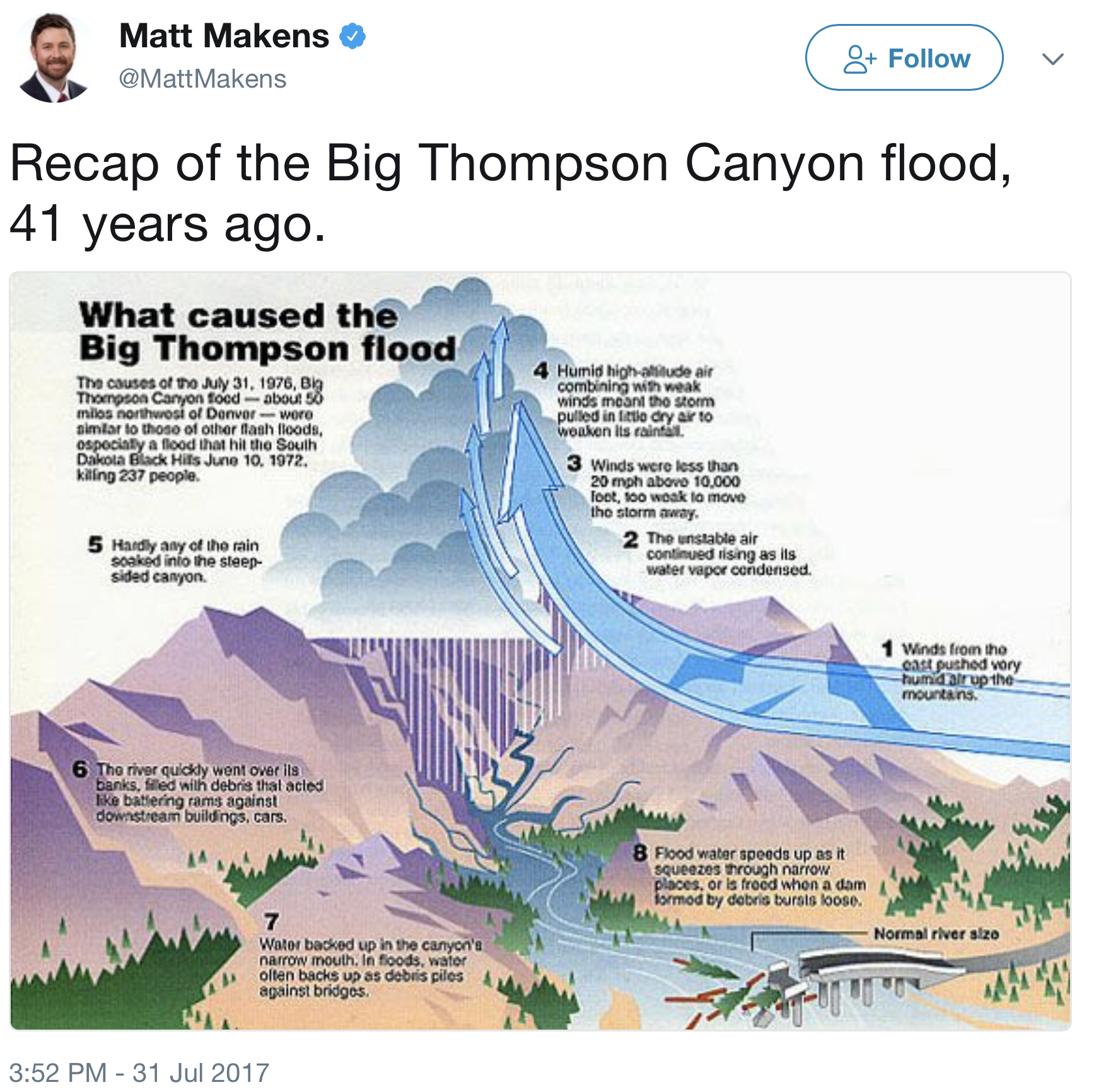
Big Thompson Flood, July 31, 1976
From the Fort Collins Coloradoan (Jason Pohl):
All told, Colorado’s deadliest natural disaster claimed 144 lives, injured scores of others, and permanently altered memories and landscapes alike. It prompted new talks about living in flood country and became the “where were you” moment for a generation, ranking alongside Dec. 7, 1941, and Sept. 11, 2001.
Broomfield on path to sign IGA for C-BT shares with Larimer County
From The Broomfield Enterprise (Jennifer Rios):
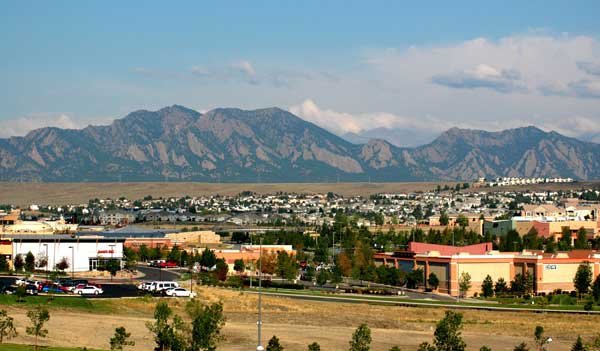
Director of Public Works David Allen explained that Larimer County will sell Broomfield 115 Colorado Big Thompson water units for $25,550 each and share 80 more units that service the farm.
The outright sale of Colorado-Big Thompson units would save Broomfield $109,250 compared to if the city and county bought them at open-market value.
It also includes an “Alternate Transfer Mechanism,” or ATM, that gives Broomfield the right to use 80 C-BT units a minimum of three out of 10 years — a drought-protection effort that could be increased to five out of 10 years in extreme drought years. That period will be a rolling 10 years, meaning once Broomfield pulls water, the clock starts.
The those 80 units will cost $10,400 per unit, again a fraction of what Broomfield would pay outright for units…
Broomfield is buying the 115 C-BT units at a lower price because they are attached to the 80 units Broomfield with share with Larimer County. Currently water rights holders “use it or lose it” under the existing water plan. As communities like Broomfield grow, and rural communities shrink, this plan is a good way to keep farms active, but still use that same water for growing populations in dry periods…
Last year, Larimer County bought an irrigated farm just southwest of Berthoud and the intent is to maintain irrigated agriculture. It also got several shares of local ditch water. Currently, it has more water than needed to keep the farm operating, which prompted Open Land officials to reach out to Broomfield proposing the sale and shared 80 units.
If Larimer County decides to sell the 80 units, Broomfield would have the first right of refusal to purchase those. If not, Broomfield would get 40 percent of the sale price.
Now the plan will go before Larimer’s Open Lands Advisory Board Thursday, and before Larimer County Commissioners Tuesday.
The plan will still need final approval from Northern Water…
If everything is approved, municipalities will hope to have an intergovernmental agreement in place early by 2018. The outright sale of the 115 units will happen this year.
@COWaterTrust: All hands on deck … for a river clean-up project! (Saturday August 5, 2017)

From the Colorado Water Trust:
This Saturday, August 5, please join us and our friends from Cerveza Imperial for the Denver Days South Platte River clean-up project!
Denver Days is a five-year-old Denver tradition, begun by Mayor Hancock, that runs from August 5th – 13th, and encourages neighbors to spend time together in community service projects and get-togethers.
Cerveza Imperial, the Colorado Water Trust, and the Denver community are coming together to kick off the first day of Denver Days 2017 by cleaning part of the South Platte River in the heart of Denver.
When: This Saturday! August 5, 2017, 9:30 – 11:30 AM
Where: The South Platte River behind the REI Store on Platte Street, between 15th and 19th along Commons Park. Look for Imperial’s bright yellow tent in the REI parking lot to check in and get your free Imperial/Water Trust Denver Days yellow shirt. Volunteers have free parking at the Denver Aquarium by showing their registration.
Fun! After the clean up, enjoy access to an exclusive menu for our volunteers at Kachina Southwestern Grill (1890 Wazee St, Denver, CO 80202 http://kachinadenver.com/) when you visit wearing your Denver Days yellow shirt. Volunteers over the age of 21 can enjoy a free Cerveza Imperial beer!
Help us keep Denver beautiful and connect with your friends!
Register Here: http://bit.ly/ImperialDenver
Because water matters … to us and to Colorado.
Cheers!
The Colorado Water Trust Team
@SenBennetCO: #Colorado Leading the Way in Community Solar

Here’s a blog post from Colorado Senator Michael Bennet:
As Washington careens from manufactured crisis to inane distraction, global temperatures continue to rise, and the need for more jobs and higher wages increases. More and more, it falls on communities to take the lead in fighting climate change and expanding our clean energy economy.
Solar power offers one of our best opportunities to do so. Despite wild swings in our national politics, solar power has grown by an average of 70 percent each year over the last decade, while the cost of installation has fallen by nearly as much.
Despite these gains, nearly half of U.S. households and businesses cannot host a solar power system, either because they rent, share the space, or have a layout unsuitable for installation. Solar can never reach its full potential until we find a way to reach these consumers.
Our best answer is community solar.
In essence, community solar allows more Americans to enjoy the benefits of clean energy without having to install rooftop panels on their home or business. It does that by converting an unused or marginal space into a solar field and then allowing locals to buy a share of its energy production to offset their consumption.
With community solar, those who cannot afford solar installation, don’t own their home, or live or work somewhere that can’t accommodate a solar system, can still choose clean, renewable energy.
Community solar is one of the most promising developments in renewable energy. It expands access to clean energy resources and helps households and businesses save on their electricity bills. Colorado is leading the way in this new model, but we have only begun to realize its promise.
That is why this week, I introduced legislation to make permanent a Department of Energy program to promote community solar, especially in low-income communities.
The bill also encourages the federal government — the largest employer and consumer in America — to participate in community solar projects.
I have seen the promise of community solar in Colorado. We were the first state to pass legislation on community solar, and in just a few years, we have installed enough community solar to power thousands of homes across our state. Today, over 7,000 Coloradans work in solar, many in community solar projects. For us, this is not some Bolshevik fantasy; it is a proven and profitable enterprise.
One of my favorite places is Pueblo. The Pueblo County School District is the lowest funded district in the state. It’s also the largest, in terms of geographic size. So it was an unlikely candidate to become the first District in the state to source 100 percent of its electricity from solar.
It didn’t have the capital for a major installation. Plus, a lot of schools in the district lacked the right layout for rooftop panels.
That’s where the Clean Energy Collective came in. Working with the District, the Collective built Roofless Solar arrays in town. Now, kids study with lights powered by the sun. Teachers fire up projector screens charged by clean, renewable energy.
In the first year alone, the District saved $35,000. Over the life of the program, those savings will exceed $2 million dollars.
That’s enough to buy a Chromebook for seven out of ten kids in the District. It’s enough to pay all 32 employees at Prairie Winds Elementary for a year.
Stories like this are why community solar has boomed across Colorado.
In the end, this is not just about individuals having a financial stake in a particular solar project; it’s about all of us having a stake in the future, recognizing that — when we come together as a community — we can seize opportunities we once thought were out of reach and make smart investments for tomorrow.
As global temperatures rise and renewable energy provides more job opportunities, we turn to communities for the clean energy leadership we need, now more than ever.