From InkStain (Eric Kuhn):
If, as being widely reported, the Colorado River basin states (and the major water agencies that largely dictate what the states do) ultimately decide to proceed with a Lower Colorado River Basin Drought Contingency Plan that cuts out the Imperial Irrigation District (IID), no one should be surprised. It’s simply continuing a long, and perhaps successful, tradition of basin governance by running over the “miscreant(s)”…
In our new book Science be Dammed, John Fleck and I argue that the beauty of the 1922 Compact was that it was a social contract between the faster growing states on the lower river (primarily California) and the slower growing states on the upper river to leave some water in the river for their future development. This allowed the states to cautiously form the coalitions necessary to pass the federal legislation needed to develop the river. As we have seen, for the major decisions there was rarely unanimous agreement. Today, in an era of reallocation of existing supplies, what is needed is a similar social contract between the haves, the rural areas of the basin that rely on agriculture (with senior rights), recreation and a healthy river and the have-nots, the urban centers with mostly junior rights, but with a need for certainty of supply and the political and economic power to overwhelm the rest of the basin. The goal of such a social contract would be to allow the inevitable reallocations, but only if there is a clear and real benefit to the areas-of-origin.
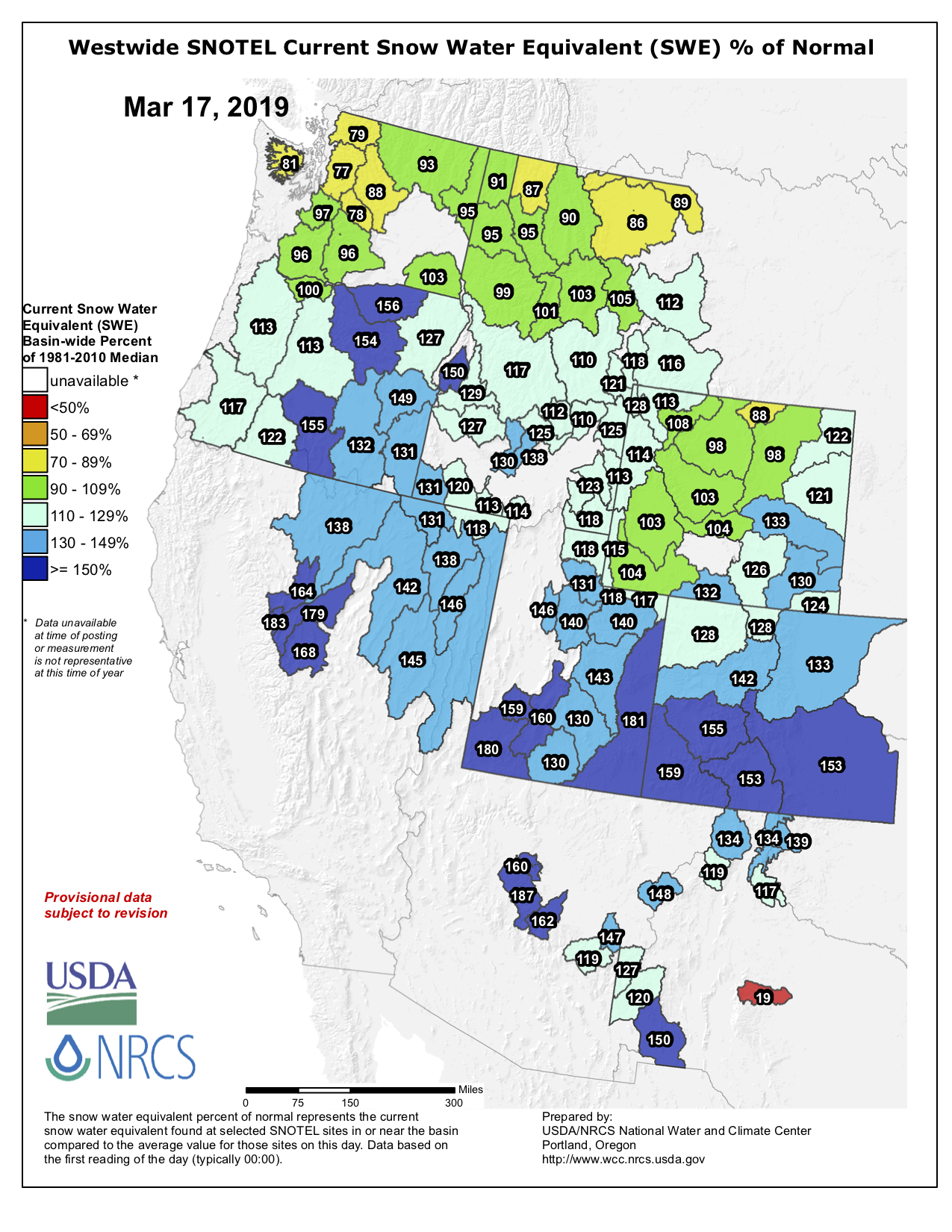
Leaving IID out of the Lower Basin DCP might make sense for a number of good reasons (especially with the great snowpack which reduces the risk faced by the Metropolitan Water District of Southern California in shouldering the DCP burden without IID’s help), the question policy makers should consider is in the long run (post 2026 for the Colorado River Basin) is such an action going to make it easier or harder to manage conflicts on a shrinking river?