From The Casper Star-Tribune (Greg Fladager):
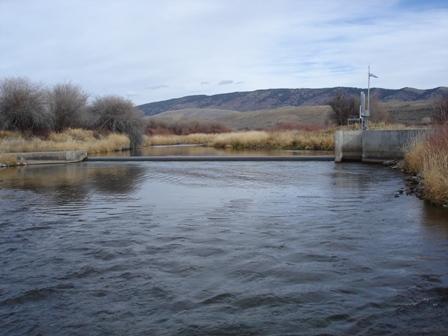
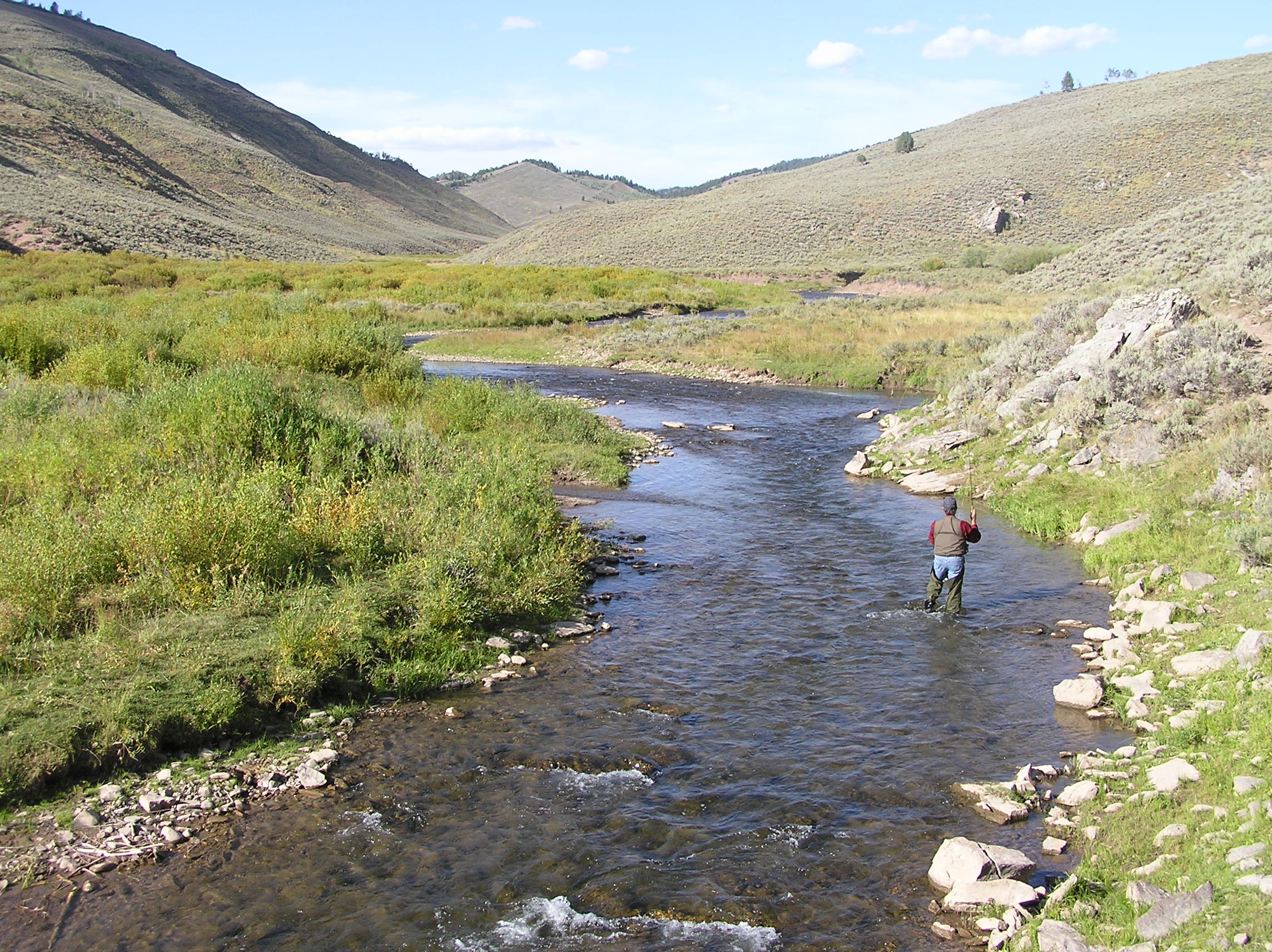
The Wyoming Water Development Commission voted against the Sublette Creek Reservoir, citing concerns by the Wyoming Game and Fish Department that too much water would be diverted, harming the Smiths Fork fishery.
“Their concern was that the water levels are being diminished in Smiths Fork, and that it would cause the temperatures to rise in late summer, and if those temperatures exceed a certain threshold, then you have the potential for a fish kill,” said commission director Harry LaBonde.
After the vote in a joint meeting of the commission and the Legislature’s Select Water Committee, Demont Grandy of the Cokeville Development Company said they were not planning to further pursue the project.
“As far as I’m concerned, it’s over,” Grandy said, noting area irrigators had been looking at it for nearly 35 years.
Siting problems have long plagued the undertaking. About $1 million in studies have been conducted and three potential locations rejected.
Another issue that raised concern was the project’s financial viability. In reports to the commission, the development company said its members could pay for operations and maintenance but not the dam itself.
Water storage rates would be between $17 and $178 per acre-foot, depending on the district’s financing costs and varying reservoir volumes. The small irrigation district said its members could afford to pay around $4 per acre-foot for water.
Commissioner Floyd Canfield has been a strong proponent of the project. The 4,100-acre-foot reservoir would help provide protection during times of drought should Wyoming ever need to supplement water flowing downstream under the Colorado River Compact, he said.
“What we’re trying to do is we’re trying to find a way to use a pre-compact water right. That’s the objective,” Canfield said. “It’s a very hard place to do that.”
State water officials suggested that enough data had been collected on the project’s drainage area that, should another potential site be located, the sponsors could start with a ‘Level II, Stage II’ study, rather than beginning from scratch.
The commission supported that recommendation in the motion to deny project funding.
“So, to me, I think that I would go for the motion, and hope that between the state engineer’s office and the agency, we could continue to work with the sponsor on a couple of spots,” said commissioner David Evans.
Even if another site is located, the timing of the rejection could affect its prospects. The state is facing significant revenue declines stemming from the energy downturn, and the commission is already set to approve projects that would commit about two-thirds of the $158 million in the Level III construction account.
“I think we have to start prioritizing things, and limiting how much money we use in studying sites,” Canfield said. “It’s the state of Wyoming’s money, citizens’ money, and maybe spend it a little more judiciously. That’s my feeling.”