
Day: April 11, 2017
#Snowpack/#runoff news: SWE is mostly OK across #Colorado, sorry Yampa/White
Click on a thumbnail graphic below to view a gallery of snowpack data from the NRCS.

Statewide snowpack basin-filled map April 11, 2017 via the NRCS.

Arkansas River Basin High/Low graph April 10, 2017 via the NRCS.

Upper Colorado River Basin High/Low graph April 10, 2017 via the NRCS.

Gunnison River Basin High/Low graph April 10, 2017 via the NRCS.

Laramie and North Platte Basin High/Low graph April 10, 2017 via the NRCS.

Upper Rio Grande River Basin High/Low graph April 10, 2017 via the NRCS.

San Miguel, Dolores, Animas, and San Juan Basin High/Low graph April 10, 2017 via the NRCS.

South Platte River Basin High/Low graph April 10, 2017 via the NRCS.

Yampa and White Basin High/Low graph April 10, 2017 via the NRCS.

Statewide Basin High/Low graph April 10, 2017 via the NRCS.
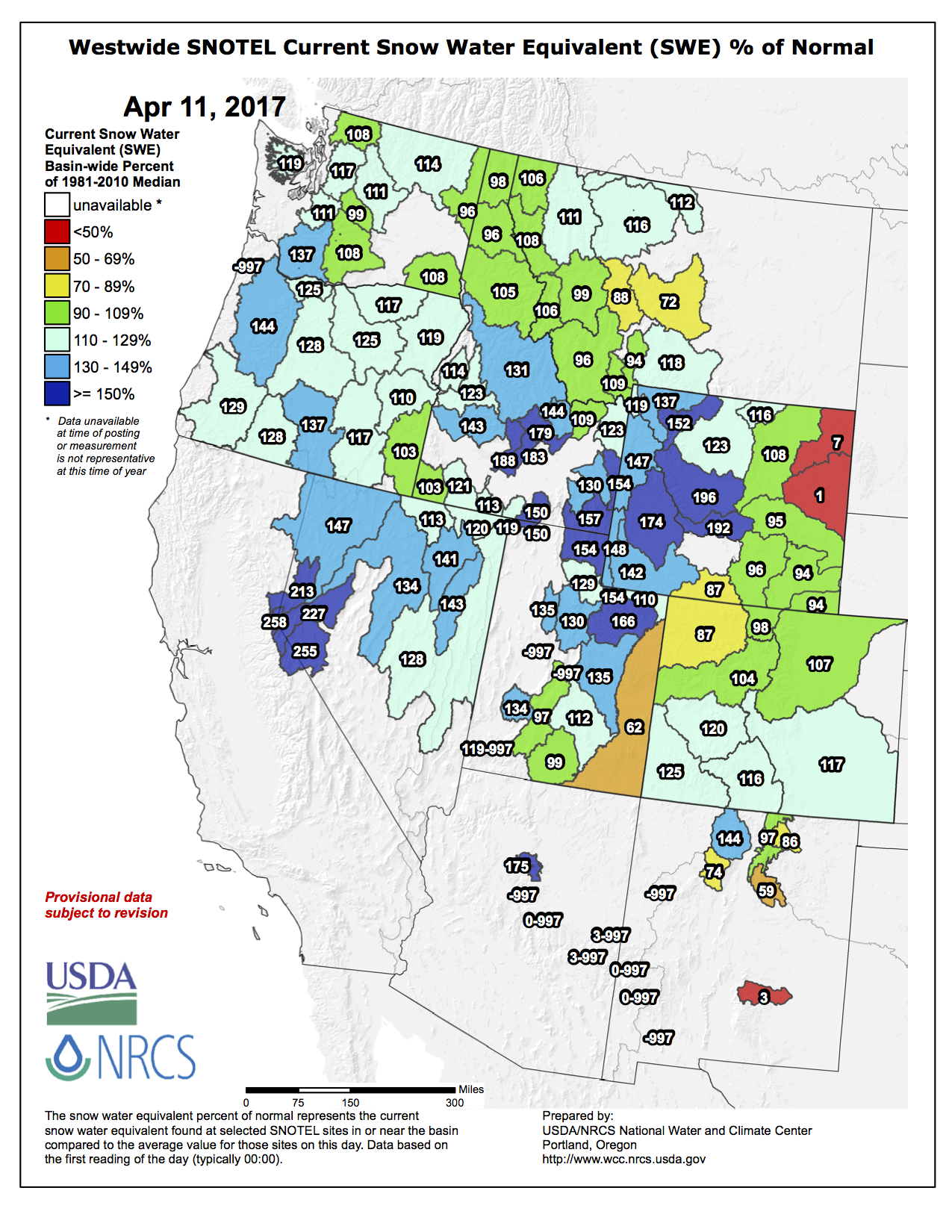
Here’s the Westwide SNOTEL basin-filled map from the NRCS.
Agribotix Assists The Nature Conservancy with Dolores River Survey
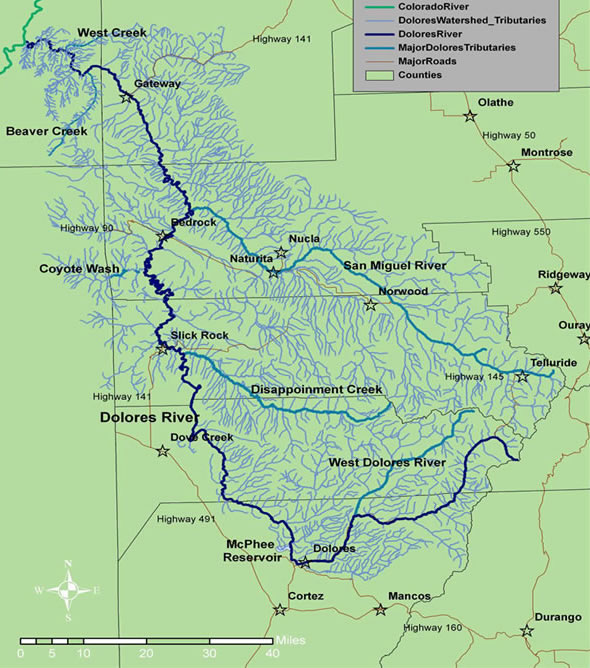
From Agribotix (Tom McKinnon):
For several years The Nature Conservancy and its many partners have been studying the Dolores River ecosystem downstream of the McPhee Dam while working with water managers to improve the river’s health. It is well known that “taming” rivers, i.e. reducing or eliminating normal spring flooding, has major impacts on the flora and fauna. This year abundant snow and an abnormally warm spring have forced the Dolores Water Conservancy District to pull the lanyard on the spillway to keep the reservoir from flooding. The releases will start at around 800 cubic feet per second and will eventually reach 4000 cfs later in the spring.
All this is great news for people who care about healthy rivers. While not quite as powerful as a normal spring flood, the enhanced flows will clean sediment out of pools for fish and scour the riverbank and restore some of the flora, such as cottonwoods, to its more natural state.
To assess the changes, biologists and fluvial geomorphologists have been surveying the pre-release state of the river ecosystem. In our ongoing support efforts for The Conservancy, Agribotix volunteered to conduct aerial surveys of four sites downstream of the dam.
Agribotix founder, Tom McKinnon, flew the surveys along with Teresa Chapman, a GIS specialist at TNC. They flew both RGB and near IR cameras and returned the results as stitched mosaics at 5 cm ground sampling distance. The field mission went off without a hitch, except for a powerful spring storm that had southwestern Colorado in its sights. Fortunately the team was able to complete the final flight just minutes before the rain arrived. We’ll be headed back later in the summer for the post-release survey.
@AmericanRivers: Announcing America’s most endangered rivers of 2017 #ColoradoRiver #COriver
From American Rivers (Amy Souers Kober):
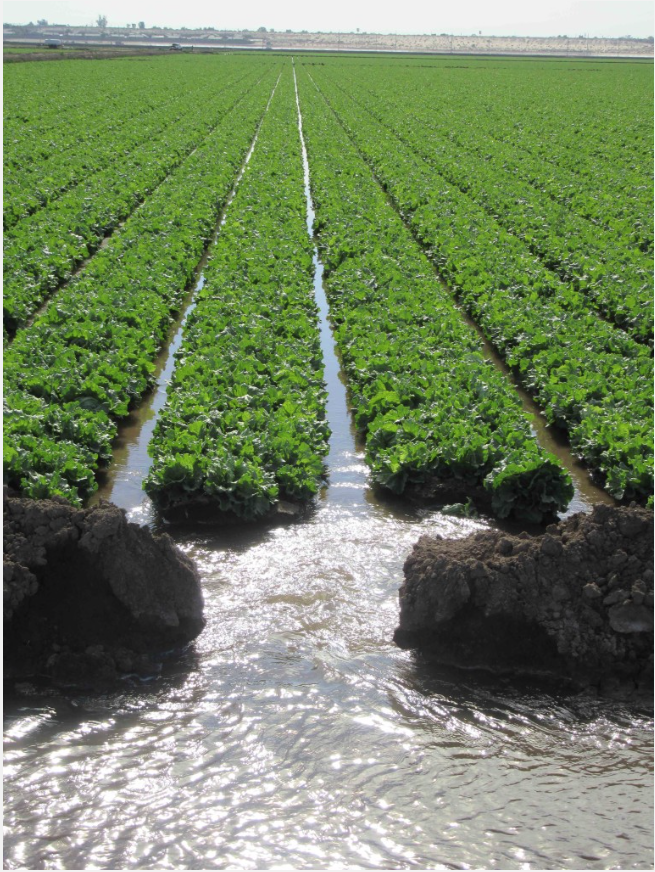
Drinking water source for 30 million people. Growing 90% of our nation’s winter vegetables. The Lower Colorado River is America’s Most Endangered River of 2017
This is a critical year for rivers and clean water. Our America’s Most Endangered Rivers® of 2017 report sounds the alarm.
This year’s report highlights the threat President Trump’s proposed budget cuts pose to rivers and communities nationwide. Number one on this year’s list is the Lower Colorado River, where the communities, economy, and natural resources of the southwestern U.S. will be threatened if the Trump Administration and Congress don’t prioritize and fund innovative water management solutions.
“Water is one of the most crucial conservation issues of our time,” said Bob Irvin, President of American Rivers. “The rivers Americans depend on for drinking water, jobs, food and quality of life are under attack from the Trump administration’s rollbacks and proposed budget cuts.”
“Americans must speak up and let their elected officials know that healthy rivers are essential to our families, our communities and our future. We must take care of the rivers that take care of us.” Irvin said.
President Trump has abandoned critical river protections including the Clean Water Rule, leaving small streams and wetlands – sources of drinking water for one in three Americans – vulnerable to harmful development and pollution.
He has also proposed significant budget cuts that would cripple river restoration and protection efforts nationwide, with severe impacts to drinking water supplies, fish and wildlife and recreation.
These cuts would impact the rivers on this year’s America’s Most Endangered Rivers list. For example:
Cuts to the Department of the Interior and Department of Agriculture could hamstring efforts to find water management solutions to meet the crisis on the Lower Colorado River. Cuts to the Environmental Protection Agency could undermine regulation of pollution from Concentrated Animal Feeding Operations like those on the Neuse-Cape Fear and the Buffalo National River.
Virtually zeroing out the Land and Water Conservation Fund would eliminate opportunities such as the conservation purchases that have helped protect Washington’s Green River.Cuts to the Department of the Interior likely would foreclose any opportunity to adequately fund the proper planning, management, and protection of the neglected Wild and Scenic Rivers System, including the Buffalo National River and Middle Fork Flathead — a sorry state of affairs as the Wild and Scenic Rivers Act approaches its 50th anniversary in 2018. America’s Most Endangered River, the lower Colorado, provides drinking water for 30 million Americans, irrigates fields that grow 90 percent of the nation’s winter vegetables and slakes the thirst of growing cities including Los Angeles, San Diego, Las Vegas and Phoenix. But the water demands of Arizona, Nevada and California are outstripping supply, the impacts of climate change are becoming acute, and the river is at a breaking point. If the deficit is not addressed, the Bureau of Reclamation will be forced to cut water deliveries, with severe economic impacts to farms and cities across Arizona, Nevada and California.
Unfortunately, the Trump Administration’s Fiscal Year 2018 Budget proposal threatens to reverse progress made by states, cities and farmers to reduce water consumption across the three states.
American Rivers called on Congress and the Trump Administration to provide support, leadership and financial resources for innovative water savings and transfer projects to conserve and share the region’s water assets.
The future of the Lower Colorado River is of particular importance to the region’s Latino communities. One-third of the nation’s Latinos live in the Colorado River Basin.
The significance of the river to the faith, livelihood and future of Latino farm-working families is showcased in the new film Milk and Honey, produced by American Rivers and the Hispanic Access Foundation (full film coming Thursday, April 13).
“The Lower Colorado River is an integral part of our heritage and way of life. From serving as the backbone for the agricultural industry to providing a cultural focal point for faith communities, the Lower Colorado River is essential to the livelihood of the Southwest,” said Maite Arce, President and CEO of Hispanic Access Foundation.
“By taking action now we can make strides in ensuring that future generations can continue to benefit from this tremendous resource.”
Fruita: Irrigation water for outdoor landscapes
From WesternSlopeNow.com (Jeff Goldblatt):
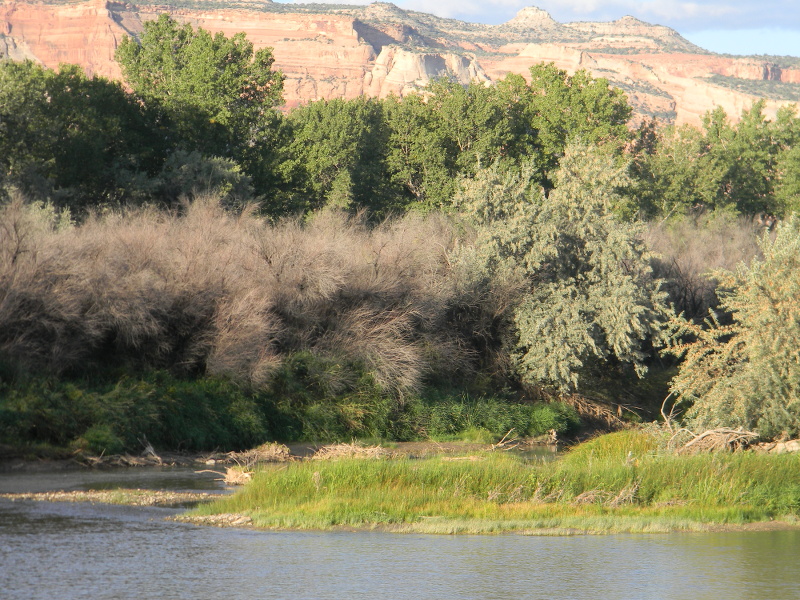
The beginning of April brings water back to the many canals that carve through the city of Fruita.
The city works with Grand Valley Irrigation to provide non-potable irrigation water straight from the Colorado river to residents.
City workers say that using this source to water lawns, gardens, and parks helps reduce the amount of tap water that would otherwise be used on irrigation.
“It keeps people from using domestic, treated tap water from Ute Water Conservatory, that’s who supplies our drinking water or your tap water in your house,” says John McBride, Fruita Public Works Superintendent.
So it’s a great benefit to the city of Fruita, it allows us to water our parks and stuff at a reduced cost,” adds McBride…
If anyone has any questions, you can contact the Fruita Public Works department at 970-858-9558.
Colorado Springs Utilities crews remove 129-year-old working water valve — The Gazette

From The Colorado Springs Gazette (Chhun Sun):
The 129-year-old valve was still working when utility workers used it for last month’s water main replacement project on Cascade Avenue in downtown Colorado Springs, the company said…
According to officials, the valve removal signifies an effort to renew aging water mains across the city to improve customer service and help the city’s 2C paving project – which voters approved in 2015 to rehabilitate city streets through a five-year sales tax increase…
The piece will be put on display at the Colorado Springs Utilities Leon Young Service Center alongside other historical items that represent the city’s early days, including valve covers, manhole rings, electrical wiring and Christmas lights. No one else takes the effort to preserve ancient utility history said Phil Tunnah, general manager of Utilities’ Water Services Division Asset Management, Engineering and Project/Program Delivery.
The city’s first valve was also placed in 1888 behind the Antlers hotel, Utilities officials said. It remains in operation.