The health of our waters is the principal measure of how we live on the land — Luna Leopold
Can the next generation of scientists help solve our dust on snow problem? — The #Durango Herald
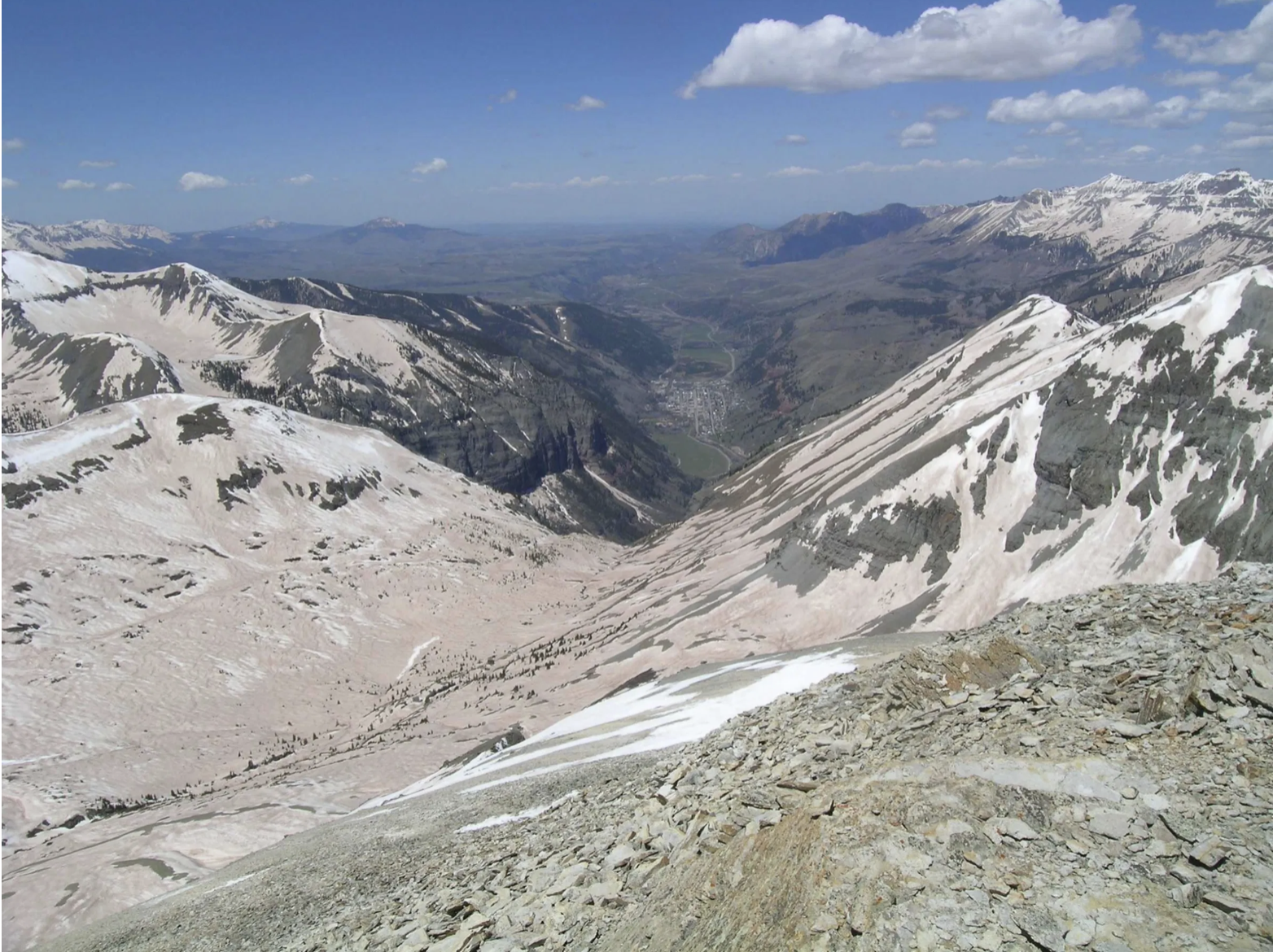
The western boundary of Senator Beck Basin is pictured May 12, 2009, after a dust event. That year was an exceptionally dusty one, with 12 dust events. The basin has experienced five dust events so far this year. CREDIT: COURTESY PHOTO BY THE CENTER FOR SNOW AND AVALANCHE STUDIES
Fort Lewis College students spent nearly 20 minutes digging a large snow pit until it was above their heads. As they sheared snow off the side of the pit walls, they revealed distinct layers of dust trapped in the snow…The students learned about dust on snow, snowpack and water resources while gaining field experience that will help guide them through their studies and into their careers…
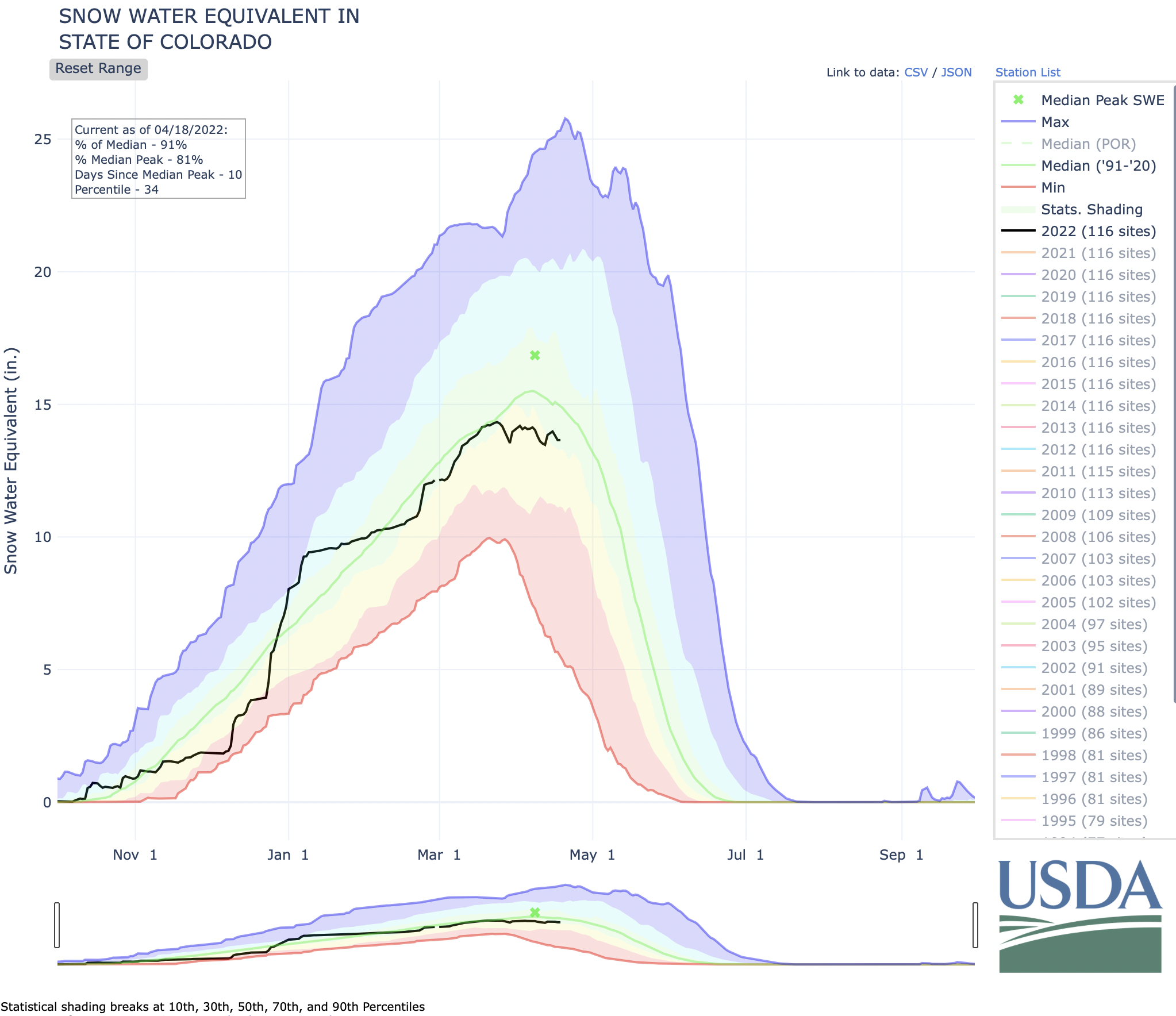
The class first snowshoed to a monitoring site where Derry and Steltzer spoke about snow-water equivalent, the metric water managers use to estimate runoff in spring, and the need for more robust scientific monitoring to understand the impact of climate change on the region’s water resources…
Ecologist Heidi Steltzer evaluates the site of a 2018 wildfire within 10 miles of her Colorado home. Changes in snow affect the disturbance regime of U.S. mountain regions. (Credit: Joel Dyar)
“The goal was never for these SNOTEL (monitoring) sites to characterize long-term change in the snowpack. The goal was annual water supply, so they aren’t ideally located to tell the story of change over time,” [Heidi Steltzer] said.
Students then dug snow trenches to examine dust and learn some of the measurement techniques they would need if they decided to pursue careers in snow science. It was while measuring snow density and analyzing dust layers that Derry, who helps run the Colorado Dust-on-Snow program, broke down the impact of dust on snowpack and interconnected physics that ultimately lead to snowmelt.