
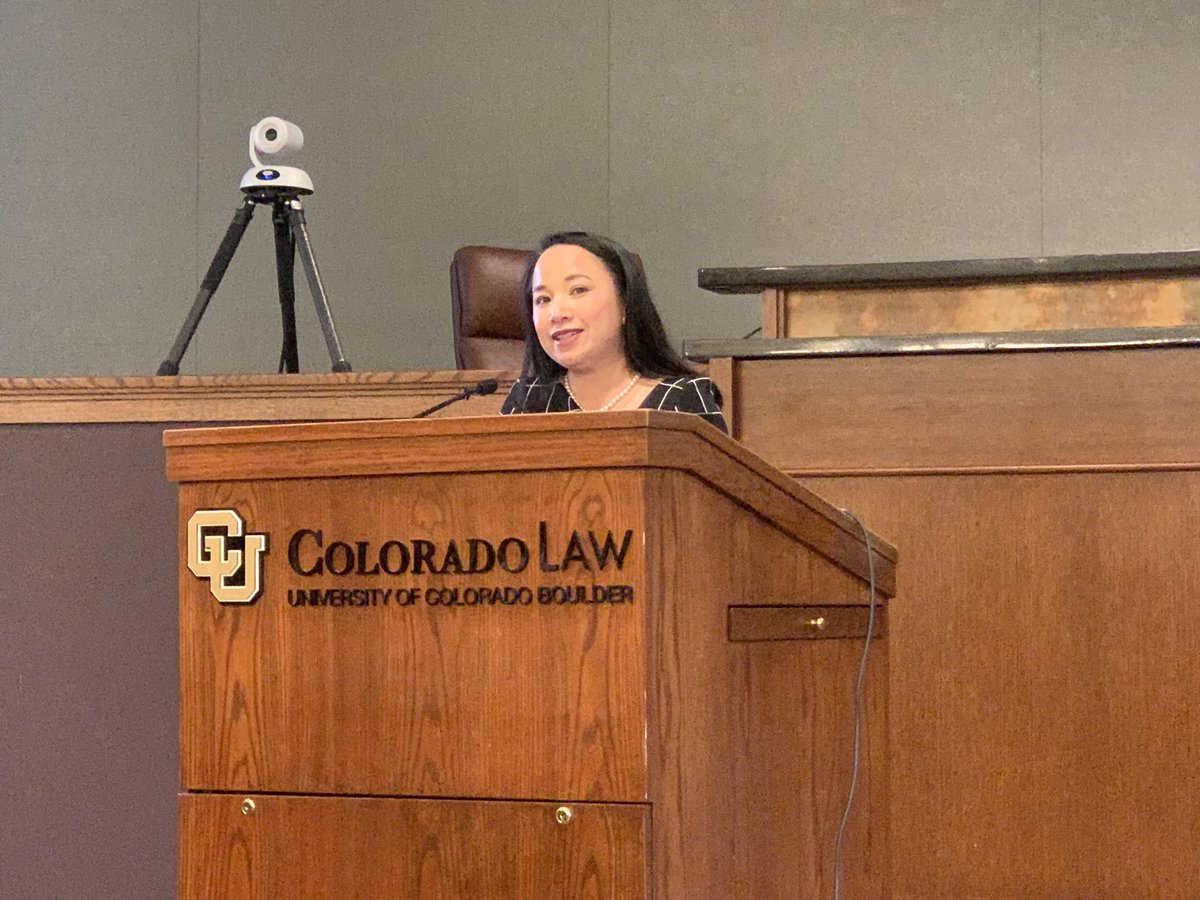
Click the link to read the article on the KUNC website (Alex Hager). Here’s an excerpt:
Hot on the heels of a short-term agreement to cut back on Colorado River water use, states are looking ahead to talks about more permanent cuts. The Bureau of Reclamation, the federal agency which manages the West’s water, announced that those negotiations will formally begin next week with a notice in the Federal Register. The announcement came at an environmental law conference in Boulder, Colorado on Thursday [June 8, 2023], where scientists, state and federal governments, and tribes met at the University of Colorado’s law school…
It still remains unclear how exactly the states plan to arrive at permanent cutbacks that will likely be painful to some of the farms and cities that depend on the river’s water, which flows to tens of millions of people and a multi-billion dollar agriculture industry. Pressed for details, state leaders shared little beyond high-level ideas about the need for water conservation across all seven states that use the Colorado River…Becky Mitchell, director of the Colorado Water Conservation Board, emphasized that post-2026 guidelines need to “acknowledge that climate change is real.”
[…]
Camille Calimlim Touton, commissioner of the Bureau of Reclamation, shared new details about the agency’s upcoming plans for water management. The agency has withdrawn its draft Supplemental Environmental Impact Statement while it reviews the proposal, and plans to arrive at a final plan – or “Record of Decision” – by the end of 2023. Reclamation has so far been tight-lipped with details about negotiations related to the 2026 deadline, but Touton said the agency will “formally advance” the process for those multi-year talks starting the week of June 12. Starting the process next week, she said, will allow the agency to publish a new draft SEIS by the end of 2024…
A panel with representatives from 13 tribes spoke about the evolving role of tribes in water negotiations. Officials and attorneys spoke about their current struggles to maintain steady access to clean water, the historic aggression and exclusion that drove them away from water management and the need for tribes’ input as talks continue.
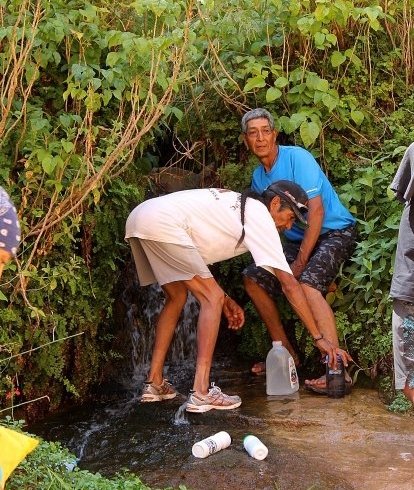
Although Indigenous people in the Southwest have been using Colorado River water longer than any other group in the region, they have largely been excluded from discussions about how the river is shared. The 30 federally-recognized tribes that use the river control about a quarter of its flow, but most lack the money and infrastructure to use their full allotments. Tribal leaders said their millennia-long history in the region could offer lessons for the future of water management.