#Drought news December 24, 2025: Across #Colorado, D4 was introduced to Eagle and Pitkin Counties

Click on a thumbnail graphic to view a gallery of drought data from the US Drought Monitor website.

Click the link to go to the US Drought Monitor website. Here’s an excerpt:

This Week’s Drought Summary

During the last 7-days, strong anomalous ridging over the Aleutians and troughing over the Gulf of Alaska promoted northerly flow across Alaska, leading to below-normal temperatures and little snowfall. Downstream, an unusually strong ridge dominated the flow across the contiguous United States. Between the northeastern Pacific trough and this ridge, strong onshore flow and atmospheric river activity promoted copious amounts of precipitation across the Pacific Northwest, though above-normal temperatures kept snow elevations higher than normal and limited the ability of this precipitation to substantially build early season snowpack across the Cascades, northern Sierras, and northern Rockies. Little to no precipitation was observed across the Southwest through the Plains under the anomalous ridge, and much above-normal temperatures promoted degradations of drought depictions for portions of the Rockies, Great Plains, and the lower to mid-Mississippi Valley. Across the East, an active northern stream saw the development of several storm systems which brought widespread precipitation across portions of the South, the Tennessee and Ohio Valleys, and the Northeast. Warming temperatures across the region caused much of this precipitation to fall as rain, melting much of the snowpack built during the previous week in the process. This precipitation led to some modest improvements to drought and abnormal dryness, though more widespread drought reductions were limited due to frozen soils and streams across New England, and groundwater conditions that are slower to respond to precipitation across the mid-Atlantic region. Dry conditions and above-normal temperatures led to degradations across much of Florida…

High Plains

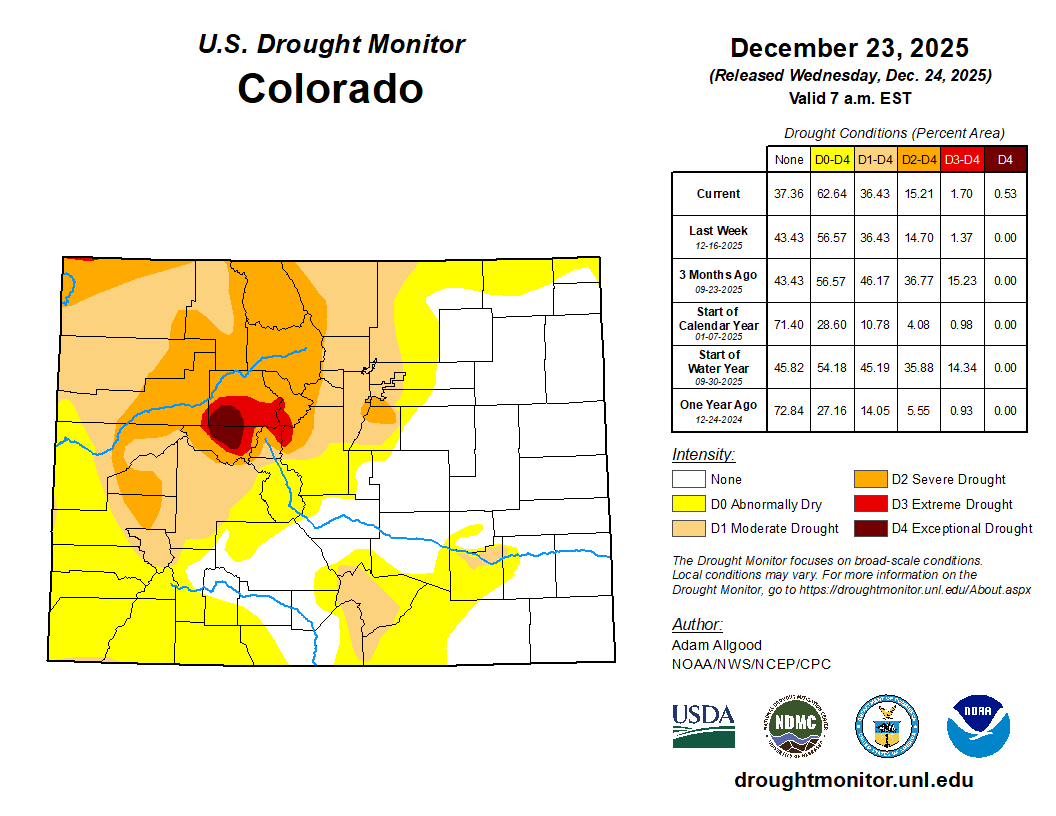
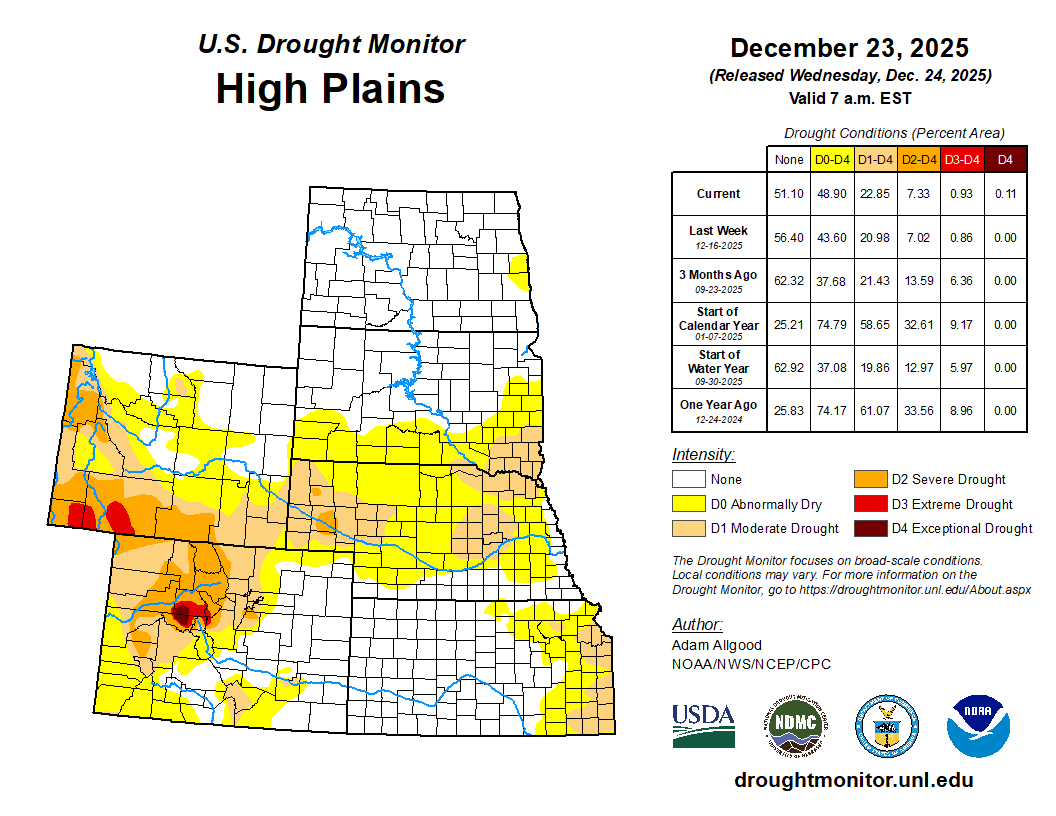
A lack of snow cover, much above-normal temperatures, and periods of strong winds led to an unusual amount of winter degradation across the High Plains region.D2 expanded across western Nebraska, with expansions of both D1 and D0 occurring across central and eastern parts of the state, where precipitation was generally less than 0.2 inch equivalent, and high temperatures soared as high as the 70s. A small area of D1 expanded across southeastern Kansas, and across Colorado, D4 was introduced to Eagle and Pitkin Counties. D0 expanded across the Plains of Wyoming, where warm temperatures, strong winds, and a record lack of snow cover promoted worsening impacts. Drought depictions remained unchanged across the Dakotas, where soils and streams have largely frozen for the winter…

Colorado Drought Monitor one week change map ending December 23, 2025.

West

Across the West, a series of atmospheric river events brought copious amounts of precipitation to the Pacific Northwest, with Washington and the northern Rockies continuing to be pounded, and precipitation extending further south later in the period to blanket western Oregon and northern California, which had missed out on heavy precipitation during AR events earlier in the month. While the repeated bouts of heavy precipitation continue to ease lingering drought conditions west of the Cascades, the picture is a bit more mixed at higher elevations. Temperatures during the period ranged above-normal, keeping snow elevations higher than average, which prevented the much above-average precipitation from building up substantial snowpacks in the Cascades and northern Sierras. In fact, SWE values remain below 50-percent of average across the Cascades, northern Sierras, Blue Mountains, and the Bitterroot Range, though conditions have started to improve across the remainder of the Northern Rockies. While not an immediate drought concern during the winter months, a lack of snow cover could present problems during the Spring and Summer melting season, and additional precipitation along with colder temperatures are needed to recover the snowpack conditions during this wet season. Based on these considerations, D1 and D0 were reduced along the western front of the Cascades and across small portions of the Intermountain West, but drought conditions were maintained across the higher elevations. A small area of D0 reduction was made across northern Montana, where recent storminess brought improvements to 30- and 60-day SPI values…

South

Following another week of subnormal precipitation, and with temperatures ranging above-normal, the South saw further drought degradations. A small area of heavier precipitation fell across far South Texas, resulting in reductions of D1 and D0, but drought expanded or intensified across the southern Texas plains, Hill Country, and the Piney Woods. Drought also intensified along the Red River Valley, and degradations were more widespread across the eastern two thirds of Oklahoma and Arkansas. In Arkansas, local observers continue to report drying lakes and ponds, while in Oklahoma, record warmth, strong winds, and persistently below-normal precipitation promoted expansion of D2 and D3 conditions. Across Tennessee, precipitation was more generous, and a swath of 1 inch or more fell across the central portion of the state where D0 conditions are currently in place. Despite this rainfall, 60- to 90-day precipitation levels remain below-normal, and SPI values continue to indicate dry conditions. Therefore, no improvements were made across Tennessee…

Looking Ahead

During the next few days, atmospheric river activity will continue to bring copious moisture to the West, with the focus of heavy coastal rainfall and mountain snows shifting to California. Heavy precipitation is forecast to push inland to the Great Basin and portions of the Rockies. Later in the week, as the Pacific trough moves onshore and ridging builds over the northeastern Pacific, a break in AR activity is favored through the end of Week-1. Further east, persistent ridging is forecast for the central US, leading to mostly dry conditions and much above-normal temperatures for the Plains. Across the East, a blocking ridge retrograding towards Greenland from Europe will promote backdoor front activity and cold air damming, as well as providing a focus for additional precipitation and winter storm activity. The WPC 7-day QPF forecast shows precipitation amounts exceeding an inch across most of the Northeast Region, much of which may fall as snow or a wintery mix across the mid-Atlantic. Mostly dry conditions are favored for the Southeast during Week-1, with light rain possible across the lower Mississippi Valley. During Week-2, CPC forecast indicate enhanced chances for above-normal precipitation for the western third of the CONUS, with the highest probabilities across the Southwest. A slight tilt towards above-normal precipitation extends along the northern tier to the Great Lakes region, while below-average precipitation is favored for much of the eastern seaboard. Strong anomalous ridging favors above-normal temperatures for most of the CONUS, with blocking potentially leading to below-average temperatures across the Northeast. Above-normal precipitation is favored for Hawaii, while below-normal temperatures are favored for Alaska, with drier than normal conditions expected along the southern tier of the state.
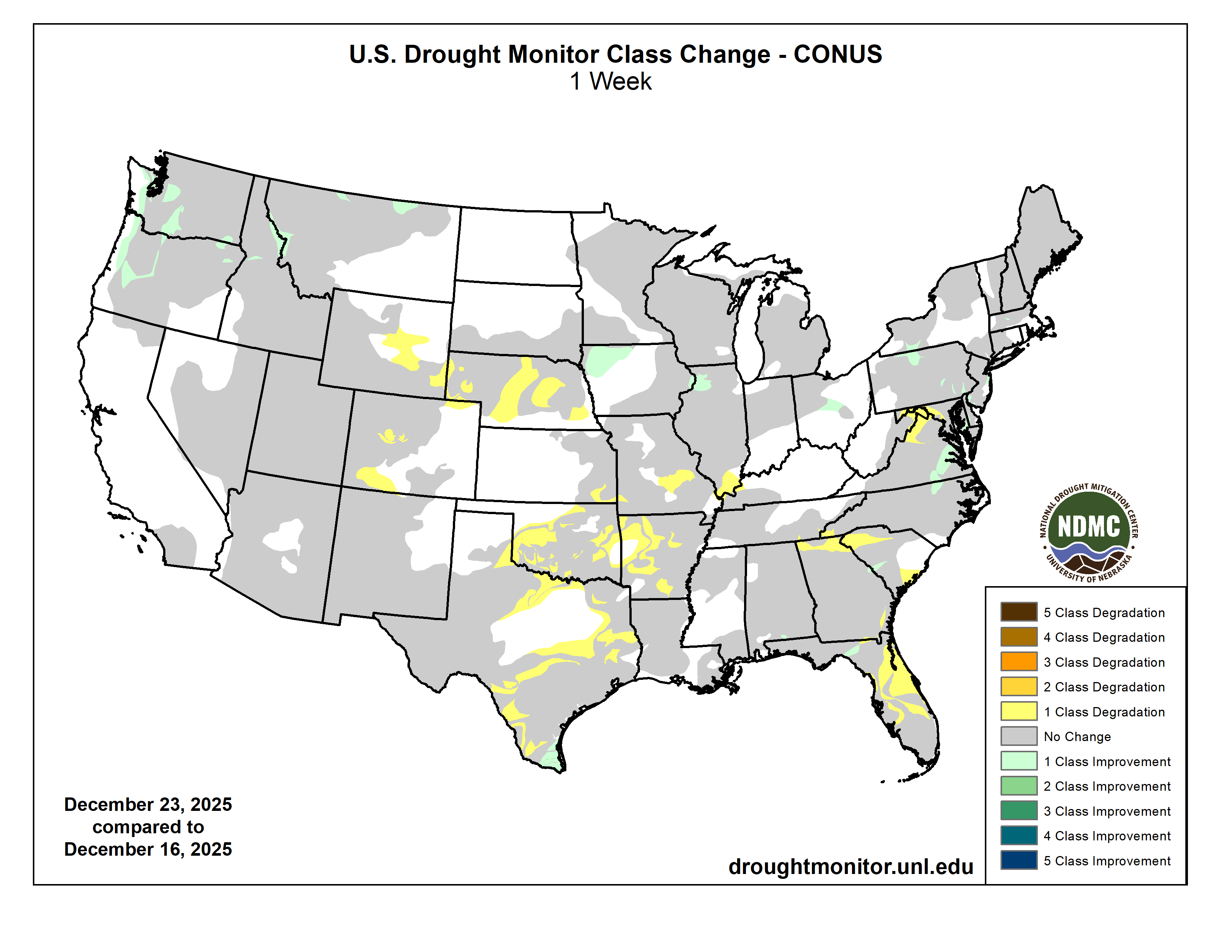
Drought Monitor one week change map ending December 23, 2025.

Looking for light in the season of darkness: Plus: Wacky Weather, Data Centers, more.

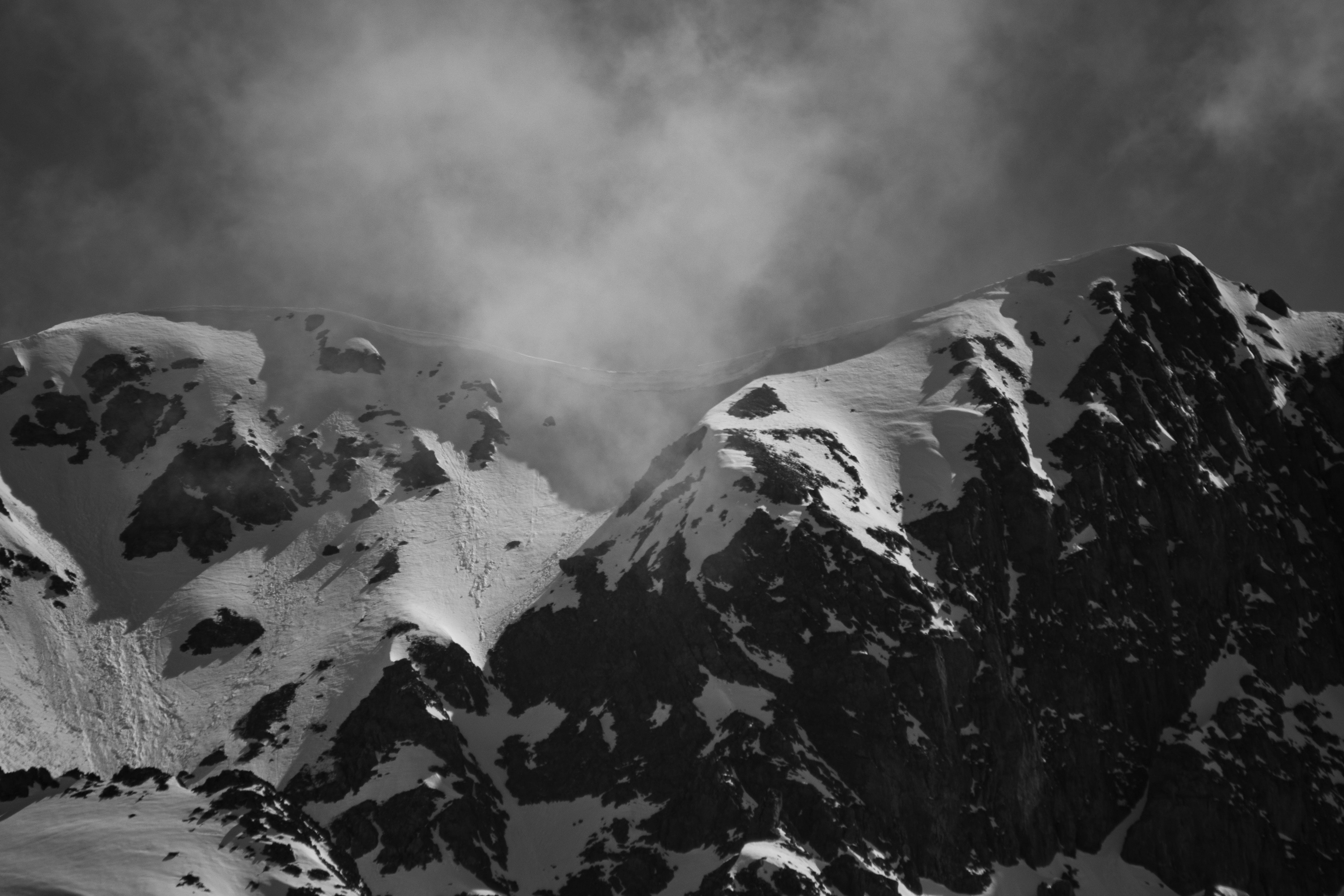
Sultan Mountain snow and sky. Jonathan P. Thompson photo.

Click the link to read the article on The Land Desk website (Jonathan P. Thompson):

December 19, 2025

🐐 Things that get my Goat 🐐

The winter solstice teaches us that we must descend into the darkness before we can return to the light. This solstice season we find ourselves in especially dark times —figuratively speaking.

We can be fairly certain that the earth’s northern hemisphere will begin tilting back towards the light next week. Yet we can only hope that America will find similar relief from the metaphorical shroud of darkness under which it has fallen.

As I monitor the news each day, I find myself spiraling past frustration, disdain, and outrage and sinking into a mire of disbelief and despair. That our government is rife with corruption, short-sightedness, greed, and incompetence is outrageous, but neither new nor surprising. What is new is that those traits are now combined with blatant cruelty, wretchedness, moral vacuity, outright bigotry and racism, and a pathological dearth of empathy and compassion. It’s a toxic stew that emanates from the president, is lapped up by his sycophantic and unqualified cabinet — not to mention the tech broligarchs who debase themselves in hopes of holding onto a few more million of their billions of dollars at tax time, or ease the regulatory burden on their hyperscale AI-powering data centers.

Perhaps most distressing is that the safeguards that once protected the nation from the lunatics or incompetents in power — i.e. the courts, the rule of law, Congress — have themselves been broken down or infected with the same malady of wretchedness.

If you think I’m exaggerating, just consider the current situation: The U.S. military is blowing up Venezuelan boats — and then striking the wreckage again to kill any survivors — and is threatening to go to war with the country and send American soldiers into harm’s way, simply to distract the nation from Trump’s disastrous policies and his close association with known pedophile, sex-trafficker, and scam artist Jeffrey Epstein. And when Democratic members of Congress — and decorated veterans — tell soldiers they will support them if they refuse to break the law, Trump threatens to court-martial them.

That’s outrageous and despicable. That Congress and the courts and the American people aren’t rising up en masse in revolt is depressing. And that’s just one example of so, so many like it. Which explains the extra despair during this dark season.

I’m saying a little pagan prayer that the light will return next year.

But for now, I’m afraid I have some more darkness to report from the Land Desk beat:

  • Back in 2024, former Mesa County clerk and right-wing conspiracy theorist Tina Peters was convicted by a jury of breaching the security of her office’s own election system in 2021 in a futile attempt to prove election fraud. Trump pardoned her, but it didn’t count because it is a state, not federal, crime, and Gov. Jared Polis wasn’t going to play Trump’s game. That made Trump mad, so, in his usual fashion, he governed by spite and is now planning to dismantle the National Center for Atmospheric Research in Boulder. 
  • This will not only hurt Colorado, but also science and all the people who are affected by climate and weather and the like, which is to say: everybody, this harms us all. Here’s a couple Blue Sky takes from prominent scientists:

  • The U.S. House of Representatives voted yesterday to pass Rep. Lauren Boebert-sponsored legislation that would remove Endangered Species Act protections for gray wolves in the lower 48 states.Ā The bill now goes to the Senate. Congress delisted wolves in the Northern Rockies in 2011, turning management over the states; hunting wolves is no allowed in Montana, Wyoming, and Idaho. This bill could potentially do the same for wolves in California, Colorado, Oregon, Washington, New Mexico, Nevada, and most of Utah.
  • The Bureau of Land Management is going on a bit of a tear when it comes to auctioning off public land leases to oil and gas companies.Ā Just a couple of examples of future sales (June 2026) you can weigh in on:
    • In Utah, the administration is planning onĀ offering 39 parcelsĀ covering about 54,000 acres. A bulk of the parcels are located south of the town of Green River, east of the river itself, and adjacent to Tenmile Canyon.
    • And it’s looking toĀ sell 174 oil and gas leasesĀ covering more than 160,000 acres in Colorado. They don’t have the maps up for these ones yet, but judging by the descriptions it seems they are scattered across much of the state (but not in southwestern Colorado).
ā›ˆļø Wacky Weather Watchāš”ļø

Weather is wacky and probably always has been. But this month has got to be one of the weirdest, weather-wise, the West has seen in a while. It’s like the new abnormal on steroids, and it’s hard to deny that much of it has the oily fingerprints of human caused climate change smeared all over it.

This week, alone, the West has experienced:

  • A succession of atmospheric rivers pounded the Northwest, dropping more than 10 inches of rain in places over a few days and bringing several rivers up to record-high flows and causing widespread flooding.Ā The Skagit River near Mt. Vernon, Washington, jumped from about 13,500 cubic feet per-second on Dec. 4 to 133,000 cfs a week and a day later. The Snohomish River saw even more dramatic increases in flow.Ā 
    The flooding and landslides severely damaged U.S. Hwy 2 through the Cascade Mountains, and it could beĀ closed for months. And anywhere between 200,000 and 500,000 homes and businesses wereĀ left without powerĀ after the floods, rains, and severe winds toppled utility lines, reminding us once again that extreme weather is a far greater danger to the power grid than shuttering coal plants.
    Atmospheric rivers and big storms aren’t abnormal. But becauseĀ warm air can hold more moisture, these ones may have been intensified by global heating.
  • The storms came on the heels of theĀ warmest meteorological autumnĀ on record in the Northwest (based on 130 years of record-keeping).Ā The result: Huge dumps, even in the mountains, falls mostly as rain, not snow, meaning the snowpack remains relatively sparse across much of the region.
  • The soggy soil of the Northwest coincided with smoky skies in eastern Colorado.I had thought that I could close out myĀ Watch DutyĀ wildfire-monitoring tab for the season, but I had to bring it back up on Wednesday night as wicked winds combined with dry conditions and warm temperatures to whip up a trio of grass fires in Yuma County, Colorado, with another one flaring up along the Colorado-Wyoming line. All fires were contained, but they brought back memories of theĀ 2021 Marshall Fire, which broke out in similar conditions at the end of December.
  • The fires followed a nine-day warm streak on the Front Range, when the mercury in Denver topped out at 60° F or above, including reaching a daily record high of 71° on Dec. 17.Ā The rest of the state was also abnormally warm (after a seasonably chilly beginning to the month).
  • Expect the same to continue into the New Year.Ā While Utah and western Colorado may get some precipitation, it’s likely to be either rain or sloppy snow — i.e. Schneeregen — due to unseasonably high predicted temperatures.

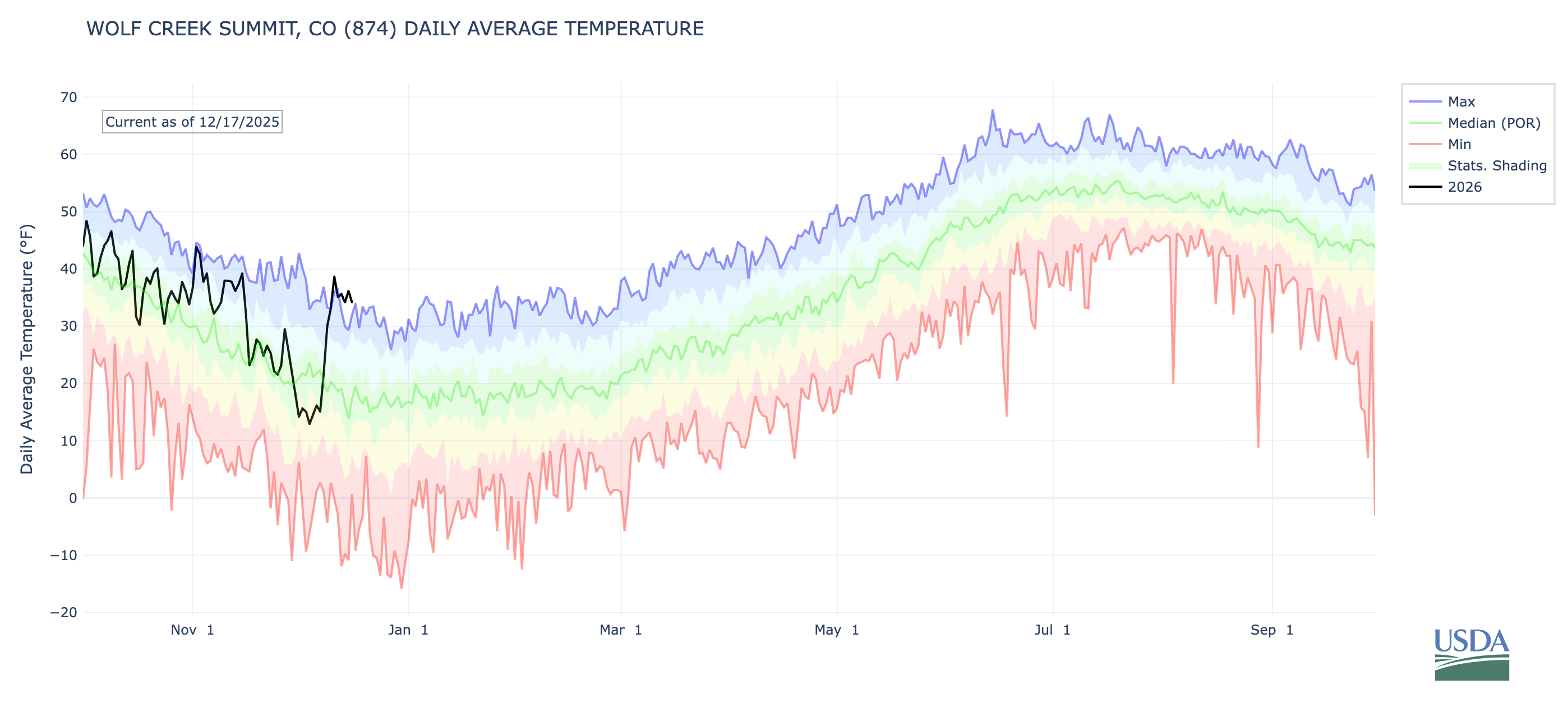
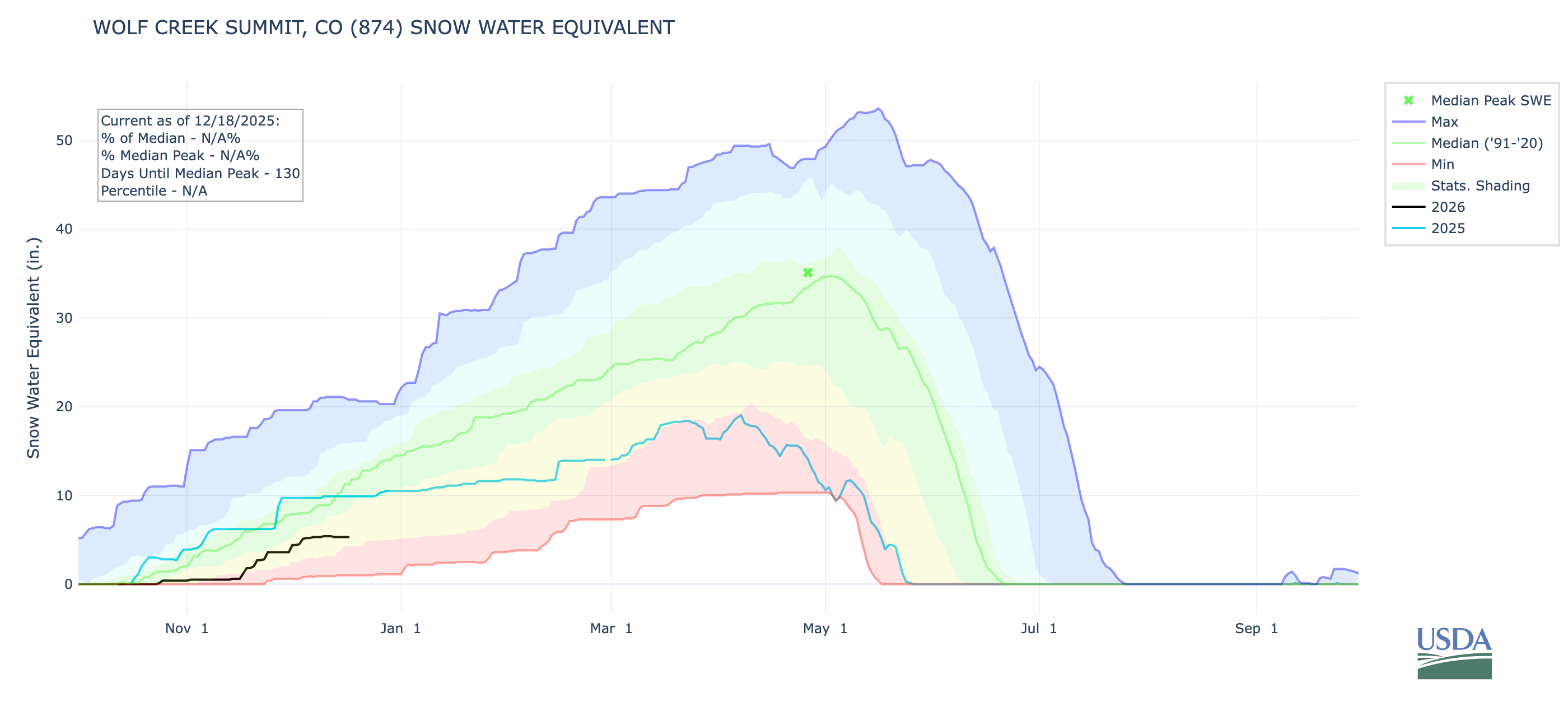
Most ski areas in the Interior West are open now, but that doesn’t mean the conditions are good.Ā To the contrary, they’re generally lousy almost everywhere, with snowpack levels hovering around 50% ofĀ ā€œnormalā€Ā everywhere from Utah’s Wasatch Range to Vail to Wolf Creek in southwestern Colorado. In most of those places the story of the season is the same: It started off with heavy rainfall, followed by a succession of decent snow storms that offered false hope, only to be dashed by a run of warm snow-melting temperatures.Ā  So far the story’s even more extreme in the Sierra Nevada, where the mountains are utterly devoid of snow, despite massive, flood-inducing rains this fall. The following graphics from the Wolf Creek Pass SNOTEL station tell the story of most of the region:

The water year started with a deluge and flooding on the San Juan River through Pagosa. While precipitation leveled off after that, accumulations remain above normal and significantly higher than on this date last year.
The problem: All of that water fell as, well, water, not snow, thanks mostly to high temperatures. Note how average daily temperatures have been above the median, sometimes way above it, all water year so far.
The result: way below ā€œnormalā€ snowpack levels. They are also significantly lower than at this time last year, and last year sucked, to put it bluntly. While all of the rain eased drought conditions and restored some moisture to the soil, the lack of snow does not bode well for spring runoff — or the reservoirs and water users that depend on it.
šŸ¤– Data Center Watch šŸ‘¾

The backlash to the Big Data Center Buildup is gaining steam, and the resistance to the energy- and water-guzzling server farms is scoring a few victories and suffering defeats.

  • Earlier this month, Chandler, Arizona’s city council voted to reject Active Infrastructure’s proposed rezoning request that would have cleared the way for the developer to raze an existing building and replace it with an AI data center complex. The denial followed widespread opposition from residents, and in spite of lobbying by former Sen. Kyrsten Sinema in favor of the facility and the developer’s pledge to use closed-loop cooling, which consumes less water (but more energy) than conventional cooling systems.
  • Opposition to a proposed data center in Page, Arizona, was dealt a blow when aĀ referendum to block a land saleĀ for the facility wasĀ rejectedĀ because the petition didn’t meet legal requirements. Beth Henshaw hasĀ more on the Page proposalĀ over at theĀ Corner Post, a cool nonprofit covering the Colorado Plateau.
  • Pima County, Arizona’s supervisorsĀ approved an agreementĀ with Beale Infrastructure advancing its proposed Project Blue data center. The developer is pledging to match 100% of its energy consumption with renewable sources and to use a less water-intensive closed-loop cooling system. Opposition to the facility has been fierce.
šŸŒž Good News! šŸ˜Ž

These days we hear a lot about how utility-scale wind and solar developments harm the flora and fauna of the desert. But one solar installation near Phoenix is providing sanctuary for wildlife, as reported by Carrie Klein in Audubon recently. Wild at Heart, a raptor rehabilitation center, rescued a bunch of burrowing owls from a housing development construction site. But instead of returning them to the wild (which is becoming more and more scarce in Arizona), they set them up in plastic tunnels they built amid a 10,000-acre solar installation. The owls are not only surviving, but are thriving and successfully reproducing. Finally, a bit of light! 

šŸ“øĀ Parting ShotĀ šŸŽžļø

Moon and tree, Bryce Canyon National Park. Jonathan P. Thompson photo.

Coyote Gulch’s excellent EV adventure: #CRWUA2025 #ColoradoRiver #COriver #aridification

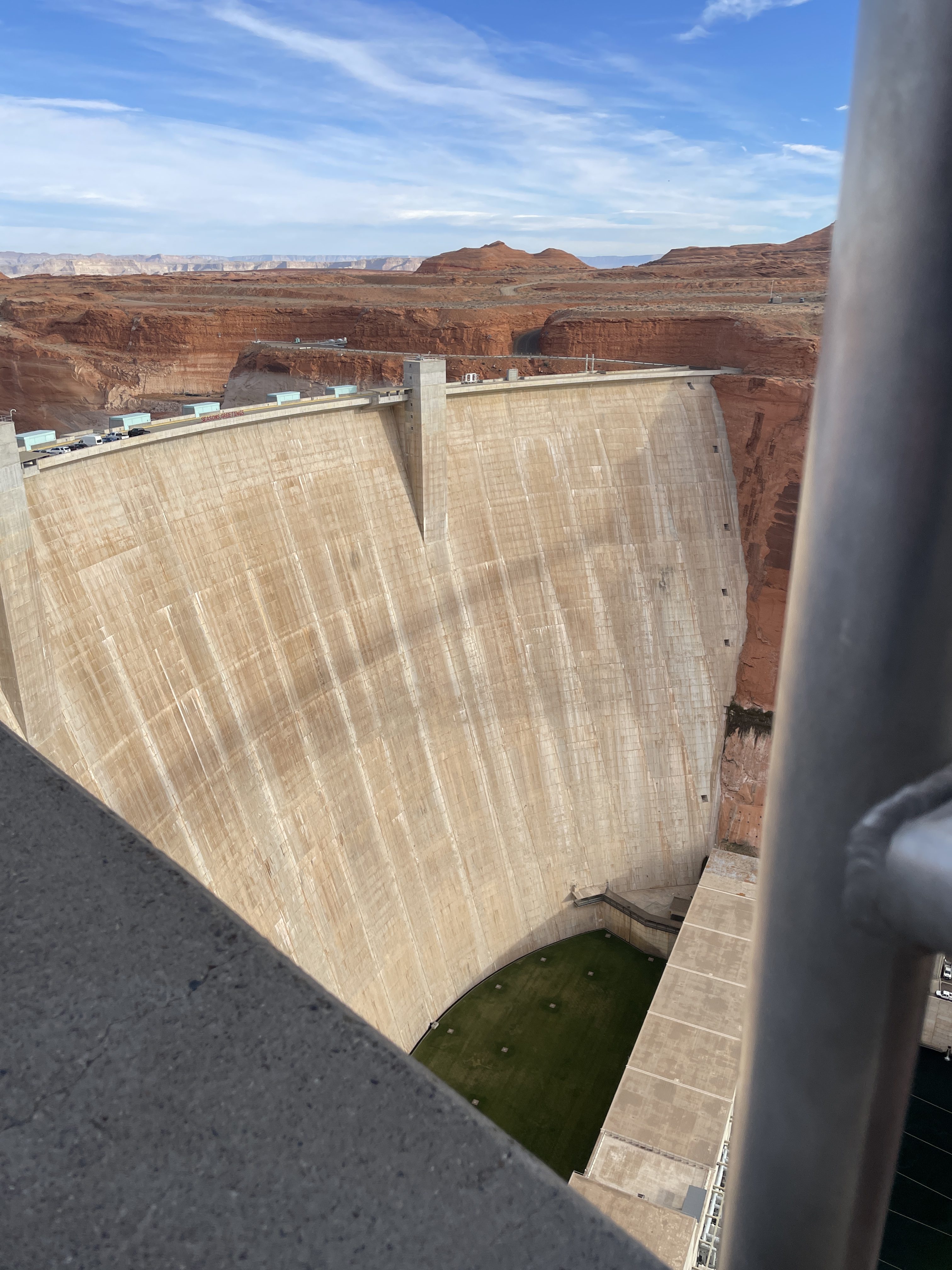
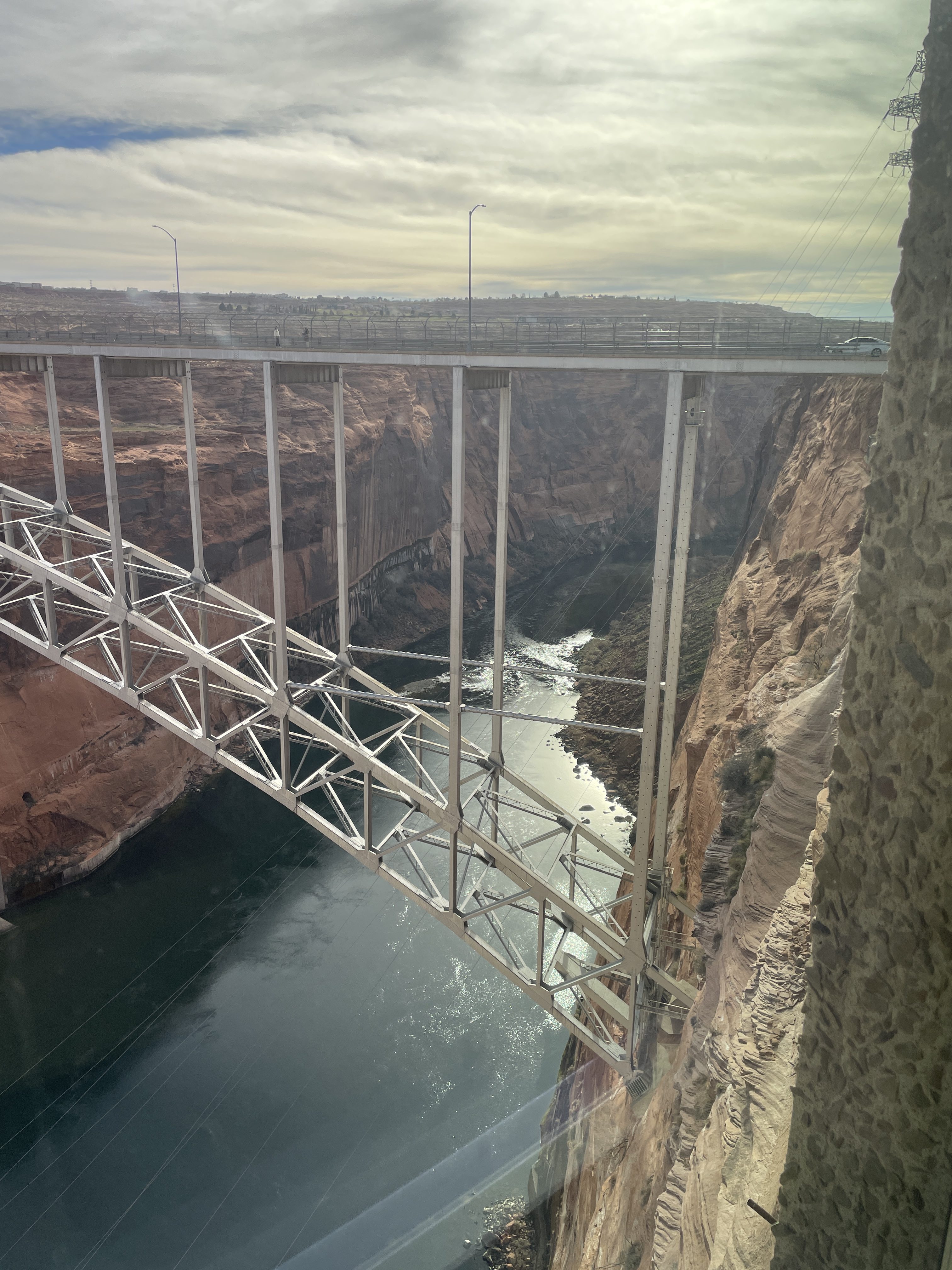
Glen Canyon Dam from the visitor center December 19, 2025.

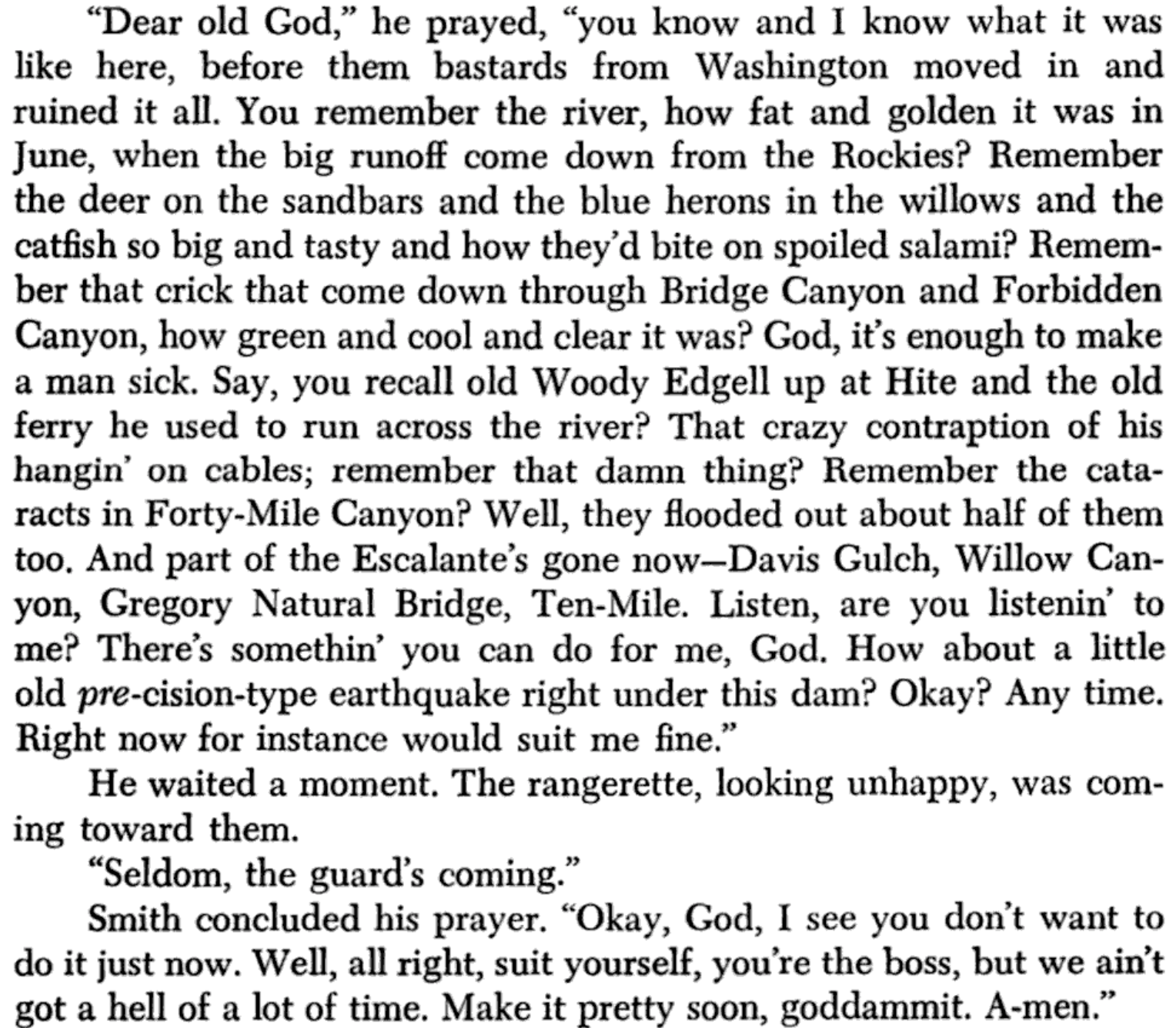
Update: I found a more complete rendering of Seldom Seen’s Prayer in the Coyote Gulch archives. Scroll to the bottom.

I’m on the road back to Denver. I decided to take a southerly route east from St. George through southern Utah and Northern Arizona to travel through country I had not seen before. A short drive from Kanab on Friday put me at Glen Canyon Dam. Although I am not religious I wanted to stop there and recite Seldom Seen’s Prayer from Edward Abbey’s “Monkey Wrench Gang” which I first read while walking down the Escalante River. My sisters and brothers that walk the tribs off Glen Canyon understand.

A bend in Glen Canyon of the Colorado River, Grand Canyon, c. 1898. By George Wharton James, 1858—1923 – http://digitallibrary.usc.edu/cdm/ref/collection/p15799coll65/id/17037, Public Domain, https://commons.wikimedia.org/w/index.php?curid=30894893

“Dear old God, you know and I know what it was like here, before them bastards from Washington moved in and ruined it all. You remember the river, how fat and golden it was in June, when the big runoff come down from the Rockies?… Listen, are you listenin’ to me? There’s somethin’ you can do for me, God. How about a little old pre-cision-type earthquake right under this dam? Okay? Any time. Right now for instance would suit me fine.” -Seldom Seen Smith (H/T Fisher Brewing Company)

My rented Model Y at Glen Canyon Dam December 19, 2025.

What a joy it is to drive the Model Y with self-driving. Self-driving was particularly useful in Las Vegas with all the traffic and unfamiliar (to me) roads. The integration of the Navigation system and the Tesla Charging Network takes quite a load off cross-country road trips. For the leg between St. George and Pagosa Springs I charged at St. George, Page, Kayenta, and Durango.

Glen Canyon downstream of the dam December 19, 2025.

I found a more complete rendering of Seldom Seen’s prayer in the Coyote Gulch archives.

Seldom Seen’s prayer at about Glen Canyon Dam from The Monkey Wrench Gang — Edward Abbey