The health of our waters is the principal measure of how we live on the land — Luna Leopold
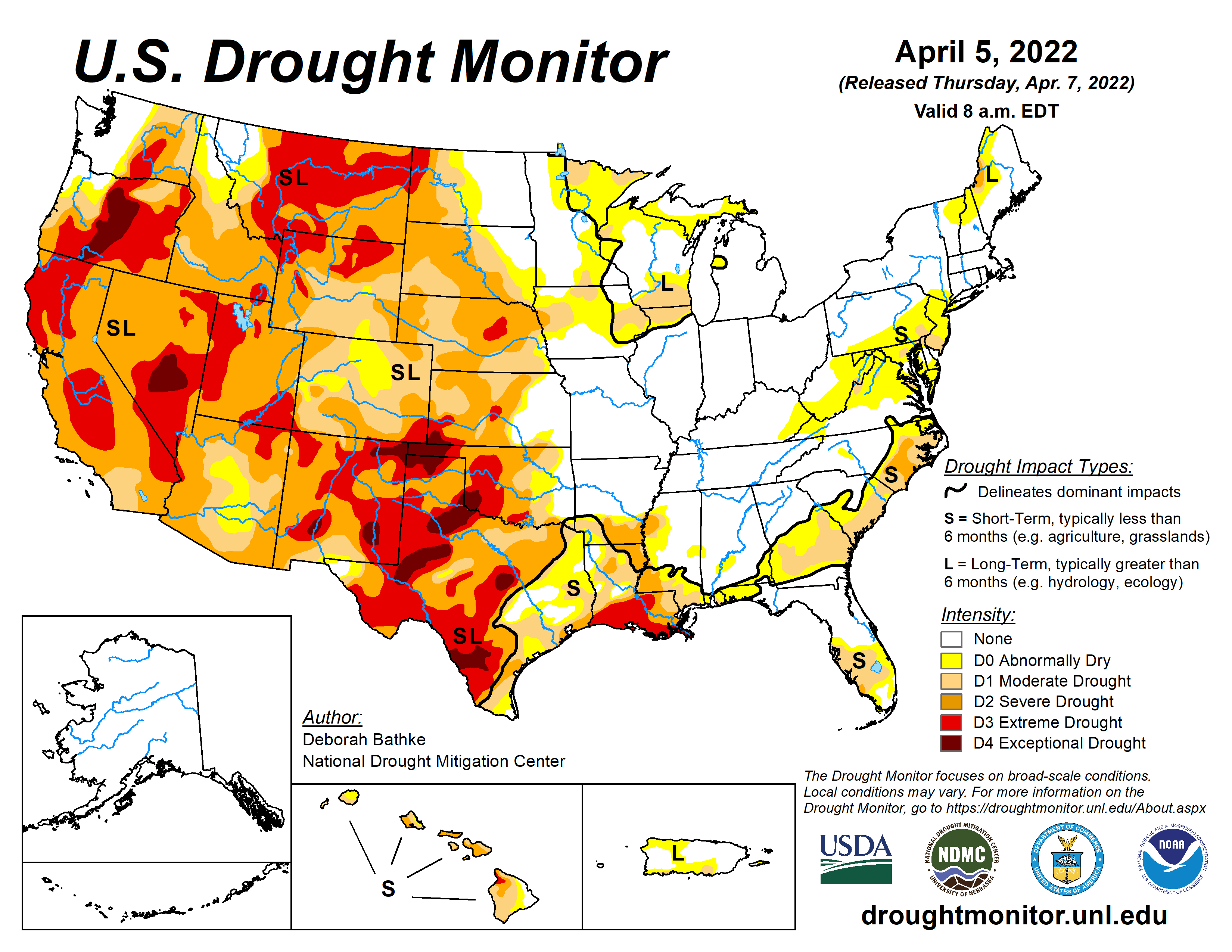
Great Plains could see its most significant #drought in a decade: Seventy percent of the Southern Plains is experiencing a severe drought or worse — The Washington Post
The Plains are no stranger to drought, with severe drought occurring around seven times in the last 20 years. But the 2012 drought period represents the worst drought for many who have lived in the area for their entire lifetimes. Now they may face another one like that.
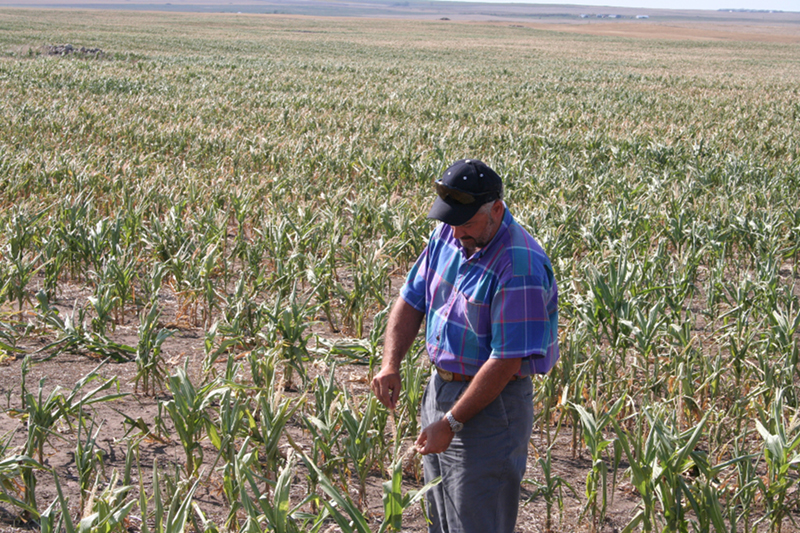
Drought impacted corn. Water stress can lead to insufficient water supply for cities, agriculture, and vegetation. Dry vegetation may facilitate the propagation and increase the risk of wildfires.
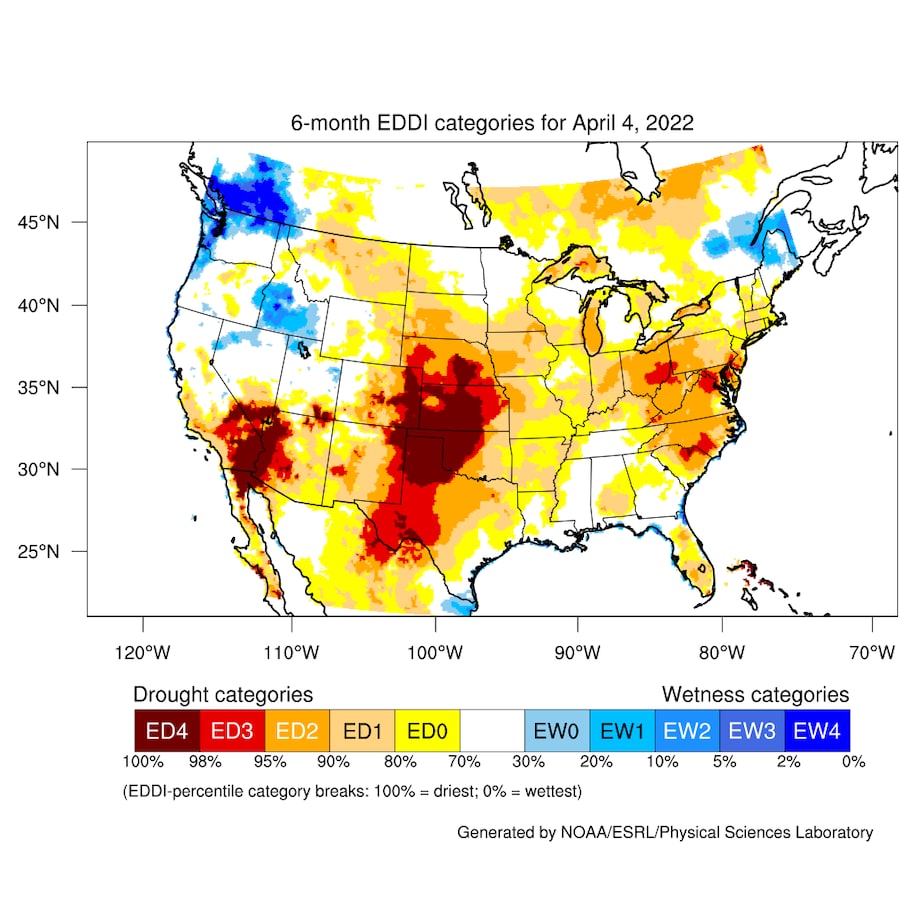
This summer, the region could be at risk for another extreme drought. According to the U.S. Drought Monitor, 70 percent of the Southern Plains region is currently in a severe drought or worse (D2+). This is up from just 7 percent six months ago. Precipitation deficits tell one part of the story. The Southern Plains area has received between 2 and 8 inches less than average for the last six months. Evaporative demand, or the potential loss of water from the surface, has increased stress on the vegetation, which can dry them out more quickly.
Precipitation deficits tell one part of the story. The Southern Plains area has received between 2 and 8 inches less than average for the last six months. Evaporative demand, or the potential loss of water from the surface, has increased stress on the vegetation, which can dry them out more quickly.
As a result, farmers have abandoned a large amount of winter wheat, affecting both supplies in the country as well as potential exports. Winter wheat conditions for the country are the poorest they have been in the last 20 years for the beginning of April. In the Plains, the amount of winter wheat in good to excellent condition is a mere 30 percent (down from 53 percent last year), and the amount in poor to very poor conditions is 36 percent, up 20 percentage points from last year…
As a result, farmers have abandoned a large amount of winter wheat, affecting both supplies in the country as well as potential exports. Winter wheat conditions for the country are the poorest they have been in the last 20 years for the beginning of April. In the Plains, the amount of winter wheat in good to excellent condition is a mere 30 percent (down from 53 percent last year), and the amount in poor to very poor conditions is 36 percent, up 20 percentage points from last year…
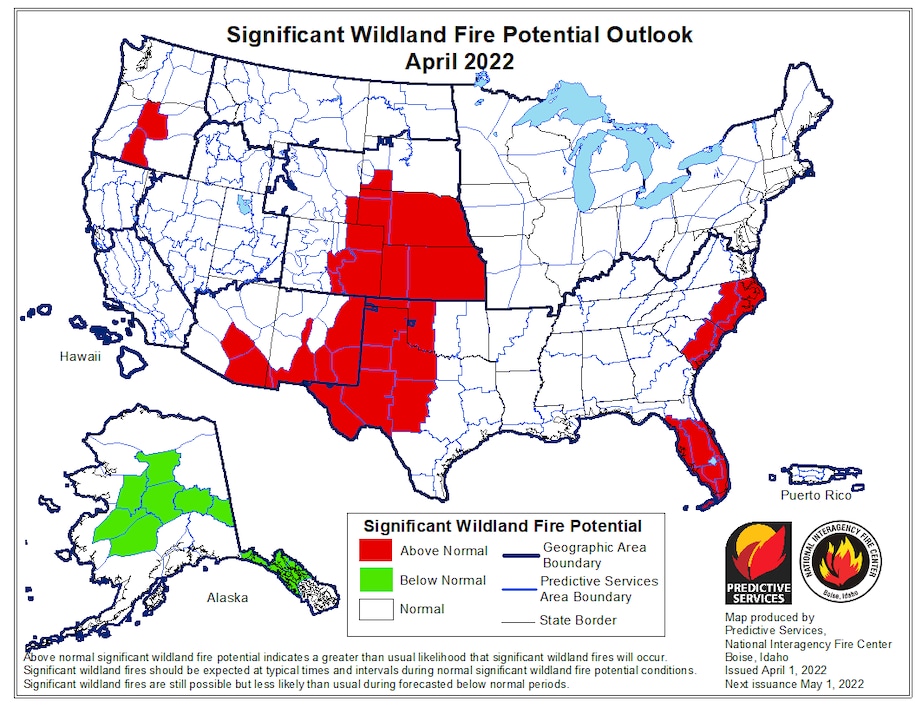
The National Interagency Fire Center is forecasting above normal risk for significant wildfires for April. A higher risk for significant wildfires continues across the Southern Plains and spreads into the Northern Plains throughout the spring and summer.
A higher risk for significant wildfires continues across the Southern Plains and spreads into the Northern Plains throughout the spring and summer. (National Interagency Fire Center)
Conditions are likely to worsen before they get better, according to the Climate Prediction Center’s seasonal outlook for April, May and June. In the Texas panhandle, there’s a 56 percent chance that the season will be drier than average, and only an 11 percent chance of wetter-than-average conditions…
What does this outlook mean as we get to summer?
Dry conditions will further increase precipitation deficits and extend the length of time it will take to recover. Warm conditions will increase evaporative losses to the atmosphere, continue to dry out soils and exacerbate the severity of the drought. Those dry soils will feed into the dry atmosphere in the summer, inhibit the development of beneficial storms and also increase the frequency of brutally hot days.