
Click the link to read the article on The Los Angeles Times website (Ian James). Here’s an excerpt:
March 21, 2025
- A new deep-sea desalination technology is undergoing testing in Southern California. Water managers hope it will offer an economical and environmentally friendly way of tapping the Pacific Ocean for fresh water.
- The CEO of the company that developed the technology calls it a moonshot to revolutionize how California — and the world — can transform seawater into drinking water.
- If the system proves viable, the company plans to build what it calls a water farm anchored to the ocean floor several miles off the coast of Malibu.
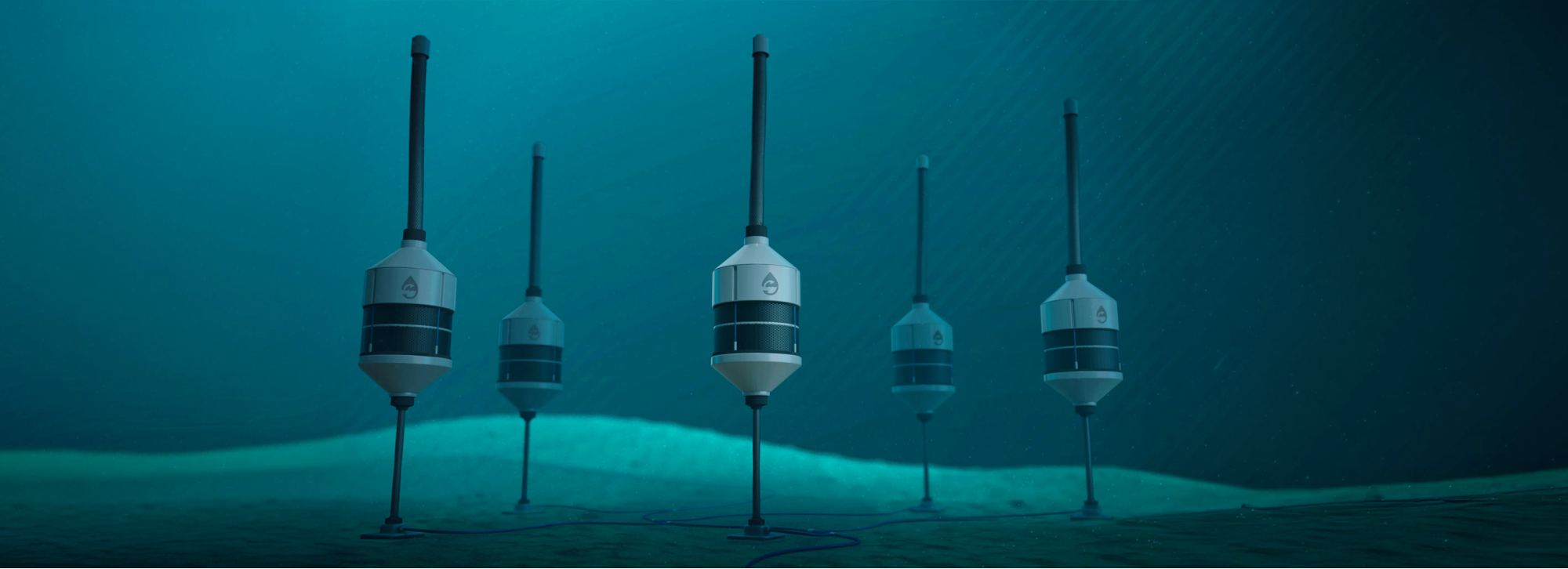
Californians could be drinking water tapped from the Pacific Ocean off Malibu several years from now — that is, if a company’s new desalination technology proves viable. OceanWell Co. plans to anchor about two dozen 40-foot-long devices, called pods, to the seafloor several miles offshore and use them to take in saltwater and pump purified fresh water to shore in a pipeline. The company calls the concept a water “farm” and is testing a prototype of its pod at a reservoir in the foothills of the Santa Monica Mountains. The pilot study, supported by Las Virgenes Municipal Water District, is being closely watched by managers of several large water agencies in Southern California. They hope that if the new technology proves economical, it could supply more water for cities and suburbs that are vulnerable to shortages during droughts, while avoiding the environmental drawbacks of large coastal desalination plants.
“It can potentially provide us Californians with a reliable water supply that doesn’t create toxic brine that impacts marine life, nor does it have intakes that suck the life out of the ocean,” said Mark Gold, director of water scarcity solutions for the Natural Resources Defense Council. “If this technology is proven to be viable, scalable and cost-effective, it would greatly enhance our climate resilience.”
[…]
Significantly less electricity is likely to be needed to run the system’s onshore pumps because the pods will be placed at a depth of about 1,300 feet, where the undersea pressure will help drive seawater through reverse-osmosis membranes to produce fresh water. While the intakes of coastal desalination plants typically suck in and kill plankton and fish larvae, the pods have a patented intake system that the company says returns tiny sea creatures to the surrounding water unharmed. And while a plant on the coast typically discharges ultra salty brine waste that can harm the ecosystem, the undersea pods release brine that is less concentrated and allow it to dissipate without taking such an environmental toll.