Click the link to read the article on The Denver Post website (Elise Schmelzer). Here’s an excerpt:
December 30, 2025
High in the mountains west of Fort Collins, teams of scientists and engineers are pretending to be beavers.
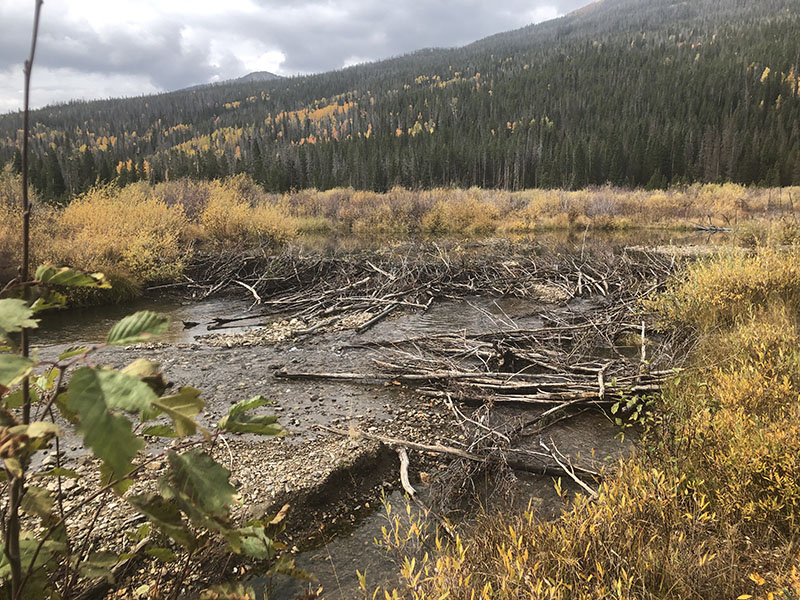
They may not be swimming or chewing trees, but researchers with the U.S. Forest Service and Colorado State University are building [beaver dam analogs] in burn scars to study how wetlands created by the dams impact ecosystem restoration and water quality after wildfires. The research led by Tim Fegel is some of the first of its kind, he said. Scientists have studied how meadow and wetland restoration affects wildlife habitat, but there’s been little exploration of how wetlands created by beaver dams could change water quality post-wildfire, said Fegel, a biogeochemistry lab manager with the Forest Service who is leading the project.
“It’s kind of a brave new world for us with this type of work,” said Fegel, who is also a doctoral candidate at Colorado State University.
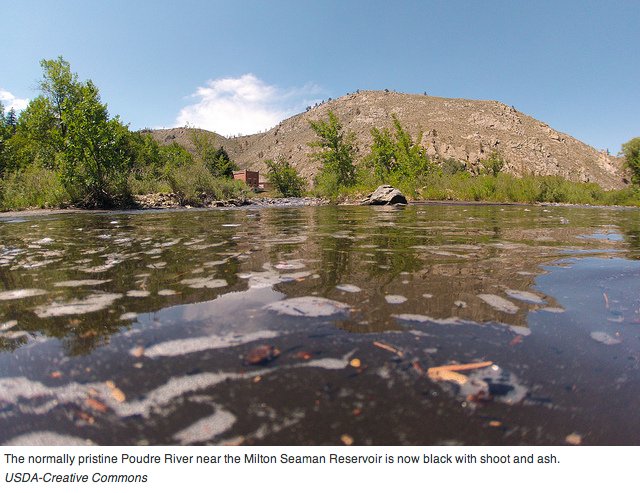
Wildfires destabilize soils and make them less capable of absorbing rain and snowmelt, resulting in higher runoffs and increased flood probability. High volumes of water, combined with a lack of vegetation roots to hold soil in place, mean that more sediment and debris travel downstream, impacting water quality and water treatment systems.

Five years ago, the Cameron Peak and East Troublesome wildfires ripped through Colorado’s northern mountains, charring more than 620 square miles across watersheds that provide water for hundreds of thousands of people who live along the Front Range. That’s where Fegel and other researchers think the [beaver dam analogs] can help. Fegel hopes the work will provide land managers and water utilities with more data and, potentially, another water-quality tool. The team installed beaver-style dams across the Cache la Poudre and Willow Creek watersheds — both burned in the 2020 wildfires — to help slow water flow and instead spread the water over a floodplain. Engineers designed the dams, which are generally made of large logs hammered into the earth with branches and other material.