Pitkin County looks to boost #RoaringForkRiver streamflows with water purchase: Deal for water used on Front Range has $6.5 million price tag — Heather Sackett (AspenJournalism.org)

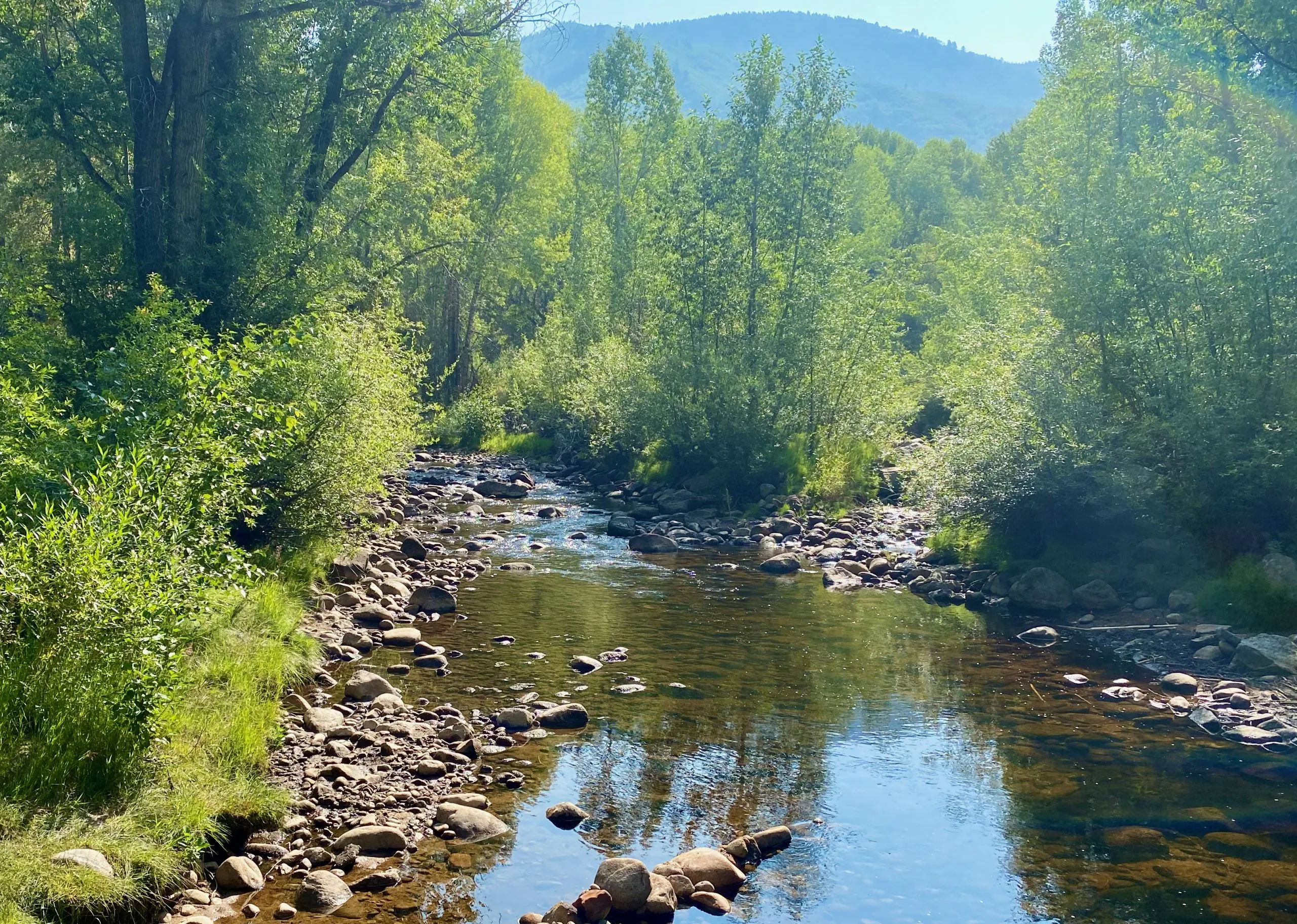
A nearby stream gauge reported that the Roaring Fork River, shown here at Rio Grande Park in Aspen, was flowing at about 9 cfs when this photo was taken in August 2021. Pitkin County plans to buy shares of Twin Lakes water to boost flows in the Roaring Fork. CREDIT: CURTIS WACKERLE/ASPEN JOURNALISM

Click the link to read the article on the Aspen Journalism website (Heather Sackett):

January 23, 2026

Pitkin County is making a historic deal to buy water currently used on the Front Range and put it back into the Roaring Fork. 

The county plans to buy 60 shares of water from Twin Lakes Reservoir and Canal Co. and 34 shares from Fountain Mutual Ditch Co. For $6.5 million, Pitkin County will acquire about 71 acre-feet, although only 45 of those acre-feet represent Western Slope water that is currently diverted to the Front Range. 

Pitkin County Commissioner Francie Jacober made the announcement at Wednesday’s board meeting of the Colorado River Water Conservation District. 

“This is obviously going to help with the flows in the upper Roaring Fork,” Jacober said at the meeting. “It’s really exciting.” 

The money for the purchase will ultimately come from the Pitkin County Healthy Rivers fund, which is supported by a 0.1% countywide sales tax. However, a portion of the funds for the purchase will initially come from the general fund, and the county will issue bonds before the end of the year that will be repaid using Healthy Rivers revenues. 

According to a purchase and sale agreement related to the transaction that was posted online Friday, the Twin Lakes shares are being sold by Castle Concrete Co., while the Fountain shares are owned by Riverbend Industries, which is Castle Concrete’s parent company. Historically, the water involved has been used in the operation of a gravel pit and for gravel processing. 

memo outlining the deal noted that in order to purchase the Twin Lakes shares, the seller also required the county to buy the Fountain shares, which are estimated to yield about 26 acre-feet per year, but that water is not decreed for use on the west side of the Continental Divide.

“We are exploring options for disposing of these shares, either by trading for additional Twin Lakes shares or through sale, thereby offsetting a portion of the purchase price for the Twin Lakes shares,” the memo says.

Jacober told Aspen Journalism that the county worked with brokers West Water Research on the deal, which is set to close on April 2. Representatives from the company declined to comment on the pending transaction. 

The Healthy Rivers board approved the expenditure in a 6-1 vote Jan. 15, and the Board of County Commissioners are set to consider the deal at the Jan. 28 regular meeting.

“I think the [Healthy Rivers] board is moved by the fact that water is really scarce in Colorado and there are not that many opportunities to own and control the timing of water, and that’s what we are excited about here,” said Healthy Rivers chair Kirstin Neff. 

Pitkin County Deputy Attorney Anne Marie McPhee said the county heard that the shares were going to become available before they officially hit the market and officials approached the seller with an offer. 

“That’s how we were able to get the shares,” McPhee said. “Because it’s very rare for these type of shares to come on the open market and usually the municipalities on the eastern slope are trying to get them as quickly as they can.”
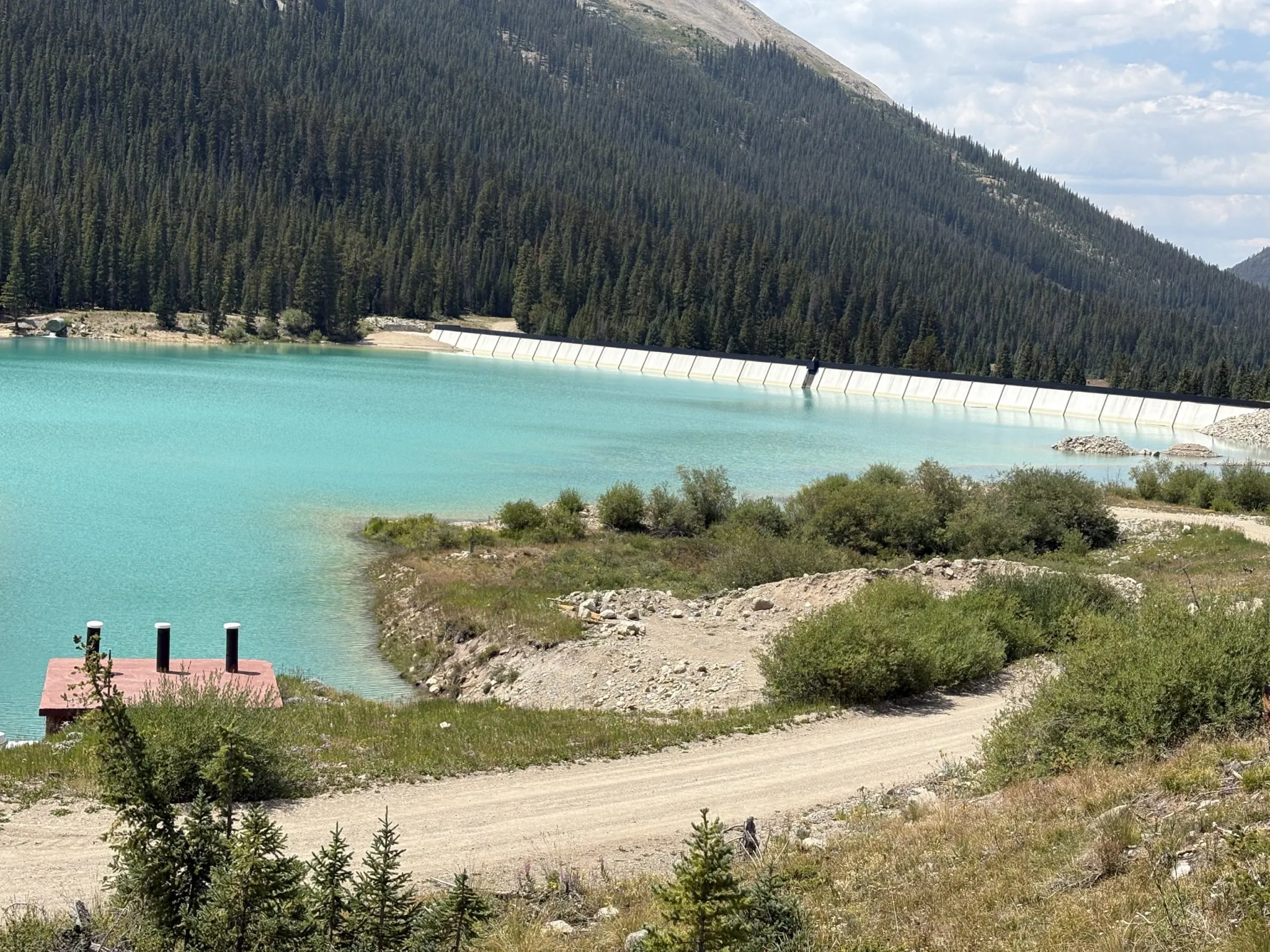
Grizzly Reservoir is part of Twin Lakes’ transmountain diversion system at the headwaters of the Roaring Fork River. Pitkin County plans to buy shares of water from Twin Lakes that are currently used on the Front Range, and put it back into the Roaring Fork River. CREDIT: HEATHER SACKETT/ASPEN JOURNALISM

Twin Lakes system

The Twin Lakes system is a complex and highly engineered arrangement of reservoirs, tunnels and canals that takes water from the headwaters of the Roaring Fork near Independence Pass and delivers it to Front Range cities in what is known as a transmountain diversion. Across the state’s headwaters, transmountain diversions take about 500,000 acre-feet per year from the Colorado River basin to the Front Range. 

Four municipalities own 95% of the shares of Twin Lakes water: Colorado Springs Utilities owns 55%; the Board of Water Works of Pueblo has 23%; Pueblo West Metropolitan District owns 12%; and the city of Aurora has 5%.

Twin Lakes collection system

The project is able to divert up to 46,000 acre-feet annually, or nearly 40% of the flows in the Roaring Fork headwaters, which can leave the Roaring Fork through Aspen depleted. Pitkin County’s purchase will return a small amount of that water to the Roaring Fork. 

Pitkin County has long had a goal of boosting flows in the Roaring Fork, securing a recreational in-channel diversion water right for a park in Basalt and enacting exchange deals and other agreements with Front Range water providers that keep more water flowing west.

Twin Lakes President Alan Ward said the company is not directly involved in transactions between buyers and sellers of water shares. Twin Lakes must simply approve the transfer of certificates between the two. 

County officials said they plan to release the water down the Roaring Fork during the irrigation season when flows are low, but not when the Cameo call is on, which already results in additional water in the Roaring Fork. 

When irrigators in the Grand Valley place the Cameo call, which happens most summers, those with upstream junior water rights, such as Twin Lakes, have to stop diverting so that irrigators can get their share. When Twin Lakes shuts off, it boosts flows in the Roaring Fork. 

McPhee said that although the deal is not cheap, it is a once-in-a-lifetime opportunity.

“You don’t get these opportunities to put physical water in the river anymore, particularly up at the headwaters,” she said. “So we are excited about this.”

Aspen Journalism is supported by a grant from the Pitkin County Healthy Community Fund.

Map of the Roaring Fork River drainage basin in western Colorado, USA. Made using USGS data. By Shannon1 – Own work, CC BY-SA 4.0, https://commons.wikimedia.org/w/index.php?curid=69290878

Alfalfa as an agricultural demand response tool — Jonathan P. Thompson (LandDesk.org)

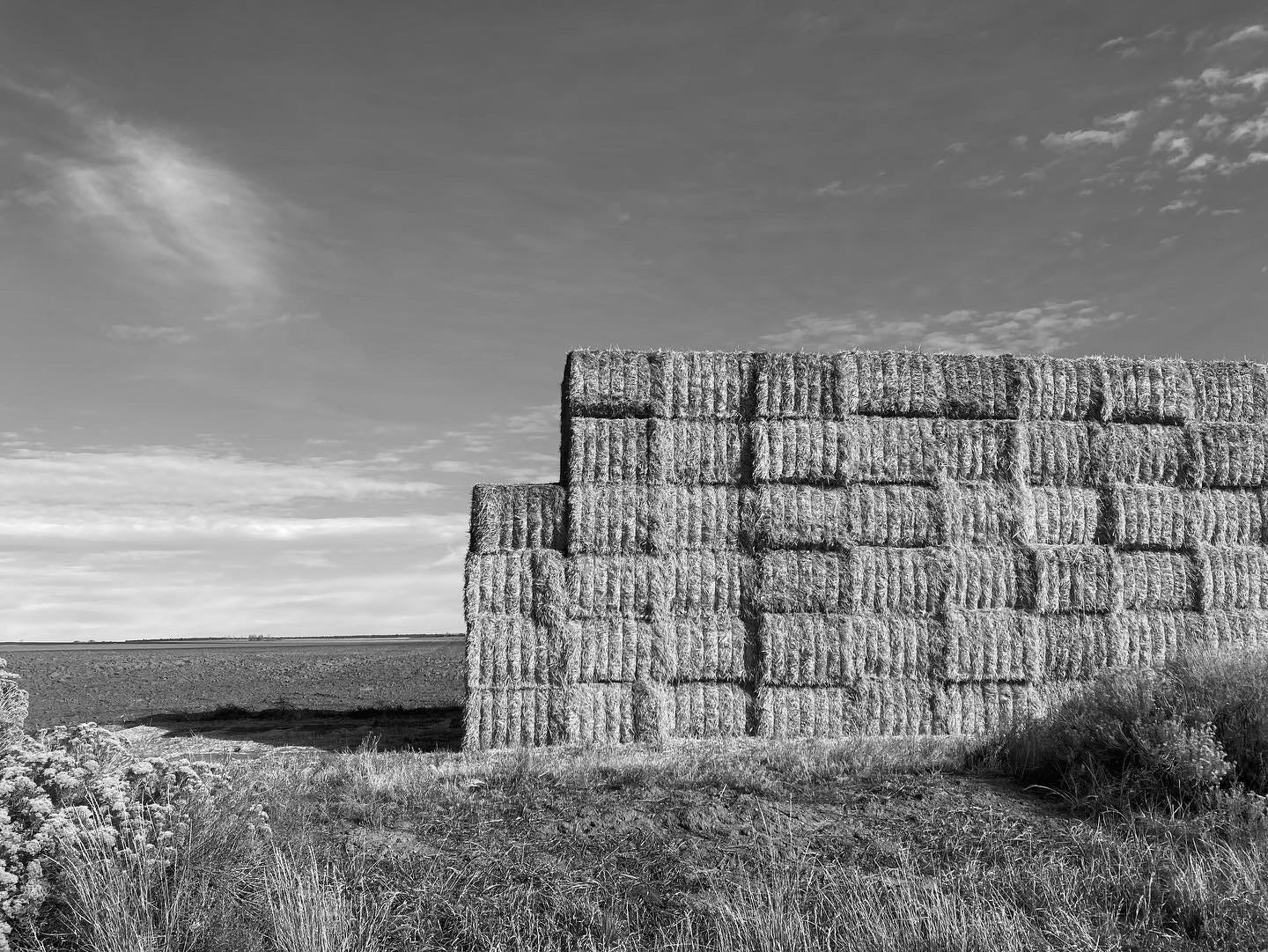
Hay on the Great Sage Plain. Jonathan P. Thompson photo.

Click the link to read the article on The Land Desk website (Jonathan P. Thompson):

January 27, 2026

I started the Land Desk five years ago this month to fill what I saw as a gap in coverage of public lands, energy, climate, water, economics, and communities in the Western U.S. — along with the politics around all of those issues. I certainly wasn’t planning on covering national or partisan politics.

But it so happens that my first dispatch ran four days after the infamous events of Jan. 6, 2021, which had echoes — if not direct connections — to Western land-use politics. So, less than a week after launching, I found myself, well, delving into national partisan politics.

The United States is again in turmoil, the administration is a full-on dumpster fire, and federal agents are executing people in the streets of Minneapolis — and then lying about it and slandering the victim.

To say I’m horrified, outraged, and heartbroken would be an understatement.

I’m not going to offer any analysis here — others have done a much better job than I could. But I would plea with and urge Western elected officials from both parties to stand up and do whatever you can to curb these authoritarian and reprehensible actions, even if it means shutting down the government, and to hold the administration accountable. [ed. emphasis mine]


Where are the anti-tyranny, federal overreach folks when you need them? — Jonathan P. Thompson


On a brighter note, it is the Land Desk’s fifth birthday this month. Actually, it was on Jan. 10, and I totally missed it until now. I just want to take this opportunity to thank all of my readers, but especially the Founding and Sustaining Members and the other paid subscribers and “Buy Me a Coffee” supporters who keep this thing — and the Silver Bullet and now El Burro Blanco — going. I couldn’t do it without you.

☘️ Annals of Alfalfa 🍀

Yes, I’m going to talk about alfalfa. Again. Why? Because the Colorado River is on my mind, and as John Fleck, author, former journalist, and Writer in Residence at the Utton Transboundary Resources Center at the University of New Mexico School of Law, once wrote: “Golf and the Bellagio Fountain are easy targets. But if you’re not talking about alfalfa, you’re not being serious.”

That’s because alfalfa and, to a lesser degree, other livestock forage crops, are collectively the largest users of Colorado River water. So, any serious efforts to cut consumption on the river are going to involve alfalfa, in some form or another. In recent years, this has included paying farmers to fallow some of their alfalfa fields and leave the water in the ditches, canals, or the river.

But a report1  published last year2 posits a less extreme solution: Keeping the alfalfa, but watering it less during the summer months in dry years — a practice known as deficit irrigation. The farmer could then sell the surplus water to other users to offset the losses resulting from lower crop yields. The authors estimate that this approach could save up to 3.4 million acre-feet of water annually across the Southwest3, or about 50% of total alfalfa water use.

In some ways, this method is analogous to something called “demand response” on electrical power grids. That’s when large power users, or a collection of smaller users, are paid to reduce electricity consumption during times of high demand to ease grid strain. So, for example, during a heat wave, when everyone’s air conditioners are running full blast, the utility or grid operator would signal a factory, say, or a data center to scale back their operations during the hottest time of the day when solar generation might be dropping off. The targeted drop in consumption has the same effect as increasing power generation would, keeping supply and demand in balance.

Alfalfa is a good crop for water-demand-response in part because it uses a lot of water in the first place, but also because putting it on a temporary water diet won’t kill it. The authors argue that this approach is preferable to fallowing fields, replacing alfalfa with other crops, or even increasing irrigation efficiency. Alfalfa is high in nutrients and digestible fiber, making it a valuable livestock feed; its deep roots facilitate nitrogen fixation; and it has high salt tolerance.

They note that drip irrigation and fertigation (a new term to me that is where liquid fertilizer is applied with irrigation water) have increased crop yields, but have also resulted in “a water savings paradox, especially greater net consumptive use (CU) due to expansion of cropped areas and reduced groundwater recharge and return flows to streams.” Fallowing, meanwhile, has its own unintended economic and environmental consequences, including increased weeds and dust mobilization, loss of green space, and loss of wildlife habitat.

In addition to saving between 16% and 50% of water used to irrigate alfalfa, the authors write, “Summer deficit irrigation could also be an attractive strategy for alfalfa growers particularly if market water prices at the peak of the growing season are high enough to offset the remaining alfalfa cutting revenues.”

It all sounds good on paper, but implementing it in the fields would be far more complicated than simply shutting off the ditches for a couple of months. And whether this approach could actually pay for itself depends on the price of alfalfa, the price of water, and on whether it’s logistically feasible to sell the saved water to someone else.

Still, deficit irrigation is certainly one useful tool for farmers and water managers to consider. Because cuts are coming to the Colorado River one way or another. And it behooves everyone to make it as painless as possible.

📈 Data Dump 📊

Here’s a few alfalfa charts for your perusing pleasure.

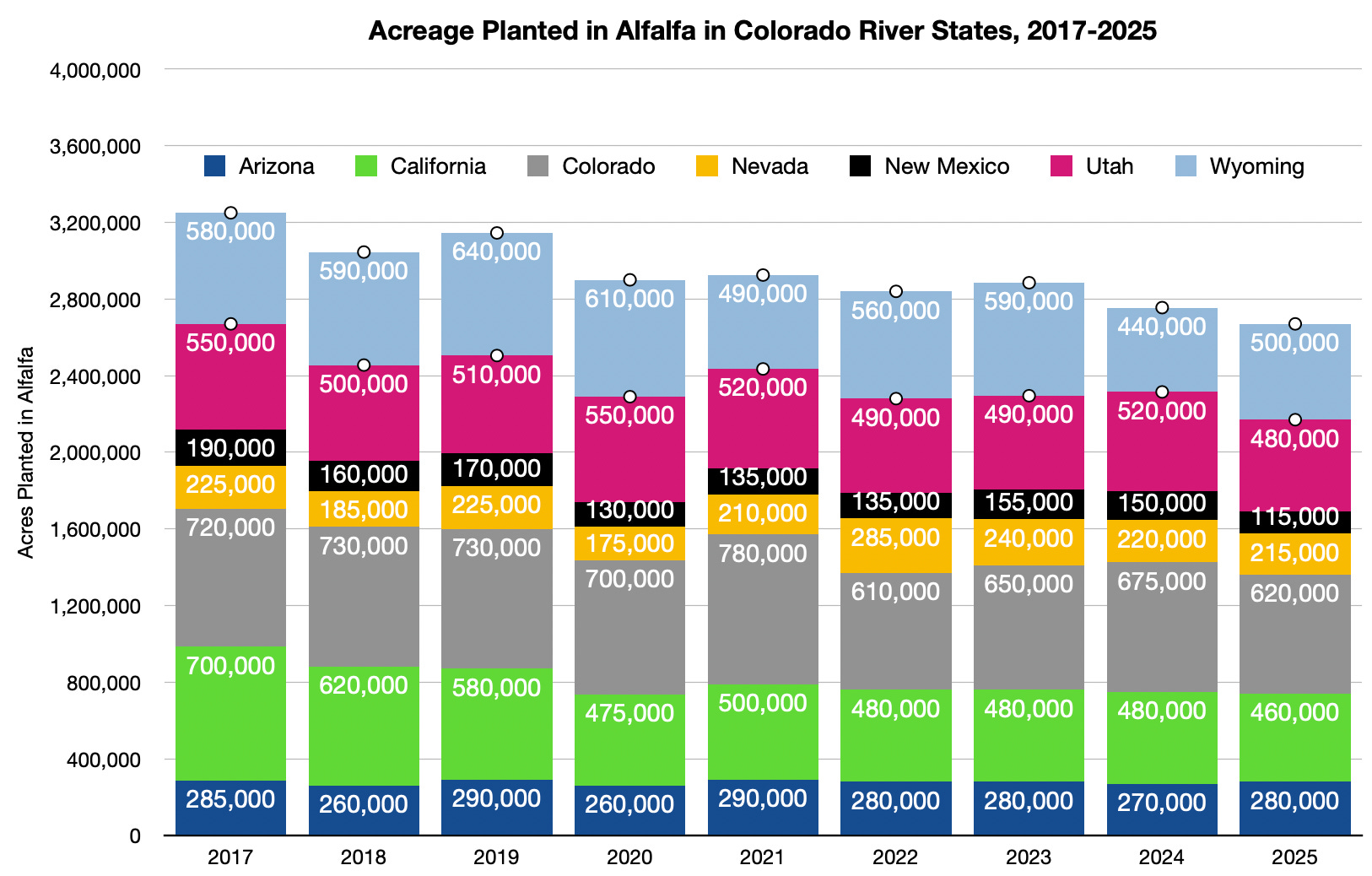
Alfalfa acreage has decreased in most states over the last several years. Data Source: National Agricultural Statistics Service.
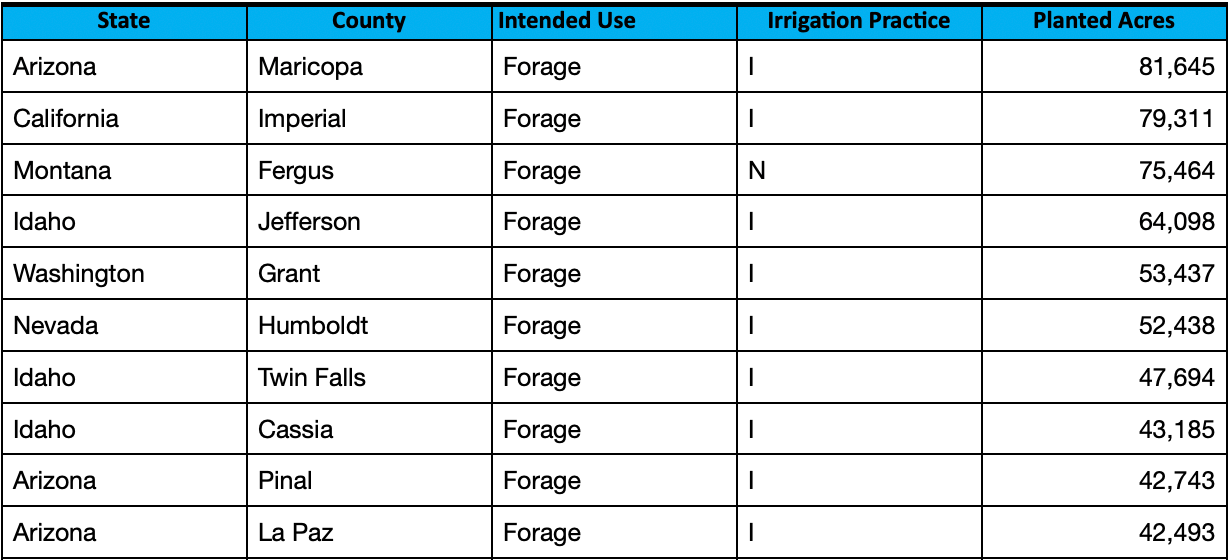
Top ten Western counties for acreage planted in alfalfa. Data Source: USDA NASS.
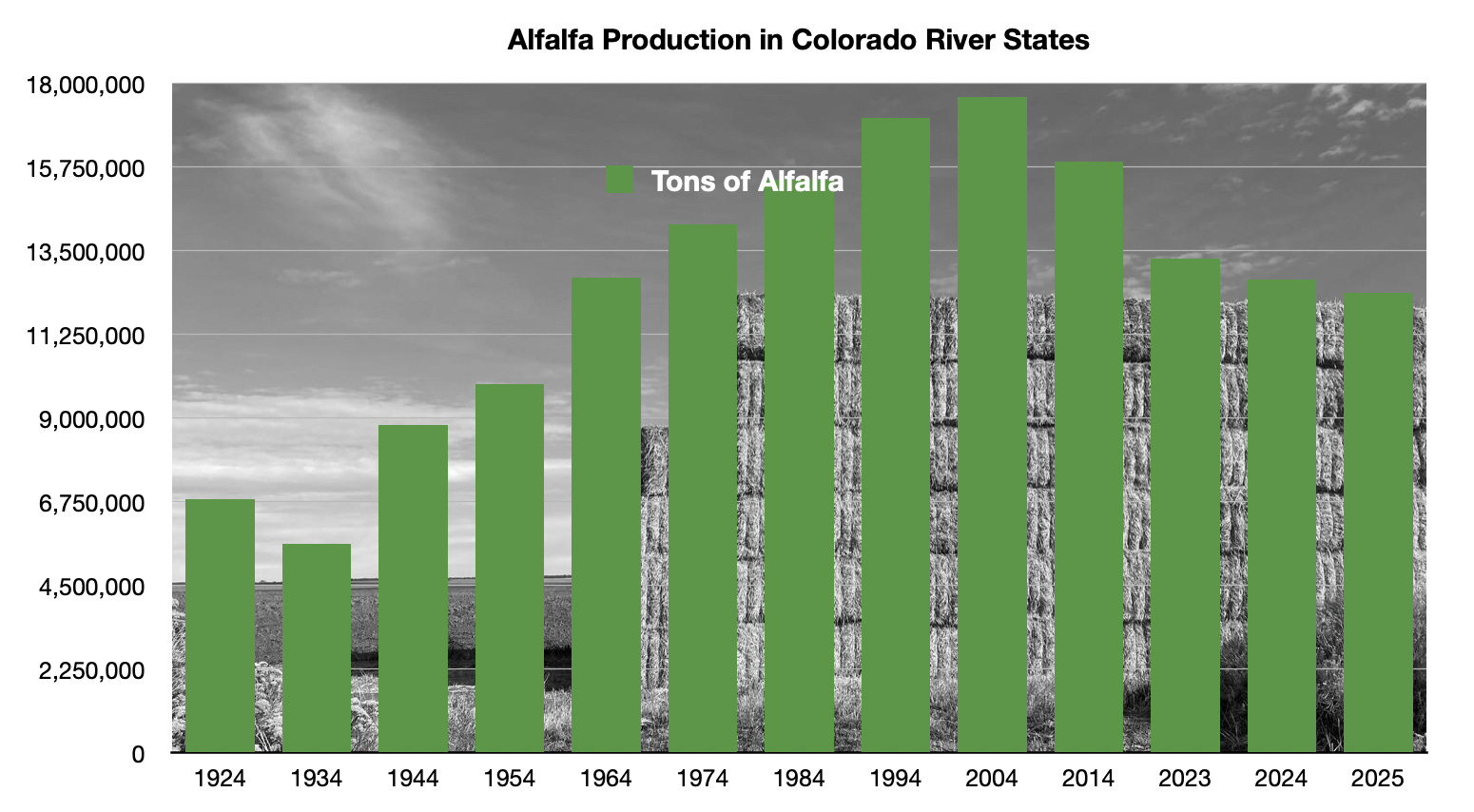
Colorado River state alfalfa production increased steadily over the decades before peaking in the early 2000s. Then, as the megadrought/long-term aridification settled in, it started decreasing. Data Source: NASS
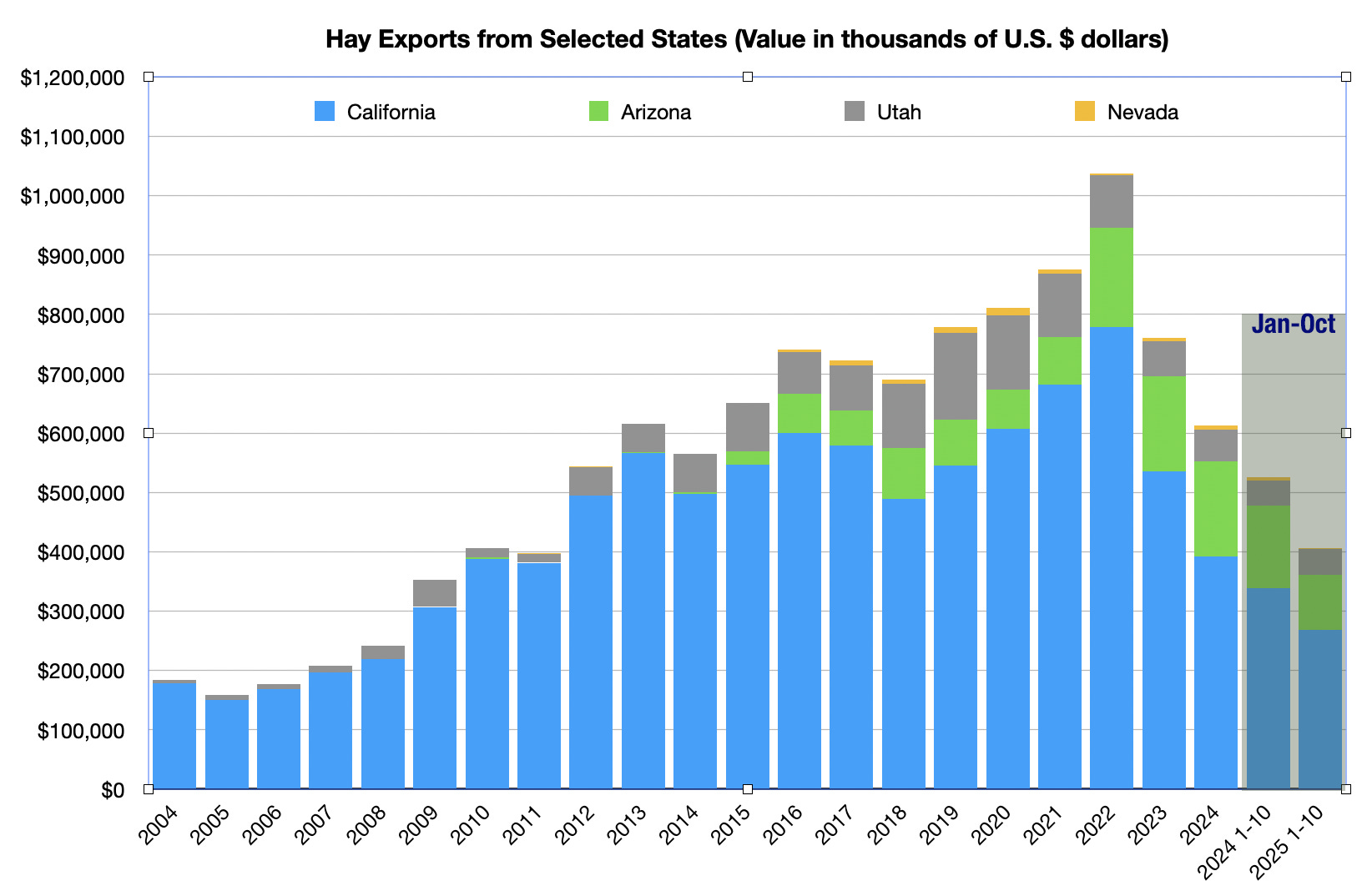
Hay exports, especially to China, have dropped off considerably in recent years after a steady climb. This may have to do with the Trump administration’s tariffs. Source: Foreign Agriculture Service.
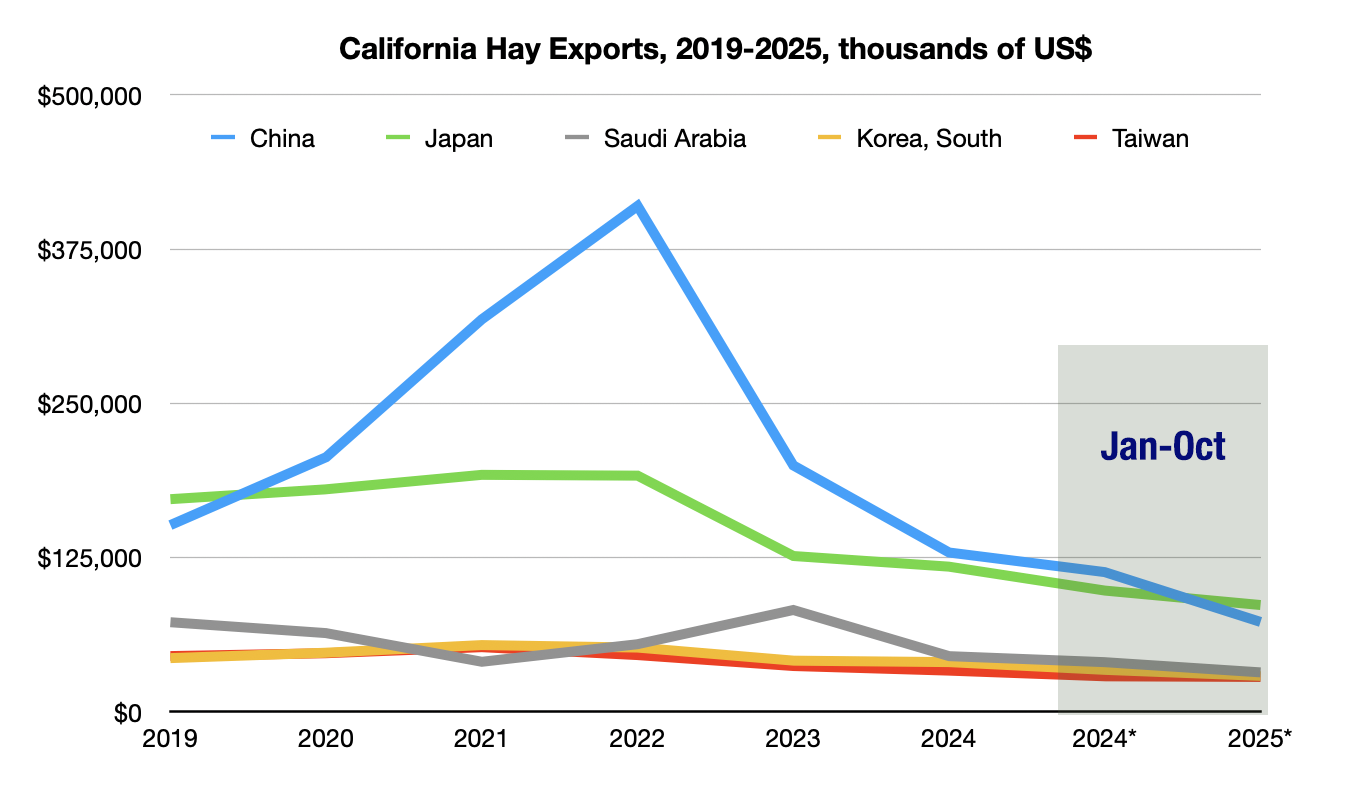
California’s largest hay export market used to be China. Source: FAS
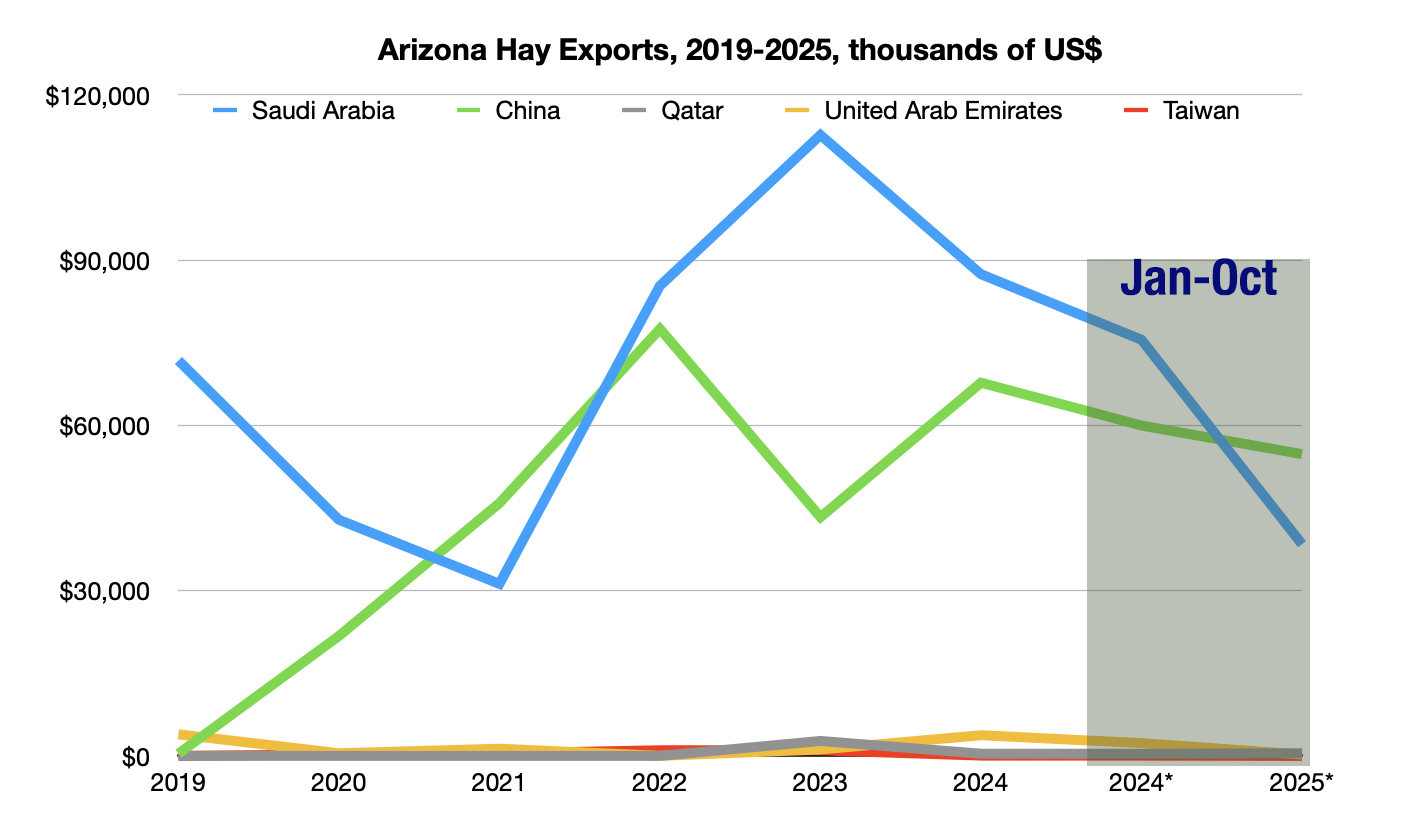
Arizona’s biggest hay export market has long been Saudi Arabia, but that has dropped off in the last year. Source: FAS.
🔋Notes from the Energy Transition 🔌

In somewhat related news: The vast and powerful Westlands Water District has voted to move forward on a plan to build up to 21 gigawatts of new solar-plus-battery energy storage capacity on fallow, water-constrained agricultural fields in the San Joaquin Valley. In choosing this path, the water district defied the growing anti-solar backlash that seems to have infected even more progressive areas. And it opened the door for farmers to continue to earn an income on land that they simply can’t farm anymore because the water is no longer there. As a Westlands representative told Canary Media, it will “give farmers another crop to grow, which is the sun.”

***

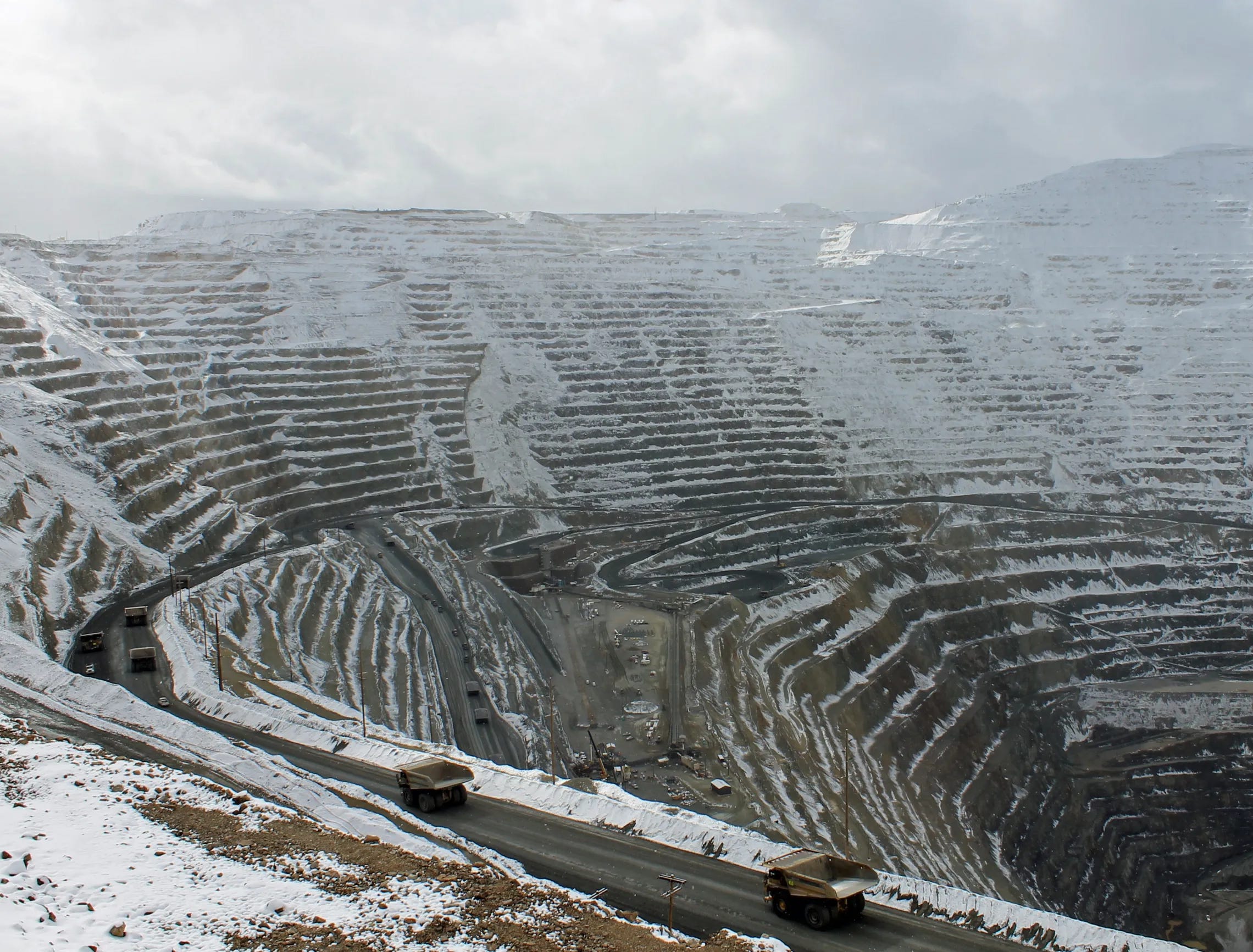
Rio Tinto/Kennecott’s Bingham Canyon copper mine in the snow. Jonathan P. Thompson photo.

Rio Tinto’s Kennecott copper mining and smelting operation near Salt Lake City is the state’s largest polluter, spewing about 193 million pounds of toxic chemicals into the air each year. That kind of puts a grimy shadow over the company’s efforts to become more sustainable — like switching from diesel to battery-electric trucks — but it is better than business as usual, I suppose. And on that note, they are bringing online a 25 megawatt solar array to help power its operations, which is notable since they have started to produce tellurium, an ingredient in photovoltaic panels.

***

I have similarly mixed feelings about this next news item: MGM Resorts just acquired more solar power, bringing their onsite and offsite solar-plus-storage facilities combined capacity to a whopping 215 megawatts, allowing the company to meet up to 100% of daytime electricity load at its Las Vegas Strip operations.


1 “Reimagining alfalfa as a flexible crop for water security in the Southwestern USA,” by Emily Waring, et al.

2 Hat tip to All at Once by Dr. Len Necefer for alerting me to this study. 

3 This includes all of California, Nevada, Utah, Colorado, New Mexico, and Arizona, and is not limited to the Colorado River Basin.

All alternatives harmful to #Arizona: The Central Arizona Project’s response to the Draft Environmental Impact Statement for post-2026 #ColoradoRiver operations — DeEtte Person #COriver #aridification

Photo credit: Central Arizona Project

Click the link to read the article on the Central Arizona Project website (DeEtte Person):

January 26, 2026

Reclamation has released a Draft Environmental Impact Statement (DEIS), a required step in the process to develop new operating guidelines for Colorado River operations by the end of the year when the current operating guidelines expire. It comes amid two-plus years of ongoing meetings and negotiations led by Reclamation working with the seven Colorado River Basin states, the Colorado River Basin tribes and other stakeholders.

The DEIS lays out five alternatives for how the Colorado River might be managed after 2026. These include one “no action” alternative required by law, three alternatives that would require agreements among the basin states, and one “no deal” alternative which may be imposed if there is no agreement among the states.

The DEIS places all the risk of a dwindling Colorado River on the Lower Basin, and all the alternatives proposed are harmful to Arizona.

The “no deal” alternative in particular piles virtually all the mandated cuts on the State of Arizona and Central Arizona Project. The DEIS ignores the obligations of the Upper Basin states to deliver water under the Colorado River Compact and the federal government to release water from the Colorado River Storage Project dams.

The “no deal” alternative would result in a crushing blow to Central Arizona’s water supply, including tribal water supplies. Millions of Arizona residents would be negatively affected – including those in the fifth largest city in the United States, as would several of the nation’s key industries, including manufacturing, microchips and national defense.

Our economy is integrated regionally and nationally, which means if Arizona is suffering, neighboring businesses and our national defense are too.

In contrast, the “no deal” alternative imposes no federal cuts to the Upper Basin and allows the Upper Basin to increase water use in the future.

Implementation of any of the DEIS alternatives would likely force Arizona to seek legal options. [ed. emphasis mine]

The basin states and the Bureau of Reclamation can do better than any of these alternatives with a negotiated agreement. As history has shown, the Colorado River has worked best when all basin states agree on how it is managed.

We remain committed to working with the basin states and Reclamation so long as the path is toward recognizing the shared risks and responsibilities for the river and fairly sharing reductions to protect vital infrastructure that benefits the entire Colorado River Basin.

Here’s what CAWCD’s Board members have to say about the DEIS:

“Each alternative put forward places the risk of a dwindling Colorado River on the Lower Basin – none of them are good for Arizona and certainly not for Central Arizona Project. In the Lower Basin, we’ve demonstrated that we can accept that the River has less water now and likely in the future. But we cannot bear the shortage alone. The Upper Basin shows no willingness to conserve and in fact demands more water, yet these alternatives do nothing to deny their greed. That’s not acceptable to CAP whose millions of water users and billions in industrial investments will bear the brunt of these devastating alternatives.”  – Terry Goddard, CAWCD Board President

“The alternatives laid out for post-2026 Colorado River operations are potentially disastrous for millions of Arizonans – including the residents of the fifth largest city in the United States. Further, these alternatives all negatively impact several of the nation’s key industries, including manufacturing, microchips and national defense. This means harm not just to Arizona, but to the entire country.”  – Alexandra Arboleda, CAWCD Board Vice President

“Arizonans have been smart water stewards, conserving water for decades in our desert environment. What’s more, we’ve worked with our Lower Basin partners to protect Lake Mead, by voluntarily conserving water beyond the mandatory reductions Arizona has taken for the past several years. We’ve done our part and it’s so disappointing to see alternatives that make Arizona bear the burden for all Colorado River users.”   – Karen Cesare, CAWCD Board Secretary

“Pinal County has already shouldered the brunt of the Colorado River reductions Arizona has been taking for the past several years. And this has had a monumental negative impact on our agricultural community. We’ve already felt a great deal of pain and these alternatives would be rubbing salt in the wound and would continue to devastate Arizona.”  – Stephen Miller, CAWCD Board Member, Pinal County

“CAP delivers more tribal water than any other entity in the United States. The alternatives proposed for post-2026 Colorado River operations would have a damaging effect on those deliveries, which are part of settlement agreements with the federal government. The negative effects of these alternatives impact all of CAP’s water users – cities, industries and tribes.”  – Justin Manuel, CAWCD Board Member, Pima County and member of Tohono O’Odham Nation

Map of the Colorado River drainage basin, created using USGS data. By Shannon1 Creative Commons Attribution-Share Alike 4.0

Grand Staircase-Escalante National Monument is Yet Again Under Threat, This Time From The U.S. Congress — Wyatt Myskow (InsideClimateNews.org)

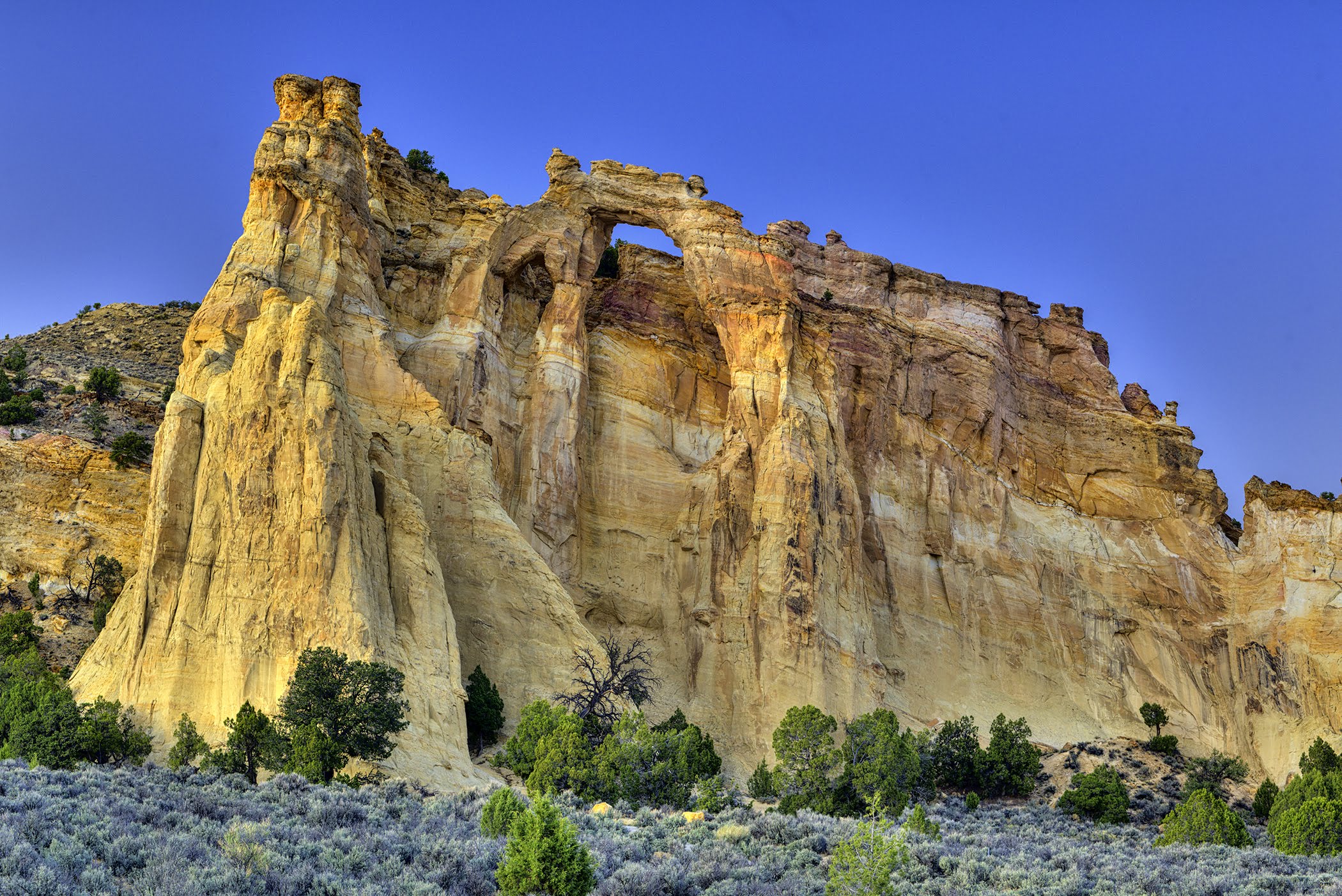
Grosvenor Arch in Grand Staircase-Escalante National Monument. Credit: (c) TimPetersonPhotography.com

January 26, 2026

A Government Accountability Office opinion found that the resource management plan for the Utah monument must undergo congressional review, which could lead to a new policy that is far friendlier to development of the protected area.

A recent, non-binding opinion from the Government Accountability Office may pave the way for Congress to begin rescinding management plans for national monuments across the country, environmentalists and experts say, potentially leading to protected areas being further opened up for resource extraction. And Grand Staircase-Escalante National Monument in southern Utah is yet again at the center of the renewed threats to the nation’s monuments.

Designated by President Bill Clinton in 1996 and spanning 1.87 million acres of public land, it protects scores of wildlife, archeological resources and sacred sites for local tribes. Despite vast public support for the monument, Utah Republicans in Congress and the Trump administration for years worked to dismantle and downsize it, with the first Trump administration cutting 900,000 acres from the monument before the Biden administration restored it to its original size. 

The monument’s resource management plan, the Government Accountability Office (GAO) opinion finds, must undergo congressional review. Local tribes and environmental groups expect Utah’s congressional delegation to introduce a “resolution of disapproval” in the House of Representatives to overturn the monument’s management plan using the Congressional Review Act (CRA)—a 1996 law that Congress enacted to overturn certain federal agency actions through a special review process. Then Congress would have 60 days to vote on the matter. If the management plan is rescinded, the CRA requires any new plan to be substantially different from the current one that prioritizes conservation.

“Utah politicians are at it again, doing whatever they can to erode protections for our public lands,” said Tom Delehanty, senior attorney at Earthjustice, in a statement. “The monument management plan was created by local officials, Tribes, and communities working together to provide certainty in how this national treasure is managed and protected. Now Utah’s elected officials want to flush that effort down the toilet — a situation that benefits no one.”

Downsizing or rescinding national monuments has been a major goal of the Trump administration. Secretary of the Interior Doug Burgum issued secretarial orders calling for the review of national monuments to determine which should be downsized or eliminated to make way for more resource extraction. The Department of Justice, at the White House’s request, issued an opinion that the president has the power to review and eliminate national monuments. The Trump administration eliminated the two most recently created national monuments in California, but then walked back that decision. 

The administration’s threats to the nation’s national monuments have been met with protests across the country. Polling has shown that presidential use of the Antiquities Act to create national monuments is widely popular, and polling in Utah shows that three-fourths of registered voters support Grand Staircase-Escalante.

Last year, the GAO issued similar opinions regarding resource management plans issued by BLM field offices, which Congress then struck down. But those previous decisions were all for general, multi-use public lands, not national monuments. 

Steve Bloch, legal director at the Southern Utah Wilderness Alliance, said the newest GAO opinion is a major escalation of efforts to upend land management plans, and targets national monuments specifically rather than public lands in general. This month, Congress has extended the use of the CRA to include overturning protections from mining for Minnesota’s Boundary Waters Canoe Area Wilderness, an unprecedented move to rescind an executive mineral withdrawal to allow a mine to be permitted in the area.

Resource management plans are the blueprint for how the Bureau of Land Management, which manages Grand Staircase, and other land agencies oversee protected lands, he said, guiding everything from how to protect endangered species to where new bathrooms can be built. Unlike other overturned management plans under the CRA, the overarching priority for monuments is protecting resources, he said. 

For Grand Staircase, those include preserved fossils, cultural sites and unique biology and geology, Bloch said. Overturning the plan will only lead to confusion.

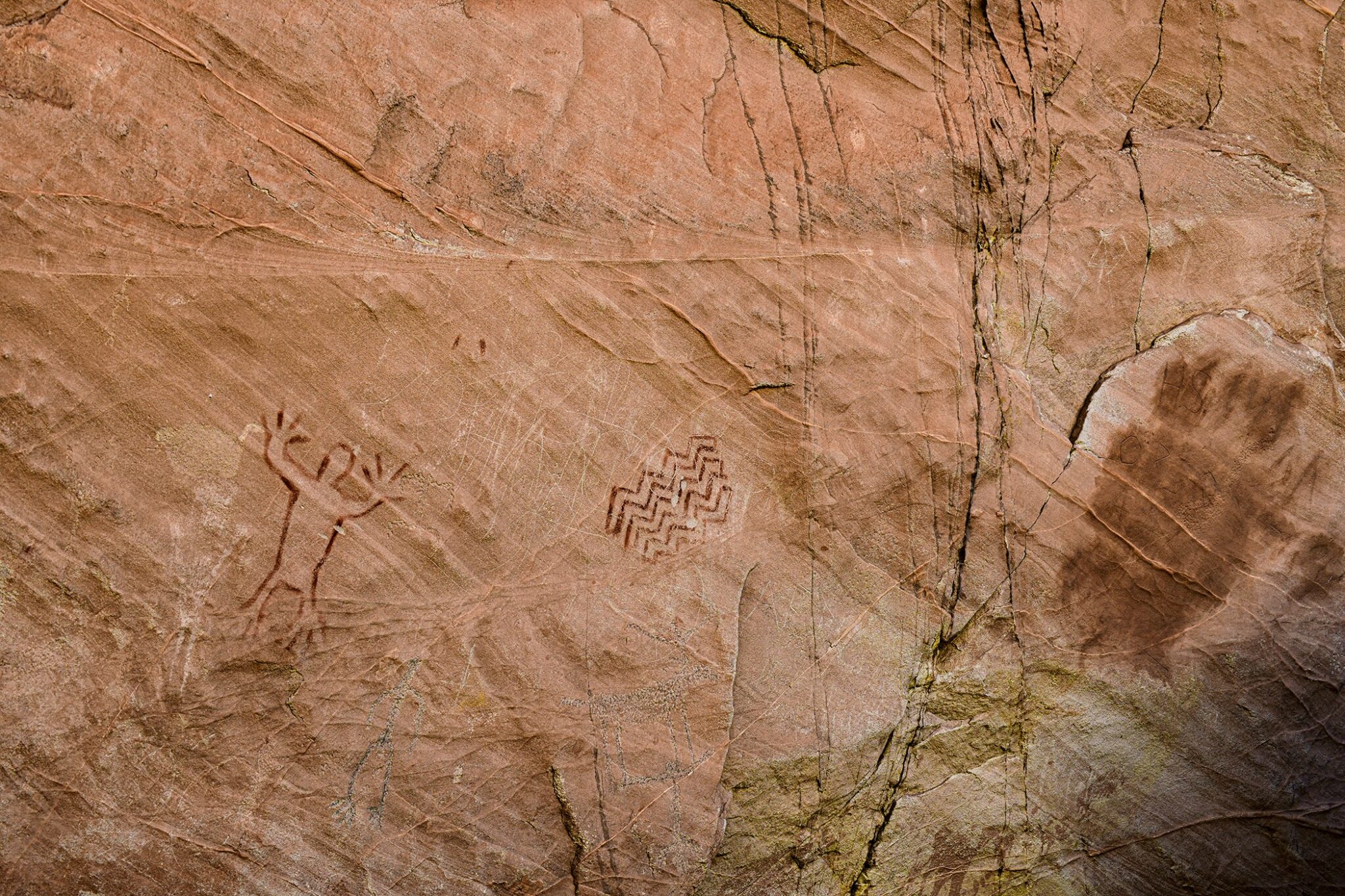
Ancient Pictographs in Catstair Canyon in Grand Staircase-Escalante National Monument with modern graffiti defacing the nearby rock. Credit: (c) Tim Peterson

“We know in a place like Grand Staircase, confusion can breed on the ground impacts,” he said.

Last June, Utah Rep. Celeste Maloy, a Republican representing the district encompassing Grand Staircase-Escalante and a vocal opponent of the Antiquities Act that allows presidents to designate national monuments, wrote a letter to the GAO requesting its opinion on whether the recently approved management plan for the monument was a formal “rule”—a legally binding decision issued by federal agencies. Management plans issued by the Bureau of Land Management or other land agencies have historically not been viewed as such and have consequently not been subject to the CRA. 

But the GAO’s opinion found that a resource management plan is a formal rule because it has a “future effect” on how the land within the monument is managed and has “substantial effect on non-agency parties,” such as limiting cattle grazing, mining, logging and the use of off-highway vehicles in sensitive areas.

Many of the monuments targeted are significant to local tribes, which has been a top consideration in their management. Last year, the Hopi Tribe, the Navajo Nation, the Kaibab Band of Paiute Indians, the Paiute Indian Tribe of Utah, the Ute Mountain Ute Tribe and the Zuni Tribe formed the Grand Staircase-Escalante National Monument Inter-Tribal Coalition to advocate for the protection of the monument and help shape how it is managed. The coalition has strongly denounced the GAO’s opinion and has urged members of Congress not to overturn the current resource management plan. 

Without a strong plan, the coalition said, the tribes’ ancestral lands and cultural sites will be at risk of looting and degradation.

“Whether it is through the careful stewardship of sacred sites, educating others about our respective cultures, or the deliberations that guide the balance between access and protection, our active participation in these processes reflects our sovereignty and our commitment to a shared future,” said Cassidy K. Morgan, programs and projects specialist with the Navajo Nation Heritage and Historic Preservation Department who is a member of the coalition, in a statement. “Grand Staircase-Escalante National Monument reflects a truth we hold sacred: the land is inseparable from who we are. No matter the complexity of today’s debates, our guiding principle is clear: these places must be protected and honored as part of our shared heritage and as part of the life-giving system of Mother Earth.”

The Antiquities Act of 1906 was signed into law by Theodore Roosevelt, for “… the protection of objects of historic and scientific interest” through the designation of national monuments by the President and Congress. National monuments are one of the types of specially-designated areas that make up the BLM’s National Conservation Lands. Some of the earliest national monuments included Devils Tower, the Grand Canyon, and Death Valley. They were initially protected by the War Department, then later by the National Park Service. More recently, the BLM and other Federal agencies have retained stewardship responsibilities for national monuments on public lands. In fact, the BLM manages more acres of national monuments in the continental U. S. than any other agency. This includes the largest land-based national monument, the Grand Staircase-Escalante National Monument in Utah featured here. National monuments under the BLM’s stewardship have yielded numerous scientific discoveries, ranging from fossils of previously unknown dinosaurs to new theories about prehistoric cultures. They provide places to view some of America’s darkest night skies, most unique wildlife, and treasured archaeological resources. In total, twenty BLM-managed national monuments, covering over five million acres, are found throughout the western U. S. and offer endless opportunities for discovery. Photos and description by Bob Wick, BLM.

NASA Finds Lunar Regolith Limits Meteorites as Source of Earth’s Water

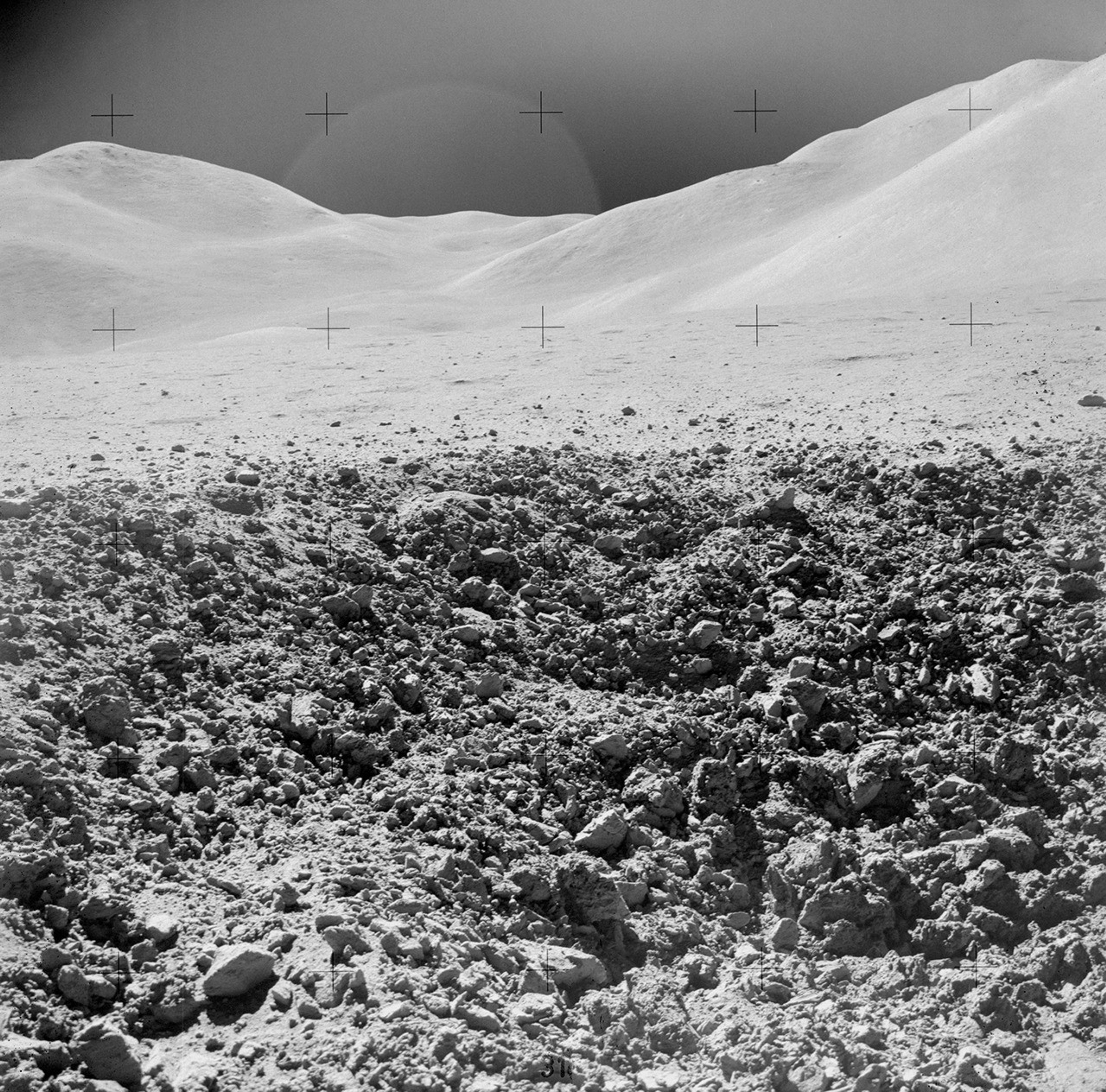
A close-up view of a portion of a “relatively fresh” crater, looking southeast, as photographed during the third Apollo 15 lunar surface moonwalk. Credit: NASA

Click the link to read the article on the NASA website (Rachel Barry):

January 23, 2026

A new NASA study of its Apollo lunar soils clarifies the Moon’s record of meteorite impacts and timing of water delivery. These findings place upper bounds on how much water meteorites could have supplied later in Earth’s history.

Research has previously shown that meteorites may have been a significant source of Earth’s water as they bombarded our planet early in the solar system’s development. In a paper published Tuesday in the Proceedings to the National Academy of Sciences, researchers led by Tony Gargano, a postdoctoral fellow at NASA’s Johnson Space Center and the Lunar and Planetary Institute (LPI), both in Houston, used a novel method for analyzing the dusty debris that covers the Moon’s surface called regolith. They learned that even under generous assumptions, meteorite delivery since about four billion years ago could only have supplied a small fraction of Earth’s water.

The Moon serves as an ancient archive of the impact history the Earth-Moon system has experienced over billions of years. Where Earth’s dynamic crust and weather erase such records, lunar samples preserve them. The records don’t come without challenge, though. Traditional methods of studying regolith have relied on analyzing metal-loving elements. These elements can get muddied by repeated impacts on the Moon, making it harder to untangle and reconstruct what the original meteoroids contained.

Enter triple oxygen isotopes, high precision “fingerprints” that take advantage of the fact that oxygen, the dominant element by mass in rocks, is unaffected by impact or other external forces. The isotopes offer a clearer understanding of the composition of meteorites that impacted the Earth-Moon system. The oxygen-isotope measurements revealed that at least ~1% by mass of the regolith contained material from carbon-rich meteorites that were partially vaporized when they hit the Moon. Using the known properties of such meteorites allowed the team to calculate the amount of water that would have been carried within.   

“The lunar regolith is one of the rare places we can still interpret a time-integrated record of what was hitting Earth’s neighborhood for billions of years,” said Gargano. “The oxygen-isotope fingerprint lets us pull an impactor signal out of a mixture that’s been melted, vaporized, and reworked countless times.”

The findings have implications for our understanding of water sources on Earth and the Moon. When scaled up by roughly 20 times to account for the substantially higher rate of impacts on Earth, the cumulative water shown in the model made up only a small percent of the water in Earth’s oceans. That makes it difficult to reconcile the hypothesis that late delivery of water-rich meteorites was the dominant source of Earth’s water.

“Our results don’t say meteorites delivered no water,” added co-author Justin Simon, a planetary scientist at NASA Johnson’s Astromaterials Research and Exploration Science Division. “They say the Moon’s long-term record makes it very hard for late meteorite delivery to be the dominant source of Earth’s oceans.”

For the Moon, the implied delivery since about 4 billion years ago is tiny on an Earth-ocean scale but is not insignificant for the Moon. The Moon’s accessible water inventory is concentrated in small, permanently shadowed regions at the North and South Poles. These are some of the coldest spots in the solar system and introduce unique opportunities for scientific discovery and potential resources for lunar exploration when NASA lands astronauts on the Moon through Artemis III and beyond.

The samples analyzed for this study came from parts of the Moon near the equator on the side of the Moon facing Earth, where all six Apollo missions landed. The rocks and dust collected more than 50 years ago continue to reveal new insights but are constrained to a small portion of the Moon. Samples delivered through Artemis will open the door for a new generation of discoveries for decades to come.

“I’m part of the next generation of Apollo scientists —people who didn’t fly the missions, but who were trained on the samples and the questions Apollo made possible,” said Gargano. “The value of the Moon is that it gives us ground truth: real, physical material we can measure in the lab and use to anchor what we infer from orbital data and telescopes. I can’t wait to see what the Artemis samples have to teach us and the next generation about our place in the solar system.”

For more information on NASA’s Astromaterials Research and Exploration Science Division, visit: https://science.nasa.gov/astromaterials