“The Milkmaid” (Dutch: Het Melkmeisje) by Johannes Vermeer, created around 1657–1658. It is one of Vermeer’s most iconic works, depicting a domestic kitchen maid pouring milk in a quiet, intimate moment. The painting is renowned for its exquisite use of light, texture, and detail, capturing the serenity and dignity of everyday life.The Milkmaid (1658–1661). By Johannes Vermeer – Google Arts & Culture — AHrw. Z3. Av6. Zhjg 9. AHrw. Z3. Av6. Zhjg, Public Domain, https://commons.wikimedia.org/w/index.php?curid=13408941
We visited the Rijks Museum yesterday to take in the works of Dutch Golden Age painting, particularly Vermeer and Rembrandt, painters that I’ve heard about. At the Salvador Dali Museum the other day Vermeer was named as an influence. What a treat to be able to view so many beautiful and inspiring works of art in one location.
“The Syndics of the Drapers’ Guild” (Dutch: De Staalmeesters) by Rembrandt van Rijn, completed in 1662. It is housed in the Rijksmuseum in Amsterdam and is one of Rembrandt’s most celebrated group portraits. The painting depicts five drapers and their servant as they assess the quality of cloth, giving a glimpse into the civic and commercial life of 17th-century Amsterdam.
We rented electric bicycles for the journey from out hotel to the museum. Of course I had read about bicycle-friendly Amsterdam but seeing the sheer number of folks on bicycles was fantastic. Moms with children on their bicycles and riding beside them, a seemingly endless stream of bicycles up and down the bikes lanes that lined nearly every thoroughfare, along with a good number of electric bicycles of all types.
Rented electric bicycles near our hotel May 29, 2025.
We’re in Amsterdam. Day 6 was a travel day from Linz to Amsterdam via Vienna in the Danube Valley. Low hills and farms dominated the view. We enjoyed a wonderful dinner at the restaurant Ali Ocakbaşı in Amsterdam.
View from the Armada Hotel, Amsterdam, May 30, 2025.
The deck after the last cable car ride up to the “Top of Innsbruck” May 28, 2025.
Wednesday morning in Innsbruck we had the good fortune to go the the “Top of Innsbruck“. I’ve lived my entire life within sight of the Rocky Mountains and climbed many of them so today was a real treat. You take three separate cable cars to get to the last bit of a walk to the summit. Mountains show up in every direction from the top with the City of Innsbruck down below.
The City of Innsbruck from the “Top of Innsbruck” May 28, 2025.
Atlas cedar University of Bern Botanical Garden May 27, 2025.
We’re in Innsbruck, Tyrol, Austria tonight after a beautiful drive over the Jura Mountains from Saint Claude. We stopped for souvenirs and had a nice conversation with a couple who had just re-opened the store. Hellchild scored a bottle of wine that the owner said required an educated taste and that he didn’t like when he first tried it at 18. His wife said, “Then he married a country girl!” Later we ate lunch in Bern (Quiche Lorraine) and stretched our legs with a walk around the University of Bern Botanical Garden and a little “botanizing”.
Northern Alps from the highway between Bern and Innsbruck May 27, 2025.
Heading east towards Zurich we got our first glimpse of the northern Alps.
City walls with defending towers at Avignon. This is a view of the walls between the Porte de L’Oulle and the Porte du Rhône. The Petit Palais is just visible in the distance above the wall. By Henk Monster, CC BY 3.0, https://commons.wikimedia.org/w/index.php?curid=57881754
We’re in Saint-Claude, Bourgonne-Franche-comté, France after the drive from Avignon.
We drove around Avignon this morning checking out the walls of the Palais des Papes (Palace of the Popes). From Wikipedia: “The walls of Avignon (French: Les Remparts d’Avignon) are a series of defensive stone walls that surround the city of Avignon in the south of France. They were built in the 14th century during the Avignon papacy and have been continually rebuilt and repaired throughout their subsequent history…From the 1350s during the Hundred Years’ War the town became vulnerable to pillage by marauding bands of mercenaries and in 1357 under Innocent VI, the fifth Avignon pope, work began on the construction of a new set of city walls to enclose the expanded town. The walls took nearly 20 years to complete. The walls stretch for 4.3 km (2.7 mi) and enclose an area of 150 ha (370 acres). There were originally twelve gates controlling access to the city but this number was reduced to seven when the fortifications were modified between 1481 and 1487 during the French Wars of Religion. There are now 15 vehicular entrances and 11 pedestrian entrances…The town had always been subject to flooding by the Rhône. In November 1840 the river reached a height of 8.32 metres (27.3 ft), the highest that has ever been recorded. It caused severe flooding in the town with most streets under water. In some areas the water reached the first floor level of the houses. The flooding lasted for over three weeks and deposited large quantities of mud in the streets.Following this event the town decided to make better use of the town walls as a flood barrier and to install sluice gates on all the canals and drains. Each of the city gates was modified to facilitate the construction of a temporary cofferdam to prevent the river water entering the town. A pair of vertical slots were cut into the limestone blocks on either side of the opening. The slots were separated by a distance of between 0.5 m to 1 m and were designed to accommodate wooden planks which could be placed across the gate entrance. The gap between the sets of planks was filled with a mixture of earth and straw to create a dam.
From Wikipedia: “The Palais des Papes (English: Palace of the Popes; lo Palais dei Papas in Occitan) in Avignon, Southern France, is one of the largest and most important medievalGothic buildings in Europe. Once a fortress and palace, the papal residence was a seat of Western Christianity during the 14th century. Six papal conclaves were held in the Palais, leading to the elections of Benedict XII in 1334, Clement VI in 1342, Innocent VI in 1352, Urban V in 1362, Gregory XI in 1370 and Benedict XIII in 1394. The older area of Avignon is inside the walls and our hotel was located there.
Rows of trained Sycamores in Vienne May 26, 2025.
Coyote Gulch and Hellchild with the Rhone River in the background May 26, 2025 in Vienne.
The drive to Saint-Claude is up the Rhone Valley most of the way. Farms are everywhere, mountains in the distance most of the time. We stopped for lunch Vienne. From Wikipedia: “Vienne (French: [vjɛn]; Arpitan: Vièna) is a town in southeastern France, located 35 kilometres (22 mi) south of Lyon, at the confluence of the Gère and the Rhône. It is the fourth-largest commune in the Isèredepartment, of which it is a subprefecture alongside La Tour-du-Pin. Vienne was a major centre of the Roman Empire under the Latin name Vienna. Vienne was the capital of the Allobroges, a Gallic people, before its conquest by the Romans. Transformed into a Roman colony in 47 BC under Julius Caesar, it became a major urban centre, ideally located along the Rhône, then a major axis of communication. Emperor Augustus banished Herod the Great‘s son, the ethnarchHerod Archelaus to Vienne in 6 AD.
The view downriver (Bienne) from our hotel in Saint-Claude May 26, 2025.
From Wikipedia: “Saint-Claude (French pronunciation: [sɛ̃ klod]) is a commune and a sous-préfecture of the Juradepartment in the Bourgogne-Franche-Comtéregion in eastern France. It lies on the river Bienne…The town was originally named Saint-Oyand after Saint Eugendus. However, when St. Claudius had, in 690, resigned his Diocese of Besançon and died in 696 as twelfth abbot, the number of pilgrims who visited his grave was so great that, since the 13th century, the name “Saint-Claude” came more and more into use and has today superseded the other. It was the world capital of wooden smoking pipes crafted by hand from the mid 19th century to the mid 20th century. During WWII the town came under German occupation, yet still remained a haven for Jews escaping to Switzerland due to its proximity to it (about 8 km away, as the crow flies). As a punishment to the locals for consistently assisting and harbouring the fleeing Jews, the Nazis executed all of the town’s males of service age in the town centre.”
The view upriver (Bienne) from our hotel in
Saint-Claude May 26, 2025.
Crossed the Rhone River and now we’re in Avignon, Vaucluse, France for the night in a cool hotel in the old part of the city. It looked like we were driving into a castle on the way here. I’ll know better tomorrow when it is light out. The hotel is very old school, including steep winding steps up two floors to the rooms ,with no parking, so the vehicle in on the street a couple of blocks away.
La Sagrada Família Cathedral, Barcelona.
We spent some time this morning and into the afternoon in Barcelona checking out La Sagrada Família Cathedral, purchasing some souvenirs (I got an FC Barcelona hat), and dining on paella. As we approached Figueres Hellchild noticed a sign for the Salvador Dali Museum. While not on the official Coyote Gulch travel plan she insisted on stopping and a few hours later we were back on the road. What a fine experience.
“It’s so imspirational and hopeful knowing that someone can create so much beauty” — Hellchild
Winterized tents house researchers atop the Greenland Ice Sheet at the East Greenland Ice-Core Project. A black geodesic dome and a red mechanic’s garage can be seen in the distance. Photo courtesy of Tyler Jones.
A new study from Chloe Brashear, Tyler Jones and others suggests abrupt warming events were preceded by periods of unusually stable temperatures during the last ice age. The researchers point toward shifting sea ice as a potential driver of the phenomenon.
On July 21, 2019, Chloe Brashear carried another disc of ice through the underground ice cave at the East Greenland Ice-Core project. The cave lay a few meters below the surface of the sprawling Greenland ice sheet, more than 200 miles inland from the coast. Brashear loaded the disc onto a hot aluminum plate and then stepped into the sampling room, where the melt water was pumped through an array of equipment that would filter it, vaporize it and produce a readout of its chemical contents.
Despite the sub-freezing temperatures in the cave, space heaters and an array of whirring instruments kept the sampling room hot. Brashear cast off her parka and got to work.
In most ways, it was a typical day of late-summer field work, but this day was also special. Brashear and her colleagues were analyzing samples extracted from deep within the ice sheet—more than 2,000 meters below the surface. The scientists estimated that the ice was more than 40,000 years old. Later that night, they would celebrate over drinks and grub.
Chloe Brashear poses in the drill trench at the East Greenland Ice-Core Project. Photo courtesy of Chloe Brashear.
New Insights
Five years later, Brashear—now a PhD candidate at Utrecht University in the Netherlands—has teamed up with her former mentor, INSTAAR fellow Tyler Jones, and others to publish new insights from their 2019 expedition. Their new study takes a fresh look at some of the most dramatic climate upheavals in Earth’s history: abrupt warming events that punctuated the last ice age, between 11,000 and 50,000 years ago.
The data revealed something unexpected. On average, the colder periods between warming events displayed variable temperatures—it might be very cold one decade and much warmer the next. But, during the few hundred years before an abrupt warming event, this volatility flattened out. Each rapid warm-up was preceded by centuries of unusually stable temperatures.
“Variability would start to decrease first at decadal and multi-year scales,” Jones said. “Then, a few hundred years later, on average, there would be an abrupt warming event.”
It was as if the climate system was holding its breath before suddenly exhaling in a burst of warmth. But why?
The new paper proposes that shifting sea ice conditions in the North Atlantic may be the missing puzzle piece. If their hypothesis is correct, it could reshape our understanding of Earth’s climate system—especially in times of abrupt change.
Ice age heat
If the phrase “abrupt warming event” makes you think of modern climate change, you’re not wrong. But, the events that Brashear and Jones focused on in their latest paper, known as Dansgaard–Oeschger events, were actually much more intense. Researchers estimate that, in the most extreme version of their projections, temperatures in Greenland may have risen by as much as 29 degrees Fahrenheit in less than a decade.
“As an analogy, imagine you live in Northern Maine when you start college, and by the time you finish college it feels like you’re living in Southern Arizona,” Jones said.
Freshly-drilled ice cores are stored in the ice cave, where they await processing and analysis. Photo courtesy of Tyler Jones.
That changed when Jones and his colleagues, including INSTAAR faculty Bruce Vaughn, Valerie Morris and James White, developed a new methodology for analyzing ice cores: continuous flow analysis. Instead of chopping an ice core into chunks and analyzing each separately, continuous flow analysis melts the core tip to tail, extracting a near-unbroken record of past temperatures. This allows scientists to study changes in climate on a millimeter-by-millimeter scale. In the case of this project, continuous flow analysis allowed Brashear to interpret temperature data for distinct intervals of 7 to 15 years of ancient history.
“If you continuously sample the ice core, you capture all this detail that you are losing with discrete sampling,” she said.
This technique provided the new paper’s biggest insight: the stable temperatures that preceded each of the Dansgaard–Oeschger events. It also provided Brashear with a powerful dataset to compare to sea ice models.
The comparison once again produced an intriguing result. The changes in temperature variability were highly correlated with modeled changes in sea ice variability. In the new paper, Brashear provides a hypothesis: the leading edge of North Atlantic sea ice may have become more stable, which would have decreased its influence on short-term temperature fluctuations in Greenland.
If true, the finding could influence scientists seeking to refine models of Earth’s climate and gain insights into the modern era.
“This result doesn’t directly apply to the modern changes we’re seeing, because they are unprecedented,” Jones said. “But, our hope is that we can shed light on the mechanisms that gave rise to this lead-lag relationship in variability and temperature, and then pass those results on to the modeling community.”
The next chapter
The researchers are cautious to not overstate their results. After all, the sea ice hypothesis is just one of several possible explanations. More evidence is needed.
Some of that evidence may come soon. Jones’ lab has secured funding to reanalyze an ice core extracted in the late 1980s and early 1990s from a site 200 miles south of the East Greenland Ice-Core Project. Using continuous flow analysis, they hope to confirm the patterns Brashear identified and gain further insight into these ancient climate shifts.
“We’re hoping we can replicate the result and push further into modeling,” he said.
The final chapter of Brashear’s research at INSTAAR is now over, but the experience of working in the remote scientific encampment atop the Greenland ice sheet remains vivid. She looks back with fondness on long days in the underground lab, neverending Arctic sun and nights spent celebrating new discoveries with international collaborators.
“It’s awesome to be able to look at a dataset and then have these memories associated with it,” she said. “It helps you stay motivated… I’m still pursuing a career in science, so you could say it had a positive impact.”
A line of national flags waves in the arctic wind. 15 Institutes from 14 different countries participate in research at the East Greenland Ice-Core project. Photo courtesy of Tyler Jones.
This year marks the 25th anniversary of the establishment of Canyons of the Ancients National Monument. Encompassing 178,000 acres of public land west of Cortez, the Monument was created on June 9, 2000 by President Bill Clinton using the authority of the Antiquities Act. Canyons of the Ancients was the brainchild of Interior Secretary Bruce Babbitt, who had great familiarity with the area owing to his Arizona roots. Canyons of the Ancients is widely renowned for what is often called the highest known density of archaeological sites in the United States, including more than 6,000 recorded sites and a total number of sites estimated as high as 30,000. As such, Canyons of the Ancients offers an unparalleled opportunity to observe, study and experience how cultures lived and adapted over time in the American Southwest.
As explorers and settlers colonized the western United States, the evidence of these ancestral cultures sparked enormous interest and curiosity. The famous western photographer, William Henry Jackson, recorded dramatic photographic images of prehistoric dwellings in the McElmo Valley in 1874. The General Land Office (the original precursor to the Bureau of Land Management) set aside Goodman Point in 1889 and made it off limits to homesteading for the protection of significant cultural resources. Eventually, in 1985, the BLM proposed protection for the larger landscape that today comprises Canyons of the Ancients, labeling it as an Area of Critical Environmental Concern. At the time, the BLM described the cultural resources as “individually and collectively unique and nationally important, representing a successful and challenging adaptation to marginal environments that lasted for 800 years.” A century’s worth of recognition and interest in preserving this cultural landscape set the stage for the presidential proclamation that established Canyons of the Ancients as a National Monument in 2000.
The shiny new cold-weather air source heat pump installed during summer 2023 at Coyote Gulch Manor.
Click the link to read the article on the Big Pivots website (Allen Best):
May 12, 2025
A Boulder County couple — we’ll call them Fred and Wilma — decided to live their values and reduce the carbon footprint of their house. This is what they did.
This was originally published in the Boulder Weekly on April 16.
Fred and Wilma (not their real names) take climate change very seriously. For the last several years, they have been members of Citizens’ Climate Lobby, an organization that advocates for a tax on greenhouse gas emissions.
Yet like most of us, they were burning natural gas to heat the space and water in their 2,800-square-foot house near Niwot. Last year, they decided to live their values. They set out to go nearly all electric.
You, too, can be like Fred and Wilma. Here’s how.
Step 1: Assess
Energy audits provide great value in guiding investment choices. They can be had for $190 after rebates.
Even more valuable are blow-door tests. Most effective in cold weather, they provide visual images of heat escaping a house. Many Boulder residents can expect to pay $60 to $150 for a conventional blow-door test. In other jurisdictions, these advanced tests typically run $200 to $450.
EnergySmart
For Boulder County residents, EnergySmart is an excellent place to start on this journey. It’s a partnership of Boulder County, Boulder and Longmont with Xcel Energy and Platte River Power Authority.
Advisors can address everything from building insulation to solar panels to the needs of electric vehicles.
Efficiency Works (Longmont Power)
An Efficiency Works assessment will cost Longmont residents $60. While funds last, assessments are free of charge for rental properties in 2025.
Xcel Energy
The state’s largest utility provider currently offers two options for audits:
Home Energy Squad Plus Visit. The current cost is $100 (limited-time discounted rate; the cost without the discount is $150)
Stuart Cummings, a former pilot, and others created Go Electric Colorado with a goal of sharing their knowledge with homeowners who wanted to figure out ways to reduce the greenhouse gas emissions associated with their homes. Here Stuart Cummings explains heat pumps to an audience in East December. Photo/Allen Best
Go Electric Colorado coalesced in 2023 after Stuart Cummings, Julia Moravcsik and Nick Stevens met and realized how many people were interested in electric cars but remained fearful about ranges and reliability. They suspected the same was true about suppressing emissions in buildings.
Abundant information about home electrification can be found on the internet. But, as Moravcsik points out, “people kind of don’t know what they don’t know.”
“Even in Boulder, where people know a lot about this kind of stuff, most people knew nothing or next to nothing about home electrification,” she says.
Go Electric Colorado’s volunteer counselors have now provided nearly 400 consultations, about half in Boulder County, with others ranging from the eastern plains to the desert valleys of the Western Slope.
Step 2: Getting started
Insulation: Fred, who recently retired after several decades as a home remodeler, knew insulation was the most important thing in reducing energy use, no matter the fuel source. He and Wilma hired Net Zero Insulation to boost the attic insulation to R-60, the gold standard. (The R-value is the capacity of an insulating material to resist heat flow. The higher the R-value, the greater the insulating power.)
It cost $3,200, and the impact was immediate. The house stayed warmer in winter, cooler in summer — and lowered their utility bills.
Windows and doors: Many older houses have single-pane windows, which have an R-value of 1. Replacing them with double-pane windows can cost $10,000 to $20,000 depending upon the house size and number of windows. Some newer homes have triple-pane windows. Windows produced by Alpen High Performance at its Louisville factory can get up to R-11. They are also far more pricey.
The federal Energy Star program allows you to claim 30% of product cost up to a maximum of $600.
In the basement of their 1967 home, Fred installed six small double-paned windows at a cost of $2,000. Upgrading a single-paned patio door cost $3,200.
Go Electric Colorado’s Paul Bousquet counsels caution before upgrading from double to triple-pane windows. He instead advises having an energy auditor use an infrared camera to find imperfections in seals around windows.
Heat pumps: Heat pumps can replace gas-burning furnaces. Using electricity, they milk the heat from outdoor air then feed it into the building’s interior. During summer, the reverse process can replace air conditioners and swamp coolers. Heat pumps can also use the same process to produce hot water in lieu of natural gas.
Metro Denver-Boulder has several companies that specialize in heat pump installation. Xcel Energy has a list of contractors registered with the company. So does Energy Smart. Go Electric Colorado endorses a handful of contractors; Bousquet advises getting at least three bids.
Fred and Wilma used Elephant Energy for the air-source heat pump to warm and cool their house and heat their 50-gallon water heater. The $22,000 cost (after rebates) included an electrical upgrade. The Flintstone house stayed comfortable in January even when the temperature dipped to 9 below. Fred strongly advises finding a company that knows all the rebates.
(For example, Superior has a host of rebates for projects that serve up to four residential units, everything from insulation to electric induction cookstoves).
Kitchen stoves: Going electric also means replacing the kitchen gas-burning stove with an electric model. Plus, studies have shown that gas fumes while cooking the tamales can be unhealthy to cooks and others.
Boulder County offers an induction cook-top lending program for people who are curious about switching to an electric range: rebuildingbetter.org/induction-resources.
While roof-top solar is abundant in this Jefferson County housing development along Highway 93 between Golden and Arvada, Go Electric Colorado counselors say it should not be the first, second or even third investment for homeowners wanting to shrink the carbon footprint of their buildings. Photo/Allen Best
Solar: Going all-electric in your house may not get you 100% clean of fossil fuels. You might achieve that by investing in solar and battery storage, a path that Go Electric Colorado can also help with.
Locally, Boulder-based Namaste Solar — an employee-owned co-op — offers free quotes. Federal tax incentives can cover up to 30% of the cost of solar panels and battery storage.
Fred and Wilma, however, decided against going with rooftop solar. Solar farms can generate electricity at scale, and roof-top solar is a long-term investment.
That has also been the advice of Go Electric Colorado. Nice, they say, but it’s not the first, second or even third priority.
Getting electricity from the utilities will include some fossil fuel. But that should diminish to near zero during the next 15 to 25 years.
Fred says that upgrading their house was a reflection of their resolve to be a part, if a small one, of the climate solution. “You can tell how much people care by what they do,” he says.
During the 1910s, a large gray wolf — christened Ol’ Big Foot by his human admirers and adversaries — roamed from one end of what is now Bears Ears National Monument to the other, from the sinuous White Canyon to Clay Hills, from the ponderosa-studded glades of Elk Ridge to the gorge-etched Slickhorn Country to the Colorado River where it tumbles through Cataract Canyon.
Big Foot was one of the last remnants of the pre-settler colonial era, a vestige of a time when the landscape — and the people who lived with it — existed in a more harmonious and balanced way. I’ve been thinking alot about this wolf, and its counterparts in other parts of the region in the years prior to the species’ extirpation, amid the news that Mexican gray wolves are making their way north from southern New Mexico and Arizona, and gray wolves reintroduced in northern Colorado are moving southward. Though it ended tragically, Big Foot’s story gives me an inkling of hope during hopeless times.
By the time Big Foot had established dominion over a big chunk of southeastern Utah, the Hole-in-the-Rock settlers had been in the region for a few decades, hunting the deer, elk, and bighorn sheep nearly to extinction, while livestock operators such as J.A. Scorup, the “Mormon Cowboy,” were also covering the vast swaths of un-roaded public domain with thousands of head of cattle and sheep. In other words, they were robbing the wolves, cougars, coyotes, foxes, bears, and lynx of their natural prey, and replacing it with another fatter and slower food source, with a predictable outcome.
Ol’ Big Foot was rumored to be the most efficient livestock culler around, and was constantly trailed by a pack of coyotes looking to scavenge his many kills. The big canine allegedly took down 150 calves in one fell swoop — although that figure is almost certainly exaggerated to provide further justification for slaughtering predators. Not that the invaders needed an excuse: Killing wildlife, especially charismatic megafauna, was part and parcel of the white settler colonial project, even in areas where livestock predation wasn’t an issue. The goal was not just to settle on the land, but to “settle,” or tame, the land itself; to rob the wilderness of its wildness.
Ranchers and their cowboy hands were no match for the predators so, as is often the case, the fiercely independent Western individualists pleaded for government aid. Federal and county agencies paid cash for evidence of predator kills. La Plata County, Colorado’s “scalp records” from the late 1800s record payouts for some 300 hawk heads (at 25 cents apiece), 200 bear pelts, two-dozen mountain lion hides, and a handful of wolf skins. The mercenary killing spree took a heartrending toll, but it wasn’t enough for the ranchers. So in 1915 the federal government tasked the U.S. Biological Survey with the extermination of every predator in the West, by whatever means necessary, including rifles, traps, and poisons. The resulting systematic slaughter was popularly dubbed “Uncle Sam’s War on Varmints,” thusly described in a 1927 wire service story:
As twisted as it may be, the sentiment in the last phrase — that killing wild predators was actually preserving wildlife and saving other animals from extinction — was a commonly held belief. And the bizarre notion persists among many of those who oppose bringing the wolf back, saying they would compete with human hunters for wild game.
Clippings from Colorado newspapers from the 1890s through the 1920s. Source: Colorado Historic Newspapers.
The death toll from the “war,” or attempted speciecide, is stunning. In 1924, for example, the government hunters reported killing 2,000 animals in Colorado, alone, including more than 1,700 coyotes, 153 bobcats, 50 lynx, 8 wolves, 6 mountain lions, 4 bears, and 2 wild dogs. The toll for wolves, cougars, and bears is relatively low because by that point, those species’ populations had plummeted. In 1919 the Biological Survey predicted the West would be wolf-free within five years, and estimated only 100 remained in Utah.
As the wolf populations declined hunters and newspaper reporters started focusing on individual animals, ascribing them with personalities and even christening them. The descriptions often read like those of human outlaws: a mix of fear, condemnation, and veneration.
“Lobo, a great gray wolf who was the king of the pack at Currumpaw, a vast cattle range in New Mexico, was a thinker as well as a ruler,” Ernest Thompson Seton told a newspaper reporter in 1905, after he had killed the wolf by using his dead mate as a decoy. Avintaquint, of the Vernal, Utah, area, was the “crafty leader of one of the wiliest brand of pillagers of the cattle range that ever roamed the west.” Two Toes feasted on lambs in the Laramie River region; another Big Foot led a pack in the Unaweep area of western Colorado; Big Lefty was known to be one of the largest and most cunning wolves in the Crested Butte area, even though he had lost a leg to a trap; and Big Tooth Ben loped about Valencia County, New Mexico.
More clippings from the 1910s and 1920s. Hopefully the third one doesn’t give Interior Secretary Doug Burgum any ideas.
Old Three-Toes was known not just for preying on livestock, but also for seducing domesticated ranch dogs, which she was forced to settle for since most of the males of her species had been slaughtered. She lived in southern Pueblo County in Colorado and, according to news accounts, would sidle up to a ranch house in the dark, “making her coming known by a peculiar howl. And when she left, the family dog often went with her. Several ranch dogs have paid the death penalty to trapper or hunter when found fraternizing with this vicious destroyer of ranch property.”
In 1923, government hunters trapped some of Three Toes’ pups and lured the matriarch in for the kill. It was an especially deadly time for the other famous wolves, all of whom were captured and killed, to much fanfare, via cruel methods in the early and mid-twenties. Many were poisoned, one dragged a trap for miles before being shot, and at least one was captured alive and used as a decoy to lure others into traps or shooting range.
The Salt Lake Telegram ran a piece on Old Easyfoot, “thecelebrated wolf of eastern Kane county,” noting that the huge animal “battled six dogs into submission on Oct. 6, 1928, and gave up the fight only when he had been drilled through and through by the high powered rifles of the biological survey hunters.” Easyfoot’s stuffed carcass was later installed in the state capitol building.
Dr. A.K. Fisher, the Biological Survey’s Director, predicted in 1926 that “within a year Colorado would be a sportsman’s paradise because of the elimination of the wolf and the mountain lion.” He said only six wolves remained in the entire state: one north of Eagle; one north of Fruita; two near Mancos; and two that ranged into Colorado from New Mexico. “Coyotes are our greatest trouble at this time,” Fisher added. “But the elimination of the wolf has given us more funds to concentrate on coyote work and progress is being made against them.”
You might think that folks with the Biological Survey would know that killing all of the predators would lead to their prey, i.e. rodents, running rampant. Duh!
Fisher was a bit premature in his forecast — Colorado’s last wolf was killed in 1940, and they never got close to wiping out the coyote. Nor did he mention that even as the predator-killing campaign garnered success, the agency found itself putting more and more resources into exterminating prairie dogs, rats, squirrels, and rabbits. Go figure! But his assessment was correct: The wolf of the Western U.S. (outside of Alaska) was doomed, aside from a few specimens that traveled over the border from Canada or Mexico.
The war was not without its critics. In 1931, the American Society of Mammalogists called the biological survey “the most destructive organized agency which ever threatened the native fauna of the United States.” Not that it seemed to sway the agency from its mission, and by then it was too late for the wolf anyway.
In 1929, Arthur H. Carhart and Stanley P. Young wrote Last Stand of the Pack, a non-fiction account of the lives and deaths of the “last nine renegade wolves.” A passage from the Carhart’s introduction illustrates the sometimes contorted, sometimes conflicted, often bizarre attitudes towards wolves — which he refers to as cruel “wilderness killers.”
***
I grew up in southwestern Colorado in the 1970s and ‘80s. Our family vacations were camping trips — it’s what we could afford — and I started backpacking with friends up Junction Creek when I was 12. I don’t remember ever seeing a bear, a mountain lion, or even a bobcat. We knew they were out there, sure, but even black bears were rare enough that we didn’t think about securing our food in camp. My friends and I often prowled around under the light of a full moon without a single worry that we might make a tasty mountain lion meal.
Not only were the grizzlies and wolves long gone by then, but I don’t think I would have believed that at one time they were so plentiful in the San Juan Mountains that members of the 1874 Hayden Survey came to see them as unavoidable pests, encountering grizzlies nearly everywhere they ventured, even on 13,000-foot peaks. I lived right next to, and often ventured into the Weminuche Wilderness, a vast and rugged and untrammeled region, and yet wildness of the kind that flourished in pre-settler-colonial times remained a myth to me, something that may have existed but that was ungraspable, even to my active and sometimes zany imagination.
The idea that wolves or grizzlies would ever return to the region? Inconceivable.
After all, the march of “civilization” and “progress” is linear, the human population and the resources it consumes and the space it occupies and the impacts it has is a runaway train barreling toward inevitable collapse. The climate will continue to heat up, the skies will grow smoggier, the forests will burn, the mighty saguaro will topple, wilderness and solitude will become increasingly commodified, even the coyote’s nocturnal yips will become a thing of the past. Or so it seems, especially in times like these, when greed’s toll becomes more and more apparent, when a huge bloc of the U.S. citizenry puts more value on the price at the pump than they do on the survival of the planet, when the people allow fear to override compassion and leaders cherish wealth and power over humanity and justice.
And yet. In my hometown of Durango, black bears roam freely and plentifully, purloining apples and pears and garbage. Herds of deer graze front lawns up in Tupperware Heights. Mountain lion sightings on the Test Tracks trails on the edge of town are frequent. Up in Silverton, moose-sightings are common, bighorn sheep lick the salt off the roads on Red Mountain Pass, and a lucky few catch a glimpse of Canada lynx. The wildlife, so rare in my youth, has returned, bringing a bit of wildness with it.
Nearly a century after Canis lupus was extirpated from the Southwest, there is a spark of hope, an inkling of possibility that the wolf will return to the Bears Ears country. In March, a Mexican gray wolf named Ella by local school children, was spotted north of Interstate 40 near Mount Taylor. It was killed by still undisclosed means, but it was an indication that the reintroduced wolf population in the southern part of the state is looking to broaden its horizons. And just last week, Colorado Parks & Wildlife published a map showing where radio-collared gray wolves, reintroduced in the northern part of the state, had roamed. One traveled some 1,200 miles, making it as far south as the Uncompahgre River watershed.
The wolves are inching ever closer to the San Juan Mountains. Source: Colorado Parks & Wildlife.
Some might argue that there is no longer a place in Colorado or southern Utah for the solitary wolf. There are too many people, too much development, far too many highways, too many public lands ranchers who refuse to learn non-lethal ways to deter predators, and too many right-wing politicians who despise the wolf and all it symbolizes. Maybe they’re right. Government hunters with Wildlife Services continue the work of their Biological Survey predecessors: Last year, they killed 58,000 coyotes and 317 wolves nationwide, adding to the toll taken by private hunters (hunting wolves is legal in the Northern Rockies, where the population has somewhat recovered), cars, and other causes.
Still, for every human that yearns for the wolf’s demise, there are ten filled with awe and wonder for what the species, and its return, represents. As old Big Foot’s story illustrates, the wolf is resilient. In the spring of 1920, a trap set by bounty hunter Roy Musselman out on Cedar Mesa a few miles east of Grand Gulch finally ensnared Big Foot, doing “what a dozen or more trappers are trying to do,” according to an account by A.R. Lyman following Big Foot’s death.
Lyman wrote that the twelve-year old, eight-foot long wolf had been tormenting ranchers for a decade at least, and had killed thousands of dollars worth of cattle. Big Foot foiled countless hunters and cowboys over the years, driving his bounty up to $1,000, and even Musselman had been on its trail for four years, catching seven other wolves during that time, including Big Foot’s mate. He had a distinctive howl that could be distinguished five miles away, Lyman wrote, “and he has led many an interesting race with white men and Indians, always making safe his escape by his speed and his knowledge of the country.”
His country is one of the few places in the U.S. that hasn’t changed all that much in the last 100 years. Another Big Foot would find plenty of landscape for roaming and many a nook and cranny for hiding out in. And now there are more deer and elk to eat (along with some slow-moving elk, if you know what I mean). I’ll leave you with Lyman’s words from April 1920:
Gray wolves are currently protected under the Endangered Species Act. Photo credit: Tracy Brooks, U.S. Fish and Wildlife Service via Aspen Journalism
Clarence King; Camp near Salt Lake City, Utah. The exploration of the Survey of the Fortieth Parallel. Photo by Timothy H. O’Sullivan, October 1868. By Timothy H. O’Sullivan – Davis, Keith F., Timothy H. O'Sullivan, Jane Lee Aspinwall, François Brunet, John P. Herron, Mark Klett, and Julián Zugazagoitia. Timothy H. O'Sullivan: The King Survey Photographs. Yale University Press Mass. Published:2011., Public Domain, https://commons.wikimedia.org/w/index.php?curid=56679730
For several years I served on the board of a rural school district, and every year, when our draft budget was presented at our monthly public meeting, the audience would fill with people concerned about higher taxes. Seniors on fixed incomes spoke about the precarity of their budgets, while people of significantly greater means railed against “irresponsible” spending. As a board, we were trying to keep class sizes small enough for good learning outcomes and to avoid having to cut art and music and Spanish classes. I typically let the more senior board members handle the tough questions, but one year, as a young mom, I felt compelled to speak on behalf of the intergenerational social contract: the idea that when we were in school, we benefited from the investment of the generations before us, and it is therefore our moral obligation as adults today to invest in schools for the generations coming after us.
The intergenerational social contract is an old idea, far older than the U.S. government, Social Security and Medicare. It is not about entitlement. It’s about intergenerational caretaking — the recognition that there are no isolated moments of history, that we are obliged to pass on a world of hope and possibility to future generations. Indigenous communities have always understood this, which is why traditional ecological knowledge is increasingly being looked to for ways of managing the land for long-term health and sustainability. It’s a line of thinking that respects, and assumes a responsibility to, future inhabitants of Earth.
The intergenerational social contract also applies to public lands. Land-management agencies in the U.S., including the Bureau of Land Management, Department of the Interior and the Forest Service, have a legal responsibility to manage lands and resources with the future in mind. The words “to the benefit of present and future generations” are all over the charters and laws governing these agencies. Current proposals to sell off public land are not only a blatant violation of the social contract, but a violation of the very idea of public land. Transferring a public good into private hands is a crime against future generations.
The reckless actions of the Department of Government Efficiency (DOGE), as charted by Jonathan Thompson in this issue, are another blatant assault on the public good, slashing budgets for public land and firing its caretakers. Cutting funds for cancer and climate research is an assault on present and future generations, as is defanging the Endangered Species Act and the National Environmental Policy Act. This activity should be considered un-American: enriching the wealthiest while stealing from the everyday Americans of today, tomorrow and as long as our republic shall stand.
In the past an inland sea covered the area of the North Fork of the Gunnison River. Screenshot from The Creation of the Night Owl Forest
A heartwarming story about a love of place and mimicking natural processes to create new life on a small uplands farm outside Paonia, Colorado. Using agroforestry, hugelkultur, and careful observation this short film shows how one woman’s inspiration becomes the Night Owl Food Forest. Thanks to LOR Foundation for making this film possible.
Oak Flat, Arizona features groves of Emory oak trees, canyons, and springs. This is sacred land for the San Carlos Apache tribe. Resolution Copper (Rio Tinto subsidiary) lobbied politicians to deliver this National Forest land to the company with the intent to build a destructive copper mine. By SinaguaWiki – Own work, CC BY-SA 4.0, https://commons.wikimedia.org/w/index.php?curid=98967960
Click the link to read the article on the AZCentral.com website (Debra Utacia Krol). Here’s an excerpt:
April 18, 2025
Key Points
The Trump administration put Resolution Copper’s proposed mine at Oak Flat on a priority list with nine other mining projects, declaring they were vital to the nation’s security.
A day earlier, the administration announced it would re-issue an environmental impact statement required to finish a land swap that would allow the mine’s construction.
Tribes and environmentalists say Trump has clearly decided not to wait for court rulings on the project, putting the sacred site in greater jeopardy.
The Trump administration has now put the Oak Flat copper mine on the fast track for permit approval, a day after moving to push ahead with a land swap. A federal agency that oversees and supports permits for public lands projects added Resolution Copper‘s proposed mine east of Phoenix to a new priority list on April 18, along with nine other mining projects. It is part of the administration’s push to increase domestic production of critical minerals through an executive order issued March 20. The list was posted in the wake of an announcement by the U.S. government on April 17 that it would reissue the final environmental impact statement, clearing the way to transfer ownership of Oak Flat, a site considered sacred to Apache and other Native peoples, to Resolution Copper no earlier than June 17…
A petition attempting to stop the land swap is awaiting action at the U.S. Supreme Court. It was filed by grassroots group Apache Stronghold as part of ongoing litigation to stop the mine from turning Oak Flat into a huge crater through its mining process. The Becket Fund for Religious Liberty, which is representing Apache Stronghold, filed a letter April 18 with the Supreme Court calling for the high court to move quickly to accept Apache Stronghold’s case…The latest order put Oak Flat and nine other mining projects — including the McDermitt and Silver Peak lithium mines in Nevada; the Stibnite open-pit gold mine in Idaho; and the Lisbon Valley copper mine in Utah — on a faster schedule.
The fate of Arizona’s proposed Resolution Copper mine rested with the federal courts, but the administration announced Thursday it would move to approve the project before their rulings.
The Trump administration on Wednesday signaled it intends to approve a land transfer that will allow a foreign company to mine a sacred Indigenous site in Arizona, where local tribes and environmentalists have fought the project for decades and before federal courts rule on lawsuits over the project.
Western Apache have gathered at Oak Flat, or Chi’chil Biłdagoteel in Apache, since time immemorial for sacred ceremonies that cannot be held anywhere else, as tribal beliefs are inextricably tied to the land. The tribe believes the landscape located outside present-day Superior, Arizona, is a direct corridor to the Creator, where Gaan—called spirit dancers in English, and akin to angels—reside. The site allows the Western Apache to connect to their religion, history, culture and environment, tribal members told Inside Climate News.
But beneath the ground at the site of Oak Flat lies one of the world’s largest untapped copper deposits. Resolution Copper, a subsidiary of two of the biggest mining companies in the world, Rio Tinto and BHP, has worked for decades to gain access to the location to utilize what’s called “block cave mining.”
The method, used to access low-grade ore, requires undermining the surface of the land so it collapses under its own weight to reveal the copper. At some point, the proposed mine would create an open pit 1.8 miles wide and 1,000 feet deep, big enough to fit the Eiffel Tower and nearly as large as the local town, according to environmental review documents for the project.
Three lawsuits against the project are still working their way through the courts. Apache Stronghold v. United States, decided by a federal appeals court in favor of the mine, was appealed by plaintiffs more than a year ago to the Supreme Court, which has not yet decided whether to take it up. That case argues the destruction of Oak Flat violates the Apache’s religious freedom, and is a threat to other religions.
The other two cases are awaiting the Supreme Court decision before they advance through the federal court system.
Environmentalists, local opponents and members of the San Carlos Apache Tribe lambasted the administration’s decision to move forward without a ruling from the court.
“The U.S. government is rushing to give away our spiritual home before the courts can even rule—just like it’s rushed to erase Native people for generations,” Wendsler Nosie Sr. of Apache Stronghold, the religious group leading the fight against the mine, and former chairman of the San Carlos Apache Tribe, said in a statement. “This is the same violent pattern we have seen for centuries. We urge the Supreme Court to protect our spiritual lifeblood and give our sacred site the same protection given to the holiest churches, mosques, and synagogues throughout this country.”
The Trump administration did not respond to a request for comment.
Thursday’s decision to move forward with the Resolution Copper mine is the latest in the Trump administration’s efforts to boost the U.S. domestic mining industry as part of its “energy dominance” agenda.
Already this year, President Donald Trump has signed an executive order to streamline the permitting of mines across the country and make mineral extraction the top use of public lands that hold needed minerals. All mining projects for copper, uranium, potash, gold and any critical mineral, element, compound or material identified by the chair of the new National Energy Dominance Council are included under the order. One public comment period regarding an exploration plan for a lithium mine was already drastically reduced, but a fierce pushback from the public prompted an extension.
Mine Will Bring “Devastation and Pollution,” Opponents Say
The news about the mine came in legal filings for the three court cases and on the U.S. Forest Service’s website for the project, which states that it intends to publish the final environmental impact statement and a draft decision for the land transfer and mine within 60 days.
The filing said that if the Supreme Court declines to hear the religious freedom case, federal authorities will move forward with approval of the project. If the court hears the case and rules against the federal approval, the government will reevaluate how to proceed, it says.
“The feds are barreling ahead to give Oak Flat to Resolution Copper, even as the Supreme Court considers whether to hear the case,” Luke Goodrich, vice president and senior counsel at the Becket Fund for Religious Liberty, which is representing Apache Stronghold in its case, said in a statement. “This makes the stakes crystal clear: if the Court doesn’t act now, Oak Flat could be transferred and destroyed before justice can be served.”
Minerals like copper are critical to everything from transmission lines to batteries for electric vehicles. And mines for such minerals can bring coveted jobs to rural regions. But they often destroy local lands and waters.
The federal government’s initial environmental impact statement for Resolution Copper’s mine concludes that the project will destroy sacred oak groves, sacred springs and burial sites, resulting in what “would be an indescribable hardship to those peoples.” It would also use as much water each year as the city of Tempe, home to Arizona State University and 185,000 people. It would pull water from the same tapped-out aquifer the Phoenix metro area relies on, where Arizona has prohibited any more extraction except for exempted uses like mines.
The proposed mine would also leave behind a 500-foot-tall pile of mine tailings filled with 1.5 billion tons of toxic waste that would have to be constantly maintained to prevent the contamination from spreading.
Though Superior town leaders have backed the mine, not every local is supportive of it. Henry Muñoz, a lifelong miner who worked at the town’s previous copper mine until it shut down and is now the chairman of the Concerned Citizens and Retired Miners Coalition, said the administration’s decision is premature but that “money talks in Washington.”
Henry Muñoz, a former miner and resident of Superior, Arizona, overlooks a portion of Oak Flat—part of Tonto National Forest and a sacred site for the San Carlos Apache. Credit: Wyatt Myskow/Inside Climate News
One of the National Mining Association’s top priorities has been moving the stalled project forward.
“Rio Tinto and BHP, they have billions and billions of dollars,” Muñoz said. “They couldn’t care less about the environment, about the health and safety of people. Money is the motivator.”
In a statement, Vicky Peacey, general manager at Resolution Copper, said the company was “encouraged to hear” the Forest Service was proceeding with the project.
“This world-class mining project has the potential to become one of the largest copper mines in America, adding up to $1 billion a year to Arizona’s economy and creating thousands of local jobs in a region of rural Arizona where mining has played an important role for more than a century,” she said. “A decade of feedback from local communities and Native American Tribes has shaped this project every step of the way, and we remain committed to maintaining an open dialogue to ensure the Resolution Copper project moves forward responsibly and sustainably as we transition into the next phase of the permitting process.”
All of the project’s impacts, Muñoz said, are out in the open, available for the public to read in the hundreds of pages of permitting documents. He likened Resolution Copper’s public messaging of the project to the Devil telling someone not to read the Bible, as it would change how they felt about him. In this case, he said, the public would realize the project is not in the best interest of Americans.
“They’re talking a 40-year mine life,” Muñoz said, questioning what will happen to Superior after that time. “We’re going to be like all the other former mining towns. We’re going to have that big old toxic toilet on the hill. We’re going to have that big waste dump, and then we’re going to end up wasting 250 billion gallons of water that was meant for the American taxpayer, for the benefit of two foreign mining companies. There’s nothing good for us in this project that I can see. Nothing but temporary jobs. But at the end, devastation and pollution.”
A Decades-Long Fight
Since the 1950s, Oak Flat has been under the jurisdiction of the U.S. Forest Service and listed in the National Register of Historic Places. Legislators for years pushed to have the land made available for mining via a land transfer, where a company typically offers up environmentally important land it owns in exchange for lands better suited for extraction but unavailable for development.
Each attempt failed until 2014, when the late Arizona Sen. John McCain and former Arizona Sen. Jeff Flake attached a last-minute rider to that year’s defense bill that required Oak Flat to be transferred to Resolution Copper. The transfer launched one of the country’s most controversial and high-profile environmental fights, with the San Carlos Apache and environmentalists fighting to stop the transfer and save the sacred land.
The land Resolution Copper would exchange for Oak Flat includes an old-growth mesquite forest located in southern Arizona’s San Pedro Valley, near the town of Mammoth. Although that 3,000-acre site is treasured by birders, critics of the transfer say the site is not enough to compensate for the loss of Oak Flat, which is also habitat for multiple species listed under the Endangered Species Act.
Outside the town of Mammoth, Arizona, is the site of a mesquite forest owned by the mining company Resolution Copper. The forest is the centerpiece of the company’s land exchange with the federal government to acquire land outside the town of Superior for a controversial mine that would destroy a sacred site for the Western Apache. Credit: Wyatt Myskow/Inside Climate News
Outside the town of Mammoth, Arizona, is the site of a mesquite forest owned by the mining company Resolution Copper. The forest is the centerpiece of the company’s land exchange with the federal government to acquire land outside the town of Superior for a controversial mine that would destroy a sacred site for the Western Apache. Credit: Wyatt Myskow/Inside Climate News
The two other lawsuits over the mine that will go through the court system after the Apache Stronghold case reaches its final resolution include one from the San Carlos Apache tribe itself that argues, under a treaty between the tribe and the U.S. government, the land still belongs to the Apache tribe.
The other lawsuit, filed by the Arizona Mining Reform Coalition, the Center for Biological Diversity, Earthworks, the Grand Canyon chapter of the Sierra Club and the Inter Tribal Association of Arizona, alleged the Forest Service failed to analyze and mitigate the proposed mine’s potential damage to the environment and failed to comply with multiple laws and regulations.
“Once we destroy this,” Muñoz asked of Oak Flat, “what do we have left?”
Oak Flat, Arizona features groves of Emory oak trees, canyons, and springs. This is sacred land for the San Carlos Apache tribe. Resolution Copper (Rio Tinto subsidiary) lobbied politicians to deliver this National Forest land to the company with the intent to build a destructive copper mine. By SinaguaWiki – Own work, CC BY-SA 4.0, https://commons.wikimedia.org/w/index.php?curid=98967960
Oak Flat, Arizona features groves of Emory oak trees, canyons, and springs. This is sacred land for the San Carlos Apache tribe. Resolution Copper (Rio Tinto subsidiary) lobbied politicians to deliver this National Forest land to the company with the intent to build a destructive copper mine. By SinaguaWiki – Own work, CC BY-SA 4.0, https://commons.wikimedia.org/w/index.php?curid=98967960
Click the link to read the article on the AZCentral.com website (Debra Utacia Krol). Here’s an excerpt:
April 17, 2025
Key Points
In a new court filing, the Trump administration says it will reissue an environmental impact statement that would allow the government to swap land with Resolution Copper at Oak Flat.
The land swap was put on hold during the Biden administration and the case has been working its way through the courts. The Supreme Court is still deliberating whether to hear the case.
Opponents say the court filing demonstrates that Trump doesn’t care about the land or the people who hold it sacred and only wants to hand Resolution Copper what it wants.
The Trump administration plans to reissue the final environmental impact statement for a long-delayed land swap that would hand over Oak Flat, a site considered sacred to Apache peoples and other Native peoples, to a copper mining company no earlier than June 17, according to a filing with the U.S. District Court of Arizona. The government issued the notice on April 17 even as the U.S. Supreme Court continues to deliberate over accepting a 4-year-old court case filed by grassroots group Apache Stronghold to prevent the 2,200-acre site from being obliterated by a copper mine. It’s the latest twist in a more than 20-year-old struggle over the fate of Oak Flat, between the Native communities who hold the site sacred and Resolution Copper, which wants access to one of the country’s remaining large copper deposits. For the leaders of the opposition, the court filing confirmed their worst fears.
“The U.S. government is rushing to give away our spiritual home before the courts can even rule — just like it’s rushed to erase Native people for generations,” said Apache Stronghold leader Wendsler Nosie. “This is the same violent pattern we have seen for centuries. We urge the Supreme Court to protect our spiritual lifeblood and give our sacred site the same protection given to the holiest churches, mosques, and synagogues throughout this country.”
[…]
Oak Flat, or Chi’chil Biłdagoteel, “the place where the Emory oak grows,” is at the heart of a dispute over what should happen to the land. In December 2014, Congress authorized the U.S. Forest Service to trade the 2,200-acre site, currently a campground about 60 miles east of Phoenix, for parcels of environmentally sensitive private land owned by Resolution Copper, a subsidiary of British-Australian mining companies Rio Tinto and BHP…To obtain the copper ore, Resolution would use a method known as block cave mining, in which tunnels are drilled beneath the ore body, and then collapsed, leaving the ore to be moved to a crushing facility. Eventually, the ground would subside, leaving behind a crater about 1,000 feet deep and nearly 2 miles across where Oak Flat and its religious and environmental significance stand.
In this detailed computer animation, we take a look into the future of Oak Flat, meticulously illustrating the development of subsidence as a result of the block cave mining process over an extensive period of 40 to 50 years. Crafted with transparency and precision, this video is grounded in the findings of multiple technical studies, aiming to provide as realistic a projection as possible of the landscape changes that Oak Flat will undergo. Block cave mining, a method known for its efficiency and low cost, has significant impacts on the terrain above the extraction zone. Through state-of-the-art animation, viewers will gain an understanding of how and why these changes occur, presenting a clear picture of the subsidence process from start to finish. Join us as we explore the intricacies of block cave mining and its effects on Oak Flat, guided by the latest in animation technology and scientific research. Whether you’re a student, a professional in the field, or simply interested in the future of our landscapes, this video is an invaluable resource for grasping the challenges and considerations of modern mining practices. By offering a visual journey through time, we aim to foster a comprehensive understanding of the complexities involved in mining operations and their environmental impacts. Learn more at http://www.resolutioncopper.com
The city of Denver along with Jefferson County, The Mile High Flood District and the city of Wheat Ridge presented options for potential upgrades to the Clear Creek Trail during an open house in early April at Centennial Elementary School.
A section of the trail near Inspiration Point may get an upgrade for people that bike and walk. Currently, trail-users headed west must cross over West 52nd Avenue and then travel down about 1,100 feet of Gray Street, a residential street, before reaching the trail again.
The new plans unveiled at the open house offered five different options for new routes to avoid going down Gray Street, and all of them included under passes or bridges so trail users won’t have to cross West 52nd Avenue at grade anymore.
All of the options presented include new bridges or underpasses and involve several different routes that meander between Marshall Street and West 53rd Avenue. All of the proposed routes are west of the residences on Gray Street and south of Interstate 76. A study of the trail is expected to be completed in the fall.
At the meeting, residents were given the option to rank the five options and pick their favorites and least favorites. To learn more and give input on the potential routes, people can visit https://bit.ly/ClearCreekTrail. A current survey is open until April 18. [ed. emphasis mine]
— Chinese Embassy in US (@ChineseEmbinUS) April 7, 2025
In November 1999, as the World Trade Organization convened in Seattle, some 50,000 protesters flooded the city’s streets to push back against globalization and free trade, unfettered capitalism, corporate hegemony, and, well, Starbucks. It was dubbed the Battle of Seattle and is now considered the apex of the anti-globalization movement.
The protesters were a motley mix, from labor organizers to farmers to environmentalists, anarchists, and church leaders. They were opposed to the rising tide of free trade because, on the one hand, it encouraged U.S. corporations to offshore manufacturing, thereby harming U.S. workers, and it also was a form of economic imperialism that allowed the U.S. and other wealthy countries to exploit the workers and environment of developing countries. Outsourcing made things cheaper, feeding the beast of American consumerism, while allowing the U.S. to evade accountability by offshoring its pollution and collective carbon footprint. (Although they may not have been in Seattle, there was also a sort of mirror right-wing movement that also opposed globalism, but for different reasons and in different ways.)
The Battle for Seattle was followed by similar protests around the world. But globalization and all its benefits and ills continued, with the global economy becoming almost seamlessly integrated. The protests waned, Starbucks proliferated, and the movement faded and morphed into other forms. One of the offshoots, if you could call it that, was the degrowth movement — based on the idea that capitalism’s need for expansion is wrecking the world, and only by squelching the constant craving for more can we save the planet and ourselves.
Both the anti-globalization and degrowth movements have seemed fairly hopeless, given that they are pushing against the established world order. But in the last few weeks, President Donald Trump has — it seems — handed both movements victories of sorts: He managed to short-circuit globalization and the U.S. economy in one fell swoop. I mean, he probably didn’t intend to do that, though I’m not sure anyone really knows what he’s really trying to achieve, even him.
His chaotic tariffs have upended global trade and his administration’s hostility towards non-citizens has hampered international travel. These policies, if you can call them that, have also injected uncertainty and fear into the markets, causing stocks around the globe to plummet. That, combined with mass federal employee firings, threats to detain and deport millions of workers, and freezing Inflation Reduction and Infrastructure Act funding for clean energy development, manufacturing, and research, will likely “de-grow” the U.S. economy in ways that only pandemics and global financial crises have done in the past. The turmoil has already brought oil prices below $60 per barrel for the first time since the days of COVID, which will almost certainly dampen the oil and gas drilling frenzy (in fact, the U.S. rig count is already dropping). That is, unless Trump goes to war with Iran, which will certainly shoot oil prices right back up again.
It’s difficult to know what to think about all of this, except that it feels as if we are in Bizarro world. I mean, a Manhattan real estate developer with gold-plated toilets has seemingly adopted the anarchists’ anti-globalization agenda and become the Degrowth president; Democrats and leftists are reflexively railing against old-school protectionism; Republicans are bashing free markets and free trade and driving the economy into the ditch while looking to push the federal budget deficit higher; the Chinese embassy is posting videos of Ronald Reagan condemning tariffs and praising free trade; and the president of the U.S. Oil & Gas Association is planning to buy an electric vehicle to protest against protesters. What’s next? Is Exxon’s CEO gonna start burning down gas stations?
A wise friend put it this way: “Spinoza’s wheel is out of true and the arrow is going backwards.” Okay, I admit I don’t know Spinoza well enough to totally get that, but I know wheels, and this sounds right to me.
What will become of this chaos is anyone’s guess. But I’m going to bet that it doesn’t “make America wealthy again” or restore manufacturing to the U.S. anytime soon or stop the flow of Fentanyl across borders or anything else that Trump thinks it might do. It’s more likely that the wobbly wheel will steer us all right off a cliff. There will be plenty of pain as people lose their jobs and their pensions lose their value. Nations that have rejiggered their economies to sate Americans’ hunger for fast-fashion, electronic devices, and cheap plastic items will descend into a financial slump. Coffee, bananas, avocados, chocolate, imported wine, and tequila will become more expensive.
The best we can hope for is that the economic slowdown and higher prices will stifle American consumerism and slow the environmental destruction it wreaks.
It’s tough to keep up with the Trump chaos. But a new initiative is making it somewhat easier to track the mayhem.
The Impact Project launched to provide “objective, transparent, and open-source data to help explain how federal policies, funding, and workforce changes affect our communities.” Their first tool is the Impact Map, which uses publicly available data, media reports, and first-person testimonials to better understand the impacts of federal layoffs or spending cuts. It also shows how many federal employees are in each county and how many of them are probationary, meaning they were targeted by DOGE’s first round of firings and are more vulnerable to future reductions in force.
Map showing BLM lands within 10 miles of cities. Green denotes conservation areas, red is critical habitat, and yellow is “undesignated” BLM land. Source: Center for Biological Diversity.
Last month, Interior Secretary Doug Burgum announced his plan to build housing on federal lands, and officials said they were targeting 400,000 acres within 10 miles of towns of 5,000 people or more. Now the Center for Biological Diversity has created a map showing all of the land fitting that description, as well as which parcels are in conservation areas, critical habitat, or sage grouse management areas.
While it can be a bit alarming to see where they might want houses, keep in mind that this is still only a vague proposal and the lands on the map are simply the ones that would be eligible for development if the plan were to come to fruition.
Fiddling while Rome burns – that’s what it felt like, thinking about the next blog post on the intricate subtleties of learning to live with the Colorado River, while all around us things we value are being broken by a PINO and his self-appointed unelected shotgun, claiming that a 1.5 percent voter ‘mandate’ gives them license to do any damn thing they want to us and to the institutions we have evolved over 250 years to try to govern ourselves.
PINO: President in Name Only, not just because he is not behaving the way presidential behavior is constitutionally defined, but mostly because the PINO himself is not satisfied with ‘president’; he has publicly stated his belief that ‘king’ would be a better name to call him, or whatever name would anoint him with the total authority he believes he warrants. Therefore, President in Name Only, until he can anoint himself with a name more fitting.
So anyway – Rome is burning. Or to abandon the metaphor for a little more accuracy – America is burning; the nation-state that we have evolved into a position of global leadership (even if we aren’t sure where we are leading to) is being broken up like old worn-out furniture and thrown on a burn-pile. America is burning, and for the most part most of us are just fiddling as it happens. Carrying on like it were just another day in our exceptionalist paradise because, well, what else are we going to do? When it comes down to it, the goal in the Preamble to the Constitution most of us most want is the one to ‘insure domestic Tranquility,’ and who wants to take on a handful of narcissistic egomaniacs throwing that Constitution on the bonfire of their vanities? It is as the poet Yeats said: ‘The best lack all conviction, while the worst / Are full of passionate intensity.’
Most of the politicians who call themselves ‘Democrats,’ and who might therefore be expected to try with similar vigor to stop this destruction of our imperfect but sincere effort at democracy, are lying low, saying let the ‘Repugnican’ wing of those who call themselves ‘Republicans’ dig themselves into a hole they eventually won’t be able to get out of. The problem there is that the hole they are digging was the foundation of our democracy, and we are kind of in the hole with them. And as with Humpty Dumpty, all the president’s horses and all the president’s men may not be able to put Trumpty-Mumpsy’s debris of democracy back together again – if we can even muster the will to try.
Our generally convictionless media have been snide about the Repugnicans in Congress being ‘cowed’ by the PINO, afraid to speak up. But I think the PINO is doing exactly what most of the Repugnican wing of the once-responsible Republican party want him to do, and would be doing themselves, were they not afraid of having to face their electorate about what it is doing to them. We had, and some of us even read, their “Project 2025’ plan for more than a year before the election, which lays out in considerable detail exactly what they planned to do if elected, and we elected them, and they are executing their plan with a passionate intensity.
The callous and casual cruelty of what the Repugnicans are doing under PINO’s flood-the-zone assault is astounding. They have summarily fired thousands of our fellow Americans for no reason other than the fact that they were working at jobs created by saner, more far-sighted and big-hearted Congresses back when we wanted our government to be a positive force in the nation and the world, as well as possessed of and by the biggest military hammer ever assembled to which every incipient conflict in the world looked like a nail. But in addition to that cruelty, the DOGEies have illegally frozen the funds already committed by Congress to fund those agencies and departments, which will cause considerable stress and even death in the nation and around the world.
The DOGEy chainsaw massacre seems to have focused on three areas. First, any agency or department that tries to help people who are not wealthy is on the sawbuck for cutting; this ranges from USAID which tries to help the truly poor of the world, to organizations like the Consumer Financial Protection Bureau that tries to prevent predatory organizations like banks and other more usurious organizations from taking advantage of U.S. citizens. The DOGEies have not yet set the chainsaw to Social Security and Medicare (although those remain long-term targets for the Repugnican element), but Medicaid will undoubtedly receive serious amputations soon if any semblance of the current Republican budget proposal gets passed. To fund tax cuts for the wealthy, even SNAP benefits will be cut – one area where Trump’s promise to reduce grocery costs could be actually be fulfilled, but, well, it’s the fraud, you know. And the Trump approach to ferreting out fraud in federal programs is to shoot first, then question the corpse.
The second area of DOGEy massacres is any federal entity charged with being a watchdog on the government itself. Federal inspectors general have been fired; the Department of Justice has been totally weaponized to support the PINO, including the office charged with investigating corruption in the government. This opens the gate for patronage at best – already evidenced by PINO’s staff and his strange selections of thoroughly unqualified cabinet members.
And a third area for cutting/freezing/killing is anything remaining that might make people appreciate their federal government. Staffs for both the National Park Service and the Forest Service that manages the National Forests have been severely cut after decades of small cuts. It is as if the Repugnicans want people to have unpleasant experiences visiting our national treasures – possibly preparatory for ‘privatizing’ them or just selling them off; their protection from exploratory drilling and oil-and-gas leasing will probably be eroded. The Environmental Protection Agency, which also has considerable popular support for improvements in local waterways and other areas where both beauty and public health have been served, now has a new mission, according to its new director: to make using your car and heating your house cheaper. Drill, baby, drill.
Beyond the DOGEy chainsaw massacres on we the people, there’s PINO actions on the international level, where he seems determined to alienate all of our longtime democratic friends, and court all of the growing number of autocratic or oligarchic nations. We laughed uneasily when he talked about ‘annexing’ Canada, Greenland, the Panama Canal; now we have stopped laughing because he won’t stop talking about it.
Summing it all up – the callous cruelty, the constant lying and false promises, the economic attacks on his own base, the insulting attacks on our longtime allies, the fawning behavior toward a longtime enemy, the midnight rages that he immortalizes on his ‘Truth Social’ site, the childish conviction that if we officially purge all mention of the climate crisis from any public discourse the crisis will no longer exist – all of these things make one wonder if we have not maybe elected a psychologically sick person to the presidency, a malignant narcissist slipping into dementia.
But then we remember that most of the substantive things he and his sidekick Elon are doing – excepting the more ‘personalized things like the childish language excision and the mad rants – is laid out in some detail in ‘Project 2025,’ authored by some of the people he has appointed to high places in governance.
The conspiracy theorist in my overactive brain sees the ‘Project 2025’ minions letting the PINO go until he has completely destroyed the existing government, then convening the cabinet to relieve him of his duties due to ‘illness’ and putting the vice-president in his seat. That would give us J.D. Vance who, to my mind, is a much more dangerous person than the PINO, who gets lost too easily in his own self-admiration and paranoia.
But all that I’ve said there sounds to me like just more fiddling while America burns. What am I doing about it; what am I going to do about it? For the moment, continue reading the news, calling my senators, and occasionally my representative (a Repugnican who I think would rather be a Republican). But it drives me back to what I wrote when I started posting these reflections. The subtitle for this blog is ‘Learning to Live in the Anthropocene.’ That is the long game here: adapting mentally and psychologically, then economically and politically, to the fact that we have – however inadvertently – become change agents at the planetary level.
This is not a small thing; it requires a paradigm shift to end all paradigm shifts, in the way we see ourselves in the world, and that kind of shift obviously does not happen overnight. In an earlier post here, I described Elizabeth Kubler-Ross’s five stages in the acceptance of death – but really the acceptance of anything that uproots our sense of who and what we are, and what we should do. Those five stages:
Denial: This can’t be true; this can’t be happening here; if we ignore it, will it go away?
Anger: This is not my fault; it is the fault of (Choose one or two: the immigrants, the Jews, the blacks, the whites, God, etc.). Get rid of them, and we’ll get rid of the problem.
Negotiation: Maybe we tweak a few things that will enable us to adapt without changing everything.
Depression: Damn. Nothing works to change the fact that the facts have changed. Our old world is dying. I want to go to sleep forever.
Acceptance: Well. There’s nothing to do but to make do with what’s left – and what’s new where what was no longer is. Is something new possible? Lifeboat dialogue: ‘Pull for the horizon, boys. It’s better than nothing.’
And where are we now? We are so deep in denial about the changes we have inadvertently imposed on the planet, that we have elected a president who promised to make denial official policy – who has officially removed any mention of ‘climate crisis,’ ‘renewable energy’ and ‘green anything’ from any government communication.
There is anger too – the transition between denial and anger is a slow smoldering segue as denial is worn thin under abrasion from reality, and we begin to try to figure out who we can blame for the no-longer-ignorable reality. We get dangerous when we get angry.
And that’s where we are. President Biden had actually begun to try to move us on to the negotiation stage – how much of the world that we have and sort of love can we still have if we get more serious about a new infrastructure of energy and transportation…. But now we are back in the murky world of threadbare denial and enough anger to declare open war on anyone we can convince ourselves is part of our problems.
Roberta Flack, the magnetic singer and pianist whose intimate blend of soul, jazz and folk made her one of the most popular artists of the 1970s, died on Monday in Manhattan. She was 88…After spending almost 10 years as a Washington, D.C., schoolteacher and performing nights downtown, Ms. Flack zoomed to worldwide stardom in 1972, after her version of “The First Time Ever I Saw Your Face” was featured in a Clint Eastwood film…The song had been released three years earlier, on her debut album for Atlantic Records, but came out as a single only after the film was released. Within weeks it was at No. 1 on the Billboard chart — a perch she would reclaim two more times, with “Killing Me Softly With His Song” (1973) and “Feel Like Makin’ Love” (1974).
Ms. Flack’s steady, powerful voice could convey tenderness, pride, conviction or longing, but hardly ever despair. Most of her best-known albums included at least a few funk and soul tracks, driven by a slapping backbeat and rich with observational social commentary. But her biggest hits were always something else: slow folk ballads (“The First Time”) or mellifluous anthems (“Killing Me Softly”) or plush love songs (“Feel Like Makin’ Love”)…Critics often struggled to describe the understated strength of her voice, and the breadth of her stylistic range. In its poise, its interiority and conviction, its lack of sentimentality or overstatement, her singing seemed to press the reset button on any standard expectations of a pop star. She placed equal priority on passion and clear communication — like an instructor speaking to an inquisitive student, or a lover pledging devotion.
View toward the Abajo Mountains and portions of the Indian Creek grazing allotment. Photo credit: LandDesk.org
Click the link to read the article on the LandDesk.org website (Jonathan P. Thompson):
February 7, 2025
🌵 Public Lands 🌲
The News: Last week, administrative judge Dawn Perry halted the Bureau of Land Management’s approval of The Nature Conservancy’s plan to build 13 reservoirs and erect five fences on the Indian Creek grazing allotment within Bears Ears National Monument. Perry ruled in favor of Western Watersheds Project,Jonathan B. Ratner, and Sage Steppe Wild, who had appealed the approval, and found that the agency had failed to adequately analyze impacts of the plan.
The Context: The Indian Creek allotment and the Dugout Ranch that runs cattle on it are integral to the West’s ranching history, and a perfect example of how public land grazing is complicated as an environmental issue, and how a certain sentimentality shades society’s — and land management agency’s — views of it.
The ranch is probably one of the more spectacular chunks of private land in the West, covering 5,000 acres in the Indian Creek drainage adjacent to the Needles District of Canyonlands National Park and surrounded by towering Wingate sandstone cliffs and formations. It was first settled by white folks in the 1880s, although BLM records suggest the homestead wasn’t patented until 1915 by David Cooper.
Three years later Al Scorup — known as the “Mormon Cowboy” — and his brother Jim teamed up with Moab’s Somerville family to purchase the Indian Creek Cattle Company and the Dugout Ranch. They had a rough go of it: cattle prices crashed, the Spanish Flu killed Jim and his wife, and a hard winter killed 2,000 head of the company’s cattle.
But the Mormon Cowboy held on and by 1927 had permits to graze 6,800 cattle on U.S. Forest Service land, more than any other permittee in the nation. In 1936, two years after the Taylor Grazing Act was passed, Scorup’s company recorded 4,000 or so cattle on federal Grazing Service (now BLM) land, including in Beef Basin, Dark Canyon, White Canyon, and Grand Gulch.
In 1965, a year after Congress designated Canyonlands as a national monument, Charlie Redd acquired the Scorup-Somerville Cattle Company, which included the Dugout Ranch and its associated grazing leases.1 Soon thereafter, Redd’s son Robert, along with his wife Heidi, took over the ranch. Heidi Redd, legendary in southeast Utah and beyond, sold the ranch to the Nature Conservancy in 1997, though she continued to operate the ranch until her son and daughter-in-law took over. In 2016, then President Barack Obama designated the Bears Ears National Monument, which included the entirety of the 272,000-acre Indian Creek allotment.
For some folks it might seem strange that an environmental group, The Nature Conservancy, is running cattle on a national monument — especially in Utah’s high desert, where the land is especially fragile and cultural sites are plentiful. After all, green groups aren’t taking over oil and gas wells and trying to run them in a more environmentally-friendly way.
But this is part of the $9.9 billion nonprofit corporation’s method. Rather than taking land out of livestock production, TNC looks to work with folks in the “beef supply chain to adopt a sustainability framework that keeps grasslands ecologically intact and economically productive, safeguarding the future ranching families and feeding a growing world.”2 Meanwhile, by acquiring the Dugout Ranch, it saved it from being developed as a desert glamping resort or some billionaire’s hideaway — triggering the “I’d rather see a cow than a condo” meme — and also established the Canyonlands Research Center there, which studies climate change and works to develop sustainable grazing practices.
Of course, many biologists and environmentalists would say that the only sustainable way to graze public lands is not to do it at all. In theory, TNC could have purchased the ranch, continued to run cattle (albeit far fewer) on private land, and bought out the public land grazing permits and retired them, as the Grand Canyon Trust did in Grand Staircase-Escalante National Monument in the late 1990s.3
The Conservancy’s Dugout Ranch’s Indian Creek permit is for just over 8,500 animal unit months, meaning they can run about 1,000 cows on the allotment from early October to mid-June. While the allotment is vast, the sections in the Dark Canyon and Beef Basin areas are harder to access, so grazing is more intensive in the 56,000 acres of pastures surrounding the private ranch. In 2018, the ranch proposed constructing 13 reservoirs, one well, and five fences on those public land pastures in an effort to distribute the cattle more evenly across the parcel and take some pressure off existing water sources, such as Indian Creek and in Davis and Lavender Canyons. It also aimed to increase livestock productivity and “improve grazing management in changing climate conditions.”
Last year the BLM approved the project (minus the well), saying it would spread the cattle out and lessen their impacts, thereby protecting the recognized “objects” of the national monument. The agency’s review, and justification for the approval, emphasizes TNC’s intent to graze its cattle sustainably and its diligence in controlling its cattle, almost as if this is a reason to approve the project, regardless of impacts. However, BLM emails obtained by Ratner show that the agency scolded the ranch for allowing cows to graze off-season in the Dark Canyon and Beef Basin areas, resulting in springs being “heavily trampled,” calling it a “livestock trespass situation,” and urging TNC to more diligently control their cows.
Western Watersheds, Sage Steppe Wild, and Ratner appealed the approval, arguing that the BLM had failed to take a hard look at potential impacts. “How would bulldozing 13 reservoirs for the sole benefit of the private interests of a massive corporation protect, preserve and restore the Bear’s Ears landscape?” Ratner wrote in his appeal. The foundational problem, he argued, is that the number of cattle exceed the pastures’ carrying capacity, not uneven distribution of cattle, and implementing the project as a solution was equivalent to putting “a tiny band aid on multiple gunshot wounds.”
The project might keep the cattle from concentrating in one area, but it would also broaden the area of impact to parts of the pasture that may have seen little grazing. The BLM predicted that the reservoirs’ construction would destroy valuable biocrusts and native vegetation, and that subsequent grazing would lay waste to everything within a 50- to 300-foot radius from each reservoir. But Western Watersheds pointed out that the BLM’s basis for this finding is shaky, and that most peer-reviewed research has found that grazing’s impacts extend for one to two miles from a water source.
Furthermore, the appellants argued, the BLM provides no evidence that building new water sources will reduce impacts on or lead to the restoration or healing of the existing water sources.
In a written statement, Laura Welp, of the Western Watersheds Project, pointed out that BLM signs and literature warn recreationists not to “bust the crust,” yet in giving grazing a virtual blank check, the agency is ignoring the impacts a thousand half-ton bovines have on the fragile soil, native vegetation, and cultural resources.
The Department of Interior’s administrative judge, largely agreed with the appellants, finding that the agency’s environmental review included “barely any rangeland health data specific to the pastures or locations where the new reservoirs and fences will be constructed.” She put a stay on the approval and the project, which doesn’t necessarily kill the project, but does require the agency to redo its review.
“Given that the only stated purpose in the EA for constructing thirteen reservoirs and five fences is to redistribute livestock, BLM had an obligation to analyze how optimized livestock distribution would impact rangeland health,” Judge Perry wrote in her ruling. “When viewed together, the immediate and irreparable impacts associated with construction activities, concentrated use, and livestock redistribution support the imposition of a stay.”
Buried within the Trump administration’s “unleashing American energy” executive order was a mandate for the Interior Department to “review and, as appropriate, revise all withdrawn public lands, consistent with existing law, including 54 U.S.C. 320301 and 43 U.S.C. 1714.”
It so happens that 54 U.S.C. 320301 is the Antiquities Act. So this means that all the national monuments created by presidents under the law — and not later designated by Congress — are in play. This could mean that Trump will try not only to shrink Bears Ears and Grand Staircase-Escalante National Monument, but could bring his illegal monument wrecking ball to places like Aztec Ruins, Hovenweep, Natural Bridges, and even Devils Tower national monuments.
I’m thinking that it probably won’t go that far. Trump is motivated by spite and revenge, and I doubt he has any bone to pick with ol’ Warren G. Harding4, who established Hovenweep and Aztec Ruins national monuments in 1923, or Teddy Roosevelt, who established Devils Tower and Natural Bridges national monuments in 1906 and 1908, respectively.
But I’m not so optimistic about the fate of Bears Ears, GSENM, and Baaj Nwaavjo I’tah Kukveni-Ancestral Footprints of the Grand Canyon National Monument. Still, it’s not worth freaking out about this yet, since we don’t know what Interior Secretary Doug Burgum might do on these things. Plus, any reduction of the monuments is very vulnerable to legal challenges, since they would be, well, illegal. There’s plenty of other outrageous things the administration — and Elon Musk — are actually doing now that are worth freaking out about.
I’ve been doing a lot of that lately — freaking out, that is — but also trying not to be overwhelmed by the firehose of absurdity, much of which is mere bluster aimed at distracting us from the real damage being inflicted or simply to aggravate the “libs.”
And damage is being done, from the attempted purge of federal employees (including a freeze on federal firefighter hiring); to canceling diversity, equity, and inclusion programs along with environmental justice initiatives; to the spending freeze on Infrastructure and Inflation Reduction act funds, which threatens to crush nonprofits and kill programs aimed at helping low- and moderate-income folks, small businesses, and farms install rooftop solar.
A lot of people are going to lose jobs, and the nation will be irreparably harmed if Musk’s rampage isn’t stopped soon. Meanwhile, eggs and energy won’t be any cheaper. The only thing you can count on is that billionaires and corporations will pay less in taxes.
🦫 Wildlife Watch 🦅
A monarch butterfly in Grand Staircase-Escalante National Monument. Jonathan P. Thompson photo.
I really hate to be the bearer of bad news, especially in these f#$%ed up times. But here it is: the annual Western Monarch Count reported a peak population of just 9,119 of the butterflies this winter, the second lowest overwintering population recorded since tracking began in 1997.
The population’s size is extremely concerning,” said Emma Pelton, an endangered species biologist with the Xerces Society for Invertebrate Conservation, in a written statement. “We know small populations are especially vulnerable to environmental fluctuations, and we think that’s what happened this year. The record high late summer temperatures and drought in the West likely contributed to the significant drop-off we saw in the third and fourth breeding generations.”
The good news is that it could be an anomaly. The last three years’ counts recorded 200,000 butterflies. The monarch is being considered for protections under the Endangered Species Act, which might help. Of course, you know who’s administration is the decider on that one, so …
It’s safe to say there is some serious weather whiplash going on all over the West. Southern California caught fire; now it’s getting deluged by atmospheric rivers. Southwest Colorado was slammed with snow in October and November; then suffered from an unusually dry December and January (I just received news that the Durango Nordic Center near the base of Purgatory Resort is shutting down until further notice due to lack of snow). This was the hottest January globally on record; but it was downright arctic in parts of Colorado (Durango had three successive nights of -10° F lows, daily records). And now the February thaw has set in, with record daily high temperatures being recorded from Grand Junction (71°), to Bluff (68°), to Albuquerque, to Denver (68°), to Phoenix (86°), to Las Vegas (80°), which hasn’t seen measurable precipitation for months.
Meanwhile, at Big Sky ski area in Montana, a sizable in-bounds avalanche broke loose during mitigation work (when the slopes were closed) and partially buried a lift terminal building.
Just some songs for your listening pleasure for these messed up times…
1 Grazing is generally banned in national parks, but in Canyonlands it was allowed to continue for 11 years after the park’s establishment, or until 1975 in the original park boundaries and 1982 in expanded zones.
2 The first “West’s Sacred Cow” piece opened with the Joe Lott-Fish Creek allotment in southwestern Utah. The main permittee is a ranch owned by the Ensign Group, which is helmed by Chris Robinson, a Utah Nature Conservancy trustee and a board member of Western Resource Advocates.
3 This is a bit more complicated than it sounds. The problem is that federal law doesn’t allow normal BLM allotments to be permanently retired, and efforts to pass legislation opening the door to buyouts from willing sellers have run up against the livestock lobby, conservative lawmakers, and the romanticization of the ranching culture. However, when then-President Biden restored the boundaries of Bears Ears National Monument, he added a provision that permanently retires allotments within the monument if the current permit holders willingly relinquish or sell their permits.
4 Well, actually, Harding is considered by many to be the worst U.S. president ever, and his Interior Secretary, Albert Bacon Fall, was the only cabinet member to go to prison (for his role in the Teapot Dome scandal). So maybe Trump has a bit of a rivalry going with ol’ Harding.
Click the link to read the article on the LandDesk.org website (Jonathan P. Thompson):
January 31, 2025
🌵 Public Lands 🌲
The Joe Lott-Fish Creek grazing allotment sprawls across nearly 78,000 acres of U.S. Forest Service land in western Utah. It contains a variety of ecosystems, ranging from arid juniper-piñon forests in the lower elevation sections that straddle I-70, to aspen and conifer glades, to 11,000-foot peaks, as well as several streams.
Until just over a decade ago, the primary grazing permittee was Missouri Flat LLC, which was allowed to run 744 cow-calf pairs on the land. Another rancher had a maximum herd of 40. The cattle were supported by 14 cattle ponds and troughs.
Sometime between 2013 and 2016, Missouri Flat’s permit was taken over by Pahvant Ensign Ranches. Over a period of about three years around the same time, the Fishlake National Forest upped the maximum number of cattle allowed to graze the allotment by 604, to a total of 1,388 cow-calf pairs, without notifying the public until 2021. The Forest Service said favorable conditions following the 2010 Twitchell Fire justified the increase, but they didn’t provide any scientific backing for the decision. Then, last April, the Forest Service approved a proposal to add 17 water troughs and 13 miles of new pipeline to the Pahvant Ensign allotment, granting the project a “categorical exclusion,” meaning it isn’t subjected to the usual environmental review.
“Functionally,” wrote Mary O’Brien, a botanist and longtime defender of public lands, ecosystems, and pollinators, “Joe Lott-Fish Creek Allotment is being transformed into a private ranch.”
O’Brien brought the story of the Joe Lott allotment to my attention several months ago. She wanted to show me, in part, that while environmentalists tend to focus on the Bureau of Land Management when pushing back on public lands livestock grazing, they shouldn’t forget that grazing is also widespread on Forest Service lands. And that the Forest Service is no better at managing it than the BLM.
I also find it to be a sort of snapshot of how public lands grazing — under any agency — has come to be the West’s untouchable sacred cow, something that neither Democrats nor Republicans dare to mess with or reform, no matter how obsolete the current regulations or how much harm is being done. I’m not just talking about the Biden or Trump administrations, either: This bipartisan inaction has been going on since the Taylor Grazing Act was passed in 1934.
When the white colonial-settlers invaded the Western U.S. in the 19th century, they brought along oodles of cattle and sheep. In some places, the settlers were even preceded by the giant herds of big-time cattle companies and their minders. A good portion of southeastern Utah, for example, was once blanketed by grass that reached an elk’s belly. But then the huge livestock operations, including New Mexico and Kansas Land and Cattle Company and the Carlisle outfit, brought in tens of thousands of head of sheep and cattle beginning in the 1870s. Before long the Hole-in-the-Rock Mormon settlers also got into the livestock business, pasturing their cows and sheep on Elk Ridge near the Bears Ears buttes.
By the 1890s, as many as 100,000 sheep and cattle were chomping their way across San Juan County, reducing large swaths of the formerly abundant grasslands to denuded, dusty, gullied, flash-flood-prone wastelands. Plus, the sheepmen and the cattlemen were constantly fighting over who got access to what portion of range, a conflict that had disastrous outcomes. At one point, allegedly out of spite, the Carlisle livestock concern turned out thousands of sheep on the upper branches of Montezuma Creek, Monticello’s source for drinking water. Bacteria from the sheep feces contaminated the water, leading to a typhoid outbreak in Monticello that killed eleven people.
This sort of free-for-all and its consequences was not unique to the region; it was being repeated all over the West. The destruction and chaos inspired the federal government to try to get a handle on things, and in 1891 Congress passed the Forest Reserve Act (which would later become the Forest Service), giving the president the authority to withdraw areas from the public domain where grazing and other activities would be regulated. In response to the typhoid outbreak, Monticello residents petitioned the feds to create a forest reserve in the La Sal and Abajo Mountains. This would become the Manti-La Sal National Forest.
That still left millions of acres in the virtually lawless public domain, where livestock operators continued to run cattle and sheep without restraint. Finally, in 1934 Congress passed the Taylor Grazing Act to “stop injury to the public grazing lands by preventing overgrazing and soil deterioration,” to impose order, and to stabilize the livestock industry. A new agency, the Grazing Service (which was merged with the General Land Office to become the BLM in 1946), would manage a permitting and fee system on about 140 million acres of land, mostly sagebrush country, in the arid West. The lands were divided into grazing districts, each of which had an advisory board mostly made up of ranchers within that district, thus giving it an element of home rule and easing concerns that the federal landlord was taking too much control.
Nearly 12 million animals were permitted to graze on Taylor Act land across the West that year, yielding just $1 million in revenue—meaning ranchers were paying, on average, just eight cents per year to fatten up each of their bovines or ungulates on taxpayer-owned grass. Seventy-five percent of the revenue went back to the states and grazing districts, where the advisory boards determined how it would be spent. Nearly all of the funds went to so-called range improvement projects, which ultimately benefitted the ranchers, such as killing predators and rodents and construction of stock trails and diversion dams.
Still, even though many ranchers were in denial regarding the true causes of the ruination of the range—they attributed it to drought—they were generally ambivalent towards the act because it imposed order on the chaos that resulted from competing uses of the public domain. But the good feelings would soon vanish as the cattlemen felt threatened by proposals to designate new national monuments on public lands, including on a 4.5-million-acre swath roughly following the Colorado River in southern Utah. Back then, after all, grazing was generally prohibited in national monuments and parks.
And in the mid-1940s, when the Bureau of Land Management endeavored to raise grazing fees, the National Wool Growers Association and the American National Livestock Association gathered in Salt Lake City and launched a revolt with the backing of Western lawmakers. They demanded not only that grazing fees be capped, and national monument and park designations be halted, but also that all of the lands governed by the Taylor Act be transferred to the states or privatized. It was an early version of the Sagebrush Rebellion that is now being repeated by Utah and Wyoming. In a 1947 Harpers column, Bernard DeVoto reminded his readers, “Cattlemen do not own the public range now; it belongs to you and me,” adding that because federal grazing fees were so much lower than those for private land, they amounted to a subsidy.
The land-grab legislation that grew out of this revolt died. And grazing fees were raised, jumping from the original five cents per animal-unit-month1 for cattle to eight cents. The revolt did halt the giant Utah national monument, however, and the BLM continued to bow to the demands of the livestock industry.
It looked like things might change in the 1970s, however, when Congress passed the Federal Lands Policy Management Act, or FLPMA, which required the BLM to manage public land for multiple uses, including recreation and conservation. And in 1977, then President Jimmy Carter named Cecil Andrus as Interior Secretary. Andrus came into office with a bang, noting in a 1977 speech: “The initials BLM no longer stand for Bureau of Livestock and Mining. The days when economic interests exercised control over decisions on the public domain are past. The public’s lands will be managed in the interest of all the people because they belong to all the people. For too long, much of the land where the deer and the antelope play has been managed primarily for livestock often to the detriment of wildlife.”
A sign on Cedar Mesa in Bears Ears National Monument illustrating the way one BLM field office sees livestock grazing. Photo courtesy of Rose Chilcoat.
And yet, public land grazing reform has been minimal, at best, in the ensuing five decades. The grazing fee, is only one small piece of the public lands grazing controversy, but it’s good proxy for the situation as a whole. In 1978, Congress established a formula for setting grazing fees, but also said they couldn’t drop below $1.35 per AUM (or $6.82 in 2024 dollars, if you were to adjust for inflation). While the fee climbed as high as $2.31 in 1981, it has remained at or near the minimum nearly every year since (in 2024 it was $1.35 once again). Nearly everyone agreed that the forage was worth far more than that, and the data made clear that fees would have to be substantially higher for the grazing program to pay for itself.
And yet, efforts to increase the fee and bring it in line with market rates have consistently flopped. The Clinton administration proposed upping the base charge to $3.96 per AUM (along with a host of other reforms). That sparked widespread outrage amongst ranchers and Western politicians, yet went nowhere. Obama wanted to tack an administrative charge on top of the regular fee. It never happened.
Early in its term, the Biden administration launched a review of and promised reforms to the public lands grazing program. For conservationists, this was an opportunity for the feds to re-implement environmental reviews before renewing lapsed grazing leases, to allow leases to be bought out and permanently retired, to use rangeland health to determine whether grazing can continue on a specific allotment, and to consider grazing’s impacts on climate change. While the administration made admirable moves to set aside public lands and regulate oil and gas drilling, it quietly smothered any effort to reform grazing.
Instead, the administration not only kept grazing fees at $1.35 during all four years, but it also included active grazing lands under its “30 by 30” program. And, in creating the management plans for Grand Staircase-Escalante and Bears Ears national monuments, it essentially leaves livestock grazing untouched. In fact, in the case of Bears Ears, the land may have had more protection from livestock before it became a monument. The same amount of land is available to grazing now, and the plan only makes vague prescriptions to manage grazing in a way that “ensures consistency with protection of monument objects.” It’s a good goal, but is totally subjective, and leaves plenty up to overworked monument managers and rangeland conservationists. That’s in spite of the fact that numerous studies have found that unfettered grazing not only damages soil, native plants, riparian areas, and wildlife habitat, but also takes a big toll on cultural and archaeological resources. If a national monument plan is not going to close all sensitive areas to grazing, it should at least set tangible, science-based minimum land health standards.
This same sort of willful ignorance of grazing’s impacts is repeated across BLM-managed national monuments, including Canyon of the Ancients in southwestern Colorado.
So why do politicians of all stripes bend over for these public lands ranchers? I suppose it could be that Big Beef is throwing around its financial and political heft and buying off policymakers in Washington D.C. Maybe. But I suspect the multi-administration inaction has more to do with culture and myth — the old Cowboy Myth, to be specific — and their leeriness of being seen as harming it.
There’s a widespread perception — which is partly accurate — that the folks grazing their cattle on public lands are small-time family farmers who are carrying on a multi-generational tradition and livelihood and producing the nation’s food — even though only about 2% of U.S. beef comes from public lands cows. They’re also sustaining a certain rural culture, i.e. cowboy culture.
Running cattle in Bears Ears National Monument, where grazing will go on largely as it did before the monument was established. Jonathan P. Thompson photo.
Keeping federal grazing fees low, and regulations lax, is therefore a sort of social or cultural subsidy — socialism, if you will. It’s not meant to support the livestock industry, per se, or even food production. Rather, it supports a certain culture. A 1947 amendment to the Taylor Grazing Act appears to codify this concept, directing fees to be set partly according “to the extent to which such [grazing] districts yield public benefits over and above those accruing to the users of the forage resources for livestock purposes.” If you try to raise the fees to match private or state fees, you’ll make ranching too expensive for family ranchers, and make it an exclusive domain for the wealthy and corporations. If you look to make the program pay for itself, you’re monetizing public lands at the expense of rural culture and communities. Or so the argument goes.
For an Obama or Biden, who are already portrayed as coastal elites, to do anything that might be construed as damaging or stifling that culture or livelihood — or devaluing those “public benefits” — does not make for good optics. They instead have used their political capital to (hesitantly) push back against Big Oil, while trying to get folks to forget about grazing.
I’m all for this type of socialism, especially when it’s supporting family farmers, and for pushing back against the notion that public lands programs have to pay for themselves2. I also support the idea of considering public benefits above and beyond the value of the forage or anything else on public lands. But if you do, you also have to consider the public costs of whatever that use is, whether it’s a new trail, an oil and gas well, or a grazing lease renewal. And grazing’s costs on the land and climate can be every bit as high as an oil well or a surge in recreational use.
The Joe Lott-Fish Creek story I opened this piece with also demonstrates that the beneficiaries of the public lands grazing socialism and subsidies aren’t always struggling families. The biggest leaseholder on that allotment, Pahvant Ensign Ranches, is owned by the Ensign Group, which is in turn owned by the Freed and Robinson families. The Ensign Group is a Utah-based investment firm, whose stated mission is to “build and manage a portfolio of primarily real estate-based businesses that are profitable, durable, environmentally sensitive, and of high reputation in their respective fields.”
So, yes, we, the taxpayers, are subsidizing family farmers and ranchers. But our taxes are also helping out the Robinson-Freed families. They are the nation’s 33rd largest landholder, according to the Land Report, and own 350,000 acres in Utah, Idaho, and elsewhere, run more than 10,000 head of cattle, and hold grazing permits on more than 1 million acres of private and public lands.
1 The amount of forage required to feed a cow and her calf for one month.
2 If Elon Musk’s DOGE initiative is honest — and I’m not saying it is — it will seemingly have no choice but to kill the public lands grazing program, since it spends far more money on rangeland improvements (for grazers’ sake) than it brings in from grazing fees.
A bunch of Utah public lands. Jonathan P. Thompson photo.
Click the link to read the article on the Landdesk.org website (Jonathan P. Thompson):
January 14, 2025
The latest public-land grab attempt is dead — at least for now. On Monday, the U.S. Supreme Court refused to hear Utah’s lawsuit attempting to seize control of 18.5 million acres of “unappropriated” federal lands in the state. This effectively ends Utah’s bid to take its case directly to the Supreme Court1, albeit not before it had spent over $1 million of the state taxpayer’s cash on legal expenses and a goofy PR campaign that included this bizarre ad aimed at inducing nostalgia for an era that never really was.
One might hope that this defeat at the hands of a conservative court would teach Utah’s elected officials to give up and be grateful for the abundance of public land in their state, which is actually the envy of folks everywhere. But alas, I kind of doubt they’d be that wise, because, well … Utah. So after licking their wounds, they’re likely to come back with some other strategy for purloining public lands.
Perhaps they’ll follow the lead of the Wyoming legislature, which just introduced a resolution “demanding that the United States Congress … extinguish federal title in those public lands and subsurface resources in this state that derive from former federal territory.” Which is to say that Wyoming is ordering the U.S. — i.e. all Americans — to surrender public lands within the state, with the exception of Yellowstone National Park, to the state, thus opening it up to be privatized.
Yes, the hard-right Freedom Caucus has taken control of the Wyoming legislature and, according to reporting by WyoFile, they plan to introduce “bold policies that probably have never had the opportunity to see the light of day” and that are based upon “godly principles.”
This would include public land grabs and repealing gun-free zones because, you know, Jesus was all about AR-15s. And it includes the — I kid you not — “Make Carbon Dioxide Great Again” law that would bar the state from designating or treating carbon dioxide as a pollutant. It would also nix Gov. Mark Gordon’s efforts to establish the state as a leader in carbon capture and sequestration technology and actually would relinquish any primacy over carbon storage to the feds. Go figure.
And just in case Congress isn’t cowed by the threat of a Wyoming-lawmaker-led revolt, then Rep. Harriet Hageman will step in with her own federal legislation. While it doesn’t attempt to transfer public land, it is aimed at neutering the Bureau of Land Management by nullifying management plans that have been years in the making. Hageman recently introduced a bill that would block implementation of the Rock Springs and Buffalo field office resource management plans.
Stay tuned. I’m sure we haven’t heard the last of these shenanigans.
The Paradox Valley in western Colorado. The proposed Mustang, née Piñon Ridge, uranium mill would be located on the far side of the valley (center right in the picture). Jonathan P. Thompson photo.
For the past few years, Western Uranium & Vanadium, based in Canada and Nucla, Colorado, has been making a lot of noise about plans to bring its Sunday Mine Complex in the Uravan Mineral Belt into production. It’s also proposing to establish a new uranium mill just outside Green River, Utah — thereby furthering the industrialization of the melon-farming town. So far, however, the mine has not produced any ore, nor has the mill progressed beyond the “baseline data collection” stage.
But that hasn’t stopped the company from keeping the hype going. Yesterday it announced it would begin data collection at the former Piñon Ridge uranium mill site in the Paradox Valley, which it’s now calling the Mustang Mineral Processing Facility.
You may recognize the Piñon Ridge name. Back in 2007, Energy Fuels — the current owner of the White Mesa Uranium Mill — purchased the site and proposed building a uranium mill there. At the time, George Glasier, who currently helms Western Uranium & Vanadium, was Energy Fuel’s CEO. A lot of locals were not so psyched about having a new radioactive site in their midst, and opposition to the proposed mill was fierce.
A twisted saga ensued, finally ending when the state revoked the mill’s permit in 2018. In the interim, Glasier had stepped down from the helm of Energy Fuels, which had acquired the White Mesa Mill, started his own company, and purchased the Piñon Ridge project. Last year, Western U&V acquired the Piñon Ridge project from Glasier’s company. And now Glasier seems to think he can get a newly designed mill permitted (he has yet to apply for a permit). Or maybe he’s just fishing for more investors’ dollars. In any case, the folks who led the resistance to the mill last time are ready to push back once again if necessary.
📖 Reading Room 🧐
Here come those Santa Ana winds again …
The National Weather Service has issued an extreme fire danger bulletin for a good chunk of the greater Los Angeles metro area, including a “particularly dangerous situation” alert, through tomorrow as the Santa Ana winds kick up again. This as the Palisades and Eaton fires continue to burn, having already taken 24 lives and an estimated 12,300 structures.
It’s been stunning to watch the destruction from afar and heartbreaking to imagine the collective sense of loss rippling across the sprawling metropolis of 18 million. The immensity of it all, the rate at which the fires spread, and the way the Santa Anas send flaming embers into the air to spawn their own blazes miles away is horrifying. Equally baffling is the way the tragedy seems to have opened up a firehose of stupidity, finger-pointing, and grandstanding, issuing forth from the President-elect, Elon Musk, political pundits, and and even Rep. Marjorie Taylor Greene, who asked: “Why don’t they use geoengineering like cloud seeding to bring rain down on the wildfires in California? They know how to do it.”2
I considered spending a bunch of words explaining how and why these folks are wrong. But even acknowledging their existence and repeating their inane lies makes me vomit a bit in my mouth, and trying to debunk even a fraction of the claims is to play a futile game of whack a mole, though that’s not stopping California’s government from trying. As an antidote, I’ve been reading some smart things about the fires, the Santa Ana winds, and Los Angeles, and I figured it would be nice to share some of them with you.
Start out with Joan Didion’s essay on the Santa Ana winds, in which she reminds us that this month’s raging Santa Anas aren’t entirely unprecedented. A two-week long Thanksgiving-time Santa Ana event in 1957 included 100-mph gusts that toppled oil derricks, propelled heavy objects through the air (some of which killed people), and drove a blaze through the San Gabriels for well over a week. She writes:
Then check out the opening lines of Raymond Chandler’s Red Wind(and how can you stop reading after this!?):
And the late Mike Davis’s “The Case for Letting Malibu Burn” should be required reading in these times. And yes, it’s quite a bit more nuanced than the title might suggest. Davis gives a good history of post-colonial fires in the Malibu area and explains how in 1930 Frederick Law Olmsted, Jr., called for turning 10,000 acres there into a public park (that could have burned in natural cycles, without destroying homes).
Alas, that didn’t happen. Instead, Malibu was developed, and fires roared through there in 1930, 1935, 1936, 1937, and 1938. The city had the opportunity to acquire 17,000 acres for just $1.1 million and turn it into a preserve in 1938 — it passed up the chance. Housing came, instead, along with more destructive fires. He writes:
Each fire, then, was followed by reconstruction on a larger, more exclusive scale. Malibu went from being a ranching, rural area, to a bohemian enclave, to a high-end suburb. “Two kinds of Californians will continue to live with fire:,” Davis writes, “those who can afford (with indirect public subsidies) to rebuild and those who can’t afford to live anywhere else.”
Joshua Frank mentions Davis’s essay in a poignant piece for CounterPunch in which he asks folks to stop their victim-blaming and have a bit of compassion, even if they don’t like L.A.. He writes:
At his Public Lands Media Substack, George Wuerthner talks about how these are really urban wildfires, not forest fires, and so the old mitigation and prevention techniques don’t necessarily apply.
He argues that prescribed burns and thinning wouldn’t have worked, because the fires started in the chaparral, which has a natural fire regime of about 30 to 100 years. Prescribed burns tend to eliminate native species that are then replaced by more flammable grasses.
In an interview with the Los Angeles Times, fire experts Jack Cohen and Stephen Pyne also talk about how these fires don’t fit into conventional notions of wildfire. In both the Palisades and Eaton fires, there were unburned trees sitting right next to homes that had been totally destroyed. Cohen:
Here’s hoping for an ember-free day for Los Angeles.
1 This was corrected from saying it effectively ended their legal bid. As reader Slickrock Stranger pointed out, that’s not necessarily the case. Utah could still take its case to the lower courts and keep losing until it ends up at the Supreme Court (which could again decline to hear the case, or something else). But SCOTUS did shoot down this particular strategy of going straight to the Supreme Court for a decision.
2 Oh, that’s right, because “they” modified the weather so that Hurricane Helene would wreck the southeast and keep all those Republicans from voting. Yeah. No. First off, Marge, while the theory behind cloudseeding is legit, there is scant evidence that it significantly increases precipitation. And, even so, it only works if there are already moisture-laden clouds present to seed. Thus the name. Now, maybe if They sent a hurricane to L.A. blowing inland from the Pacific, it would cancel out the Santa Anas, which blow toward the ocean, and then we’d be fine. Alas, They can’t control the weather.
Faithfull performing on the Dutch TV programme Fanclub on 17 September 1966. By Photographer: A. Vente – FTA001007877 013 con.png Beeld & Geluid Wiki, Fanclub, CC BY-SA 3.0 nl, https://commons.wikimedia.org/w/index.php?curid=57844584
She was a figure out of fiction, right down to her Jane Austen name. The daughter of a baroness and a British major (a spy during World War II), Marianne Faithfull — who died this week at 78 — was discovered by the Rolling Stones’ manager, Andrew Loog Oldham, at a record release party in the 1960s while still in her teens. “My first move was to get a Rolling Stone as a boyfriend,” she was often quoted as having said. “I slept with three and decided the lead singer was the best bet.” The bet paid off for both parties. Mick Jagger and Ms. Faithfull dated from 1966-70 and during that time she recorded a series of pop songs, most memorably “As Tears Go By.” Mr. Jagger wrote imperishable Stones hits like “Wild Horses” under the direct inspiration of Ms. Faithfull — lovely, feckless, druggie and unfettered. She was “a wonderful friend,” Mr. Jagger wrote on Instagram this week, “a beautiful singer and a great actress.” She was also a style paragon from the outset…A British journalist once described Ms. Faithfull, in the late 1960s, as “the flowing-haired, miniskirted, convention-knocking epitome” of a “drug generation” that her elders were challenged to understand. What more accurately she epitomized was a spirit of bohemian laissez-faire better located in class than any particular era.
Marianne Faithfull – Live at L’Olympia, Paris 1966 (Come and Stay With Me, Plaisir D’Amour, As Tears Go By) [Full Set] Marianne Faithfull performs “Come and Stay With Me”, “Plaisir D’Amour”, and “As Tears Go By” from her debut self-titled album live at L’Olympia, Paris in 1966 with guitarist Jon Mark at the Hugues Aufray concert alongside further supporting acts Nino Ferrer, Colette Chevrot, and Pascal Danel.
Coyote Gulch, Bike to Work Day 2024. The photo was taken on the Clear Creek Trail on my way to the N-line Commuter Rail so I guess it was “Bike and Ride Trains to Work Day” for Coyote Gulch.
Garth Hudson, whose intricate swirls of Lowrey organ helped elevate the Band from rollicking juke-joint refugees into one of the most resonant and influential rock groups of the 1960s and ’70s, died on Tuesday in Woodstock, N.Y. He was 87 and the last surviving original member of the group…Mr. Hudson, Canadian-born, did far more than play the organ. A musical polymath whose work room at home included arcana like sheet music for century-old standards and hymns, he played almost anything — saxophone, accordion, synthesizers, trumpet, French horn, violin — in endless styles that could at various times be at home in a conservatory, a church, a carnival or a roadhouse.
“Big Pink”, home of The Band in late 60s, located at West Saugerties (near Woodstock), USA. It was to this house that Bob Dylan would eventually retreat to write songs and play them and try others, in its large basement.By johndan – Big Pink, CC BY 2.0, https://commons.wikimedia.org/w/index.php?curid=10575575
He was the one who set up, installed and maintained the recording equipment in the pink ranch house in Saugerties, N.Y., where Bob Dylan and the Band recorded more than 100 songs that came to be known as the basement tapes…When the Band became a force on its own, he arranged the music on the group’s albums and painstakingly tweaked and honed its recordings. He added brass, woodwinds and eclectic flourishes that accentuated the group’s homespun authenticity, a quality that set it apart from the psychedelia and youthful posturing of the rock of its era.
Mr. Robertson, quoted in Barney Hoskyns’s 1993 book, “The Band: Across the Great Divide,” called him “far and away the most advanced musician in rock ’n’ roll.”
“He could just as easily have played with John Coltrane or the New York Symphony Orchestra as with us,” Mr. Robertson said.
DENVER, CO – January 23, 2025 – The High Line Canal Conservancy announced today that Harriet Crittenden LaMair, the organization’s founding CEO, will step down after 11 years of visionary leadership. Harriet will remain in her role until mid-2025 to ensure a seamless transition as the Conservancy begins its next chapter.
“The preservation and protection of the High Line Canal have been my passion for the past 11 years,” said LaMair. “It has been an honor and joy to work with so many friends and partners to secure a vital future for the old Canal. Given the Canal safeguards that we have put in place, I am confident this is the right time to step away from leading the Conservancy. Together with Denver Water, local governments and private support, we have permanently protected the Canal under a conservation easement, improved community access and safety and established a strong stewardship endowment, forever ensuring improved care along all 71 miles,” said LaMair.
LaMair’s impact is significant, having spearheaded the creation of the High Line Canal Conservancy in 2014, transforming it from a startup nonprofit into a trusted regional leader. Under LaMair’s leadership, the Conservancy has achieved historic milestones: securing over $33 million in private investment matched by public funds for more than $100 million in Canal improvements, establishing a Canal Collaborative that unites 14 jurisdictions, launching impactful community programs and protecting the Canal with a conservation easement.
High Line hero in action! Harriet Crittenden LaMair rallies the team and community to protect and celebrate the 71-mile treasure during an event along the trail in Aurora. Photo by Evan Semón Photography
“Harriet has been a trusted leader and champion for the Canal over the years and has set us up for success,” said Arapahoe County Commissioner Carrie Warren-Gully. “We would not be where we are today without her tenacity, vision and commitment to the long-term protection and stewardship of the Canal. She is leaving a lasting legacy and big shoes to fill — and a collective awareness that we all have a responsibility to care for this regional treasure now and forever.”
LaMair’s contributions have garnered regional and national acclaim, including the 2017 Jane Silverman Ries Award and the 2022 Denver Regional Council of Governments Metro Vision Award.
“Harriet’s leadership has been nothing short of transformative, shaping the High Line Canal Conservancy into a trusted and respected regional leader,” said Alan Salazar, CEO of Denver Water. “Her unwavering passion for the natural world and her exceptional ability to bring people together have united communities and organizations around a shared vision for the Canal’s future. Denver Water is proud to have partnered with Harriet and the Conservancy in this remarkable journey, and her legacy will undoubtedly inspire continued stewardship and collaboration for generations to come.”
Paula Herzmark, Chair of the High Line Canal Conservancy Board, credited LaMair with being the driving force behind the Conservancy’s success: “Through her vision and determination, she not only built an organization but also inspired a regional movement that will benefit communities for generations. We owe her an incredible debt of gratitude for her leadership and passion for this remarkable resource.”
As the Conservancy moves forward, it remains steadfast in its mission to preserve and enhance the 71-mile High Line Canal. Over the next three years, the organization will implement more than 30 improvement projects, expand community programs and advance natural resource management initiatives. Herzmark reiterated the Board’s commitment to building on LaMair’s legacy, stating, “As Harriet transitions from her role, we remain committed to carrying forward the legacy she created.”
The Conservancy’s Board is actively preparing for this leadership transition and is committed to identifying a new CEO who will continue advancing the Conservancy’s mission and vision. More information about the job posting will be shared in the coming weeks. In the meantime, interested parties can contact employment@highlinecanal.org for inquiries.
About the High Line Canal Conservancy The High Line Canal Conservancy is a nonprofit dedicated to preserving, protecting and enhancing the 71-mile High Line Canal. Since its founding in 2014, the Conservancy has led a regional effort to ensure the Canal remains a vibrant and enduring resource. Learn more at HighLineCanal.org.
The High Line Canal Collaborative celebrates a historic moment, marking the land transfer of a portion of the Canal from Denver Water to Arapahoe County. Left to Right: Harriet Crittenden LaMair (High Line Canal Conservancy), Paula Herzmark (High Line Canal Conservancy Board of Directors), Dessa Bokides (High Line Canal Conservancy Board of Directors), Amy Heidema (Denver Water), Mark Bernstein (Denver Parks and Recreation), Diana Romero Campbell (Denver City Council), Tom Roode (Denver Water), Alan Salazar (Denver Water), Jim Lochhead (High Line Canal Conservancy Board of Directors), Steve Coffin (High Line Canal Conservancy Board of Directors), Laura Kroeger (Mile High Flood District), Lora Thomas (Douglas County Commission), Evan Ela (High Line Canal Conservancy Board of Directors), Melissa Reese-Thacker (South Suburban Parks and Recreation), Dan Olsen (Southeast Metro Stormwater Authority), Pam Eller (South Suburban Parks and Recreation Board of Directors), Earl Hoellen (Cherry Hills Village City Council), Jeff Baker (Arapahoe County Commission), Leslie Summey (Arapahoe County Commission), Shannon Carter (Retired – Arapahoe County Open Spaces), Bill Holen (Arapahoe County Commission), Carrie Warren-Gully (Arapahoe County Commission), Gretchen Rydin (Littleton City Council), Gini Pingenot (Arapahoe County Open Spaces), Amy Wiedeman (City of Centennial), Suzanne Moore (City of Greenwood Village), Brian Green (Aurora Parks, Recreation and Open Space), Nicole Ankeney (Aurora Parks, Recreation and Open Space). Photo by Evan Semón Photography
The Burr Trail as it approaches the western boundary of Capitol Reef National Park. Jonathan P. Thompson photo.
Click the link to read the article on the Land Desk website (Jonathan P. Thompson):
January 17, 2024
🤯 Crazytown Chronicle 🤡
You really can’t make this stuff up: The Garfield County board of commissioners really wants to name a highway in their midst after President-elect Donald Trump. They will consider two options at their Jan. 27 meeting, with the first one being to change the “Burr Trail Scenic Backway” to the “Donald J. Trump Presidential Burr Trail Backway.”
Oy frigging vey.
The Burr Trail, which runs from Boulder, Utah, through Grand Staircase-Escalante National Monument, the Waterpocket Fold, and Capitol Reef National Park, ending up just outside Ticaboo, started out as a livestock trail in the 1880s and is named after rancher John Atlantic Burr. It is now not only a spectacularly scenic drive, but also one of the most controversial roads in the West.
Portions of the trail became a road in 1948, when the Atomic Energy Commission bulldozed the switchbacks through the Waterpocket Fold to provide motorized access to uranium mining claims. According to a National Park Service history, the road was widely used by uranium miners throughout the ‘50s and into the ‘60s. In 1967 the federal government funded improvements to the route as part of a project to provide road access to the new Bullfrog Marina on Lake Powell (which started filling up in 1963)
The Silver Bullet on the Burr Trail just above the switchbacks in Capitol Reef National Park. Jonathan P. Thompson photo.
Ever since, Garfield County has wanted to continue to improve the road and, ultimately, pave its entire 66 miles, thinking it would attract a more conventional, bigger-spending brand of tourists than the dirtbag backpackers that frequented the region in the 70s and 80s. The county was in tough shape economically, largely because market forces were crushing the uranium mining industry and small-scale ranching, and so it was looking to fill the void with tourism. In 1983, Wayne County Commissioner and paving advocate H. Dell LeFevre told the New York Times:
Coyote Gulch’s VW Bus South Park 1973.
Environmental groups and the National Park Service, however, have pushed back, saying paving the gravel, washboarded route would encroach on federal lands and increase access — and impacts — to the backcountry. Conservationists launched lawsuits countering county claims that it owns the road and should control how it’s maintained.
The Burr Trail thus became yet another symbol in the long-running culture war over roads, federal land management, and an arcane federal mining law statute known as RS-2477.
In 1987, as an environmental lawsuit seeking to block blacktopping made its way through the courts, someone poured sugar into the fuel tanks of Garfield County bulldozers being used to work on the Trail, a la the Monkey Wrench Gang. A local uranium miner and founding member of what would become the Southern Utah Wilderness Alliance was charged with the crime but acquitted.
Shortly thereafter, a district judge ruled against the environmentalists and allowed the BLM to greenlight Garfield County’s bid to blacktop the section of road from Boulder to the western boundary of Capitol Reef National Park.
That didn’t end the battle, however. Garfield County has continued its crusade to pave the remainder of the route, and the Burr Trail has been featured in many a court case. In 1996, the National Park Service dragged the county to court after its crews bulldozed a hill to fix a blind corner. And in 2019, Trump’s Bureau of Land Management permitted it to chip-seal a seven-mile section on the other side of Capitol Reef NP; the county carried out the work before environmentalists had a chance to challenge it. A judge ultimately let the asphalt remain.2
The Burr Trail, in other words, is almost as polarizing as a certain president-elect, which could be one reason a rural Utah county wants to rename the backroad after a Manhattan real estate baron and reality TV show host who has never set foot in that part of the world and sure as hell couldn’t tell a juniper from a piñon tree even if a giant coyote whacked him over his orange head with it.
But Garfield County Commissioner Leland Pollack says he wants to rename the route to show his appreciation for Trump’s first-term policies, including shrinking Grand Staircase-Escalante National Monument, telling KSL: “This is just a sign of appreciation. This guy right here was good to Garfield County and he was good to all of the Western public land counties.” Sure, Leland.
The Grand Staircase-Escalante Partners opposes the renaming, even going so far as to refuse to utter the proposed new name in its press release. The statement notes:
🌵 Public Lands 🌲
In its waning days, the Biden administration has been quite active on the public lands front. In a future post I’ll get into Biden’s environmental legacy, but for now here’s a quick rundown of some of the administration’s latter-day moves:
Biden’s designation of the Chuckwalla National Monument in southern California adds another link to what is now being called the Moab to Mojave Conservation Corridor, a strip of protected lands that follows the Colorado River from southeastern Utah to the Mojave Desert. Prior to Chuckwalla, Biden bolstered the corridor by restoring Grand Staircase-Escalante and Bears Ears national monuments and by establishing the Baaj Nwaavjo I’tah Kukveni and Avi Kwa Ame national monuments.
Source: National Parks Conservation Association
The administration finalized the management plans for both Grand Staircase-Escalante and Bears Ears national monuments. I’m not going to give a full rundown on the plans here, because they are so similar to the draft plans, which I detailed in earlier dispatches (GSENM & Bears Ears). There are a few modifications, however. Perhaps most significant is that a ban on recreational shooting throughout Bears Ears was scaled back to apply only to campgrounds, developed recreation sites, rock writing sites, and structural cultural sites. Meanwhile, both plans, especially Bears Ears, take an overly laissez faire approach to livestock grazing, perpetuating impacts on ecological and cultural resources.
The federal Bureau of Land Management terminated Utah’s right of way for a proposed four-lane highway across the Red Cliffs Conservation Area outside St. George. The state and Washington County have been trying for years to build the road in order to “accommodate” the area’s breakneck growth. In 2020, the Trump administration finally issued a right of way, but conservationists sued and forced the BLM to reconsider. In December, the agency sided with the conservationists, revoking the right of way and suggesting St. George expand the existing Red Hills Parkway rather than build a new road through desert tortoise habitat.
The Interior Department launched the process of banning new mining claims and mineral leases on about 270,000 acres of federal land (plus an additional 40,000 acres of private land the feds hope to acquire) near Ash Meadows National Wildlife Refuge in Nevada. Conservationists had been looking to get added protections on the area after lithium mining and geothermal energy companies began eyeing it.
***
Republican lawmakers have launched their latest bid to diminish a president’s power to protect landscapes and cultural resources. This week, Rep. Celeste Maloy, of Utah (and who happens to be Ammon Bundy’s cousin), and Rep. Mark Amodei, of Nevada, introduced the Ending Presidential Overreach on Public Lands Act, which would gut the 1906 Antiquities Act and end a president’s power to establish national monuments. I doubt this will make it very far, since national monuments and parks are pretty damned popular, and Grand Canyon, Zion, Arches, and many other national parks were first established as national monuments under the Antiquities Act.
***
On that note, the Senate held hearings on Trump’s nominee for Interior Secretary, Doug Burgum. Burgum is the former governor of North Dakota, which, by the way, is not considered a public lands state. So it’s a bit bizarre that he’s even being considered for this position — except he is big on fossil fuels and is clearly on board with Trump’s “drill, baby, drill-energy dominance” approach. In the clips I saw, Burgum displayed a lack of knowledge on the public lands he will probably soon oversee. For example, he talked about timber harvesting on public lands, when most public-land logging occurs on U.S. Forest Service land, which is overseen by the Agriculture Department, not Interior. Then he responded to a question about the aforementioned Antiquities Act, saying: “The 1905 Antiquities Act … it’s original intention was to protect … antiquities … areas like Indiana Jones type archaeological protections.” Uhhh… that would be the 1906 act, buddy. And what the hell are Indiana Jones type archaeological protections? Do we really want an Interior Secretary who gleans his knowledge from the movies? Oy.
During his confirmation hearing this AM, @dougburgum.bsky.social said the Antiquities Act was meant only for "Indiana Jones-type archeological protections."Does he know his hero Teddy Roosevelt used the AA to protect 800,000 acres in and around the Grand Canyon?
Energy Fuels — the owner of the White Mesa uranium mill and the Pinyon Plain mine — is perhaps the most active of all the uranium companies making a lot of noise about exploration and reopening long-idled facilities. They are also the most vocal, telling reporters that current safety and environmental standards and regulations and enforcement are far better than during the Cold War era when the industry ravaged lives and the landscape.
As if to prove the point, the federal Mine Safety & Health Administration recently issued 16 citations to Energy Fuels and its contractors working on the company’s La Sal Mines Complex in southeastern Utah. Violations related to radon concentration and radon monitoring requirements, worker training, personal protection equipment use, and explosive material storage.
Sarah Fields, of Uranium Watch, says she’s “never seen this many violations of this nature at an operating uranium mine from a single inspection.”
One of the contractors, Three Steps Resources, is run by Kyle Kimmerle, holder of numerous mining claims throughout southern Utah and a party to Utah’s lawsuit seeking to revoke Bears Ears National Monument.
1 LeFevre would become an outspoken opponent of Bill Clinton’s 1996 designation of Grand Staircase-Escalante National Monument. Interestingly, many opponents of that and the Bears Ears designation worried that they would increase industrial-scale tourism.
2 Garfield County also wants to pave a portion, at least, of the Hole-in-the-Rock road, which also crosses a section of GSENM near Escalante. Conservationists are also pushing back.
Red Water Pond Road Community leader, Larry King, addresses plans to relocate the Quivera Mine Waste Pile that is located about 1,000 feet from the closest residence. Shayla Blatchford
As a child, herding her grandmother’s sheep, Teracita Keyanna unknowingly wandered onto land contaminated with radioactive waste from three abandoned uranium mine and mill waste sites located near her home on the Navajo Nation.
Keyanna and other Diné citizens have been living with the consequences of uranium mining near the Red Water Pond Road community since the 1960s. But now, uranium waste rock that has sat for decades at a Superfund site will finally be moved to a landfill off tribal land.
“This is a seismic shift in policy for Indigenous communities,” said Eric Jantz, an attorney for the New Mexico Environmental Law Center.
On Jan. 5, in a first-of-its-kind move, the Environmental Protection Agency signed an action memo to transport 1 million cubic yards of low-grade radioactive waste from the Quivira Mining Co. Church Rock Mine to a disposal site at the Red Rock Regional Landfill. The Northwest New Mexico Regional Solid Waste Authority owns and operates the landfill, which is located about 6 miles east of Thoreau, New Mexico.
“I feel like our community has finally had a win,” Keyanna said. She is a member of the Red Water Pond Road Community Association, a grassroots organization made up of Diné families that have been advocating for the waste removal for almost two decades. “It’ll help the community heal.”
Companies extracted an estimated 30 million tons of uranium ore on or near the Navajo Nation from 1944 to 1986, largely to fuel the federal government’s enormous nuclear arsenal. When the mines were abandoned in the 1980s, the toxic waste remained. Today, there are hundreds of abandoned mines in plain sight on the Navajo Nation, contaminating the water, air and soil. Altogether, there are an estimated 15,000 uranium mines across the West — 1,200 of them on the Navajo Nation alone — with the majority located in the Four Corners region.
The impact of all this mining on Diné communities has been devastating. A 2008 study found uranium contamination in 29 water sources across the Navajo Nation, while other studies show that people living near waste sites face a high risk of kidney failure and various cancers.
At Quivira, the cleanup is set to begin in early 2025 and will continue for six to eight years, according to an EPA news release. The permitting process, which will provide opportunity for public comment, will be overseen by the New Mexico authority that manages the proposed waste site and is responsible for its long-term safety monitoring.
Mine Waste Area with Limited Vegetation. Photo credit: EPA
The EPA had considered multiple options for waste remediation. But for years, Red Water Pond Road advocates and other local organizations continually pushed it to simply remove the waste, a course of action that the EPA has never taken before, even though the Navajo Nation has repeatedly called for the federal government to move all uranium waste from Diné tribal land.
Throughout the Navajo Nation, said Jantz, “prior to this decision, EPA’s primary choice in terms of remediation of mine was to bury the piles under some dirt and plant some grass seeds on top, called cap in place.” But studies have shown that this approach is not effective at containing radioactive waste in the long term, he said.
The agency took a similar approach when addressing the other uranium waste in the Church Rock area. In 2013, the EPA and the Nuclear Regulatory Commission, which oversees uranium mine-waste cleanup, dumped 1 million cubic yards of waste from the Northeast Church Rock Mine — a different waste site, roughly 3 miles from the Quivira Mine — on top of existing tailings located half a mile from the Red Water Pond Road communities.
But the EPA plans to handle the Quivira Mine’s waste differently, placing it in geoengineered disposal cells with a groundwater leak protection system after it is moved off-site, an approach that Jantz called “state-of-the-art.”
The Quivira Mine cleanup is part of the 2014 Tronox settlement, which provided $5.15 billion to clean up contaminated sites across the United States. The settlement allocated $1 billion of those funds to clean up 50 uranium mines across the Navajo Nation.
There is a lot more to be done, said Susan Gordon, coordinator for the Multicultural Alliance for a Safe Environment, a grassroots organization led by uranium-impacted communities. Hundreds of abandoned mines pepper the Navajo Nation, and the EPA has not formulated a broader plan to clean up the majority of them. Funding is also an issue, she added.
What the EPA’s decision means for the future of uranium mine waste remediation is unclear. Under other circumstances, Jantz said that the decision would signal a sea change for the EPA’s policy of removing waste from the Navajo Nation. But the incoming Trump administration has not indicated its policy on hazardous waste disposal.
The fires burning in the Los Angeles area are a powerful example of why humans have learned to fear wildfire. Fires can level entire neighborhoods in an instant. They can destroy communities, torch pristine forests and choke even faraway cities with toxic smoke.
Over a century of fire suppression efforts have conditioned Americans to expect wildland firefighters to snuff out fires quickly, even as people build homes deeper into landscapes that regularly burn. But as the LA fires show, and as journalist Nick Mott and I explored in our book “This Is Wildfire: How to Protect Your Home, Yourself, and Your Community in the Age of Heat” and 2021 podcast “Fireline,” this expectation and our society’s relationship with wildfire need to change.
Over time, extensive fire suppression, home construction in high fire-risk areas and climate change have set the stage for the increasingly destructive wildfires we see today.
The legacy of fire suppression
The way the U.S. deals with wildfires today dates back to around 1910, when the Great Burn torched about 3 million acres across Washington, Idaho, Montana and British Columbia. After watching the fire’s swift and unstoppable spread, the fledgling U.S. Forest Service developed a military-style apparatus built to eradicate wildfire.
The U.S. got really good at putting out fires. So good that citizens grew to accept fire suppression as something the government simply does.
Today, state, federal and private firefighters deploy across the country when fires break out, along with tankers, bulldozers, helicopters and planes. The Forest Service touts a record of snuffing out 98% of wildfires before they burn 100 acres (40 hectares).
One consequence in a place like Los Angeles is that when a wildfire enters an urban environment, the public expects it to be put out before it causes much damage. But the nation’s wildland firefighting systems aren’t designed for that.
Wildland firefighting tactics, such as digging lines to stop a fire from spreading and steering fires toward natural fuel breaks, don’t work in dense neighborhoods like Pacific Palisades. Aerial water and retardant drops can’t happen when high winds make it unsafe to fly. At the same time, the region’s municipal firefighting forces and water systems weren’t designed for this sort of fire – a conflagration engulfing entire neighborhoods quickly overwhelms the system.
Long ago, Southern California’s scrub-forest ecosystems would periodically burn, limiting fuel for future fires. But aggressive fire suppression and inattention to urban overgrowth have left excessive, easy-to-ignite vegetation in many areas. It’s unclear, however, whether prescribed burning could have prevented this catastrophe.
This is primarily a people problem. People have built more homes and cities in fire-prone areas and done so with little regard for wildfire resilience. And the greenhouse gases released by decades of burning fossil fuels to run power plants, industries and vehicles have caused global temperatures to rise, compounding the threat.
The wildland-urban interface starts on the edges of cities where homes are built closer to forests and grasslands. Courtesy of Jessy Stevenson
Climate change and wildfires
The relationship between climate and wildfire is fairly simple: Higher temperatures lead to more fire. Higher temperatures increase moisture evaporation, drying out plants and soil and making them more likely to burn. When hot, dry winds are blowing, a spark in an already dry area can quickly blow up into dangerous wildfire.
Given the rise in global temperatures that the world has already experienced, much of the western U.S. is actually in a fire deficit because of the practice of suppressing most fires. That means that, based on historical data, we should expect far more fire than we’re actually seeing.
Fortunately, there are things everyone can do to break this cycle.
What fire managers can do
First, everyone can accept that firefighters can’t and shouldn’t put out every low-risk wildfire.
Remote fires that pose little threat to communities and property can breathe life into ecosystems. Frequent, natural fires can also help avoid catastrophic fires that occur when too much underbrush has built up for fuel. And they create fuel breaks on the landscape that could halt the advance of future flames.
Controlled burns are used to clear out undergrowth that can fuel catastrophic blazes under dry, windy conditions. U.S. Forest Service
Fire managers have advanced mapping technology that can help them decide when and where forests can burn safely. Thoughtful prescribed burning – meaning low-intensity fires intentionally set by professionals – can offer many of the same benefits as the flames that historically burned in forests and grasslands.
The Forest Service is aiming to ramp up its prescribed burning on more acres in more areas across the country. However, the agency struggles to train adequate staff and pay for the projects, and environmental reviews sometimes cause yearslong delays. Other groups offer beacons of hope. Indigenous groups across the country, for example, are returning fire to the landscape.
Adapting homes to fire risk
More than one-third of U.S. homes are in what’s known as the wildland-urban interface – the zone where houses and other structures intermingle with flammable vegetation. This zone now includes many urban areas where wildfire risk was not considered when their cities were developed.
The biggest risk to homes comes from burning embers blowing on the wind and landing in weak spots that can set a house ablaze. Those embers can ride high winds for multiple miles to nestle in dry leaves or pine needles clogging a gutter, a wood-shingle roof, or shrubs, trees and other flammable vegetation close to a structure.
Owning a home in the wildland-urban interface means paying attention to fire risks. Risks are highlighted on the left and solutions on the right. Courtesy of Jessy Stevenson
Some of these vulnerabilities are easy to fix. Cleaning a home’s gutters or trimming back too-close vegetation requires little effort and tools already around the house.
Grant programs exist to help harden homes against wildfire. But enormous investment is needed to get the work done at the scale the fire risk requires. For example, nearly 1 million U.S. homes in wildfire-prone areas have highly combustible wooden roofs. Retrofitting those roofs will cost an estimated US$6 billion, but that investment could save lives and property and reduce wildfire management costs in the future.
Homeowners can look to resources such as Firewise USA to learn about the “home ignition zone.” It describes the types of vegetation and other flammable objects that become high risks at different distances from a structure and steps to make properties more fire resilient. https://www.youtube.com/embed/M9sel3wcBLg?wmode=transparent&start=0 The fire chief for Spokane, Wash., explains ways to protect your property from wildfires.
For example, homes should not have flammable plants, firewood, dried leaves or needles, or anything burnable, on or under decks and porches within 5 feet (1.5 meters) of the house. Between 5 and 30 feet (9 meters), grasses should be mowed short, and the tree canopy should be at least 10 feet (3 meters) from the structure.
The key takeaway is that homeowners must begin to view their homes as potential fuel for a wildfire.
Rebuilding right
A possible outcome of California’s devastating fires is that states and communities could enact forward-looking wildfire resilience policies. These can include developing zoning rules and regulations that require developers to build with fire-resistant materials and designs. Or they might prohibit building in areas where the risk is too high.
California’s move to fast-track reconstruction, if it isn’t planned with wildfire safety requirements, will just set up the state for more fire disasters. The International Wildland-Urban Interface Code, which provides guidance for safeguarding homes and communities from wildfire, has been adopted in jurisdictions in at least 24 states. California is not one of them.
Protecting homes from wildfires includes maintaining a safe perimeter clear of potential fuel for a fire. Justin Sullivan/Getty Images
Living in a world with wildfire
Prevention and suppression will always be critical pieces of wildfire strategy. Though promising new firefighting technologies are being developed, adapting to a fiery future means everyone has a role.
Educate yourself on how wildfire is managed in your area. Understand and address risks to your home and community. Help your neighbors. Advocate for better wildfire planning, policy and resources.
Living in a world where more wildfire is inevitable requires that everyone see themselves as part of solving the problem. It means we must accept that some fire is natural and essential and that some places we love might be too dangerous to protect.
Prairie dogs emerge from their burrow in a colony on American Prairie in Montana. Prairie dogs, once one of the most abundant animals on the prairie, now occupy 2% of their historic range.Louise Johns/High Country News
The prairie dog caught in Trap 69 was angry. And who could blame her? After waking up in her burrow on a mid-September morning, she’d waddled innocently outside for a breakfast of mini marshmallows and carrots, only to find herself stuck in a wire cage and carried across the prairie. Then a pair of human hands had gripped her like a burrito while two more hands put a black rubber tracking collar around her neck.
The situation was worse than she realized: Prairie dogs are among the most maligned and persecuted animal species in the Western U.S. So maligned, in fact, that a 2020 survey in northern Montana found that well over half the area’s landowners believed prairie dogs should not live on public land.
To make matters even grimmer, this particular prairie dog had fleas. And those fleas could have been carrying the bacteria that causes plague — the Black Death. “It’s not great,” commented researcher Jesse Boulerice as he adjusted his gentle grip around her midsection.
The rodent responded by biting into Boulerice’s leather glove, hanging on with her two front teeth while researchers swiped a black streak of Clairol’s Nice’n Easy hair dye down her back.
Though black-tailed prairie dogs have a long-standing reputation as pests, their ingenious tunnel systems and industrious prairie pruning make them one of the West’s primary ecosystem engineers. Some researchers call them the “chicken nuggets of the prairie”; if a prairie species eats meat, it almost certainly eats prairie dogs. Without prairie dogs, black-footed ferrets would never survive outside zoos and breeding facilities, and we would have far fewer mountain plovers, burrowing owls, swift foxes, and ferruginous hawks.
Before 1800, an estimated 5 billion prairie dogs lived from Canada to Mexico, covering the West with underground apartment complexes that shifted over the centuries like sand dunes. The Lakota, Dakota and other Indigenous peoples of the prairie shaped and depended on the ecosystems prairie dogs created. Some relied on prairie dogs for nourishment during thin times, or used them as a ceremonial food.
Prairie dogs still survive in many of their historic territories: Black-tailed prairie dogs, known for their especially large, dense colonies, persist in isolated pockets of the prairie east of the Rocky Mountains from Canada to Mexico. White-tailed prairie dogs live in parts of Montana, Wyoming, Utah and Colorado. Gunnison’s prairie dogs eke out an existence in southern Colorado, and Utah prairie dogs live in, well, Utah. Mexican prairie dogs still hang on in small slices of northern Mexico. But many of these populations are too small to serve their ecosystems as they once did.
Within this familiar story of colonization and species decline, however, are more hopeful stories of creativity and adaptation: Researchers are using pedometer-like devices to map prairie dogs’ underground tunnels, remote-controlled badgers to understand prairie dog alarm calls and Kitchen-Aid mixers to craft solutions to deadly disease. After decades of restoration work by tribal wildlife managers, prairie dogs, black-footed ferrets, swift foxes and bison are once again roaming the Fort Belknap Indian Reservation in north-central Montana, one of the few places in the world where all four species coexist. Some private landowners, meanwhile, are finding ways to tolerate the rodents. Together, these researchers, managers and landowners are striving to conserve the West’s remaining prairie dogs and the prairie that depends on them.
Jesse Boulerice, research ecologist with the Smithsonian’s National Zoo and Conservation Biology Institute, inspects a prairie dog his team trapped at American Prairie in Montana. The researchers aim to better understand prairie dog movements. Louise Johns/High Country News
ONCE THE COLLARED prairie dog was returned to her Tru Catch wire cage to await release, Boulerice reached into the next trap in line.
Boulerice is part of a team from the Smithsonian’s National Zoo and Conservation Biology Institute that is collaring and tracking prairie dogs at American Prairie — formerly the American Prairie Reserve — in central Montana. Each collar measures the animal’s acceleration and angle; by triangulating with locations picked up by sensors posted on poles throughout the colony, researchers can determine where and how far the prairie dogs travel both above and below ground. The Clairol dye patterns provide one more way to tell who’s who in a colony of look-alikes.
Though other researchers have studied prairie dogs’ aboveground lives, no one really knows what they do underground. Satellite imagery can be used to track Arctic terns over Alaska or grizzly bears deep in the wilderness, but it can’t penetrate the Earth. Decades ago, researchers laboriously excavated a white-tailed prairie dog burrow in southern Montana, revealing features like “sleeping quarters,” hibernacula, and a “maternity area” — but such work is invasive and yields little data on the animals’ movements.
At American Prairie in September, the Smithsonian team was joined by researchers from Swansea University in Wales who had developed the tracking collars Boulerice used. The collars were originally designed to study penguins underwater, an environment similarly resistant to conventional satellite tracking.
Prairie dogs aren’t the only occupants of prairie dog burrows. The mazes of tunnels and rooms also provide shelter for black-footed ferrets, swift foxes and untold numbers of insects. Burrowing owls shimmy their puffball bodies into the tunnels, where they raise their chicks on the plentiful bugs. Prairie rattlesnakes, tiger salamanders, horned lizards and badgers use them, too.
And as climate extremes become more common aboveground, these burrows may become even more important.
“By creating tunnels, they’re also creating a thermal refuge,” said Hila Shamon, the director of the Smithsonian’s Great Plains Science Program and principal investigator of the colony-mapping project. “The prairie can be so hot in the summer or brutally, brutally cold in the winter. You don’t have any shade or place to hide from the cold … and conditions in the tunnel systems are consistent.”
Prairie dogs spend much of the day and all night in their burrows, living in family coteries composed of one male, three or four females and the year’s young. Their tunnel systems, which can extend across an area larger than a football field, are like bustling apartment complexes where every family has its separate unit. Residents periodically pop out of doors to grab food, gossip about the neighbors and scan for danger.
“In the prairie,” Shamon said, “there’s a whole world that’s happening beneath the ground that we can’t see. But it exists, and it’s very deep, and it’s important.”
Aboveground, the effect of prairie dogs on the landscape is more obvious. “Prairie dogs create an entirely novel habitat type,” said Andy Boyce, a Smithsonian research ecologist. “They graze intensely. They increase the forbs and flowering plants, and they clip woody vegetation. They will eat and nibble on a new woody plant until it tips over and dies.”
The landscape created by prairie dogs may look barren, but the reality is more nuanced. A healthy prairie isn’t an uninterrupted sea of grass; it’s made up of grass and shrubs, wetlands and wildflowers and even large patches of bare dirt that allow prairie dogs — and other species — to spot approaching predators.
Bison like to wallow in the dirt exposed by prairie dogs, and graze on the nutritious grass and plants that resprout after a prairie dog pruning. Mountain plovers and thick-billed longspurs frequently nest on the grazed surface of prairie dog towns. (Both birds have declined along with prairie dogs; the mountain plover has been proposed for protection under the Endangered Species Act.)
Prairie dog colonies may also provide other species with a home-alarm system. “You have 1,000 little pairs of eyeballs constantly searching for predators all around you and then vocalizing loudly when they see them,” Boyce said. To test this hypothesis, Boyce’s Ph.D. student Andrew Dreelin attached a taxidermied badger to a remote-controlled car and drove it near long-billed curlew nests in Montana prairie dog colonies. He then measured how nesting curlews responded to the badger with and without a warning from the prairie dogs.
Results are pending, said Dreelin, but he’s certain that “we’ve only just started to scratch the surface on the multifaceted ways that prairie dogs could shape the lives of birds on the prairie.”
A prairie dog is collared by Smithsonian scientists at American Prairie. Louise Johns/High Country News
IN EARLY OCTOBER, about 500 miles south of American Prairie, Colten Salyer also donned thick leather gloves to protect himself from an angry mammal’s teeth. Then he opened a cat carrier filled with paper shavings and a member of a species once considered extinct.
The black-footed ferret is North America’s only native ferret and one of only three ferret species in the world. And if there’s one thing black-footed ferrets need, it’s prairie dogs. They eat them almost exclusively, and they use their tunnels to live, hunt and reproduce, slipping in and out of burrows as they move like water across the landscape.
Captive-bred ferrets have now been released across the West. But to survive long-term, they need prairie dog colonies. And prairie dogs aren’t popular with their human neighbors.
Because they eat the same grass cows do. And they make holes.
“I was running to rope a yearling once, and I stood up in the saddle and was about to open my hand — and all of a sudden the horse’s front end disappeared,” said Salyer, a ranch manager in Shirley Basin who volunteered to help with the releases. His horse had sunk a hoof into a prairie dog hole, a misstep that sent Salyer tumbling to the ground.
Both Salyer and his horse were fine, and he shrugged after telling the story.But most ranchers have, or have heard, similar stories, many of which end with a valued horse breaking a leg. There’s no way to know how frequently horses injure themselves in burrows, but the stories spread as fast as a prairie fire.
What’s certain is that prairie dogs eat grass. Quite a bit of grass: A single prairie dog can devour up to 2 pounds of green grass and non-woody plants every week, according to Montana State University. For ranchers who use that vegetation to feed their cows, prairie dogs look like competition. Researchers, however, say the effects of prairie dogs on livestock forage are mixed. Black-tailed prairie dogs’ propensity to clip and mow, for instance, results in plants with higher fat and protein and lower fiber. “Across years, enhanced forage quality may help to offset reductions in forage quantity for agricultural producers,” a study published in 2019 by Rangeland Ecology and Management reported.
This uncertainty has led to some bureaucratic contradictions. The Wyoming Department of Agriculture labels prairie dogs as pest species and offers training in properly using pesticides to kill them; at the same time, the Wyoming Game and Fish Department lists the black-tailed prairie dogas a species of greatest conservation need.
Smithsonian ecologist Jesse Boulerice holds one of the tracking collars used to study prairie dogs at American Prairie. Louise Johns/High Country News
A collared prairie dog waits to be released. Louise Johns/High Country News
A collared prairie dog is released through a tube that researchers use to check that the sensors on the collars are working properly. Louise Johns/High Country News
Until the 1990s, said Randy Matchett, a Fish and Wildlife Service biologist in central Montana, prairie dogs were so despised in places like Phillips County, Montana, that the Bureau of Land Management produced maps of their colonies designed for sport shooters. Attitudes haven’t changed much: In 2020, 27 years after an initial survey of attitudes toward black-tailed prairie dogs and black-footed ferrets in Montana, researchers found that feelings about them had barely budged.
Matchett said that when he tells his Montana neighbors that only 2% of prairie dogs remain, a common attitude is: “What the hell’s the holdup getting rid of that last 2%?”
Chamois Andersen, a Defenders of Wildlife senior field representative, has spent decades working with landowners in prairie dog-rich places, and she’s persuaded some to allow researchers to survey their land for black-footed ferrets in exchange for funds for noxious weed removal. She speculates that younger generations of ranchers are more open to prairie dog conservation and to partnerships with public agencies and wildlife groups.
Matchett is less optimistic. Even the U.S. Forest Service and National Park Service, which together manage one of the largest black-footed ferret colonies in the world in South Dakota’s Conata Basin, poison some prairie dogs on federal land to prevent the population from moving onto private property.
Not all prairie dogs are equally reviled. White-tailed prairie dogs like those in Shirley Basin live at lower densities and tend to clip plants farther up the stems, making them less obvious to the casual observer. Landowners, as a result, are often more tolerant of them than their black-tailed cousins, said Andrew Gygli, a small-carnivore biologist for Wyoming Game and Fish.
Bob Heward, whose family started ranching in Shirley Basin more than a century ago, understands that a disliked species can also be useful.
He invites recreational shooters to target prairie dogs on his land, but he won’t use poison to kill the rodents because he knows they provide food for other species. Prairie dogs are a “nuisance,” he said, but they’re also as inevitable as the wind: “We’ve learned to live with them. They’ve been here longer than I have.”
THE MALE SWIFT FOX at the end of the trap line was chunky, at least by swift fox standards: Though he weighed only about 5 pounds, his belly was round beneath his fluffy fur. His black eyes carefully followed Smithsonian researcher Hila Shamon as she loaded him into the backseat of her four-door pickup, covering the trap with a blanket as she prepared to transport him from this ranch north of Laramie, Wyoming, to a new home on the Fort Belknap Indian Reservation in Montana.
Unlike black-footed ferrets, swift foxes can survive without prairie dogs, but when prairie dogs are scarce they suffer from the loss of food, Shamon said, and are deprived of the shelter they find in prairie dog burrows. So they, too, declined as prairie dogs were exterminated and prairie habitat was converted into cropland. By the early 1900s, they had disappeared from Canada, Montana, North Dakota, Nebraska, Kansas and Oklahoma.
But swift foxes still live in parts of the West — and in some places, their populations are being restored. For the last five years, Shamon and her team have trapped swift foxes in Wyoming and Colorado and trucked them to Fort Belknap. This rectangle of grassland, buttes and prairie breaks near the Canadian border is home to the Nakoda (Assiniboine) and A’aninin (Gros Ventre), both Great Plains peoples. Today, it is one of the only places in the world where prairie dogs, swift foxes, black-footed ferrets and bison co-exist.
Montana State Sen. Mike Fox (Gros Ventre), D, who served as Fort Belknap’s director of Fish and Wildlife from 1991 to 2001, oversaw early efforts to restore buffalo, swift foxes and black-footed ferrets to the reservation. The goal was to “create a steady, healthy population of native animals that were driven to extinction because of the different uses of the land,” he said. “Like when they started poisoning the prairie dogs off in the ’30s and ’40s and wiped out the ferrets that were native here, and the same with the swift fox. We want to make as complete an ecosystem as we can, along with the buffalo.”
The tribes worked with the Fish and Wildlife Service to reintroduce black-footed ferrets, and, with researchers at the Smithsonian, World Wildlife Fund and other organizations, to bring back the swift fox. The collaborators spent two years planning the swift fox capture and translocation, Shamon said, considering factors like habitat quality, community attitudes and the overall risk to a re-established population.
Swift foxes had already been reintroduced in parts of Alberta and Saskatchewan and on the Blackfeet and Fort Peck reservations. The reintroduction at Fort Belknap continued the tribes’ restoration efforts and added a possible point of connectivity for other populations.
A Smithsonian researcher inspects a prairie dog her team trapped at American Prairie, a nature reserve in north-central Montana. Louise Johns/High Country News
Tribal members living on and near the Fort Belknap Reservation have largely supported the reintroduction of native prairie species, especially after prairie dog numbers were diminished by an outbreak of disease in the late ’90s, Fox said. Now that the population is recovering and has started to clear larger areas of grass, however, some tribal members who raise cattle have begun expressing frustration to the tribal council.
“Wildlife and cattle will graze prairie dog colonies because of the new growth coming back throughout the year,” said Fox. “It makes it look even worse because it’s attractive to wildlife and domestic cattle, and they do their part. When it starts looking like a moonscape is when we get people noticing the most.”
He tells people that the little grass-eating rodents are necessary, and notes that the “moonscapes” aren’t as widespread as they may seem. But like non-Native ranchers across the West, some tribal members equate abundant prairie dogs with fewer cows. Fox doesn’t believe the council will allow widespread prairie dog poisoning on tribal lands — especially since the reservation now hosts black-footed ferrets — but he does worry that opposition could intensify.
Bronc Speak Thunder (Assiniboine), director of the Fort Belknap Buffalo Program, has also heard people complain about prairie dogs, though he added that “people complain about a lot of stuff.”
The tribes aren’t actively restoring prairie dogs, he said; they’re simply refraining from poisoning and shooting them. He sees that prairie dogs benefit tribal land by creating more habitat for ground-nesting birds and serving as food for swift foxes, coyotes, hawks and eagles. They also encourage the growth of nutritious grass for bison. “Like life, it’s a big circle, and that’s where it fits,” he said. “They’re part of the ecosystem that exists, and if you take something out, it throws everything off.”
Jessica Alexander, wildlife biologist with the Smithsonian, releases a swift fox into the wild on the Fort Belknap Indian Reservation. Louise Johns/High Country News
WHEN I MET Randy Matchett, the Fish and Wildlife Service biologist, he sported a cowboy hat and graying horseshoe mustache and carried a handful of Smurf-blue flea-control pellets, each slightly smaller than a marble. The pellets, which Matchett produced in his workshop at the Charles M. Russell National Wildlife Refuge headquarters in Lewistown, Montana, are his latest attempt to protect prairie dogs from a fatal disease.
The pellets contain Fipronil, an insecticide used in treatments likeFrontline to keep fleas and ticks away from household pets, and are flavored with peanut butter and molasses to increase their chances of ending up in prairie dog bellies. Matchett dyes them blue because research shows prairie dogs are attracted to the color, and because the dye stains their feces, making it easy to estimate how many animals have consumed the pellets. Once ingested, Matchett hopes, his “FipBits” will kill the fleas that land on and bite prairie dogs, including the fleas carrying the bacteria that causes plague.
Yes, that plague. The bacte-ria Yersinia pestis causes bubonic plague, which became known as the Black Death after it killed at least 25 million Europeans during the 14th century.
In 1900, the disease arrived in North America via San Francisco, carried by rats stowed away on ships. During the following decades, the development of antibiotics controlled the disease in humans, but plague continued to spread among rodent species, affecting black-footed ferrets, rabbits and squirrels. First detected in prairie dogs in 1936, it devastated populations already hit hard by the conversion of the prairie to agriculture — and it remains a major threat to prairie dogs.
“Once colonies have plague, they can disappear in two weeks,” said Shamon. “There will be thousands of acres chirping with thousands or tens of thousands of animals and in two weeks, you will go map it, and they’re gone.”
A plague vaccine does exist, and is used to protect highly endangered species like black-footed ferrets. But it’s simply not possible to jab every prairie dog in the West. Matchett, who as a Fish and Wildlife biologist is responsible for conserving endangered species, got involved in plague prevention in the early 1990s, initially dusting prairie dog colonies for fleas. In 2013, he began testing oral vaccines in Montana colonies, working in parallel with researchers in seven other states. The first-generation vaccines were red, peanut-butter flavored cubes with a biomarker that tinted prairie dog whiskers pink. Matchett and his colleagues in Colorado also developed vaccine pellets that they mass-produced using a Lithuanian carp bait-making machine. Matchett helped craft a pellet shooter that could be bolted to the front of a four-wheeler.
With the new vaccines primed to launch, Matchett felt hopeful. The World Wildlife Fund, which helped fund some of the work, felt hopeful, too. But in 2018, after years of trials with thousands of prairie dogs, he and other researchers concluded that even when a colony was given oral vaccinations, the number of prairie dogs that survived a plague outbreak was too small to support a black-footed ferret population.
So Matchett pivoted. If he couldn’t inoculate prairie dogs against plague, maybe he could kill the fleas that carried the bacteria. What if he could persuade prairie dogs to eat Fipronil?
He made a new set of pellets with the same bait machine, this time using his wife’s grandmother’s Kitchen-Aid mixer to blend various types of flour, vital wheat gluten, peanut butter, molasses and other food-grade ingredients with a soupçon of flea killer. Early results have been promising: While adult fleas aren’t affected until they bite a prairie dog that’s ingested a pellet, not every flea needs to be killed; studies have shown that in general, fleas don’t trigger plague outbreaks until they reach a critical mass. And flea larvae appear to die when they crawl into or consume treated prairie dog poop, suggesting that the pellets could tamp down flea reproduction as well as kill the adult insects.
FipBits aren’t the only way to reduce the toll plague takes on prairie dogs, but Matchett believes they’re the most likely to work. In his office, perched on stacks of files, are the remnants of another of his many assaults on the problem: dozens of vials of alcohol, each containing bits of prairie dog ears. In 2007 and 2008, Matchett and his colleagues collected the snippets from prairie dogs that had survived plague outbreaks, hoping genetic analysis would explain their fortitude. The material has yet to be analyzed owing to a “combination of lack of funding, interest, time and capability,” Matchett said, but he hopes new funding will allow him and his collaborators to return to the project.
Despite the setbacks, Matchett believes researchers can find a way to control plague in prairie dogs. Human intolerance, as he sees it, is a more stubborn problem. Places like Fort Belknap and the Conata Basin of South Dakota — where prairie dogs are, at least for now, allowed to flourish — remain few and far between.
At his shop in Lewistown, Montana, U.S. Fish and Wildlife Service biologist Randy Matchett holds the flea-control pellets he hopes will help reduce the toll plague takes on prairie dogs. Louise Johns/High Country News
Matchett tests the pellet shooter he helped create (left to right). Louise Johns/High Country News
DRIVE SOUTH from Fort Belknap down Highway 191, head east on a straight gravel road, and you’ll find one more place where prairie dogs are left in peace.
American Prairie began in 2001 as an effort to protect and restore Montana’s grasslands. The nonprofit now manages more than 527,000 acres of private land and federal and state leases. Its ultimate goal is to connect 3.2 million acres of prairie, providing habitat for an array of species from bison to mountain plovers to black-footed ferrets. To the casual observer, American Prairie’s lands may already look like intact prairie, though ecologists like Daniel Kinka can’t help noticing the nonnative crested wheatgrass and the hundreds of miles of fencing.
“This is kind of like the Field of Dreams model: If you build it, they will come,” said Kinka, American Prairie’s director of rewilding. “A better habitat houses more wildlife, and the wildlife that are here are perfectly capable of restoring themselves.”
American Prairie prohibits the poisoning and shooting of prairie dogs on its land, and it regularly hosts research projects such as the Smithsonian’s burrow mapping — which may help explain how plague spreads within colonies — and Matchett’s tests of plague-mitigation tools. Prairie dogs, said Kinka, are the “unsung heroes of a prairie ecosystem,” important to all the other species American Prairie is trying to foster. And as researchers have found, the woody plants that prairie dogs chew down to clear their line of sight tend to be replaced by nutritious grasses and wildflowers, suggesting that even cattle may benefit from their presence.
The possibility that prairie dogs could be good for cattle, or at least not as bad as generally believed, is met with skepticism by American Prairie’s neighbors, many of whom see the nonprofit as a threat to ranching. Signs posted along highways in Phillips County, Montana, read “Save the American Cowboy. Stop American Prairie Reserve.” For now, Kinka isn’t trying to convince anyone to like or even appreciate prairie dogs, aiming instead for tolerance.
The black-tailed prairie dog complex studied by the Smithsonian team at American Prairie is a noisy place, filled with the barks and trills of hundreds of creatures. As I stood beside researcher Jesse Boulerice, listening, it was easy to imagine that the rodents were doing just fine. But they’re not. Will they ever be allowed to exist in numbers like this throughout their historic range?
Boulerice surveyed the surface of the colony, which was covered with dried plant nubs and bare mounds of dirt, and said he wasn’t sure.
Then he released a collared prairie dog who wagged her chubby butt in the air as she scurried into a nearby hole. She promptly popped back up, chirping out a message we’ll never understand. Perhaps she was warning her colony-mates to watch out for those marshmallows and carrots; they hide a nasty trap.
Or maybe she was scolding us — telling us exactly what she thought of our species before she disappeared into her burrow, leaving us to decide the future of hers.
Prairie dogs emerge from their burrows at American Prairie.
Louise Johns/High Country News
Rising seas are forcing Indigenous communities to move. Higher temperatures are causing drought and loss of traditional foods. Michael Charles, a Navajo professor at Cornell University, is trying to quantify the impact of climate change on Indigenous life in North America. Our Living Lands producer Daniel Spaulding spoke to Charles about his work. Charles’ research includes a number of environmental issues impacting Indigenous communities, including air pollution, mining, and migration. To do this, Charles is focusing on Indigenous knowledge of traditional foods, land, and climate patterns.
“We’ll continue to see those knowledge systems evolving, but we’re also going to see continued disconnect on how well we can use our past knowledge systems,” Charles said. “So it’s going to be an interesting path forward to see how we adapt and evolve.”
US Flag at Hoover Dam as the Olympic Torch passed over the dam in 1996
Click the link to read the article on the WyoFile.com website (Angus M. Thuermer Jr.):
January 14, 2025
It took the U.S. Supreme Court 12 words and one period to dismiss more than 300 pages of legal arguments in which Utah, Wyoming and other Western states sought to establish control and ownership of millions of acres of federally managed public land.
Utah, Wyoming’s lone U.S. Rep. Harriet Hageman, state legislators, Gov. Mark Gordon and many others sought an emergency hearing to argue that the federal government illegally owns property that rightfully belongs to Western states. Wyoming and other parties filed briefs of their own supporting the Beehive State’s assertion that federal ownership was detrimental to those commonwealths.
The filings appear to be unappreciated by the justices.
“The motion for leave to file a bill of complaint is denied,” the court said in an order filed Monday.
Utah’s petition generated another 424 pages of legal entreaties by its supporters and critics, a count that includes rebuttals by the United States and the Ute Tribe.
Utah claimed the federal government could not own and control “unappropriated lands,” which are those not specifically designated for use by an enumerated federal power. Utah targeted 18.5 million acres of Bureau of Land Management property belonging to all Americans.
Beehivers first said they wanted the court to “dispose” of the BLM property, then clarified that the state just wanted the court to say it is unconstitutional for the government to hold “unappropriated” acreage.
Hageman claimed that federal ownership is an occupation equivalent to a casus belli, a situation that justifies war or conflict between nations. “[T]he standard is whether the federal government’s actions would amount to an invasion and conquest of that land if—assuming a counterfactual—Utah were a separate sovereign nation,” Hageman’s filing states.
Twenty-six Wyoming lawmakers also saddled up for Utah, urging the court to take up the case and saying their support does not mean they will not seek other federal property for the Equality State. The perturbed posse said its claims could extend to “all former federal territorial lands … now held by the United States … [including] parks, monuments, wilderness, etc.”
Six of the sympathetic signatories — Sens. Tim French (R-Powell), Larry Hicks (R-Baggs), Bob Ide (R-Casper), John Kolb (R-Rock Springs), Dan Laursen (R-Powell) and Cheri Steinmetz (R- Lingle) — voted for a draft bill that would allocate $75 million for the Legislature, independent of the executive branch or other state entities, to litigate against the federal government. Senate File 41 “Federal acts-legal actions authorized” will be considered when the Legislature convenes today.
Gordon was more reserved in Wyoming’s official state plea, alleging “harms that federal ownership … uniquely imposes on western States on a daily basis” as a reason for the Supreme Court to immediately take up the case.
Click the link to read the article on the Land Desk website (Jonathan P. Thompson):
January 7, 2025
🥵 Aridification Watch 🐫
Detail from an 1852 map of the Great Salt Lake by J.W. Gunnison and Charles Preuss.
About 18,000 years ago, Lake Bonneville spread across about 20,000 square miles of what is now northwestern Utah. It was some 1,000 feet deep in places during its maximum extent, was fed by snowmelt and runoff from the mountains, and discharged into the Snake River in Idaho. Over the millennia, climate change shrunk the lake, leaving behind the Great Salt Lake and vast salt flats — shimmering plains of light and ghosts of that ancient water body.
In 1847, upon seeing the remnants of Lake Bonneville, Brigham Young declared it the “right place” for the nascent Church of Jesus Christ of Latter Day Saints to set up its base. Perhaps that was simply because he and his followers were tired of traveling, or maybe he sensed the more-than-passing resemblance to the Dead Sea in the Judeo-Christian holy lands. In any event, the new settlers eventually introduced large-scale agriculture, a rapidly growing population, and industry to the valley — all of which consumed water that would otherwise run into the lake — and eventually the Great Salt Lake began shrinking yet again. In 2022 it reached a record low level, covering just 860 square miles, compared to 2,500 back in the late 1980s.
The Great Salt Lake in 1987 and in 2021. The water dropped so low that Antelope Island ceased being an island. Source: Google Earth.
One culprit is the climate change-exacerbated mega-drought that has dragged on for over two decades. The other is the same infliction that plagues nearly every other Western water body: overconsumption. And a new, detailed accounting of consumption on the lake’s feeder streams finds that the biggest consumer is agriculture, and the crops responsible for guzzling the most water are cattle feed crops such as alfalfa and grass hay.
Though it’s not surprising, it’s always a bit of a downer to be reminded that my Chunky Monkey, green-chile cheeseburger, and yogurt habits are contributing to the depletion of not just the Colorado River, but also the Great Salt Lake.
Source: “Reducing Irrigation of Livestock Feed is Essential to Saving Great Salt Lake” by Brian Richter, et al.
And rescuing it, the authors say, will “require a massive transformation of agricultural production in the basin, particularly in cattle-feed production. Failure to implement the agricultural adjustments needed to arrest the decades-long decline of the lake will lead to serious and escalating threats to regional-scale public health, a continental-scale migratory flyway, and global-scale shocks in seafood production.”
The new study’s findings include:
“The lake’s shrinkage is attributable to anthropogenic consumption of 62% of river water that would have otherwise reached and replenished the lake.”
The Great Salt Lake reached its highest level in more than a century in 1987, following a series of extremely wet winters, but has been dropping by about four inches per year on average since then. From 1989 to 2022, the lake lost 10.2 million acre-feet and the surface level dropped 14 feet.
Lake shrinkage is bad for human health because it mobilizes dust containing toxic heavy metals such as arsenic, copper, lead, zinc, cadmium, mercury and other metals, many of them from mining runoff.
Great Salt Lake is the world’s largest supplier of brine shrimp eggs, a key food source for the aquaculture industry. As the lake shrinks, salinity increases, stressing the brine shrimp and lower production.
The lake is a crucial nexus within Pacific Flyway, and the birds eat brine shrimp and brine flies. Wilson’s Phalaropes and Eared Grebes are threatened by the decline of GSL, and they could be listed under the Endangered Species Act, which could impact industry around the lake.
Aggregate water consumption from both anthropogenic and environmental (riparian evapotranspiration and lake evaporation) sources exceeded lake inputs from river inflows and direct precipitation by 309,664 acre-feet per year on average from 1989-2022.
Irrigated farms now cover 791 square miles within the basin, with 70% of the acreage dedicated to growing cattle feed crops. There’s also public land grazing leases, which cover more than half of the 21,000-square-mile Great Salt Lake basin and provide additional forage for about 10% of all cattle in the basin.
The 2022 U.S. Agricultural Census counted nearly 1 million cattle within the basin; about 70% were beef and 30% dairy.
Alfalfa farms within GSL basin produce an average of 3.7 tons per acre, for a total of 951,889 tons per year, or a little over half of all the alfalfa grown in Utah.
Alfalfa water use per year is estimated at 617,034 acre-feet and other hay use 291,695 acre-feet, for a grand total of more than 900,000 acre-feet (or about 57% of all anthropogenic uses in the basin).
About 38% of the cattle feed grown in the basin stays in the basin, with about 25% exported to the Snake River basin in Idaho, and 13% going to California, the nation’s leading milk producer. An estimated 17% is exported internationally, primarily to China and the Middle East.
Cattle feed crops in the basin produced an estimated $162 million in cash receipts in 2021, or about .07% of Utah’s GDP. But alfalfa prices jumped about 85% between 2000 and 2021, mainly driven by rising demand from dairy as Americans eat more yogurt and cheese. That makes alfalfa a more lucrative crop for its growers, and ceasing production would have an outsized local impact.
Currently the lake is suffering from an annual water deficit of about 310,000 acre-feet. But researchers believe the strains of climate change will keep driving the deficit higher, and point to the need to bring the lake back up from its diminished levels. Some are pushing for up to 1 million acre-feet in consumption cuts per year, but Richter and company are suggesting a more politically palatable 650,000 acre-feet per year. Still, that’s a boatload of water.
So how to get there? Once again the obvious solution — stop growing alfalfa — is also the most contentious, and far more complicated than it appears. The economic impact would be devastating locally, and would also change the communities’ cultures. Farmers tend to hold the most senior water rights, meaning they legally can continue to use that whatever however they please. And paying farmers to fallow that much land would not only be prohibitively expensive, but also would create other problems, such as dust and noxious weed proliferation.
The authors present a range of less drastic, but still ambitious — and painful — options, including:
They found they could reduce crop water consumption by 91,500 acre-feet per year by replacing alfalfa with winter wheat. Split-season irrigation, or reducing the number of cuttings from three to one, could save another 477,130 acre-feet (but would reduce alfalfa and hay production by 61%).
Combining split-season irrigation and partial fallowing could achieve the 650,000 acre-feet target, but it would cost $76 million per year for foregone alfalfa production plus $21 million for reduced grass hay production.
If the municipal and industrial and mineral extraction sectors cut consumption by 20%, it could reduce the deficit by about 110,000 acre-feet, leaving agriculture to pick up the remaining 550,000 acre-feet through the above strategies.
Temporary leasing of agricultural water rights would cost as much as $423 million annually, but would give farmers more flexibility over what they do with the land (and it would only be temporary).
“Ultimately the debate about whether to save the GSL will be about cultural issues, not economics or food security,” the authors conclude. “The potential solutions outlined here implicate lifestyle changes for as many as 20,000 farmers and ranchers in the basin. In this respect the GSL serves as a microcosm of the socio-cultural changes facing many river basin communities in the increasingly water-scarce wester U.S. and around the globe.”
Think like a watershed: Interdisciplinary thinkers look to tackle dust-on-snow
Visitors trek the Sand to Snow National Monument in Southern California, a popular area for camping, hiking, hunting and other activities. Bob Wick, BLM/Flickr
The Department of the Interior was created in 1849 as the United States was rapidly expanding and acquiring territory. It became known as “the department of everything else” for its enormous portfolio of missions, which ranged from western expansion to oversight of the District of Columbia jail.
Interior handles natural resources and domestic affairs – primarily managing 480 million acres (200 million hectares) of federal lands and developing the assets that they hold. Many of these lands are officially open for multiple uses, including energy development, mining, logging, livestock grazing and recreation. Those activities have numerous constituencies, whose interests can clash.
The Interior secretary oversees many types of activities on and beneath lands that represent about 21% of the total surface area of the United States. U.S. Department of the Interior
The Interior secretary’s main job is to promote thoughtful planning that balances resource development and conservation. One strategic role has been expanding energy production, including oil, natural gas, wind and solar power, on federal lands.
Under Republican administrations, the focus often swings toward resource development. Democratic administrations often put greater emphasis on conservation and nonextractive land uses, such as recreation. The secretary’s actions can play a big role in setting direction for the agency.
Interior has about 70,000 employees whose missions fall largely into three buckets: managing public lands and wildlife; meeting U.S. trust responsibilities to Native American communities; and regulating energy, water and mining resources on federal lands and in federal waters offshore.
Many of Interior’s offices have changed dramatically over time in response to evolving environmental and cultural values. For example, the Bureau of Land Management was widely known for years as the “Bureau of Livestock and Mining” because its decisions closely reflected the interests of those industries.
However, today the bureau also manages land for conservation – including a 35 million-acre (14 million-hectare) system of National Conservation Lands. In 2024, the agency adopted a public lands rule that explicitly recognizes the importance of protecting clean water, managing for land health and restoring degraded lands.
Filling up the West
When Congress created the Interior Department, the young United States was in the process of nearly doubling its size after the U.S.-Mexican War. Gold had just been discovered in California, triggering a huge migration west. The scramble to occupy these lands and convert them into stable revenue sources drove Interior’s early activities.
But not all lands met settlers’ needs, especially in dry zones. As a result, much of the arid West remained under federal control. Given this legacy, it is not surprising that most senior officials at Interior have come from western states.
U.S. national parks, monuments, wildlife refuges and other Interior lands have become economic engines for many western towns, attracting private ranches, hotels, restaurants and businesses. In this way, federal lands return tremendous wealth to adjacent communities, particularly with the growth of the outdoor recreation industry.
Nonetheless, many western states resent federal control over broad swaths of territory within their borders and periodically make claims to these lands. Since states don’t have the financial resources to manage roads or fight fires on such large expanses, it is likely that they would sell off large portions of these lands, privatizing them.
Over the past half-century, there has been ongoing debate about whether the royalties and fees the agency charges for federal land use return fair value to taxpayers, or if the agency has been “captured” by extractive industries such as mining, ranching, logging, and oil and gas production. The secretary can send important signals about which way an administration tilts.
Indian Affairs and trust responsibilities
Another central Interior role is managing U.S. government relations with American Indian and Alaska native tribes. The department’s Bureau of Indian Affairs, created in 1824, works with 574 federally recognized tribes with more than 2 million enrolled members.
Interior manages 55 million acres of land and 57 million acres of subsurface mineral rights in trust for the tribes. This essentially means that Interior agencies earn revenue and disperse funds to tribal members, in part to make up for depriving Native Americans of their rightfully held resources over 150 years of displacement.
Even after federal policy became more supportive of Tribal governance and self-determination in the 1970s, Interior did a poor job of fulfilling its key trust responsibilities. In 2009 the agency settled a US$3.4 billion class-action lawsuit, acknowledging that for decades the federal government had mismanaged tribal resources and failed to pay revenues to Indian landowners for resources produced from their lands.
Starting in 2021, under Secretary Deb Haaland – the first Native American to lead the Interior Department – the agency launched an initiative to document and interpret the experiences of survivors and the intergenerational effects of this policy on Native Americans whose ancestors were sent to the schools. https://www.youtube.com/embed/Ui9jCp1yuws?wmode=transparent&start=0 In a 2022 report, the U.S. government acknowledged for the first time its role in carrying out forced assimilation of Native American children at government-run boarding schools.
This land is your land
Interior’s reach is vast, but the resources that it controls and the investments it makes in keeping large landscapes connected provide tremendous services. Debate about the merits of public versus private management of these lands is likely to continue.
Growing interest in outdoor recreation and the rise of remote work are putting new pressure on public lands. Finding solutions will require many different land users, as well as state governments and gateway towns, to collaborate. The Interior secretary can play an important role in helping strike those balances.
This story is part of a series of profiles of Cabinet and high-level administration positions.
Around 700 million years ago, the Earth cooled so much that scientists believe massive ice sheets encased the entire planet like a giant snowball. This global deep freeze, known as Snowball Earth, endured for tens of millions of years.
The Snowball Earth hypothesis has been largely based on evidence from sedimentary rocks exposed in areas that once were along coastlines and shallow seas, as well as climate modeling. Physical evidence that ice sheets covered the interior of continents in warm equatorial regions had eluded scientists – until now.
In new research published in the Proceedings of the National Academy of Sciences, our team of geologists describes the missing link, found in an unusual pebbly sandstone encapsulated within the granite that forms Colorado’s Pikes Peak.
Earth iced over during the Cryogenian Period, but life on the planet survived. NASA illustration
Solving a Snowball Earth mystery on a mountain
Pikes Peak, originally named Tavá Kaa-vi by the Ute people, lends its ancestral name, Tava, to these notable rocks. They are composed of solidified sand injectites, which formed in a similar manner to a medical injection when sand-rich fluid was forced into underlying rock.
A possible explanation for what created these enigmatic sandstones is the immense pressure of an overlying Snowball Earth ice sheet forcing sediment mixed with meltwater into weakened rock below.
Dark red to purple bands of Tava sandstone dissect pink and white granite. The Tava is also cross-cut by silvery-gray veins of iron oxide. Liam Courtney-Davies
An obstacle for testing this idea, however, has been the lack of an age for the rocks to reveal when the right geological circumstances existed for sand injection.
We found a way to solve that mystery, using veins of iron found alongside the Tava injectites, near Pikes Peak and elsewhere in Colorado.
A 5-meter-tall, almost vertical Tava dike is evident in this section of Pikes Peak granite. Liam Courtney-Davies
Iron minerals contain very low amounts of naturally occurring radioactive elements, including uranium, which slowly decays to the element lead at a known rate. Recent advancements in laser-based radiometric dating allowed us to measure the ratio of uranium to lead isotopes in the iron oxide mineral hematite to reveal how long ago the individual crystals formed.
The iron veins appear to have formed both before and after the sand was injected into the Colorado bedrock: We found veins of hematite and quartz that both cut through Tava dikes and were crosscut by Tava dikes. That allowed us to figure out an age bracket for the sand injectites, which must have formed between 690 million and 660 million years ago.
So, what happened?
The time frame means these sandstones formed during the Cryogenian Period, from 720 million to 635 million years ago. The name is derived from “cold birth” in ancient Greek and is synonymous with climate upheaval and disruption of life on our planet – including Snowball Earth.
The Tava found on Pikes Peak would have formed close to the equator within the heart of an ancient continent named Laurentia, which gradually over time and long tectonic cycles moved into its current northerly position in North America today.
The origin of Tava rocks has been debated for over 125 years, but the new technology allowed us to conclusively link them to the Cryogenian Snowball Earth period for the first time.
The scenario we envision for how the sand injection happened looks something like this:
A giant ice sheet with areas of geothermal heating at its base produced meltwater, which mixed with quartz-rich sediment below. The weight of the ice sheet created immense pressures that forced this sandy fluid into bedrock that had already been weakened over millions of years. Similar to fracking for natural gas or oil today, the pressure cracked the rocks and pushed the sandy meltwater in, eventually creating the injectites we see today.
Clues to another geologic puzzle
Not only do the new findings further cement the global Snowball Earth hypothesis, but the presence of Tava injectites within weak, fractured rocks once overridden by ice sheets provides clues about other geologic phenomena.
Time gaps in the rock record created through erosion and referred to as unconformities can be seen today across the United States, most famously at the Grand Canyon, where in places, over a billion years of time is missing. Unconformities occur when a sustained period of erosion removes and prevents newer layers of rock from forming, leaving an unconformable contact.
Unconformity in the Grand Canyon is evident here where horizontal layers of 500-million-year-old rock sit on top of a mass of 1,800-million-year-old rocks. The unconformity, or ‘time gap,’ demonstrates that years of history are missing. Mike Norton via Wikimedia, CC BY-SA
Our results support that a Great Unconformity near Pikes Peak must have been formed prior to Cryogenian Snowball Earth. That’s at odds with hypotheses that attribute the formation of the Great Unconformity to large-scale erosion by Snowball Earth ice sheets themselves.
We hope the secrets of these elusive Cryogenian rocks in Colorado will lead to the discovery of further terrestrial records of Snowball Earth. Such findings can help develop a clearer picture of our planet during climate extremes and the processes that led to the habitable planet we live on today.
Click the link to read the article on The Denver Post website (Nick Coltrain). Here’s an excerpt:
December 23, 2024
Colorado state officials and the Union Pacific Railroad reached a tentative agreement on the future of the 100-year-old Moffat Tunnel — and, in the process, set the stage to expand passenger rail service in the mountains between Denver and Craig, officials announced Monday. Barring any major hiccups between now and the formal signing in May, the state will extend the 99-year lease allowing Union Pacific to use the tunnel for another 25 years. In exchange, the state will receive expanded access to Union Pacific’s railroad tracks for passenger trains from Denver to northern Colorado over that time frame. The final technical details still need to be finalized, but the state’s key negotiators were confident Monday that this agreement would set the stage for final approval. If all proceeds smoothly, regular daily passenger train service between Denver and Grand County — a portion of the full corridor — could begin in time for the start of the ski season in late 2026. For several years, Amtrak has run the revived Winter Park Express ski train along that route seasonally, but only around weekends — including from Thursdays through Mondays this season. The mountain rail expansion could eventually lead to up to three roundtrip services per day between Denver and Craig, with several stops, including Winter Park and Steamboat Springs, along the way…The deal announced Monday will also settle the use of the Moffat Tunnel, with the expiration of the 99-year lease just weeks away. The state owns the tunnel and leases the tracks that run through it to Union Pacific, which other train operators can then pay to use.
The 6.2-mile Moffat Tunnel is the only rail tunnel in the state that spans the Continental Divide. It connects Gilpin and Grand counties west of Denver. At more than 9,200 feet in elevation, it is the highest point in Amtrak’s national rail network, according to Sky-Hi News. The tunnel serves as a crucial rail connection between the Front Range and the Western Slope, as well as the grander American West.
This story was originally published by The Land Desk and is republished here by permission.
On a mid-November evening I stood on a gravelly plain, shivering in the wind as clouds dangled their wispy fingers of snow onto Cedar Mesa to the north of me. The long sunset finally fizzled into darkness and I watched for the one-day-past-full moon to rise over the Valley of the Gods. But the dark horizon never yielded the anticipated orb. Instead, I was treated to evanescent shards of orangish light escaping through cracks in the clouds.
I was in southeastern Utah on a nearly flat expanse of scrub-covered limestone some 1,200 feet above the winding and silty San Juan River. I was also just barely inside the boundaries of Bears Ears National Monument. At least for now. But the national monument protections on my little dispersed campsite, along with a good portion of the landscape I looked out upon, will likely go away shortly after President-elect Donald Trump takes office next year.
Last week the New York Timesreported that Trump will again shrink Bears Ears and Grand Staircase-Escalante National Monuments back to the diminished boundaries he established in 2017. The 1.36-million-acre Bears Ears — which President Joe Biden restored in 2021 — will become a 200,000 acre national monument divided into two discrete units. Left out will be Valley of the Gods, Cedar Mesa, the Goosenecks of the San Juan, the White Canyon and Dark Canyon regions, and portions of Butler and Cottonwood Washes.
Raplee Ridge in Bears Ears National Monument.
Photo credit: Jonathan P. Thompson
The act is likely illegal, since the Antiquities Act only gives presidents the power to establish national monuments, not shrink or eliminate them. And it will revive lawsuits still pending since Trump’s previous shrinkage. But while the legal challenges wend their ways through the courts, Trump’s shrinkage will take hold (barring a court injunction). The draft management plan that federal officials and tribal representatives have worked on for years will be rendered obsolete before it’s even approved, and about 1.2 million acres of public land will be re-opened to new mining claims and oil and gas and coal leasing.
There are the conservation consequences to think of, which I’ll get to, but more importantly is the symbolic significance. Bears Ears was originally proposed and conceived of and pushed by five sovereign tribal nations — with the backing of another two dozen tribes — who were looking to protect lands that had been stolen from them and put into the “public domain.” Representatives from those tribes had a hand in crafting the new management plan, which uniquely incorporates Indigenous knowledge into decision-making.
By overturning the national monument, Trump is thumbing his noses at those same tribal nations, essentially telling them that their efforts and ties to this land are meaningless. As I stood out there dissolving into the darkness, a question arose: Why? Why the hell would a Manhattan real estate developer and reality show personality, who probably had never set foot on the West’s public lands, make such a cruel and thoughtless gesture? What was he hoping to achieve?
I’ve posited potential motives for the initial shrinkage. Trump wanted to curry favor with the powerful Sen. Orrin Hatch, of Utah, so he could gut Obamacare and get tax cuts for the wealthy through Congress. He wanted to help out his friends in the uranium mining and oil and gas industries. He wanted to repay Utah voters for abandoning their principles and voting for him.
Snow virgas over Cedar Mesa. Photo credit: Jonathan P. Thompson
But the oil and gas industry isn’t exactly champing at the bit to drill in the Bears Ears area. There are many other more accessible and profitable places to chase hydrocarbons. And in 2017 the domestic uranium mining industry was virtually nonexistent, and its 200 or so employees hardly made for a significant voting bloc. Mark Chalmers and Curtis Moore, the CEO and VP of Energy Fuels, probably the most viable uranium mining and milling company out there, didn’t even donate to any of Trump’s presidential campaigns.
It really seems that Trump diminished Bears Ears and Grand Staircase-Escalante National Monuments for no other reason than to dismantle the environmental legacies of his rivals and predecessors, former Presidents Bill Clinton and Barack Obama. And given his cabinet picks so far, Trump is planning on more of the same in his second term. He “governs” out of greed and self-interest, first, followed closely by spite — aimed at liberals, his political rivals, and Republicans who don’t show enough fealty to him.
The expected shrinkage won’t have an immediate impact on the landscape where the protections are lifted, which will simply revert back to federal land managed under the multiple-use mandate. Come Jan. 20, there will not be a battalion of drilling rigs marching upon the weird formations of Valley of the Gods or mines opening up in White Canyon’s cliffs.
Yet there will be longer term consequences. All of the debate and back and forth over the national monument has attracted more visitors to the general area, and that has brought more impacts. Taking away national monument status from most of those lands will not reduce visitation, but it will take away resources for and opportunities to manage their impacts. The Trump-era management plan, which was hardly a plan at all and replaced the tribal commission with a bunch of monument opponents, will remain in place, rendering what’s left of the national monument almost meaningless.
After Trump’s first shrinkage, speculators and would-be mining firms staked a handful of claims in lands that had been taken out of Bears Ears national monument. That was when the uranium industry was moribund. Now, higher prices, a renewed interest in nuclear power, and a ban on enriched reactor fuel from Russia has given the industry new life. While uranium production remains minimal, exploration has kicked up significantly, including in lands just outside the Bears Ears boundary. This time around we’re likely to see not only mining claims being staked soon after the shrinkage in places like White Canyon and Cottonwood Creek, but also exploratory drilling. Even if companies don’t have any short-term interest in mining in the area, the drilling can help them establish the claims’ validity, thereby increasing the likelihood that the right to mine those parcels would be locked in if a future administration or the courts were to restore Bears Ears.
Just as night became complete, the moon emerged from behind the clouds and cast a pale light over everything. At the same time, I saw my friends’ truck’s headlights bouncing up the road, so I trudged through the cold to guide them to the campsite. We laughed and talked and played music. One was still reeling from the shock of the presidential election’s outcome, the other, who works with rural communities across the West, had seen Trump’s victory as almost inevitable.
Eventually, I snuggled up in my sleeping bag in my little tent and emerged more than ten hours later, just as the moon was getting ready to set and the sun prepared to rise over the corner of the Carrizo Mountains along the New Mexico-Arizona border. The landscape around me slowly revealed itself as if awakening from slumber. Later, under the almost harsh blue sky, my friends and I made our way almost aimlessly across the scrub-covered plain, trying to avoid the Russian thistle that had proliferated after more than a century of cattle grazing and following the erratic cow paths when we encountered them.
At one point we heard the report of what sounded like a semi-automatic firearm being shot in the distance. It wasn’t a hunter, I’m sure of that. More likely a recreational shooter looking to waste some ammo before the proposed shooting ban goes into effect — though now it’s not likely to. Maybe they were targeting cans, or petroglyphs, or a desert-varnish-covered boulder or grazing cattle. I involuntarily flinched at each bang.
Sunset in Bears Ears National Monument. Photo credit: Jonathan P. Thompson
I walked with gratitude for the beauty all around and the freedom to wander through it. I walked with sadness, too, and anger at those who would try to reduce this place, this living landscape, to a pawn in their petty and vindictive game, and who would try to open it back up to corporations looking to wring every last particle of profit from it. But I also found hope in the knowledge that powerful tribal nations, land protectors and nonprofits will continue their fight to protect this land and challenge the spiteful attempts to diminish this place.
We came to the edge of the San Juan River gorge and dropped into it, following a path forged by gold prospectors back during the “Bluff Excitement” of the early 1890s, when folks thought they could get rich by scouring the San Juan River’s banks for flakes of gold. The gold rush fizzled before it got started, but the trail endures. After reaching its terminus, we stopped our banter and sat quietly and listened to the silty waters gurgle by slowly and watched a red tail hawk frolic reassuringly in the updrafts far above. The future is uncertain, but this much I know: Beauty will persist regardless of who occupies the White House.




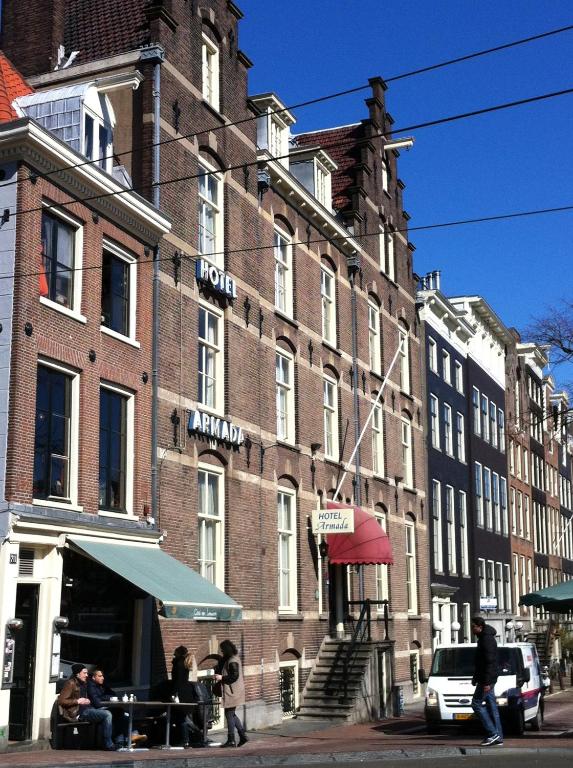
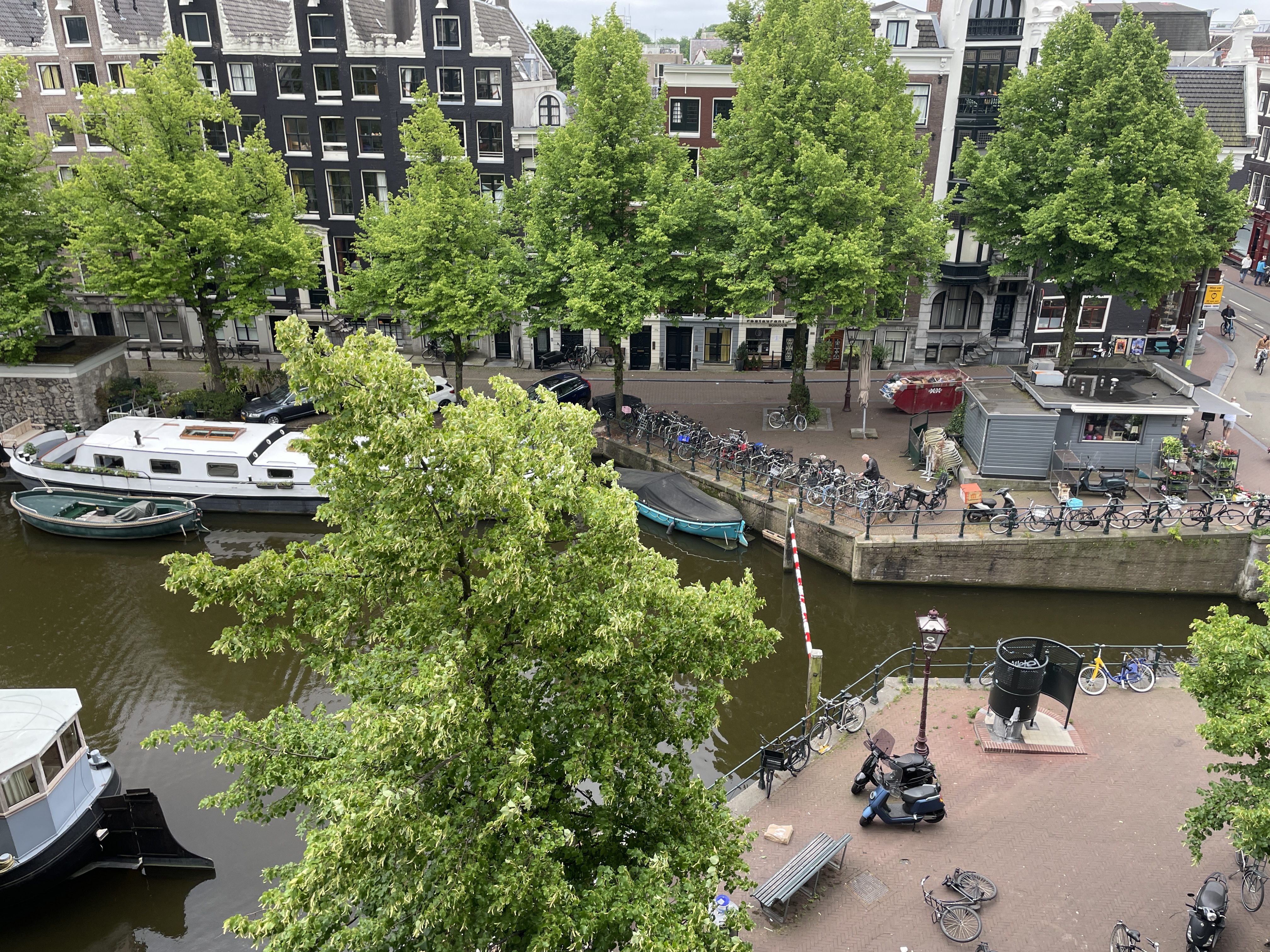
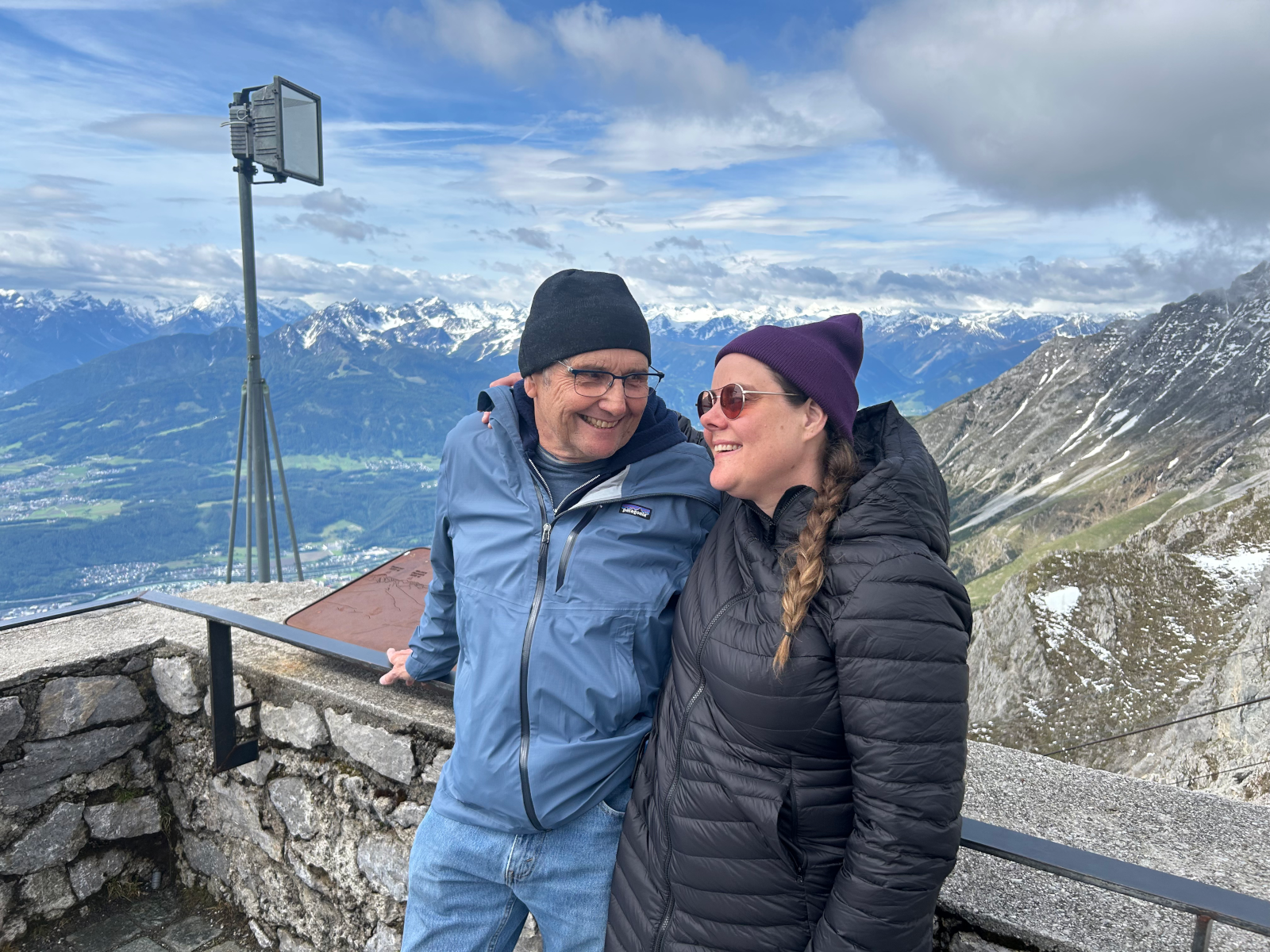
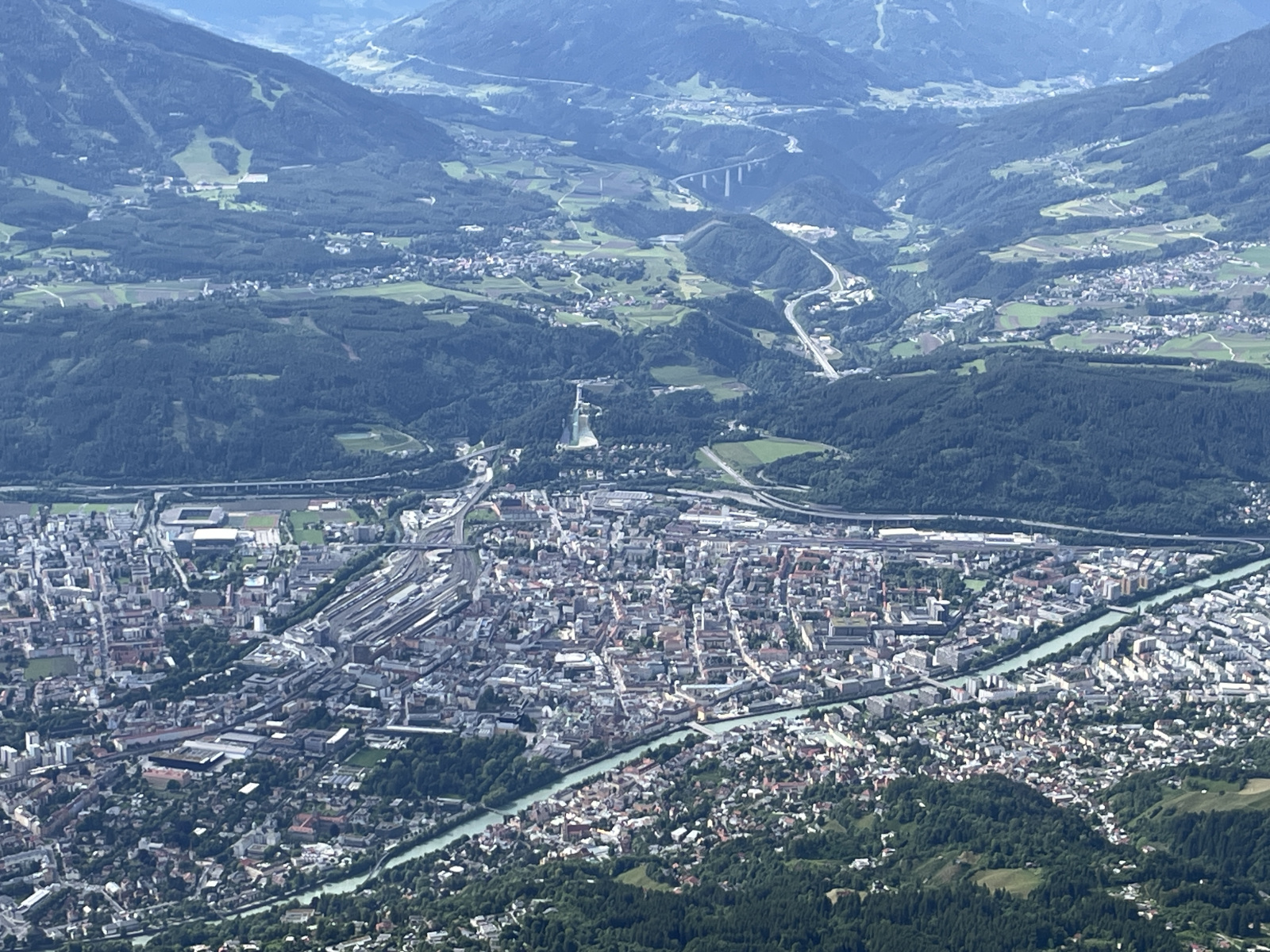

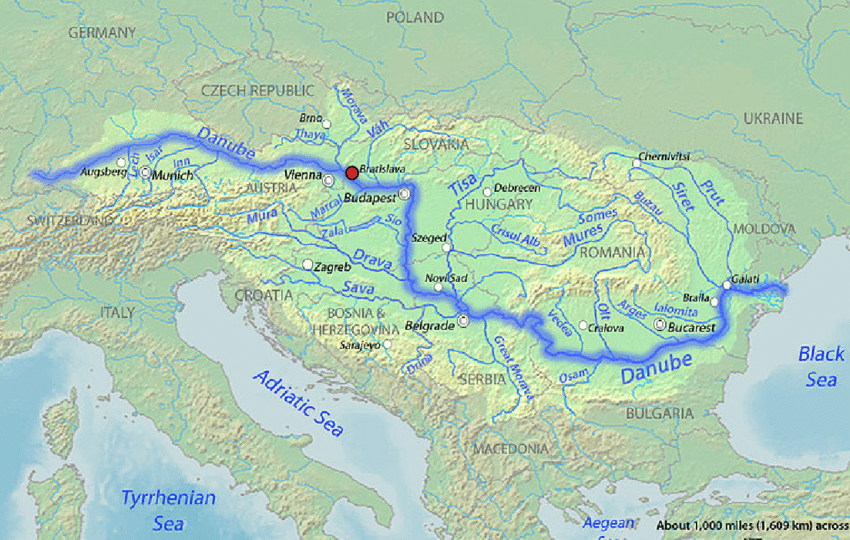
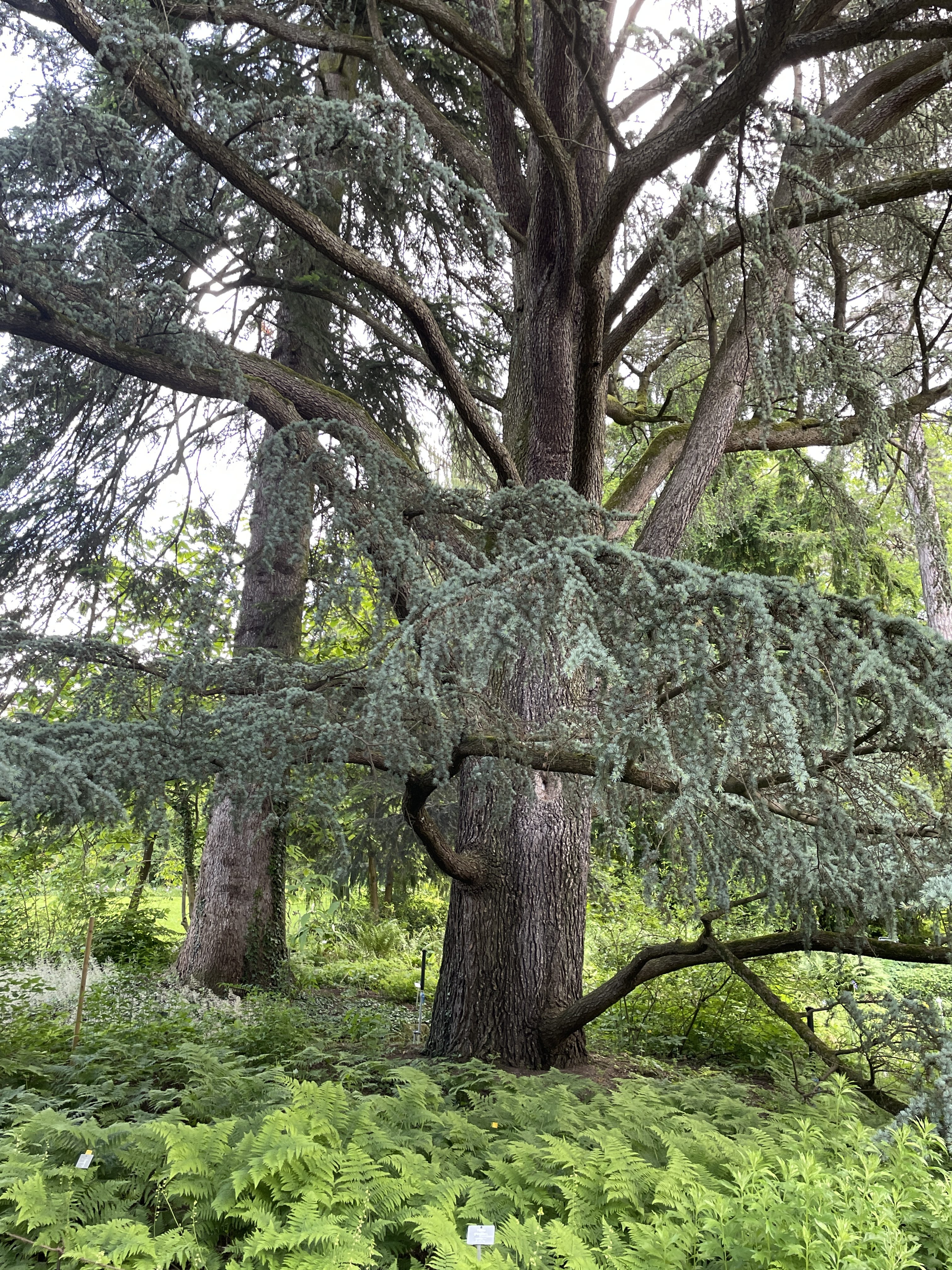
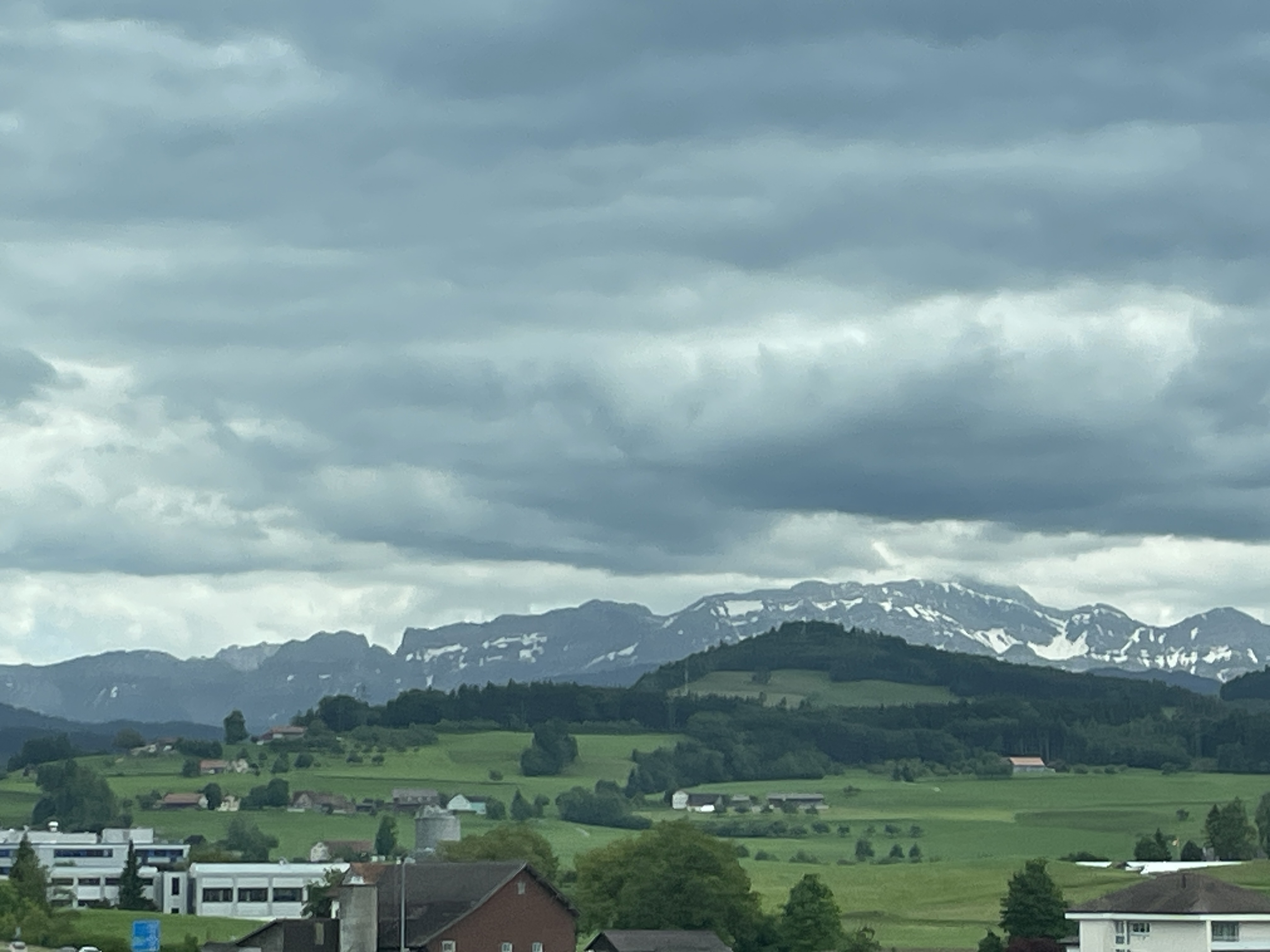
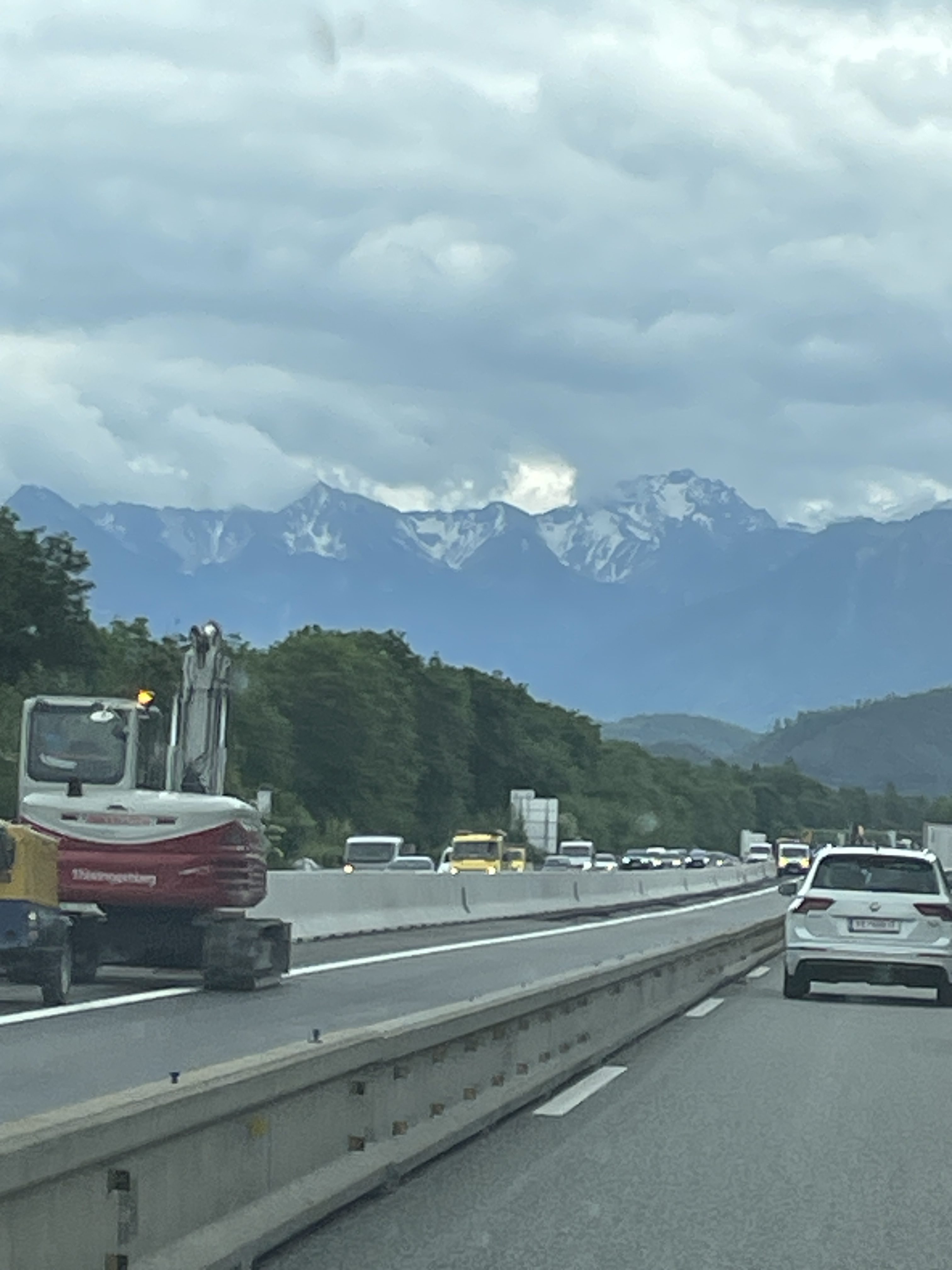

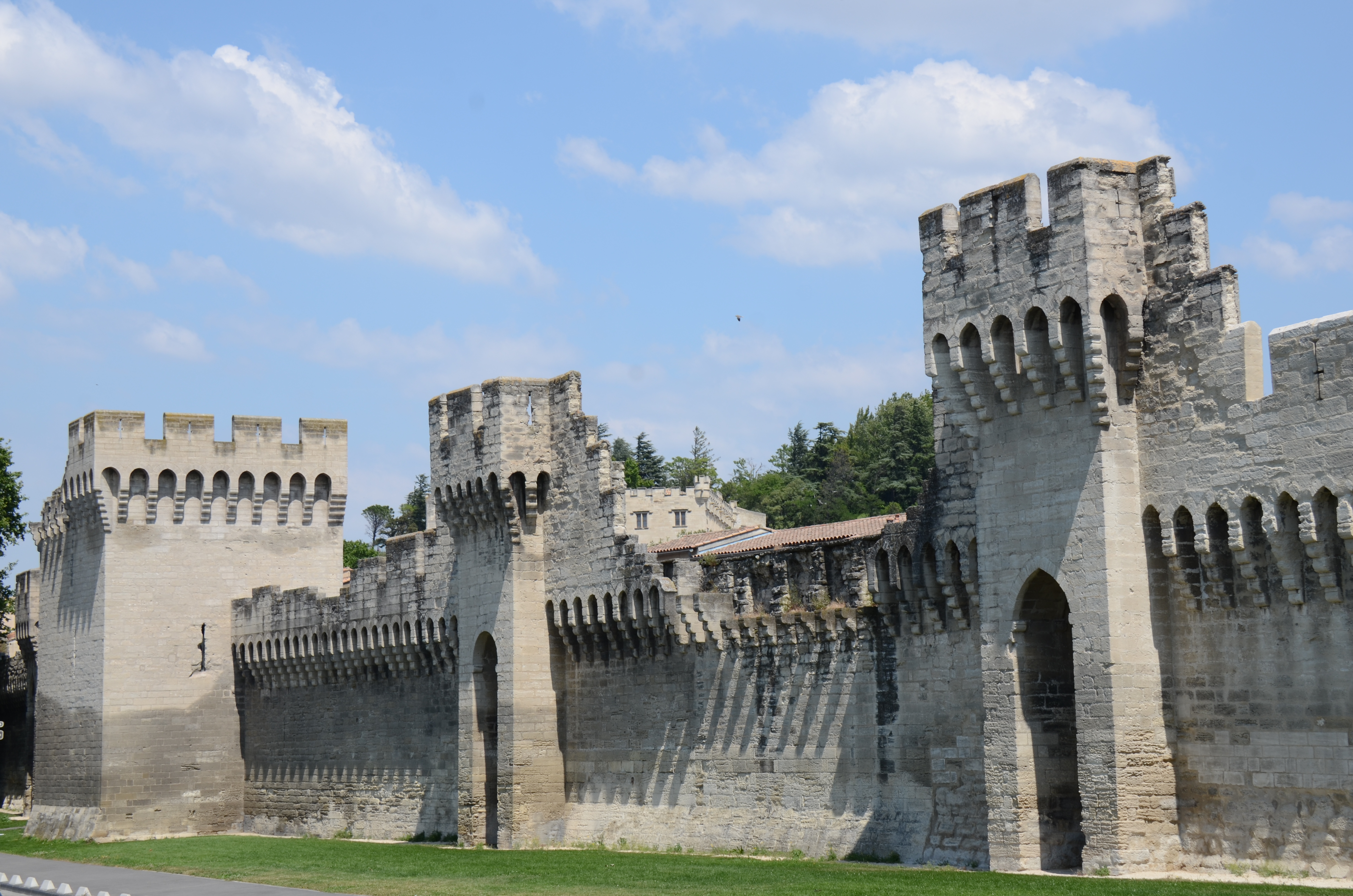


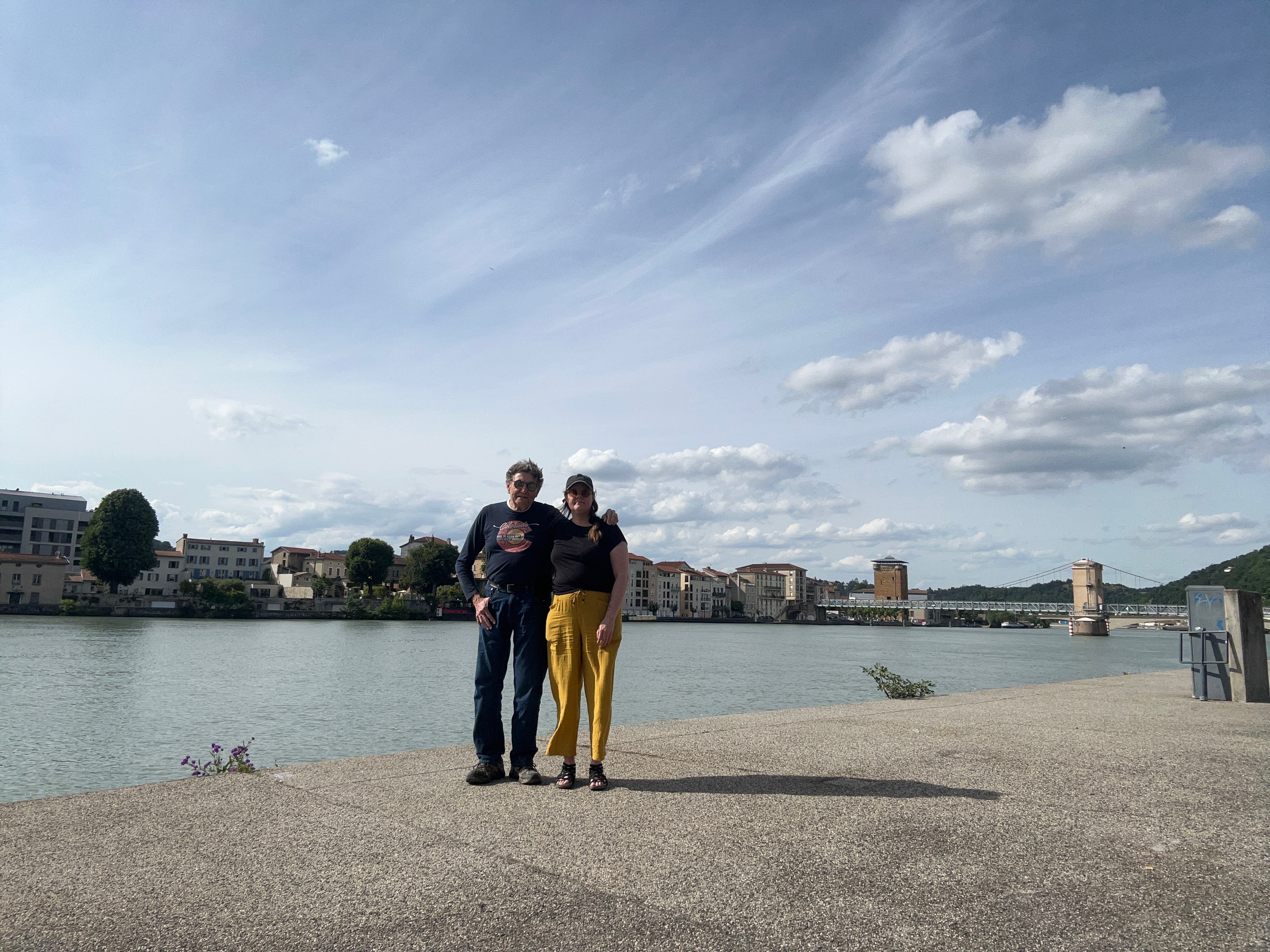
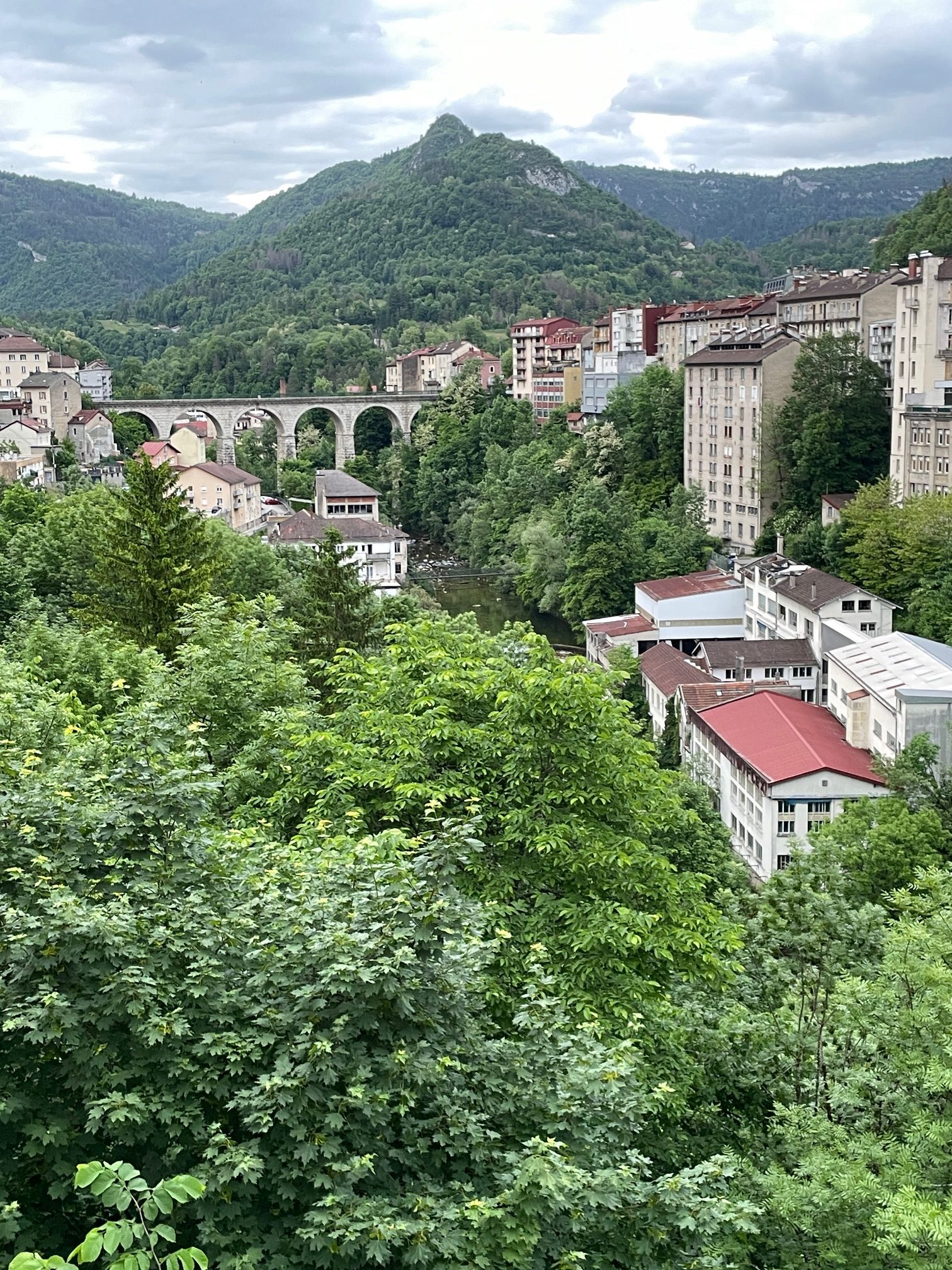
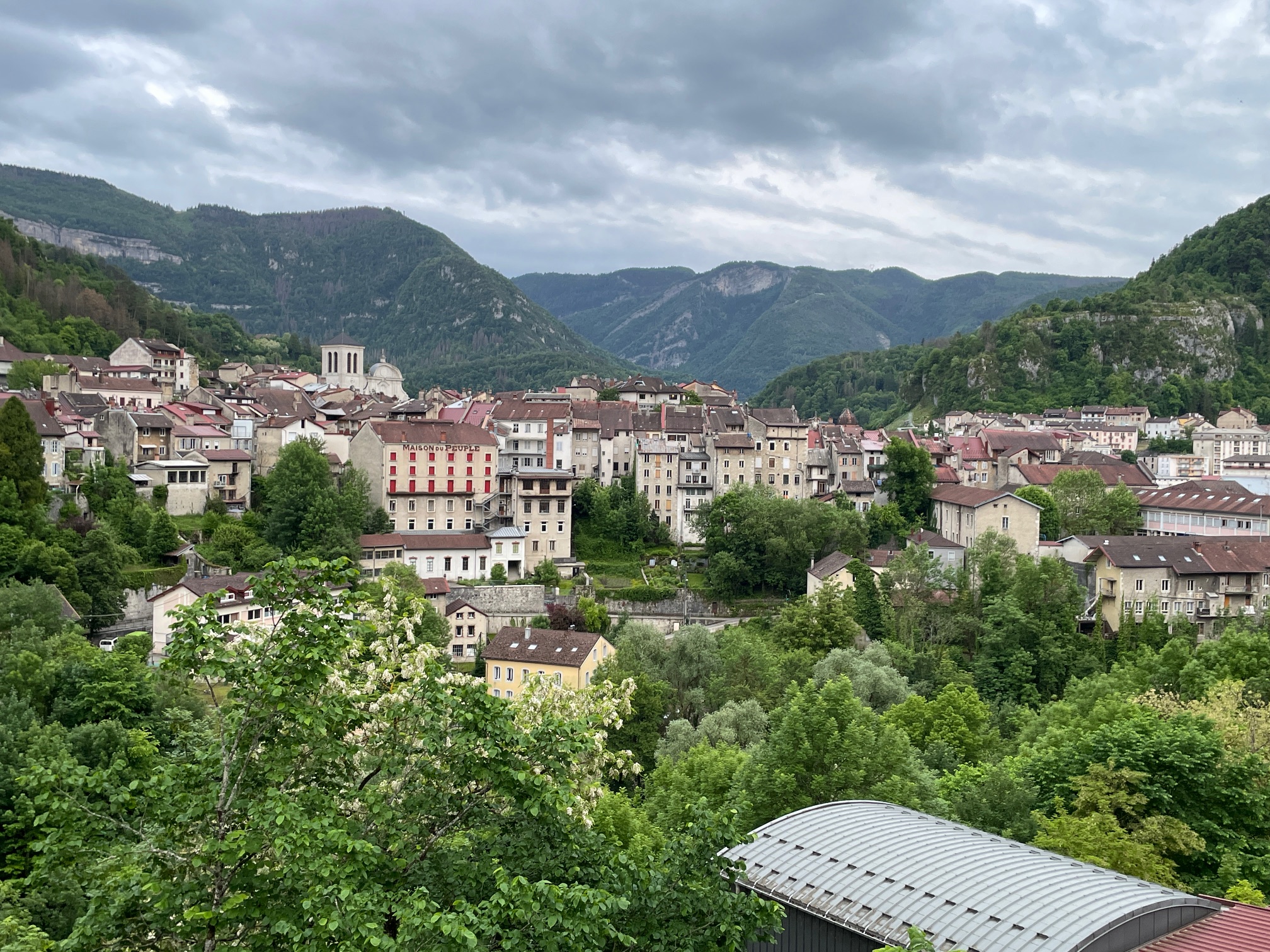
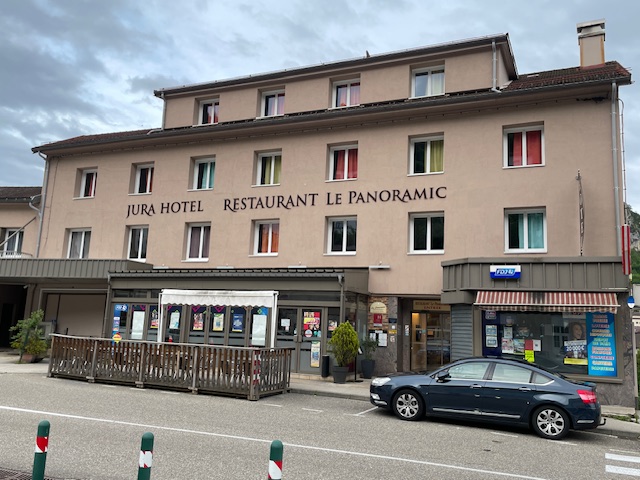


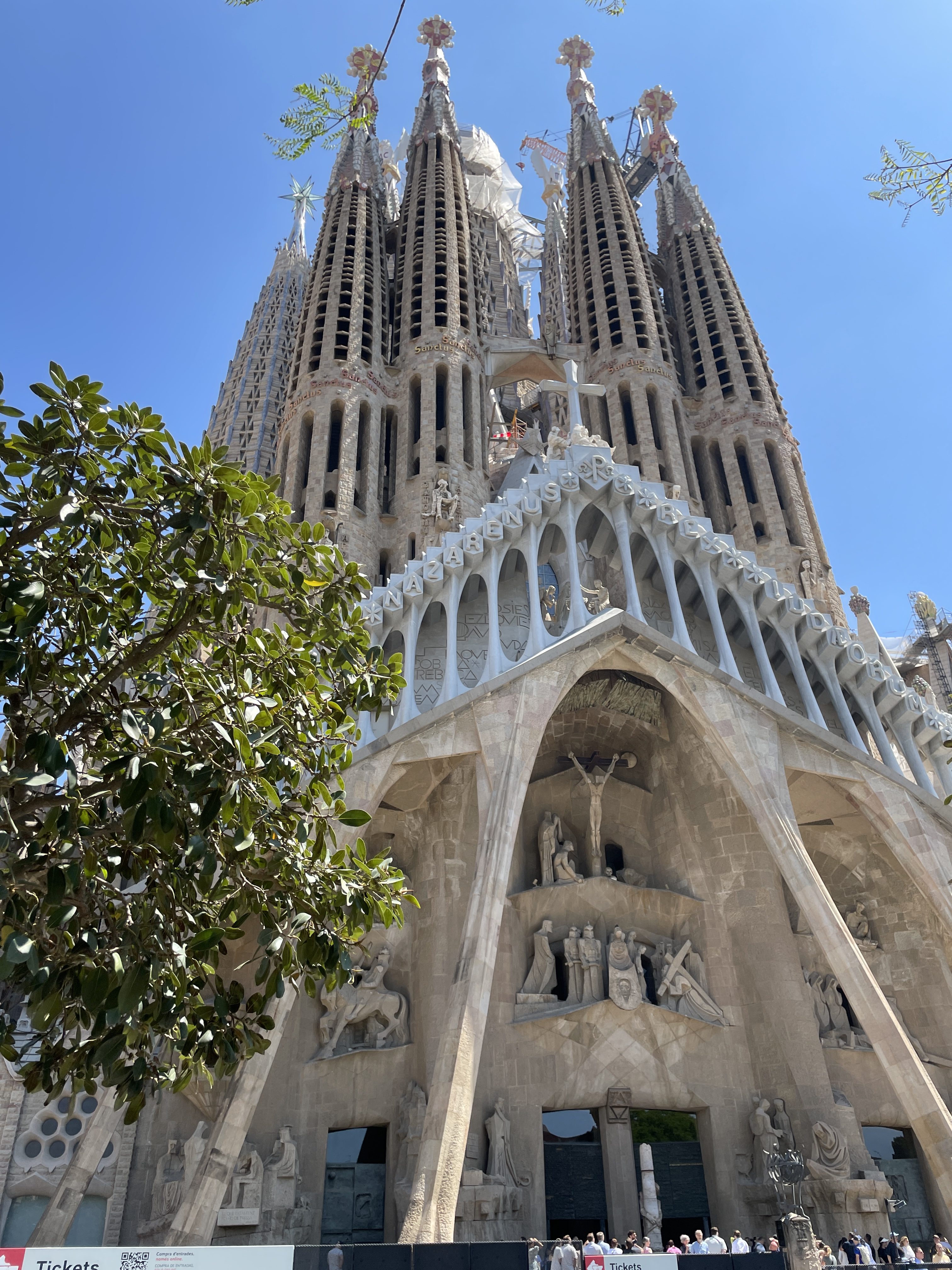

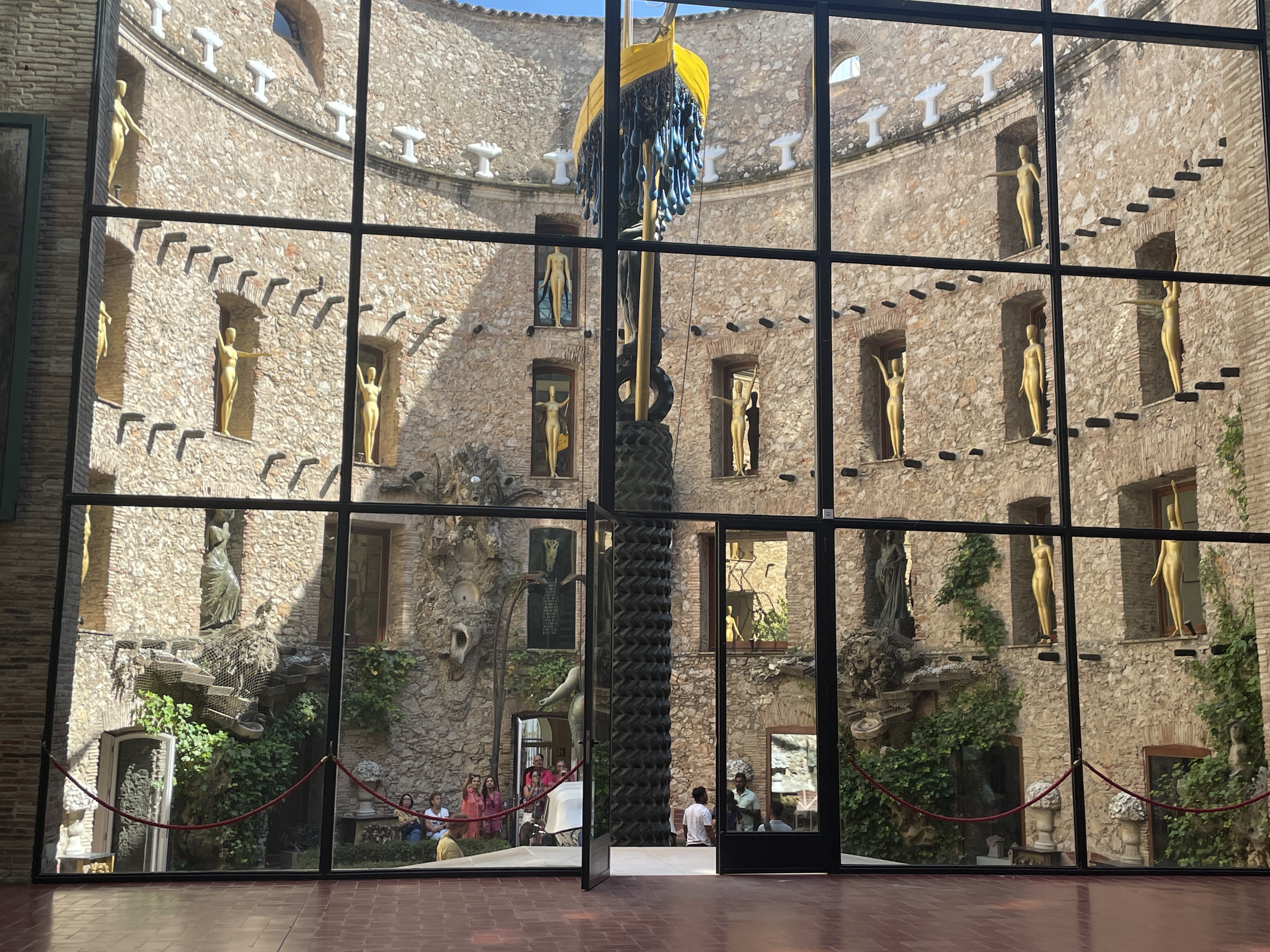






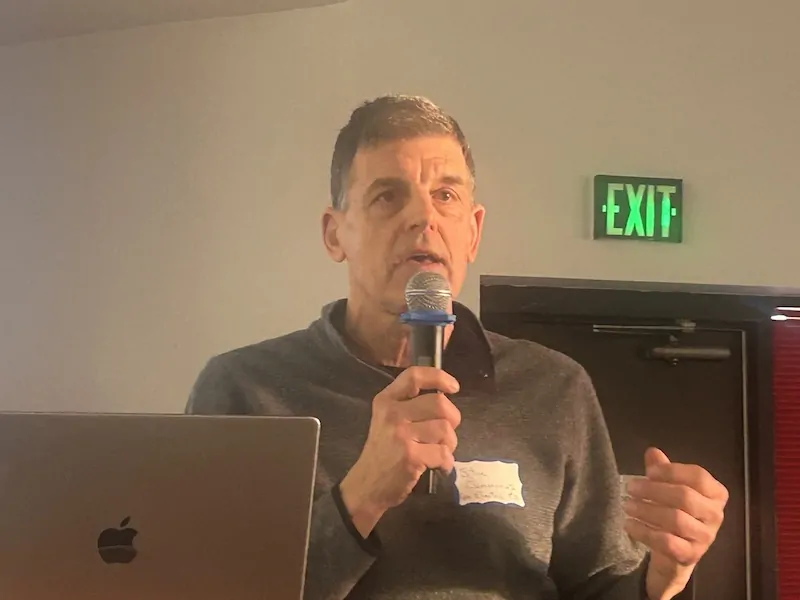
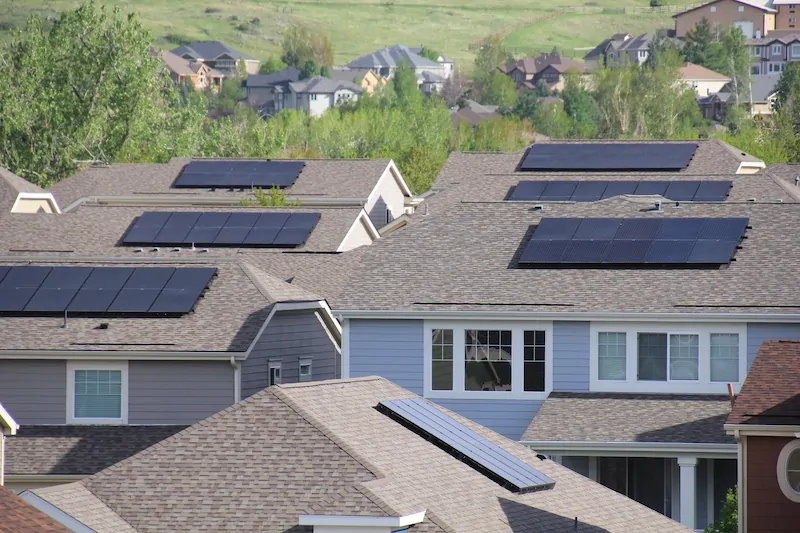

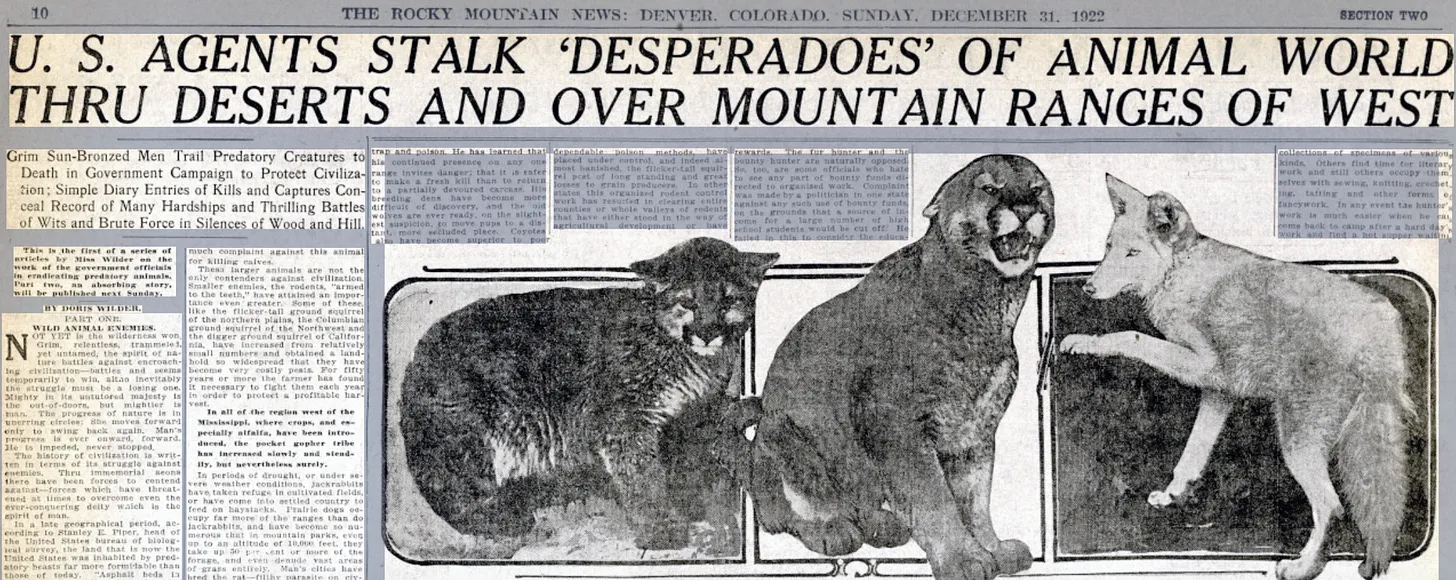


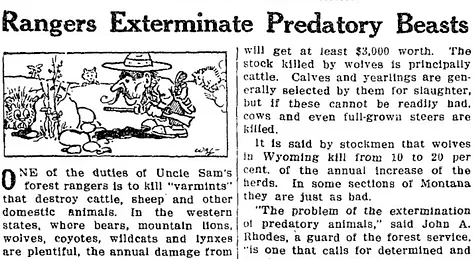


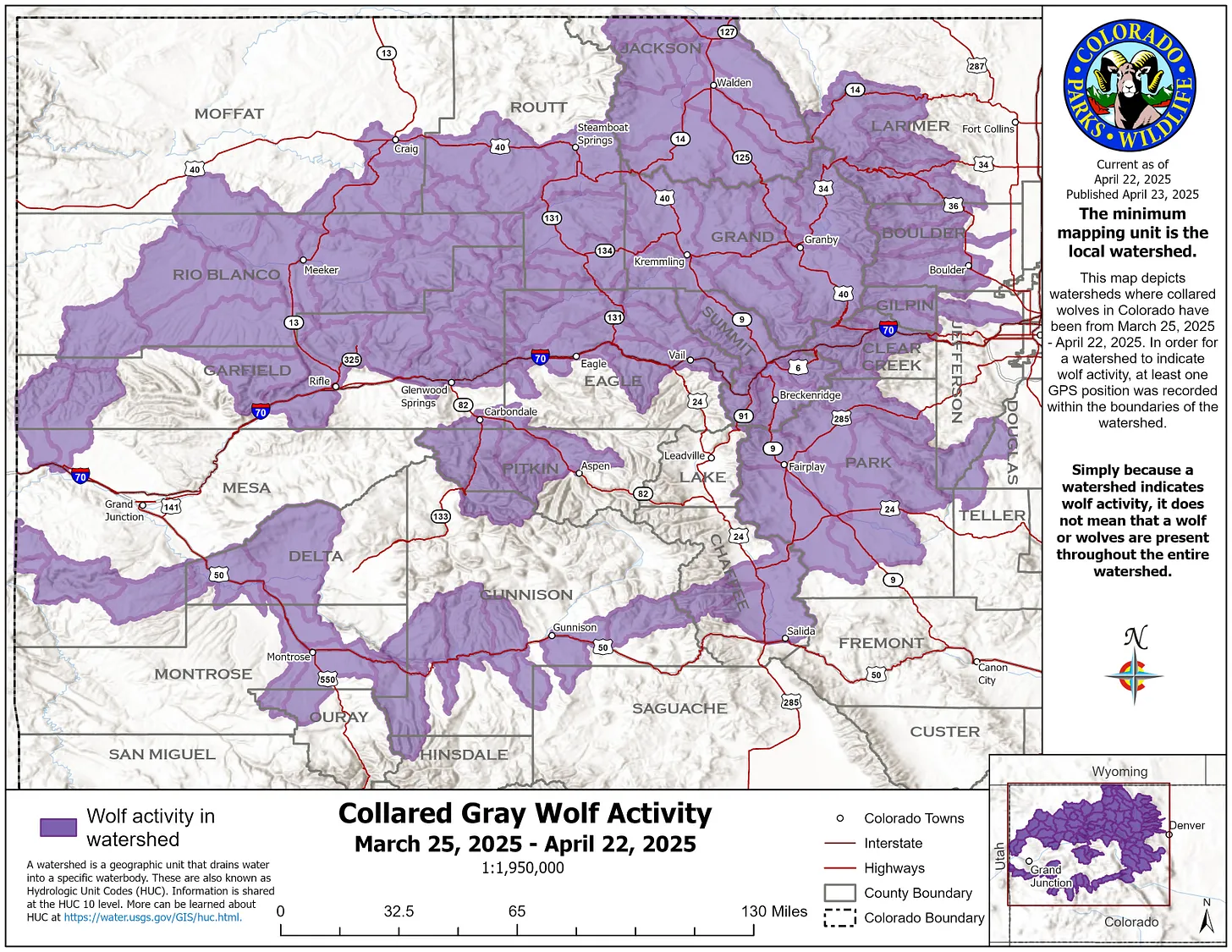

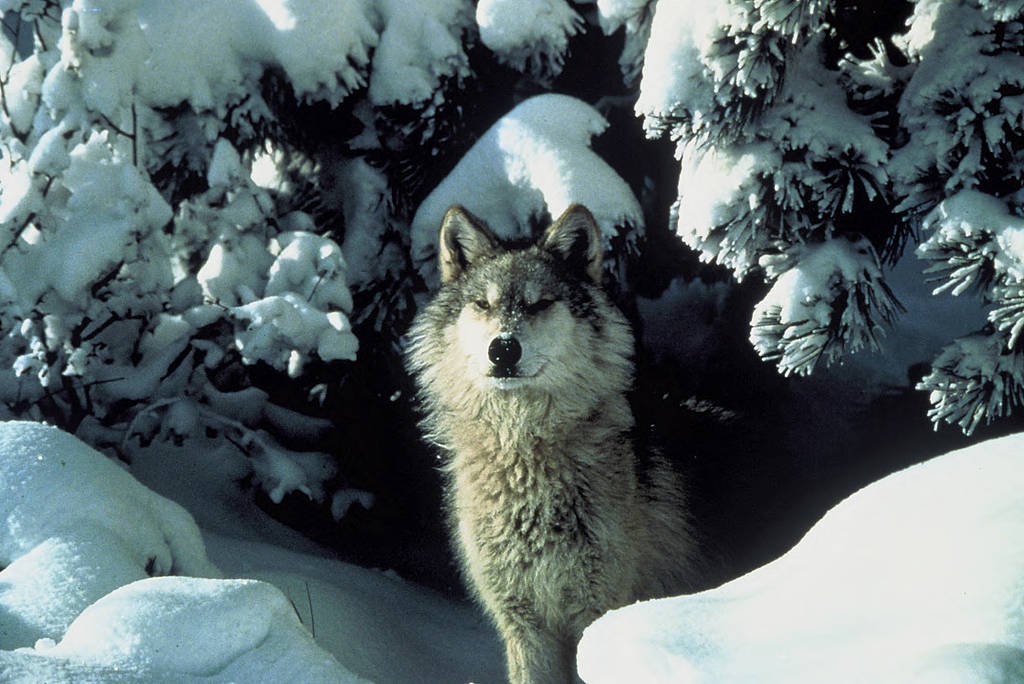
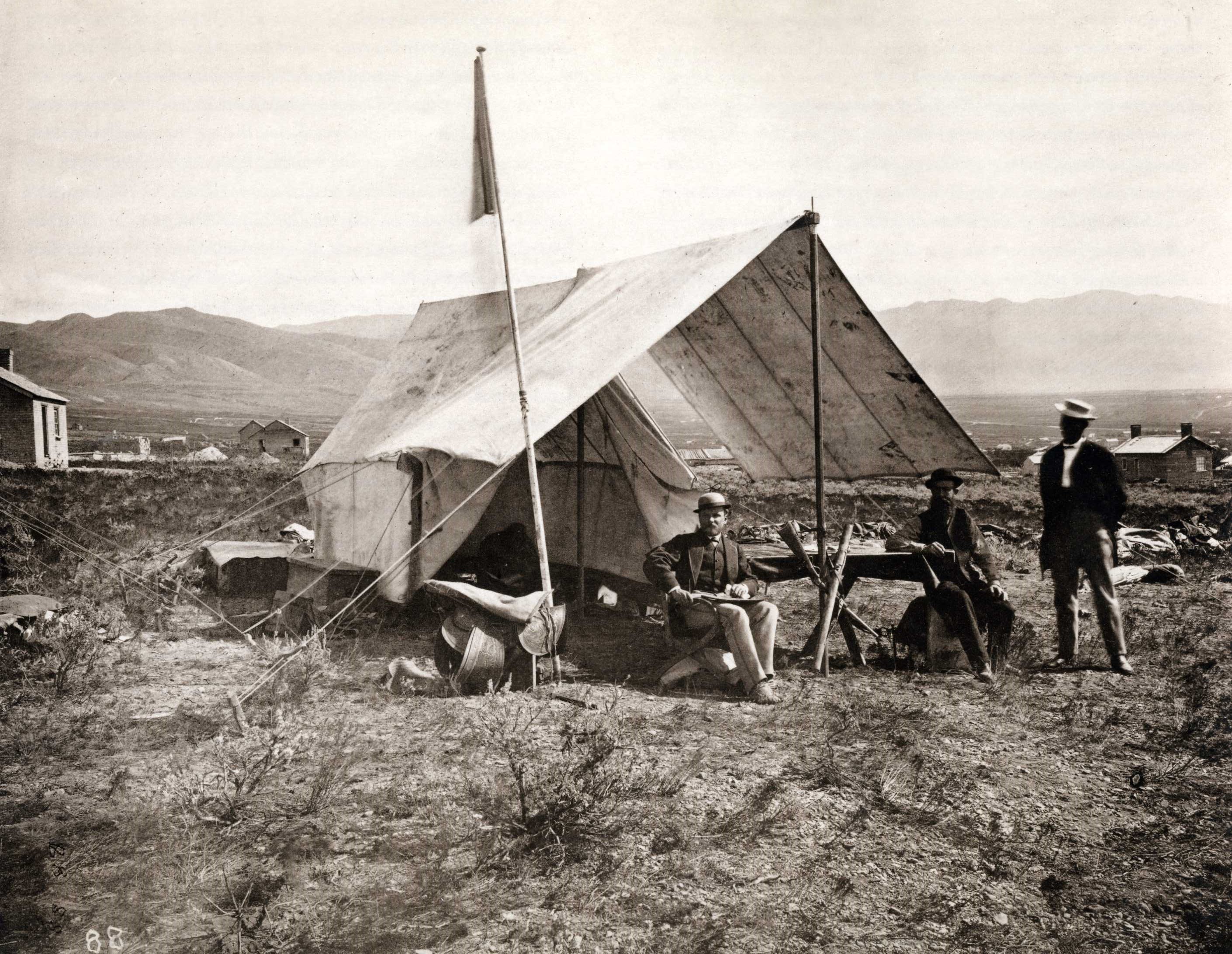


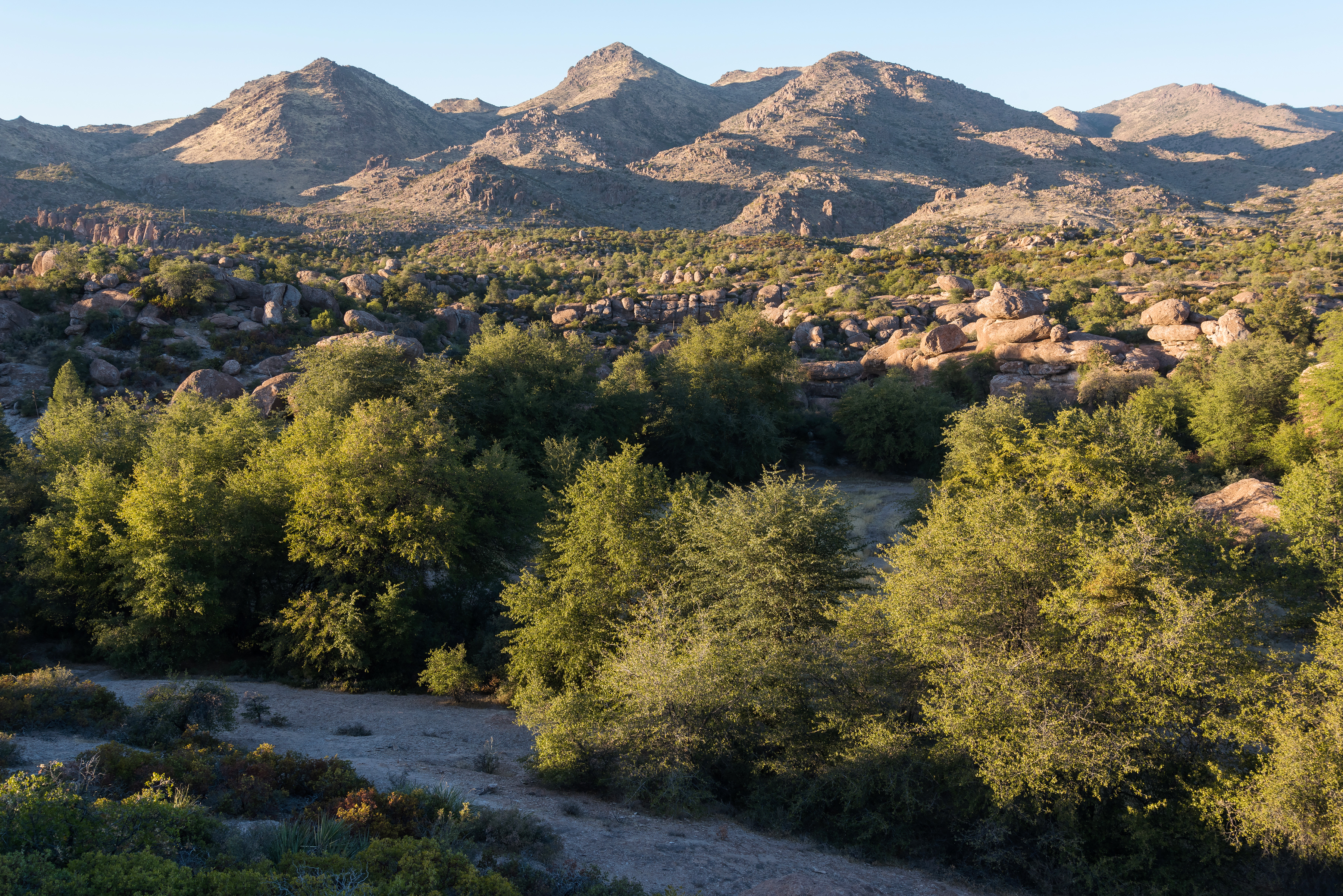
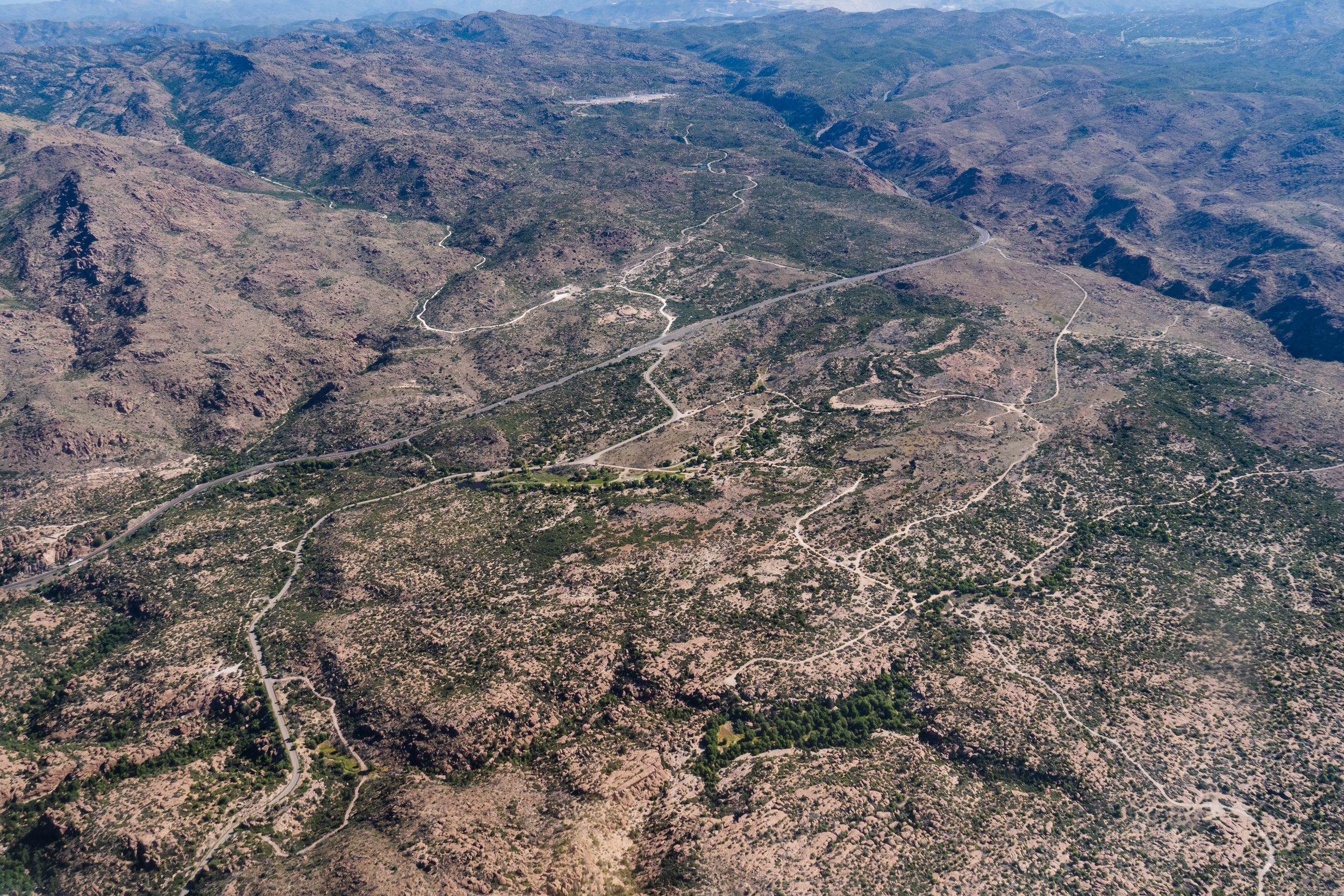

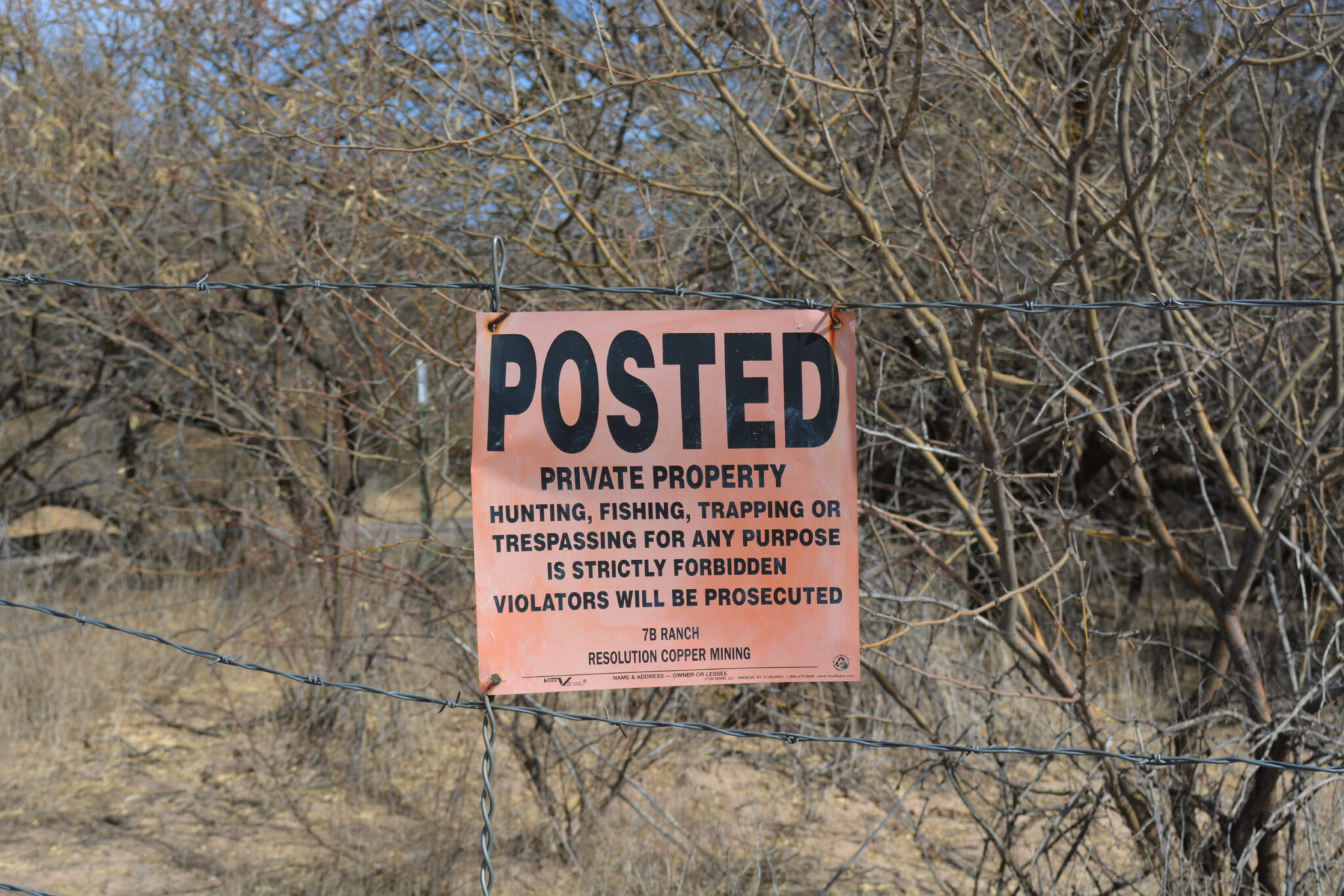
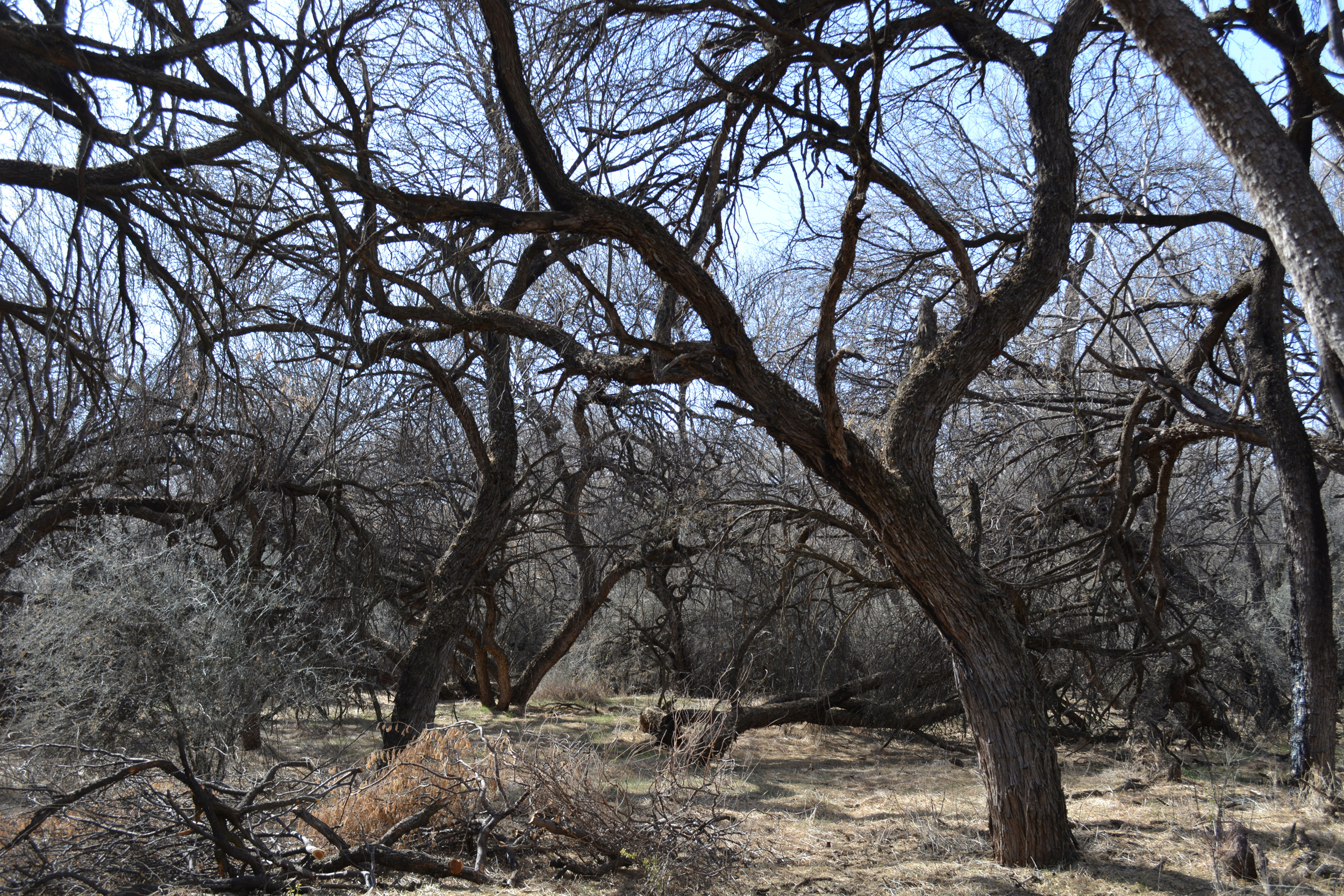
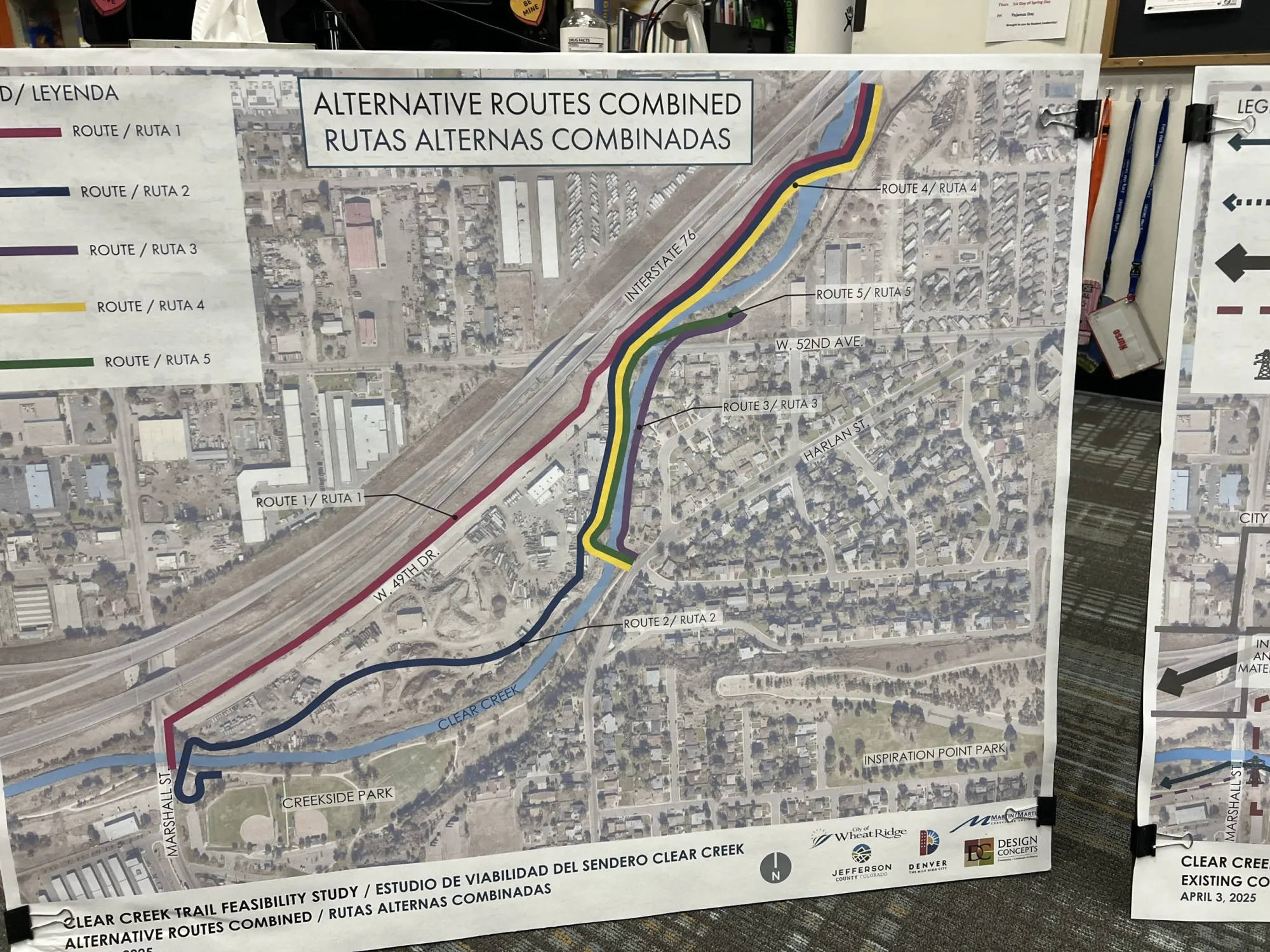
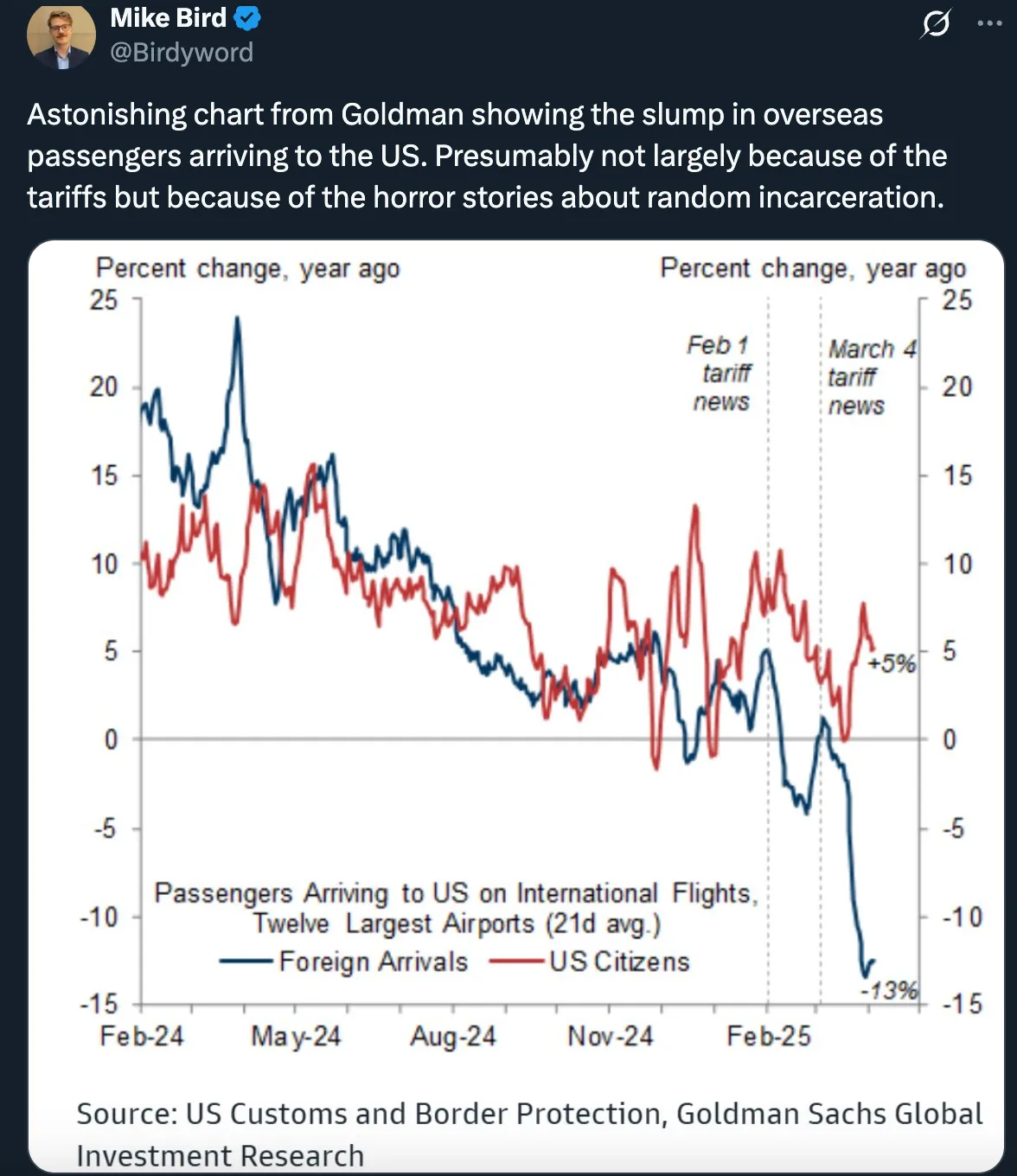
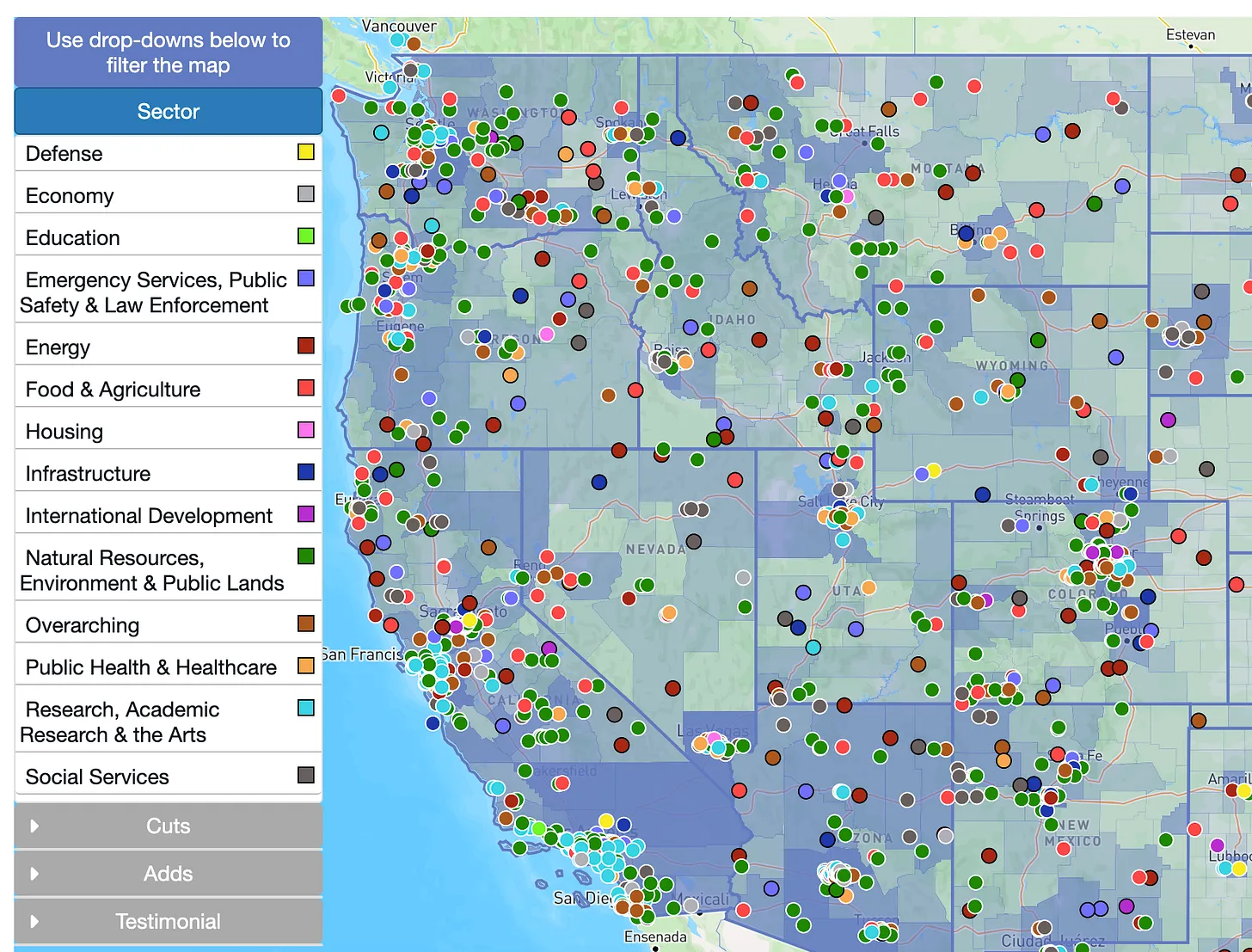

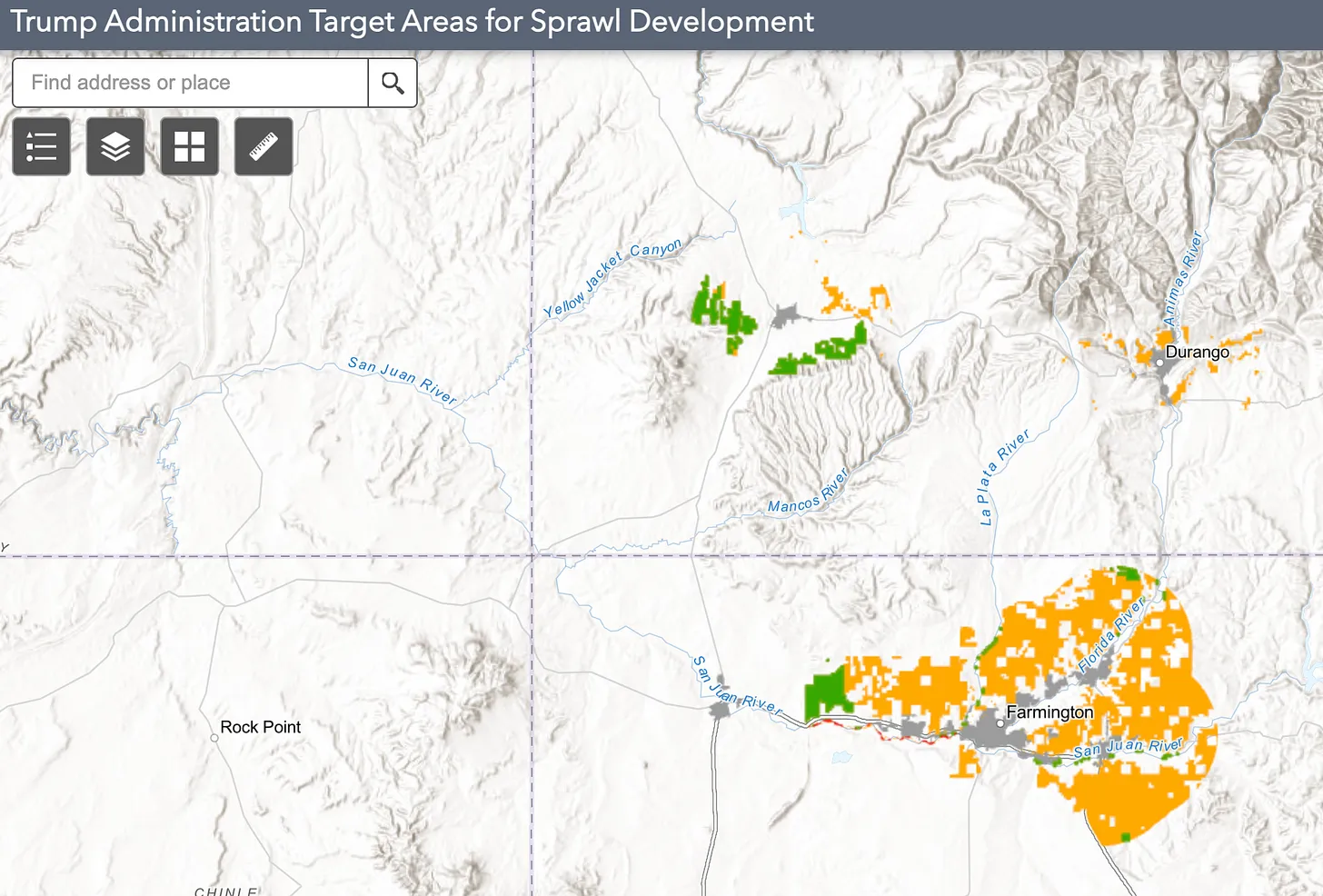
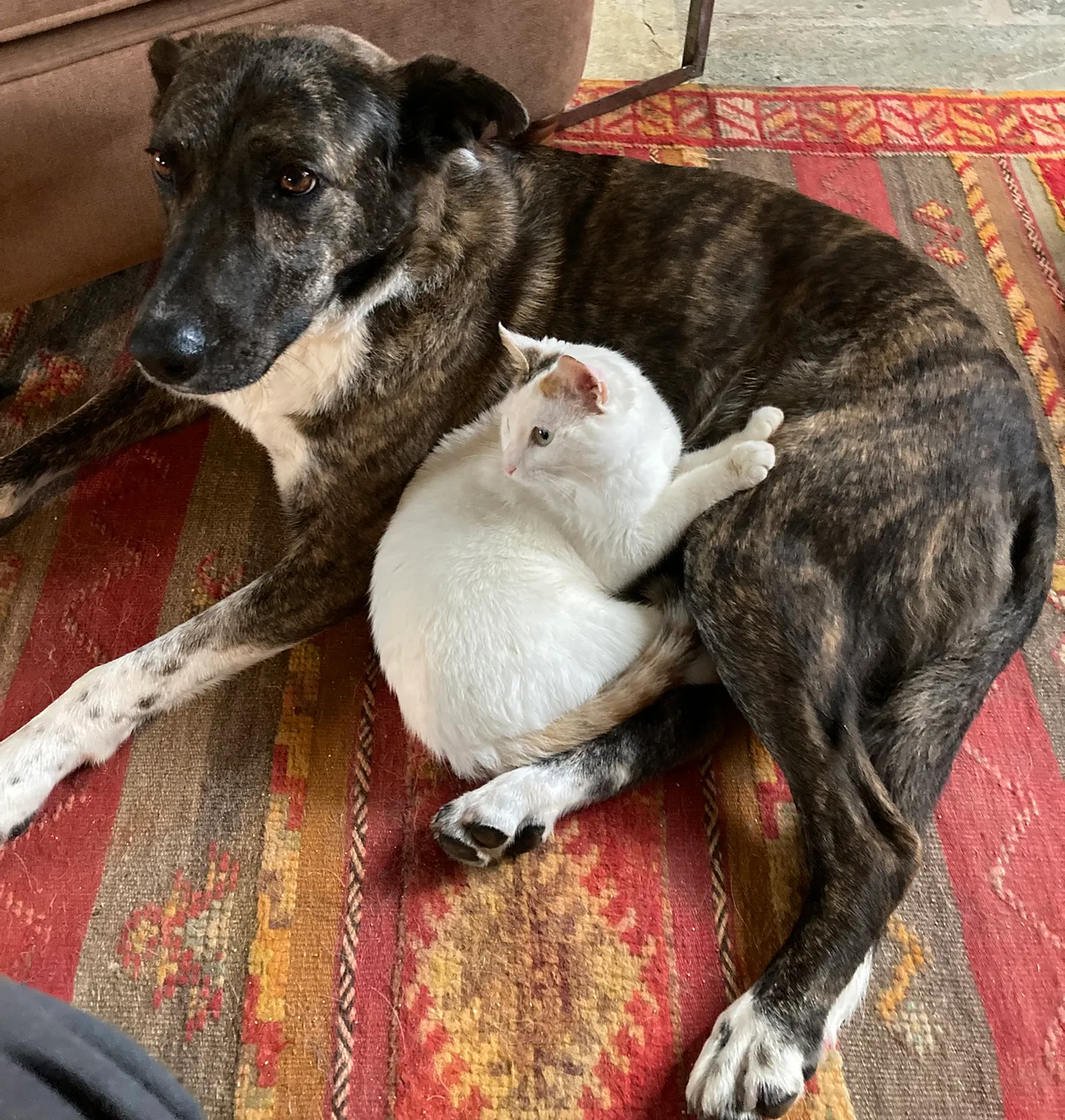
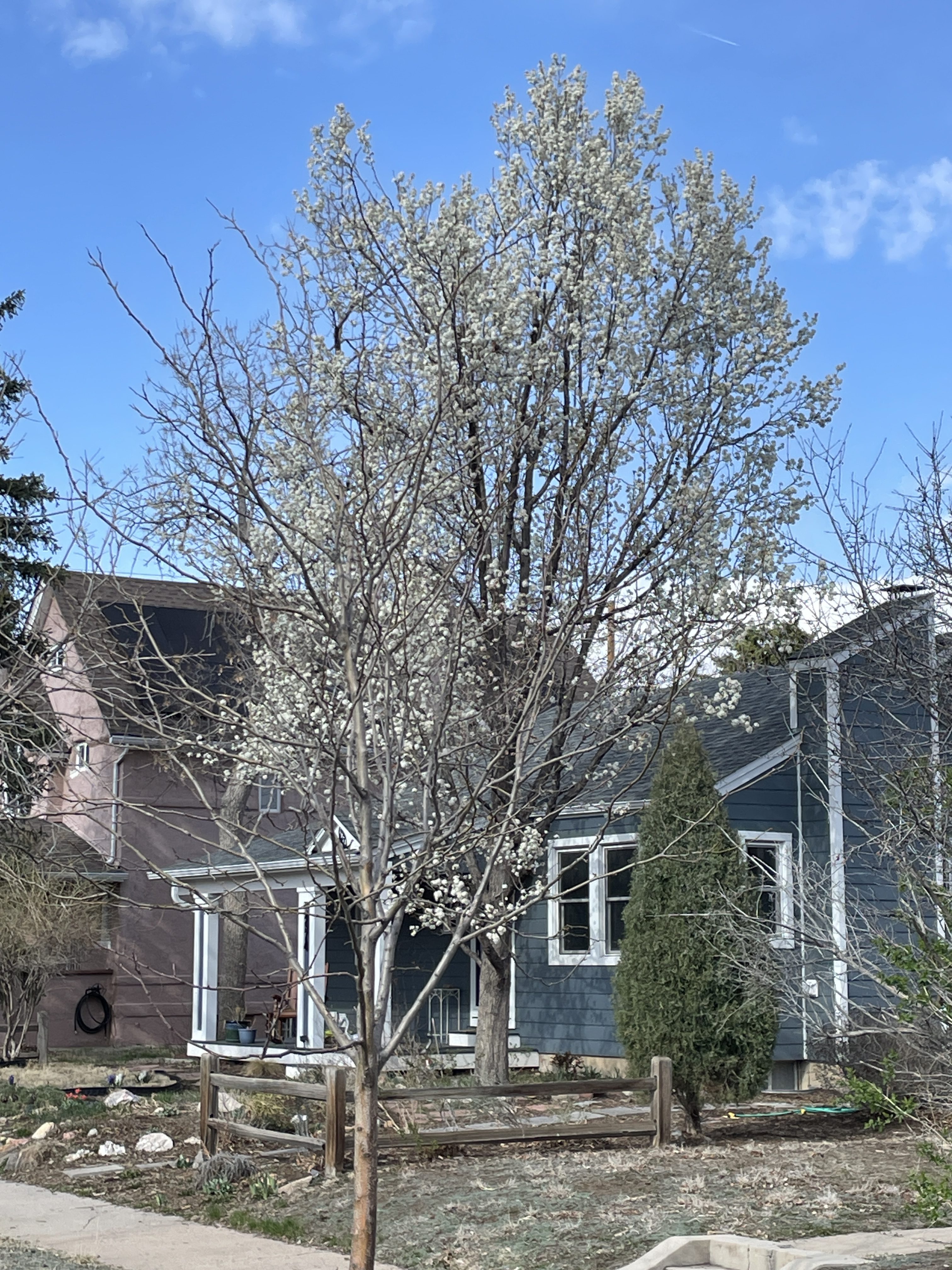



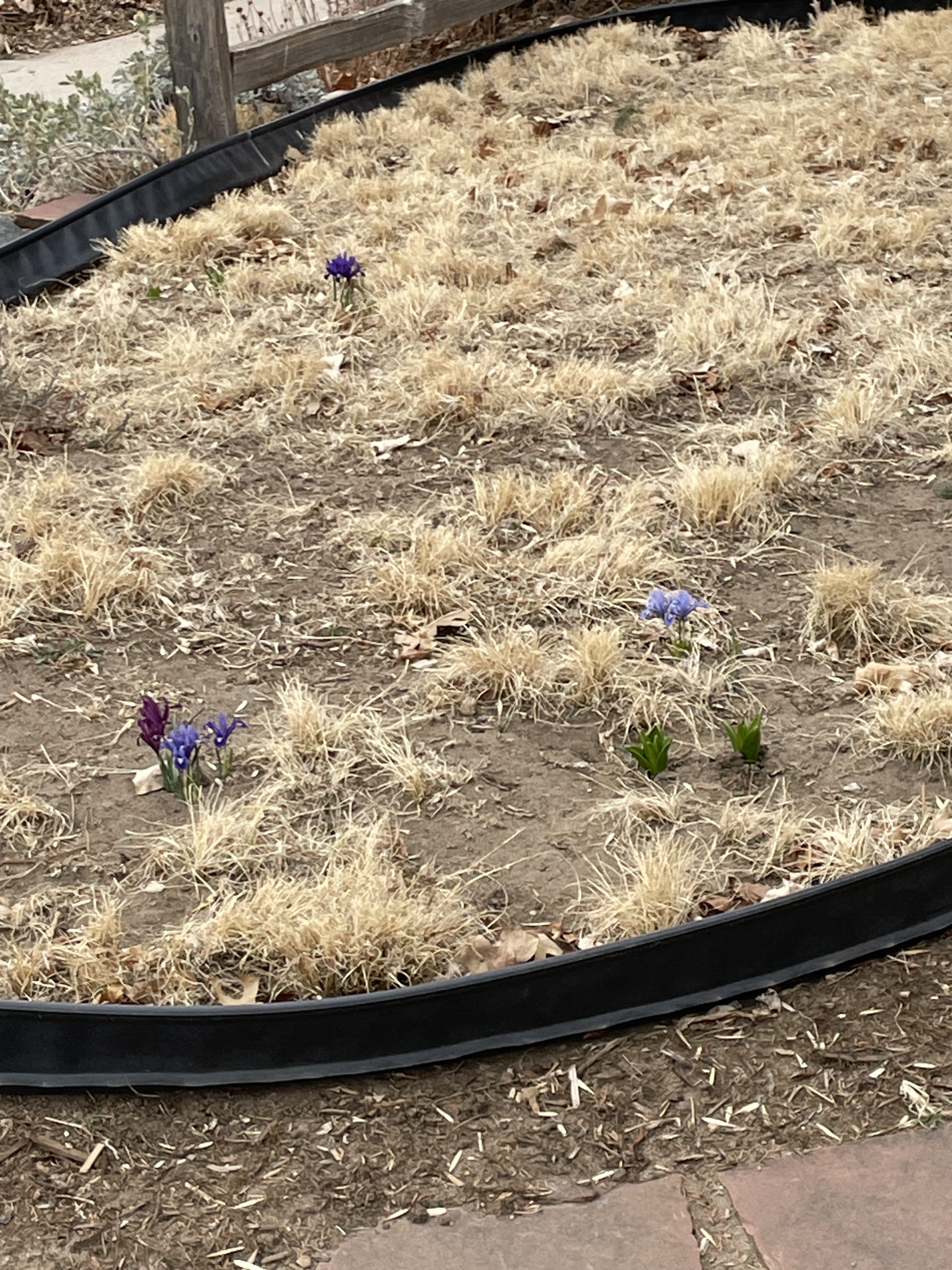


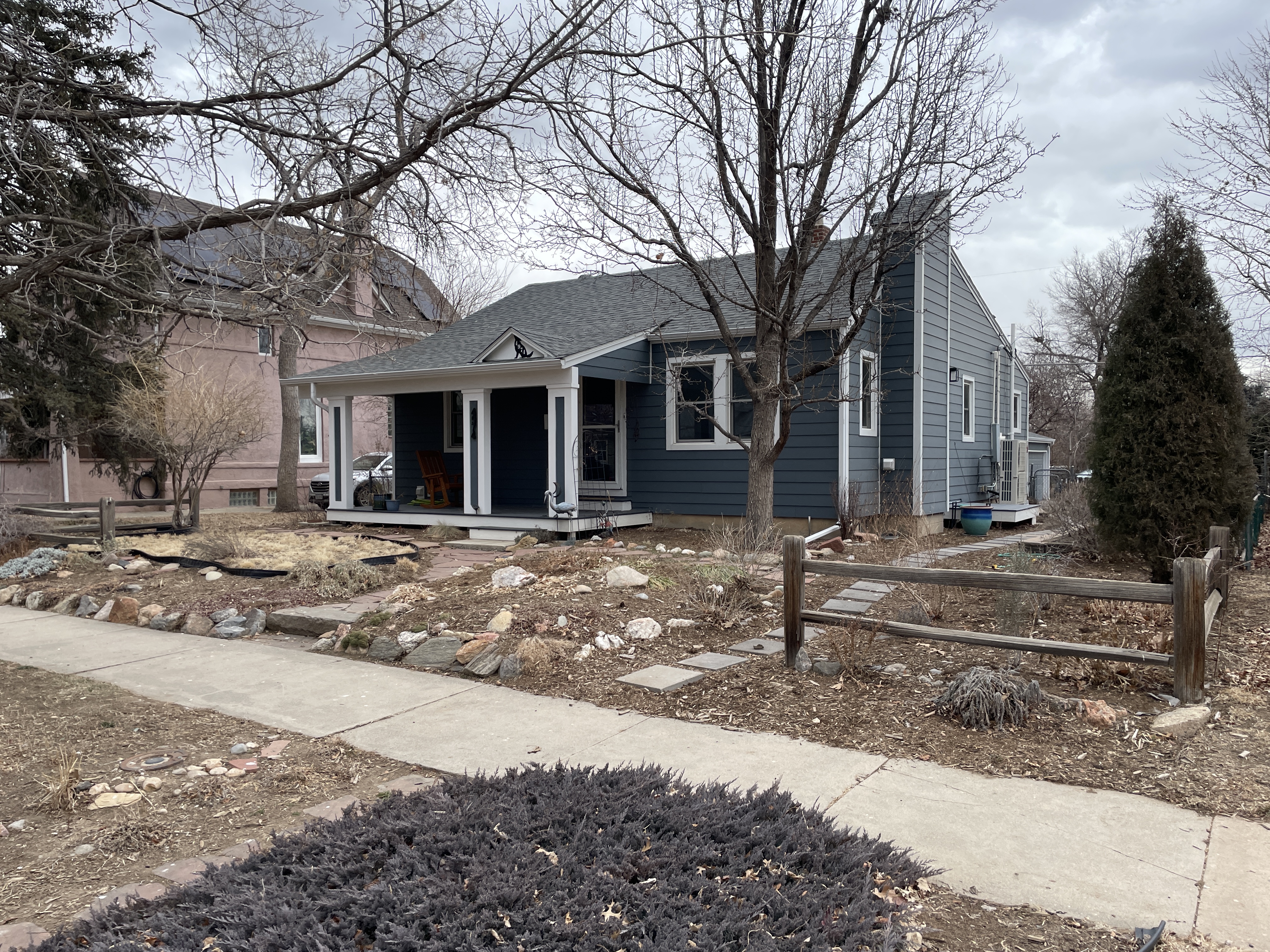


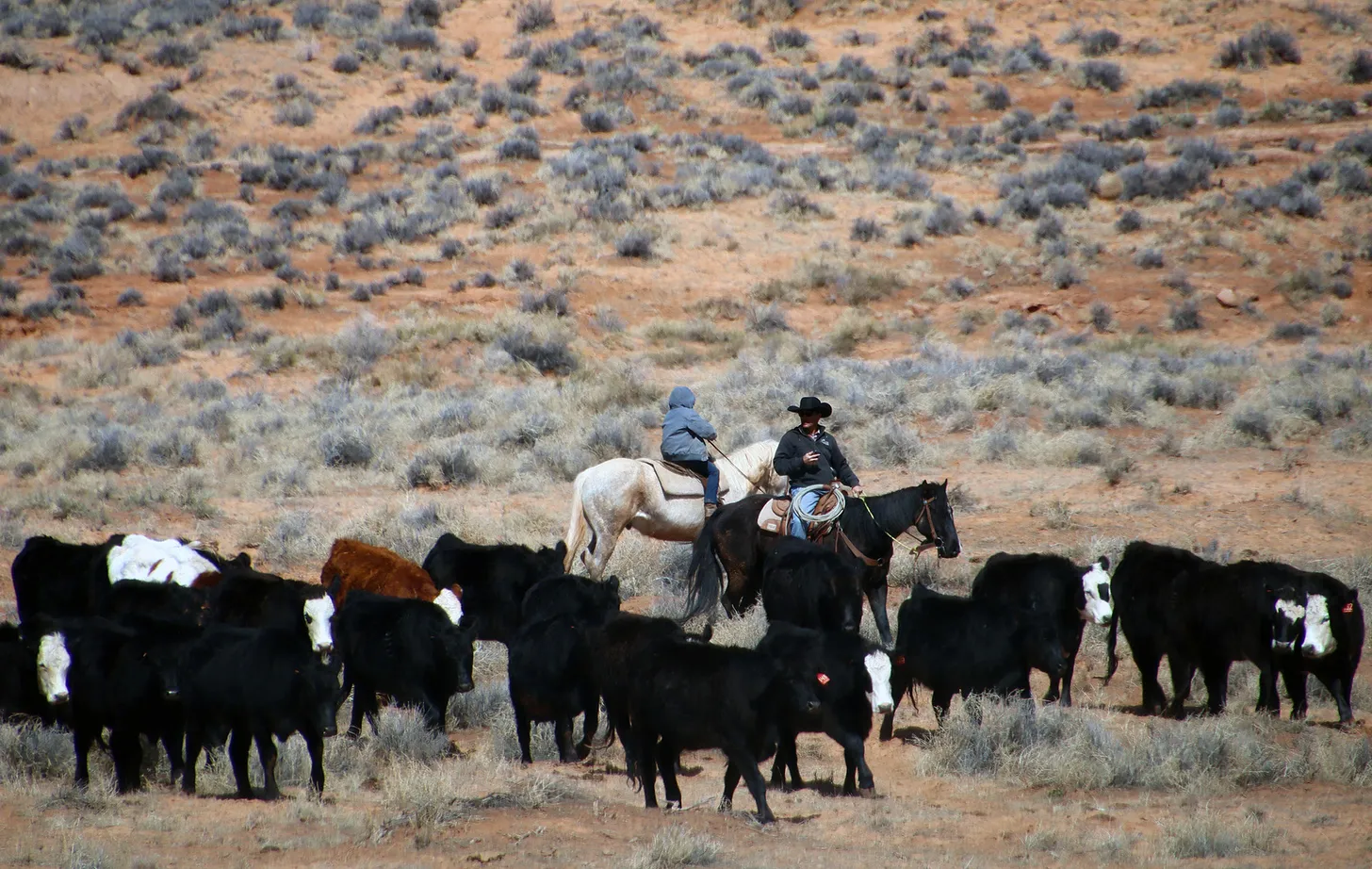
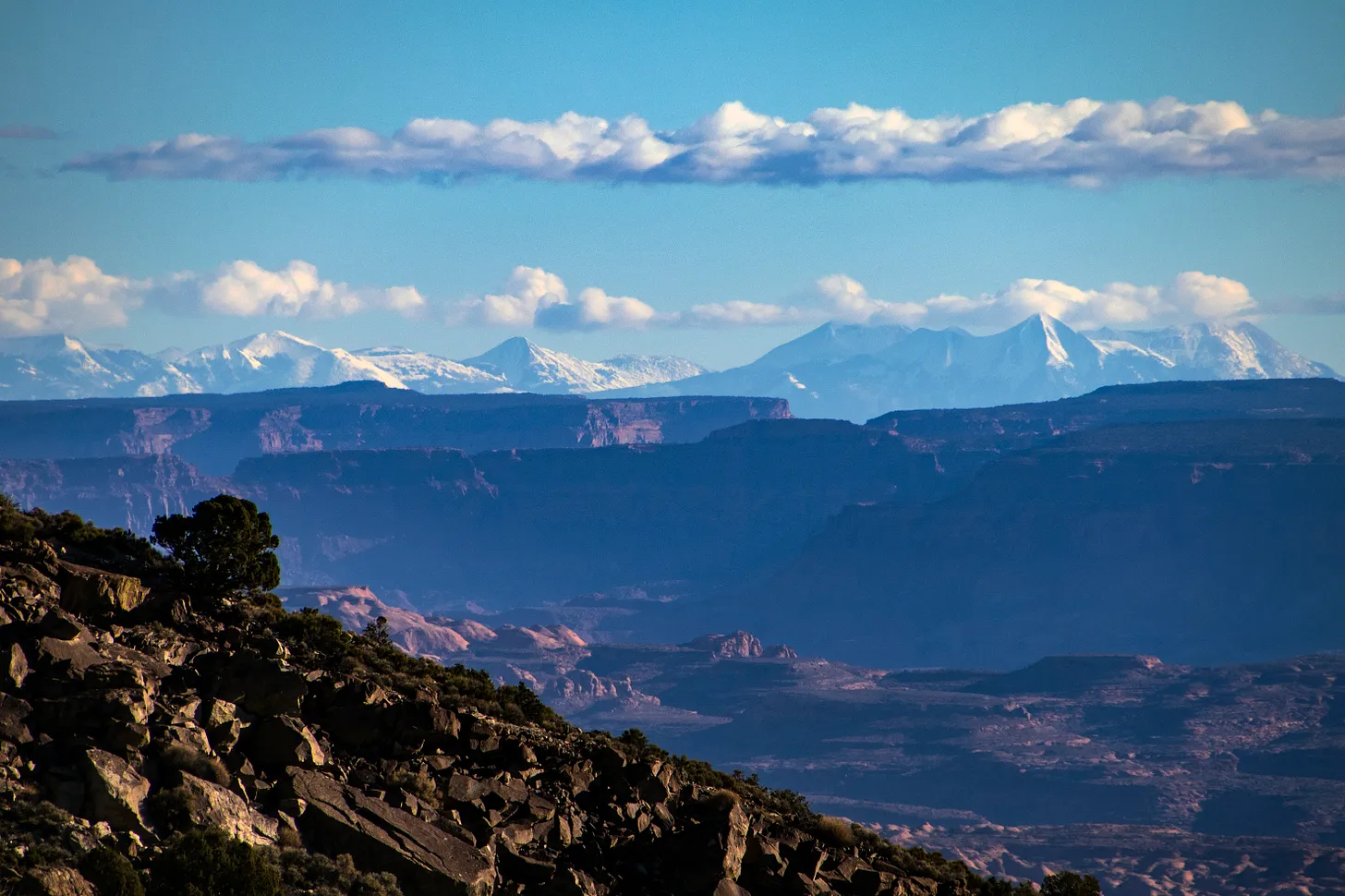
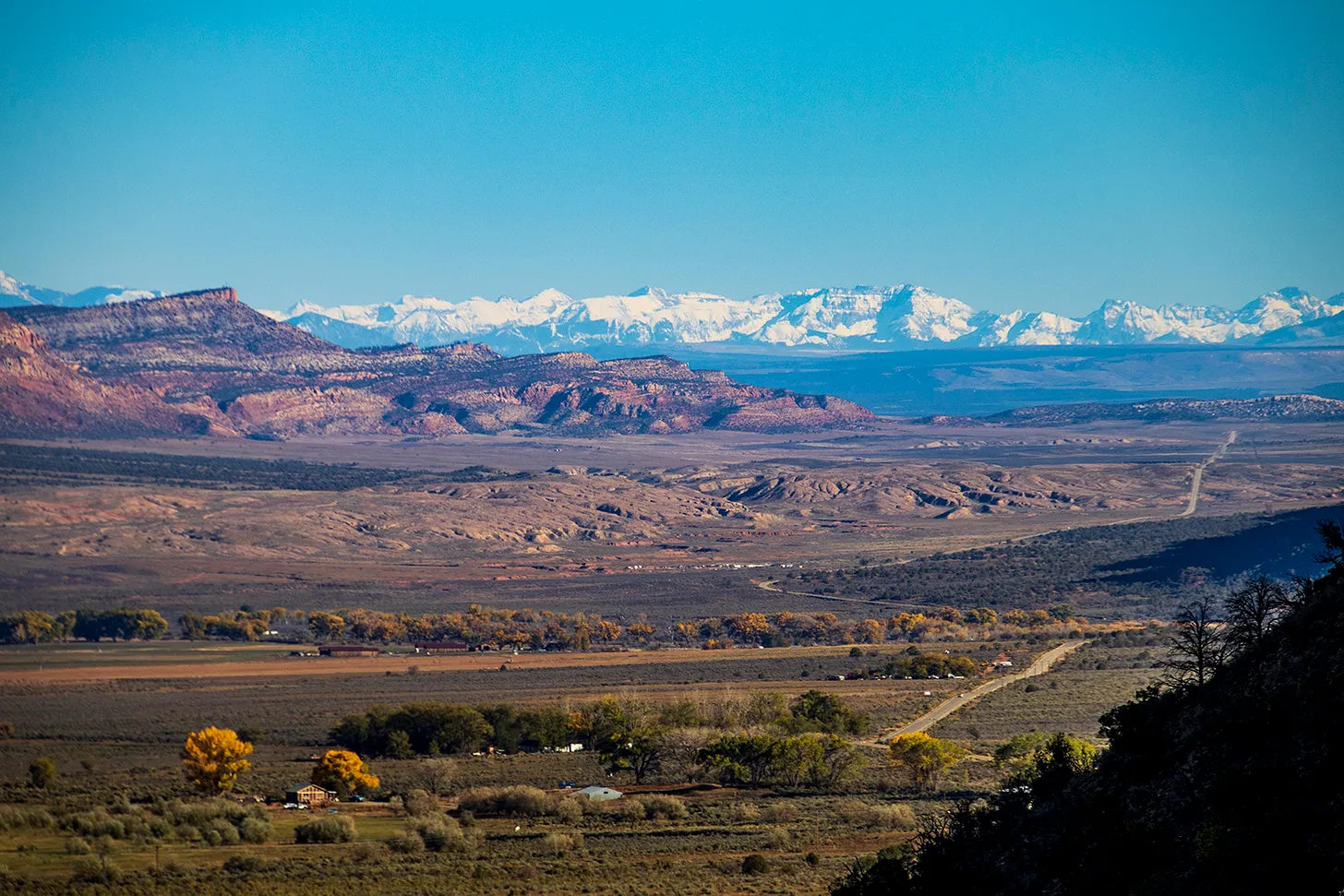
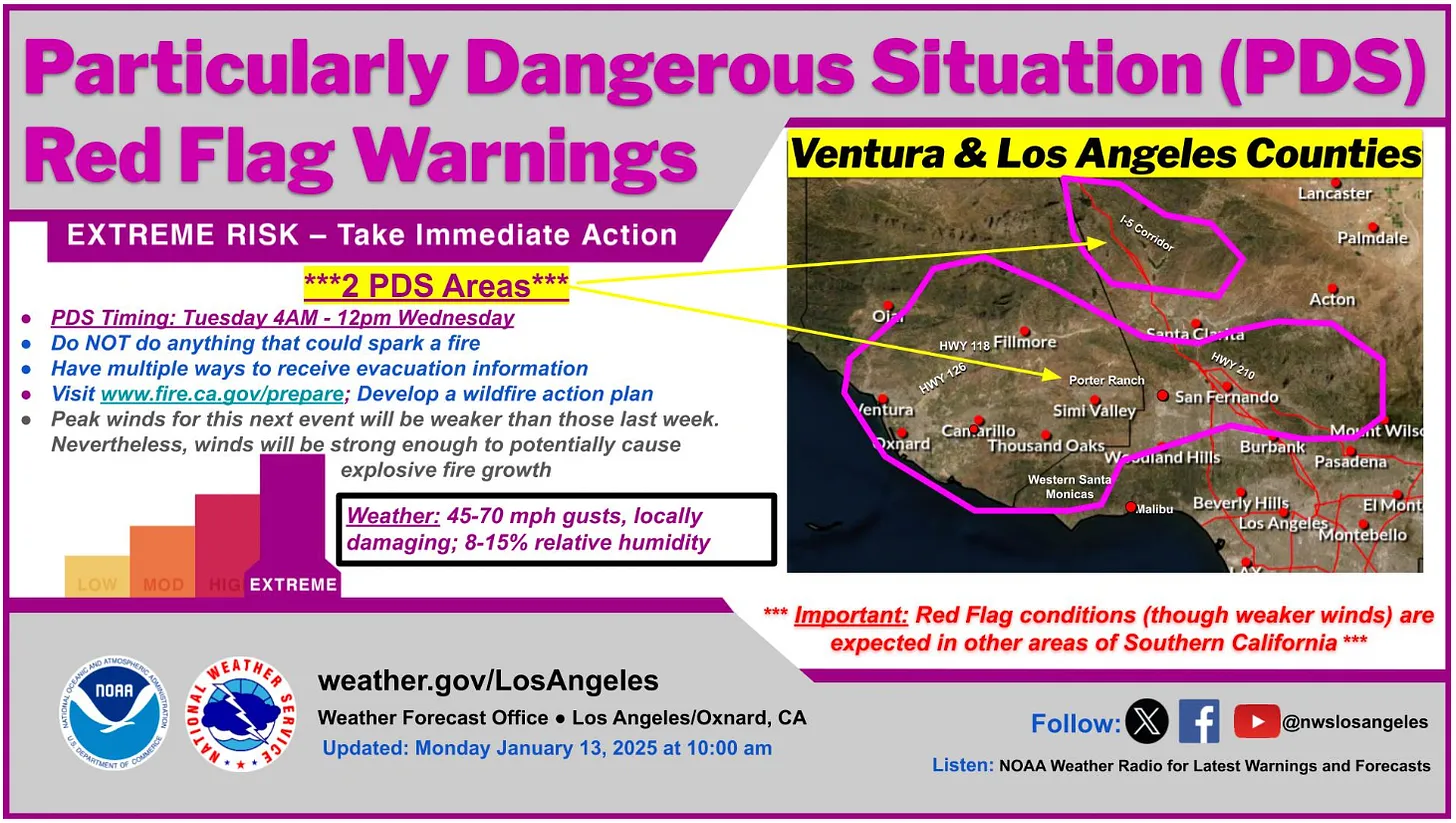


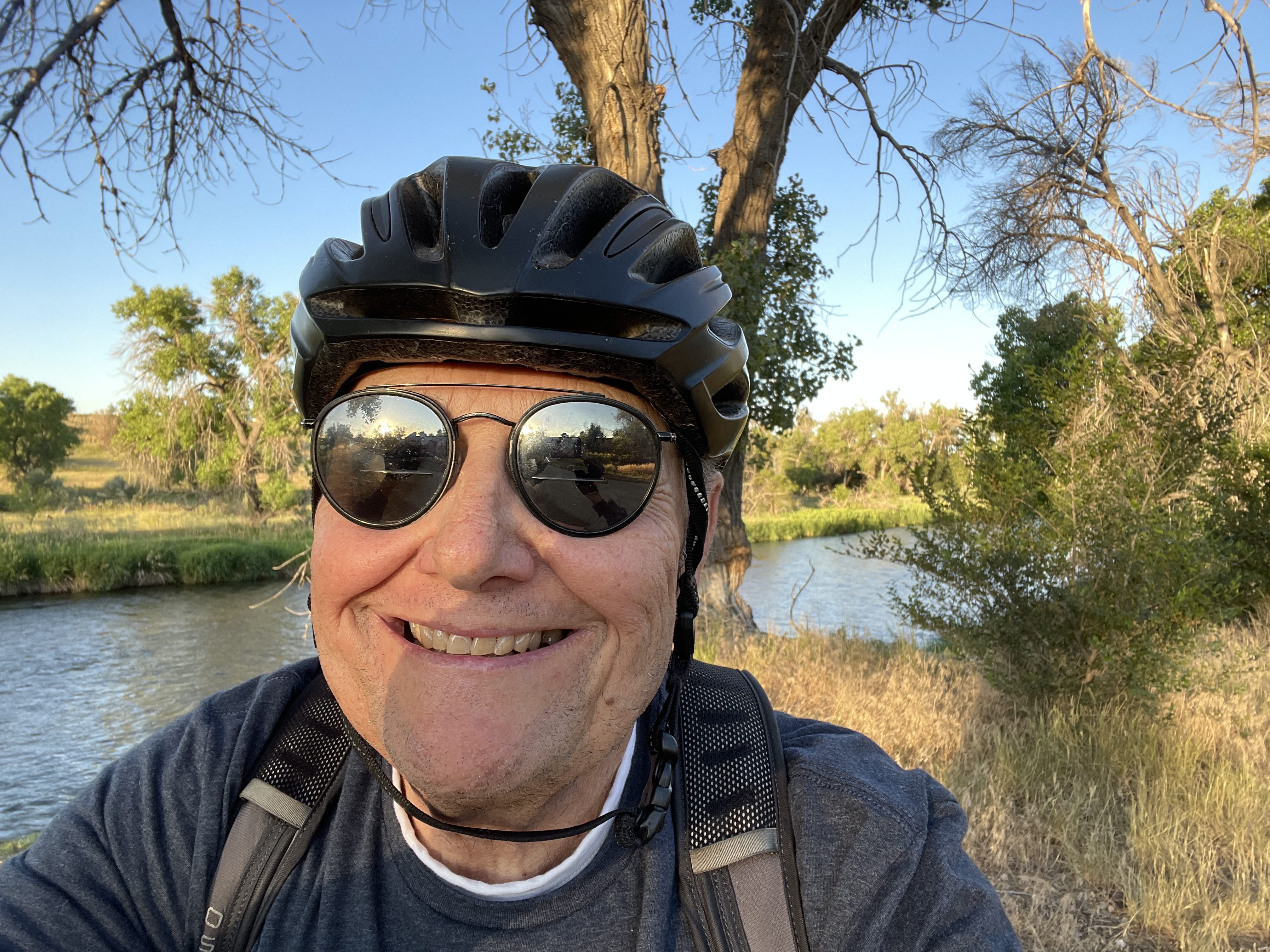


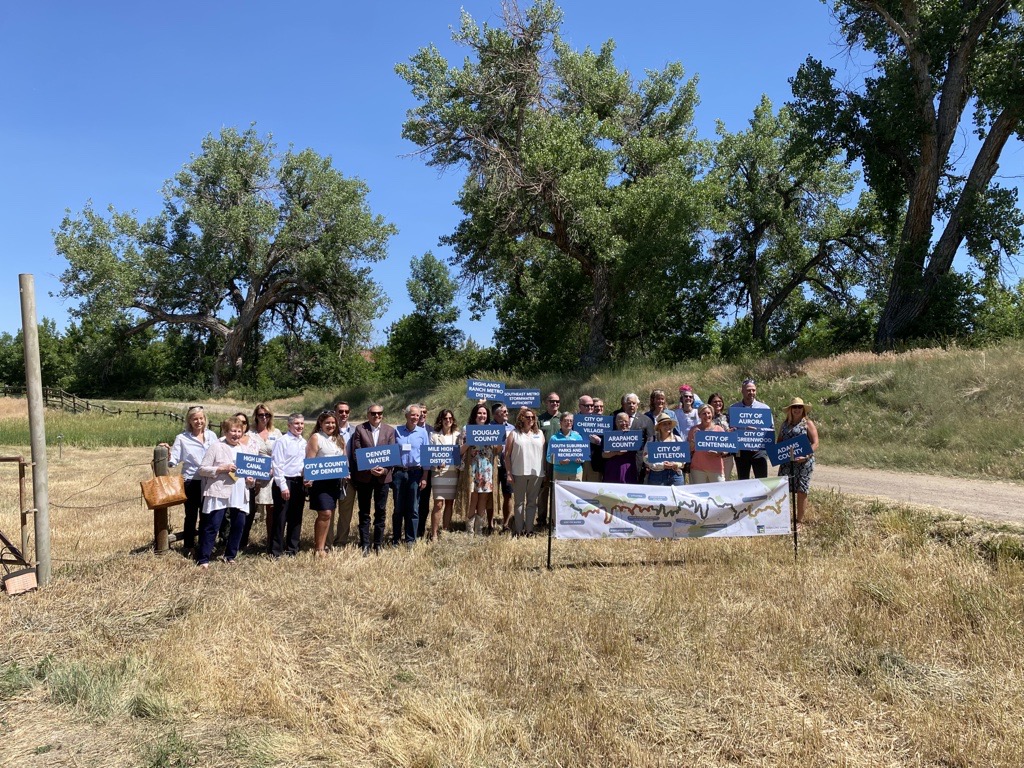



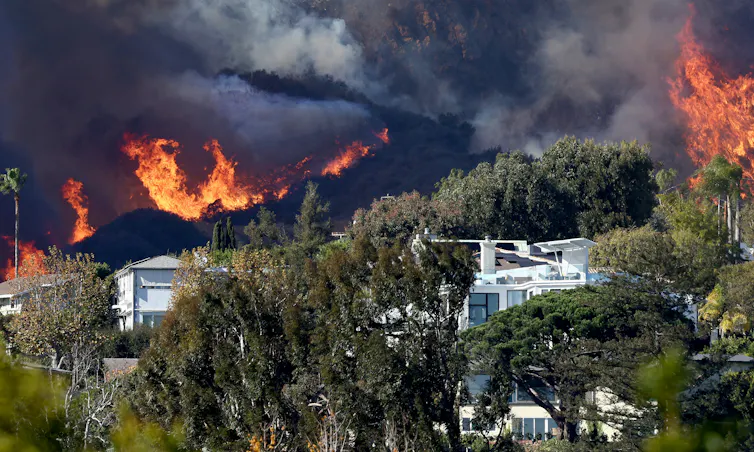
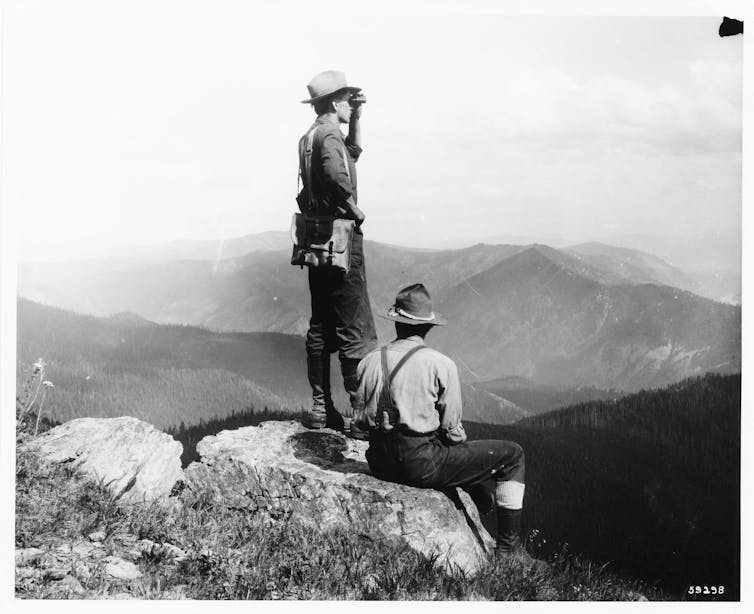
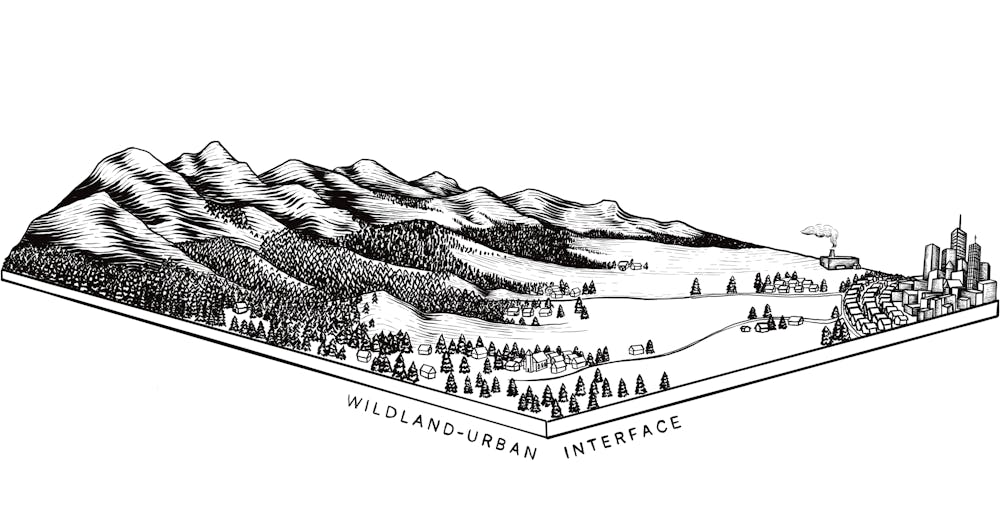
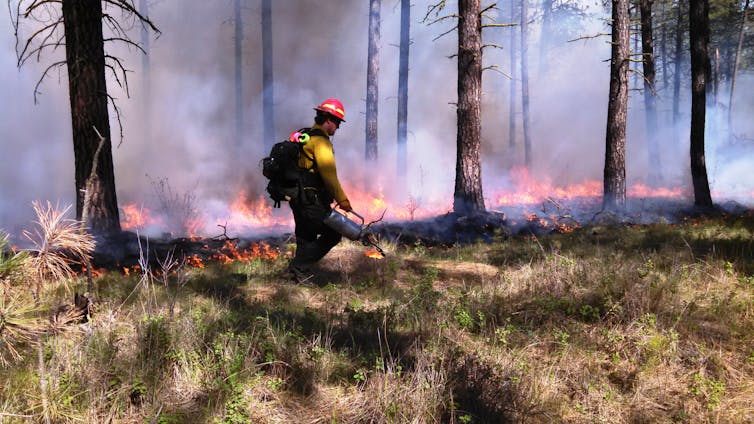
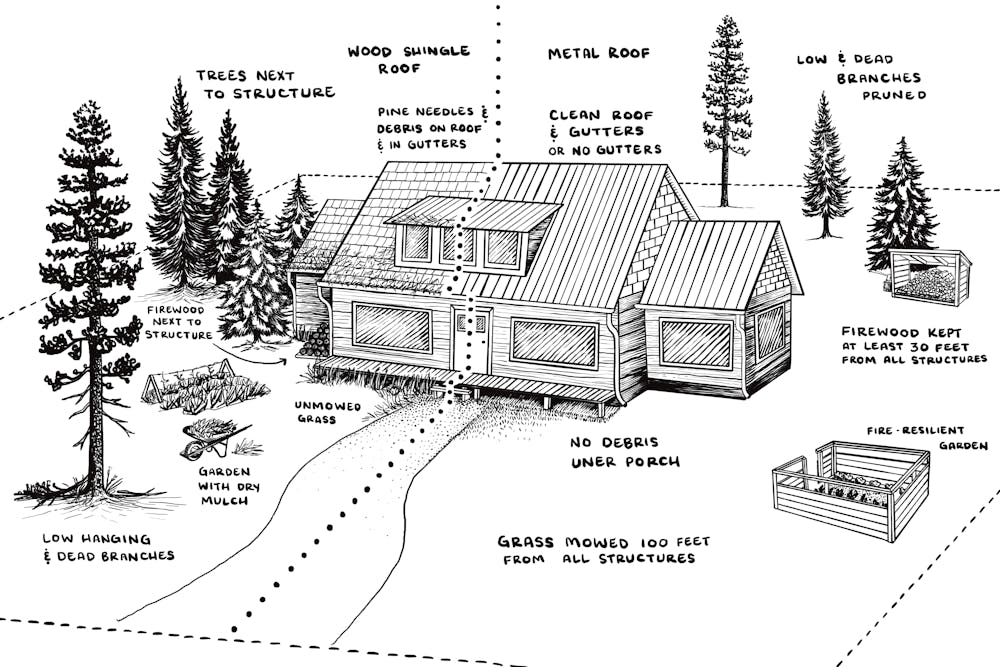
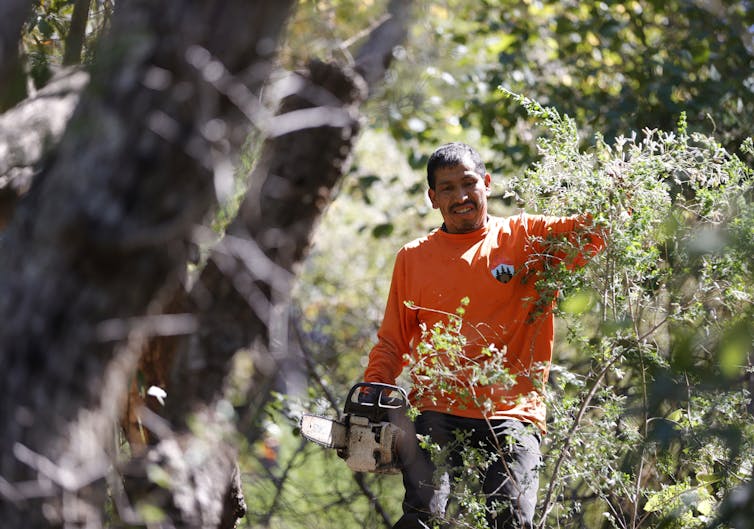


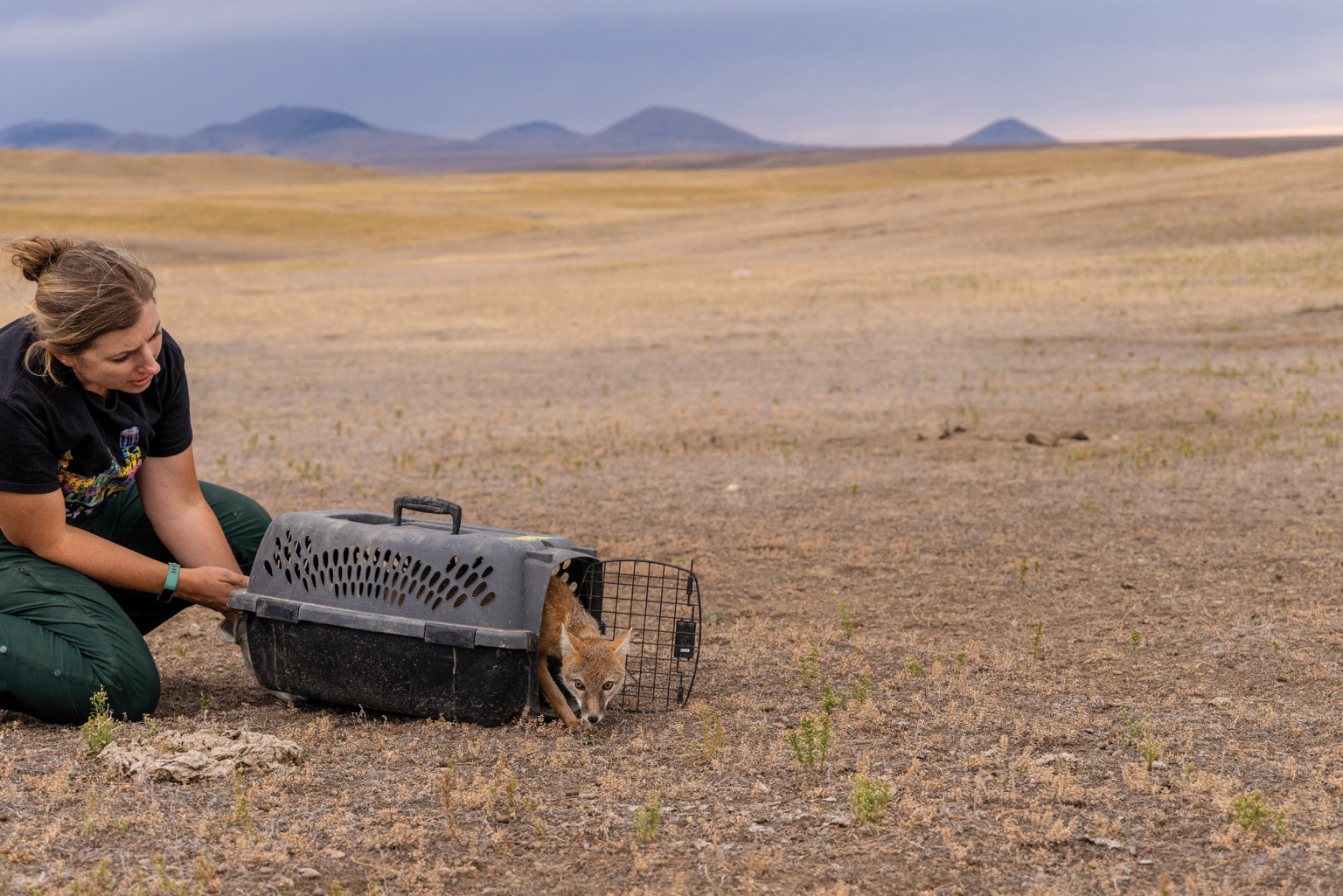




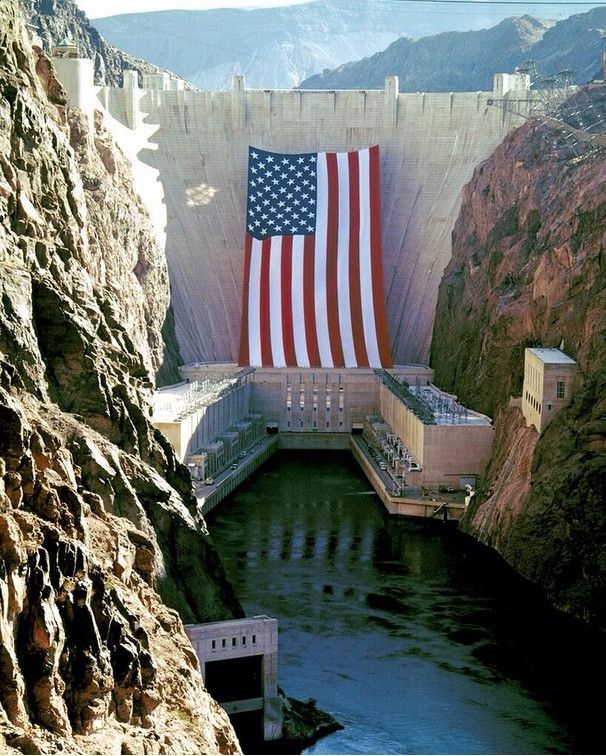


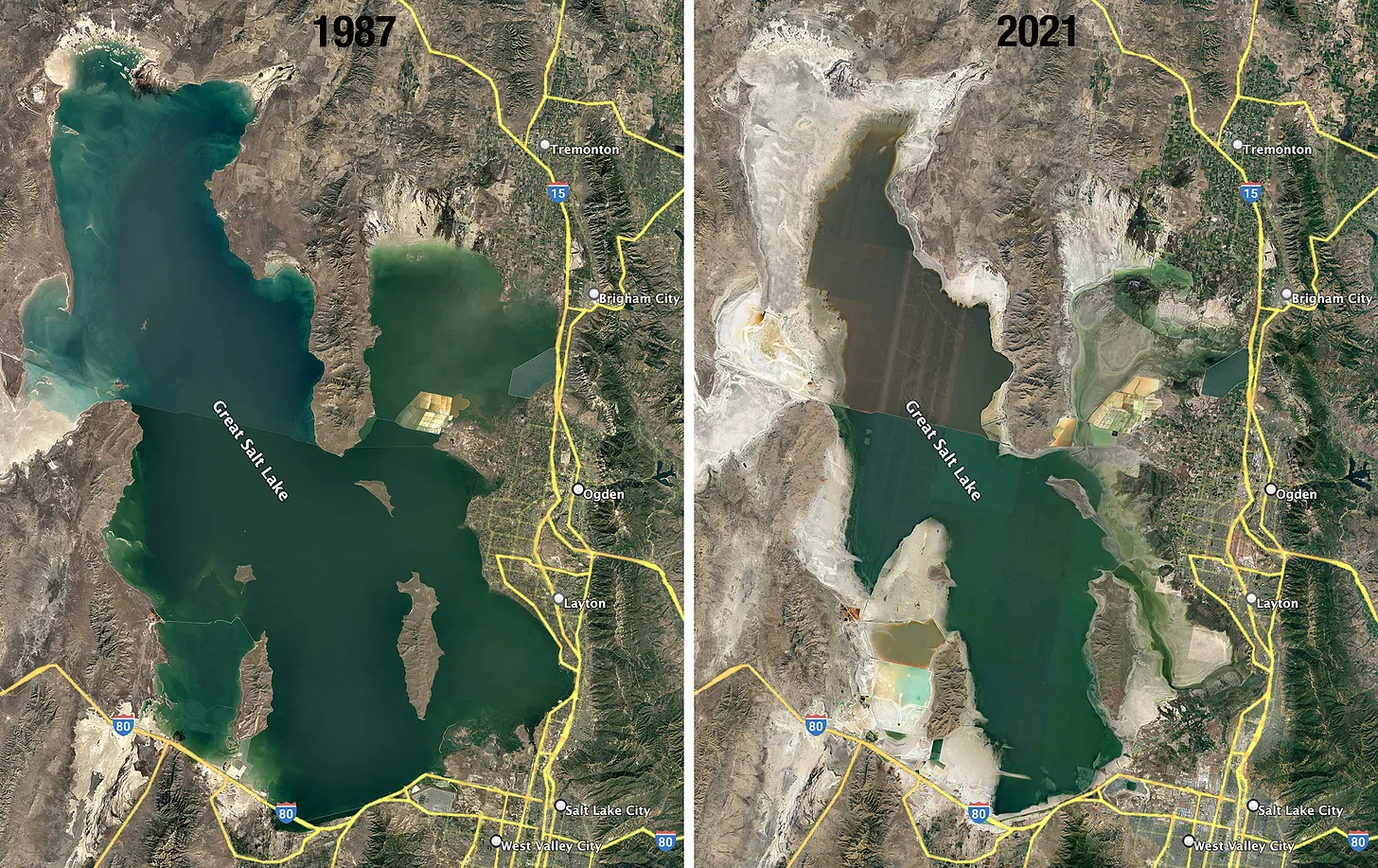


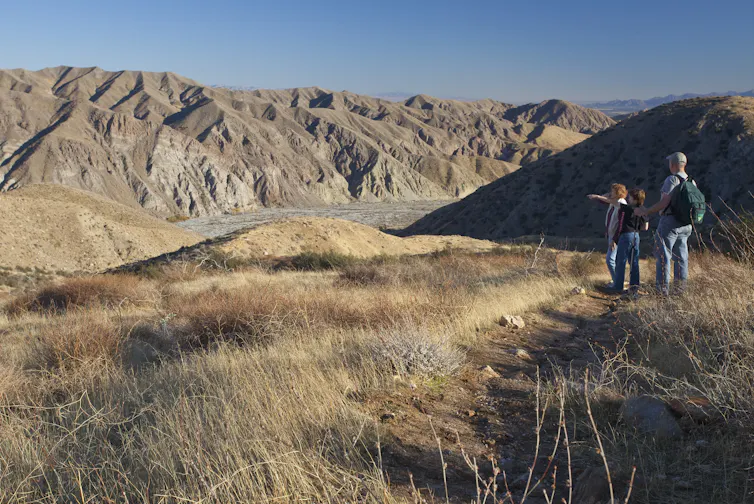

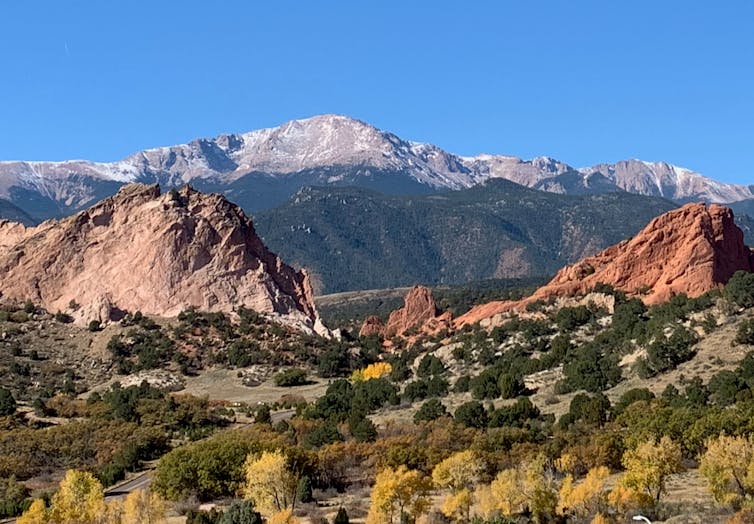



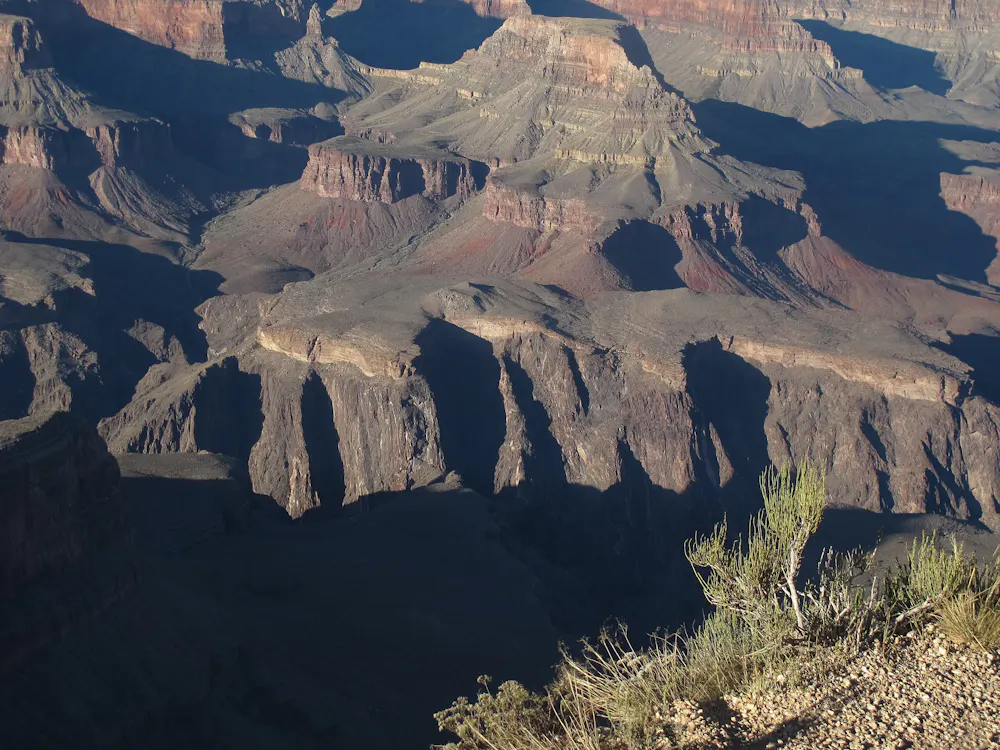



.jpg)
