Eco-nihilism surging among younger generations

Close-up of a young woman's face with a contemplative expression, focusing on her eyes and lips.
Image of a depressed young woman provided by Storyblocks

by Robert Marcos

The concept of eco-nihilism has emerged as a somber byproduct of the modern climate crisis, representing a shift from proactive environmentalism to a philosophy of futility. Unlike traditional environmentalism, which is rooted in the hope of preservation and restoration, eco-nihilism posits that the ecological collapse of the planet is already underway and ultimately irreversible. The growth of this movement is largely fueled by the persistent gap between scientific warnings and political action. This increase in nihilistic environmental beliefs has been driven by several factors:

The “Foregone Conclusion” mindset: Many people, especially Gen Z, view climate catastrophe as inevitable. This leads to a “who cares” or “carpe diem” attitude, where long-term dreams are abandoned in favor of living only for the moment because the future feels “canceled”.

Perceived Futility: Seeing a lack of significant action from governments and corporations can make individual efforts (like recycling or reducing carbon footprints) feel meaningless.

Betrayal Trauma: Psychologists note a sense of “moral injury” or betrayal among youth who feel that older generations and leaders have failed to protect the planet, leading them to lose trust in the world’s underlying order and meaning.

Large-scale studies highlight the depth of this existential distress –

Frightening Future: A landmark 2021 survey of 10,000 young people (ages 16–25) across 10 countries found that 75% believe the future is “frightening”:

Impact on Daily Life: Over 45% of respondents in that same study reported that their feelings about climate change negatively affect their daily functioning.

Choosing Not to Have Children: Nearly 40% of young people globally are hesitant to have children due to climate change.

“Optimism” Nihilism vs. “Doomism”

While “climate doomism” often leads to paralysis and inaction, some adopt a form of Optimistic Nihilism. They accept that the world as they know it might end, but use that realization to lower the pressure of societal expectations and focus on immediate, small-scale kindness and personal joy.

Many climate activists and psychologists warn that nihilism can be a “luxury” or a coping mechanism that leads to compliance with the status quo, whereas “therapeutic hope”—acting as if change is possible—is necessary for mental resilience and actual progress.

Hot, Dry Weather Continues in #Colorado Mountains and Plains — Northern Water #snowpack #runoff

Snowpack or lack thereof 2026. Photo credit: Northern Water

Click the link to read the release on the Northern Water website:

March 31, 2026

The record-breaking hot and dry winter and early spring has continued through March in Colorado’s mountains and plains. Snow gauges and weather stations throughout Northern Water’s collection and distribution areas have collected data showing the lack of precipitation in the region this year. 

On April 9, the Northern Water Board of Directors will use the data collected this year and more to determine the annual quota for allottees of Colorado-Big Thompson Project water. Unlike many irrigation systems, the C-BT Project is designed to provide water to supplement the native supplies available in a given year, using water collected in previous seasons. If there is a bright spot this season, it’s that C-BT Project reserves are above their average levels over the life of the project for this time of year. 

If you would like to provide comment on the quota send an email to quota@northernwater.org or offer a comment at the April 9 Board meeting. 

Colorado-Big Thompson Project map. Courtesy of Northern Water.

Clear Creek Reservoir boat ramp remains closed, camping pauses for dam improvements — Dean Miller (Colorado Parks and Wildlife)

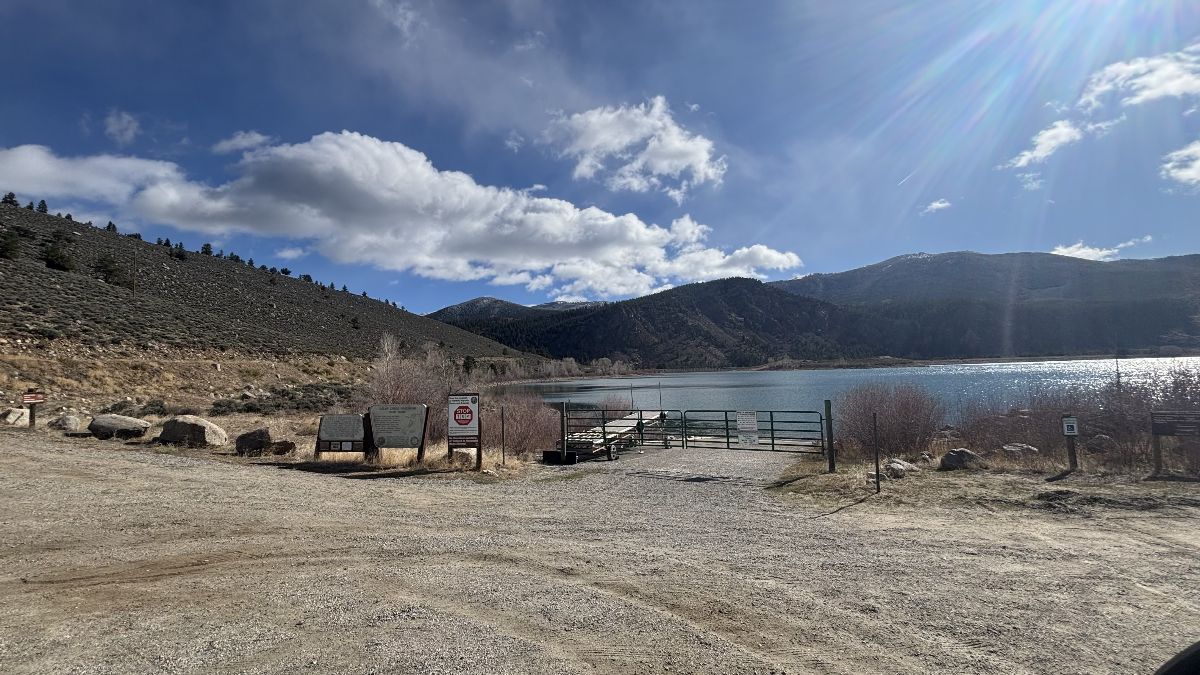
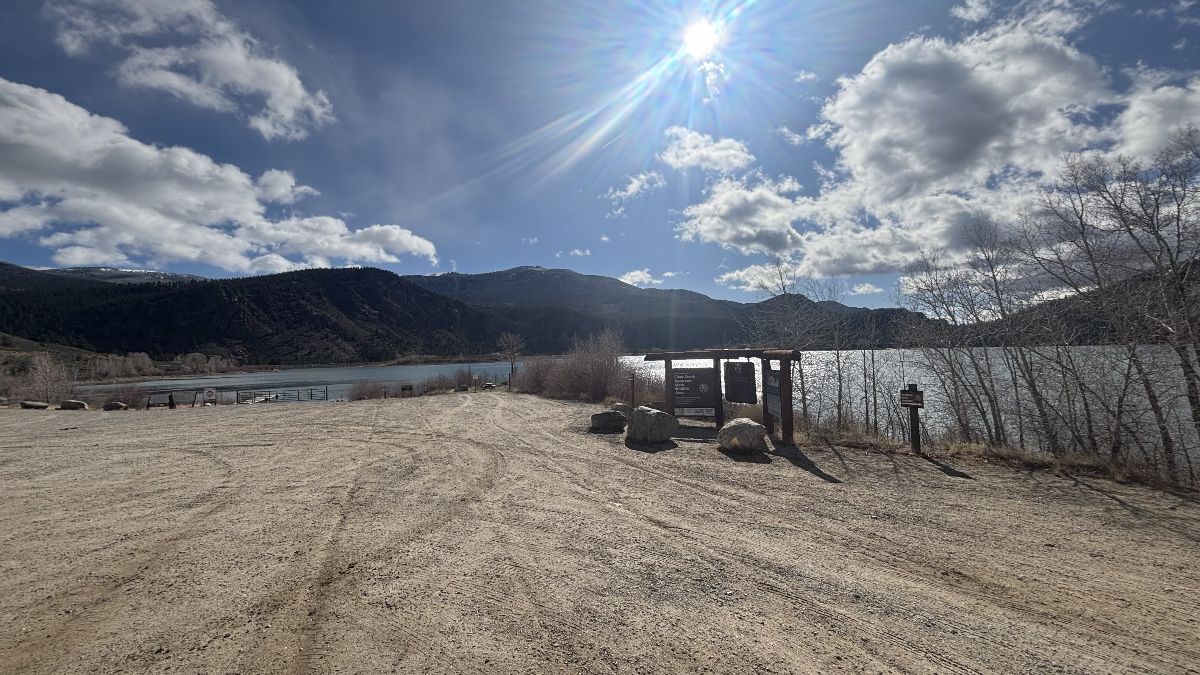
Anglers are welcome at Clear Creek Reservoir State Wildlife Area, Chaffee County as Pueblo Water conducts improvements on the dam beginning April 6. Camping will pause as a safety precaution during maintenance activity and the boat ramp remains closed for a ramp extension project. CPW Photo/Zachary Baker

Click the link to read the release on the Colorado Parks and Wildlife website (Dean Miller):

April 3, 2026 GRANITE, Colo. – The Clear Creek Reservoir State Wildlife Area boat ramp remains closed through the 2026 season and the campground closes April 6 as dam improvements move forward. The reservoir remains open to anglers on shore and in hand-launched watercraft.Motorized boat launches are paused during the 2026 season as Pueblo Water lowers reservoir levels for work to take place. Colorado Parks and Wildlife is using the closure period to extend the boat ramp for improved low-water access and to complete campground maintenance and improvements.Heavy equipment is expected throughout the campground area, and with just one access road, the campground will close for public safety. Limited runoff and poor snowpack in the Upper Arkansas Basin also accelerated the repair timeline, prompting Pueblo Water to move forward with the project in 2026 rather than delay it. The boat ramp is anticipated to reopen for the full 2027 boating season.Hand-launched watercraft are permitted from shore but must comply with aquatic nuisance species requirements and cannot have motors of any kind. Anglers should expect changing shoreline conditions as reservoir levels drop for dam work. Mud and silt may make access difficult at times.“Clear Creek Reservoir is an important fishing destination in northern Chaffee County, and while dam improvements and low water conditions limit access this year, anglers still have opportunities to fish from shore or from hand-launched vessels,” said Zachary Baker, CPW assistant area wildlife manager. “The remaining water will continue to support the fishery and more than 20,000 tiger trout fingerlings were stocked there on Thursday.”Signs will alert visitors to the boat ramp closure and ramp access gates are locked. The Colorado Trail remains open west of the campground and a vault toilet remains open. The region offers additional boating, fishing and camping opportunities on nearby public lands.The wildlife area remains closed to non-hunting and non-fishing activities. Visitors ages 16 and older must have a valid hunting or fishing license or a State Wildlife Area pass.Pueblo Water owns Clear Creek Reservoir and the dam infrastructure, and CPW manages recreation and the campground through a lease.

###

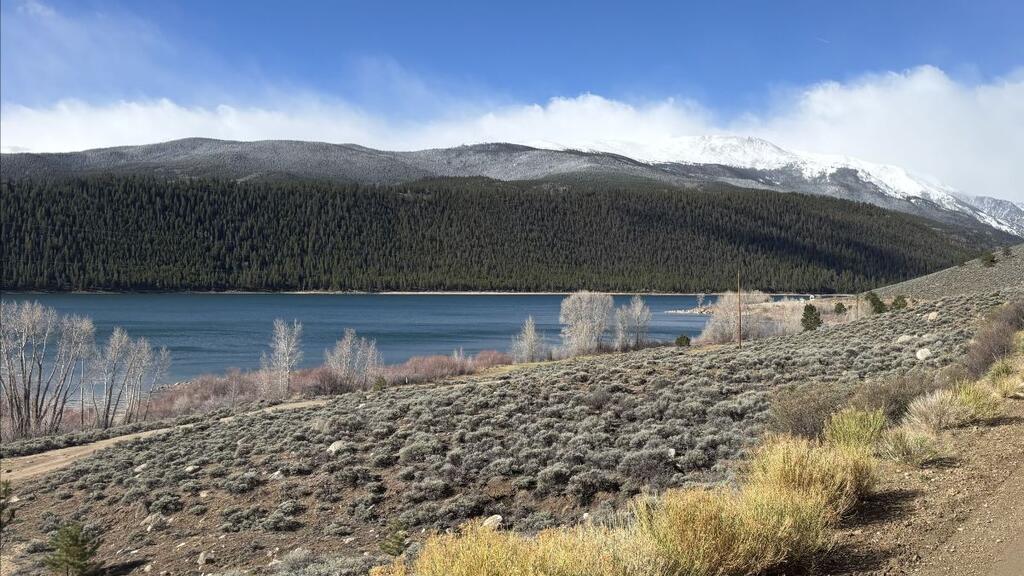
Clear creek reservoir. Photo credit: Colorado Parks and Wildlife
Photo credit: Colorado Parks and Wildlife

The West’s unprecedented winter could fuel a summer of disaster — Tik Root (Grist.org)

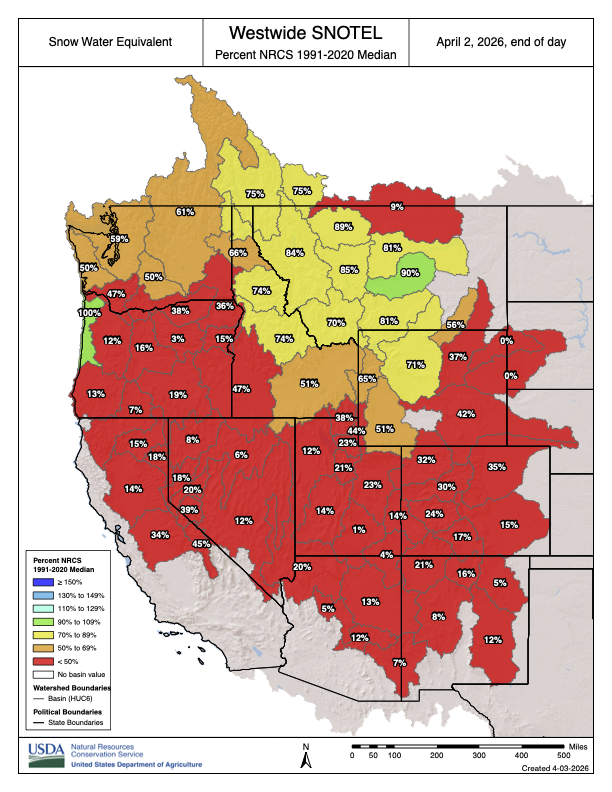
Westwide SNOTEL basin-filled map April 2, 2026.

Click the link to read the article on the Grist website (Tik Root):

March 31, 2026

In Park City, Utah, skiers could find patches of grass poking through the slopes for much of the winter — a striking sign of a season that never really arrived. Now, after one of the warmest winters on record, much of the West is entering spring with snowpack at historic lows and an early heat wave that pushed temperatures into triple digits.

These woes could be straight out of a climate fiction novel. But the West’s no good, very bad winter was alarmingly real. And, experts say, a worrisome combination of low snowpack and a devastating heat wave could create a summer ripe for climate disasters. “There is no analog,” Marianne Cowherd, a climate scientist at Montana State University, said of what’s happening. “There isn’t a year in the historical record we can look to for information … This limits our ability to look to the past for insight.”

Much of that uncertainty stems from what’s happening to the region’s snowpack, a cornerstone of its water system. Snow accounts for 60 to 70 percent of the Northwest’s water supply and is especially critical to the ever-thirsty Colorado River Basin, which supplies seven states. But much of the region has experienced the warmest winter on record. That has meant a higher proportion of water arrived as rain, and the snow that did fall melted more quickly than usual. Snowpack is critically low, according to the federal Colorado River Basin Forecasting Center, which utilizes the federal government’s Snow Telemetry network of monitoring stations that go back half a century.

“The majority of them have record-low or near-record-low snowpack conditions,” said hydrologist Cody Moser at the center’s monthly briefing in early March. At that time, he said the upper Colorado River basin, which covers the watershed north of Lake Powell on the Colorado-Arizona border, had about 40 percent of normal snow cover. That has since dropped to 25 to 30 percent. 

While winter precipitation has actually been fairly average, how that water falls is important, too. Snow acts as a natural water-storage mechanism that spreads the delivery of water out over weeks or even months as it melts. This helps keep rivers and reservoirs flush for longer. Without snow, the moisture can be fleeting. “Even when we’re getting precipitation, we’re not storing it,” Cowherd said. “A lot of it actually just ends up evaporating or flowing out to the ocean, so it’s not necessarily in a place where we can still access it.” 

Cowherd will be watching the snowmelt closely. On one hand, the warmer temperatures are priming the snow to liquify more quickly than normal. But the solar angle — the sun’s maximum height — is lower now than it would be later in the spring, which could impede the melting trend. “I’m really interested to see how those balance,” she said, adding that the answer could be critical to the region’s water supply. “We don’t have the reservoir capacity behind human-built dams to hold the amount of water that we need.”

If snowpack problems weren’t enough, a mid-March heat wave also wreaked havoc in the West. A heat dome brought temperatures as much as 35 degrees above normal, according to the research group Climate Central. More than 1,500 daily records were set across 11 states. Several saw temperatures above 100 degrees Fahrenheit, and the U.S set a national March record of 112 in four cities.

An analysis by the World Weather Attribution Initiative found that this heat wave would have been “virtually impossible” without climate change. “The role of climate change is clear,” said Clair Barnes, a researcher at the Imperial College London’s Centre for Environmental Policy who was part of the team behind the report. She added that extreme temperatures this early in the year “tend to be more dangerous for people because your body is not yet acclimatized.” 

While the heat broke in many places after about a week, the impacts could last through the summer. July-like temperatures and dwindling snowpack jeopardize the West’s fragile water supply. The U.S. Bureau of Reclamation’s forecast shows that levels in Lake Powell could dip below the minimum needed to generate power as early as August, and most probably by December. Some Colorado residents are already facing the earliest restrictions on water use ever seen.

“This winter was unusually warm and did not deliver the snow we need,” Alan Salazar, CEO of Denver Water, the state’s largest water provider, said in a statement last week. The utility declared a Stage 1 emergency, which called for a 20 percent cut in usage and mandatory restrictions on outdoor watering. “This drought is also a reminder of the impacts of climate change on our water supply,” he said. 

Such conditions heighten the risk of wildfires. Excessive runoff and high heat foster early growth of vegetation that can fuel them, and unseasonably warm weather turns all that greenery to kindling. “Record heat over the previous weeks has put us into early ‘green up’ for the year,” August Isernhagen, a division chief in the Truckee Meadows Fire Protection District, told the University of Nevada, Reno. “This, coupled with many other human impacts on the landscape, has created potential for unprecedented conditions this fire season.”

If these risk trajectories pan out, the impacts could be catastrophic. Low water supplies could upend agricultural operations that feed people across the country. Wildfires could threaten lives, displace thousands, and cause billions of dollars in damage. Still, a lot could change over the next few months.

Barnes said an early heat wave doesn’t necessarily mean there will be more of them later in the year. The weather between heat events also matters, and could go in many directions. A looming El Nino climate pattern could, for example, help alleviate a potential drought. The snowpack problem could even rebound, too.

“We could have a huge snow storm tomorrow and it would be great,” Cowherd said. But based on the current weather forecasts, she cautioned, “I don’t think this is likely to happen.”


This article originally appeared in Grist at https://grist.org/climate/the-wests-unprecedented-winter-could-fuel-a-summer-of-disaster/.


Grist is a nonprofit, independent media organization dedicated to telling stories of climate solutions and a just future. Learn more at Grist.org

Governor Polis and Colorado Parks and Wildlife announce first investments from SB24-230 (Concerning support for statewide remediation services that positively impact the environment) for Wildlife and Land Protection Funds

Barr Lake State Park photo via Colorado Parks and Wildlife.

Click the link to read the release on the Colorado Parks and Wildlife website (Ally Sullivan and Travis Duncan):

April 3, 2026

Today, Governor Polis and Colorado Parks and Wildlife (CPW) announced the first round of wildlife and habitat projects funded through Senate Bill 24-230, which created new production fees on oil and gas development to mitigate the adverse impacts of oil and gas operations on wildlife and habitats.

CPW’s initial allocation of SB24-230 revenue will fund seven wildlife and habitat initiatives designed to address the impacts of habitat fragmentation, climate change and ecosystem degradation.

“Colorado is known for our iconic outdoor spaces, recreation, and wildlife viewing. Greenhouse gas emissions have a direct impact on our environment and all who call Colorado home. By investing in protecting habitats for Colorado’s wildlife, we are decreasing our carbon footprint, protecting native species, and keeping Colorado beautiful for generations to come,” said Governor Polis. 

“SB24-230 provides an important new tool to invest directly in the health of Colorado’s wildlife and habitat,” said CPW Director Laura Clellan. “These initial projects demonstrate how funding generated from oil and gas operations can help restore habitat, improve ecosystem resilience and support wildlife across the state.”

Senate Bill 24-230 established two fees on oil and gas production in Colorado. One fee is administered by the Clean Transit Enterprise, and the other by Colorado Parks and Wildlife to support wildlife and land remediation.

The legislation recognizes that oil and gas development is a significant source of greenhouse gas emissions and habitat degradation, and it directs new investments toward mitigating those impacts and strengthening wildlife and ecosystem resilience.

Under the law, the CPW Director is authorized to set production fees within statutory ranges based on quarterly oil and gas spot prices published by the Colorado Energy and Carbon Management Commission.

The initial CPW production fee was established in October 2025 and generated $5,477,765 in revenue from oil and gas production between July 1 and Sept. 30, 2025.

To put the new revenue to work immediately in order to mitigate the impacts of oil and gas operations, CPW’s Executive Management Team identified seven projects and programs for early investment during fiscal year 2026.

The first round of funding will support: 

  • Barr Lake State Park Habitat Enhancements ($1,500,000)
  • Beaver Restoration Program Implementation – Initial Phase ($1,174,111)
  • Operating Increase for Park Pollinator Gardens ($300,000)
  • Operating Increase for Wildlife Movement Coordination ($100,000)
  • Wildlife TRACKER Hosting and Maintenance ($125,000)
  • Columbian Sharp-tailed Grouse Translocation ($85,000)
  • Budget Increase for Water Acquisitions ($600,000)

Together, these projects provide remediation services, including habitat restoration, wildlife monitoring, species conservation and strategic land and water protection efforts across Colorado.

CPW will continue to work closely with industry partners, conservation organizations and local communities to ensure that funds generated through SB24-230 are invested in projects that deliver measurable remediation services that mitigate the impacts of oil and gas operations.

“As Coloradans, we all value the outdoors and the wildlife that makes our state so special. When responsible oil and natural gas production can help support these kinds of projects, protecting the wildlife and habitat we all care about, that’s a huge win for all of Colorado,” said Dan Haley, Executive Director, Coloradans for Responsible Energy Development.

“The science is clear that climate change is negatively impacting Colorado’s wildlife and the ecosystems on which they rely,” said Tarn Udall, senior attorney at Western Resource Advocates. “That’s why the state created the oil and gas production fee in 2024, requiring the industry to partially cover the cost of its emissions and impacts through habitat protection and restoration. It’s rewarding to see Colorado Parks and Wildlife put the first tranche of those dollars to good use, and the agency is just getting started.”

Additional projects funded through the program will be evaluated and announced as future revenue is collected.

American beaver, he was happily sitting back and munching on something. and munching, and munching. By Steve from washington, dc, usa – American Beaver, CC BY-SA 2.0, https://commons.wikimedia.org/w/index.php?curid=3963858

Proposed rates meant to make data centers pay own way, Xcel Energy says: Utility submits proposal to regulators for large data centers, other big users of electricity — The #Denver Post

A pronghorn hangs out among Wyoming wind turbines. Jonathan P. Thompson photo.

Click the link to read the article on The Denver Post website (Judith Kohler). Here’s an excerpt:

April 3, 2026

Xcel Energy is proposing a new rate class for data centers that the company says is intended to ensure that the energy-intensive facilities pay their way instead of passing along the costs to residential and small-business customers. Xcel filed the proposal Thursday with the Colorado Public Utilities Commission, or PUC. Under the proposal, data centers would have to sign 15-year contracts, provide financial assurance of cash or credit and pay substantial exit fees if they shut down early. Potential large customers would have to sign service and interconnection agreements before they’re included in the utility’s planning forecast. The provisions would apply to data centers and other facilities using at least 50 megawatts of electricity. The PUC will hold hearings and take input on Xcel’s plan in proceedings expected to take months. The commission will consider the rates, also called tariffs.

At the same time, the Colorado General Assembly is considering data center bills. One would provide sales and use tax incentives to encourage development of the centers. Another would impose regulations. Xcel, which is monitoring the legislation, wants to protect residential and other customers from any rate increases caused by data centers and other large users of electricity, said Jack Ihle, Xcel’s vice president of data centers and large loads…

Xcel’s proposal includes a clean transition tariff provision to encourage data centers to invest in carbon-free technologies. Companies would invest in those resources and receive a credit for the power the technology produces. An agreement between Minneapolis-based Xcel Energy and Google for a new data center in Minnesota calls for providing 1,400 megawatts of wind power, 200 megawatts of solar and 300 megawatts of storage.

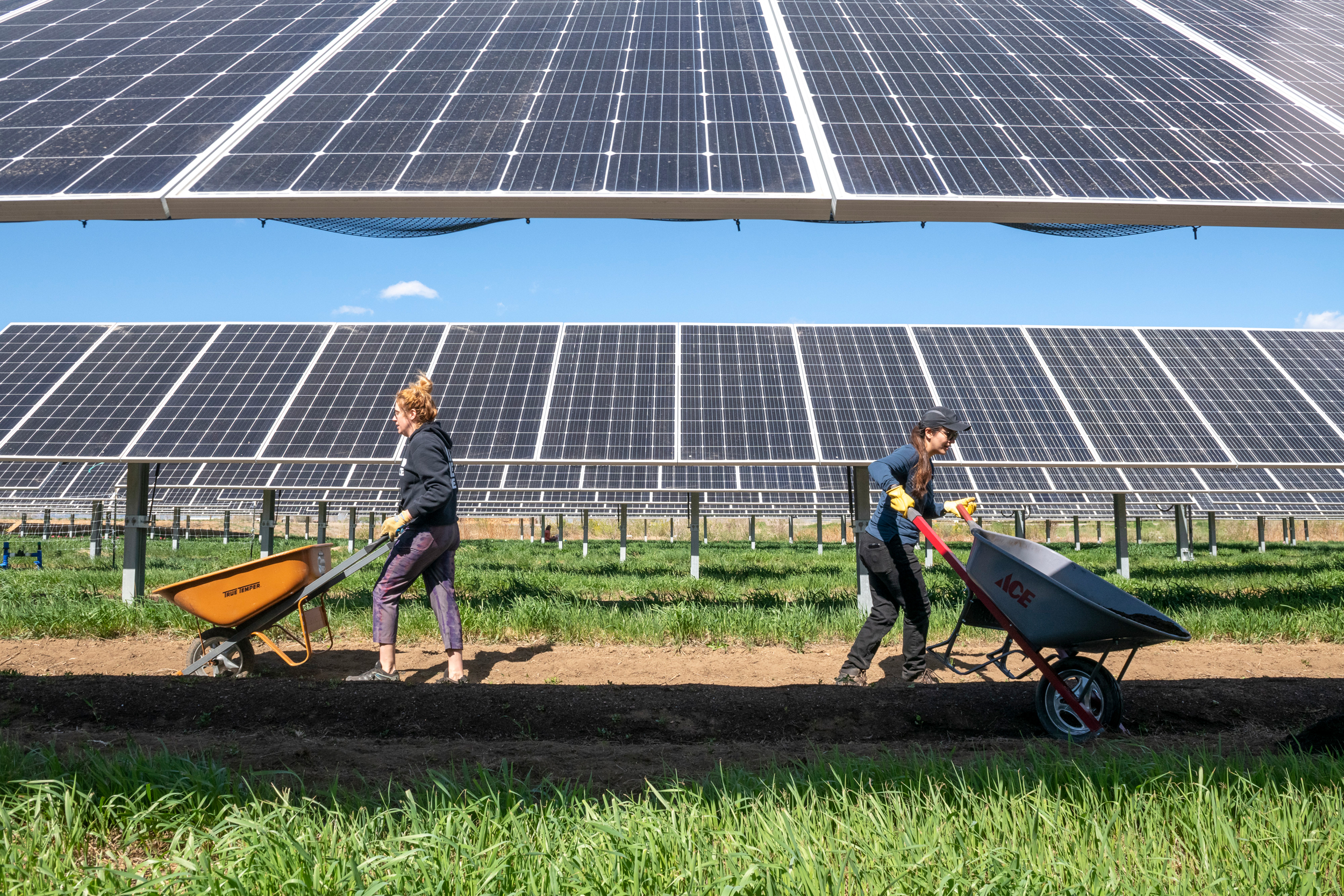
May 6, 2023 – Volunteers with the National Renewable Energy Laboratory’s (NREL’s) ESCAPES (Education, Stewardship, and Community Action for Promoting Environmental Sustainability) program lend a hand to Jack’s Solar Garden in Longmont, Colo. Bethany Speer (left) goes back for more while Nancy Trejo distributes her wheelbarrow load to the agrivoltaic plots. (Photo by Bryan Bechtold / NREL)