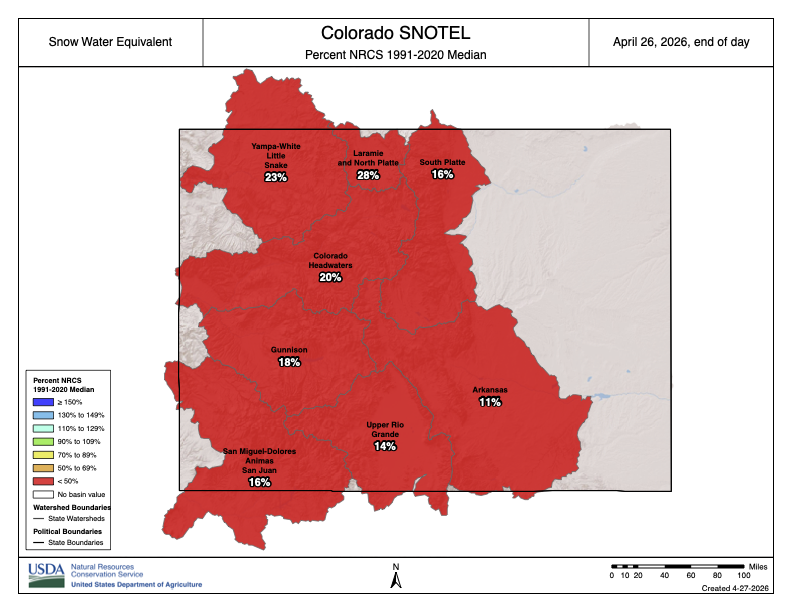
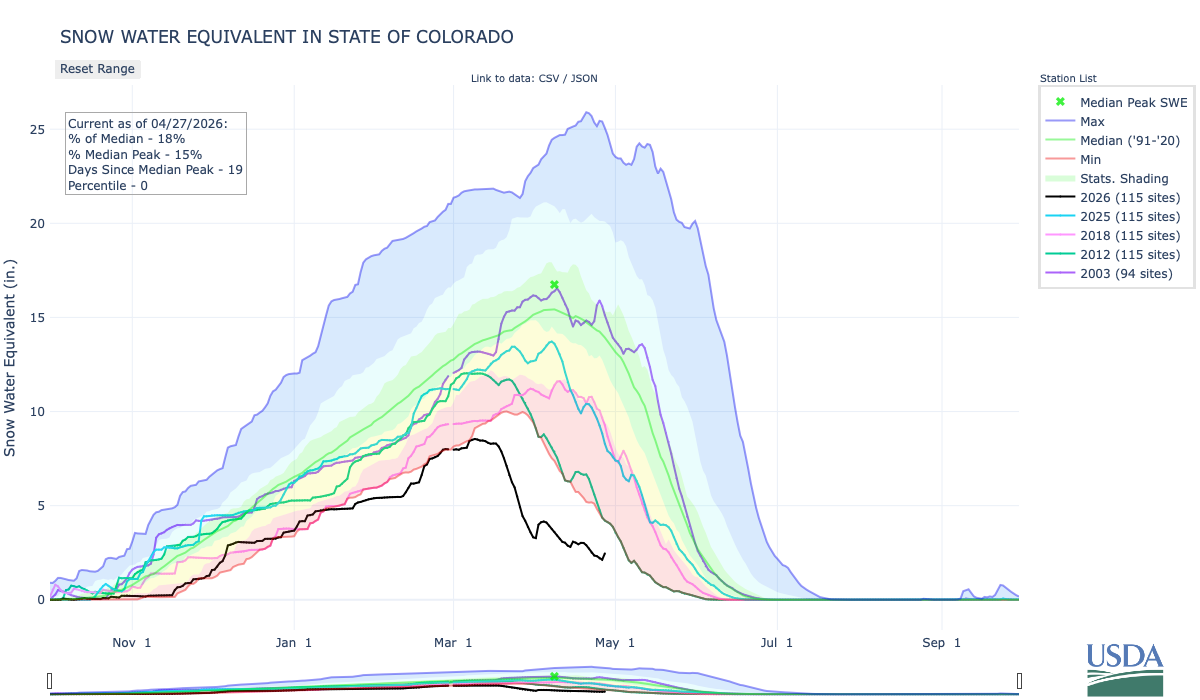
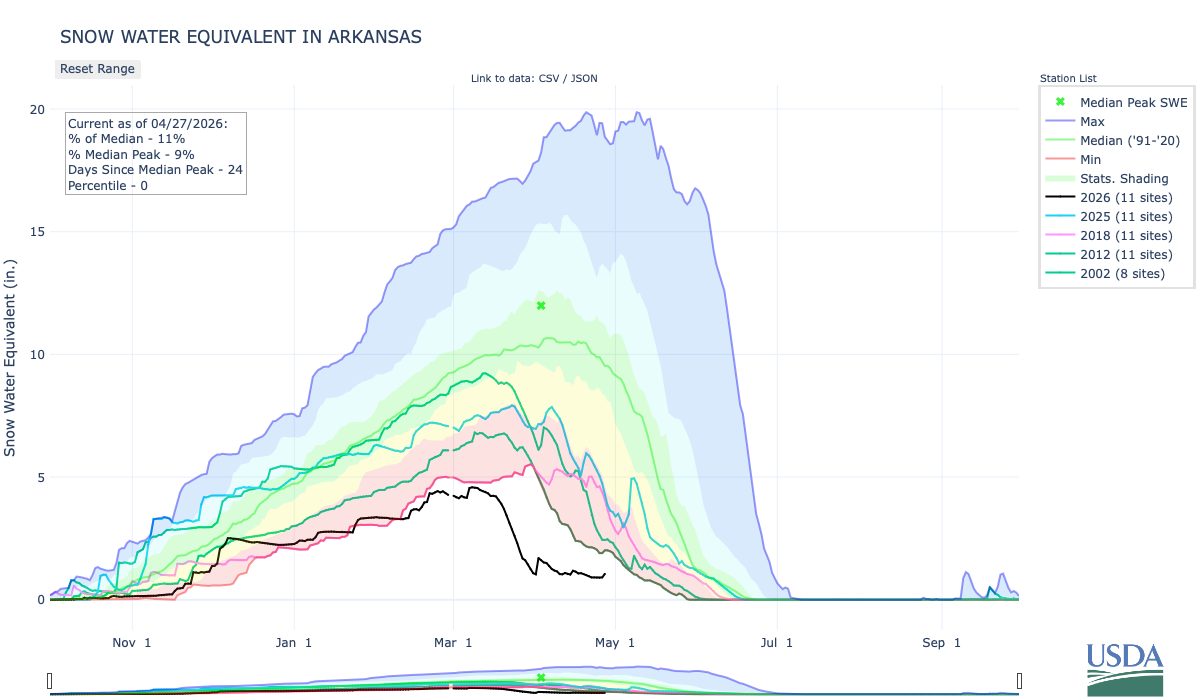
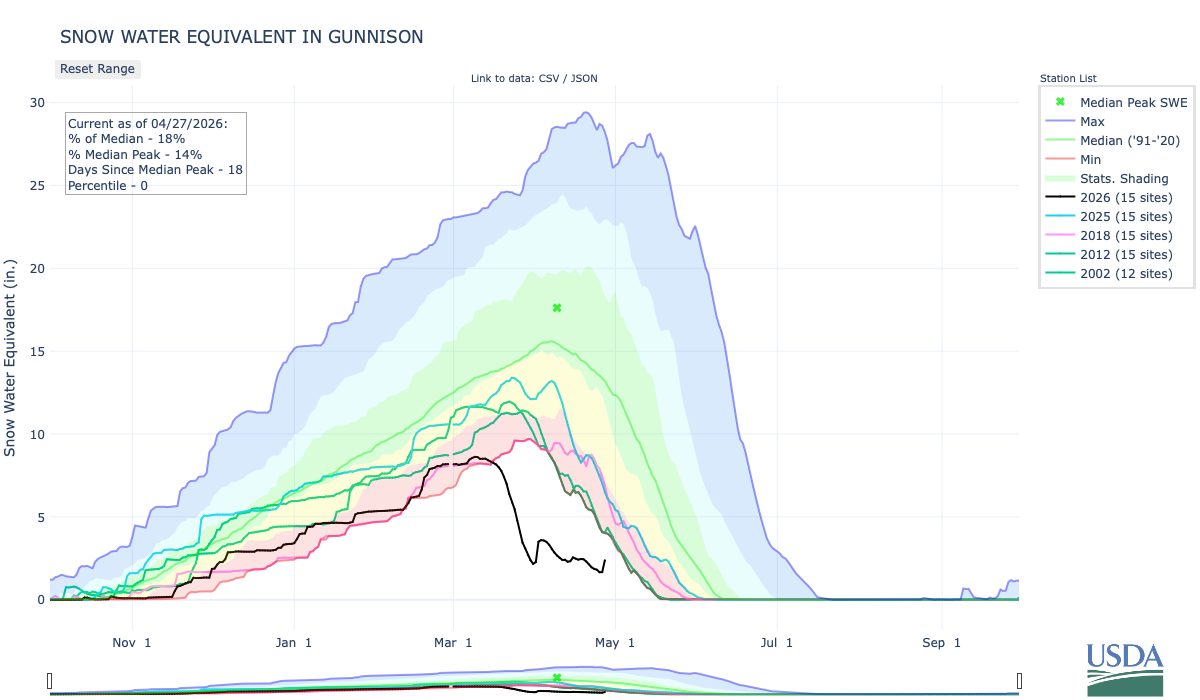
Click the link to read the article on the Summit Daily website (Ali Longwell). Here’s an excerpt:
April 20, 2026
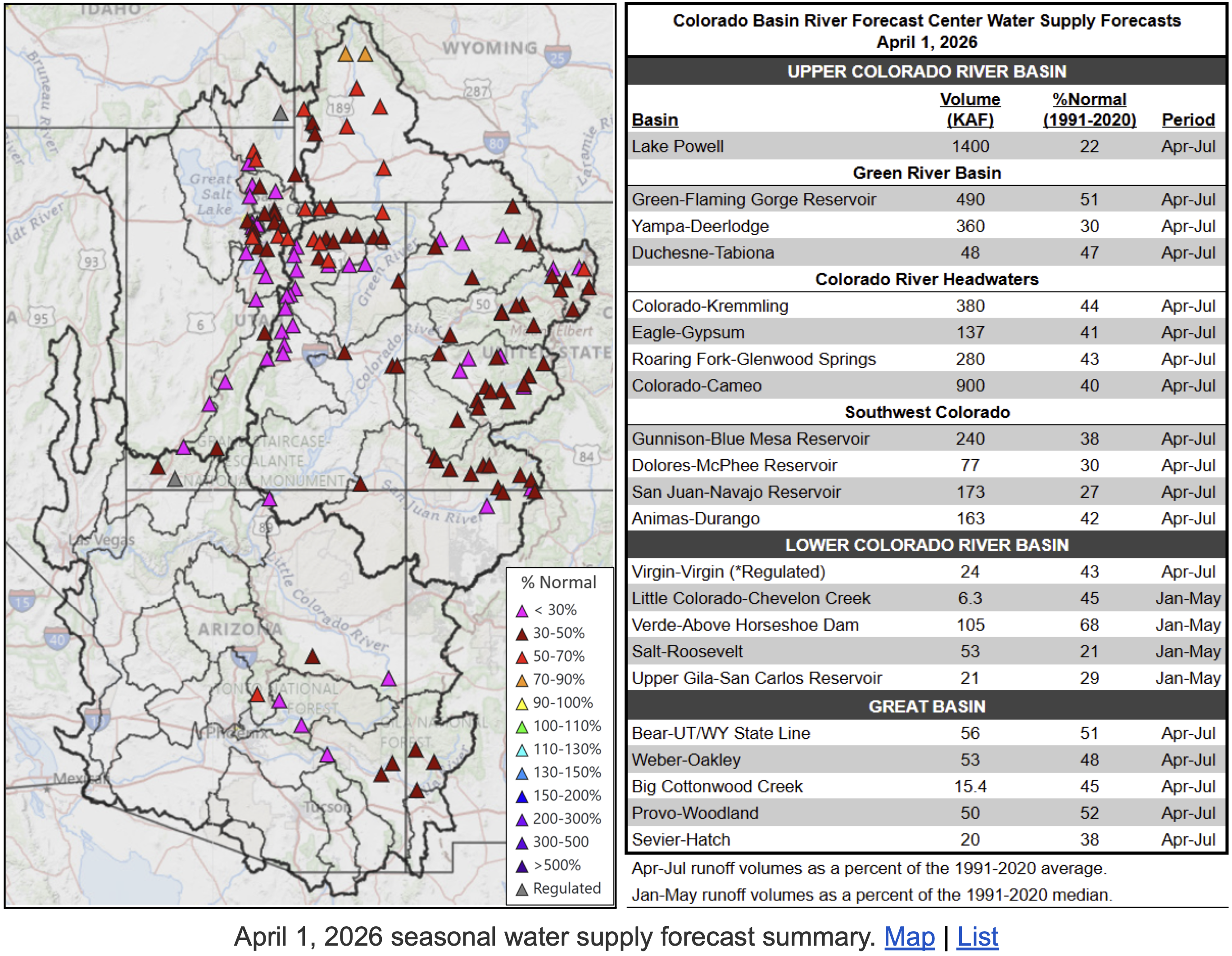
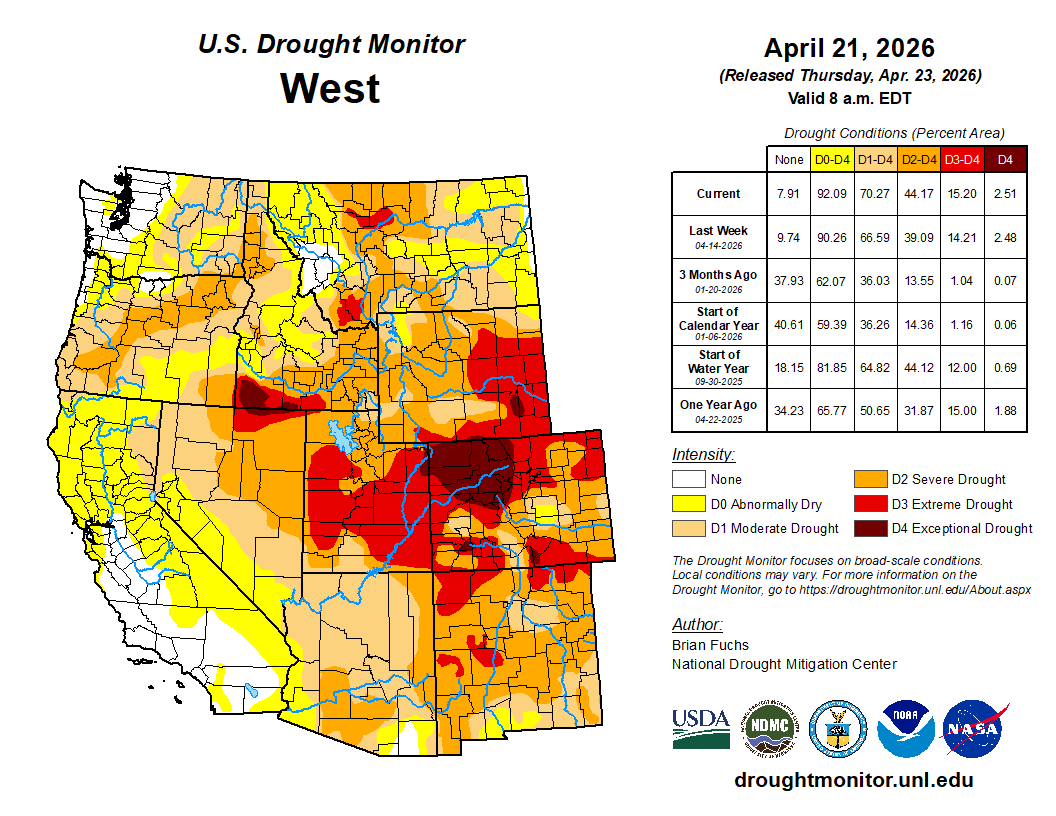
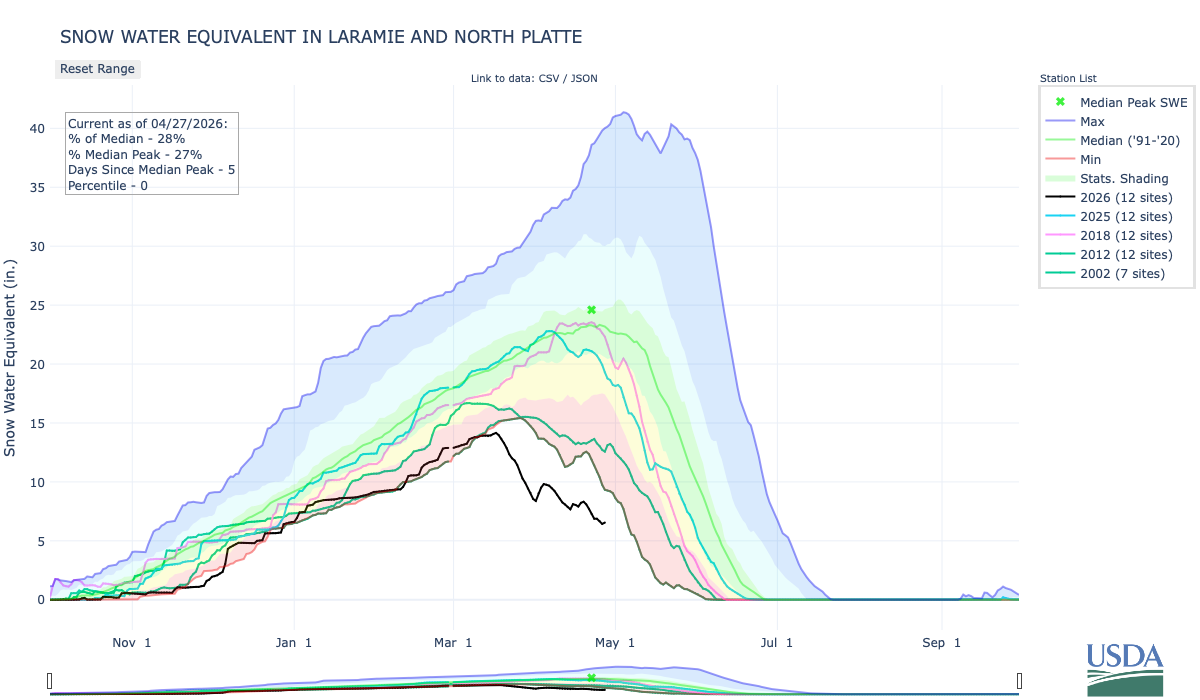
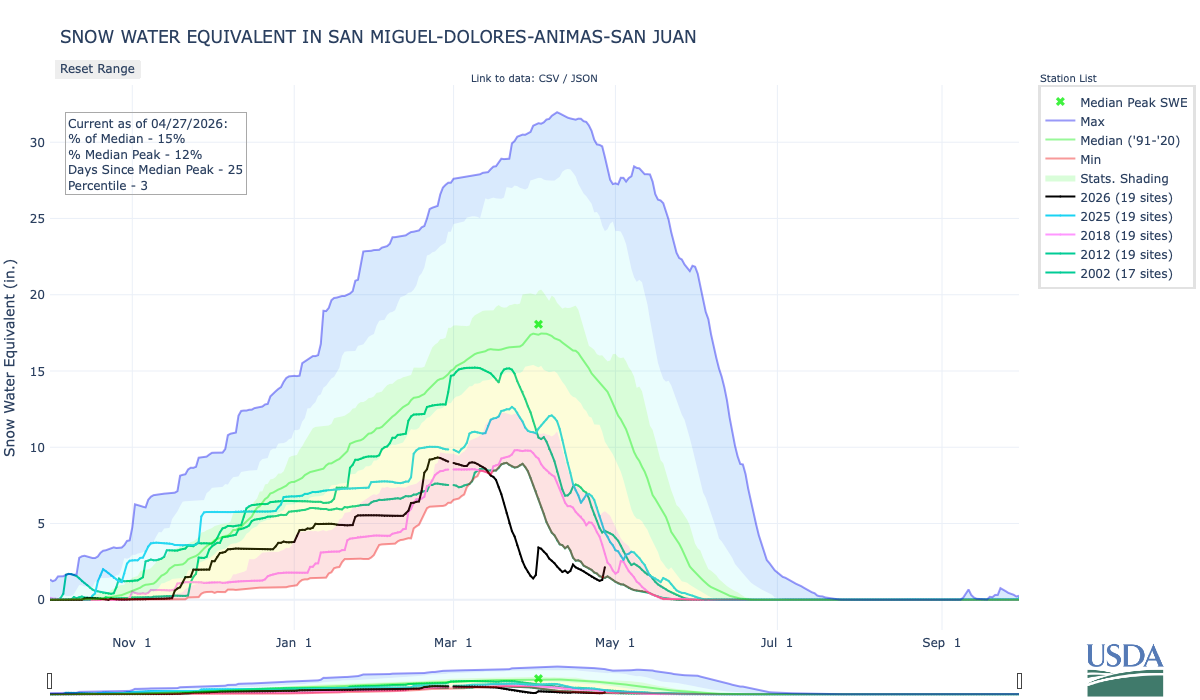
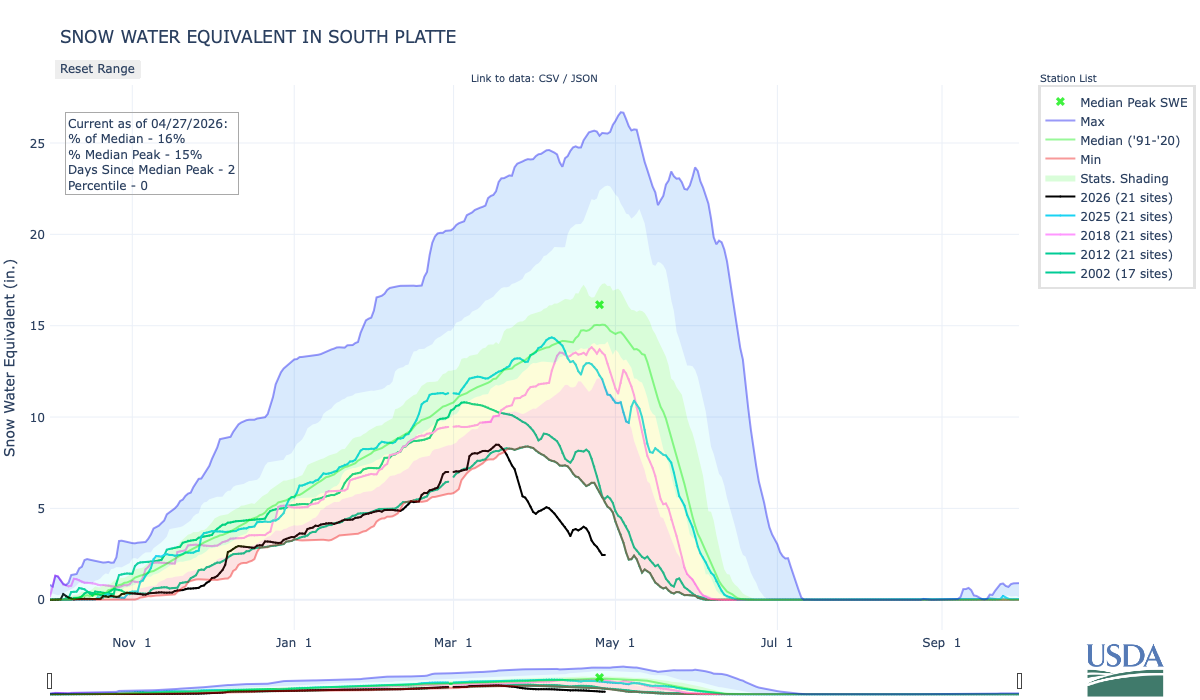
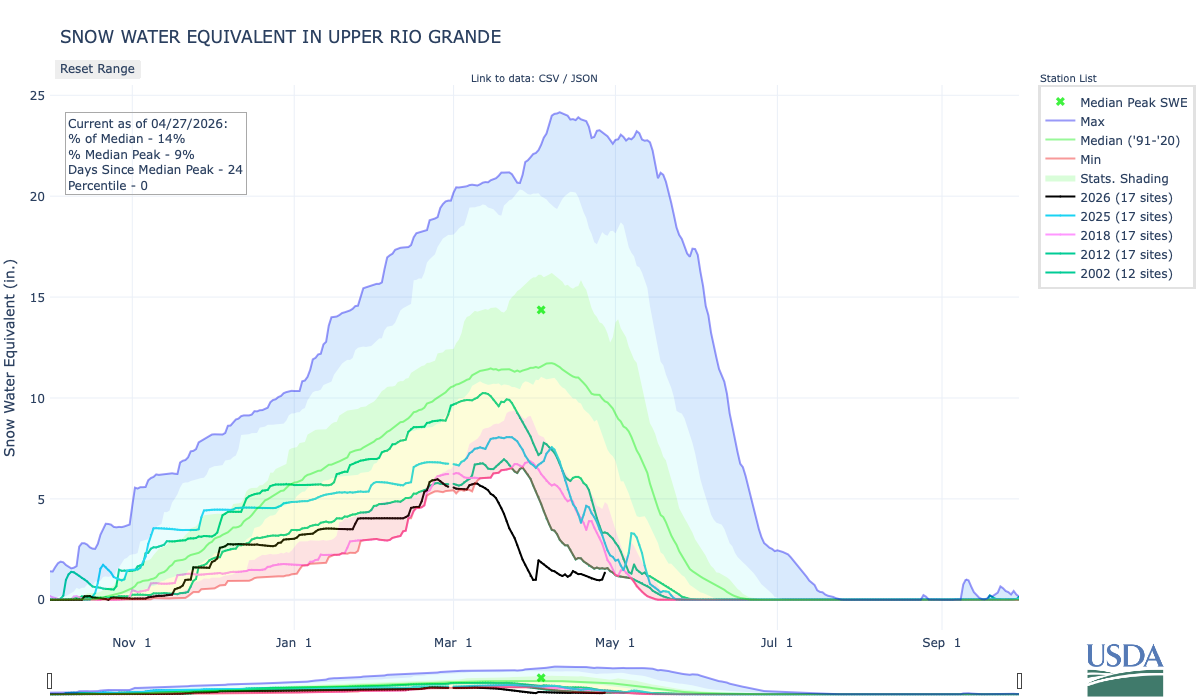
With a historic drought hitting the Colorado River basin, the U.S. Bureau of Reclamation is making preparations to slow releases from the river’s largest reservoir while increasing withdrawals from an Upper Basin reservoir.
“Given the severity of the risks facing the Colorado River system, it is imperative that we take action quickly to protect a resource that supplies water to 40 million people and supports vital agricultural, hydropower production, tribal, wildlife and recreational uses across the region,” said Andrea Travnice, the Bureau of Reclamation’s assistant secretary of water and science in a Friday, April 17 news release…
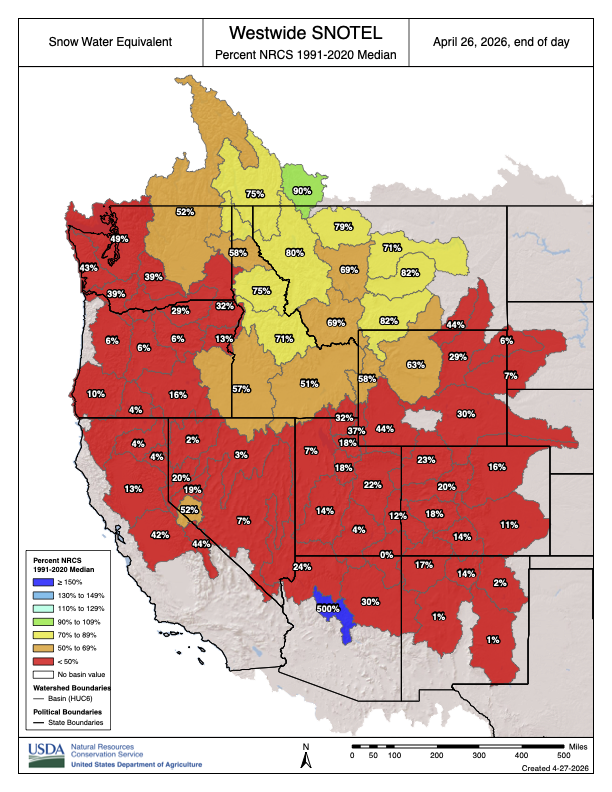
As a result, the Bureau of Reclamation is anticipating that inflow to Lake Powell will be 29% of the historical average, which it reports is one of the lowest on record. If water levels fall below a certain elevation — below 3,490 feet or roughly 15% of its capacity — it can impact operations, regional power and water supplies as well as reduce hydroelectric power generation. The Bureau is projecting it could hit this minimum power pool level by August. As of April 19, Lake Powell and Lake Mead were 24% and 32% full, respectively.
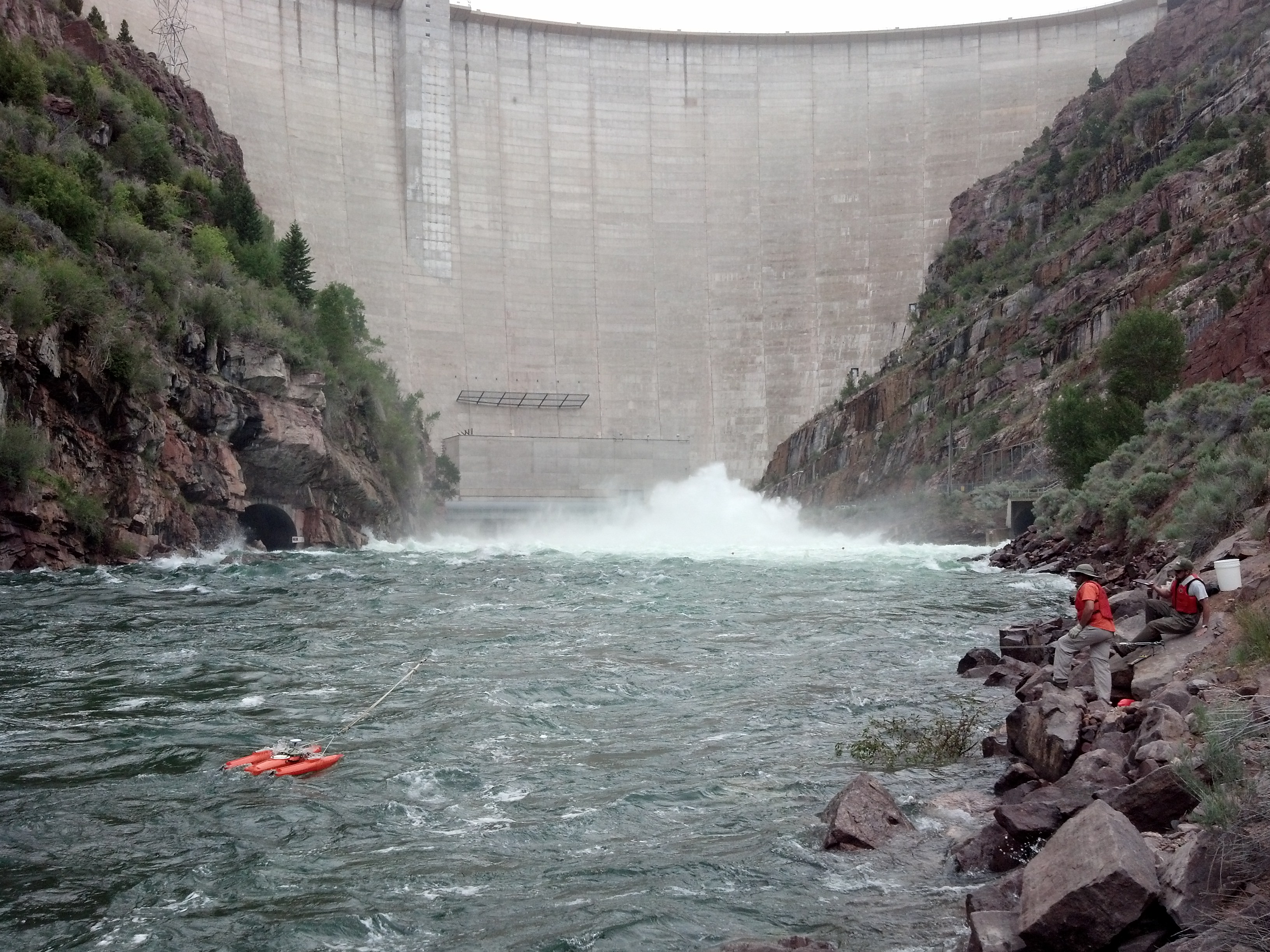
View below Flaming Gorge Dam from the Green River, eastern Utah. Photo credit: USGS
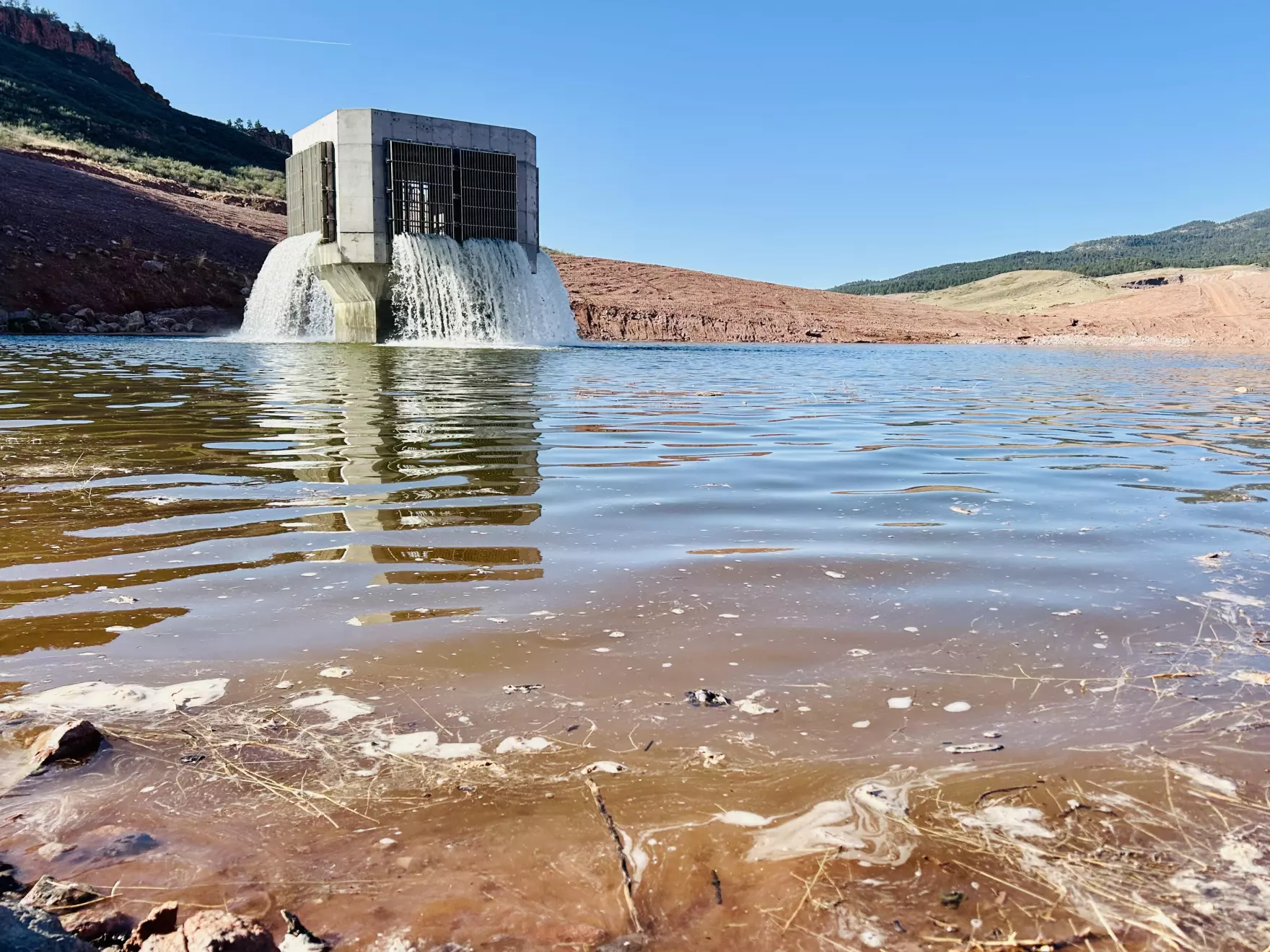
Water starts to fill Chimney Hollow Reservoir in Larimer County on Tuesday, April 21. Scott Franz/KUNC
Click the link to read the article on the KUNC website (Scott Franz):
April 22, 2026
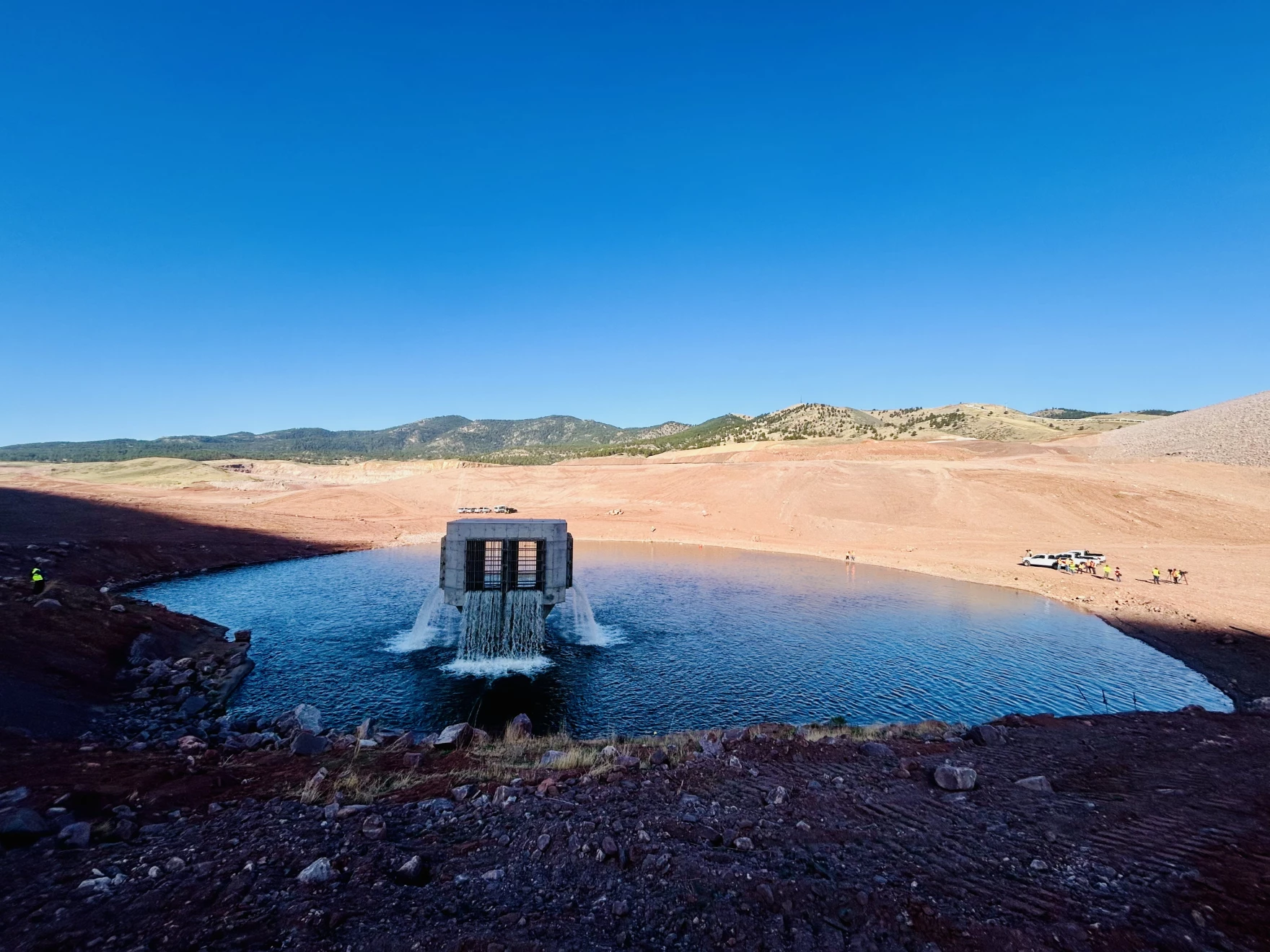
At 8 a.m. Tuesday, there was only silence and the occasional crunch of rocks as a dozen people in orange vests waited in a moonlike landscape beneath a 350-foot-tall dam near Loveland.
“Ninetey seconds,” a worker called out.
Moments later, it sounded like a waterfall suddenly roared to life as Northern Water started filling Colorado’s newest reservoir, Chimney Hollow.
“It’s pretty cool, I mean it’s something we’ve been working on for a long time, so just to see it for real, it’s pretty cool,” Chris Manley, a water quality specialist with Northern Water, said as he watched water gush from a 40-foot-tall concrete tower at the bottom of the reservoir.
By the end of the week, the initial release of 1,500-acre feet of water will rise about 30 feet above the spot Manley and a gaggle of journalists were standing on Tuesday morning.
Engineers will make sure the pipes that will funnel Colorado River water to the reservoir are functioning correctly. It will also give Northern Water a chance to study an issue with the water supply.
The reservoir’s future became murky last year after officials announced that naturally occurring uranium was found in the rock used to build the dam for the reservoir.
Manley said the uranium discovery has set the project back roughly a year. But he said it is an issue Northern Water can manage long term.
Water from Chimney Hollow Reservoir is projected to serve almost a million people on the Front Range. Scott Franz/KUNC
“But we’ve got to really understand the situation a lot better before we can move forward,” he said.
This week’s initial fill will provide Northern Water with a real-world test of the water quality that was only previously done in laboratories.
None of the water coming into the reservoir will be released to taps at this point. The reservoir is only being filled to about 2% of its total capacity in the coming days.
“We’ll be measuring it actually pretty frequently, to see just what is (the water) picking up as it goes up and touches the dam and starts to move some of the sediments around here,” Northern Water spokesperson Jeff Stahla said.
Northern Water officials could not provide a timeline for when water will begin reaching the dozen water suppliers who have signed up to receive it.
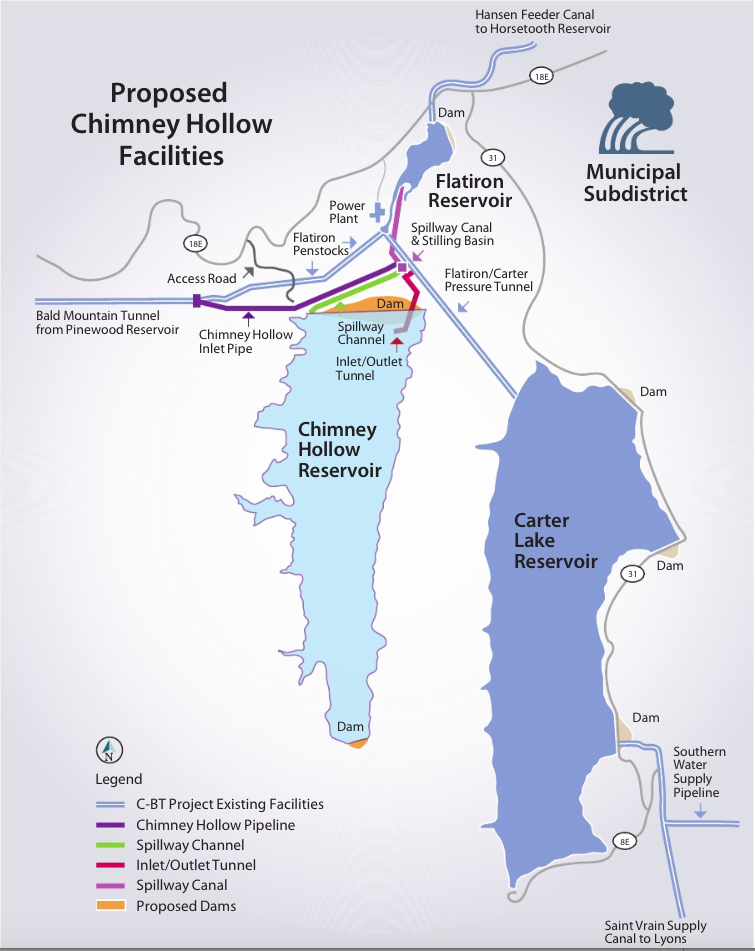
Map from Northern Water
The reservoir project cost an estimated $500 million and has been in the planning stages for more than two decades.
Conservation groups have raised concerns about the reservoir.
“You can have a bunch of buckets, and you can build more buckets to put water on the front range,” Pelz said. “But the reality is, if the projected climate change impacts come to fruition — which all indications are, they’re coming to fruition quicker than we even thought — there’s going to be no water to fill those buckets.”
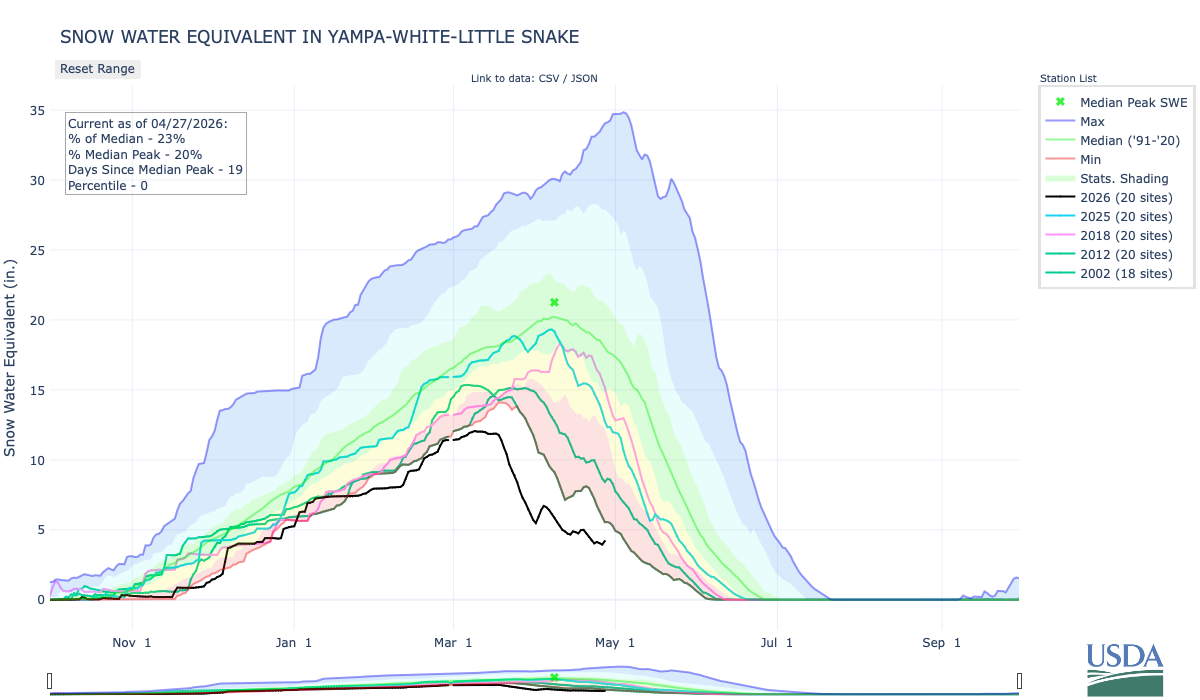
The reservoir is seeing its initial fill during historic drought conditions in the Colorado River basin.
“It’s definitely very ironic that we’re filling the reservoir in these historic drought conditions, but we’re fortunate that we had a little bit of supply left from last year,” Northern Water Operations Director Jerry Gibbens said. “It really showcases why storage is so important for our region.
Northern Water officials say the reservoir is a way to boost water security on the Front Range.
“As we’ve seen this year, water storage is such a key element of our overall water supply in northern Colorado, and this just adds another increment of that supply to a region where our water demands continue to grow,” Stahla said.
The South Platte River Basin is shaded in yellow. Source: Tom Cech, One World One Water Center, Metropolitan State University of Denver.
While much of Southwest Colorado is suffering extreme drought, The Nature Conservancy is offering grants between $25,000 and $100,000 for projects that enhance flood and drought resilience in the region. The funding application is open to state, local, tribal or other public entities – including schools, conservation districts and nonprofits – until 5 p.m. May 22…
Projects eligible for funding could include healthy forest initiatives, watershed resilience improvements and methods for increasing agricultural water use efficiency. A second round of funding opportunities funded by up to $600,000 that The Nature Conservancy expects to provide will open in 2027. Projects in that round must be planned for completion by mid-2028…Eligible entities are encouraged to apply through an online form and can request the form or forward questions to swcofunding@tnc.org. Awardees will be notified by June 15.
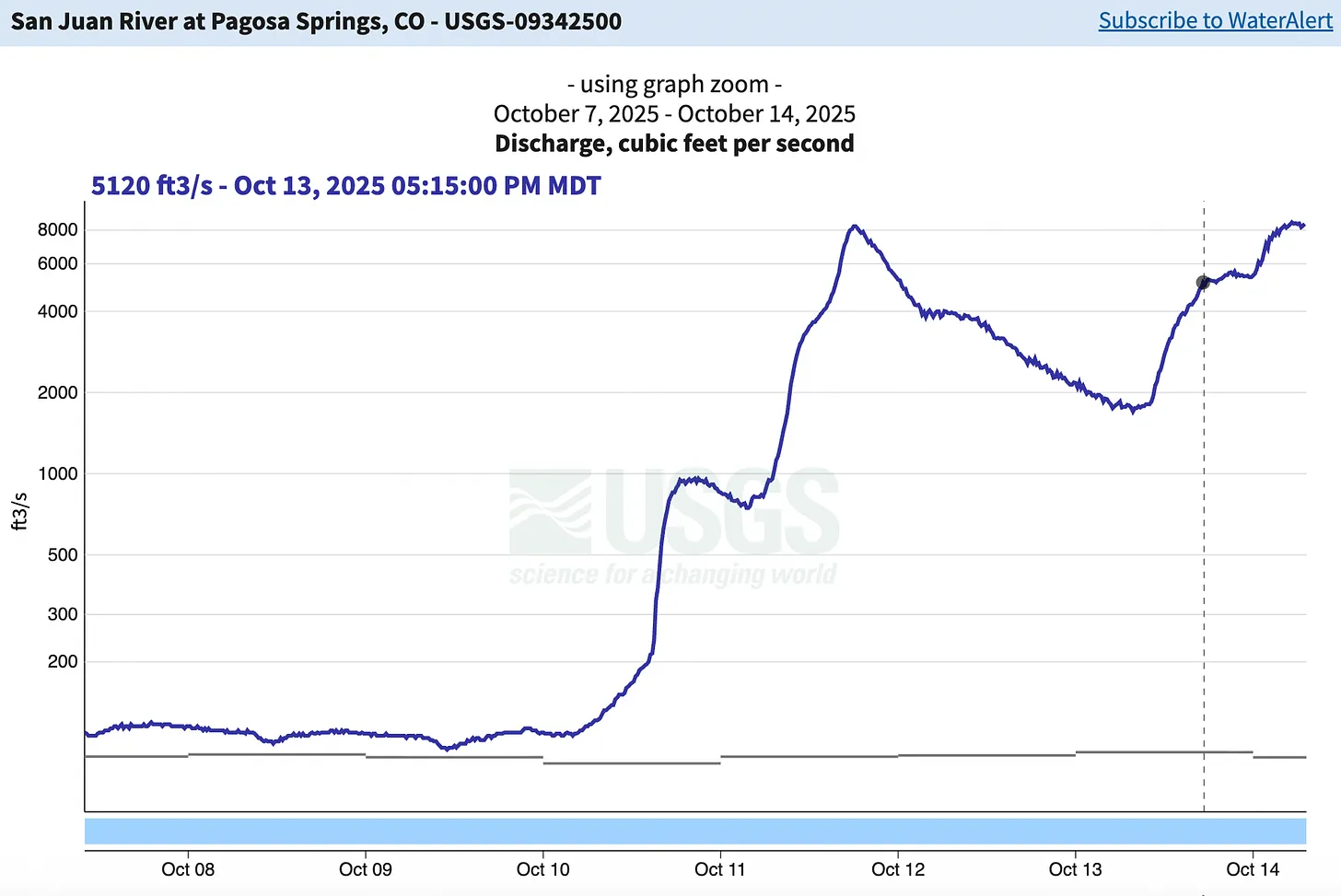
The San Juan River has peaked above 8,000 cfs twice in early October 2025, reaching the highest levels seen since the 1927 flood. Source: USGS.