If you live in the U.S. Southwest or northwestern Mexico, you may already be familiar with the annual climate phenomenon called the North American Monsoon, especially since rainfall in some spots has been way above average this summer. In fact, this monsoon may turn out to be the wettest on record for some places! More on that later… Now, let’s take a sojourn through some North American Monsoon basics (1).
What is the North American Monsoon?
The North American Monsoon is a seasonal change in the atmospheric circulation that occurs as the summer sun heats the continental land mass. During much of the year, the prevailing wind over northwestern Mexico, Arizona, and New Mexico is westerly (blowing from the west) and dry. (Going forward, to avoid having to say “northwestern Mexico, Arizona, and New Mexico” over and over, I’ll refer to this area as “the monsoon region.”)
As the summer heat builds over North America, a region of high pressure forms over the U.S. Southwest, and the wind becomes more southerly, bringing moisture from the Pacific Ocean and the Gulf of California. This circulation brings thunderstorms and rainfall to the monsoon region, providing much of their annual total precipitation.
Water vapor animation for the afternoon of August 22, 2018 showing the monsoon circulation and thunderstorm formation (dark blue, green, dark red). Dry air is shown in orange. Climate.gov image of original from Albuquerque, NM National Weather Service office via NOAA
The monsoon starts to develop in Mexico in June, and moves into the U.S. Southwest in July. By early to mid-September, wind patterns have generally reverted back to the westerly pattern, bringing an end to the monsoon. There is some variability in the onset and demise of the monsoon.
What impacts does it have on Mexico and the U.S. Southwest?
Rainfall associated with the monsoon is very important for the region. Northwestern Mexico receives upwards of 75% of its average annual precipitation from it, and Arizona and New Mexico more than 50%, during July–September.
Percent of total annual precipitation occurring during July–September, based on 1979–2020 using CPC Unified rain-gauge-based data. Figure by climate.gov.
For many of us, the word “monsoon” conjures images of heavy rain lasting for months. While that’s often the situation for the Indian monsoon, the monsoon in North America behaves a bit differently. The rainfall generally has a strong diurnal cycle, meaning a daily pattern of mostly dry mornings, storms developing through the day, and most rainfall occurring in the afternoon and evening. Some of these thunderstorms can be strong, delivering heavy rain and frequent lightning. Monsoon rainfall activity tends to be grouped into bursts, with periods of rainy days interspersed with drier periods, rather than rain every day. Also, the occasional eastern Pacific tropical storm can increase monsoon moisture and rainfall.
The impacts of the monsoon go beyond just rainfall amounts. There is also an important relationship between rainfall and temperature: usually, more rain leads to cooler conditions, and less rain leads to hotter conditions. One recent study explored the relationship between the monsoon and wildfires in the Southwest and northern Mexico, finding that monsoon rains were important for ending wildfires.
When was the North American Monsoon discovered?
The rainy season would have been critical for Native Americans for thousands of years, and, for some Native American tribes, continues to be so. Scientists first noted the seasonal rainfall patterns in the Southwest in the early 20th century, with the circulation pattern being understood as monsoonal by midcentury. A couple of field campaigns, including the Arizona-based South-West Monsoon Project (SWAMP, 1993) and the international North American Monsoon Experiment (NAME, 2004), provided a lot of observational data and resulted in a better understanding of the mechanics of the monsoon.
The thunderstorm begins. Photo by Udo S. Title: Monument Valley – Arizona / USA. Taken on September 23, 2017. Used under a Creative Commons license.
What affects the North American Monsoon?
Although there has been a fair amount of research into the monsoon, there are still far more questions than answers about how it works, and if the seasonal amount of rain, potential start date, or other characteristics can be predicted. I listened to the Southwest Climate Podcast from CLIMAS, the Climate Assessment for the Southwest, to learn more about what affects the monsoon and its rainfall, and how Monsoon 2021 is shaping up, and reached out to the podcast co-hosts, Zack Guido and Mike Crimmins, for help with this post.
Rainfall, as anyone who has read the ENSO Blog before will know, is an extremely complicated thing to predict! When you add in the sparse rain-gauge observations available in the U.S. Southwest and Mexico, it becomes even more difficult to make confident statements about the effects of the monsoon and how it can be predicted. In the podcast episode “2021—a generational monsoon?” Zack listed some of the factors that influence how much moisture is available to the monsoon, including the position of the high-pressure area, wind patterns, and transient weather features. Another player is land-surface feedbacks—wetter soils provide more moisture to the air through evaporation.
Zack also mentioned our good friend El Niño! Here at the ENSO Blog, we’re always curious about the role of ENSO (El Niño/Southern Oscillation, the entire El Niño/La Niña system). He pointed out that ENSO does influence Pacific tropical storms, which can supply moisture to the monsoon.
I did a quick comparison of the average July–August rainfall in the monsoon region with the Niño-3.4 index, using 70 years of records. Some earlier studies suggested that El Niño may be related to lower July–August rainfall, and La Niña related to higher rainfall, due to large-scale atmospheric circulation changes. We can see some hints of this relationship in my scatter-plot here.
July–August rainfall anomaly averaged over North American Monsoon region for every year 1950–2019 (y-axis) versus Niño-3.4 index (x-axis). Green dots show years with greater-than-average monsoon rainfall while brown dots show less than average. Monsoon region averaged over all land gridpoints, 20°N–37°N, 102°W–115°W. Data from Global Precipitation Climatology Centre (GPCC) and ERSSTv5. Figure by Emily Becker.
“Hey! But El Niño leads to more tropical storms than average,” you’re saying, because you’re not new here. “How would that result in less total July–August rain?” Good question! And yet another element of the monsoon system that needs more study to resolve.
How is climate change affecting the North American Monsoon?
Likewise, it’s not yet clear how the monsoon is changing in the warming climate, or how it will in the future. Zack and Mike mention that last year was an extremely dry monsoon, and this year is extremely wet. So is climate change increasing monsoon variability? It’s largely too soon to tell. When you take an already highly variable phenomenon like rainfall, add in uncertain regional climate change impacts, and factor in the sparse data record, it gets difficult to make a strong case about exactly how the monsoon rainfall is changing.
However, while the effect of warming on the storms is uncertain, temperatures have been increasing. The warming conditions alone can be impactful, drying out soils quicker during breaks in monsoon rainfall, for example (2).
The recent Intergovernmental Panel on Climate Change (IPCC) Sixth Assessment Report covers observed and potential future changes in the North American Monsoon. Regarding changes that have already occurred, the report finds modest evidence that the monsoon rainfall has intensified since the 1970s, and this has been partly attributed to greenhouse gas emissions. On the other hand, there is not much agreement among projections for future change in the monsoon, except for regarding the timing—most projections suggest that, under continued climate change, the monsoon will start later in the summer and end later in the fall than it currently does (3).
Arizona monsoon cloud with lightning striking the beautiful Sonoran desert in North Scottsdale. Photo by James Bo Insogna. Title: Arizona Monsoon Thunderstorm. Taken on August 15, 2016. Used under a Creative Commons license.
What about this year?
It depends where you are! Zack and Mike described this year’s monsoon for southern Arizona as “generational,” meaning once in a generation. It’s not over yet, but possible that the overall monsoon rainfall in Arizona will end up being the highest on record. Some regions have received more than 200% of the average rainfall, and Tucson recorded its wettest month ever this July. On the other hand, New Mexico and northern Mexico are near or a bit below average.
July 1–August 22, 2021 precipitation shown as a percent of the average July 1–August 22, based on 1979–2020. Brown indicates where precipitation has been less than average; green is greater than average. Figure by climate.gov; data from CPC Unified data.
While this will help with the ongoing drought in the southwest, in many regions the precipitation deficit has been building for a long time. The current drought outlooks expect that the drought in Arizona and New Mexico will improve in the short term, but persist. Check out Tom’s recent post on the drought in Arizona to understand more about how drought works in this region.
Precipitation accumulation over the past 12 months, shown as a percent of the average mid-August through mid-August total. Despite the monsoon rainfall this year, much of the region is still in a precipitation deficit. Average is based on 1979–2020 using CPC Unified data. Figure by climate.gov.
Thanks for visiting the North American Monsoon region with me! I’ll be back on my regular beat in a couple of weeks with the September ENSO update. See you then!
Footnotes
(1) The North American Monsoon, published in the Bulletin of the American Meteorological Society by David Adams and Andrew Comrie, provides a comprehensive overview of the North American Monsoon and related research through the late 20th century.
(2) In fact, comparing 1955, a year with very similar total rainfall in Tucson as this year, to this year shows temperature between July 1 and August 23 were on average more than 2 degrees F warmer.
(3) There is a whole lot of interesting detail in this report—about everything, but about the North American Monsoon specifically. I’ve summarized their conclusions above, and include the quotes here, but I suggest you head over to the full science report if you’re in the mood for some specifics. In chapter 8.3, How is the water cycle changing and why?, the report states “In summary, both paleoclimate evidence and observations indicate an intensification of the NAmerM in a warmer climate (medium confidence). The intensification recorded since about the 1970s has been partly driven by greenhouse gas emissions (medium confidence).” In 8.4, What are the projected water cycle changes?, the summary statement is “there is low agreement on a projected decrease of NAmerM precipitation, however there is high confidence in delayed onsets and demises of the summer monsoon.”
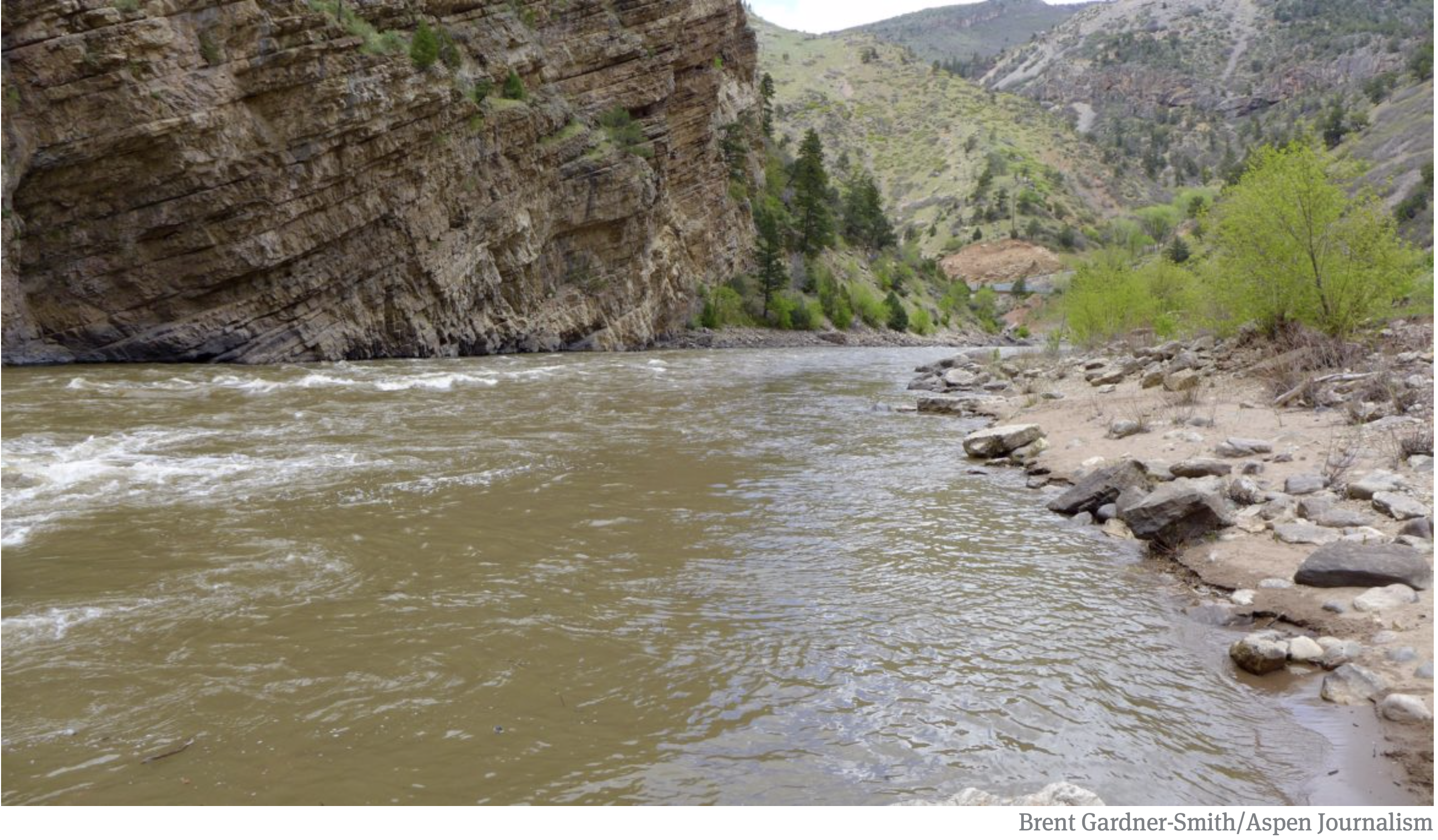
The Colorado River at Kremmling in Grand County will enjoy a big bump in flows from August into October as Denver Water pays off a hefty water debt.
The Colorado River meanders through ranch land near Kremmling on Aug. 17, 2021. The river will see additional flows in late summer and fall as Denver Water sends additional water downstream. Photo credit: Denver Water.
The rising flows — an addition of more than 300 cubic feet per second (more on that later) sent from Wolford Mountain and Williams Fork reservoirs — serve as a good example of how Colorado’s intricate system of water rights can drive river flows higher when they might typically be lower as autumn settles in.
In this case, it works like this: A dry year created conditions that now require Denver Water to “pay back” water to the West Slope.
Why? Let’s stick with the easy version.
An agreement that emerged over 50 years of Byzantine legal fights allows Denver to move water from Dillon Reservoir in Summit County to the Front Range when it needs the water for its customers.
Dillon Reservoir stores water from the Blue River Basin in Summit County for Denver Water customers on the Front Range. Photo credit: Denver Water.
But — and this is a big “But” — if another big reservoir called Green Mountain (that’s the very long reservoir you drive past as you cruise Highway 9 between Silverthorne and Kremmling) — doesn’t fill up in the spring and summer, Denver Water has to make up the difference later in the year.
Green Mountain Reservoir is owned by the U.S. Bureau of Reclamation and located in Summit County north of Silverthorne along the Blue River. Photo credit: Denver Water.
Stay with us here. Take a look at the map that accompanies this story to help.
Dillon and Green Mountain Reservoirs are located along the Blue River, which is a tributary of the Colorado River. Water from Wolford Mountain and Williams Fork reservoirs eventually flows into the Colorado River via Muddy Creek and the Williams Fork River respectively. Image credit: Denver Water.
Years like this, when Denver Water has to refund water, are called “substitution” years. There have been big substitution years, when a lot of water is involved in the refund, in dry years such as 2002, 2004, 2012 and 2013.
This year is shaping up as a big one, too; one of the largest. In all, the utility expects to release about 37,600 acre-feet from Williams Fork and Wolford to make up what Green Mountain, a reservoir operated by federal Bureau of Reclamation, lacked this year.
That’s a lot of water — close to the capacity of Gross Reservoir, the big Denver Water reservoir in the foothills northwest of Denver. An acre-foot is roughly enough water to serve three or four households for a year.
Denver Water owns Williams Fork Reservoir (left) and stores water in Wolford Mountain Reservoir (right.) Denver Water uses the reservoirs to fulfill downstream water rights obligation. The water stored in these two reservoirs is not used for drinking water supplies in the Front Range. Photo credit: Denver Water and Colorado River Water Conservation District.
But wait, you say. Water from Williams Fork and Wolford won’t find its way to Green Mountain, since the Green Mountain Reservoir is on the Blue River and those two reservoirs send their water into the Colorado River, not the Blue.
(Also, water can’t flow upstream from the Colorado River into Green Mountain Reservoir. Take another look at the map in this story.)
That’s OK, as the point is to make up for flows in the Colorado River that would otherwise be augmented by releases from Green Mountain. In short, the releases keep the flows moving on the West Slope.
Now, back to those flows. Releases are expected to add an additional 400 cubic feet per second to the Colorado River in August, 320 cfs in September, and then decrease somewhat to an extra 200 cfs in the first two weeks of October.
The confluence of the Blue River (left) with the Colorado River (right), southwest of Kremmling. Muddy Creek, which carries water from Wolford Mountain Reservoir, flows into the Colorado River at this location as well. Photo credit: Denver Water.
How much water is that?
Quite a bit. If you think in terms of gallons (think of the gallon of milk at the grocery story), a cubic foot contains about 7.5 gallons. So 300 cubic feet per second means about 2,250 gallons of water per second added to the river flows. (Think about that many milk jugs floating by each second).
While it’s a lot of water to pay back — and it means Denver Water will need to draw down its supplies in Wolford and Williams Fork quite a bit — it could have been even more.
But a wet spring on the Front Range kept sprinklers off and demand low. Monsoons returned this year as well, boosting flows on both sides of the Continental Divide. All of that allowed Denver Water to reduce what it moved from Dillon Reservoir, through the Roberts Tunnel, to the Front Range.
Which, in turn, allowed a bit more water down the Blue River and into Green Mountain and reduced the “substitution” amount to be repaid.
The Blue River below Dillon Dam in Summit County on Aug. 16, 2021. Denver Water uses the dam to store and release water from the Blue River. Photo credit: Denver Water.
If you’ve stuck with us until now, we raise a toast to you, salute your interest in a puzzling topic, and hope that this boost in late season flows in the Colorado River brings a smile to all of us inspired by the beauty of a moving stream.
Shasta Dam, north of Redding in California, is the only dam in the state a UC Davis study identified as being capable of replicating natural cold-water patterns for aquatic species. (Ron Lute/cc BY-NC 2.0)
Knowing where cold water is likely to stay cold is critical for conservation. But “cold” is more than just a number on a thermometer. Dams do not adequately support cold-water ecosystems.
Dams poorly mimic the temperature patterns California streams require to support the state’s native salmon and trout — more than three-quarters of which risk extinction. Bold actions are needed to reverse extinction trends and protect cold-water streams that are resilient to climate warming, according to a study published in the journal PLOS ONE by the University of California, Davis.
The study helps identify where high-quality, cold-water habitat remains to help managers prioritize conservation efforts.
“It is no longer a good investment to put all our cold-water conservation eggs in a dam-regulated basket,” said lead author Ann Willis, a senior staff researcher at the UC Davis Center for Watershed Sciences and a fellow for the John Muir Institute of the Environment. “We need to consider places where the natural processes can occur again.”
Joe Proudman / UC Davis on the Little Shasta River, outside of Montague, Calif. on May 19, 2017.
The uncommon cold
Understanding where cold water is likely to stay cold is critical for conservation. But “cold” is more than just a number on a thermometer. The term represents the many factors that combine to create cold water capable of supporting aquatic ecosystems.
Water managers deliver cold water from reservoirs to streams to support aquatic life. But Willis said this assumes that all cold water is the same — akin to giving blood to another person without understanding their blood type and health status.
While previous studies have suggested that dams can be operated to achieve ideal temperatures, few tested that hypothesis against the temperature patterns aquatic ecosystems need.
The UC Davis study assessed stream temperature data from 77 sites in California to model and classify their “thermal regimes,” or annual temperature patterns. It found the state’s reservoirs do not adequately replicate natural thermal patterns, making them incapable of supporting cold-water species effectively.
“I’m an engineer; I thought we could operate ourselves into success, but the science doesn’t support that,” Willis said. “It’s not a question of whether we remove a dam, but which dam, and how we need to restructure how we manage water. Or we need to be willing to take responsibility to be the generation that says, ‘OK, we’re letting this ecosystem go extinct.’”
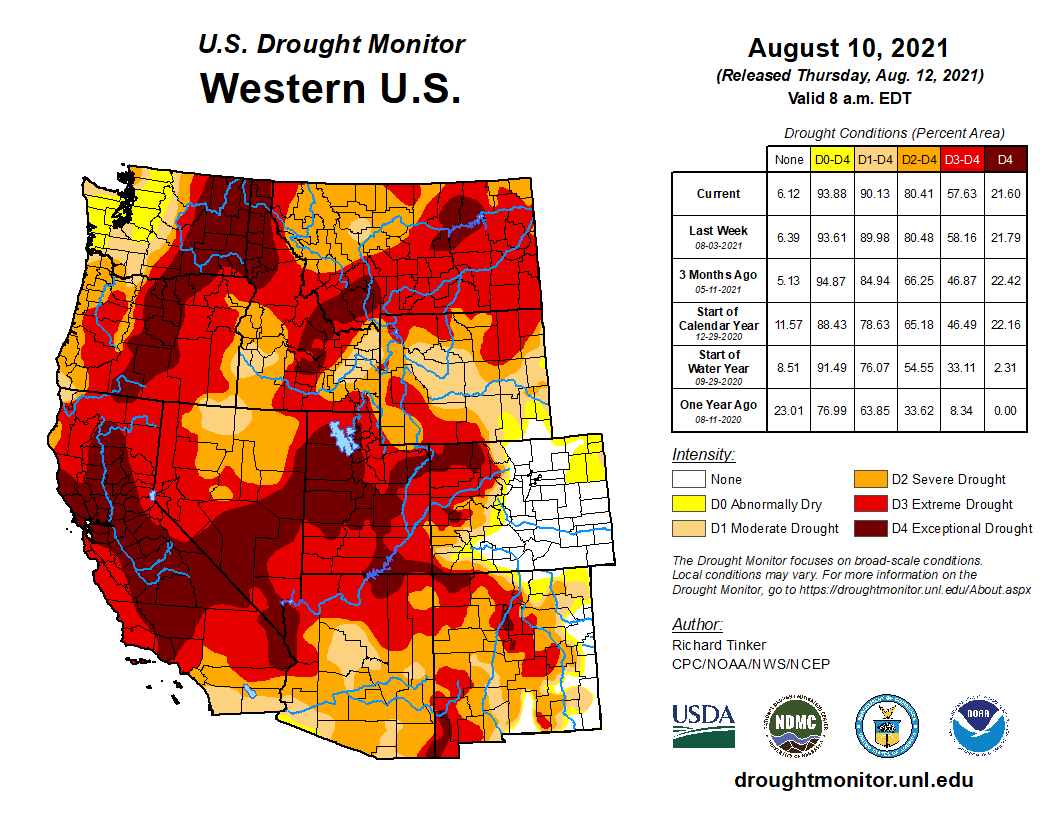
West Drought Monitor August 24, 2021.
What about the drought?
Drought often tempts people to double-down on hard-infrastructure solutions for water storage.
“We falsely equate dams with water security,” Willis said. “More storage does not mean more water. A giant, empty refrigerator doesn’t help you if you’re starving. The same is true for water.”
Of California’s 1,400 dams, only one very large and highly engineered dam — Shasta — stood out in the study as replicating natural cold-water patterns.
The study does not suggest removing all dams. However, considering removing “deadbeat dams” where there are critical ecosystems could help restore natural processes and support fish, people and biodiversity amid climate warming.
Mill Creek, a spring-fed creek that flows from the base of Mt. Lassen to the Sacramento Valley, is an important cold-water stream. (Ann Willis/UC Davis)
Cold comfort
Key cold-water conservation candidates include streams highly influenced by groundwater, such as in the Cascade Range, and places where water easily infiltrates the soil, such as Northern California’s Feather River.
“Classifying these streams and understanding their thermal regimes is an effective way to focus our time and money on the places most likely to make a difference,” Willis said.
The study’s co-authors include Ryan Peek and Andrew Rypel of the UC Davis Center for Watershed Sciences.
Funding for this research was provided by internal support from the UC Davis Center for Watershed Sciences and the John Muir Institute of the Environment.
Aerial image of entrenched meanders of the San Juan River within Goosenecks State Park. Located in San Juan County, southeastern Utah (U.S.). Credits Constructed from county topographic map DRG mosaic for San Juan County from USDA/NRCS – National Cartography & Geospatial Center using Global Mapper 12.0 and Adobe Illustrator. Latitude 33° 31′ 49.52″ N., Longitude 111° 37′ 48.02″ W. USDA/FSA, Public domain, via Wikimedia Commons
From email from Reclamation (Susan Novak Behery):
In response to decreasing flows in the critical habitat reach, the Bureau of Reclamation has scheduled an increase in the release from Navajo Dam from 700 cubic feet per second (cfs) to 800 cfs on Friday, August 27th, starting at 4:00 AM. Releases are made for the authorized purposes of the Navajo Unit, and to attempt to maintain a target base flow through the endangered fish critical habitat reach of the San Juan River (Farmington to Lake Powell).
The San Juan River Basin Recovery Implementation Program recommends a target base flow of between 500 cfs and 1,000 cfs through the critical habitat area. The target base flow is calculated as the weekly average of gaged flows throughout the critical habitat area from Farmington to Lake Powell. This release change is calculated to be the minimum release required to maintain the minimum target base flow.
Click on a thumbnail graphic to view a gallery of drought data from the US Drought Monitor.
US Drought Monitor August 24, 2021.
High Plains Drought Monitor August 24, 2021.
West Drought Monitor August 24, 2021.
Colorado Drought Monitor August 24, 2021.
Click here to go to the US Drought Monitor website. Here’s an excerpt:
This Week’s Drought Summary
Temperatures this week were generally cooler than normal west of the Continental Divide, while warmer than normal temperatures were common in the Upper Midwest and Northeast. Heavy rain fell across widespread sections of the eastern United States, in many locations due to the influences of tropical cyclones Fred and Henri and their remnants. The widespread rainfall led to condition improvements in areas suffering from abnormal dryness or moderate drought. Tragically, this led to a flash flood event with numerous fatalities in Tennessee. Parts of the Midwest, High Plains, and West regions received beneficial rainfall this week, which led to improvement in drought conditions in some locales. Many locations across the central United States that missed out on heavier rains this week saw drought conditions degrade…
In the High Plains region this week, temperatures were mostly below normal west of the Continental Divide in Colorado, in Wyoming, and in far western parts of South Dakota and North Dakota. Elsewhere, temperatures were generally above normal. Rain fell over wide areas of Nebraska, South Dakota, North Dakota, Wyoming, and western Colorado, leading to some improvements in drought conditions. Parts of the Missouri River Valley in northeast Nebraska, northwest Iowa, and southeast South Dakota did not see much rain, however, and moderate, severe, and extreme drought expanded there. Heavy rain, with some areas seeing 5 or more inches, struck northeast Colorado and southwest Nebraska, though as is typical of warm season thunderstorm complexes, rainfall gradients were rather tight in some areas. Drought conditions improved in areas that saw heavy rain, while some expansion of severe drought occurred in areas of southwest Nebraska that missed out on the rain, where agricultural drought impacts and precipitation deficits have been mounting. Heavy rainfall in North Dakota led to some localized improvements to ongoing drought, though some short-term and especially long-term precipitation deficits remain in areas which received heavy rain. Ongoing drought also impacted the bee population in North Dakota…
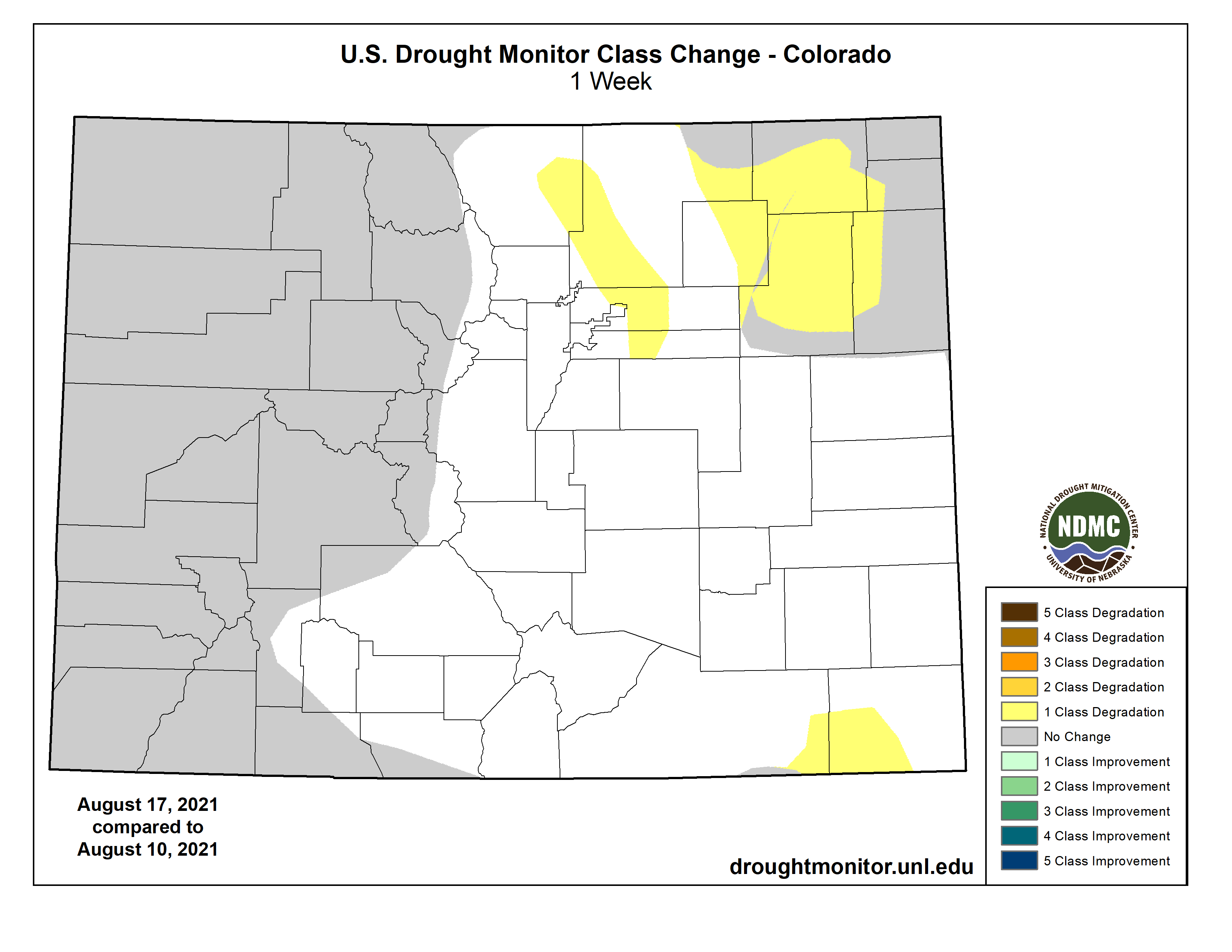
Colorado Drought Monitor one week change map ending August 24, 2021.
Drought continued to plague much of the West region of the United States this week. Heavy rains in parts of Arizona, Idaho, Montana, and Utah combined with well below normal temperatures (ranging from 4 to 8 degrees below normal) to stave off any expansion or worsening of drought areas this week. Due to recent monsoonal rainfall, drought conditions improved in northern Arizona and southern Utah, and adjacent parts of southern Nevada and southeast California, and in New Mexico. Heavy rain in the far northern Idaho Panhandle led to a small reduction in exceptional drought coverage. It is possible that conditions may continue to improve in some locations after this week’s rainfall, though it is currently unknown how beneficial this week’s rains were in locations that were quite dry previously…
Heavy rains fell this week across parts of central and northeast Texas (and adjacent southeast Oklahoma), in much of central and eastern Tennessee, and in northern Mississippi and Louisiana. A small area of short-term moderate drought straddling the Red River in southeast Oklahoma/northeast Texas received sufficient rainfall to see conditions improve out of drought. Heavy rainfall led to the removal of moderate drought in parts of eastern Tennessee. Northwest Oklahoma was left drier this week, and small areas of short- and long-term moderate drought expanded there and in adjacent southern Kansas. Temperature departures varied across the region and generally were not extreme in either the warm or cool direction…
Looking Ahead
As of Aug. 25, the National Weather Service (NWS) Weather Prediction Center is forecasting two areas of heavy rainfall between Aug. 26-31. The first is expected to span from southern North Dakota south to northeast Nebraska, then northeast to Lake Superior. The second, which is expected near the end of that period, is expected near coastal parts of Texas and Louisiana. From Aug. 31-Sept. 4, the NWS Climate Prediction Center’s forecast leans towards near normal or warmer than normal temperatures for much of the contiguous United States. However, the forecast for the Pacific Northwest leans towards cooler than normal conditions being more likely. Warmer than normal temperatures are also likelier in Alaska during this period. Below normal precipitation is favored in the Pacific Northwest, western Texas and eastern New Mexico, the Florida Peninsula, and parts of the Northeast. Wetter than normal conditions are favored to extend from Arizona and Utah through the northern Great Plains and Upper Midwest, and from Texas and Louisiana northward through the Lower Mississippi River Valley.
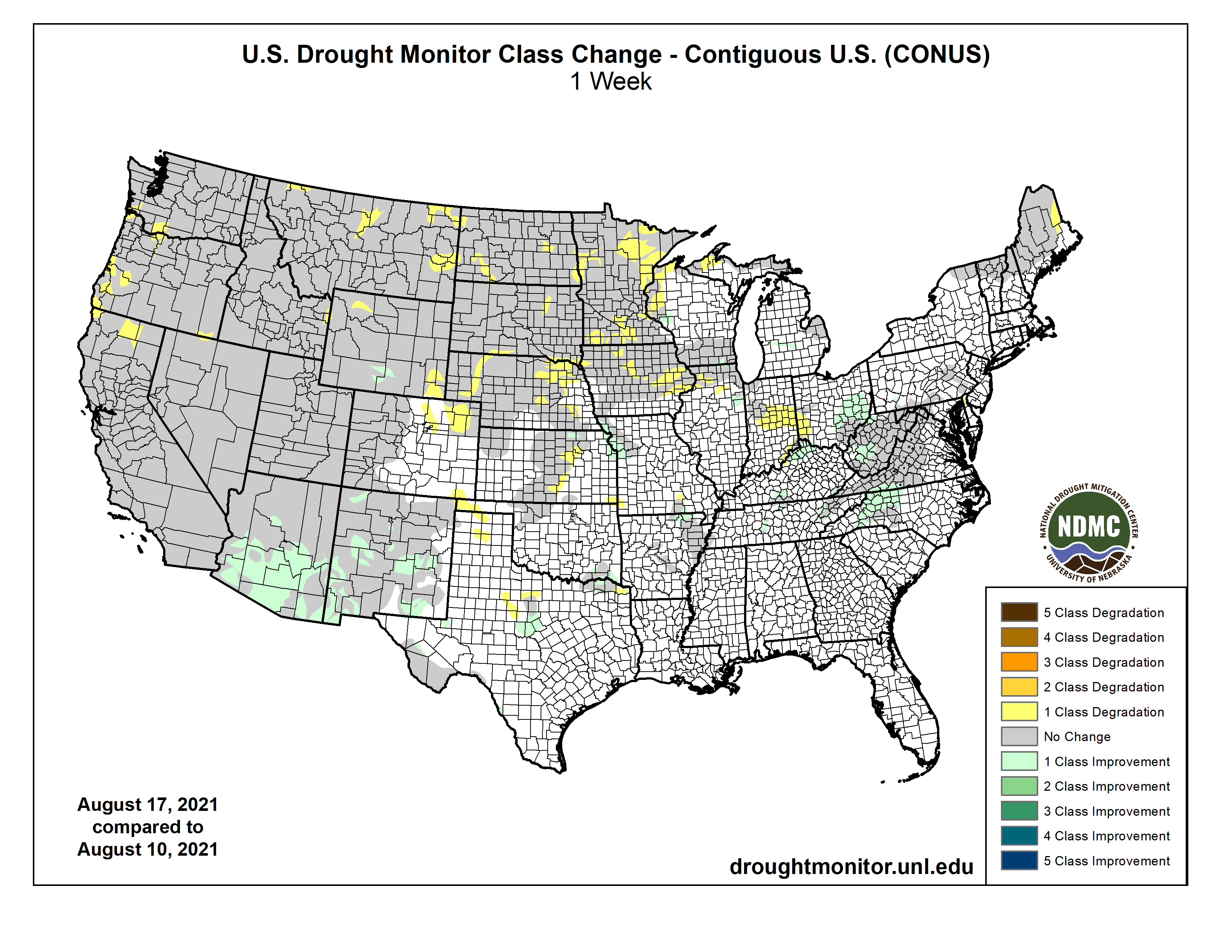
US Drought Monitor one week change map ending August 24, 2021.
Ralph Parshall squats next to the flume he designed at the Bellevue Hydrology Lab using water from the Cache la Poudre River. 1946. Photo Credit: Water Resource Archive, Colorado State University, via Legacy Water News.
FromThe Grand Junction Daily Sentinel (Dennis Webb):
Responding to challenges posed by drought, greater demand from a growing population and potential interstate Colorado River compact issues, a state water agency is looking to phase in rules in western Colorado that would require the use of measurement devices when exercising surface and groundwater rights.
State law already requires that owners of irrigation ditches and reservoirs install headgates with measurement devices where necessary, but while the Division of Water Resources can order installation of measurement devices, it never has adopted surface water measurement rules.
Groundwater measurement rules already are in place in several river basins east of the Continental Divide, in some cases as a result of court orders.
“Those have been largely in response to the need to administer groundwater rights within our (seniority-based) prior appropriations system along with surface water rights,” said State Engineer Kevin Rein, director of the Division of Water Resources.
He said surface water in basins such as the South Platte, Rio Grande and Arkansas also long has been overappropriated in terms of water rights, and water rights holders are accustomed to measuring their diversions closely, so surface water measurement rules in those places are not an immediate concern of the state, unlike the Western Slope…
[Mike Sullivan] said that in areas of high demand, many structures already have adequate controls and measurement devices, but some may need repairs to work properly, which is something the new rules can address.
Sullivan said growth in the state and more frequent drought years are contributing to calls for administration of water by DWR under the priority system and helping drive the consideration of the measurement rules…
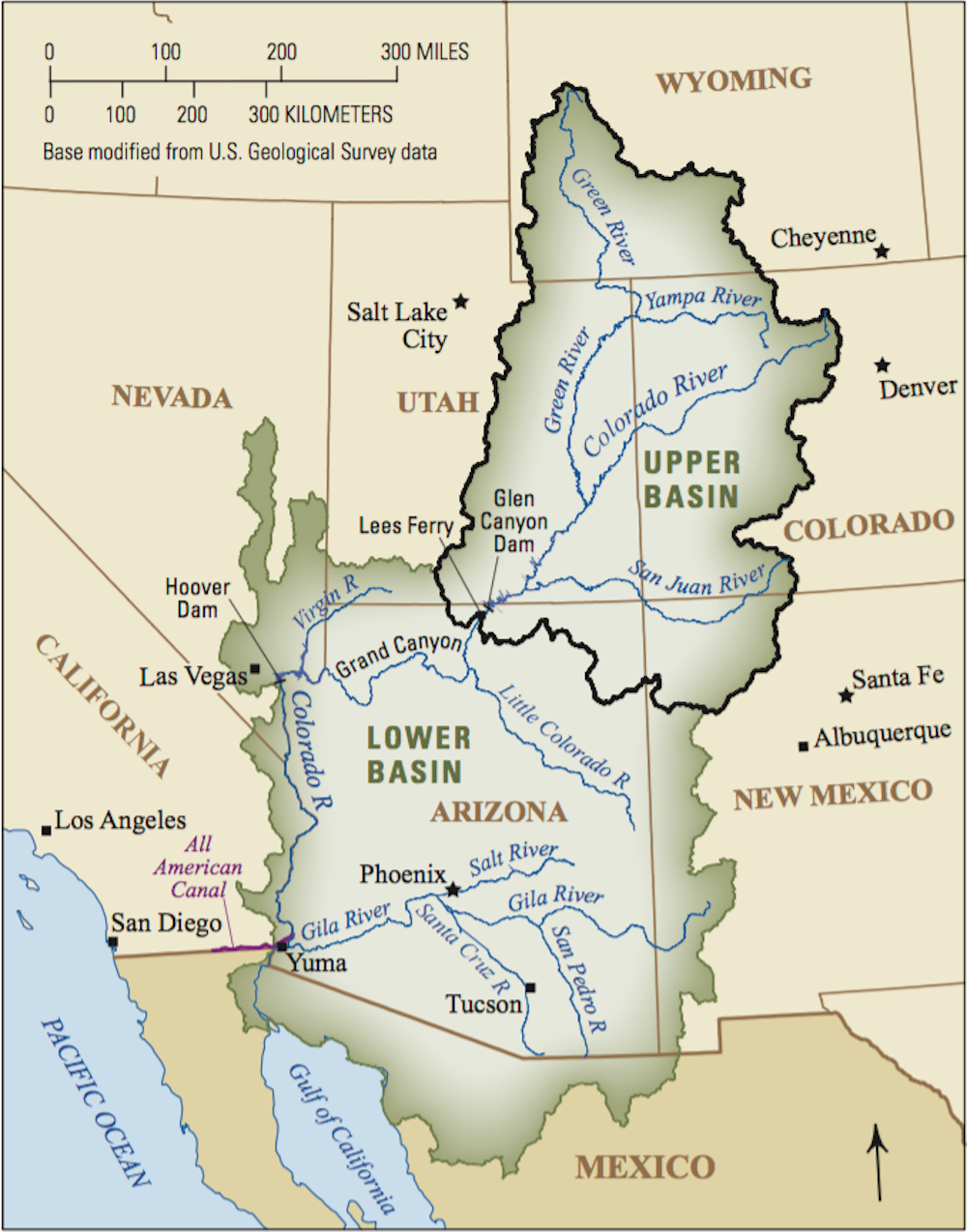
The division sees measurement as important should Colorado ever face curtailment of water uses under a 1922 interstate compact if it and other Upper Basin states are no longer able to meet a compact provision regarding the amount of river water that flows to Lower Basin states on a 10-year average.
[Kevin] Rein thinks an Upper Basin failure to comply with that provision isn’t likely to happen until at least 2026, and says it’s easy to oversimplify the compact’s possible resulting ramifications.
But he thinks measurement would be important to determine how much water Colorado has been using and how much water would be taken from it in the case of curtailment.
The Division of Water Resources plans to make all the data gathered through measurement publicly available, as it involves diversions of what are waters of the state, administered through a system involving ownership not of water but of water rights…
Scott Hummer, water commissioner for District 58 in the Yampa River basin, checks out a recently installed Parshall flume on an irrigation ditch in this August 2020 photo. Compliance with measuring device requirements has been moving more slowly than state engineers would like. CREDIT: HEATHER SACKETT/ASPEN JOURNALISM
The Division of Water Resources is looking to phase in new rules on the West Slope region by region, likely starting with the Yampa/White/North Platte river basins, DRW’S Division 6…
Rein said DWR may want to successfully work through rulemakings in a couple of its divisions between getting to Division 5, which covers the Colorado River Basin, as the basin is so large, with a lot of water volume and diversion points.
He thinks that Division 5 and Division 4, covering the Gunnison River Basin, have a lot more measurement devices than elsewhere in western Colorado, but said the devices aren’t as prevalent in some of the Colorado and Gunnison sub-basins.
Surface water measurement can be done using systems such as flumes, weirs, radar and current meters, while groundwater use is measured with meters or other devices. State officials say they don’t plan to impose one-size-fits-all rules.
They will takeinto account things such as the size of a diversion and a desire to require devices no more costly than what is needed to properly measure a diversion.
Gothic mountain shrouded in clouds behind several cabins. Site of the Surface Atmosphere Integrated Field Laboratory. Gothic, Colorado, USA. By Charlie DeTar – Own workby uploader, CC BY-SA 3.0, https://commons.wikimedia.org/w/index.php?curid=4795644
The U.S. Department of Energy on Tuesday announced a new kind of climate observatory near the headwaters of the Colorado River that will help scientists better predict rain and snowfall in the U.S. West and determine how much of it will flow through the region.
The multimillion-dollar effort led by Lawrence Berkeley National Laboratory launches next week. The team has set up radar systems, balloons, cameras and other equipment in an area of Colorado where much of the water in the river originates as snow. More than 40 million people depend on the Colorado River.
Alejandro Flores, an associate professor of hydrology at Boise State University, said the weather in mountainous areas is notoriously difficult to model and the observatory will be a “game changer.”
“We have to think about the land and the atmosphere as a linked system that interact with each other,” he said in a call with reporters. “Up until now, there have been a lack of observations that help us understand this critical interface.”
[…]
Scientists will use the observatory to gather data on precipitation, wind, clouds, tiny particles, humidity, soil moisture and other things. Along with a better understanding of the hydrology, they hope to learn more about how wildfires, forest management, drought and tree-killing bugs, for example, play a part in water availability.
A big issue in predicting water supply in the West centers on soil moisture and content, said Ken Williams, the lead on-site researcher and Berkeley Lab scientist. The monsoon season largely was a dud across the Southwest for the past two years, which means more melting snow soaks into the ground before reaching streams and rivers when it does rain, he said…
The new climate observatory, called the Surface Atmosphere Integrated Field Laboratory, brings together federal scientists, university researchers and others to build on a previous effort to study part of the upper Gunnison River basin in Colorado that shares characteristics with the Rocky Mountains.
For the Rio Grande basin, the data could help water managers as they juggle longstanding water sharing agreements among Colorado, New Mexico, Texas and Mexico, Williams said. It also could help improve weather forecasting and experiments to modify the weather, such as cloud seeding to produce more precipitation.
The data will be available to other researchers and provide a benchmark for any collection beyond the two-year project, scientists said.
The Surface Atmosphere Integrated Field Laboratory (SAIL) near Crested Butte, Colo., will start collecting a vast range of weather data on September 1, when scientists flip the switch on a slew of machinery that has been amassed in the Upper Colorado River Basin. (Lawrence Berkeley National Laboratory)
Water managers in the Colorado River basin knew that dry soil conditions and below-average snowpack last winter would lead to reduced runoff into streams, rivers and reservoirs this summer. But predicting just how much water would make its way into the Colorado watershed proved difficult.
In April, the Bureau of Reclamation, which oversees a vast network of water infrastructure in the United States, shared data with the National Park Service that projected a range of water levels in Lake Powell throughout 2021. The models showed the reservoir would likely remain above 3,554 feet in elevation — a level below which many of the boat ramps in Glen Canyon National Recreation area would become unusable — until as late as October.
But those projections turned out to be overly optimistic and were repeatedly revised as the spring snowmelt failed to recharge reservoirs in the basin. Lake Powell fell below 3,554 feet in July, and it has continued to decline, despite unprecedented emergency releases from other reservoirs upstream.
Longer-term models forecasting levels in Lake Mead and Lake Powell proved to be even further off-base, a prediction miss that has consequences for the 40 million people who rely on the Colorado River for water…
Improving the accuracy of weather and streamflow forecasts is one goal of a new project that U.S. Department of Energy scientists led by the Lawrence Berkeley National Laboratory are starting next month. The team is installing a field laboratory in the mountains of Colorado near Crested Butte that will collect a vast array of data to better understand the water cycle in high elevation environments.
Mountain regions, where most of the water in Western rivers originates, are changing rapidly in the face of climate change, explained Alejandro Flores, a hydrologist at Boise State University who is involved with the project.
“Mountain environments,” he said in a press call with reporters Tuesday, “present a particularly difficult environment in which to model the weather and in particular the precipitation and other facets that control how snowpack accumulates over the course of the season.”
The field laboratory will operate for two years and will measure everything from groundwater conditions to wind, clouds, aerosols, temperature, humidity and ozone. It will also bring together scientists specializing in various fields — geologists, hydrologists, microbiologists, plant and vegetation researchers — as well as various universities and federal agencies, including the U.S. Geological Survey, National Oceanic and Atmospheric Administration and the Bureau of Reclamation…
The range of data being collected by the project will allow researchers to study weather patterns in great detail, said Jessie Creamean, an atmospheric scientist at Colorado State University, and findings from the project will likely be applicable to other mountain watersheds.
The project leaders hope the findings from the project can be used to more accurately model runoff into reservoirs but also to improve weather forecasts used by skiers and other recreationists.
FromThe High Country News [August 23, 2021) (Jonathan Thompson):
Climate change and rising demand are sucking the life out of the Southwest’s water supply.
One of the most visible signs of the state of the West’s water supply is the big bathtub ring around the sandstone rim of Lake Powell, the nation’s second-largest reservoir. Whenever the massive hydrological system that delivers water to the lake dwindles, the whitewash halo grows, shrinking only when — or rather, if — that system is replenished by rain and winter snows.
By July 23, the halo occupied some 150 vertical feet of shoreline, showing that the lake’s surface had fallen to its lowest level since 1969, before it was completely filled for the first time. Boat-launch ramps, which had already been extended repeatedly, were finally unusable. The hydropower-generating capacity of Glen Canyon Dam was in danger of disappearing altogether. Even more worrisome, though, is what the diminishing reservoir tells us: The Colorado River watershed is terminally ill.
Two decades of climate change-induced drought and rising temperatures, combined with ever-growing demand, have put the entire water system — and the flora and fauna and more than 40 million people that rely on it — into serious trouble. Now local, state and federal water managers are being forced to reckon with a frightening reality: the incredible shrinking Colorado River system.
Graphic via AudubonInfographic design: Cindy Wehling. Sources: U.S. Bureau of Reclamation, U.S. Geological Survey, Pacific Institute, U.S. Drought Mitigation Center, Utah Board of Water Resources, Central Arizona Project, Colorado Parks and Wildlife, Colorado Department of Natural Resources, Dolores Water Conservation District. Via The High Country News
1922
The year the Colorado River Compact was signed, divvying up the river’s water between the Upper Basin states — Wyoming, Colorado, Utah and New Mexico — and the Lower Basin — Arizona, Nevada and California.
90%
Proportion of the system’s water that originates in Upper Basin states.
16.52 million acre-feet
The quantity of surface and groundwater withdrawn from the basin in 2010.
13.6 million acre-feet
Amount of that year’s total used for irrigation.
8.62 million acre-feet
The average annual “unregulated inflow” into Lake Powell from 2000-2021. (Unregulated inflow means the approximate natural flow, i.e., the Bureau of Reclamation’s estimate of how much water would run into the lake without upstream diversions or withdrawals.)
3 million acre-feet
Projected unregulated inflow to Lake Powell during the 2021 water year (Oct. 1, 2020, to Sept. 30, 2021).
5.2 million acre-feet
Quantity of water diverted out of the basin and into other watersheds — largely to provide water to urban areas such as Denver, Albuquerque and Los Angeles — in 2010.
$803 million
Value of hay grown in Colorado River Basin states and exported in 2020, mostly to China and Saudi Arabia.
328,000 acre-feet
Consumptive use of Colorado River water for thermo-electric power production (coal and natural gas) in 2010. (Consumptive = water that isn’t returned to the stream after use.)
372,000 acre-feet
Approximate amount of water that evaporated from Lake Powell in 2020.
35,000 acre-feet
The amount of water that will be delivered to the Colorado River Delta this year for environmental restoration.
25.8 million acre-feet
Amount of water in Lake Powell as of July 14, 1983.
7.9 million acre-feet
Amount of water in Lake Powell as of July 25, 2021.
Lake Powell is shown here, in its reach between where the Escalante and San Juan rivers enter the reservoir, in an October 2018 aerial photo from the nonprofit environmental group EcoFlight. Colorado water managers are considering the implications of a program known as demand management that would pay irrigators on a temporary and voluntary basis to take less water from streams in order to boost water levels in Lake Powell, as an insurance policy against compact curtailment. CREDIT: ECOFLIGHT
Map by Alison DeGraff Ollivierre, Tombolo Maps & Design/High Country News
Infographic design: Cindy Wehling. Sources: U.S. Bureau of Reclamation, U.S. Geological Survey, Pacific Institute, U.S. Drought Mitigation Center, Utah Board of Water Resources, Central Arizona Project, Colorado Parks and Wildlife, Colorado Department of Natural Resources, Dolores Water Conservation District.
Jonathan Thompson is a contributing editor at High Country News. He is the author of River of Lost Souls: The Science, Politics and Greed Behind the Gold King Mine Disaster. Email him at jonathan@hcn.org
On Aug. 18, 2021, the U.S. Environmental Protection Agency announced that it will end use of chlorpyrifos – a pesticide associated with neurodevelopmental problems and impaired brain function in children – on all food products nationwide. Gina Solomon, a principal investigator at the Public Health Institute, clinical professor at the University of California, San Francisco and former deputy secretary at the California Environmental Protection Agency, explains the scientific evidence that led California to ban chlorpyrifos in 2020 and why the EPA is now following suit.
1. What is chlorpyrifos, and how is it used?
Chlorpyrifos is an inexpensive and effective pesticide that has been on the market since 1965. According to the EPA, approximately 5.1 million pounds of chlorpyrifos have been used annually in recent years (2014-2018) on a wide range of crops, including many different vegetables, corn, soybeans, cotton and fruit and nut trees.
Until 2000, chlorpyrifos was also used in homes for pest control. It was banned for indoor use after passage of the 1996 Food Quality Protection Act, which required additional protection of children’s health. Residues left after indoor use were quite high, and toddlers who crawled on the floor and put their hands in their mouth were found to be at risk of poisoning.
The Environmental Protection Agency has concluded that less-toxic alternatives to chlorpyrifos are available.
2. What’s the evidence that chlorpyrifos is harmful?
Researchers published the first study linking chlorpyrifos to potential developmental harm in children in 2003. They found that higher levels of a chlorpyrifos metabolite – a substance produced when the body breaks down the pesticide – in umbilical cord blood were significantly associated with smaller infant birth weight and length.
Subsequent studies published from 2006 to 2014 showed that those same infants had developmental delays that persisted into childhood, with lower scores on standard tests of development and changes that researchers could see on MRI scans of the children’s brains. Scientists also discovered that a genetic subtype of a common metabolic enzyme in pregnant women increased the likelihood that their children would experience neurodevelopmental delays.
These findings touched off a battle to protect children from chlorpyrifos. Some scientists were skeptical of results from epidemiological studies that followed the children of pregnant women with greater or lesser levels of chlorpyrifos in their urine or cord blood and looked for adverse effects.
Epidemiological studies can provide powerful evidence that something is harmful to humans, but results can also be muddled by gaps in information about the timing and level of exposures. They also can be complicated by exposures to other harmful substances through diet, personal habits, homes, communities and workplaces.
Farm laborers, like these workers harvesting curly mustard in Ventura County, Calif., are especially vulnerable to pesticide exposure. Patrick T. Fallon/AFP via Getty Images
3. Why did it take so long to reach a conclusion?
As evidence accumulated that low levels of chlorpyrifos were probably toxic to
humans, regulatory scientists at the EPA and in California reviewed it – but they took very different paths.
At first, both groups focused on the established toxicity mechanism: acetylcholinesterase inhibition. They reasoned that preventing significant disruption of this key enzyme would protect people from any other neurological effects.
Scientists working under contract for Dow Chemical, which manufactured chlorpyrifos, published a complex model in 2014 to estimate how much of the pesticide a person would have to consume or inhale to trigger acetylcholinesterase inhibition. But some of their equations were based on data from as few as six healthy adults who had swallowed capsules of chlorpyrifos during experiments in the 1970s and early 1980s – a research method that now would be considered unethical.
California scientists questioned whether risk assessments based on the Dow-funded model adequately accounted for uncertainty and human variability. They also wondered whether acetylcholinesterase inhibition was really the most sensitive biological effect.
In 2016 the EPA released a reassessment of chlorpyrifos’s potential health effects that took a very different approach. It focused on epidemiological studies published from 2003 through 2014 at Columbia University that found developmental impacts in children exposed to chlorpyrifos. The Columbia researchers analyzed chlorpyrifos levels in the umbilical cord blood at birth, and the EPA attempted to back-calculate how much chlorpyrifos the babies might have been exposed to throughout pregnancy.
Scientists estimate that U.S. farmers used more than 5 million pounds of chlorpyrifos in 2017. USGS
On the basis of this analysis, the Obama administration concluded that chlorpyrifos could not be safely used and should be banned. However, the Trump administration halted this decision one year later, arguing that the science was not resolved and more study was needed. The Trump administration subsequently abandoned the human epidemiological studies and reverted to using the Dow-sponsored model and acetylcholinesterase inhibition endpoint that was used back in 2014.
History indicates that both political and scientific considerations likely accounted for the long delays. Although the conclusions clearly shifted with different federal administrations, the epidemiological studies and the acetylcholinesterase model also pointed in different directions – one suggested high health risks in humans, and the other suggested relatively lower risks. Policy conclusions thus depended partly on which data scientists chose as the basis for evaluating health risks.
4. What convinced California to impose a ban?
Three new papers on prenatal exposures to chlorpyrifos, published in 2017 and 2018, broke the logjam. These were independent studies, conducted on rats, that evaluated subtle effects on learning and development.
The results were consistent and clear: Chlorpyrifos caused decreased learning, hyperactivity and anxiety in rat pups at doses lower than those that affected acetylcholinesterase. And these studies clearly quantified doses to the rats, so there was no uncertainty about their exposure levels during pregnancy. The results were eerily similar to effects seen in human epidemiological studies, vindicating serious health concerns about chlorpyrifos.
California reassessed chlorpyrifos, using these new studies. Regulators concluded that the pesticide posed significant risks that could not be mitigated, especially among people who lived near agricultural fields where it was used. In October 2019, the state announced that under an enforceable agreement with manufacturers, all sales of chlorpyrifos to California growers would end by Feb. 6, 2020, and growers would not be allowed to possess or use it after Dec. 31, 2020.
Two months after the California decision, the European Union voted to ban chlorpyrifos due to concerns about neurodevelopmental harm. New York, Hawaii, Oregon and Maryland also moved to end use of the pesticide within their borders. On the same day that California sales of the pesticide ceased, the main manufacturer of chlorpyrifos, Corteva Agrosciences, announced that it would stop producing the chemical.
Over a decade passed while the agency reevaluated the science, studying multiple ways of analyzing the data. In 2016 the EPA proposed to grant the petition and ban chlorpyrifos, but did not complete this action by the end of the Obama administration.
In July 2019, under the Trump administration, the EPA denied the petition, saying that claims about neurodevelopmental toxicity were “not supported by valid, complete and reliable evidence.” Nonetheless, a new EPA risk assessment released in 2020 identified significant risks associated with combined exposures to chlorpyrifos from multiple sources, including food and drinking water.
In late April 2021, a federal court in California ordered the agency to either ban use of chlorpyrifos on food within 60 days or show that it was safe. “The EPA has had nearly 14 years to publish a legally sufficient response to the 2007 Petition,” the ruling stated. “During that time, the EPA’s egregious delay exposed a generation of American children to unsafe levels of chlorpyrifos.”
With the agency’s Aug. 18 announcement, that delay is finally over.
This is an updated version of an article originally published on Jan. 23, 2020.
Leaf charging at the Beau Jo’s charger in idaho Springs August 23, 2021.
I’m in Steamboat Springs for the Colorado Water Congress’ Summer Conference. I drove the Leaf over because there are now 2 DC Fast Charger installations in Middle Park: One in the Town of Fraser and one in the Town of Granby. Also, the free Level 2 chargers are still around in Kremmling for that boost over Rabbit Ears Pass.
Leaf at the Berthoud Pass summit August 23, 2021.Leaf charging at the Town of Fraser August 23, 2021.Leaf charging at the Kum & Go in Granby August 23, 2021.Leaf charging at the Kremmling Town Park August 23, 2021.
July 2021 was Earth’s hottest month on record and was marked by disasters, including extreme storms, floods and wildfires. Thomas Lohnes via Getty Images
Climate change has been accumulating slowly but relentlessly for decades. The changes might sound small when you hear about them – another tenth of a degree warmer, another centimeter of sea level rise – but seemingly small changes can have big effects on the world around us, especially regionally.
The problem is that while effects are small at any time, they accumulate. Those effects have now accumulated to the point where their influence is contributing to damaging heat waves, drought and rainfall extremes that can’t be ignored.
The most recent report from the United Nations’ Intergovernmental Panel on Climate Change is more emphatic than ever: Climate change, caused by human activities like burning fossil fuels, is having damaging effects on the climate as we know it, and those effects are rapidly getting worse.
Earth’s energy imbalance
An excellent example of how climate change accumulates is Earth’s energy imbalance. I am a climate scientist and have a new book on this about to be published by Cambridge University Press.
The Sun bombards Earth with a constant stream of about 173,600 terawatts (that is 12 zeros) of energy in the form of solar radiation. About 30% of that energy is reflected back into space by clouds and reflective surfaces, like ice and snow, leaving 122,100 terawatts to drive all the weather and climate systems around us, including the water cycle. Almost all of that energy cycles back to space – except for about 460 TW.
That remaining 460 TW is the problem we’re facing. That excess energy, trapped by greenhouse gases in the atmosphere, is heating up the planet. That is the Earth’s energy imbalance, or in other words, global warming.
Outgoing radiation is decreasing, owing to increasing greenhouse gases in the atmosphere, and leading to Earth’s energy imbalance of 460 terawatts. The percentage going into each domain is indicated. Kevin Trenberth, CC BY-ND
In comparison with the natural flow of energy through the climate system, 460 TW seems small – it’s only a fraction of 1 percent. Consequently, we cannot go outside and feel the extra energy. But the heat accumulates, and it is now having consequences.
To put that in perspective, the total amount of electricity generated worldwide in 2018 was about 2.6 TW. If you look at all energy used around the world, including for heat, industry and vehicles, it’s about 19.5 TW. Earth’s energy imbalance is huge in comparison.
Interfering with the natural flow of energy through the climate system is where humans make their mark. By burning fossil fuels, cutting down forests and releasing greenhouse gases in other ways, humans are sending gases like carbon dioxide and methane into the atmosphere that trap more of that incoming energy rather than letting it radiate back out.
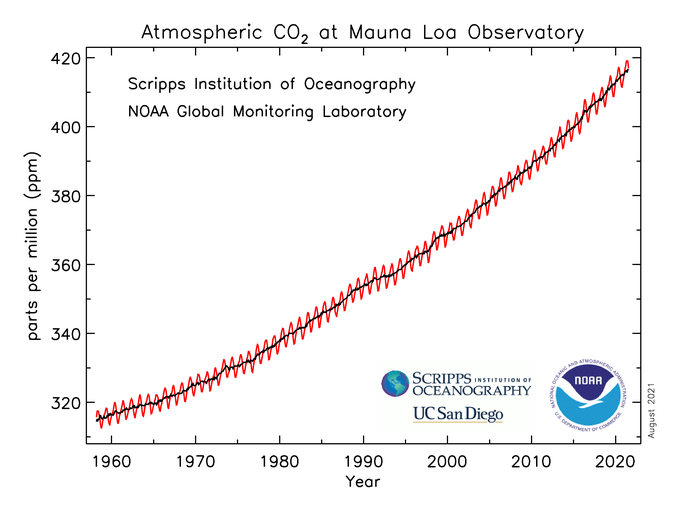
Before the first industries began burning large amounts of fossil fuels in the 1800s, the amount of carbon dioxide in the atmosphere was estimated at around 280 parts per million of volume. In 1958, when Dave Keeling began measuring atmospheric concentrations at Mauna Loa in Hawaii, that level was 310 parts per million. Today, those values have climbed to about 415 parts per million, a 48% increase.
Carbon dioxide is a greenhouse gas, and increased amounts cause heating. In this case, the human increment is not small.
Where does the extra energy go?
Measurements over time show that over 90% of this extra energy is going into the oceans, where it causes the water to expand and sea level to rise.
The upper layer of the oceans started warming around the 1970s. By the early 1990s, heat was reaching 500 to 1,000 meters (1,640 to 3,280 feet) deep. By 2005, it was heating the ocean below 1,500 meters (nearly 5,000 feet).
The average global temperature change at different ocean depths, in zetajoules, from 1958 to 2020. The top chart shows the upper 2,000 meters (6,561 feet) compared with the 1981-2010 average. The bottom shows the increase at different depths. Reds are warmer than average, blues are cooler. Cheng et al, 2021, CC BY-ND
Global sea level, measured by flights and satellites, was rising at a rate of about 3 millimeters per year from 1992 to 2012. Since then, it been increasing at about 4 millimeters a year. In 29 years, it has risen over 90 millimeters (3.5 inches).
If 3.5 inches doesn’t sound like much, talk to the coastal communities that exist a few feet above sea level. In some regions, these effects have led to chronic sunny day flooding during high tides, like Miami, San Francisco and Venice, Italy. Coastal storm surges are higher and much more destructive, especially from hurricanes. It’s an existential threat to some low-lying island nations and a growing expense for U.S. coastal cities.
Some of that extra energy, about 13 terawatts, goes into melting ice. Arctic sea ice in summer has decreased by over 40% since 1979. Some excess energy melts land ice, such as glaciers and permafrost on Greenland, Antarctica, which puts more water into the ocean and contributes to sea level rise.
Some energy penetrates into land, about 14 TW. But as long as land is wet, a lot of energy cycles into evapotranspiration – evaporation and transpiration in plants – which moistens the atmosphere and fuels weather systems. It is when there is a drought or during the dry season that effects accumulate on land, through drying and wilting of plants, raising temperatures and greatly increasing risk of heat waves and wildfire.
Consequences of more heat
Over oceans, the extra heat provides a tremendous resource of moisture for the atmosphere. That becomes latent heat in storms that supersizes hurricanes and rainstorms, leading to flooding, as people in many parts of the world have experienced in recent months.
Air can contain about 4% more moisture for every 1 degree Fahrenheit (0.55 Celsius) increase in temperature, and air above the oceans is some 5% to 15% moister than it was prior to 1970. Hence, about a 10% increase in heavy rain results as storms gather the excess moisture.
Again, this may not sound like much, but that increase enlivens the updrafts and the storms, and then the storm lasts longer, so suddenly there is a 30% increase in the rainfall, as has been documented in several cases of major flooding.
Cyclone Yasa heads for Fiji in December 2020. It was the fourth most-intense tropical cyclone on record in the South Pacific. NASA Earth Observatory
In Mediterranean climates, characterized by long, dry summers, such as in California, eastern Australia and around the Mediterranean, the wildfire risk grows, and fires can be readily triggered by natural sources, like dry lightning, or human causes.
Extreme events in weather have always occurred, but human influences are now pushing them outside their previous limits.
The straw that breaks the camel’s back syndrome
So, while all weather events are driven by natural influences, the impacts are greatly magnified by human-induced climate change. Hurricanes cross thresholds, levees break and floods run amok. Elsewhere, fires burn out of control, things break and people die.
I call it “The straw that breaks the camel’s back syndrome.” This is extreme nonlinearity, meaning the risks aren’t rising in a straight line – they’re rising much faster, and it confounds economists who have greatly underestimated the costs of human-induced climate change.
The result has been far too little action both in slowing and stopping the problems, and in planning for impacts and building resilience – despite years of warnings from scientists. The lack of adequate planning means we all suffer the consequences.
[The Conversation’s science, health and technology editors pick their favorite stories.Weekly on Wednesdays.]
The rising sun illuminates the desert landscape near Channel Island at the head of Virgin Canyon in Lake Mead in the Lake Mead National Recreation Area on the Arizona-Nevada border (Photo from Arizona). Photo by Colleen Miniuk-Sperry via American Rivers
Colorado officials plan to measure use more precisely and pay farmers to send more to Lake Powell
As federal authorities impose the first-ever mandatory cuts in how much water Arizona, Nevada and Mexico take from the Colorado River, the states higher up the river face rising pressure to divert less.
That has Colorado officials embarking on an effort to install measuring devices across the Western Slope to precisely account for just how much farmers, ranchers and cities siphon out. The state is also developing a program to pay farmers, cities and industries to use less of their allotted shares of river water so that more could be banked in Lake Powell to meet the state’s legal downriver obligations to California, Arizona and Nevada.
All of this comes after the summer’s emergency draw-down of Blue Mesa Reservoir near Gunnison and other federal reservoirs to leave more water in the 1,450-mile river.
Monday’s [August 16, 2021] declaration by the U.S. Bureau of Reclamation orders Arizona to cut the water it draws from Lake Mead by 18% (512,000 acre-feet), Nevada by 7% (21,000 acre-feet) and Mexico by 5% (80,000 acre feet). The cuts must begin next year.
The feds also declared that Colorado and its upper basin neighbors (Wyoming, Utah and New Mexico) will be allowed to deliver a little less water next year to Lake Powell, reducing the amount measured at the top of the Grand Canyon from 8.23 million acre-feet to 7.43 million acre-feet. That’s because shrinking mountain snow, drought and heat are depleting headwaters, authorities said.
Brad Udall: Here’s the latest version of my 4-Panel plot thru Water Year (Oct-Sep) of 2019 of the #coriver big reservoirs, natural flows, precipitation, and temperature. Data goes back or 1906 (or 1935 for reservoirs.) This updates previous work with @GreatLakesPeck
Still, average annual flows of water in the Colorado River Basin have decreased by 19% since 2000, federal records show. And water levels in the Lake Powell and Lake Mead have been falling steadily for years as 40 million people tap the river. This year’s record low levels (both about a third full) triggered the declaration.
New projections unveiled by federal hydrologists that the river basin will dry out faster than previously expected may trigger additional cuts before 2025 based on states’ agreed-on operating procedures.
“It’s all connected, one river system, and we’re just in different points of pain,” said Taylor Hawes, Colorado River program director for The Nature Conservancy.
Scott Hummer, water commissioner for District 58 in the Yampa River basin, checks out a recently installed Parshall flume on an irrigation ditch in this August 2020 photo. Compliance with measuring device requirements has been moving more slowly than state engineers would like. CREDIT: HEATHER SACKETT/ASPEN JOURNALISM
Colorado Division of Water Resources director Kevin Rein met with ranchers and farmers around western Colorado last month seeking guidance on how best to install flumes and other devices to measure how much water they divert…
Meanwhile, Colorado Water Conservation Board officials have scheduled a working session this month to consider expansion of pilot program efforts to pay farmers, cities and industries to use less water, which analysts have said could cost the state hundreds of millions.
Board director Rebecca Mitchell, who also represents Colorado in negotiating with other states over the river’s water, said headwaters users “understand the risks and vulnerabilities we face due to severe drought and a potentially hotter and drier future.”
Fossil fuels don’t just damage the planet by emitting climate-warming greenhouse gases when they are burned. Extracting coal, oil and gas has a huge impact on the surface of the earth, including strip mines the size of cities and offshore oil spills that pollute country-sized swaths of ocean.
Years of research has shown how the fracking boom has contaminated groundwater in some areas. But a study published on Thursday in the journal Science suggests there is also a previously undocumented risk to surface water in streams, rivers and lakes.
After analyzing 11 years of data, including surface water measurements in 408 watersheds and information about more than 40,000 fracking wells, the researchers found a very small but consistent increase in three salt compounds—barium, chloride and strontium—in watersheds with new wells that were fracked. While concentrations of the three elements were elevated, they remained below the levels considered harmful by the EPA.
Such salts are commonly found in water coming from newly fracked wells, making changes in their levels good markers for fracking impacts on surface water, said co-author Christian Leuz, professor of international economics at the University of Chicago. The three economists who did the research specialize in studying the effectiveness of environmental regulations.
Though the impact the researchers detected was small, the data came from diluted water in rivers and streams that were often far from wells, Leuz said, so the concentrations could be higher farther upstream and closer to the fracking operations.
The findings suggest that the rapid pace of “unconventional oil and gas development,” like fracking, may be outrunning scientists’ ability to monitor its impacts on surface water. “Better and more frequent water measurement is needed to fully understand the surface water impact of unconventional oil and gas development,” said economist co-author Pietro Bonetti, with the University of Navarra, Spain.
The researchers said they couldn’t determine human health impacts from the elements for two reasons, Leuz said.
First, “there is not enough public data to analyze potentially more dangerous substances,” he said, and second, ”there are limitations in available water-quality measurements.” Even though some states require fracking companies to disclose chemicals in their fluids, they aren’t always listed in public water monitoring databases, Leuz added.
The 2005 amendment to the Safe Water Drinking Act, known as the Halliburton Loophole, also made tracking harder by exempting hydraulic fracturing fluids from the Safe Drinking Water Act, preventing the EPA from regulating fracking fluids…
Directional drilling and hydraulic fracturing graphic via Al Granberg
The data needs to be further analyzed to understand if requiring drilling companies to be transparent about what’s in their fracking fluids led them to clean up their operations, she said, but the study published today also provides important information for drafting regulations and focusing future monitoring and research on potential trouble spots that are more vulnerable to pollution.
Early research on fracking impacts was mostly on groundwater contamination, but in 2016, the EPA published a report with a “more complete record of localized evidence,” that found the potential for surface water pollution under certain circumstances, Michelon said.
The Colorado River District and the Colorado Water Conservation Board (CWCB) is releasing up to 677 acre-feet of water from Elkhead Reservoir to provide relief to farmers and ranchers in the Yampa Valley impacted by severe drought conditions…
Various agencies and water groups have worked to keep restrictions or “calls” off of the Yampa River for junior water rights holders, but if the drought persists as it has in recent weeks, there is potential that a call may be inevitable. The last call was placed on July 29, the third call in the river’s history, though it was later rescinded on Aug. 2.
Marielle Cowdin, director of public relations at the Colorado River District, said that the release was made possible by the Yampa River Flow Pilot Project, which received $50,000 in funding.
Elkhead Reservoir back in the day.
“We have been managers at Elkhead Reservoir of certain pools of water that exist there,” Cowdin said. “So when the call came on the Yampa, earlier this month, we worked in partnership with the Department of Water Resources and their division engineers to release some water to take the call off the Yampa — at least for a temporary time — so that junior water users would not have their water rights curtailed for that short amount of time.”
Because of potential calls in the future, the River District has a financial partnership with the CWCB to provide supplemental water for agricultural producers in the Yampa River Basin. The agreement with CWCB will allow the River District to provide water to local agricultural stakeholders on a first-come, first-serve basis in 2021, specifically for crop and livestock production.
Cowdin also said that because it is only August, the Yampa region still has weeks of potentially hot and dry weather, which could lead to another call. She added that the Colorado River District worked with the state of Colorado and the CWCB to provide contracts with local ranchers and farmers to access the 677 acre-feet of water.
Wildlife crews and water quality experts struggle to even assess the damage, as emergency management officials warn of threats to the western lifeline for years to come.
After decades of fierce arguments over damming up more of the water that rightfully belongs in the Colorado River, nature built a new dam in 5 minutes.
What happened to the fish? What happened to the river channel? What happened to drinking water downstream? Where did all the rafters go?
[…]
The relative silence about the river itself stems in part from immediate questions of who is in charge. For the highway, it’s CDOT. For the river, from the federal side, at least three different branch offices of the U.S. Army Corps of Engineers have a say in any fixes, said emergency services director Mike Willis.
“Albuquerque, Sacramento and Omaha, just for a few miles’ stretch of the river,” Willis said,of the Army Corps involvement. Others who need to be consulted on any river rehab include the U.S. Forest Service, the Colorado Parks and Wildlife, the Colorado Water Conservation Board, and many more.
Sorting out changes to the river could take years, not just months, Willis said. The debris, from rockslides made worse by wildfires that burned up binding vegetation, blocked the Colorado River channel completely at Blue Gulch before the relentless river cut its way through the pile within minutes.
“The channel has changed now in several places. And so we have to be thoughtful about it, do we put the river back in its original channel or live with the channel as it is, and mitigate and protect the critical infrastructure downstream,” Willis said.
One of the first problems, Willis noted, is that the altered river flow may endanger the all-important highway. The changing channel has pushed debris up against the canyon’s complex bridge structures and overhangs, and the continual push of the water could undermine the road.
“In fact, the CDOT engineers have identified some areas where that is the case,” Willis said. “And so we need to assess that carefully and in those instances, we probably will push the river back to its original flow.”
[…]
As for wildlife recovery efforts in Glenwood Canyon, Willis said, the multi-agency task force dealing with the Colorado River has not given Parks and Wildlife full access in the slide area to start making detailed assessments…
Parks and Wildlife northwest division manager Matt Yamashita said biologists were still gathering information about the slide’s impact and waiting for full access to the river bed. But he’s concerned about mud smothering food and breeding spots for Colorado River species for miles downstream…
New plating at the Glenwood Springs water intake on Grizzly Creek was installed by the city to protect the system’s valve controls and screen before next spring’s snowmelt scours the Grizzly Creek burn zone and potentially clogs the creek with debris. (Provided by the City of Glenwood Springs)
The Colorado and its tributaries are also vital resources for humans living along the riverbanks, long before the waterway delivers farm water to Arizona or drinking water to Los Angeles. Glenwood Springs takes its drinking water out of Grizzly Creek and No Name Creek before they hit the Colorado, and sometimes from the Roaring Fork River, if necessary, city public information officer Bryana Starbuck said.
“All of our water source intakes are below burn scars (Grizzly Creek fire and Lake Christine fire) which means that the landscape is very sensitive to heavy rainfall, which causes these debris flows or high sediment-transport incidents,” Starbuck said in an email response to questions. “Given the nature of burn scars, stabilization of the land will take time and impacts will continue to develop.”
[…]
Just as highway engineers in the canyon are looking uphill to design ways to keep future slides off the highway, Willis said, naturalists will have to work with them to think of ways to keep new slides from cutting off the river itself for years to come.
“We do not feel like this is a one time deal,” Willis said. “It’s not a one and done.”
From the Walton Family Foundation (Peter Skidmore):
From May to October, a surge of water is replenishing the Colorado River Delta
Seven years ago, the Colorado River Delta found its pulse when 105,000 acre-feet of water was released into Mexico from the Morelos Dam, filling dry channels and reviving wetland habitat. For the first time in decades, the Colorado flowed from source to sea.
The 2014 “pulse flow” recharged a portion of the West’s most important river that has been dying of thirst since the middle of the last century. It also reignited the memory and imagination of Mexican residents of the Delta, who celebrated the return of water and began to understand the river’s potential to support nature and people in the region.
For scientists, conservationists and governments, the pulse flow was a learning event. We learned that communities were enthusiastic about restoring the Delta and ready to seize the opportunity created by conservation projects in areas once dry and desolate.
A flowing river benefits the environment and local communities. The Vado Carranza site has been popular with kids of all ages to cool off on hot summer days. Photo Credit: Jesús Salazar/Raise the River via the Walton Family Foundation
We also learned it was possible to provide greater environmental benefit to the river with smaller flows over multiple years. To build on the 2014 pulse flow’s success, the U.S. and Mexican governments in 2017 reached an agreement – called Minute 323 – that provides at least 210,000 acre-feet of water over nine years for ongoing riparian restoration and recreation in the Delta.
Fast forward to this summer – and the Colorado River is again flowing in the region.
The first water from the 2021 “pulse flow” is delivered at the Chausse restoration site in the Colorado River Delta. Photo Credit: Jesús Salazar/Raise the River via the Walton Family Foundation
For 126 days, from May to October, more than 35,000 acre-feet of water – about 11 billion gallons – is being released into the Delta, supporting local economies and improving riparian and wetland habitat for wildlife.
The timing and rate of flow for this year’s release were designed by a team of scientists to maximize environmental and recreational benefits.
The current flow coincides with seed dispersal from cottonwood trees – mimicking how floods and seeds have coordinated for millennia – and to maximize recreation during the hottest part of the summer.
While only one-third as big as the 2014 pulse flow – and a fraction of the river’s historic flows – even this smaller amount of water is making a big difference in the health of the delta region.
Throughout the Colorado River Delta, the coordinated release of water is bringing life back to this region. Photo Credit: Jesús Salazar/Raise the River via the Walton Family Foundation
Instead of releasing the water directly into the river at the border, water managers have bypassed the Morelos Dam via canals and released the water about 45 miles downstream. By doing this, more water is delivered to restoration and recreation areas and avoids being absorbed into the driest parts of the river channel.
The flows are delivered to existing restoration sites where they flush salts from soils, replenish local groundwater and provide seasonal habitat for migratory and resident waterfowl. Diverse wildlife – from beavers to panthers – are also returning to the river.
Because the flows are delivered to the central Delta through canals, they are also benefitting local farmers. The extra water in the canals helps water reach farms further down the Delta and reduce salinity, which improves agricultural productivity.
The release of water was carefully planned at strategic points near restoration sites to maximize impact. Photo Credit: Jesús Salazar/Raise the River via the Walton Family Foundation
This year’s flow is proving the value of collaboration that made the 2017 binational water-sharing agreement possible. The deal included a unique three-party arrangement among the U.S. government, the Mexican government and Raise the River, a coalition of six nonprofits committed to conservation in the Delta. While this flow is delivered by the U.S. to meet its obligations under the agreement, our partner organizations in Raise the River are providing additional flow to all of the restoration sites and to the lower river channel every year.
Coming in the midst of the worst drought year on record, as the West is experiencing shortages in available water, this year’s Delta flow is a testament to the strength of Minute 323 and commitment of its partners to community and environment.
By mid-June, the released water reached the sea in the estuary region of the Colorado River Delta. Photo Credit: Jesús Salazar/Raise the River/Lighthawk via the Walton Family Foundation
The agreement has become a global model for binational river management, showing how we can invest in water projects that conserve and share water between countries and dedicate environmental water at the same time.
There is much more work to do for all of us who care about the Delta’s future.
Of all the ecosystems impacted by the harnessing of the Colorado in the 20th century, the Delta suffered most. The construction of the Hoover Dam in the 1930s, and then the Glen Canyon Dam from 1956 to 1966, sapped the Delta of its fresh water and sparked its decline.
Riparian forests of cottonwoods, willows and mesquite, as well as marsh and estuarine wetlands, that once thrived across about 2 million acres now cover just a small fraction of that area.
Workers measure federal flow deliveries in the canals that deliver water for irrigation and to restoration sites in the Colorado River Delta. Photo Credit: Jesús Salazar/Raise the River via the Walton Family Foundation
But based on a decade of testing and refining successful restoration practices, the potential of reconnecting the river to the sea is now in reach.
We see that in the success of this year’s flow.
As of late June, the river is reconnecting with the sea. During high tides, flows in the river channel are meeting the Delta estuary in the Sea of Cortez, mixing fresh water with salt water to sustain estuarine marshes.
As summer builds toward fall, we’re hopeful that this year’s flows will continue to reach the sea, reconnecting the river once again as it did in 2014 – and hopefully as it will do again in the future.
Without a doubt, one of the largest threats to American infrastructure is climate change.
This was illustrated yet again as upwards of 10 landslides ravaged sections of Colorado’s Interstate 70 corridor, closing the Glenwood Canyon portion of the highway indefinitely. This came after weeks of intermittent slides that have exhausted personnel and had a chilling effect on local economies.
Yet despite the impacts, few have sought to elaborate on the relationship between extreme debris flows and the burning of fossil fuels.
This is a grave oversight.
Dismissing the role of climate change in infrastructure resiliency fails to appreciate the inherent relationship between infrastructure and environment. As global temperatures rise, so, too, will the number of extreme events. This places existing structures and byways in new dangers, ranging from some damage to full destruction.
GET THE MORNING HEADLINES DELIVERED TO YOUR INBOX
In the case of mudslides, as wildfires burn bigger and hotter due to rising temperatures and severe drought, ground vegetation of the forest floor is burned off at alarming rates. This creates a layer of dusty ash over bare, scorched soil, resulting in a decreased ability of the soil to absorb water.
While healthy forest floors can hold several inches of water per hour, high or moderately burned areas might only hold one-third of an inch. This results in top layers that can be easily washed away, at least until enough ground vegetation is reestablished — roughly the first year or two post-burn. Meanwhile, even small amounts of rainfall can result in dangerous runoffs, posing great risks to structures and byways located in slide paths. Combined with more intense rainfall — also due to climate change — landslides may occur more frequently and over larger areas with greater force and debris.
This dynamic is consistent with recent events on I-70. Based on post-fire assessments conducted by the Burned Area Emergency Response team, the Grizzly Creek Fire — which was fueled by especially hot and dry conditions last year — burned areas surrounding the canyon. Soil testing revealed that 55% of this area had incurred moderate to high soil burns, leaving the region with unusually high risks of extreme runoffs. Only 12% of the 32,370 acres were estimated to be unburned.
Certainly, mudslides are possible in any canyon so steep — and it’s happened before. However, the size and severity of this particular burn created enhanced risks for severe infrastructure damage. Accordingly, at the recommendation of BAER, mitigation efforts were made.
Shortly after the fire, one large, natural berm was created to protect the most critical infrastructure in the canyon — a mostly hidden command center in the heart of Glenwood Canyon that serves to monitor the interstate. As predicted, less than a year later, some 100,000 cubic yards of debris was diverted with that very berm. John Lorme, the Colorado Department of Transportation director of maintenance and operations, hailed the effort as saving the state millions of dollars and extensive closed highway time — a testament to the role of climate research in protecting infrastructure.
There are, however, limits to our current preventative measures — as evidenced by the current debris damage. During a 47-minute press conference with CDOT, Region 3 director Mike Goolsby acknowledged the lack of radar technology and understanding in predicting slides with enough time to close or protect the highway.
According to the U.S. Geological Survey — the only science agency to exist within the U.S. Department of Interior — much additional research funding and efforts regarding landslides are needed as climate change intensifies. Especially relevant are the needs to better understand debris flow mechanisms, forecasting and mitigation strategies, all efforts that would help safeguard core infrastructure.
One Colorado-based hydrologic engineer, Kelsey McDonough, agrees, adding that some in the private sector may also have access to better, more localized technology. “This could be really useful in a state like Colorado where local knowledge can be utilized to build better regional monitoring and modeling systems than are currently available at the national scale,” she says.
Certainly, Colorado has a number of cutting-edge national laboratories and private companies that may be inclined to help find solutions with the right incentives. Securing these funds is just one of many roles local representatives can play in helping the state navigate the new challenges.
Still, perhaps the most important thing we must do is disentangle the notion that discussions of human-driven climate change during extreme events are signals of political interference. They are not. Climate change is well established in scientific literature, as is its impact to structural integrity. Addressing the role of reducing fossil fuels in related press conferences and articles is therefore necessary to serve the long-term goal of infrastructure stability.
SUPPORT NEWS YOU TRUST.
Colorado Newsline is part of States Newsroom, a network of news bureaus supported by grants and a coalition of donors as a 501c(3) public charity. Colorado Newsline maintains editorial independence. Contact Editor Quentin Young for questions: info@coloradonewsline.com. Follow Colorado Newsline on Facebook and Twitter.
The San Juan Water Conservancy District (SJWCD) board met on Monday, Aug.16, to hear a report, among other business, from the board’s attorney, Jeff Kane, on the Bureau of Land Management’s (BLM) intent to file two applications for water rights.
According to agenda information posted on the SJWCD website, the two water rights applications are for transmountain diversions to the Rio Grande River basin from a tributary of Wolfe Creek. (Note: This spelling of Wolfe Creek is what is found in the BLM’s original application for water rights.) This is a tributary to the West Fork of the San Juan River.
These two applications could mean the diversion of up to 20 cubic feet per second (cfs) of water.
The BLM stated in its applications that the diversion of the water would be to support wildlife management and wetlands habitat at the BLM’s Blanca Wetlands Area and South San Luis Lakes Area.
According to the memorandum presented to the board by Kane, this means that any authorization of this type of diversion causes 100 percent depletion to the originating stream basin. The water that would be diverted under this water rights application would then not be available to support any uses or habitats in the San Juan River or its
tributaries.
The BLM is requesting a change in the places and types of use of the already existing 7 cfs of the Treasure Pass Ditch water right. This water right was purchased in 2019. This current agreement calls for a 1922 priority for the irrigation of 80 acres. The new water rights application by the BLM asks for 13 cfs for the Treasure Pass Ditch and for the right to authorize the BLM to store and deliver water from the Treasure Pass Ditch through several reservoirs in the Rio Grande Basin for support use to the wetlands in the San Luis Valley.
The BLM is also seeking flexibility in approval so it can use the water it wants to divert from the Treasure Pass Ditch in the Rio Grande Basin in a variety of ways, according to Kane.
Kane’s report to the board states, “the applications do not limit the ultimate use of diverted water to support wetlands and wildlife.”
The BLM has the burden of proof when making a request for water rights changes. In a request for a change of water rights, the applicant must prove that the request will not cause an increase in use of requested water as compared in amount, time and place to what has been historically used, according to the memorandum presented by Kane.
A request for an exchange of water rights is when proof is required of the applicant that the request will not harm or impede other water rights and can be applied, Kane’s memorandum explains. A request for a new water right requires the applicant to provide proof that the water to be used will only be beneficial and that there is actually water available to be diverted.
As Kane presented his report on the BLM applications to the board, he noted that both the board and its constituents could be adversely affected in many ways.
The ability of the district to divert and store water under existing water rights or future appropriations considering the diverting water from the Treasure Pass Ditch would not only reduce flows in the San Juan River, but also reduce the water available for Dry Gulch Reservoir, he suggested.
The report also states that the habitat in the tributaries of the San Juan River may also be impacted. The BLM’s applications could also affect the district’s constituents’ efforts to divert and use water if the event a Colorado Compact call were to arise.
The Colorado Compact call is the need to reduce the increasing risk of a compact-driven curtailment which could result in cutting of water to users across the upper basin states of Colorado, New Mexico, Arizona, Utah and Wyoming, Kane reported to the SJWCD board.
Heron Lake, part of the San Juan-Chama Project, in northern New Mexico, looking east from the Rio Chama. In the far distance is Brazos Peak (left) and the Brazos Cliffs (right), while at the bottom is the north wall of the Rio Chama Gorge. By G. Thomas at English Wikipedia – Transferred from en.wikipedia to Commons., Public Domain, https://commons.wikimedia.org/w/index.php?curid=1598784
Kane also noted that the San Juan-Chama Project is currently diverting an average of 110,000 acre feet a year from the San Juan River to the Rio Grande Basin and the BLM is proposing to divert more water from the Wolfe Creek tribu- tary than at any time in history.
Kane recommended that the board file statements of opposition to the BLM’s applications.
Don Everly, half of one of rock’s earliest and most influential harmony groups, the Everly Brothers, died Saturday in his Nashville home at the age of 84. A rep for the singer confirmed his death to the Los Angeles Times. A cause of death was not immediately known.
“Don lived by what he felt in his heart,” Everly’s family said in a statement to the Times. “Don expressed his appreciation for the ability to live his dreams … with his soulmate and wife, Adela, and sharing the music that made him an Everly Brother.”
Starting with 1957’s “Bye Bye Love” and continuing for five more years, the Everlys ruled the pop and country charts with 15 Top 10 hits, including “Wake Up Little Susie,” “All I Have to Do Is Dream,” and “When Will I Be Loved.” Although many of their songs were written by outside writers, Don, the more prolific of the duo, penned three of their finest songs: the rollicking “Cathy’s Clown,” “(‘Til) I Kissed You” and the forlorn “So Sad (to Watch Good Love Go Bad).” In most cases, Don sang lead, with Phil’s wispier, more velvety harmonies wrapping around his brother’s.
The resulting blend, steeped in country music, Appalachia, and early rock & roll, impacted on nearly every harmony-based band that followed, including the Beatles, the Mamas and the Papas, the Hollies and Simon & Garfunkel. But the Everlys’ influenced never waned. The brothers were among the first acts inducted into the Rock & Roll Hall of Fame in 1986. In 2013, just a few months before Phil Everly’s death in January 2014 of chronic obstructive pulmonary disease, Billie Joe Armstrong and Norah Jones released a collection of Everly covers in honor of the brothers.
Born February 1st, 1937, in Kentucky, Isaac Donald Everly — known as Donald to family and friends — was steeped in music from the start. His father Ike was a coal miner who also happened to be a gifted guitarist. The family relocated to Chicago when Don was two; his brother Phillip was born in 1939. Their father played guitar in bars and later hosted a radio show in Iowa. “When he grows up, Donald, 8, wants to be an entertainer like his dad so they can form a vocal and musical team,” read a program at the Iowa radio station. Known as “Little Donnie,” Everly had his own segment on that show while he was in grade school; during an Everly family program, little brother Phil began joining in.
A stock pond that is normally full of water stands dry because of drought on the Little Bear Ranch near Steamboat Springs, Colo., on Aug. 11, 2021. Due to low snowpack, warming temperatures and dry soil during the past two years, followed by the same in 2021, Northwest Colorado is in a severe drought. Credit: Dean Krakel, special to Fresh Water News.
A low snowpack, absent monsoon rains, dry soils, record-high temperatures and thirsty crops made 2020 the third-driest year on record in Colorado, and, according to the Colorado Climate Center, it was the first time since 2012 that 100 percent of the state was in drought for some portion of the year.
A repeat of similar conditions in 2021 is making Colorado’s continuing drought across broad swaths of the state’s Western Slope even more devastating.
“At any given time you can find drought somewhere in our state,” said Assistant State Climatologist Becky Bolinger during a state Drought Task Force tour in Northern Colorado last week. “This may not be the worst drought we’ve ever had, but what makes this year particularly bad is that it follows on the tail of two other droughts [in 2019 and 2020]. We don’t have enough time [between droughts] to recover from the previous drought before we’re in the next one.”
Nowhere is that more clear than in the seven-state Colorado River Basin, where Monday the U.S. Bureau of Reclamation declared the drought situation so extreme that for the first time in history Arizona and Nevada will see their annual water supplies drawn from Lake Mead dramatically reduced.
Closer to home in Colorado, west of the Continental Divide, the state has experienced 50 consecutive weeks of category D4 drought, the most extreme drought condition, according to the U.S. Drought Monitor.
Whether the fall and winter will bring any relief isn’t clear yet.
“I’m not particularly optimistic, unfortunately, about the coming winter,” said Peter Goble, a climatologist with the Colorado Climate Center in Ft. Collins. Goble said La Niña conditions will return for the fall and winter, bringing the potential for more moisture in the north and western parts of the state, but there is little indication that the Four Corners region will get any benefit. In addition, because 2022 is shaping up to be a second La Niña year, “events tend to be warmer and dryer,” he said.
Bolinger described the Colorado River Basin as being at a breaking point and the current drought affecting Colorado, Utah and Arizona as “the final straw that might break the camel’s back.” Lake Powell and Lake Mead, the downstream catchalls, have dropped to historic low levels. The lakes will never be 100 percent full again, said Bolinger, “unless we have 10 amazing winters in a row. The amount of water we have isn’t enough to meet expected demands so in the next 5-10 years we’re going to have to rethink how all of these states are supposed to equally share the water.”
Ranchers across Western Colorado are witnessing water shortages never seen before.
Cattle and sheep are being sold off early. There hasn’t been enough water to grow enough hay. Normally full stock ponds are dry. Grasses are dying. Weeds and grasshoppers are rampant.
“In 40 years this is the first time we’ve had to haul water to our cattle,” said Chad Green, owner of the Little Bear Ranch in the Yampa River Basin. “Usually our irrigation water runs until July 1. This year it was shut off on May 29. We harvested our wheat crop for hay. The past two years have been bad. But this year,” Green paused, “this year is horrible.”
But it’s not just farmers who are suffering. Those who rely on the state’s iconic rivers for recreation are also seeing the devastation this multi-year drought cycle has imposed.
“This river is critical to our community’s health,” said Kara Stoller, CEO of the Steamboat Springs Chamber. Like other mountain communities, Steamboat is home to an array of outdoor gear companies and tubing and rafting companies. And the ski resort relies on the river for snowmaking.
This summer the river has been closed to recreation on multiple occasions to relieve stress on the fish population.
“Our water resources are our lifeblood,” said Stoller.
Bolinger doesn’t feel the “doom and gloom on a state level” that she feels for the entire Colorado River Basin. “But when people talk about drought, they talk about the new normal. We haven’t gotten to the new normal yet. We’re on the climate change train and things are still changing. Where we land will ultimately dictate what things look like.”
A rancher digs a boot heel into the dry ground of the Little Bear Ranch near Steamboat Springs, Colo., during the Northwest Colorado Drought Tour on August 11, 2021. Credit: Dean Krakel, special to Fresh Water News.
To Marsha Daughenbaugh, a 4th generation rancher near Steamboat Springs, the relentless dry spells are about much more than the condition of the local ranching economy.
“This is just one ranch, one county, one region, one state, but really, this is the story of the whole West,” Daughenbaugh said.
Dean Krakel is a photographer and writer based in Almont, Colo. He can be reached at dkrakel@gmail.com.
checking in from a twitter break…was looking at the rain that caused the awful flash flood in the Poudre Canyon on Tues. Nearly 2" in 2 hours at that elevation (9500+ ft) is really unusual, and happened in about the worst possible location with respect to the burn scar 1/ #cowxpic.twitter.com/lMIbeIJTNh
FromThe Fort Collins Coloradoan (Miles Blumhardt):
Two Larimer County floods in July caused $2 million in damages to roads and other infrastructure and prompted a report that concluded the risk to residents of Black Hollow from another flood is too great for them to stay overnight in their homes.
Lori Hodges, the county’s director of Emergency Management, said most of the damage to county roads and culverts has occurred in Buckhorn Canyon west of Fort Collins and the Retreat area just east of Glen Haven. About 6 miles of the newly rebuilt Buckhorn Road from the 2013 flood sustained damage.
Because of the ongoing risk of another flood in the Cameron Peak Fire burn scar, the county will take a wait-and-see approach to rebuilding the roads and replacing culverts, she said, which were damaged during July 20 and July 30 flash floods.
“We have a few more weeks to get through the monsoon season, and so we will have to figure out the best way to rebuild to better be able to withstand more flooding,” she said.
She said a Colorado Geologic Survey assessment of the Black Hollow neighborhood in the upper Poudre Canyon stated the danger from the instability of the area is so great that no one should spend the night.
Squirming black boreal toad tadpoles feed on algae along the shore of Titan Lake above Leadville and just below the 13,209-foot summit of Homestake Peak. Colorado Parks and Wildlife biologists, staff and partner agencies hiked them to the high alpine lake in an effort to rescue the state-endangered toad. Photo courtesy of Colorado Parks and Wildlife/Bill Vogrin
Here’s the release from Colorado Parks & Wildlife (Bill Vogrin):
CPW and partners hike miles in heat to stock state-endangered boreal toad tadpoles
Under a blistering late July sun, a team of Colorado Parks and Wildlife native aquatic biologists, staff and volunteers hiked a steep mountain trail, each loaded with 30-pound bags of water filled with 100 or so squirming, black boreal toad tadpoles.
They were joined by other members of the Arkansas Basin Boreal Toad Team – an interagency workgroup created to coordinate conservation and management of the state-endangered Boreal toads within the Arkansas River basin in Colorado.
Besides CPW, the workgroup includes the Bureau of Land Management (BLM), the Colorado Natural Heritage Program (CNHP) and U.S. Forest Service (USFS).
In all, about 20 people hiked 7-plus miles, round trip, to deposit some 1,800 tadpoles into an alpine wetland along West Tennessee Creek at 11,500 feet elevation.
There, in the shallow waters of Titan Lake, they released their tadpoles, which immediately began swimming and feeding along its algae laden shores, beneath the jagged, snow-tipped summit of Homestake Peak at 13,209 feet.
The tadpole relocation project was done in consultation with the Colorado Boreal Toad Recovery Team. The interagency workgroup long ago identified the West Tennessee Creek drainage as a possible relocation site, given the quality of its wetlands and the potential for breeding and its history as a home to Boreal toads.
Similar parades of CPW biologists, staff and volunteers have recently taken place to high-altitude wetlands statewide as the agency pursues several avenues in its efforts to rescue the tiny brownish-black state-endangered toad.
Boreal toads once thrived in Colorado high country wetlands, but their numbers have been crashing due to a deadly “chytrid” skin fungus that is threatening amphibians worldwide.
The grueling hike was led by Paul Foutz, CPW native aquatic species biologist in the Southeast Region and Boreal Toad specialist. Partner teams were led by Jeni Windorski, wildlife biologist with the U.S. Forest Service in Leadville and Brad Lambert, a zoologist with the Colorado Natural Heritage Program at Colorado State University in Fort Collins.
The tadpoles were taken as eggs from the East Fork Homestake Creek boreal toad population in the Northwest Region, and grown (hatched & grown?) at the John Mumma Native Aquatic Restoration Facility hatchery in Alamosa, in the Southwest Region.
“With our partners, CPW is working hard to recover the state-endangered Boreal toad by creating new populations,” Foutz said. “The deadly chytrid fungus and other impacts to their natural habitat is causing this species to decline dramatically, and we’re doing everything we can to preserve them.
“We have just a few robust populations left on the landscape. They’ve been declining in recent decades. This is the first translocation in Lake County. We’re hoping the tadpoles we released today will survive and thrive, and in a few weeks metamorph into land-dwelling toadlets. We’ll continue to monitor this new population along with existing populations around the state in our effort to maintain boreal toads across the Colorado landscape for generations to come.”
Mature Boreal toad. Photo credit: Colorado Parks & Wildlife.
In an ongoing conservation project, CPW recently released 1,700 boreal toad toadlets in a wetland in the San Juan mountains. Photo credit: Colorado Parks & Wildlife
Biologists collect and record data at a field laboratory as they bathe 35 Boreal toads captured on South Cottonwood Creek, west of Buena Vista, on Sept. 6, 2018. Photo courtesy Colorado Parks and Wildlife.
A submerged Boreal toad. Photo courtesy Colorado Parks and Wildlife / Melissa Butynski
Boreal toad
Squirming black boreal toad tadpoles feed on algae along the shore of Titan Lake above Leadville and just below the 13,209-foot summit of Homestake Peak. Colorado Parks and Wildlife biologists, staff and partner agencies hiked them to the high alpine lake in an effort to rescue the state-endangered toad. Photo courtesy of Colorado Parks and Wildlife/Bill Vogrin
The growing threat of catastrophic wildfires blazing across the West and the resulting detrimental effects, such as hazardous air quality, were top of mind for Nevada and California leaders gathered on a slightly hazy shore Thursday morning for the 25th annual Lake Tahoe Summit.
Before speakers launched into remarks on climate change, wildfires, infrastructure and legislation aimed at preserving the popular year-round tourist destination, Washoe Tribe of Nevada and California Chairman Serrell Smokey began with a prayer.
“We’re in a changing world right now,” he said. “The waters are low. We pray for snow. We pray for better weather, we pray for better change to come … We have a lot of fires going on around right now, a lot of areas being wiped out. We pray for restoration, we pray for regrowth and new beginnings.”
The air quality across the Tahoe region was labeled as “moderate” on Thursday as the Caldor Fire, which is zero percent contained and has scorched more than 65,000 acres, burns less than 100 miles from the southern shore of the lake. While favorable winds provided some relief during the event, a huge plume of smoke from the fire caused the region’s air quality to plummet to hazardous levels earlier this week.
“We know that fires and drought and sky-high temperatures are already taking a toll on Lake Tahoe’s people and their plants and their animals,” said Sen. Catherine Cortez Masto (D-NV).
Elected officials offered solutions against the backdrop of discouraging trends for the lake during the annual event that brings together bistate leadership to collaborate on preservation efforts.
According to the 2021 State of the Lake report published by the Tahoe Environmental Research Center, the region’s annual average temperature increased by more than 3 degrees last year to 58 degrees. The area saw diminished snowpack and increased rain, with annual precipitation below average at 20 inches. Snow made up less than 50 percent of the precipitation average last year.
The precipitation data shows a break in a prior four-year trend of average or above-average levels.
As a result, the lake’s water levels fell by two feet last year. In the report, researchers said it’s likely that the lake will fall below its natural rim for the first time in a decade by October, at which point the water will stop flowing to the Truckee River. The river delivers 80 percent of all drinking water to Reno and Sparks residents and is the main water source for Pyramid Lake.
The forecast, from the National Oceanic and Atmospheric Administration, comes as almost half of the land area of the lower 48 states is experiencing drought.
The severe drought that has gripped much of the western half of the United States in spring and summer is likely to continue at least into late fall, government forecasters said Thursday.
The outlook for September through November, prepared by meteorologists with the National Oceanic and Atmospheric Administration, suggests that above-average temperatures are likely across almost all of the West, except for Washington and parts of Idaho, Montana and North Dakota.
Precipitation is expected to be below normal from the Southwest into the Rockies and the Northern Plains…
US Drought Monitor map August 17, 2021.
According to the United States Drought Monitor, currently 47 percent of the land area of the contiguous 48 states is experiencing various degrees of drought, nearly all of it in the High Plains or from the Rocky Mountains westward. Drought affects the entirety of nine states, including California, Nevada, Arizona, Utah, Oregon and North and South Dakota.
US Drought Monitor Four Week change map ending August 17, 2021.
In the past month, the drought has become less severe in Arizona and New Mexico…monsoon rains have helped, Mr. Rosencrans said. These occur in summer when atmospheric conditions draw Pacific moisture into the region…
But elsewhere in the West, the dry and hot conditions have continued through July, NOAA announced. California, Nevada, Oregon and Washington experienced their hottest July in 127 years of record keeping, while five other states, including Utah and Colorado, came close to setting records.
The drought situation is particularly dire in California, where 49 percent of the state is in the most severe drought category. Farmers in the state’s Central Valley have had sharp cuts in their water allotments, wells are going dry in some towns and several large wildfires are currently raging, including the Dixie Fire, now the largest single fire in California history…
About half of Utah, one-third of Nevada and one-quarter of Oregon are in the most severe category as well.
Over the next three months, the drought may develop in northeastern Colorado and western Nebraska, Mr. Rosencrans said. The only improvement may be in western parts of Oregon and Washington…
Overall, NOAA said, the 48 contiguous states experienced its 13th-warmest July ever. Offsetting the Western heat, below-average temperatures were recorded in the central Plains, parts of the Midwest and Southeast, and northern New England.
Colorado River “Beginnings”. Photo: Brent Gardner-Smith/Aspen Journalism
Click here to read the newsletter. Here’s an excerpt:
SHORTAGE DECLARATION
The Bureau of Reclamation has declared the first-ever official shortage for the lower Colorado River basin, which requires delivery cuts to Arizona, Nevada and Mexico under the 2007 Interim Guidelines for operating Lakes Mead and Powell. The determination was made in response to the Mead elevation projected in the August 24-month Study. This Fact Sheet by the Bureau explains how the declaration was made, how much deliveries will be reduced and details about drought response operations. Under the shortage, Arizona will lose about 18% of its Colorado River supplies, the largest cut. This Central Arizona Project page has details on how the cuts will be allocated and how the state is responding.
Here’s a guest column from Greta Thunberg, Adriana Calderón, Farzana Faruk Jhumu and Eric Njuguna that’s running in The New York Times:
The authors are youth climate activists from Sweden, Mexico, Bangladesh and Kenya, working with the international youth-led Fridays For Future movement.
Last week, some of the world’s leading climate change scientists confirmed that humans are making irreversible changes to our planet and extreme weather will only become more severe. This news is a “code red for humanity,” said the United Nations secretary general.
It is — but young people like us have been sounding this alarm for years. You just haven’t listened.
On Aug. 20, 2018, one child staged a lone protest outside the Swedish Parliament, expecting to stay for three weeks. Tomorrow we will mark three years since Greta Thunberg’s strike. Even earlier, brave young people from around the world spoke out about the climate crisis in their communities. And today, millions of children and young people have united in a movement with one voice, demanding that decision makers do the work necessary to save our planet from the unprecedented heat waves, massive floods and vast wildfires we are increasingly witnessing. Our protest will not end until the inaction does.
For children and young people, climate change is the single greatest threat to our futures. We are the ones who will have to clean up the mess you adults have made, and we are the ones who are more likely to suffer now. Children are more vulnerable than adults to the dangerous weather events, diseases and other harms caused by climate change, which is why a new analysis released Friday by UNICEF is so important.
The Children’s Climate Risk Index provides the first comprehensive view of where and how this crisis affects children. It ranks countries based on children’s exposure to climate and environmental shocks, as well as their underlying vulnerability to those shocks.
It finds that virtually every child on the planet is exposed to at least one climate or environmental hazard right now. A staggering 850 million, about a third of all the world’s children, are exposed to four or more climate or environmental hazards, including heat waves, cyclones, air pollution, flooding or water scarcity. A billion children, nearly half the children in the world, live in “extremely high risk” countries, the UNICEF researchers report.
This is the world being left to us. But there is still time to change our climate future. Around the world, our movement of young activists continues to grow.
In Bangladesh, Tahsin Uddin, 23, saw the impacts of climate change in his village and other coastal areas and was moved to action. He is passionate about climate education and has created a network of young journalists and educators to spread awareness, all while organizing cleanups of waterways teeming with plastic waste pollution.
In the Philippines, Mitzi Jonelle Tan, 23, has had to complete her homework by candlelight as typhoons raged outside and wiped out her community’s electricity. She told us there were times she was afraid of drowning in her own bedroom as water flooded in. Now she is leading youth in her country to respond to the aftermath of those typhoons and other hazards through sharing food, water, clothes and support with the most affected communities.
In Zimbabwe, Nkosi Nyathi, 18, is worried about a potential food crisis if weather patterns continue. Heat waves made school a challenging experience for him and his peers. Now he speaks to leaders from around the world to demand the inclusion of young people in decisions that affect their future.
The fundamental goal of the adults in any society is to protect their young and do everything they can to leave a better world than the one they inherited. The current generation of adults, and those that came before, are failing at a global scale.
The Children’s Climate Risk Index reveals a disturbing global inequity when it comes to the worst effects of climate change. Thirty-three countries, including the Central African Republic, Chad, Nigeria and Guinea, are considered extremely high-risk for children, but those countries collectively emit just 9 percent of global carbon dioxide emissions. The 10 countries with the highest emissions, including China, the United States, Russia and Japan, collectively account for nearly 70 percent of global emissions. And children in those higher-emitting states face lower risks: Only one of these countries, India, is ranked as extremely high-risk in the UNICEF report.
Many higher-risk countries are poorer nations from the global south, and it’s there that people will be most impacted, despite contributing the least to the problem. We will not allow industrialized countries to duck responsibility for the suffering of children in other parts of the world. Governments, industry and the rest of the international community must work together to reduce greenhouse gas emissions, as 195 nations committed to do in the Paris Climate Agreement of 2015.
We have less than 100 days until the U.N. Climate Change Conference, also known as COP26, in Glasgow. The world’s climate scientists have made it clear that the time is now — we must act urgently to avoid the worst possible consequences. The world’s young people stand with the scientists and will continue to sound the alarm.
We are in a crisis of crises. A pollution crisis. A climate crisis. A children’s rights crisis. We will not allow the world to look away.
Greta Thunberg via Twitter
Greta Thunberg, Montreal, September 27, 2019 via Facebook.
Denver School Strike for Climate, September 20, 2019.
From Greta Thunberg’s Twitter feed April 26, 2019.
Youth activists rally for climate justice in front of the US Capitol in Washington,DC (photo from earlier in the year). Image: Lorie Shaull,CC BY-SA 2.0, via Wikimedia Commons
Screenshot of Rolling Stone Special Edition March 2020. [Click image to go to the article.] Greta Thunberg illustration by Shepard Fairey. Based on a photograph by Markus Schreiber/AP Images/Shutterstock
The youth plaintiffs in Juliana v. United States attended the Ninth Circuit hearing in December. Photo credit: Robin Loznak
Greta Thunberg in Stockholm screen shot from the Time Magazine website May 19, 2019.
Chela is a Nairobi based visual artist who specializes in graffiti and fine art. Chela has gained extensive experience experimenting on the streets of Nairobi. Chela has managed to successfully train some young people on how to use art as a tool for social change. Graphic via: RiseForClimate.org
FromColorado Politics (Marianne Goodland) via The Colorado Springs Gazette:
On Monday the bureau announced the first-ever shortage on the Colorado River basin, meaning limitations on water supplies for three states (Arizona, Nevada and California) and Mexico, beginning in January 2022 and continuing for the entire year.
The levels at Lake Mead have been flirting with that 1,075-foot level going back to 2014.
According to the Bureau of Reclamation, both Lake Mead and Lake Powell, the two largest reservoirs on the Colorado River, have been over-appropriated for years. Up until now, the imbalance has been managed and demands met as a result of “the considerable amount of reservoir storage capacity in the Colorado River system.” That includes the dozens of reservoirs in Colorado that feed into the Colorado River.
Water from the Colorado, which begins in Rocky Mountain National Park, is divided up among seven states and Mexico and governed by a 1922 compact that divides the states into upper basin and lower basin regions. The upper basin states are Colorado, Utah, New Mexico and Wyoming, and water is “banked” for those states in Lake Powell.
Delph Carpenter’s original map showing a reservoir at Glen Canyon via Greg Hobbs
The lower basin states — Arizona, Nevada and California — rely on the river‘s waters when it reaches Lake Mead, and the hydropower generated by Hoover Dam…
The lower basin states will feel the first impacts of the bureau’s Monday announcement. Arizona is expected to lose 18% of its share from the Colorado, or 512,000 acre-feet of water. According to the Associated Press, that’s about 8% of the state’s total water use…
Nevada will lose about 7% of its allocation, or 21,000 acre-feet of water. But it will not feel the shortage because of conservation efforts and alternative sources of water, the AP reported Monday.
California holds more senior water rights than either of the two states, so its allocation will be spared, at least for now. Mexico will lose 80,000 acre-feet, about 5% of its allocation from the Colorado.
In a statement Monday, bureau officials said the Upper Basin experienced an exceptionally dry spring in 2021, with April to July runoff into Lake Powell totaling just 26% of average, and that’s even despite near-average snowfall last winter. Total Colorado River system storage today is 40% of capacity, down from 49% at this time last year, the bureau stated…
…22 years of drought along the Colorado have meant other reservoirs — not just Lake Mead and Lake Powell — are also being tapped. Last month, the bureau announced it would draw down water from two reservoirs in Colorado and one in Utah, in order to keep Lake Powell, which includes the Glen Canyon Dam, and its hydropower headed to Nevada, going.
The bureau intends to siphon 36,000 acre-feet from Blue Mesa Reservoir in Gunnison County beginning in August. It will draw 20,000 acre-feet from Navajo Reservoir, on the Colorado-New Mexico border in southwestern Colorado. Flaming Gorge Reservoir, in Utah, will send 125,000 acre-feet later this year.
All that water will raise Lake Powell’s levels by 3 feet.
According to the Bureau of Reclamation, on Monday, Lake Mead’s elevation was 1,067.8 feet (35% of capacity). Lake Mead dropped below 1,071.6 feet on June 8, the lowest elevation on record since the lake first filled in the late 1930s…
But the entire Colorado River basin system is struggling, according to a May Bureau of Reclamation draft report on reservoir operations.
At the beginning of water year 2021 (Oct. 1, 2020), the Colorado River’s total system storage was 48% of capacity, the bureau draft report said. As of Sept. 30, total system storage is expected to be at 41% of capacity.
Taylor Hawes, Colorado River program director for The Nature Conservancy, said in a statement Monday the Tier 1 shortage declaration did not come as a surprise.
“The Colorado River has witnessed a steady decline in flows since 2000 that impacts communities, agriculture, industry and the health of our rivers in the region. Even as flows decreased, our demand reductions have not kept pace,” Hawes said.
“The Colorado River can be a model for resiliency and sustainability, but not without a concerted and significant effort by stakeholders in the region.”
Becky Mitchell is director of the Colorado Water Conservation Board and Colorado’s commission for the Upper Basin states. She told Colorado Politics in a statement that “Colorado and the other Upper Basin states understand the risks and vulnerabilities we face in the Colorado River system due to severe drought and a potentially hotter and drier future.”
[…]
Also on Monday, governors of 10 Western states, including Colorado, sent a request to the Biden administration to issue a drought disaster declaration for the 10 states, which would allow the states to tap into resources from the Federal Emergency Management Agency.
With lower, warmer water levels in the Yampa River during this extreme drought year, town of Hayden employees are carefully watching operations at the water plant this summer to continue to alleviate taste or odor issues for the town’s 1,100 water taps.
“We are always concerned, but we are paying close attention this year due to the abnormal conditions we’ve been experiencing,” said Bryan Richards, Hayden public works director. “We are trying to be very cognizant of the potential water quality problems that may occur in the river. This is a tremendous drought year, and we want to make sure we don’t miss anything.”
Richards said the usual time of heightened summer concern for low water levels and thus increased algae is lasting longer this year, starting about one month earlier than usual in early July rather than the normal early August. Water levels have dropped at the intake on the Yampa River at the water plant north of town, and water temperatures at the intake have increased by 3 to 5 degrees above normal, rising as high as 75 degrees. Lower, slower, warmer water leads to more algae production…
Fortunately, major improvements to the Hayden water treatment plant during the past three years are working to help mitigate the algae increases, said Town Manager Mathew Mendisco. He said the town spent a total of $2.3 million in water system and plant upgrades with half of the funding coming from the Colorado Department of Local Affairs and other funding from a citizen-approved bond measure. The plant was first built in 1978…
Town of Hayden water users have been under outdoor water restrictions this summer that mimic city of Steamboat Springs restrictions and resulted in a 3% decrease in overall water use compared to the past three years, even though the watering season started earlier this dry year, Richards said. Hayden water users will need to continue water conservation efforts when the town’s 1 million gallon water tank on hospital hill goes offline for a planned refurbishment starting with the tank drained by the end of August through project completion Oct. 20, Richards said.
Mendisco said the town secured $989,000 in low-interest financing to upgrade the tank through a state revolving loan fund managed by the Colorado Water Resources and Power Development Authority. The town qualified for a 1.5% interest rate based on its status as a “disadvantaged community” dealing with the impacts of the transition from coal.
The town has a 500,000-gallon water tank near Yampa Valley Regional Airport, so officials do not anticipate impacts to water customers when the larger water tank is off line…
Mendisco said town officials are working with water engineering firm Leonard Rice Engineers in Glenwood Springs to make a decision on whether the town will take the historic step to call the water reserves it owns in Yamcolo and Stagecoach reservoirs in South Routt County. The town has 500 acre-feet of combined water reserves in the two reservoirs that are managed through Upper Yampa Water Conservancy District.
Mendisco said the decision will be made by Monday depending on rain received before then.
Excess lawn irrigation may contribute to flow in urban streams when more water is applied than plants can use or when sidewalks or driveways receive water from mis-aimed sprinklers. We have applied a new approach to estimating how much flow in streams originally came from excess lawn irrigation by using a tracer that is different between tap water in the Denver, Colorado USA area and local rain. We applied this approach to 13 urban streams and 2 grassland streams in 2019 in the Denver area. We found that, on the dry weather days analyzed, over 65% of flow in urban streams was from tap water, and lawn irrigation was a larger source of water in the streams than leaking water pipes. We also found that grassland streams in the region have less streamflow than urban streams, and are generally dry for part or most of the year whereas urban streams generally flow all year. Lawn irrigation and leaking water pipes contributing to changes in streamflow from part of the year to all year round would be expected to lead to dramatic changes in water quality, bank stability, stream ecosystems, and water yield to downstream rivers. This work gives a new way to analyze how much flow is coming from different sources in urban areas that could be applied to other semi-arid regions. Further work in Denver is looking at applying the same tracer for a longer period looking at how contributions to baseflow change seasonally and from wet years to dry years.
Excess lawn irrigation may travel to the stream in 3 ways. Graphic by Noelle Fillo via Colorado State University
A picture of lawn irrigation entering a storm sewer system (path 1). Photo by Aditi Bhaskar.
Click on a thumbnail graphic to view a gallery of drought data from the US Drought Monitor.
US Drought Monitor map August 17, 2021.
High Plains Drought Monitor map August 17, 2021.
West Drought Monitor map August 17, 2021.
Colorado Drought Monitor map August 17, 2021.
Click here to go to the US Drought Monitor website. Here’s an excerpt:
This Week’s Drought Summary
Monsoonal moisture, and associated heavy rainfall, returned to Arizona and New Mexico after a brief hiatus last week, leading to widespread improvements in drought conditions, as well as some flash flooding. In most of Arizona and New Mexico, long-term drought remains, but recent conditions have been wet enough for a green-up in vegetation. Meanwhile, warm and dry weather continued from the West Coast to the northern Great Plains. Tropical Storm Fred, and its remnants, progressed across the Southeast U.S., dropping heavy rain along the storm’s track, and to its east as well. Much of the rain in the drier areas of North Carolina, Virginia, and West Virginia fell after 8 a.m. EDT on Tuesday, so the effects from this heavy rain on dryness will be incorporated into next week’s analysis. However, some limited improvements to conditions did occur with rainfall before the Tuesday morning cutoff. Water shortages and wildfires continued to plague drought-stricken regions of the western and northwestern U.S., while very poor soil moisture conditions and severe agricultural impacts were felt in the northern Great Plains. In Minnesota, hydroelectric power generation along the Mississippi River halted near St. Cloud. River levels in the state lowered towards 1988 drought levels, creating a danger for boats to scrape along the bottoms of rivers. Rainfall from tropical cyclones in Puerto Rico led to improvement in moderate drought in southeast sections of the island. Maui and Hawaii also saw localized improvements of drought conditions from recent rainfall…
Aside from a few pockets of heavier rain in parts of Kansas and in eastern and central Colorado, most of the region was dry this week. Warm temperatures held sway in Colorado, Wyoming, South Dakota, and North Dakota, where temperatures generally ranged from 3 to 6 degrees above normal. Moderate drought developed in northeast Colorado in areas which did not receive significant rainfall this week. Severe and extreme drought grew in coverage along the Missouri River in northeast Nebraska and adjacent South Dakota. Drought coverage also increased in northeast South Dakota and across parts of North Dakota. In North Dakota, some farmers have harvested corn to use as livestock feed as drought continues to adversely affect agriculture. A few parts of south-central Wyoming saw localized improvement in drought conditions due to recent rainfall, while others in the southeast and northwest corners of the state experienced worsening conditions…
Colorado Drought Monitor one week change map ending August 17, 2021.
Amid water shortages and restrictions in the Colorado River Basin and widespread wildfires and extreme fire behavior in northern California and the Northwest, widespread severe, extreme, and exceptional drought continued across much of the region. Conditions worsened in northern California, western Oregon (and adjacent southwest Washington), southeast Oregon (and adjacent Nevada), and in northern and eastern portions of Montana, where soil moisture continued to degrade as hot and dry weather continued. In stark contrast, widespread improvements in drought conditions occurred in Arizona and New Mexico this week, as heavy monsoonal rains made their return after a one-week hiatus. Two-inch rainfall totals were commonplace, particularly in the southern halves of both states, and localized higher amounts also occurred. Most of the remaining drought in these states, while still extreme or exceptional in some locales, is confined to long-term impacts, as conditions are wet in many places on the short-term. While heavy monsoonal rain occurred in Arizona and New Mexico, moderate to heavy amounts were mostly confined to these two states. In central and southern Arizona and New Mexico, temperatures were cooler than normal, in some areas by 3 to 9 degrees. Otherwise, the rest of the region was warmer than normal, in particular northern California, Oregon, and Washington, where temperatures from 9 to 12 degrees above normal were widespread…
Rain amounts from 2 to 6 inches occurred in far southwest Texas, in association with heavy monsoonal rainfall this week. Elsewhere, scattered moderate-to-heavy rainfall amounts occurred, with a few pockets, notably south Texas and northwest Oklahoma, staying mostly dry. Long-term drought continued in a small area around Big Bend National Park in southern Texas, while a few areas of shorter-term drought were occurring along the Red River and in northwest Oklahoma. Cooler than normal weather was common in southern parts of Texas this week, in particular where heavy monsoonal rains fell, where temperatures were 3 to 9 degrees below normal for the week…
Looking Ahead
As of Aug. 18, the National Weather Service (NWS) Weather Prediction Center is forecasting several areas of significant precipitation from Aug. 18-23. As a storm system advances eastward out of the West, moderate to heavy rain is possible from central and eastern Utah northeast into the northern Great Plains and western Minnesota. Significant precipitation is also possible in western Wyoming and in parts of Montana. Any rainfall in these areas would be welcome, as much of the region forecast to receive rain is in drought. Additionally, moderate to heavy rain may occur in Tennessee and northern sections of Alabama and Mississippi. Finally, heavier rain may also fall in the Mid-Atlantic and in the Northeast. In the Northeast, the eventual track of Tropical Cyclone Henri may play a large role in rainfall amounts. To monitor the track and possible local impacts of Henri, please refer to the NWS National Hurricane Center’s latest forecasts, or those from your local NWS office. For the period from Aug. 24-28, the NWS Climate Prediction Center forecast leans towards warmer than normal temperatures in most of the contiguous United States, with the exception of the northern Great Plains and the Upper Midwest. Forecast probabilities strongly lean towards below normal precipitation in much of the West and northern Great Plains, while the Northeast, Southeast, and portions of the South are skewed towards likely wetter conditions.
US Drought Monitor one week change map ending August 17, 2021.
The Government Highline Canal flows past Highline State Park in the Grand Valley. Water Asset Management, a New York City-based hedge fund, has been buying up parcels of land that are irrigated with water from the canal. CREDIT: BETHANY BLITZ/ASPEN JOURNALISM
After nearly a year’s worth of meetings, a work group has not reached a consensus about what Colorado should do to prevent investors from profiting off of speculating on the state’s water.
A report released last week by a group of water managers, policy experts and users — who were convened to explore ways to strengthen current anti-speculation law — lays out a list of concepts but does not give clear direction to state legislators about which concepts to pursue.
“Due in part to the drawbacks that the Work Group identified for each of the brainstormed concepts in Section 5, and a lack of consensus, the Work Group does not recommend any of the concepts for implementation,” the report reads.
The work group was made up of representatives from across water sectors, including Front Range municipal-water providers, Western Slope agricultural-water users, nonprofit organizations and others. At the direction of state lawmakers, the work group looked into how legislation could be enacted or amended to crack down on investment water speculation. The group defined investment water speculation as the purchase of water rights with the primary purpose of profiting from the increased value of the water in a future sale.
The lack of consensus or recommendations underscores how difficult it is to answer the thorny question at the heart of the issue: How can the government balance protecting a public resource from profit-seeking investors without infringing on private-property rights?
“The lack of consensus is informative in and of itself,” said state engineer Kevin Rein, who co-chaired the work group. “That tells the (Water Resources Review) Committee a lot right there.”
This irrigated parcel in Fruita is owned by Water Asset Management, a private equity group that has been accused of water speculation. A state work group has released its report on investment water speculation, but failed to come to a consensus or make recommendations to lawmakers. CREDIT: BETHANY BLITZ/ASPEN JOURNALISM
Eight concepts
Under Colorado law, a water-rights holder must put their water to “beneficial use,” meaning they must use the water for what it was decreed, such as irrigating crops. But Colorado also treats the right to use water as a private-property right. People can buy and sell water rights and change what the water is allowed to be used for by getting the approval of the water court.
This system creates an opening for investors who see water as an increasingly valuable commodity in a water-short future, driven by climate change. A New York City-based private equity fund, Water Asset Management, is now the largest landowner in the Grand Valley Water Users Association, which provides water from the Colorado River to the farmland of Fruita, Mack and Loma. Concern about WAM’s activity in the Grand Valley was a main reason that legislators convened the anti-speculation work group through 2020’s Senate Bill 48.
Of the 19 concepts presented in the report, eight were identified as having the potential to reduce investment water speculation on a large scale. These include taxing profits from the sale of water rights; eliminating agriculture tax benefits when water is removed from the land; encouraging local governments to police speculation through their 1041 powers; and creating a right of first refusal for a public entity to purchase water rights for long-term irrigation use for public benefit.
The most ambitious of the concepts, Concept J, is creating a statewide process to identify and prohibit investment water speculation. State Rep. Dylan Roberts, who represents Eagle and Routt counties and sits on the Water Resources Review Committee, said this concept has a lot of merit.
“I think it’s clear there are a lot of ways people could slip through the cracks of our current system if they did want to speculate in water,” he said. “If we created a statewide process, we might get a better handle on some of this activity that’s happening and find ways to work on a case-by-case basis to prevent it.”
A lateral brings water from the Grand Valley Irrigation Company canal to this parcel of land, which is owned by private equity firm Water Asset Management, a company that has been accused of water speculation. A state work group has released its report on investment water speculation, but failed to come to a consensus and did not make recommendations to lawmakers. CREDIT: BETHANY BLITZ/ASPEN JOURNALISM
Concept drawbacks
All of the concepts had major drawbacks, the most common of which were high implementation costs and potential impacts to all water users, even those who are not speculative investors. According to the report, the drawbacks also include potentially reducing the sale price of water rights and, therefore, their value as property, which presents a risk to the current owners of irrigation water rights.
“The Work Group wants to stress to the Committee the complexity and nuance of the problem identified in SB 20-048 and the fact that any concept that would be effective in reducing or preventing Investment Water Speculation also comes with significant drawbacks,” the report reads.
Peter Fleming, general counsel for the Colorado River Water Conservation District and a member of the work group, said one reason the group couldn’t come to a consensus was because some members were uncomfortable with concepts that peered too closely at water-rights transactions between willing buyers and sellers.
“I do think the (concepts) that are most likely to be met with the least amount of opposition from existing water rights holders might be those that don’t penalize the private-property transaction itself,” Fleming said. “Don’t focus on the transaction. Focus on how the water is used or not used to figure out if there is speculation going on. Even then, it’s not an easy task.”
The Government Highline Canal, near Grand Junction, delivers water from the Colorado River, and is managed by the Grand Valley Water Users Association. Prompted by concerns about outside investors speculating on Grand Valley water, the state convened a work group to study the issue. CREDIT: BRENT GARDNER-SMITH/ASPEN JOURNALISM
Comprehensive report
Although the work group couldn’t find consensus, Fleming and Rein said that doesn’t mean they were unsuccessful. The 66-page report presents a lot of information and the group now leaves the issue in the hands of the Water Resources Review Committee. The report is on the committee’s agenda for discussion at the Colorado Water Congress summer convention next week in Steamboat Springs.
“I think the simple fact that there aren’t consensus recommendations doesn’t mean the report doesn’t contain good information; I think it does,” Fleming said. “It’s up to the legislature at this point whether they want to pick anything up.”
Roberts said the committee should carefully consider all eight of the concepts that have the potential to reduce investment water speculation on a large scale. He called the report comprehensive and said he was not surprised that the work group could not come to a unanimous agreement, especially when members represented so many varied and sometimes conflicting interests.
“I commend them for giving us everything that they considered even if they didn’t reach consensus,” he said. “At the end of the day, that’s not their job to formally propose changes in law; that’s the job of us at the legislature now. I’m glad we have this resource.”
This story ran in the Aug. 18 edition of The Aspen Times.
The Grand River Diversion Dam, also known as the “Roller Dam”, was built in 1913 to divert water from the Colorado River to the Government Highline Canal, which farmers use to irrigate their lands in the Grand Valley. Photo credit: Bethany Blitz/Aspen Journalism
FromThe Grand Junction Daily Sentinel (Dennis Webb):
Tax disincentives, requiring water rights to remain tied to irrigated agricultural land, and penalizing or prohibiting owners of water rights from being paid to not divert and use water are among concepts a water anti-speculation task force has forwarded for consideration by the state Legislature.
The task force’s report focuses on eight conceptual changes in law that the group says could reduce investment water speculation on a large scale, but the 22-member group was unable to come to a consensus on any recommendation.
A state law, Senate Bill 20-048, directed the state Department of Natural Resources to form the work group to explore ways to strengthen current water anti-speculation law…
The task force delivered its 66-page report to the state Water Resources Review Committee [August 13, 2021]. The task force included representation from the legal, nonprofit, municipal and agricultural communities and from a variety of water basins, along with several state-level officials.
Ultimately, group members couldn’t all see eye- to-eye on how to address the challenge.
“The Work Group wants to stress to the Committee the complexity and nuance of the problem identified in SB 20-048 and the fact that any concept that would be effective in reducing or preventing Investment Water Speculation also comes with significant drawbacks,” the report says.
It said the group is diverse, with varied and sometimes conflicting interests, and some of its members found that any concept, “even if further developed to minimize drawbacks, is unacceptable.”
Common drawbacks of the concepts included the high cost of implementation, the time and cost impacts of water transactions for all water users, and the potential reduction in the sale price of water rights and thus their value as property, which presents “a risk to the current owners of irrigation water rights,” the report says.
According to the report, investment water speculation “violates the intent of Colorado’s anti-speculation doctrine because the investor’s primary goal is profit from the water value rather than beneficial use of the water (and the profit that comes from the use).”
PROFITING OFF WATER RIGHTS
Speculation concerns center around things such as water brokers buying water rights and quickly flipping them to a third party for profit, or investors continuing to use water rights for their historical use with the primary goal of later profiting from the increased value of water through a sale, lease or payment for nondiversion of water for the benefit of a downstream user. Another concern is investors cornering a water market, driving up the price for others in need of water…
Other concepts include:
eliminating or reducing the agricultural tax benefit for lands from which water is removed, to reduce the benefit for lands converted from irrigated uses;
requiring water to be tied to the land unless irrigated land is going to be changed to a new land use;
funding and/or creating a right of first refusal before water rights are sold, which would allow for the purchase of the rights by the state or another public entity for long-term irrigation use for public benefit;
creating a statewide process, such as through water courts or a state agency, to identify and prohibit investment water speculation;
encouraging local governments to police investment water speculation through their “1041” powers, which get their name from a law that already lets counties require permits for things like reservoirs;
taxing the profit from sale or lease of water previously bought for investment water speculation purposes;
establishing a maximum rate of water right price increase and imposing higher taxes when exceeded.
One concept [Peter Fleming] was interested in but wasn’t seen as ultimately likely to have a large-scale impact on speculation would be modifying the state’s land conservation easement statute as incentive to tying water rights to their place of historical use.
Fleming said it’s unfortunate there are no recommendations, but even if there were, it would have been a long road to any change in law.
The Navajo Dam on the San Juan River.Photo credit Mike Robinson via the University of Washington.
From email from Reclamation (Susan Novak Behery):
The next coordination meeting for the operation of the Navajo Unit will be virtual, and is scheduled for Tuesday, August 24th, at 1:00 pm. At the meeting time, click here to join the meeting.
This meeting is open to the public and will be held virtually via Microsoft Teams video. The meeting should open in any smartphone, tablet, or computer browser, and does not require a Microsoft account. If you are away from a computer, you can also call-in at (202) 640-1187 (Phone Conference ID: 460 056 201#).
A copy of the presentation and meeting summary will be distributed to this email list and posted to our website following the meeting. If you are unable to connect to the meeting, feel free to contact me (information below) following the meeting for any comments or to ask questions.
The meeting agenda will include a review of operations and hydrology since April, current streamflow and hydrologic conditions, a discussion of hydrologic forecasts and planned operations for remainder of this water year and next water year, planned drought operations, updates on maintenance activities, and the Recovery Program on the San Juan River.
If you have any suggestions for the agenda or have questions about the meeting, please call Susan Behery at 970-385-6560, or email sbehery@usbr.gov. Visit the Navajo Dam website at https://www.usbr.gov/uc/water/crsp/cs/nvd.html for operational updates.
A pair of engineering firms contracted by the state warn that cracks in the 112-year-old concrete LaPrele dam, along with deterioration in its geologic foundation, could result in catastrophic failure.
Such an event would threaten people and infrastructure downstream, including the town of Douglas, and likely destroy the Ayres Natural Bridge Park directly below the dam, as well as two Interstate 25 bridges, the Wyoming Water Development office said during a tour last week.
“This is more than an irrigation district matter,” Water Development Office Director Brandon Gebhart said. “It’s a hazard.”
Rehabilitating the dam might be impossible, according to Gebhart. Instead, the office and its governing citizen commission is considering building a new dam directly below the existing structure. The commission will consider seeking funds to develop a complete engineering study for a project that could exceed $50 million.
Such an effort may qualify, in part, under several provisions in the $1 trillion infrastructure bill passed by the U.S. Senate this month, buttressing a Wyoming policy ambition to impound more water for use before it leaves the headwaters state, according to state officials. Meantime, the state is examining multiple other funding sources due to the potential for loss of life and property if the dam were to fail.
The matter is urgent, officials say.
“It’s not a slow failure with this dam design,” Gebhart said. “It would be very abrupt.”
The water office organized a public tour of the dam Aug. 12 to better inform the public of the risks and potential solutions under consideration.
A rumble and a warning
When a magnitude 3.7 earthquake rumbled the towns of Glenrock and Casper on the night of Aug. 1, personnel at the nearby Ayres Natural Bridge Park said it felt like a sonic boom. They sprang into action, caretaker Dee McDonald said.
Dee and her husband Doug McDonald have served as caretakers for six years.
The natural arch was still intact. But their minds were on a more pressing danger still looming: water. So they evacuated the handful of campers in the park that night.
“Anybody with any sense would do that,” McDonald said.
The park is situated in a small geologic bowl filled with old boxelder and tall cottonwood trees, along with manicured grass and picnic areas surrounded by high sandstone cliffs carved out over millennia by LaPrele Creek. The creek runs directly under the natural bridge. The rare high-plains oasis was a retreat for European settlers traveling the Oregon Trail. Today it remains a popular leisure destination for locals and travelers alike.
Visitors from around the world packed into the park on Aug. 21, 2017 to experience the totality of the solar eclipse that swept across central Wyoming.
Less than two miles upstream, however, is a not-so-natural wonder: the LaPrele dam. Completed in 1909, the concrete structure today presents a danger to an area far beyond the Ayres Natural Bridge Park, state officials and engineering teams say.
Aging, patchwork infrastructure
The Ambursen-style-designed LaPrele dam consists of a series of concrete buttresses supporting an angled, flat slab on the reservoir side. It is 130 feet high and 325 feet wide, and serves late-season water to about 100 irrigators via 94 miles of irrigation infrastructure, according to the state. The dam is anchored into a fractured Madison limestone formation on both sides.
Construction was funded via the federal Carey Act of 1894, a measure pushed by Wyoming U.S. Sens. Francis E. Warren and Joseph M. Carey to help arid western states develop more water for irrigation.
In the 1970s, the LaPrele dam was determined to have reached the end of its useful life. But dozens of irrigators downstream still depended on late-season releases from the reservoir to help them eke out a living on the plains along the North Platte. Neither the state nor federal government were eager to pay for refurbishing the dam, so the Panhandle Eastern Pipeline Co. agreed to fund the repair effort in return for a share of water for a coal-gasification project.
Crews grouted cracks and added new layers of concrete to the dam. Panhandle Eastern Pipeline Co., along with the lead engineering company that oversaw the project, received the “Outstanding Civil Engineering Achievement of 1979” award from the American Society of Civil Engineers.
Panhandle Eastern’s coal gasification project never came to fruition. Grateful for the investment and newfound confidence in the dam, however, members of the LaPrele Irrigation District went about their business of relying on the patched up dam for late-season water.
Then, in 2016, a boulder in the west limestone wall behind the dam fell. The event was listed as a mere notation in records reviewed a couple years later by a team commissioned to assess water and water infrastructure along the North Platte.
Discovered by accident
When the team of engineers examined the rockfall behind the LaPrele dam, it alarmed them.
Peter Rausch of the engineering firm RESPEC said that during the initial inspection it appeared that if another large boulder in the same strata were to fall it might roll into one or more of the dam’s concrete fins. Then, looking at the potential targets, they noticed what looked like a large, unrepaired crack in one of the boulder-zone concrete structures.
RESPEC called another firm, HDR, which specializes in dams, to assess the structure itself. Apart from the potential of damage via rockfall, developing cracks in the dam pose a risk of catastrophic failure, according to the company.
In November 2019, the Wyoming Water Development Office ordered the LaPrele Reservoir be maintained at a lower level to avoid stress on the dam. Consequently, the LaPrele Irrigation District receives about 55% of its normal appropriation of water, according to the state.
That’s concerning enough for eastern plains irrigators facing a warming, drier Wyoming where late-season irrigation is becoming increasingly vital in the face of a global climate crisis. But the risk of a dam failure, and the catastrophes that might result, add to anxieties — even if it might move a new dam construction project higher up the list of infrastructure priorities.
“This is a classic example of aging infrastructure,” Gebhart said. “We were lucky to find this — it was happenstance that we found the deficiencies in this.
“I think there’s probably a lot of infrastructure in the state, not just irrigation but also municipal, that is maybe at or near the end of its useful life,” Gebhart said. “Some of it may not even be known. It’s an example of a significant problem I see in the state.”
WyoFile is an independent nonprofit news organization focused on Wyoming people, places and policy.
Le Prele Dam a slab buttress design. Credit: Cornell.edu
The U.S. government announced its first-ever water shortage declaration for the Colorado River on Aug. 16, 2021, triggering future cuts in the amount of water states will be allowed to draw from the river. The Tier 1 shortage declaration followed the U.S. Bureau of Reclamation’s forecast that the water in Lake Mead – the largest reservoir in the U.S., located on the Arizona-Nevada border – will drop below an elevation of 1,075 feet above sea level, leaving less than 40% of its capacity, by the end of 2021.
The declaration means that in January 2022 the agency will reduce water deliveries to the Lower Colorado River Basin states of Arizona and Nevada and to Mexico, but not to California – yet.
The Colorado River Basin drains seven western states. The Lower Basin is more heavily developed than the Upper Basin and consumes more water. USGS
Arizona will lose the most water: 512,000 acre-feet, nearly a fifth of its total Colorado River allocation of 2.8 million acre-feet. Nevada will lose 21,000 and Mexico 80,000. An acre-foot is enough water to cover an acre of land, which is roughly the area of a football field, to a depth of one foot – about 326,000 gallons.
Central Arizona farmers are the big losers in this first round of cuts. The cities are protected because they enjoy the highest priority in Arizona for water delivered through the Central Arizona Project, a 330-mile canal from the Colorado River. From my experience analyzing Western water policy, I expect that this declaration won’t halt growth in the affected states – but growth can no longer be uncontrolled. Increasing water supply is no longer a viable option, so states must turn to reducing demand.
Conservation remains the low-hanging fruit. Water reuse – treating wastewater and using it again, including for drinking – is also viable. A third option is using pricing and trading to encourage the reallocation of water from lower-value to higher-value uses.
Interstate collaboration
The Colorado River Basin states have formally negotiated who can use how much water from the Colorado River since they first inked the Colorado River Compact in 1922. In 2007 they negotiated interim shortage guidelines that specified how much each state would reduce its use depending on the elevation of Lake Mead. A series of subsequent agreements included Mexico, increased the scale of reductions and authorized the secretary of the Interior, ultimately, to impose truly draconian cuts.
California does not take a cut until the level in Lake Mead drops even lower. But that could happen as soon as 2023. The water level is dropping partly because of the Western drought but also because of the shape of Lake Mead, which was created by damming Boulder Canyon in 1936.
Like most Western river canyons, Boulder Canyon is wide at the rim and narrow at its base, like a martini glass. As its water elevation drops, each remaining foot in the lake holds less water.
Lake Mead, the largest U.S. reservoir, has lost 5 trillion gallons of water in the past 20 years.
Lake Mead feeds Hoover Dam, one of the largest hydroelectric generating facilities in the country. The plant produces electricity by moving water through turbines. When Lake Mead is high, Hoover Dam’s generating capacity is more than 2,000 megawatts, which produces enough electricity to supply some 450,000 average households in Nevada, Arizona and California.
But the plant has lost 25% of its capacity as Lake Mead has dropped. If the water level declines below about 950 feet, the dam won’t be able to generate power.
Sending water south
The Upper Basin states – Colorado, Wyoming, Utah and New Mexico – will also suffer.
That’s because the Colorado River Compact obligates the Bureau of Reclamation to release an annual average of 8.23 million acre-feet from Lake Powell, the nation’s second-largest reservoir, which extends from southern Utah into northern Arizona.
The Bureau of Reclamation predicted in mid-July that runoff into Lake Powell for 2021 will total just 3.23 million acre-feet, or 30% of average. To make up for this shortfall, the bureau will release more water from three Upper Basin reservoirs: Flaming Gorge in Utah, Blue Mesa in Colorado and Navajo on the Colorado-New Mexico border.
The ultimate problem facing the Colorado River Basin states is simple. There are more water rights on paper than there is water in the river. And that’s before considering the impact of climate change and evaporation loss from Lakes Mead and Powell.
The urgency of the Tier 1 shortage declaration has generated wild-eyed proposals to import water from far-flung places. In May 2021, the Arizona legislature passed a bipartisan resolution calling on Congress to study a pipeline from the Mississippi River that would augment the Colorado River. Space does not permit me to elaborate all the obstacles to this idea, but here’s a big one: the Rocky Mountains.
Similarly, the city of St. George in southwest Utah has proposed building a 140-mile pipeline from Lake Powell to augment its supply. St. George has some of the highest water consumption and lowest water prices in the country.
According to data released on Aug. 12, 2021, from the 2020 Census, Phoenix was the fastest-growing large city in the U.S. AP Photo/Ross D. Franklin
The gospel of growth still motivates some cities. Buckeye, Arizona, on the west side of Phoenix, has a planning area of 642 square miles, which is larger than Phoenix. The city has approved 27 housing developments that officials project will increase its population by 800,000 people by 2040. Yet its water supply depends on unsustainable groundwater pumping.
Other communities have faced reality. In early 2021 Oakley, Utah, east of Salt Lake City, imposed a construction moratorium on new homes, sending shivers up the spines of developers across the West.
Enabling farmers to be more efficient
The Tier 1 declaration gives states and local communities reason to remove barriers to transferring water. Market forces are playing an increasingly critical role in water management in the West. Many new demands for water are coming from voluntary transfers between willing sellers and desperate buyers.
Water markets threaten rural communities because farmers cannot hope to compete with cities in a free market for water. Nor should they have to. Water remains a public resource. I believe the states need a process to ensure that transfers are consistent with the public interest – one that protects the long-term viability of rural communities.
As the West enters an era of water reallocation, most of the water will come from farmers, who consume more than 70% of the region’s water. Cities, developers and industry need only a tiny fraction of that amount for the indefinite future.
What if municipal and industrial interests created a fund to help farmers install more efficient irrigation systems instead of simply flooding fields, a low-tech approach that wastes a lot of water? If farmers could reduce their water consumption by 5%, that water would be available to cities and businesses. Farmers would continue to grow as much food as before, thus protecting the stability of rural communities. This could be a win-win solution to the West’s water crisis.
More than 50 people ranging from legislative aides to state department heads participated in an on-the-ground opportunity to learn about the extreme drought in Northwest Colorado during this week’s Drought Impacts Tour in the Yampa and White River Basins.
On two warm, hazy days, state and local leaders conversed during bumpy bus rides and educational stops at ranches, lakes and the Yampa River in Routt and Moffat counties. During the tour, participants and educators discussed many aspects of drought impacts such as agricultural livelihood, recreation, tourism, wildlife, water, wildfires and forest management.
“I have been learning way more than I ever expected on this drought tour. Hearing directly from ranchers and the things that they are experiencing is truly eye-opening and wonderful,” said Becky Bolinger, Ph.D., assistant state climatologist who works at the Colorado State University Colorado Climate Center. “We do know that the climate is warming, and with that warming climate, we are experiencing more frequent droughts, more severe droughts. These are things that all Coloradans are going to have to deal with.”
Bolinger said a key point people need to realize is how to make the connection between climate science information and residents’ own changes in work practices, especially in agricultural and tourism businesses. Bolinger said the facts of the shifting climate need to translate into changes in business practices and seasonal offerings in order to prepare for a warmer, drier future in Colorado.
“Knowing that they are already prepared by improving their management practices and other things to mitigate the impacts but also to adapt, hopefully it’s not always going to be this doom and gloom situation when we are talking about climate change,” Bolinger said.
The atmospheric scientist said Coloradans should focus on “always working on actionable solutions and getting through this together.”
The tour was organized by the Colorado Drought Task Force, which includes directors of multiple state departments such as natural resources and agriculture. The task force operated in past times of drought and was activated again by the governor in 2020. Task force information listed online (http://cwcb.colorado.gov/drought) notes that water year 2020 concluded as the 12th warmest water year on record in Colorado since 1895 and the third driest water year on record, trailing only 2002 (driest) and 2018 (second driest)…
Gov. Jared Polis joined for part of the tour on Wednesday in Moffat County including a picnic at Loudy-Simpson Park south of Craig…
One message from the tour is that drought-related financial assistance and grant opportunities are broad and plentiful at this time. Leonard encouraged agencies, nonprofits and agricultural producers to review funding options found at http://cwcb.colorado.gov/drought-assistance.
For example, the Colorado Department of Agriculture is promoting new stimulus funding available as of July 1, including $2.5 million to expand market opportunities for funding for Colorado Proud producers, $5 million to expand agricultural efficiency and soil health initiatives, $30 million for agricultural revolving loan and grant programs including for individual farmers and ranchers, and more than $1.8 million for agriculture drought resiliency activities that promote the state’s ability to anticipate, prepare for, mitigate, adapt to or respond to drought.
The CWCB Agricultural Emergency Drought Response Program has a $1 million fund available on a rolling basis that provides immediate aid for emergency augmentation water during drought years in the form of loans or grants.
Residents who would like to share drought-related impact stories with state leaders can contribute to Colorado Drought Stories via the interactive website http://engagecwcb.org/agricultural-task-force.
Ralph Parshall squats next to the flume he designed at the Bellevue Hydrology Lab using water from the Cache la Poudre River. 1946. Photo Credit: Water Resource Archive, Colorado State University, via Legacy Water News.
From email from DWR (Chris Arend):
The Division of Water Resources is holding a webinar on a number of West Slope water issues and water issues of concern to all Coloradans, including upcoming measurement rules and consideration of establishing the Yampa River Basin in certain select areas as over-appropriated.
The webinar will discuss the phases and timing of measurement rulemaking and how the public and interested parties can provide comments or participate in upcoming stakeholder events. Also to be discussed are explanations of short-term and medium-term activities and plans to prepare for potential rulemaking for Compact Administration Rules. Time will be left towards the end of the webinar for questions and answers from participants.
WHO: State Engineer, Kevin Rein and Deputy State Engineer, Mike Sullivan, Colorado Division of Water Resources
WHAT: Webinar on Upcoming West Slope Measurement Rules and other water issues WHEN: Thursday, August 19, 2021, 6 PM to 7 PM
A working group submitted a report on Friday that includes several “concepts” that it says the Colorado Water Resources Review Committee should consider when exploring how to bolster the state’s anti-speculation law.
The 22-member group, which includes members from the legal, nonprofit, municipal, and agricultural sectors, convened due to the passage of Senate Bill 20-048. The group submitted a total of 19 “concepts” organized into five categories that the committee will consider when making future regulations.
Some of the recommendations include modifying current legal proceedings to give water courts a more active role in anti-speculation cases, encouraging local governments and state police to invest in water speculation, and establishing a maximum water rate increase with corresponding tax penalties for those who overcharge.
In its final report, the working group said it does not recommend any of the concepts for implementation due in part to the drawbacks members identified during their sessions and a lack of consensus among the group.
Instead, it recommended that lawmakers “gather additional feedback from multiple and diverse stakeholders within Colorado for any change in law considered.”
Water speculation – defined as obtaining a water right without a plan to put the water to beneficial use – is a foundational issue for the state of Colorado.
The state’s constitution expressly provides that water is “declared to be the property of the public, and the same is dedicated to the use of the people of the state.” This means that no one in the state can horde water without a legitimate need.
The approach has become known colloquially as the “Colorado Doctrine” in the water court system, according to the working group’s report.
Anti-speculation laws are also gaining more public attention as drought conditions are causing issues for some Colorado ranchers.
Gov. Jared Polis recently visited with the local agricultural communities in Craig and Steamboat Springs and declared that the recent “historic” water plan won’t be enough to help ease the conditions. The plan will spend $50 million to increase conservation and address the gap between supply and demand.
“This is an important part of who we were, who we are and who we will be now in the future,” Polis told the Craig Daily Press.
Navajo Reservoir, New Mexico, back in the day.. View looking north toward marina. The Navajo Dam can be seen on the left of the image. By Timthefinn at English Wikipedia – Transferred from en.wikipedia to Commons., Public Domain, https://commons.wikimedia.org/w/index.php?curid=4040102
From email from Reclamation (Susan Novak Behery):
The City of Farmington Hydroelectric Power Plant will be taken offline today, Tuesday, August 17th, at 1:00 PM for unscheduled work. The Bureau of Reclamation will open the Auxiliary 4×4 release at that time, to 700 cubic feet per second (cfs) (a reduction from the current release of 800 cfs). The Auxiliary will continue releasing for a period of up to a week while work continues at the Power Plant.
Releases are made for the authorized purposes of the Navajo Unit, and to attempt to maintain a target base flow through the endangered fish critical habitat reach of the San Juan River (Farmington to Lake Powell). The San Juan River Basin Recovery Implementation Program recommends a target base flow of between 500 cfs and 1,000 cfs through the critical habitat area. The target base flow is calculated as the weekly average of gaged flows throughout the critical habitat area from Farmington to Lake Powell.
Here’s the release from the Bureau of Reclamation (Patti Aaron and Becki Bryant):
The Bureau of Reclamation today released the Colorado River Basin August 2021 24-Month Study. This month’s study projections are used to set annual operations for Lake Powell and Lake Mead in 2022. Releases from these massive reservoirs are determined by anticipated reservoir elevations.
General map of the Colorado River Basin, depicting the Upper and Lower Basins, and the Grand Canyon ecoregion. Map credit: ResearchGate
Most of the flow of the Colorado River originates in the upper portions of the Colorado River Basin in the Rocky Mountains. The Upper Basin experienced an exceptionally dry spring in 2021, with April to July runoff into Lake Powell totaling just 26% of average despite near-average snowfall last winter. The projected water year 2021 unregulated inflow into Lake Powell—the amount that would have flowed to Lake Mead without the benefit of storage behind Glen Canyon Dam—is approximately 32% of average. Total Colorado River system storage today is 40% of capacity, down from 49% at this time last year.
Given ongoing historic drought and low runoff conditions in the Colorado River Basin, downstream releases from Glen Canyon Dam and Hoover Dam will be reduced in 2022 due to declining reservoir levels. In the Lower Basin the reductions represent the first “shortage” declaration—demonstrating the severity of the drought and low reservoir conditions.
“Like much of the West, and across our connected basins, the Colorado River is facing unprecedented and accelerating challenges,” said Assistant Secretary for Water and Science Tanya Trujillo. “The only way to address these challenges and climate change is to utilize the best available science and to work cooperatively across the landscapes and communities that rely on the Colorado River. That is precisely the focus of the White House Interagency Drought Working Group—a multi-agency partnership created to collaborate with States, Tribes, farmers and communities impacted by drought and climate change to build and enhance regional resilience.”
“Today’s announcement of a Level 1 Shortage Condition at Lake Mead underscores the value of the collaborative agreements we have in place with the seven basin states, Tribes, water users and Mexico in the management of water in the Colorado River Basin,” said Reclamation Deputy Commissioner Camille Touton. “While these agreements and actions have reduced the risk, we have not eliminated the potential for continued decline of these critically important reservoirs. Reclamation is committed to working with all of our partners in the basin and with Mexico in continuing to implement these agreements and the ongoing work ahead.”
Plans that have been developed over the past two decades lay out detailed operational rules for these critical Colorado River reservoirs:
Based on projections in the study, Lake Powell will operate in the Mid-Elevation Release Tier in water year 2022 (October 1, 2021 through September 30, 2022), and Lake Mead will operate in its first-ever Level 1 Shortage Condition in calendar year 2022 (January 1, 2022 through December 31, 2022).
Lake Powell Mid-Elevation Release Tier: The study projects Lake Powell’s January 1, 2022, elevation to be 3,535.40 feet – about 165 feet below full and about 45 feet above minimum power pool. Based on this projection, Lake Powell will operate in the Mid-Elevation Release Tier in water year 2022. Under this tier, Lake Powell will release 7.48 million acre-feet in water year 2022 without the potential for a mid-year adjustment in April 2022.
Lake Mead Level 1 Shortage Condition: The study projects Lake Mead’s January 1, 2022, elevation to be 1,065.85 feet – about 9 feet below the Lower Basin shortage determination trigger of 1,075 feet and about 24 feet below the drought contingency plan trigger of 1,090 feet. Based on this projection, Lake Mead will operate in a Level 1 Shortage Condition for the first time ever. The required shortage reductions and water savings contributions under the 2007 Colorado River Interim Guidelines for Lower Basin Shortages and Coordinated Operations of Lake Powell and Lake Mead, 2019 Lower Basin Drought Contingency Plan and Minute 323 to the 1944 Water Treaty with Mexico are:- Arizona: 512,000 acre-feet, which is approximately 18% of the state’s annual apportionment
– Nevada: 21,000 acre-feet, which is 7% of the state’s annual apportionment
– Mexico: 80,000 acre-feet, which is approximately 5% of the country’s annual allotment
In July 2021, drought operations to protect Lake Powell were implemented under the Upper Basin Drought Response Operations Agreement which project releasing up to an additional 181,000-acre feet of water from upstream initial units of the Colorado River Storage Project to Lake Powell.
Relying on the best available scientific information to guide operations, investing in water conservation actions, maximizing the efficient use of Colorado River water and being prepared to adopt further actions to protect the elevations of Lake Powell and Lake Mead remains Reclamation’s priority and focus.
Lake Mead. Photo: Chris Richards/Flickr (CC BY-NC-ND 2.0) via Audubon
The U.S. Bureau of Reclamation today announced that 2022 will bring unprecedented water shortages to Arizona, Nevada and the Republic of Mexico. The shortage determination follows release of a forecast of water supply in the Colorado River’s reservoirs, indicating that levels continue precipitous decline.
While last year’s snowpack was decent, extraordinarily warm temperatures through the spring meant that by the time the snow melted and flowed into Colorado River reservoirs much of it had evaporated, and the year’s water supply was only 32% of the 30-year average. Since 2000, the decline in Colorado River reservoir elevations has been dramatic, and scientists studying climate change tell us there is no end in sight.
As we watch climate change impacts unfold before our eyes, we worry about the birds and other wildlife that depend on Colorado River (and tributary) habitats. We worry about the communities that rely on Colorado River water supply. We also worry about how decision-makers will respond, because in a crisis, environmental resources will be at risk.
Graphic via Audubon
In recent years, the U.S. and Mexican federal governments and states that share the Colorado River have adopted shortage rules (2007 Interim Guidelines, Minute 323, Colorado River Drought Contingency Plans). That is important, because it allows water users to plan ahead for dry times with some predictability, even in extraordinary drought. Arizona, Nevada and Mexico all have known the 2021 shortage is coming. On a short-term basis, they have plans to mitigate the shortages. Arizona, which will take by far the biggest cuts, will employ diverse strategies including temporarily buying water from willing sellers (funded by Arizona taxpayers and philanthropies), increased water releases from in-state reservoirs, and increased groundwater pumping.
These are good strategies for the short-term, but what about 2023 and beyond? Historically, water management was based on the premise that drought would be followed by wet years. Climate change means we can no longer make that assumption. Good short-term solutions may not be sustainable: Will public and philanthropic funds remain available over the long term? Local reservoirs will need to be refilled with Colorado River water, so what happens once they are emptied? How long can water users rely on fossil groundwater before that resource is threatened as well?
A recent report from Audubon and conservation partners suggests that we need to start investing now in solutions for the long term, including improving forest health, wetlands restoration, and regenerative agriculture. These practices improve soil health such that over time more of the snowpack will translate into water supply as well as improved resilience of the entire watershed.
Good planning and robust investments can help minimize the pain of Colorado River water shortages, and are critical to maintaining reliable water supplies for people and nature alike. It is reassuring that the United States and Mexico have held fast to their commitments to provide a small volume of water to the Colorado River Delta, and the river has been flowing to the sea this summer.
The Colorado River is due for new operating rules in 2026, and Audubon will be working hard to ensure that the results are designed for the 21st century, starting with a process that includes all stakeholders, including Native American tribes with Colorado River water rights and environmental interests. Our goals include a new management framework that stabilizes reservoirs as the water supply declines, robust public investment in long-term strategies to improve the water supply and the basin’s resilience, measures that ensure tribes benefit from their water rights, and that decision-makers do not raid the last drops of water supporting habitats Colorado River habitats.
“deeper levels of shortage are likely in the next few years… additional reductions to CAP water users are likely to occur pursuant to the DCP. Such reductions would include impacts to CAP water currently available to some central AZ municipalities and tribes.” #AZWater#CORiverhttps://t.co/NFHTtB0cNp
Director Buschatzke of @azwater notes that another key trigger has been reached: Lake Mead is projected to hit 1030’. This requires AZ, CA and NV to reconvene to decide what additional steps they will take to keep Mead from falling below 1,020’. #CORiver#AZWater
Due to the low levels of water, the federal government has declared a Tier 1 water shortage in the Colorado River for the first time ever. This declaration reduces the amount of water that Arizona, Nevada and Mexico can claim from the river.
“The Tier 1 shortage declaration highlights the challenges facing the Colorado River Basin; however, this did not come as a surprise,” says Taylor Hawes, The Nature Conservancy’s Colorado River Program Director. “The Colorado River has witnessed a steady decline in flows since 2000 that impacts communities, agriculture, industry, and the health of our rivers in the region. Even as flows decreased, our demand reductions have not kept pace.”
The declaration not only reduces the amount of water available for cities, but it will likely restrict water supplies for farmers. Some farmers may be forced to sell cattle, switch to different crops, or use groundwater from wells.
Colorado River Hit Hard by Climate Change
The Colorado River provides drinking water for more than 40 million people, hydroelectric power to meet the needs of over 7 million people, and water for 30 Native American Tribes. It irrigates around 5 million acres of fields that supply vegetables to the entire world and supports a thriving $26-billion recreation and tourism economy, as well as a wide variety of wildlife.
But climate change is hitting the Colorado River hard. The West has been in the grip of a drought for over 20 years that scientists believe is the worst in a thousand years, and the river is starting to feel the pinch. Its flows are powered by snowmelt in the Rocky Mountains, and as precipitation declines across the region, the river’s supply has dwindled too. Higher year-round temperatures also mean that the water evaporates faster while water use increases. These challenges make it harder and harder to balance the needs of people and the fish and wildlife that depend on healthy, flowing rivers.
“The Colorado River can be a model for resiliency and sustainability but not without a concerted and significant effort by stakeholders in the region,” Says Hawes. “While stakeholders have been developing solutions and adapting to a drier future, we must all accelerate the pace. We need short term solutions to stabilize the system while also working on longer term solutions. These include reducing water use across sectors, modernizing infrastructure, improving forest health, enhancing natural infrastructure, using technology to bolster groundwater levels, and improving stream and river health.”
Already, water levels in Lake Powell and Lake Mead, the two major reservoirs that store the Colorado River’s water, are down to 34% of their capacity and may soon drop too low to spin the hydroelectric turbines in their dams. Some smaller reservoirs began emergency releases in summer 2021 to prop up water levels in these lakes.
The situation is serious, but there’s plenty we can do to improve it. We know that the West will continue to get hotter and drier due to climate change. By proactively working together and planning for this future, we can share the Colorado River’s water equitably among all those who need it, including nature. We can use water more efficiently in our homes and businesses, improve agricultural irrigation infrastructure, adopt innovative water sharing approaches, and plant crops that use less water. With proper planning, the river will have enough water for fish and animals as well as people.
“Water issues are complex and require partnership and collaboration,” says Hawes. “The Nature Conservancy has worked in the Colorado River Basin for 20 years and appreciates the critical importance of partnerships in charting a sustainable and resilient future. However, the river system has changed more quickly than we have adapted. We must accelerate our efforts and think more broadly and creatively than ever before to chart a sustainable course. We must work together, testing ideas, sharing knowledge and investing in both short-term and long-term solutions in order to have the greatest impact in a short amount of time. This approach is our best path forward to minimize more future shortages on the river.”
With our contacts in the region and our history of bringing diverse stakeholders together, TNC is ideally situated to broker agreements that keep the Colorado River healthy. In Colorado, we developed the Yampa River Fund, a compact in which downstream users pay to protect the health of their water supply near its source. In Arizona, we developed a groundwater recharge system and helped farmers switch to water-efficient crops. We helped Mexicali, Mexico, invest in wastewater treatment solutions to leave more water available for nature. We are supporting policies at local, regional, and national levels that safeguard water supplies in the arid West.
Las Vegas has reduced its water consumption even as its population has increased. (Source: Southern Nevada Water Authority)
Here’s a release from the Southern Nevada Water Association (Bronson Mack):
Low water levels in Lake Mead prompted the federal government today to issue a water shortage declaration on the Colorado River, which will reduce the amount of water Southern Nevada will be allowed to withdraw from Lake Mead beginning in January 2022.
Combined with existing water reductions outlined in the Drought Contingency Plan, the declared shortage will cut Southern Nevada’s annual water allocation of 300,000 acre-feet from Lake Mead—the source of 90 percent of the community’s supply—by a total of 21,000 acre-feet (nearly 7 billion gallons of water) in 2022.
“During the past two decades, Southern Nevada has taken significant steps to prepare for these cuts, including constructing Intake 3 and Low Lake Level Pumping Station and storing unused water in reserve for our community’s future use,” said Southern Nevada Water Authority (SNWA) General Manager John Entsminger. “But water conservation remains our most effective management tool, and now is the time for all of us to redouble our conservation efforts in order to remain ahead of the curve and continue protecting the investments we have all made in our community.”
Entsminger said Southern Nevada must continue to reduce outdoor water consumption—which accounts for about 60 percent of the region’s overall water use—by following mandatory seasonal watering restrictions, replacing unused grass landscapes with drip-irrigated trees and plants through the SNWA’s Water Smart Landscapes rebate program (WSL), and preventing and reporting water waste (water flowing off a property into the gutter) to local water utilities.
“Southern Nevada has the capability, the obligation, and the need to be the most water-efficient community in the nation,” Entsminger said. “We already safely treat, recycle and return indoor water use back to Lake Mead, so conserving the water we use outdoors will help us achieve that goal and ensure our long-term sustainability.”
While the shortage declaration is the first of its kind, it is not the first time Southern Nevada was required to reduce its water use in response to drought conditions and a hotter, drier climate. When the drought was first declared in 2002, Southern Nevada was using more than its legal entitlement of 300,000 acre-feet of Colorado River water. However, the community’s commitment to conservation led to a 23 percent decline in water use since 2002 despite the addition of nearly 800,000 new residents.
But conservation progress has stalled in recent years. As an example, only about half of single-family households comply with the year-round seasonal watering restrictions, which limits the number of days landscapes can be watered each season. If every water user diligently followed these restrictions each season, Southern Nevada could save more water than is being cut under the shortage conditions.
In addition, tens of millions of gallons go to waste each year as poor irrigation practices result in water flowing off properties. Reporting this waste to local water utilities helps educate property owners about the issue and gives them an opportunity to correct it. However, those that continue to waste water receive a violation and a water-waste fee.
“In the face of this unprecedented shortage, we must step-up our commitment to conservation,” Entsminger said. “These efforts are imperative to assure our community’s long-term economic success—and history has shown that they work.”
For information on what you can do to conserve water, including SNWA conservation programs, seasonal watering restrictions, and preventing and reporting water waste, visit http://snwa.com.
A longer walk from the dock to the water is in store for boaters at the Elk Creek marina, Blue Mesa Reservoir. Blue Mesa is being drawn down to feed critically low Lake Powell, as continued dry weather and rising demand deplete the Colorado River. (Courtesy photo/National Park Service) via the Montrose Daily Press
The federal government declared a water shortage on the Colorado River for the first time since a compact between seven river basin was inked a century ago, with major 2022 water delivery cutbacks for Arizona and a lesser amount for Nevada and the nation of Mexico.
But water resource experts warned Coloradans not to be smug about far-away troubles in Arizona, where central state farming methods and production will take a big hit. The duty of Upper Colorado River Basin states to continue delivering set quotas of water under the treaty is one of the next big climate change battles in the West, and it will force changes here at home.
“The announcement today is a recognition that the hydrology that was planned for years ago, that we hoped we would never see, is here today,” Camille Touton, deputy commissioner for the Bureau of Reclamation, said at a news conference bringing together officials from all the compact states.
“It’s really a threshold moment,” said Bart Miller, healthy rivers program director for the nonprofit Western Resource Advocates. “They are words a water manager doesn’t like hearing: unprecedented, never done this before. That short-term response is a good one, but the longer term response might be most interesting.”
At the news conference Monday, the U.S. Bureau of Reclamation officially announced what its previous reports had warned was coming: Drought and climate change have drained so much water from the Lower Basin compact states’ main pool, Lake Mead, that the most junior rights on the lower river must be suspended until supplies are restored.
“They will not be delivered the water,” said Tom Buschatzke, director of Arizona Department of Water Resources. “They will physically not have the water, and they will have to figure out how to deal with the ramifications of that outcome.”
Arizona, with primarily junior water rights for its Central Arizona Project canals that take farm water into the desert, will lose more than 500,000 acre-feet from its projected allotment for 2022. That’s about 18% of the state’s usual allotment from the Colorado River.
Nevada will lose 21,000 acre-feet, or about 7% of its planned 2022 allotment; Mexico, which has a treaty with the U.S. over Colorado River water, will lose 80,000 acre-feet, or about 5% of its annual total.
Though the 22-year drought in the West prompted years of contingency planning for the river that delivers water to 40 million people, failing snowpack and dry soils that drink up runoff have forced federal regulators to speed their efforts…
Earlier this summer, another contingency move triggered by the drops at Mead and Powell included partial draining of Blue Mesa Reservoir near Gunnison to help refill Powell and keep its pool above the minimum level needed for generating hydroelectric power. Federal regulators also moved water down to Powell from Flaming Gorge Reservoir on the Wyoming-Utah border, and Navajo Reservoir straddling the Colorado-New Mexico border.
All the compact states will have to contribute to solutions as the drought continues, federal and state officials warned.
“We also recognize the very real possibility that the hydrology that was planned for years ago may not be the worst that the basin may see in the future,” Touton said…
There are a few ways Colorado and federal water managers are working on to leave more water in the river, Miller said:
Improving the efficiency of agriculture — which uses 85% of the water available in Colorado — through fixing canals and ditches and moving to drip irrigation when possible. Capital costs could be funded in part by the infrastructure bill on the verge of passage by Congress, some of which was earmarked for water projects.
Changing crops to those that take less water. Arizona gets criticized for using Colorado River water to irrigate cotton, alfalfa and other high-water crops in an arid climate, but most of western agriculture takes place in a high desert. Colorado farmers could switch from alfalfa and other fodder to rye or other crops.
Letting water go through “demand management.” Cities have been drying up farms for their water rights for decades, raising the anger of rural Colorado. Demand management, by contrast, can rent the water from farmers for a set number of years in a given period, without drying up the land or the water rights entirely. Renting the water takes big money, though, another possible use of infrastructure stimulus.
City water conservation. Front Range cities have come a long way providing household water to millions of new residents without taking more water overall, Miller said, but those efficiency gains are slowing. Still, the cities could make additional trims: Las Vegas spends large amounts buying up lawn grass and paying homeowners to keep low-water or zero-water plantings.
“There’s still more there,” Miller said.
The Roaring Fork River (left) joins with the Colorado River in downtown Glenwood Springs. CREDIT: HEATHER SACKETT/ASPEN JOURNALISM
FromColorado Public Radio (Michael Elizabeth Sakas):
What does this water shortage mean for Colorado? Nothing, legally.
Lake Mead stores water for the states in the lower Colorado River basin — that’s Nevada, Arizona and California. Because Lake Mead has dropped below 1,075 feet, the U.S. Bureau of Reclamation can mandate water cuts in Arizona and Nevada…
Currently, Colorado and this group of states are complying with the water-sharing agreement. The upper basin is not legally at fault for the low levels in Lake Mead.
“When we hear a shortage declaration, that definitely causes angst,” said Becky Mitchell, director of the Colorado Water Conservation Board. “But I do feel like it’s a call to action both in the upper basin and the lower basin.”
Mitchell said all of the states in the Colorado River basin are working to manage “this very precious resource,” so that federal emergency actions like this are rare.
The official shortage declaration in the lower-basin states does add pressure to renegotiations of the Colorado River’s existing management guidelines, which are set to expire in 2026.
“It is much easier to make decisions in times of plenty,” [Rebecca] Mitchell said. “But the decisions are more important in times like now, and they have a greater impact.”
Aerial photo – Central Arizona Project. The Central Arizona Project is a massive infrastructural project that conveys water from the Colorado River to central and southern Arizona, and is central to many of the innovative partnerships and exchanges that the Gila River Indian Community has set up. Public Domain, https://commons.wikimedia.org/w/index.php?curid=326265
But additional cuts affecting more people may be coming more quickly than anticipated until now, officials said at a news conference called to make the formal announcement of the river’s first shortage declaration.
The shortage declaration by the bureau will reduce deliveries to the Central Arizona Project by roughly one-third, or 512,000 acre-feet.
Besides farmers, these cuts will also affect some Indian tribes, “excess water” deliveries to parties who normally buy water that other users don’t have contracts for and recharge of CAP water into various underground storage basins.
The cuts for Arizona, Nevada and Mexico together will be about 613,000 acre-feet, although California will have no cuts in 2022. An acre-foot is enough water to cover a football field one-foot deep with water. The cuts were all prescribed by the 2019 drought contingency plan, an agreement among the seven Colorado River Basin states including Arizona that sought to prop up Lakes Mead and Powell by gradually reducing the states’ take of that water when reservoirs declined to low enough elevations.
But Arizona’s water chief indicated at the news conference that to keep already ailing Lake Mead from falling too low, the three Lower Colorado River Basin states including Arizona will need to take additional water-saving actions beyond what’s already planned. That additional action is legally required under the three-state drought contingency plan, because the latest bureau forecast says it’s possible that Mead could drop to close to critically low levels by June 2023.
The state representatives have already started meeting to discuss possible future cuts, Tom Buschatzke, Arizona Department of Water Resources director, told the news conference without providing much more detail.
“The tools we have to achieve the goal are conserving more water in Lake Mead and reducing water use,” Buschatzke said. “This is a serious turn of events, not a crisis…
…at a separate news conference held after the one held by officials, a group of environmentalists and the head of a huge Southern California irrigation district blasted as grossly inadequate the efforts of federal and state officials to respond to declines in Colorado River flows that have drastically lowered its reservoirs’ water levels since 2000.
They said that despite the much-touted drought plan the basin states approved in 2019, the states and feds really don’t have a long-term plan to bring the river into balance between how much water people use and how much nature provides.
Spray irrigation on a field in the Imperial Valley in southern California. This type of irrigation is a lot better than the extremely water inefficient type of flood irrigation that is popular in this region. Still, in the high temperatures of this desert region a lot of the water evaporates, leaving the salts, that are dissolved in the colorado River water that is used, on the soil.
“This is not the time for small steps, this is a time for large ones,” said J.C. Hamby, director of the Imperial Irrigation District, headquartered in El Centro, California, near Yuma. “This is a tremendous problem that requires tremendous solutions, bold solutions, to respond to the continued drawdown on Powell and Mead.”
The drought contingency plan is only a plan to manage reservoir levels, not to truly adapt to long-term declines in river flows triggered by climate change and the accompanying warming weather, added Zachary Frankel, director of the Utah Rivers Council.
“There is not a climate plan for the Colorado River, it’s just the federal government and states watching the reservoir levels drop,” Frankel said.
The bureau’s CAP cuts for 2022 will take away about 60 percent of the Pinal farmers’ current CAP supplies of about 250,000 acre feet a year, said Paul Orme, a Phoenix attorney representing four Central Arizona irrigation districts. In 2023, the Pinal farmers’ share of CAP will shrink to zero, as prescribed by the 2019 drought plan, he said…
The latest bureau forecast for the end of 2022 is more dire still. The most likely lake level then will be barely above 1,050 feet, the bureau’s monthly 24-month study said. If Mead drops below 1,050 feet at the end of any calendar year, additional cuts kick in, affecting some Phoenix-area cities, Indian tribes and some industrial users, although Tucson wouldn’t be affected.
Arizona, Nevada and Mexico would lose a total of 613,000 acre-feet under that scenario, although California would lose no Colorado River water unless the lake drops below 1,045 feet…
But the bureau’s latest forecast also predicts that under the worst case climate scenario, Lake Mead could hit 1,030 feet by June 2023. If a forecast predicts the lake will fall that low within the next two years, the drought contingency plan requires the basin states to start meeting and find additional water use cuts to keep Mead.
The purpose of such cuts would be to keep Mead from dropping to 1,020 feet or below. The 1,020 foot level is five feet below the lowest level now planned for in the drought contingency plan, a level that would for the first time require cuts to Tucson’s CAP supply of 144,000 acre-feet…
The environmentalists and Hamby, however, said the reservoirs’ continued declines shows that it’s folly for Upper Basin states such as Utah and Wyoming to keep pushing to build more water diversion projects such as the Lake Powell pipeline. It would take 86,000 acre-feet a year of water — almost as much as Tucson Water customers use in a given year — from the lake to fast-growing St. George, Utah.
Lake Powell Pipeline map via the Washington County Water Conservancy District, October 25, 2020.
Cuts to Colorado River apportionments announced Monday by the U.S. Bureau of Reclamation triggered a new flood of protests against St. George’s Lake Powell Pipeline project, the largest proposed diversion of additional water from this river that serves the needs of 40 million people throughout the West.
“St. George is not going to get their pipeline,” said Robin Silver, a founder of the Center for Biological Diversity and a former Phoenix emergency-room physician, in a press conference hosted by environmental groups on Monday afternoon following the one held by the Bureau of Reclamation. “Whether they’re listening or not, they’re going to have no choice. But it’d be nice if they were listening so we could all figure out how to get out of this fix.”
The Lake Powell Pipeline is the Washington County Water Conservancy District’s (WCWCD) solution to the current rate of population growth outpacing its estimation of the local water supply. The project, which has been pursued by the state since the 1990s, would transport up to 28 billion gallons of water per year — enough to support around 150,000 households — from the Colorado River at Lake Powell 140 miles through the desert in a buried pipeline to Sand Hollow Reservoir for use by future St. George residents.
Despite the long history of the project and the $40 million the state of Utah has already spent on feasibility and environmental studies for it, however, the current megadrought has created a region-wide political climate where additional diversions from the Colorado River are becoming increasingly controversial.
Colorado River February 2020. Photo: Abby Burk via Audubon Rockies.
The declaration of a shortage by the U.S. Bureau of Reclamation has been anticipated for months and was triggered by the spiraling decline of Lake Mead, which stores water used by Arizona, Nevada, California and Mexico…
West Drought Monitor map August 10, 2021.
Federal water managers said the first shortage declaration shows how severe the drought has become and how climate change is having serious effects on the river…
“The Bureau of Reclamation cannot control the hydrology. And we also recognize the very real possibility that the hydrology that was planned for years ago may not be the worst that the basin may see in the future,” Touton said. “This may also mean that additional actions will likely be necessary in the very near future.”
[…]
The cuts will be the largest to date on the river, shrinking the flow of water through the 336-mile Central Arizona Project Canal, which for more than three decades has supplied Arizona’s growing desert cites and vast stretches of farmlands.
Farmers in part of central Arizona will face major cutbacks in water deliveries next year, and they’re preparing for the supplies to be entirely shut off in 2023. The reductions will force growers in Pinal County to leave some fields dry and unplanted, while the state is providing funds to help local irrigation districts drill wells to pump more groundwater.
“The cutbacks are happening. The water’s not there,” said Will Thelander, whose family has been farming in Arizona for three generations. “We’ll shrink as much as we can until we go away. That’s all the future basically is.”
[…]
The announcement from the Bureau of Reclamation, which is based on projected reservoir levels over the next two years, also shows that even bigger cuts are possible in 2023 and 2024, meaning some Arizona cities could begin to see their water deliveries slashed as well.
The level of Lake Mead is projected to end the year at an elevation of 1,065 feet, putting the river’s Lower Basin in what’s called a tier-one shortage. The government’s estimates show the reservoir is likely to continue to fall in subsequent years toward lower-level shortages that would bring larger cuts.
The reductions are taking effect under a 2019 agreement called the Drought Contingency Plan, which was aimed at reducing the risks of Lake Mead falling to critical lows. But as extreme heat and unrelenting drought have persisted across much of the watershed, the levels of the Colorado’s largest reservoirs have fallen faster than had been expected.
“There’s no doubt that climate change is real. We’re experiencing it every day in the Colorado River Basin and in other basins in the West,” Assistant Secretary for Water and Science Tanya Trujillo said. “I think the best strategy for planning is to think about a broad range of scenarios and a broad range of potential hydrology, and to work closely with our partners in the basin to try to think through all of those scenarios.”
The 2019 drought agreement included a backstop provision that called for the states to reconvene to consider additional measures, if necessary, to guard against the risk of Lake Mead falling to critically low levels below the elevation of 1,020 feet. Tom Buschatzke, director of the Arizona Department of Water Resources, said the state’s officials have begun to meet to discuss options with representatives of California and Nevada.
While they haven’t yet determined exactly what additional actions they may take, Buschatzke said, the possible steps include reducing the amounts taken from Lake Mead and conserving water in the reservoir…
Representatives of Nevada and California echoed that willingness to cooperate.
“We must adapt to the new reality of a warmer, drier future,” said John Entsminger of the Southern Nevada Water Authority. “While the future is sobering, we are in this together.”
[…]
With Lake Mead projected to continue dropping, water researchers have also warned that the cuts agreed to under the 2019 agreement now are insufficient to deal with the severity of the situation, and that the region will soon need bigger efforts to adapt.
“We’re in an all-hands-on-deck situation. And we have to figure out how we get along with less Colorado River water coming into the state,” said Sarah Porter, director of the Kyl Center for Water Policy at Arizona State University. “I would say that everything’s on the table. How do we continue to have our cities and our economy and quality of life and prosperity on significantly less Colorado River water?”
Porter said the rapid declines of the river’s reservoirs show that the 2019 drought deal won’t be enough and that Arizona and neighboring states need to “figure out strategies to make sure that the Colorado system can stay functional” over the next several years…
Growers in Pinal County have said they may have to stop irrigating about a third of the area’s farmlands, leaving them dry and fallow…
Growers in Pinal County have known for years that their supply of CAP water would eventually be cut off, with a 2004 settlement outlining a schedule of decreasing water deliveries between 2017 and 2030. But the 2019 shortage agreement and the deteriorating conditions at Lake Mead have meant that Pinal farmers will lose their supply of Colorado River water much sooner…
Brad Udall: Here’s the latest version of my 4-Panel plot thru Water Year (Oct-Sep) of 2019 of the #coriver big reservoirs, natural flows, precipitation, and temperature. Data goes back or 1906 (or 1935 for reservoirs.) This updates previous work with @GreatLakesPeck
Water’s retreat has accelerated
The Colorado River provides water for cities, tribal nations and about 4.5 million acres of farmland from Wyoming to the U.S.-Mexico border. About 70% of the water diverted from the river in the U.S. is used for agriculture, flowing to fields of hay and cotton, fruit orchards and farms that produce much of the country’s winter vegetables.
The watershed has been hit by one of the driest 22-year periods in centuries. Scientists describe the past two decades as a megadrought worsened by climate change, and say long-term “aridification” of the Colorado River Basin will require the region to adopt substantial changes to adapt to getting less water from the river.
In 2000, Lake Mead was nearly full. Since then, the water level in the reservoir has fallen about 147 feet, leaving a growing “bathtub ring” of minerals coating the rocky shores. The water’s retreat has accelerated over the past year during months of severe drought and extreme heat…
Arizona and Nevada took less water from the river in 2020 and 2021 under the agreement among Lower Basin states, and Mexico has been contributing water agreed under a separate accord to help the levels of Lake Mead.
California agreed to start taking cuts at a lower trigger point (1,045 feet) if the reservoir continues to fall — which the latest projections show could occur in 2024.
When the deal was signed, some of the states’ representatives described the agreement as a temporary “bridge” solution to lessen the risks of a crash and buy time through 2026, by which time new rules for sharing shortages will need to be negotiated and adopted.
Atmospheric CO2 at Mauna Loa Observatory August 7, 2021.
Climate change ‘is making us face this reality quicker’
The deal wasn’t intended to prevent a shortage, which managers of water agencies have been expecting for the past few years. But the shortage has arrived sooner than officials and observers had hoped.
“We are in unprecedented territory,” said Haley Paul, policy director for the National Audubon Society in Arizona…
“In the end, hydrology is catching up to us and climate change is here and we’re hitting this new threshold,” Paul said. “Climate change is making us face this reality quicker than we would have otherwise. And we have no other choice but to learn to live with this smaller river.”
Scientific research has shown that the Colorado River watershed is sensitive to the higher temperatures caused by climate change, which intensify dry conditions and evaporate more moisture from the landscape. In a 2018 study, researchers found the river’s flow since 2000 had dropped 19 percent below the average of the past century, and that about half of the trend of decreasing runoff was due to unprecedented warming in the river basin.
Paul said the shortage might spur more water-efficiency innovation on top of what’s already been done, or more cultivation of crops that require less water.
“Does this shift how we farm? Both in the crops and the traditional ways of farming?” Paul said. “I think that it’s an opportunity for sure.”
One such crop is guayule, a shrub that tire manufacturer Bridgestone has been paying some farmers to grow while researching the crop as a new source of natural rubber for tires. Thelander said he’s one of two growers in his area who are experimenting with guayule, which requires much less water than cotton or alfalfa.
Dixon said he thinks there’s still a future for agriculture in Arizona if farmers make water-saving changes, like switching to drip irrigation, planting less water-intensive crops and improving management of watersheds. Dixon said he already has drip irrigation installed on some of his cotton fields, which he leases to another farmer, and plans to convert the remaining 120 acres to a drip system to save more water.
A canal delivers water to Phoenix. Photo credit: Allen Best
Cities face no cutbacks for now
Under a shortage, Arizona faces the largest reductions of any state.
Arizona gets about 36% of its water from the Colorado River, while other sources include groundwater and rivers such as the Salt and Verde. The state next year will lose 18% of its supplies from the Colorado River.
Arizona’s plan for dealing with the shortages involves deliveries of “mitigation” water to help temporarily lessen the blow for some farmers and other entities, as well as payments for those that contribute water. The state and CAP officials approved more than $100 million for these payments, with much of the funds going to the Colorado River Indian Tribes and the Gila River Indian Community for water they contributed…
The river’s shrinking flows have coincided with warnings from experts about insufficient water supplies for some of Arizona’s growing cities and suburbs.
Porter and fellow ASU researcher Kathleen Ferris said in a recent report that Arizona doesn’t have adequate measures in place to sustain groundwater, and that the state’s existing laws have allowed for unsustainable over-pumping in many areas. They said state leaders should reform the groundwater rules to safeguard these finite water reserves.
The state’s water agencies have for years been storing some imported Colorado River water in underground aquifers with the aim of using these reserves in the future when needed. The water has flowed into a network of basins, where the water has soaked down to recharge aquifers. The reductions in deliveries through the CAP Canal, however, have eliminated water that would have been available for replenishing groundwater…
Managers of the Arizona Department of Water Resources have also sought to halt approvals for new development dependent on groundwater in Pinal County.
In 2019, the agency’s officials said their data showed the county doesn’t have enough groundwater to provide for all of its planned subdivisions over the coming decades. And during a meeting this June, Deputy Director Clint Chandler laid out the agency’s position: “The days of utilizing native groundwater for development in Pinal are over. It’s done.”
He said ADWR won’t approve new “assured water supply” applications for development reliant on groundwater in Pinal. Those who want to develop in Pinal, he said, “will need to bring their own, non-groundwater supplies.”
In Pinal and other areas, new subdivisions have often been built on former agricultural land. Porter said farmers in Pinal have been “waking up to the fact” that if they heavily draw down the groundwater in the years to come, that could lead to long-term declines in the value of their land…
A new approach to managing the river?
The sorts of struggles that farmers are facing in Pinal could soon spread to other parts of the Southwest.
Paul said dealing with the new reality on the Colorado River will require looking at a wide range of short-term and long-term approaches for adapting to less water, and also examining in detail how severe the shortages might become as negotiations move forward on plans for new rules after 2026…
And while this summer’s monsoon rains have brought flooding and a burst of green vegetation in the Arizona desert, much of the Colorado River watershed remains in an extreme drought.
To address the chronic water deficit on the Colorado River, managers of water agencies have been discussing a variety of other possible steps, such as investing in more wastewater recycling and desalination, and scaling up programs that pay farmers to temporarily leave some fields dry.
But critics have argued that the Colorado River needs to be managed differently as climate change and drought take a worsening toll on the watershed…
“You have this largest reservoir in the nation going empty. There is more water coming out than there is going in,” said J.B. Hamby, vice president of California’s Imperial Irrigation District, which holds the largest single water entitlement on the river.
“Things like continued sprawl, demands for new sources of water being taken from this declining stream, which is the Colorado River, does not make sense when we’re dealing with what could be potentially catastrophic,” Hamby said.
He said everyone needs to recognize the Colorado River is now in “an era of limits” that requires everyone along the river to understand that water use must be limited. He and others stressed that the water level at Lake Mead has been getting closer to 895 feet, a point called “dead pool” at which water would no longer pass at Hoover Dam.
Graphic via the Arizona Department of Water Resources and the Central Arizona Project
Here’s a release from the Arizona Department of Water Resources and the Central Arizona Project:
The Colorado River Basin continues to experience drought and the impacts of hotter and drier conditions. Based on the Jan. 1 projected level of Lake Mead at 1,065.85 feet above sea level, the U.S. Secretary of the Interior has declared the first-ever Tier 1 shortage for Colorado River operations in 2022.
This Tier 1 shortage will result in a substantial cut to Arizona’s share of the Colorado River – about 30% of Central Arizona Project’s normal supply; nearly 18% of Arizona’s total Colorado River supply; and less than 8% of Arizona’s total water use. Nearly all the reductions within Arizona will be borne by Central Arizona Project (CAP) water users. In 2022, reductions will be determined by Arizona’s priority system – the result will be less available Colorado River water for central Arizona agricultural users.
While Arizona will take the required mandatory reductions under a Tier 1 shortage, the reductions to CAP water users will be partially mitigated by resources that have been set aside in advance for this purpose.
“The 2019 Drought Contingency Plan put in place agreements and Arizona water users have taken collective action to mitigate reduced CAP water for affected municipalities, tribes and CAP agriculture,” said Ted Cooke, general manager, Central Arizona Project. “These DCP near-term actions will provide relief from reductions that will occur in 2022 as a result of a Tier 1 shortage.”
Given the recent intensification of the drought, deeper levels of shortage are likely in the next few years. As impacts of drought persist, additional reductions to CAP water users are likely to occur pursuant to the DCP. Such reductions would include impacts to CAP water currently available to some central Arizona municipalities and tribes.
The near-record low runoff in the Colorado River in 2021 significantly reduced storage in Lake Powell. The reduction in storage, combined with projections for future months, has triggered provisions of the 2019 Drought Contingency Plan designed to protect critical elevations in Lake Powell and Lake Mead through additional collective actions.
“ADWR and CAP are working collaboratively with Arizona stakeholders and the Basin States to deploy more adaptive measures consistent with the Drought Contingency Plan and associated agreements,” said Tom Buschatzke, director, Arizona Department of Water Resources. “At the same time, ADWR and CAP will continue to work with partners within Arizona and across the Basin to develop and implement longer-term solutions to the shared risks we all face on the Colorado River now and into the future.”
Buschatzke continued, “We in Arizona have acted and will continue to act to protect the water resources of our state and of the Colorado River system overall.”
From the Colorado Conservation Tillage Association via The Sterling Journal-Advocate:
The Colorado Conservation Tillage Association will offer certified crop adviser credits for 29 sessions at the High Plains No-Till Conference on Aug. 24-25 in Burlington. One continuing education credit for licensed qualified supervisors, certified operators, and private applicators will also be available.
Geared toward supporting producers in the High Plains region, this year’s event will take place at the Burlington Community and Education Center. Joni Mitchek, CCTA Coordinator, said the crop adviser credits approved include seven in Nutrient Management, three in Soil and Water Management, one in Integrated Pest Management, 15 in Crop Management, and three in Professional Development.
“We are excited to be able to offer this selection of credits and educational sessions for this year,” Mitchek said. “Whether attendees would like to learn more about cover crops and grazing management or carbon markets and estate planning, there will be a great slate of speakers to hear from throughout the conference.”
Among the speakers scheduled to present at the event are keynotes Alejandro Carrillo, Loran Steinlage, and Dr. James White. Carrillo specializes in adaptive grazing in brittle environments, while Steinlage is a no-till producer from Iowa, and Dr. White is a professor of plant biology at Rutgers University.
Other highlights for the High Plains No-Till Conference include an ag-specific trade show, outdoor equipment display, and Beer & Bull Social. A full schedule and more information about the High Plains No-Till Conference can be found online at http://www.HighPlainsNoTill.com.
Online registration is available through Aug. 20, and walk-ins are welcome for the event. The $180 registration fee includes lunches, snacks, and access to all sessions and the trade show for both days.
Additional questions may be directed to Joni Mitchek at 1-833-466-8455 or coordinator@highplainsnotill.com.
The one item on the agenda was Ordinance 11-21 (passed unanimously) which amends chapter 13.24 of the Estes Park Municipal Code (MC) regarding agreements to provide raw water.
According to a memo to the board from Utilities Director Rueben Bergsten and Water Superintendent Chris Eshelman, the amendment is to assure the responsible management of water resources by requiring Town Board approval for raw water agreements lasting more than a year.
“The responsible management of our raw water resources, I think we would all agree, is becoming more and more important,” [Rueben] Bergsten said at the meeting….
The question for the state as a whole, and Estes Park itself, is how many entities to allow access to our water resources and for how much?
“We do anticipate, as time goes by, more and more and more property owners are going to be coming to the Town of Estes Park asking for what’s called replacement water,” Bergsten told the board. “We do this for a lot of people. It’s a matter of keeping the local economy healthy.”
A typical client seeking replacement water is someone using well water, or river water for irrigation and have water needs that still outweigh their supply.
“The Town owns 300 acre-feet of Windy Gap water rights. Windy Gap water can fulfill augmentation plan requirements for replacement water,” the memo said. “The Town has occasionally entered into long-term agreements with entities to supply replacement water.”
The most recent agreements made were: Preuss in July 2020, Idlewild in April 2019, and Cheley Camp in May 2012.”
Bergsten and Eshelman believe these raw water lease agreements are beneficial to the local economy and the surrounding communities; however, they tie up the town’s water rights.
“Town Staff foresee an increase in the number of replacement water requests as the State Water Commissioner increases their effort to audit augmentation plans,” the memo said. “Their audits included private wells.”
While requiring Town Board approval for raw water agreements lasting more than a year does have advantages such as reducing the administrative workload required to account for water use and augmentation, and supporting the responsible management of the town’s water, Bergsten and Eshelman are mildly concerned they may appear to be over reaching.
“Requiring properties to connect to our system might appear heavy-handed; however, their alternative requires them to pay an engineering firm to develop an augmentation plan, hire a lawyer to process the augmentation through water court, and secure replacement water from the Town,” the memo explains.
The San Juan River’s Navajo Dam and reservoir. Photo credit: U.S. Bureau of Reclamation
From email from Reclamation (Susan Novak Behery):
In response to increasing flows in the critical habitat reach and a forecast wetter weather pattern, the Bureau of Reclamation has scheduled a decrease in the release from Navajo Dam from 900 cubic feet per second (cfs) to 800 cfs on Tuesday, August 17th, starting at 4:00 AM. Releases are made for the authorized purposes of the Navajo Unit, and to attempt to maintain a target base flow through the endangered fish critical habitat reach of the San Juan River (Farmington to Lake Powell).
The San Juan River Basin Recovery Implementation Program recommends a target base flow of between 500 cfs and 1,000 cfs through the critical habitat area. The target base flow is calculated as the weekly average of gaged flows throughout the critical habitat area from Farmington to Lake Powell.
“As Congress looks to build toward America’s future it should also help bring birds back,” said Sarah Greenberger, senior vice president of conservation policy, National Audubon Society. “The Migratory Bird Protection Act will strengthen baseline protections for birds at a critical time. We have lost 3 billion birds in North America since 1970 and climate change threatens extinction for two-thirds of bird species. Birds are telling us they are in trouble and we are running out of time to act.”
In an effort to strengthen the century-old Migratory Bird Treaty Act, a bipartisan group of co-sponsors in the U.S. House of Representatives, led by Rep. Alan Lowenthal (D-CA) and Rep. Brian Fitzpatrick (R-PA), introduced the Migratory Bird Protection Act [July 29, 2021]. The new bill will reinforce longstanding bird protections that have been under attack while creating more certainty for business and creating incentives for innovation to protect birds. It was also introduced in the last Congress where it passed out of committee and gained more than 90 Democratic and Republican cosponsors.
The bill would secure protections for birds and direct the Fish and Wildlife Service (FWS) to develop a permitting process for “incidental take” through which relevant businesses would implement best management practices and document compliance, further driving innovation in how to best prevent bird deaths.
“Under these changes, we’ll be able to reduce avoidable harm to birds from industrial hazards and improve our understanding of impacts to bird populations, all while providing businesses the certainty they want and need from the MBTA,” said Erik Schneider, policy manager for the National Audubon Society.
If passed, the MBPA would establish a new fee paid by industry that will increase funding for the conservation of birds impacted by these industrial hazards and an additional fund to establish a new federal research program that will study industry impacts on birds and best management practices.
The Biden administration is also pursuing a rulemaking process that similarly aims to reinstate “incidental take” protections stripped away by the previous administration. The change by the Trump administration was aimed at limiting the MBTA’s protections only to activities that purposefully kill birds, exempting all industrial hazards from enforcement. Any “incidental” death—no matter how inevitable, avoidable or devastating to birds—became immune from enforcement under the law. If this change had been in place in 2010, BP would have faced no consequences under the MBTA for the more than one million birds killed in the Deepwater Horizon oil spill.
“This bill would build on the administration’s actions and strengthen the MBTA for the future,” added Schneider.
The reversal by the Trump administration generated widespread and bipartisan opposition. More than 25 states, numerous tribal governments, scientists, sportsmen, birdwatchers, and 250,000 people submitted comments opposing the proposed rule change, and several conservation organizations and eight attorneys general filed litigation to challenge the rule change.
“Over the last century the MBTA has been critical to protecting birds, including spurring the recovery of the Snowy Egret, the Sandhill Crane, and the Wood Duck,” said Schneider.
Facts and figures on industrial causes of bird mortality in the United States:
The effects of climate change are being exacerbated by a century of bad policy
There are two main reasons water shortages loom. The first is climate change. Both reservoirs straddle the Colorado River as it meanders from its headwaters in the Rocky Mountains down through the desert south-west to northern Mexico (see map). Warmer winters caused by rising greenhouse-gas emissions have diminished the snowpack that melts into the river each spring. In addition, parched soils have soaked up some of the runoff before it can reach Mead and Powell. Since 2000, when the so-called “Millennium Drought” began, the river’s annual flow has shrunk by nearly 20%. Multiple studies in the past five years have attributed up to half of that decline to human-caused climate change.
Second, poor policy choices 100 years ago all but guaranteed that the water available to westerners could never meet expectations. After laws such as the Homestead Act encouraged white settlers to move West in the second half of the 19th century, the federal government financed the dams and pipelines needed for cities and agriculture to thrive in the desert. “By moving water around from more water-rich areas to water-poor areas, we sort of enabled these people to migrate and settle,” says Newsha Ajami of Stanford University. “Regardless of the fact that it’s dry, or it’s hot—if the water is flowing, you think anything is possible.”
Boosterism for shiny new reclamation projects in the early 1900s led to dubious decision-making. The Colorado River Compact, which divvied up the river in 1922, used data from historically wet years to estimate the average annual flows. John Fleck, the director of water resources at the University of New Mexico, says a government scientist was ignored when he testified in the 1920s that the river could not meet its projected demands. The compact and its addendums, known as “the law of the river”, hold that the seven states and Mexico are to split 20.4bn cubic metres of water each year (or in American terms 16.5 million acre-foot of water, where an acre-foot is the amount of water it would take to submerge one acre of land one foot deep.) The river has not lived up to those aspirational figures, says Brad Udall, a climate scientist at Colorado State University. Between 1906 and 1999 annual flows averaged 15.2m acre-feet; since 2000 the river has mustered only 12.4m.
Drought almost seems too puny a word to describe the water scarcity that the south-west is experiencing. “In some ways drought implies that it’s ephemeral,” says Kristen Averyt, Nevada’s climate policy coordinator. But the region’s future could be hotter and drier still, according to the most recent report from the Intergovernmental Panel on Climate Change. When discussing the outlook for Las Vegas, John Entsminger, who runs the Southern Nevada Water Authority (SNWA), prefers to talk in terms of aridification, or the long-term drying of the region. “I’m past talking about droughts,” he says.
The region’s rich cities have been planning for this. Los Angeles, San Diego, Phoenix and Las Vegas all get water from the Colorado River—and all have diversified their water supplies. Investing in conservation, recycling programmes and desalination technology has allowed south-western metros to save water even while their populations have soared.
Perhaps no place is more spooked by Lake Mead’s decline than the Las Vegas valley, which gets 90% of its water from the nearby reservoir. That dependence has spurred innovation. All water that goes down a drain is recycled, according to SNWA, and the city has ripped out grass in favour of desert landscaping. These measures, along with water restrictions and incentives, helped the valley cut its water use by 23% since 2002 while adding about 800,000 residents to its population. “People always assume that population growth and water consumption is more or less a one-to-one correlation,” says Mr Entsminger. But “you can add more people to the equation and simultaneously use less water.”
A herd of elk could be seen roaming amid the irrigation sprinklers of Crystal River Ranch on Thursday. Ranch owner Sue Anschutz-Rodgers has told the state she is making progress toward building two dams and reservoirs on the property. Photo credit: Heather Sackett/Aspen Journalism
But cities only account for a fraction of water use on the Colorado. Irrigated agriculture slurps up about 70% of the river each year. Cuts to the water supply may push farmers to grow different crops, fallow fields or return to pumping groundwater to get by. Pumping isn’t a sustainable option either. Years of overuse have depleted aquifers in parts of Arizona and California.
Meanwhile, some demands on the river are growing. Thanks to generations of neglect, many Native American households do not have access to clean drinking water. Tribes also lack the plumbing needed to take the water they already have rights to. The bipartisan infrastructure bill that passed the Senate last week includes $6bn to help remedy that. As the river shrinks, will such attempts to right enduring wrongs go down the drain?
Lake Mead behind Hoover Dam. Lake Mead last month fell to its lowest level since the Hoover Dam was built in 1936. The shoreline has dropped 45 meters since the reservoir was last full in 2000. Photo by Ken Neubecker via American Rivers
Oh, this level of shortage will be painful, especially for farmers in Pinal County who are losing their only source of renewable water. They have no option other than to turn back to groundwater, which already has dwindled to the point that it cannot meet the long-term demands of all Pinal users. Some farmers are already beginning to make tough choices about which fields to fallow and which of their most productive lands are worth saving.
But cities in metro Phoenix will not yet feel any ill effects of a Tier 1 shortage (and few will notice the impacts of a deeper Tier 2 shortage, a growing possibility for 2023). And those with the highest priority on-river water are even more insulated from pain, even if things get worse than that.
A Tier 1 shortage isn’t our problem now
Arizona has known for years that this day would come. We planned for it in a statewide implementation plan, which provides a complex web of temporary water supplies and compensation to help those who must shoulder these cuts. The plan gets progressively more painful, especially once we hit a Tier 3 shortage that will impact even the largest cities in metro Phoenix, but it’s all spelled out.
Brad Udall: Here’s the latest version of my 4-Panel plot thru Water Year (Oct-Sep) of 2019 of the #coriver big reservoirs, natural flows, precipitation, and temperature. Data goes back or 1906 (or 1935 for reservoirs.) This updates previous work with @GreatLakesPeck
If anything, the measured progression of cuts provides a bit of certainty in the chaos of the hotter, drier, more unpredictable future we face.
So, while I know everyone will be talking about this first shortage because it’s new, and for those who haven’t been following the situation, reading the words “water shortage” will seem scary, forgive me if I view it as old hat.
The Tier 1 declaration isn’t our problem. It’s the other numbers contained in the reports that also will be released on Aug. 16, which have turned grim with a speed that has surprised even the experts. The upstream Lake Powell is dropping quickly, thanks to already low lake levels and near-record low runoff this year. The lower Powell falls, the less water Lake Mead gets.
That’s our problem.
It’s likely that we are in for multiple years of 7.48 million acre-feet releases, down from the 8.23 million acre-feet (or more) releases on which we have come to rely. This is consequential, considering that until now we’ve only had one 7.48 million acre-feet release in 2014, when Lake Mead was nowhere near shortage levels.
Lake levels never recovered from that lower release.
Less water from Lake Powell is driving the tank
And now Mead, which is V-shaped, is significantly lower in elevation – meaning it takes progressively less water to lower lake levels. Multiple years of 7.48 million acre-feet releases will cause lake levels to plummet (the forecast already says two in a row are likely, and that there’s a decent chance of them continuing through 2025).
In fact, the latest modeling suggests there may be nearly a 40% chance of Lake Mead reaching a Tier 3 shortage – the most severe for which we have planned – by 2025.
And if the projections hold, the states that rely on Mead could be meeting as soon as November to decide what other actions we can take (likely, it’ll be even more cuts) to keep the lake from falling below a critically low level of 1,020 feet of elevation. The modeling suggests that if we do nothing additional, the lake could drop to near 1,000 feet in a worst case by 2025.
Consider that. Arizona could take its worst-case 720,000 acre-feet of cuts in a Tier 3 shortage and still the lake could tank.
We must conserve – and by “we,” I don’t just mean Arizona. Demand certainly drives part of the equation for why Mead is dropping, which means we all need to use less. Permanently.
But so does supply, and if the lake could get 750,000 acre-feet less than usual for several years – or maybe from here on out, in an effort to keep Lake Powell from tanking – this can’t just fall on Arizona’s shoulders, even if we are the state with the junior-most water rights.
Whatever we do, it must be a shared sacrifice
The good news is that other basin states seem to recognize this, that if the lakes have any hope at sustainability, it’s going to require an additional shared sacrifice to get them there.
What that sacrifice looks like is anyone’s guess. Everyone knows it will be painful, which also will make it hard for everyone to swallow. The name of the game will be to choose actions that everyone can live with, not one that everyone likes.
Because we’ve entered a new era of shortage. This is our reality, our new normal – and, in fact, it probably won’t be long before we consider a Tier 1 shortage as a time of excess.
It can and probably will get worse from here, and yes, we’re planning for that, too. So that when that day arrives, we can say we’ve got this.
It’s going to hurt. But there is no need to freak out.
Reach Allhands at joanna.allhands@arizonarepublic.com. On Twitter: @joannaallhands.
The Julesburg Town Board may be changing directions on its waste water project after listening to Brad Simons with MMI Water Engineers. Simons told the board that after reviewing the plans previously provided to him, he is agreeing more with former Trustee Todd Blochowitz that the town may be putting the cart before the horse. Blochowitz had made the remarks earlier in the year at a public meeting. Simons said after reviewing the proposed wastewater project that the design may still not meet the state’s required effluent discharge.
He suggested that the town pause briefly and research reversing their priorities and focus on the water project which may have a larger effect on correcting the problem at the wastewater facility. The water project would include upgrading of the reverse osmosis equipment that is 20 years old.

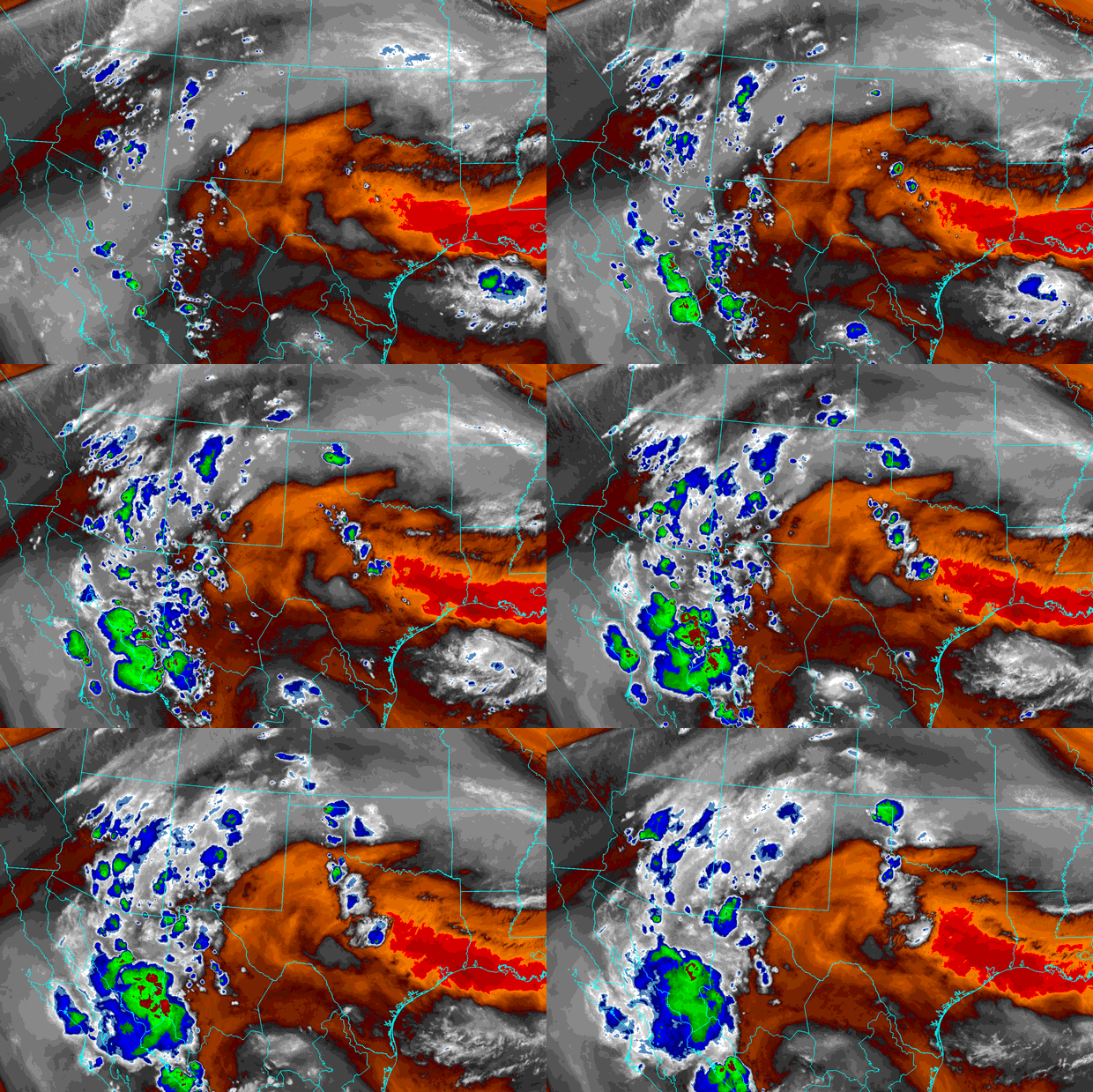

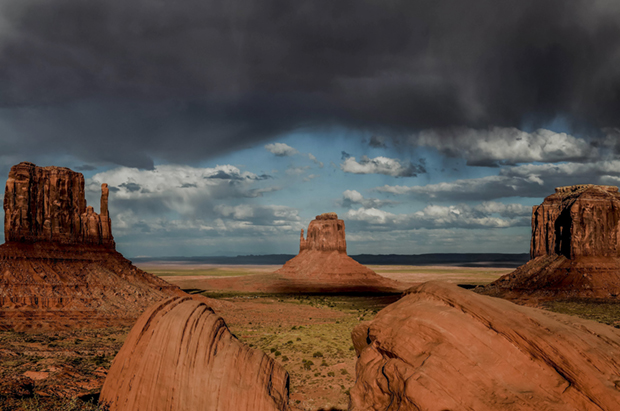
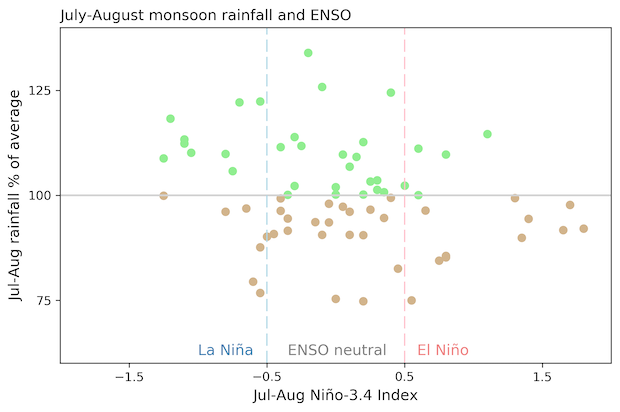
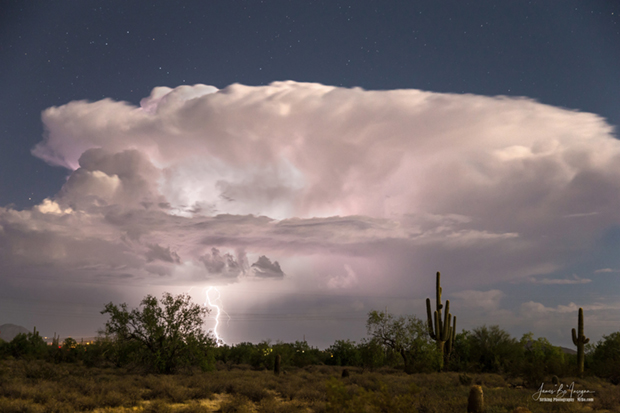
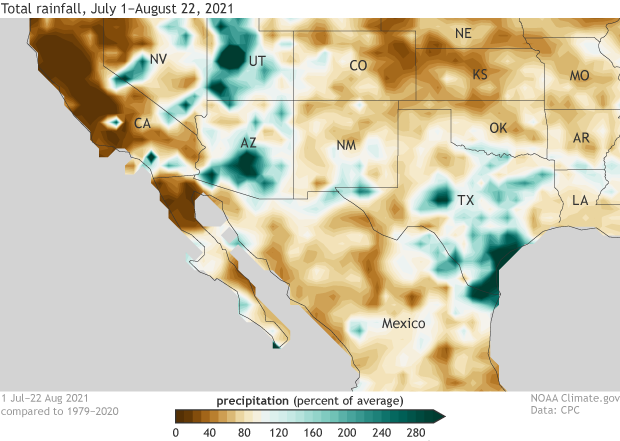
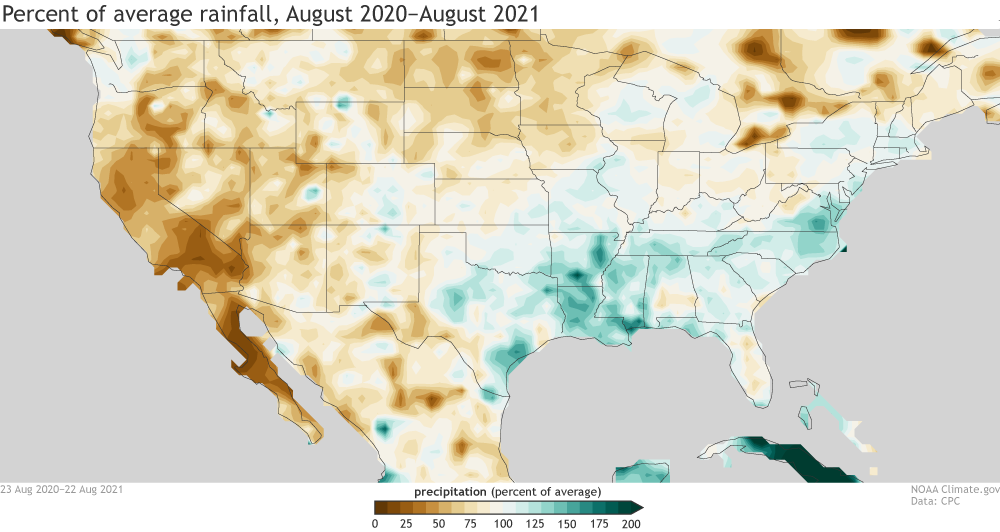
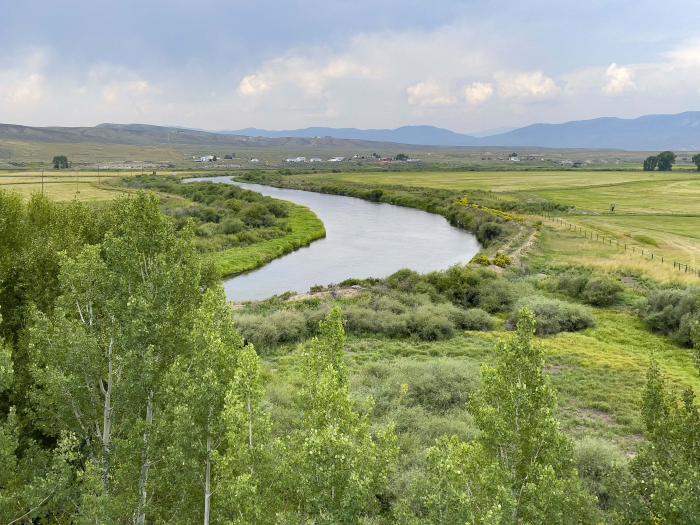


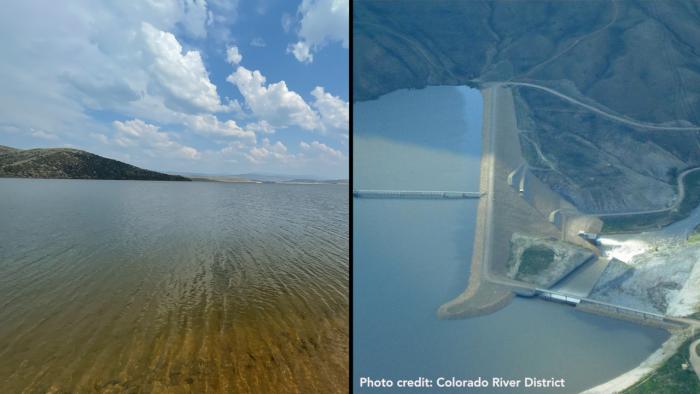
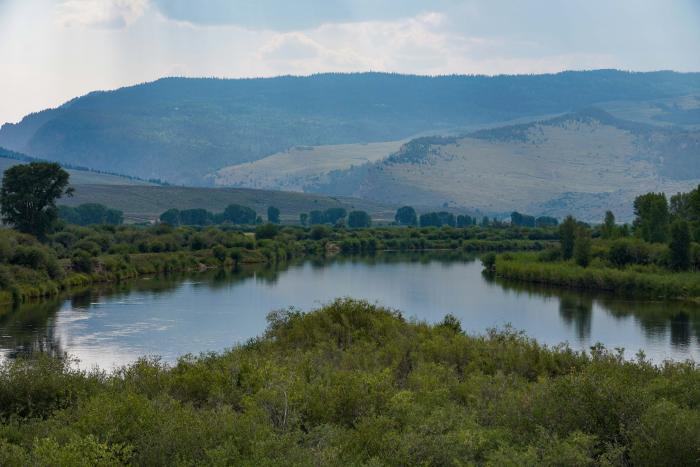
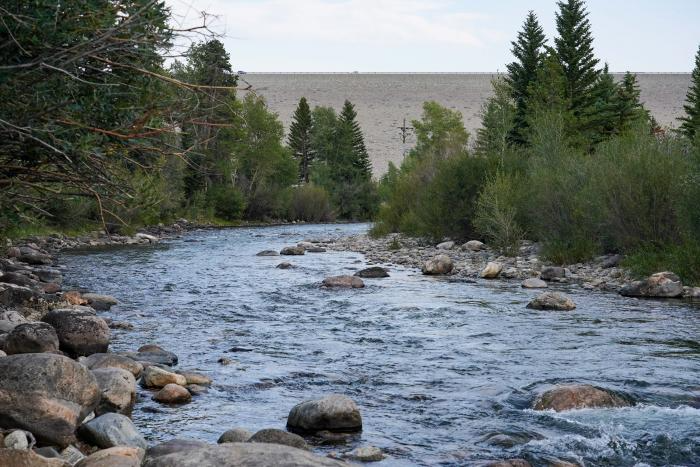
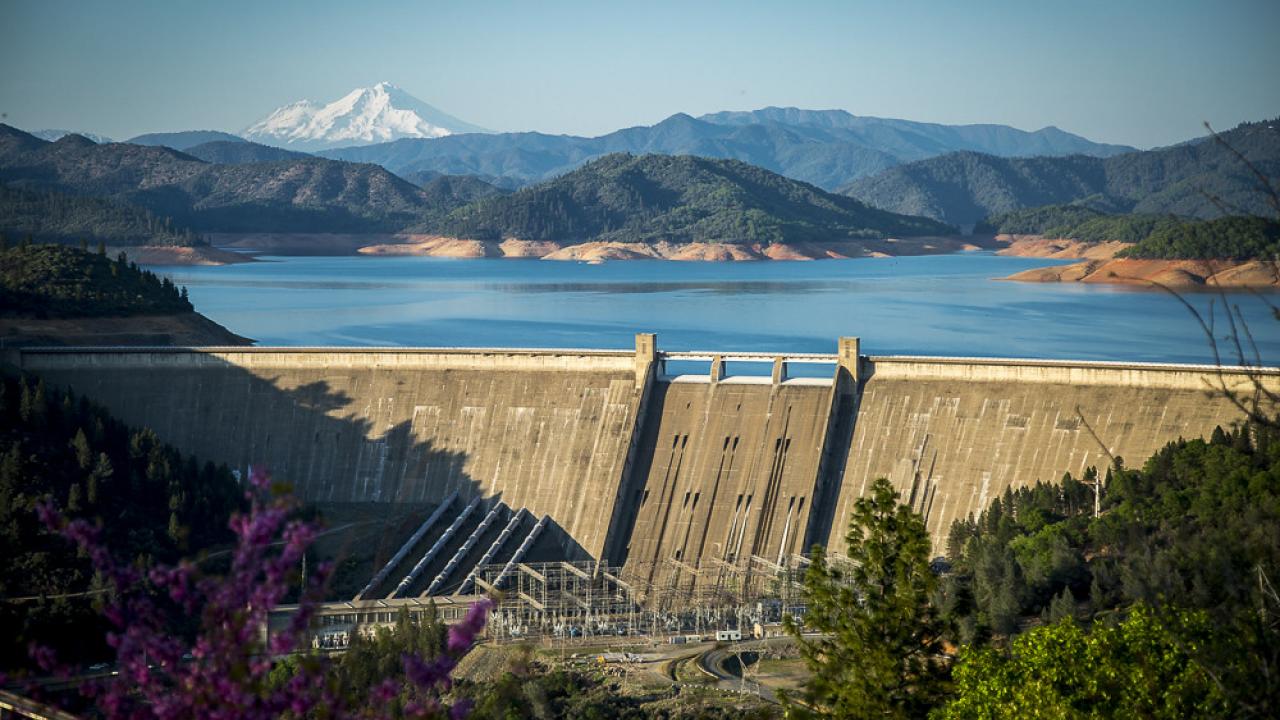
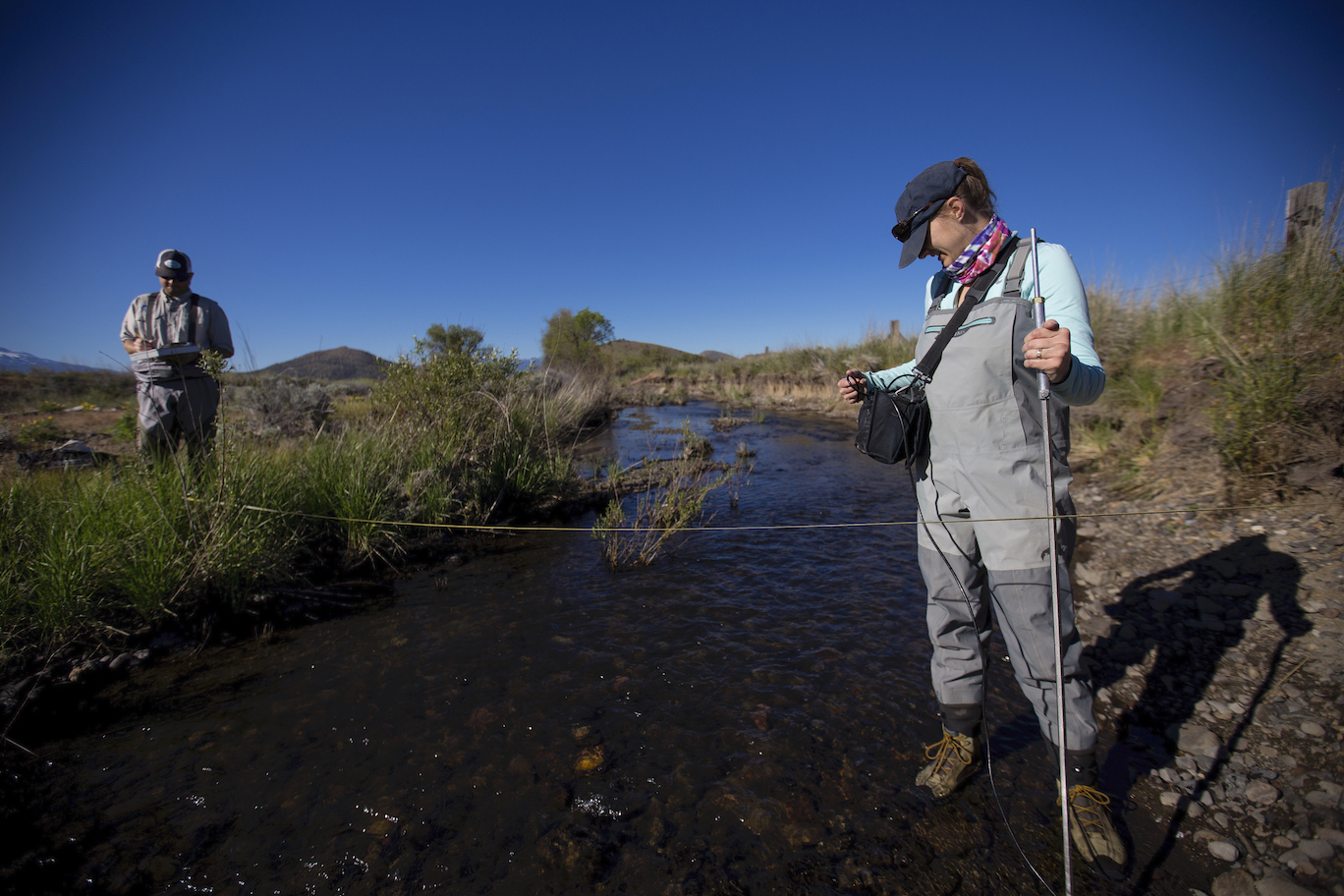
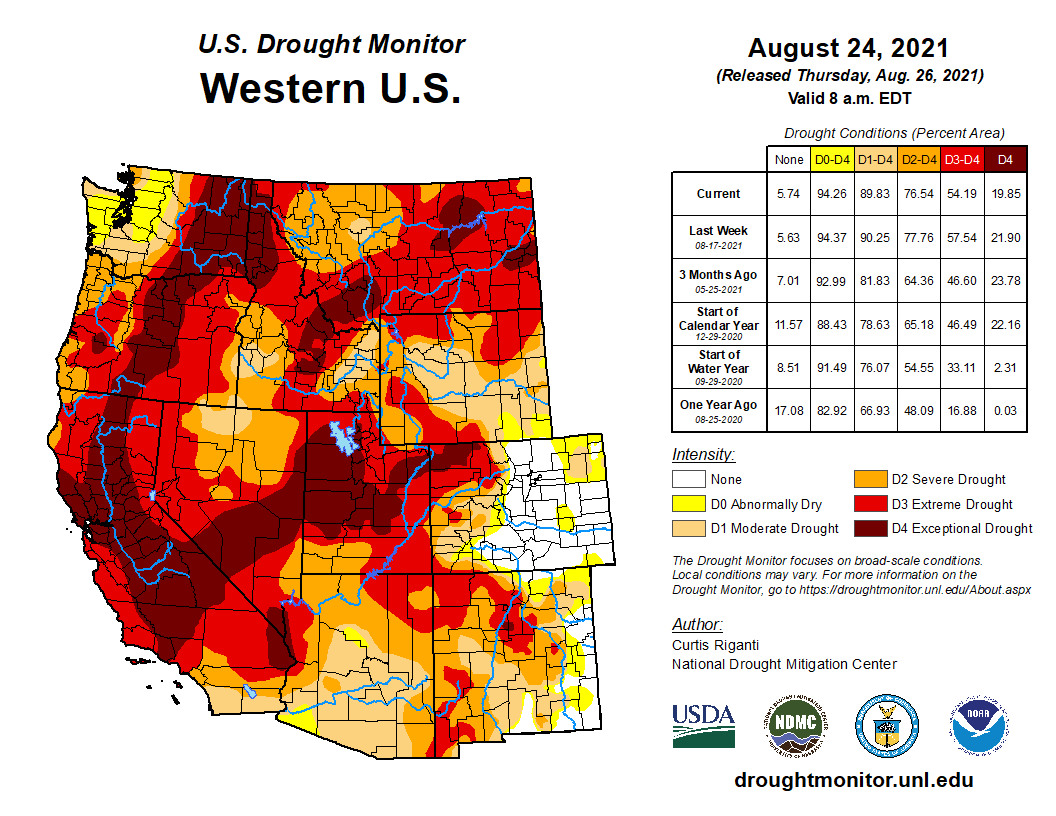
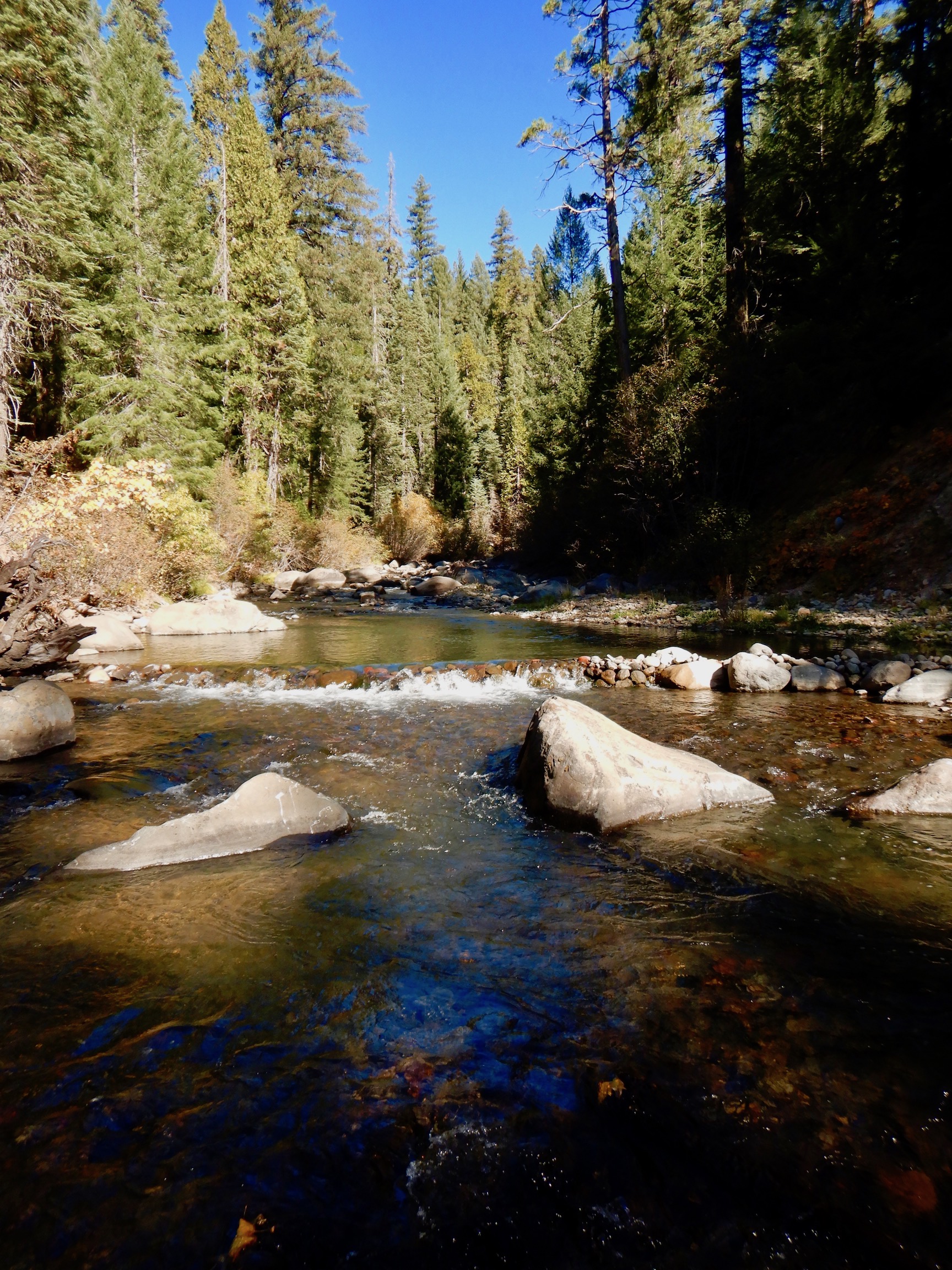


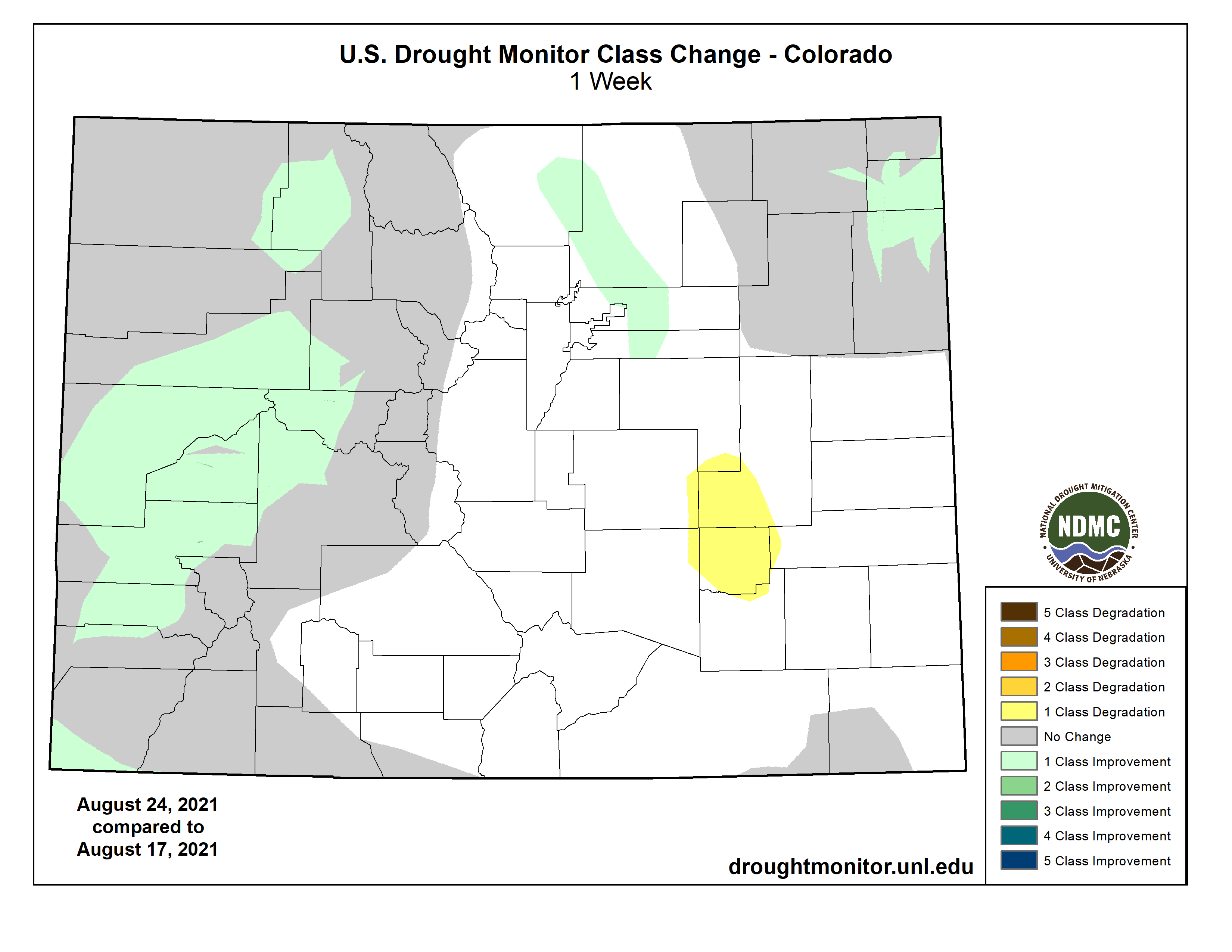
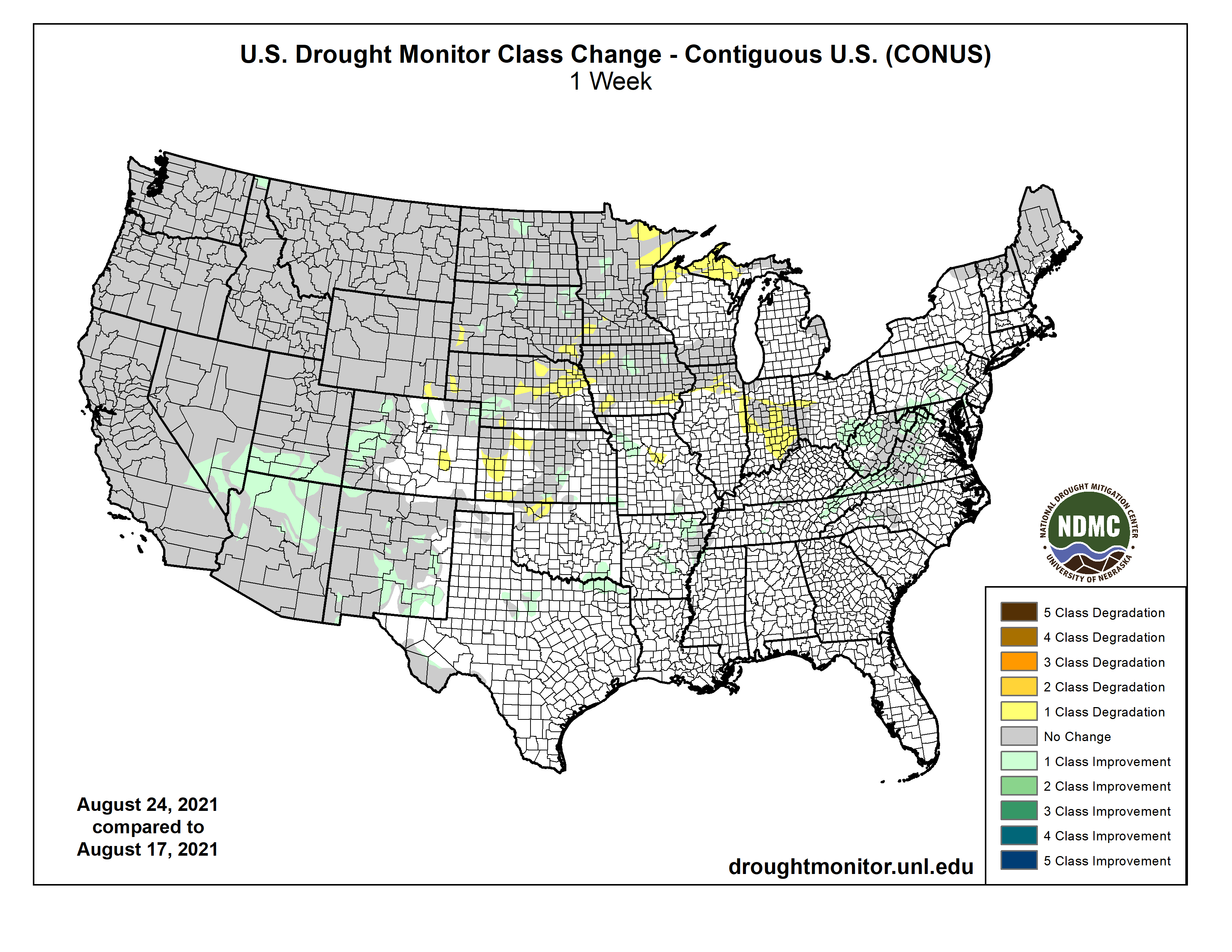


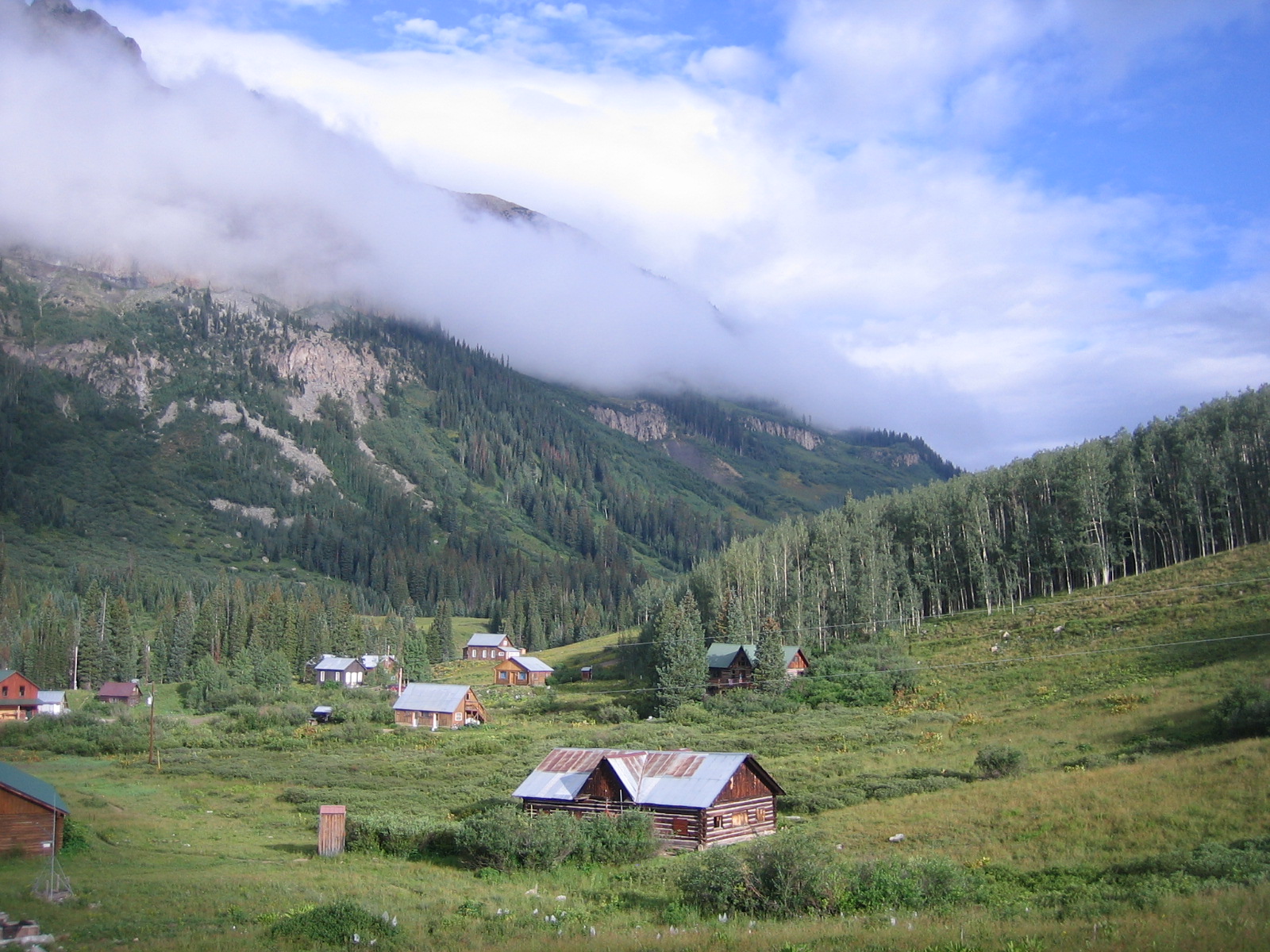
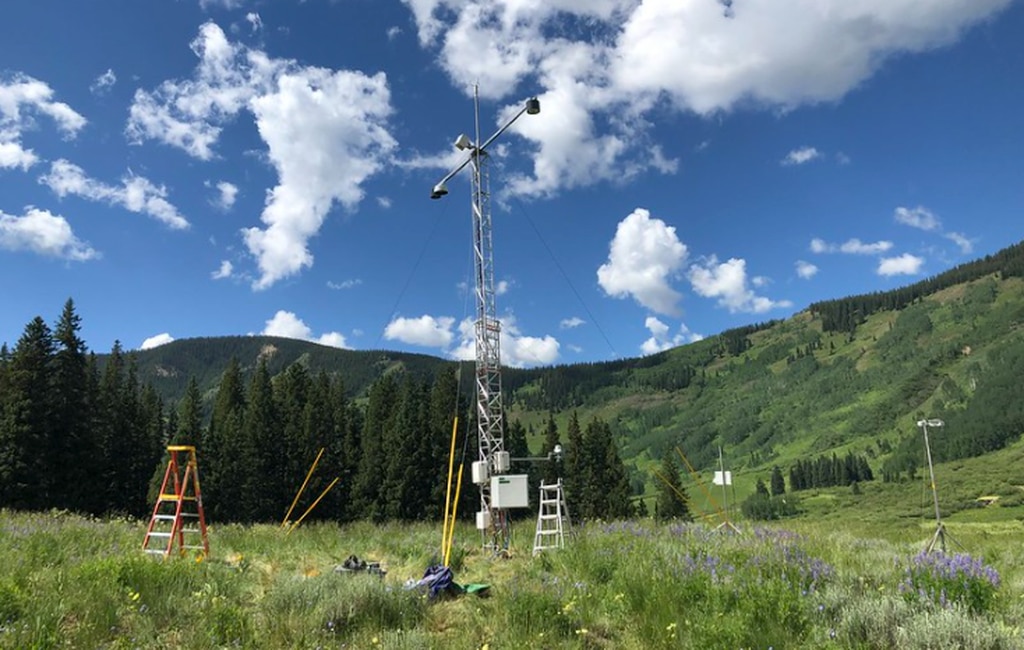

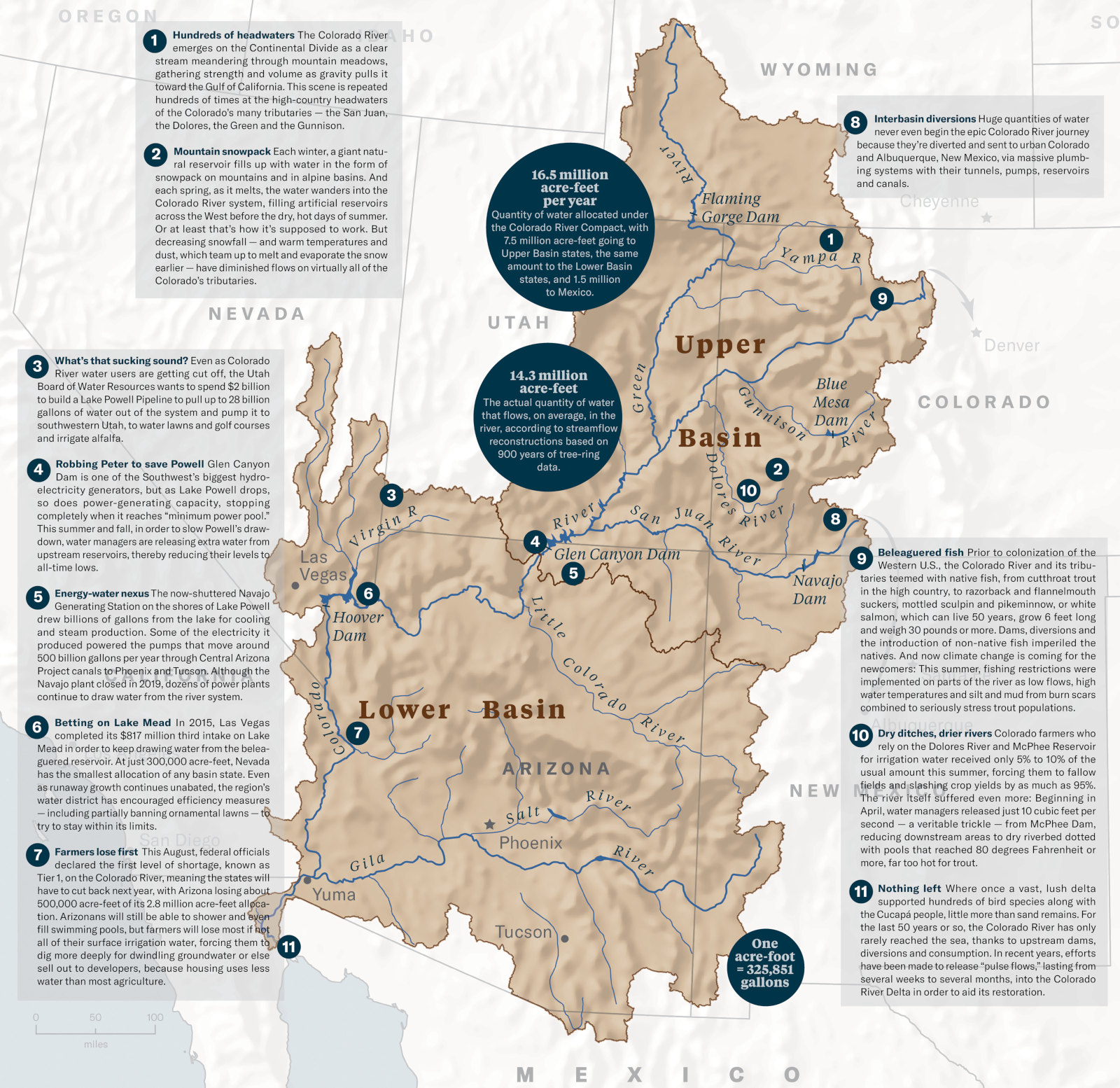
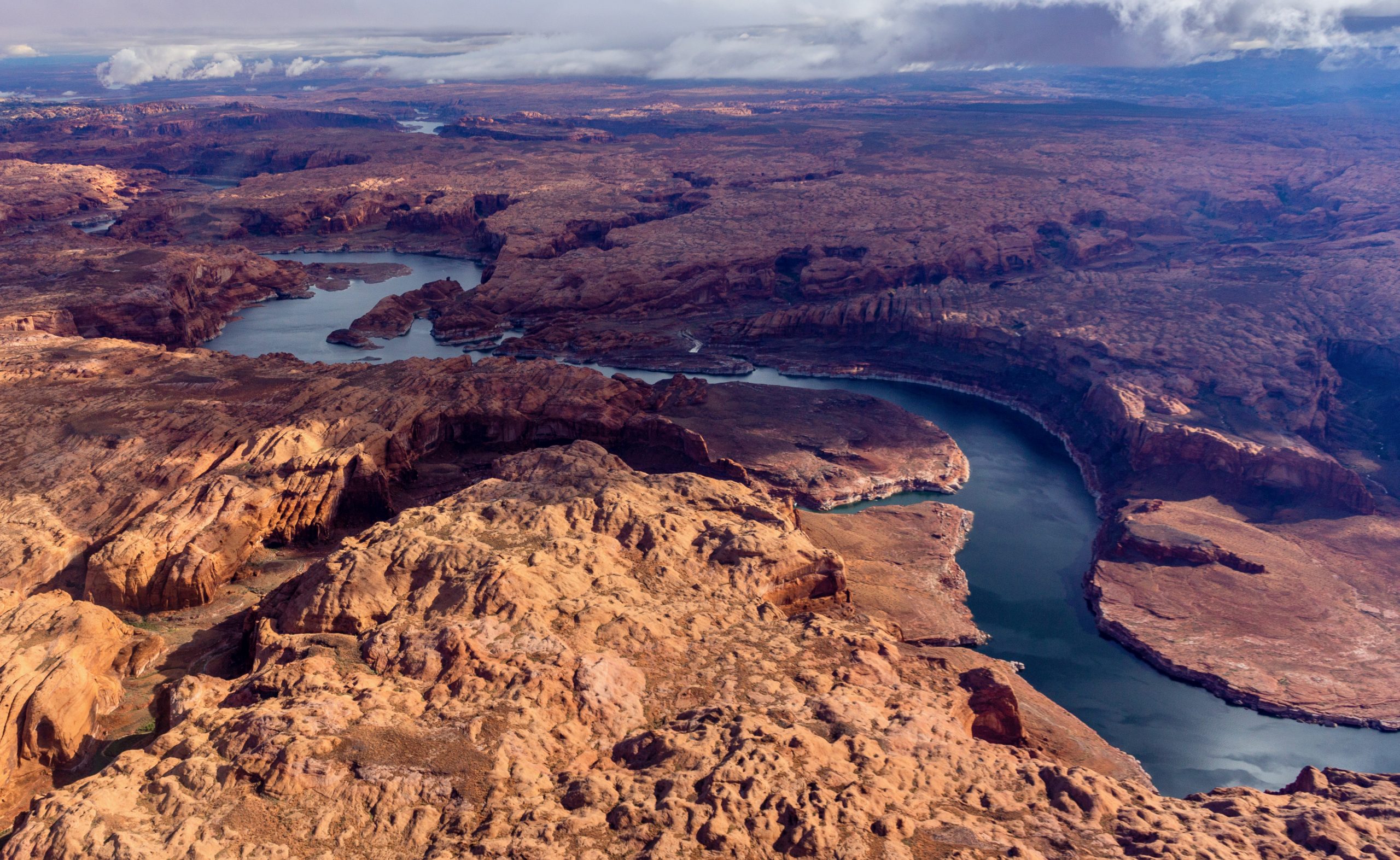
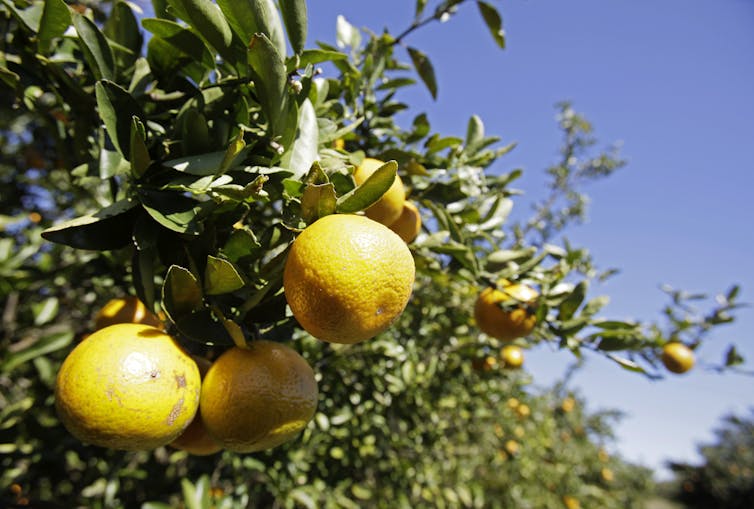
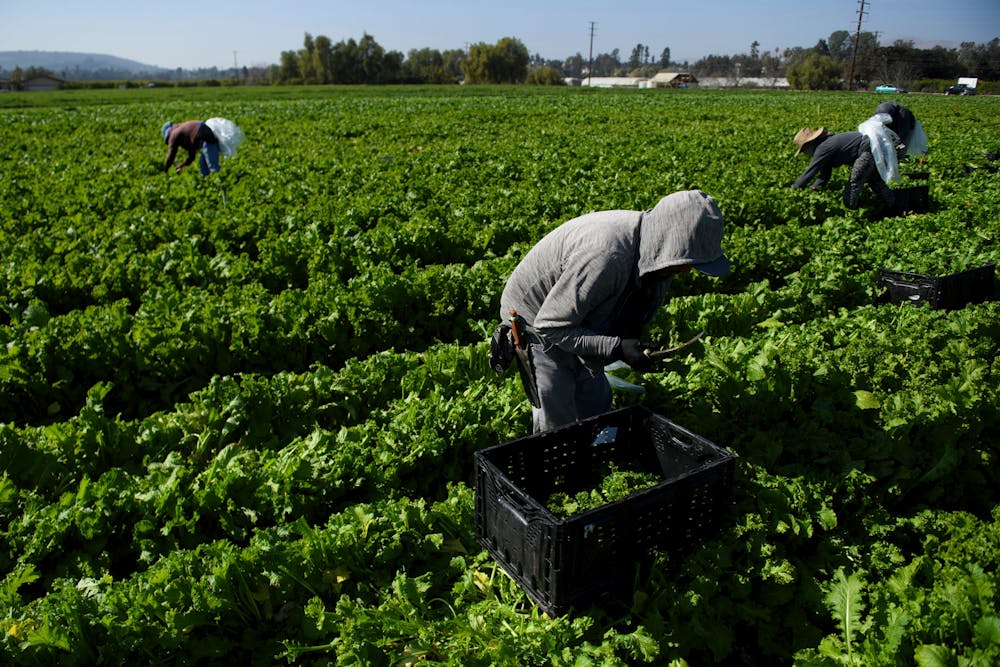
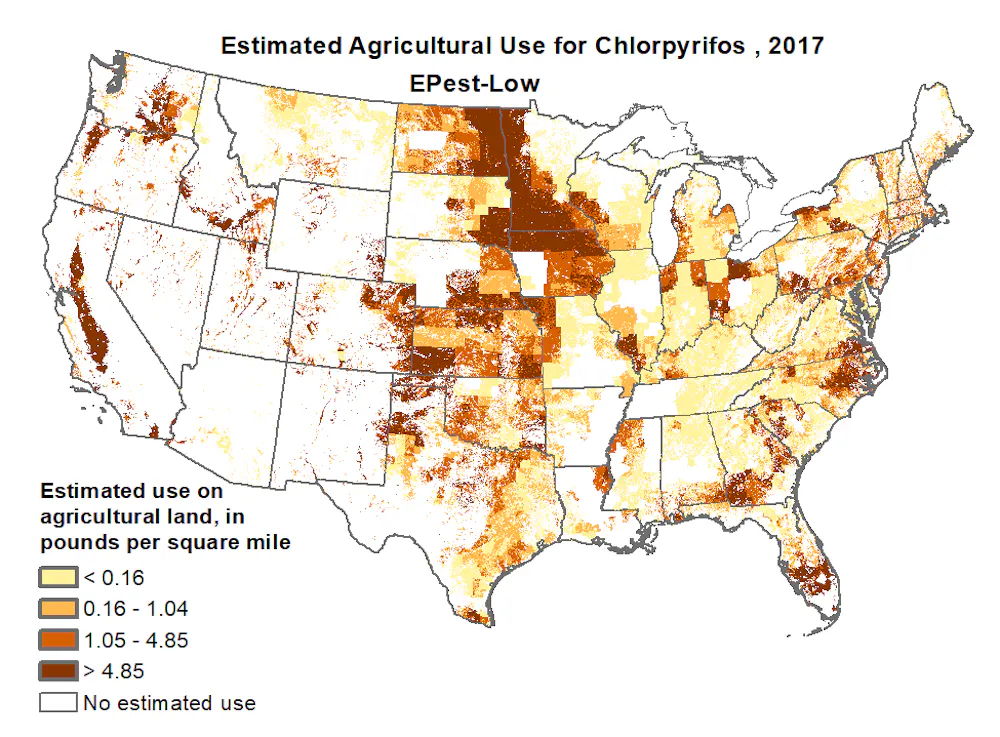

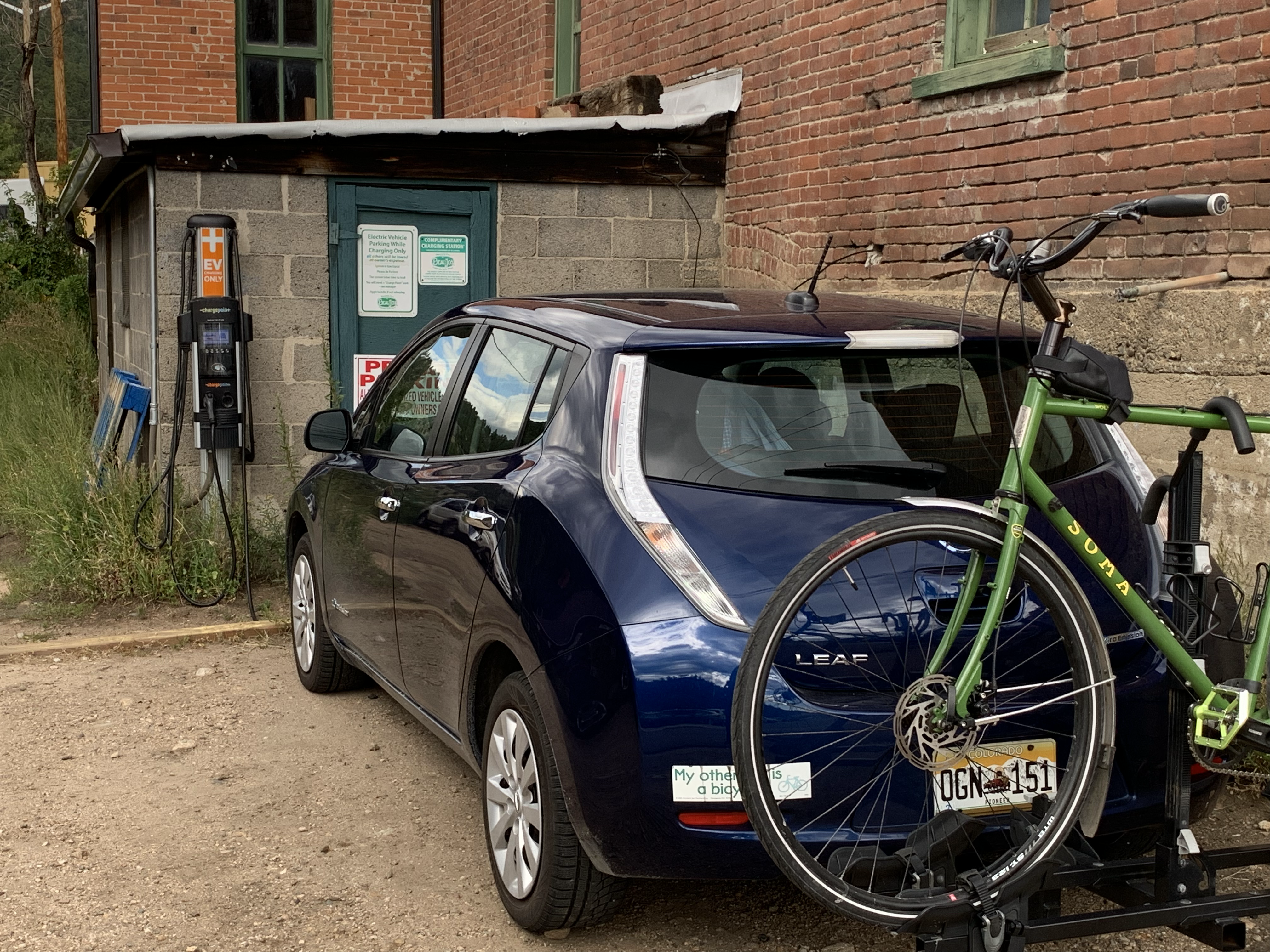
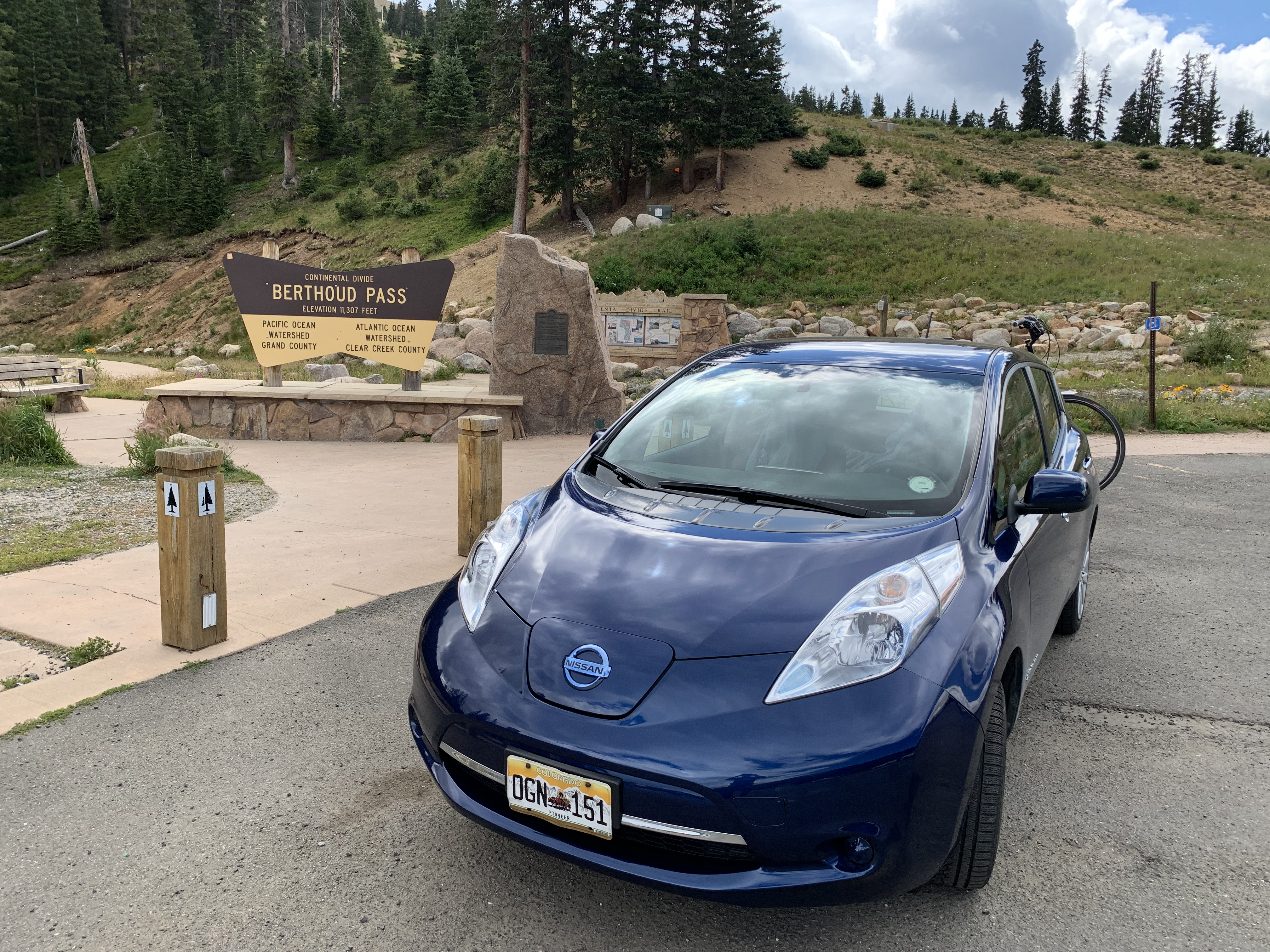


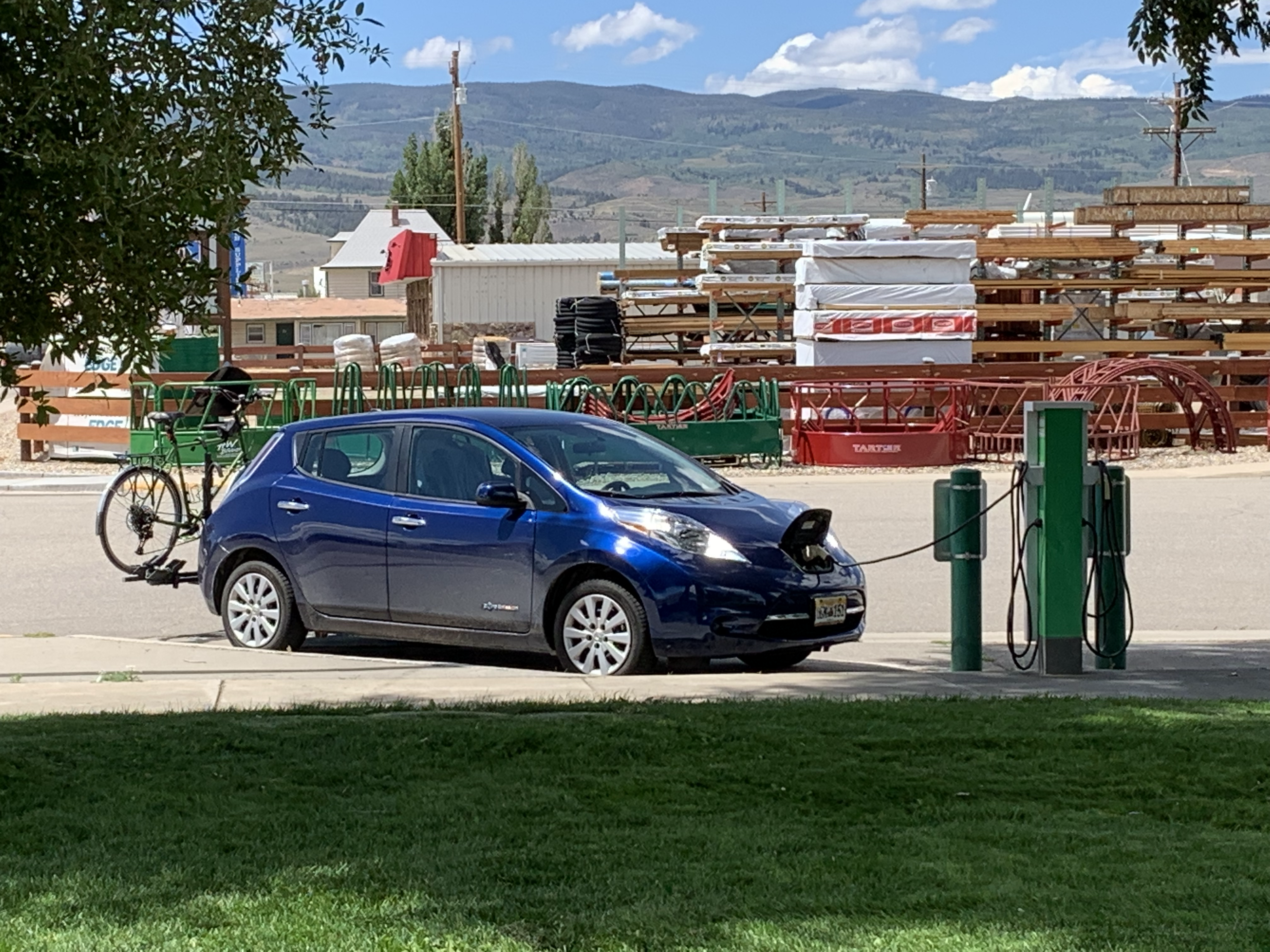
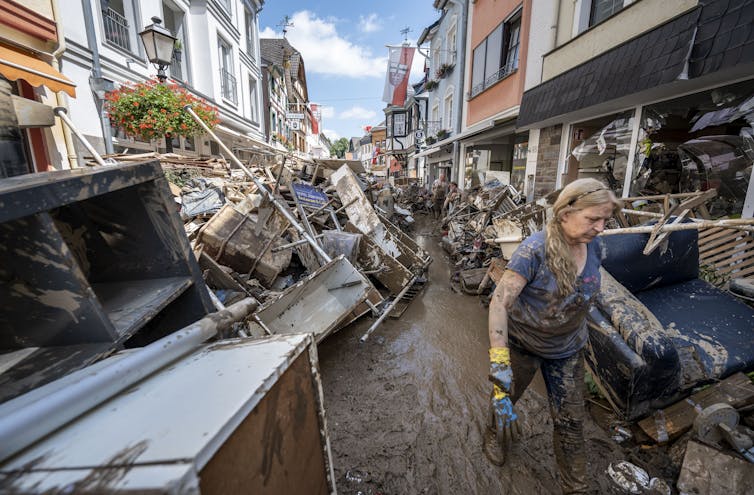
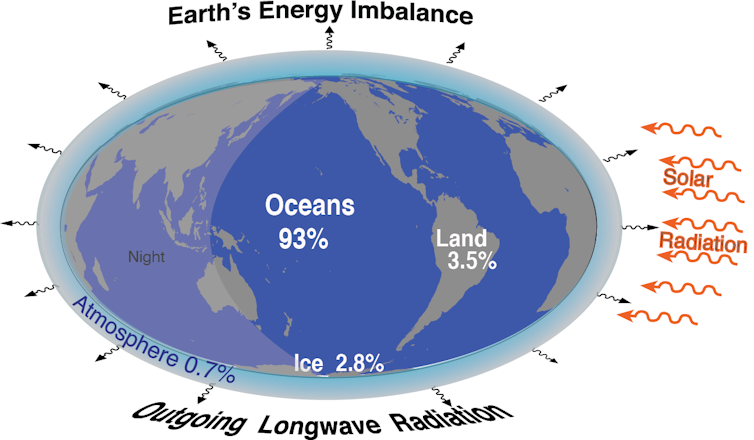
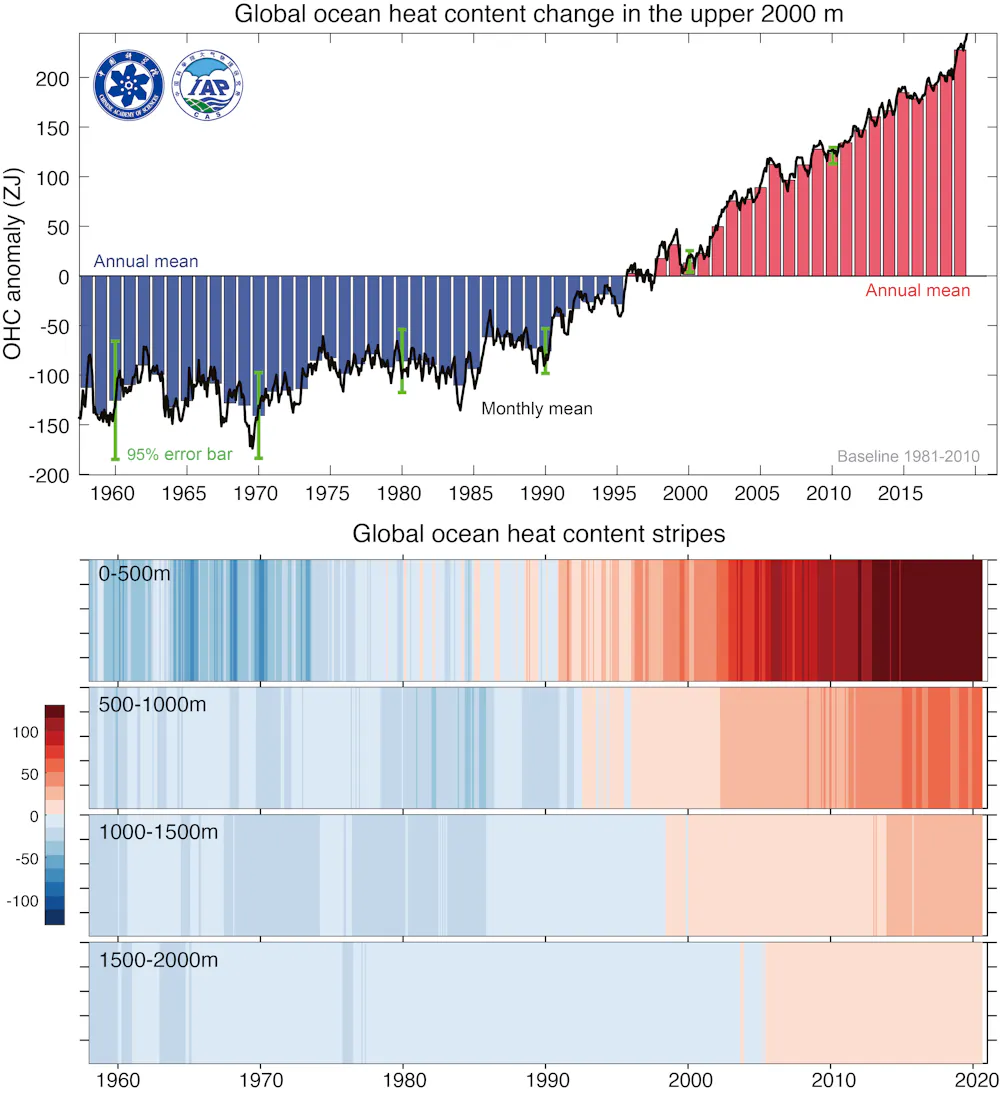
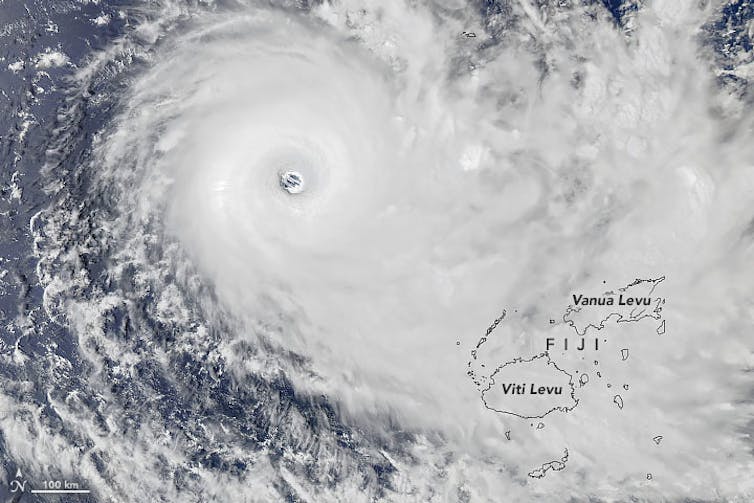

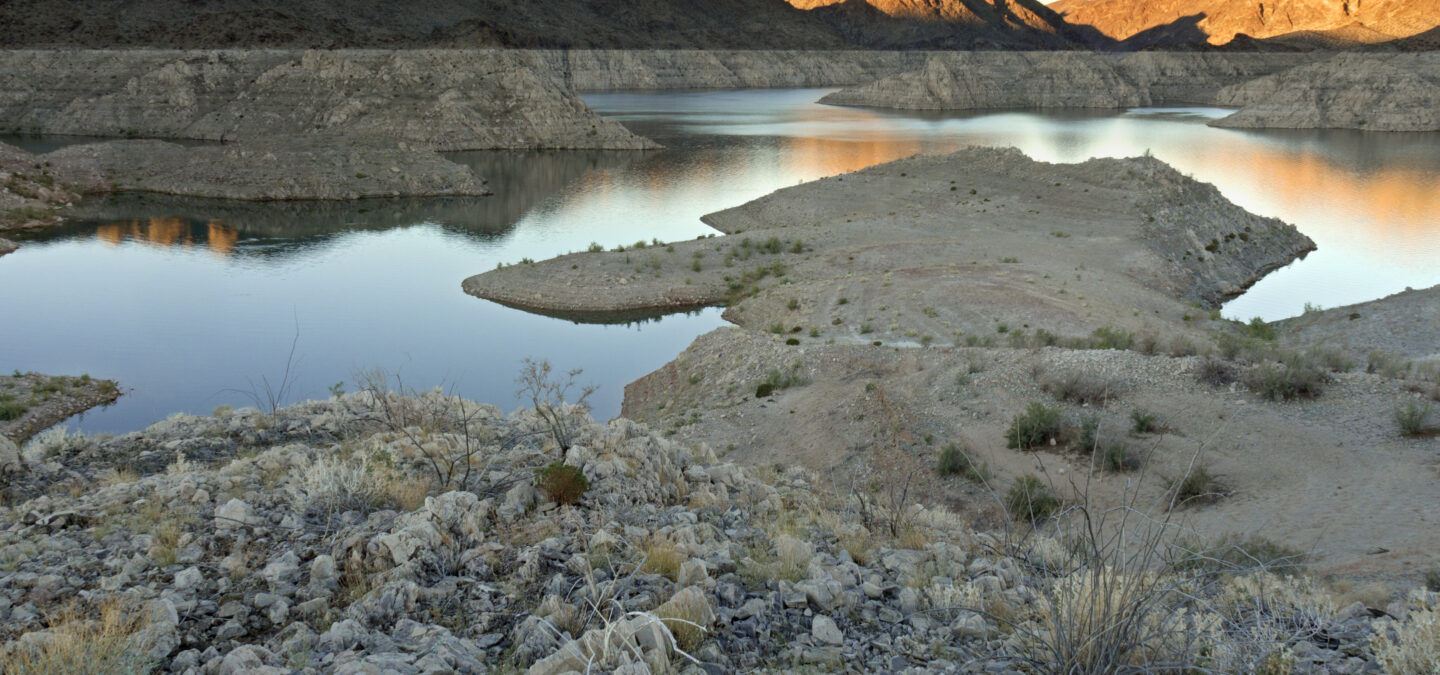
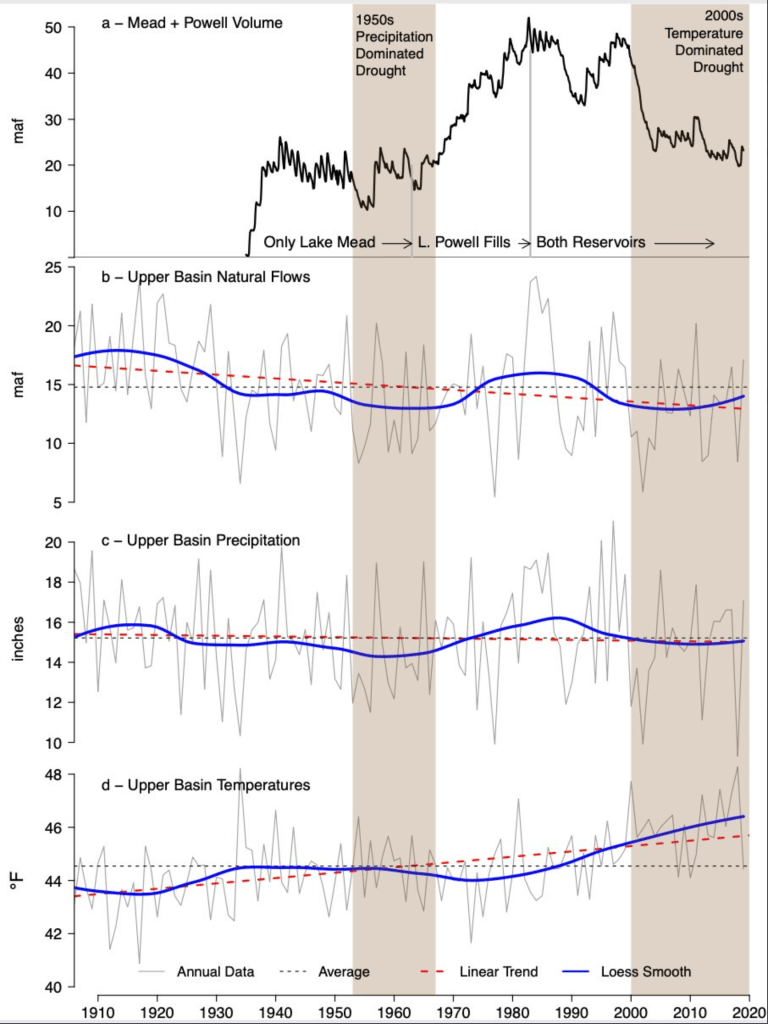
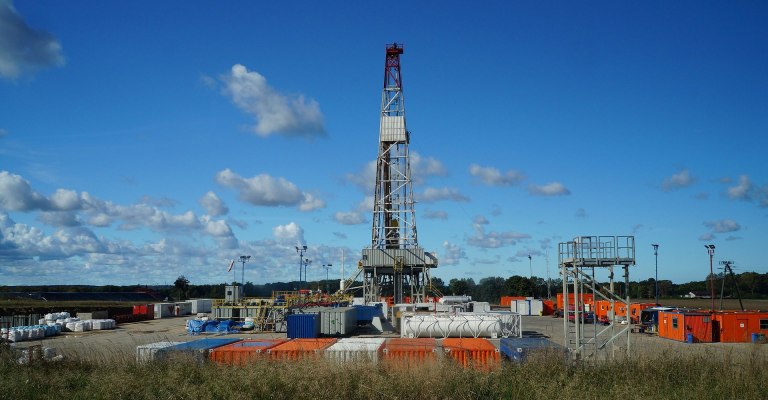

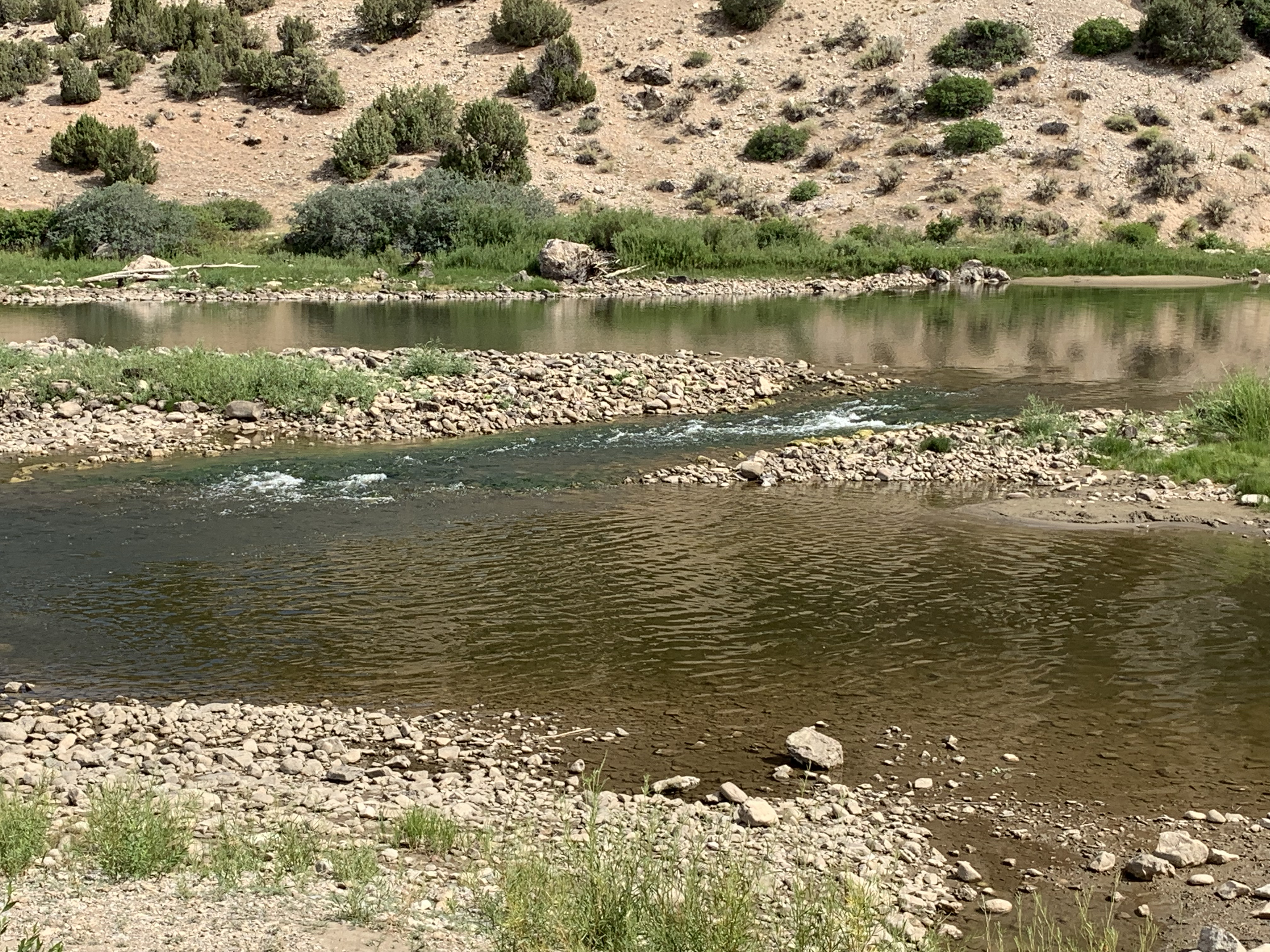


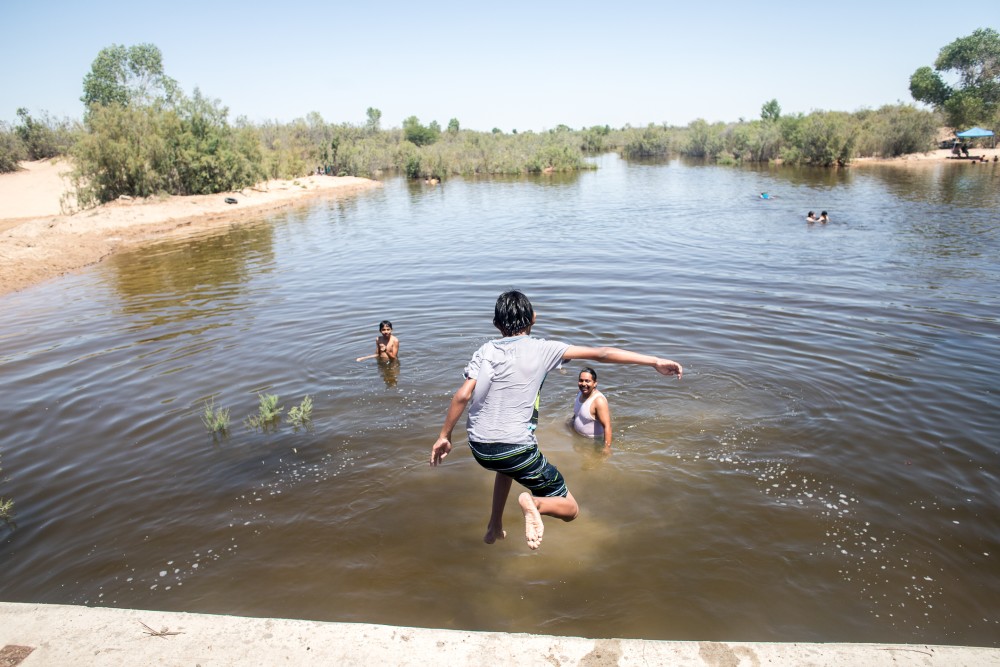
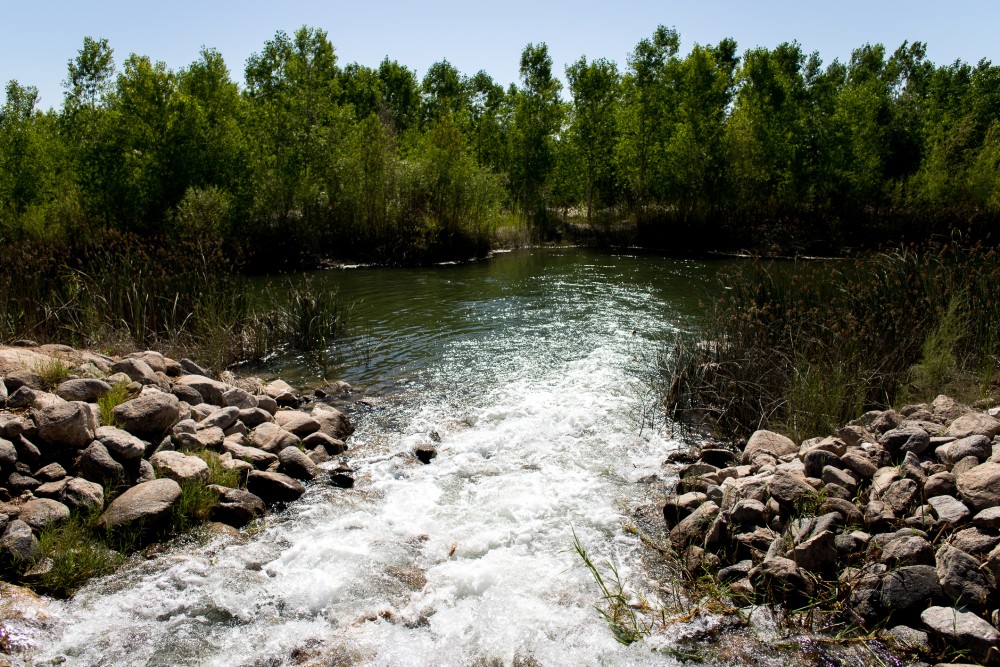
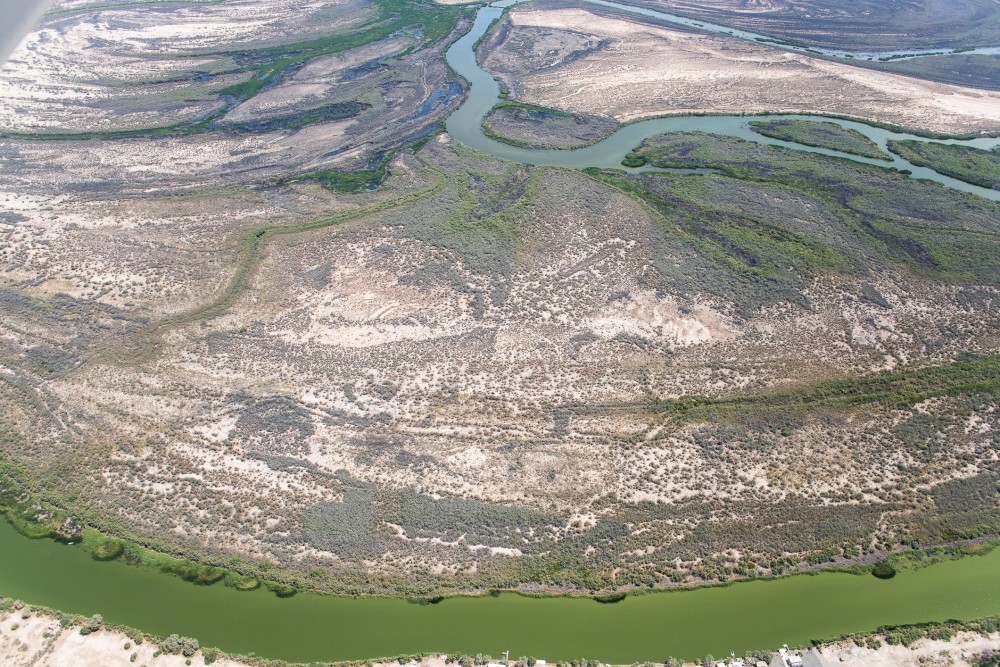


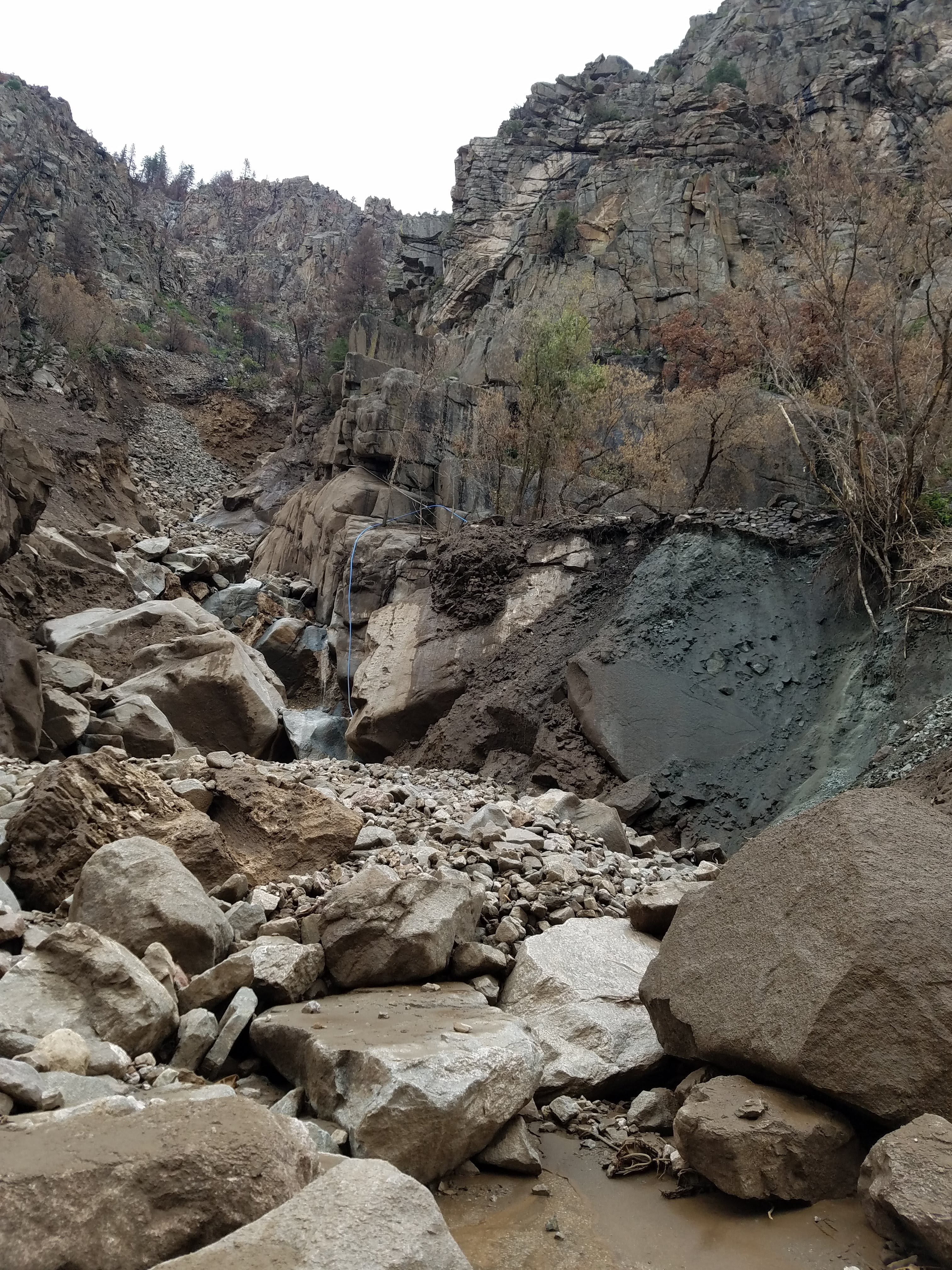



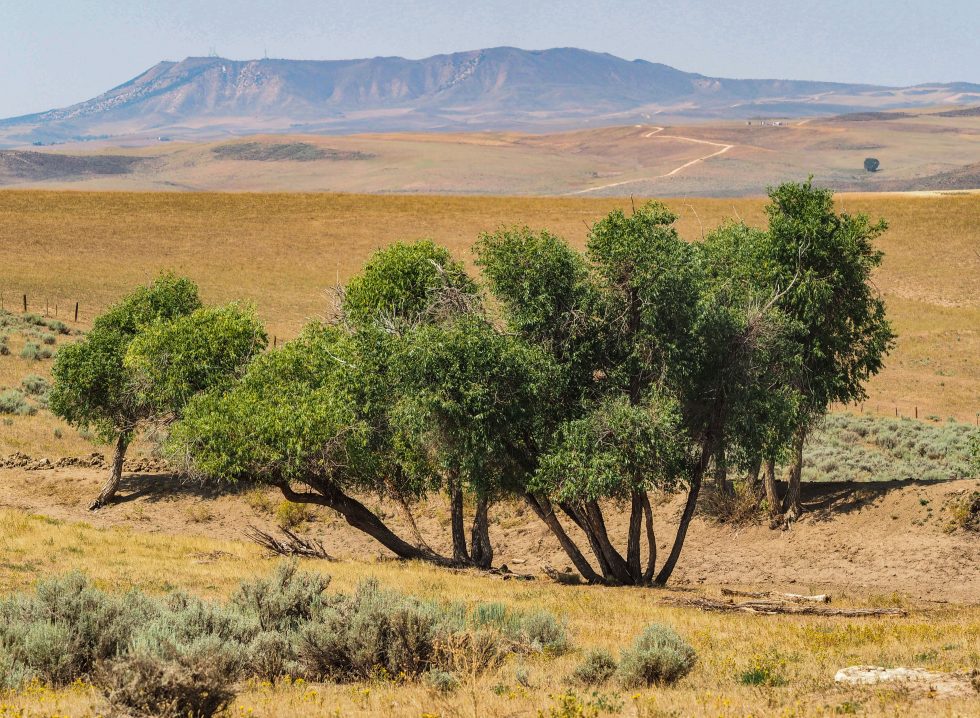
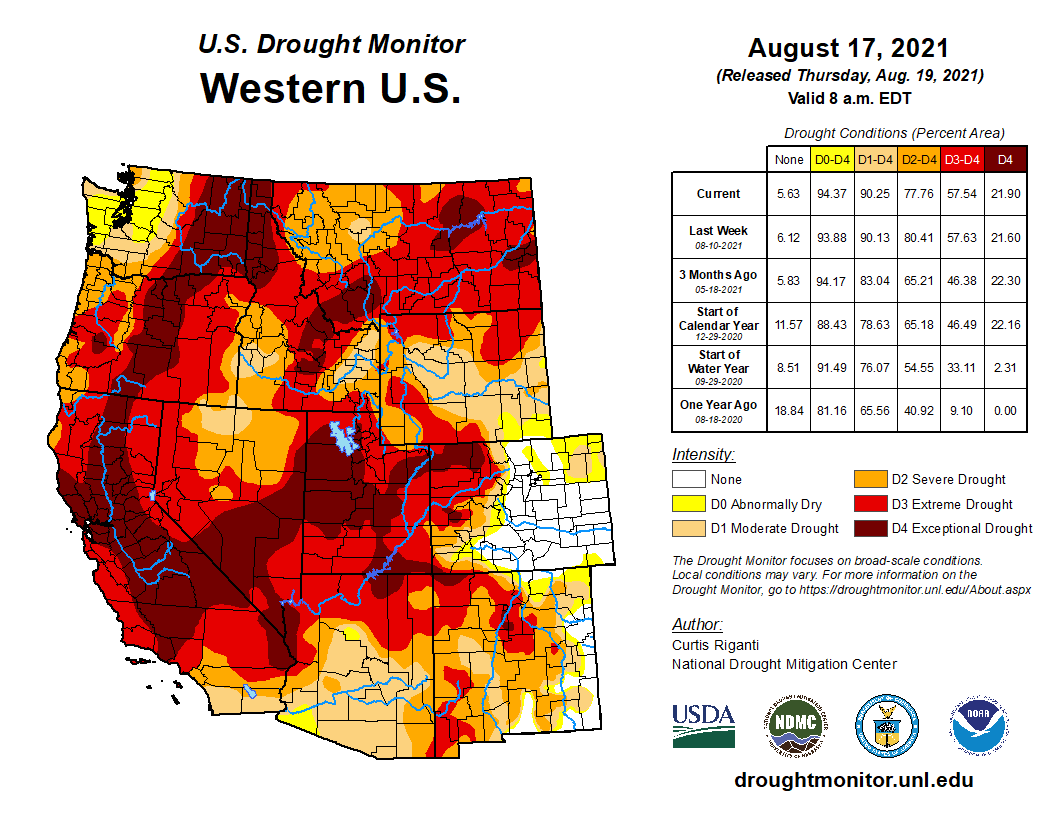



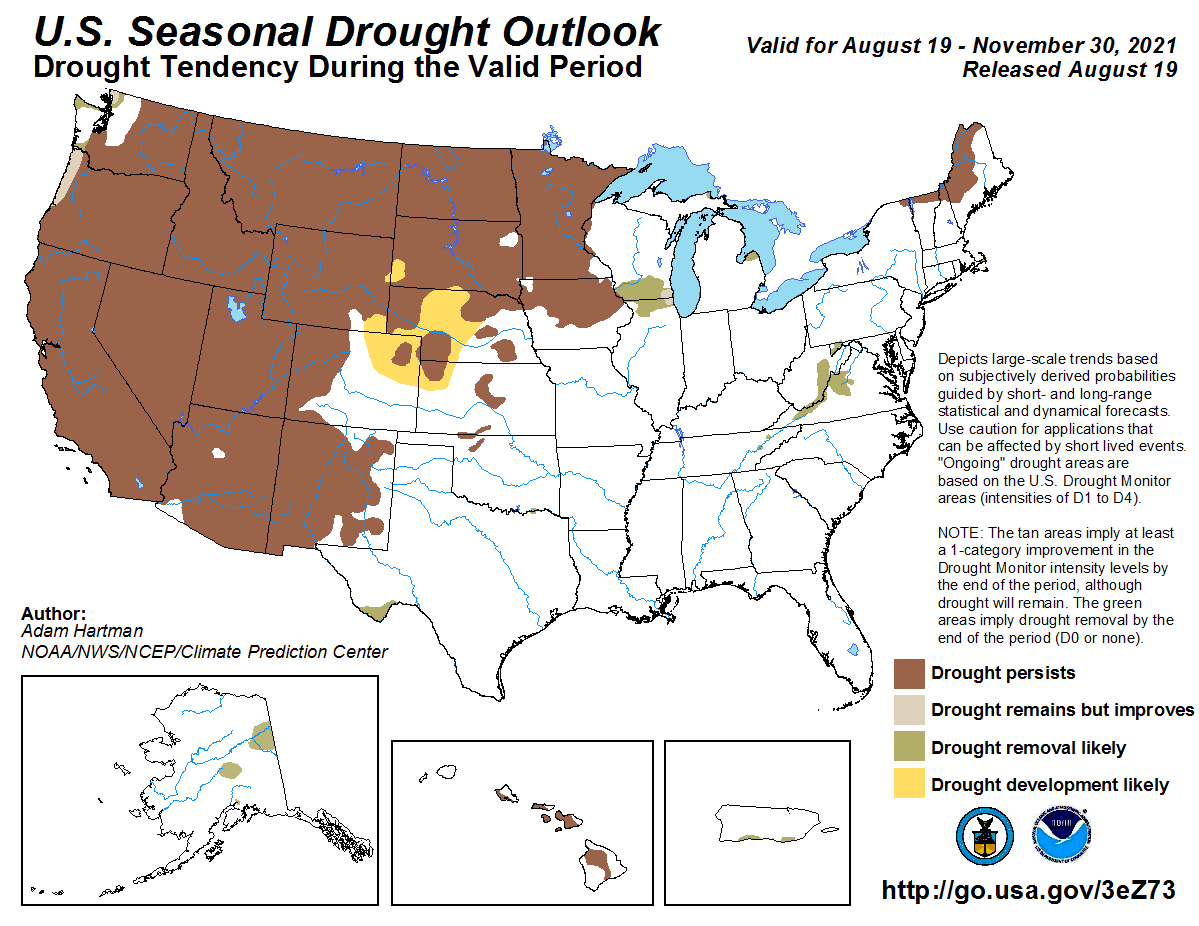
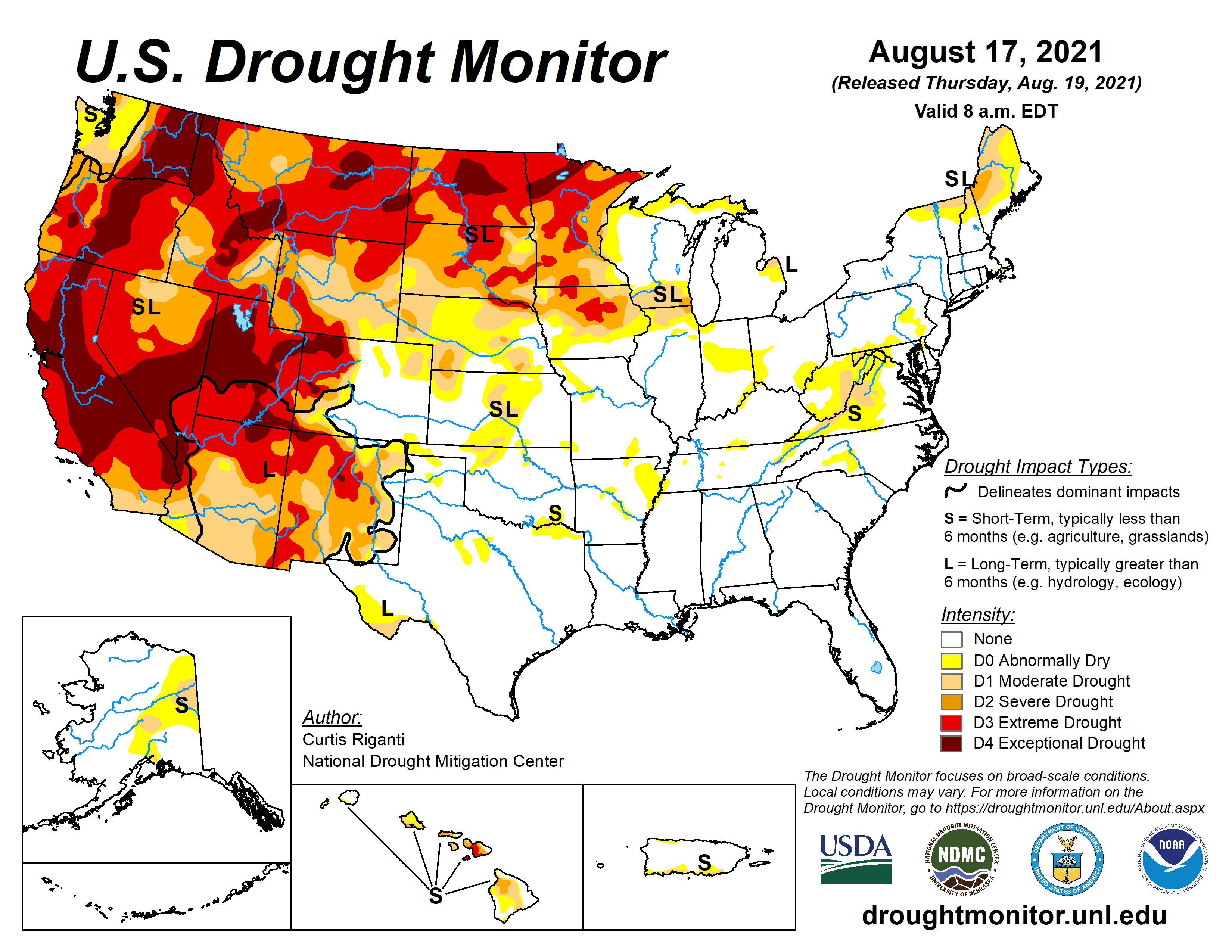
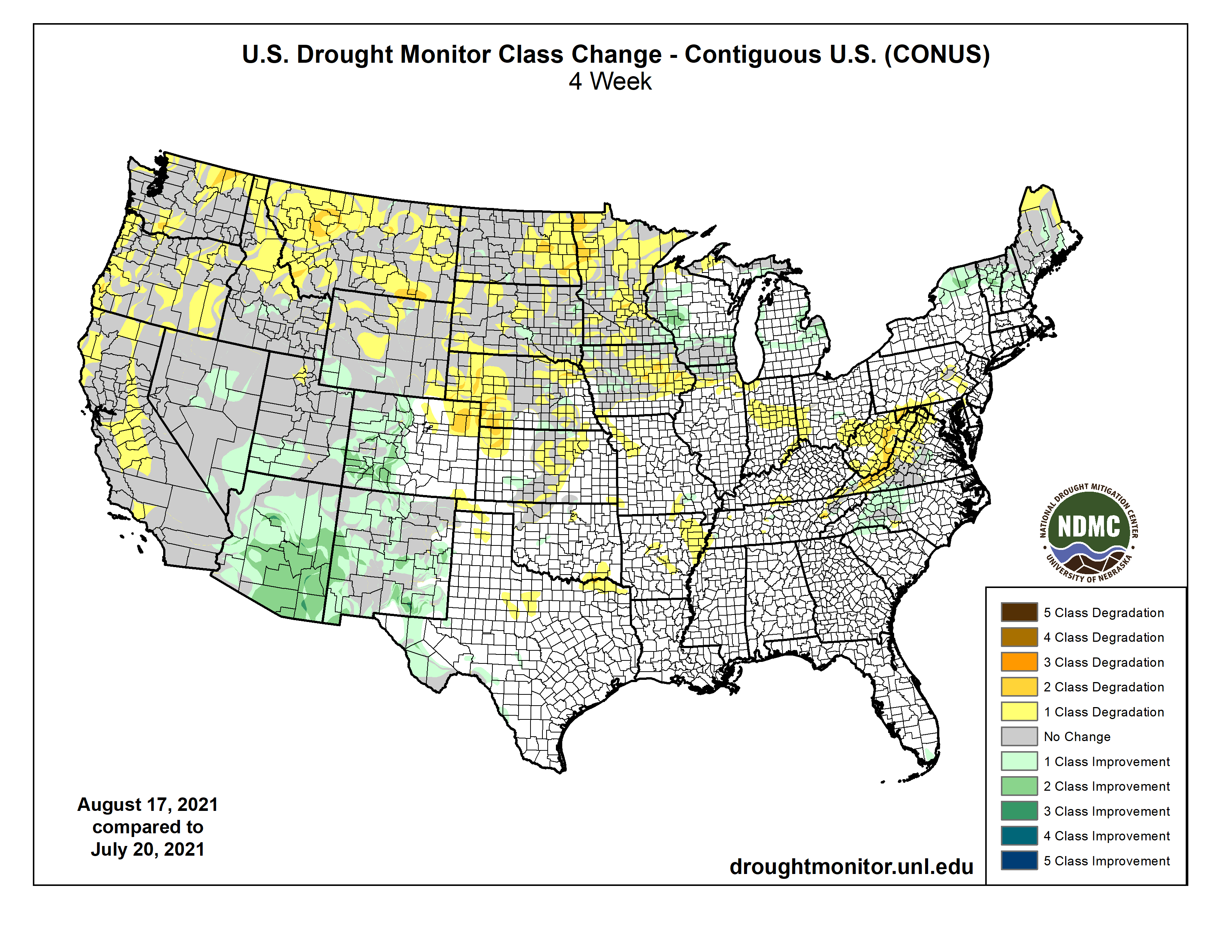

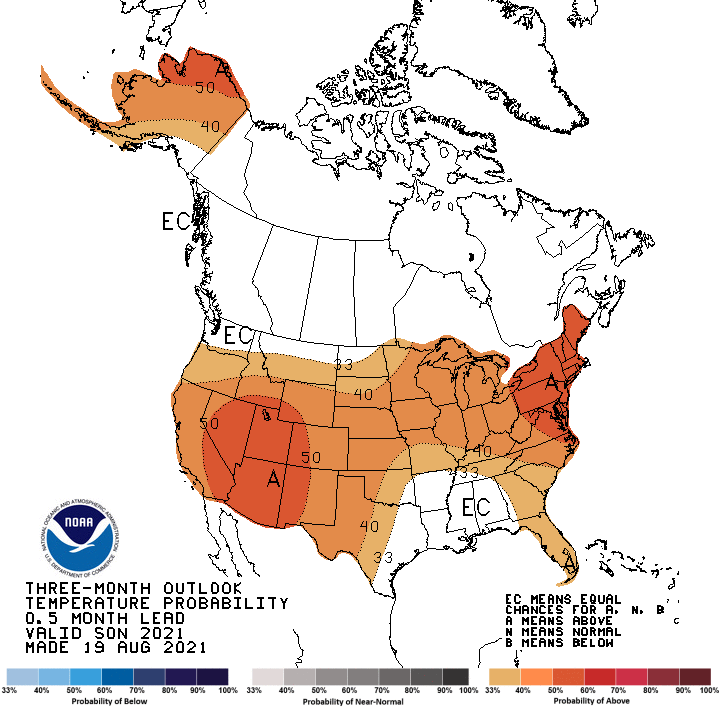



![Screenshot of Rolling Stone Special Edition March 2020. [Click image to go to the article.] Greta Thunberg illustration by Shepard Fairey. Based on a photograph by Markus Schreiber/AP Images/Shutterstock](https://i0.wp.com/coyotegulch.blog/wp-content/uploads/2020/03/screen-shot-2020-03-28-at-8.39.50-am.png?w=300&h=367&ssl=1 "Screen Shot 2020-03-28 at 8.39.50 AM")