
Thank you for your service.

Thank you for your service.
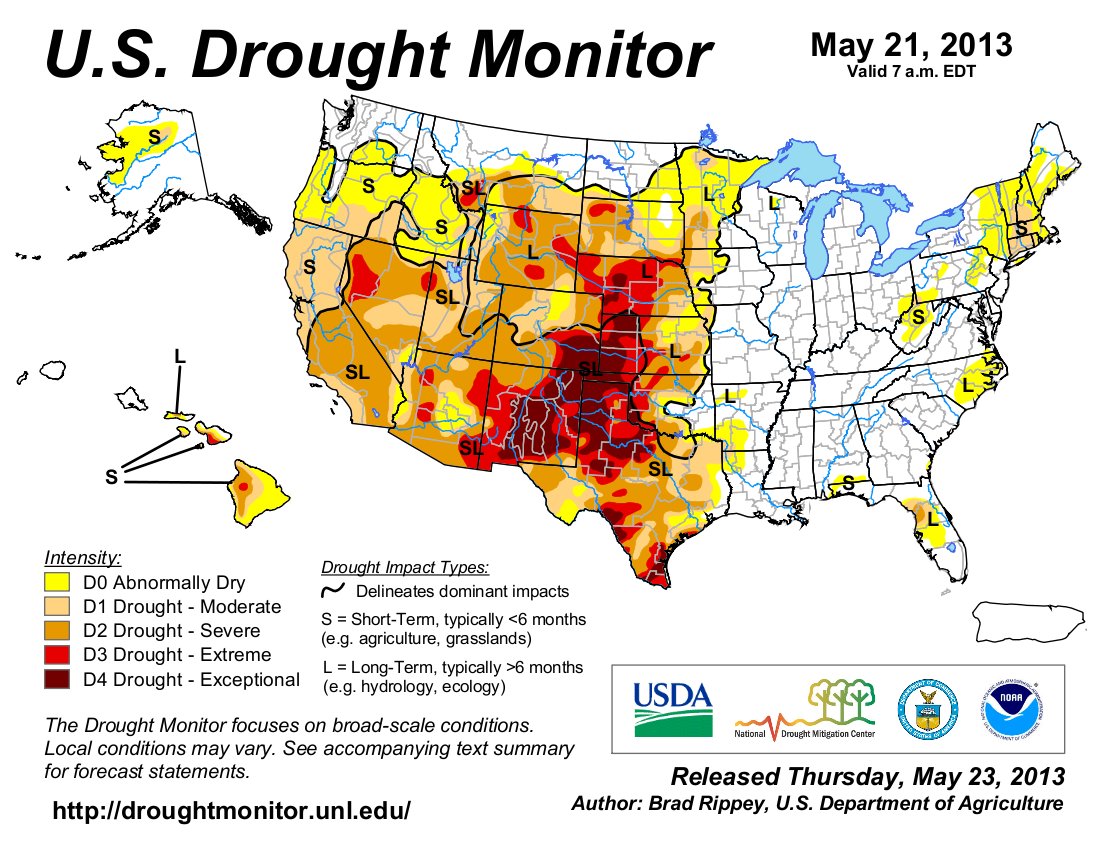
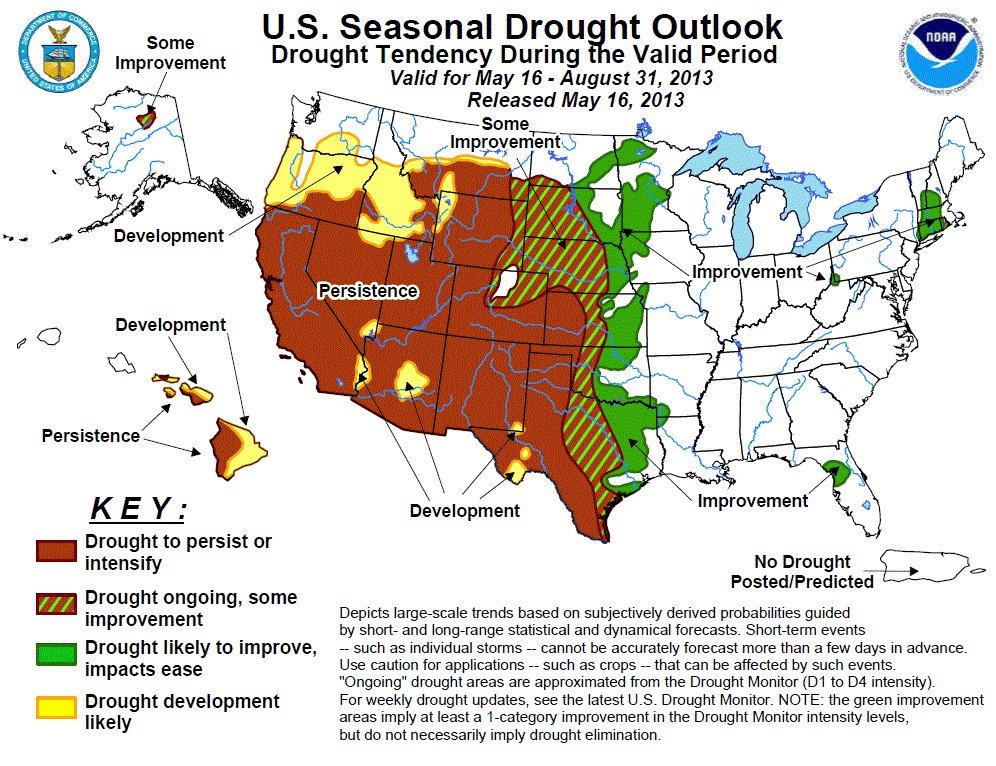
From the Summit County Citizens Voice (Bob Berwyn):
It took a little longer than normal, but Denver Water’s water managers said Dillon Reservoir finally became fully ice-free on Friday, May 24, exactly the same date as two years ago, in 2011, after one of the snowiest winters on record. Prior to that, you have to go all the way back to 1984 to find a later date (May 28)…
The earliest ever full-thaw date was last year, when all the ice was gone by April 18 following all-time record March warmth. 2012 was one of only two years on record when the ice melted in April. The other April melt-off was in 2002, following another severe drought winter.
From the Chaffee County Times:
The Buena Vista board of trustees has approved voluntary water restrictions for the upcoming summer months. You are asked to abide by the following outside watering schedule: Odd number addresses: Tue., Thur., Sat. Even number addresses: Wed., Fri., Sun. No watering on Mondays. Please limit watering time to midnight-9 a.m. and 5 p.m.-midnight.

From the Washington Post:
Organizers said “March Against Monsanto” protests were held in 52 countries and 436 cities, including Washington and Los Angeles, where demonstrators waved signs that read “Real Food 4 Real People” and “Label GMOs, It’s Our Right to Know.”
Genetically modified plants are grown from seeds that are engineered to resist insecticides and herbicides, add nutritional benefits or otherwise improve crop yields and increase the global food supply.
Most corn, soybean and cotton crops grown in the United States today have been genetically modified. But critics say genetically modified organisms can lead to serious health conditions and harm the environment. The use of GMOs has been a growing issue of contention in recent years, with health advocates pushing for mandatory labeling of genetically modified products even though the federal government and many scientists say the technology is safe.
The March Against Monsanto movement began when founder and organizer Tami Canal created a Facebook page on Feb. 28 calling for a rally against the company’s practices.
“If I had gotten 3,000 people to join me, I would have considered that a success,” she said Saturday. Instead, she said an “incredible” number of people responded to her message and turned out to rally.
“It was empowering and inspiring to see so many people, from different walks of life, put aside their differences and come together today,” Canal said. The group plans to harness the success of the event to continue its anti-GMO cause.
“We will continue until Monsanto complies with consumer demand. They are poisoning our children, poisoning our planet,” she said. “If we don’t act, who’s going to?”
Monsanto Co., based in St. Louis, said that it respects people’s rights to express their opinion on the topic but that its seeds improve agriculture by helping farmers produce more from their land while conserving resources such as water and energy.
The Food and Drug Administration does not require genetically modified foods to carry a label, but organic food companies and some consumer groups have intensified their push for labels, arguing that the modified seeds are floating from field to field and contaminating traditional crops. Those groups have been bolstered by a growing number of consumers who are wary of processed and modified foods.