
From The Colorado Springs Gazette (Tom Roeder):
Peterson Air Force Base sent water laced with toxic firefighting foam into Colorado Springs Utilities sewers as often as three times a year, the service said in an email response to Gazette questions.
The service said the practice of sending the wastewater mixed with perfluorinated compounds from the firefighting foam into sewers stopped in 2015 and said criminal investigators are looking into a discharge of 150,000 gallons of chemical-laden water from the base announced last week…
The Air Force contends its earlier discharges of contaminated wastewater were “in accordance with (utilities) guidelines,” which Colorado Springs Utilities disputes.
“I’m not aware that we have ever authorized them to discharge that firefighting foam into the system,” Utilities spokesman Steve Berry said.
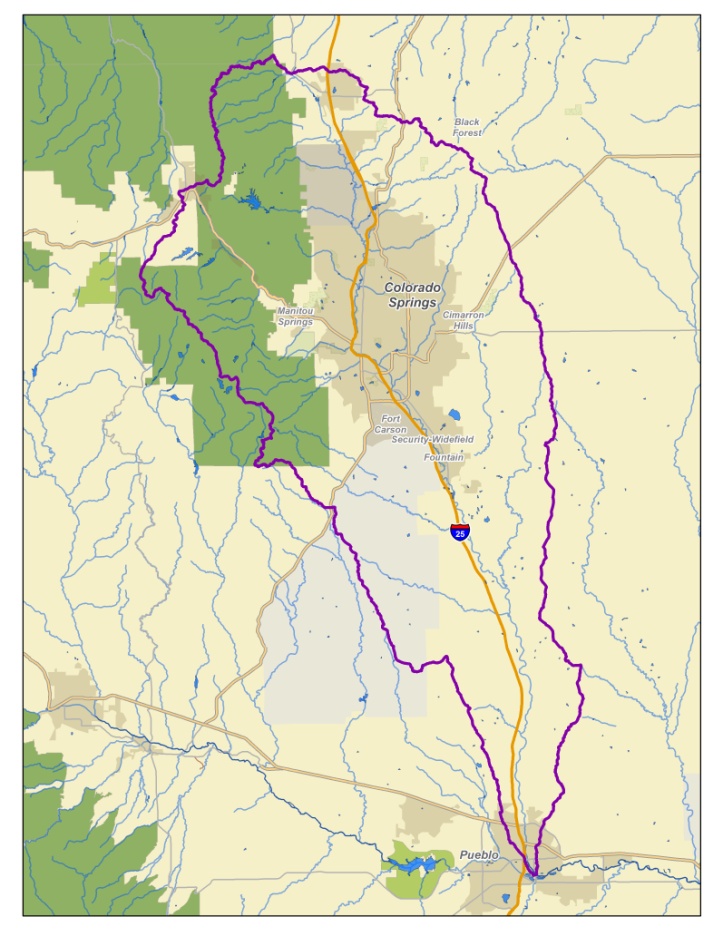
The chemicals in the firefighting foam, which can’t be removed by the Utilities sewage treatment plant, flowed into Fountain Creek, which feeds the Widefield Aquifer. Unlike other contaminants which settle out of water into sediment, perfluorinated compounds remain in solution, increasing the likelihood of contamination stemming from a release into the sewer system.
The impact on other water users is unclear. Colorado Springs’ and Pueblo’s drinking water does not come from the creek…
Berry said the last release of contaminated water from Peterson flowed through the Las Vegas Street sewage treatment plant before the utility was told of the 150,000-gallon discharge from a holding tank on the base. That means utility workers had no way to measure the toxicity of the water.
“Once we were notified, that stuff had long moved through our system and out of service territory,” Berry said.
The Air Force said an investigation into the discharge is ongoing and involves the service’s Office of Special Investigations and experts from the Environmental Protection Agency.
Last week, Peterson officials said releasing the contaminated water from a holding tank near the base fire training area required opening two valves and activating an electric switch, making it possible that the release was intentional.
The fire training area includes a collection system meant to contain the foam in a pair of holding tanks…
Berry said in the wake of the latest incident, Utilities has told the Air Force that its firefighting foam isn’t welcome in city sewers.
He called on the Air Force to release the alleged “guideline” the service cited to justify its earlier releases.
“That does not sound right to me at all,” he said.
The Air Force on Friday reiterated its contention that the service has been a good neighbor. The service has contributed $4.3 million toward filtering water for Security, Widefield and Fountain. Peterson is also replacing the foam in its firetrucks this week with a substance deemed less hazardous. The old foam is being disposed of as toxic waste.
But scrutiny is building for the Air Force, which faced fire from Pikes Peak region politicians this week after a Gazette investigation showed the service ignored decades of warnings from its own researchers in continuing to use the foam. Air Force studies dating to the 1970s determined the firefighting foam to be harmful to laboratory animals.
“We are working together with the community as a good neighbor who has a portion of our 12,000 employees in the affected area,” The Air Force said Friday.