Denver falls well below the national average but faces the same infrastructure costs that drive up bills nationwide.
Source: Will water get too expensive for some Americans? – News on TAP

Denver falls well below the national average but faces the same infrastructure costs that drive up bills nationwide.
Source: Will water get too expensive for some Americans? – News on TAP
One brings trains through the Rockies. The other has been delivering much-needed water for 80 years.
Source: The tunnel (next to the tunnel) that no one knows – News on TAP
Still strong and sturdy, Denver Water’s second-largest reservoir turns 85 in 2017.
Source: Fountain of youth in Eleven Mile Canyon – News on TAP
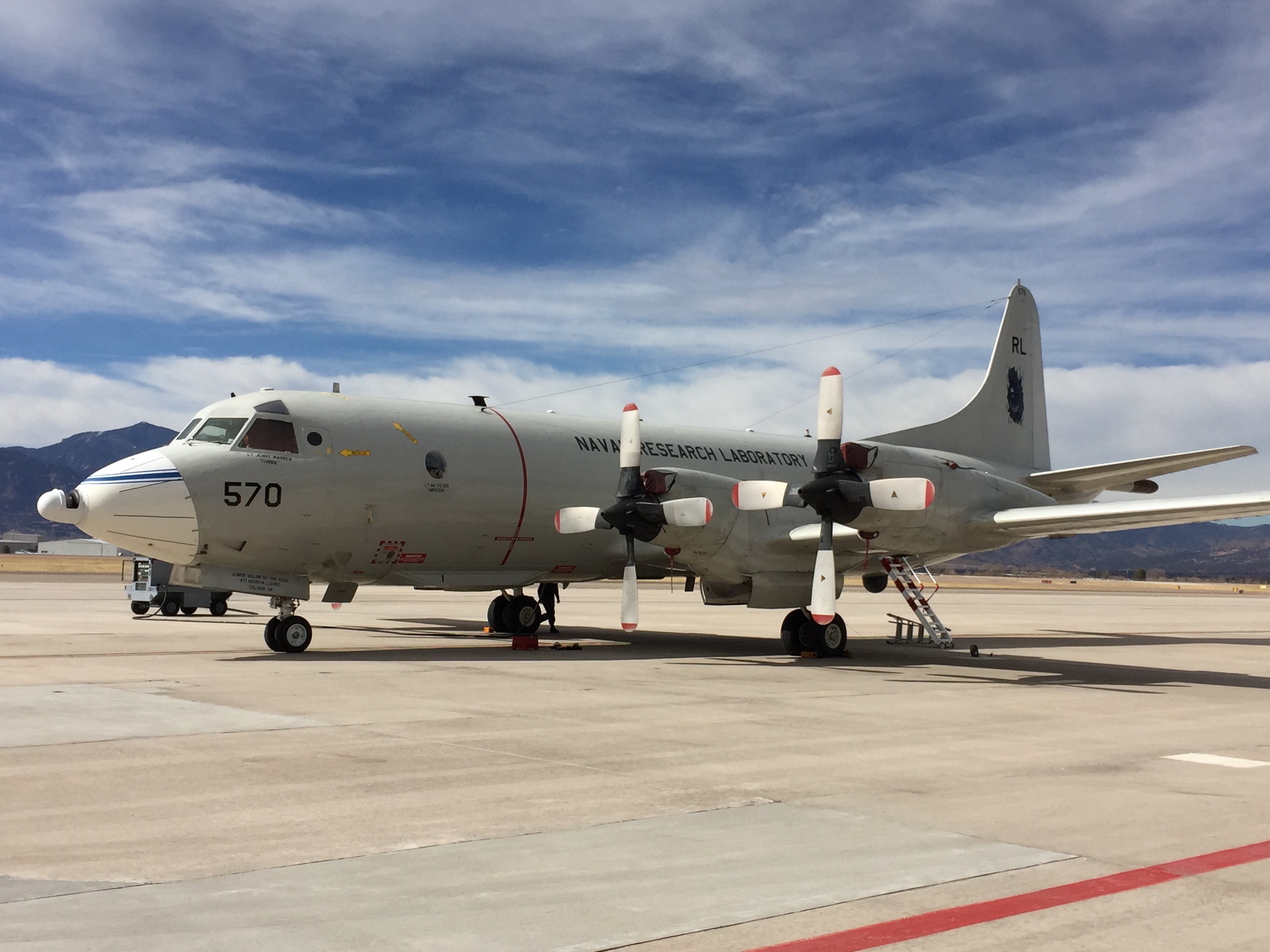
Snowex is hoping to determine how to measure the effect of the tree canopy on snowpack, snow depth, and snow density, all from space. This is the first year for SnowEx and is an intense data collection phase. An airplane is used as a proxy for satellite observations during this phase which also includes a ground effort on Grand Mesa (forest canopy site) and in the Senator Beck Basin (high altitude alpine site).
The team will spend next year examining the data and hoping to model a combination of sensors (multi-sensor approach) that correlates with the ground data sites. Edward Kim (NASA) called this, “ground-truthing.”
Years 3, 4, and 5 are lined-out for more data collection.
The other two speakers, Karl Wetlaufer (NRCS), and Frank McCormick (USFS), spoke about current snowpack estimation methods, the importance of estimation of the tree canopy effect, and the potential benefits of SnowEx.
Kim listed the benefits:
1. Water is critical to society — the project aims to measure the water in the snowpack to estimate runoff.
2. Forecast the potential for snowmelt floods — (9 of the most devastating floods in US history were snowmelt driven). Forecast drought.
3. For national security reasons it is important to know who has snow, and therefore water supply.
4. Forecast changes in climate.
Wetlaufer explained the science behind current snowpack estimation efforts. SNOTEL sites include a snow pillow to weigh the snow and the Federal Snow Sampler is used by the snow survey crews.
Snow surveys have always been a cooperative effort in the water community, he explained, citing participation by ditch companies, the NRCS, municipal providers, and others. Federal funding fired up in 1934.
Rani Gran (NASA) said that the science was at the frontier of snow science.

Frank McComick said that the USFS has been the lead agency concerned with snow water equivalent for over a century. In the West, he said, 80% of water supply comes from snowmelt from forested mountain areas.
He talked about the difficult and exacting work going on by the 100 or so ground folks including digging snow pits, from the surface to bare ground, with hand tools. At times the temperatures are well below zero. He said work in the Senator Beck basin was suspended earlier this week due to 60mph winds and white-out conditions, even though it was not snowing at the time. The field crews have been working since February 6th and plan to end the field work on the 20th.
I really liked talking to the Navy crew.
The survey requires low-level flying over the mountains. One of the pilots talked about the Rockies and how she was psyched at the chance to catch some of the views.
The other pilot was enthusiastic about his role on the team, helping the scientists aboard the aircraft accomplish their goals.
Oroville, the aerospace engineering program at CU, water rights, Colorado’s position as a the “Headwaters State”, the flood of September 2013, and how mountains concentrate streamflow, all came up in my conversations with the team members.
Thanks to Rani for organizing the event.
Click on a thumbnail graphic below to view a gallery of photos from the event.


