
From The Colorado Springs Gazette (Mary Shinn):
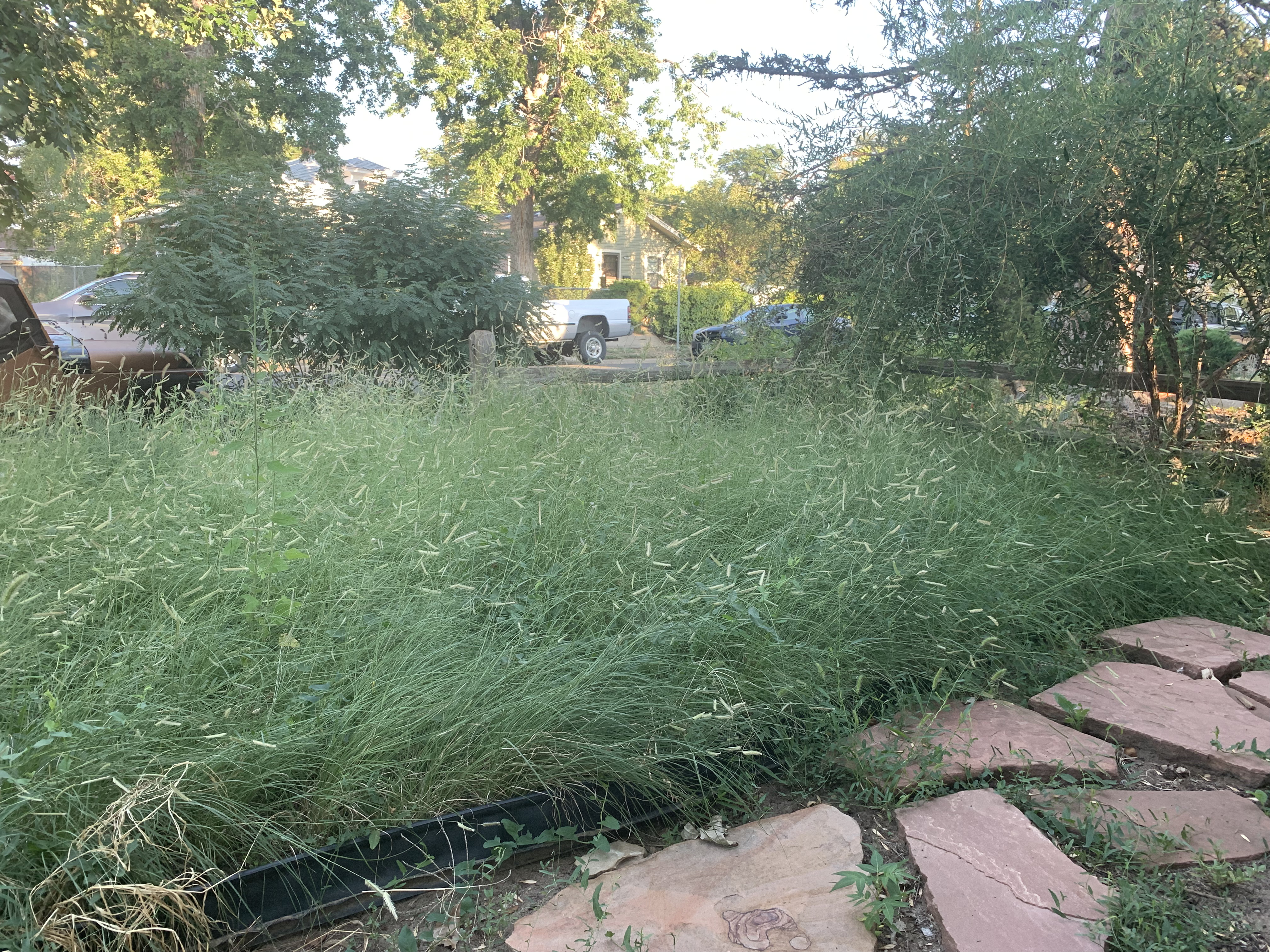
New Colorado Springs homes could be surrounded by far more native grasses and flowers like penstemons and coneflowers, rather than endless seas of Kentucky bluegrass, to help preserve water.
The proposed Colorado Springs zoning code could limit the amount of grass irrigated with sprinklers around new homes to 25% of the yard, excluding areas where plants can’t grow, such as a driveway, patio or deck. The code would also encourage drought resistant and native plants. The limits on lawns would not apply to existing homes.
Putting in native plants rather than lawns would not only help conserve water but also help support native insects and birds, said Judith Rice-Jones, co-manager of the Mid Shooks Run Community Garden and a local conservation advocate…
As the U.S. urbanizes and new neighborhoods spring up with nonnative grass planted around every home it cuts into habitat and many species have to look elsewhere for food, she said. Lawns are the No. 1 irrigated crop in the country, according to NASA. In 2005, three times as many acres were dedicated to lawns compared to corn.
Instead of trying to replicate what grows easily in the Midwest, the new standards could better fit what grows naturally in town, Rice-Jones said…
Moving away from water-hungry grass is also key for the community as hundreds of thousands of new people move to the area and Colorado Springs Utilities seeks to bring in additional water from other basins to serve them. The city is already heavily dependent on outside watersheds, with up to 70% of the city’s water coming from the Colorado River basin. The river has been hit hard by drought in recent years with Lake Powell, a major reservoir for the western U.S., hitting a record low.
About 40% of total water use in Colorado Springs is used for outdoor irrigation, depending on weather. In the summer months, irrigation can make up about 60% of consumption, said Scott Winter, project manager for Utilities Water Resources and Demand Management.
The proposed landscaping rules that encourage native, drought tolerant plants are expected to be a “significant component” of future water conservation efforts, in part because the city has so much land yet to be developed, he said. For example, the 21,000-acre Banning Lewis Ranch on the city’s eastern edge that accounts for one-third of the community is largely undeveloped.