
From the latest newsletter from Northern Water:
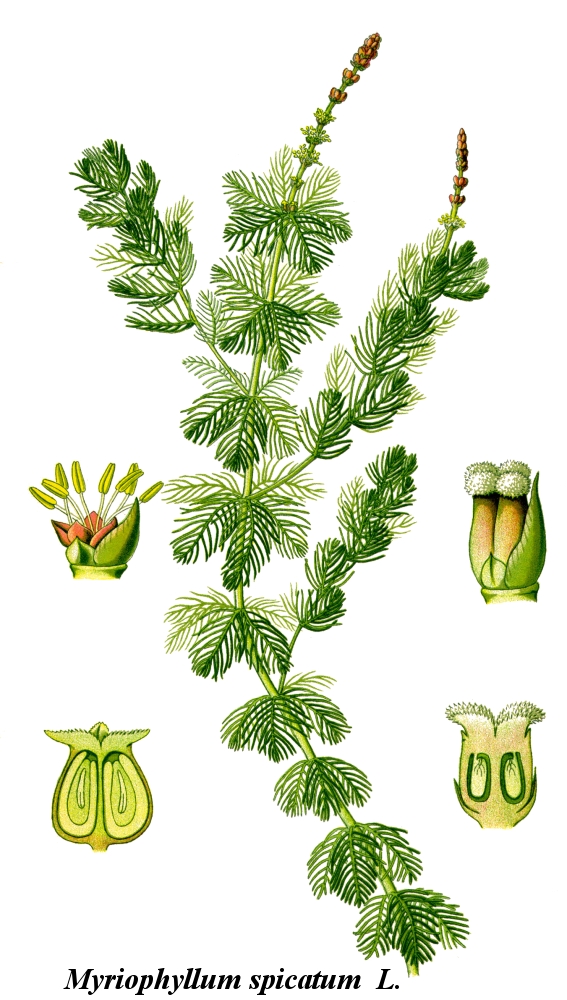
Colorado Parks and Wildlife officers have detected the presence of a nonnative invasive plant species in Boulder Reservoir.
The plant, Eurasian watermilfoil (EWM), was detected during a routine inspection at the reservoir in the summer of 2022 and confirmed during a follow-up survey in the fall. The plant is established primarily along the western coves of the reservoir and in areas along the southern and northern shorelines, according to a release from the City of Boulder. It is not harmful to public health and at its current growth levels, there are no impacts to recreation use at the reservoir or its use as a municipal and irrigation supply.
If the growth becomes very dense, the plant could impact swimming and boating and cause taste and odor issues with drinking water.
“While the survey confirmed the presence of EWM at the reservoir, we don’t know how it arrived. It can easily be transported by wind, connected waterways, humans fishing, dogs, watercraft, or wildlife, so we encourage anyone who recreates in the water to be vigilant about checking for aquatic nuisance species,” said Boulder Parks and Recreation Director Ali Rhodes. “The survey did find that there are no other aquatic nuisance or invasive plant species in the reservoir, which is good news.”
According to the city, recreation users will see a continuation of changes put in place in summer 2022. Upon initial detection of the plant, the city adjusted operations to include exit inspections on watercraft, increased education to users and added notification signage.