Click the link to read the article on the Associated Press website (Sam Metz). Here’s an excerpt:
Scientists will get $25 million to study salt lake ecosystems in the drought-stricken U.S. West, as President Joe Biden signed legislation Tuesday allocating the funds in the face of unprecedented existential threats caused by the lack of water.
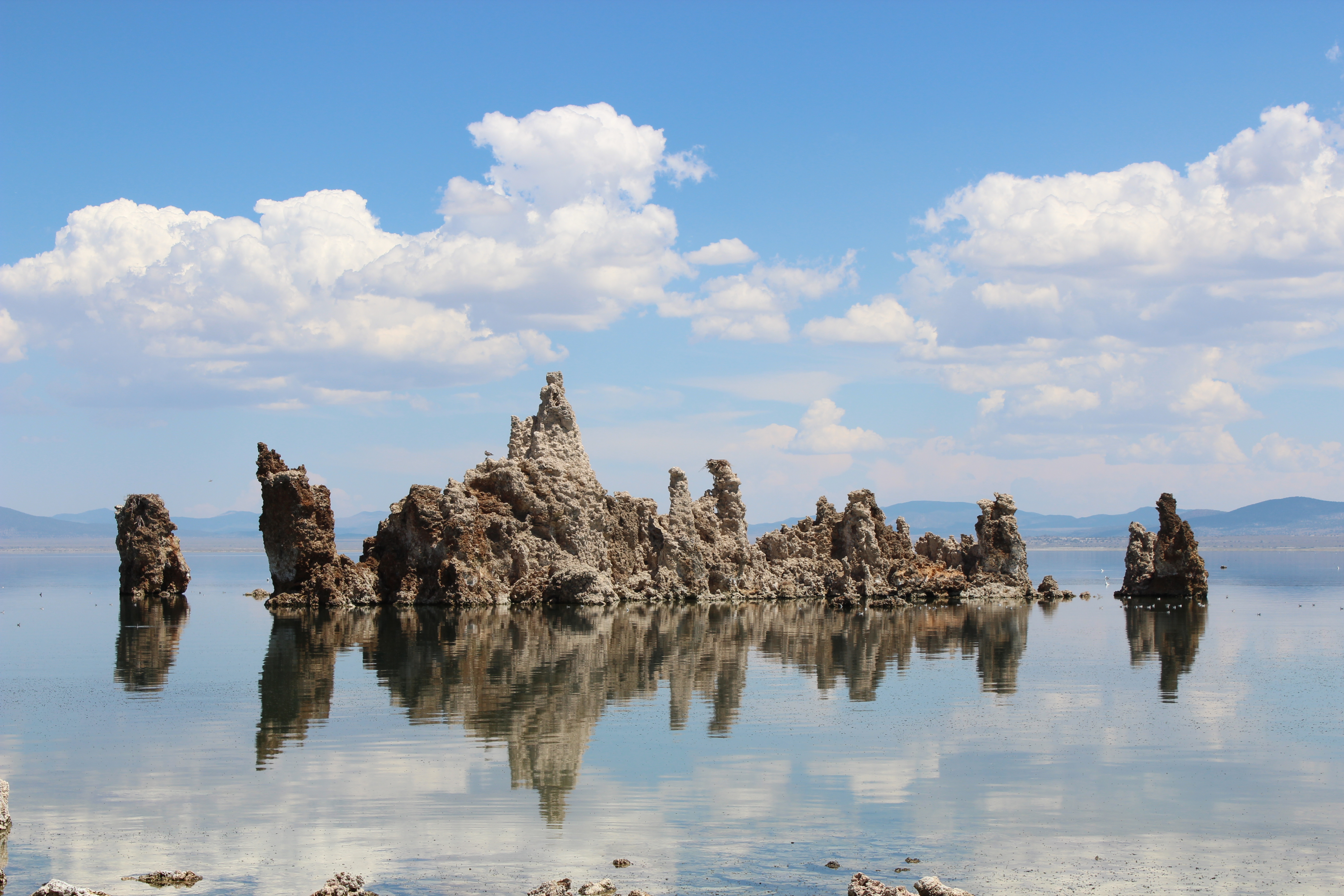
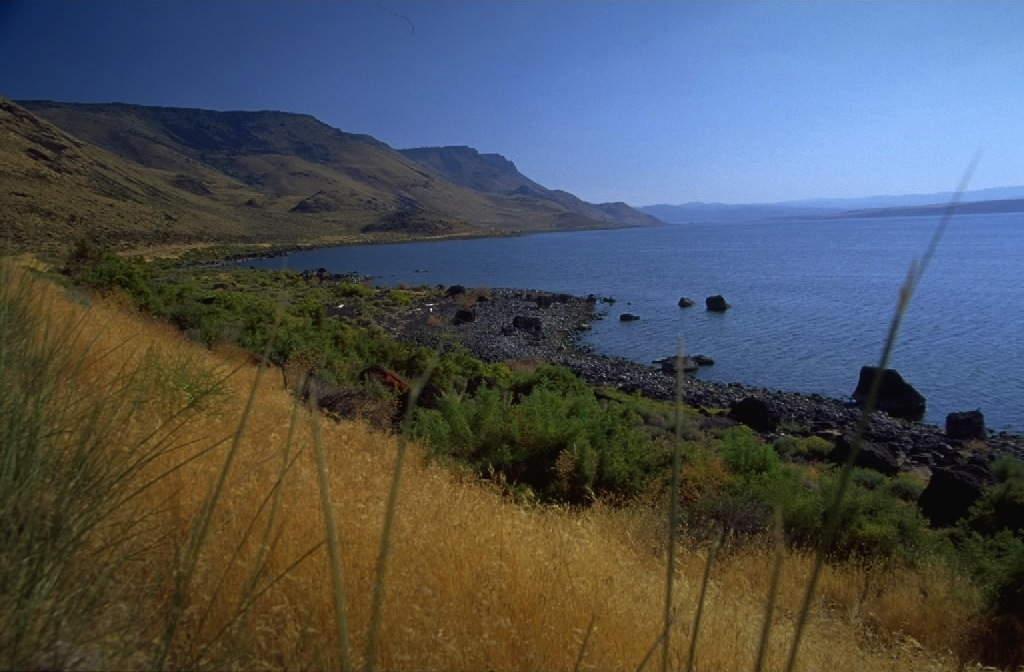
The funding allows the United States Geological Survey to study the hydrology of the ecosystems in and around Utah’s Great Salt Lake, California’s Mono Lake, Oregon’s Lake Albert and other saline lakes.

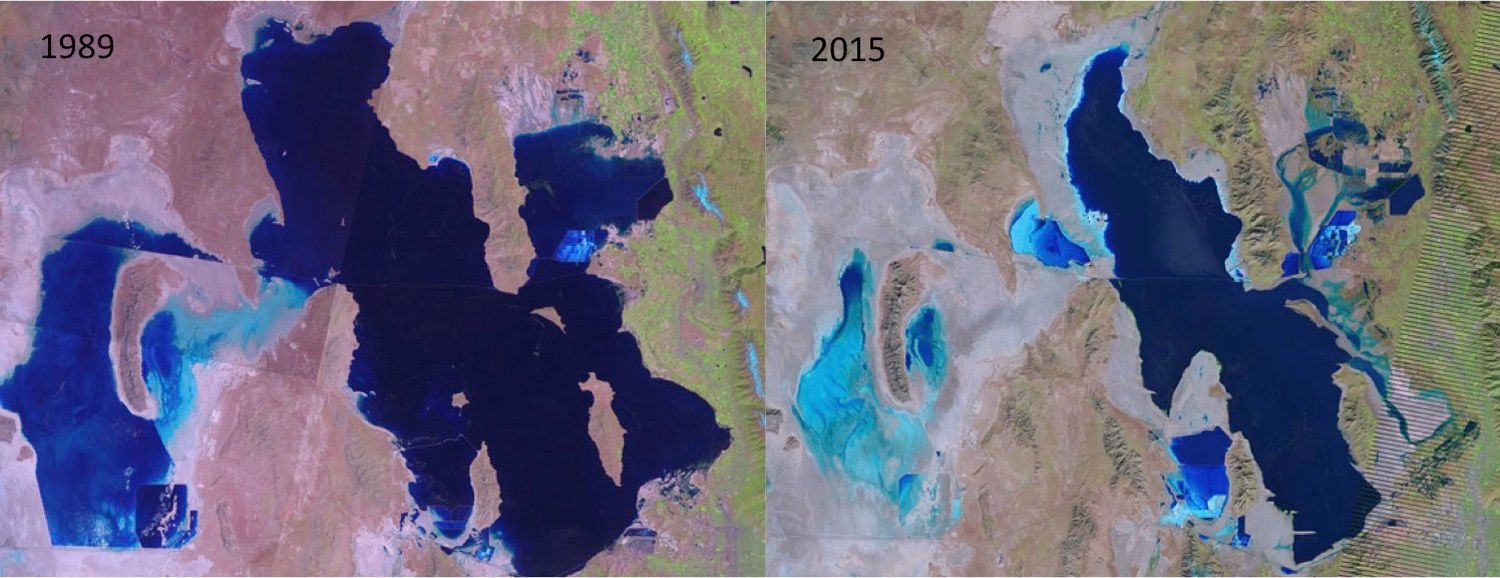
Amid a decadeslong drought, less snowmelt has flowed through the rivers that feed into the lakes, causing shorelines to recede and lake levels to plummet. Dwindling lake levels jeopardize the people, animals and businesses that rely on maintaining the ecosystem. The lakes often serve as critical habitats for migratory birds. Dust exposed by receding water levels can be blown into the air and have dangerous health effects on surrounding communities. And further depletion threatens the canals and infrastructure that a multi-million dollar mining industry needs to extract salts from the lakes…
In Utah, the Great Salt Lake shrunk to its lowest point in recorded history, posing threats to economic output, snowpack, public health and wildlife…In eastern California, state officials have dramatically curtailed the amount Los Angeles can divert from the creeks and tributaries that feed Mono Lake in the eastern Sierras…
Marcelle Shoop, the Saline Lakes Program Director for the Audubon Society, said in a statement that the funding would complement existing conservation efforts. “The Great Salt Lake and the network of saline lake ecosystems in the arid West face very serious challenges with increasingly low water levels, placing local communities and millions of migratory birds at risk,” she said…The bill adds to $40 million that Utah lawmakers allocated to the Great Salt Lake for watershed enhancement programs this year and supplements $10 million in Army Corps of Engineers funding for the saline lakes passed as part of a defense spending bill.