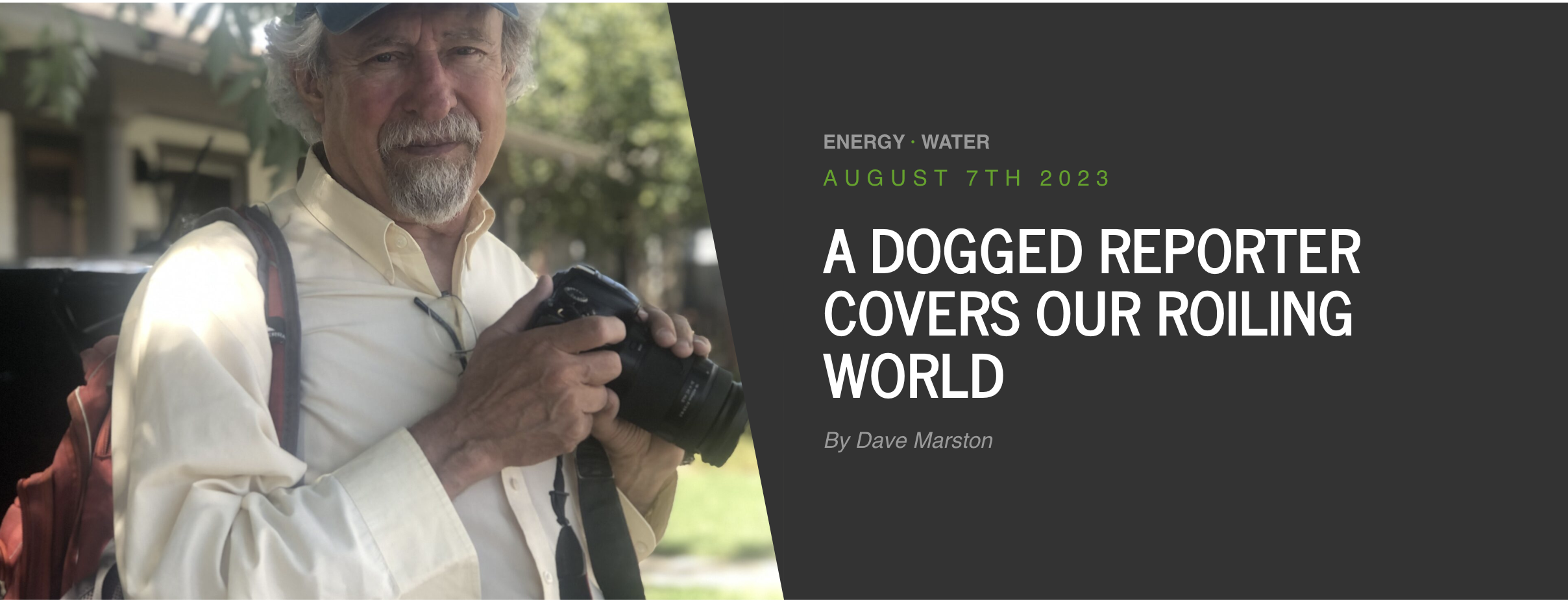
Dave Marston has written a profile of friend of Coyote Gulch Allen Best. Click the link to read the article on the Writers on the Range website (David Marston):
Usually seen with a camera slung around his neck, Allen Best edits a one-man online journalism shop he calls Big Pivots. Its beat is the changes made necessary by our rapidly warming climate, and he calls it the most important story he’s ever covered.
Best is based in the Denver area, and his twice-a-month e-journal looks for the radical transitions in Colorado’s energy, water, and other urgent aspects of the state’s economy. These changes, he thinks, overwhelm the arrival of the telephone, rural electrification and even the internal combustion engine in terms of their impact.
Global warming, he declares, is “the biggest pivot of all.”
Whether you “believe” in climate change — and Best points out that at least one Colorado state legislator does not — there’s no denying that our entire planet is undergoing dramatic changes, including melting polar ice, ever-intensifying storms, and massive wildlife extinctions.
A major story that Best, 71, has relentlessly chronicled concerns Tri-State, a wholesale power supplier serving Colorado and three other states. Late to welcome renewable energy, it’s been weighed down with aging coal-fired power plants. Best closely followed how many of its 42 customers — rural electric cooperatives — have fought to withdraw from, or at least renegotiate, contracts that hampered their ability to buy cheaper power and use local renewable sources.
Best’s first newspaper job was at the Middle Park Times in Kremmling, a mountain town along the Colorado River. He wrote about logging, molybdenum mining and the many miners who came from eastern Europe. His prose wasn’t pretty, he says, but he got to hone his skills.
Because of his rural roots, Best is most comfortable hanging out in farm towns and backwaters, places where he can listen to stories and try to get a feel for what Best calls the “rest of Colorado.” Pueblo, population 110,000 in southern Colorado, is a gritty town he likes a lot.
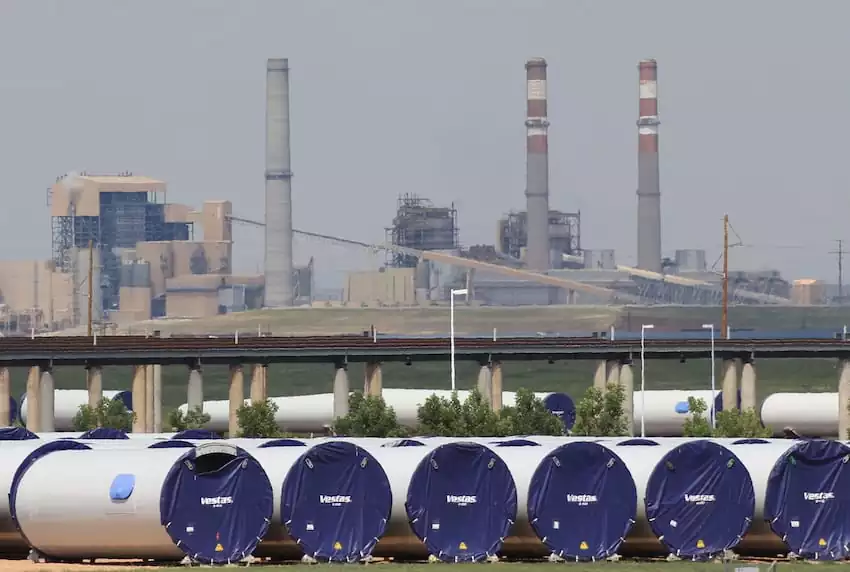
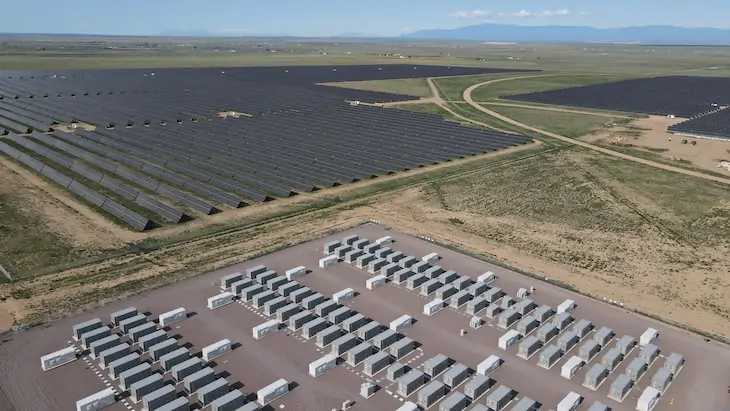
Pueblo has been forced to pivot away from a creaky, coal-fired power plant that created well-paying jobs. Now, the local steel mill relies on solar power instead, and the town also hosts a factory that makes wind turbine towers. He’s written stories about these radical changes as well as the possibility that Russian oligarchs are involved in the city’s steel mill.
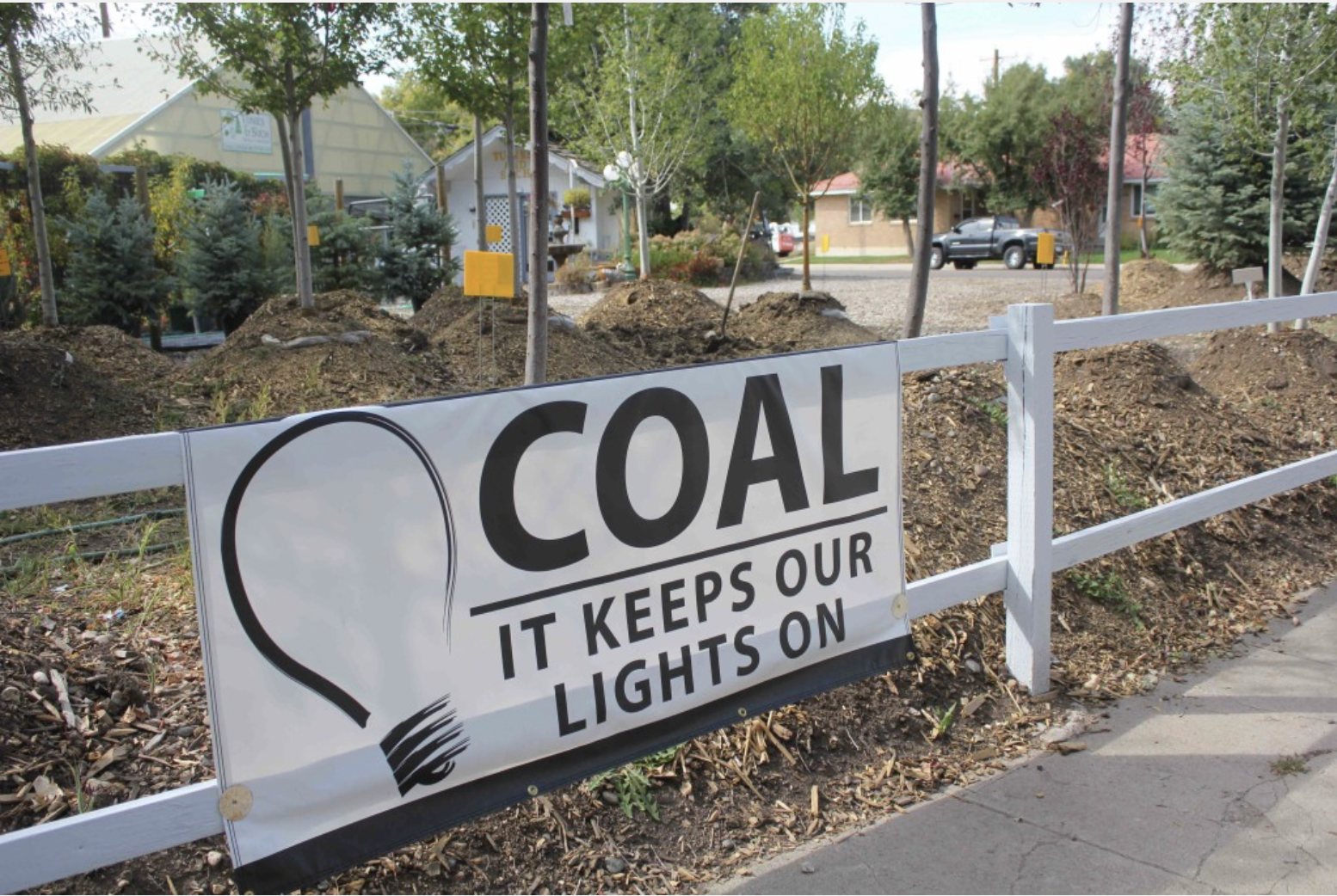
Best also vacuums up stories from towns like Craig in northwestern Colorado, home to soon-to-be-closed coal plants. He says he finds Farmington, New Mexico, fascinating because it has electric transmission lines idling from shuttered coal power plants.
His Big Pivots may only have 1,091 subscribers, but story tips and encouragement come from some of his readers who hold jobs with clout. His feature “There Will Be Fire: Colorado arrives at the dawn of megafires” brought comments from climate scientist Michael Mann and Amory Lovins, legendary co-founder of The Rocky Mountain Institute.
“After a lifetime in journalism, his writing has become more lyrical as he’s become more passionate,” says Auden Schendler, vice president of sustainability for the Aspen Ski Company. “Yet he’s also completely unknown despite the quality of his work.”
Among utility insiders, and outsiders like myself, however, Best is a must-read.
His biggest donor has been Sam R. Walton’s Catena Foundation — a $29,000 grant. Typically, supporters of his nonprofit give Big Pivots $25 or $50.

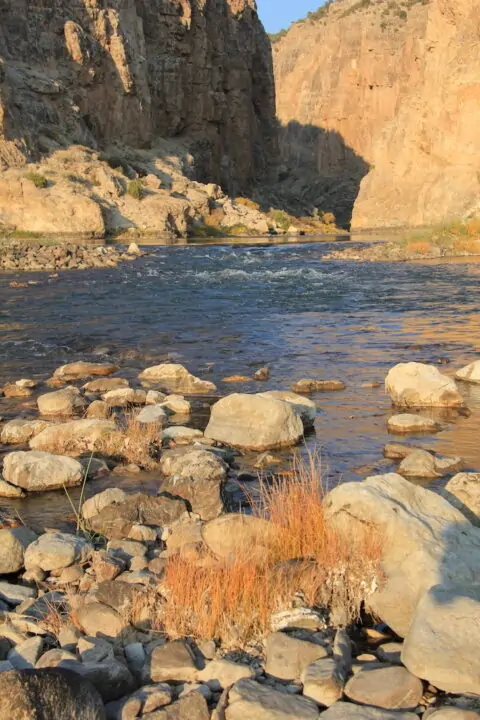
Living in Denver allows him to be close to the state’s shot callers, but often, his most compelling stories come from the rural fringe. One such place is the little-known Republican River, whose headwaters emerge somewhere on Colorado’s Eastern Plains. That’s also where Best’s grandfather was born in an earthen “soddie.”
Best grew up in eastern Colorado and knows the treeless area well. He’s written half a dozen stories about the wrung-out Republican River that delivers water to neighboring Kansas. He also sees the Eastern Plains as a great story about the energy transition. With huge transmission lines under construction by the utility giant Xcel Energy, the project will feed renewable power from wind and solar to the cities of Denver, Boulder and Fort Collins.
Best admits he’s sometimes discouraged by his small readership — it can feel like he’s speaking to an empty auditorium, he says. He adds, though, that while “I may be a tiny player in Colorado journalism, I’m still a player.”
He’s also modest. With every trip down Colorado’s back roads to dig up stories, Best says he’s humbled by what he doesn’t know. “Just when I think I understand something, I get slapped up the side of the head.”
Dave Marston is the publisher of Writers on the Range, writersontherange.org, an independent nonprofit dedicated to spurring lively conversation about the West. He lives in Durango, Colorado.
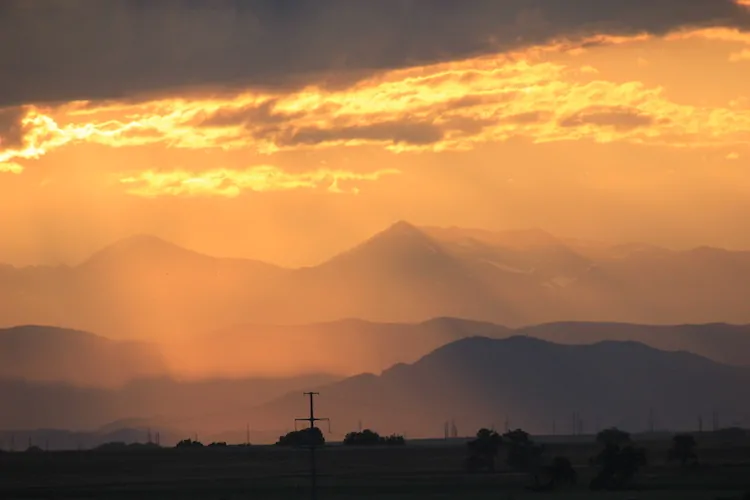
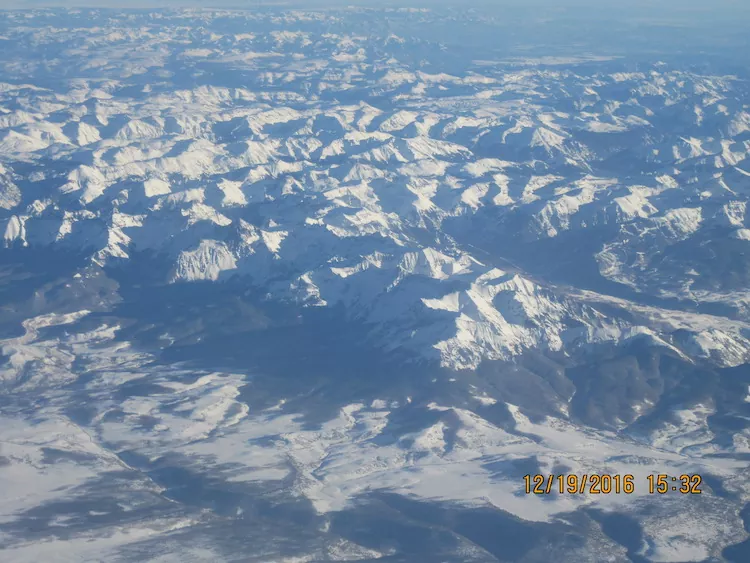
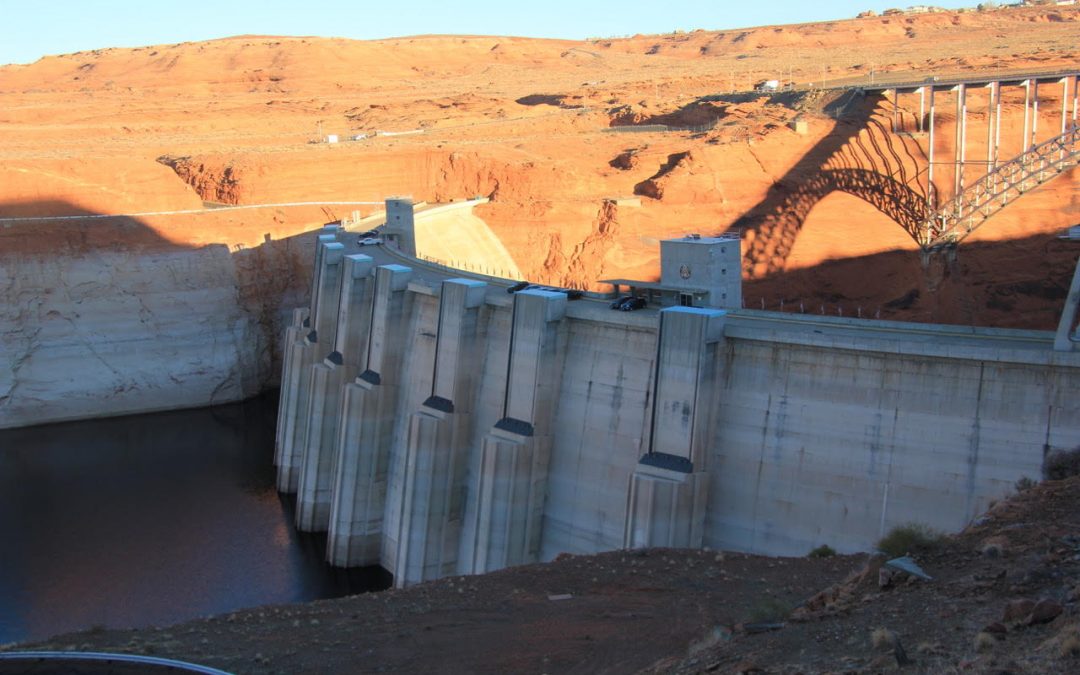
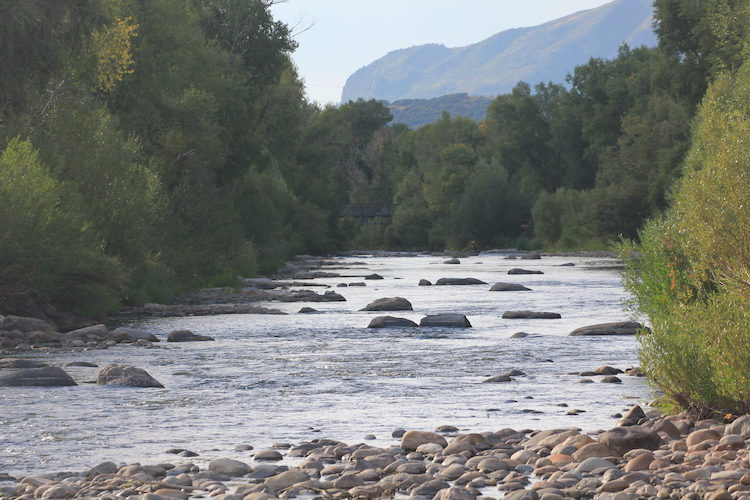
Just for grins here’s a gallery of Allen’s photos from the Coyote Gulch archives.