August 19, 2025
The San Carlos Apache Tribe and a coalition of environmental groups have fought for years against the Resolution Copper mine, which would become one of the country’s largest at the cost of a site revered by the tribe.
Just hours before the deal was set to go through, a federal appeals court temporarily blocked a land transfer in Arizona on Monday that would ultimately lead to the destruction of a site sacred to Western Apache people.
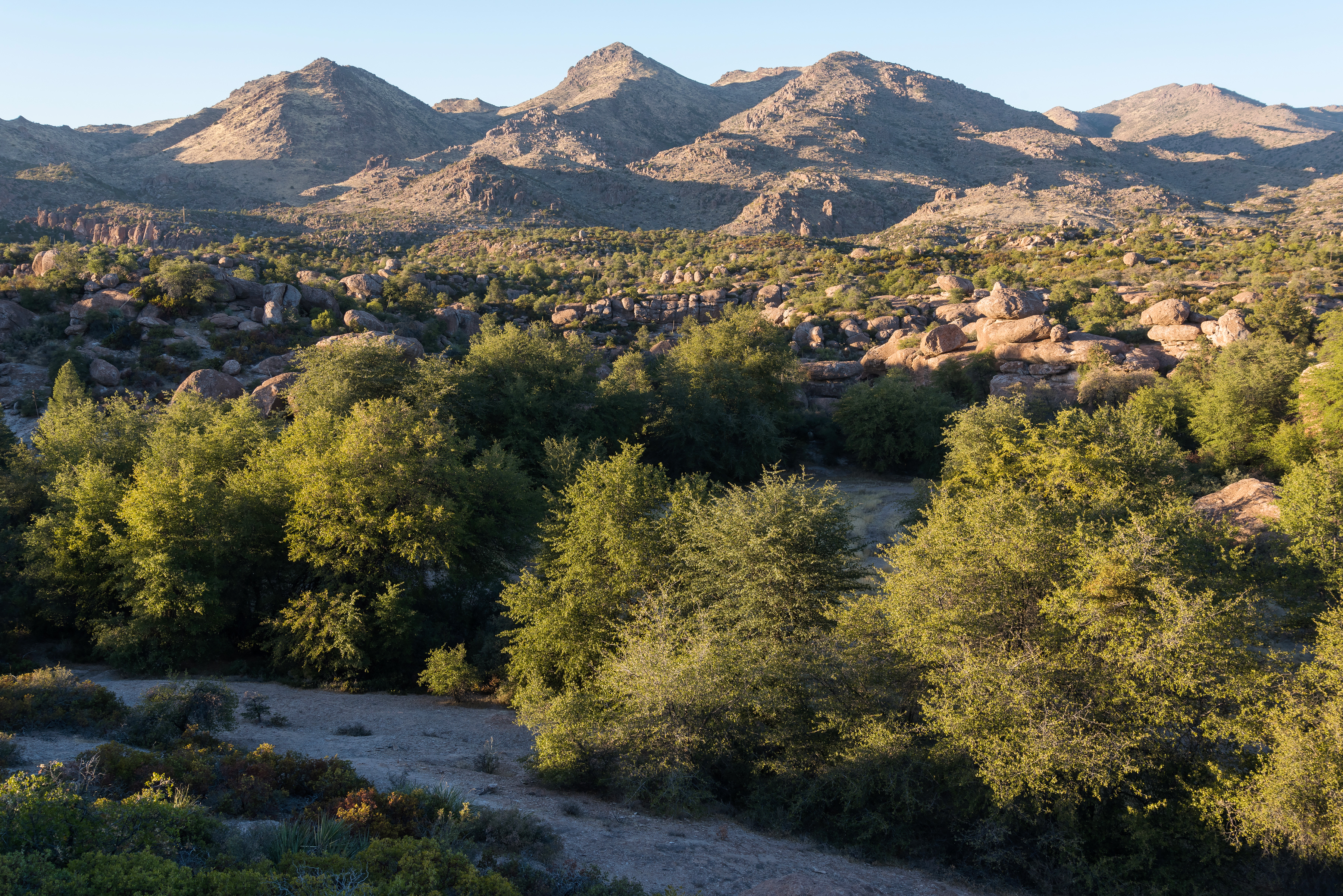
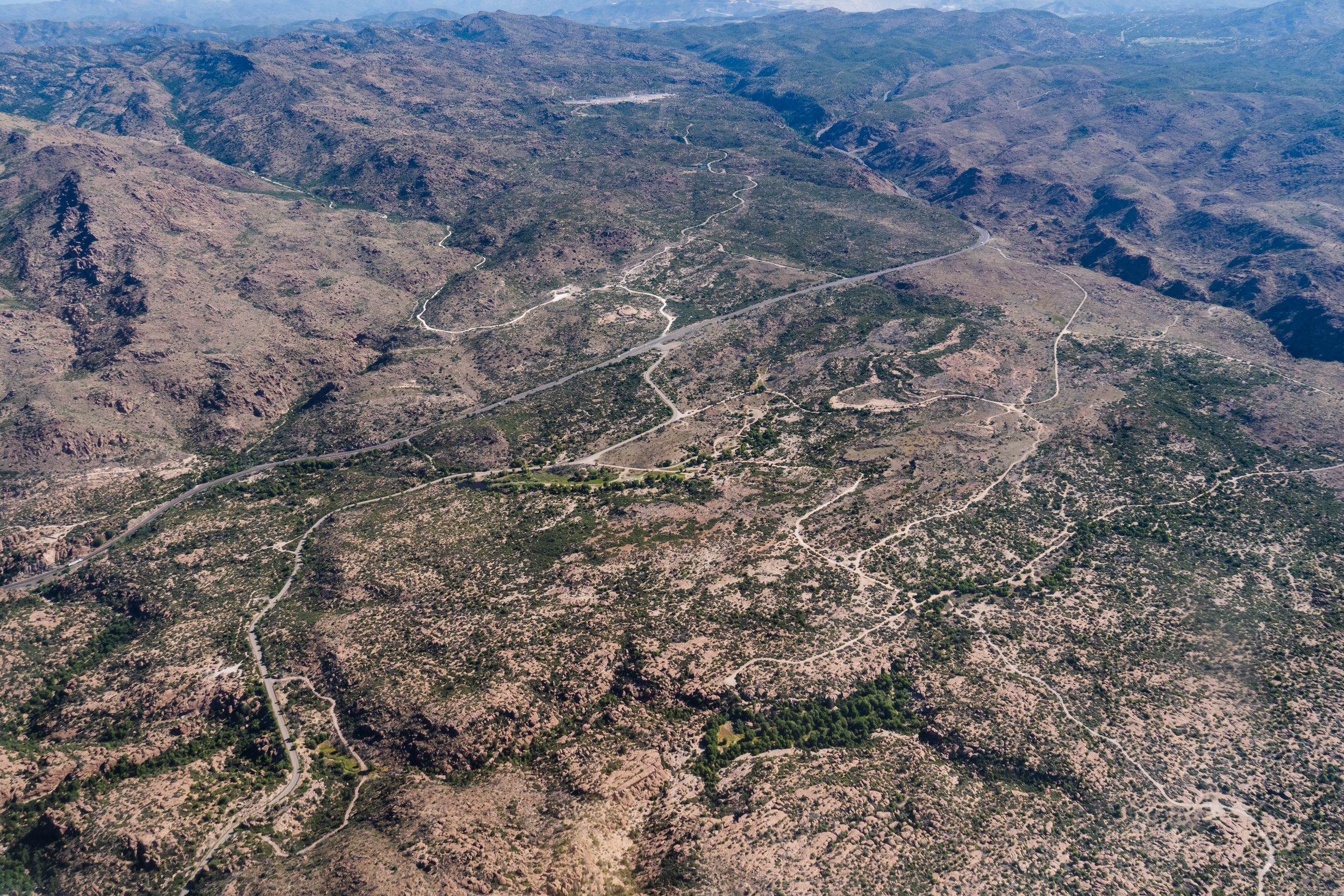
The 9th U.S. Circuit Court of Appeals’ temporary restraining order is the latest in a long-running saga in which the U.S. Forest Service has planned to transfer the land to a mining company, Resolution Copper, while the San Carlos Apache Tribe and a coalition of environmental groups have fought to protect the sacred site of Oak Flat, or Chí’chil Biłdagoteel in Apache.
The company has worked for two decades to gain access to the 2,200 acres of land in Tonto National Forest that contains both the sacred site and one of the world’s largest untapped copper deposits. The restraining order halts the land transfer until the court can rule on two consolidated cases, which have argued in lower courts that approval of the land transfer and mine violates the National Environmental Policy Act and failed to adequately consult with the tribe.
“The Apache people will never stop fighting for Chí’chil Biłdagoteel,” said San Carlos Apache Tribe Chairman Terry Rambler in a statement. “We thank the court for stopping this horrific land exchange and allowing us to argue the merits of our pending lawsuit in court.”
A spokesperson for Resolution Copper said in a written statement that the order is “merely a temporary pause so that the court of appeals can consider plaintiffs’ eleventh hour motions,” and that the company is “confident the court will ultimately affirm the district court’s well-reasoned orders explaining in detail why the congressionally directed land exchange satisfies all applicable legal requirements.”
U.S. District Judge Dominic W. Lanza on Friday denied the tribe and environmental groups’ challenges, which had cleared the way for the land transfer to go through. In his order, he acknowledged the mine would destroy the sacred area and use a massive amount of the region’s scarce groundwater. But he noted that the transfer was signed into law in 2014 by President Barack Obama—mandated by Congress in a rider attached to a defense bill—and that the Supreme Court declined to hear another case challenging the mine.
A spokesperson from the U.S. Department of Agriculture, which oversees the Forest Service, declined to comment on the latest court order, but said the bill authorizing the land transfer aligns with the Trump administration’s efforts “to strengthen domestic mineral and energy production, advancing the nation’s economic and strategic goals.”
In April, the Trump administration signaled it would approve the project. A years-long religious freedom case brought by Apache Stronghold, an Apache religious group, was denied by the Supreme Court in May. Then, the U.S. Forest Service postedthe final environmental impact statement and draft record of decision for the Resolution Copper project, setting the stage for Oak Flat to be transferred to the mining company by Aug. 19.
Since then, the proposed mine has become one of the most high-profile environmental battles in the U.S. The 9th Circuit’s order requires the tribe and environmental groups to file their opening brief by Sept. 9, with answering briefs from the Forest Service and Resolution Copper due by Sept. 29.
“We’re thankful that the court has paused this ill-conceived land exchange that would destroy Oak Flat and all that makes it special, including the old Emory oak trees, endangered hedgehog cactus, and its significant cultural and recreational values,” said Sandy Bahr, director of the Sierra Club’s Grand Canyon Chapter, in a statement. The Sierra Club is one of the plaintiffs. “There is still a lot to do to save this special place, but we remain committed to doing everything we can to ensure Oak Flat is here for future generations.”