
Click the link to read the article on The Vail Daily website (David O. Williams). Here’s an excerpt:
March 15, 2026
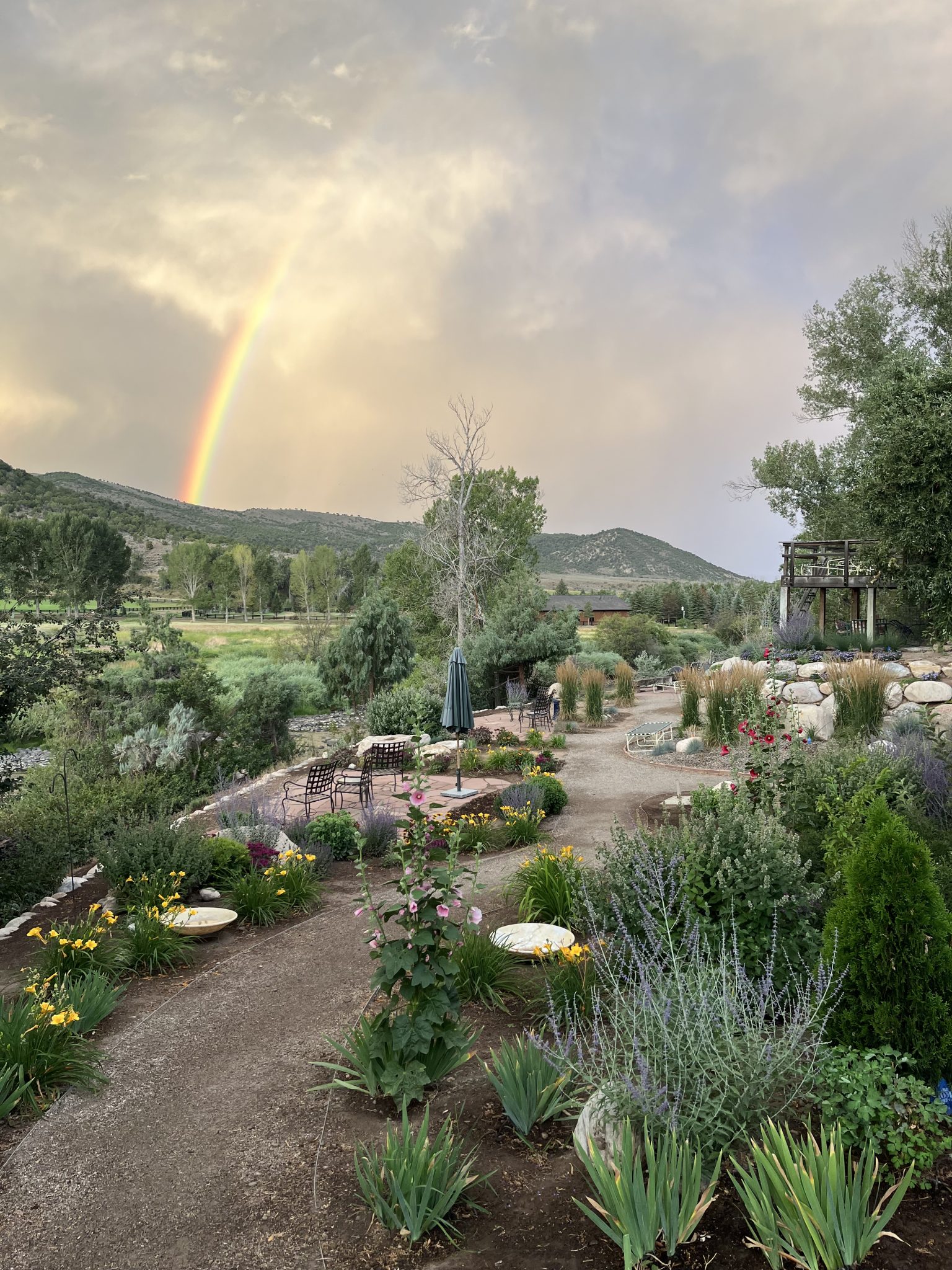
Eagle County water officials are urging property owners to voluntarily scale back water usage in a big way this spring and summer, reducing outdoor watering of landscaping in order to avoid fines and to keep water providers from having to declare a water shortage. The idea is to keep people in tiers one and two for outdoor water use – 95% of which does not return to local streams and rivers — and that one of the best ways to do so is water-wise landscaping, or basically tearing up non-native turf grass and going with native plants that require far less outdoor watering…The Eagle County Conservation District runs a program called Beyond Lawn that will assess your yard, give you some ideas on how to minimize turf, how to go with water-wise native plants, reconfigure your irrigation system, find like-minded landscapers, and make sure fines and surcharges from your water provider aren’t part of your future this summer. Beyond Lawn’s wait list is available to join online. There is also a do-it-yourself workshop being held in conjunction with Walking Mountains and the Climate Action Collaborative at 5:30 p.m., Thursday, April 16…
If not exactly a turf war, water officials’ war on turf could gain significant new teeth as Eagle County reworks its land-use codes, according to Snyder, which currently allow for anywhere between 3,000 and 6,500 square feet of irrigated turf for new homes.
“We think that’s excessive,” Snyder said. “(So we’re) putting forward recommendations to narrow that down to 500 square feet, which is still a nice backyard. The hope would be that with new builds, the county and others would pursue land-use code changes that actually would say, ‘this is reasonable.’ And then it gets really hard to overwater 500 square feet.”
Old land-use codes that allowed up to 12,000 square feet of non-native turf have led to people using 60,000 gallons a month (extreme tier five). That kind of water use reduces the shared supply for everything from drinking water to fighting wildfires, and district officials say massively overwatered yards are not any more fire-resistant.
