Click the link to read the article on the Water Education Colorado website (Shannon Mullane):
July 8, 2026
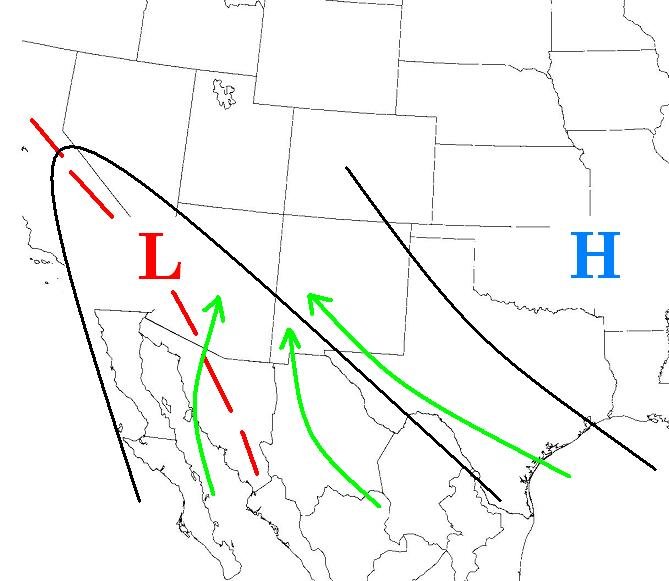
Coloradans can expect some rain this week before high temperatures return over the weekend. After that, experts have high hopes for monsoons to swing into Colorado from the southwest this month — though when exactly that will happen is still up for debate.
Large fires have ignited across the state, killing three firefighters, destroying homes, causing evacuations, and prompting air quality concerns around Colorado. National Weather Service meteorologists were tracking storms this week that dropped moisture on the Western Slope before raising the chance of rain for the Front Range and Eastern Plains. It’s not quite the start of the monsoon season, they said, but the moisture and humidity are offering a short reprieve from the hot, dry and windy conditions that contribute to rapid fire growth.
By this weekend, forecasters are warning of critical fire conditions once again, urging residents and visitors to carefully put out cigarettes, avoid dragging chains from their vehicles and keep a close eye on campfires (where they’re allowed).
“Just do the things to keep everybody safe,” Cameron Simcoe with the National Weather Service in Pueblo said. “Don’t start a wildfire.”
The benefits of this week’s showers in parts of Colorado are likely to dry up over the weekend as a summer heatwave brings triple-digit temperatures to parts of the state. After that, some relief may come this month in the form of monsoonal rains, a weather pattern that brings moisture from the southwest into Colorado. These rains typically arrive in mid-July.
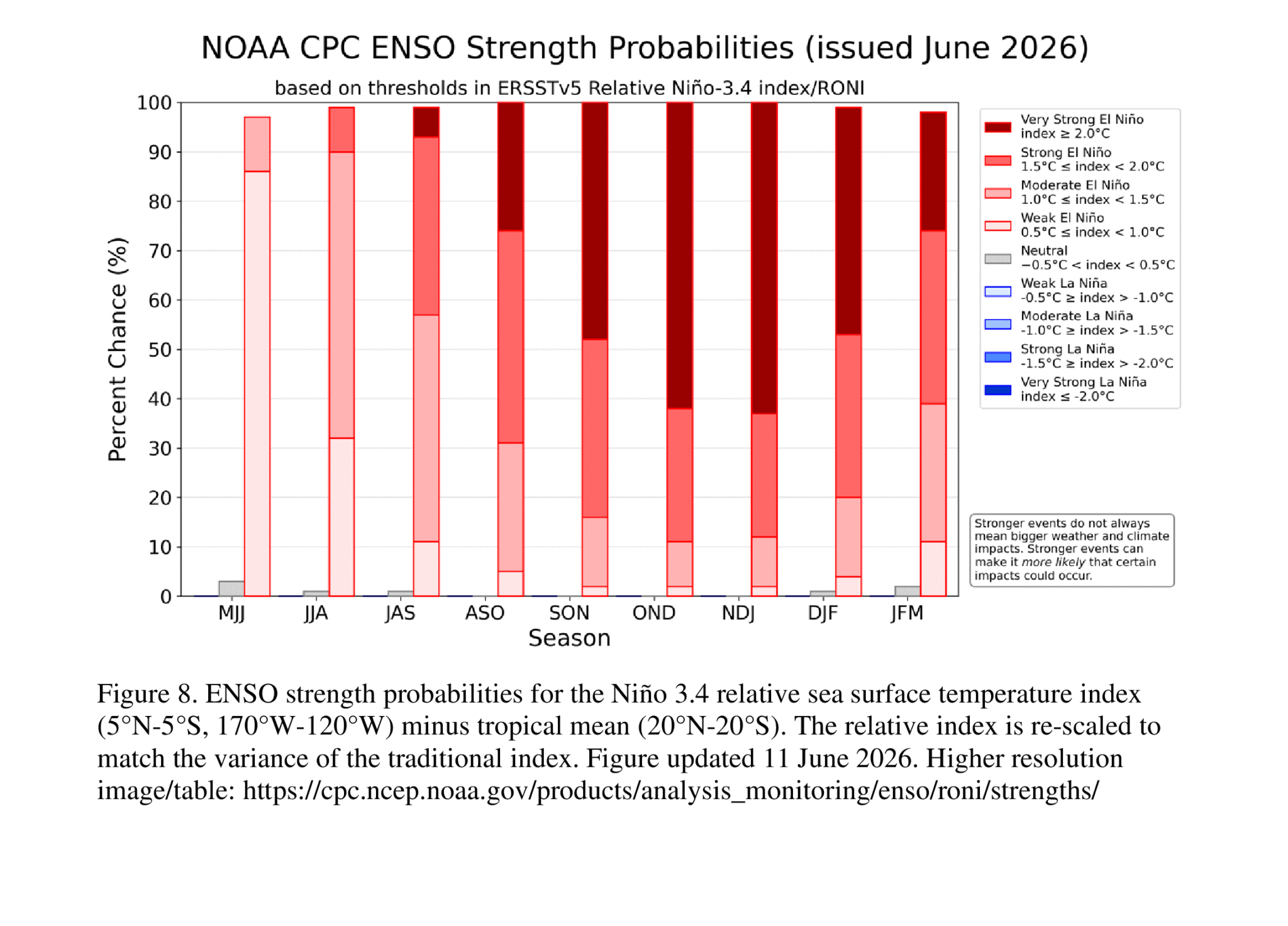
Come fall and winter, Colorado may be able to expect more moisture from a strong El Niño swinging up from the Pacific Ocean. In mid-June, there was a 70% chance that the El Niño would become a “super El Niño,” a rare, strong pattern that impacts weather worldwide, according to climate experts.
“That there will be El Niño by this fall is pretty much guaranteed at this point,” state climatologist Russ Schumacher said. “The chances are better than not that it’ll be pretty strong.”
The Aspen Acres wildfire area is not expected to see critical fire conditions over the next few days, although that could change over the weekend into early next week, he said.
Looking ahead for the north and north-central region
In Boulder, Paul Schlatter, a meteorologist for the NWS Boulder office, does not expect critical fire conditions over the next few days for the north and north-central regions of Colorado, but that will change by Sunday.
“We’re hoping that nobody causes any sparks, especially on Sunday and beyond,” he said.
He is tracking chances for afternoon thunderstorms Wednesday through Friday. By Sunday, temperatures could reach the upper 90s while humidity is expected to hover between 10% and 15%. Wind speeds are likely to be 20 to 25 mph, slightly below the threshold for critical fire conditions. East of Denver, temperatures could reach close to 100 degrees with gusts over 25 mph Monday and Tuesday, Schlatter said.
Coloradans should find ways to stay cool — whether that’s shade, open windows or air-conditioning indoors, he said. Don’t leave pets or children in vehicles, which will reach high temperatures quickly in the summer heatwave.
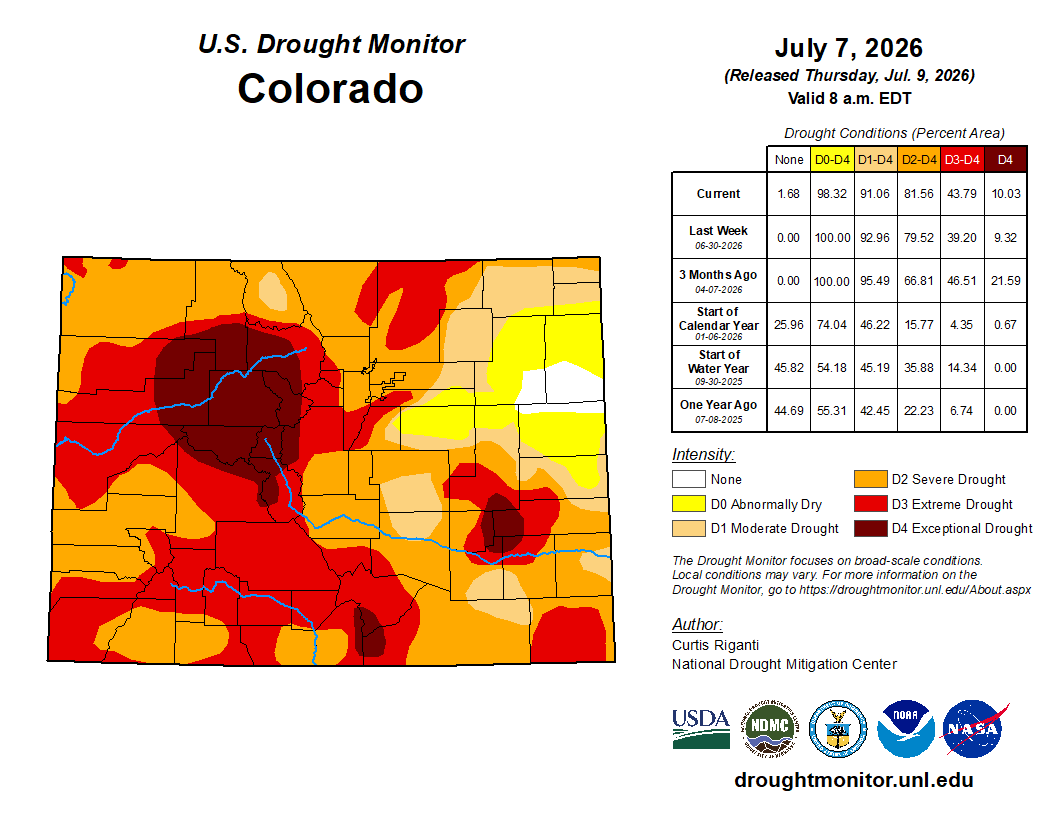
Even with this week’s storms, fuels are primed to burn because of the drought, he said.
About 93% of the state was experiencing drought as of June 30, and 9% was in exceptional drought, the worst of four categories used by the U.S. Drought Monitor. This time last year, about 44% of the state was in drought and no areas were in exceptional drought, according to the Drought Monitor.
“Just the way things have been going around here, it doesn’t take a lot of wind. Because the fuels are so dry, because of the drought, any fire will quickly get going on a day like that,” Schlatter said.
The monsoon is coming — eventually
Colorado’s dry conditions are driven, in large part, by a record-poor snowpack in Colorado’s mountains this winter.
Colorado’s reservoir storage was 64% of the norm as of Tuesday, according to federal data. Its waterways were already struggling by June — typically the driest part of the summer. As of July, some of the major rivers, like the Colorado River which runs through the Western Slope toward Utah, are very likely to have record low flows in total for this water year, which started Oct. 1 and ends Sept. 30, Schumacher said.
The Colorado River, and major tributaries like the Eagle and White rivers, are at or near their record lows for the water year up to this point. For the Gunnison River, only two years have been worse than this year so far out of 100 years of data, he said.
“It’s not surprising to see the flows come down,” Schumacher said. “But they’re coming down from very low peaks and low water levels.”
That makes it hard for prized native, sport and threatened fish to swim through warmer-than-usual waters or make it through shallow areas as they search for refuge in deeper pools. Less water in rivers and streams means less water entering reservoirs and adding moisture to fields that grow food for Colorado and beyond. Some fire officials have worried about strained supplies to fight fires.
With a wet monsoon season, Colorado’s rivers and streams might escape reaching new record lows, Schumacher said.
The forecasts are showing a likelihood that Colorado will receive monsoon rains, which don’t always come to the state in the summer. When they will arrive this year is less certain. They might start within a week or two, on the optimistic side, experts said.
These southwestern storm patterns come with the promise of more humidity in the air, more afternoon clouds and regular chances for rain. How much rain actually falls is unpredictable, but the higher humidity levels should help mitigate fire risk, Schumacher said.
“It’s the days when it’s warm, no humidity, no clouds — those are the days where it’s ripe for fires to grow quickly,” Schumacher said. “When there are chances for rain and it’s cloudy, that all helps. It may not solve the situation, but at least, it moves things in the right direction.”