
Here’s a guest column written by US Senator Mark Udall running in the Glenwood Springs Post Independent where he urges action on the probable supply shortages on the Colorado River. Here’s an excerpt:
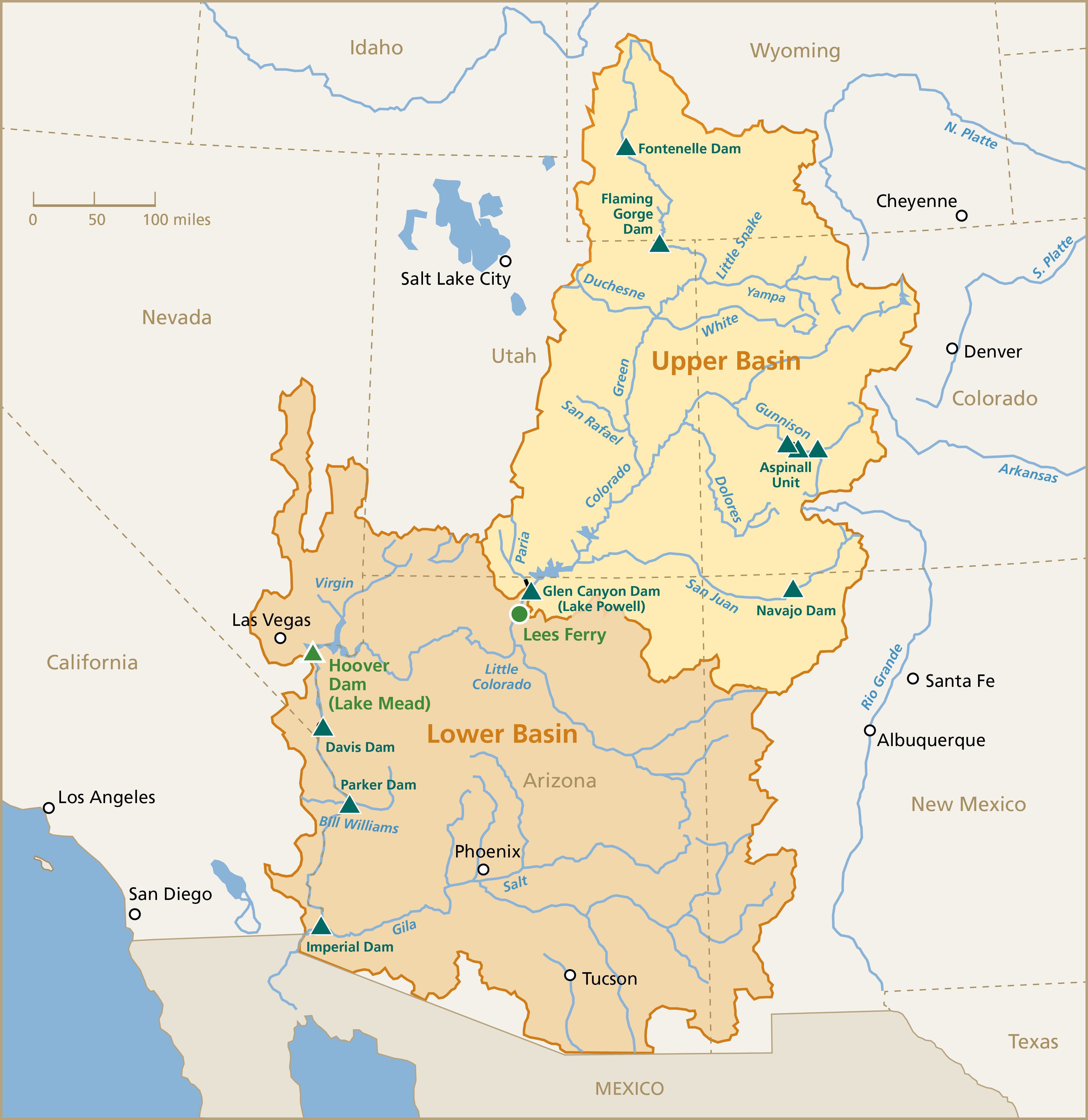
At a U.S. Senate hearing I recently led, we examined a U.S. Bureau of Reclamation study that found the demand for water along the Colorado River Basin could exceed the available supply by more than 3.2 million acre-feet — enough water to supply more than 3.2 million families across the basin — by 2060.
This could be just another study that gathers dust on the shelf, but Colorado and the West cannot allow that to happen. The study is a call to action.
The Bureau of Reclamation and the basin states have jump-started the conversation by assembling stakeholders that represent water providers, industrial users, agricultural interests and non-consumptive water users to collaborate and commit to strategies that reduce demand through innovation, conservation and better management of supply. A balanced mix of these strategies applied across the Colorado River basin will be critical for us to prepare for the future and reduce our water-shortage vulnerabilities.
While additional infrastructure is likely to be needed to serve the state’s growing population, Colorado should focus its short-term efforts on improving water efficiency and conservation practices. We must lead by example and better use existing infrastructure, improve water delivery mechanisms and continue creating resourceful conservation practices.
I will keep fighting in Washington to make important reforms that save water and promote a conservation mindset. One of the proposals I am working on is a bipartisan plan to create “smart water” projects to improve the efficiency of water treatment and delivery systems. I also will keep championing common-sense and job-creating projects, like the Arkansas Valley Conduit and Fountain Creek project in southern Colorado, which ensure we use the water we have more efficiently and promote smarter growth.
It’s been said that we don’t inherit the land and water from our parents — we borrow it from our children. No one instilled this ideal in me more than my mother. She was a member of the NRA, a sharpshooter and an avid angler. She encouraged my siblings and me to get outside and feel the dust in our hands, tackle the steepest climbs and ski the tallest mountains.
She understood that these experiences are among the most important inheritances we pass down to our children and grandchildren. Yet, without a strong Colorado River, none of these Western experiences — or our long-term economic success — will be possible.