
Click the link to read the article on The Denver Post website (Conrad Swanson). Here’s an excerpt:
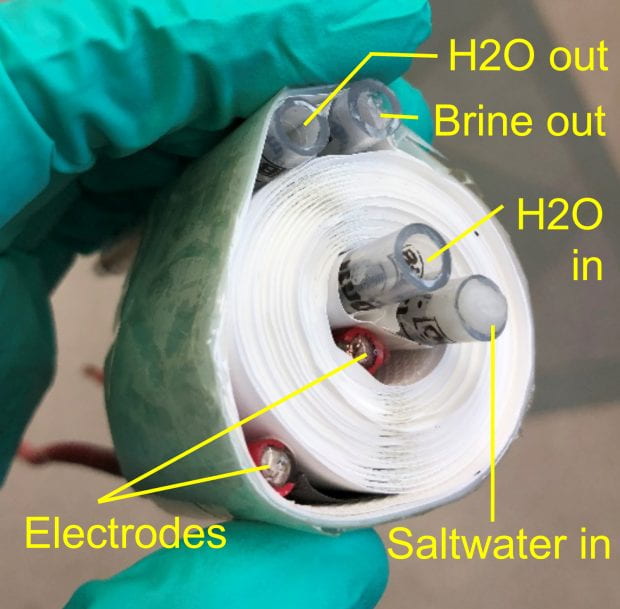
Desalination
The gist: The Pacific Ocean has more than enough water to supplement whatever the Colorado River has lost. But, as it is, ocean water is not safe to drink, nor can it be used on crops. Running ocean water through a desalination plant can filter out its dangerously high salt content, bacteria and other impurities to make it safe for use…

Reuse and recycling
The gist: Collect water that’s already been used and use it again…
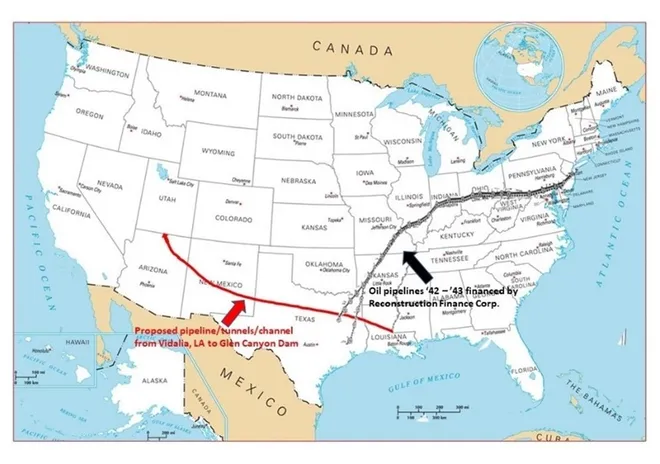
Importing water
The gist: If the Colorado River is losing water so fast, why not take water from the places that have it and transport it into the basin that needs it, likely with a system of pipes?
[…]

Cloud seeding
The gist: By spraying a chemical compound — typically silver iodide — into certain types of clouds, seeders can agitate super-chilled water particles inside, causing them to freeze and fall to the ground as snow…

Managing growth
The gist: The more people, industries and businesses that call the American West their home, the more water those communities will need. Cities and states can encourage current residents to use less water, especially with aspects like water-dependent lawns. And they can require new homes and businesses to ensure they have a water supply before building…
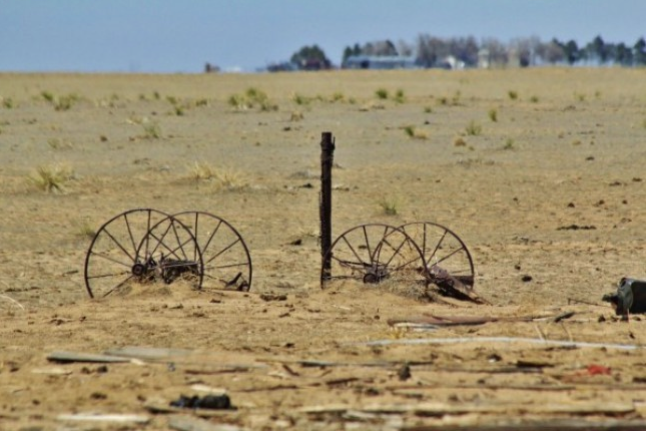
Agriculture
The gist: State and federal officials could use huge chunks of now-available money to “buy and dry” farmland, farmers could periodically let their fields lay fallow or they can switch to less water-consumptive crops. Likely, the basin needs a combination of all of these combined with efficiency improvements throughout the industry to save water from the irrigating process…
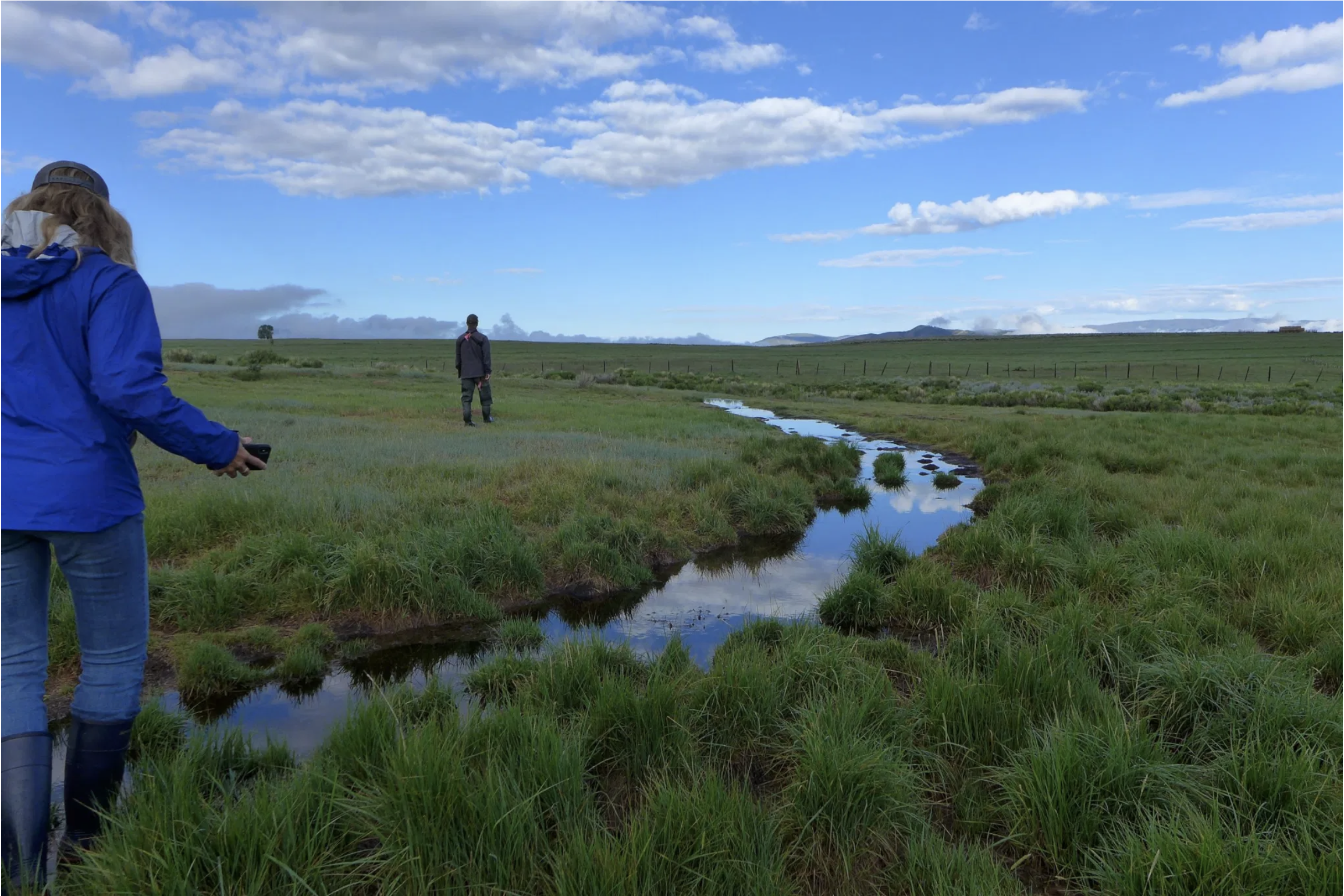
Demand management
The gist: Pay people not to use water or to use less. Or hike the price of water to encourage less use…

The gist: By legally cementing the water rights for the tribes depending on the Colorado River, state and federal governments could begin to lease, buy or otherwise compensate the tribes for their water. In addition, this would give the tribes better access to their own water, which they need to drink, farm and develop their communities.